














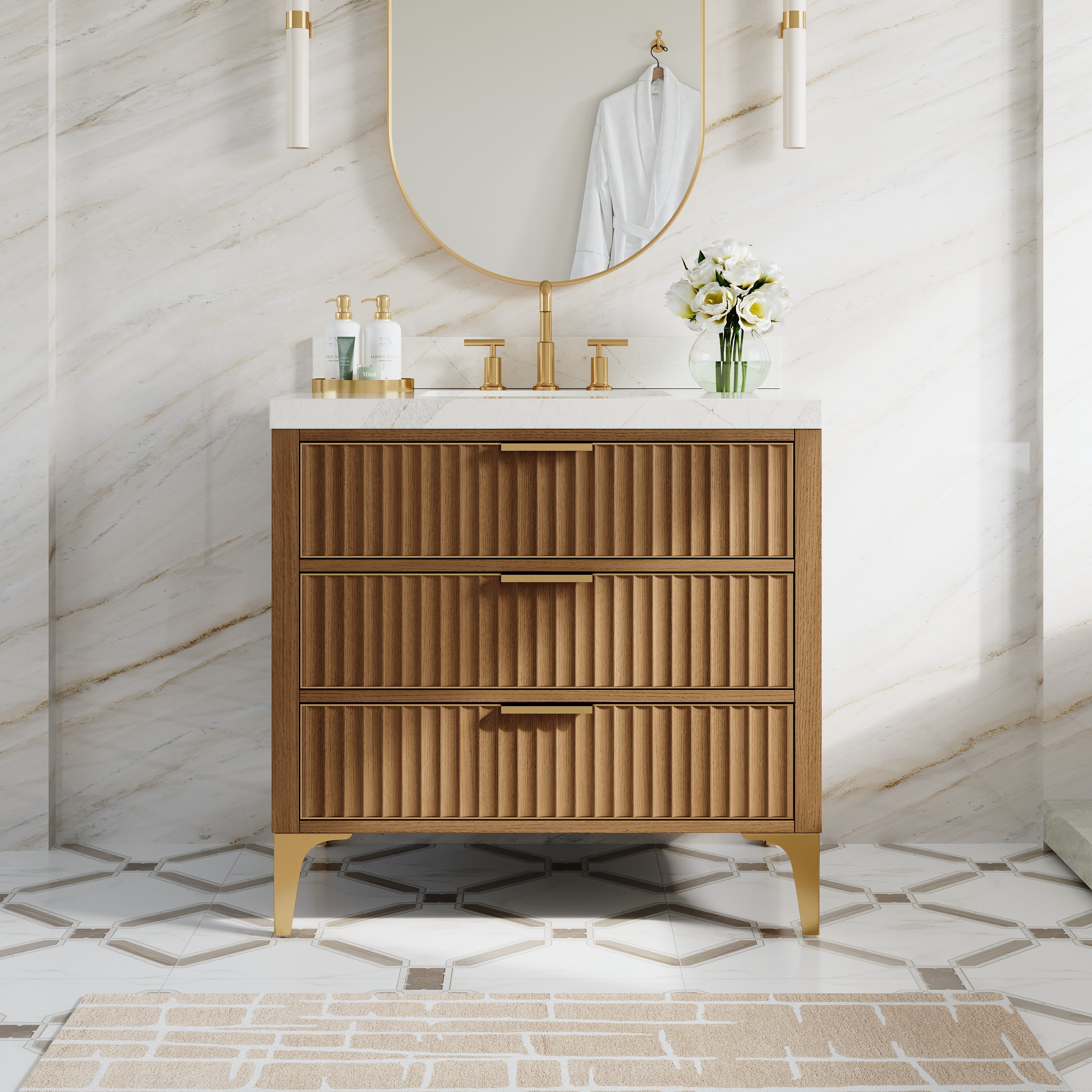
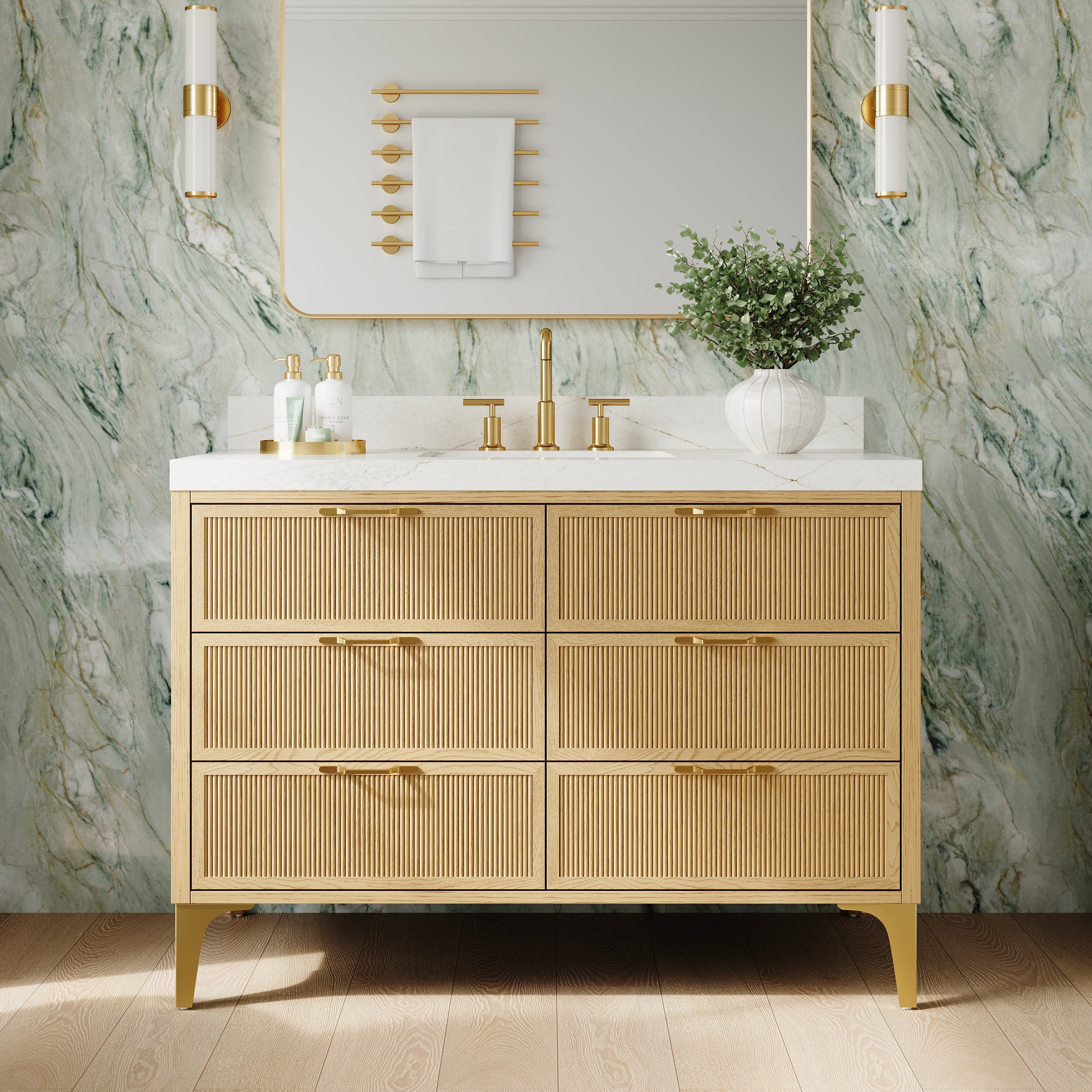



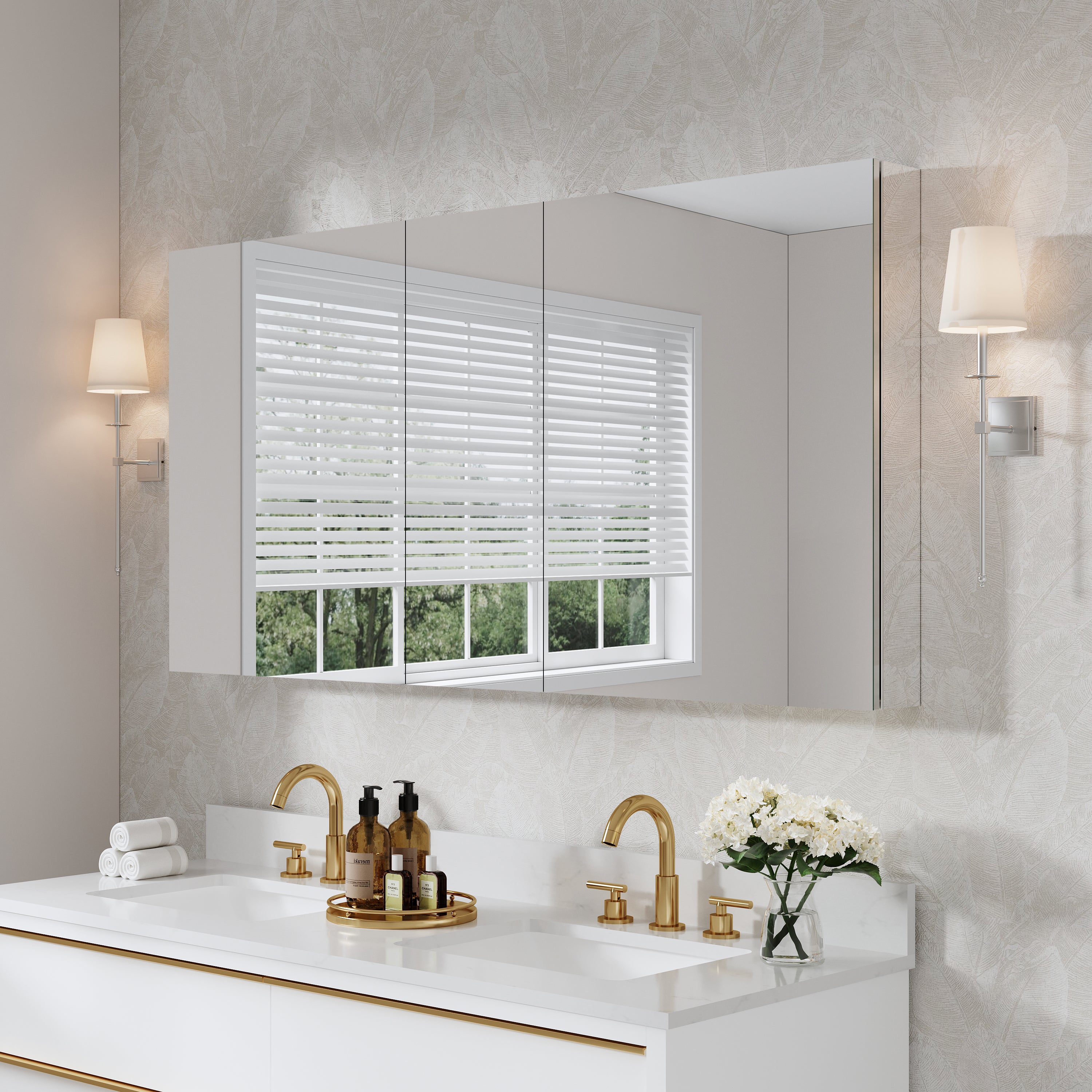
The short answer is no, but the definition of a “frameless bathroom mirror” is tightening. Clean-edge mirrors that look intentional, integrate better lighting, and reduce visual clutter are still widely specified. What is fading is the old builder-grade look: big sheets of wall-to-wall glass that feel flat, dated, and hard to style with warmer materials and layered decor. Recent remodeling data and design commentary point to a shift in how mirrors are chosen: less as an afterthought, more as a high-impact “finish” that can modernize a vanity zone fast.
1. What the latest remodeling numbers suggest
Bathrooms remain a priority category, even as budgets get scrutinized. Harvard’s Joint Center for Housing Studies projects annual homeowner spending on improvements will reach about $518 billion by the end of 2026, even with growth downshifting later in the year. At the same time, costs for repair and remodeling have been rising faster than overall inflation in certain periods, driven largely by labor.
That mix pushes many projects toward targeted, high-visibility updates. Mirrors sit near the top of that list because they can change the room’s perception of space and brightness without moving plumbing. In Houzz’s 2025 bathroom trends study, renovations typically involve multiple upgrades at once, with faucets (87%) and lighting fixtures (82%) among the most commonly updated items. In other words, mirrors are being selected in the same decision window as lighting and fixtures, which raises expectations for how “designed” they look.
2. What’s actually “out” is not frameless, it’s builder-grade
Designers increasingly flag wall-to-wall mirrors and overly utilitarian vanity lighting as “aging signals,” especially when paired with older finishes and flat surfaces. House Beautiful’s recent roundup of outdated bathroom indicators explicitly calls out wall-to-wall mirrors as one of the elements that can make a space feel behind the times.
This is where confusion happens: many people hear “frameless is out” when the real message is “uninspired, oversized sheets of glass are out.” A frameless mirror with polished edges, thoughtful placement, and strong lighting reads very differently from a full-wall plate-glass panel that dominates the room. The industry isn’t rejecting minimalism; it’s rejecting blankness.
3. Why frameless still performs well in today’s decision criteria
One reason frameless mirrors remain resilient is that they align with the priorities homeowners keep stating in large surveys: a cleaner, calmer, easier-to-maintain bathroom. In the Houzz 2025 study, cleanliness is the most frequently cited factor (74%) that helps people relax in a renovated bathroom, ahead of a spacious shower (65%) and organized storage (59%). Frameless mirrors naturally support that goal: fewer crevices, fewer decorative details to dust, and a lighter visual footprint.
Another factor is proportion. Nearly half of renovating homeowners favor vanities 48 inches or less (47%), which often means tighter wall space and a need for mirrors that don’t visually crowd the zone. Clean-edge mirrors tend to feel “weightless” on smaller walls, especially when paired with sconces or integrated lighting.
4. The real growth is in “feature-first” mirrors, often frameless
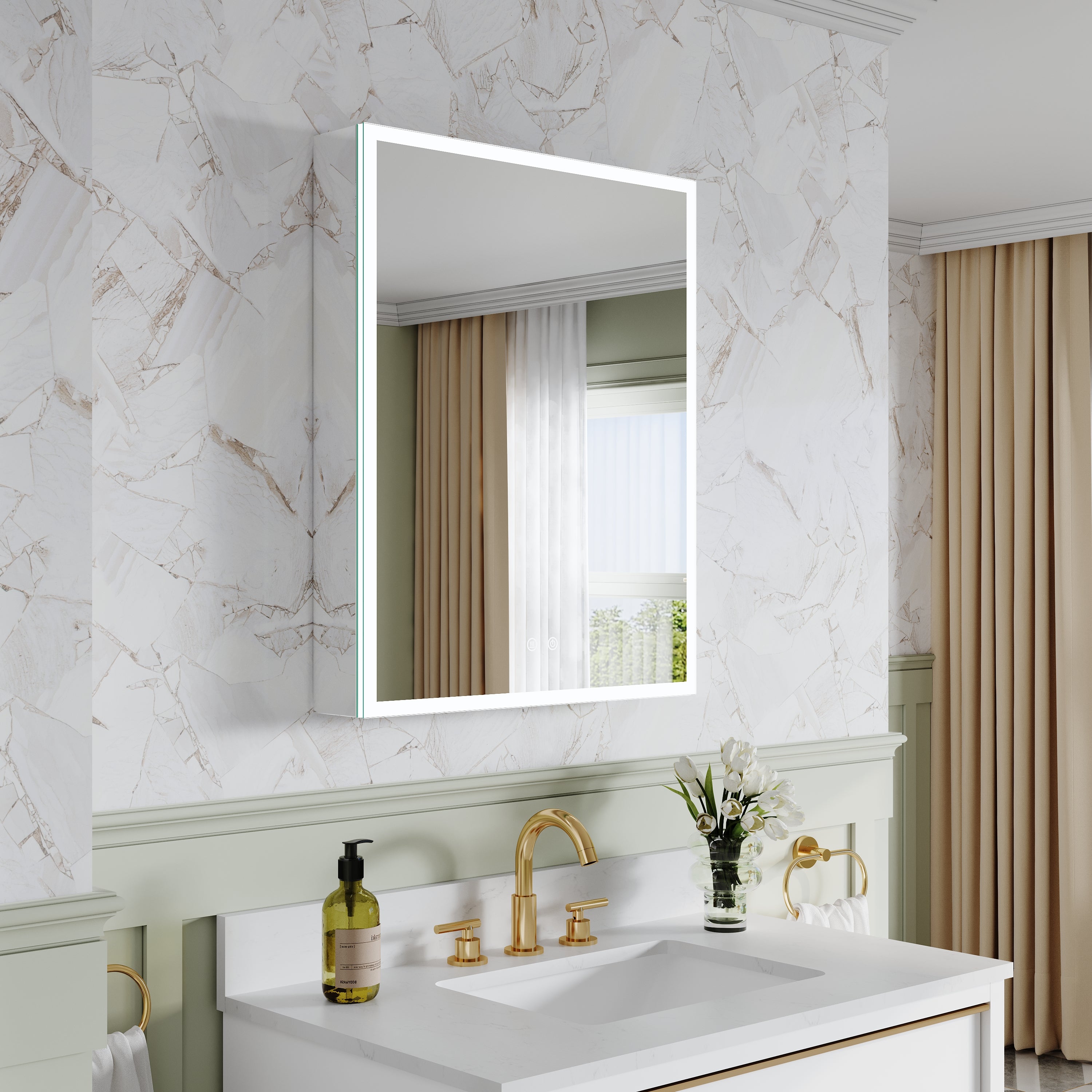
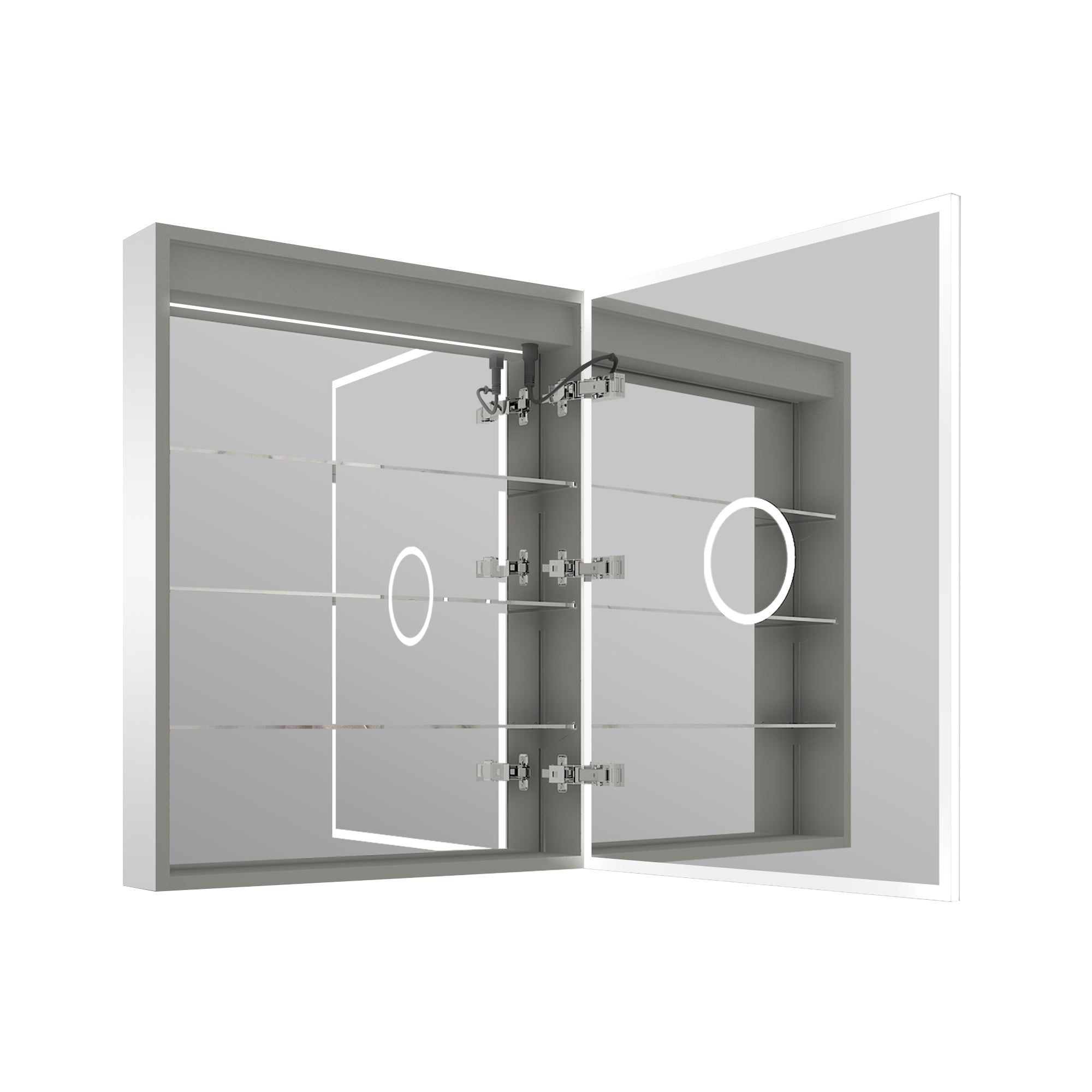
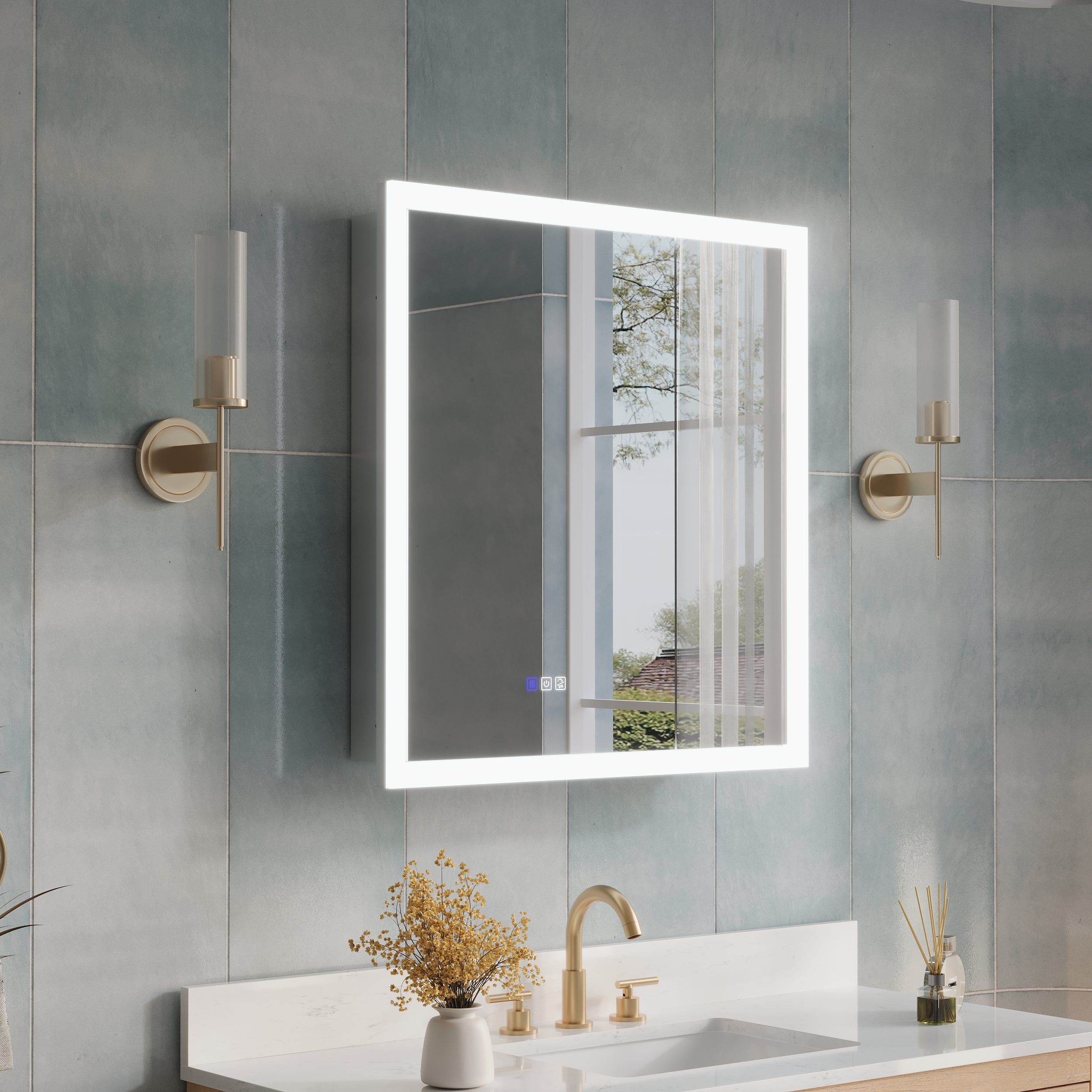
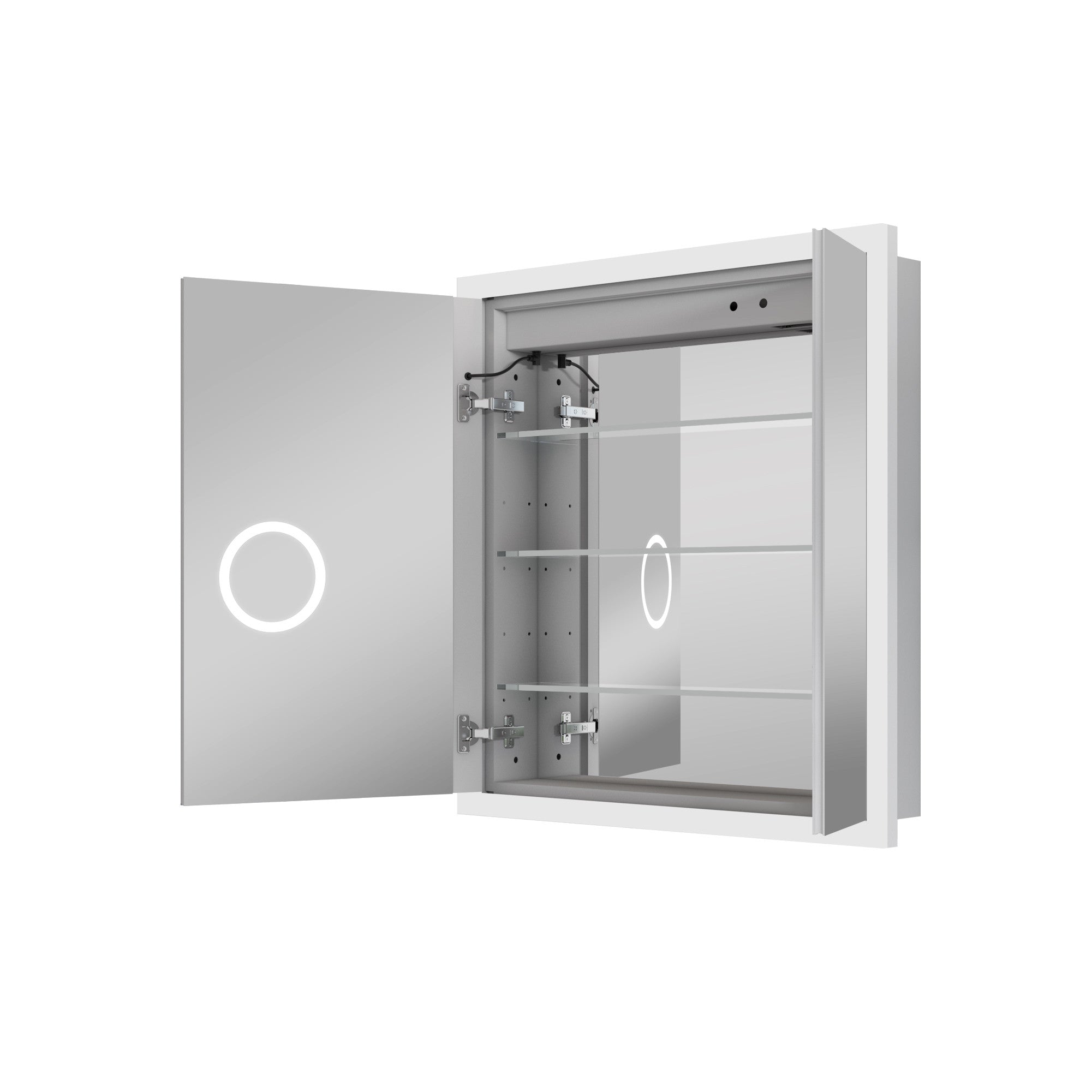
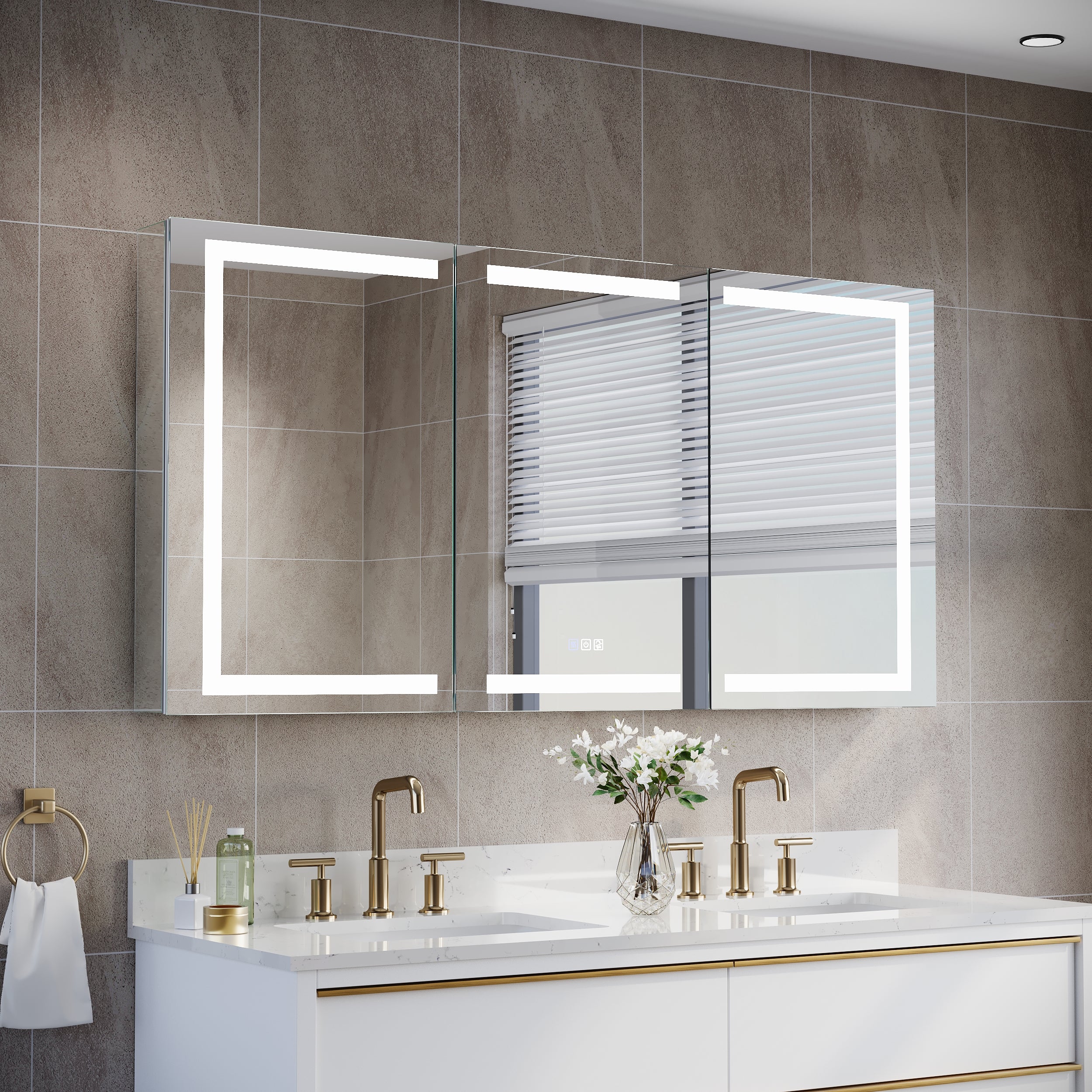
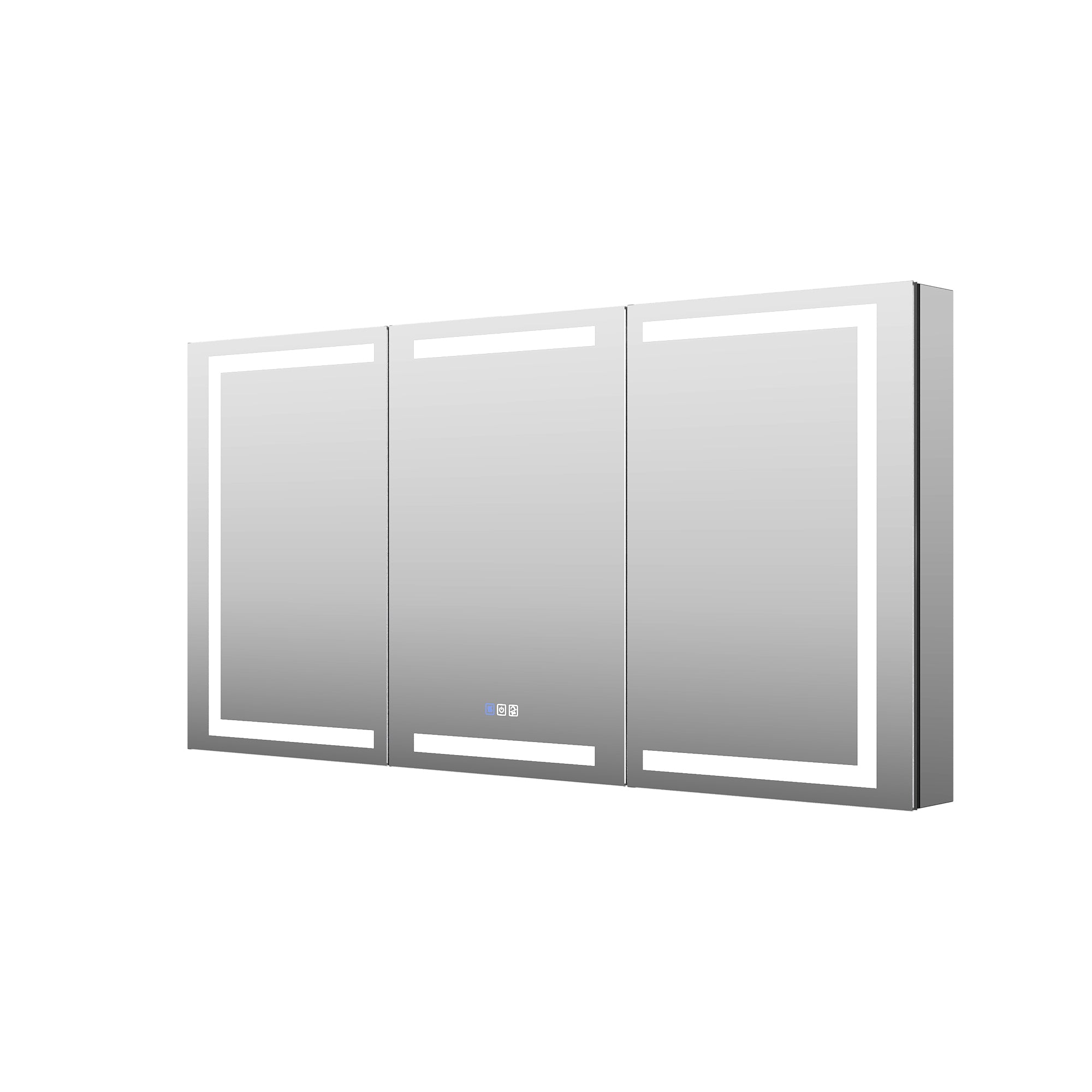
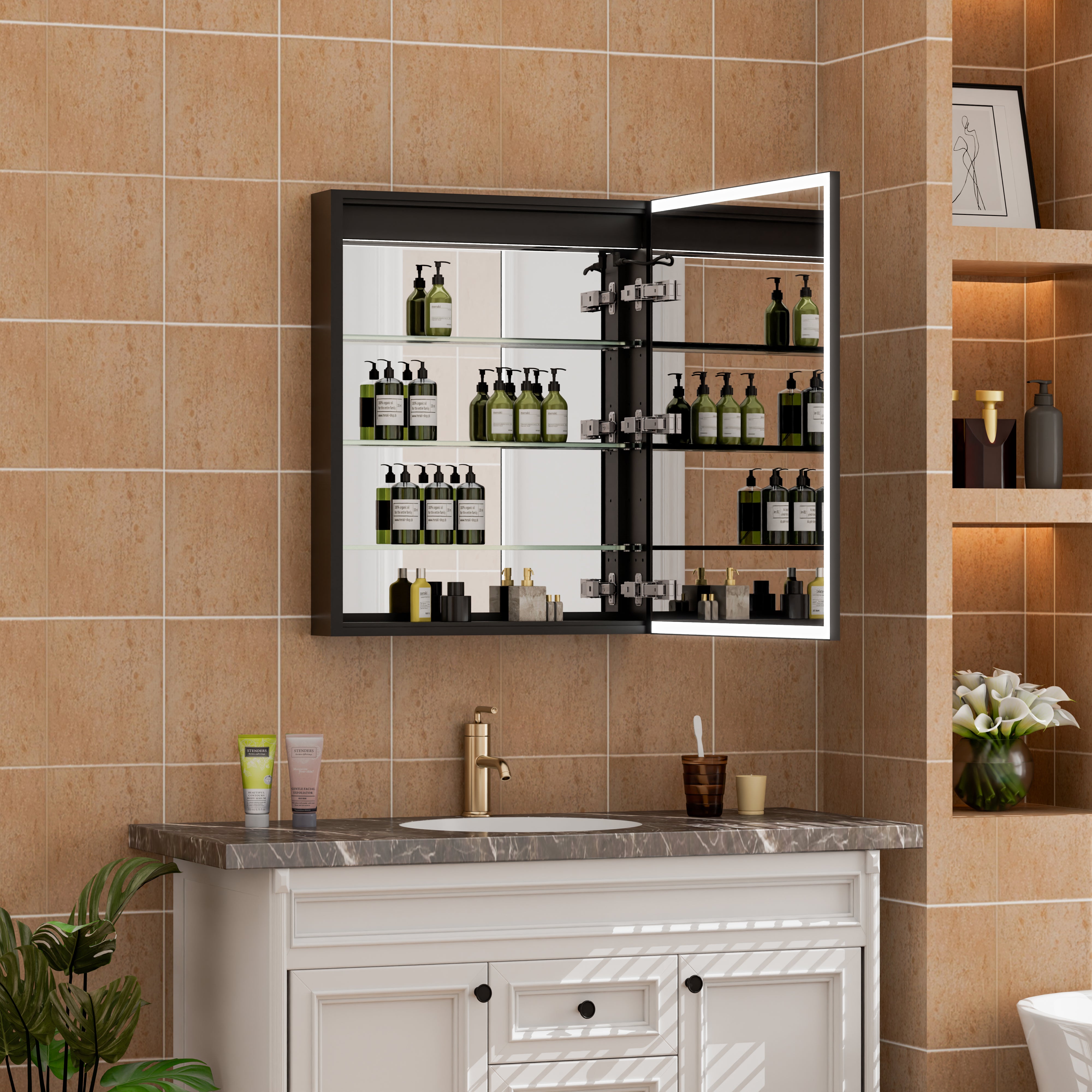
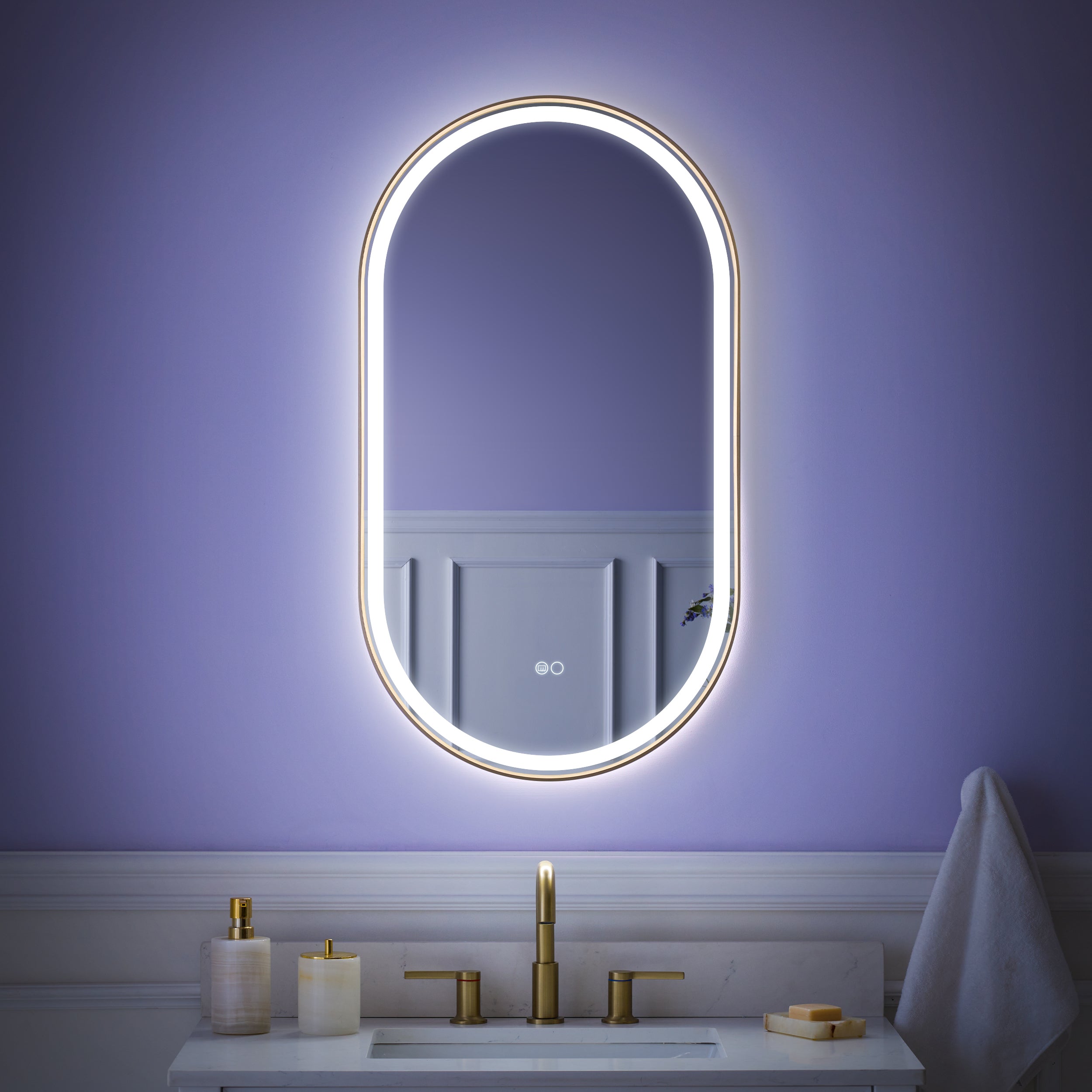
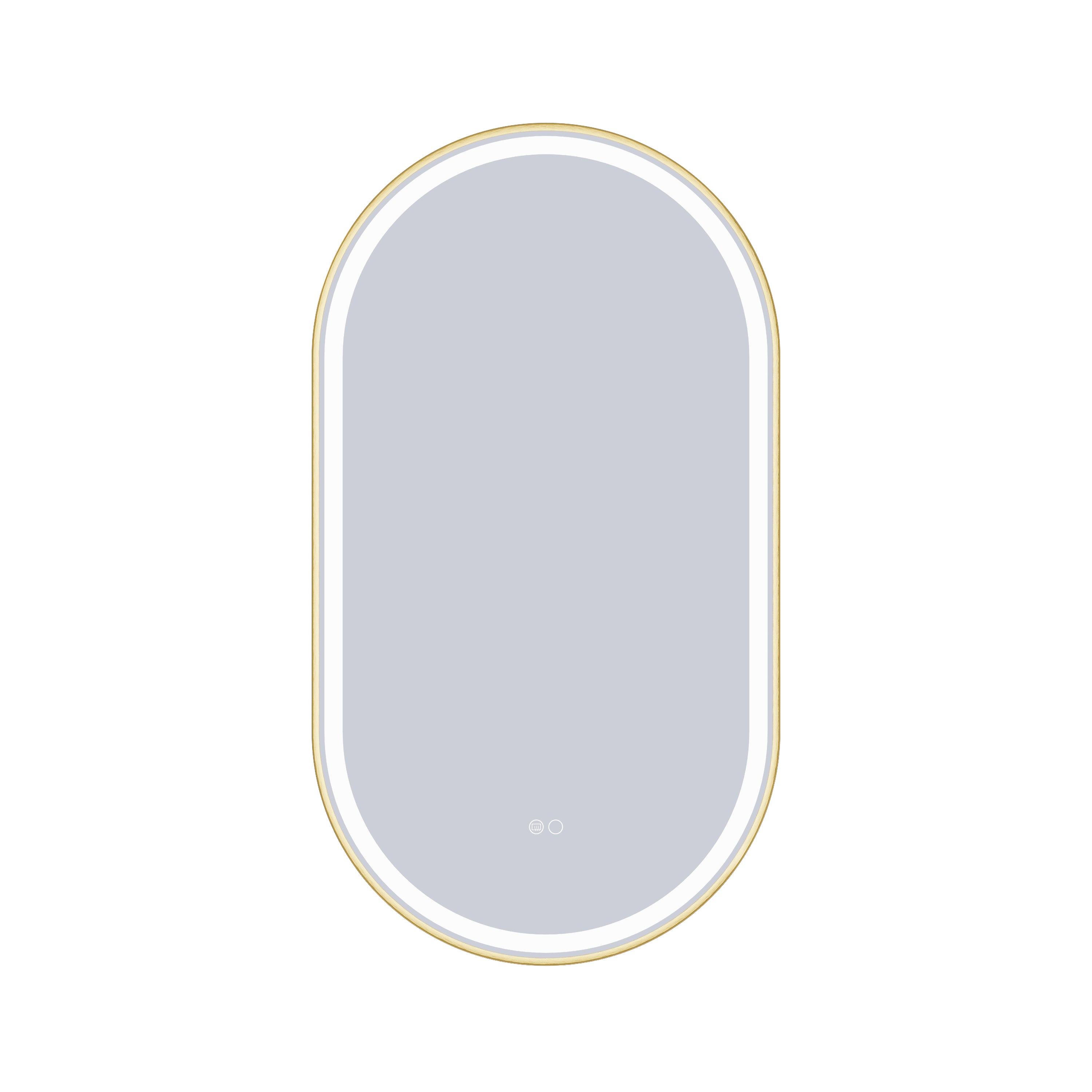
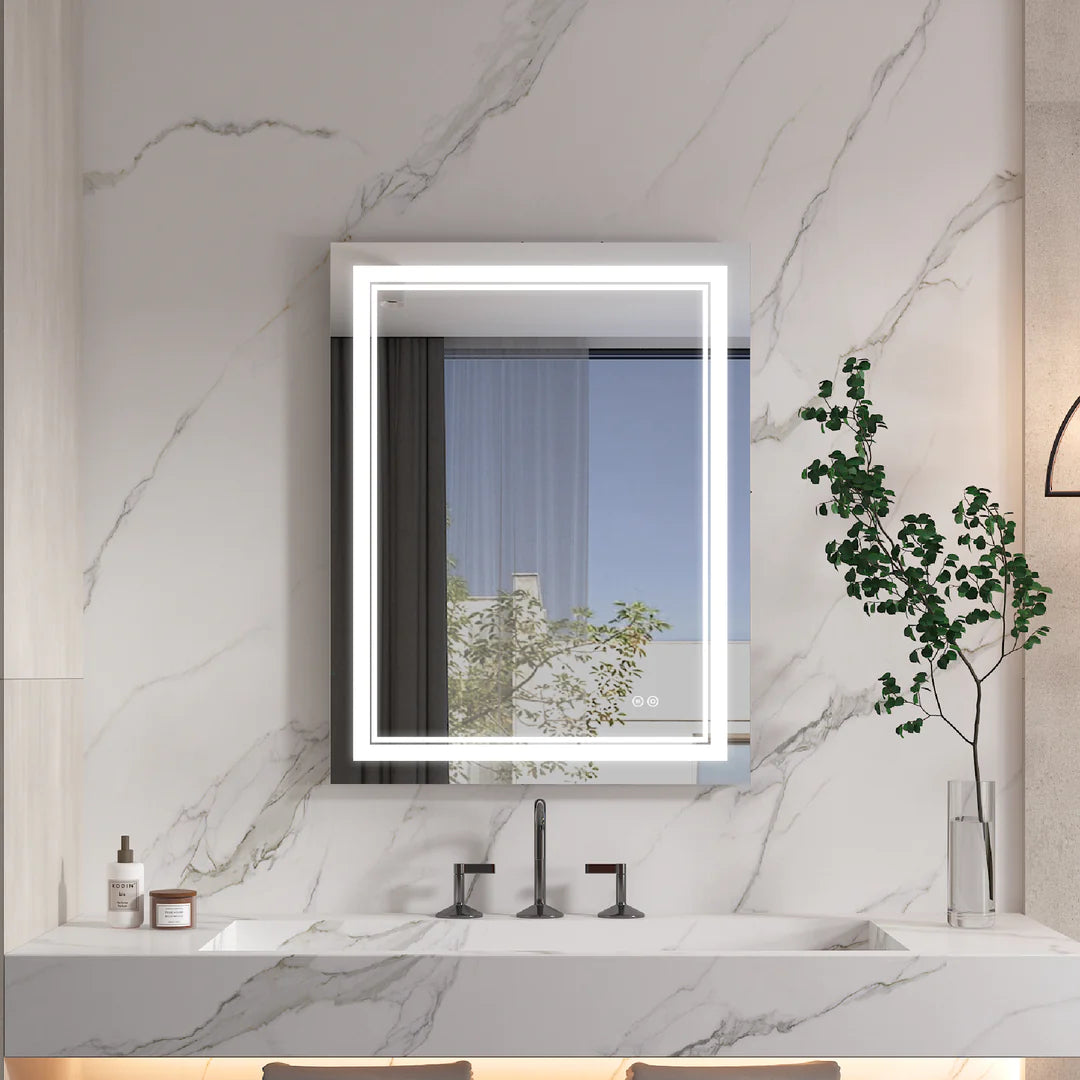
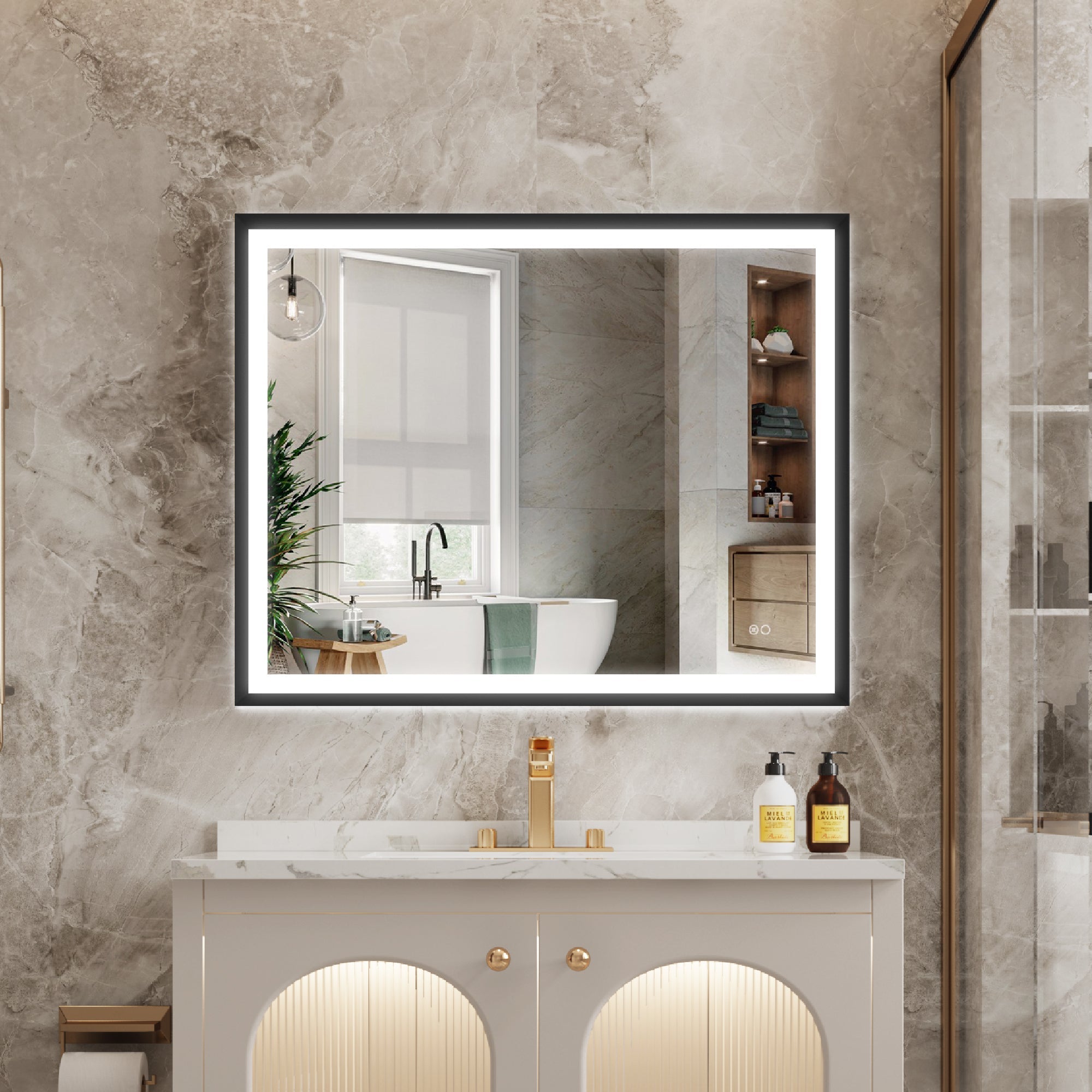
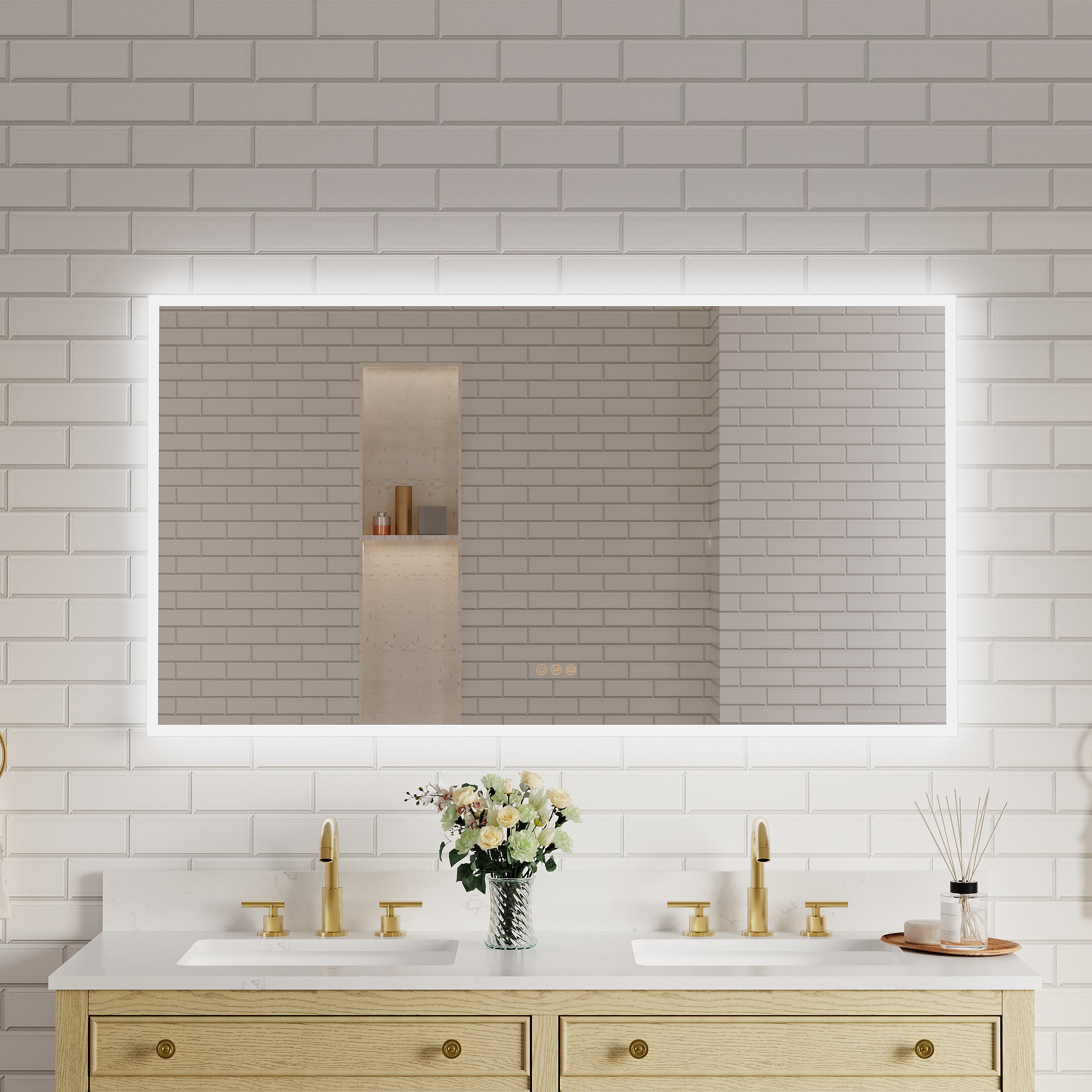
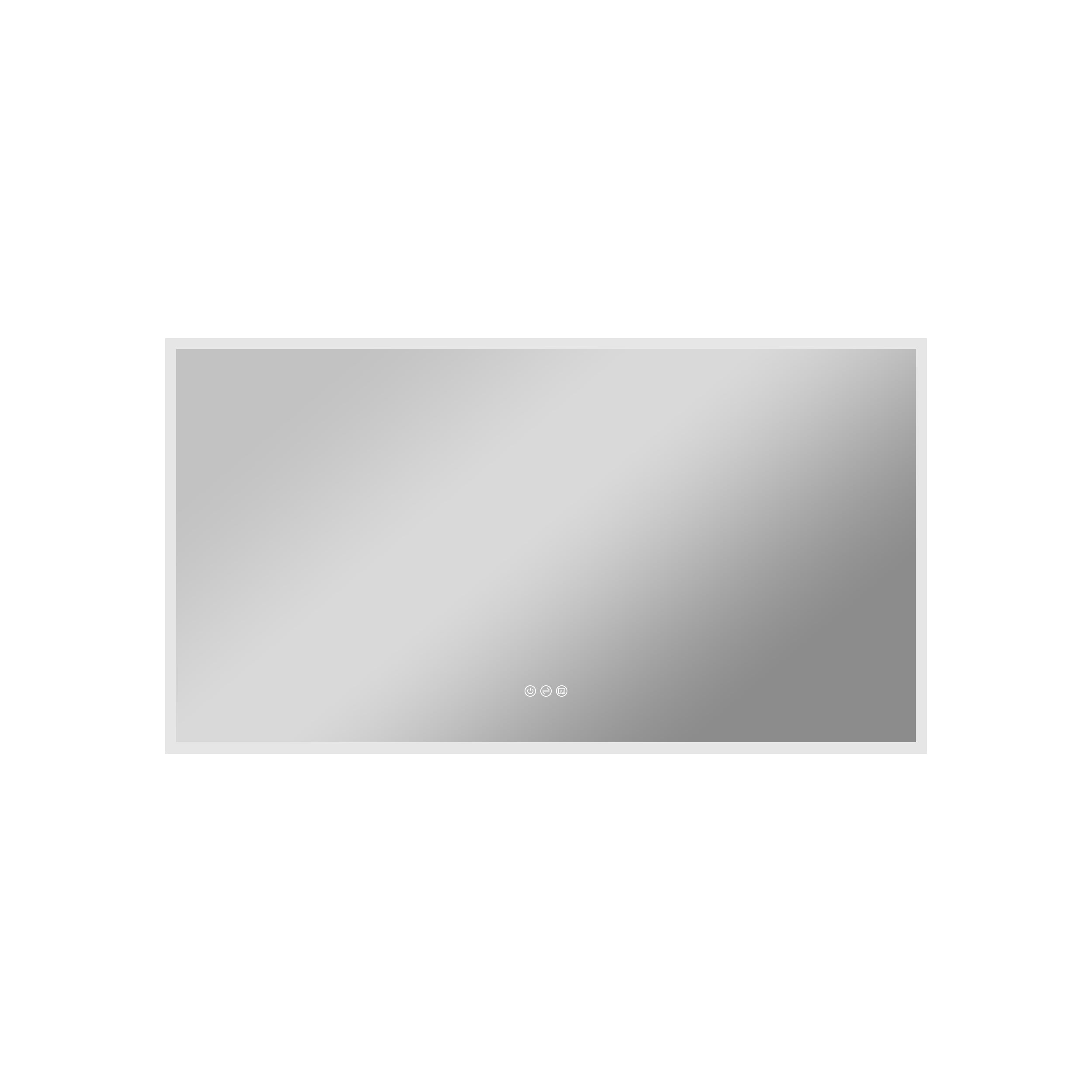
The strongest trend signal around mirrors is not the frame debate; it’s the rise of specialty features. In the Houzz 2025 study, 34% of renovating homeowners choose mirrors with specialty features, led by LED lighting (24%) and antifog systems (22%). Those features are often used in frameless or ultra-thin-frame designs because they integrate cleanly into the mirror's perimeter.
This aligns with the broader efficiency narrative: WaterSense guidance notes that bathroom faucets and accessories using a maximum of 1.5 gpm can reduce flow by 30% or more compared to the 2.2 gpm standard. When the market is moving toward “less waste, more comfort,” it’s logical that mirrors follow suit: antifog to maintain visibility, LED task lighting to improve grooming, and simple silhouettes that look current longer.

5. Why framed mirrors are gaining share in new looks
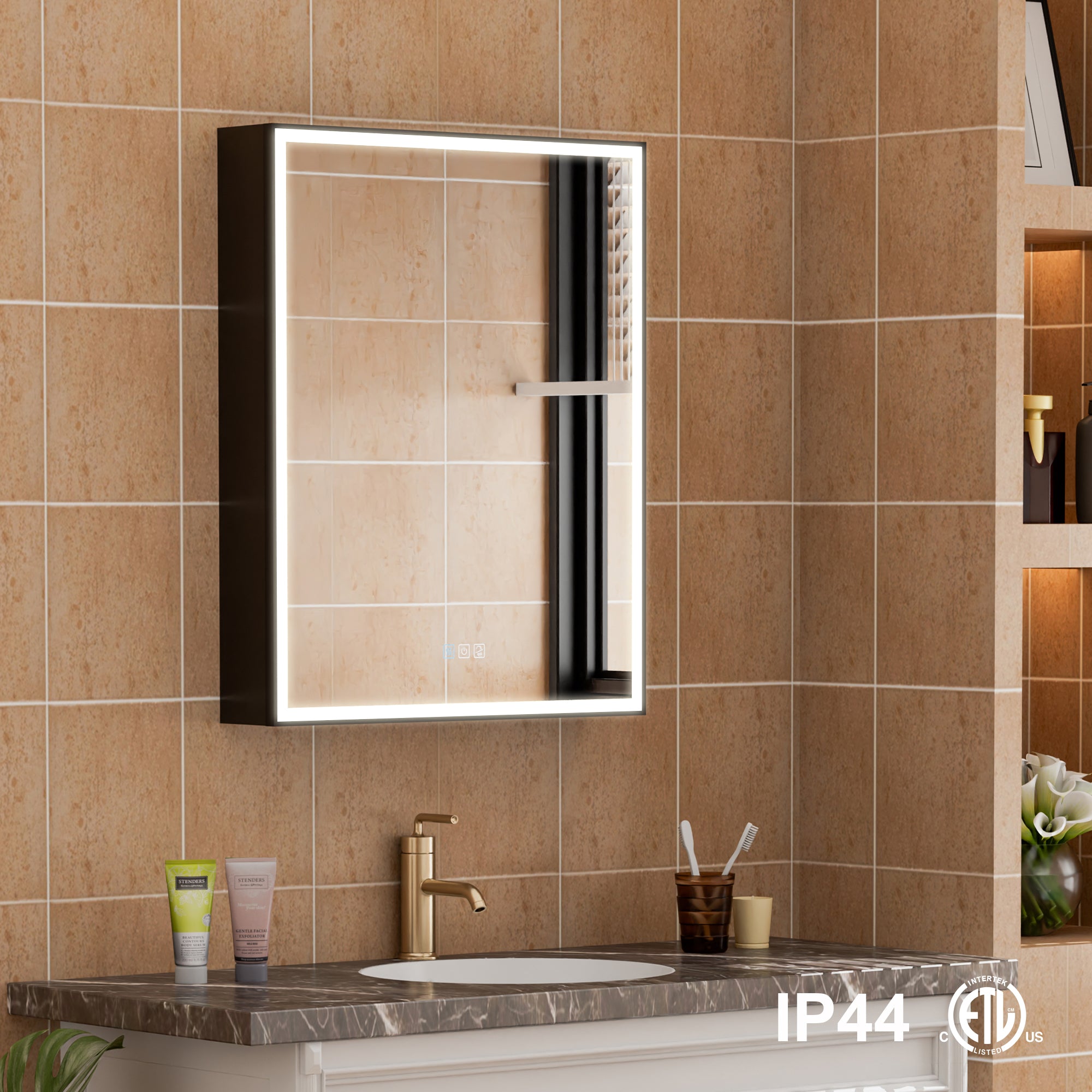
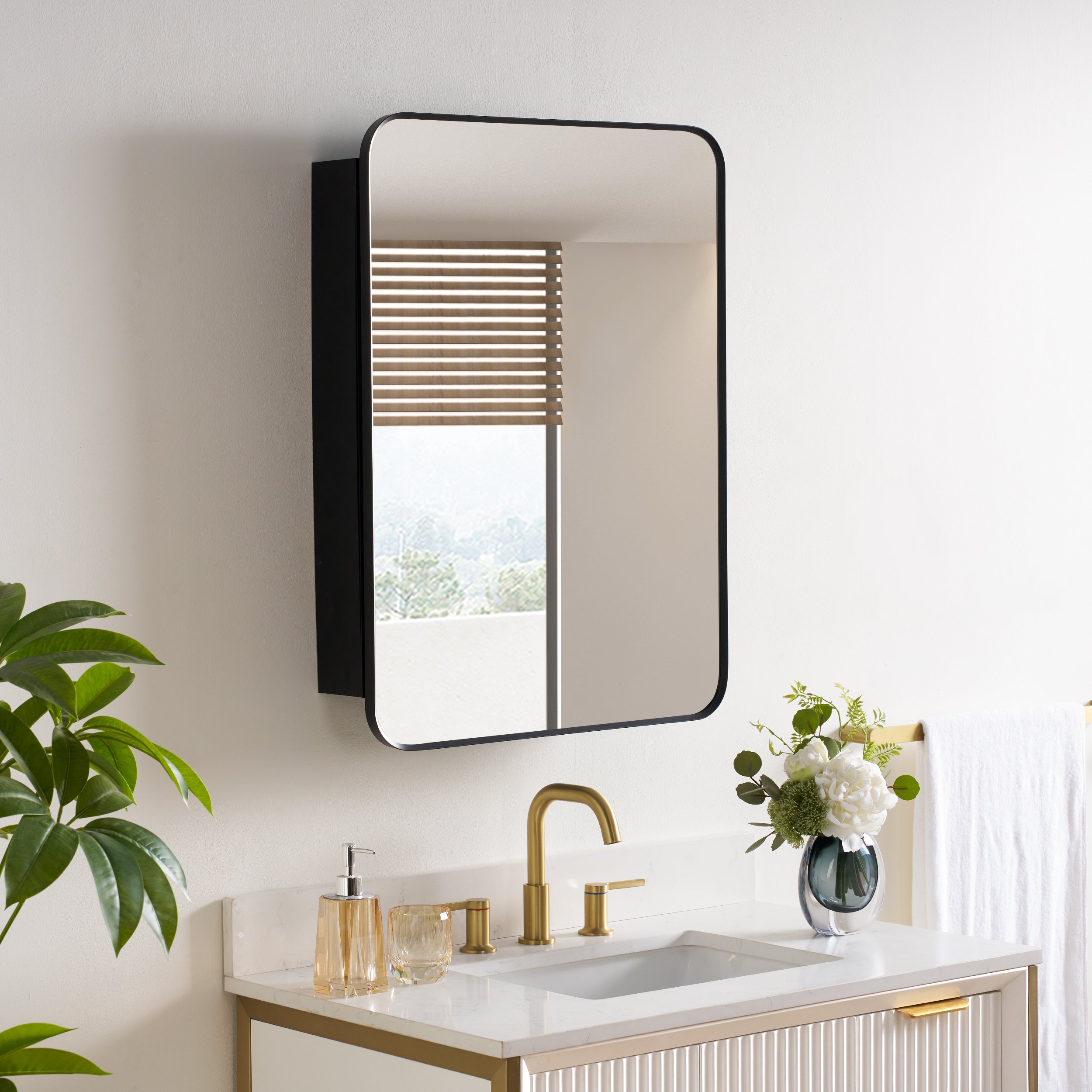
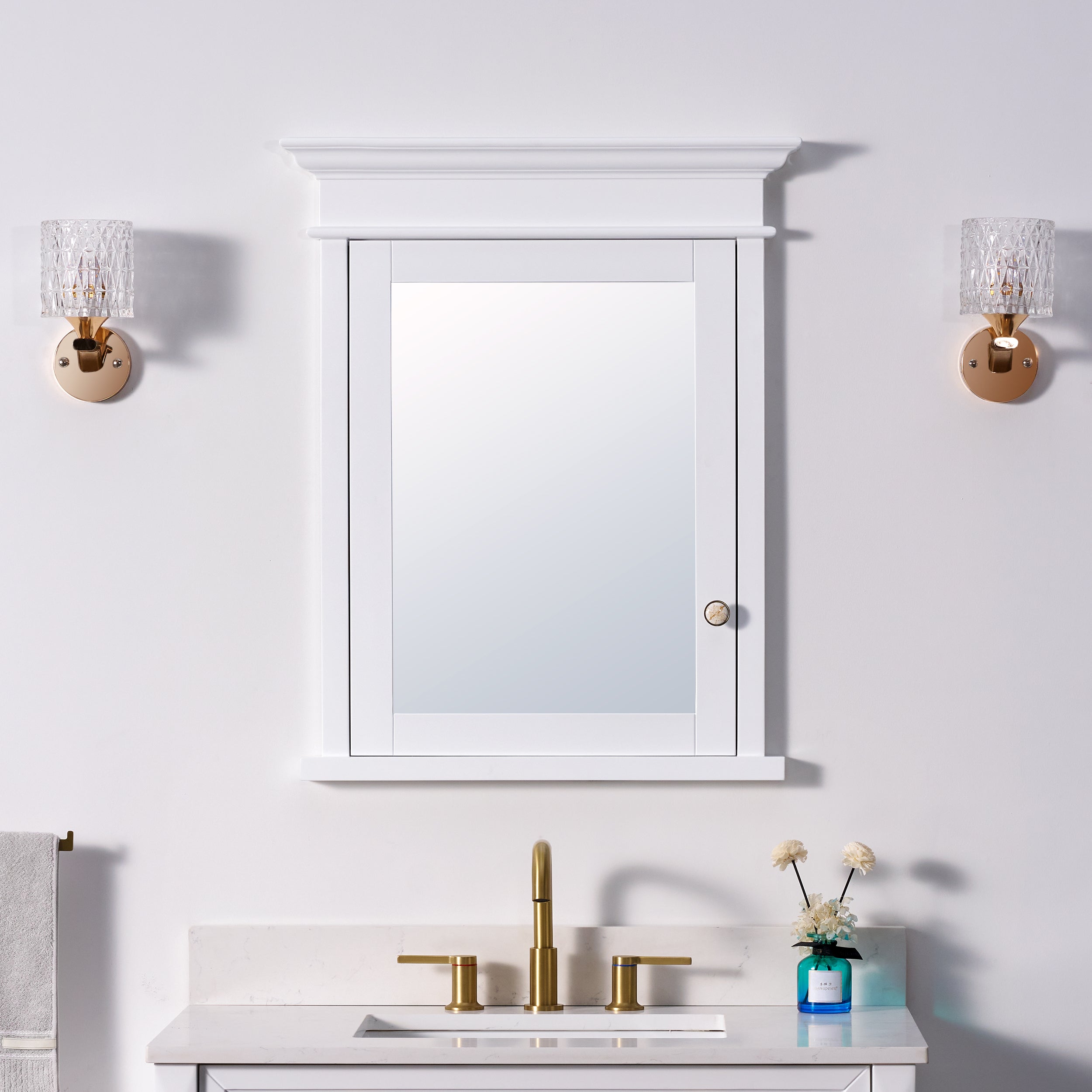
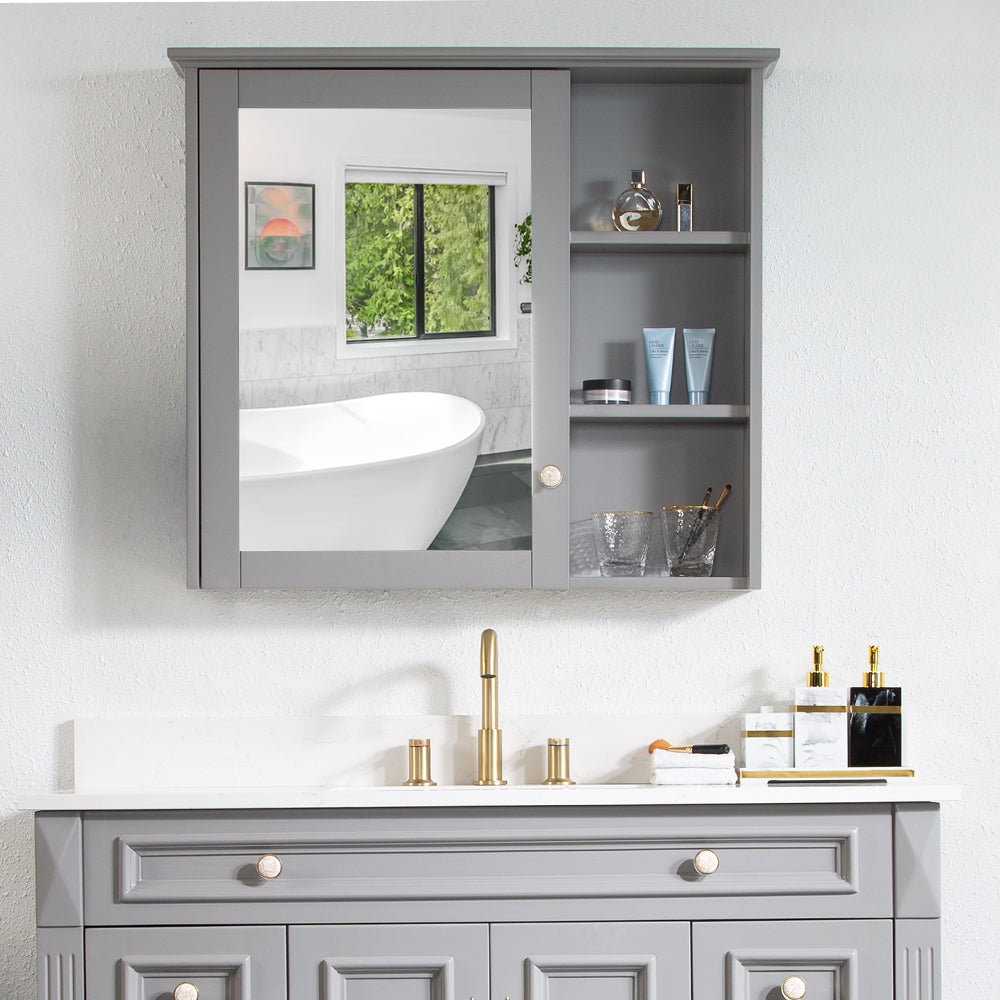
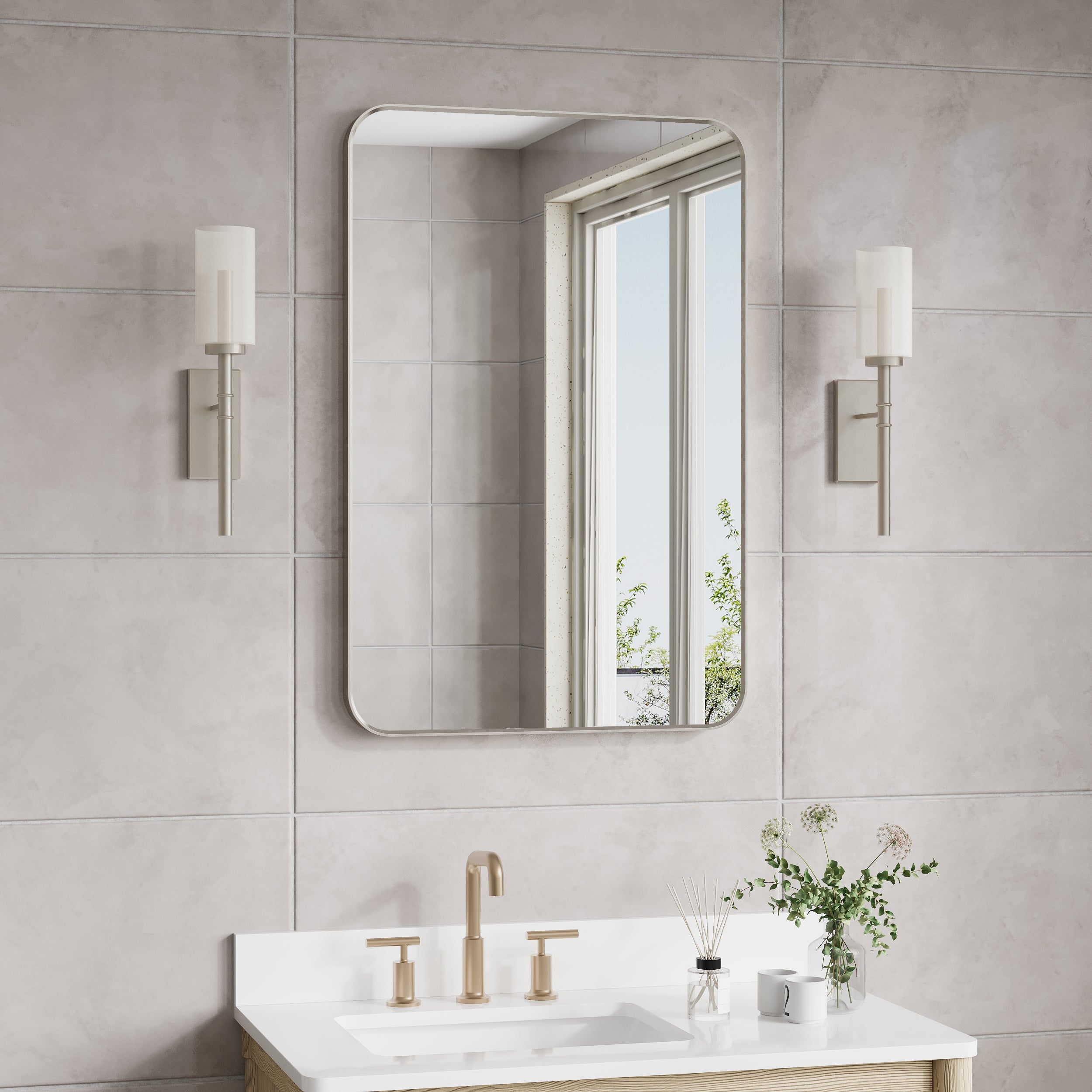
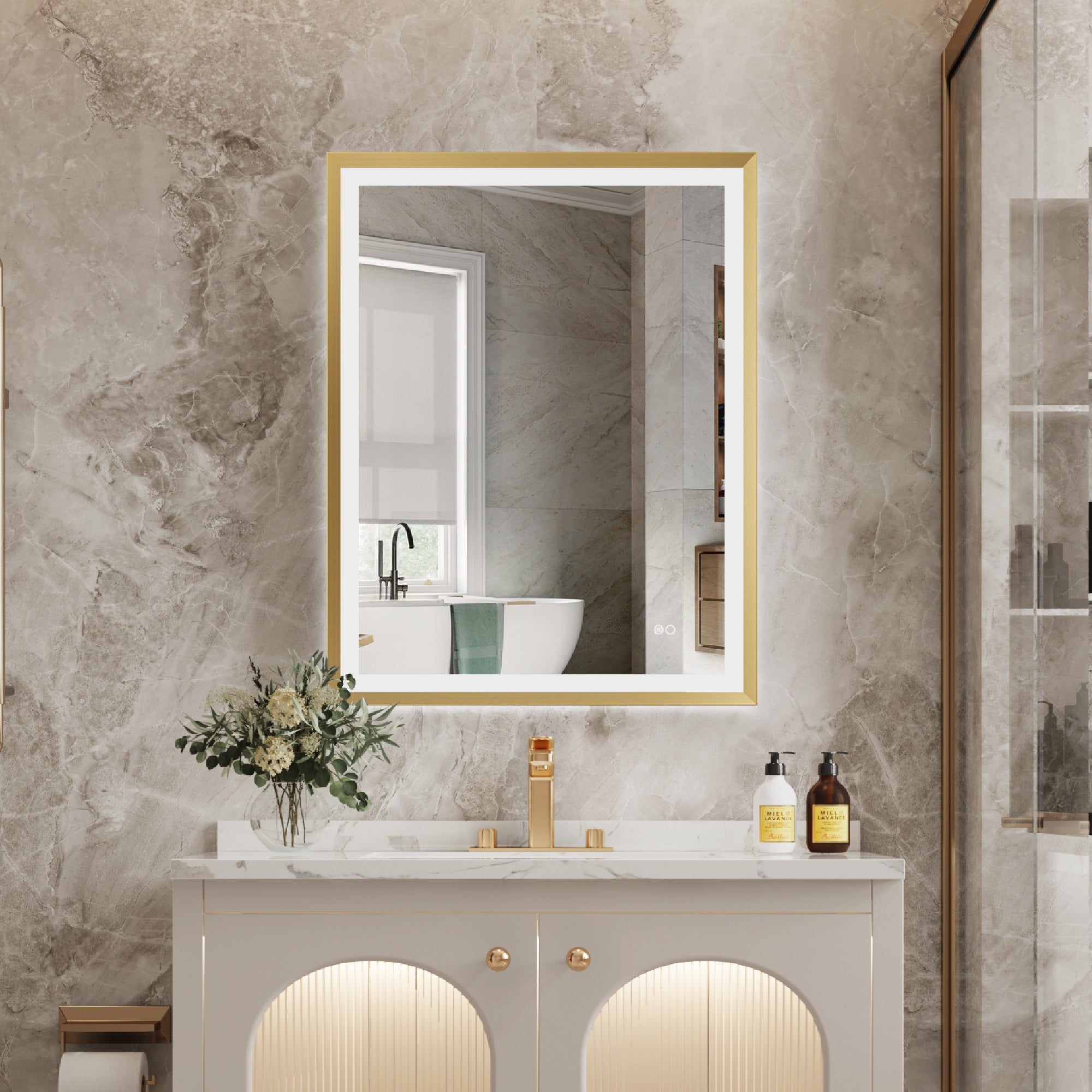
While frameless remains current, framed mirrors are enjoying a clear moment as bathroom styling trends warmer and more layered. Homes & Gardens’ 2026 “outdated trends” list describes a move away from sterile, all-white minimalism toward richer materials, texture, and more personality. That environment naturally supports mirrors that act like decor: slim metal frames, wood tones, antique finishes, and sculptural shapes (arched, pill, asymmetrical).
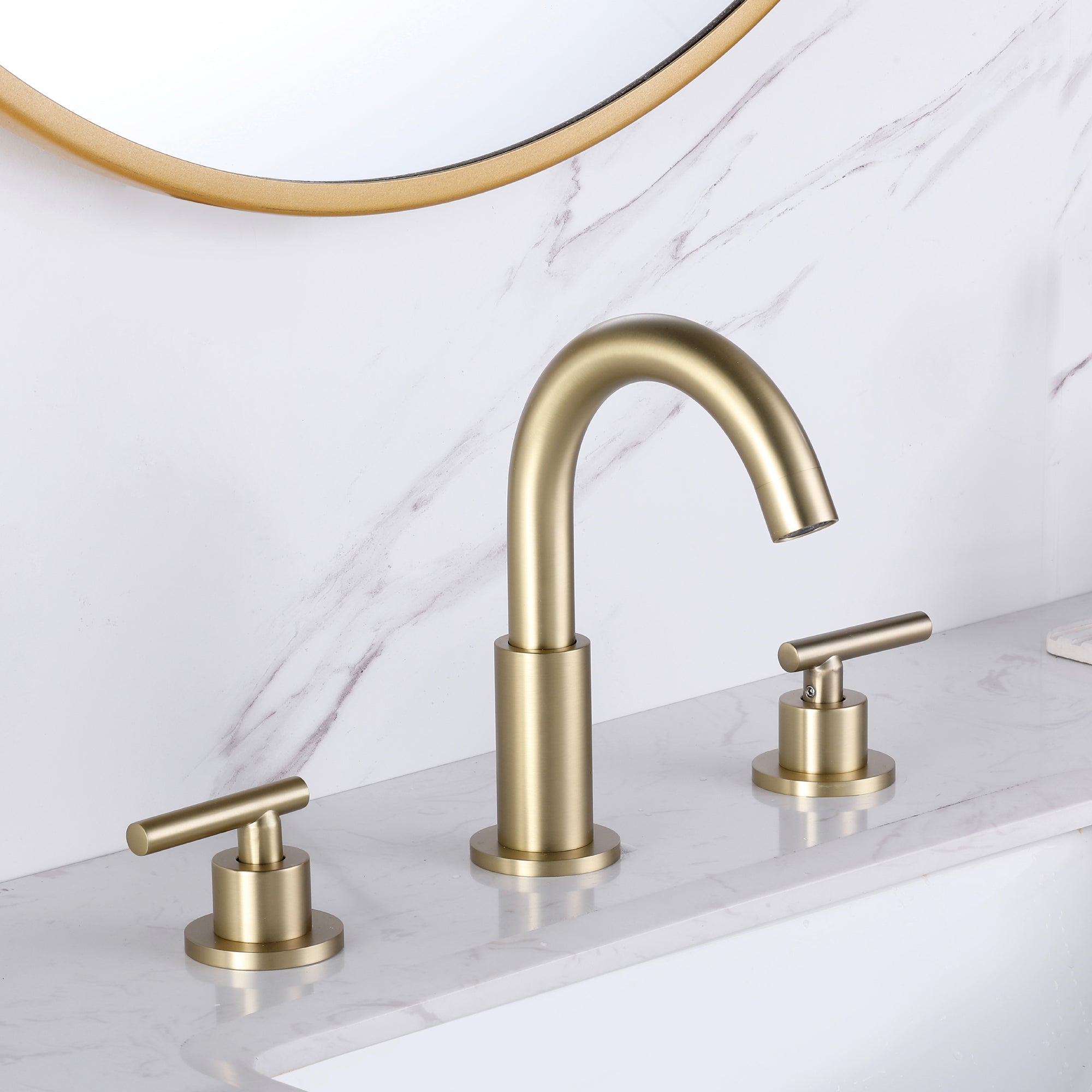
The key is that “framed” does not necessarily mean heavy. Thin frames can add definition against busy tile, soften transitions between wall color and reflective surface, and help coordinate mixed metals at the vanity. The net result is a bathroom that looks curated rather than purely utilitarian—without giving up easy maintenance.
6. How to decide: a practical rule set that holds up
If you’re specifying for longevity, use these checks:
· If the wall is visually busy (strong veining, patterned tile), choose either frameless or a very thin frame so the mirror doesn’t fight the background.
· If the wall is calm (paint, simple tile), a framed mirror can become the focal point, adding warmth.
· If fog and task lighting matter, prioritize antifog + LED first, then choose the cleanest silhouette that fits the room.
· If accessibility is a factor, remember the mounting guidance: mirrors above lavatories/countertops should have the bottom of the reflecting surface no more than 40 inches above the finished floor.
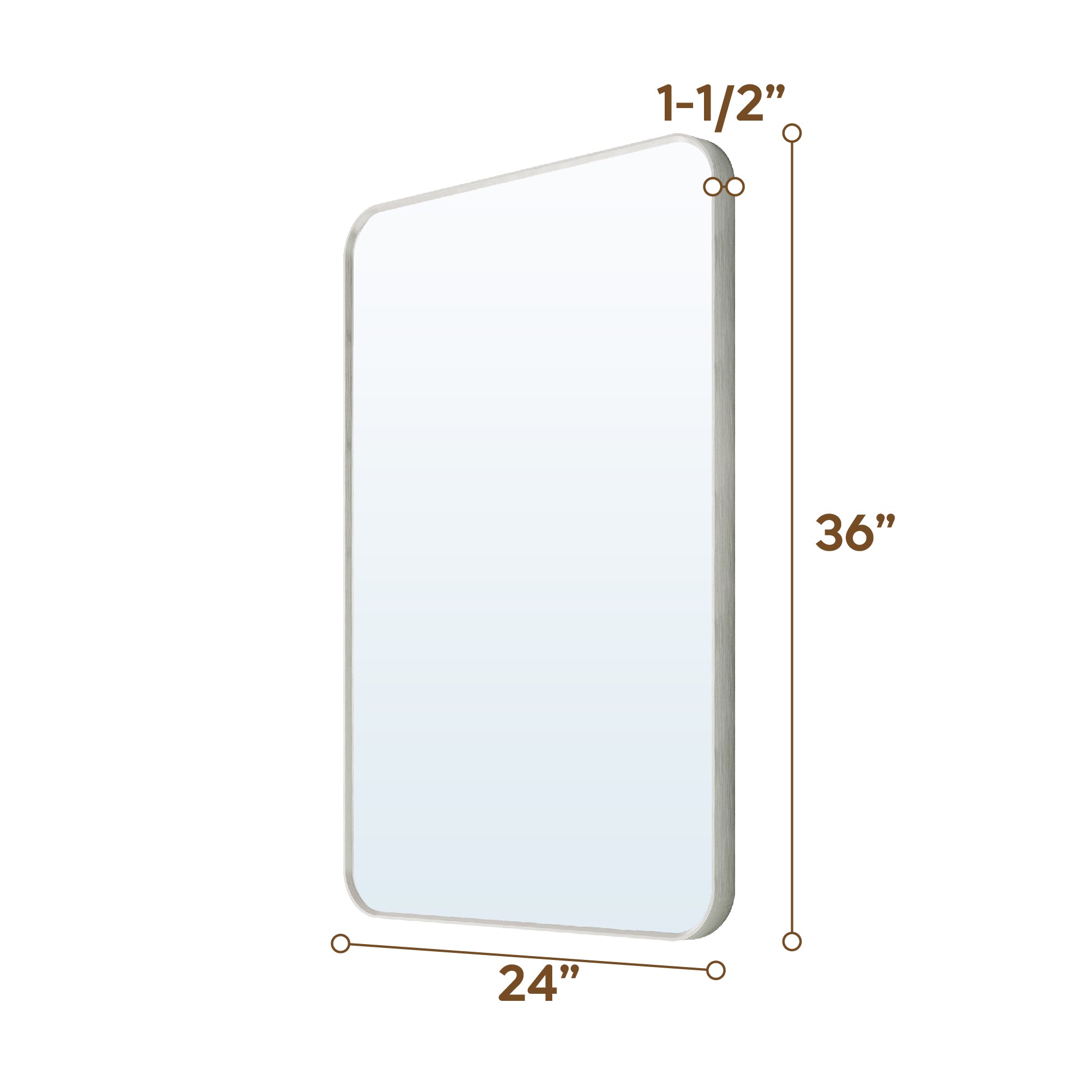
· For size, start with the vanity width. Kohler’s buying guide suggests the mirror should typically be the same width or narrower than the vanity for balance.
· If you want “timeless,” choose frameless or a slim, simple frame in a finish that matches your faucet family—then invest in lighting quality over ornament.
Bottom line: frameless bathroom mirrors are not going out of style. What’s disappearing is the outdated, oversized, builder-grade execution. The modern direction is either (1) clean-edge frameless mirrors with better features, or (2) thin, intentional frames that add warmth and definition—both aligned with the same market forces: efficiency, comfort, and low upkeep.










Leave a comment
This site is protected by hCaptcha and the hCaptcha Privacy Policy and Terms of Service apply.