
















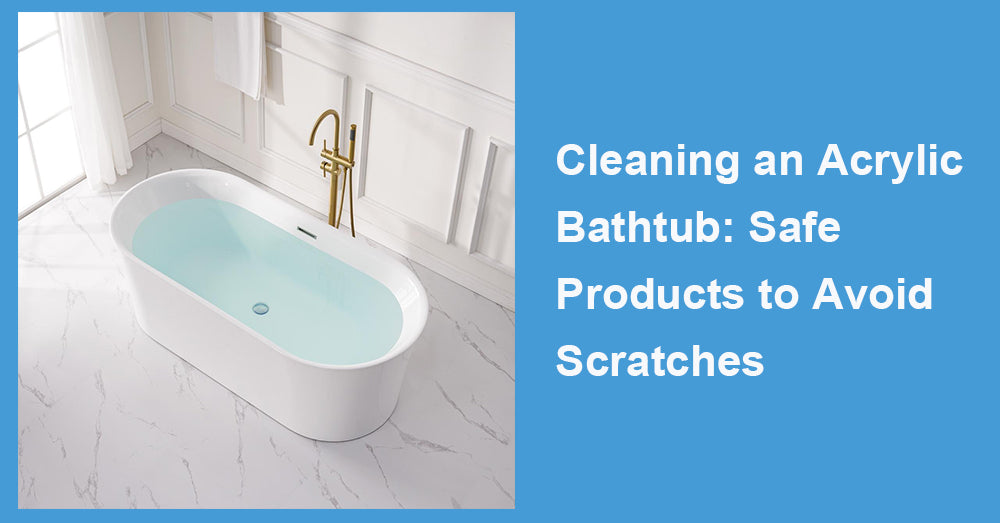
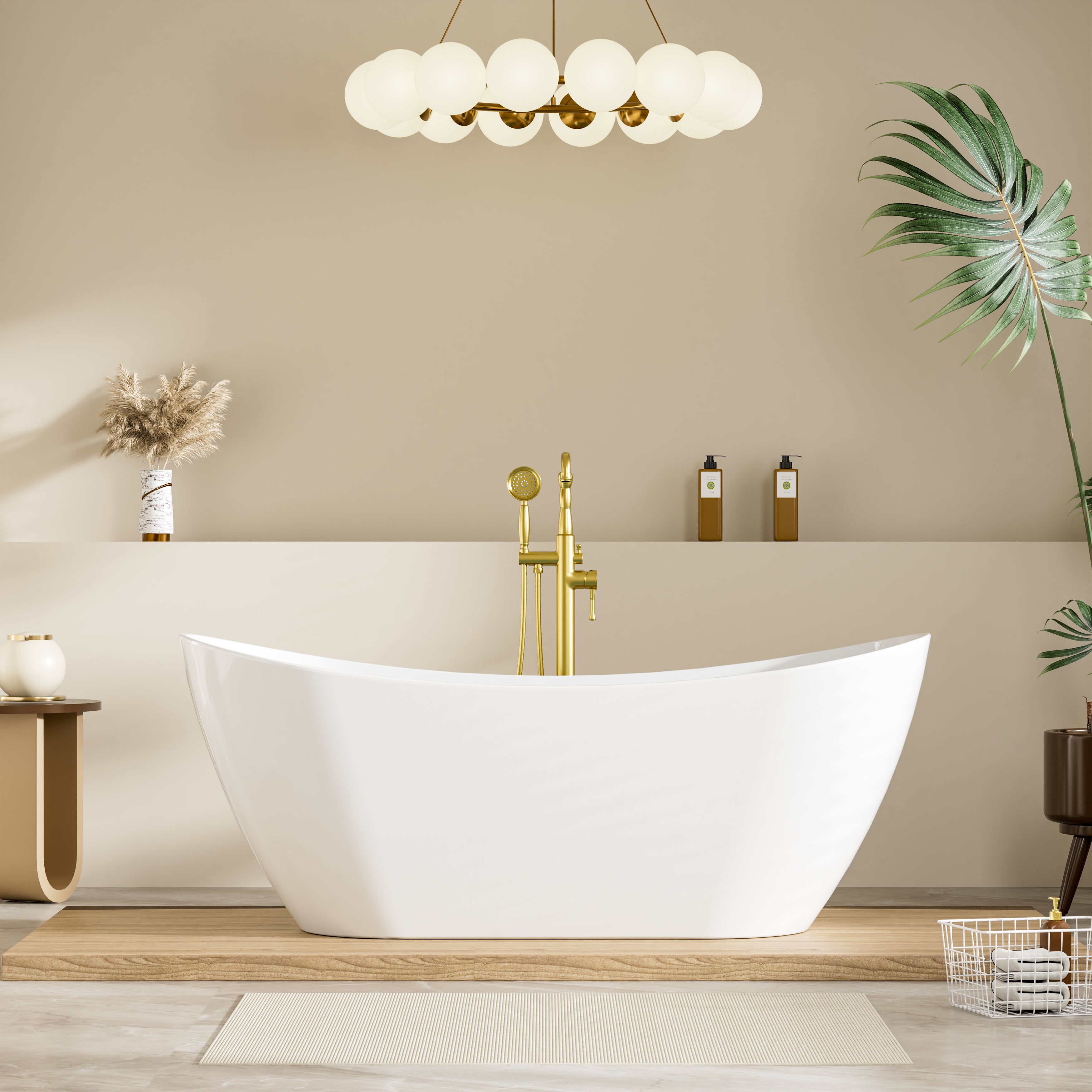
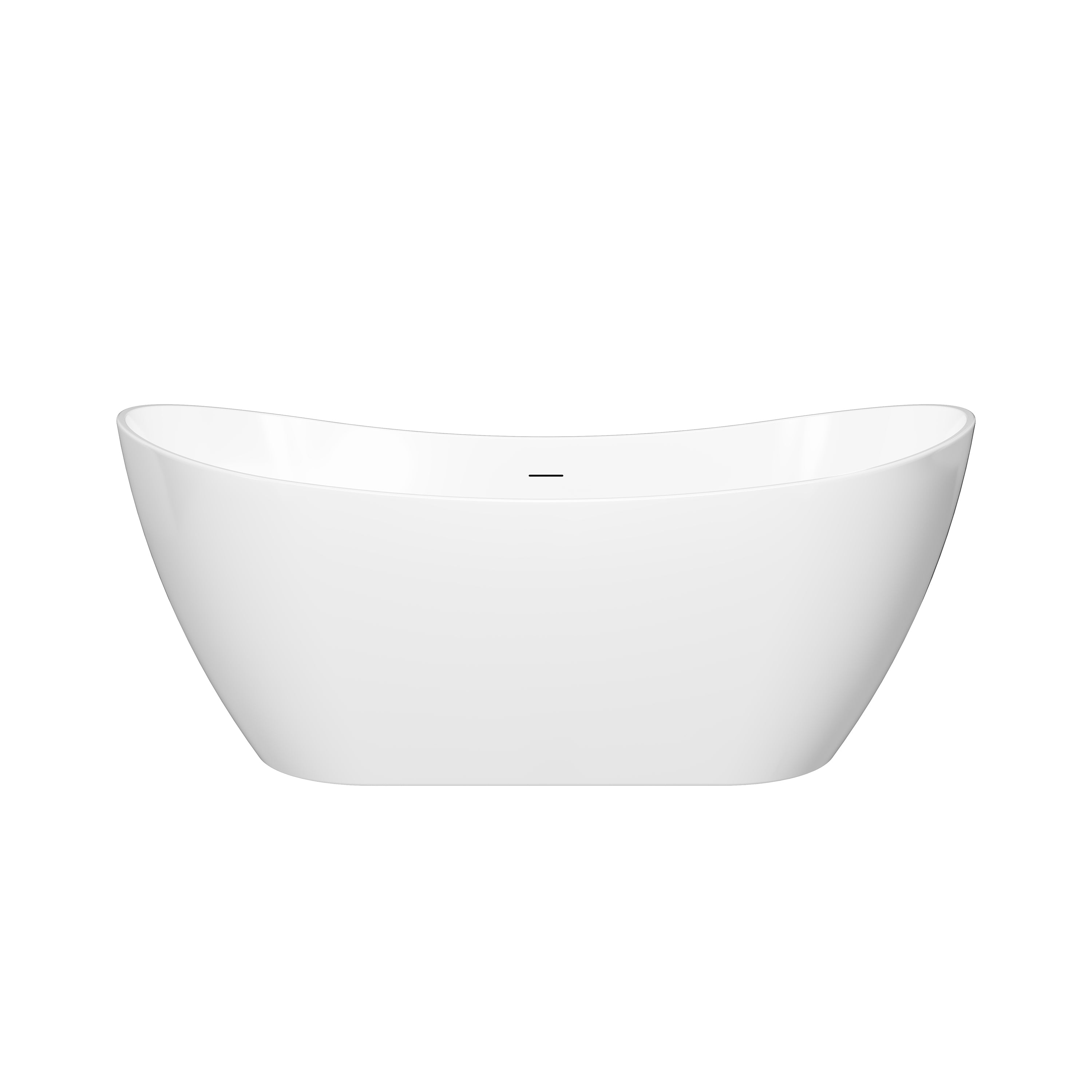
The acrylic bathtub has become one of the mainstream materials in the structure of modern bathroom products. It is lightweight, has good insulation performance, and features a flexible design, making it widely used in 60-inch x 30-inch standard embedded bathrooms and 55-72-inch independent space layouts.
However, compared to cast-iron or steel-plate enamel, acrylic has a lower surface hardness and is more prone to minor scratches from improper cleaning methods. Industry maintenance statistics show that over 40% of acrylic bathtub surface gloss or fine-grain problems are caused by long-term improper use of cleaning products.
Therefore, establishing scientific cleaning standards has become the key to maintaining product lifespan and the integrity of appearance.
1. Understand the physical properties of the acrylic surface
Acrylic bathtubs are usually composed of vacuum-formed acrylic sheets and fiberglass backing layers. Its surface thickness is generally between 0.125 and 0.25 inches, with a certain degree of flexibility and impact resistance, but the surface hardness is lower than that of enamel and metal enamel.
This structure brings two important features:
Firstly, the surface is not easily rusted and will not form permanent corrosion due to scale-like metal materials.
Secondly, the surface can be repaired by mild polishing, but it is also more susceptible to damage from hard particles or high-abrasive cleaning agents.
In daily use, scale accumulation is mainly concentrated around the drainage outlet, within a range of about 4-6 inches, as well as in the waterline height area. If the cleaning cycle exceeds 7-10 days, mineral deposition will increase the difficulty of surface cleaning.
2. High-risk cleaning products to avoid
The most common source of damage to acrylic surfaces is not daily friction, but high-abrasive cleaners and rough tools.
The following types of products are generally classified as high-risk by industry technicians:
• Powdered cleaning agent containing abrasive particles
This type of product is commonly used to remove stubborn scale, but its particle hardness is sufficient to leave micro scratches on the surface of acrylic acid. Long-term use can lead to a decrease in surface glossiness, especially the formation of visible fine lines under strong light.
• Steel wire ball or metal brush
The diameter of the metal wire is usually 0.01-0.02 inches, much higher than the surface tolerance range of acrylic acid. One cleaning can cause irreversible scratches.
• Strong alkali or high-concentration bleach
Chlorine-based bleach at concentrations exceeding 6% may cause surface discoloration or yellowing upon prolonged contact. If the contact time exceeds 10 minutes, the risk significantly increases.
• Acetone or solvent-based detergent
Acetone can soften the acrylic layer, making the surface sticky or causing localized indentations.
Industry maintenance data show that approximately 30% of severe surface fogging cases are related to the use of strong alkaline or solvent-based cleaning agents.
3. Recommended safe cleaning plan
For acrylic materials, it is recommended to adopt a cleaning strategy of "low abrasion+neutral formula".
• Neutral liquid cleaner
Liquid cleaning agents with pH values between 6 and 8 are the safest. When combined with a soft sponge or ultra-fine fiber cloth, it can be easily wiped to remove daily stains.
• Dilute white vinegar solution
For mild scale, mix white vinegar and warm water in a 1:1 ratio, spray and let it stand for 5-10 minutes, then wipe it with a soft cloth. Avoid prolonged soaking.
• Baking soda paste
If there are stubborn local stains, mix baking soda with water to form a paste about 0.125 inches thick, cover the stain, let it stand for 15 minutes, and then gently wipe it.
• Professional acrylic care products
Some products on the market are specifically designed for acrylic surfaces and contain trace amounts of polishing ingredients that can restore surface gloss during cleaning.
According to industry testing reports, bathtubs treated with neutral cleaning solutions can maintain a surface glossiness retention rate of over 85% for 5 years.
4. Correct cleaning frequency and process
The key to maintaining acrylic bathtubs lies in frequency, not strength.
The suggested process is as follows:
• Rinse the inner wall with warm water after each use.
• Perform a light cleaning once a week.
• Perform deep descaling treatment once a month.
If the daily household usage exceeds 2 times, the regular cleaning frequency can be increased to once every 5-7 days.
Data shows that regular maintenance can reduce the occurrence rate of surface scratches by about 35% and reduce the need for chemical cleaning due to scale accumulation.
5. How to repair minor scratches
If minor scratches (less than 0.01 inch in depth) have appeared, they can usually be repaired through the following steps:
• Gently polish the scratched area with 800-1000 grit wet sandpaper.
• Upgrade to 1500-2000 grit sandpaper for fine polishing.
• Use acrylic polishing agent for surface restoration.
For scratch areas less than 2 inches, repair can usually be completed within 30 minutes. If the scratch depth exceeds 0.03 inches, it is recommended to contact professional repair personnel.
6. Long-term maintenance and environmental factors
Acrylic acid is sensitive to high temperatures. If continuously exposed to hot water exceeding 160 °F, it may cause surface softening. Therefore, it is generally recommended to control the water heater temperature between 120 °F and 130 °F.
In addition, mineral deposition is more severe in hard water areas. When the concentration of calcium and magnesium ions in water is high, the rate of scale formation can be increased by about 25%. Installing a soft water system can significantly reduce the risk of surface sedimentation.
In poorly ventilated environments, prolonged humidity above 70% may also lead to mold growth in the sealed area around the edge of the bathtub. Therefore, it is recommended to keep the bathroom ventilated for at least 20 minutes after each use.

Conclusion
Acrylic bathtubs dominate modern bathroom spaces, but their maintenance requirements differ significantly from those of traditional cast-iron or steel plate products. Scientific cleaning is not only about appearance; it also directly affects the product's service life.
The core principles for maintaining surface integrity are to avoid highly abrasive tools, choose neutral formulas, control cleaning frequency, and promptly treat scale.
Under reasonable maintenance conditions, the service life of acrylic bathtubs can exceed 15-20 years.
In the context of product performance homogenization, proper maintenance practices are gradually becoming a key lever for improving the user experience and reducing long-term costs.












Leave a comment
This site is protected by hCaptcha and the hCaptcha Privacy Policy and Terms of Service apply.