















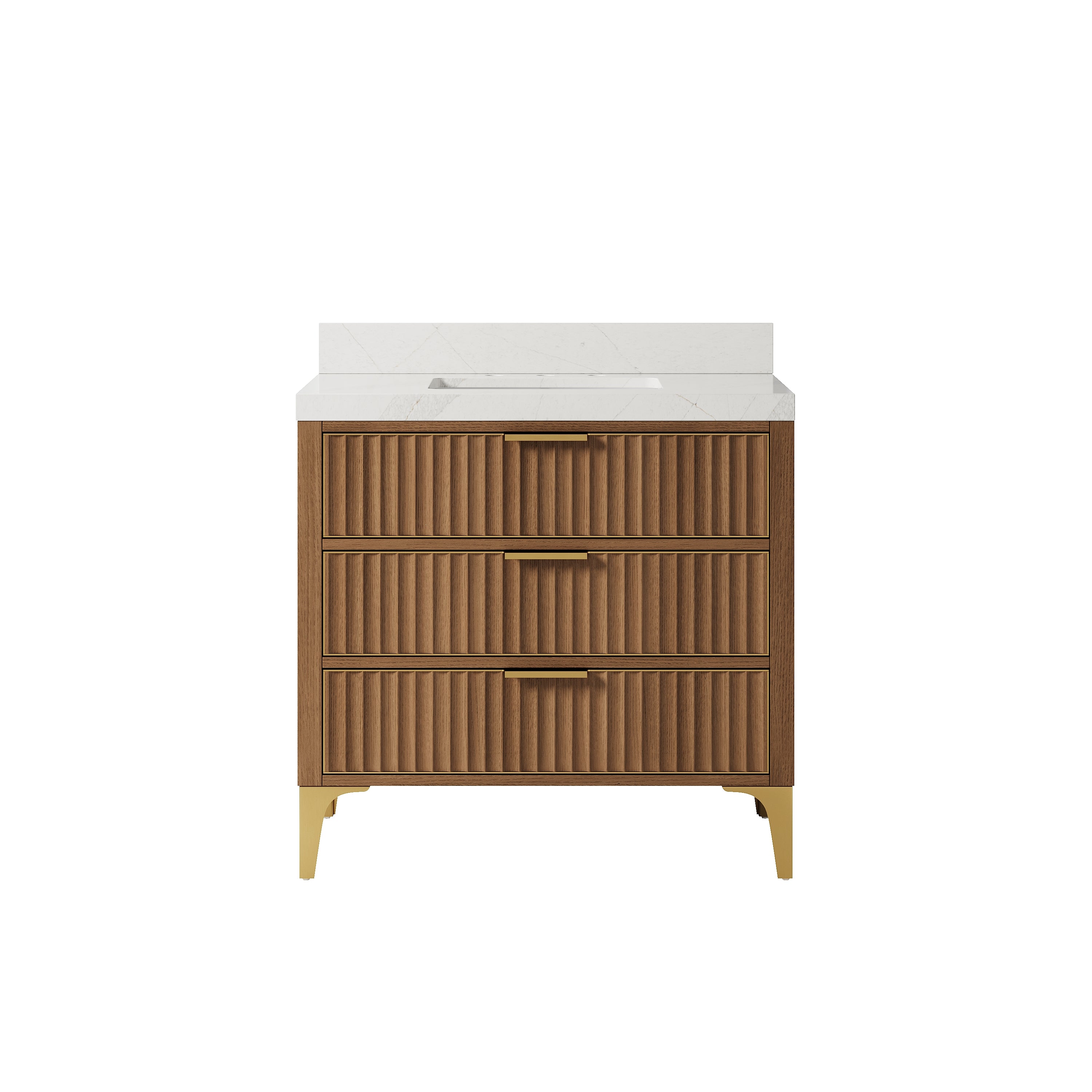

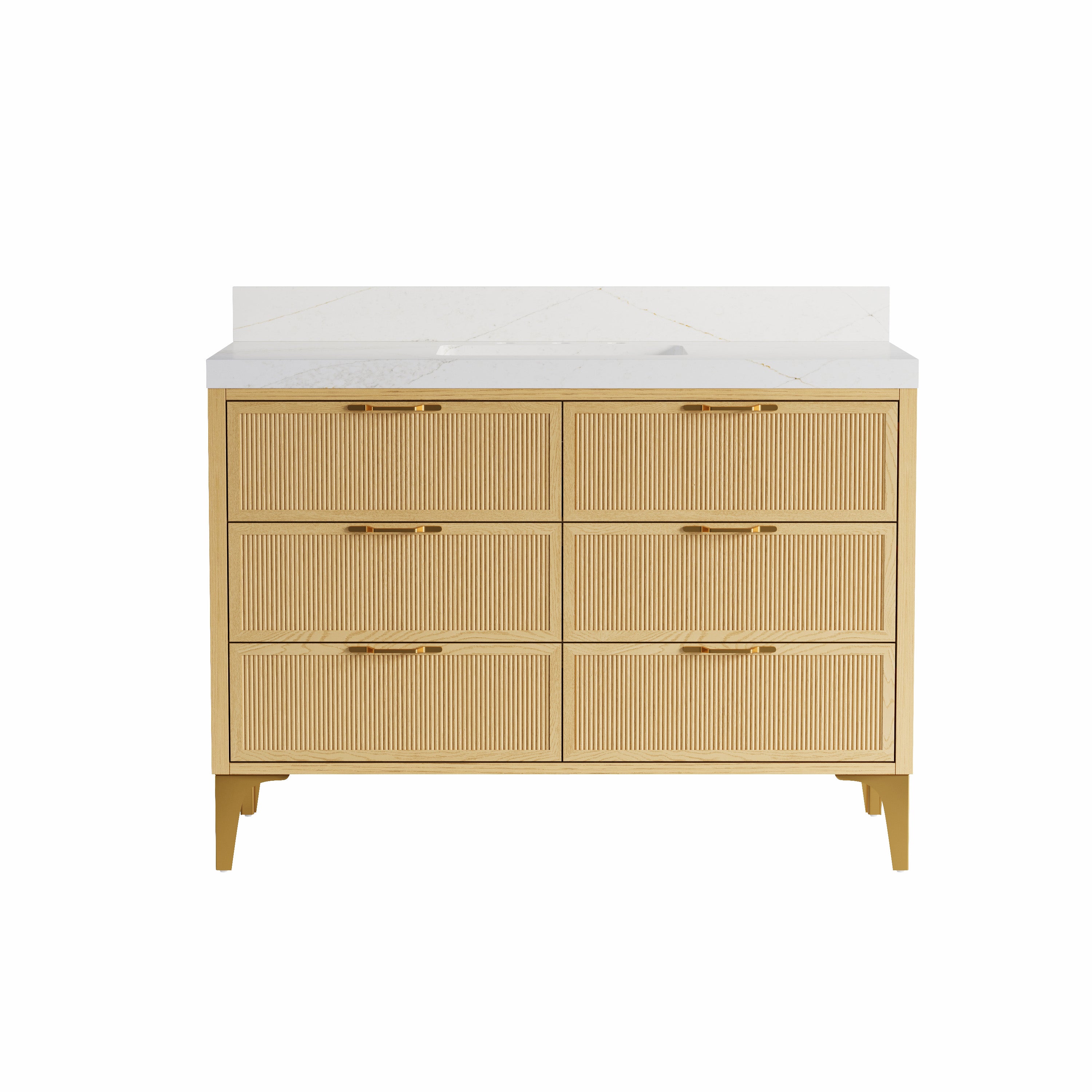


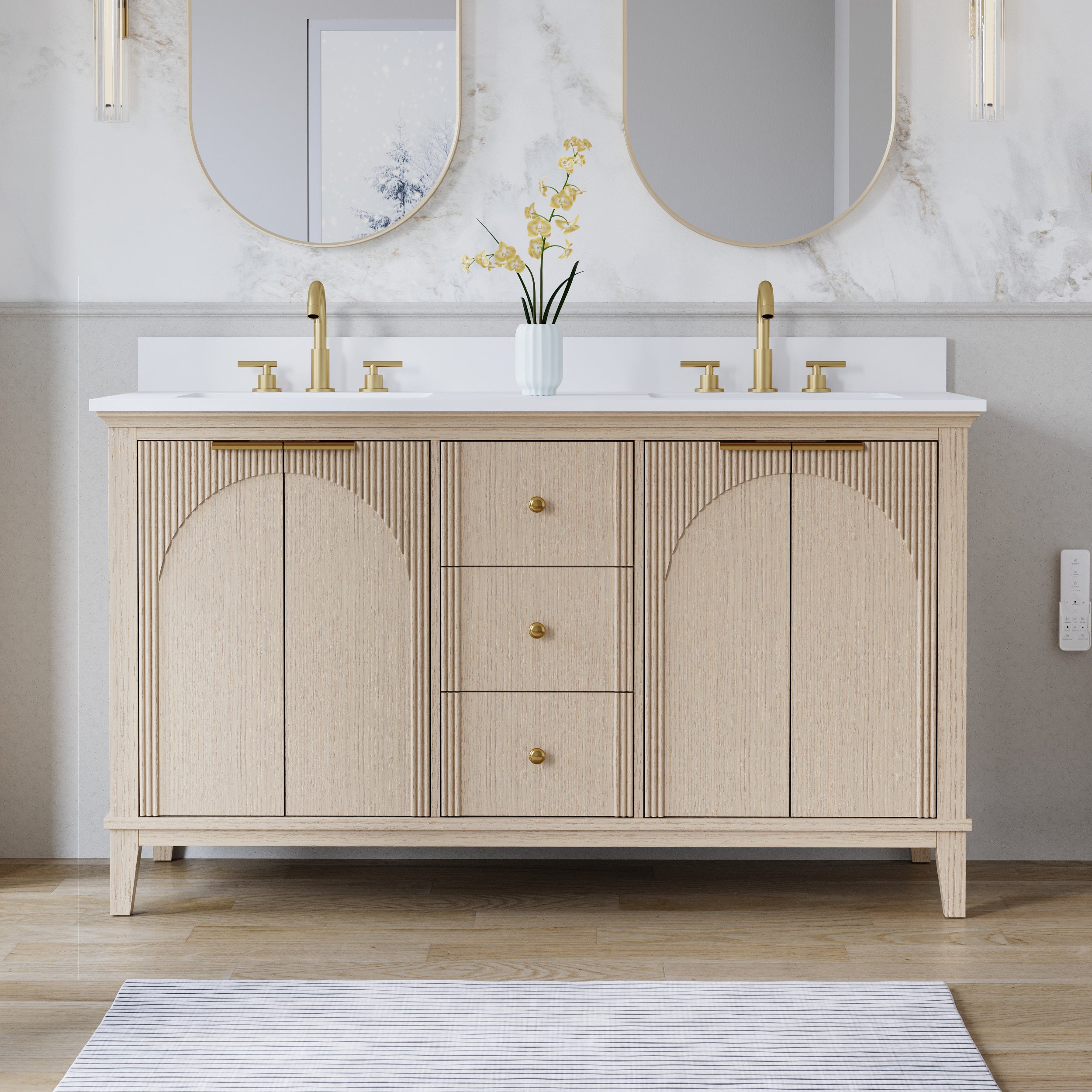
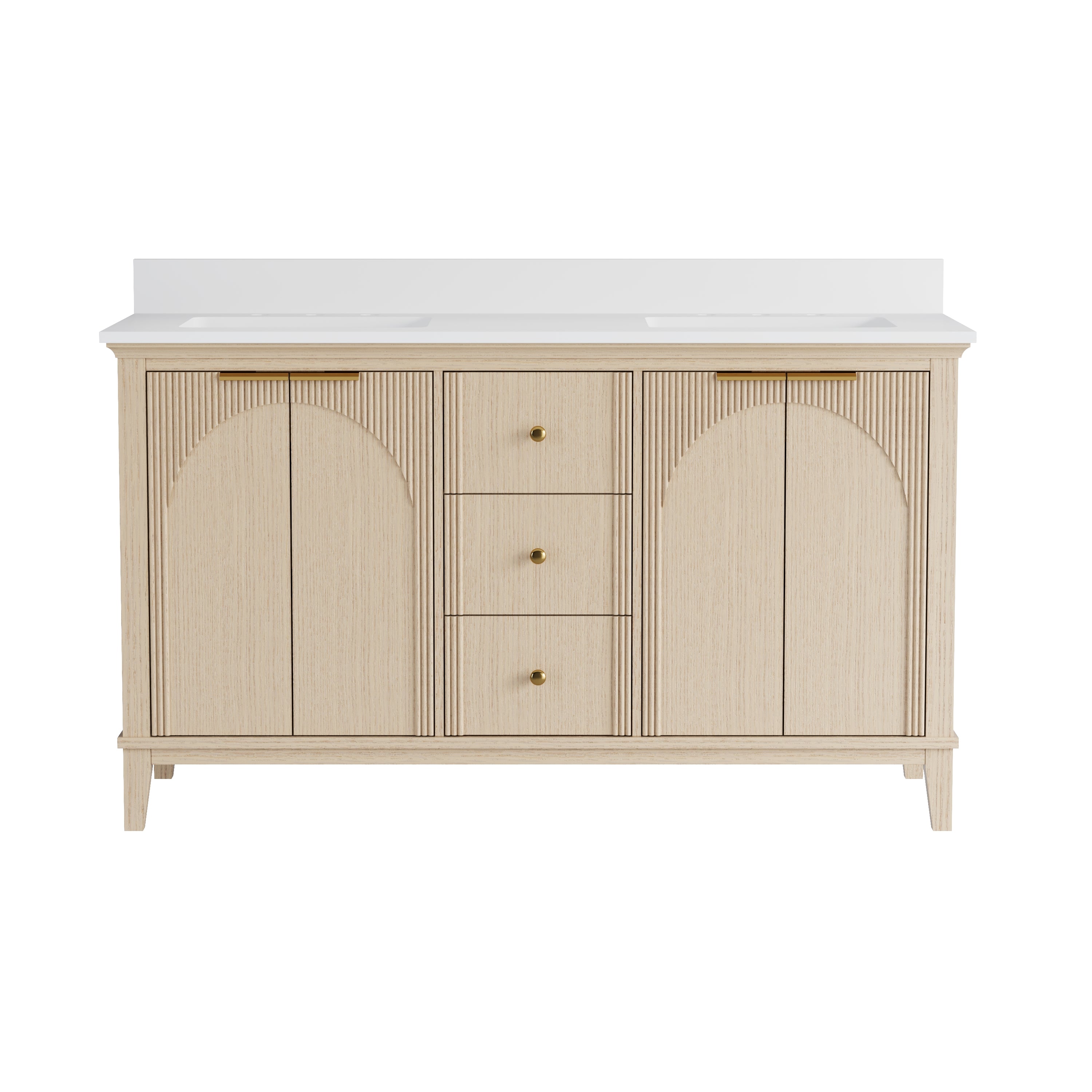
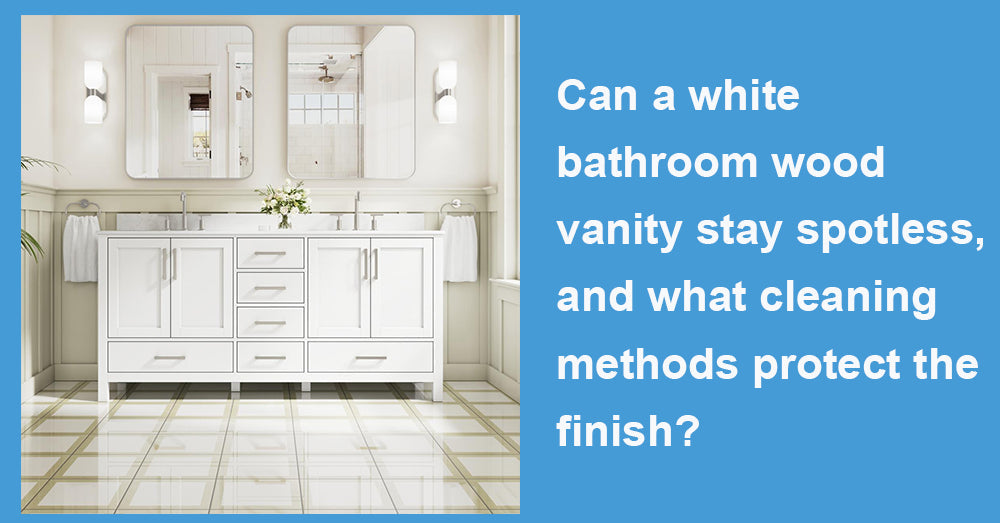
A white bathroom wood vanity can stay impressively spotless, but only if the finish system and the cleaning routine are treated like part of the product, not an afterthought. White highlights every water spot, makeup smear, and cleaner overspray, so the goal is not “never touch it,” but “clean often with low-impact methods” and avoid chemicals that slowly dull or discolor topcoats. That approach matters more now because renovation activity remains high: Harvard’s Joint Center for Housing Studies projects annual homeowner spending on improvements will reach about $518 billion by the end of 2026, keeping bathrooms and vanities in constant rotation for upgrades and replacements.
1. What “spotless” really means for white painted or stained wood
“Spotless” is mostly a battle against three things: mineral residue, color transfer, and finish haze.
· Mineral residue comes from splashback and droplets drying around the faucet base and along the top edge of doors.
· Color transfer comes from cosmetics, hair products, self-tanners, dyed towels, and even some rubber-backed organizers.
· Finish haze is often self-inflicted: harsh cleaners, abrasive pads, or too much water pushed into seams, which can turn the clearcoat cloudy over time.
The tricky part is that wood also moves with moisture cycling. Purdue Extension notes that a 6% change in moisture content can cause a meaningful dimensional change; for a 32-inch wide panel, the example calculation shows a width change of about 0.63 inch. In a vanity, that kind of movement can show up as doors drifting, drawers rubbing, or joints telegraphing through paint—especially if cleaning repeatedly floods edges and cutouts.
2. Know what quality finishes are designed to resist
A practical way to judge “how durable is durable” is to look at how certified cabinet finishes are tested. The ANSI/KCMA A161.1 standard includes chemical-resistance testing with common household substances—such as vinegar, olive oil, tomato ketchup, coffee prepared for drinking at about 115°F, 100-proof alcohol, and a detergent solution—followed by cleaning and evaluation.
This does not mean you should routinely leave products sitting on a white vanity for hours. It means a well-built, properly cured finish is designed to survive normal life events (spills, splashes, quick wipe-downs) without immediately staining or softening.
Also, water resistance is not the same as vapor resistance. Forest Products Laboratory guidance explains that water-repellent treatments primarily repel liquid water, while moisture-excluding coatings slow the diffusion of water vapor into or out of wood. That is why daily steam, combined with poor ventilation, can still stress a “water-resistant” vanity over time.
3. The safest routine is simple, frequent, and dry
Most cabinet manufacturers converge on the same baseline method:
1. Dust or wipe dry first (to avoid grinding grit into the finish).
2. Wipe with a soft, lightly dampened cloth and mild soap.
3. Wipe again with clean water.
4. Dry immediately with a soft towel.
For example, Dura Supreme’s care guidance emphasizes using a soft, clean cloth and avoiding aggressive tools, while warning that harsh chemical cleaners can damage cabinetry finishes. A conversion-varnish care guide similarly recommends a mild detergent-and-water solution, followed by a clean-water wipe and drying.
The “dry immediately” step is what protects white finishes in the long term. Water that sits at the toe kick, around the sink cutout, or at door edges can creep into seams and cause swelling or finish whitening.

4. Cleaner selection: what to use, and what to keep far away
For white vanities, the most common cleaning mistake is grabbing a bathroom “tub and tile” product and spraying it near the vanity. Many of those are highly alkaline, acidic, or oxidizing—great for grout, risky for finishes.
Good defaults:
· Mild dish soap diluted in warm water.
· A pH-neutral cleaner specifically labeled safe for finished cabinetry (when needed).
Products to avoid (especially on painted or clear-coated wood):
· Abrasive powders/creams and aggressive scrub pads.
· Bleach or strong oxidizers.
· Ammonia-based cleaners.
· Strong acidic cleaners are used repeatedly.
Crystal Cabinets’ cleaning guidance calls out many abrasive options to avoid (including scouring powders, certain pads, and other abrasive tools) because they can dull or scratch the finish. Dura Supreme also warns against harsh chemical cleaners, including ammonia and bleach, and flags acidic cleaners as problematic for cabinet finishes.
If your vanity is finished with a conversion varnish system, some coating manufacturers are explicit: a Chemcraft conversion varnish product sheet states that ammonia cleaners should not be used for cleaning the finished surface and may accelerate discoloration. This matters for white finishes because even subtle yellowing becomes obvious next to bright white countertops or sinks.
5. A stain playbook that protects the finish
When a white vanity looks “dirty,” it is often localized. Treat the spot, not the whole vanity, with stronger chemistry.
· Hard water spots at the faucet base: Start with a mild soap solution on a microfiber cloth, wipe, rinse, and dry. Repeat rather than escalating to harsh chemicals. (Consistency beats strength.)
· Toothpaste and soap film: Mild soap, rinse, dry. Avoid abrasive sponges.
· Makeup or dye transfer: Use the mild method first. If it persists, use a cabinet-safe cleaner recommended by the vanity maker, and test in a hidden area before treating the visible face.
· Cloudy haze after “deep cleaning”: That is often abrasion or chemical dulling. Stop using abrasive tools immediately and revert to gentle cleaning; the finish may need professional polishing or refinishing if the haze is severe.
One more modern reality: surveys show many households do deep seasonal cleaning, which can involve stronger cleaners. In an American Cleaning Institute spring cleaning survey, people listed tasks like cleaning the toilet (40%) and washing towels (22%) among what they tackle—exactly the scenarios where bleachy or acidic sprays can drift onto nearby cabinetry if you are not careful. The fix is simple: spray strong cleaners onto a cloth away from the vanity, or mask/protect the vanity edges before using them.
6. Humidity control is “cleaning” you don’t do with a cloth
Even the best wipe-down habits struggle when the bathroom stays steamy. Moisture in the air drives wood movement and can weaken seams over time. Building science guidance that references ASHRAE 62.2 notes typical bathroom exhaust requirements of 50 cfm intermittent or 20 cfm continuous local ventilation.
For a white wood vanity, that translates into a practical rule: run the fan during showers and keep it running long enough afterward to clear fog from mirrors and reduce the humidity load that settles on cabinet faces. Combine that with quick drying around the faucet base, and the vanity will stay cleaner-looking, longer—without sacrificing the finish to harsh chemicals.
If you tell me your finish type (painted, stained + clearcoat, UV-cured, conversion varnish, or 2K poly) and whether the vanity is fully sealed on all sides, I can tailor a “safe cleaner + frequency” plan that matches the finish chemistry and the most likely stains in a bathroom setting.



















Leave a comment
This site is protected by hCaptcha and the hCaptcha Privacy Policy and Terms of Service apply.