















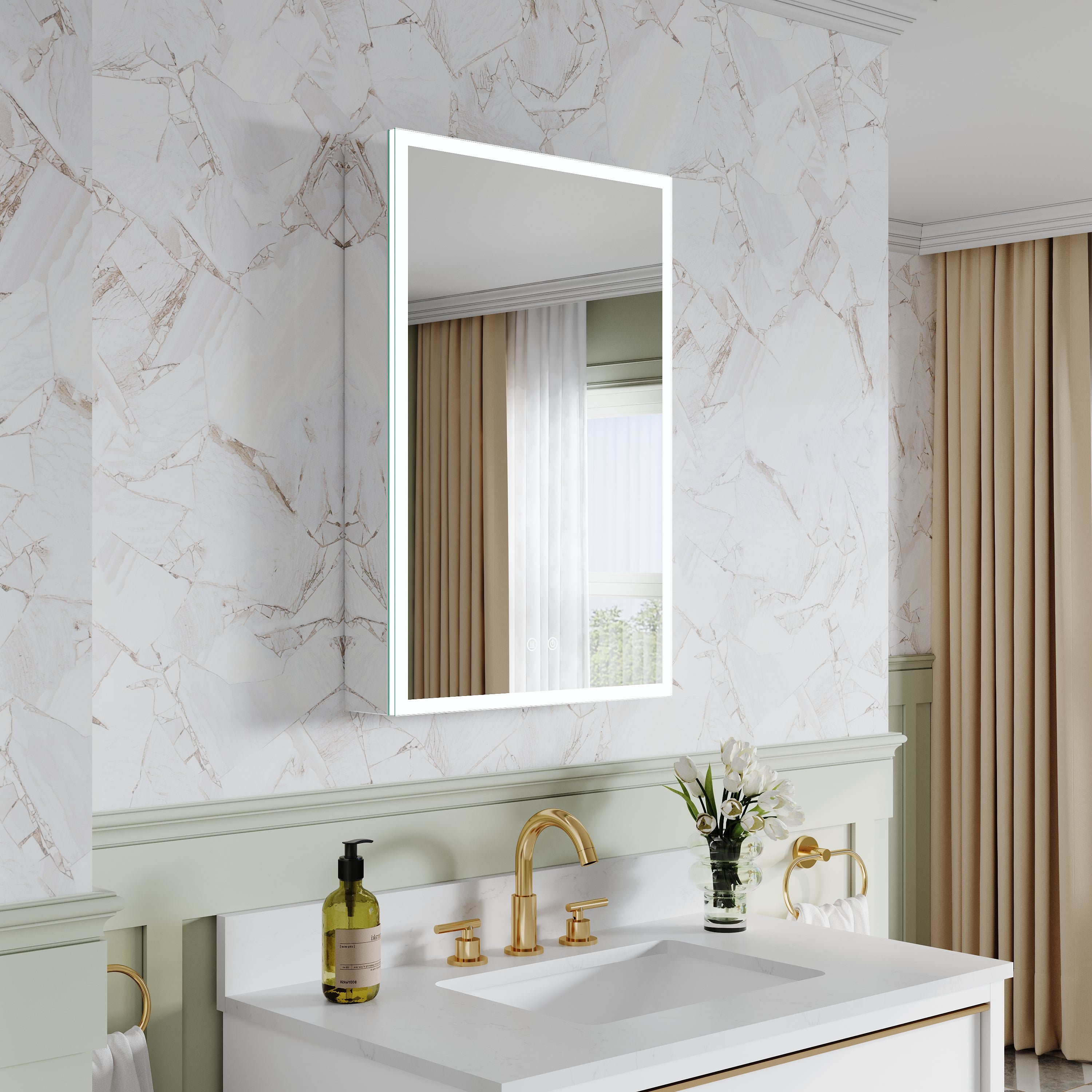
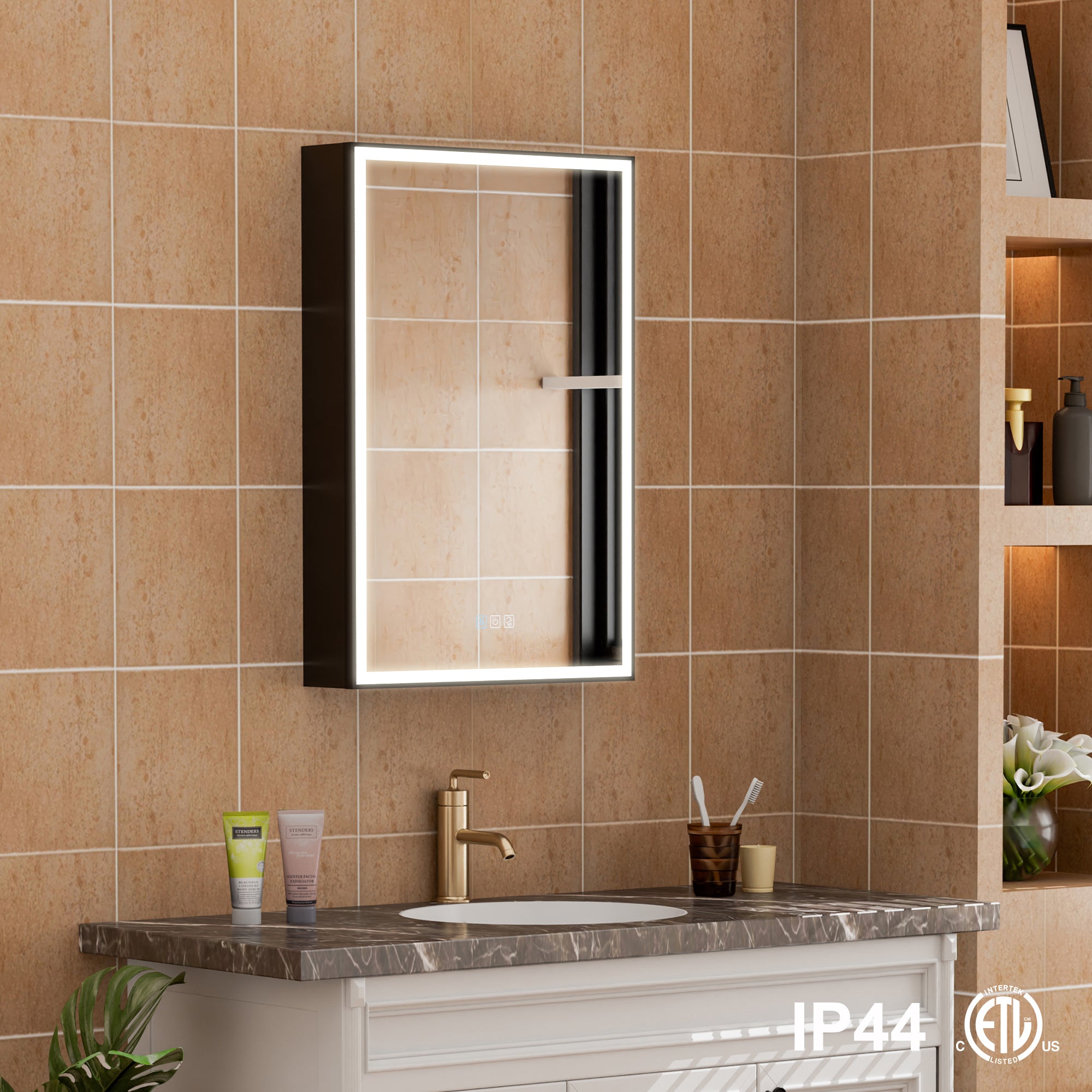











A crowded bathroom counter can make even a beautifully remodeled space feel unfinished. Toothbrushes compete with skincare bottles, spare razors disappear into drawers, and the things used every morning somehow never stay put. A bathroom mirror cabinet addresses that daily frustration without demanding more floor space. By combining a mirror with concealed shelving, it puts frequently used essentials at eye level while keeping the vanity clear. That convenience is real, although the right fit depends on what you need to store and how your bathroom is built.
1. Why a Bathroom Mirror Cabinet Makes Better Use of Space
Bathroom storage is often planned around the vanity. Yet the area above the sink can work just as hard, particularly in a compact apartment or guest bathroom.
A mirrored cabinet uses wall space already reserved for a mirror. Unlike an open shelf, it hides visual clutter: toothpaste, deodorant, shaving supplies, and everyday skincare can stay accessible without becoming part of the room's decor.
The result isn't necessarily more total storage than a deep vanity drawer. It's better access to smaller items at the exact place you use them.
2. What Actually Fits Inside?
Storage capacity is easy to overestimate from a product photograph. Cabinet depth matters, but so do shelf spacing, door hardware, and the thickness of the interior frame.
Adjustable Shelves Are Worth Prioritizing
Tall moisturizer bottles and electric toothbrush accessories rarely fit neatly beside small jars. Adjustable shelves help accommodate different heights, reducing wasted space between products.
Before shopping, line up the items you reach for every morning and measure the tallest one. Check usable interior dimensions rather than the cabinet's exterior depth. A shallow cabinet may hold plenty of small containers yet leave no room for a bulky hair dryer.
For families, simple storage zones help: one shelf per person, with shared items in the middle.
3. Surface-Mounted or Recessed: Which Works Better?
Surface-mounted cabinets attach to the wall and project into the room. They're often practical for renovations where opening a finished wall would add unnecessary expense.
Recessed cabinets sit partly or mostly within the wall cavity, giving the sink area a cleaner, less crowded appearance. That streamlined look can be appealing over a narrow vanity.
Check the Wall Before Choosing Recessed Storage
A recessed installation may require changes to studs, framing, plumbing, or electrical work. Never assume an empty-looking wall contains an unobstructed cavity.
In a rental, a surface-mounted option may be more realistic, subject to landlord approval. In a new build or substantial remodel, planning for a recessed cabinet early offers greater flexibility.
Neither style is automatically better. The wall determines much of the answer.
4. Where Mirror Cabinets Work—and Where They Don't
A shared primary bathroom benefits from quick access to daily essentials. In a small powder room, even a slim cabinet can keep spare soap and other necessities out of sight.
But some bathrooms are poor candidates. A cabinet may interfere with a tall faucet, nearby sconces, an inward-opening door, or shelving beside the sink. Very shallow vanities can also make a projecting cabinet feel uncomfortably close to your face.
And if most of your storage needs involve towels, cleaning supplies, or large appliances, a linen cabinet or vanity drawers will probably serve you better.
5. Features That Deserve Attention Before You Buy
Soft-close hinges reduce slamming, especially during early-morning routines. Mirrored interior doors can make a cabinet convenient when the outer door is open. LED lighting and built-in outlets may be useful, but they introduce electrical requirements and should be evaluated on their own merits.
Material quality matters more than a long feature list. Bathrooms experience repeated humidity changes, so inspect edge sealing, hinges, finishes, and manufacturer guidance for moisture exposure.
A common mistake is choosing the widest cabinet that fits above the sink. Check door swing first. Two narrower doors may offer better access than one large door near a sidewall.
6. Installation and Everyday Maintenance
Measure Beyond the Vanity Width
Confirm wall dimensions, mounting height, and clearance around light fixtures and faucets. The cabinet should be comfortable for its regular users, not merely centered for a photograph.
Wall-mounted units need secure attachment to suitable framing or approved anchors for the cabinet and its fully loaded weight. Electrical models should be installed according to the manufacturer's instructions and local code, with a qualified electrician where required.
Wipe away toothpaste splashes promptly. Use a soft cloth and an appropriate mirror cleaner, avoiding excess moisture around edges and hinges. Periodically check mounting hardware and remove expired or unused products so shelves remain manageable.

7. Buy for Your Routine, Not Just the Finish
When exploring Wellfor's bathroom storage options, a bathroom mirror cabinet is worth considering when counter space is limited and daily essentials need a consistent home. Start with an inventory of what you intend to store, then compare internal dimensions, mounting types, hinge clearance, and moisture-resistant construction.
If your wall cannot accommodate a recessed unit, a well-proportioned surface-mounted cabinet can still look intentional. If you already have generous drawer storage, a simple mirror may be the wiser choice.
Before ordering, tape the proposed cabinet outline onto the wall and open nearby doors to test clearance. A bathroom mirror cabinet should make your morning routine easier—not introduce another obstacle above the sink.





































Leave a comment
This site is protected by hCaptcha and the hCaptcha Privacy Policy and Terms of Service apply.