



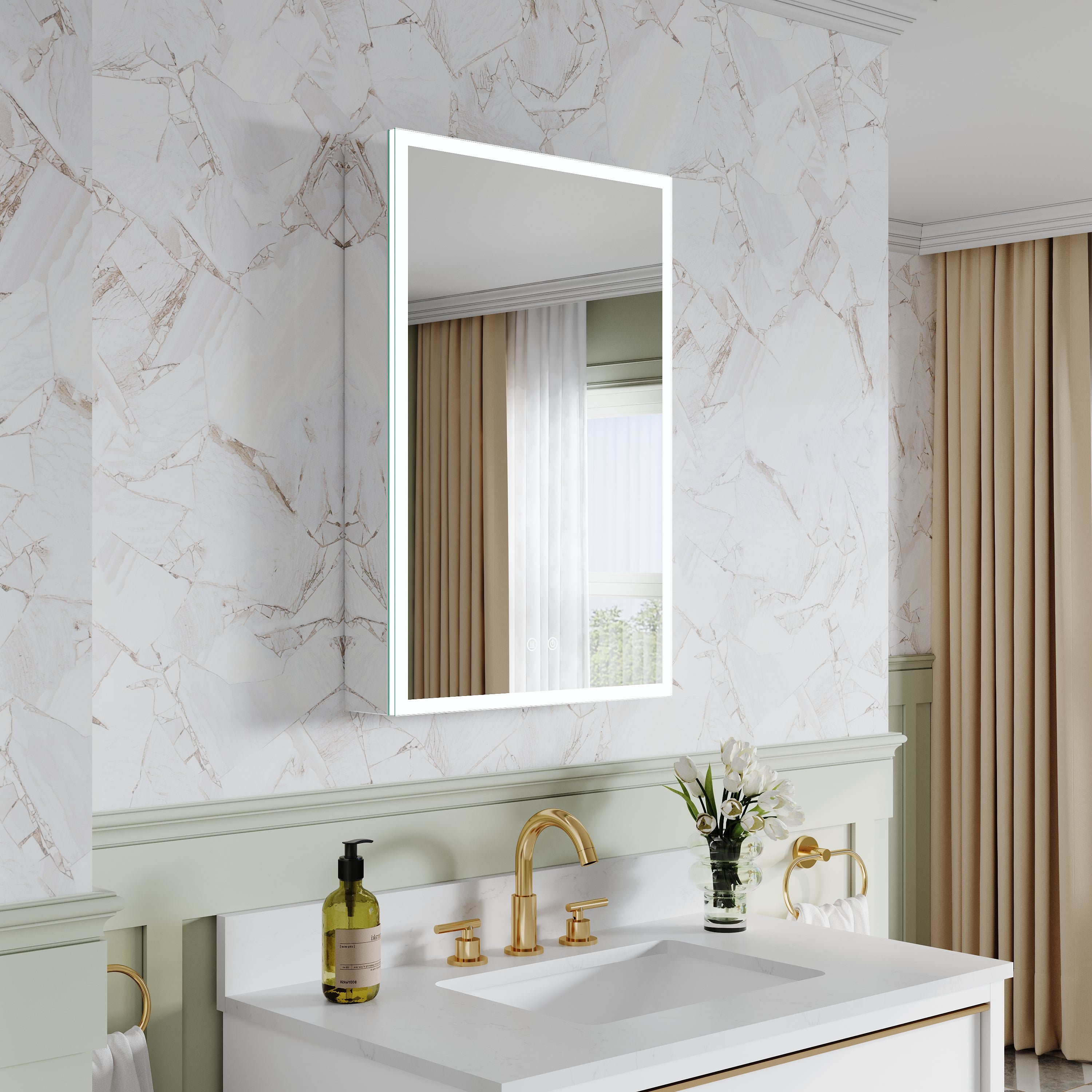
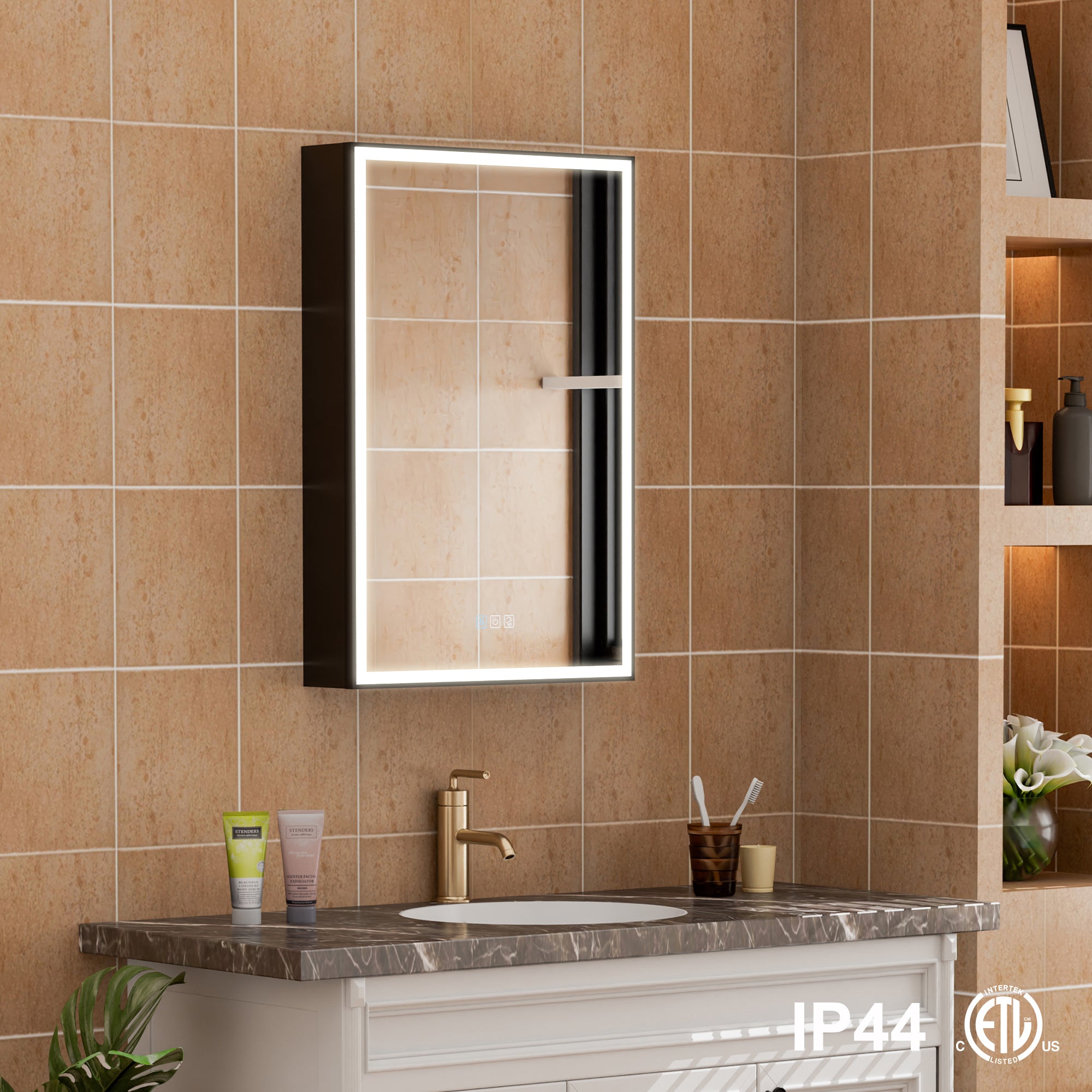


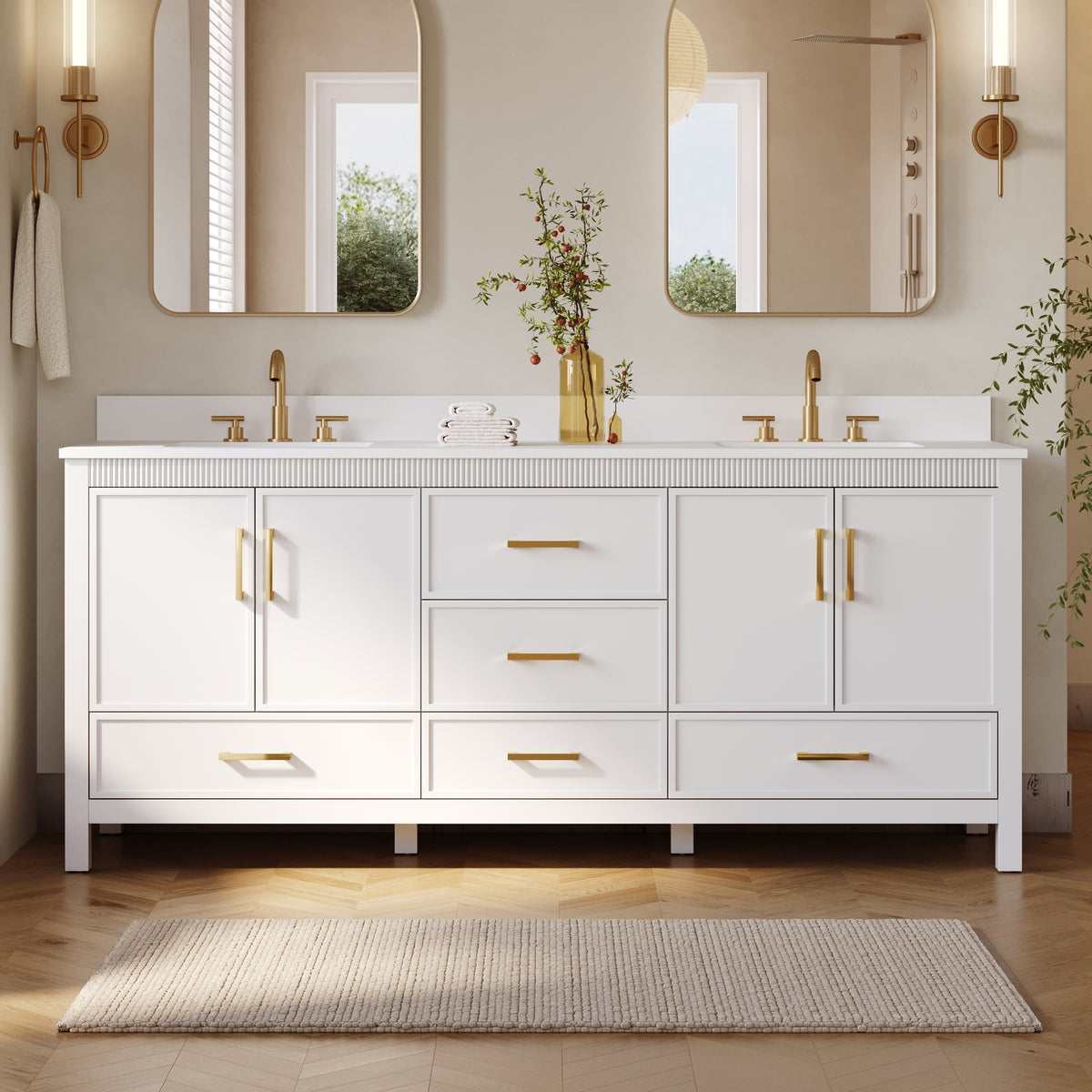

A bathroom can have beautiful tile, expensive faucets, and carefully chosen cabinetry yet still feel flat under the wrong lighting. A lighted mirror changes that relationship. By bringing illumination to eye level and adding a gentle glow around the vanity, it can make a practical room feel warmer, more open, and easier to use.
1. Why Lighting Changes the Feel of a Bathroom
Bathrooms usually rely on ceiling fixtures that provide general brightness but do little to create atmosphere. Strong overhead light can emphasize hard surfaces and cast unflattering shadows, particularly in rooms with low ceilings.
Lighting at the vanity adds another layer. It draws attention to the mirror, softens the transition between walls and fixtures, and gives the room a more deliberate appearance.
A dark shower enclosure still needs separate lighting.
2. How a Lighted Mirror Creates Different Moods
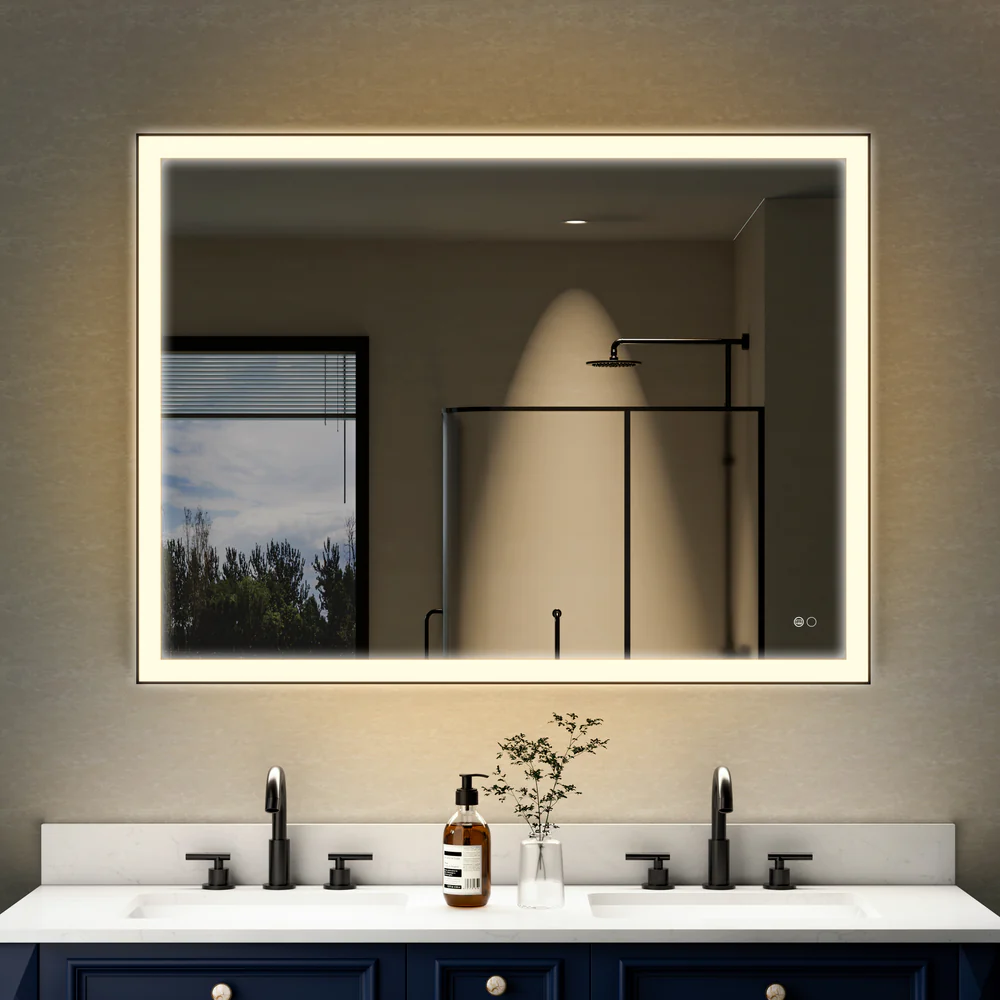
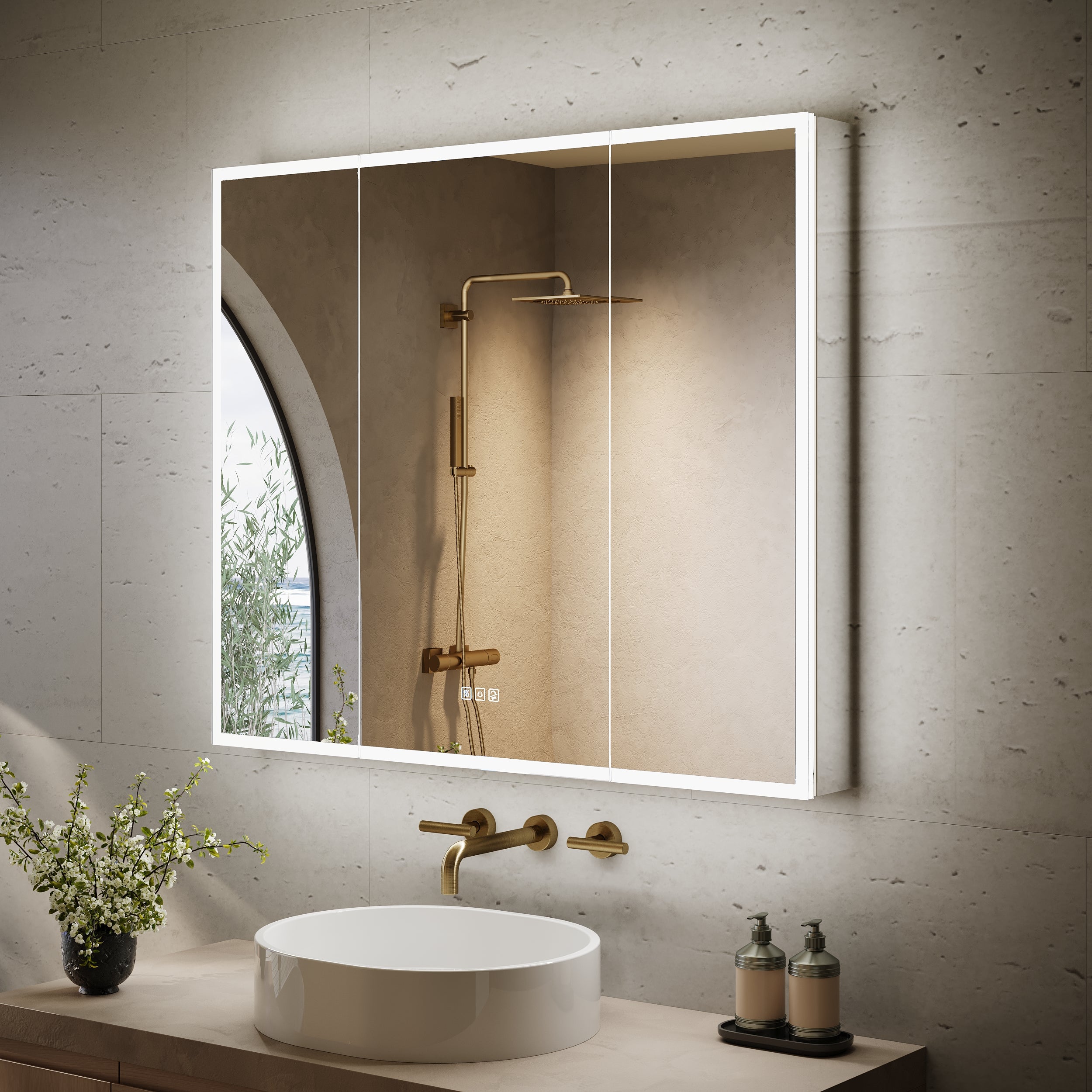
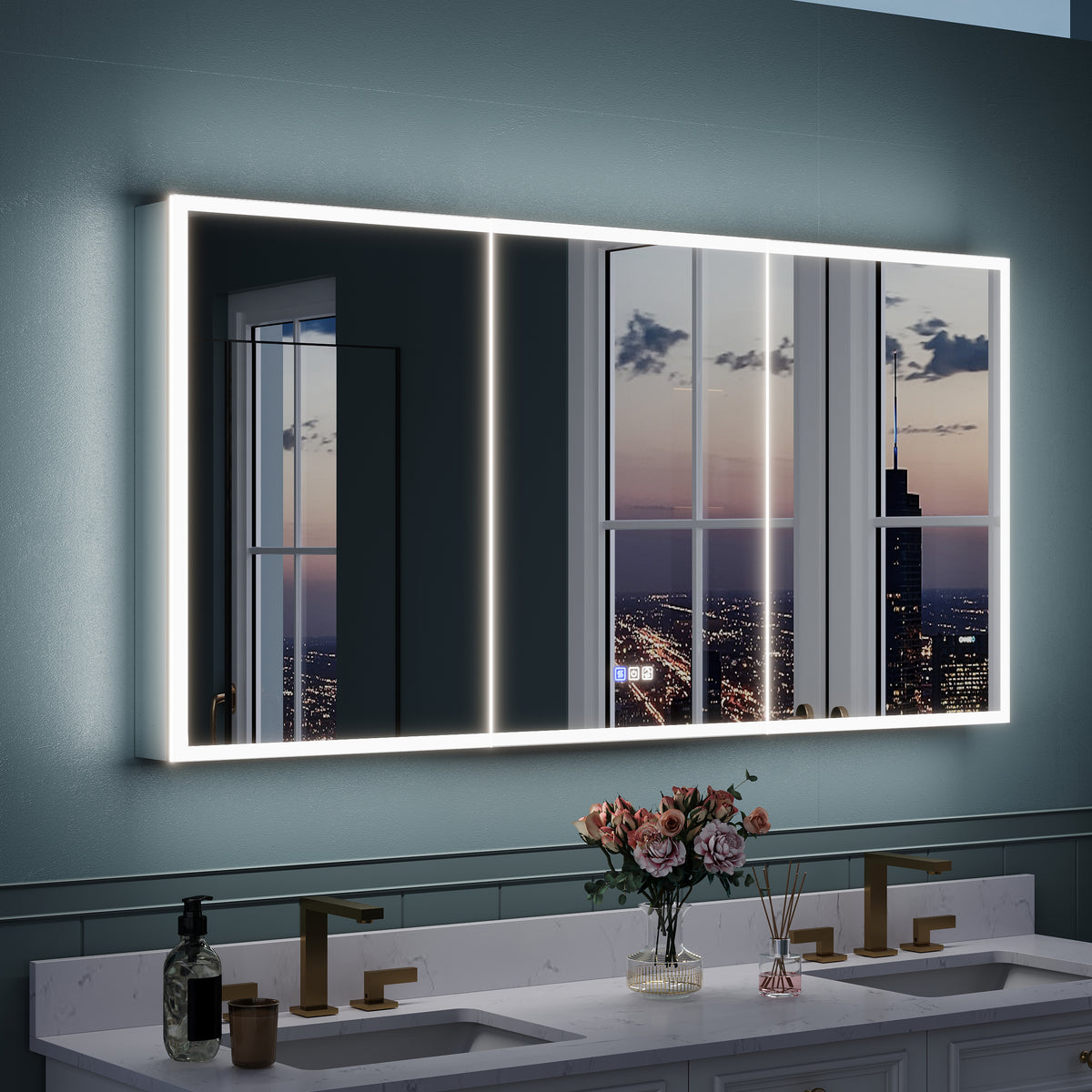
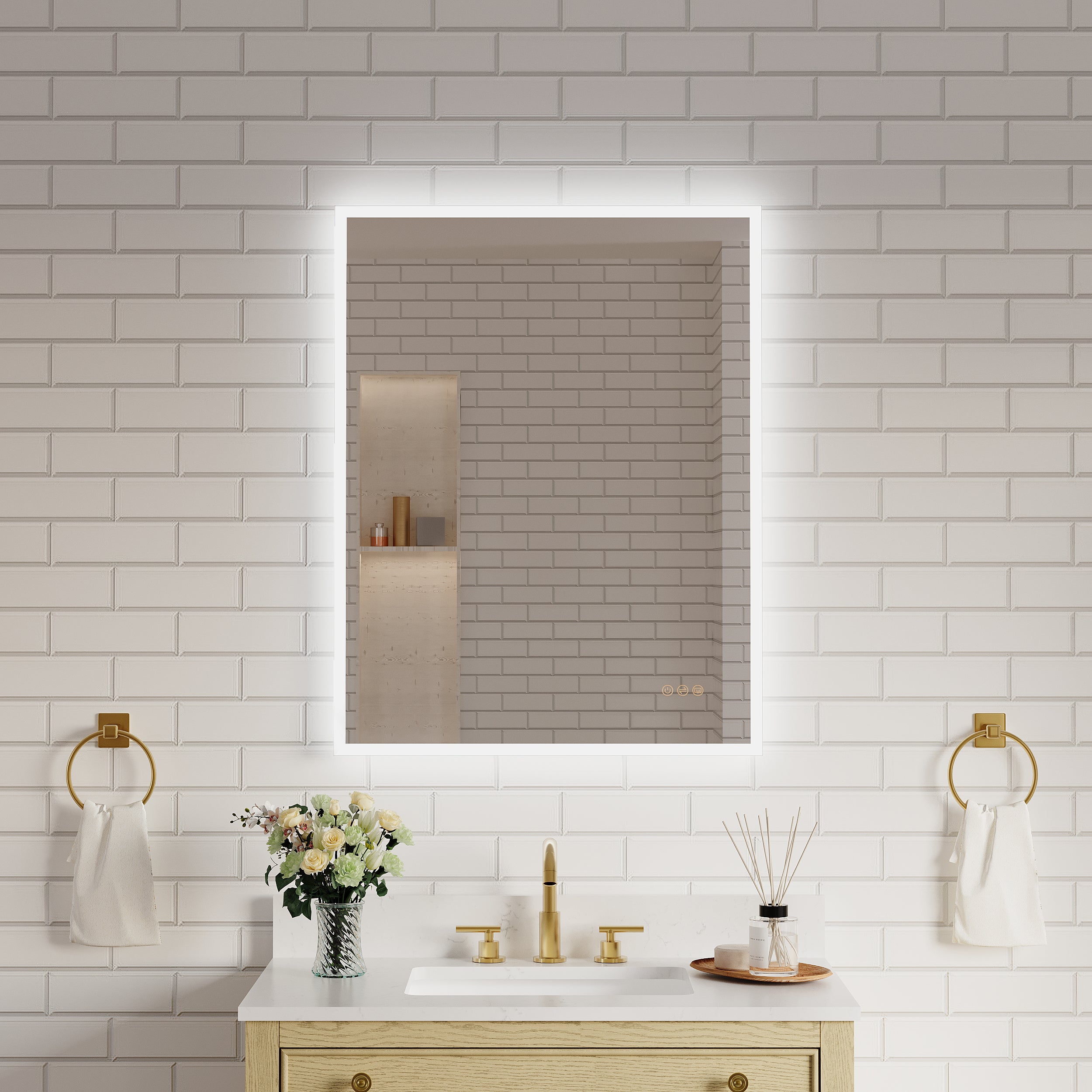
Not all illuminated mirrors produce the same effect. Some shine light forward through a frosted section of glass. Others cast light behind the mirror, creating a halo against the wall.
Front-Lit Versus Backlit Designs
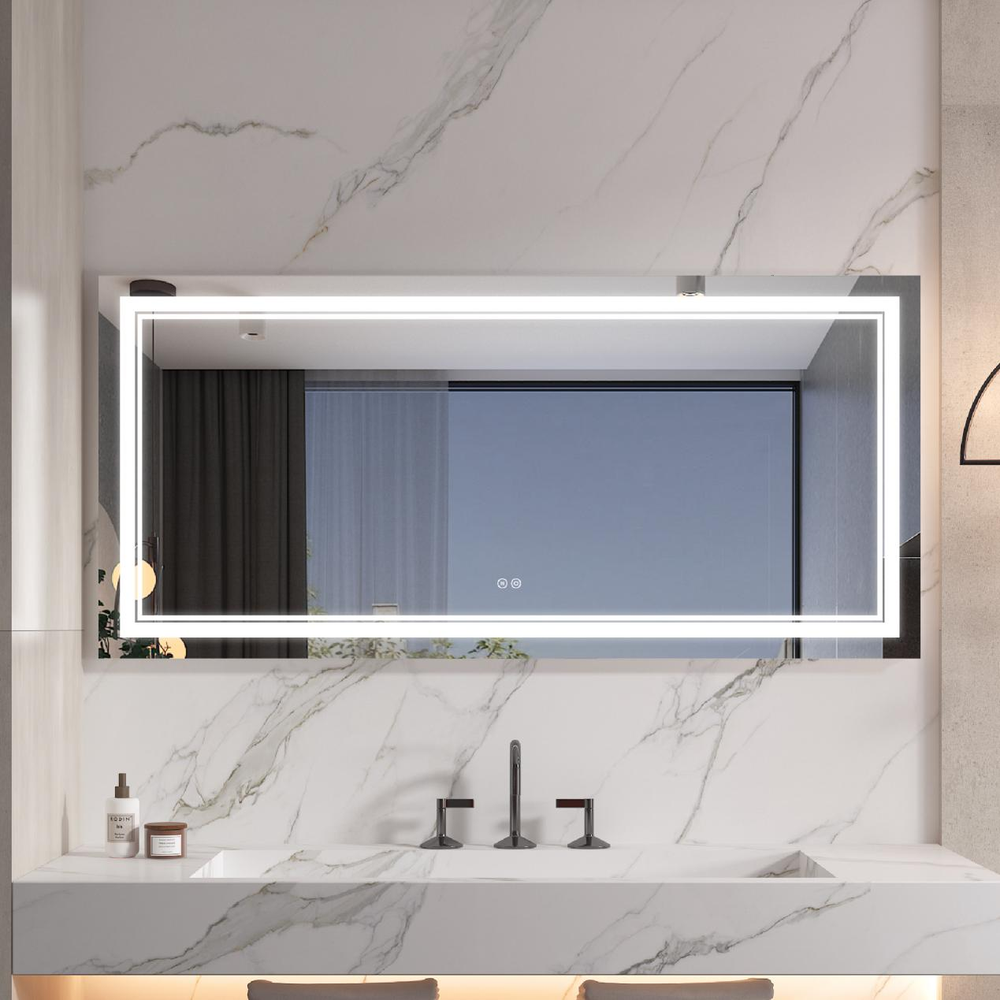
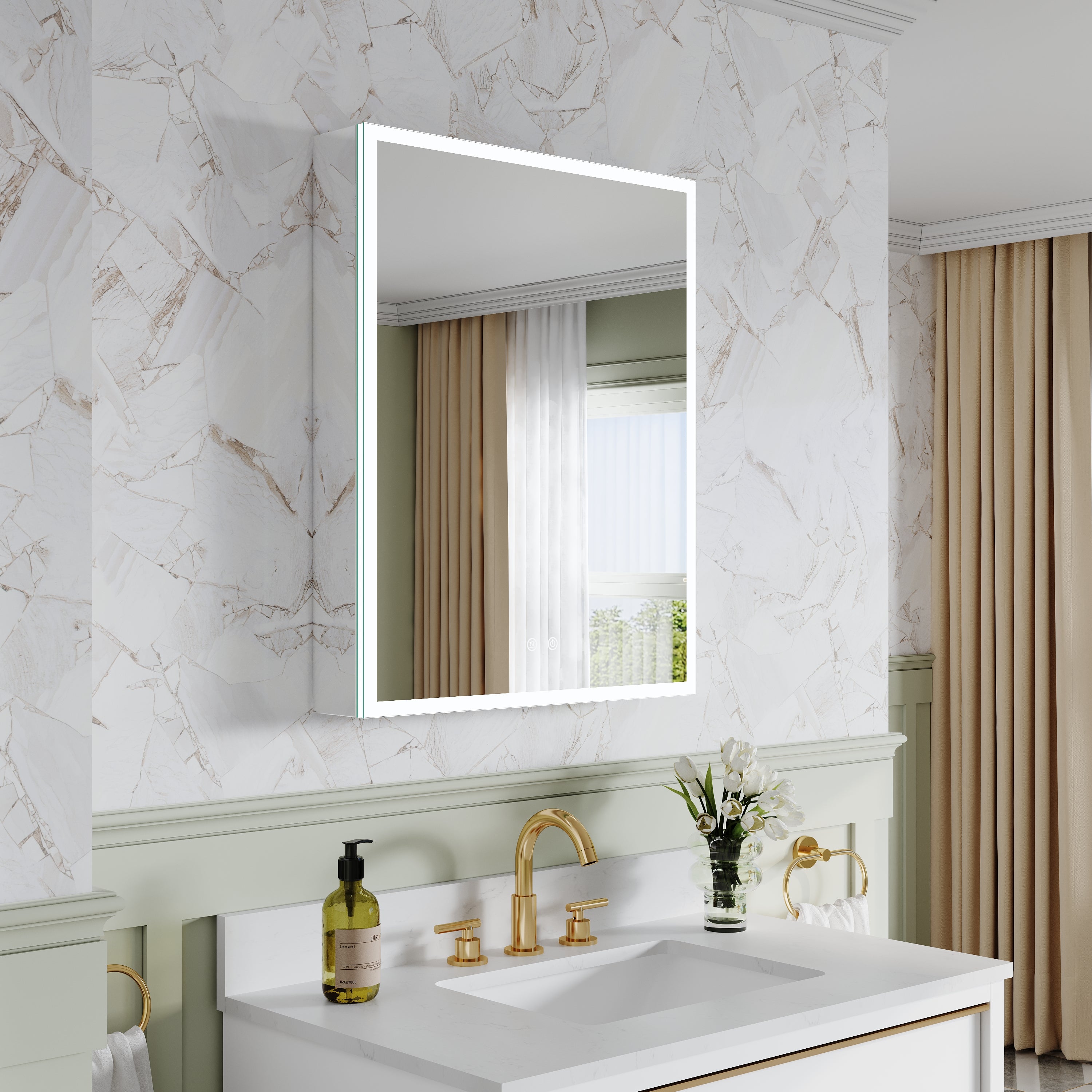
Front-lit mirrors generally work better for shaving, skincare, and applying makeup because they direct illumination toward the face. Backlit designs are especially appealing when the goal is a softer, more architectural glow.
For a primary bathroom used throughout the day, a model combining both lighting styles may offer useful flexibility. In a powder room, a subtle backlit mirror might be enough to establish the mood, provided other fixtures illuminate the room safely.
Wall finishes also influence the glow.
3. Color Temperature Makes a Bigger Difference Than You Think
Imagine getting ready under crisp white lighting before work, then returning for a quiet evening bath. The same level and color of illumination rarely suit both situations.
Warm light tends to make a bathroom feel relaxed and inviting. Neutral white supports everyday grooming, while cooler light can appear clean and crisp but may feel harsh in a small space.
Look Beyond the Brightest Setting
Adjustable brightness is often more valuable than maximum output. Dimming lets you keep enough visibility at the sink without flooding the entire room with light late at night.
If makeup accuracy matters, check the mirror's color rendering specifications, not just the advertised color temperature. A high Color Rendering Index (CRI), ideally 90 or above, helps colors appear more natural.
4. Where Illuminated Mirrors Work Best
In a windowless bathroom, layered lighting can give a confined space greater depth. A mirror with an even glow helps define the vanity area without adding another decorative fixture.
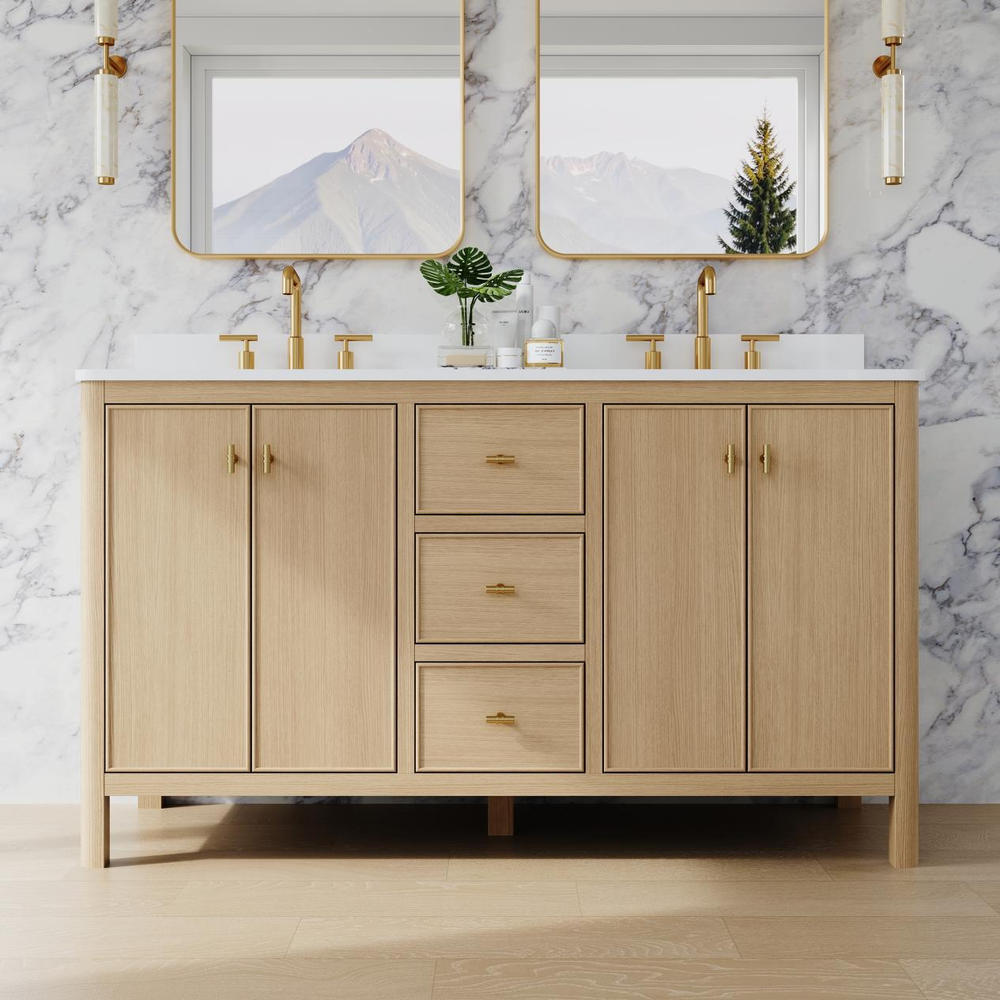
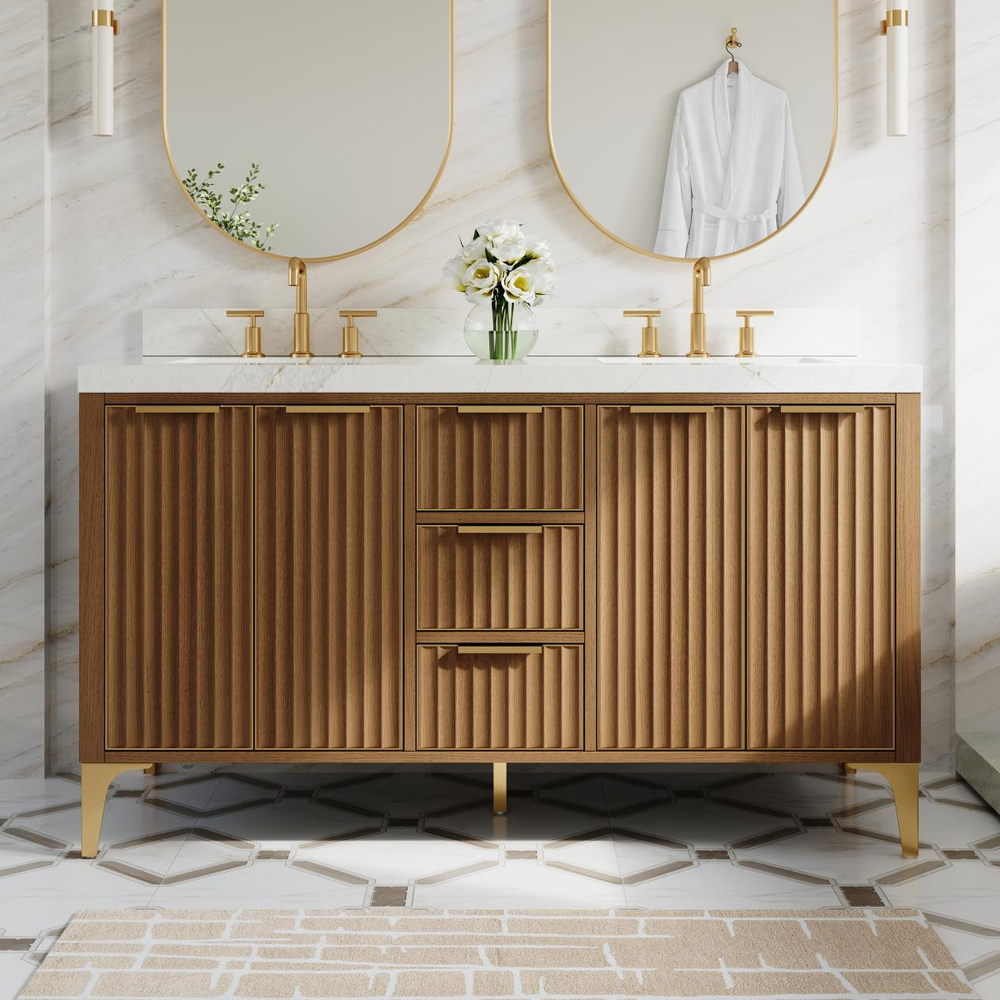
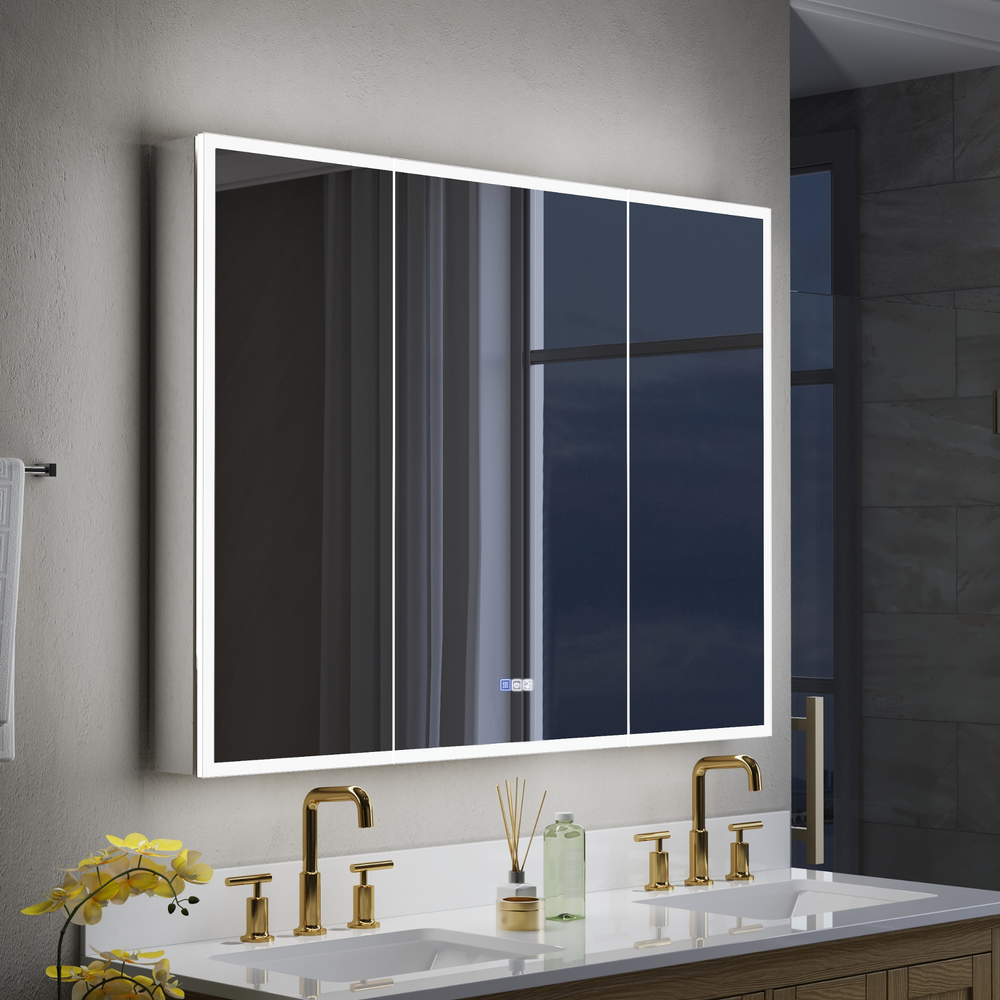
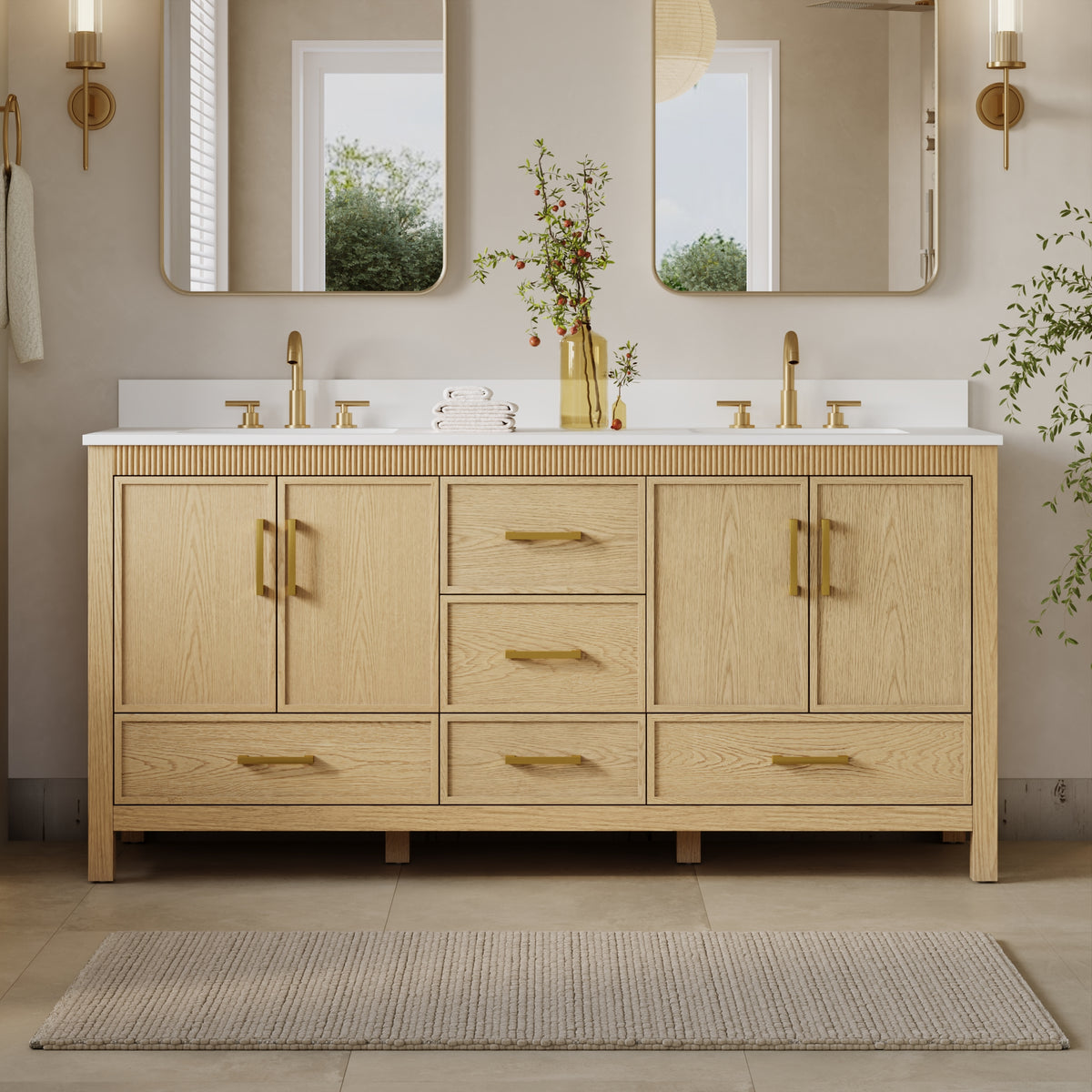
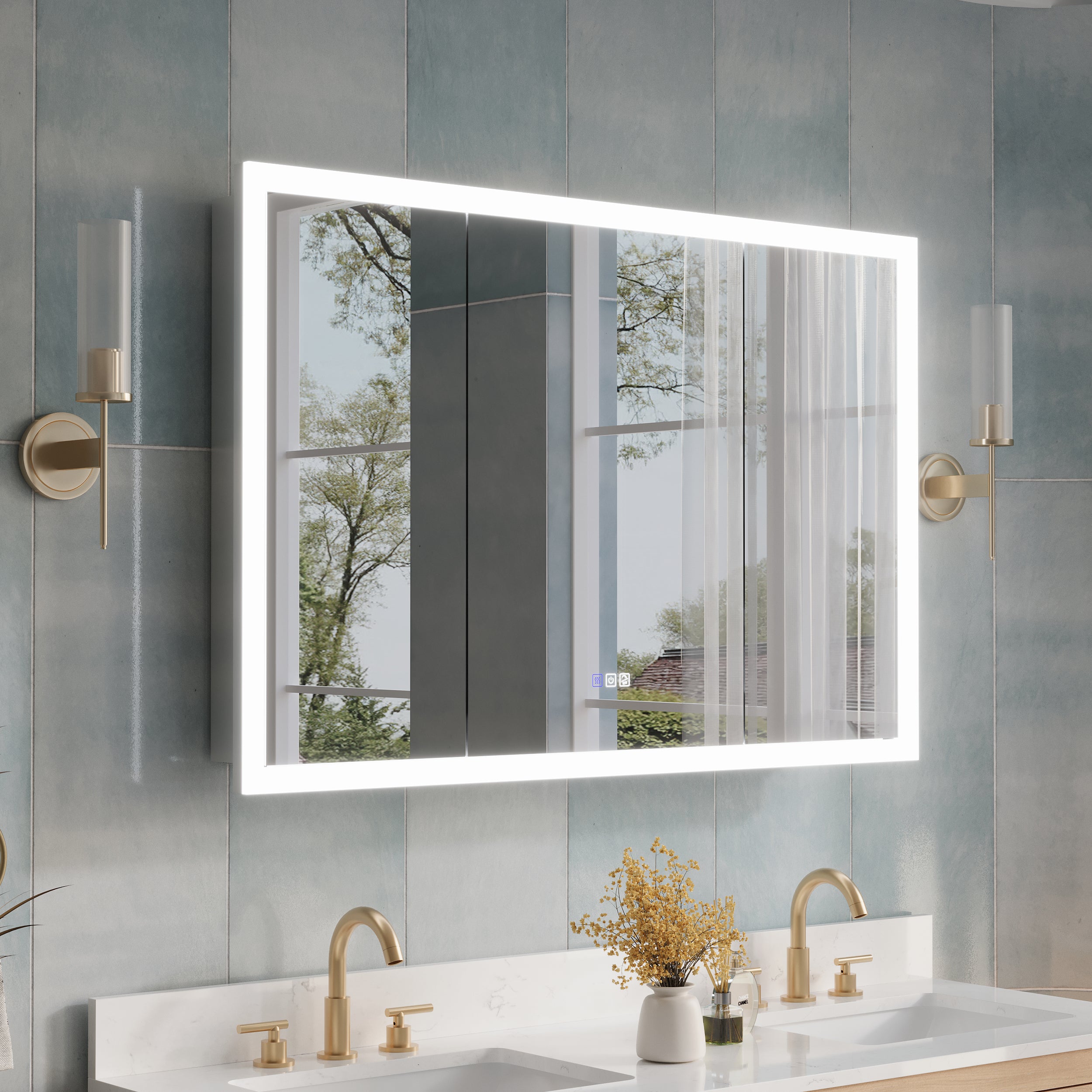
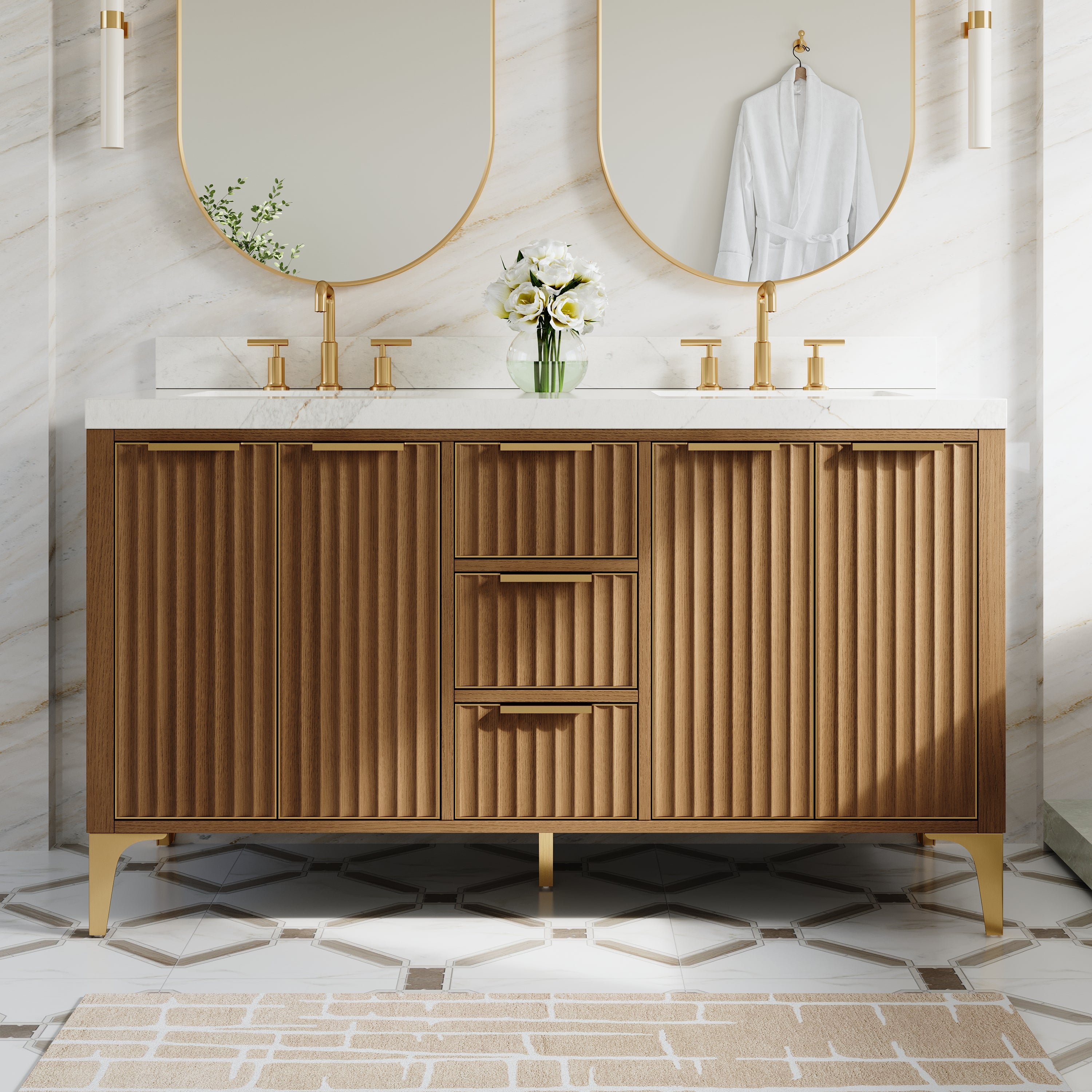
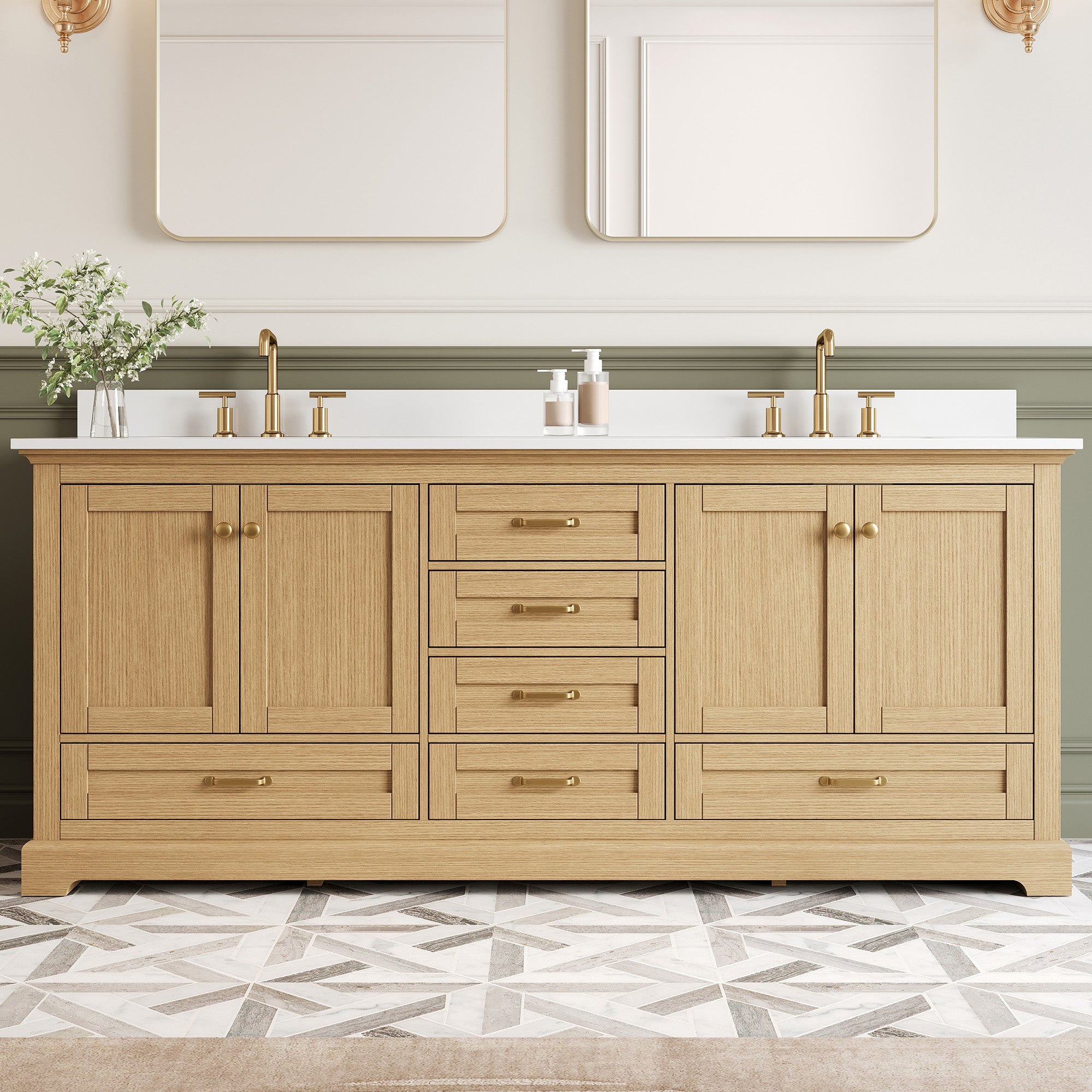
Over double sinks, separate mirrors can define each user's space.
There are limits. Highly reflective finishes may produce distracting glare, and an oversized mirror can make a narrow vanity look awkward. If your bathroom already has excellent sconces on both sides of the mirror, integrated lighting may add more style than practical benefit.
5. Buying Mistakes That Are Easy to Avoid
The most common mistake is shopping from photos alone. A dramatic halo in a dark showroom image says little about how well the mirror will illuminate your face on an ordinary morning.
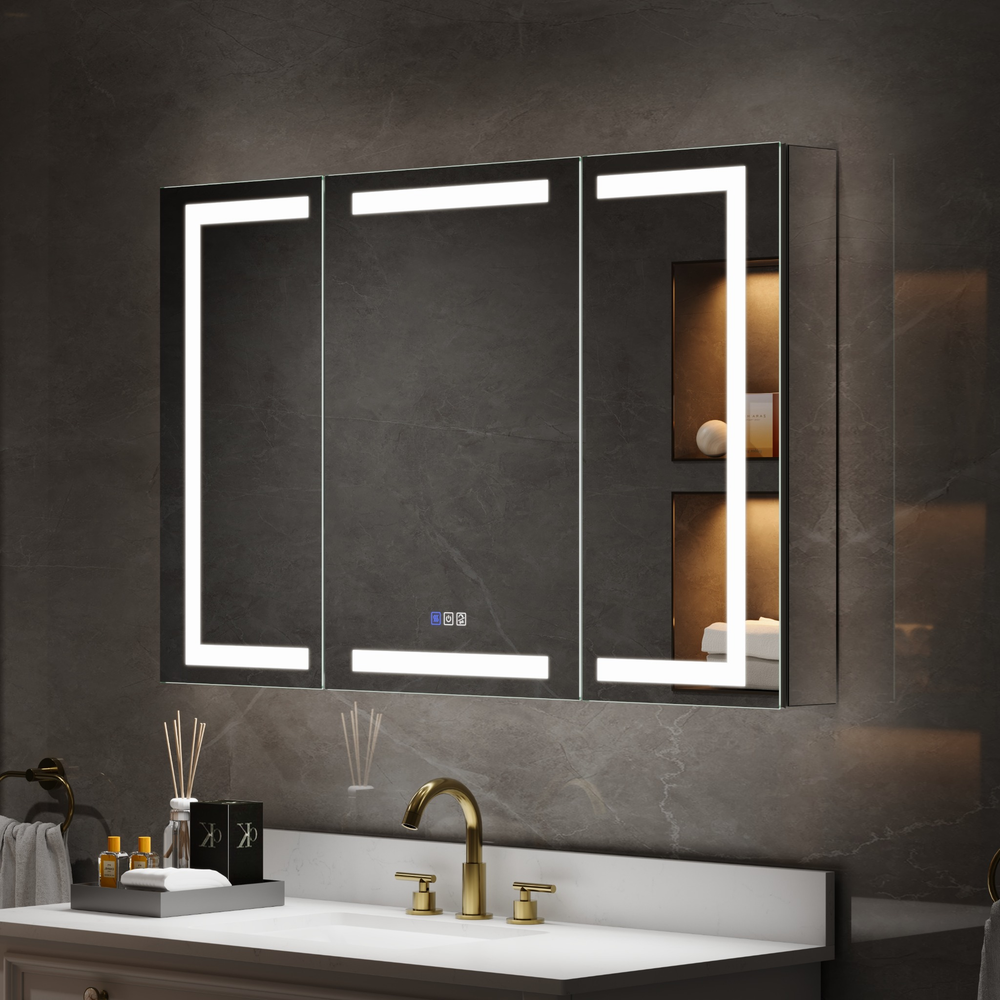
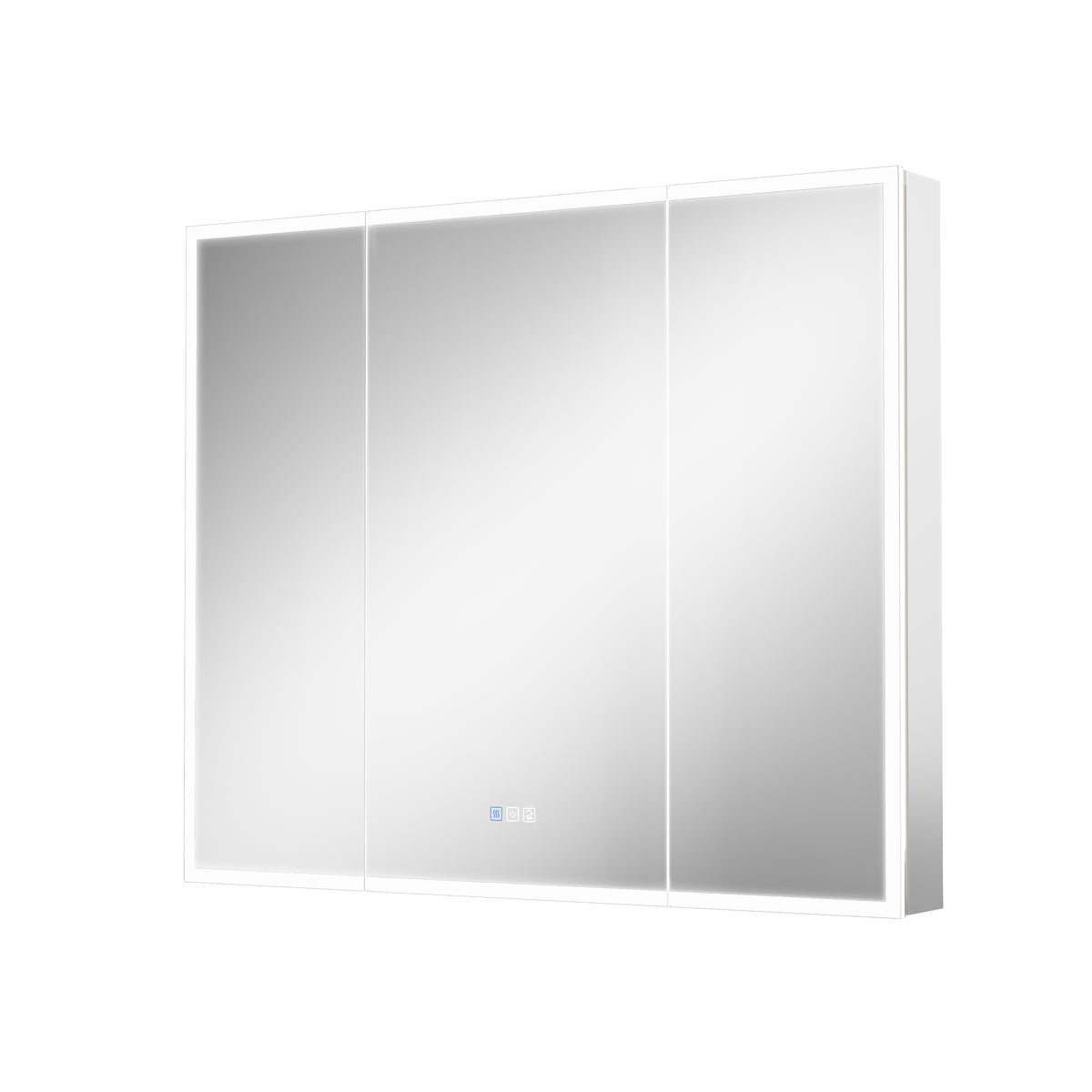
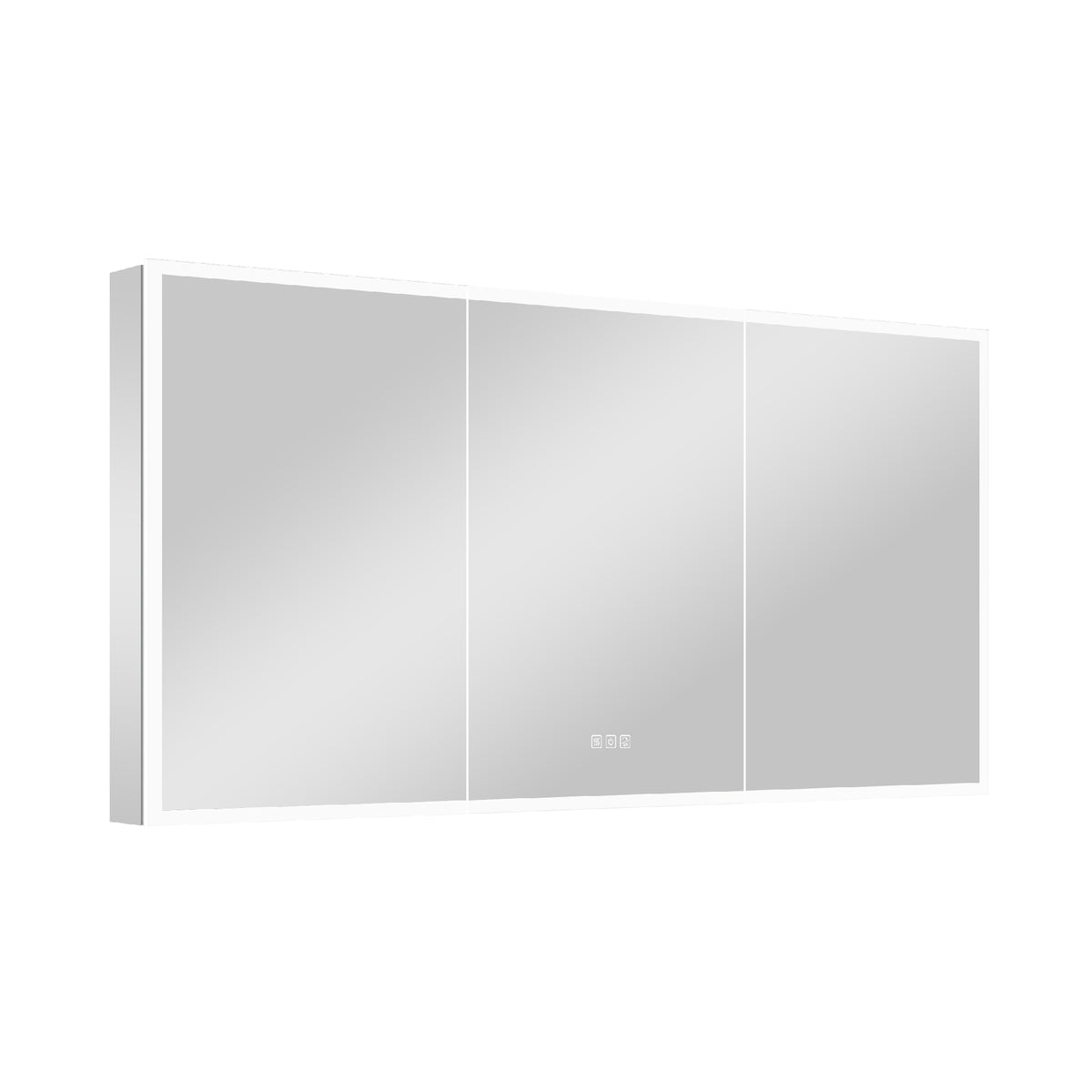
Ask about dimensions, brightness control, light placement, electrical requirements, and whether replacement components are available. Also consider the location of the touch controls. A button that looks discreet in a product photograph might be inconvenient for a shorter family member.
Built-in defoggers add convenience but also cost and electrical demand.
6. Installation Details That Affect the Final Look
Position the Mirror Before Wiring
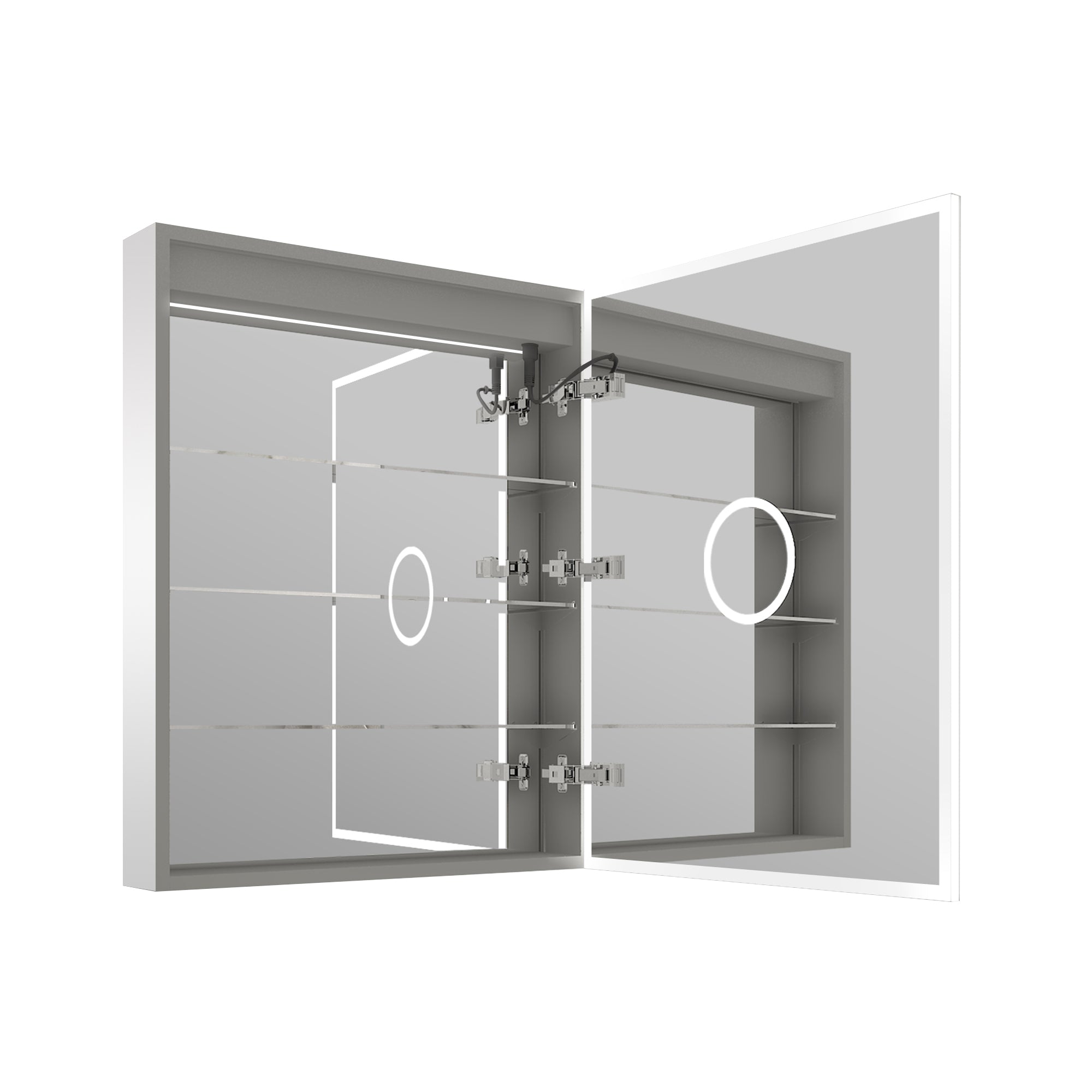
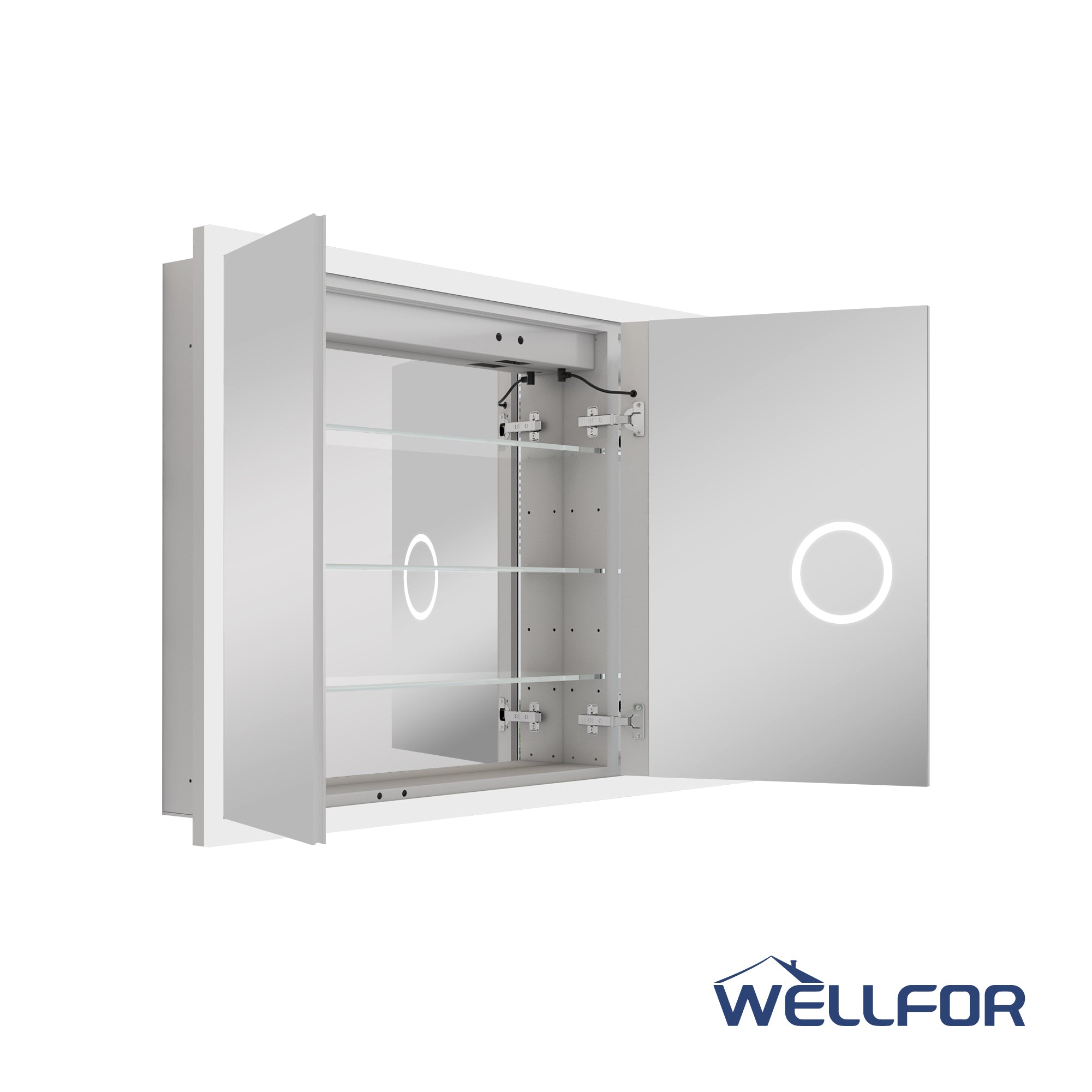
Center the mirror over the vanity, then check the sightline for everyone who regularly uses it. Leave enough clearance for faucets, medicine cabinet doors, and nearby shelving.
For hardwired models, use a qualified electrician and follow local electrical codes. Verify the manufacturer's bathroom-location and moisture-protection requirements before purchase.
If the mirror is backlit, ask whether its mounting arrangement provides the wall clearance needed for an even halo.
7. Keep the Glow Looking Its Best
Fingerprints, toothpaste splashes, and bathroom residue can quickly dull an otherwise polished installation. Clean the glass with a soft microfiber cloth and a manufacturer-approved cleaner. Avoid soaking the mirror edges or spraying liquid into touch controls.
Use the exhaust fan to manage humidity, and switch off the defogger when it is no longer needed. For flickering lights, follow the manufacturer's service guidance.

8. Choose the Atmosphere You Will Actually Enjoy
Before selecting a lighted mirror, decide what the bathroom needs most: flattering task lighting, a softer evening atmosphere, or both. Compare Wellfor mirror options by size, lighting direction, dimming controls, and installation requirements rather than appearance alone.
For a busy family vanity, practical front lighting usually deserves priority. For a guest bathroom with adequate ambient lighting, a gentle backlit design may be the more satisfying choice.
Test the brightness at face level whenever possible. A well-chosen lighted mirror should feel comfortable at 7 a.m. and just as welcoming at the end of the day.















Leave a comment
This site is protected by hCaptcha and the hCaptcha Privacy Policy and Terms of Service apply.