
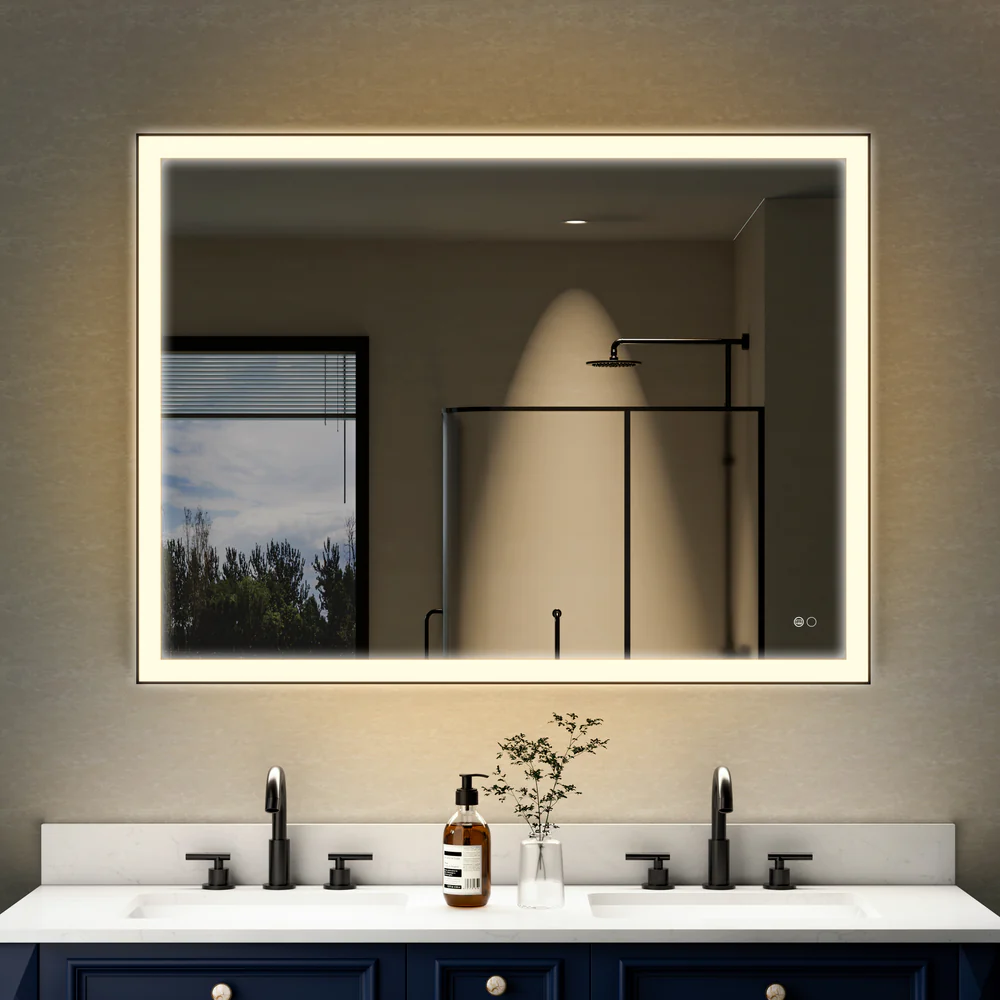
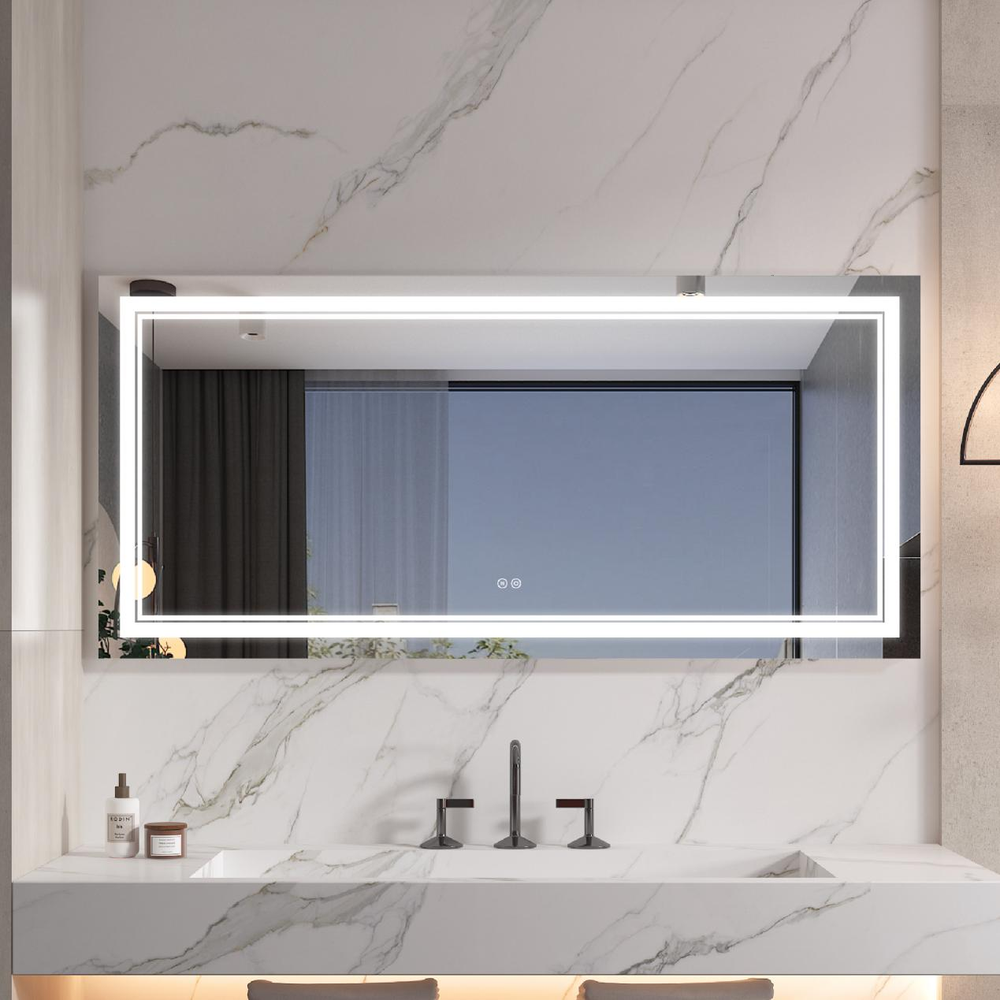
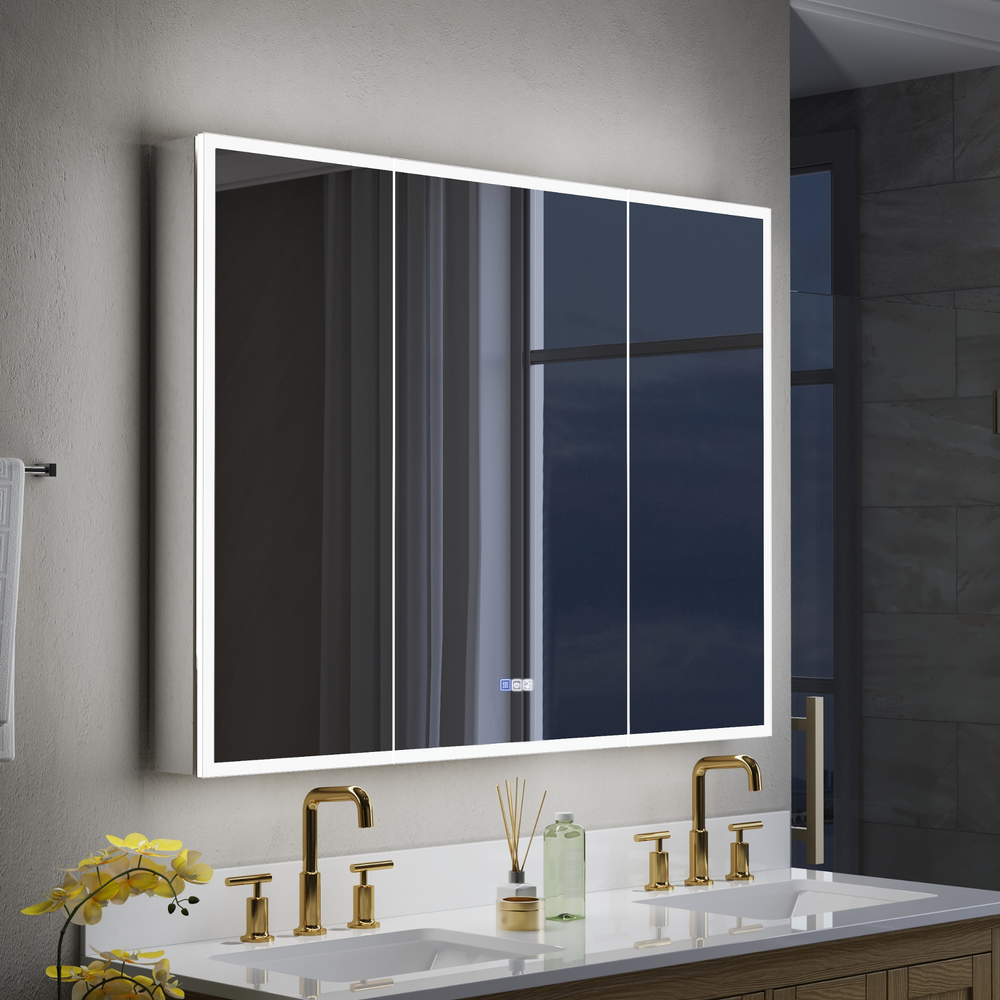
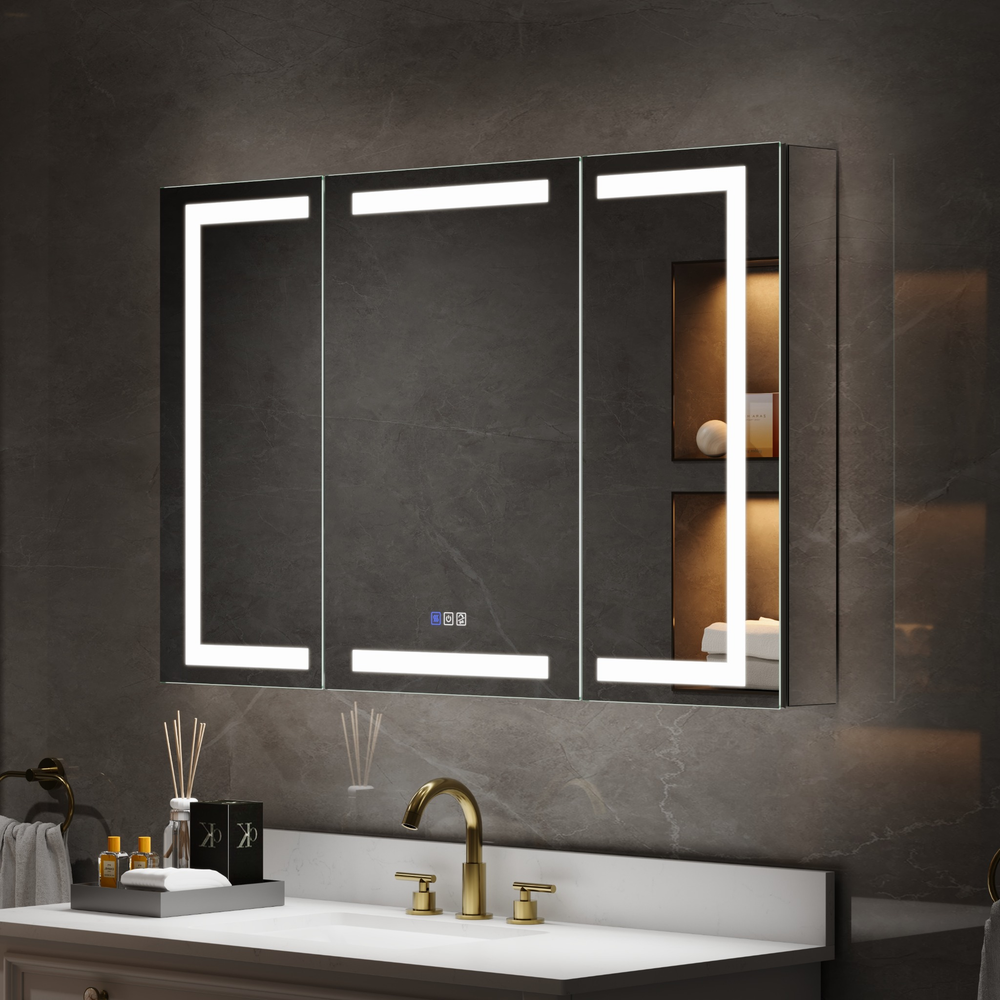





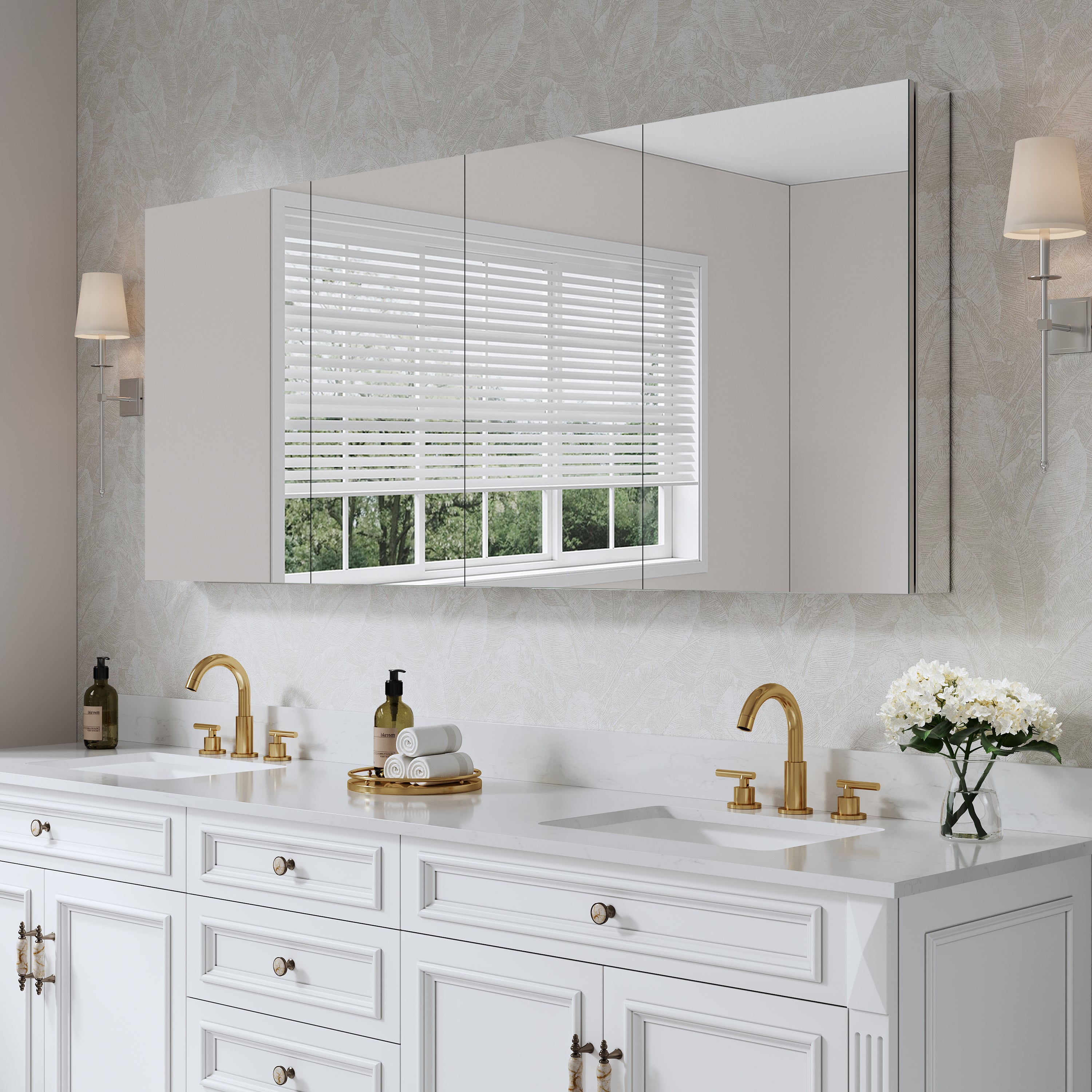
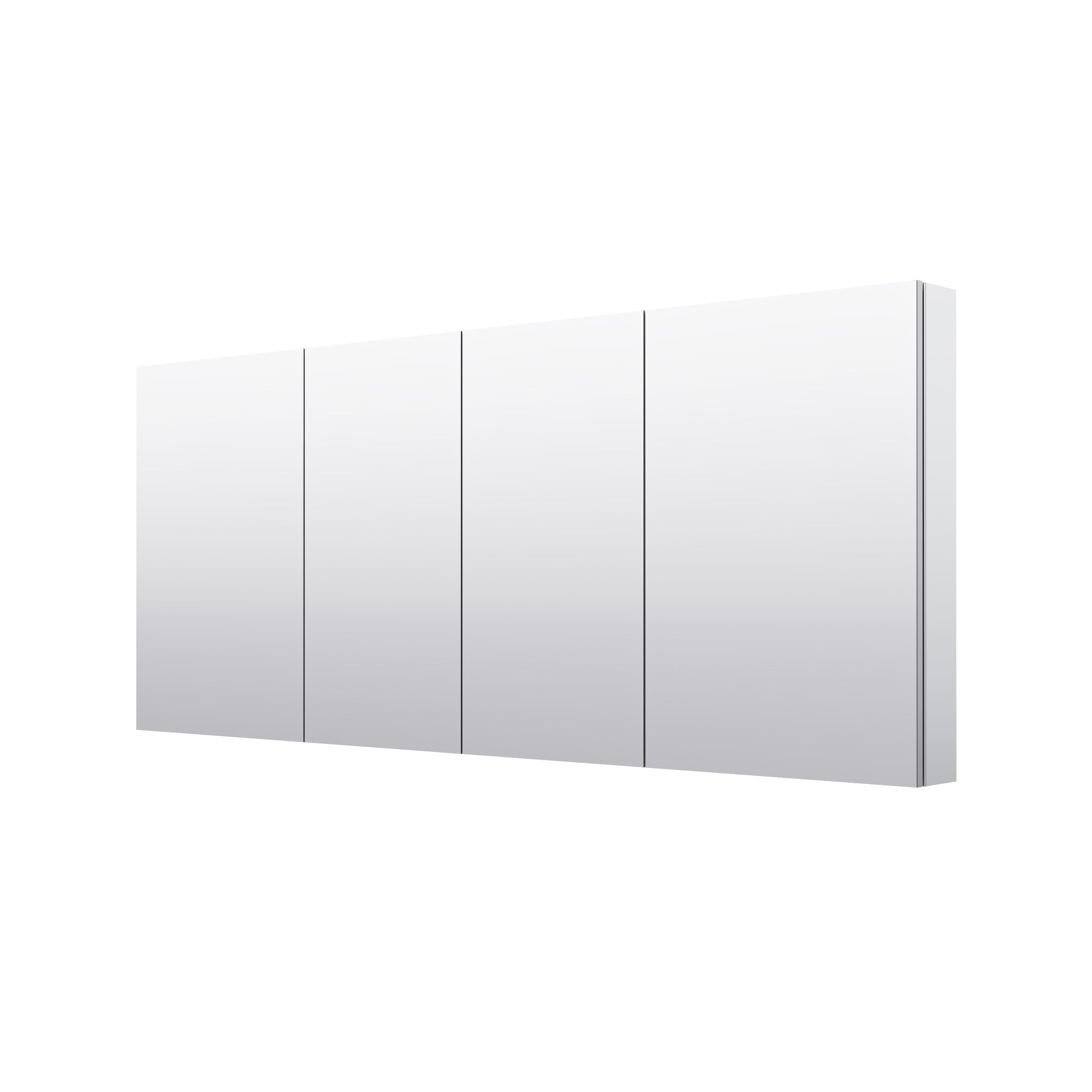
At first glance, a bathroom medicine cabinet with mirror seems like a straightforward upgrade: you get a place to check your reflection and somewhere to hide the clutter around the sink. In practice, its value depends on the size of your bathroom, what you need to store, and how the cabinet is installed. A good model can streamline a busy morning. A poorly chosen one can crowd the vanity or leave you with shelves that barely fit your essentials.
1. What Makes a Mirrored Medicine Cabinet Useful?
The biggest advantage is convenience. Toothpaste, skincare bottles, contact lens cases, and shaving supplies can sit behind the mirror rather than compete for space on the countertop. That makes wiping down the sink easier and gives a small bathroom a calmer appearance.
Storage at eye level also means fewer trips into vanity drawers. In a shared bathroom, however, you'll want enough shelf space for everyone. Otherwise, the cabinet simply moves the clutter behind a door.
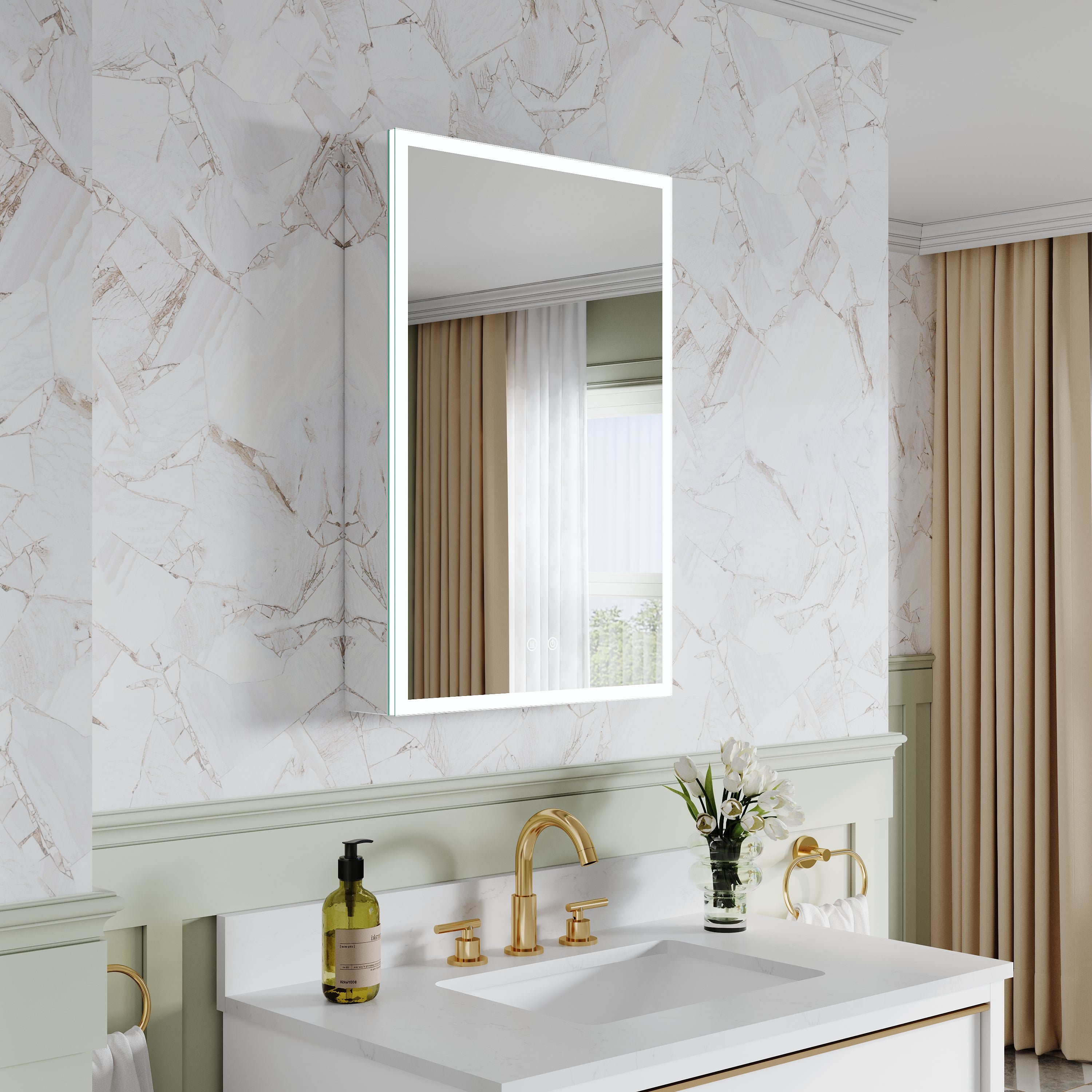
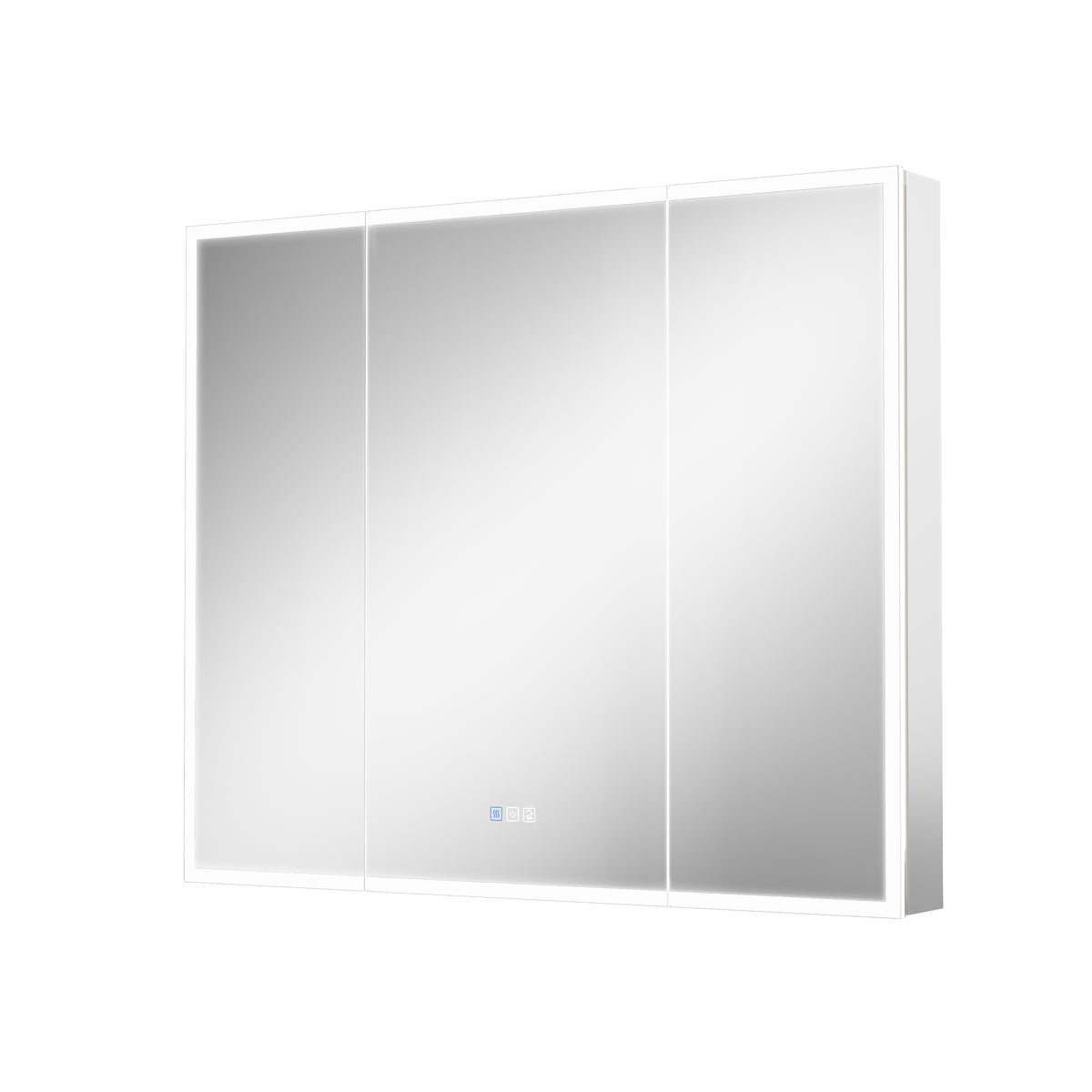
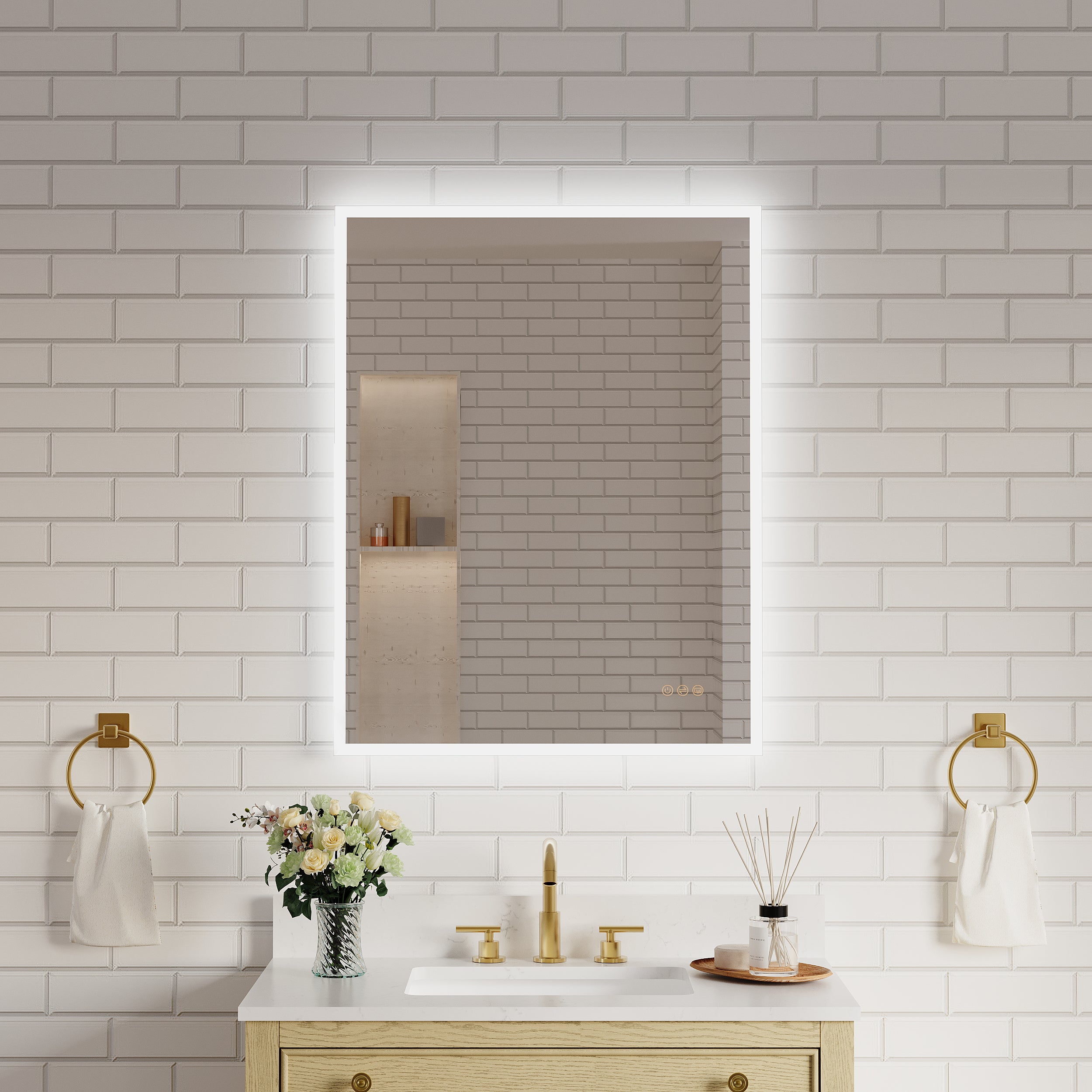
A slim-profile cabinet can blend into a bathroom with simple tile and understated hardware. But an attractive exterior shouldn't distract from storage capacity. A cabinet that cannot accommodate your regular products will look organized only while its door stays closed.
2. How Much Storage Do You Actually Gain?
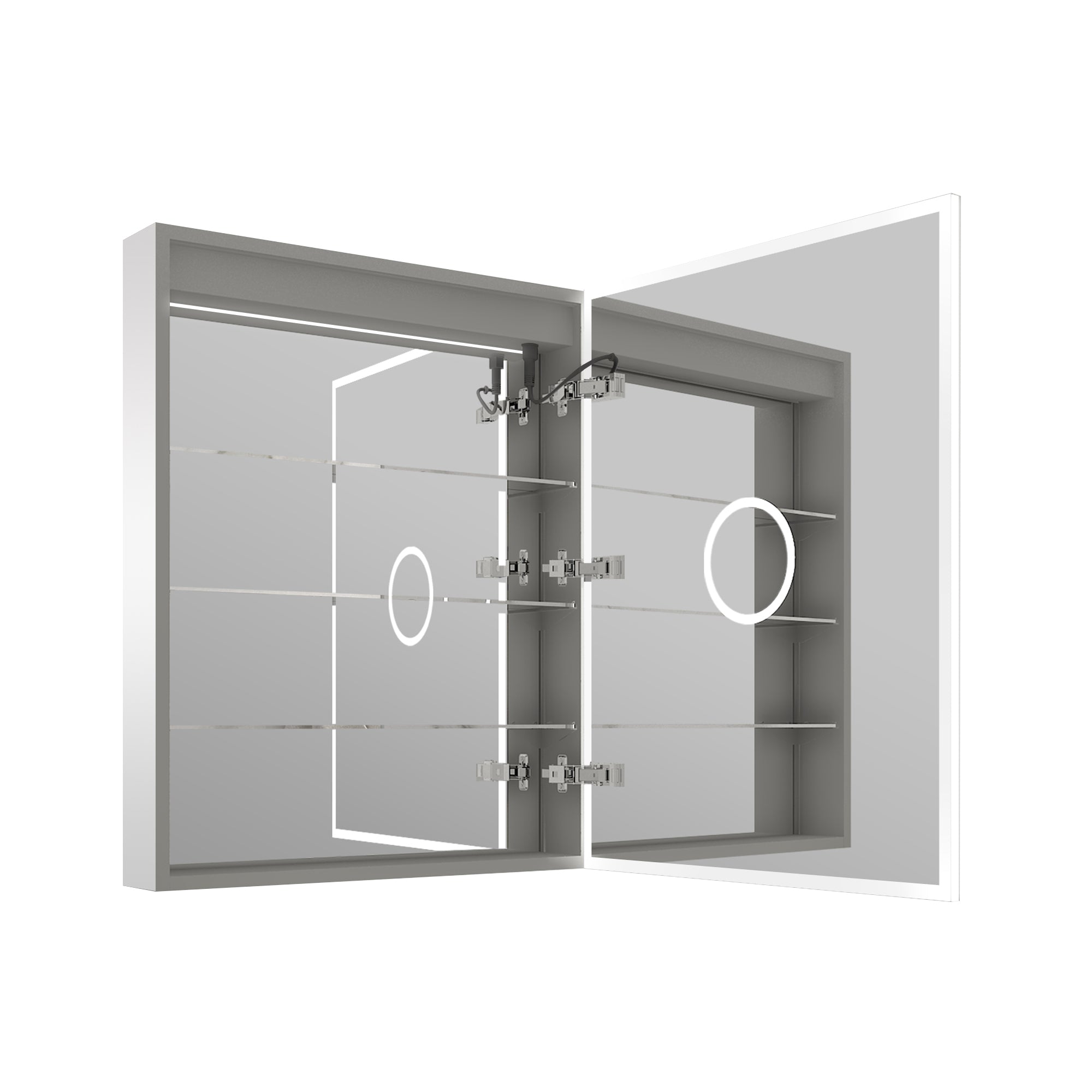
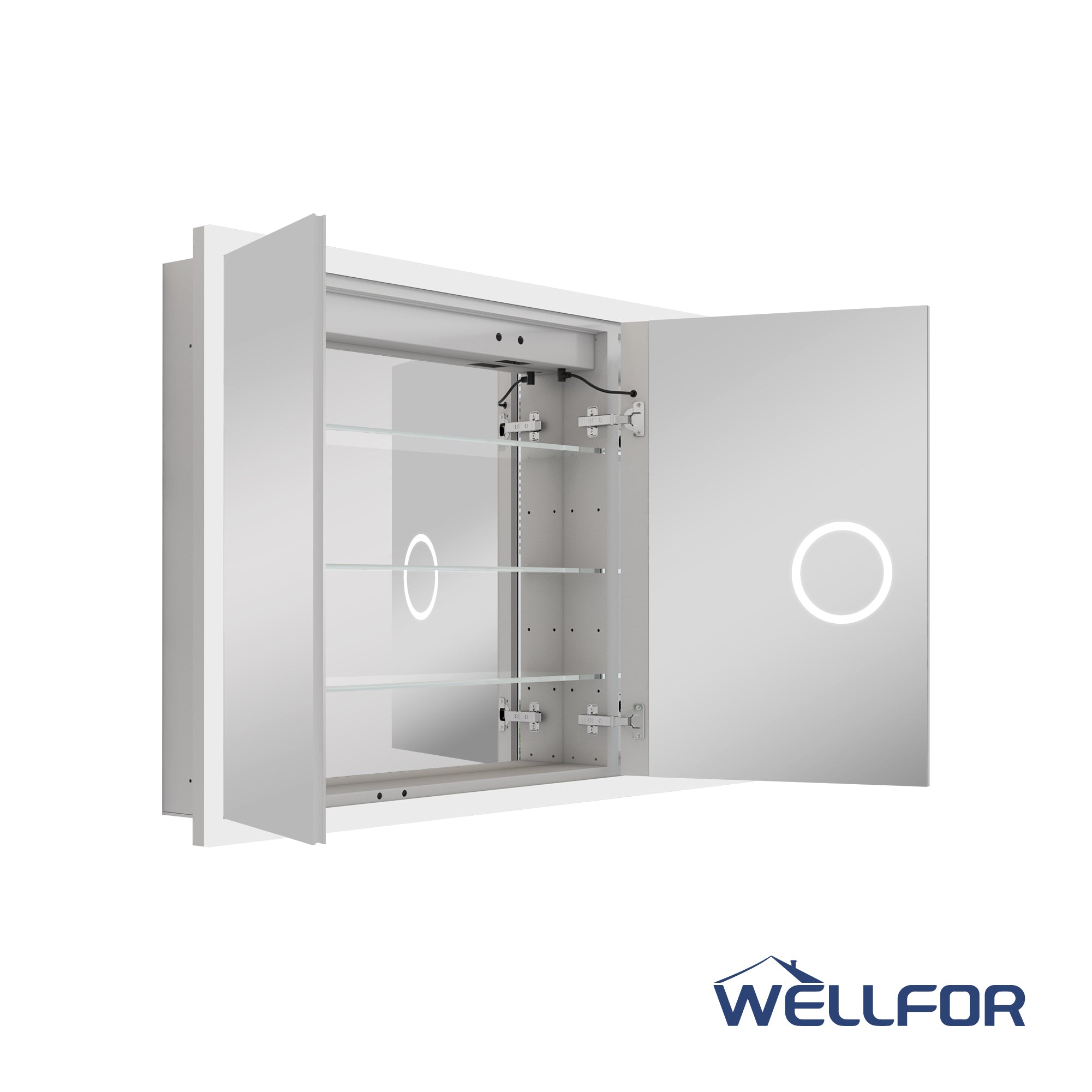
Cabinet dimensions can be misleading. A model that looks generous from the front may have a shallow interior, fixed shelves, or hinges that take up valuable space.
Measure the Products, Not Just the Wall
Before shopping, gather the items you use each day. Measure the tallest bottle and note anything wide or unusually shaped. Compare those measurements with the cabinet's usable interior depth and adjustable shelf positions.
A cabinet works particularly well for small, frequently used products. It is less suitable for bulky hair tools, spare towels, or large cleaning supplies. Those belong in drawers or dedicated storage where they won't overload a wall-mounted unit.
3. Recessed Versus Surface-Mounted Cabinets
A recessed medicine cabinet fits into the wall cavity, creating a neat, built-in appearance. It's a strong option during a remodel when the wall is already open and framing can be assessed.
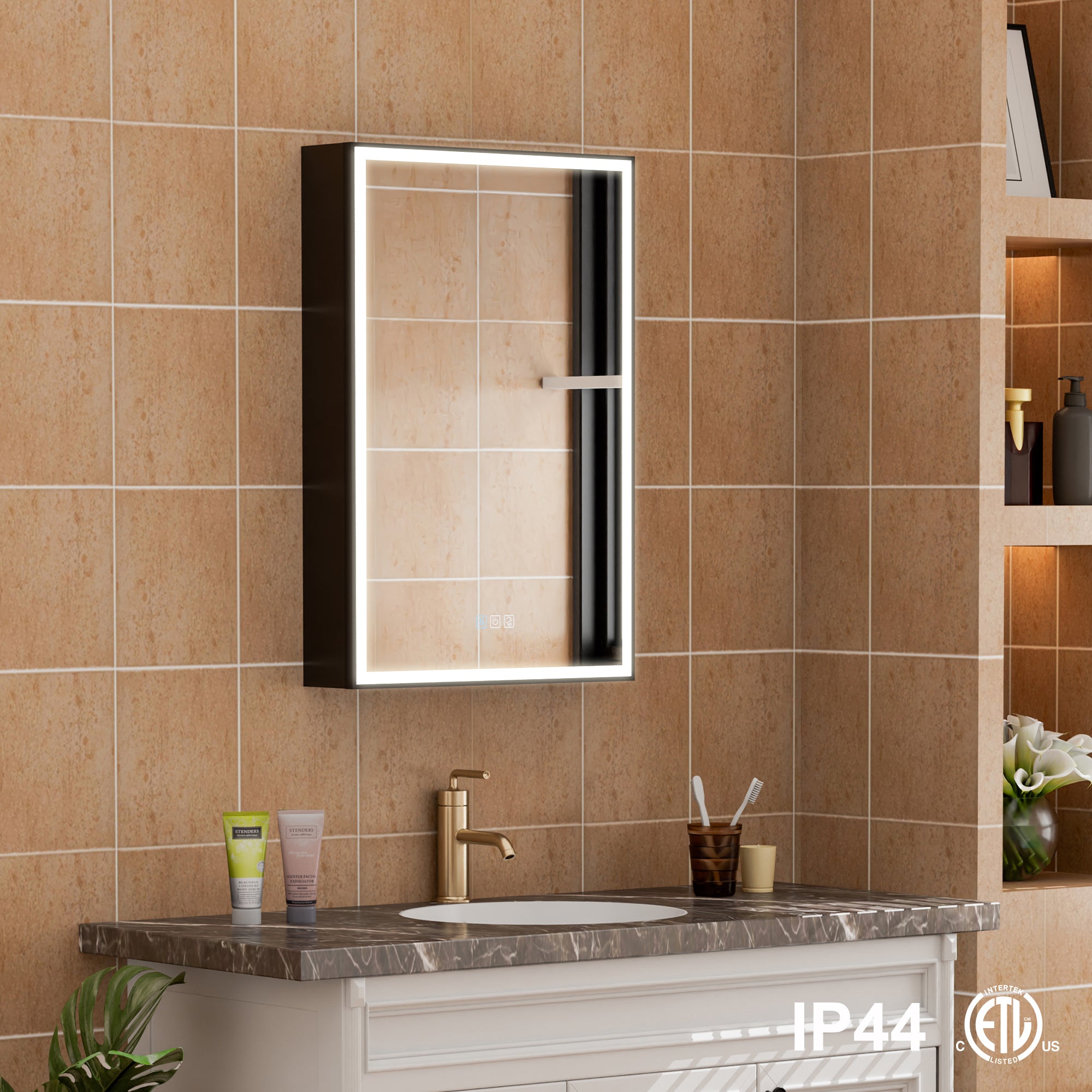
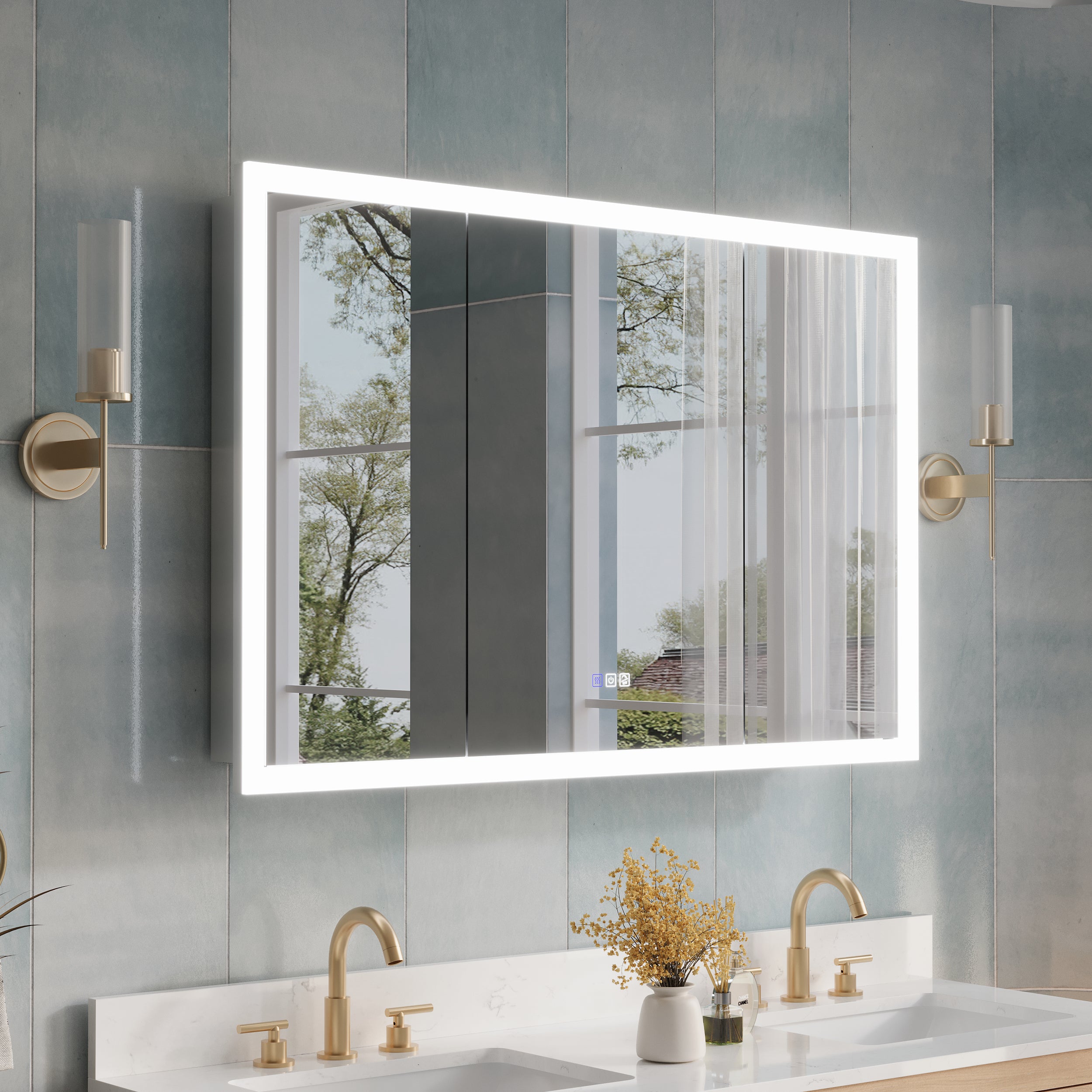
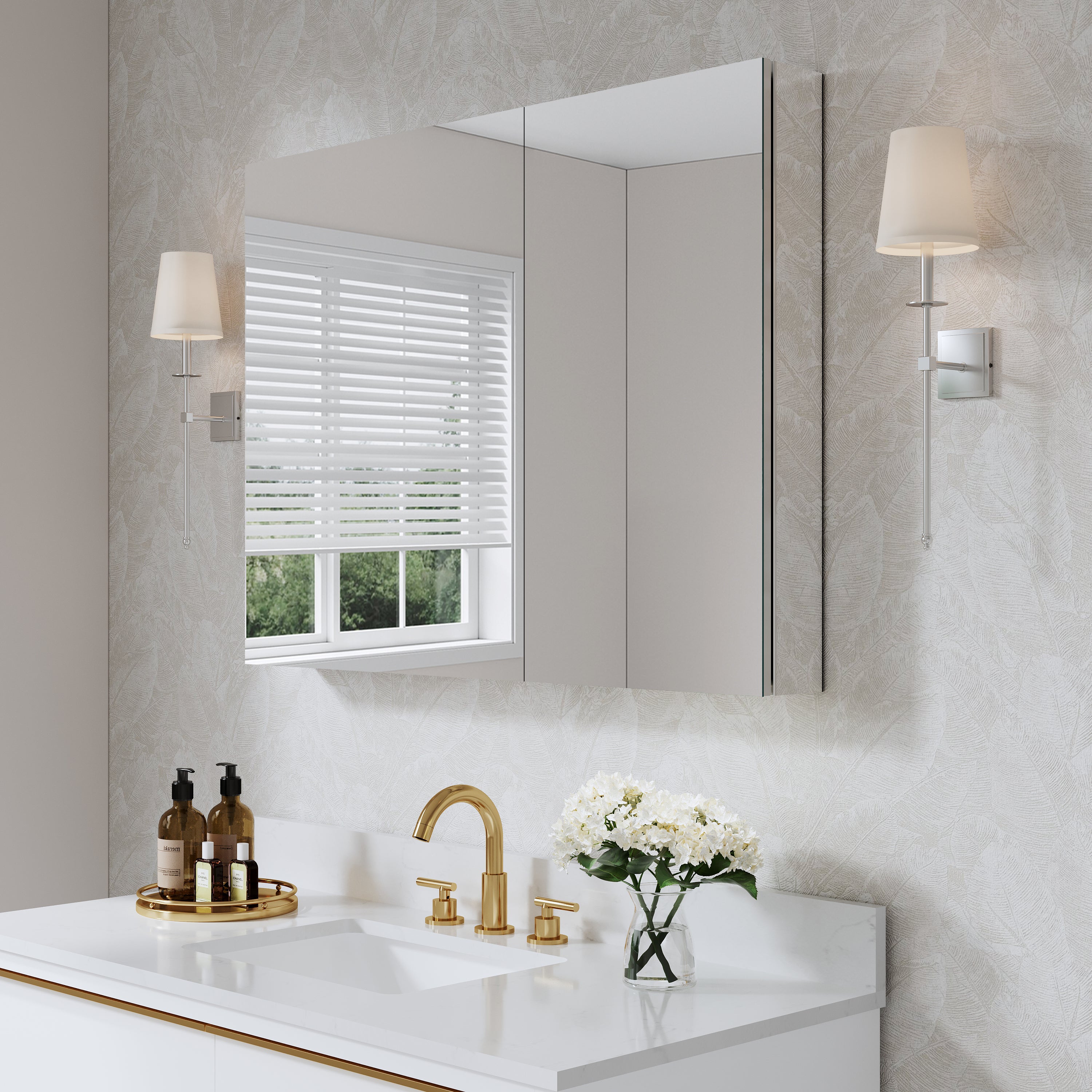
Surface-mounted models attach to the wall and project outward. They can be easier to add to an existing bathroom, although that extra depth may feel intrusive above a narrow sink.
Don't assume a recessed installation is possible just because the wall looks empty. Studs, plumbing, wiring, and ventilation can all limit the opening. Altering structural framing requires professional assessment.
4. The Features Worth Paying For
Adjustable shelves, sturdy hinges, and corrosion-resistant finishes generally matter more than decorative extras. Soft-close doors are especially welcome in a family bathroom, where a cabinet might be opened dozens of times a day.
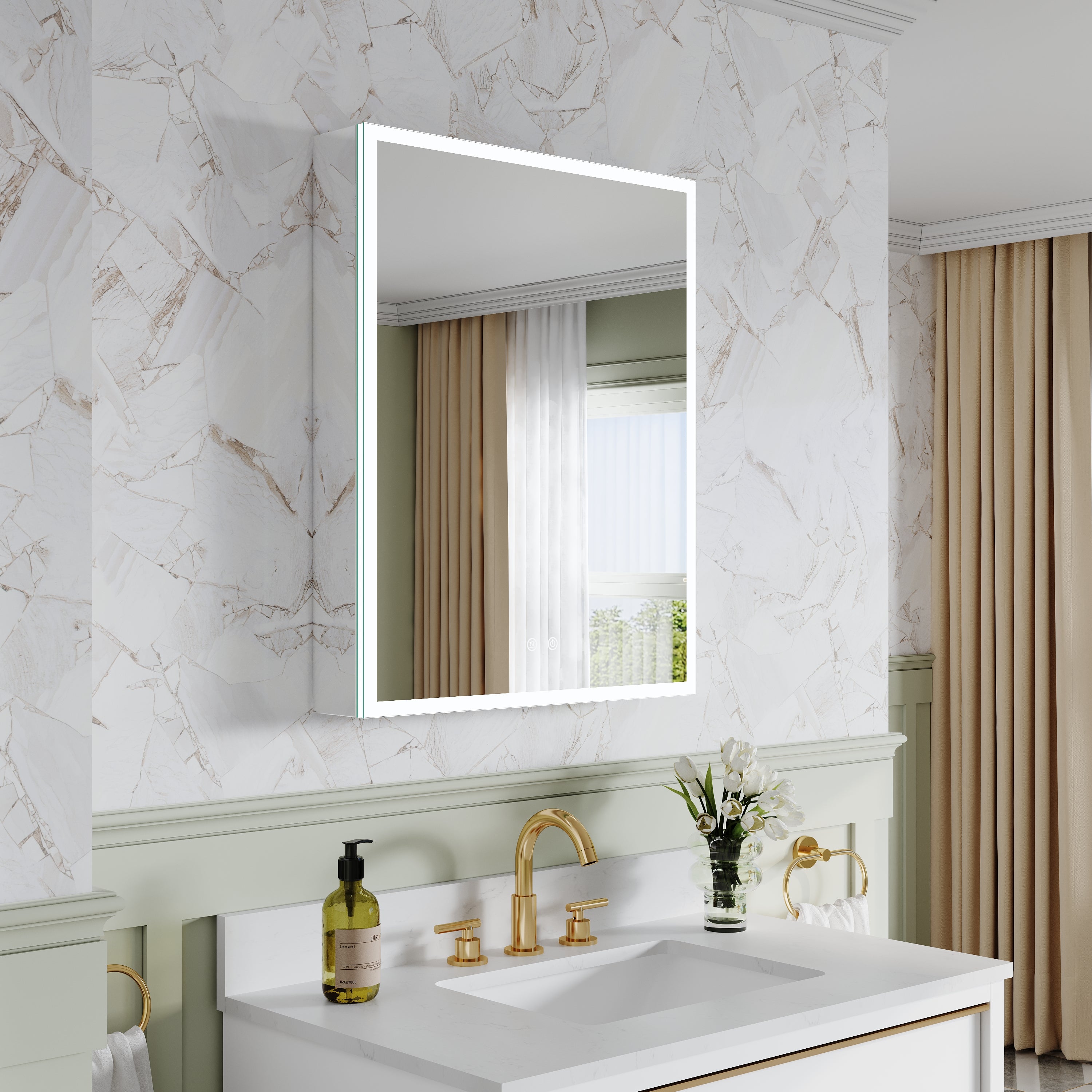
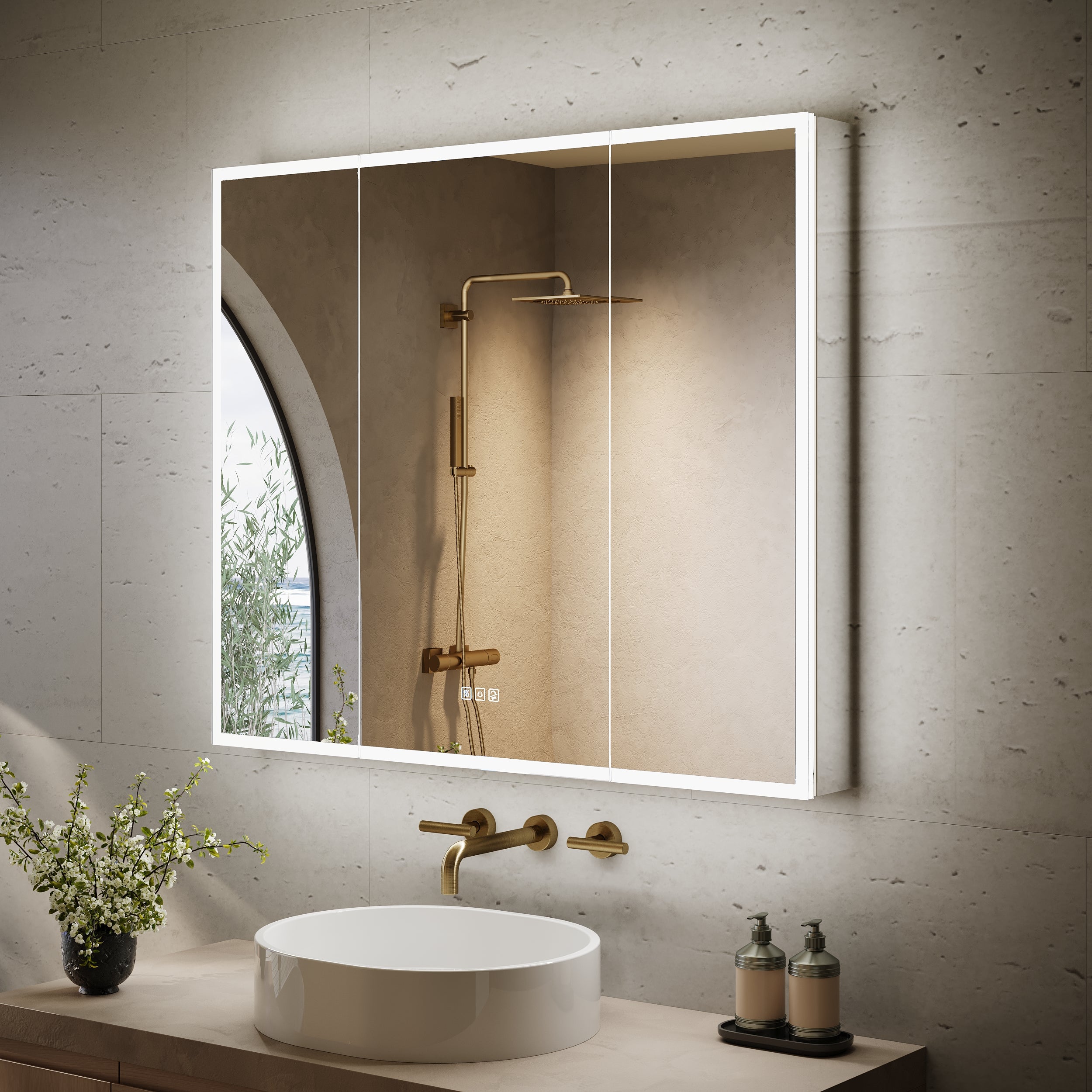
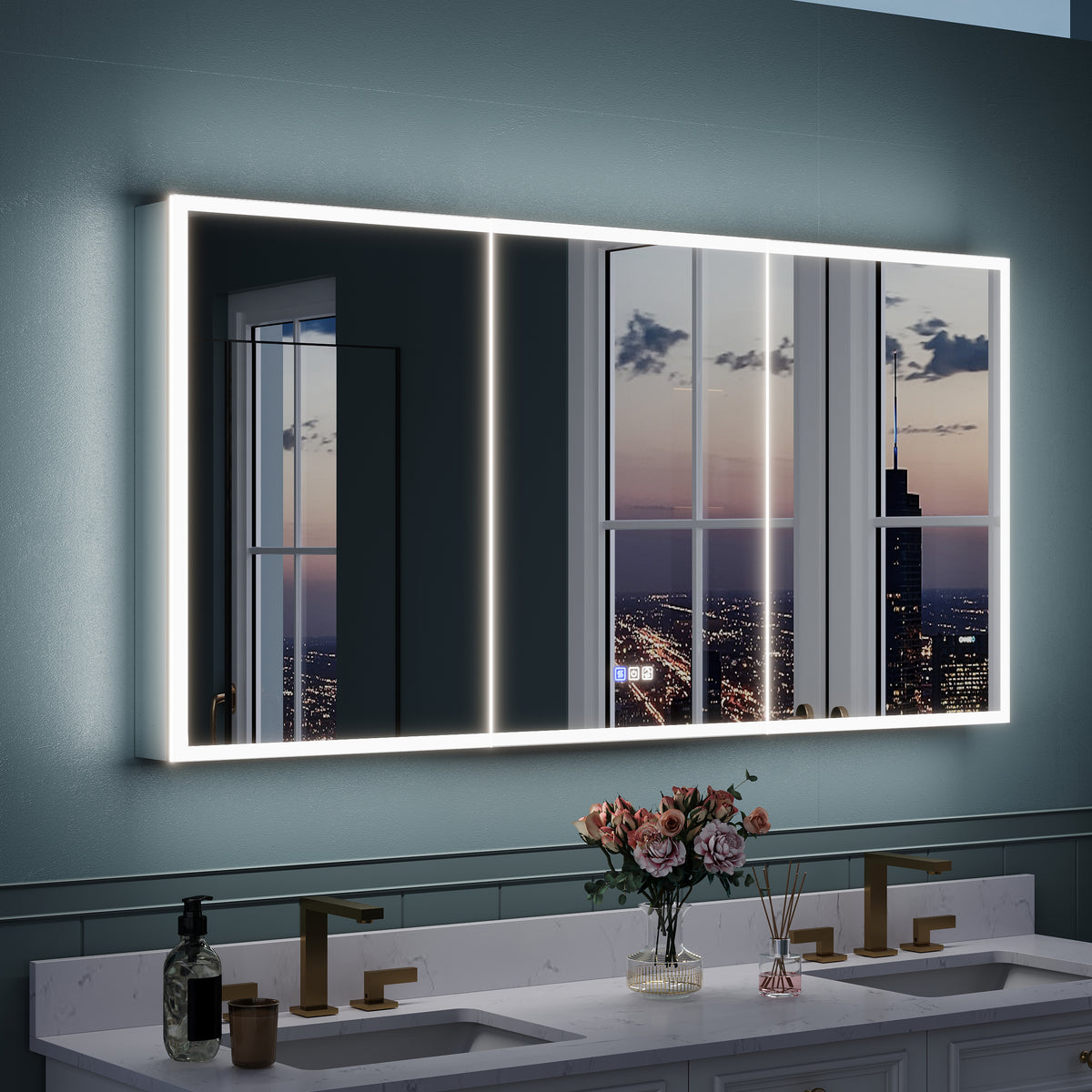
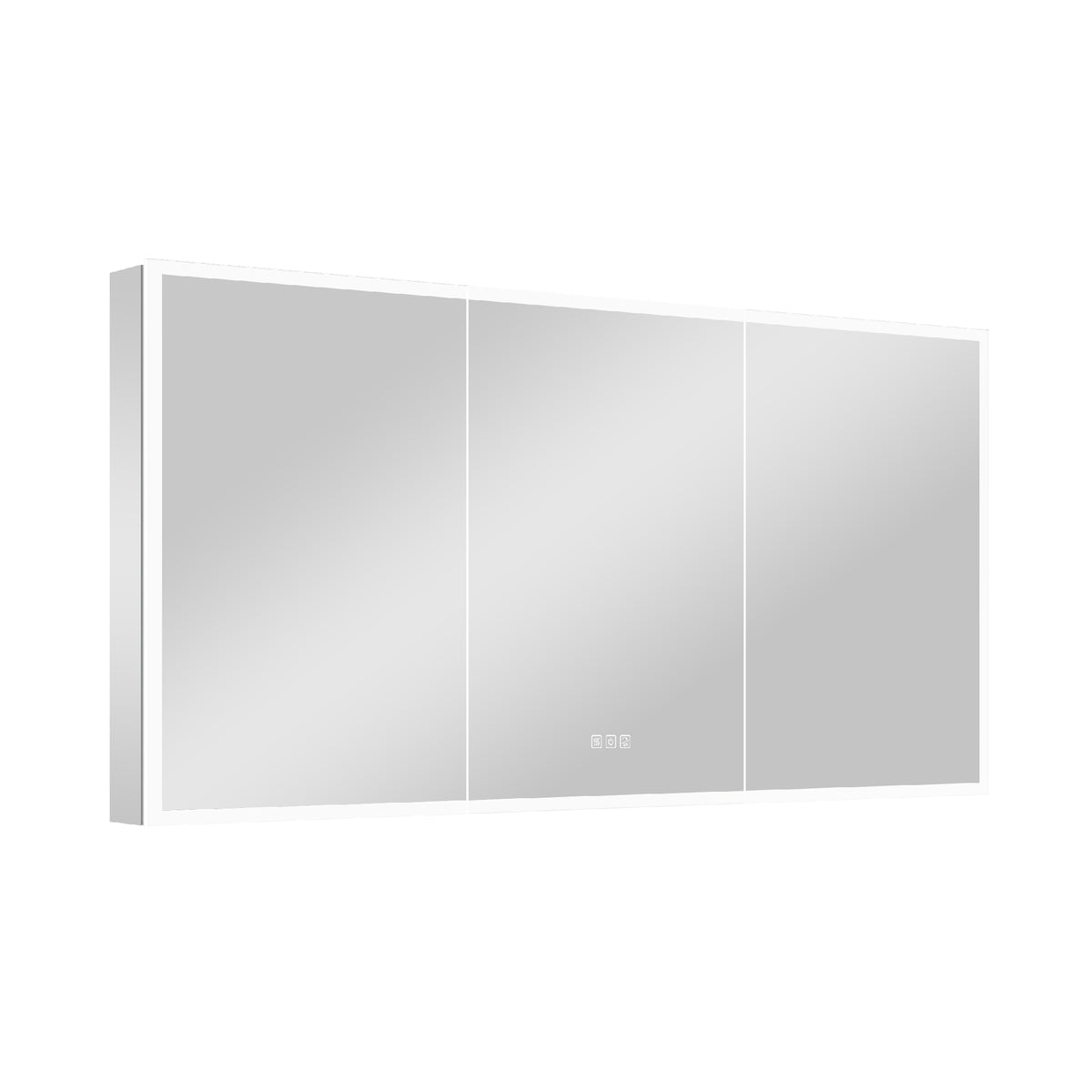
Some models include LED lighting, interior mirrors, electrical outlets, or defogging features. These can be useful, but they increase the price and may complicate installation or future repairs.
If you're considering integrated lighting, check whether it illuminates your face evenly. A decorative glow around the mirror doesn't necessarily replace properly positioned vanity lights.
Don't Overlook the Door Swing
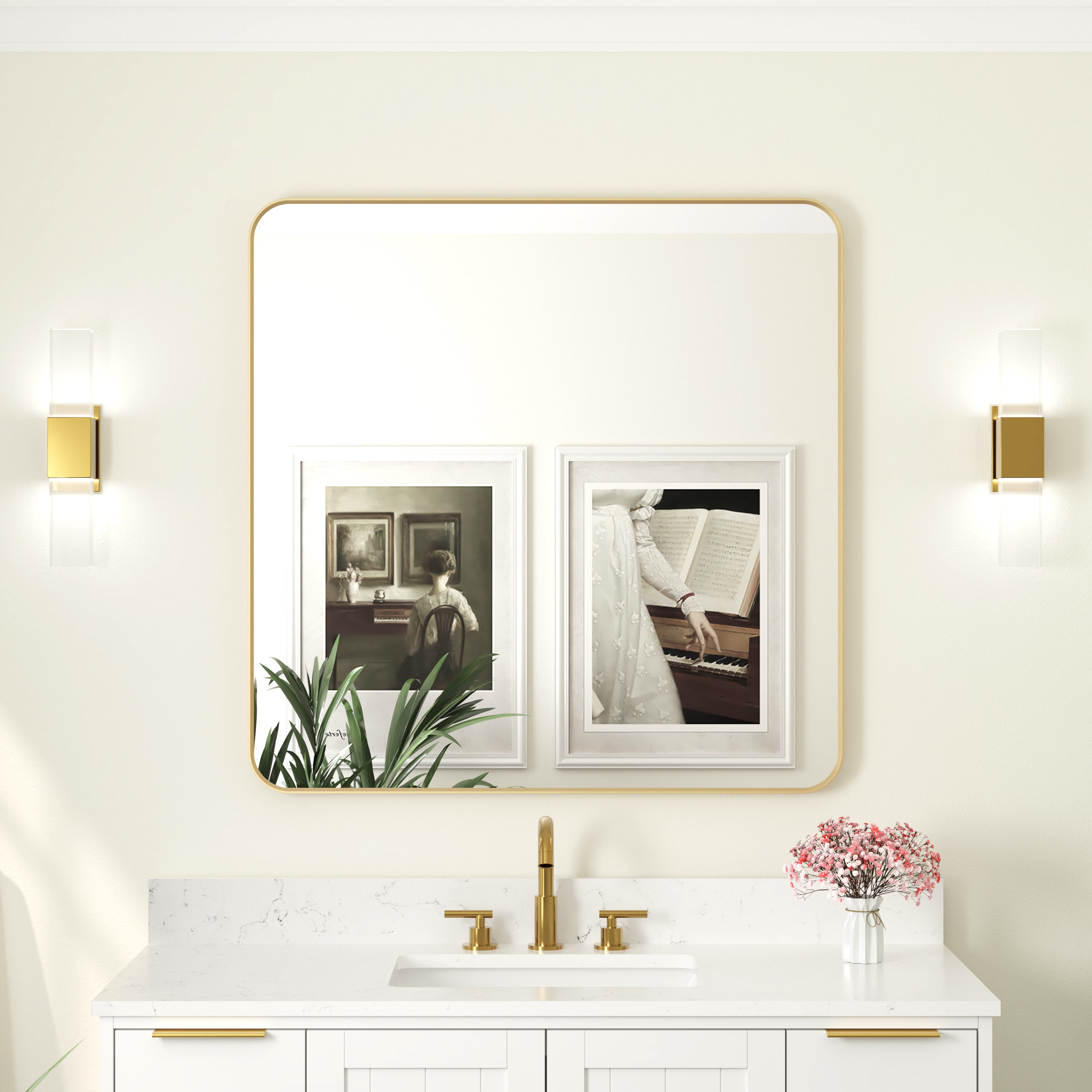
A wide mirrored door can hit a nearby wall sconce or interfere with an open bathroom door. Check the hinge side and opening angle before ordering. In tight spaces, double doors can sometimes offer easier access.
5. Where a Medicine Cabinet Falls Short
Not every bathroom needs one. If you already have a roomy vanity and well-positioned wall lighting, a simple mirror may look cleaner and cost less. A cabinet can also feel bulky in a very shallow room.
There's another detail worth considering: despite the name, a humid bathroom is not always the best place for medication. Heat and moisture can affect storage conditions. Follow each product's label, and keep medicines in an appropriate, secure location away from children.
6. Installation and Care Are Part of the Cost
Measure the vanity, faucet height, lighting placement, and the space needed to open the doors. For surface-mounted designs, use the mounting method and hardware specified for the wall construction and the cabinet's loaded weight. Recessed models may need a contractor, especially if framing or utilities are involved.
Electrical features should be installed in accordance with local codes by a qualified professional when required.
For everyday care, wipe the glass with a soft cloth and avoid soaking the edges. Keep the bathroom ventilated, clean spills from shelves promptly, and inspect hinges occasionally for looseness or corrosion.

7. How to Decide If It's Worth Buying
Start with what bothers you most about your current vanity. If everyday products are piling up around the faucet, concealed storage can make a noticeable difference. If the countertop is already clear, the benefit may be mostly visual.
When comparing Wellfor bathroom storage options, focus on usable interior dimensions, mounting type, door clearance, and material construction. Then consider extras such as lighting or soft-close hardware.
A bathroom medicine cabinet with mirror earns its place when it fits the wall, holds the items you actually reach for, and opens comfortably during a rushed morning. Sketch the measurements, check the installation requirements, and buy for your routine rather than the product photograph.














Leave a comment
This site is protected by hCaptcha and the hCaptcha Privacy Policy and Terms of Service apply.