

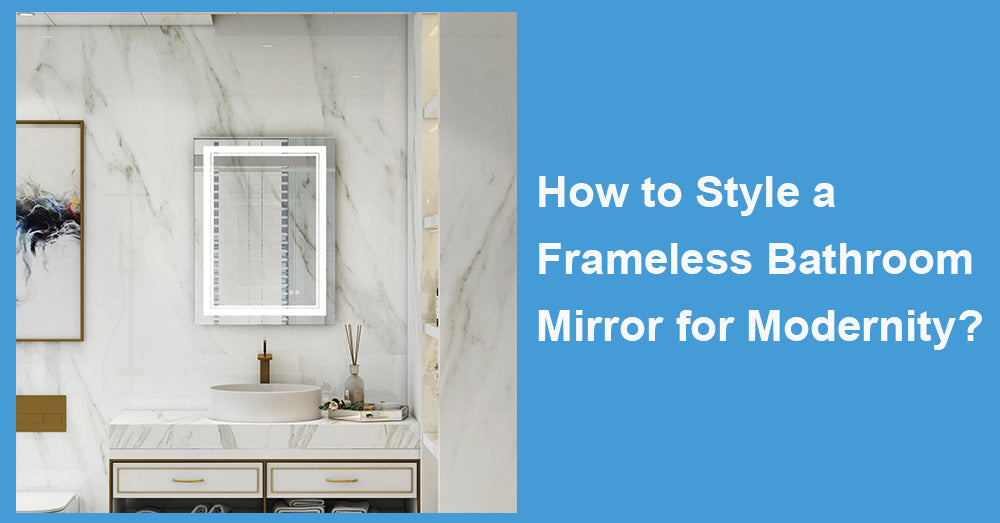
A modern bathroom doesn't need expensive finishes or elaborate decorations to feel thoughtfully designed. Sometimes, removing one visual distraction makes the biggest difference. A frameless bathroom mirror creates a clean, uninterrupted reflection that complements contemporary interiors without competing with surrounding fixtures. Its simplicity makes it surprisingly versatile, whether you're updating a compact powder room or remodeling a spacious primary bathroom. The challenge is choosing the right shape, size, and placement so the mirror feels intentional rather than unfinished.
1. Why a Frameless Bathroom Mirror Works in Modern Interiors
Modern bathroom design often emphasizes clean lines, balanced proportions, and materials that speak for themselves. Frameless mirrors fit naturally into this approach because they eliminate the visual weight of traditional borders.
Without a decorative frame, attention shifts toward the vanity, countertop, wall finishes, and lighting.
This makes frameless designs particularly useful in bathrooms featuring floating vanities, large-format tiles, or minimalist cabinetry.
However, simplicity doesn't guarantee good design. A poorly sized mirror can make a bathroom feel unbalanced, regardless of how attractive the surrounding materials are.
The mirror should complement the room's architecture rather than dominate it.
2. Choosing the Right Mirror Shape and Size
Shape has a surprisingly strong influence on how a bathroom feels.
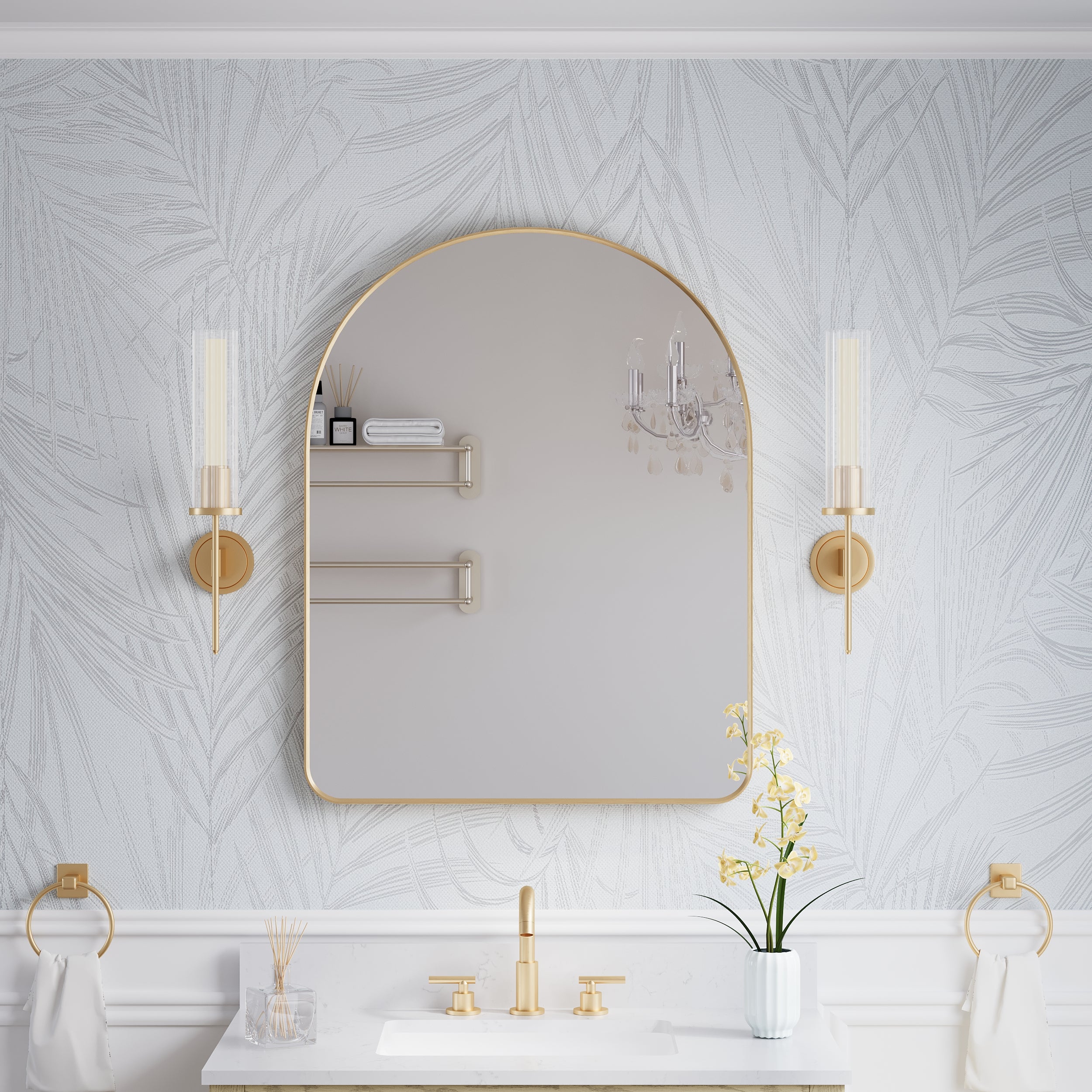
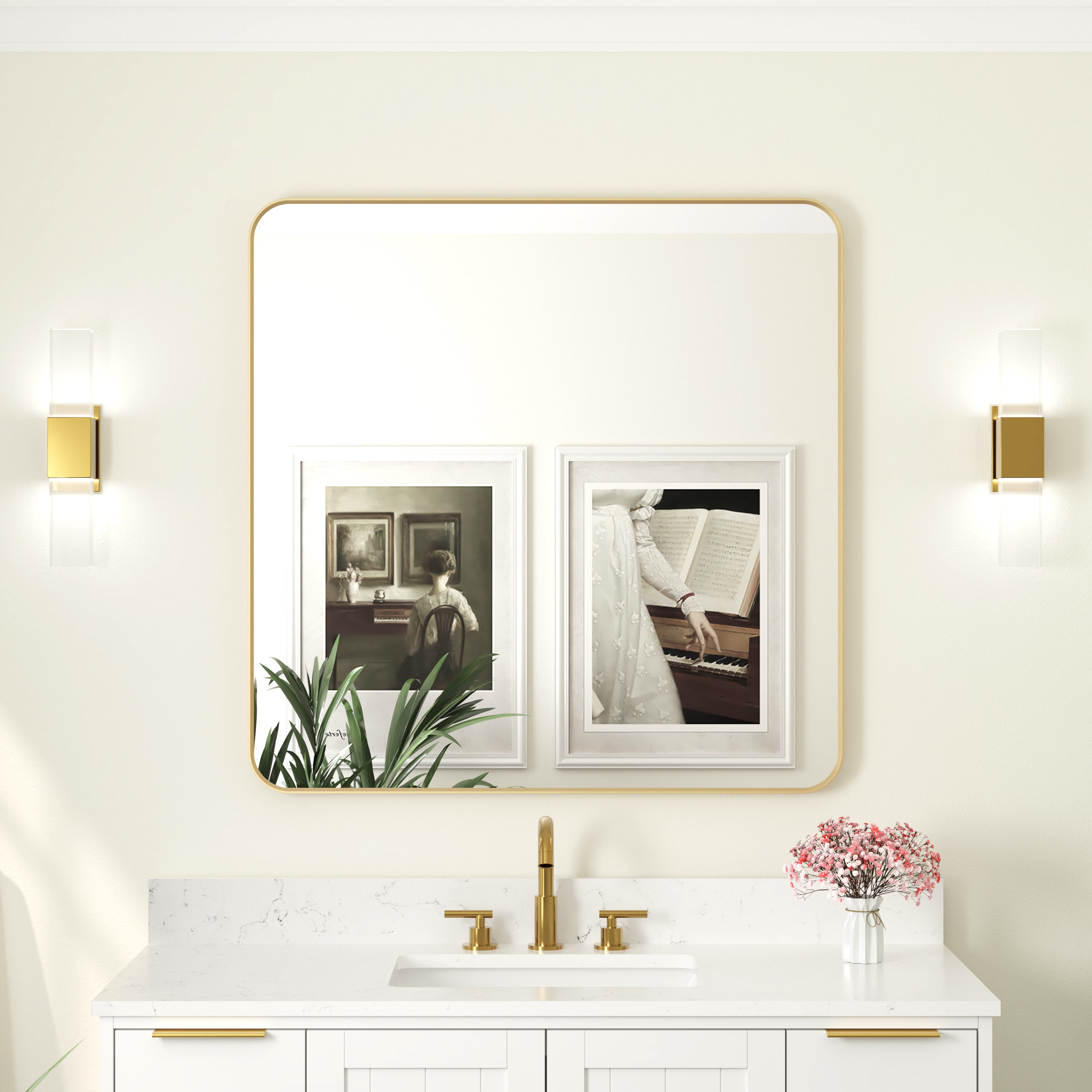
Rectangular mirrors create a structured appearance that works well with contemporary vanities. Round mirrors soften bathrooms dominated by straight lines, while oval designs introduce a slightly more relaxed, elegant character.
Match the Mirror to Your Vanity
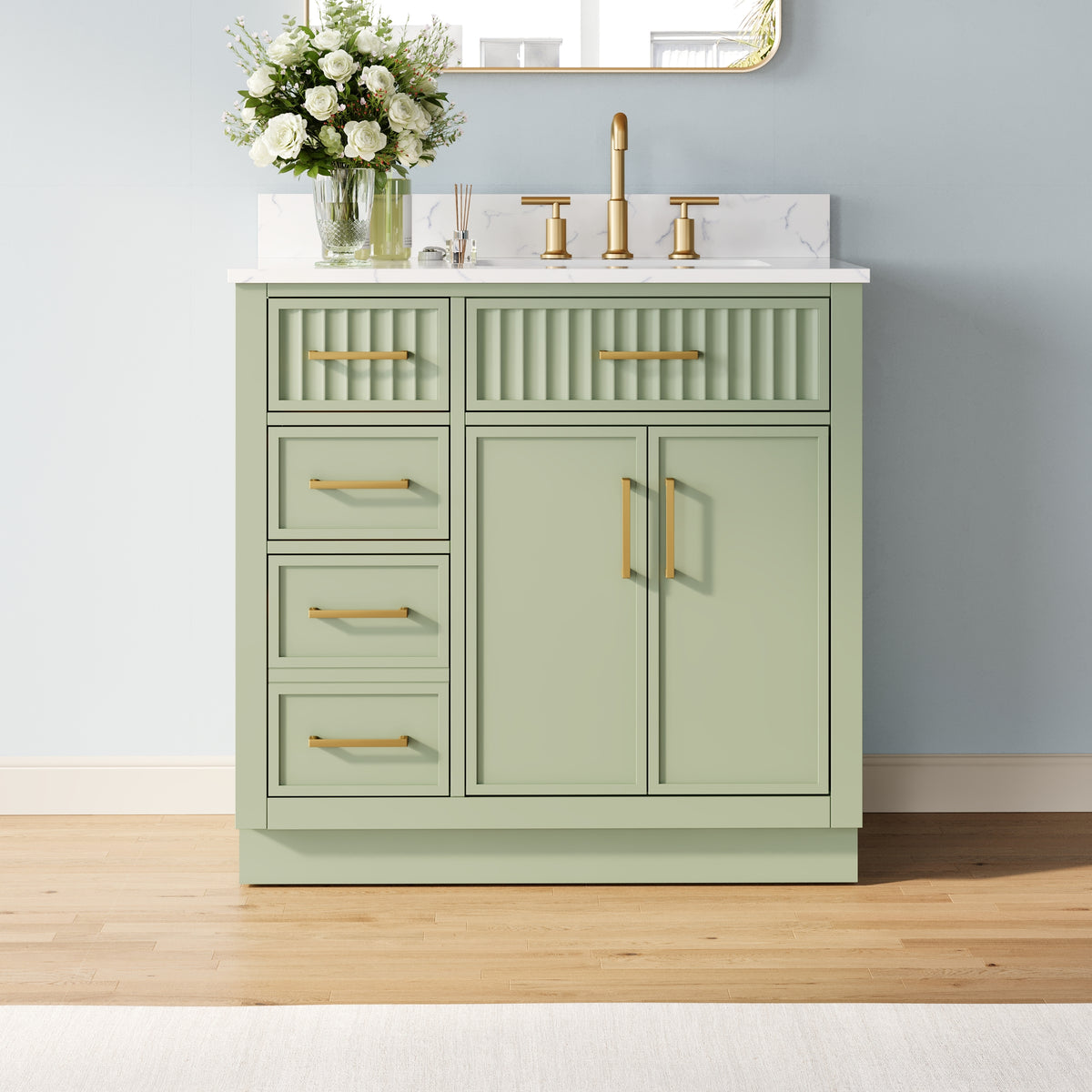
For most single-sink bathrooms, a mirror slightly narrower than the vanity creates a balanced appearance.
A 36-inch vanity, for example, might pair comfortably with a mirror approximately 28 to 32 inches wide, depending on nearby lighting and available wall space.
These measurements are guidelines, not strict design rules.
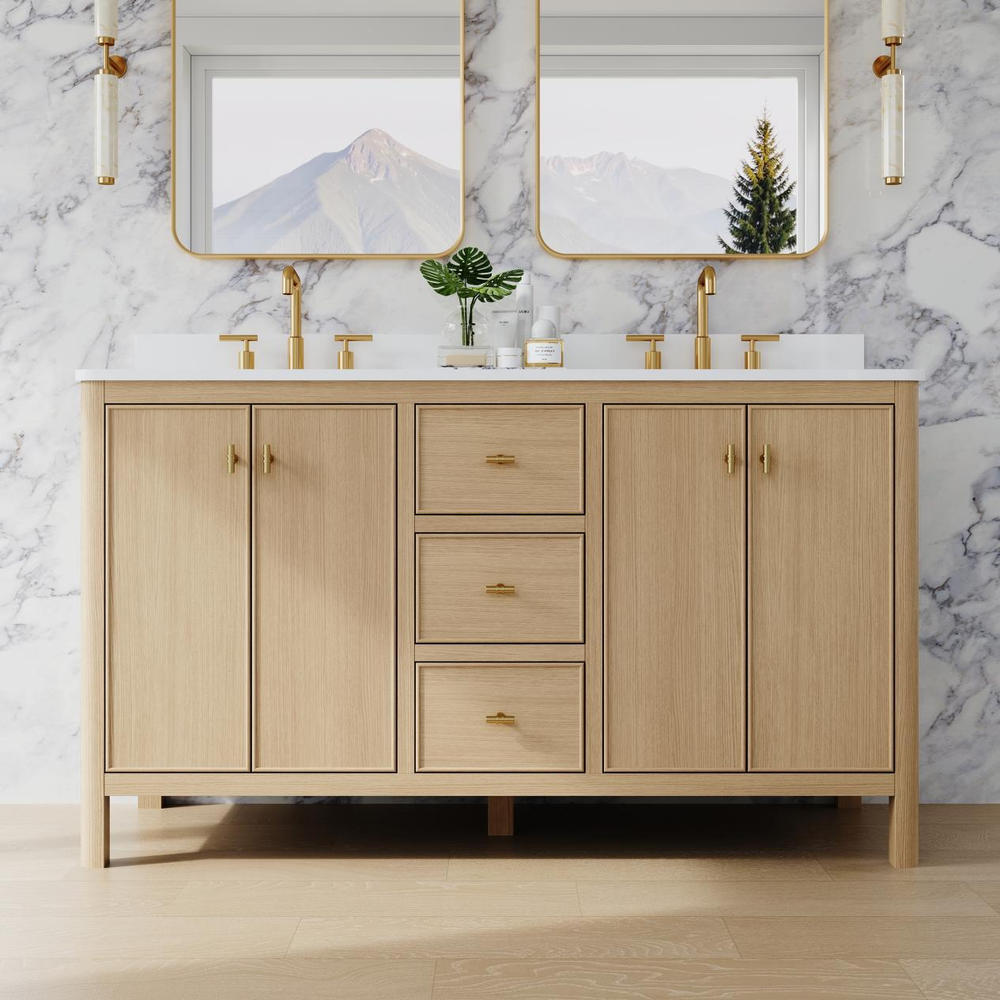
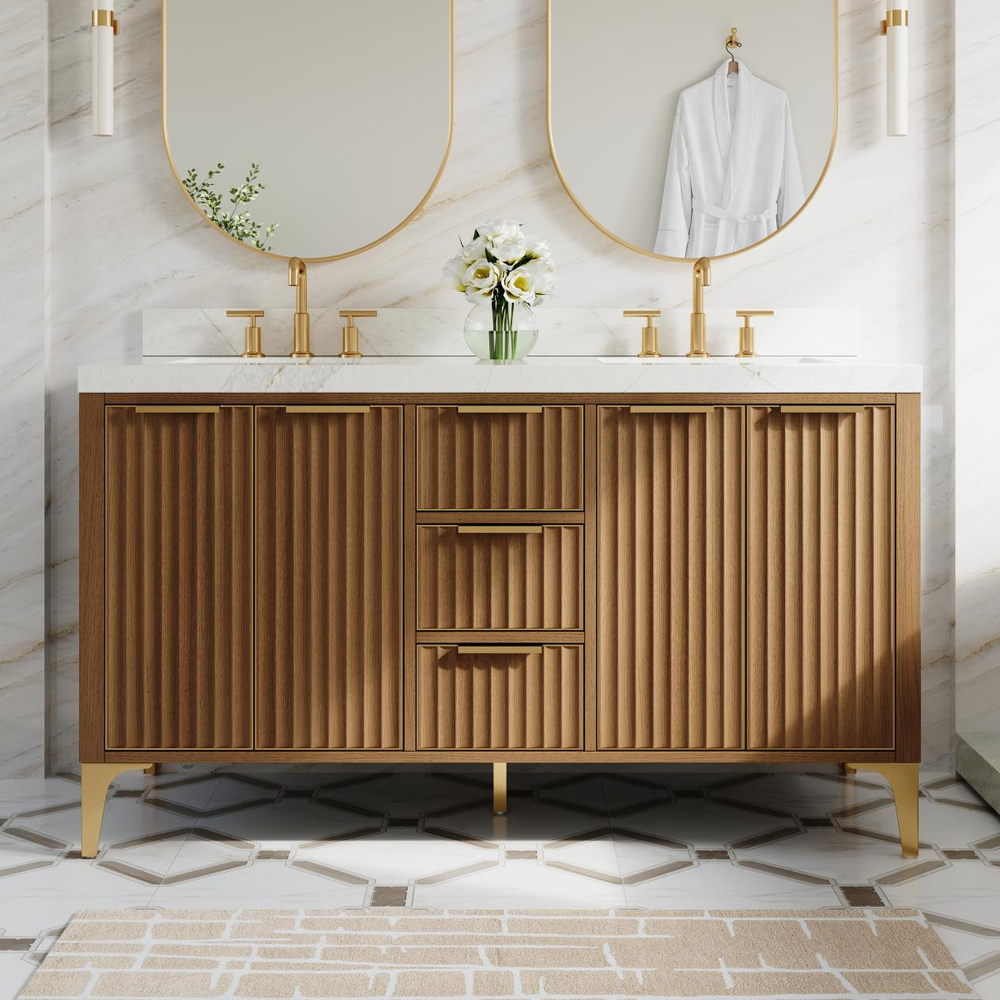
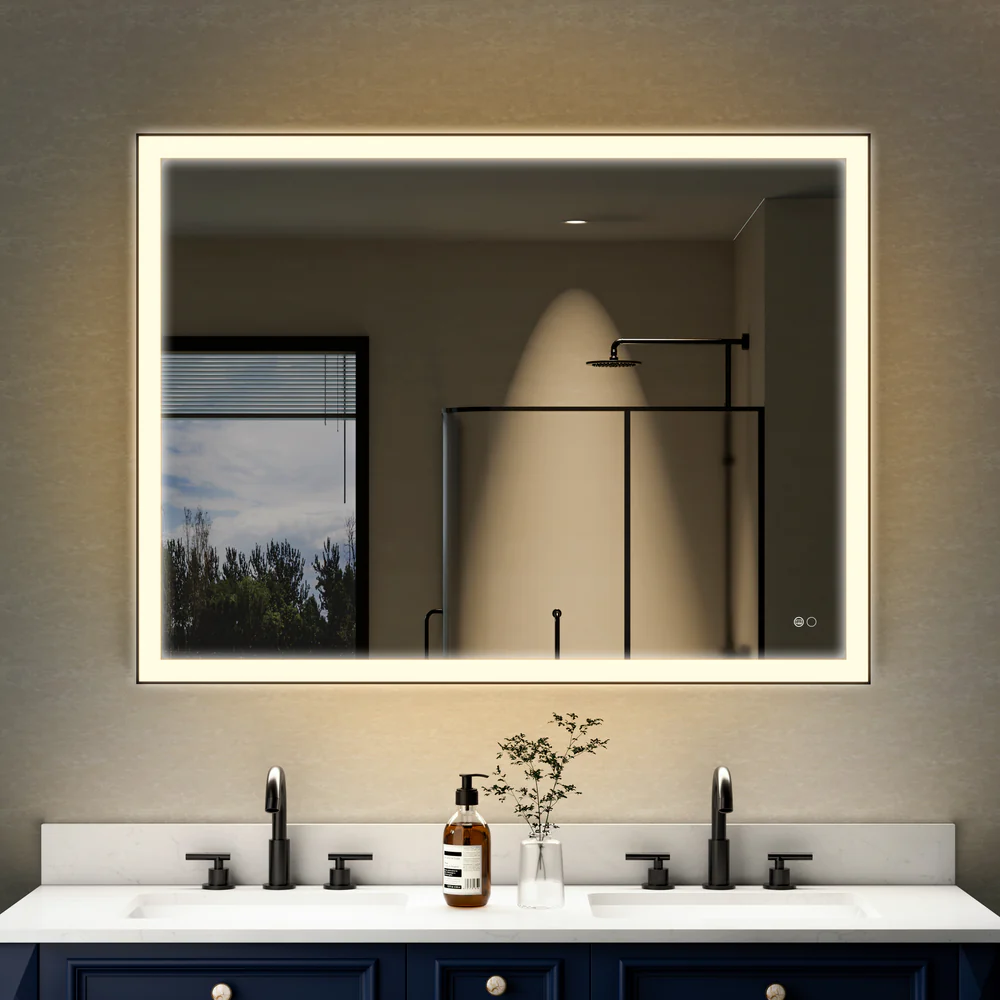
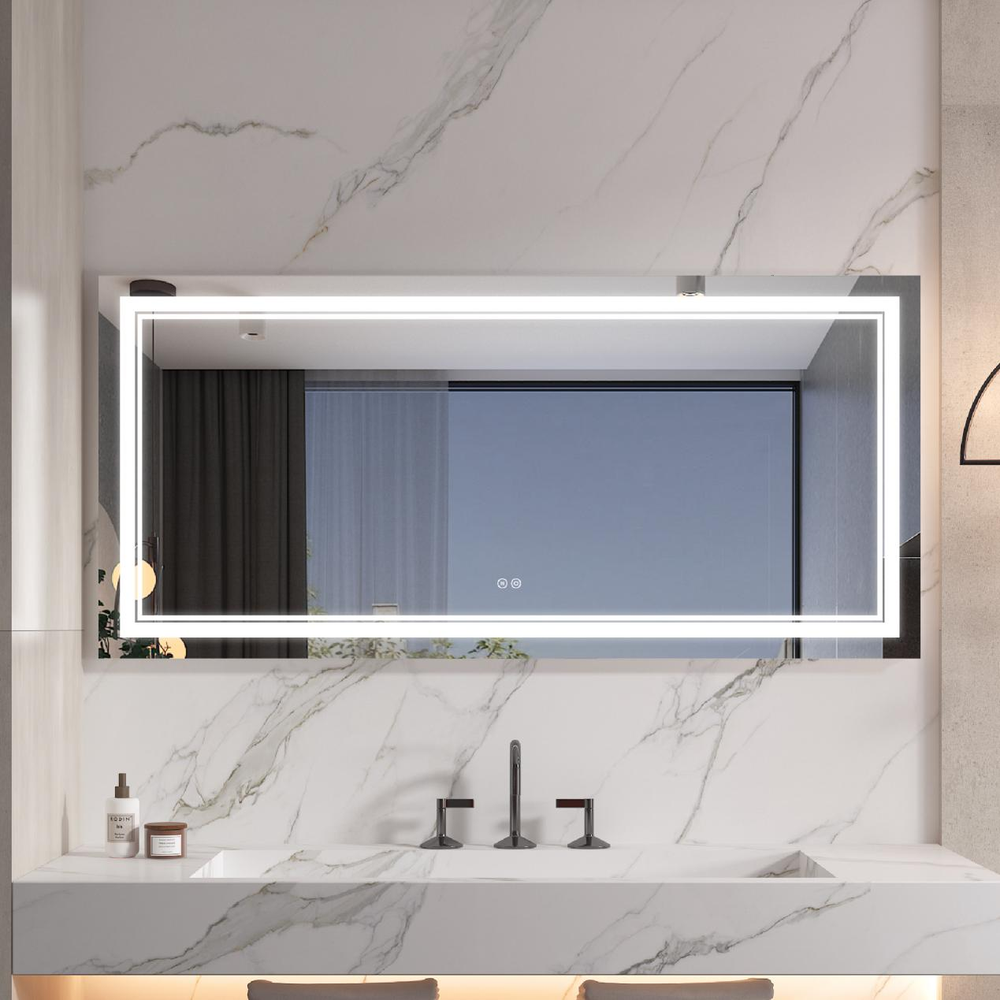
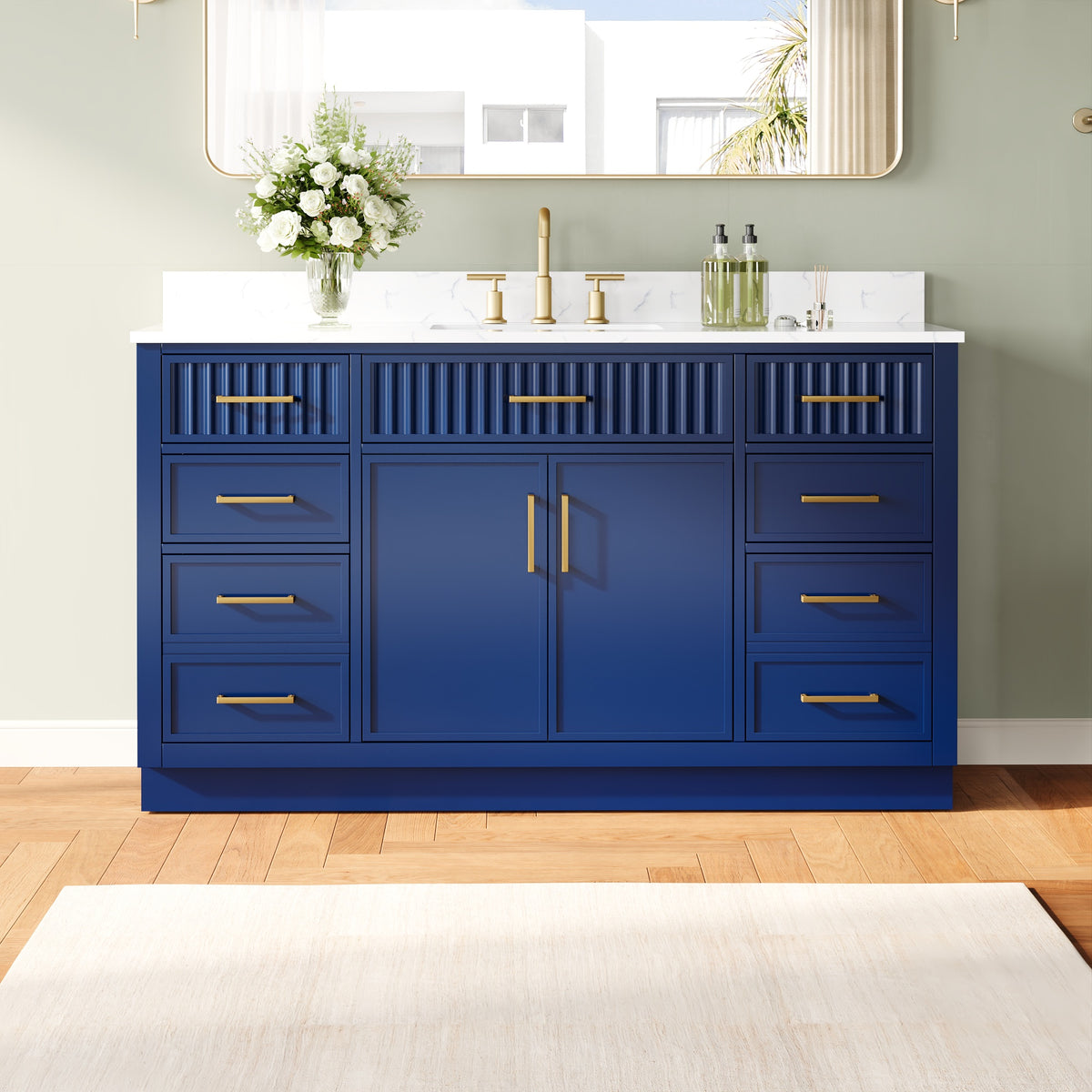
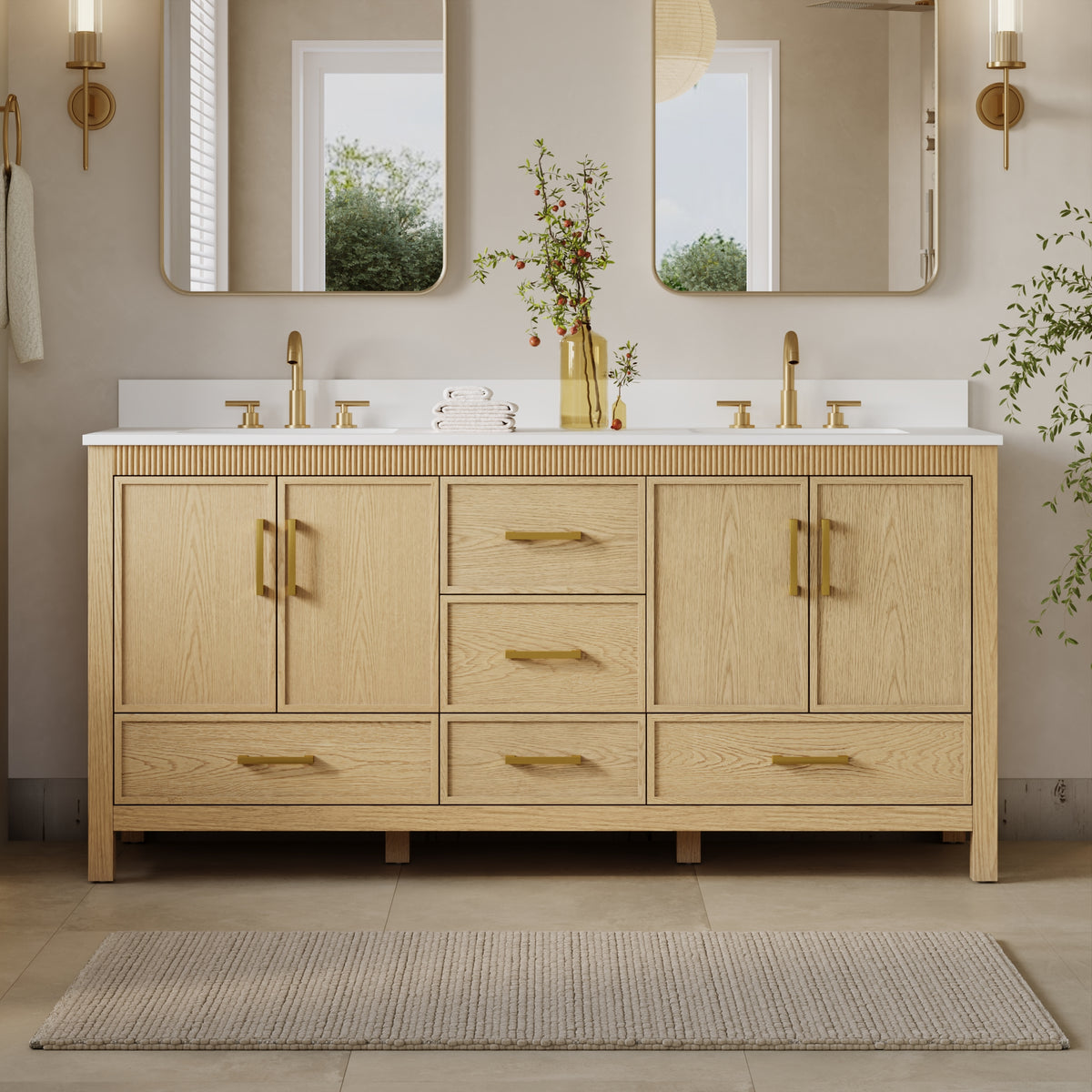
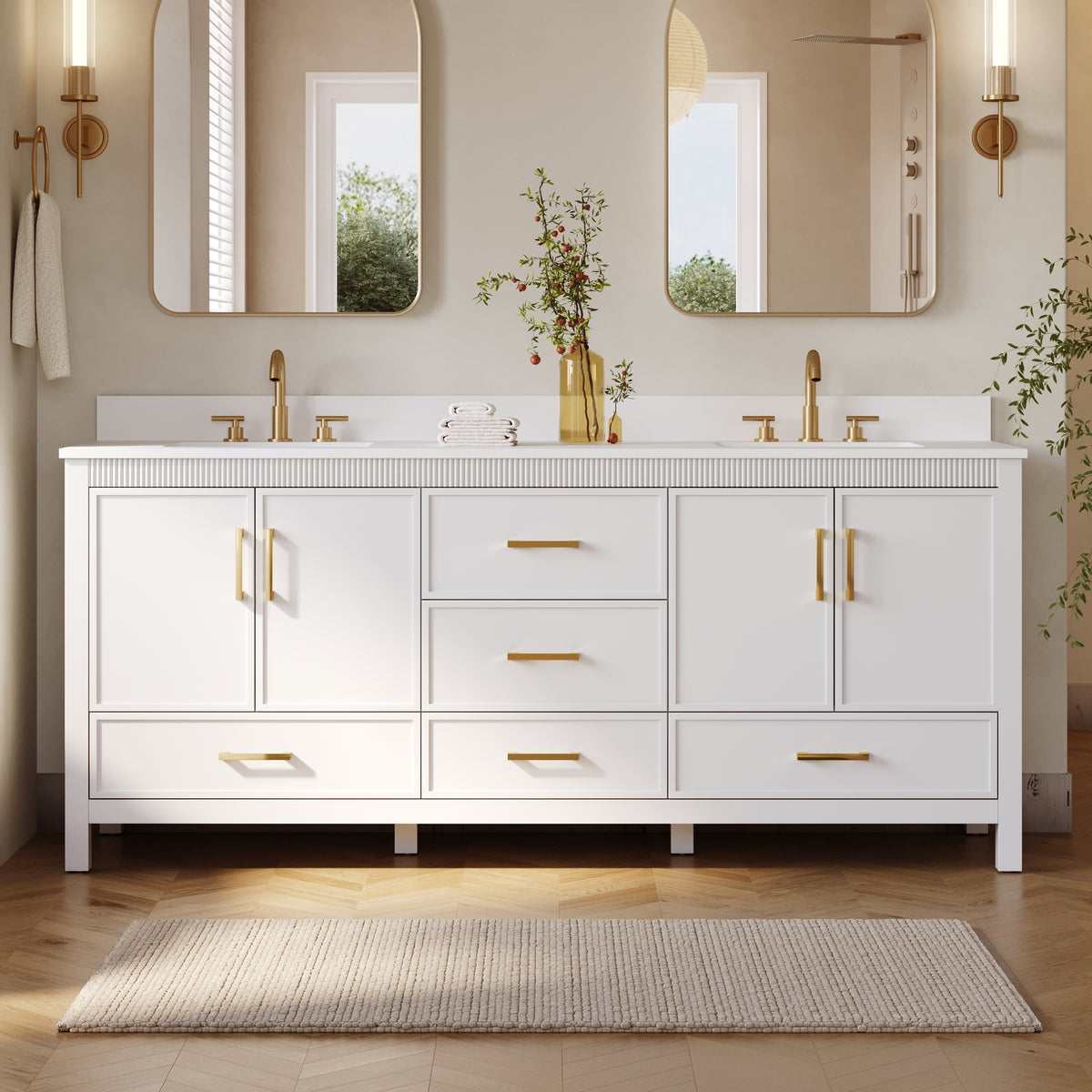
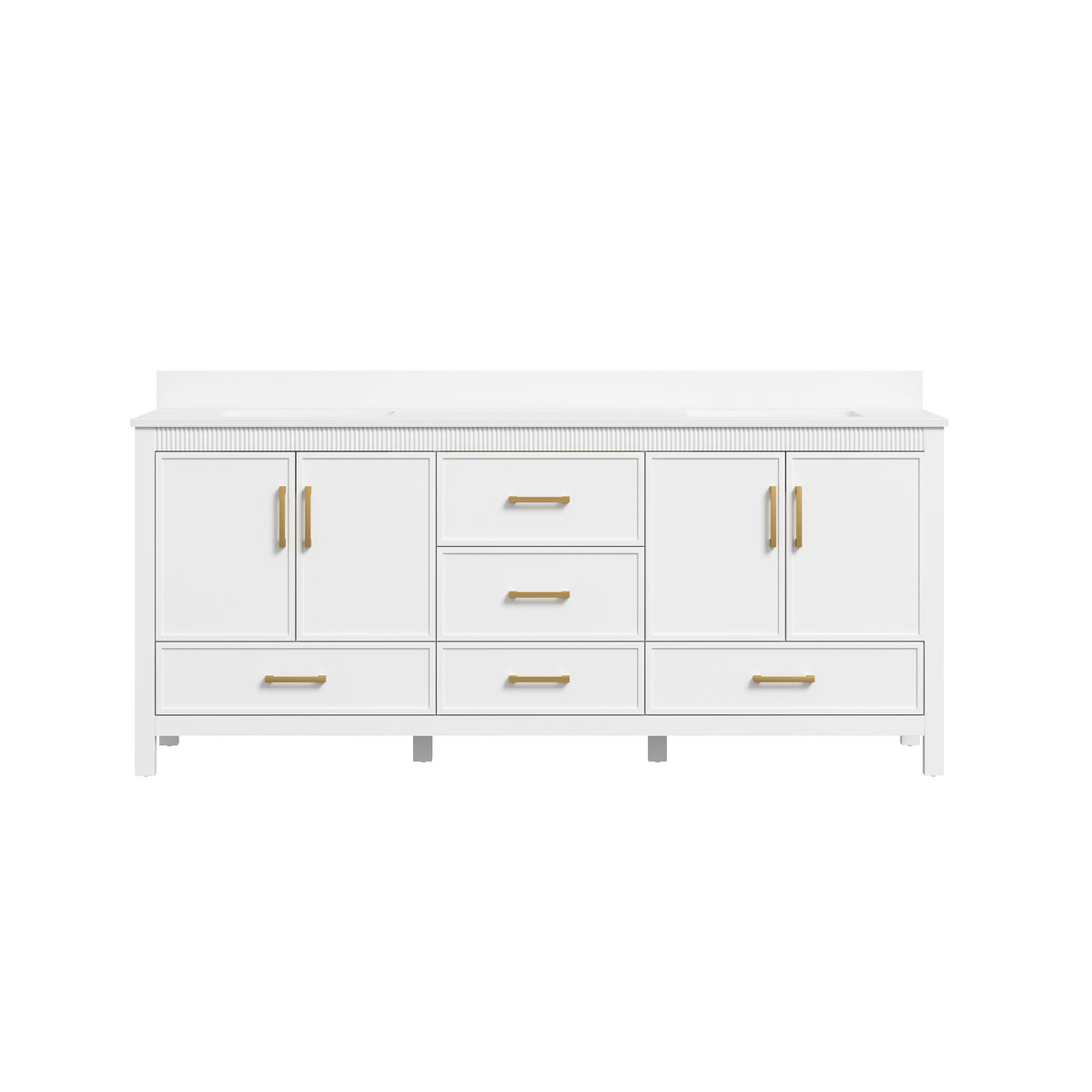
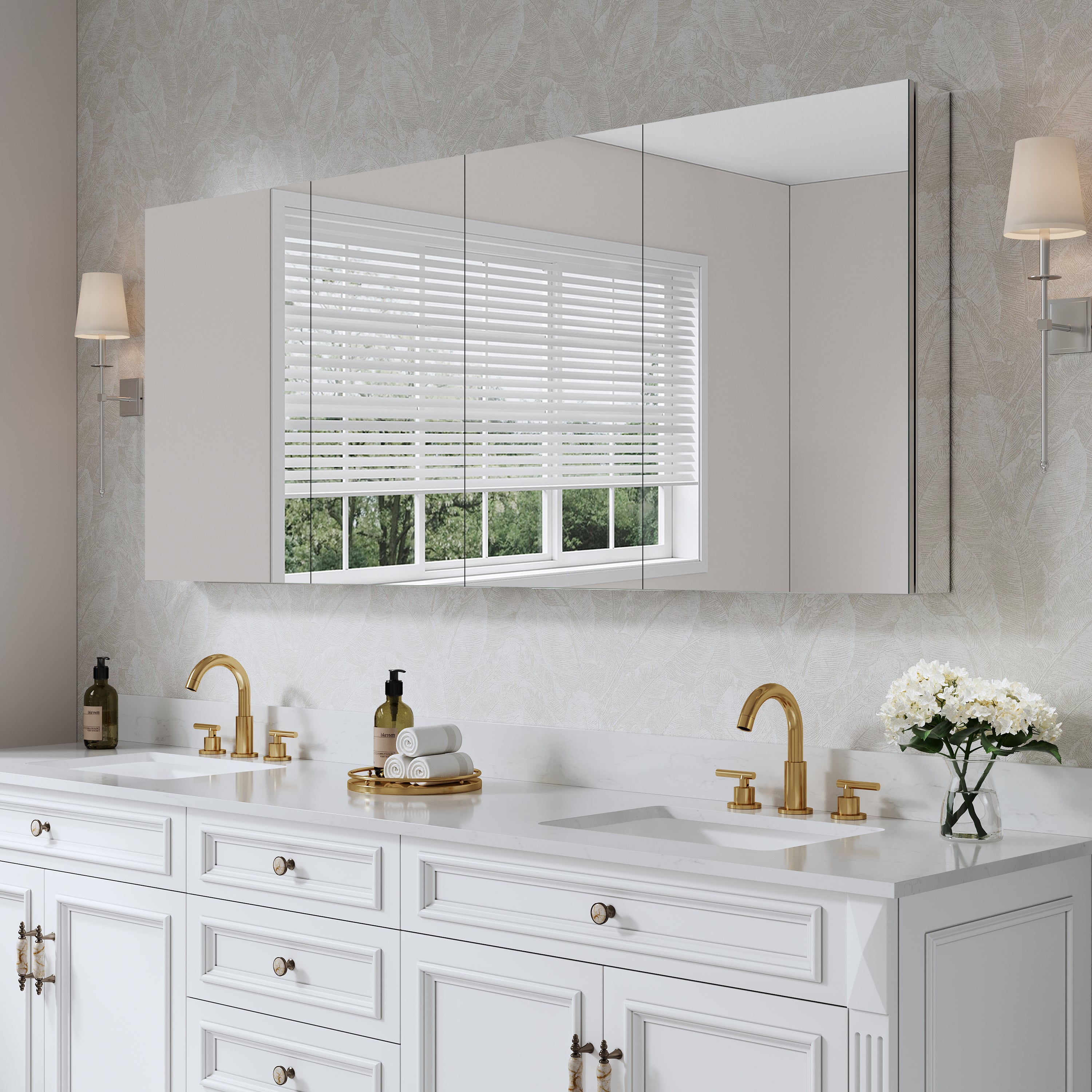
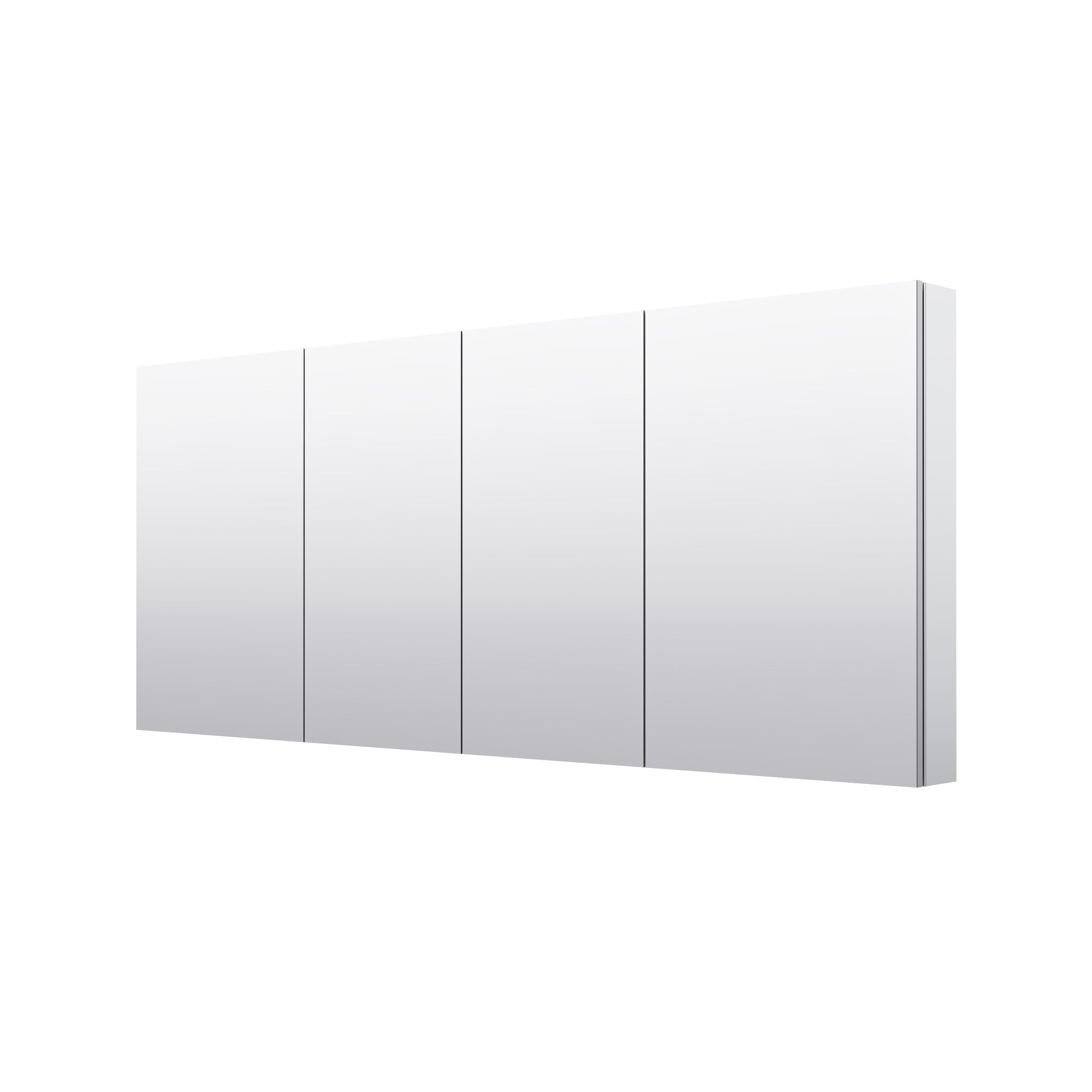
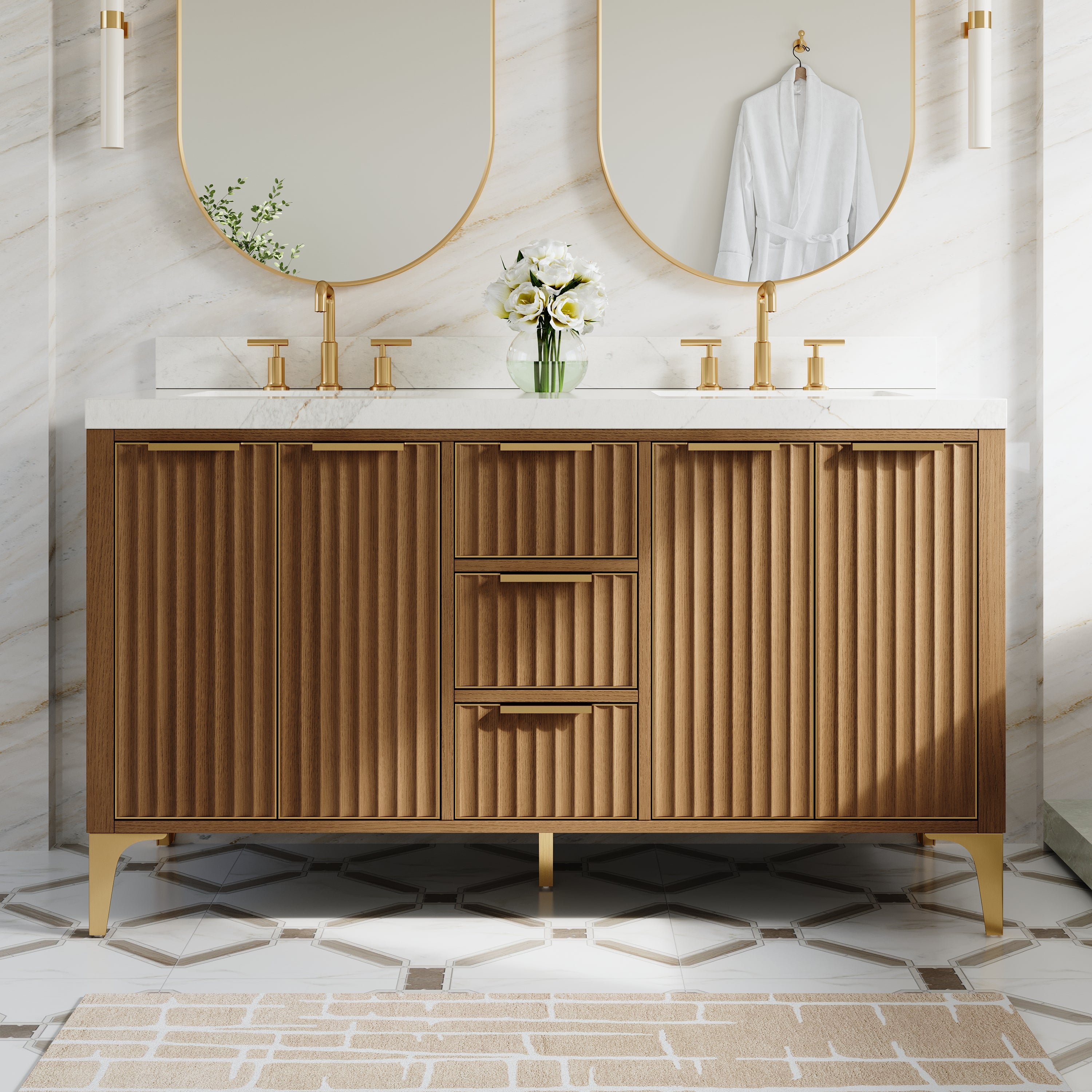
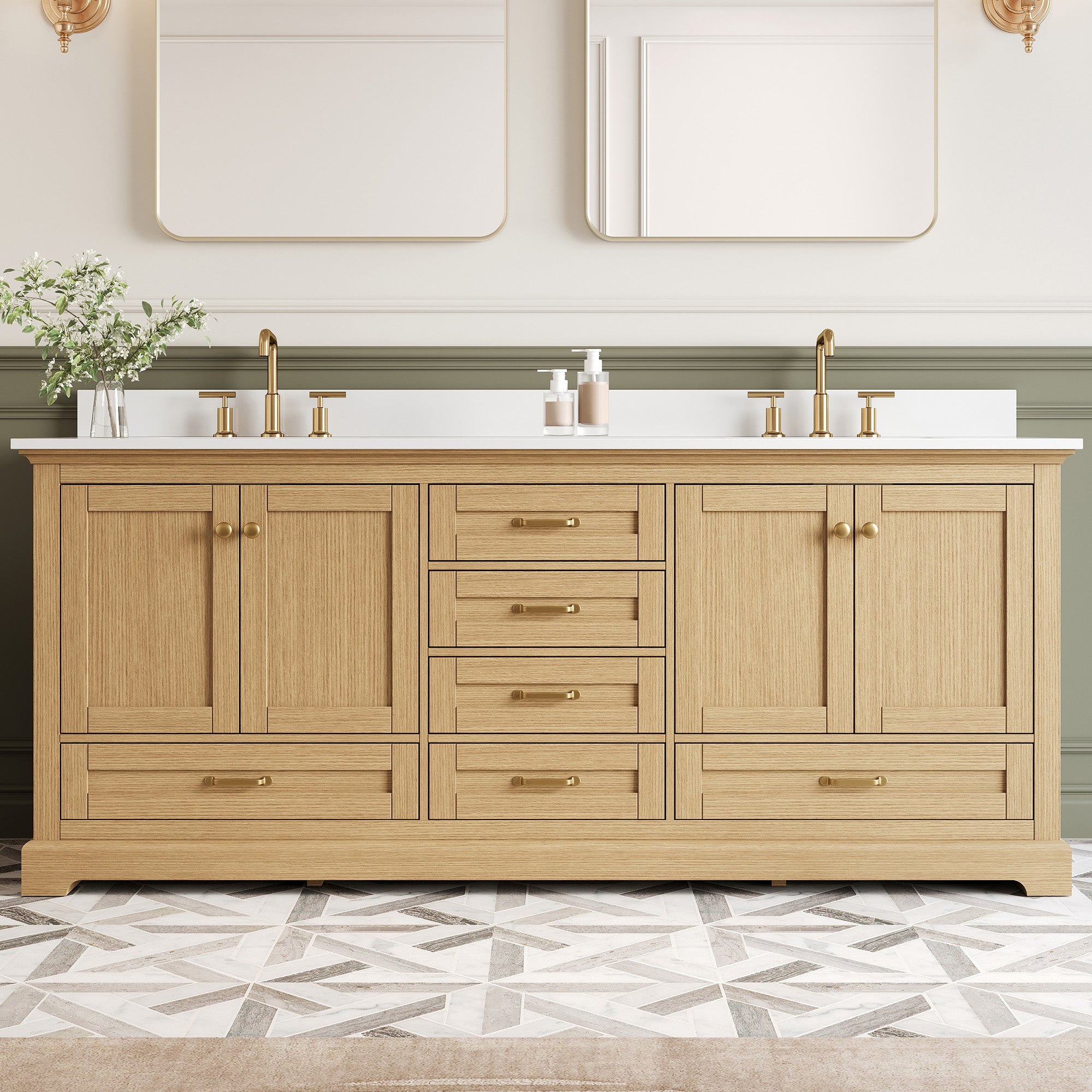
In a double-sink bathroom, two separate mirrors can establish symmetry and give each user a dedicated grooming area. One large mirror may work better when the goal is to visually connect the entire vanity.
Before ordering, mark the proposed dimensions on the wall with painter's tape. It's a simple way to catch proportion problems early.
3. Pairing Frameless Mirrors with Modern Materials
One advantage of frameless glass is its ability to work with different textures.
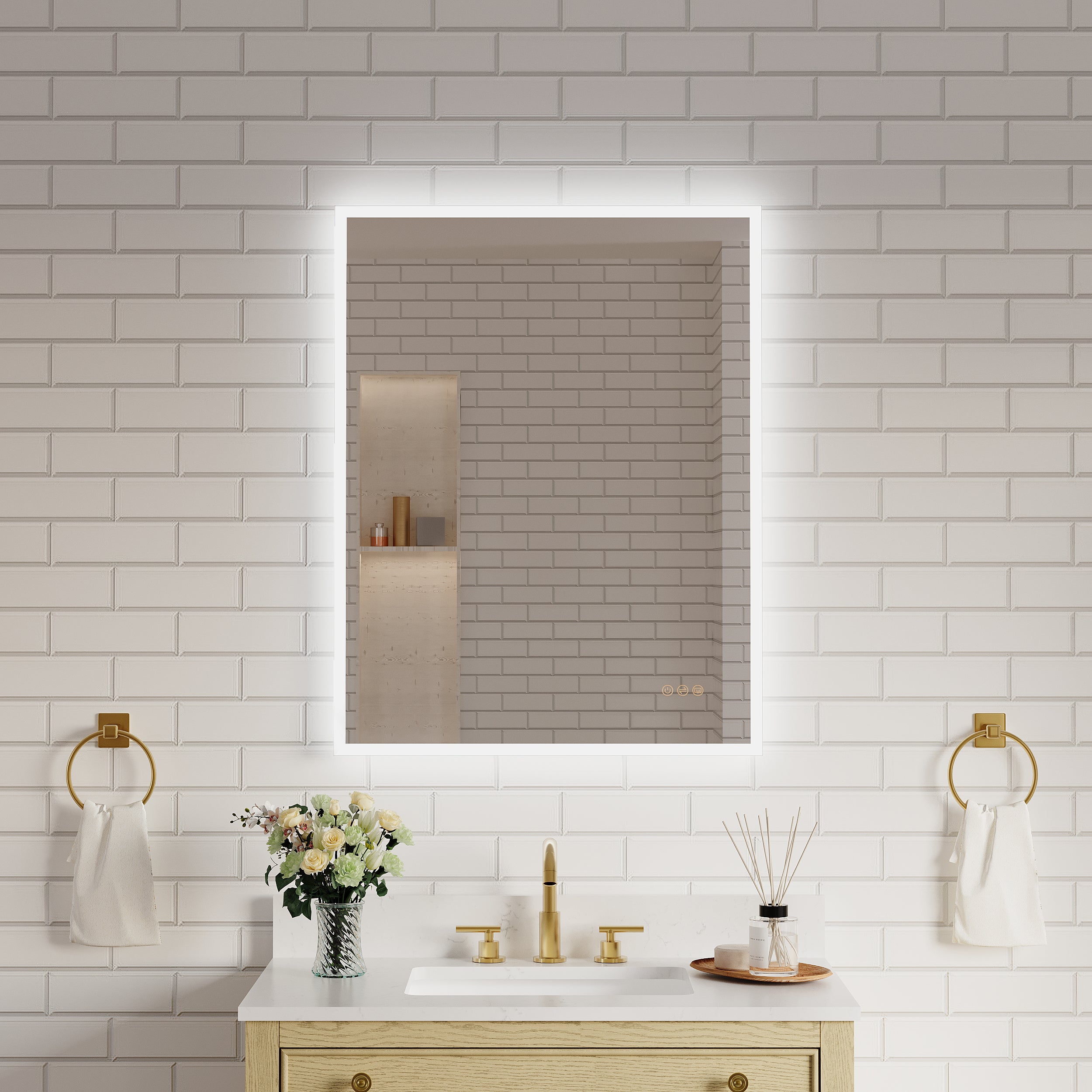
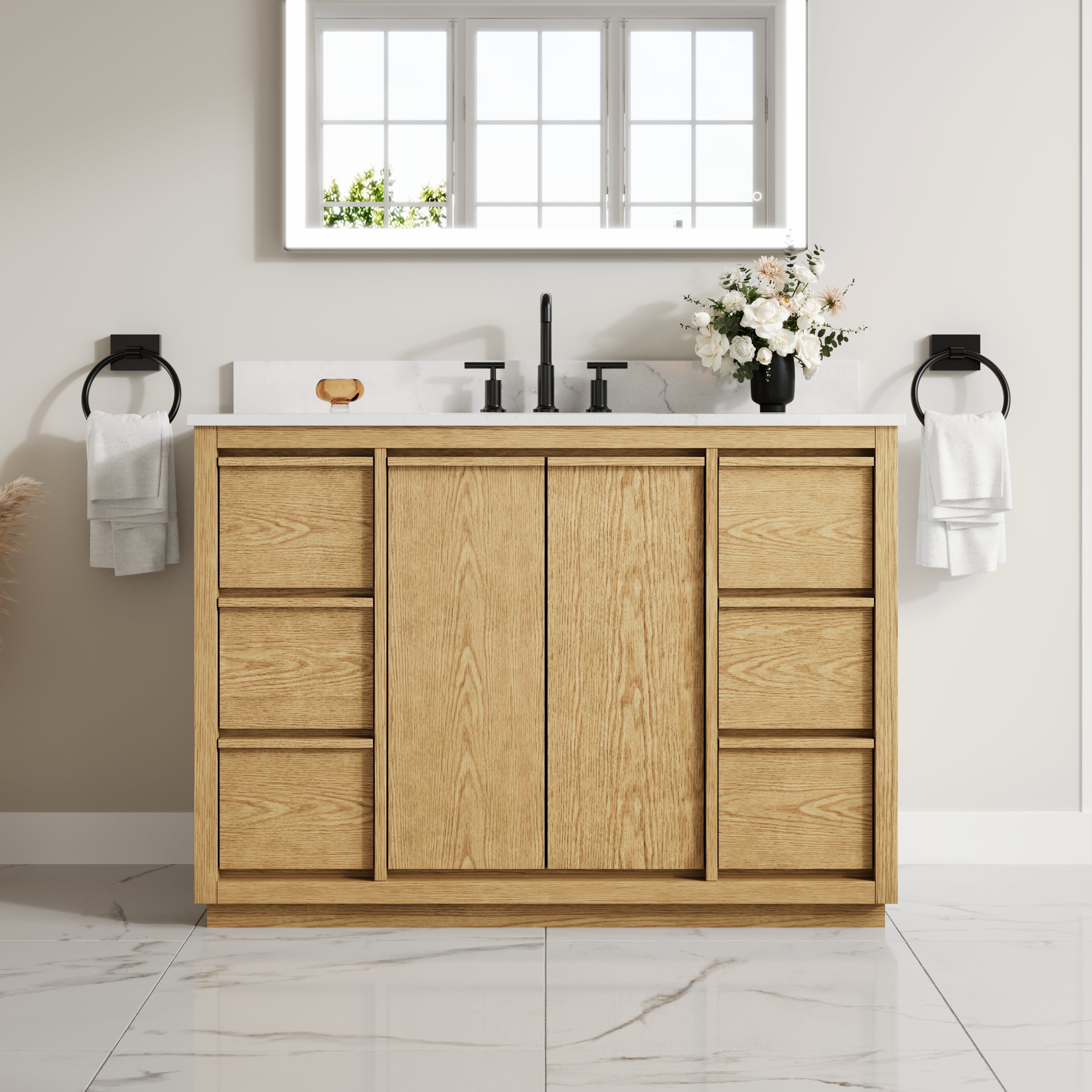
Against white tile, it creates a crisp, understated appearance. Paired with natural wood cabinetry, it introduces a contemporary contrast without making the bathroom feel cold.
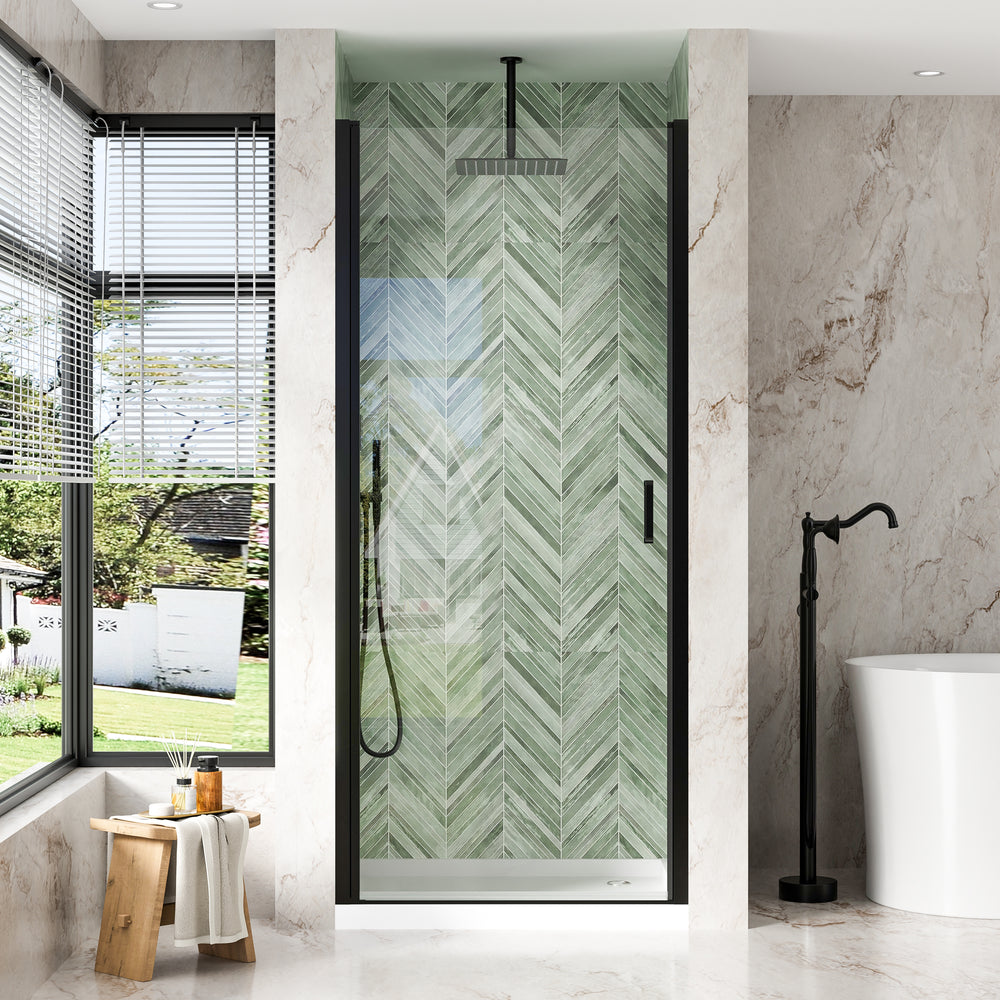
Stone countertops, brushed nickel faucets, and matte black hardware also coordinate naturally with frameless designs.
Use Texture to Prevent a Sterile Look
A common decorating mistake is combining too many smooth, reflective surfaces.
White glossy tile, polished chrome, glass shower panels, and an oversized mirror can make a bathroom feel more clinical than comfortable.
Introduce warmth through wood finishes, textured towels, or subtle wall treatments.
Even a small amount of contrast helps the mirror feel integrated into the room rather than floating against an empty wall.
4. Lighting Makes the Biggest Visual Difference
A frameless mirror looks different depending on how it is illuminated.
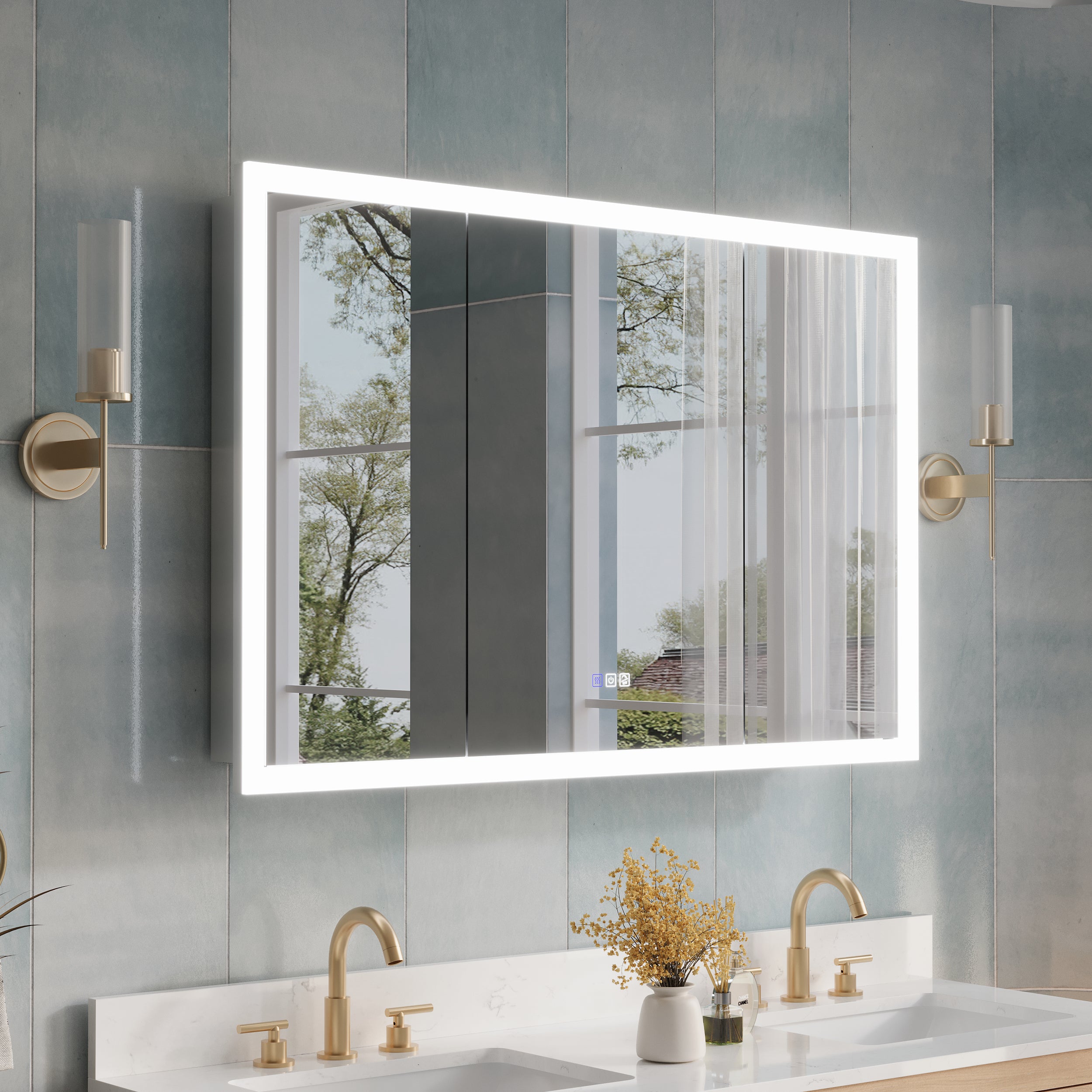
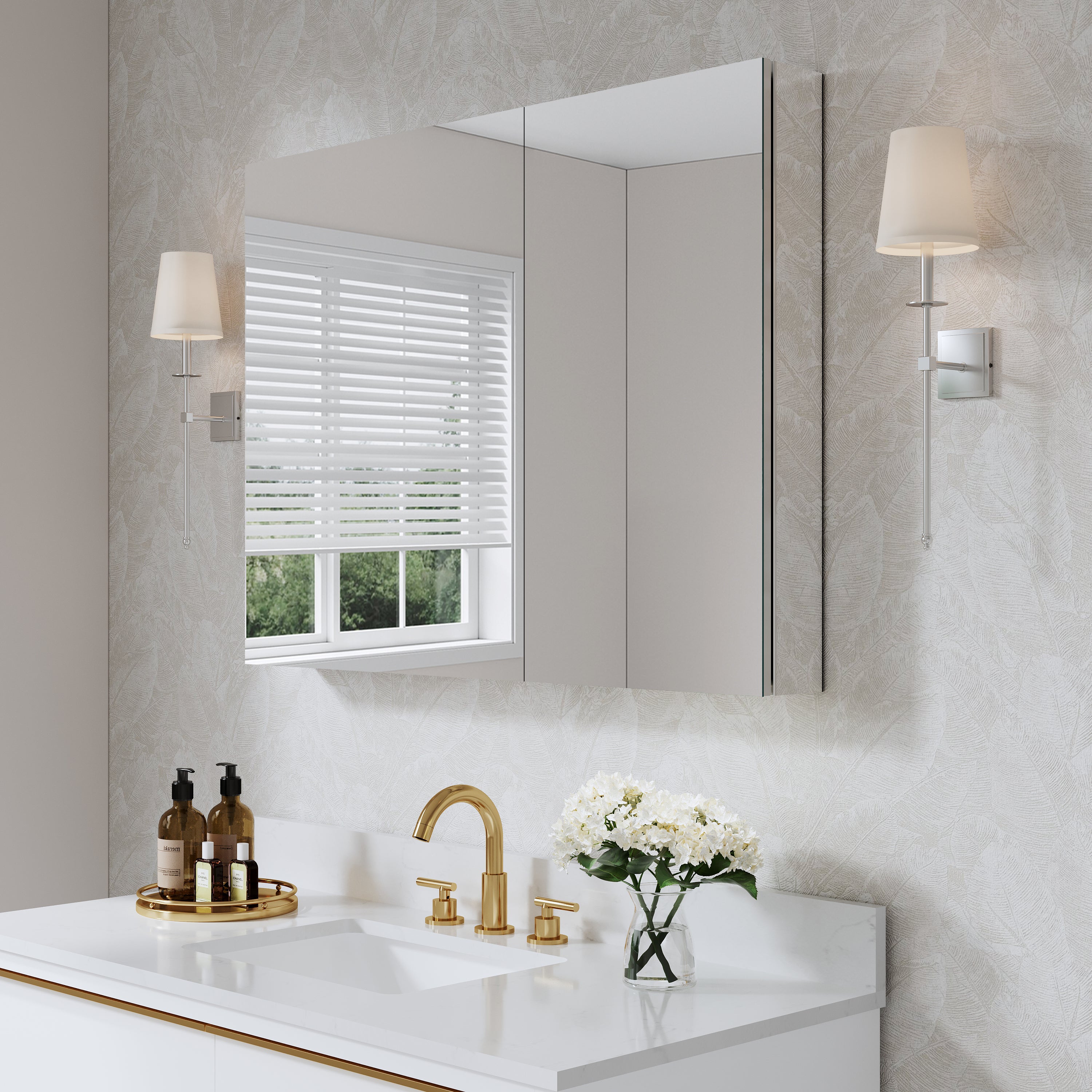
Wall sconces positioned beside the mirror can provide balanced facial lighting while introducing a decorative element. Overhead fixtures offer general brightness but may cast shadows beneath the eyes and chin.
For bathrooms where grooming is a priority, combining ambient and task lighting usually produces better results.
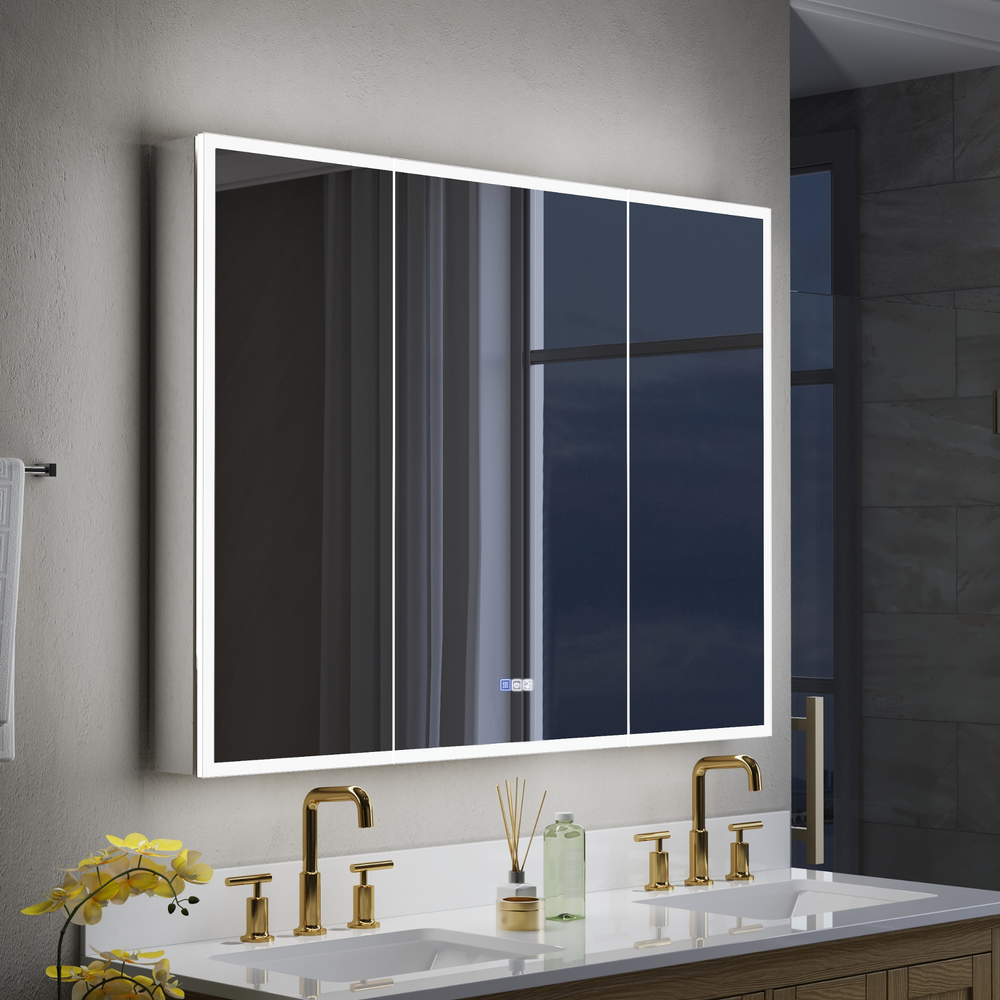
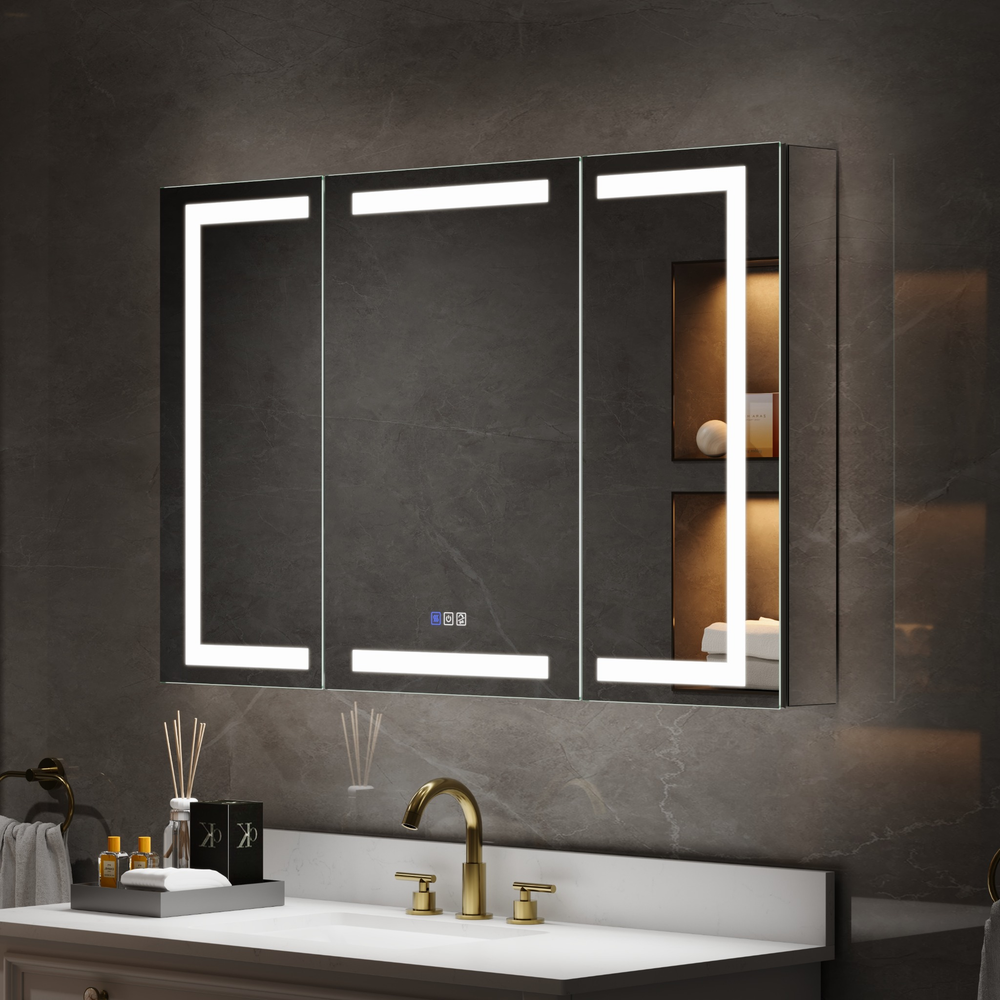
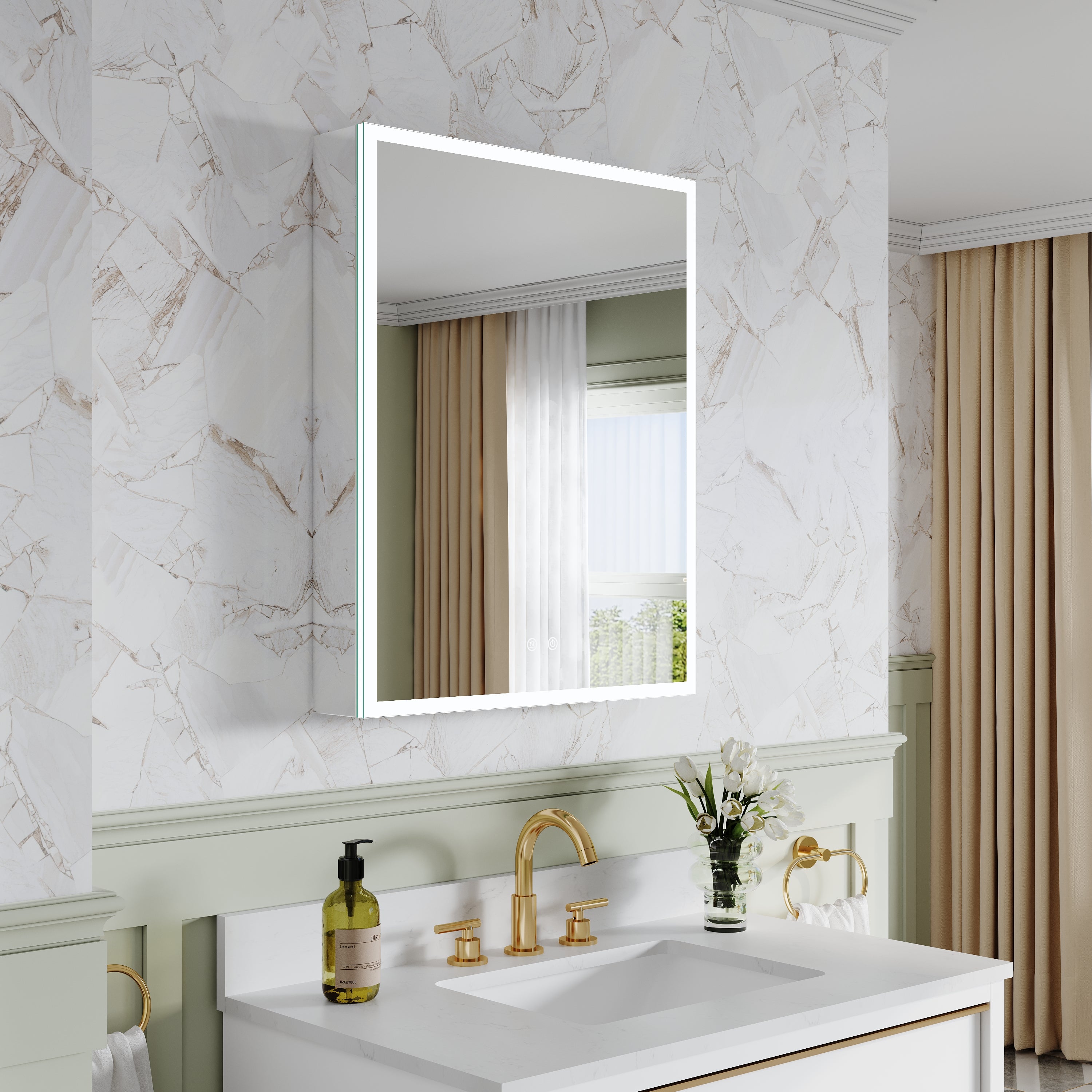
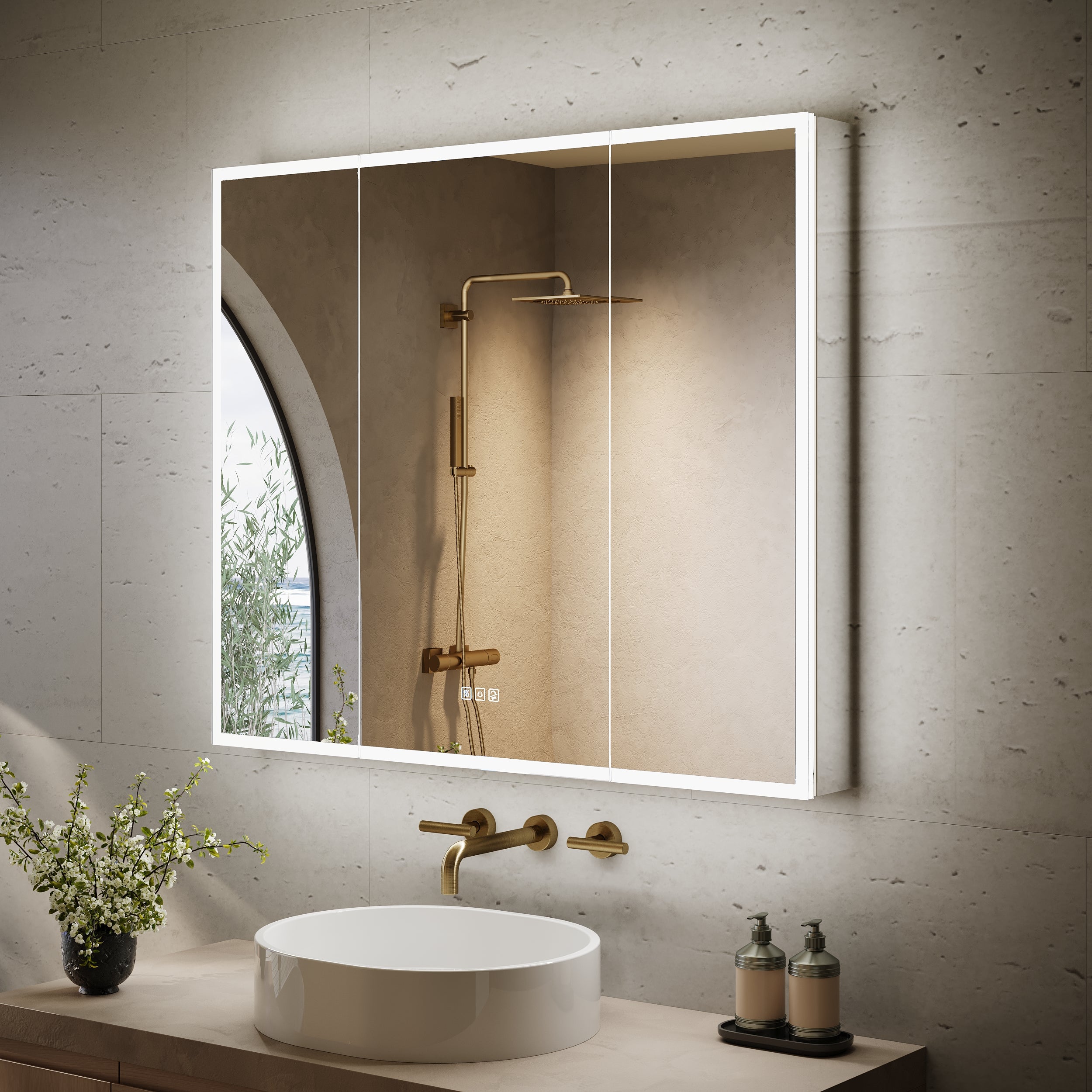
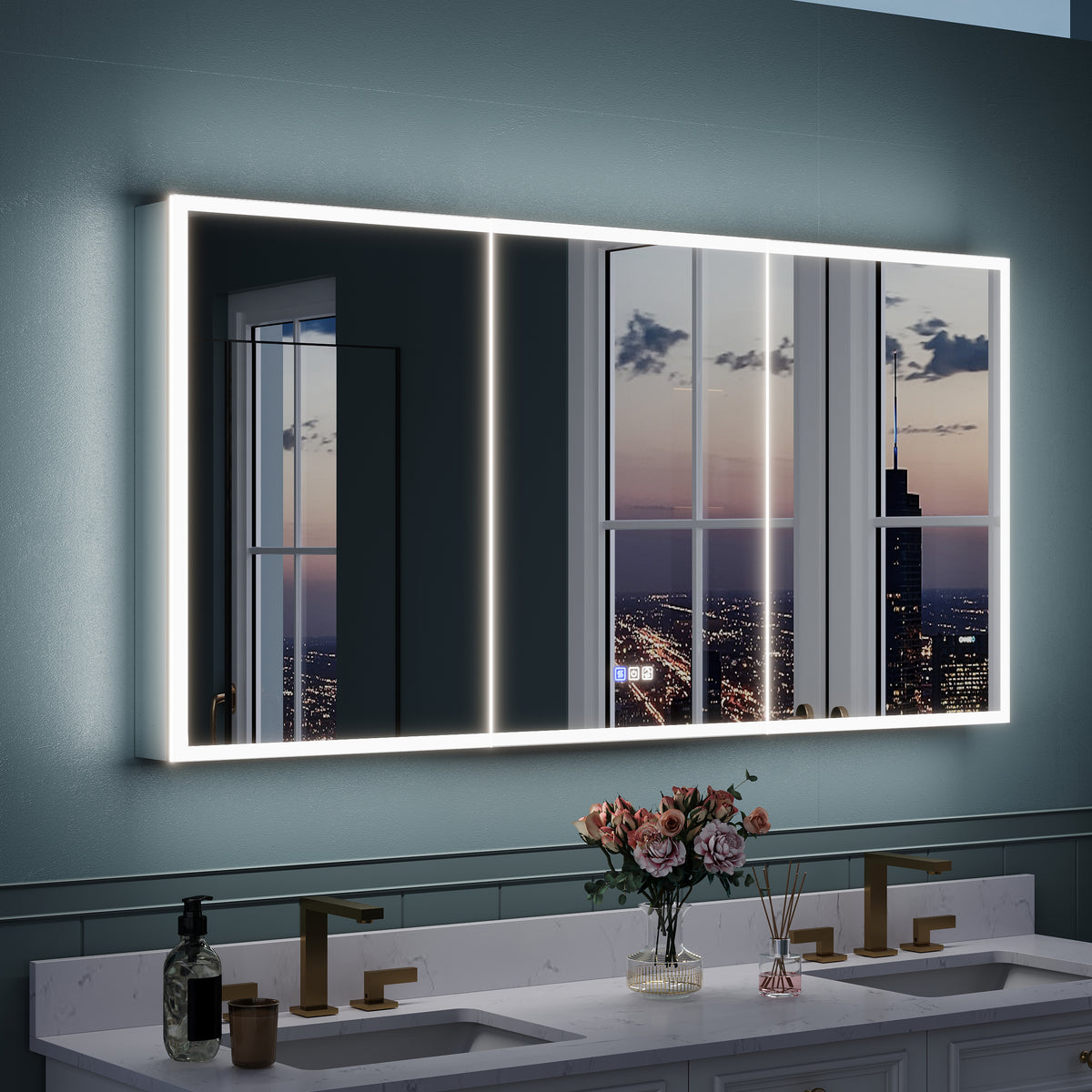
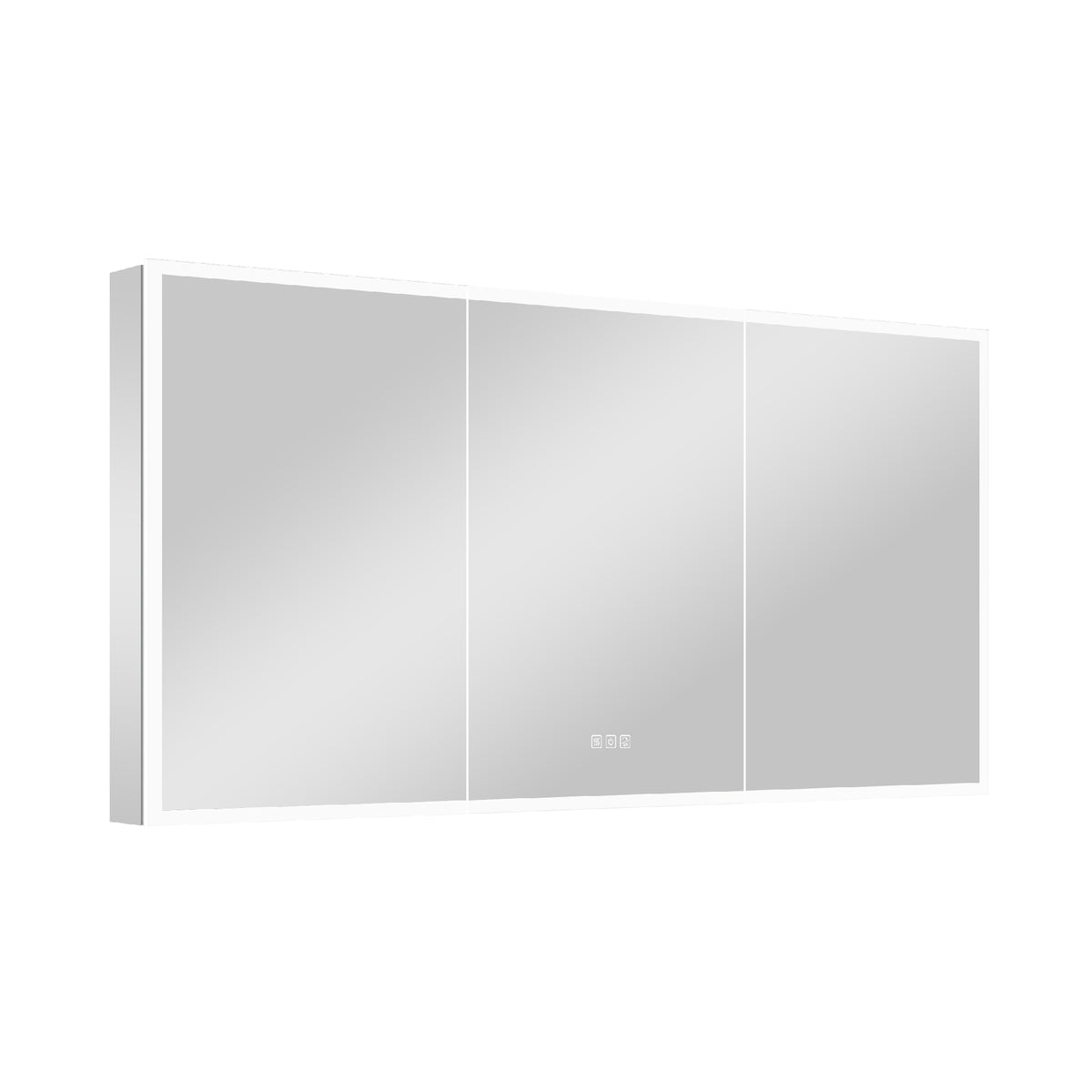
Backlit mirrors offer another option. Their soft illumination can highlight surrounding tile and create a more relaxed atmosphere.
However, decorative backlighting doesn't always provide enough direct illumination for shaving or applying makeup.
Choose lighting based on actual bathroom activities, not just showroom photographs.
5. Where Frameless Mirrors Work Best—and Where They Don't
Small bathrooms often benefit from frameless mirrors because the absence of a border reduces visual clutter.
A generously sized mirror can reflect light and make a compact vanity area feel more open, particularly when positioned opposite a window or light-colored wall.
Larger bathrooms benefit from their flexibility. Frameless mirrors can support minimalist, transitional, or contemporary interior styles without locking the space into one decorative direction.
There are limitations.
Exposed glass edges may be more vulnerable to visible chips than protected framed edges. Frameless designs also provide less decorative contrast, which can leave traditional bathrooms looking unfinished.
For rooms with ornate cabinetry or vintage fixtures, a framed mirror may create better visual balance.
6. Installation Details That Protect the Finished Look
Pay Attention to Mounting and Placement
A mirror should be centered over the vanity and positioned at a comfortable viewing height for regular users.
Check clearances around faucets, light fixtures, shelving, and electrical outlets before installation.
Large mirrors require appropriate wall support and mounting hardware rated for their weight. Follow the manufacturer's instructions, particularly when working with tile or other delicate surfaces.
Professional installation may be worthwhile for oversized glass panels.
If adhesive mounting is specified, use products approved for mirrors. Incompatible adhesives can damage the reflective backing.
Avoid placing exposed edges where they are likely to be struck by cabinet doors or bathroom accessories.

7. Keeping a Frameless Mirror Looking Its Best
With no frame to conceal residue around the perimeter, cleaning becomes especially noticeable.
Use a soft microfiber cloth and a cleaner suitable for mirror glass. Apply cleaning solution to the cloth rather than spraying excessive liquid directly onto the edges.
Moisture collecting along the backing can contribute to deterioration over time.
Good ventilation helps control condensation, while regular cleaning prevents mineral deposits and toothpaste splashes from building up.
Avoid abrasive pads that could scratch the surface or damage finished edges.
8. Create a Bathroom That Feels Naturally Modern
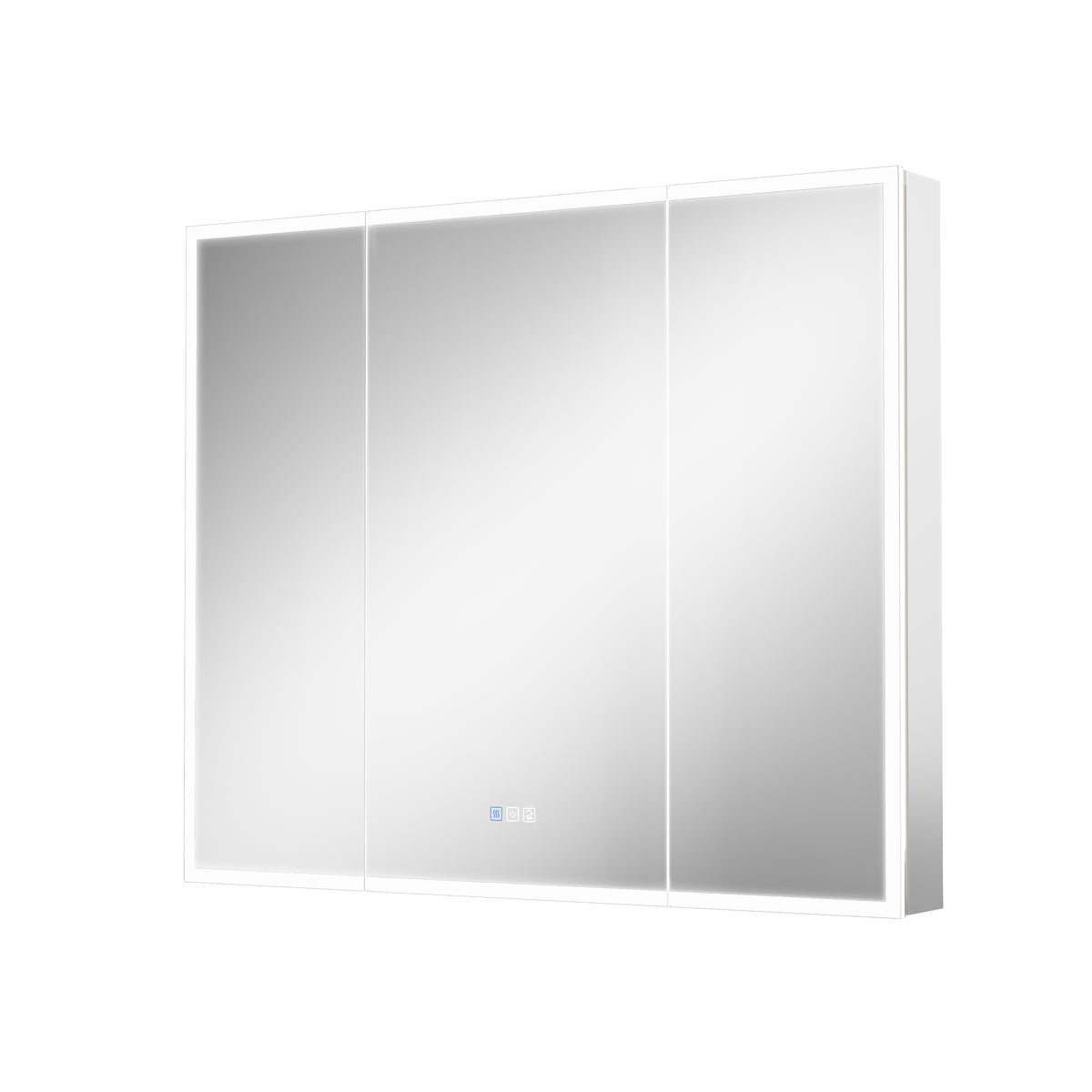
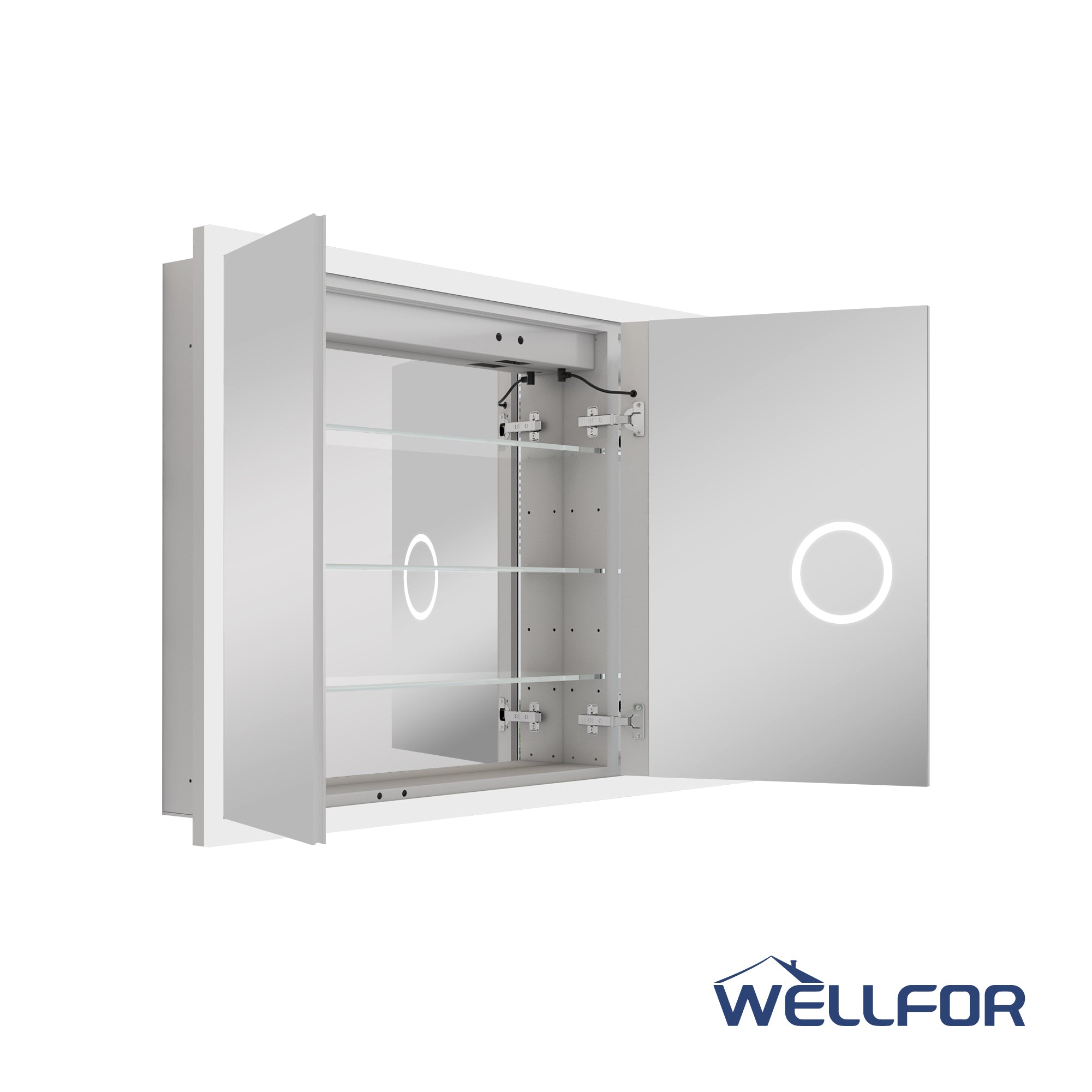
When exploring Wellfor bathroom mirror options, begin with your vanity dimensions, wall finishes, and lighting requirements.
Choose a rectangular mirror for a structured appearance or a rounded design when the room needs softer lines. Consider an illuminated model if your existing vanity lighting is insufficient, but don't overlook the importance of natural light and proper fixture placement.
For a compact bathroom, prioritize comfortable proportions and an uncluttered installation. In a larger space, focus on how the mirror relates to the cabinetry and surrounding materials.
Before purchasing a frameless bathroom mirror, test its proposed size with painter's tape, check the mounting requirements, and consider what it will reflect from different angles.
A carefully positioned mirror should feel like part of the bathroom's architecture, bringing clarity and balance without demanding attention.















Leave a comment
This site is protected by hCaptcha and the hCaptcha Privacy Policy and Terms of Service apply.