
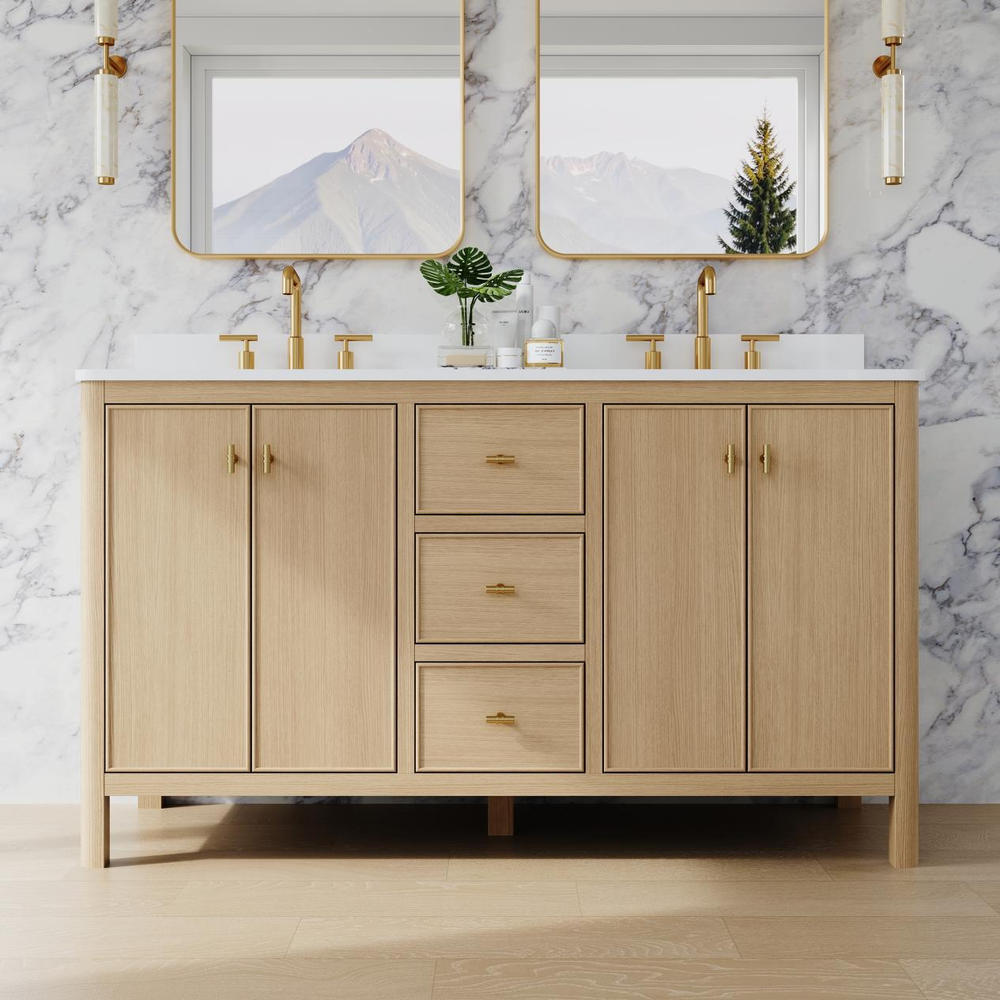
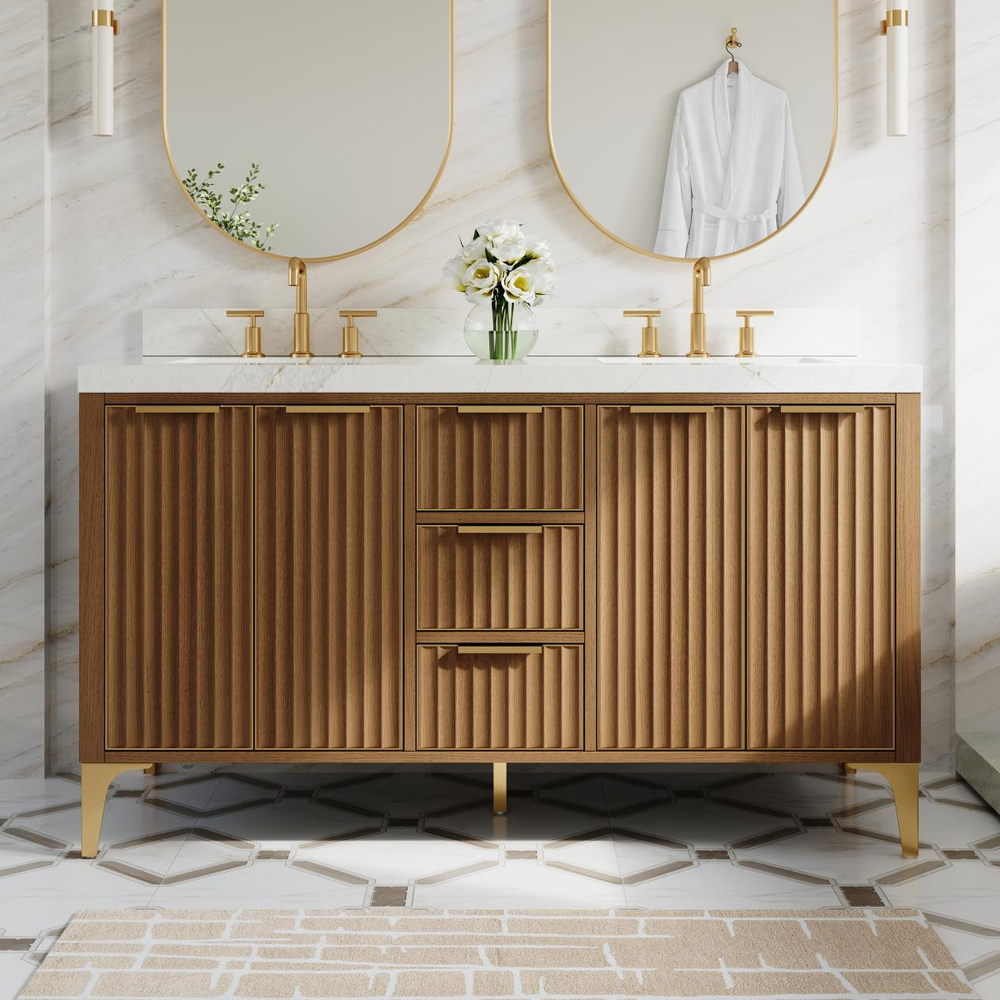
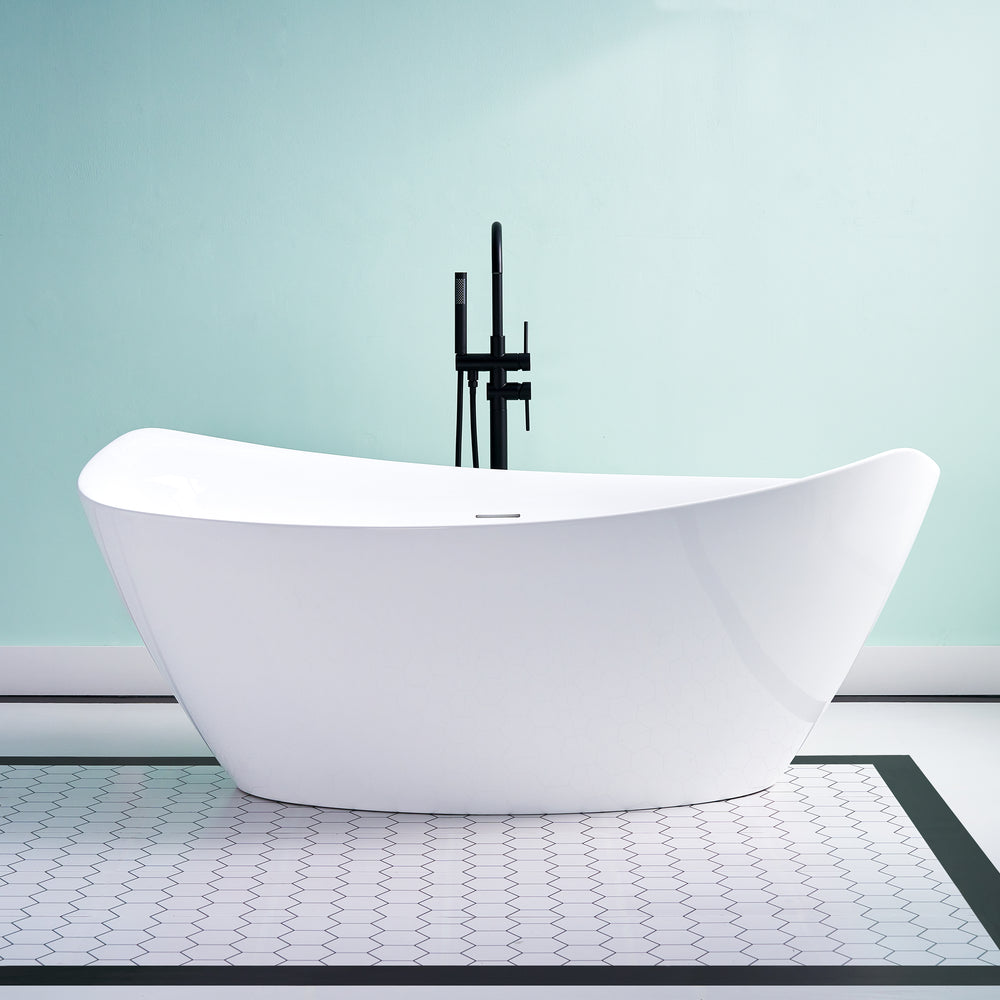
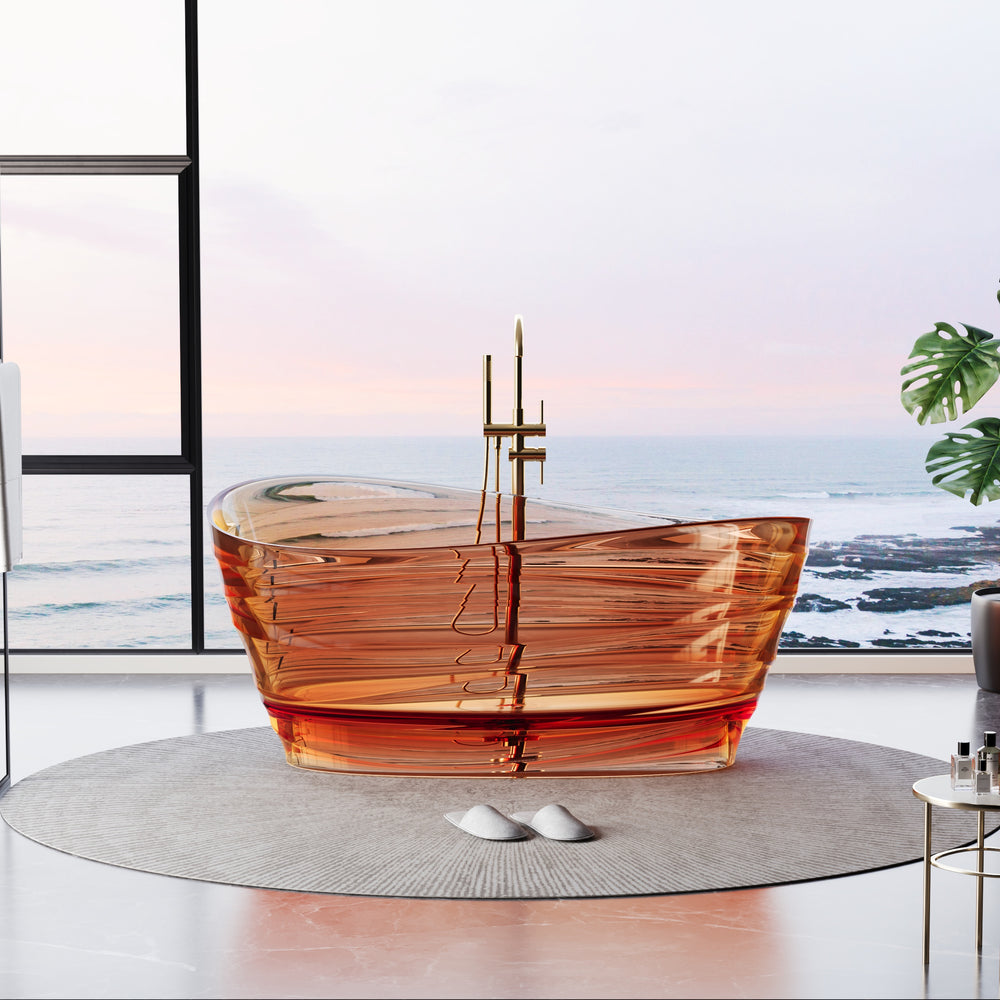
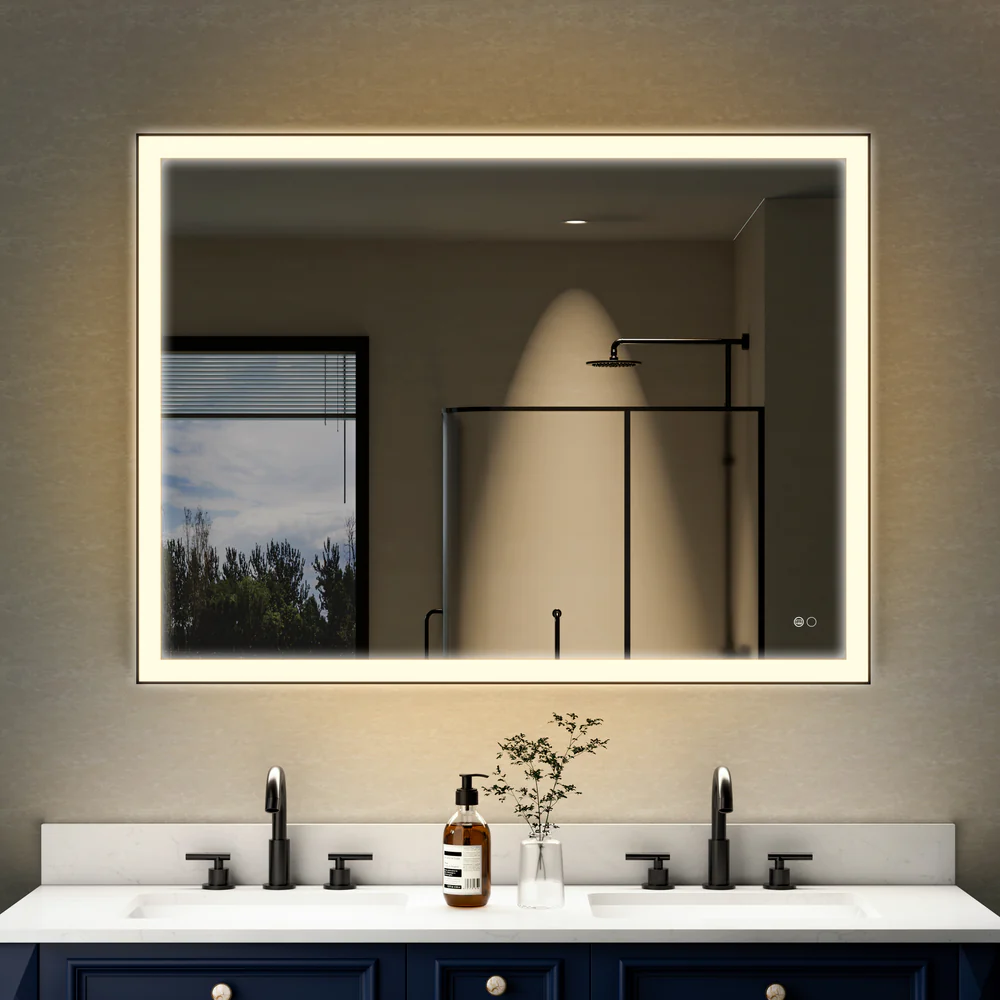
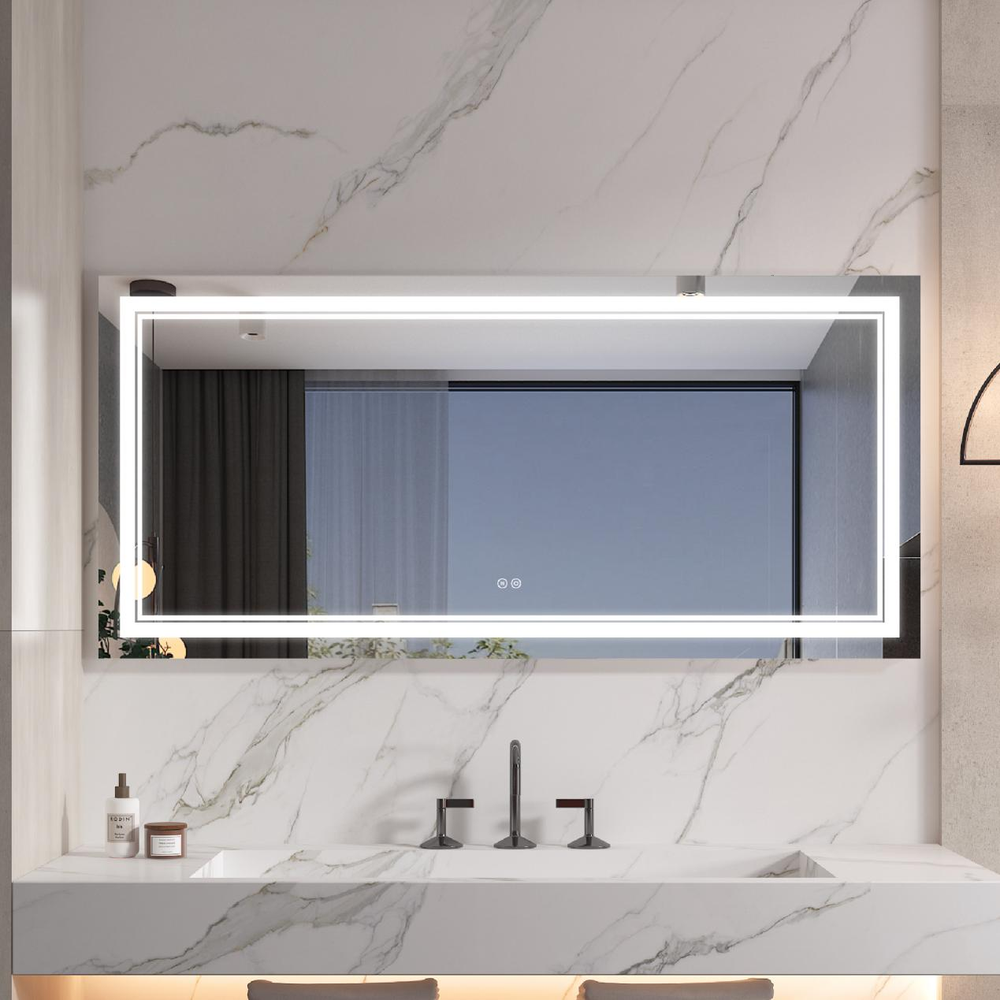
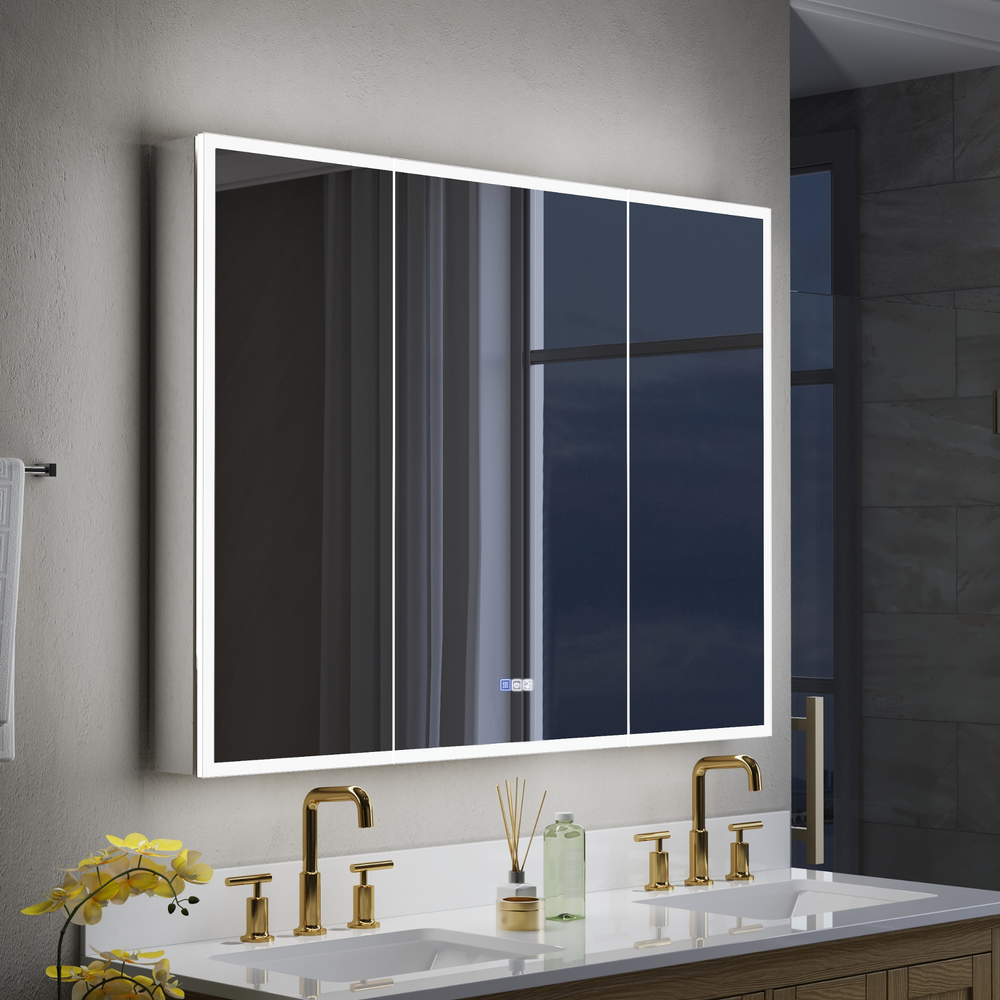
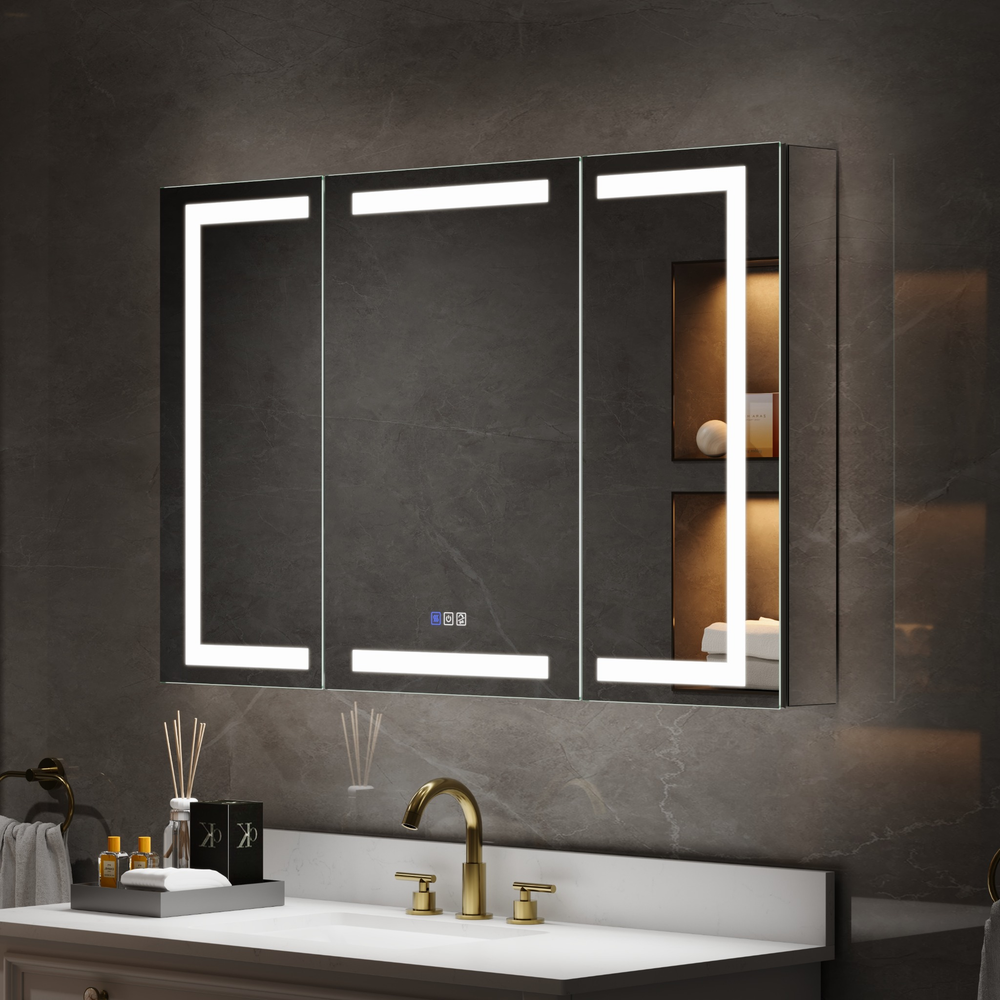

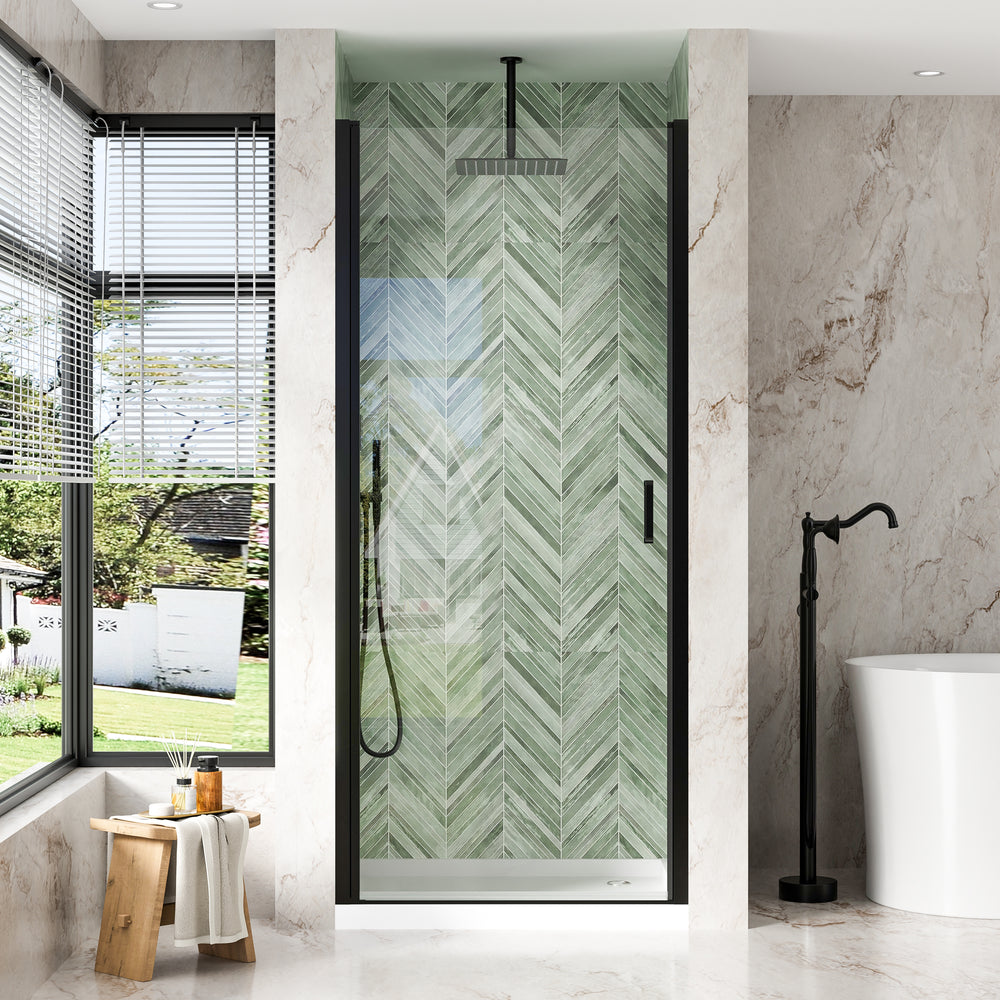

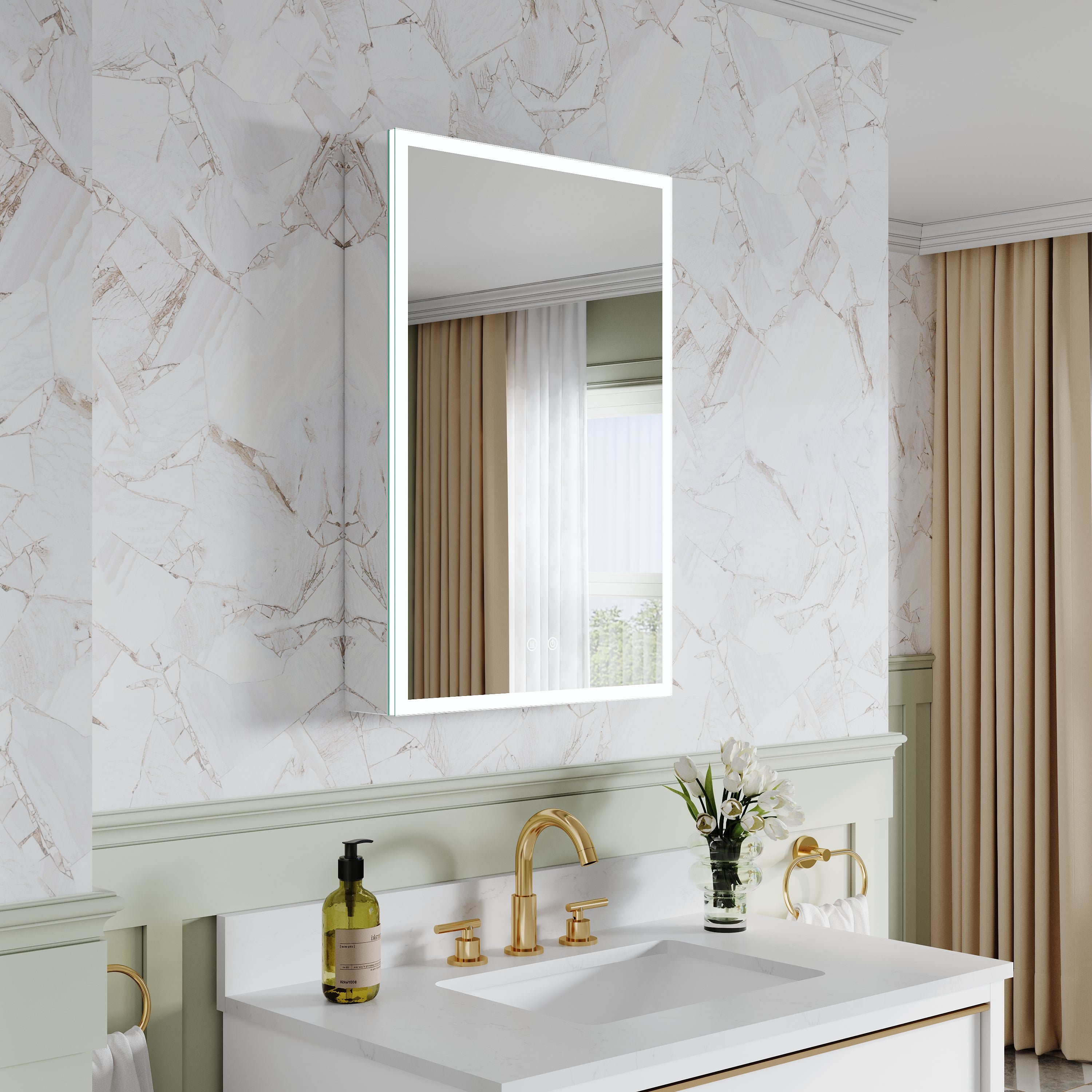
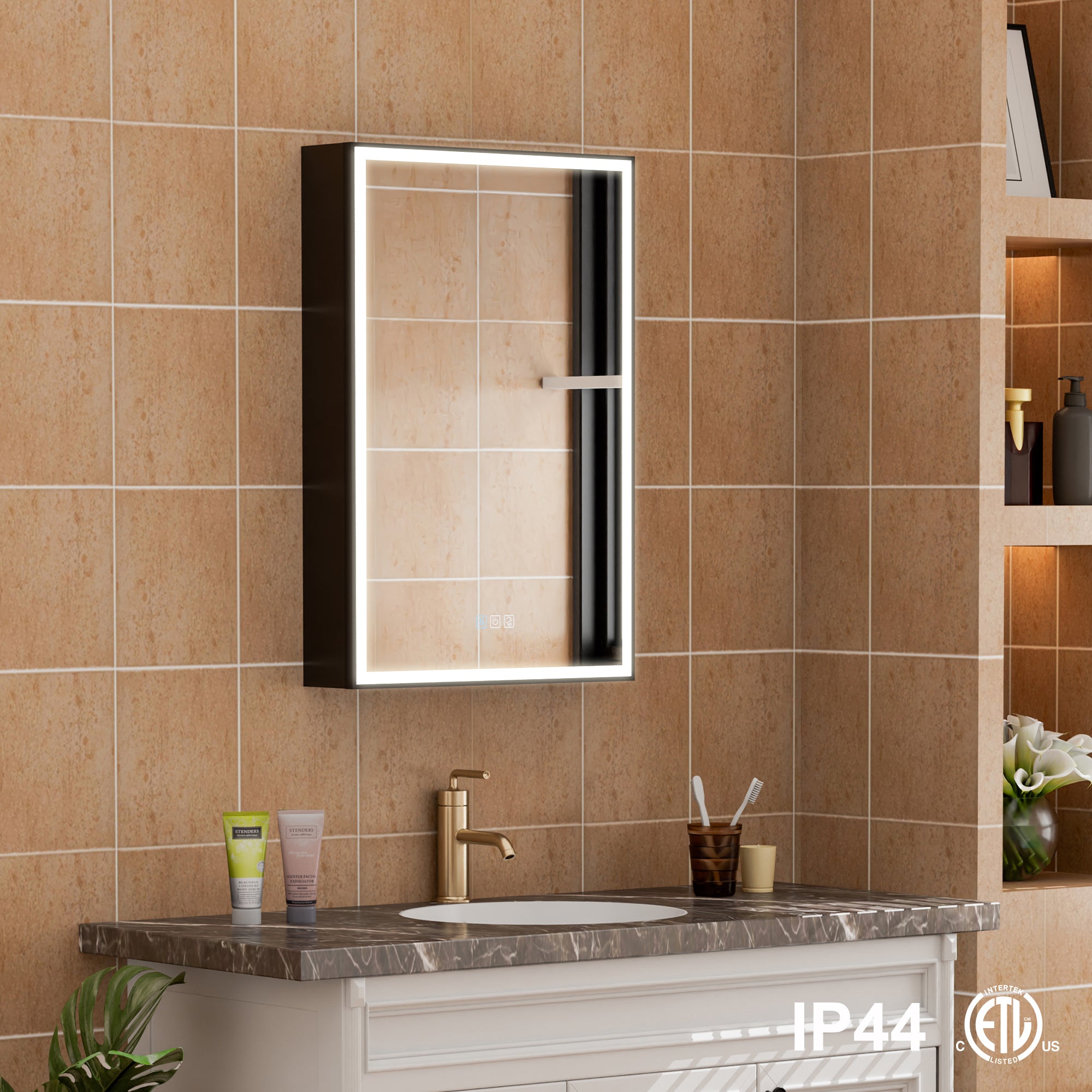


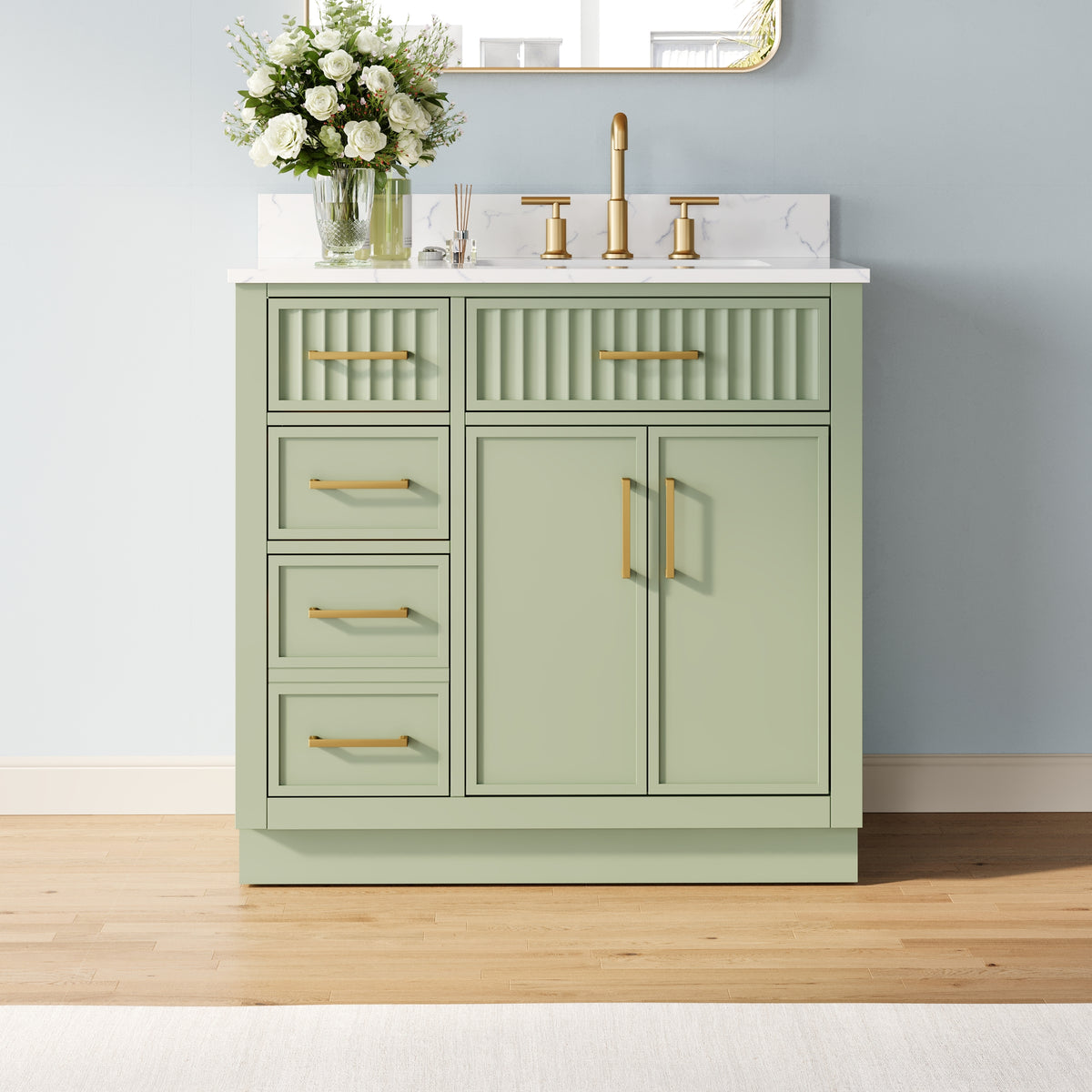
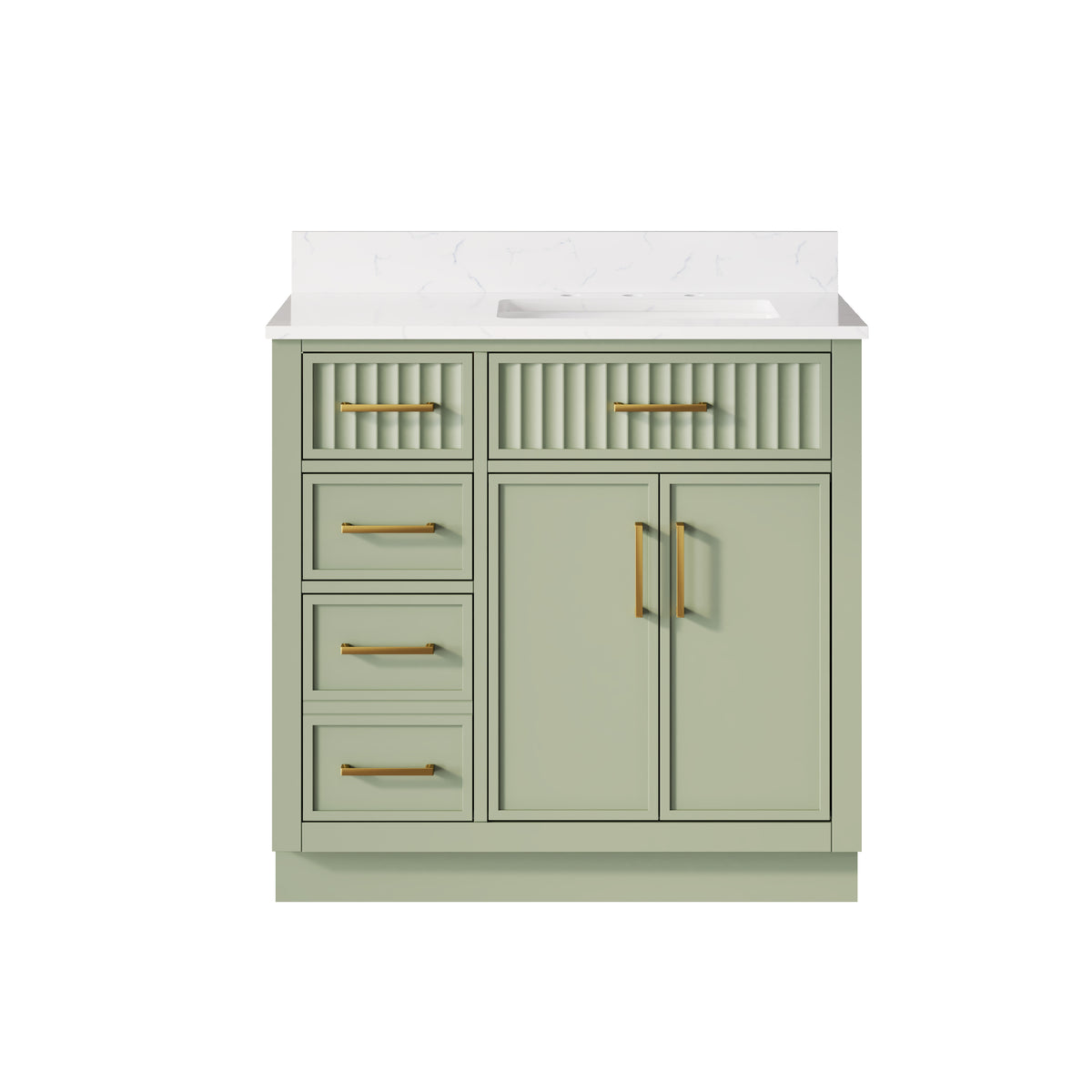
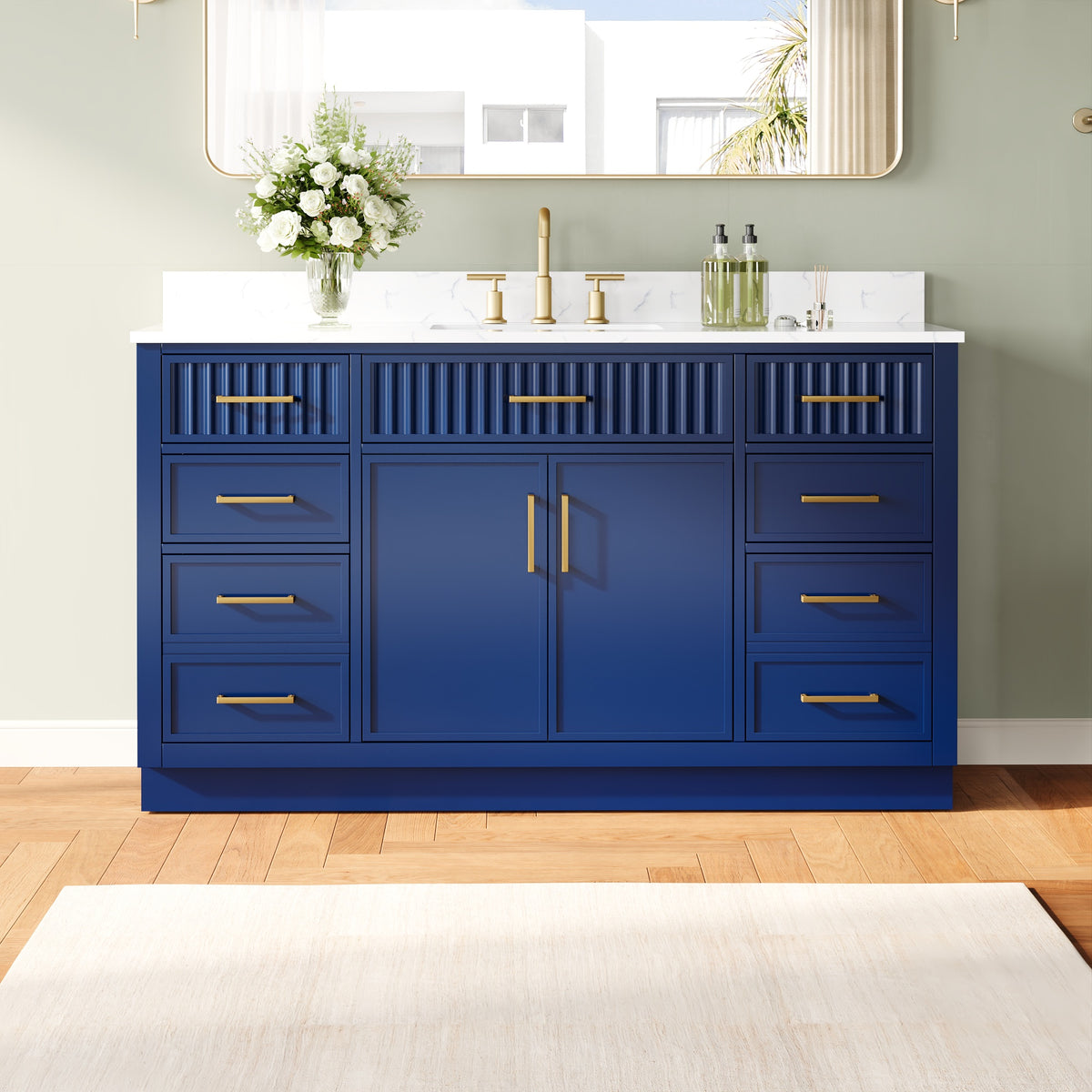
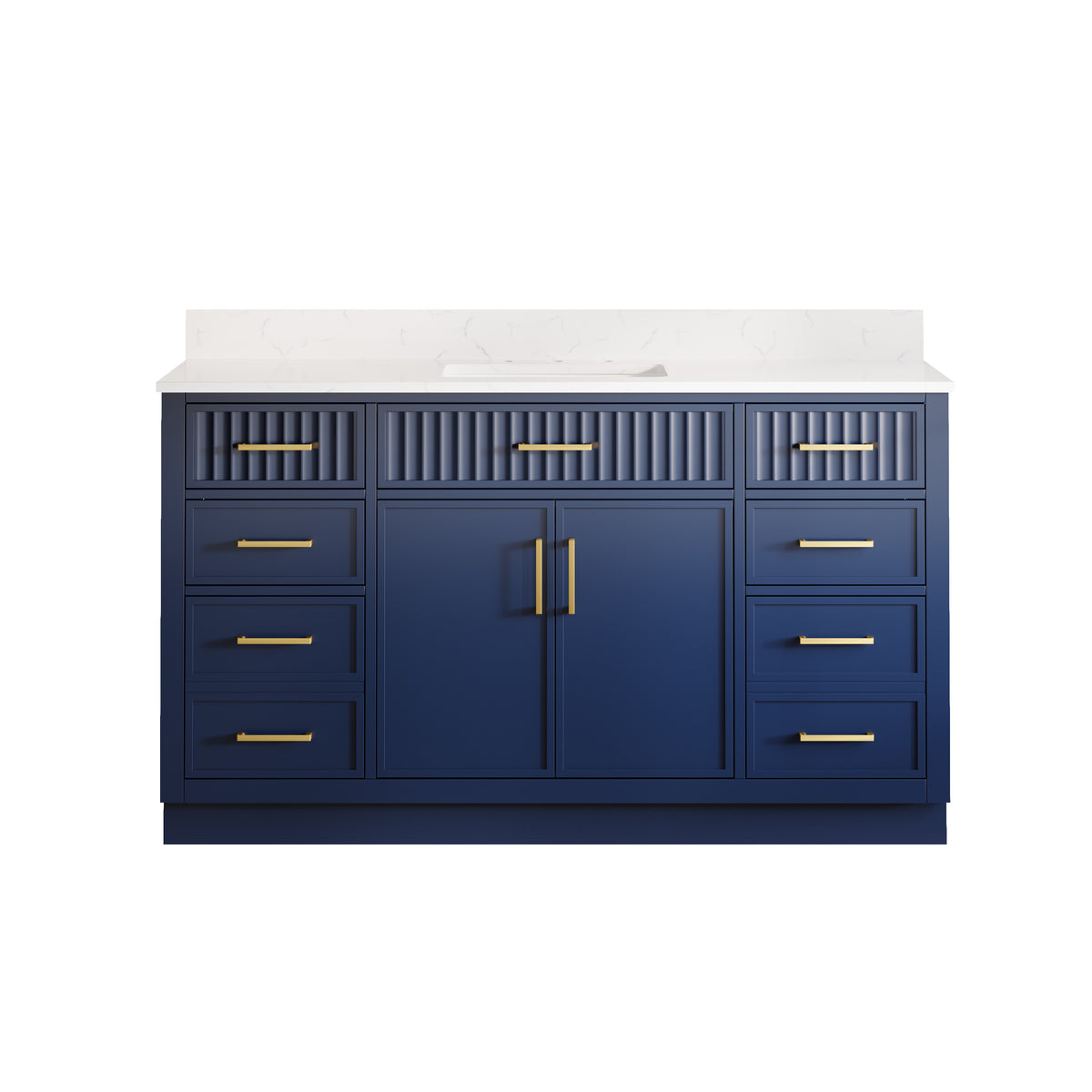
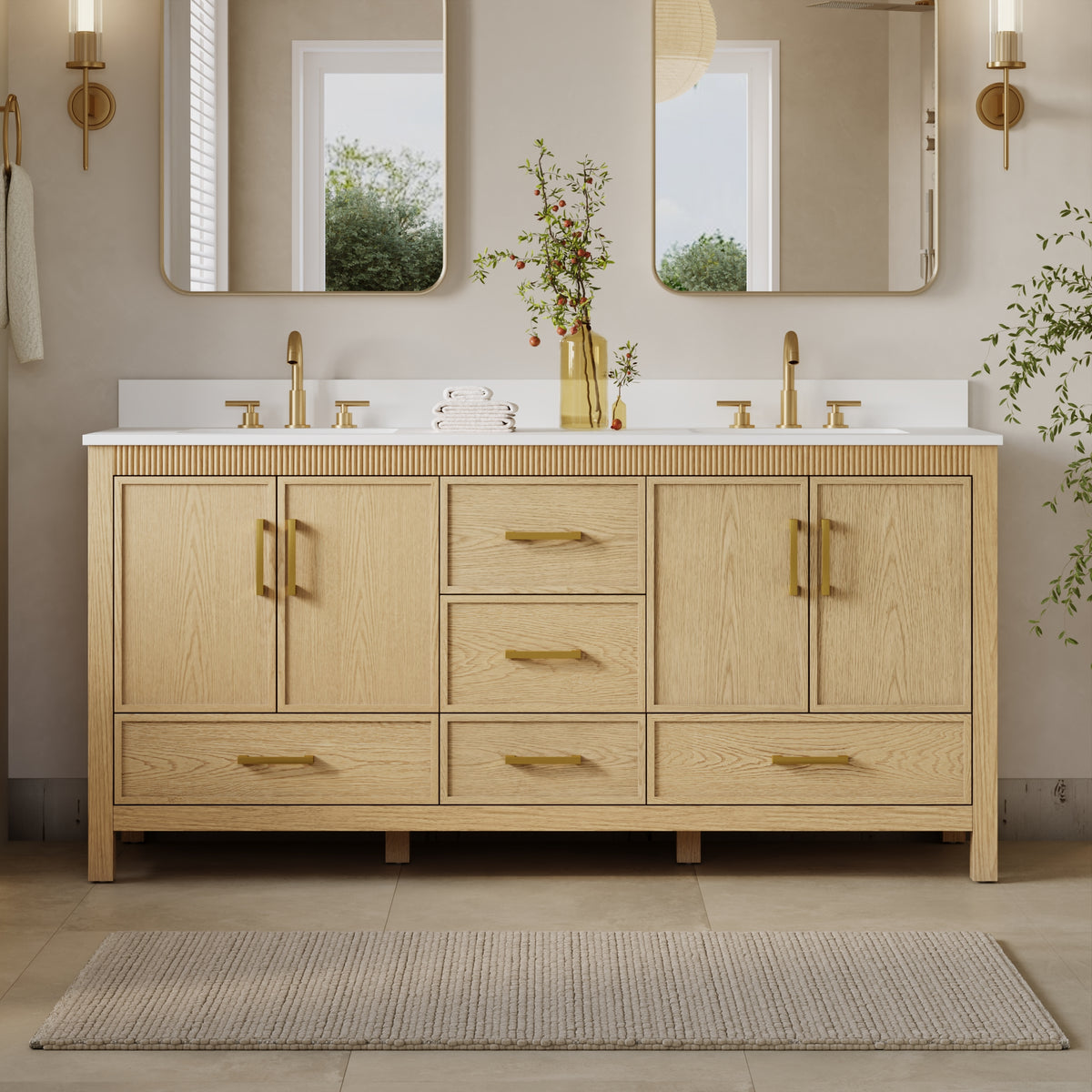
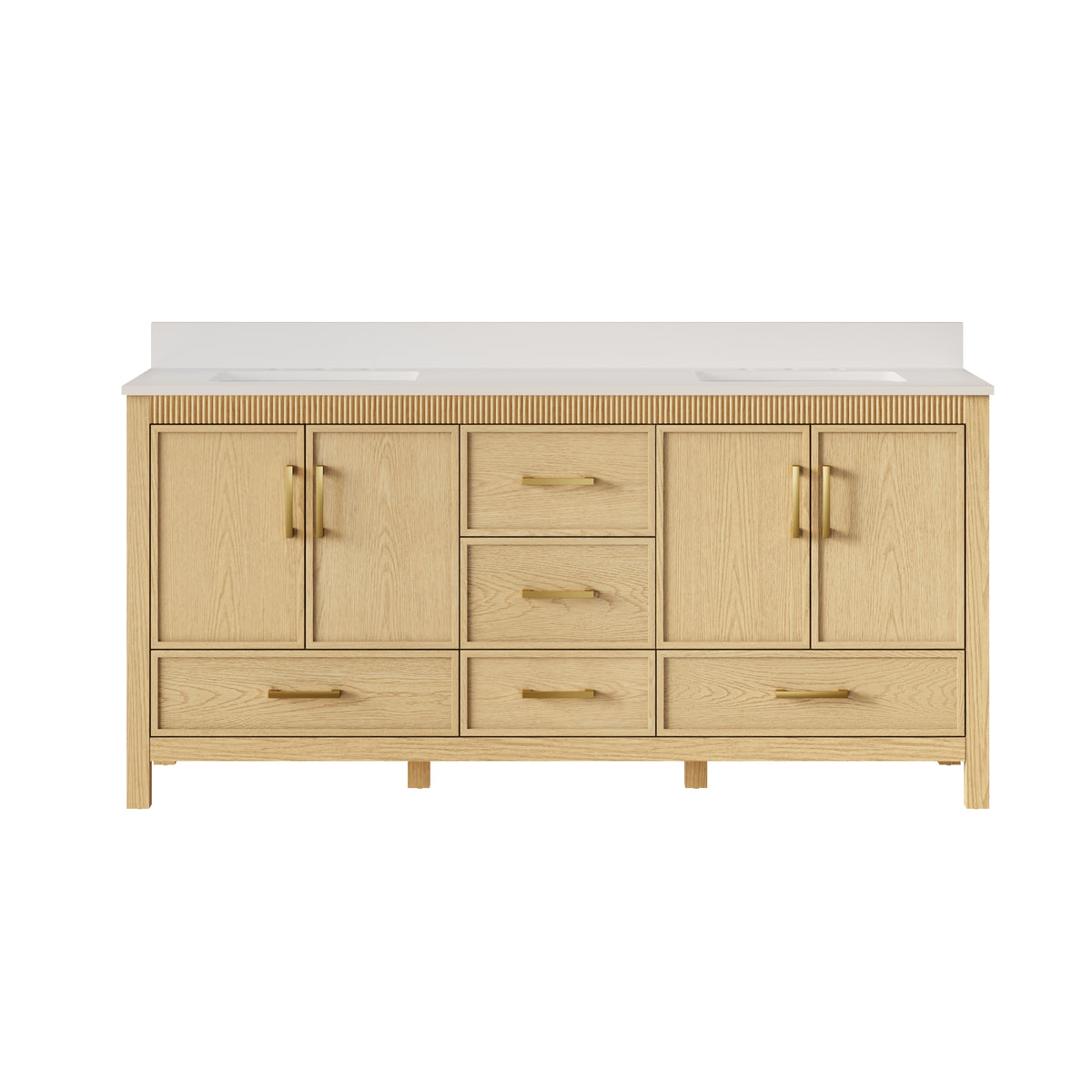
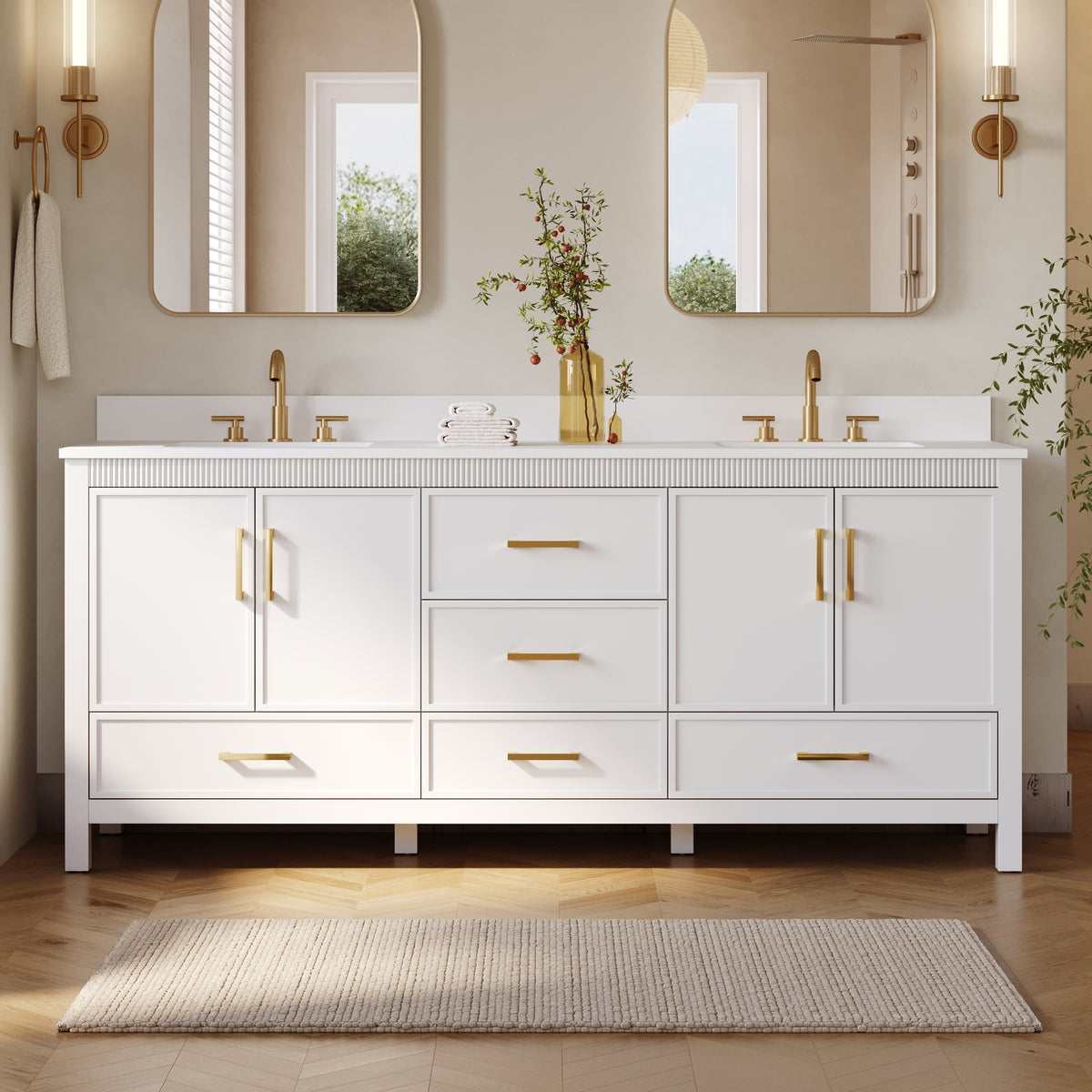
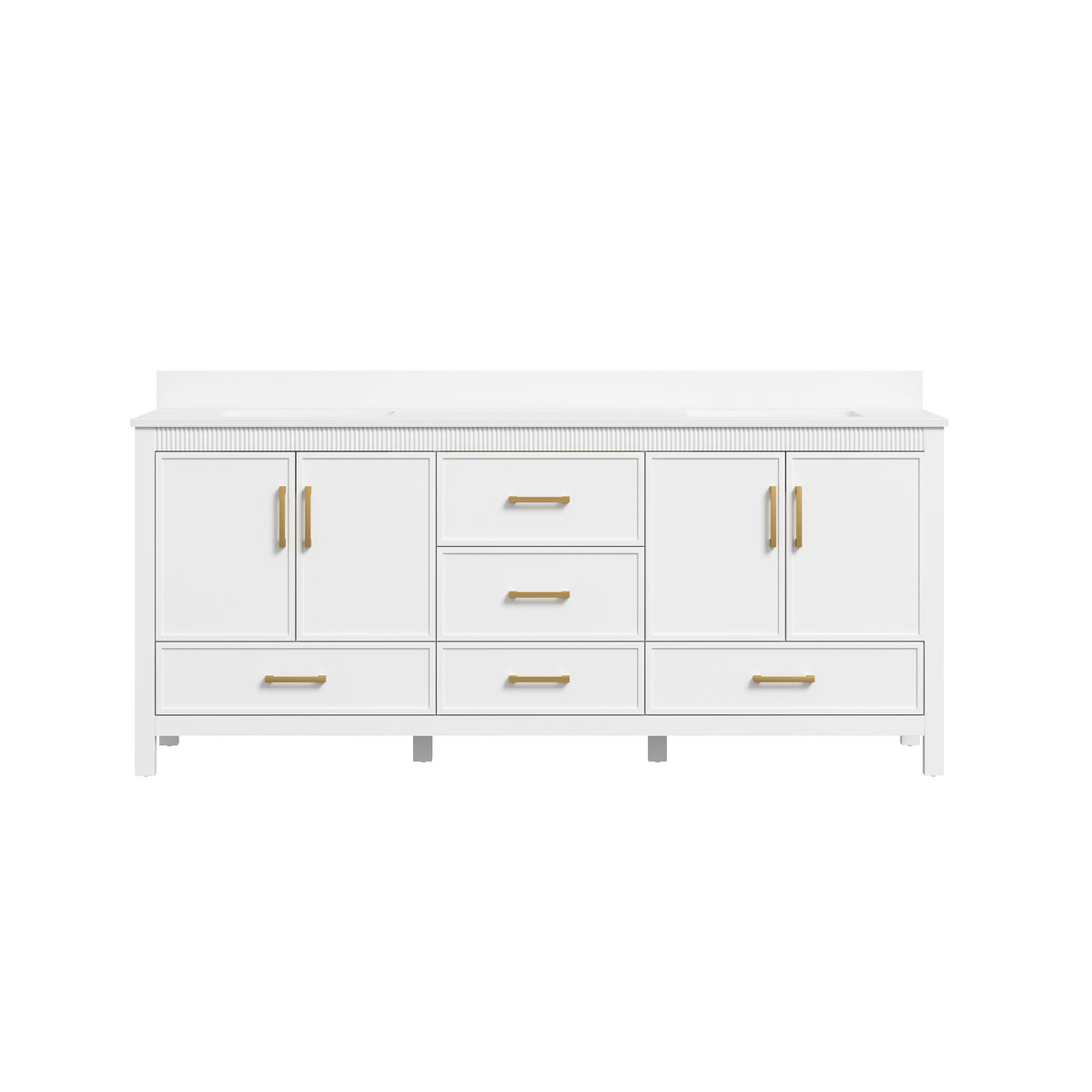

Bathroom trends change, but some design choices remain appealing long after a renovation is complete. A white bathroom vanity is one of them. Its clean appearance works with traditional, contemporary, and transitional interiors, making it a practical option for homeowners who prefer lasting style over short-lived trends. Yet white cabinetry isn't automatically the best choice for every bathroom. The quality of the finish, surrounding materials, and everyday maintenance requirements all influence whether a vanity will remain attractive for years.
1. Why White Bathroom Vanities Never Go Out of Style
White has remained a familiar choice in bathroom design because it adapts easily to changing tastes. Unlike bold cabinet colors, which can strongly define a room's personality, white provides a relatively neutral foundation.
A shaker-style white vanity feels appropriate in a traditional bathroom, while a flat-panel design works naturally in a modern setting.
This flexibility becomes valuable when homeowners update other elements over time.
Changing faucets, mirrors, or wall colors usually costs less than replacing cabinetry. A well-designed white vanity allows those smaller updates without requiring a complete renovation.
Still, timelessness depends on proportion and construction as much as color. Poorly made cabinetry won't become a lasting investment simply because it has a white finish.
2. How a White Bathroom Vanity Makes Spaces Feel Brighter
White surfaces reflect more visible light than many darker finishes, helping bathrooms appear brighter when suitable lighting is available.
This is particularly useful in compact bathrooms with small windows or limited natural illumination.
Consider a narrow guest bathroom with gray floor tile and a single overhead fixture. A dark vanity can create strong visual contrast, while a white cabinet may produce a lighter, less visually crowded appearance.
Pair White Cabinetry with the Right Lighting
Lighting influences how white finishes appear.
Warm bulbs can make certain whites look creamy, while cooler lighting may emphasize blue or gray undertones. Neither effect is necessarily undesirable, but unexpected differences can make coordinated materials appear mismatched.
Before purchasing, compare finish samples under the bathroom's actual lighting conditions.
A white vanity also benefits from balanced task lighting near the mirror, especially when the surrounding walls use similarly light colors.
3. White Works with More Materials Than You Might Expect
One reason designers frequently return to white cabinetry is its compatibility with different surfaces.
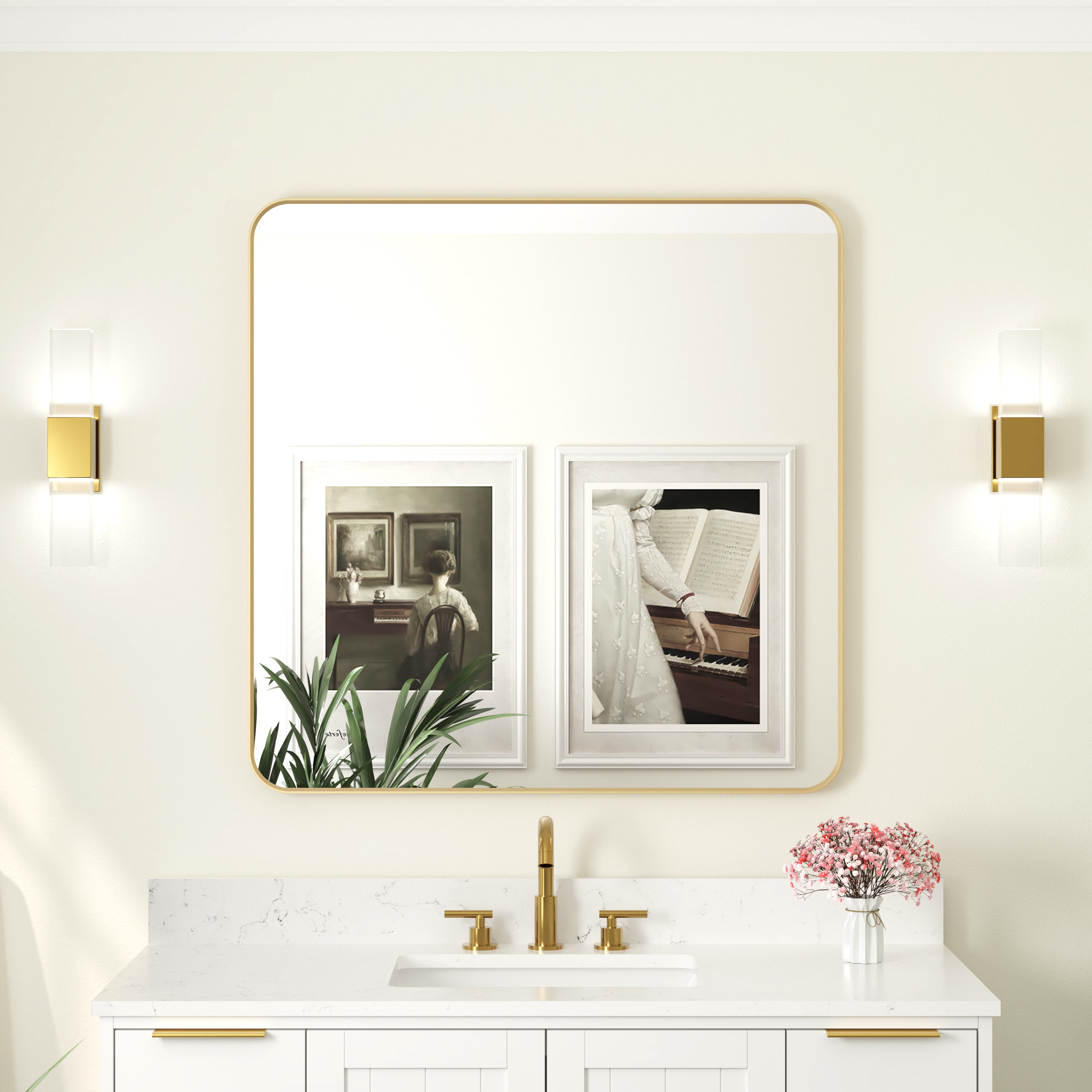
Marble-look countertops create a classic appearance, while natural wood accents introduce warmth. Matte black faucets add contrast, and brushed nickel hardware offers a softer transition between cabinetry and fixtures.
White also pairs well with patterned floor tiles.
A bathroom with decorative flooring can benefit from restrained cabinetry that allows the pattern to remain the visual focus.
Avoid Creating a Flat, All-White Bathroom
A common design mistake is assuming every surface should match perfectly.
White walls, white cabinets, white countertops, and glossy white tile can make a bathroom feel sterile when there is little variation in texture.
Introduce contrast through a wood-framed mirror, textured backsplash, or darker flooring.
Even subtle differences between matte and polished finishes can create depth without making the room feel busy.
4. Choosing the Right Vanity Size and Storage Layout
Appearance matters, but storage determines how comfortably a vanity functions.
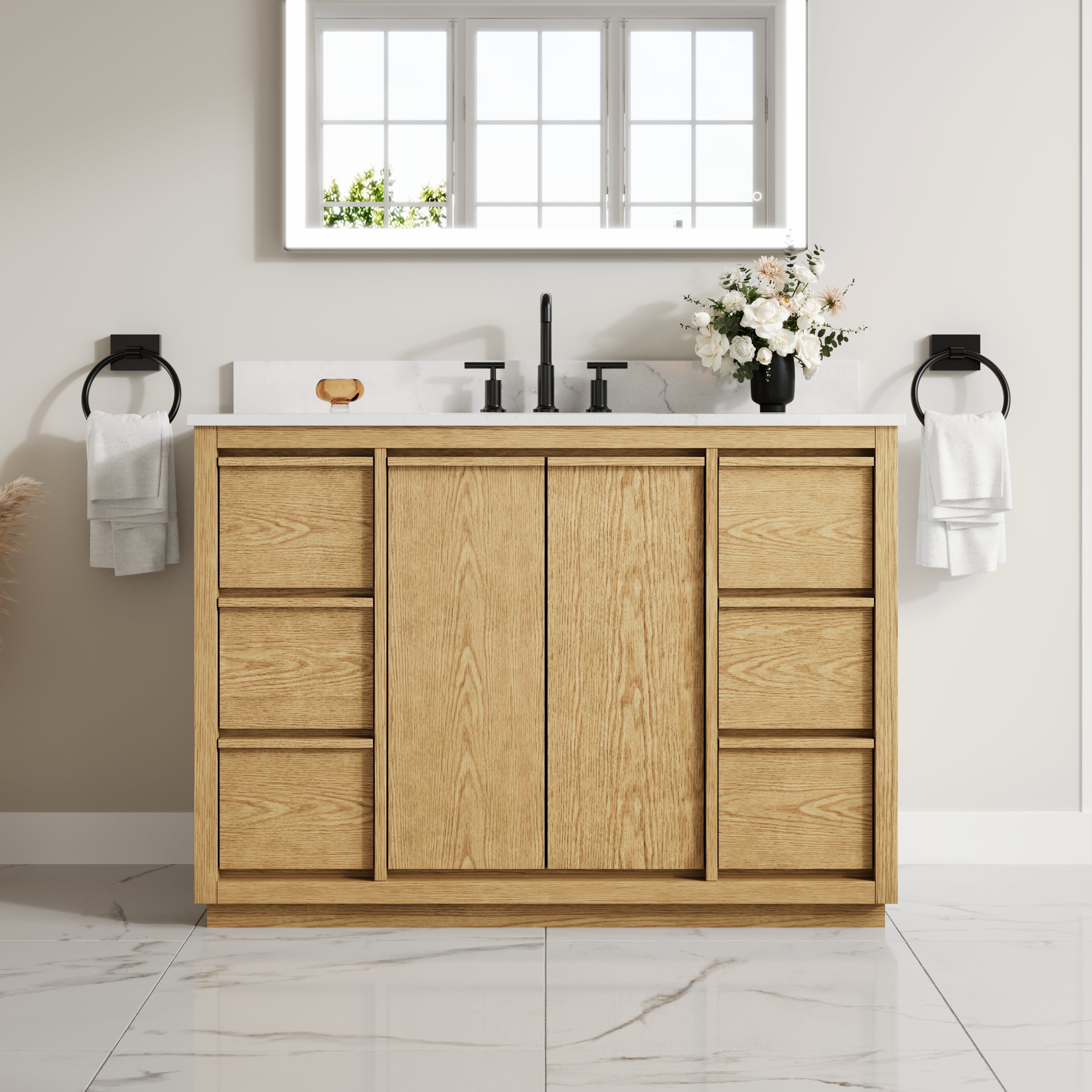
For smaller bathrooms, a 24-inch or 30-inch model may provide enough storage without restricting movement. A 36-inch vanity often offers a useful balance between countertop space and cabinet capacity.
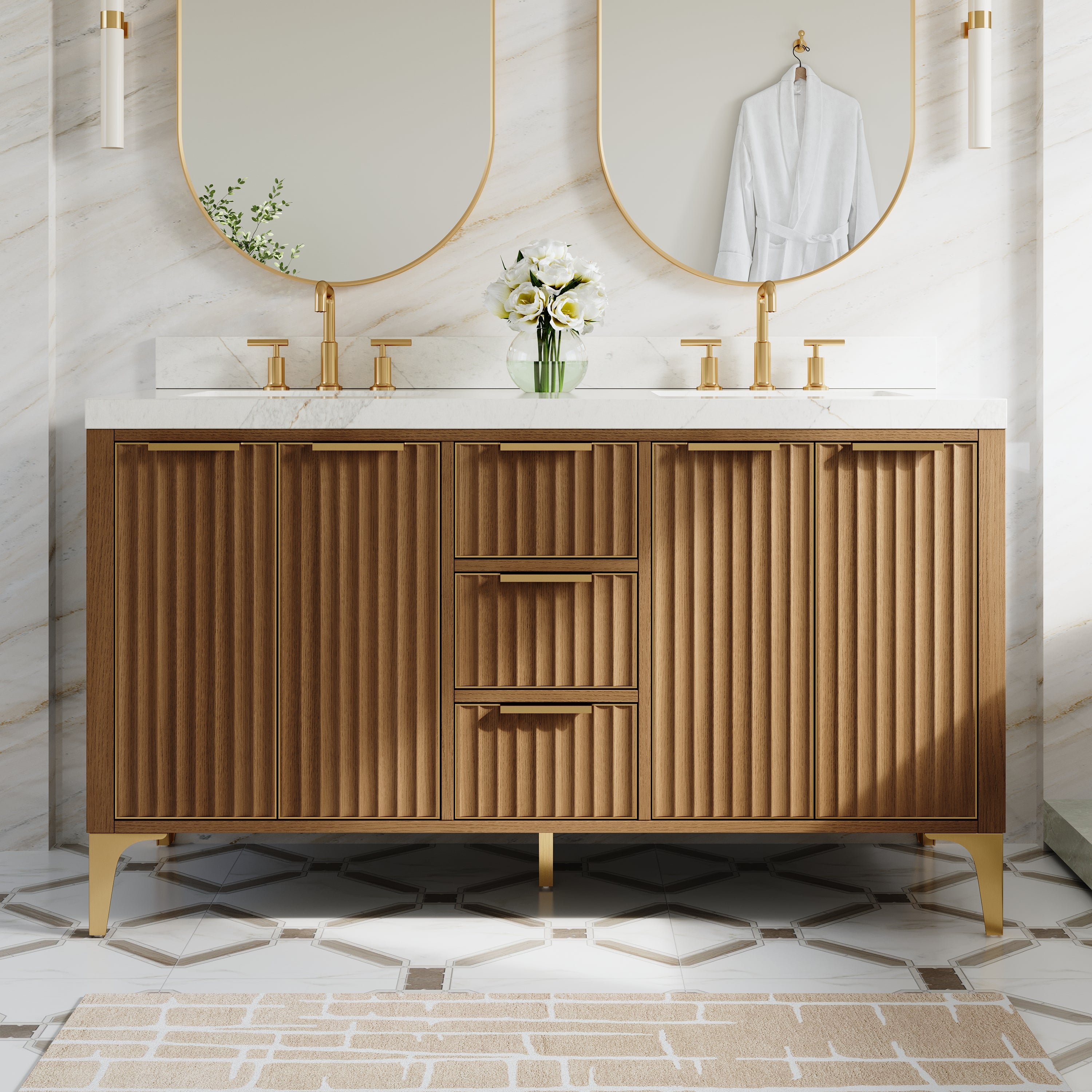
Larger bathrooms may accommodate wider configurations or double sinks.
However, two sinks aren't always the most practical choice. Some households benefit more from additional drawers and uninterrupted counter space.
Before selecting a vanity, consider how many people use the bathroom and which items need daily access.
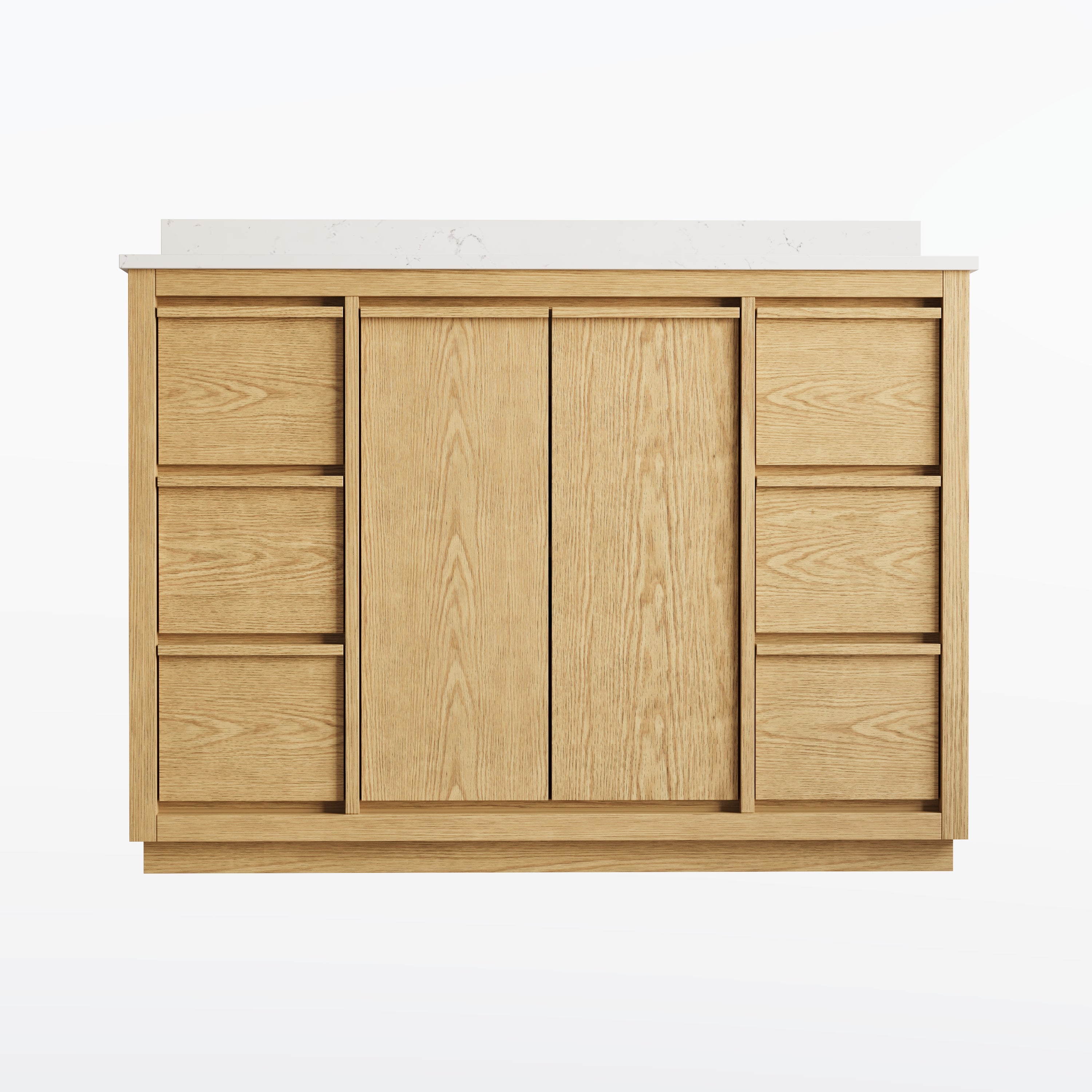
Drawers generally provide convenient organization for smaller essentials, while cabinet doors may better accommodate taller cleaning supplies.
The best layout reflects actual household habits rather than showroom styling.
5. The Practical Downsides of White Cabinetry
White finishes reveal certain marks more readily than darker or heavily textured surfaces.
Hair dye stains, makeup residue, and dark scuff marks can become noticeable, particularly on matte finishes. Low-quality painted surfaces may also chip or discolor with repeated moisture exposure.
This doesn't mean white cabinetry is difficult to maintain.
It means finish quality deserves attention.
Look for durable coatings, properly sealed edges, and construction materials suitable for humid environments. Inspect product specifications rather than relying entirely on promotional descriptions.
A white vanity may also be less appealing for homeowners seeking a dramatic, dark interior with minimal visual contrast.
In those settings, stained wood or deep-colored cabinetry might better support the design.
6. Installation and Maintenance Considerations
Protect the Cabinet from Moisture
Bathrooms experience regular changes in temperature and humidity, especially after hot showers.
Adequate ventilation helps protect cabinet finishes and reduces the likelihood of moisture-related deterioration.
During installation, ensure the vanity sits level and that plumbing connections remain accessible. Seal countertop and backsplash joints according to manufacturer recommendations.
For wall-mounted designs, verify that the wall structure can support the installed weight.
Everyday maintenance is straightforward. Wipe spills promptly, use mild cleaning products, and avoid abrasive scrubbers that may damage painted surfaces.
Periodically inspect the areas around the sink and cabinet base for signs of water exposure.

7. Selecting a White Vanity That Will Age Gracefully
When exploring Wellfor bathroom vanity options, begin with construction quality, storage requirements, and available floor space.
Choose a shaker-style design if you prefer traditional detailing, or consider a streamlined cabinet for a contemporary bathroom. Pay attention to drawer operation, countertop materials, and the finish's cleaning requirements.
If your bathroom receives heavy daily use, prioritize moisture-resistant construction and easy-to-clean surfaces over decorative features.
A white bathroom vanity is most successful when it supports both the room's appearance and the routines of the people using it.
Before ordering, measure the available space, check door and drawer clearances, and compare the cabinet finish with your existing tile under real lighting. Choose a design you can maintain comfortably, and it should remain a dependable part of your bathroom through many smaller style updates.















Leave a comment
This site is protected by hCaptcha and the hCaptcha Privacy Policy and Terms of Service apply.