
















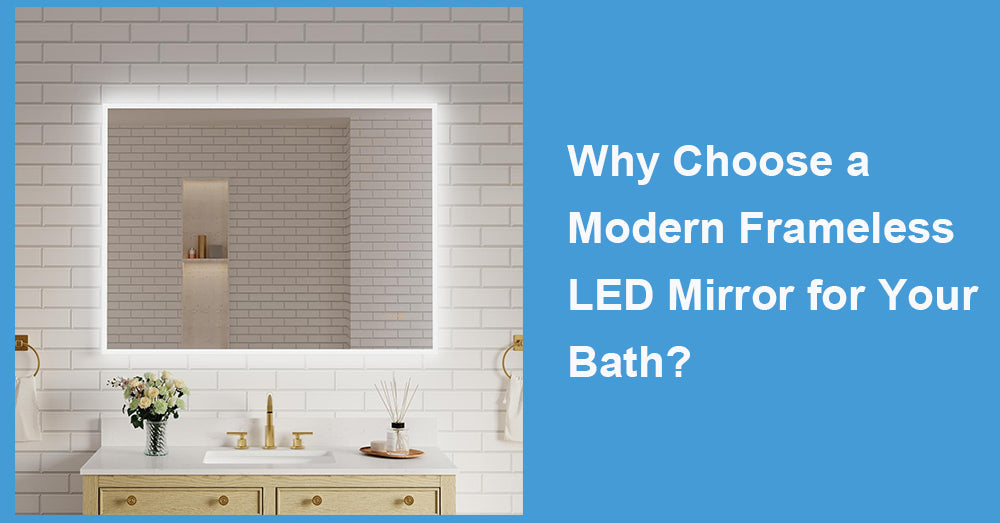
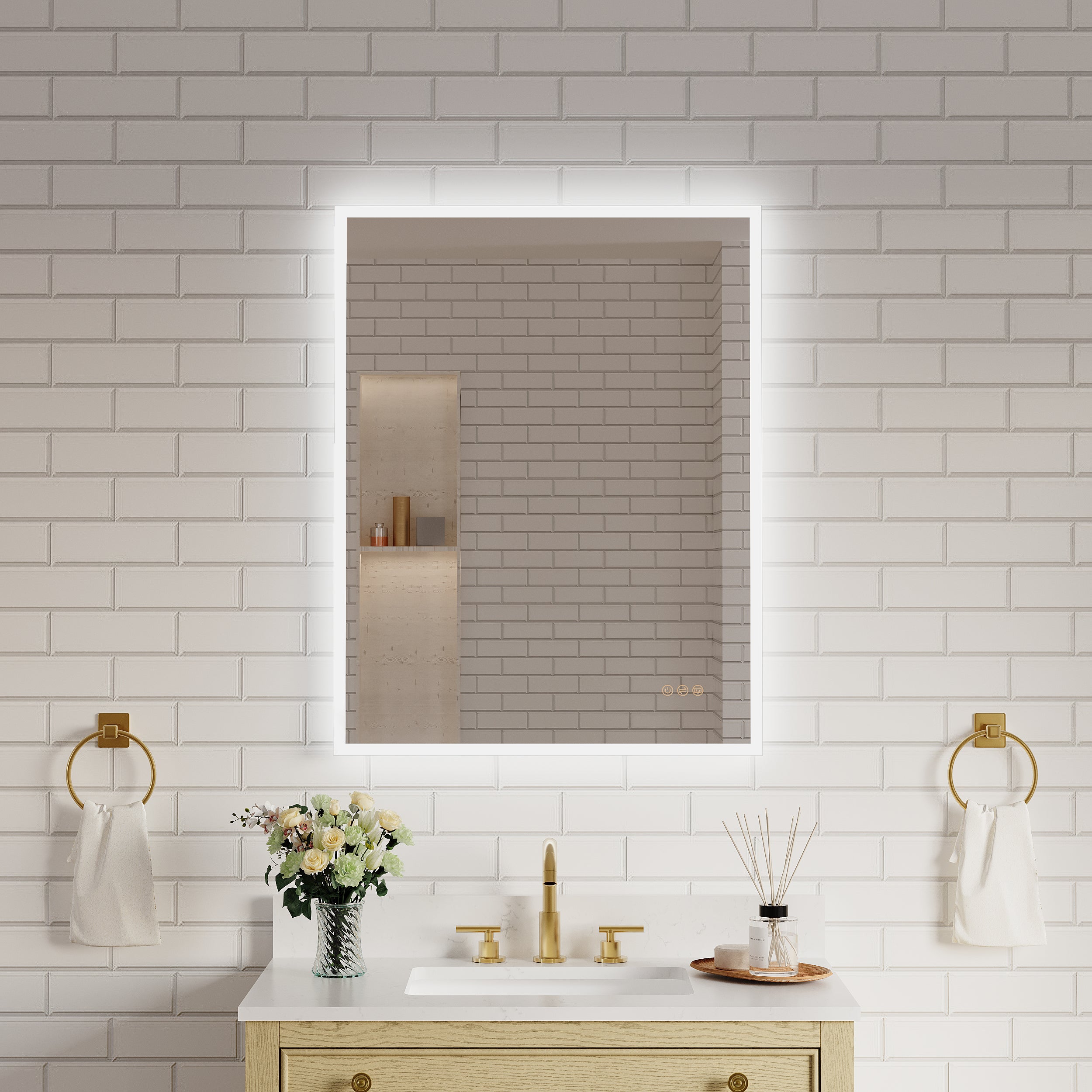
As bathroom renovation trends move toward “light remodeling, heavy experience,” the humble mirror has quietly become a high-impact upgrade. Lighting comfort, anti-fog performance, installation efficiency, and overall aesthetics now matter as much as size and price. In this shift, the modern frameless led bathroom mirror is moving from an optional accessory to a core feature in both residential and hospitality projects. Consumers increasingly expect a mirror to do more than reflect—they want it to improve daily routines and elevate the entire space.
1) Aesthetics That Match Today’s Minimal Design Language
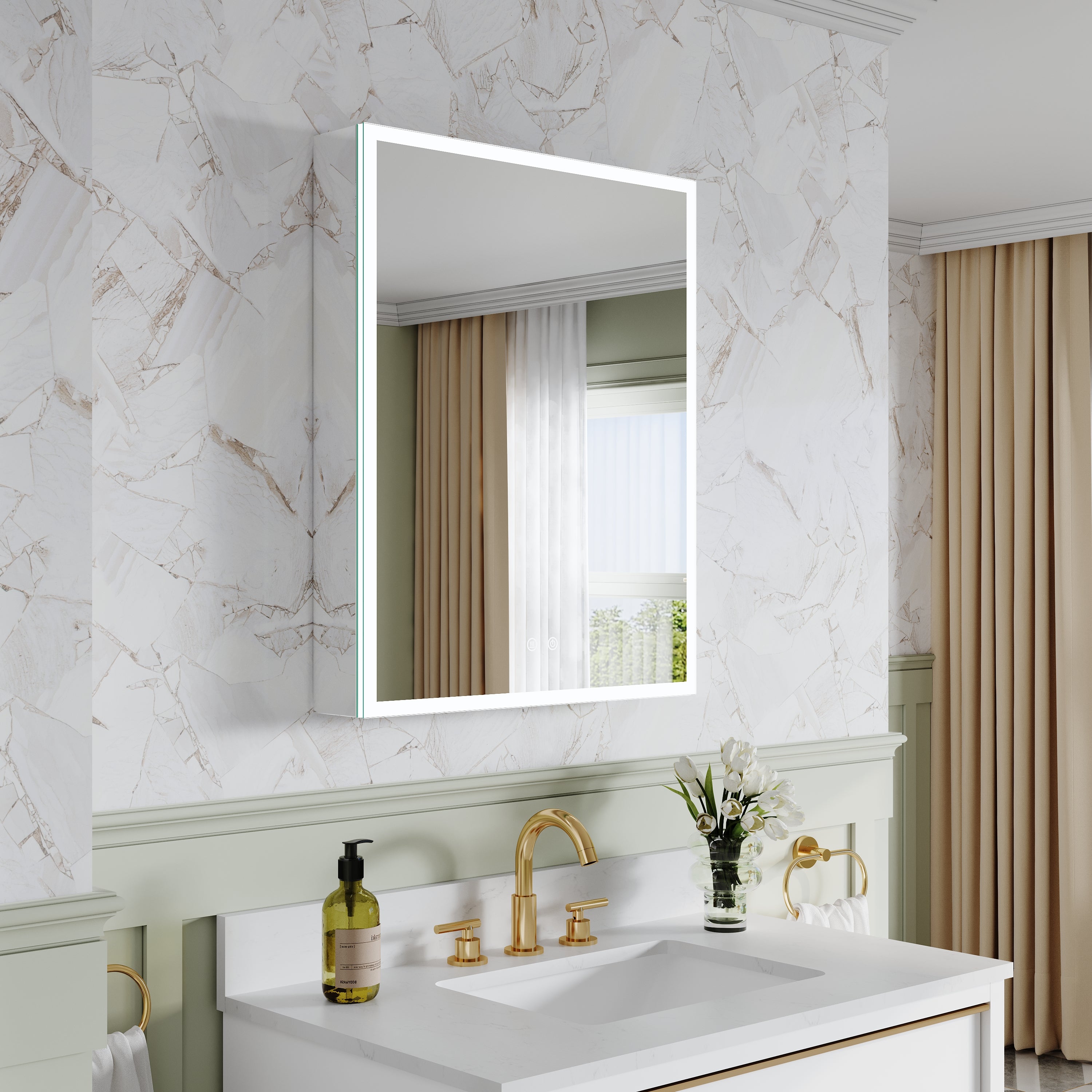
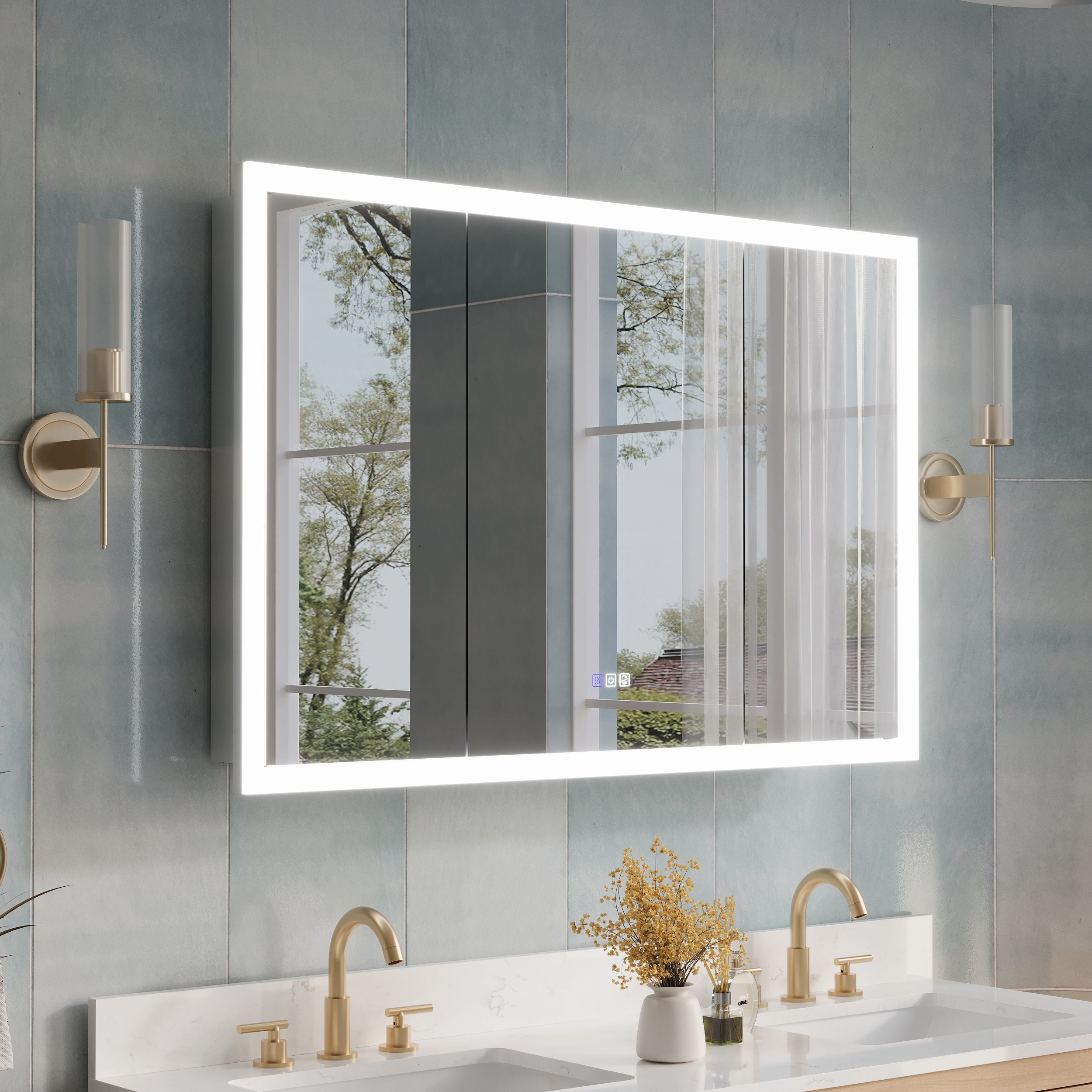
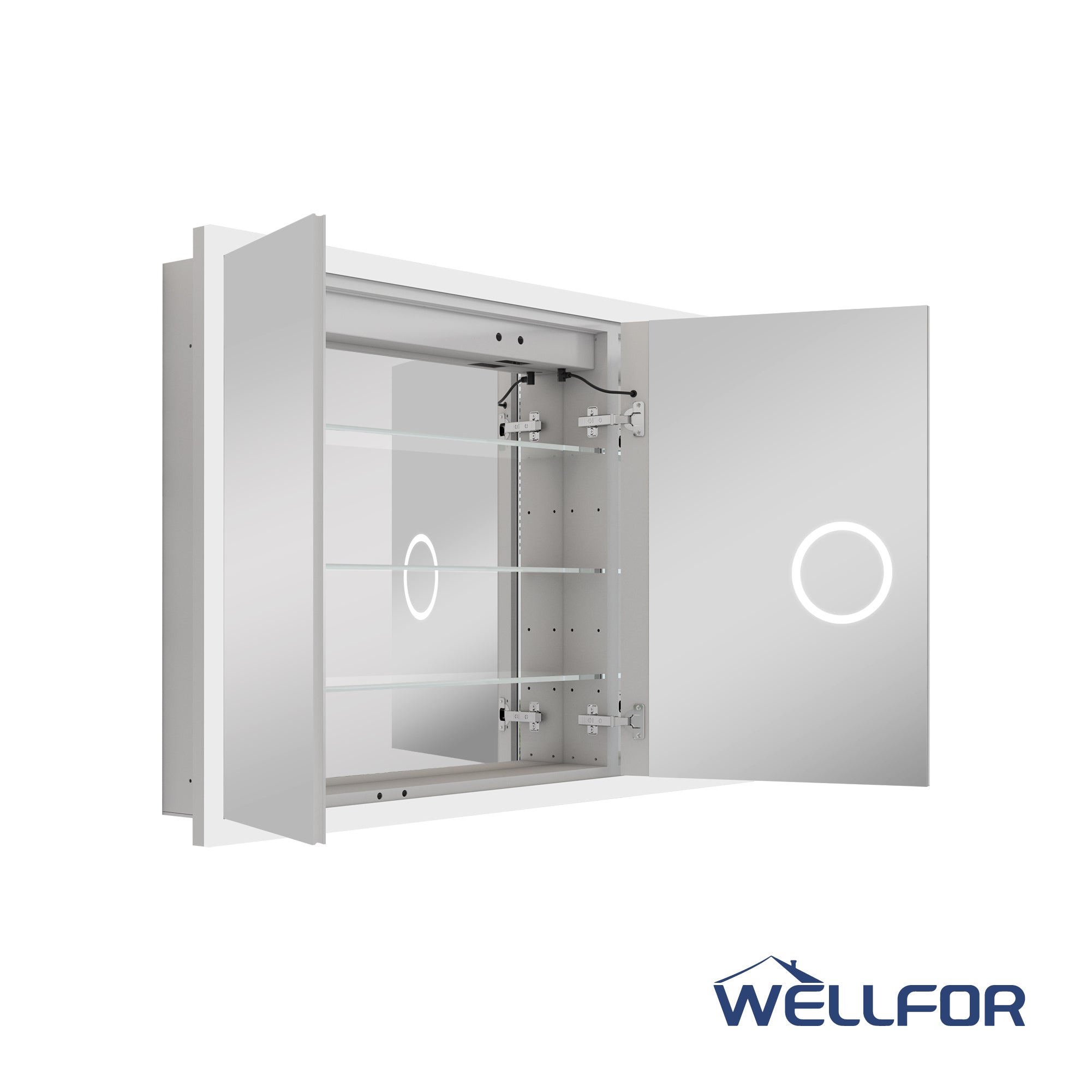
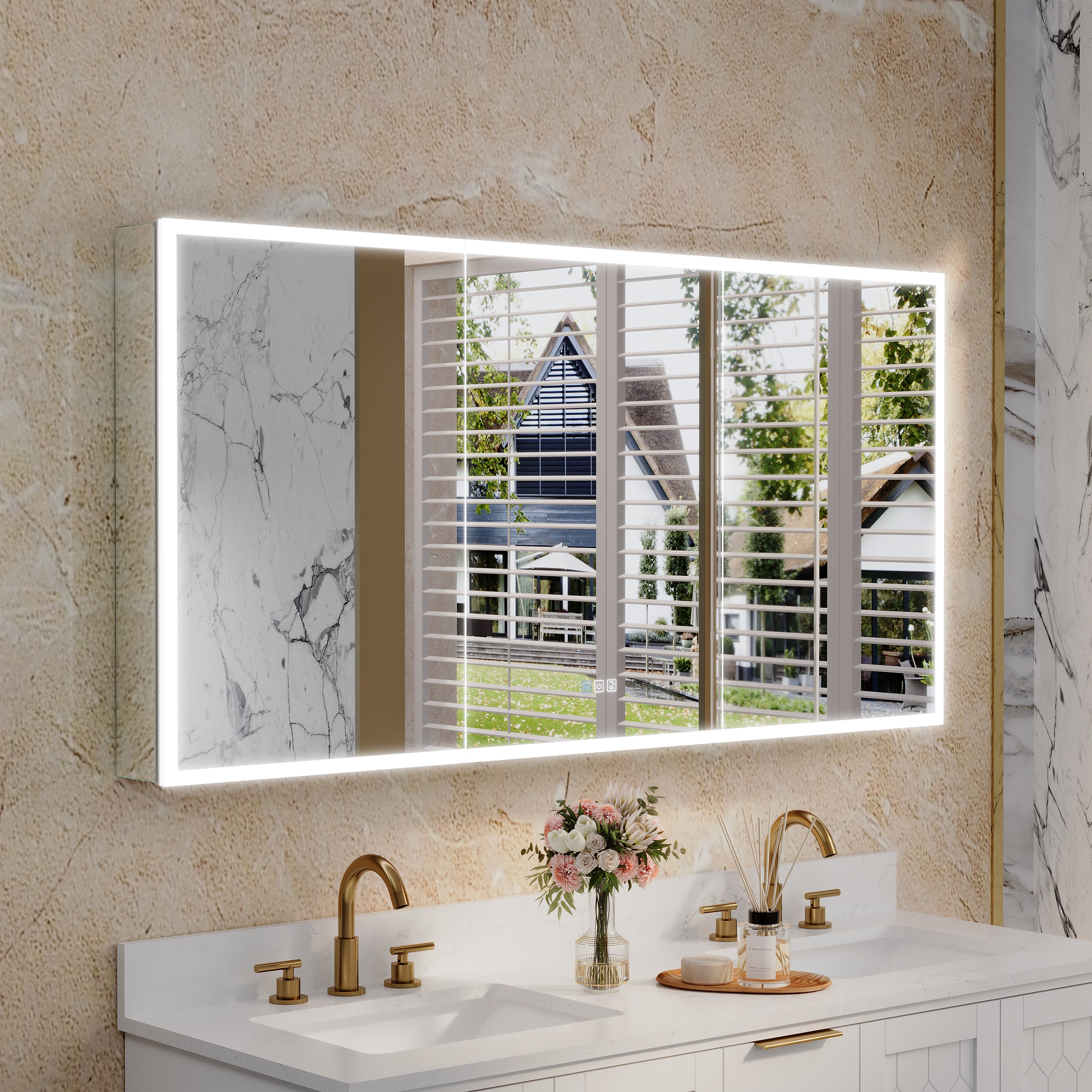
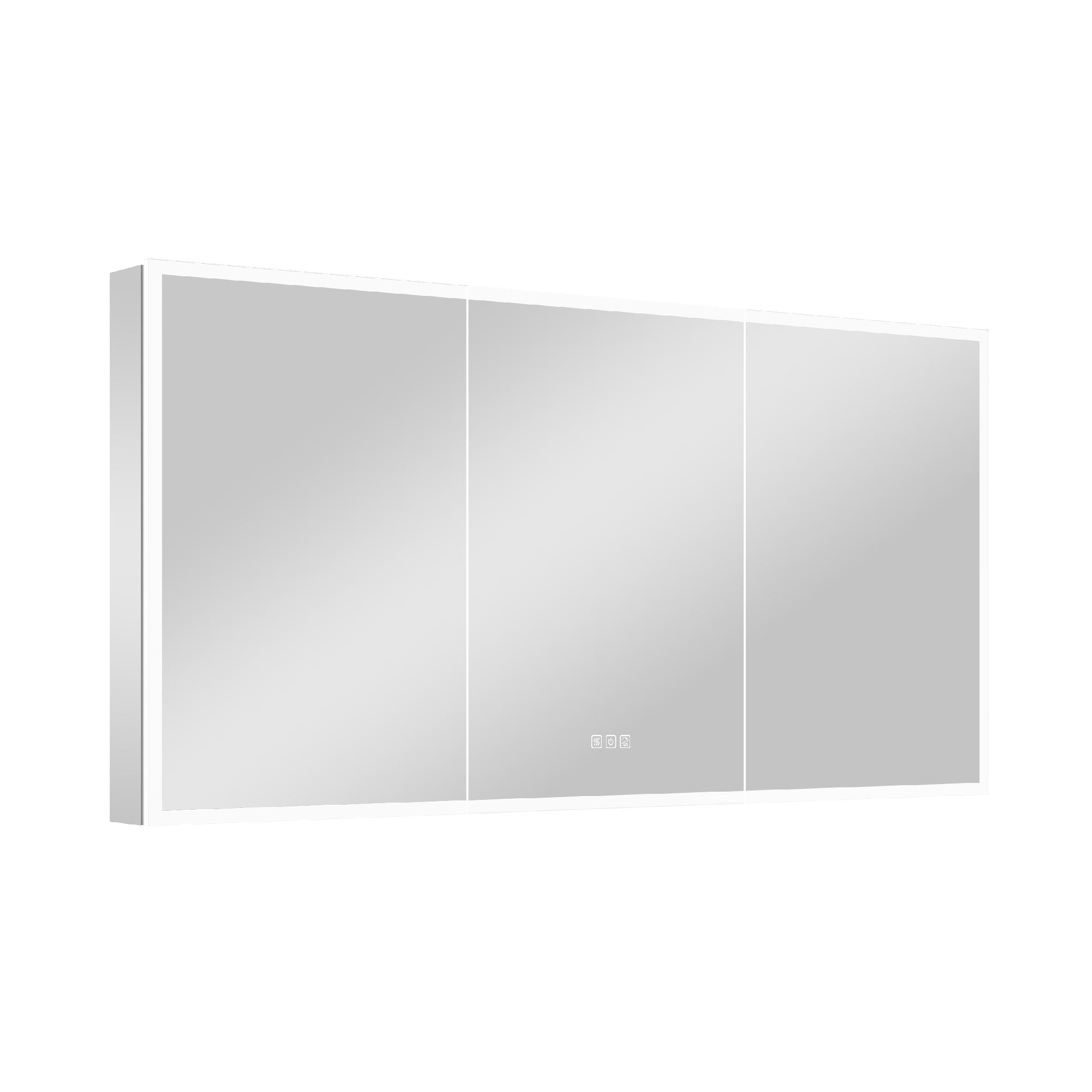
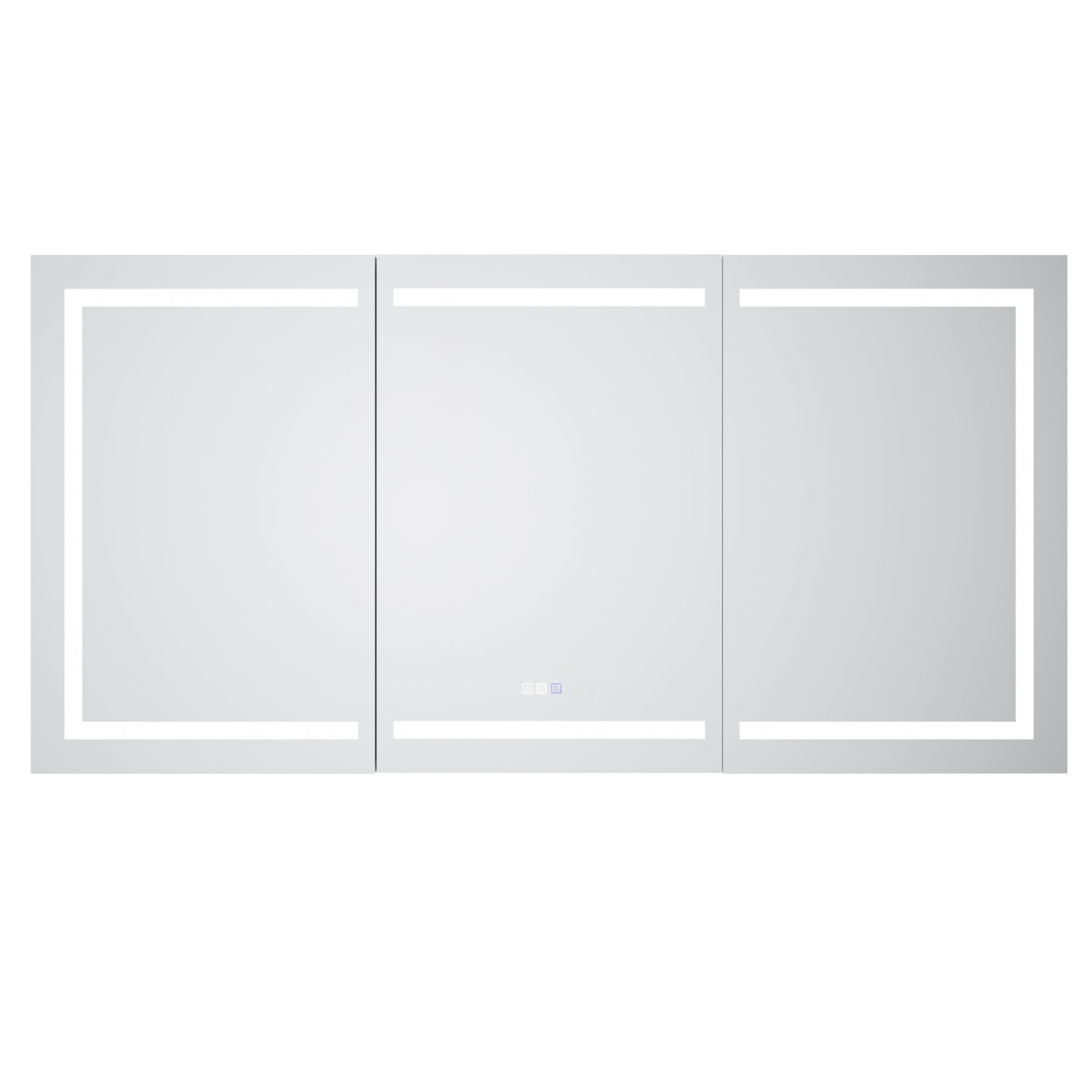
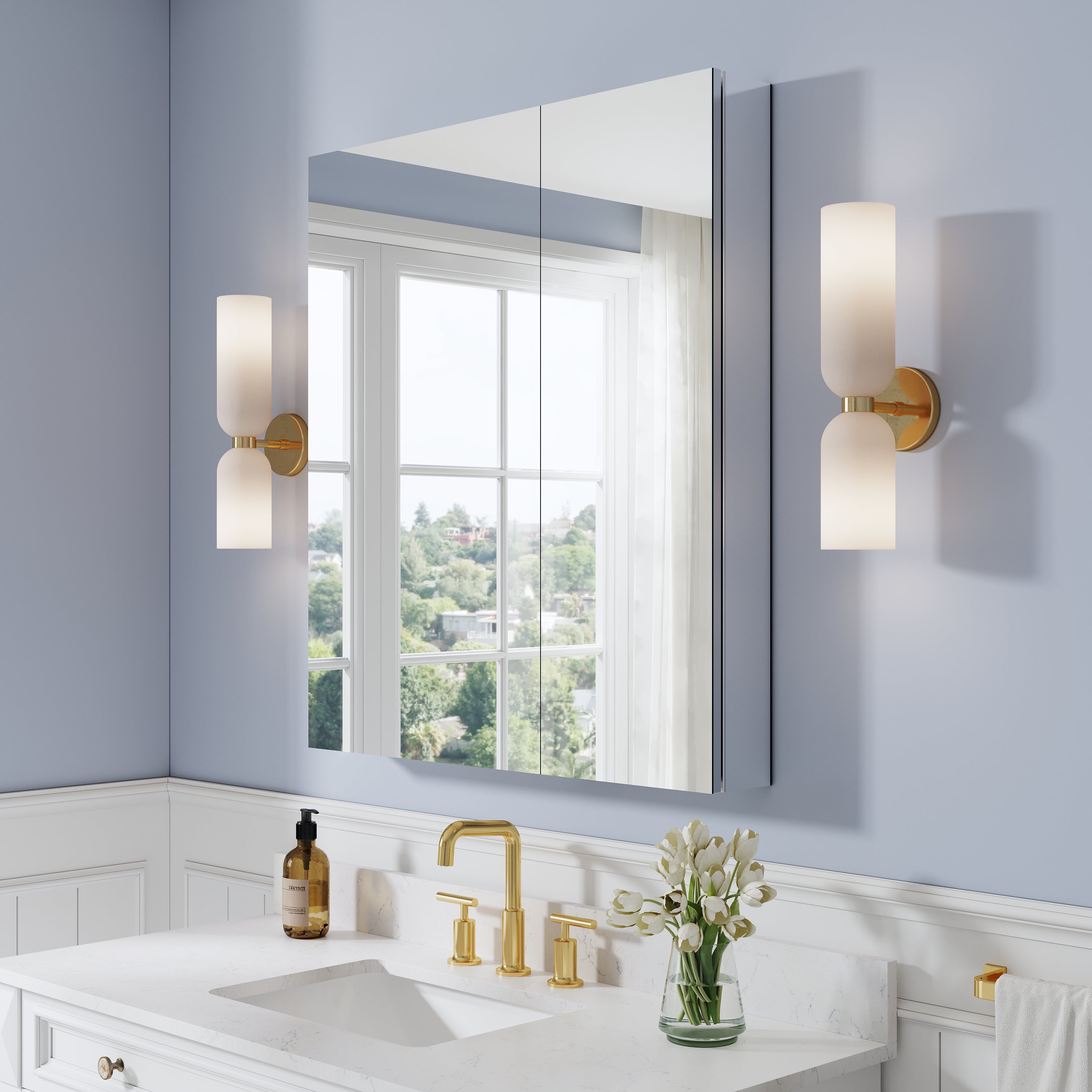
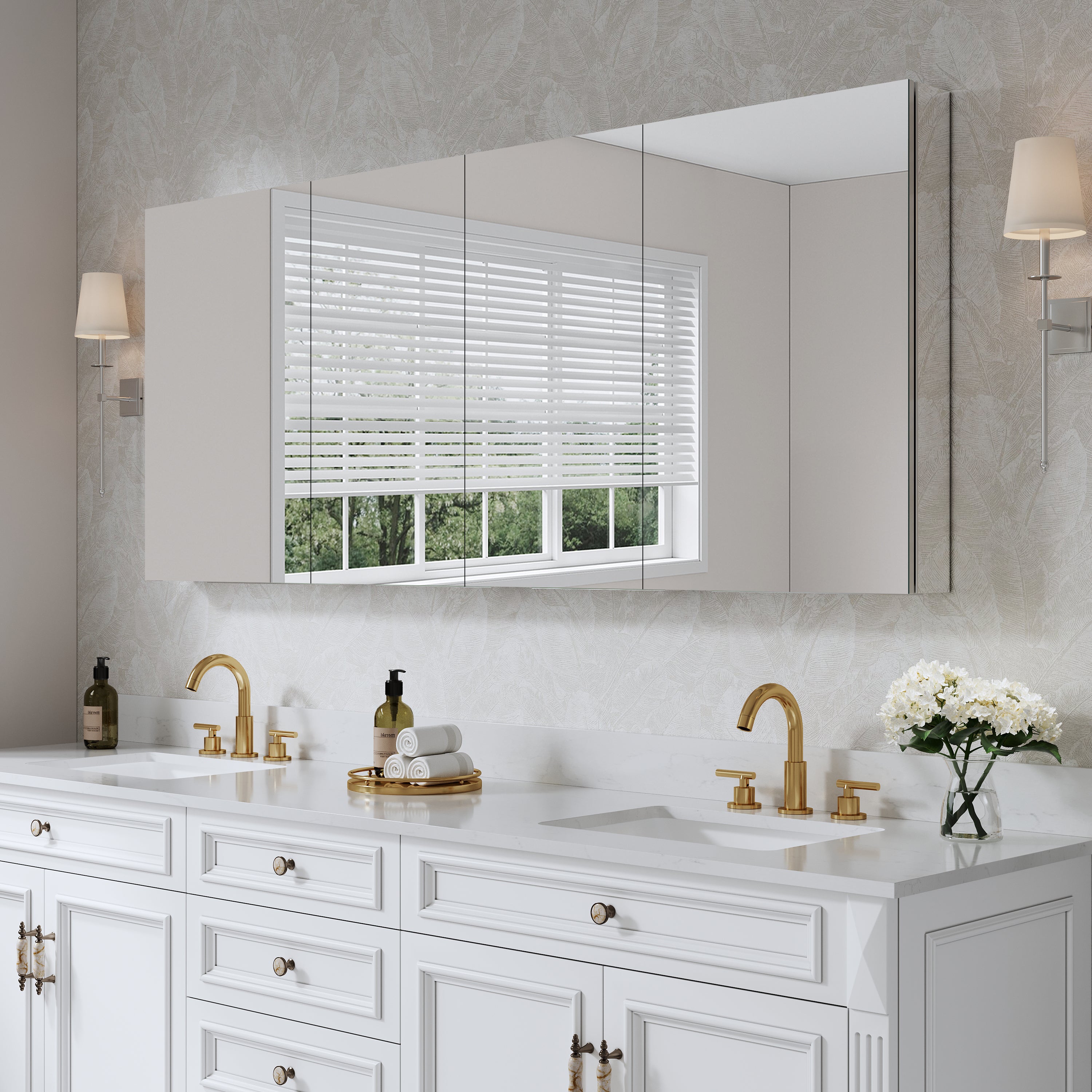
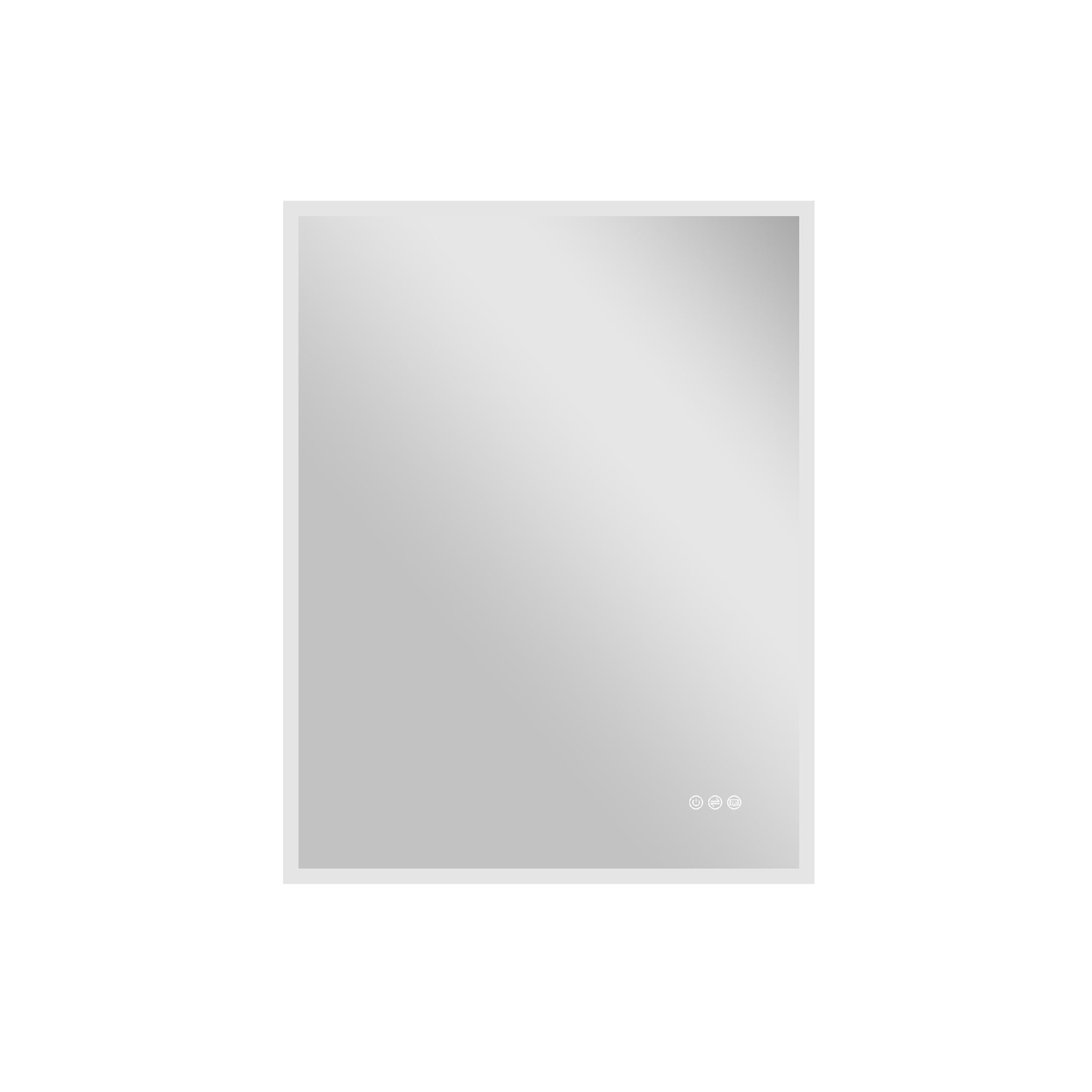
Frameless design has become a mainstream preference because it reduces visual clutter and makes bathrooms feel larger and more cohesive. Without a bulky border, the mirror blends naturally with stone, tile, micro-cement walls, and floating vanities. For developers and designers, this “clean edge” look is also easier to match across multiple interior styles, which is why frameless LED mirrors are frequently specified in apartments, hotels, and modern home builds.
2) Better, More Practical Lighting for Real Use
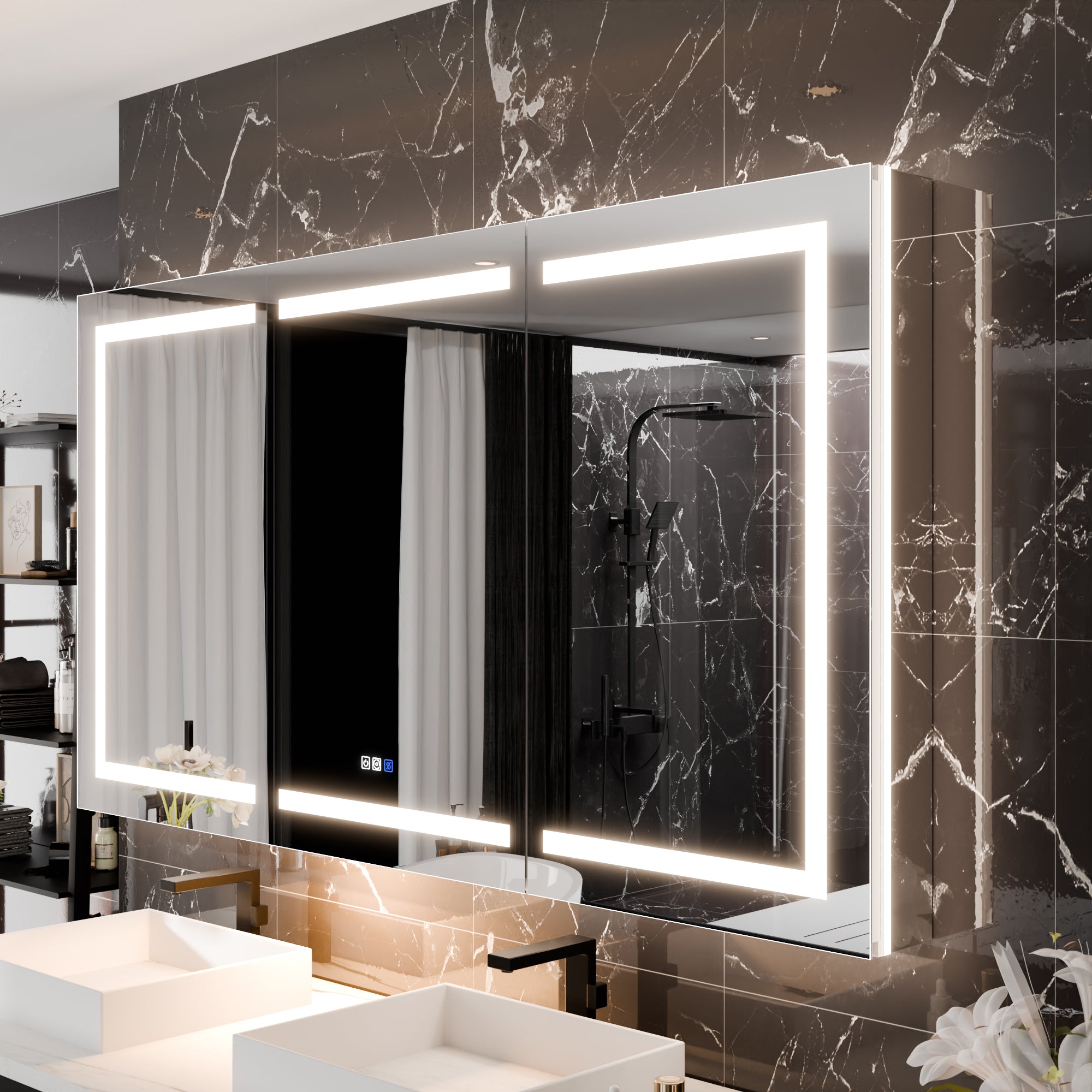
The biggest functional advantage is lighting quality. Traditional vanity lights often cast harsh shadows on the face, making shaving, skincare, and makeup more difficult than they need to be. Integrated LED illumination—front-lit, backlit, or dual-lit—can distribute light more evenly and reduce unflattering contrast.
In retail markets, customers describe the difference in simple terms: the bathroom looks brighter, feels more premium, and daily grooming becomes easier. In hospitality settings, lighting is strongly linked to guest satisfaction—wash areas that photograph well and feel comfortable often receive better reviews.
Many models now support multiple color temperatures, allowing users to match lighting to time of day, mood, and personal preference. This turns the mirror into a “scene tool,” not just a functional item.
3) Anti-Fog Is Becoming a Standard Expectation
High humidity is the natural enemy of mirrors. Fogging, moisture damage behind the glass, edge corrosion, and electrical aging can all lead to complaints and returns. That’s why anti-fog solutions—such as built-in defogging pads—are increasingly moving from mid- to high-tier products into mainstream pricing.
From an industry perspective, anti-fog is not only a selling point; it’s a reliability strategy. Fewer fog-related complaints mean lower after-sales costs for distributors, installers, and project owners. Meanwhile, improved edge finishing, sealing, and moisture-resistant back structures are becoming key differentiators, especially in humid regions and long-cycle commercial projects.
4) “Smart” Features Are Shifting Toward Simplicity
Touch controls, dimming, memory settings, timers, and motion sensors are common—but the industry is also learning that consumers don’t necessarily want complicated connectivity. What they do want is ease and reliability:
· Controls that work consistently with wet hands
· Soft night lighting that doesn’t glare
· Straightforward operation for kids and older family members
· Options that fit typical home wiring and switch setups
In other words, the winning direction isn’t “more functions,” but “more usable functions.”

5) Manufacturing Competition Is Now About Systems, Not Just Glass
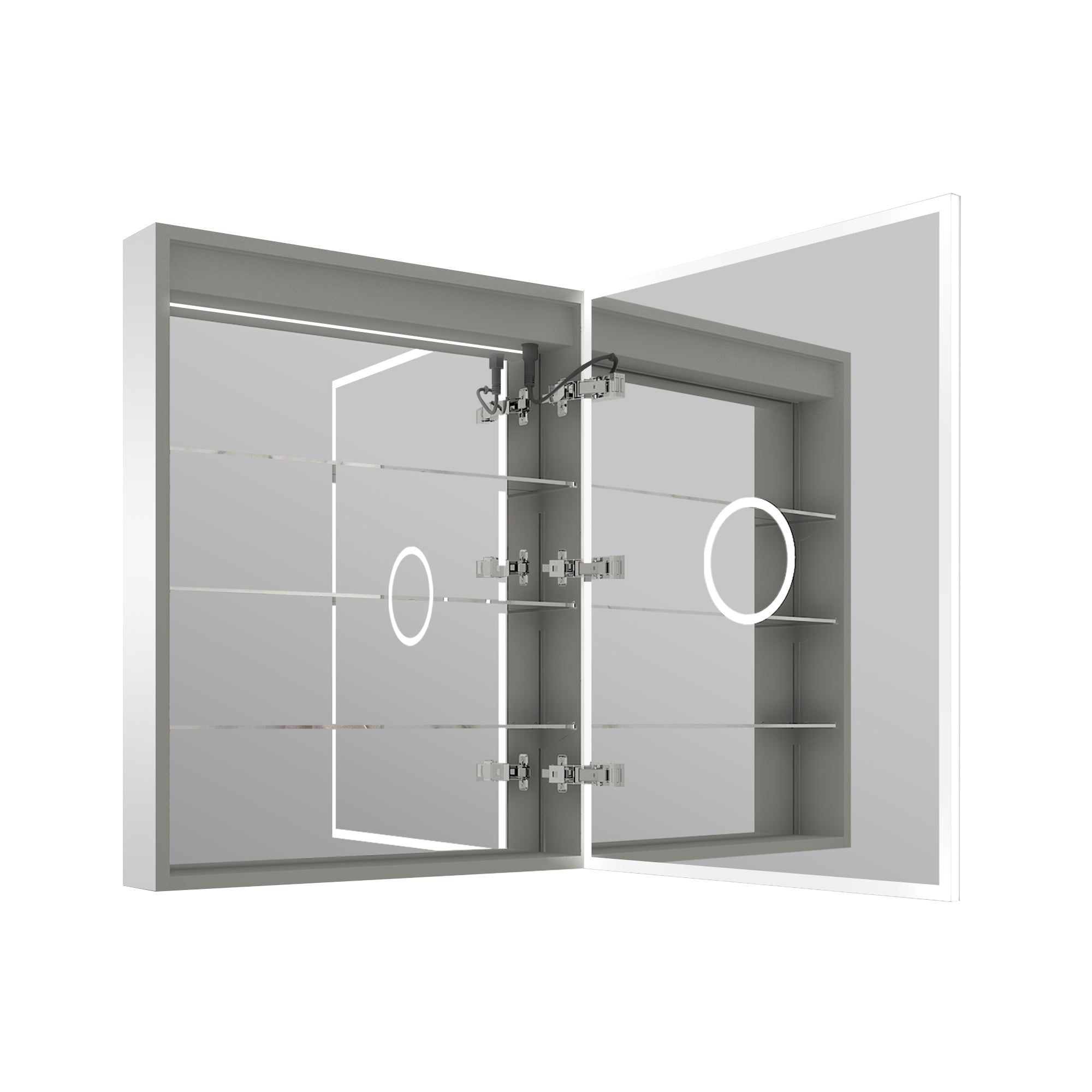
On the supply side, modern LED mirrors have evolved from basic glass processing to a system product—combining optics (diffusers), structure (backboards and mounting), drivers/power supply, heat management, moisture protection, and safety standards.
For brands, stable driver selection and good thermal design directly impact lifespan and warranty risk. For installers and channel partners, fewer failures matter more than extra brightness on a spec sheet. That’s why many suppliers are building product families rather than single SKUs—configuring sizes, lighting styles (front/back/dual), and feature sets (anti-fog, dimming, sensors) for different price bands and channel needs.
6) Channels Are Selling “Light Experience,” Not Just a Mirror
Online, the focus is increasingly on demonstrating real lighting effects—color temperature comparisons, bathroom brightness, and anti-fog demonstrations. Offline showrooms lean into scene-based displays, where customers can feel the space improvement instantly.
For projects (hotels, apartments, and contractors), procurement priorities are different: consistent batches, reliable lead times, protective packaging, clear installation guidance, spare parts, and responsive after-sales service. In cross-border markets, shipping damage rates and packaging engineering can be just as important as the product itself—pushing suppliers toward stronger packaging and more modular designs.
Added Industry Outlook
Looking ahead, demand is likely to accelerate in two areas: renovation-driven retail and standardized project supply. In many mature housing markets, homeowners prefer targeted upgrades that deliver visible improvement without major construction—mirrors with integrated lighting and anti-fog features fit that value equation perfectly. On the project side, contractors increasingly request mirrors that arrive “installation-ready,” with standardized brackets, clear wiring options, and consistent dimensions to reduce on-site labor time. Sustainability is also entering procurement discussions: energy-efficient LEDs, longer-life drivers, and more recyclable packaging can influence bids and brand preference. Finally, product differentiation is moving toward comfort metrics—glare control, color rendering, and uniformity—rather than just higher wattage. In that environment, the modern frameless LED bathroom mirror will continue to gain share, not only as a design element but also as a practical lighting solution that improves daily routines and reduces maintenance headaches.
Conclusion: A Mirror That Upgrades the Whole Bathroom Experience
Choosing a modern frameless LED mirror is ultimately about reducing daily friction while improving comfort and style. Better facial lighting, fewer fog issues, a cleaner aesthetic, and more user-friendly controls together create a noticeable upgrade—without requiring a full bathroom rebuild.
From an industry viewpoint, the modern frameless led bathroom mirror represents a broader shift in bath spaces: from pure hardware function to “light environment + experience design.” The next stage of competition will be won by companies that deliver durability and electrical stability, truly comfortable lighting design, and strong installation/after-sales delivery.











Leave a comment
This site is protected by hCaptcha and the hCaptcha Privacy Policy and Terms of Service apply.