














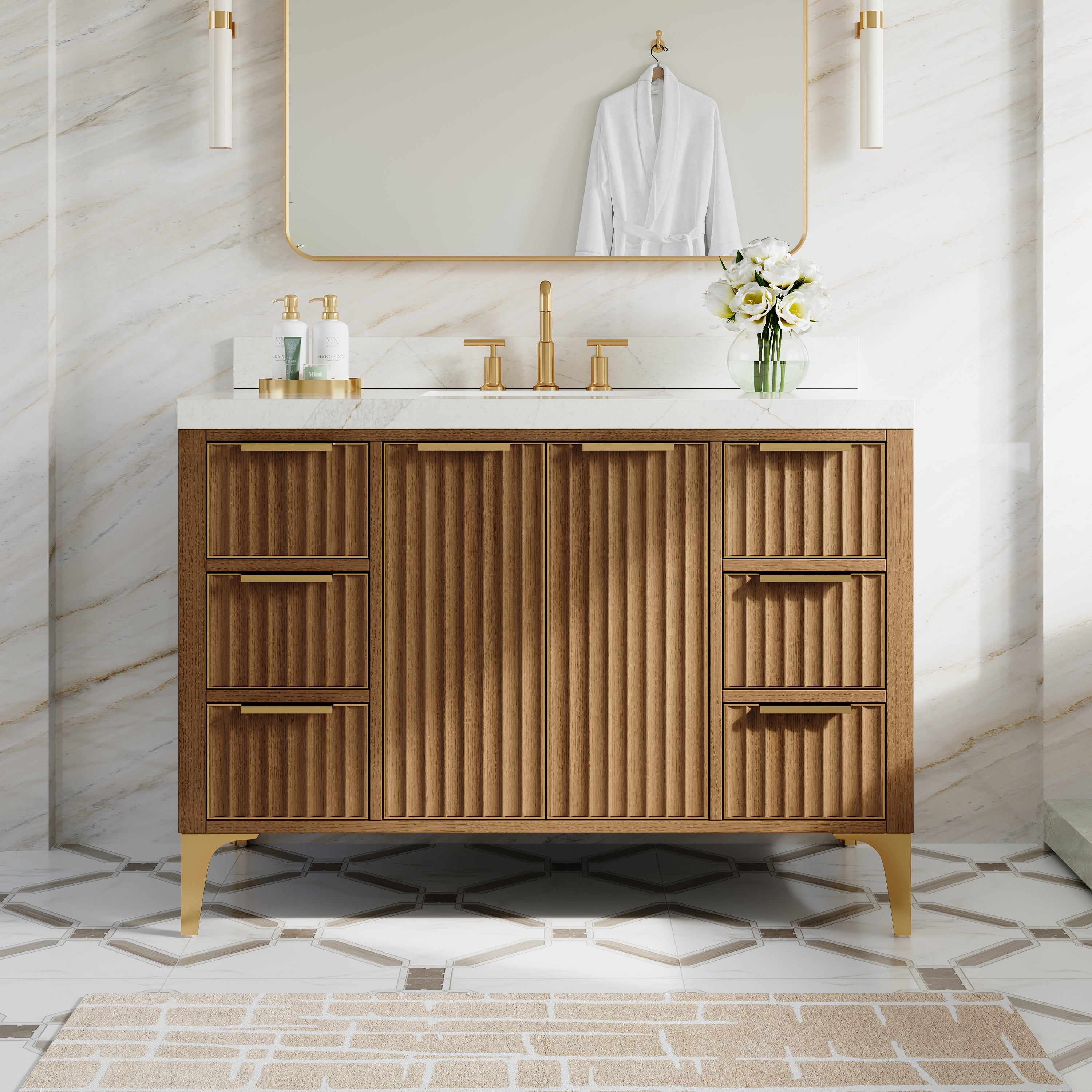


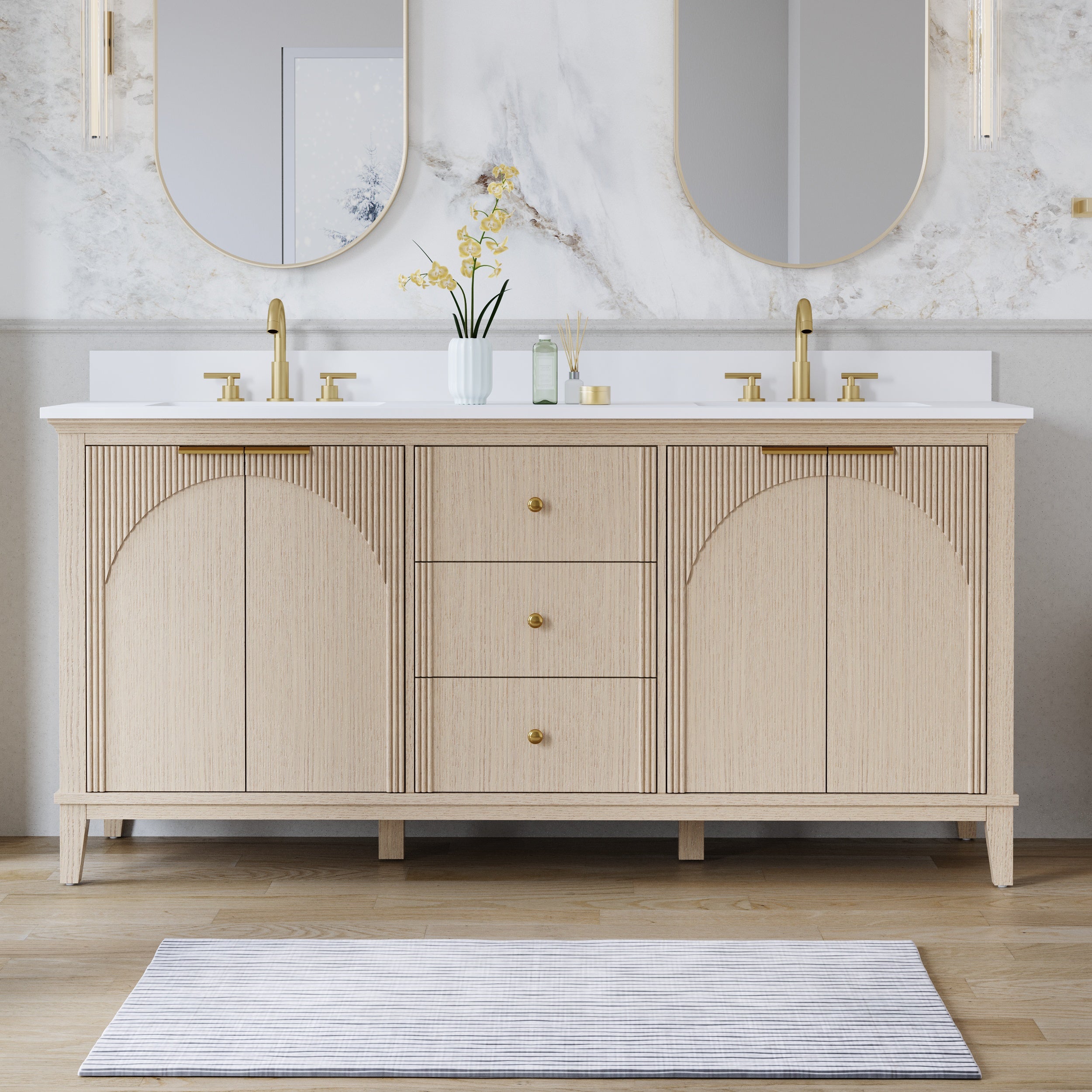
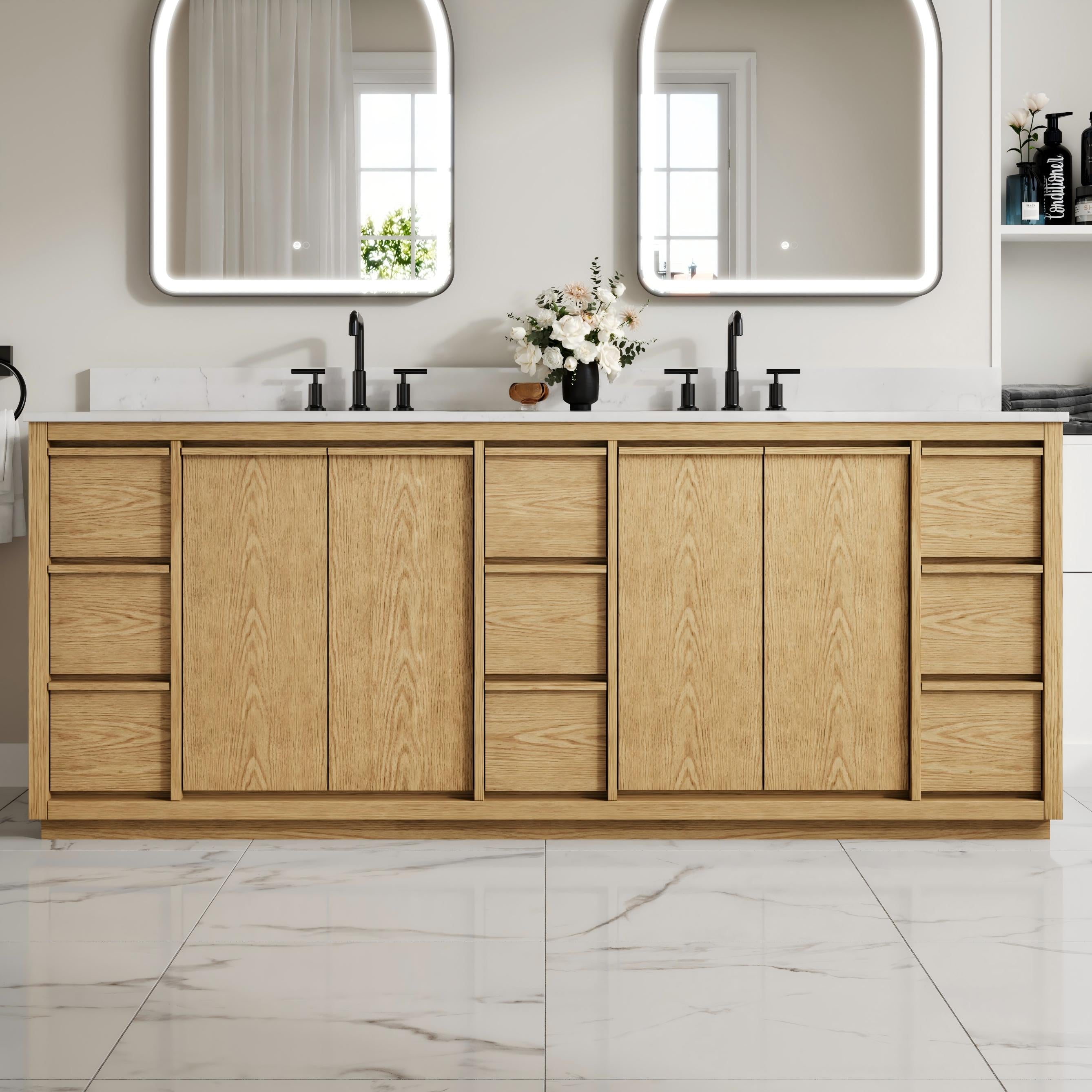
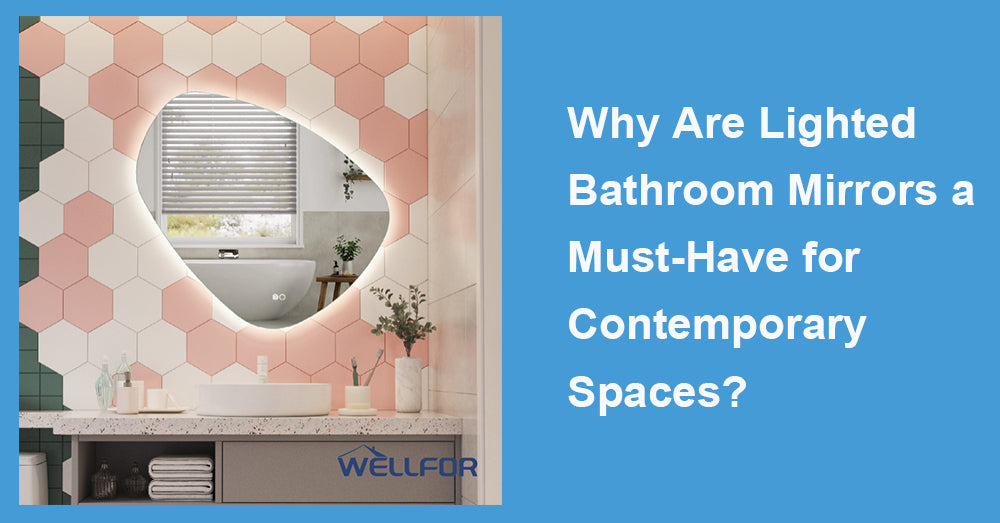
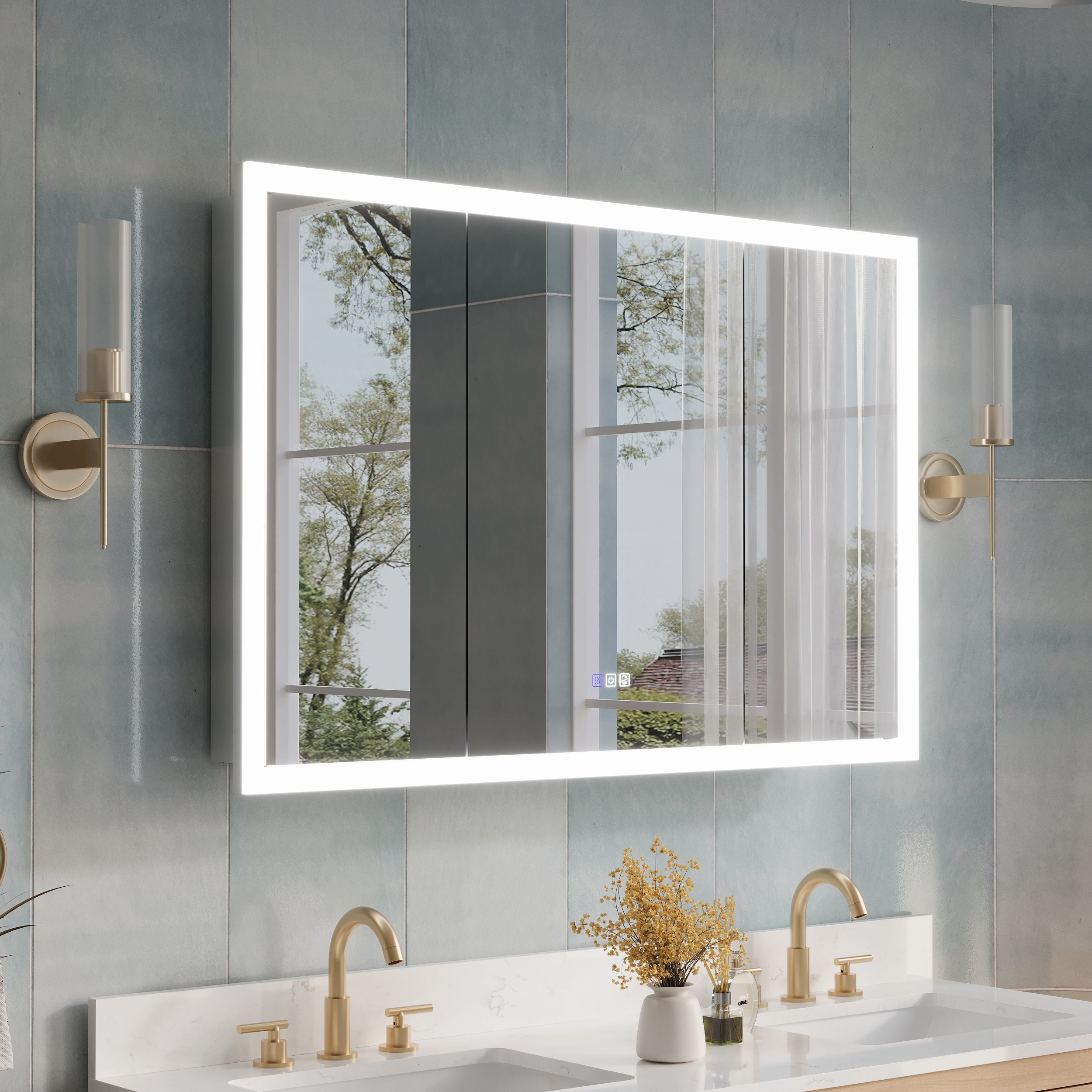
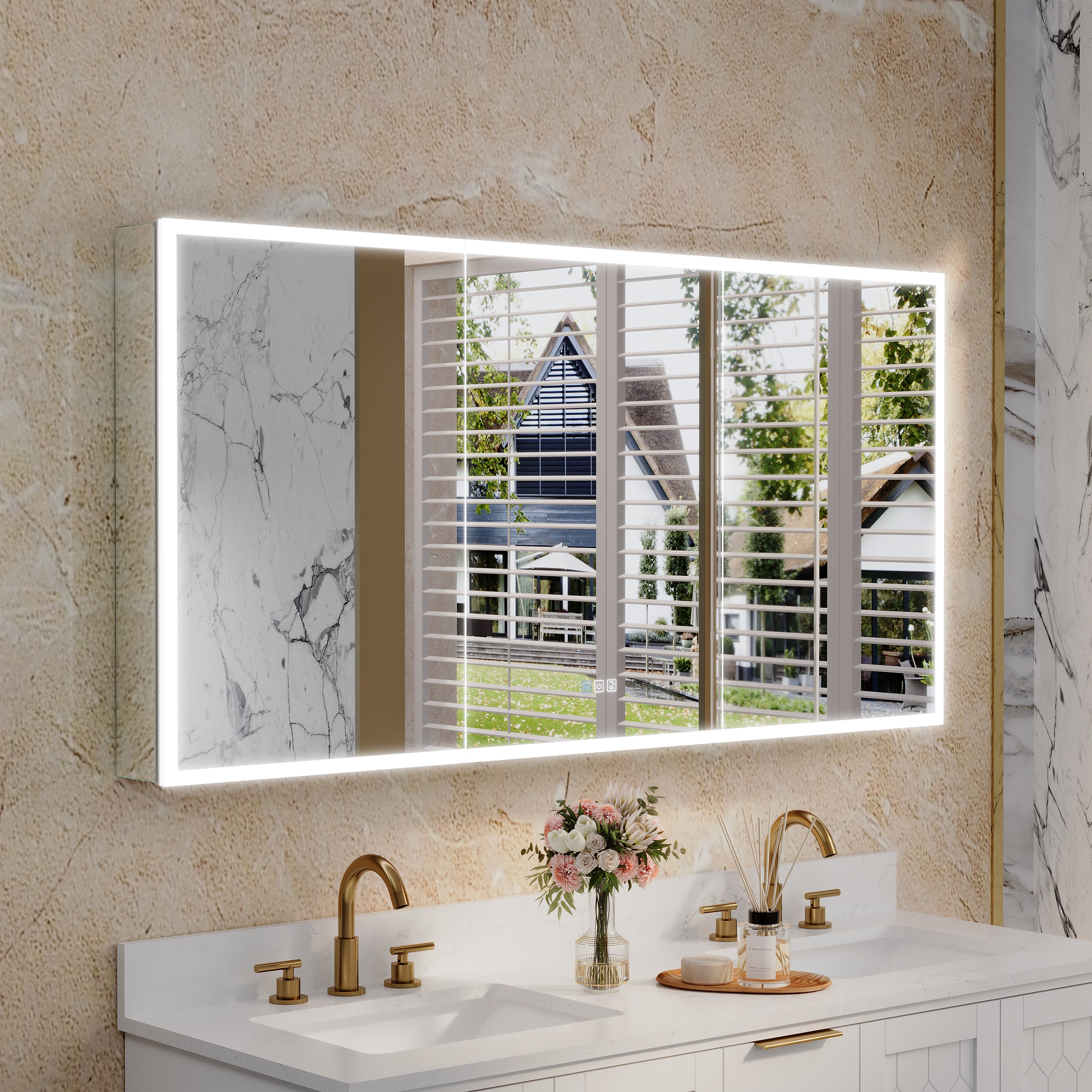
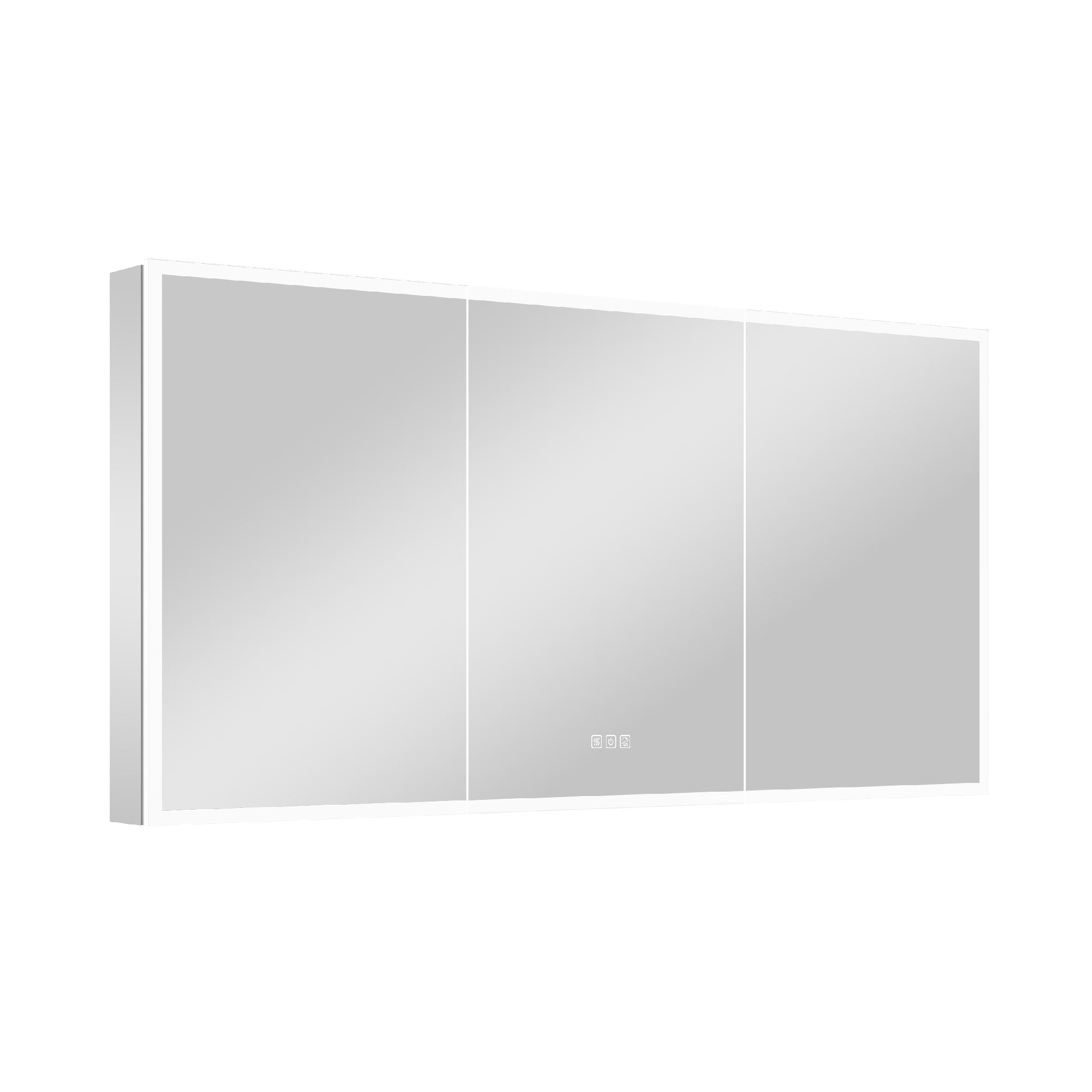
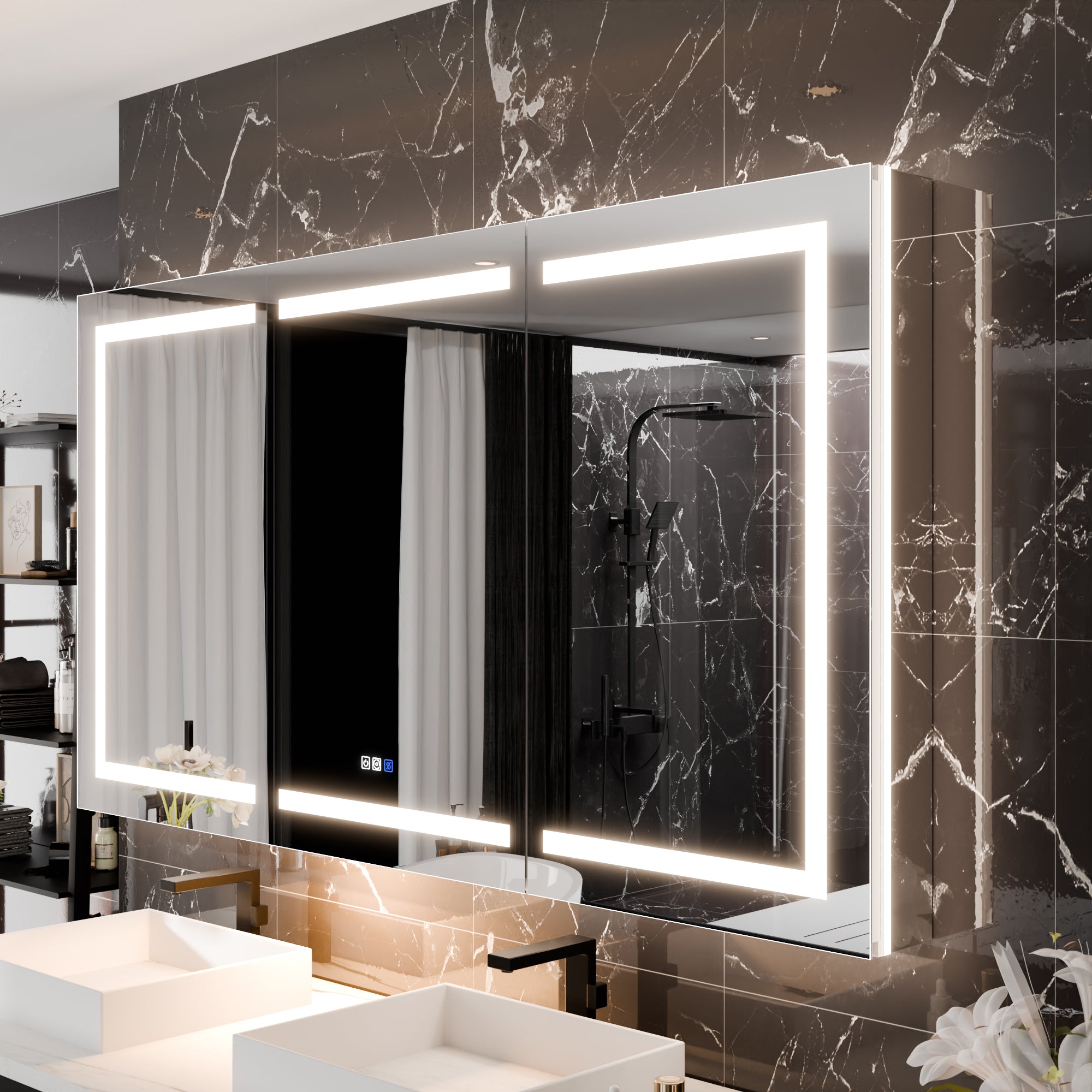
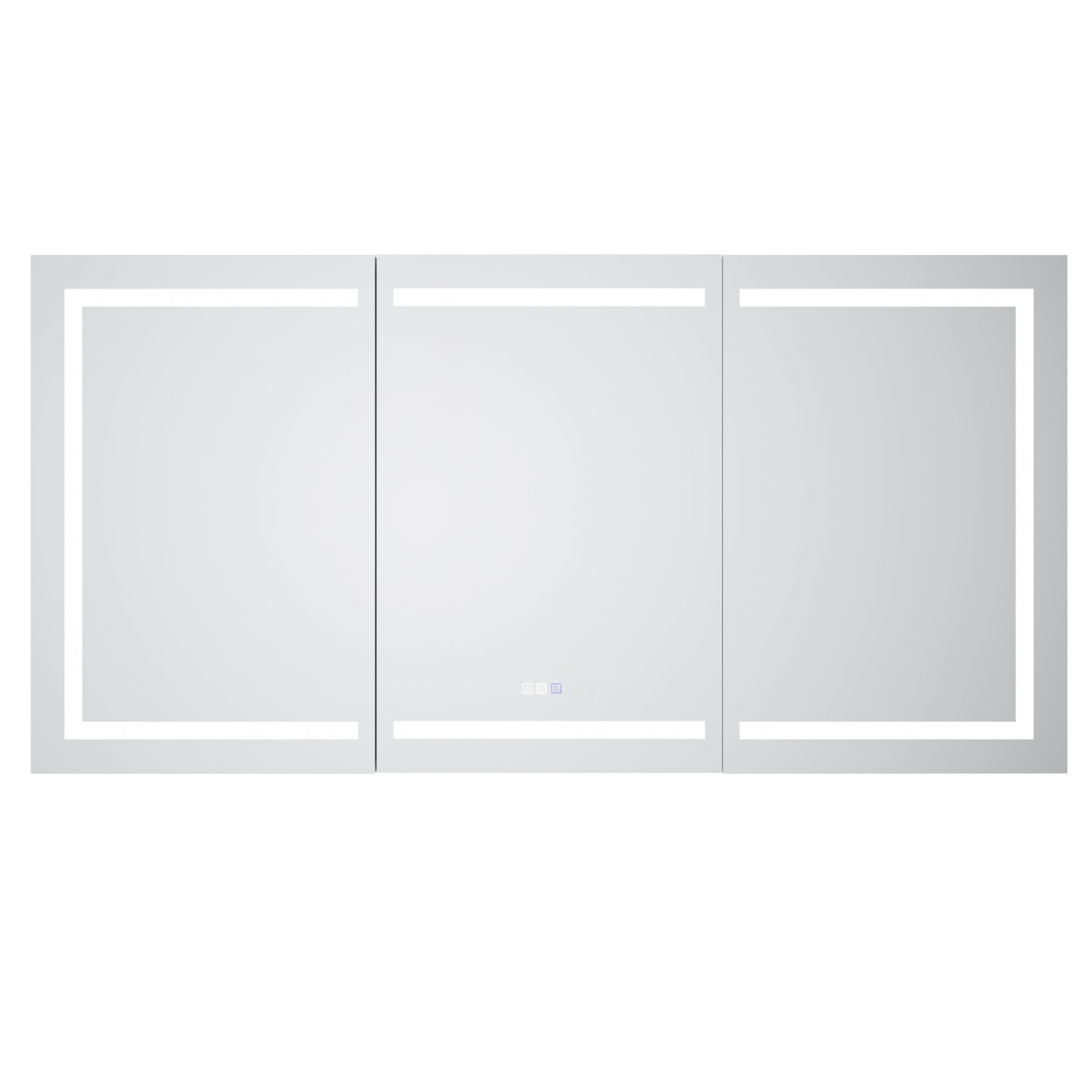
Lighted bathroom mirrors have moved from “statement upgrade” to a practical spec choice because they combine two things that modern bathrooms demand: better face-level visibility and a cleaner, less cluttered vanity wall. That shift shows up in renovation data. In the 2025 Houzz Bathroom Trends Study, 34% of renovating homeowners chose mirrors with specialty features, with LED lighting (24%) and anti-fog systems (22%) as the top picks.
1. Adoption Is Rising Because the Vanity Area Is a Daily Work Zone
Contemporary bathrooms are less about a single overhead light and more about supporting repeatable routines: skincare, shaving, makeup, contact lenses, and quick check-ins before leaving the house. That’s why lighting is increasingly treated as a performance item rather than décor. NKBA trend reporting backs this up: 91% cite lighting quality as a top priority, and 92% agree task lighting should always be included in the primary bath.
A lighted mirror fits that direction because it places illumination right where the task happens—at the mirror—rather than asking ceiling lighting to do everything.
2. They Reduce Shadows Where People Actually Notice Them
Overhead lighting often creates the same frustration: bright hair and forehead, darker eye sockets, and a shadow under the chin. Lighted mirrors change the geometry by placing light closer to face height, making grooming and detail work feel easier and more consistent.
This is also why lighted mirrors are frequently paired with softer ambient lighting. In many contemporary layouts, the mirror handles precision while the ceiling fixture provides general brightness and mood.
3. They Help Achieve “Minimalist” Walls Without Sacrificing Function
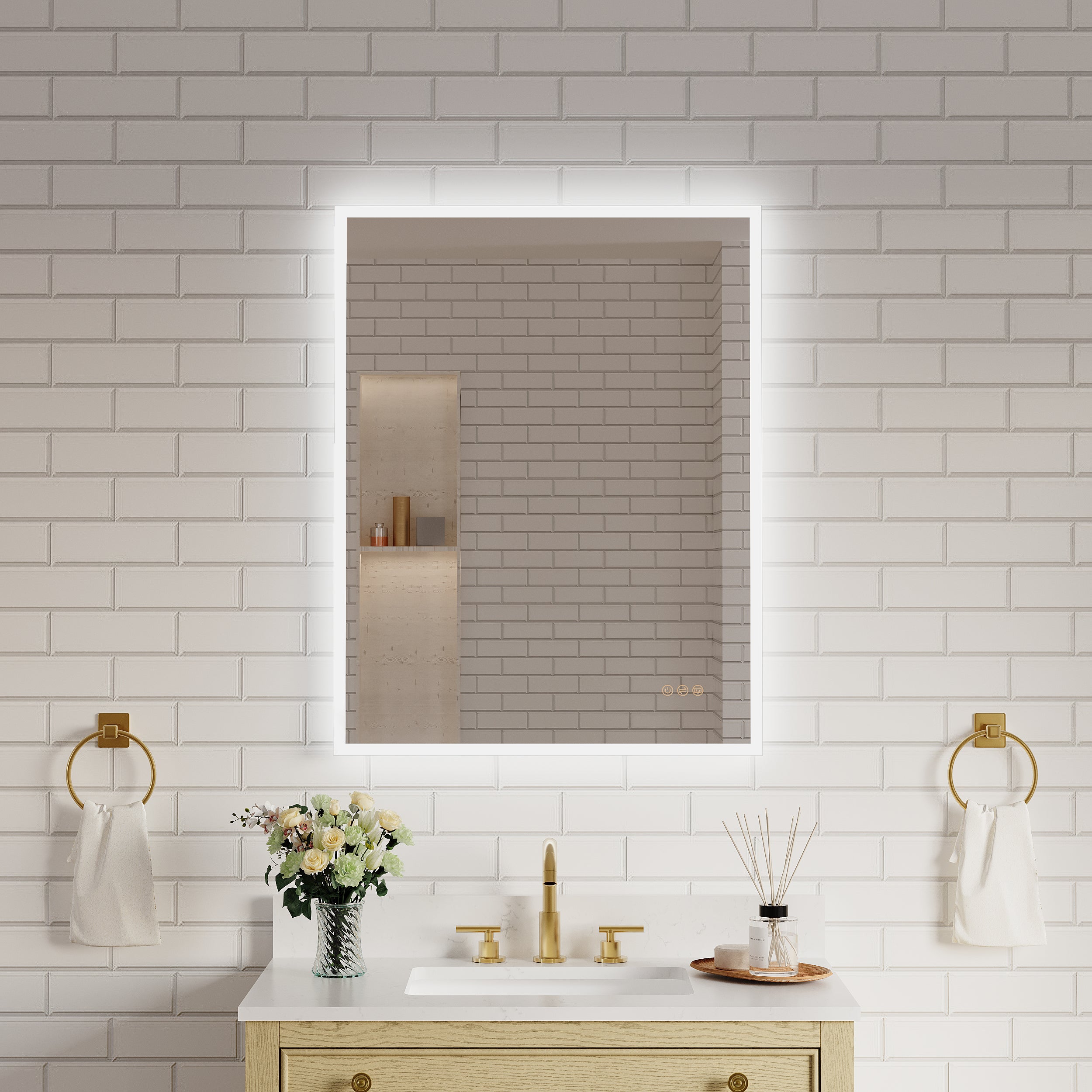
Modern bathrooms aim for fewer visual elements: fewer fixtures, fewer competing finishes, fewer items to align and coordinate. A lighted mirror can replace or reduce the need for side sconces or bulky vanity bars, especially helpful in tight spaces where walls are interrupted by a shower glass panel, a tall cabinet, or a window.
The result is a cleaner elevation: a mirror centered over the sink, fewer wall-mounted electrical boxes, and a simpler “one focal point” look—while still improving usability.
4. Better Light Quality Matters, and CRI Alone Doesn’t Tell the Whole Story
Contemporary bathrooms are photographed constantly, but even more important is how people see themselves under that lighting. Many products advertise CRI, but CRI doesn’t capture every aspect of color quality. NIST notes that CRI primarily addresses color fidelity and omits other factors that influence perceived color quality.
That’s why more lighting professionals reference TM-30 concepts. The Illuminating Engineering Society describes TM-30 as a method that provides a broader set of metrics than earlier “single score” approaches to color rendering.
What this means in plain buying terms:
If the mirror is meant for grooming, prioritize consistent, even light output and strong color quality information.
When brands publish deeper color data (beyond a simple headline), it can signal more serious engineering rather than purely aesthetic lighting.
5. Dimming and Tunable White Match How Bathrooms Are Used Hour by Hour
A modern bathroom isn’t lit in a single mode. Morning routines often need crisp, clear task light; late-night use benefits from softer brightness that feels calmer. NKBA trend coverage also highlights growing interest in integrated mirror lighting, with 47% favoring it over the next few years.
That’s why mirrors with dimming and adjustable white tones are becoming the “default nice” choice:
Brighter, cooler settings can support detail tasks.
Warmer, dimmer settings can feel more comfortable at night.
Memory functions reduce daily fiddling and make the mirror feel “set and forget.”
6. Anti-Fog Is No Longer a Gimmick in Steam-Heavy Bathrooms
Anti-fog is gaining traction because it eliminates a minor annoyance that recurs. When a bathroom runs hot showers, mirrors fog, and routines slow down—especially in shared bathrooms. The Houzz study shows anti-fog is one of the most commonly selected specialty mirror features (22%).
In contemporary layouts that emphasize larger showers, more glass, and spa-like routines, anti-fog helps the mirror stay usable immediately after a shower—when people most want to use it.

7. LEDs Fit Contemporary Priorities: Efficiency, Longevity, and Consistency
LEDs are a major reason lighted mirrors have become more practical and accessible. The Department of Energy describes LED lighting as highly energy-efficient and notes that residential LED products can dramatically cut energy use and run far longer than older bulb technologies.
In bathrooms, that translates into:
More consistent lighting over time (fewer “one side dimmer” moments)
Less maintenance (fewer replacements)
Better control options (dimming and tunable white are easier to implement cleanly with LED systems)
8. Safety and Location Suitability Are Part of the Modern Spec
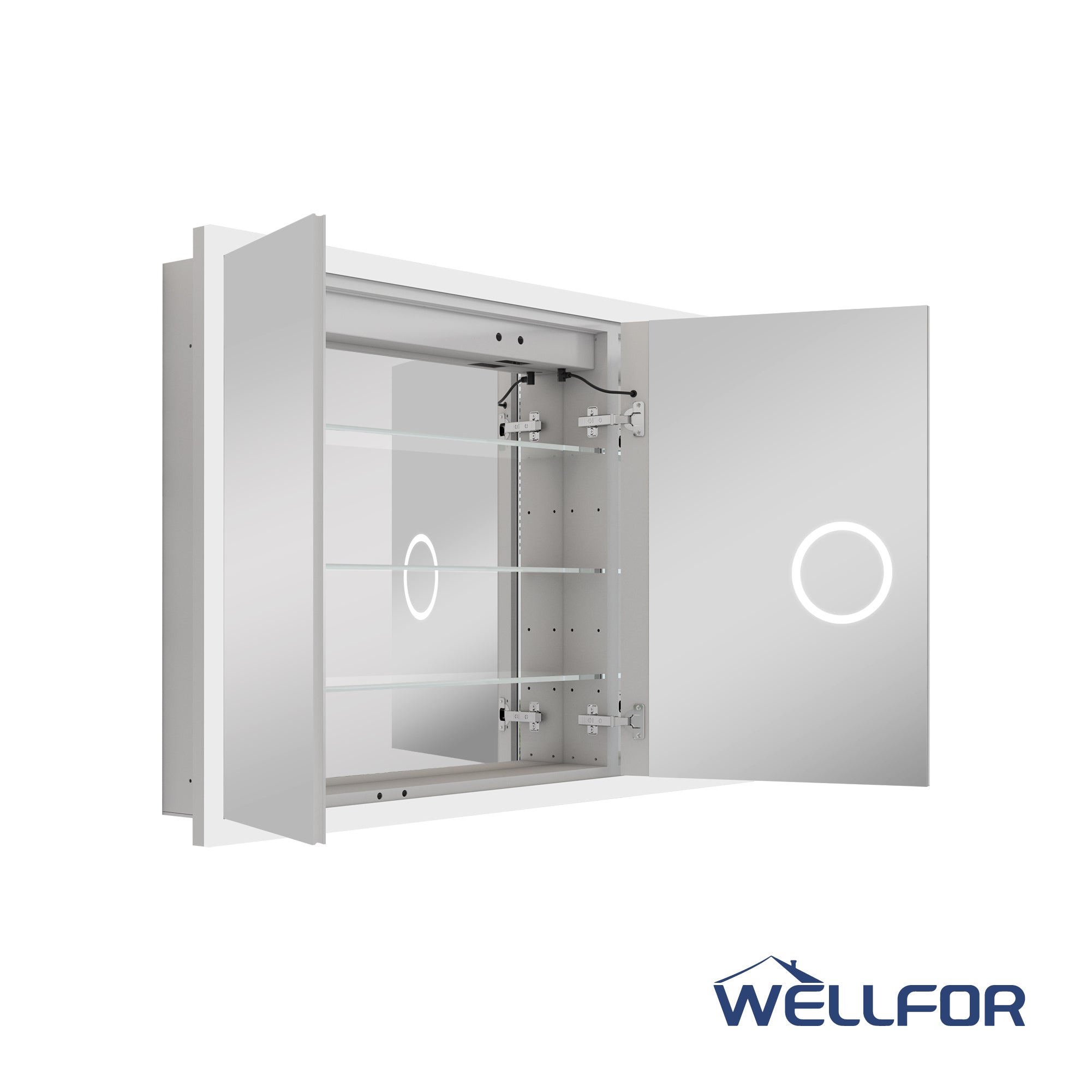
Because a lighted mirror combines glass, wiring, and electronics, contemporary projects increasingly treat it like a lighting fixture—not just a mirror. Third-party evaluation to recognized safety standards is one of the strongest “quality signals.” For example, UL 1598 is commonly used for luminaire safety testing and covers electrical, mechanical, thermal, and fire safety, with considerations for dry or damp environments depending on the intended use.
In practical terms, buyers and installers should look for:
Clear documentation on where the product can be installed (dry vs damp location suitability)
Mounting method guidance that matches the mirror’s weight and wall conditions
Straightforward wiring instructions (plug-in vs hardwire) with proper strain relief and service access
9. Sizing in Inches: A Contemporary Mirror Should Look Intentional
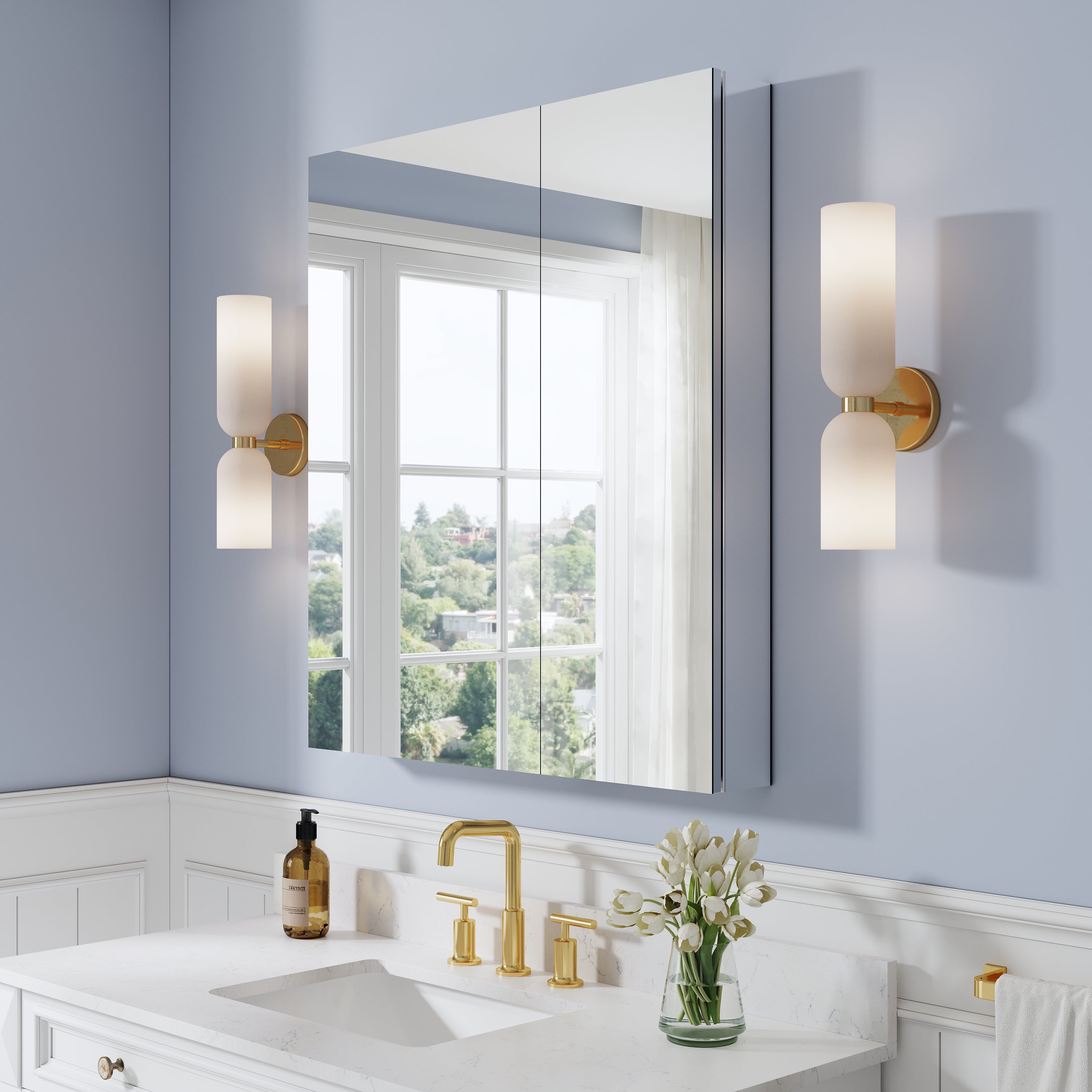
The fastest way to make a modern bathroom feel “off” is a mirror that is too small, too wide, or poorly aligned with the vanity. A reliable contemporary approach is to choose a mirror slightly narrower than the vanity, keeping visual breathing room on each side.
Common pairings many designers use:
For a 24-inch vanity: a mirror around 20 inches to 22 inches wide
For a 30-inch vanity: a mirror around 24 inches to 28 inches wide
For a 36-inch vanity: a mirror around 30 inches to 34 inches wide
This keeps the wall composition balanced while the integrated lighting improves function without adding extra fixtures.
10. Bottom Line: Why They’ve Become “Must-Have.”
Lighted bathroom mirrors have become essential in contemporary spaces because they improve daily performance (better face lighting), simplify the design (cleaner vanity walls), and add real comfort upgrades (anti-fog, dimming, adjustable tone). The numbers confirm the direction: specialty mirror features are already widely selected, and lighting priorities are a top concern in current bath design thinking.
If you want, paste your mirror’s key specs (size in inches, front-lit/backlit, CRI/TM-30 if available, anti-fog, plug-in or hardwire), and I’ll rewrite a “contemporary must-have” paragraph set that’s even more unique for Copyscape while staying fact-based.














Leave a comment
This site is protected by hCaptcha and the hCaptcha Privacy Policy and Terms of Service apply.