
















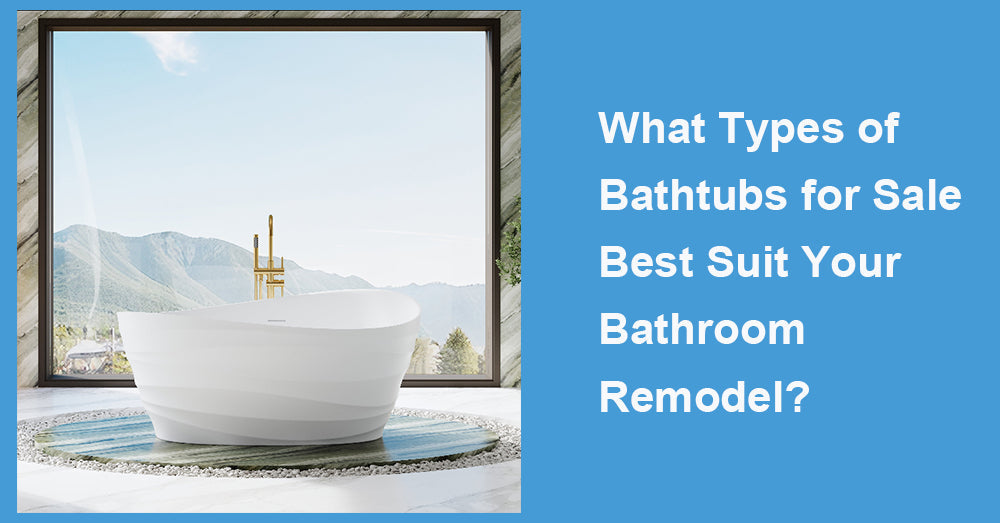
Shopping for a bathtub for sale during a remodel is less about “which tub looks best” and more about matching the tub type to your floor plan, bathing habits, and long-term maintenance reality. Recent renovation research shows that tubs remain a major decision point: more than a third of homeowners upgrade their tubs (34%), while a meaningful share removes the tub entirely (26%), often to gain shower space.
1. Start With the Remodel Goal: Keep a Tub, Upgrade the Experience, or Gain Space
Before comparing models, decide what the bathroom must do after the remodel. If it is a family bath or a guest bath, keeping a tub is often about flexibility. In primary baths, the tub is increasingly chosen as a wellness feature. In 2025 trend reporting, wellness-focused upgrades are common, and “indulgent soaking tubs or spa baths” are a common part of that trend.
A quick way to choose the right “category” is to rank these priorities:
Bathing children or pets
Daily shower-first routine with occasional soaking
A statement focal point for the room
Future accessibility and easier entry
2. Alcove Tub: Best for Space Efficiency and Tub-Shower Combos
If the remodel needs to keep plumbing changes to a minimum and maximize usable floor space, the alcove tub remains the most practical choice. In renovated bathrooms, alcove tubs are among the two leading tub styles, chosen by 40% of homeowners upgrading their bathtubs.
Most alcove installations target a classic footprint of about 60 inches by 30 inches, which fits many standard bathroom layouts and keeps surround walls simple.
Choose an alcove tub when:
You want a straightforward tub-shower combination
You need predictable sizing for a three-wall enclosure
You prefer simpler glass/curtain solutions and easier splash control
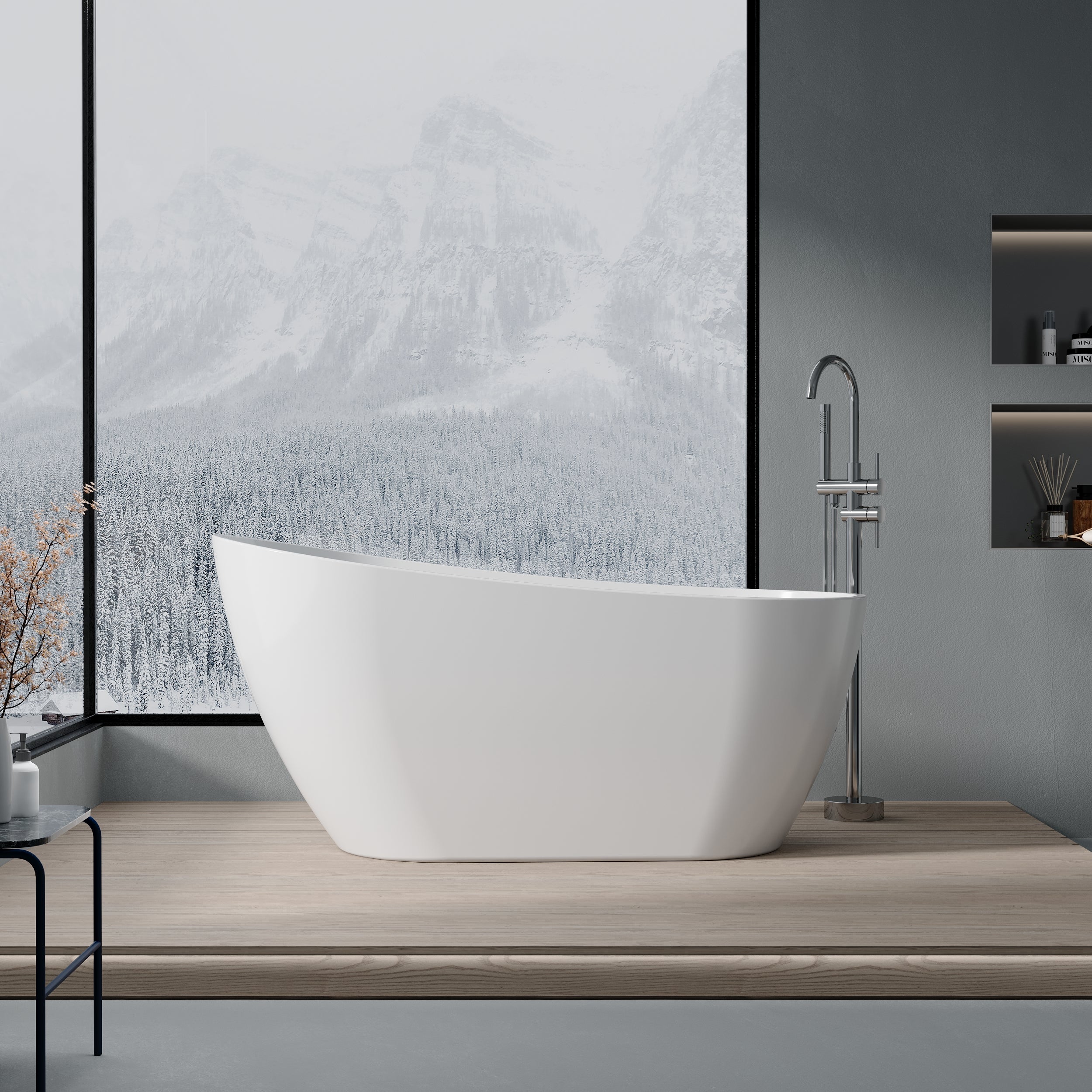
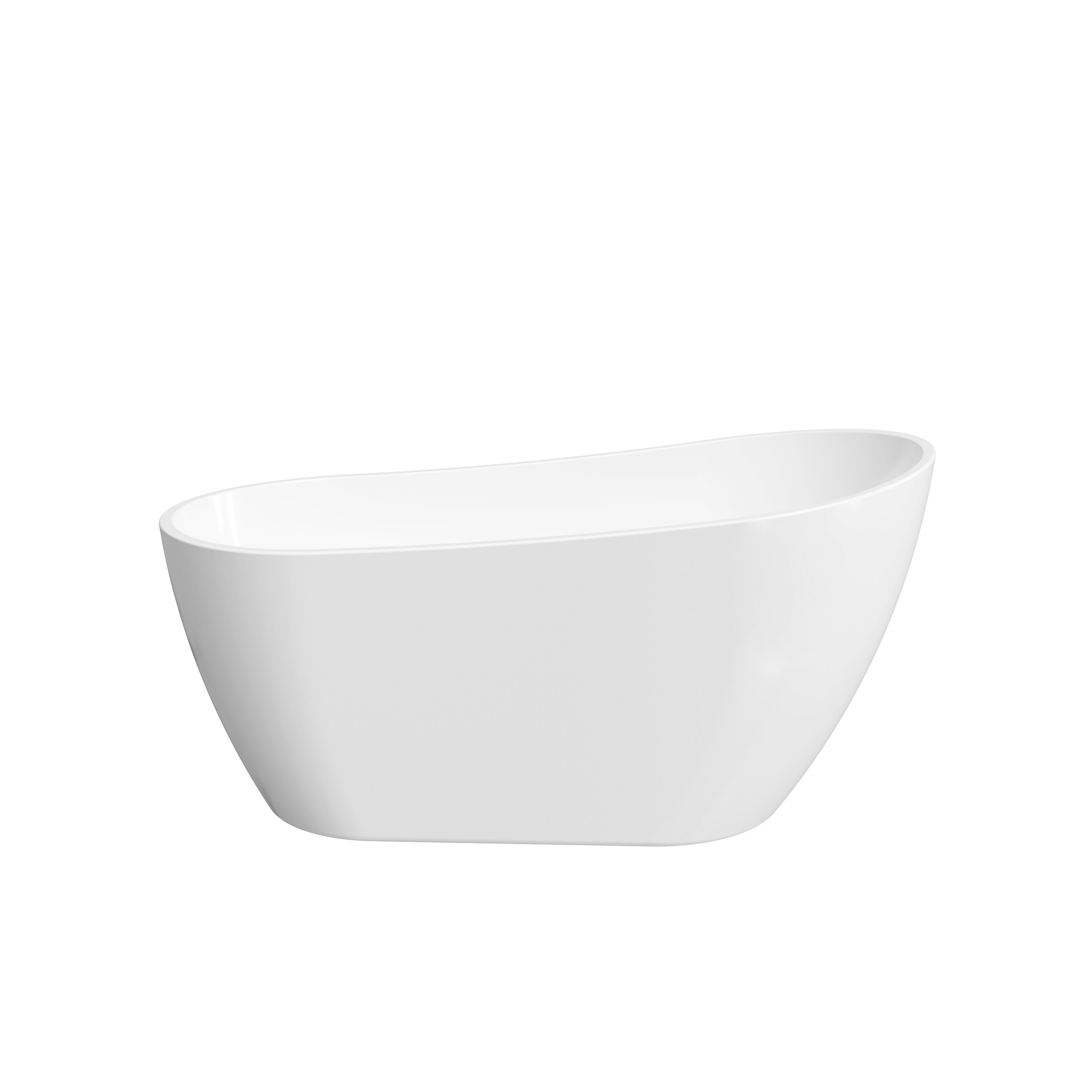
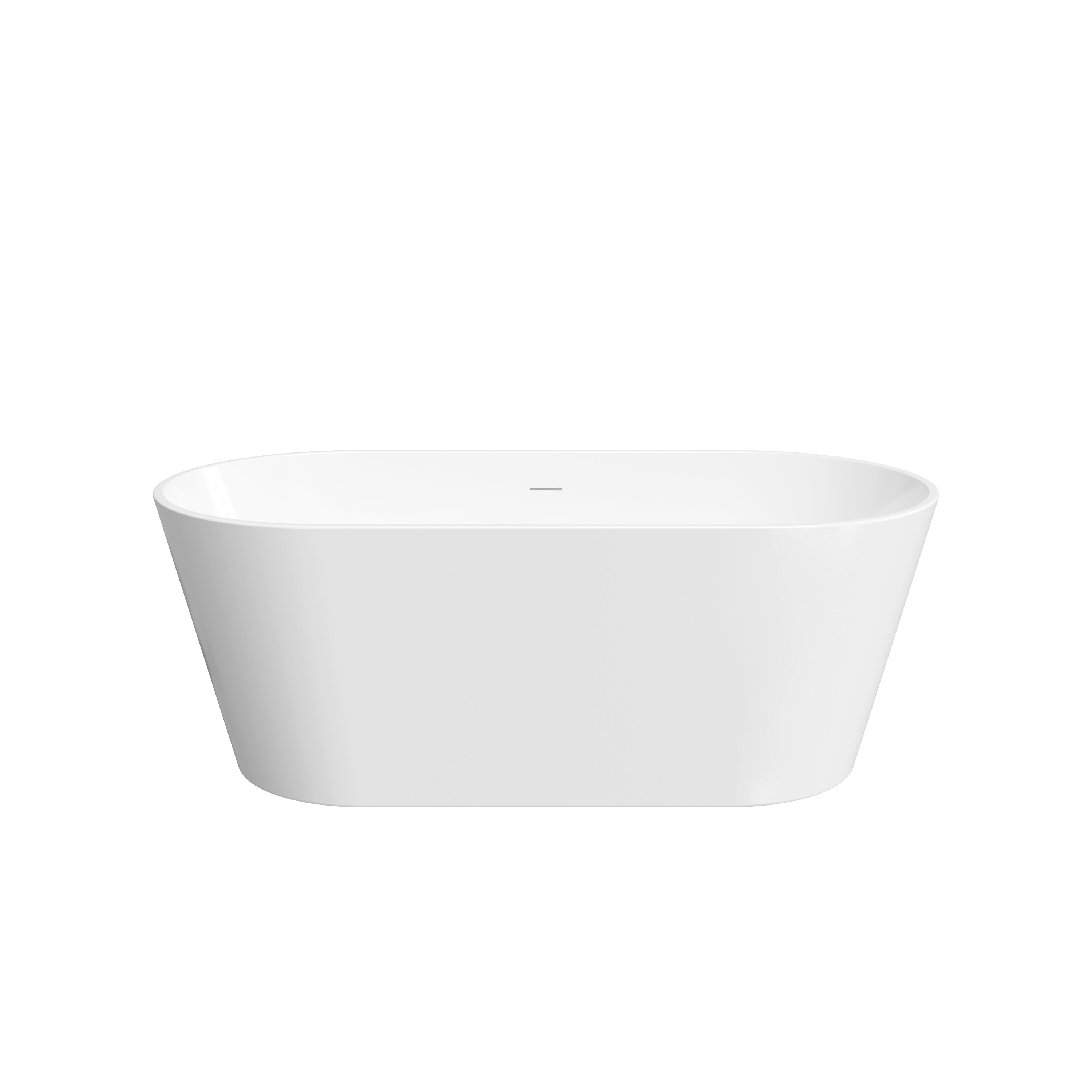
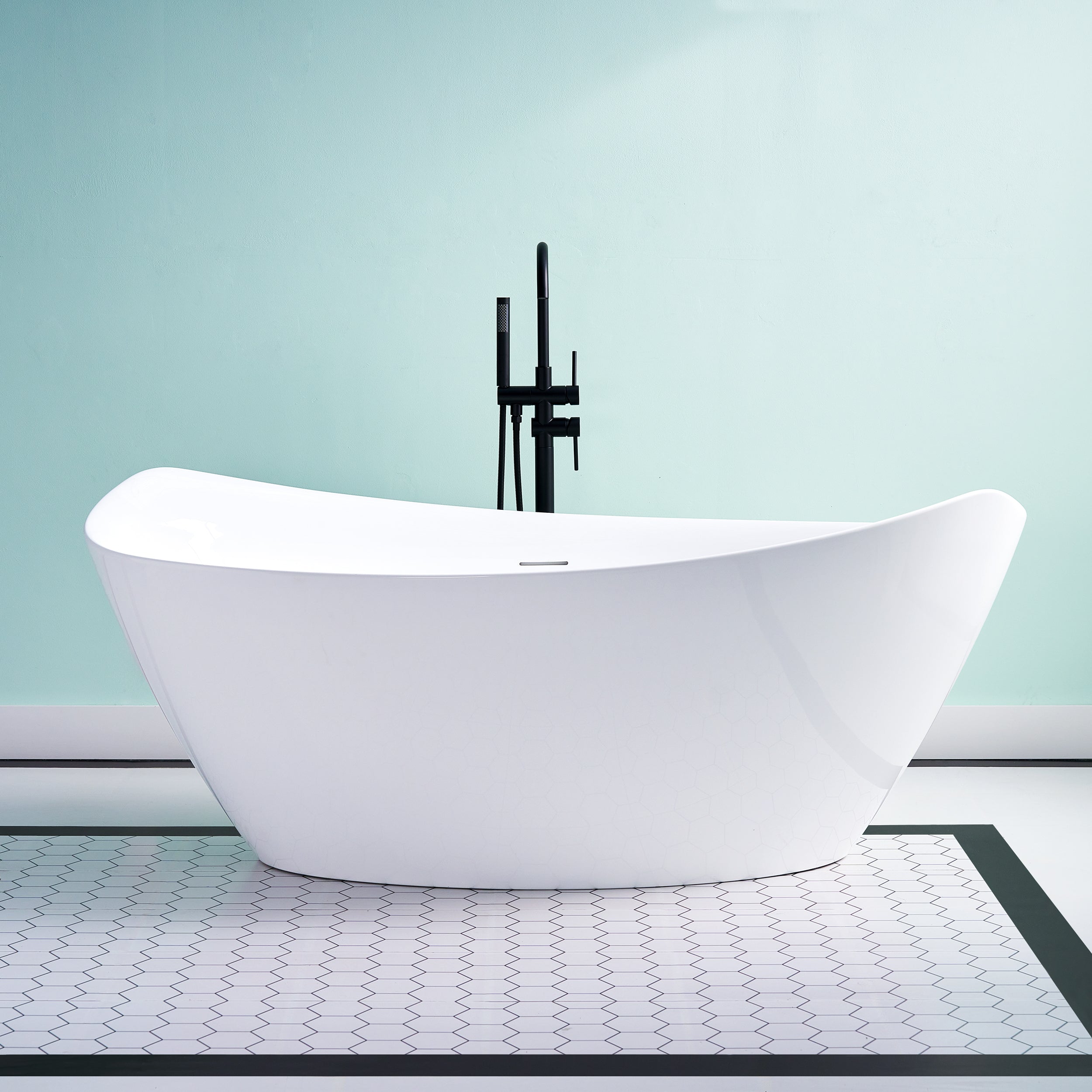
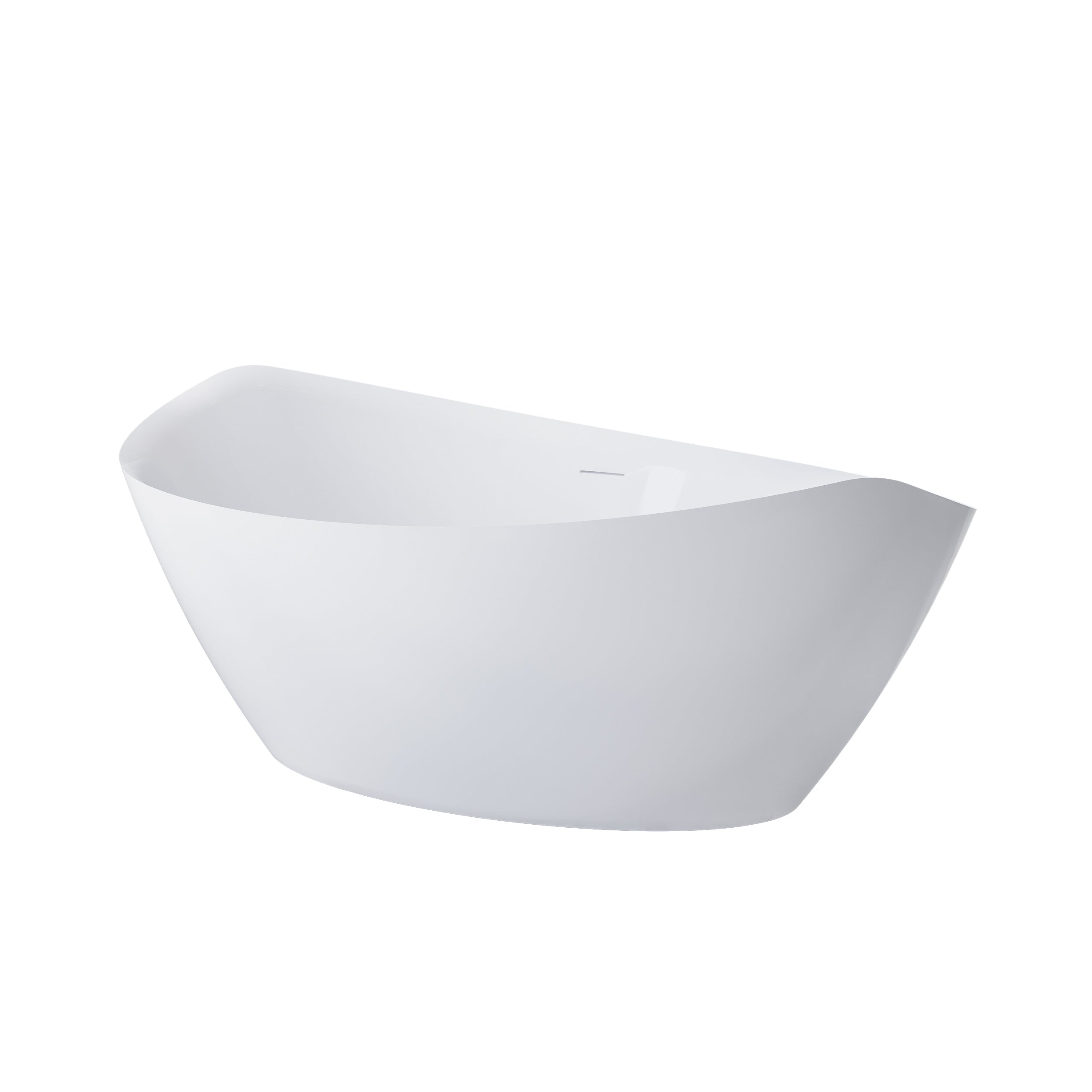
3. Freestanding Soaking Tub: Best for “Luxury Feel” and Design Impact
Freestanding flat-bottom tubs are currently the most popular style choice for bathtub upgrades, chosen by 45% of renovating homeowners. They also dominate in wet-room layouts, where freestanding flat-bottom tubs lead at 57% among wet-room tub styles.
Freestanding tubs are best when the remodel plan includes:
Enough walking space around at least one long side
A floor that can support the combined load of tub + water + bather
Thoughtful faucet placement (floor-mount or deck-mount nearby)
They look “high end” quickly, but they also demand more attention to cleaning access and splash planning, especially if the tub sits close to open shower zones.

4. Drop-In and Deck-Mounted: Best When You Want a Built-In Ledge
Drop-in and deck-mounted tubs shine when you want a surrounding ledge for candles, storage, or a more architectural built-in look. They can also hide plumbing and create a clean line in larger bathrooms. Trend data suggests deck-mounted tubs are a smaller share of current upgrades (around 6%), which often reflects the extra carpentry and finish work required.
Pick this type when:
You want a tiled surround or a wide ledge
You prefer a “custom built-in” aesthetic over a freestanding statement
You have room to build out the platform without crowding walkways
5. Walk-In Tub: Best for Step-In Ease, but Plan for Tradeoffs
Walk-in tubs remain a small slice of tub upgrades (about 1% in renovated bathrooms), but they matter a lot in specific projects. At the same time, special-needs planning is increasingly common in renovations, indicating more people are thinking ahead about accessibility.
Walk-in tubs can be a strong fit when:
Step-over height is a concern
Safety and seated bathing matter more than fast fill-and-drain cycles
The remodel includes slip-resistant flooring and reachable controls
The trade-offs to plan for include fill time and drain time, and ensuring the plumbing and water-heating systems can support the tub’s intended use.
6. Materials Matter: Acrylic Leads, but Cast Iron Is Gaining Attention
The “type” and “material” fields work together. Across renovated bathrooms, acrylic is the dominant bathtub material at 60%, followed by fiberglass at 16%, enameled cast iron at 8%, and cast polymer at 6%.
How to think about materials in real life:
Acrylic: lighter weight, warm-to-touch feel, broad style availability
Fiberglass: budget-friendly, but can be more prone to surface wear over time
Enameled cast iron: very durable finish and great heat retention, but heavy and may require extra structural consideration.
Cast polymer / stone-resin style materials: premium look, often heavier, sometimes better scratch resistance depending on formulation
For daily-use bathrooms, the best material usually balances ease of cleaning, scratch resistance, and realistic installation constraints.
7. Water Use and Weight: Match the Tub to Your Routine and Infrastructure
A tub that looks perfect can still disappoint if it doesn't align with your actual bathing habits and your home’s hot-water capacity. A practical public-utility guideline notes that a typical modern bathtub holds about 30 to 45 gallons, and real baths often use roughly 30 gallons at half-fill or 40 to 50 gallons near the overflow level.
Weight is part of the planning, too. One gallon of water weighs about 8.34 pounds, so 30 gallons is roughly 250 pounds, and 50 gallons is roughly 417 pounds—before adding the tub weight and the bather.
This is why freestanding deep soakers and cast-iron tubs should be paired with solid floor planning, especially on upper levels.
8. Remodel Trends That Help You Decide Faster
If you want your choice to align with what is actually being installed today, two trend signals stand out:
Soaking tubs are the clear favorite “type” among upgraded tubs, selected by 62% of homeowners adding or replacing a bathtub, while standard tubs are 29%, and walk-in tubs are 1%.
Wet rooms are becoming more common (16% of remodeled bathrooms), and when tubs appear in wet rooms, freestanding flat-bottom tubs and alcove tubs account for the majority of installations.
That doesn’t mean every remodel “should” follow the trend. Still, it explains why freestanding soakers and efficient alcove setups keep winning: they fit either the luxury-wellness or the space-efficiency direction.
9. The Bottom Line: Which Tub Type Fits Which Bathroom?
Choose an alcove tub for the most efficient footprint and an easy tub-shower combo.
Choose a freestanding soaking tub if the remodel goal is a luxury focal point and you have clearance and floor support.
Choose a drop-in/deck-mounted tub if you want a built-in ledge and a custom architectural surround.
Choose a walk-in tub if step-in ease and future-proofing drive the project, and you accept the functional tradeoffs.
If you tell me your bathroom size (for example, 60-inch x 30-inch alcove space vs. an open layout) and whether you want a tub-shower combo or a separate shower, I can recommend the best 2–3 tub types and the safest size ranges in inches.
















Leave a comment
This site is protected by hCaptcha and the hCaptcha Privacy Policy and Terms of Service apply.