



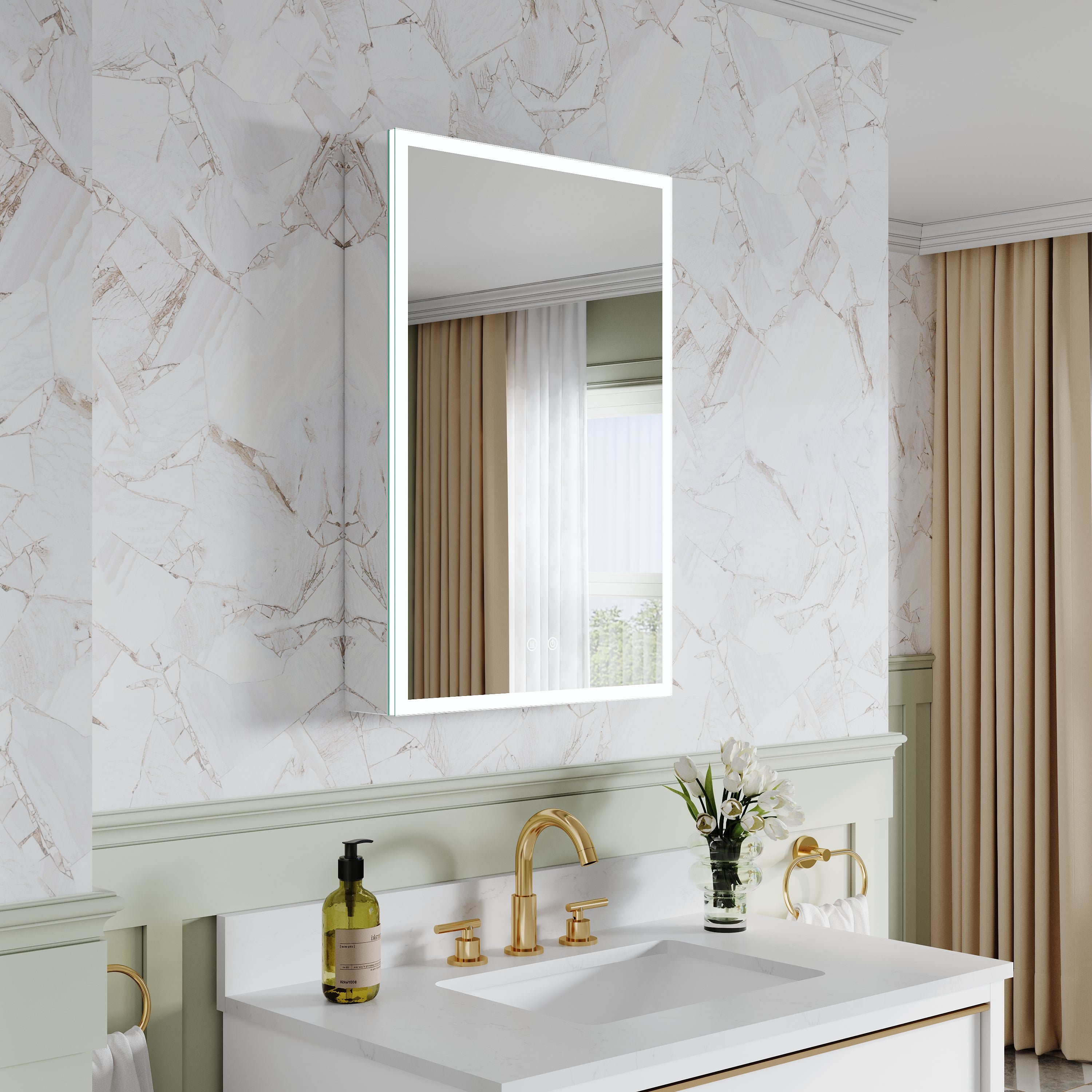
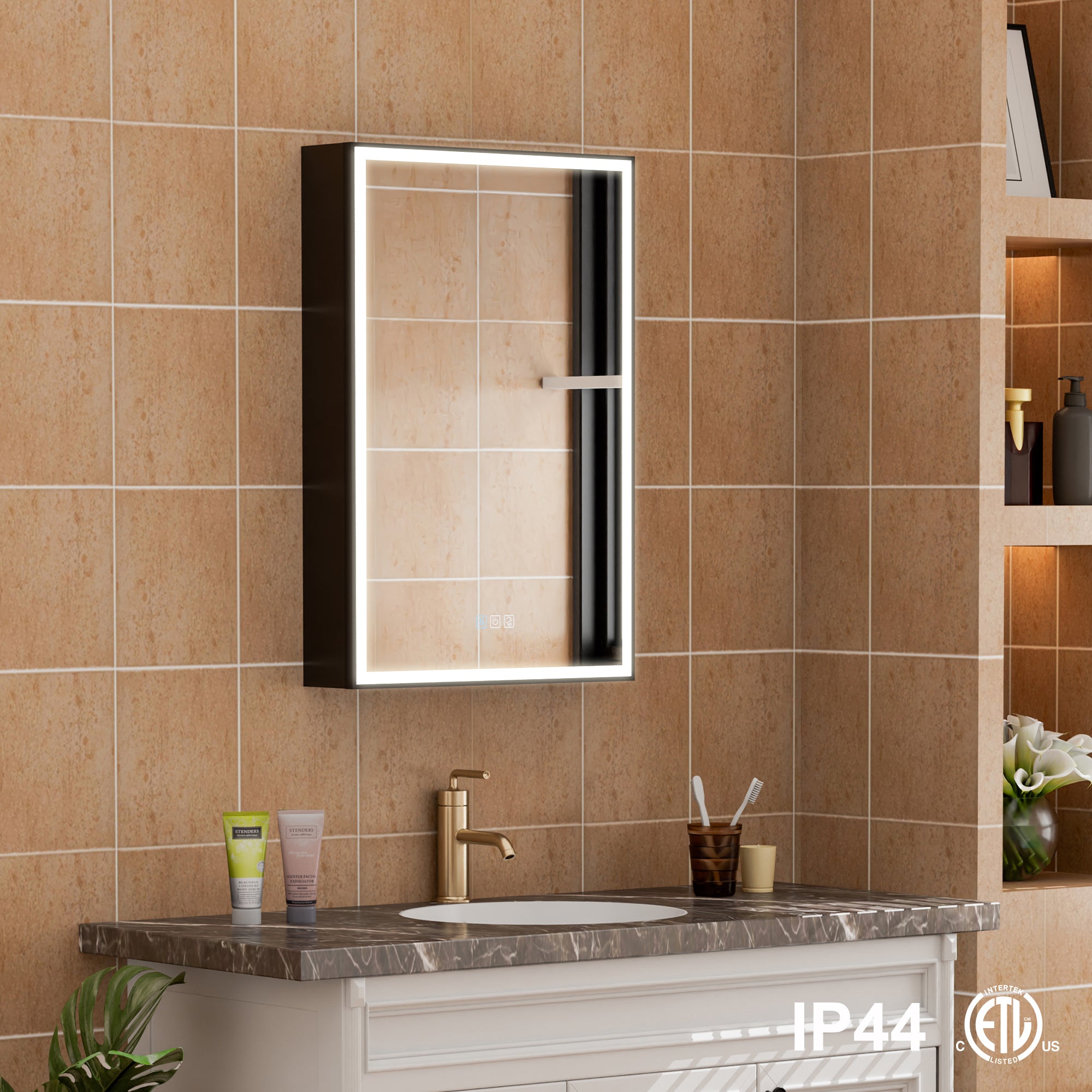


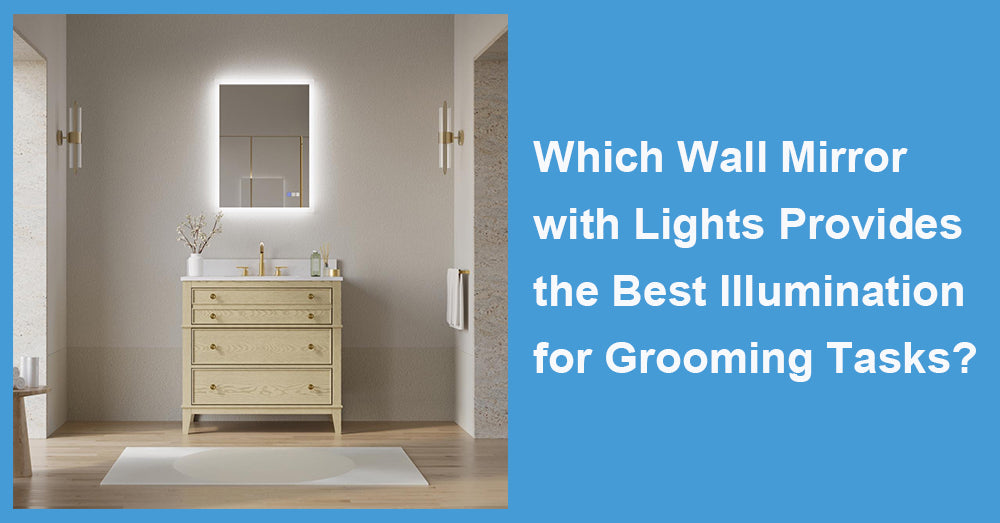
Most people buy a wall mirror with lights based purely on how it looks turned off. Big mistake. The second mistake is thinking that the brightest light is automatically the best light. If you buy a mirror with a light strip glued to the top, it will shoot a harsh beam straight down from your ceiling. You will get deep shadows under your eyes and chin while trying to shave. You’ll look like a raccoon. The mirror that actually wins for daily grooming is the one that gets three specific numbers right: CRI, color temperature, and lumens. Everything else is just fancy decoration.
CRI: The Only Spec That Actually Matters
CRI stands for Color Rendering Index. It basically grades how well a light shows the true colors of whatever it’s shining on. Daylight is a perfect 100. Most cheap vanity bulbs? They sit around 80. That sounds fine until you apply your foundation under an 80 CRI light. You walk outside, catch your reflection in a car window, and realize your face is three shades off.
For shaving or doing makeup, you need 90 CRI or higher. Lighting guidelines constantly point to 90+ as the baseline for grooming. Even Kohler’s own spec sheets demand a minimum of 90 CRI for their lighted cabinets. A high-CRI mirror will expose your razor burn before you walk out the door. A low-CRI mirror hides the mess until it’s too late. If the box doesn’t explicitly say 90+ CRI, just assume it’s a cheap 80.
Color Temperature: Don't Let Warm Light Lie to You
Temperature is measured in Kelvin. And honestly, most buying guides get this wrong.
Warm light (around 2700K to 3000K) feels amazing. It makes your bathroom feel like a spa. It is also a liar. Warm light shifts colors, makes your skin look tanner than it is, and tricks you into applying way too much bronzer. It’s fine for a relaxing bath, but terrible for precision grooming.
Neutral white (3500K to 4000K) is the safe middle ground. It doesn't exaggerate anything.
But for actual detailed work—blending eyeshadow, edging a beard line, tweezing eyebrows—you want cool daylight. Somewhere between 4500K and 5000K. Yes, it's brutal. It exposes every single pore and color variation. That’s the point. If you want to see exactly what you’re doing, you need the closest thing to real sunlight. The best fix is a mirror with tunable color temperature, so you can flip from 3000K to 5000K when it’s time to actually get ready.
Why Overhead Lights Ruin Your Face
Standard vanity lights are flawed by design. They sit above the mirror and rain light down from above. This casts shadows under your eyes, under your nose, and right along your jawline. Those are literally the exact areas you need to see when applying eye makeup or shaving your neck.
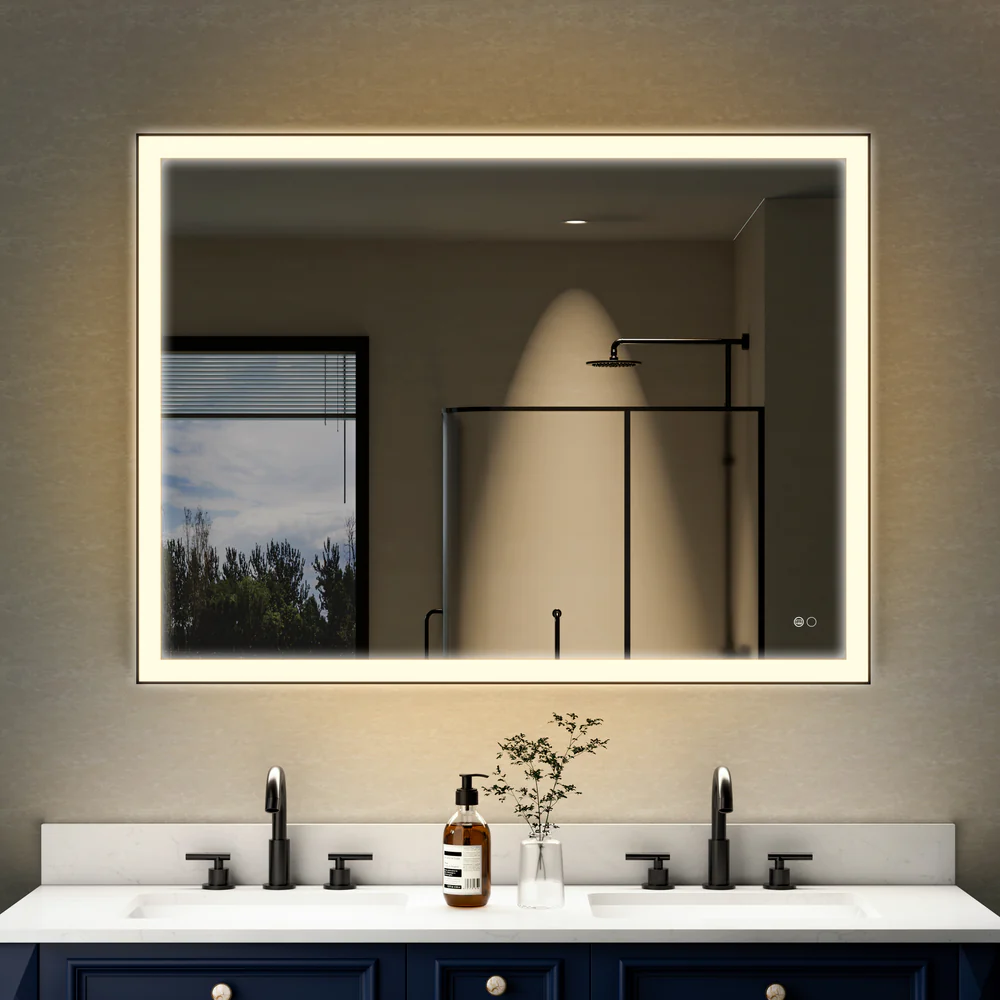
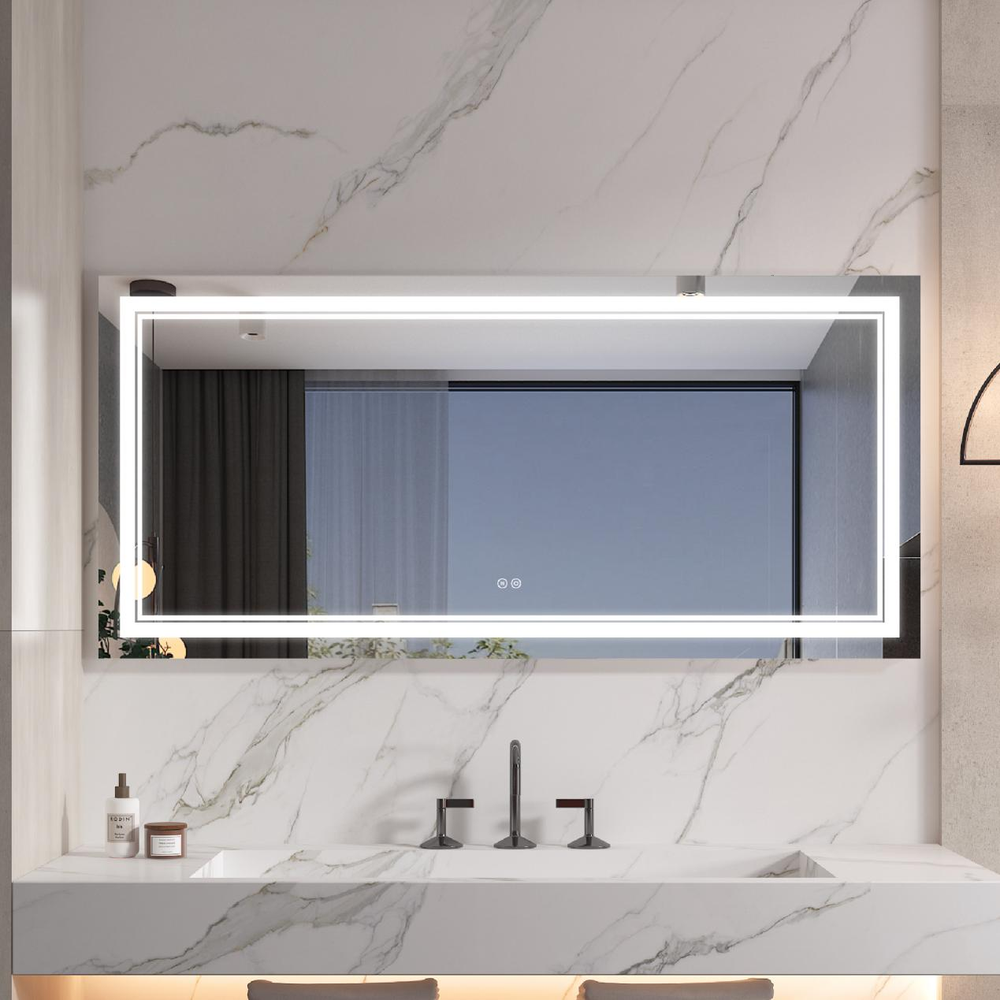
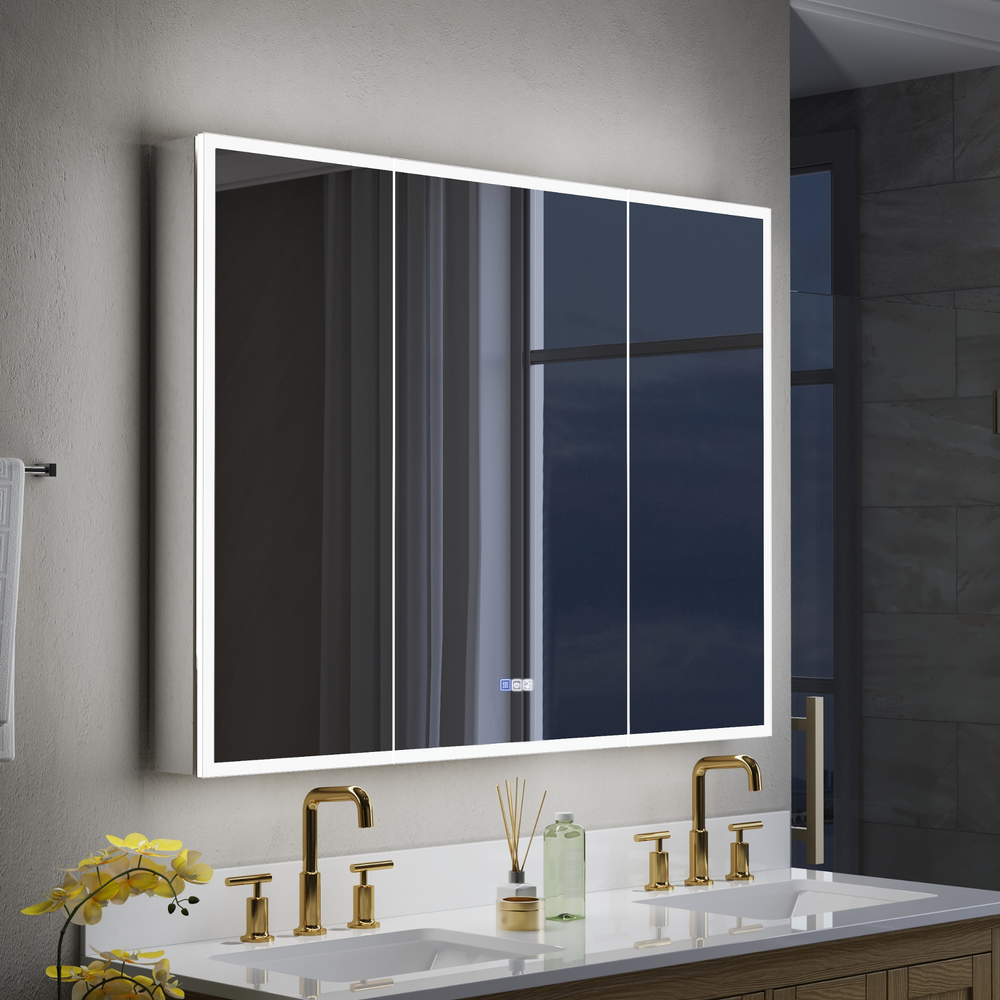
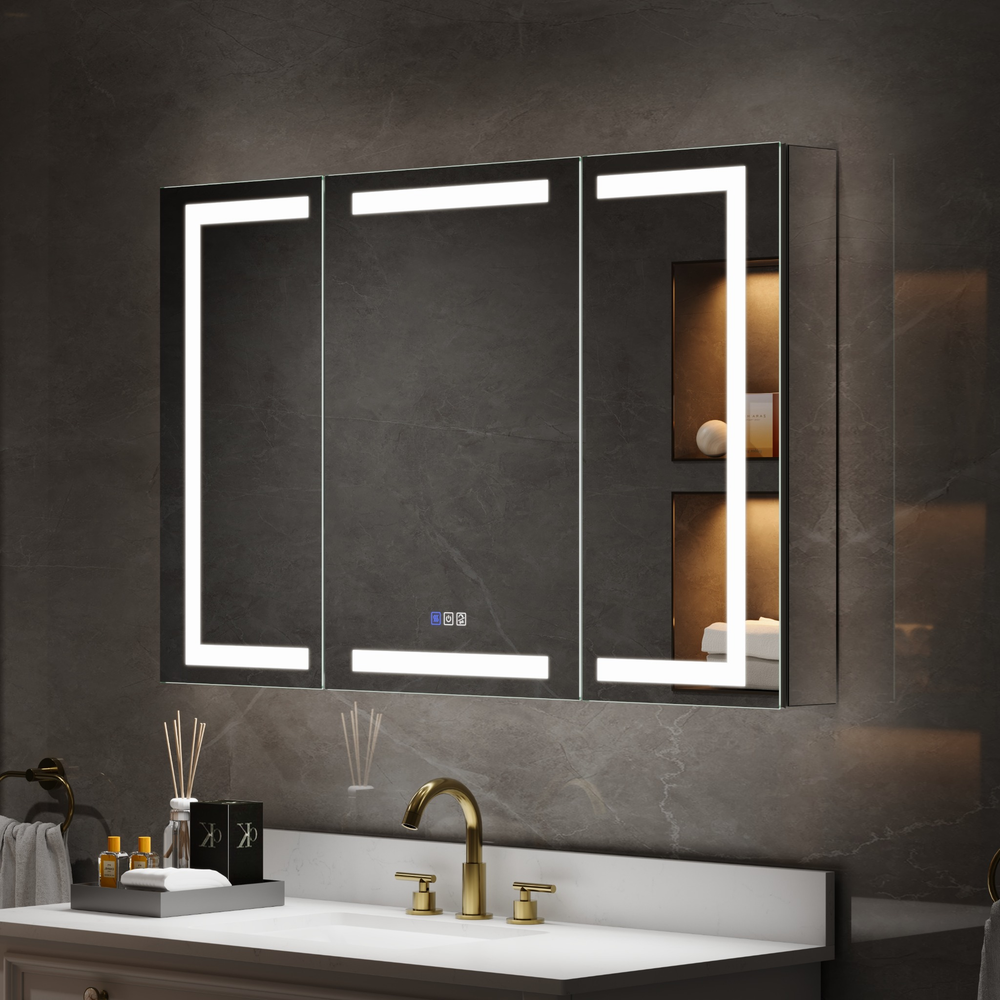
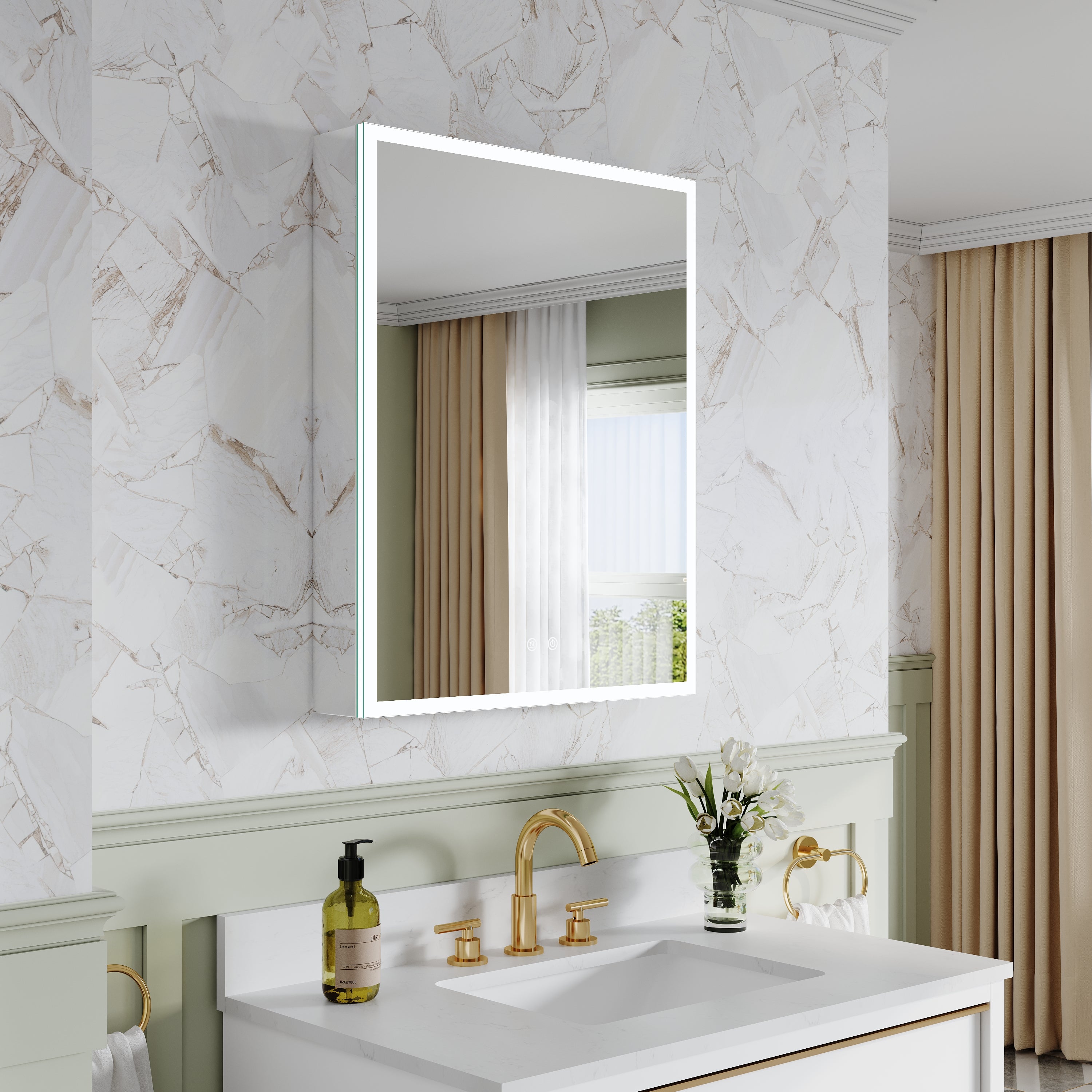
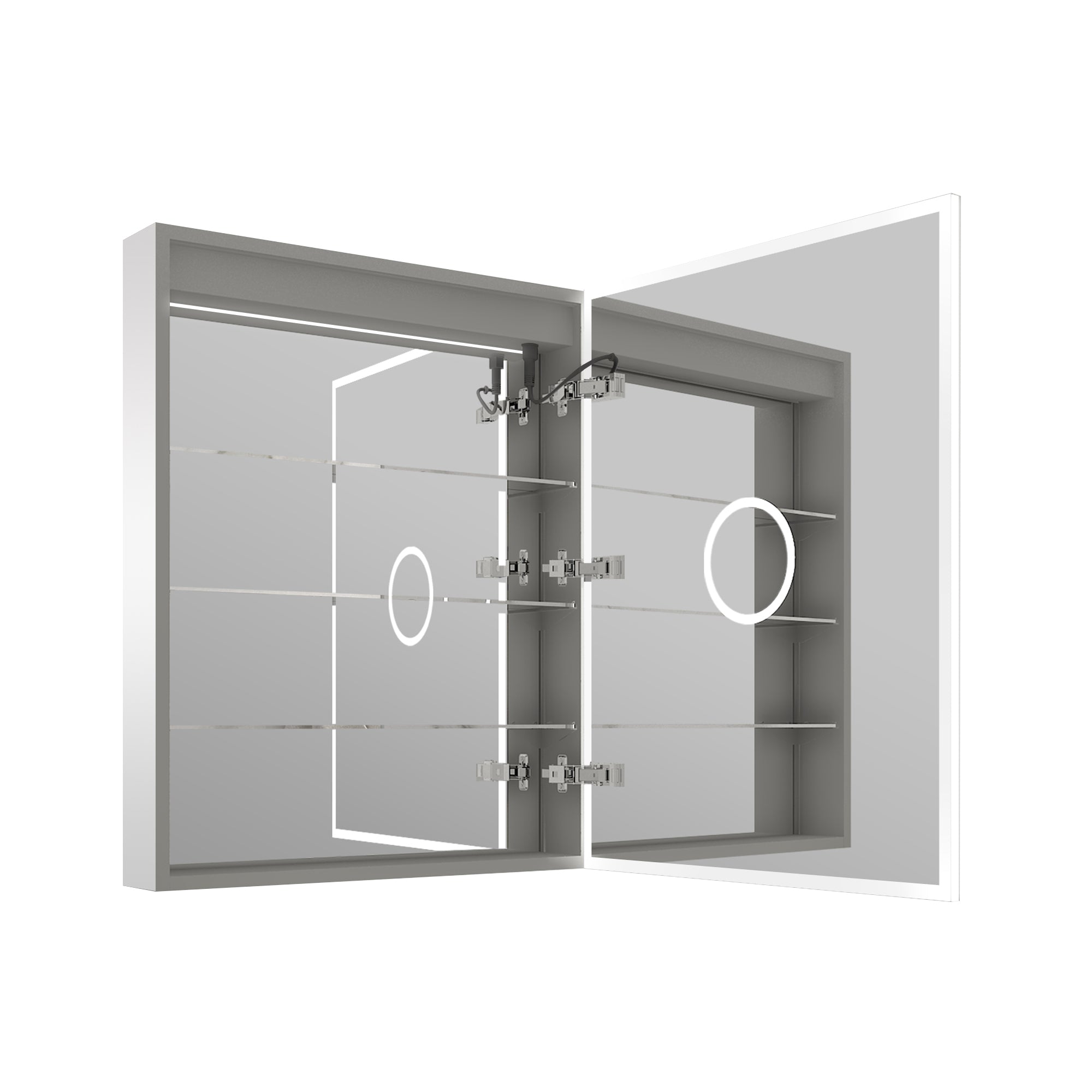
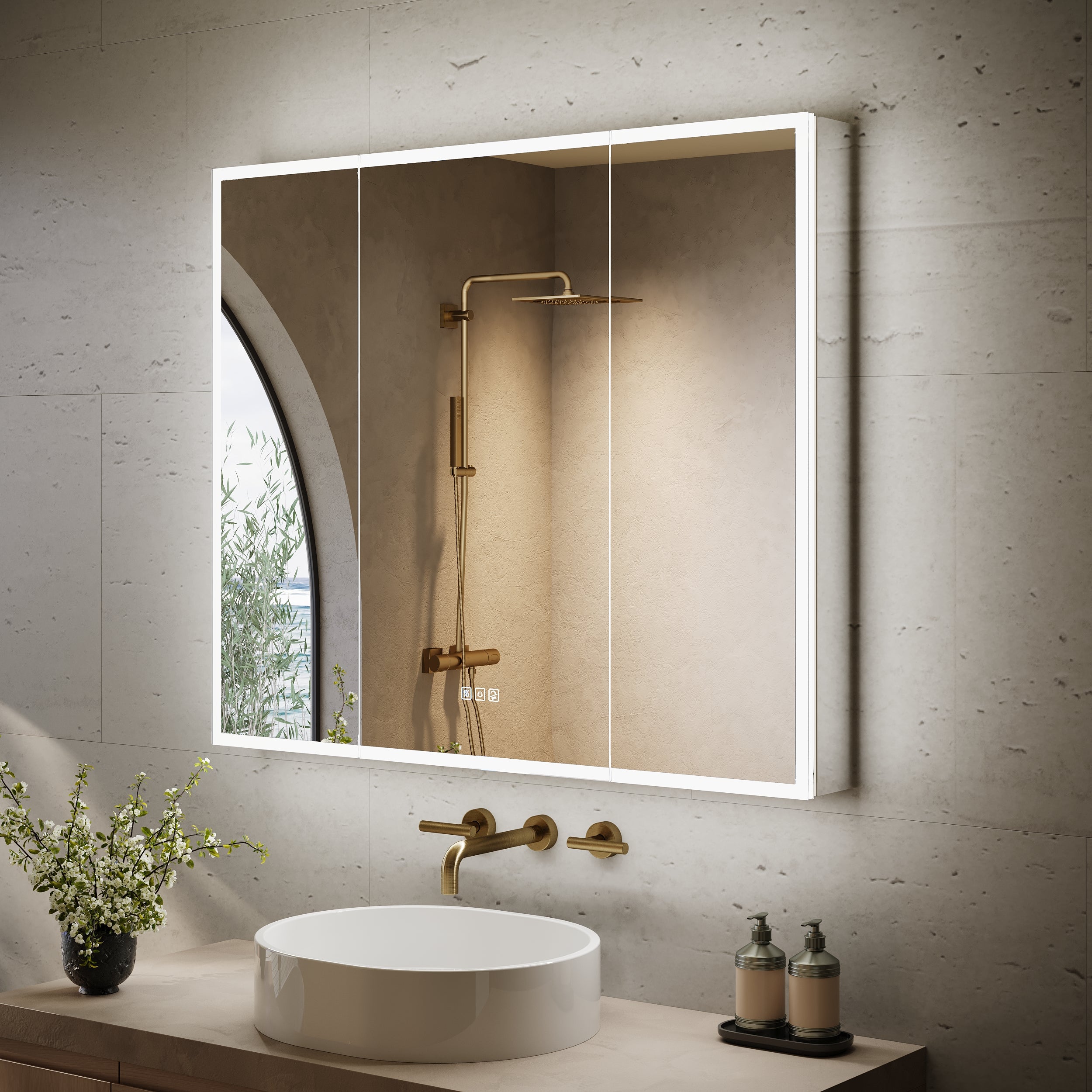
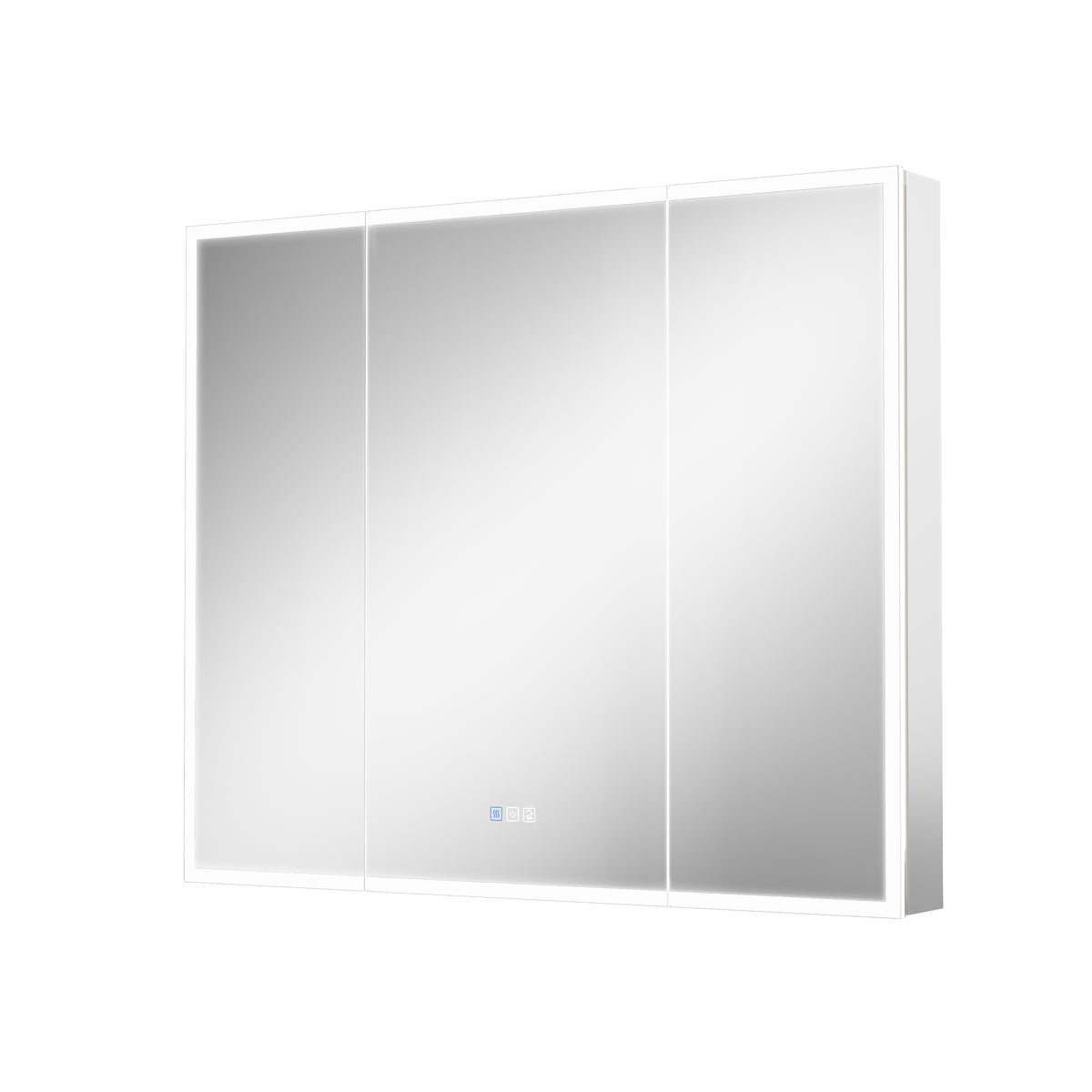
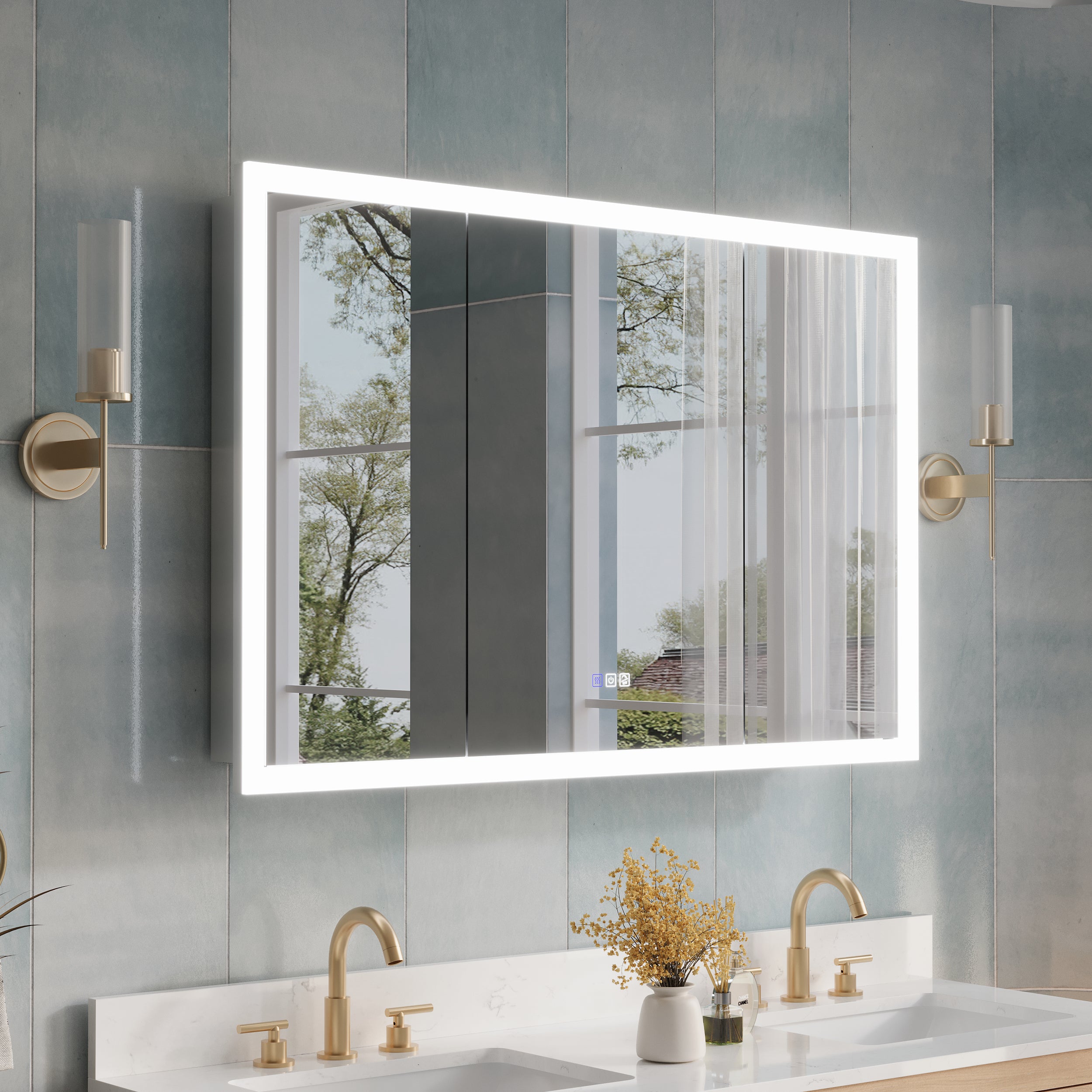
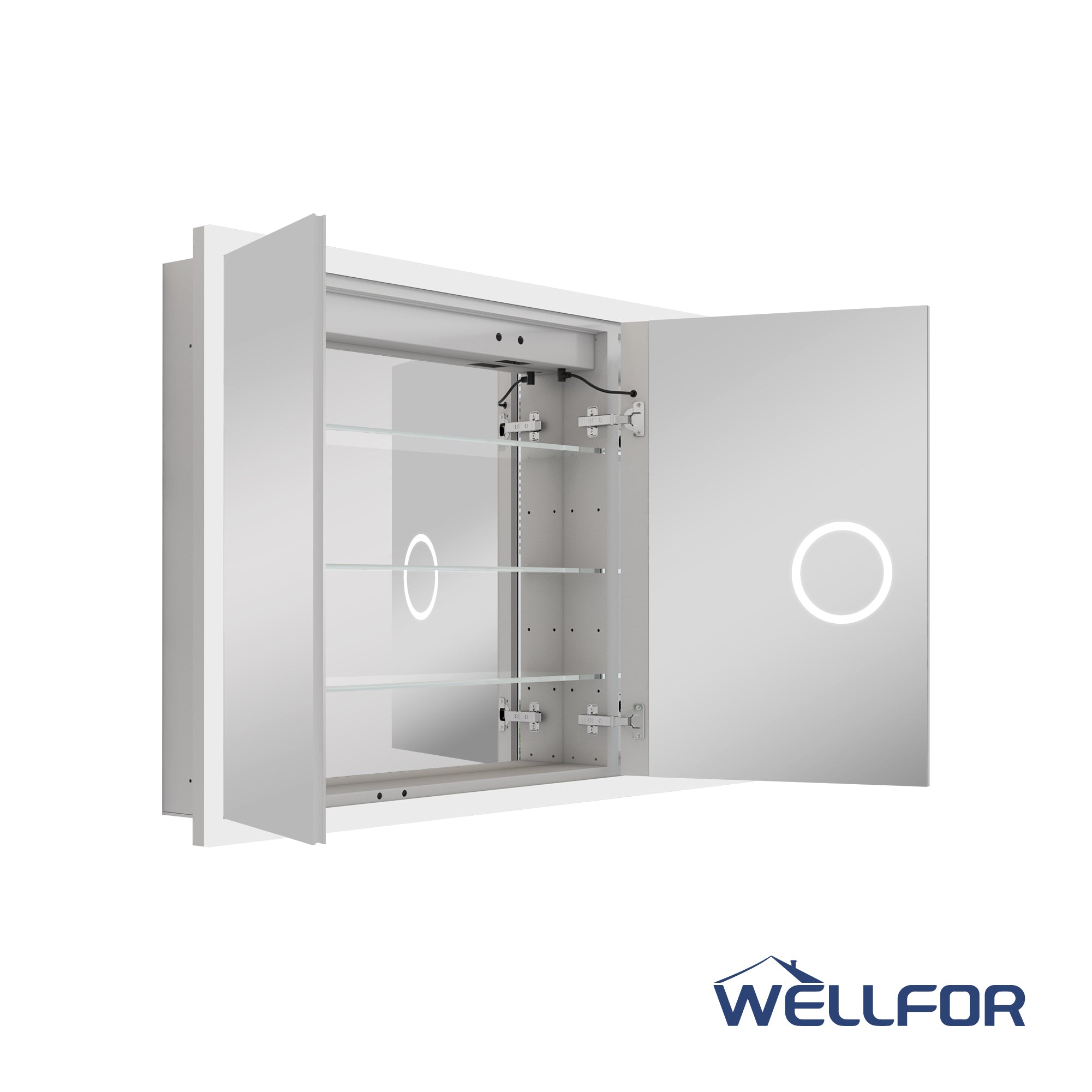
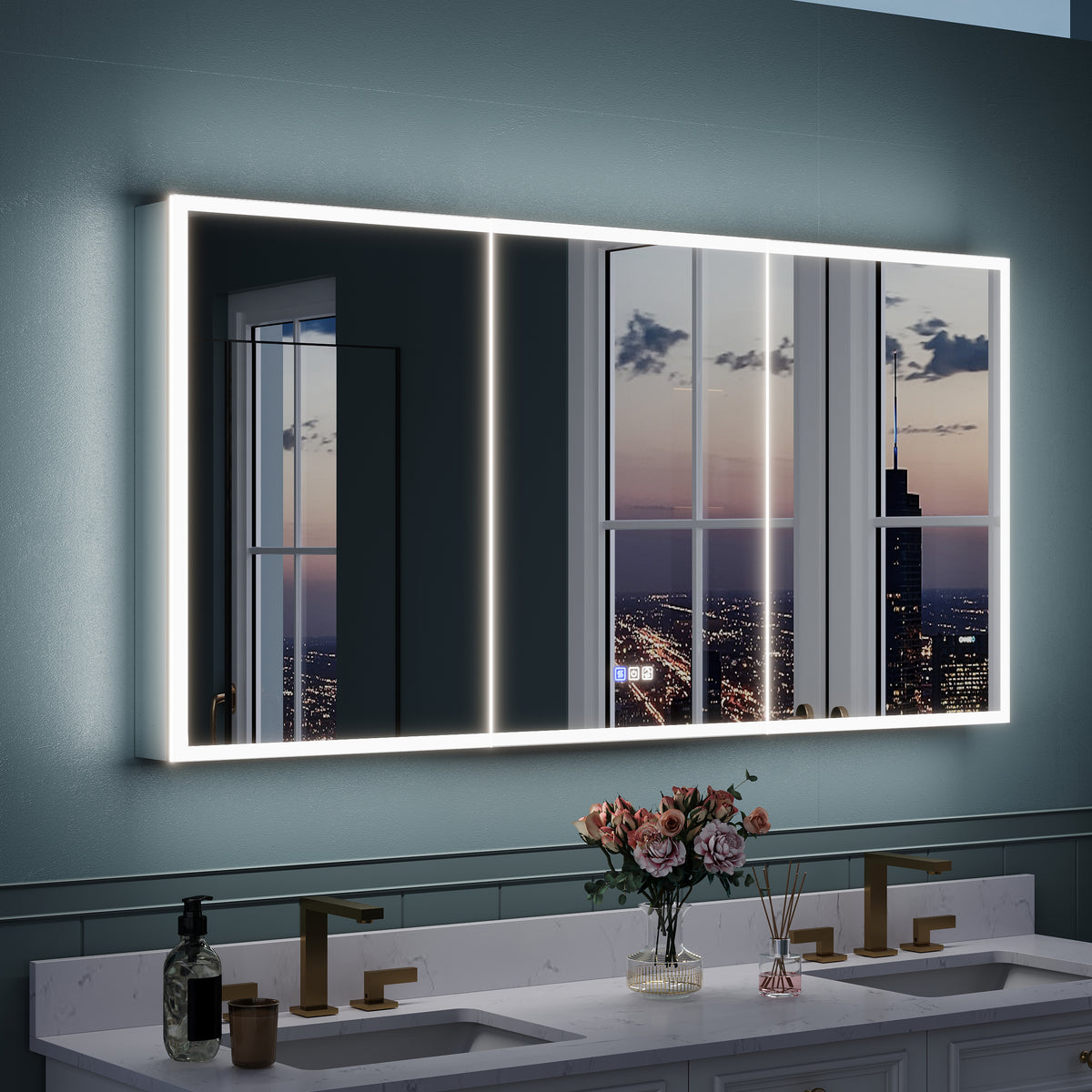
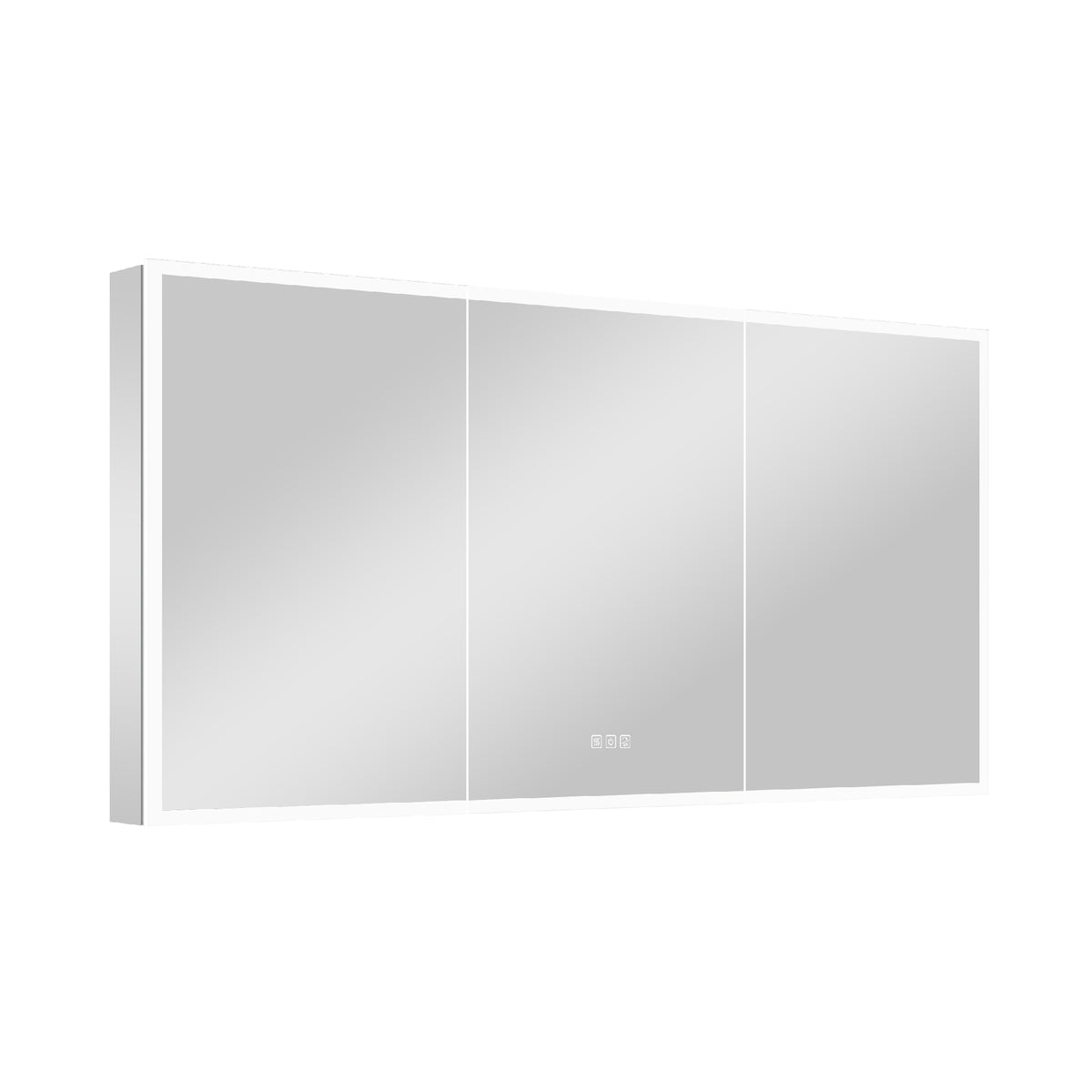
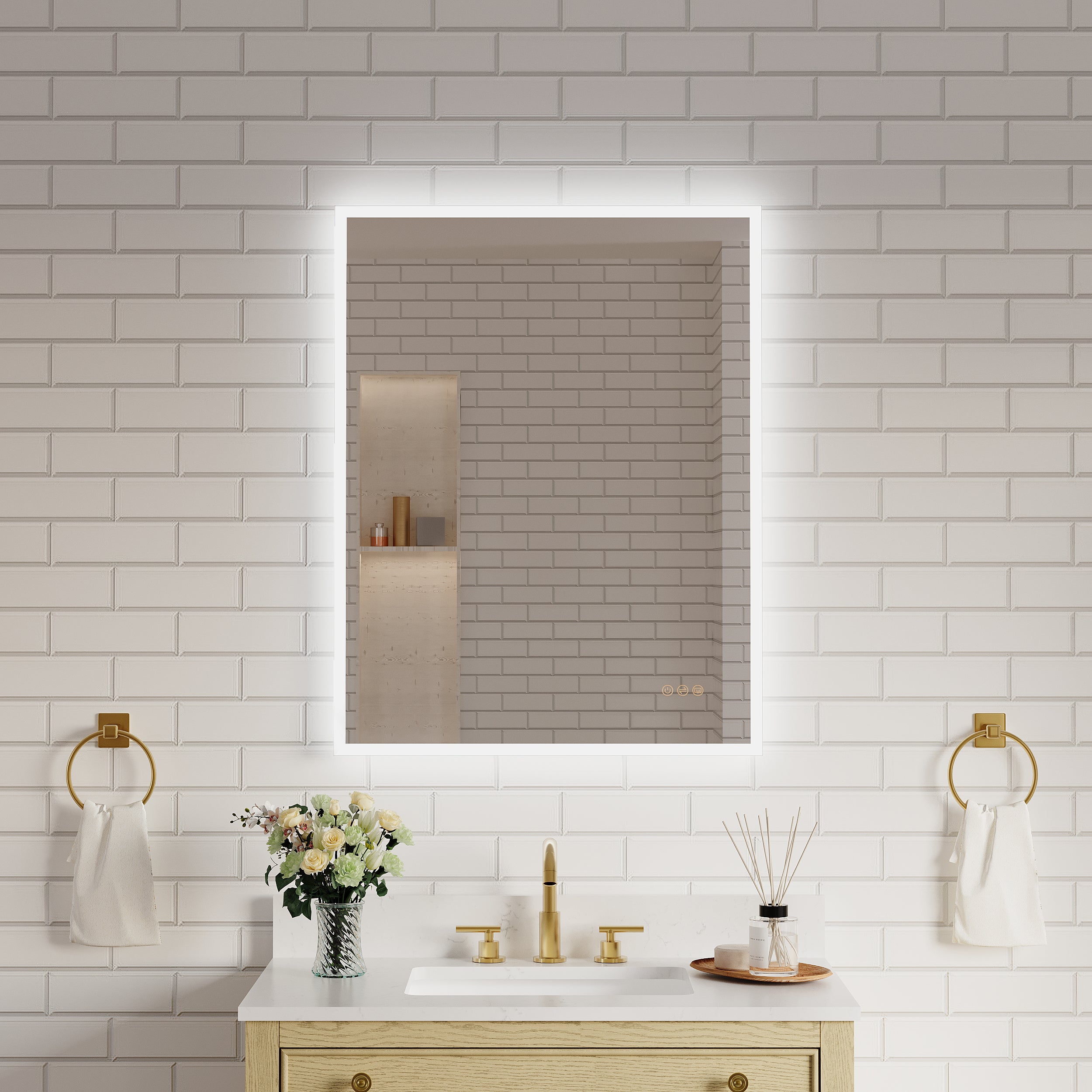
A wall mirror with integrated lights fixes this. By moving the LEDs to the mirror plane—either on the sides or wrapped around the back—the light hits your face straight on. It wraps around your features instead of throwing shadows. This is the absolute strongest argument for a lighted mirror. It’s not about raw brightness. It’s about where the light hits.
The Lumens Trap: Cheap Mirrors Lie About Brightness
Here is where buyers get completely burned.
A standard budget lighted mirror usually pushes out 500 to 1,200 lumens. A basic two-bulb vanity bar? That’s pushing 1,500 to 3,000 lumens. If you mount one of those weak, low-output mirrors over a dark vanity and turn off your overhead light, you are grooming in a cave.
The minimum you want for a vanity is around 1,600 lumens. If you shave or do a full face of makeup daily, aim for 1,500 to 2,500 lumens. A good mirror with a high lumen count can totally replace a vanity light. A cheap one cannot. If you see a mirror with a gorgeous backlit halo that only outputs 800 lumens, that is a mood light. It’s not a grooming tool.

Installation Realities: Wiring and Height
Lighted mirrors don't plug into the wall. They are hardwired. That means you need a junction box behind the mirror and, usually, an electrician.
The most common DIY disaster is retrofitting a heavy lighted mirror over an old medicine cabinet. The old junction box is usually too small for the extra wiring. Cramming those wires in creates a fire hazard and code violation. And loose connections cause flickering and overheating. Do it right, or hire a pro.
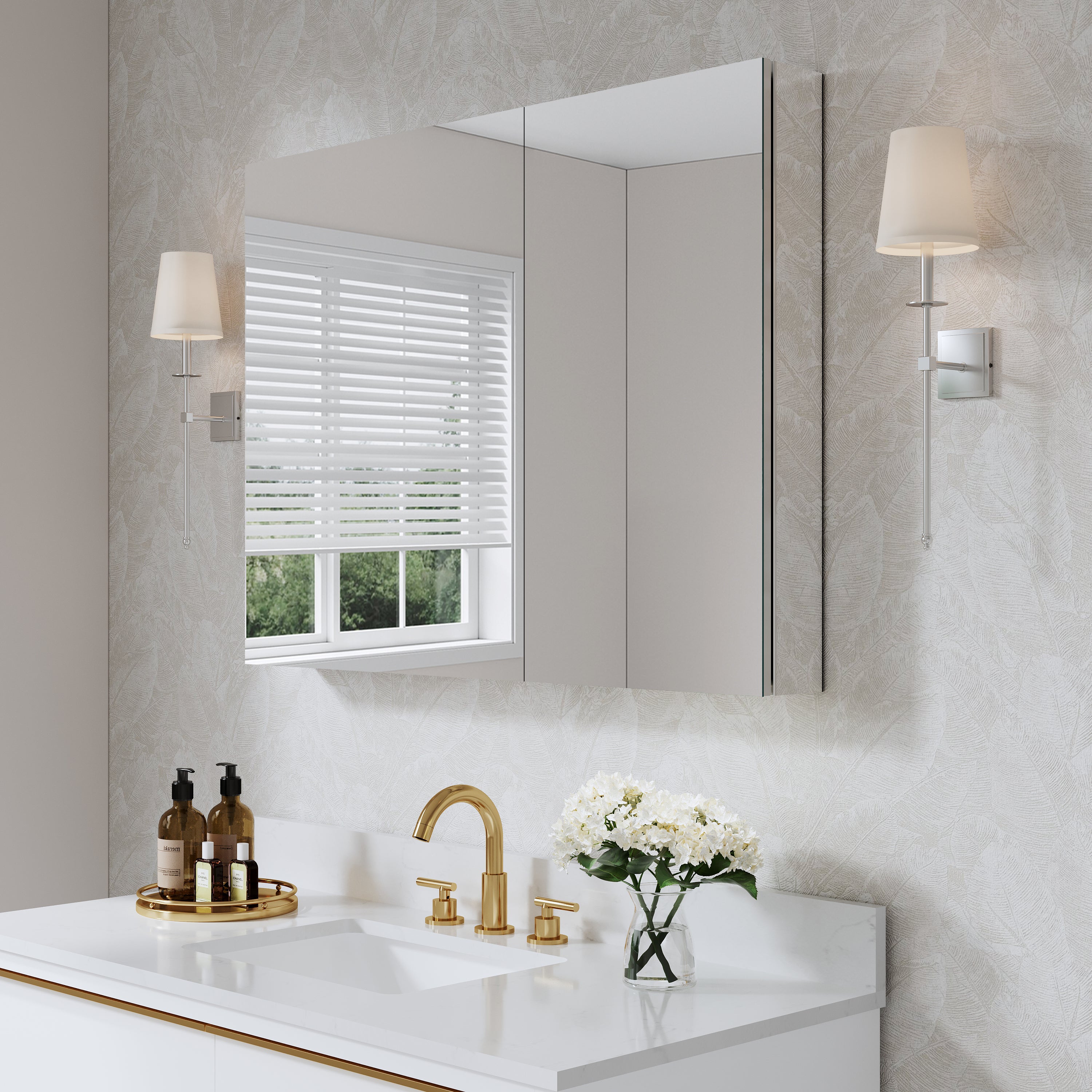
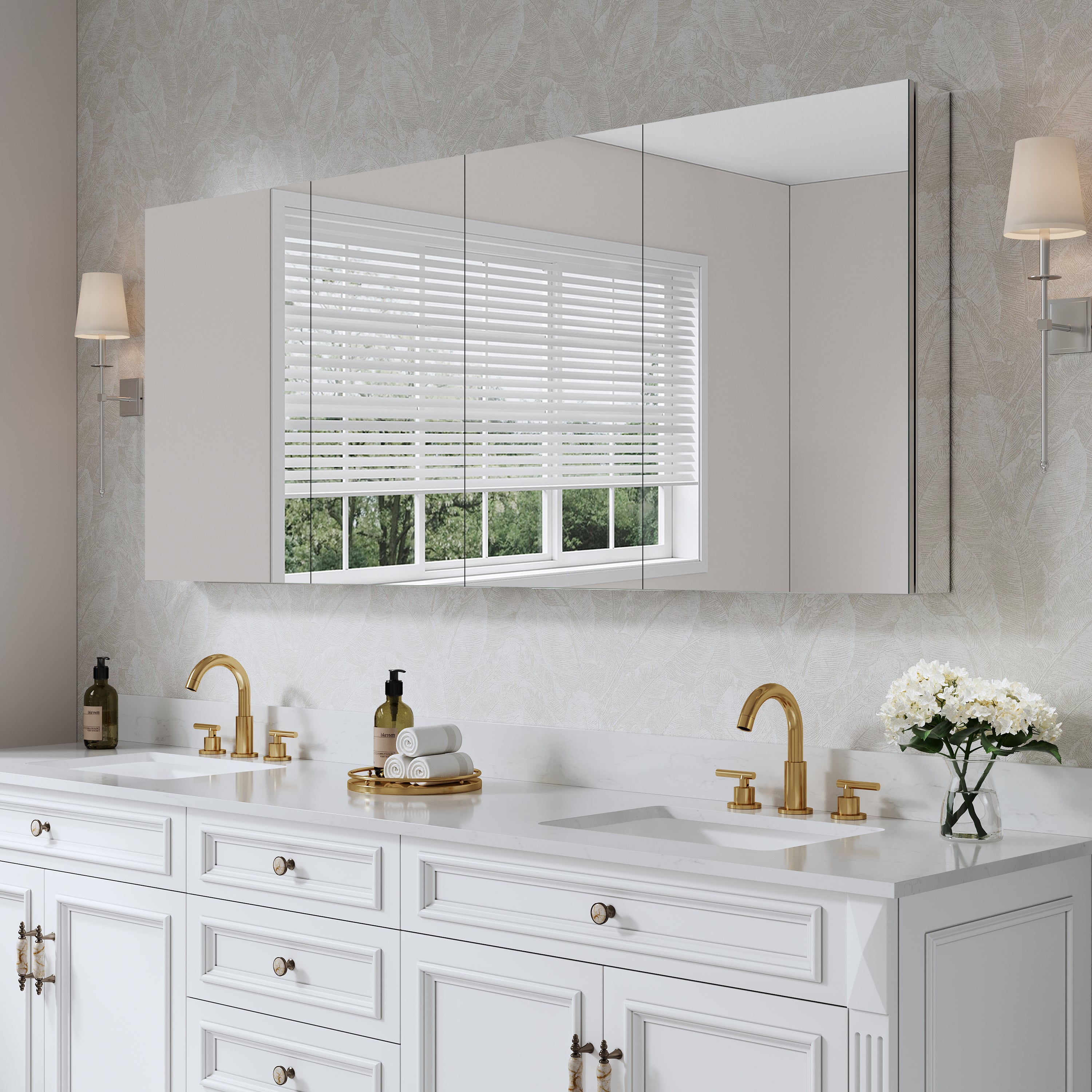
Mounting height is the second huge regret. The most frequent complaint from buyers is that the mirror is hung way too high. Centering it mathematically on the wall looks great on paper. But it puts the bottom edge above your chest. You end up doing squats at the sink just to see your chin. The center of the mirror needs to hit at eye level for the person who uses it most.
The Bottom Line
The best wall mirror with lights for grooming isn't the biggest or the most expensive. It's the one that has a 90+ CRI rating, hits at least 5000K at its coolest setting, pushes light from the sides or perimeter, and delivers at least 1,500 lumens. If a mirror can't tell you those numbers, it's a decorative piece. It will look great in your Instagram photos, but it won't help you shave.











Leave a comment
This site is protected by hCaptcha and the hCaptcha Privacy Policy and Terms of Service apply.