




If you have ever spent a Sunday afternoon wiping down a bathroom sink counter, you know the exact frustration I am talking about. You clean the granite until it shines, set down your faucet, and within forty-eight hours, the whole surface is completely swallowed up by toothpaste tubes, half-empty moisturizer jars, contact lens fluid, and stray razor blades. It feels like no matter how much space you have around the sink, personal care products naturally expand to fill every square inch of it.
Most people try to solve this with a decorative flat mirror. It looks fantastic in interior design magazines, sure. But in a real house where real people get ready at 7:00 AM, a flat mirror gives you zero storage. You are forced to dump everything into bottomless vanity drawers where hair ties disappear forever, or leave it all sitting on the counter. The alternative—hanging a big, heavy wooden wall cabinet—usually turns an already small bathroom into a dark, claustrophobic box.

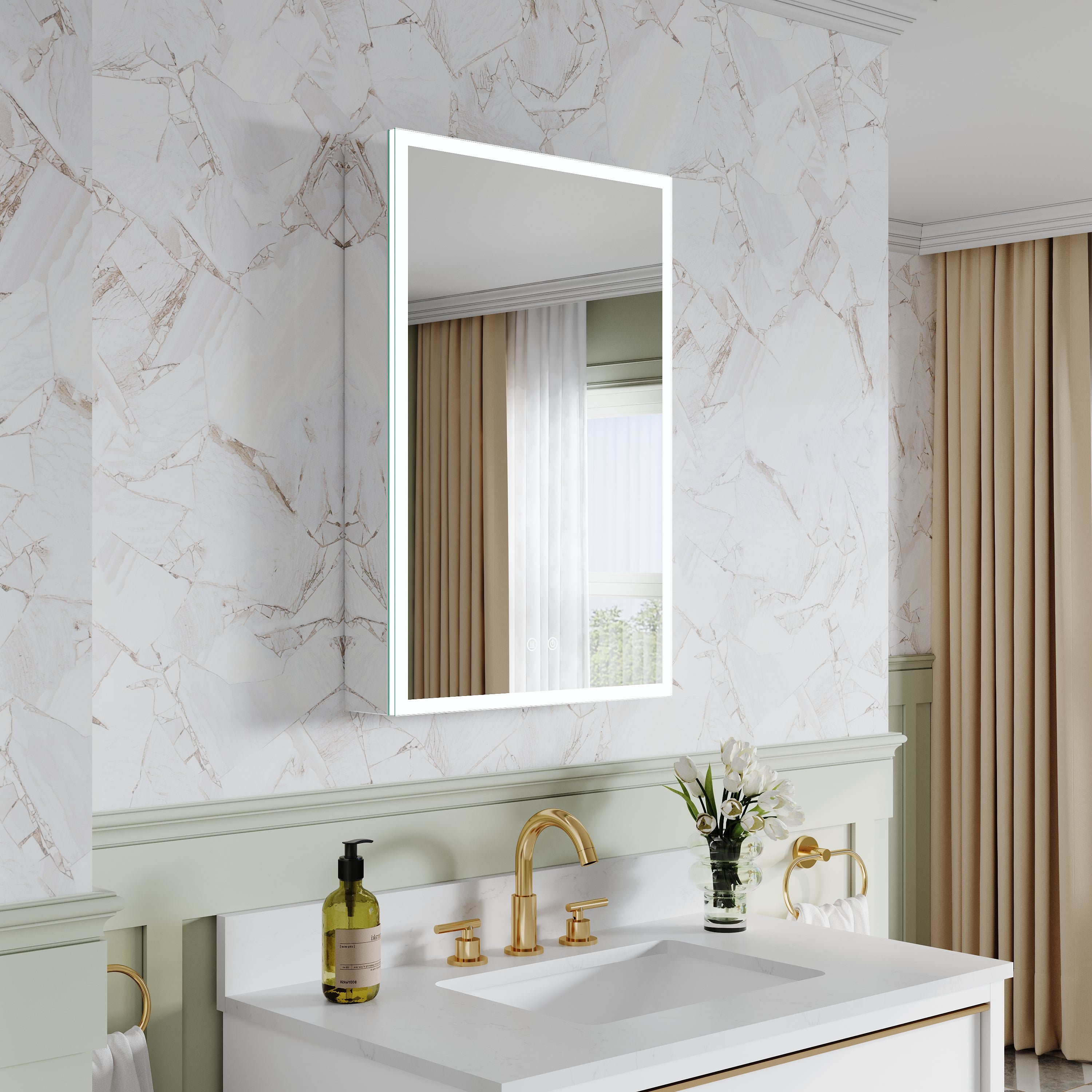
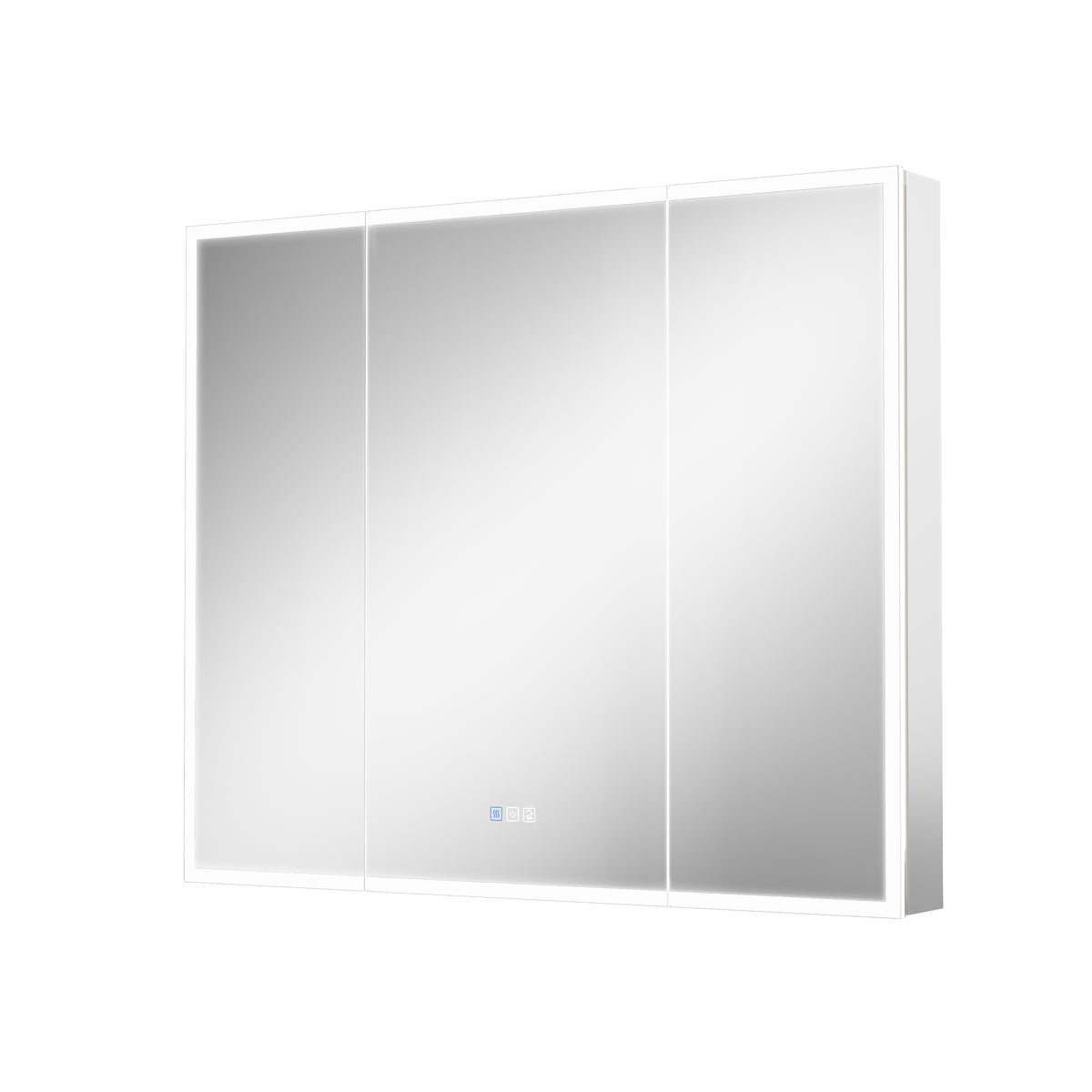
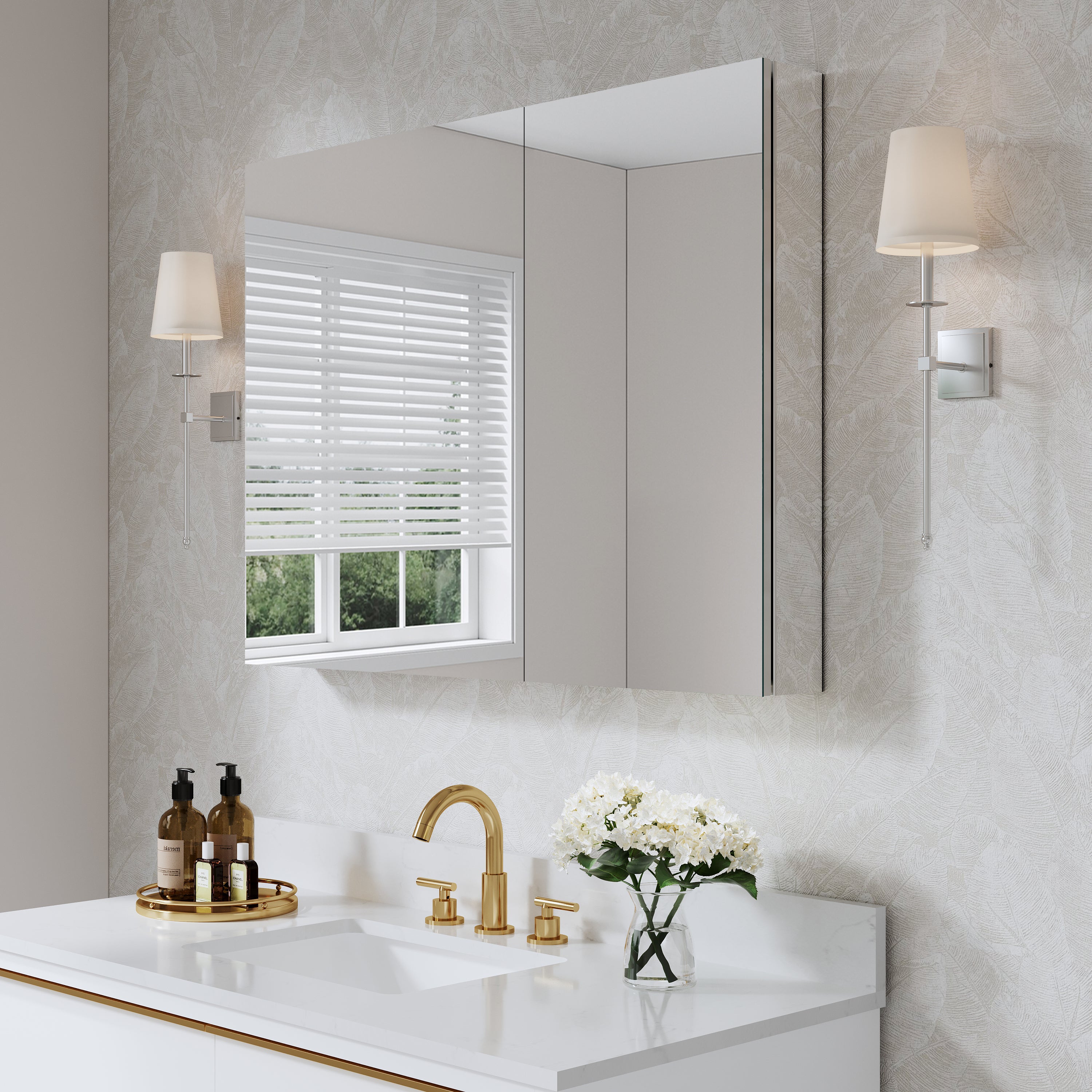
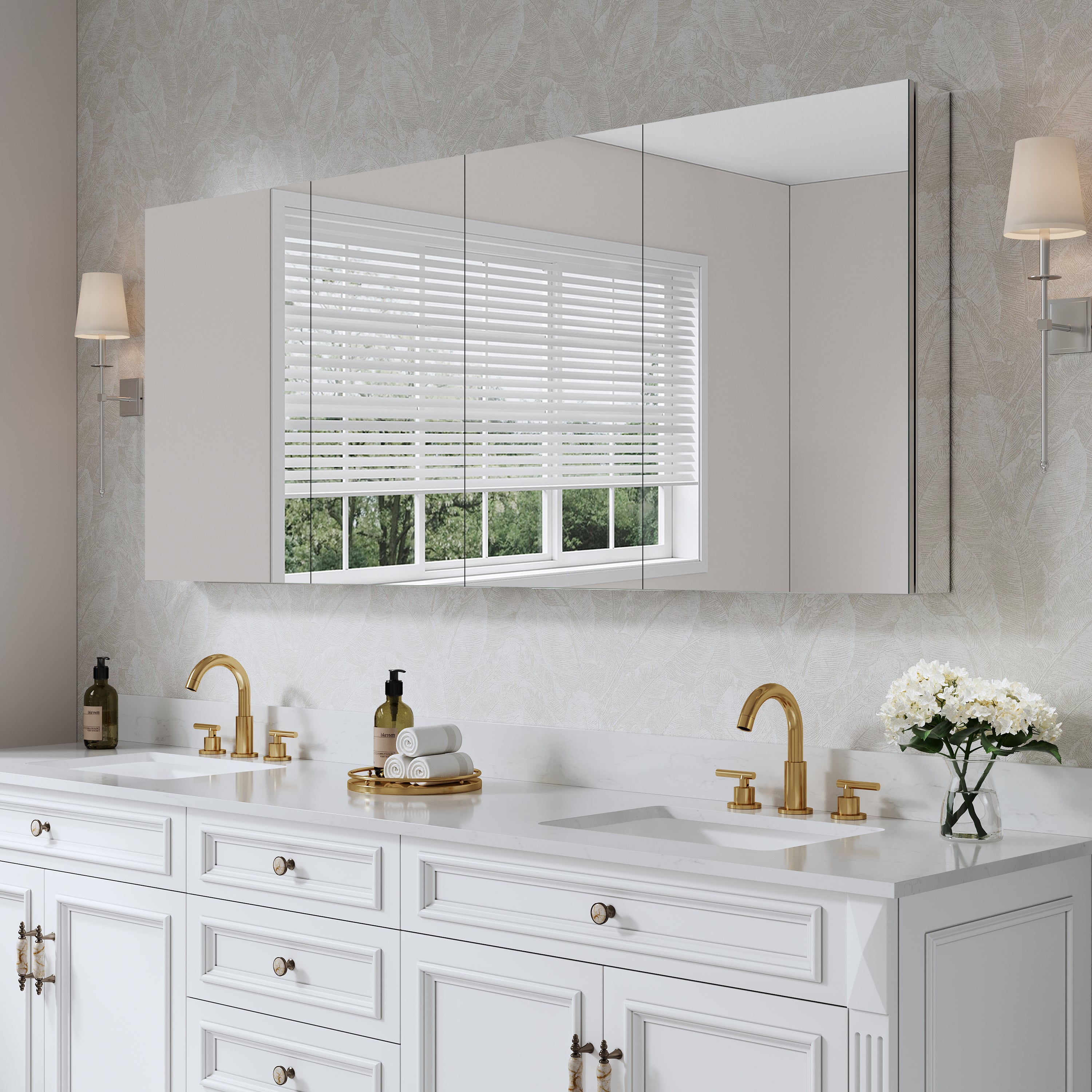
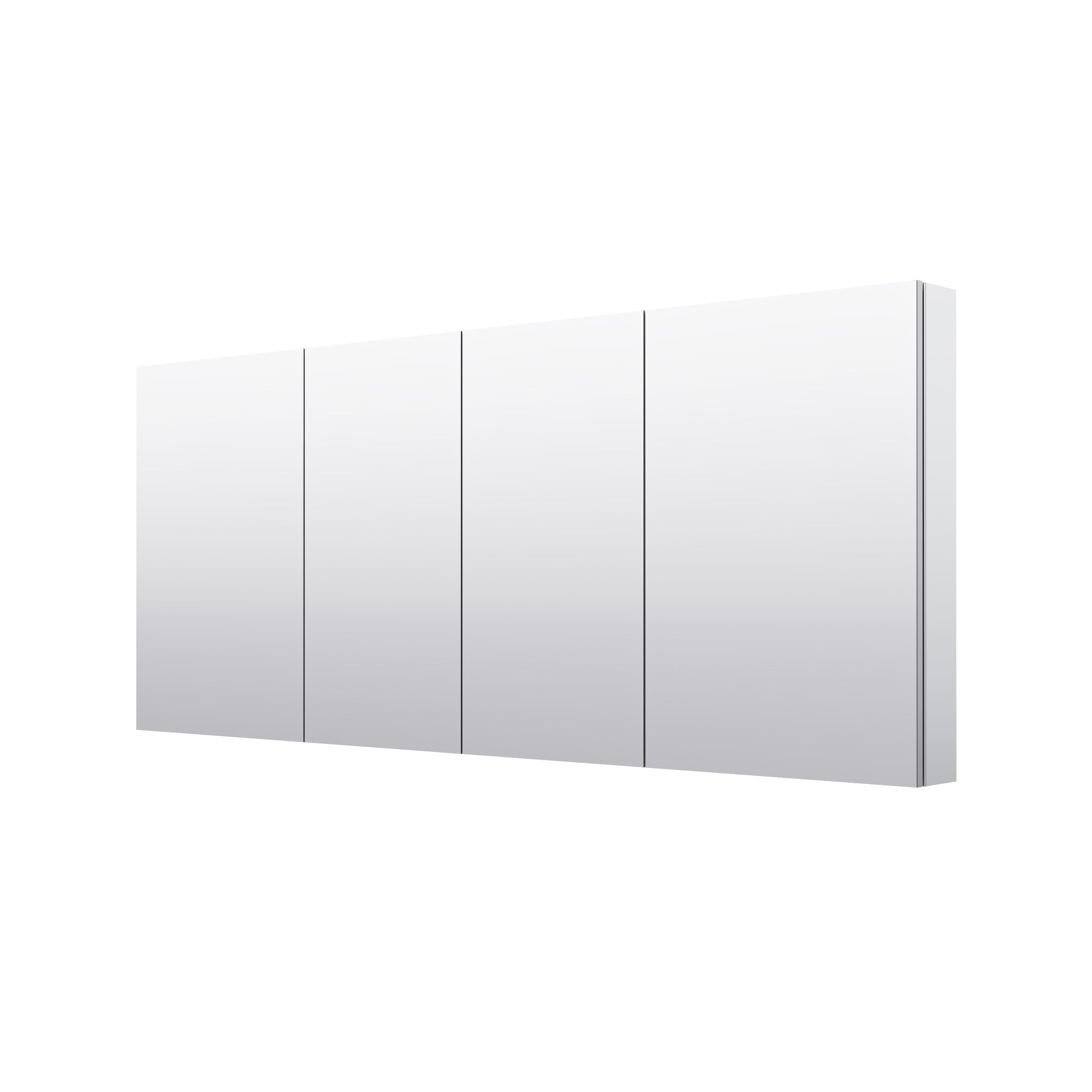
That is precisely why the classic white medicine cabinet with mirror has never actually gone out of style. It takes two bulky, non-negotiable items—your bathroom mirror and your medicine storage—and stacks them into the exact same patch of wall space. But beyond the obvious floor-space math, choosing white over darker wood stains or trendy metallic finishes changes the way your entire bathroom feels and functions.
Let’s talk about light first, because that is where most small bathrooms fail. A huge percentage of guest baths, powder rooms, and apartment setups have zero windows. You are relying entirely on whatever overhead bulbs the builder decided to slap above the door. A mirror helps by bouncing light back into the room, but the frame surrounding that glass acts as a visual border. If you hang a cabinet framed in heavy dark walnut, matte black steel, or dark espresso, your eye immediately stops at those dark boundaries. The box sticks out visually, outlining the exact edges of the wall and making the room feel tight.
A white frame does the opposite. White reflects almost all incoming light rather than soaking it up. Since most bathroom walls are painted in soft neutrals, light grays, or off-whites, a white cabinet body visually melts right into the background. Instead of looking like a heavy piece of furniture hanging over your sink, it feels almost weightless. The mirror gives you depth, the white frame reflects ambient light, and suddenly a cramped six-by-eight-foot powder room feels significantly larger and brighter than it actually is.
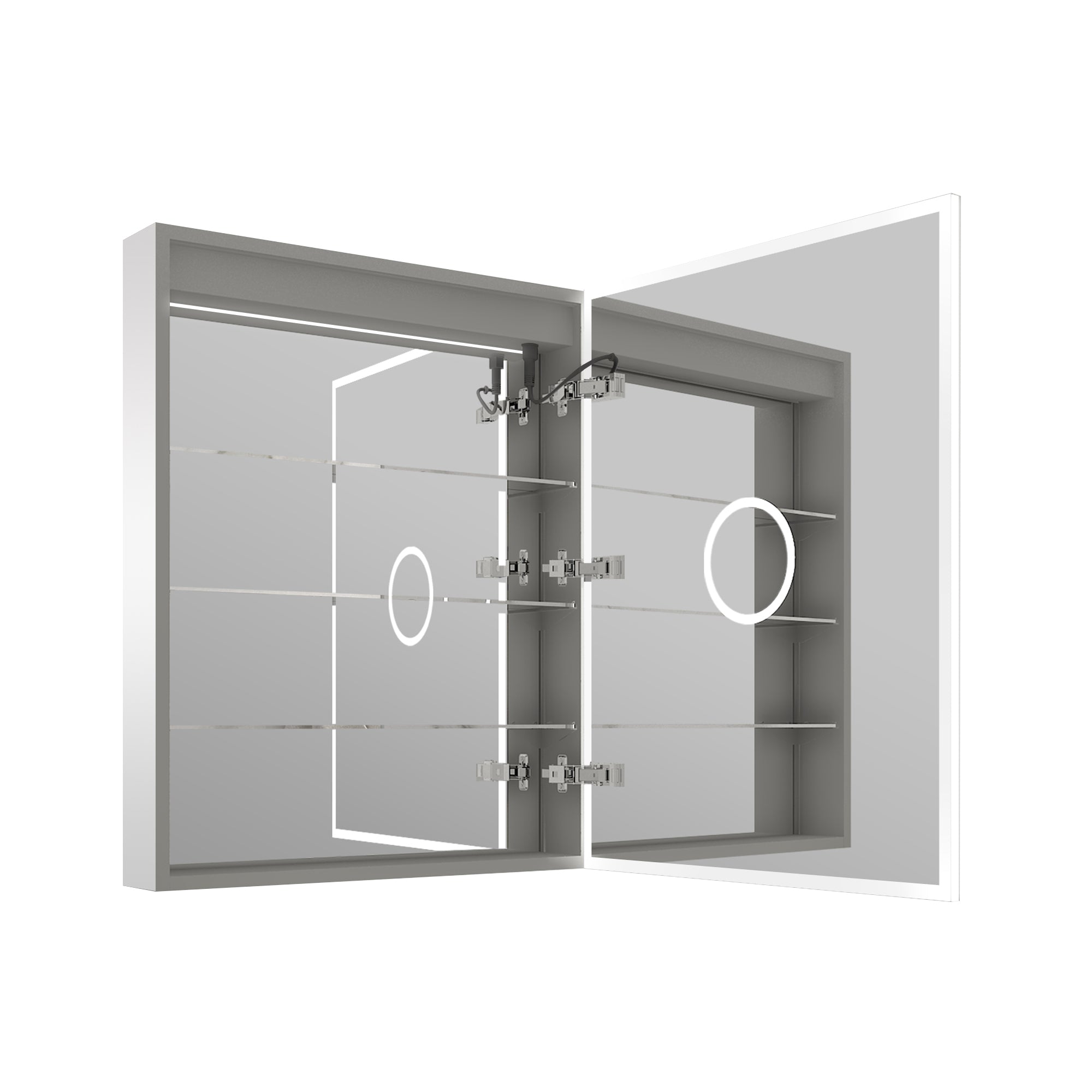
Then there is the practical side of hiding daily clutter. The sheer amount of plastic packaging we use every morning is staggering. When those five or ten bottles stay out on your vanity top, the room looks messy even if the floors are spotless. Slapping a mirrored cabinet right over the sink gives you an instant "out of sight, out of mind" solution. You pop the door open at eye level, grab your deodorant and toothbrush, shut the door, and the room is instantly presentable again. No bending over to dig through low cabinet doors while you're half-awake.
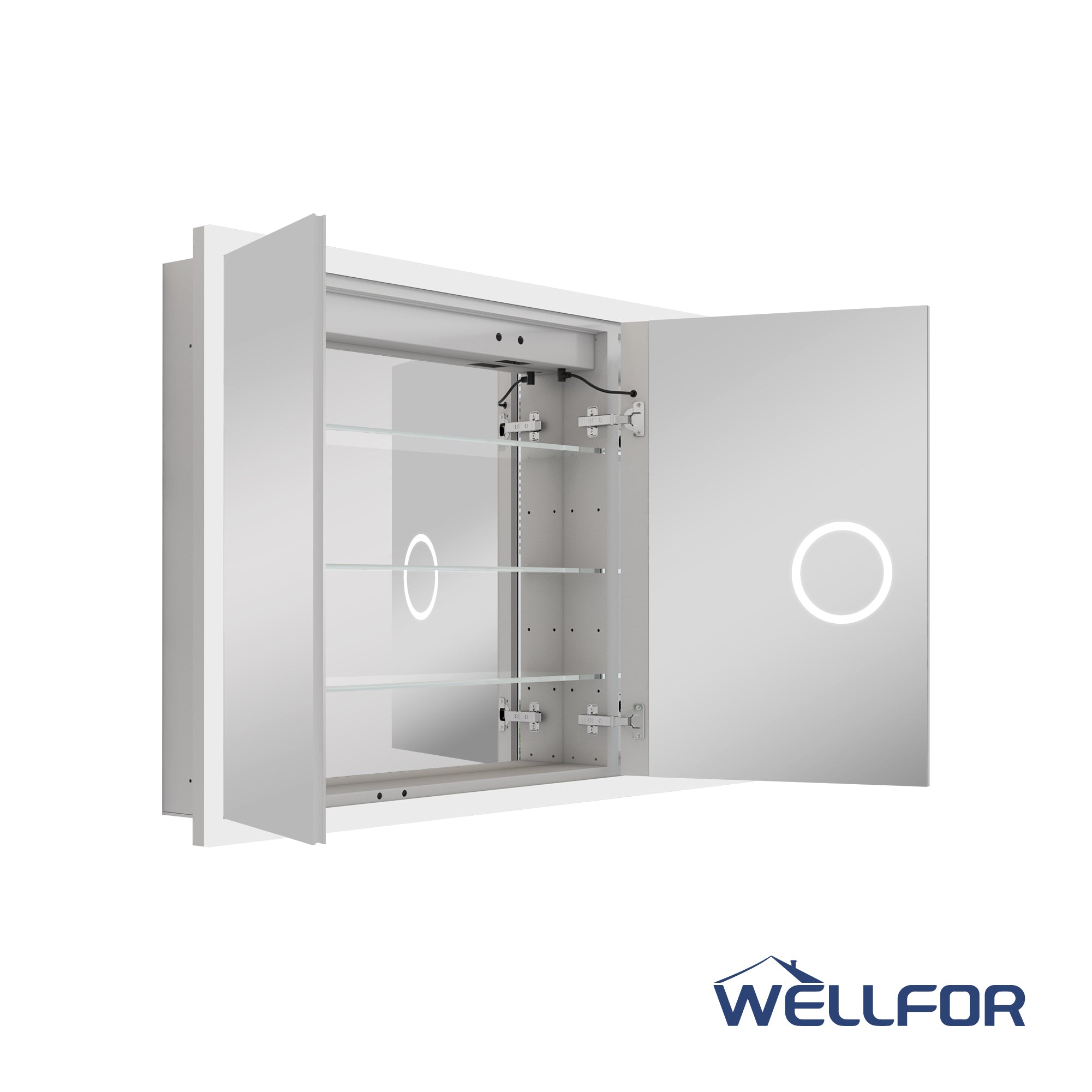
There is also a tiny, unsexy detail about white cabinet interiors that most design blogs forget to mention: contrast. If you have ever dropped a clear plastic lid, a tiny earring back, or a clear bottle of eye drops inside a dark wood cabinet early in the morning, you know how annoying it is to fish around in the shadows for it. A bright white interior shelf acts like a natural light box. Everything you put inside stands out clearly against the white backdrop, saving you three minutes of blind searching when you're rushing to get out the door.
Style longevity is another huge factor. Bathroom hardware trends move at a ridiculous pace these days. Five years ago, everyone was tearing out chrome to install matte black hardware. Now, brushed warm brass and organic natural oak are taking over Pinterest boards. If you buy a medicine cabinet with a super specific, trendy wood finish or a bold painted color, you are locking yourself into that exact aesthetic. The moment you decide to repaint your bathroom walls from sage green to warm beige, that custom wood cabinet might suddenly clash horribly.
White is the ultimate blank slate. It doesn't fight with your other fixtures; it anchors them. If you love a sleek, modern look, a frameless white cabinet with clean glass edges looks almost like a piece of high-end spa equipment. If your house leans toward classic farmhouse or rustic, painted white wood pairs effortlessly with subway tiles and vintage black faucets. If you prefer traditional or vintage architecture, a white framed unit looks right at home next to a pedestal sink. Choosing white means you can swap out your towels, your rug, your wall paint, or your faucet five years from now without needing to rip the cabinet off the wall.
It is also worth noting how much technology has improved these fixtures over the last decade. The medicine cabinet your grandparents had was probably a shallow, rusting metal box with a magnetic latch that slammed so hard it shook the drywall. Today’s models are built like custom cabinetry.
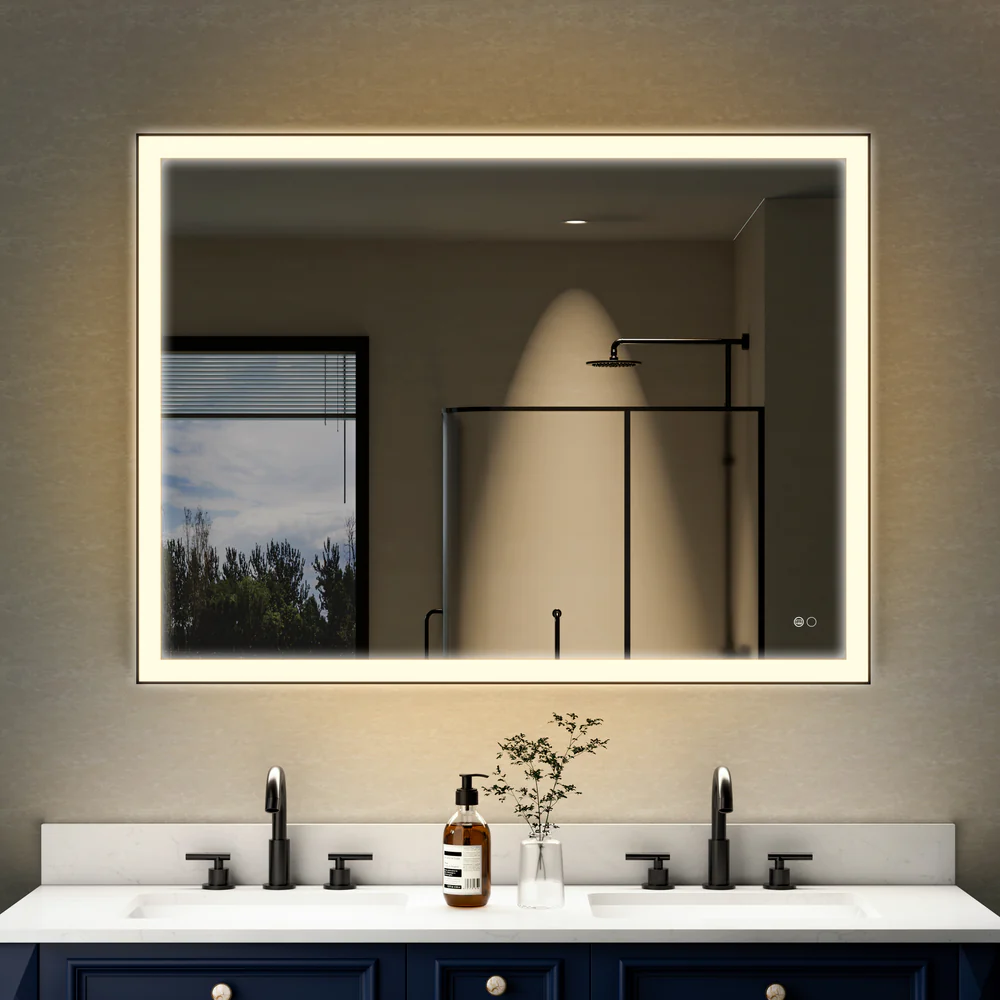
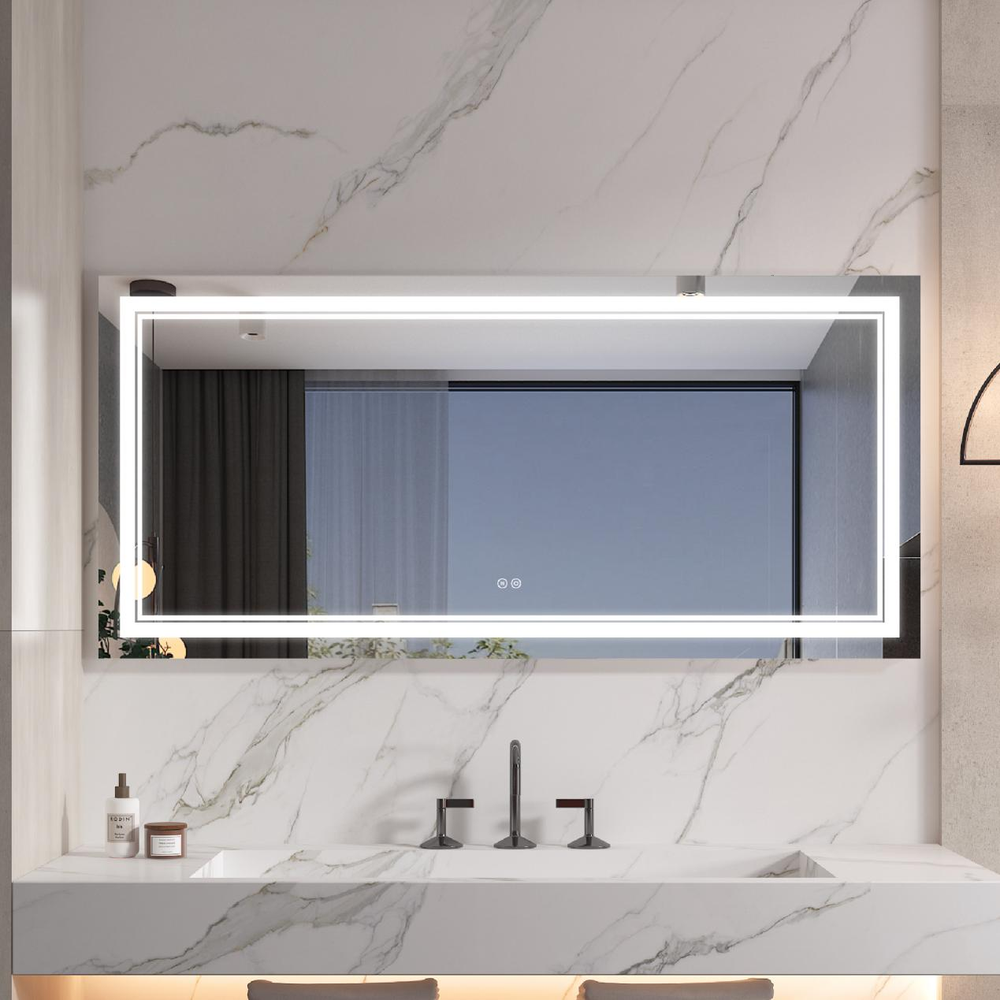
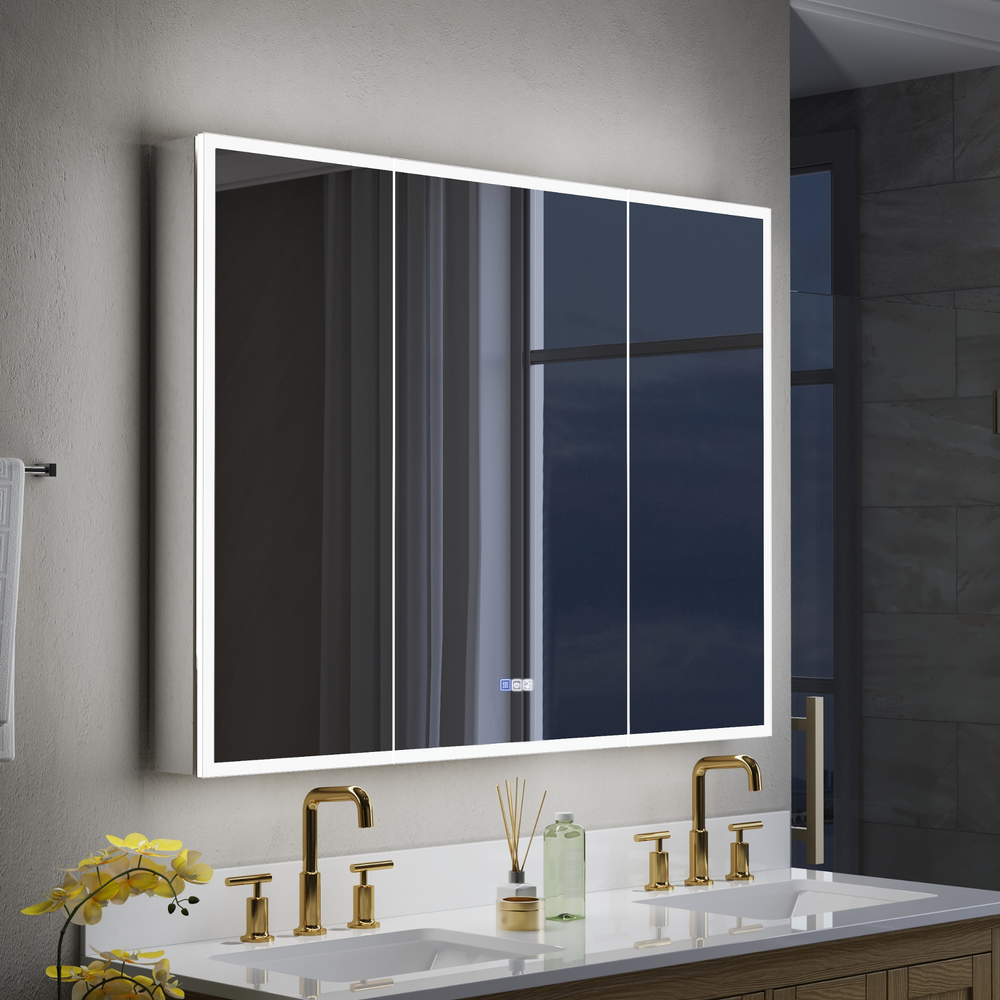
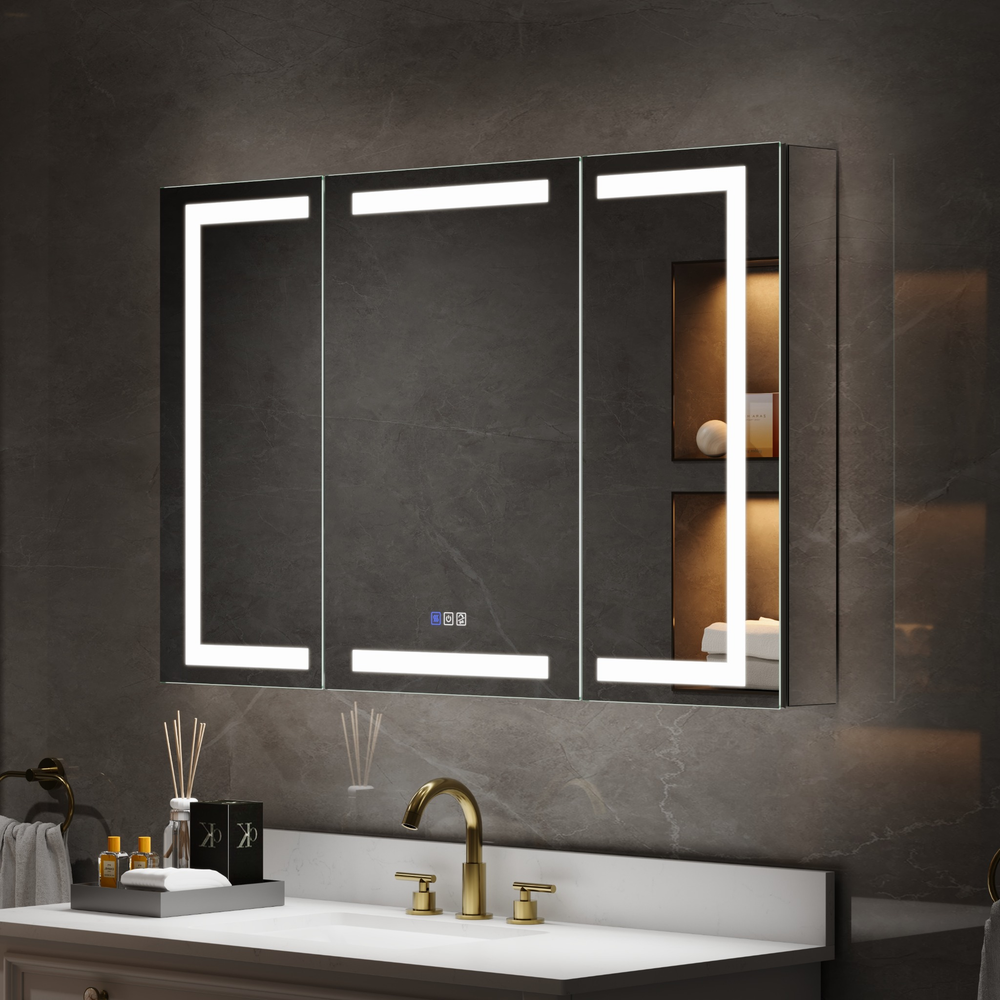
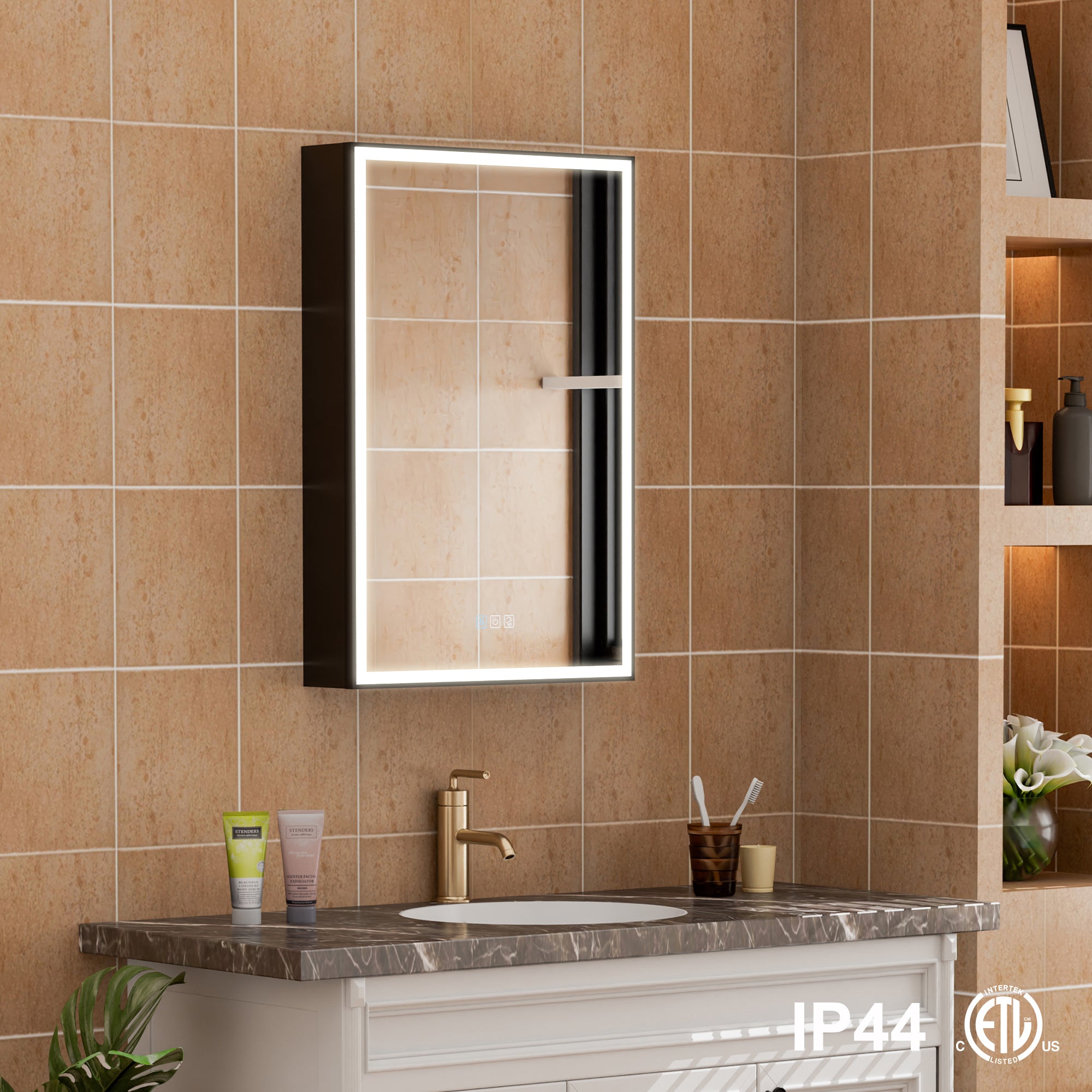
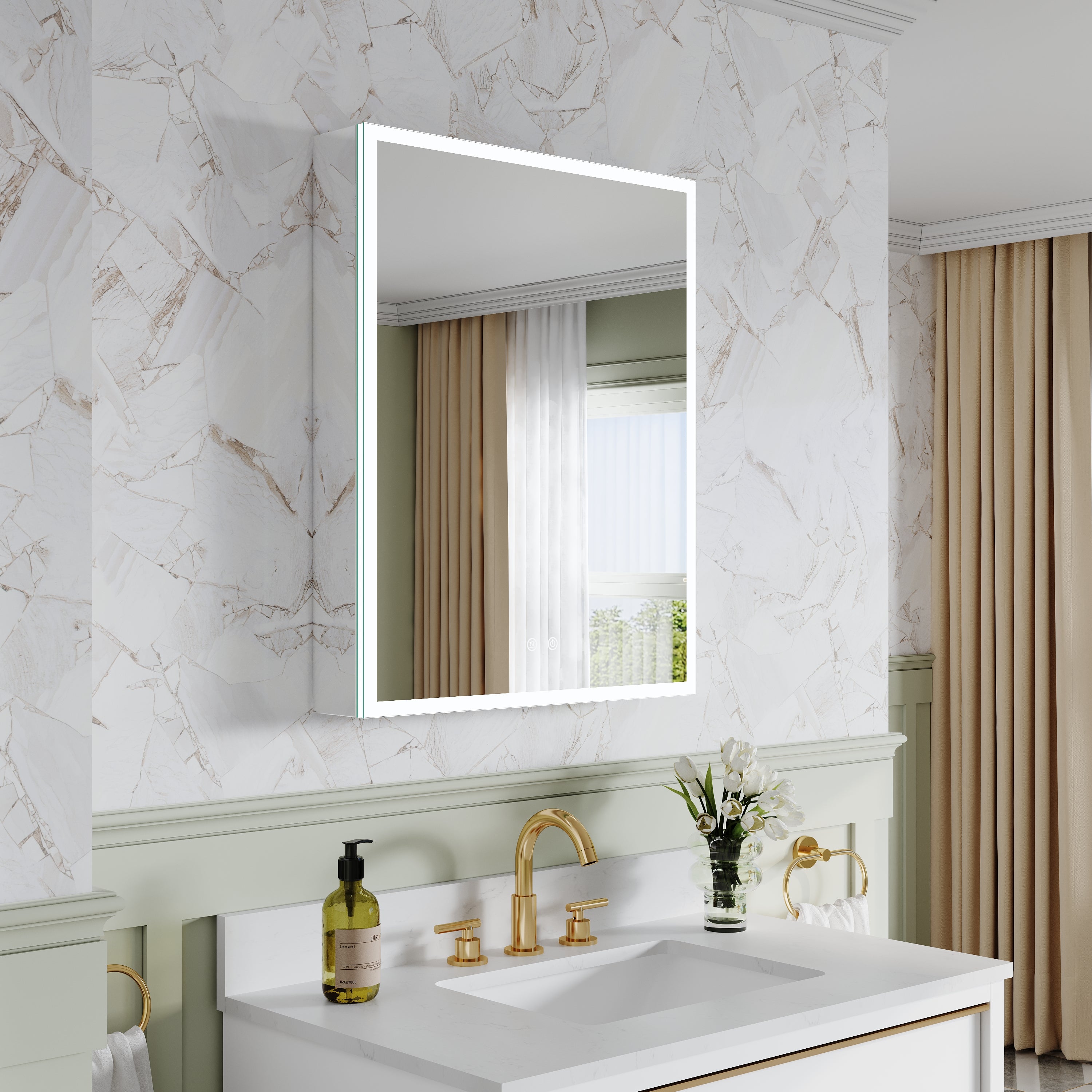
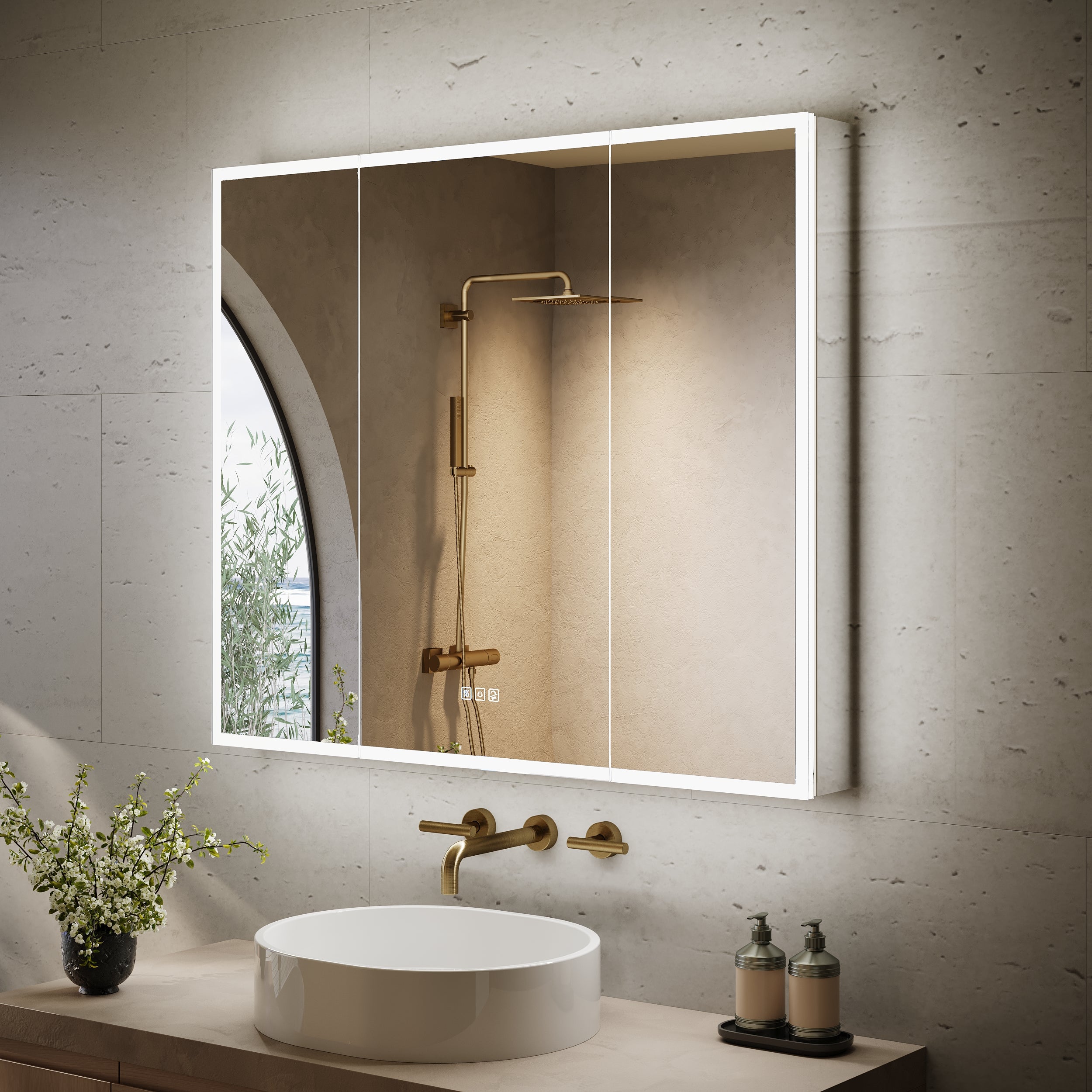
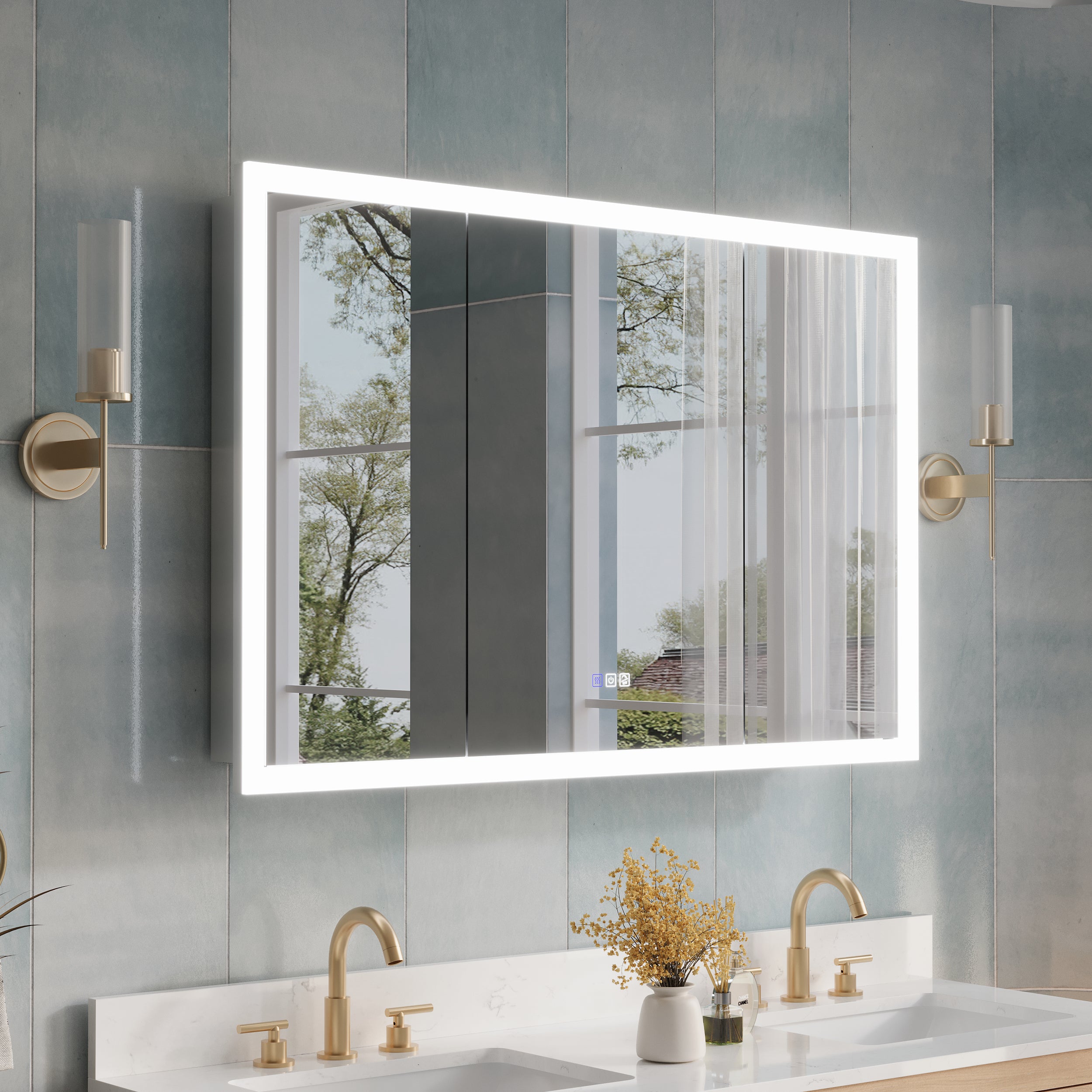
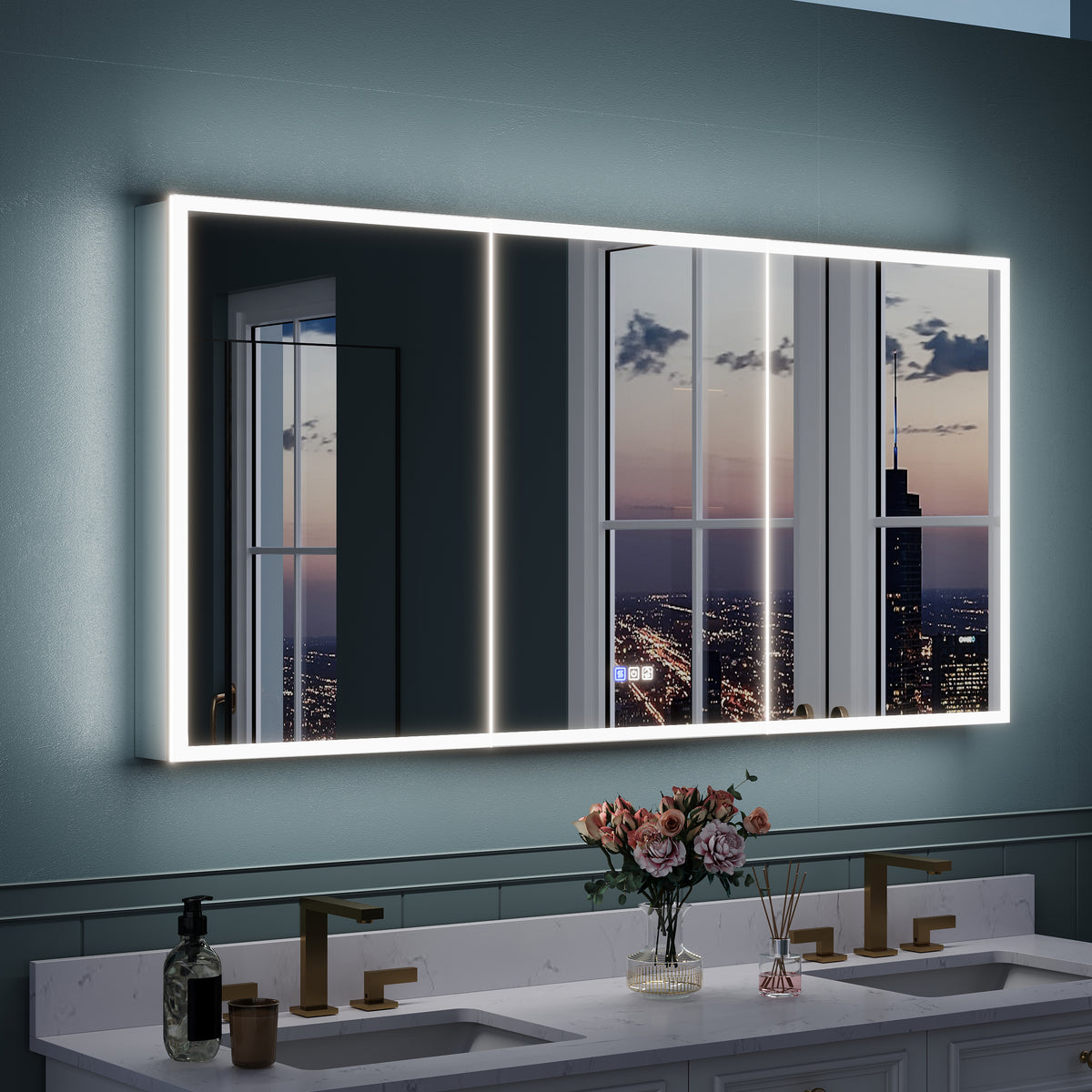
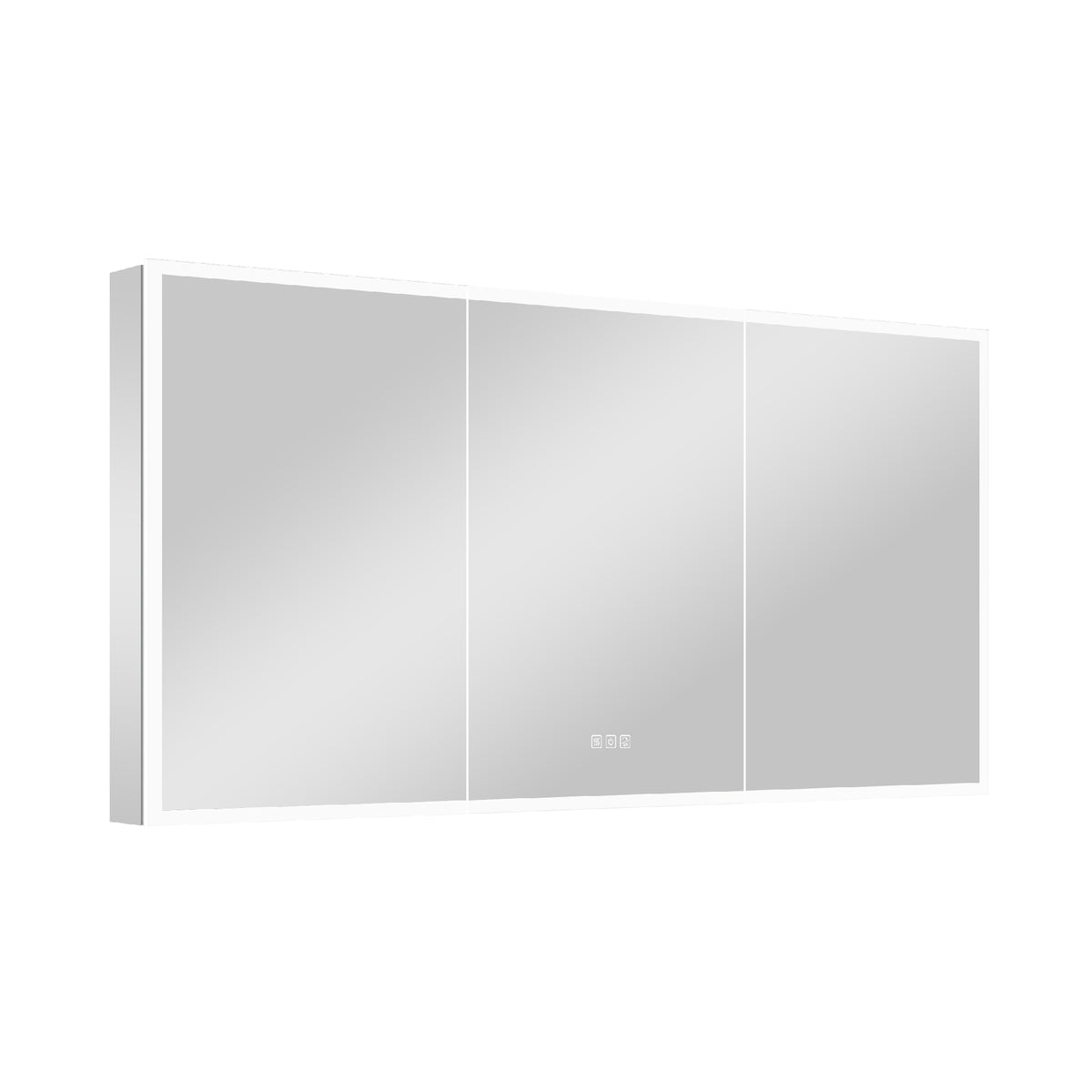
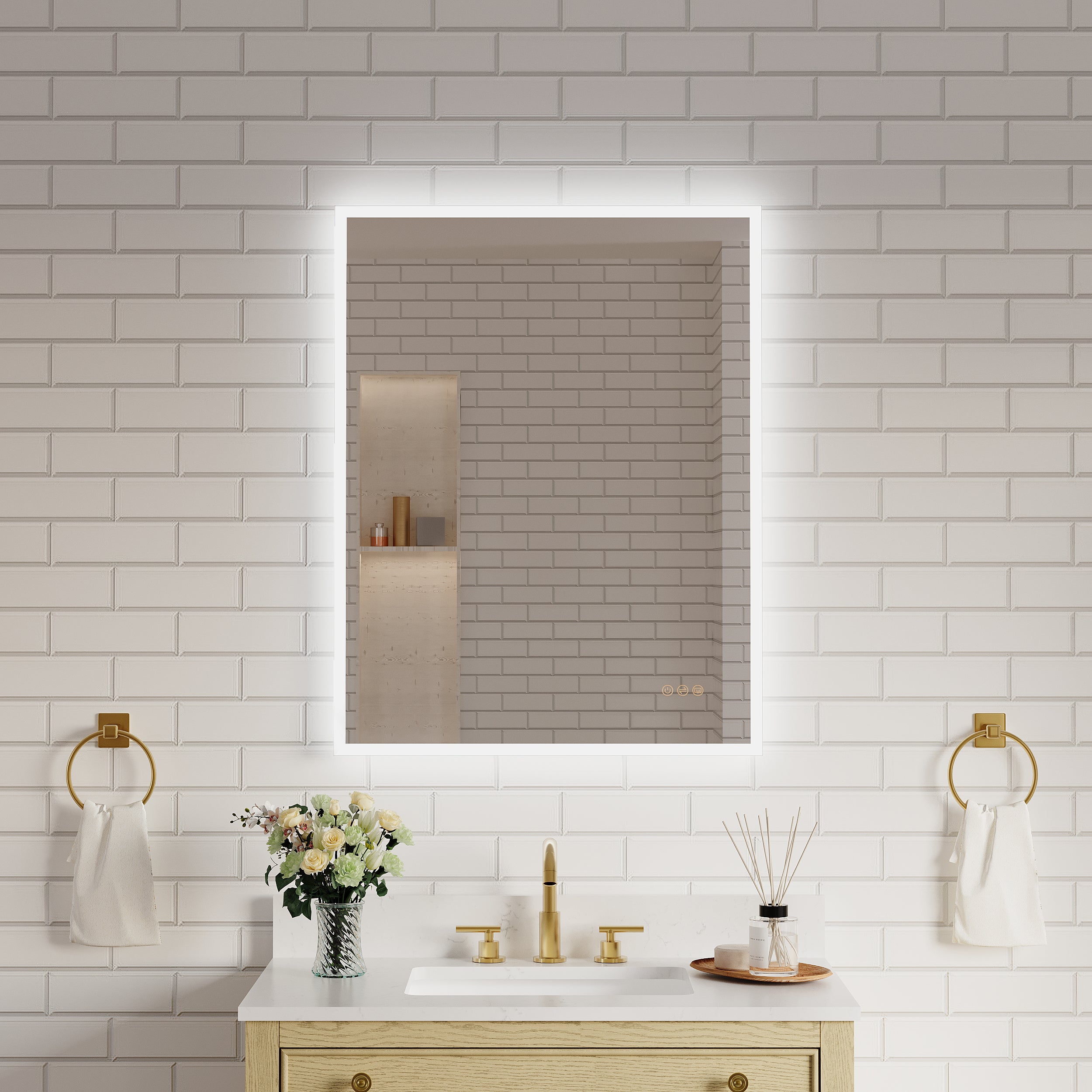
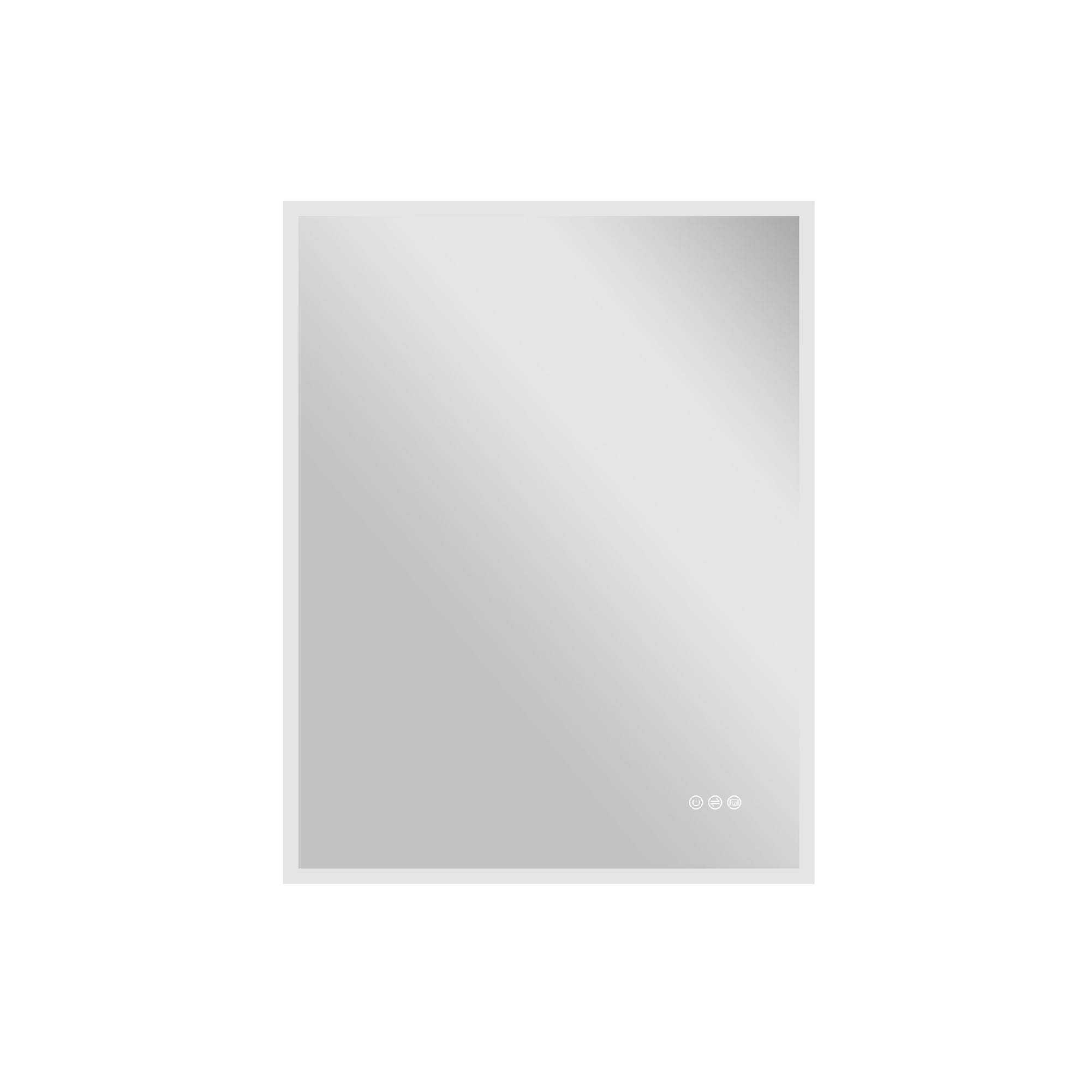
You can get white mirrored cabinets equipped with subtle LED strip lighting built right into the perimeter of the mirror glass. This puts soft, even light directly onto your face—which is infinitely better for precision shaving or makeup application than a harsh overhead light casting dark circles under your eyes. Many options now feature internal electrical outlets and USB ports hidden inside the shelves. You can leave your electric toothbrush or razor plugged in and charging out of sight, keeping ugly power cords off your sink. Add in soft-close hinges that prevent noisy door-slams at night and heated defogger pads that keep the glass steam-free after a hot shower, and the fixture quickly pays for itself in sheer convenience.
Finally, you have complete flexibility when it comes to installation. If you are doing a full tear-down renovation and the drywall is open, you can opt for a recessed installation. Your contractor simply cuts out a section between two wall studs, tucks the cabinet box inside the wall, and mounts it flush. Only the mirror face and a tiny sliver of white trim sit on the outside. You get full cabinet depth without losing an inch of elbow room over your sink.
On the flip side, if you are a renter or just doing a quick weekend refresh on a budget, a surface-mount installation takes less than an hour. You hang the cabinet on the wall studs just like a heavy picture frame. Because the outer side panels of the cabinet stay exposed in a surface-mount setup, that white finish works hard for you once again—it matches your wall paint and looks neat and intentional, rather than hanging off the wall like a bulky dark crate.
At the end of the day, picking a white medicine cabinet with a mirror isn't about following a short-lived trend. It is about making a smart, long-term trade-off. You get rid of countertop chaos, double your available light, gain generous eye-level storage, and keep your bathroom looking clean, open, and effortless for years to come.










Leave a comment
This site is protected by hCaptcha and the hCaptcha Privacy Policy and Terms of Service apply.