
















In a bathroom renovation or an overall space upgrade, the bathtub is often one of the most decisive core components. It not only affects the spatial layout and visual center of gravity, but also directly relates to the comfort of daily use, cleaning costs, and long-term maintenance experience. From an industry perspective, choosing the appropriate bathtub style is not simply an aesthetic preference, but a systematic decision that requires consideration of spatial conditions, frequency of use, ergonomics, and structural stability.
1. First, determine the "way of existence" of the bathtub, then discuss the style
The most crucial distinction among all types of bathtubs is not the shape, but the installation method. Different installation logics almost determine all subsequent design choices.
Embedded bathtubs are usually combined with three-wall or half-wall structures, with overall dimensions concentrated in the 60-72 inch length range. This type of bathtub demonstrates stable performance in construction integration and space utilization, making it suitable for scenarios with minimal structural changes in renovation projects. They emphasize functionality more than visual expression.
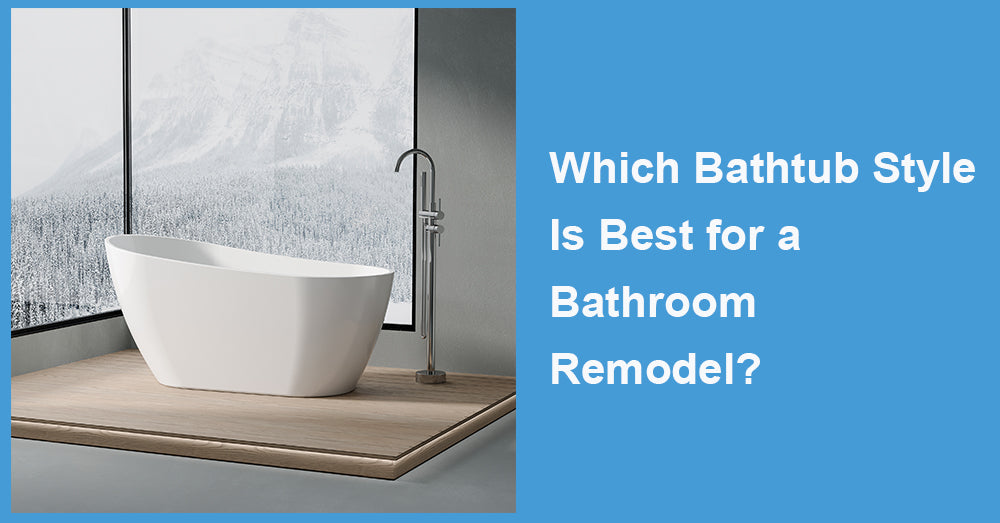
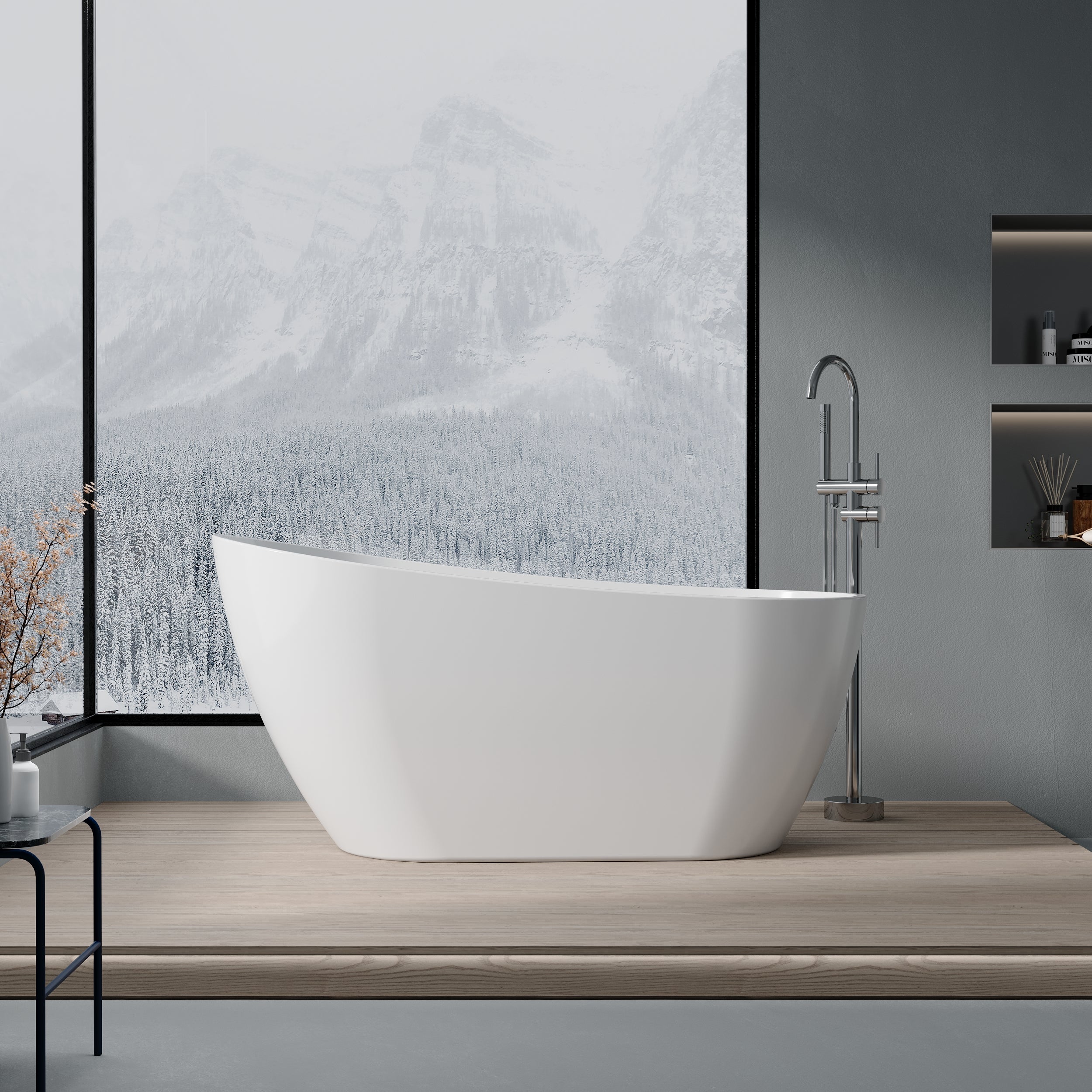
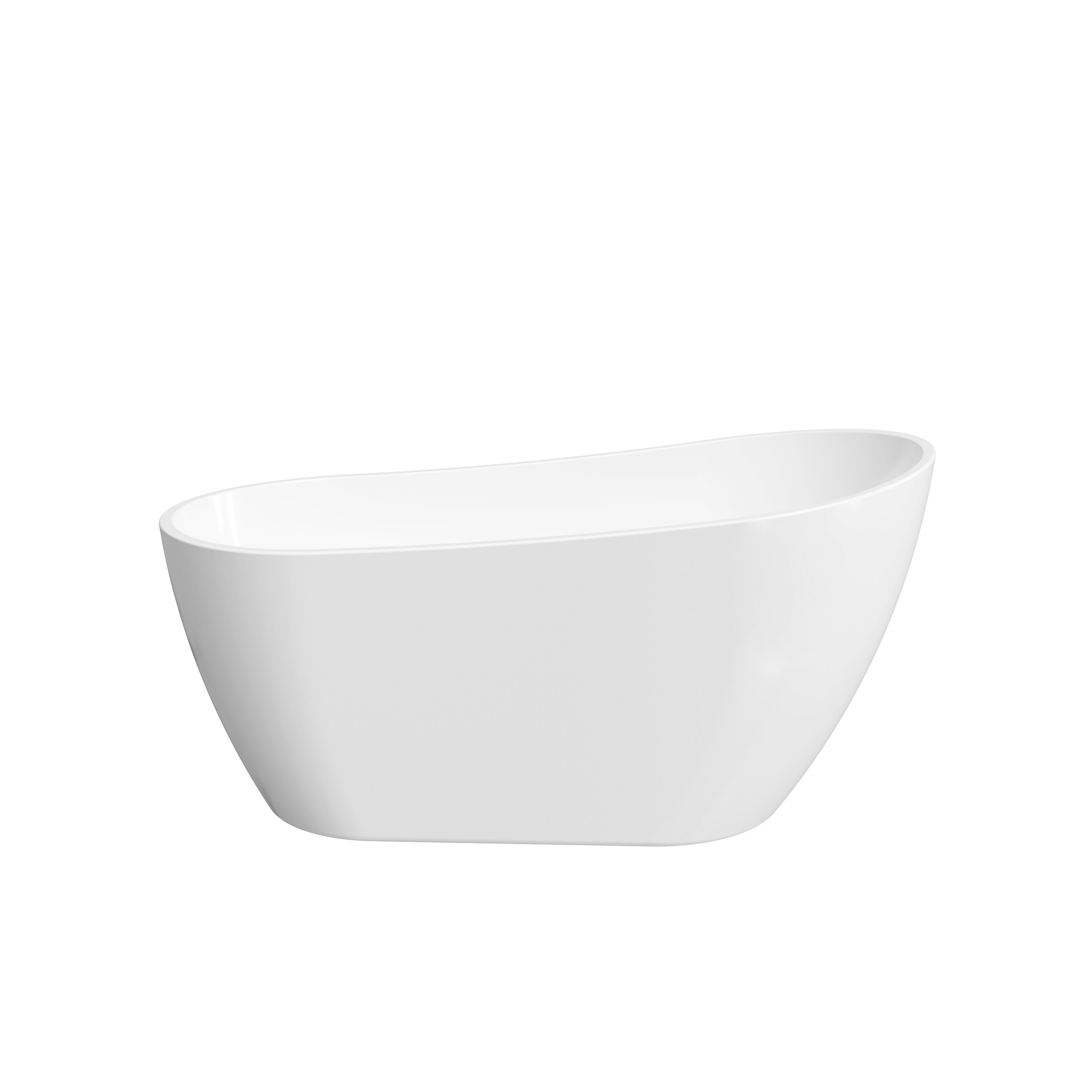
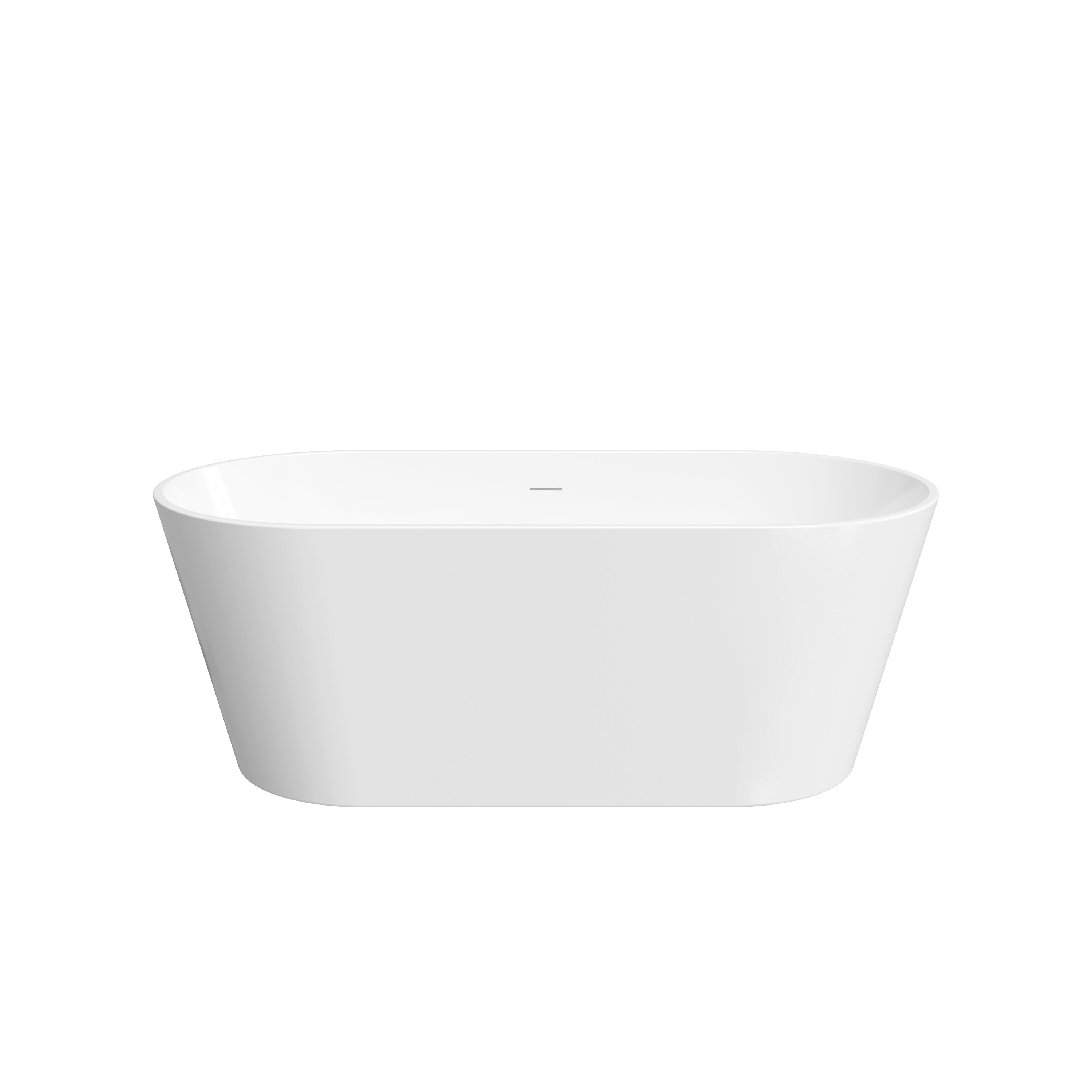
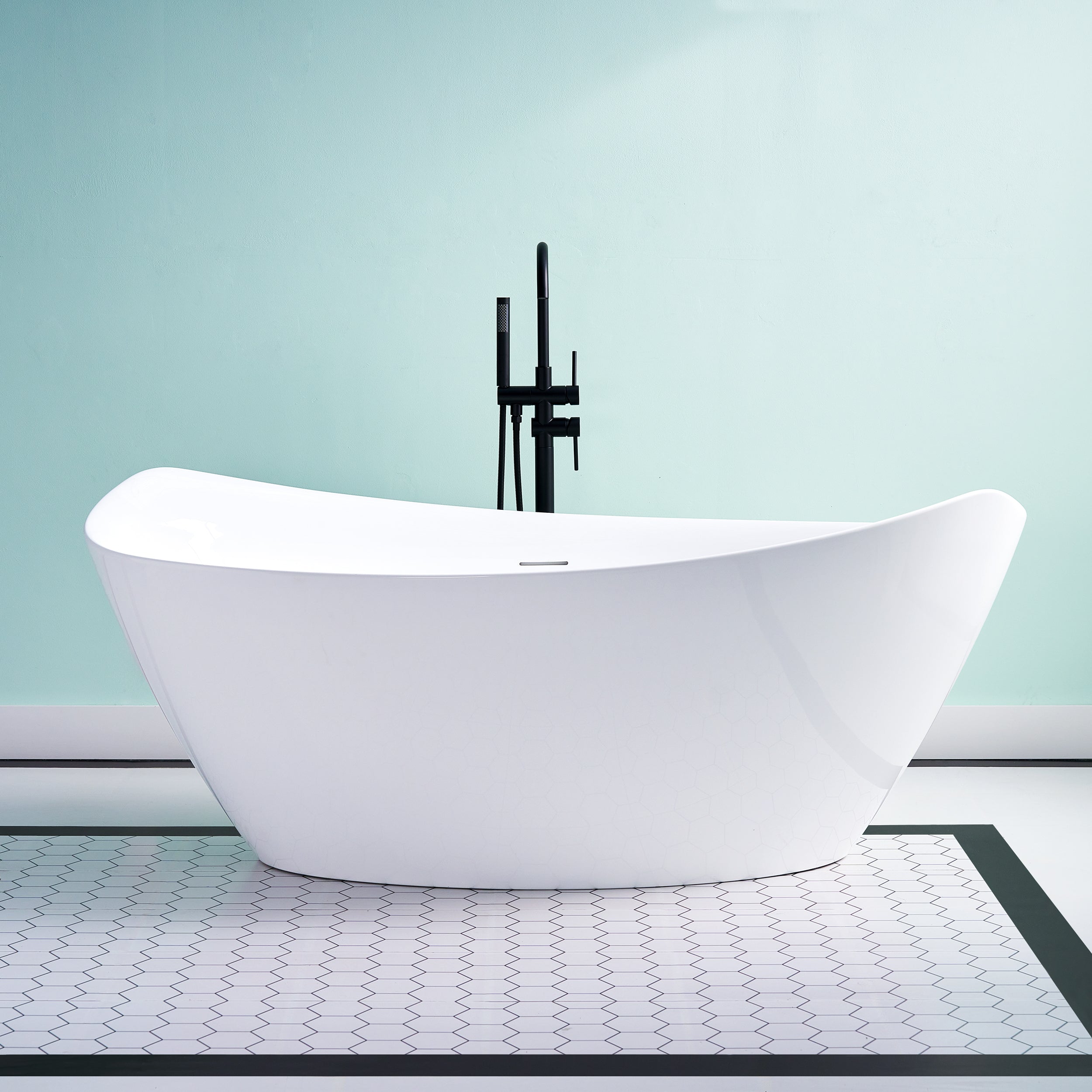
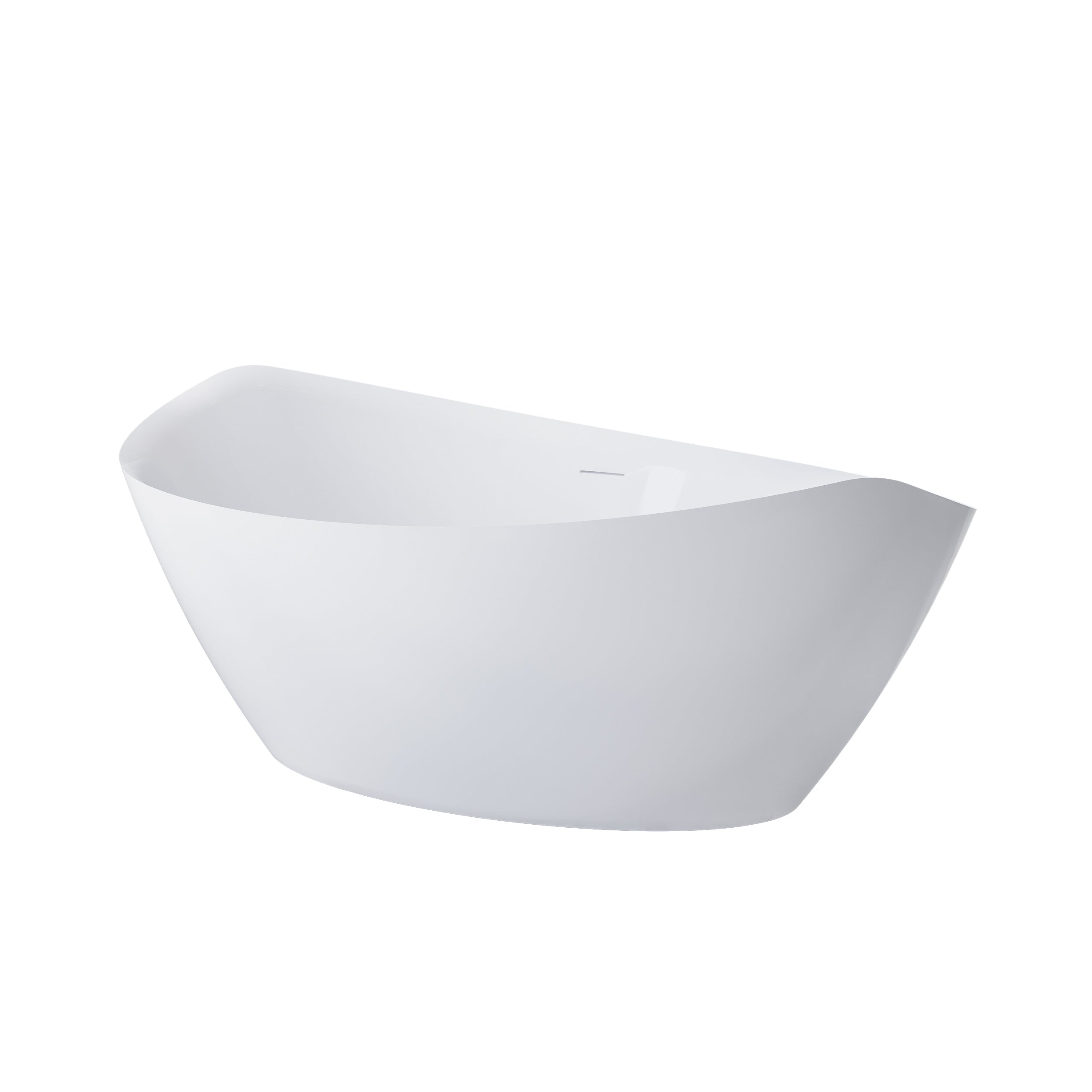
In contrast, freestanding bathtubs have been widely used in master bathroom spaces in recent years. The standard length is concentrated between 59 and 71 inches, and the width is about 27 and 32 inches. This type of bathtub is not attached to the wall and can serve as a visual focal point in the space, but it also requires a higher ground load-bearing capacity, a drainage position, and activity channels.
2. The reasonable upper limit of the bathtub is determined by the space size
In industry practice, a common misconception is that "the larger the bathtub, the more advanced it is". In fact, there is a clear comfort zone between bathtub size and available space.
In a functionally reasonable layout, at least 24 inches of passage space should be reserved around the bathtub to ensure safe access and daily cleaning. If the bathroom's overall width is limited, choosing a large bathtub will compress other functional areas and reduce overall efficiency.
In terms of depth, the most comfortable bathtubs have an adequate soaking depth of 14-20 inches. Too shallow cannot create a relaxing experience, while too deep can make entry and exit more difficult, which is not friendly to older people or children.
3. The usage logic behind different bathtub shapes
From a morphological perspective, bathtubs can be roughly divided into linear, elliptical, and ergonomic curved shapes.
The straight bathtub has a simple structure and high utilization of internal space, making it more suitable for combination bathrooms that need to balance shower function. Elliptical or streamlined bathtubs emphasize a more relaxing experience, and the back tilt angle is usually ergonomically optimized for prolonged soaking.
Industry data shows that bathtubs with back angles and lumbar support have significantly higher comfort ratings than fully angled structures, which is also one of the reasons why ergonomic design has gradually become mainstream in recent years.
4. Material has a greater impact on long-term experience than appearance
In bathtub selection, material is often underestimated, but it directly affects insulation performance, surface feel, and service life.
Acrylic bathtubs have become the most widely used type due to their moderate weight and high degree of freedom in molding. Its surface temperature sensation is relatively soft, suitable for daily high-frequency use. Cast iron bathtubs are known for their stability and insulation, but they are heavier and require higher floor structures.
From a maintenance perspective, bathtubs with integrated surfaces and fewer seams are more conducive to long-term cleaning and can also reduce scale and bacterial residue.
5. Whether the "bath function" is needed should be judged based on the frequency of use
Not all bathroom renovations require bathing as the core goal. Industry research shows that in some households, the actual frequency of bathtub use is low, and it has greater visual and spatial value.
Therefore, a more reasonable criterion for deciding whether to choose a deep-soaking bathtub is whether there is a stable, long-term bathing habit. If the frequency of use is low, choosing a bathtub of moderate size and low maintenance cost is more cost-effective.
6. The relationship between the bathtub and the overall flow line
The bathtub is not a standalone item; it must flow smoothly with the washing, shower, and storage areas.
In a well-designed bathroom, the bathtub usually does not become a point of obstruction for water flow. Independent bathtubs are better suited for areas with better lighting or a strong visual extension. In contrast, embedded bathtubs are easier to integrate with other functional areas, resulting in a compact, efficient layout.
7. Choosing a bathtub based on its long-term usage cycle
From an industry perspective, the typical bathtub lifespan is 10-15 years. This means that bathtub selection should focus more on structural reliability and long-term comfort, rather than short-term trends.
A stable drainage structure, an anti-slip design, and a reasonable edge height will continue to demonstrate their value over the long term. Compared to complex shapes, bathtubs with mature structures and restrained designs often have a longer lifespan.

8. Conclusion
There is no unified answer on which bathtub style is most suitable for a bathroom renovation. A truly reasonable choice should be based on a comprehensive evaluation of spatial conditions, usage habits, and long-term maintenance costs. From installation methods to size ratios, from material characteristics to ergonomics, every detail will be repeatedly verified in daily use. Rationally choosing a bathtub style is often the most crucial step in enhancing the overall bathroom experience.














Leave a comment
This site is protected by hCaptcha and the hCaptcha Privacy Policy and Terms of Service apply.