
















1. Mirror sizing is becoming a “hard spec” in bathroom planning
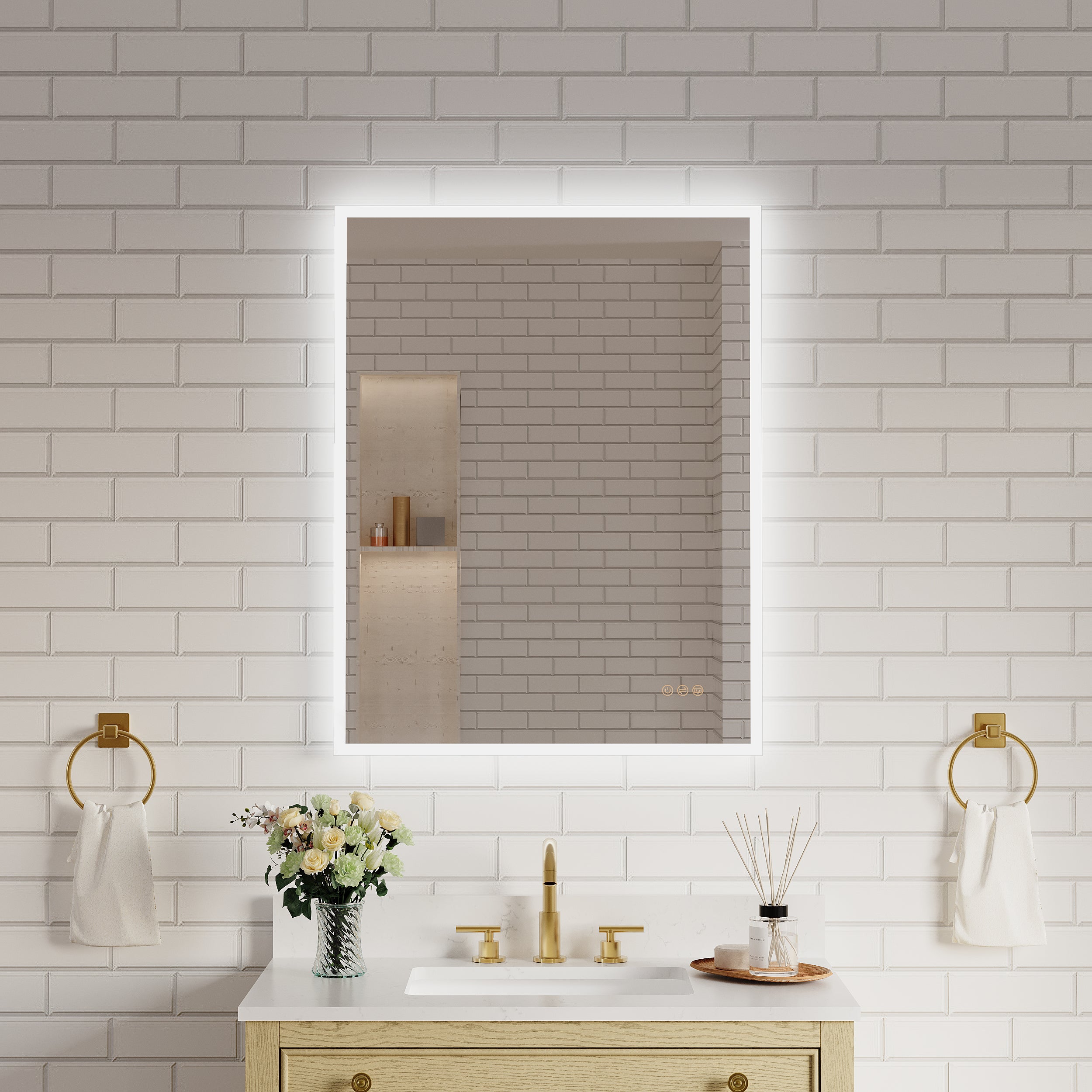
Bathroom upgrades are increasingly judged by day-to-day usability rather than finishes. That matters for bathroom mirror size because the mirror is where lighting, grooming comfort, outlet placement, and storage (if it’s a medicine cabinet) collide. A mirror that is too small looks underscaled. A mirror that is too large can crowd sconces, clash with faucets, or feel visually heavy.
2. Start with the vanity width, because it sets the “frame.”
Industry measuring guides are consistent: vanity width should be your first measurement, and mirror width should usually stay at or under that number. A common reference list of standard vanity widths includes 24", 30", 36", 48", 60", and 72", with many installations landing in the 24"–60" range.
Once you know the vanity width, you can size the mirror with confidence instead of guessing based on wall space alone.
Here is the sizing logic that tends to hold up across most layouts:
1. If you want a clean, built-in look, choose a mirror 2"–4" narrower than the vanity. This keeps the mirror centered, avoids edge crowding, and leaves breathing room for trim and wall plates.
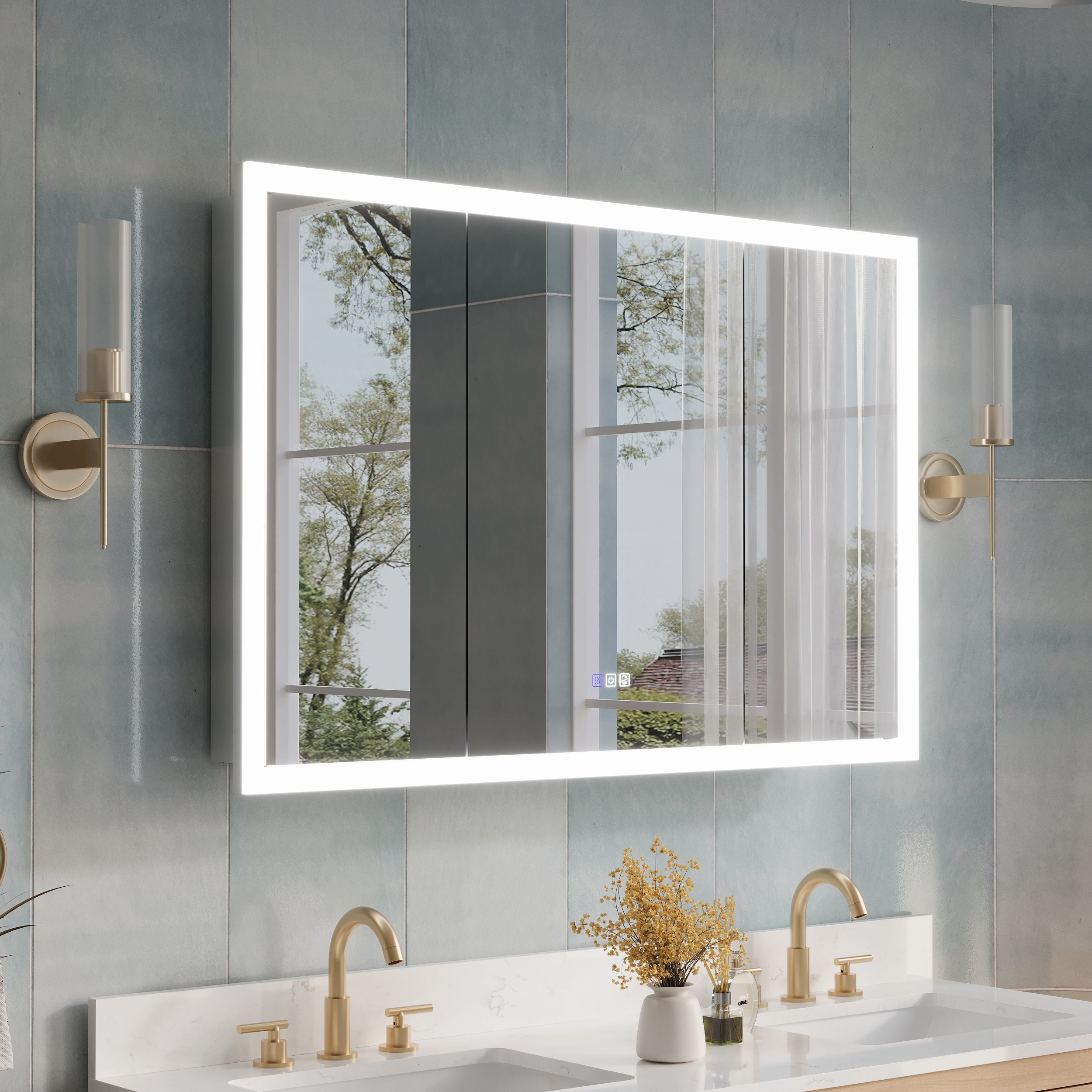
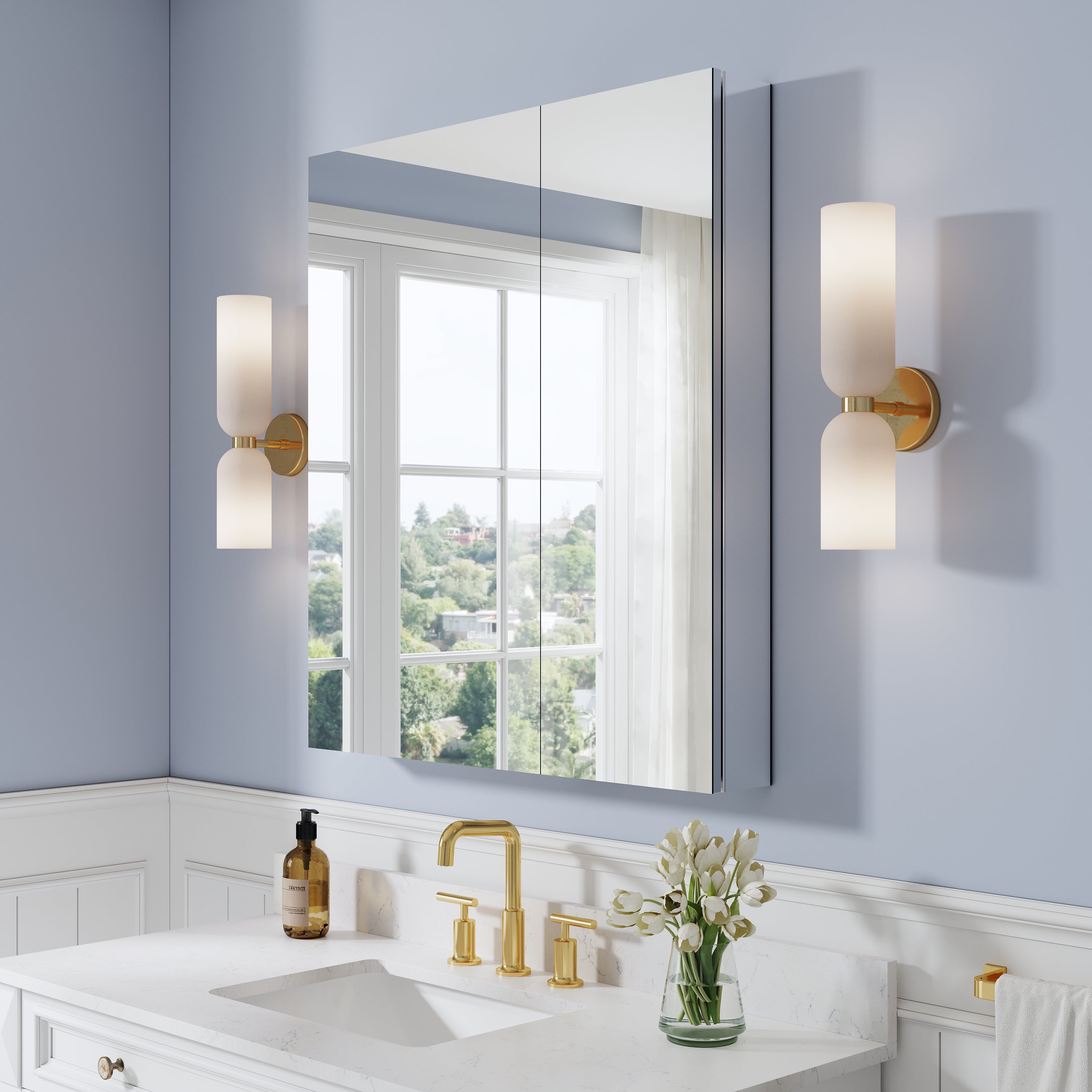
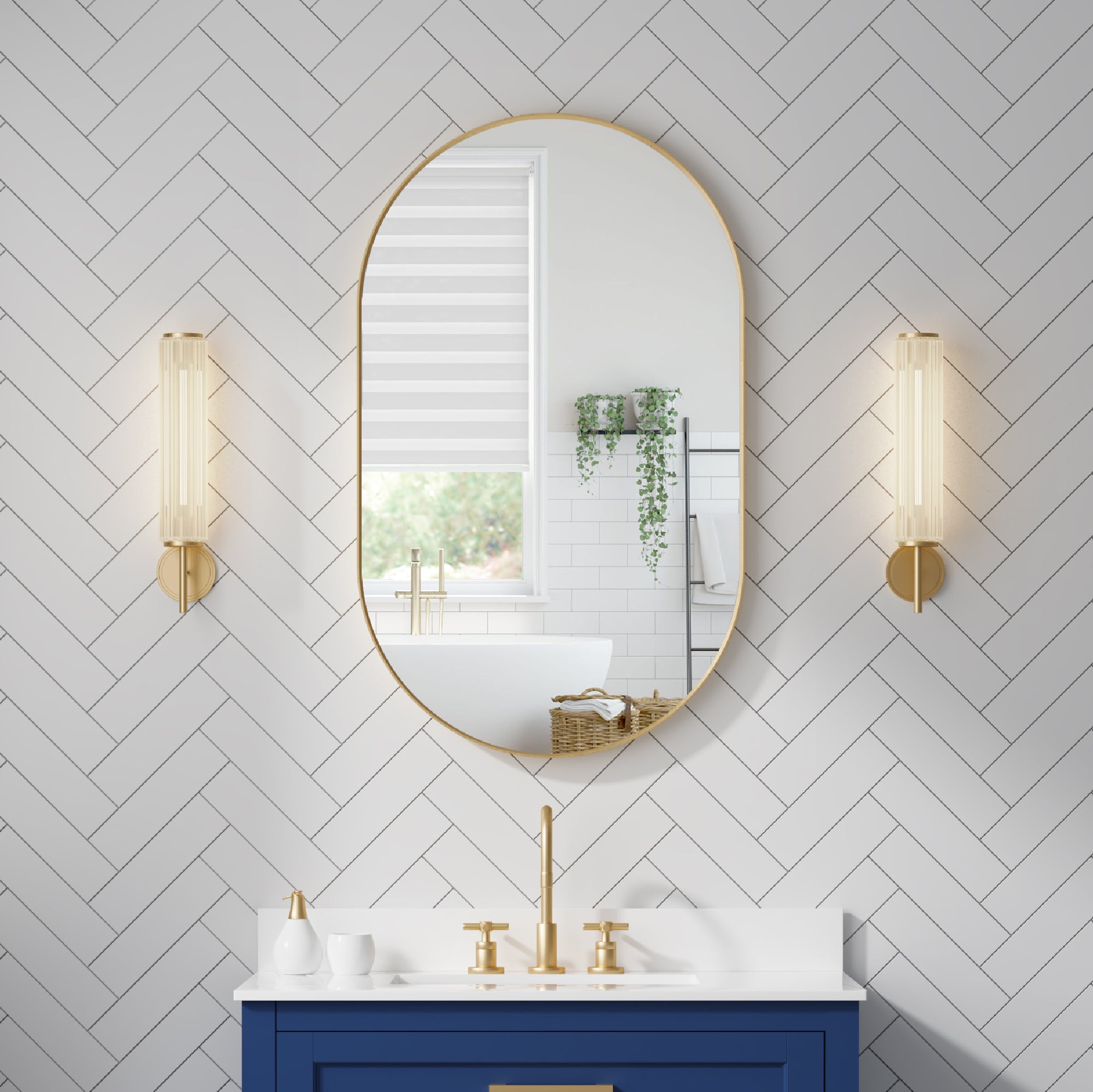
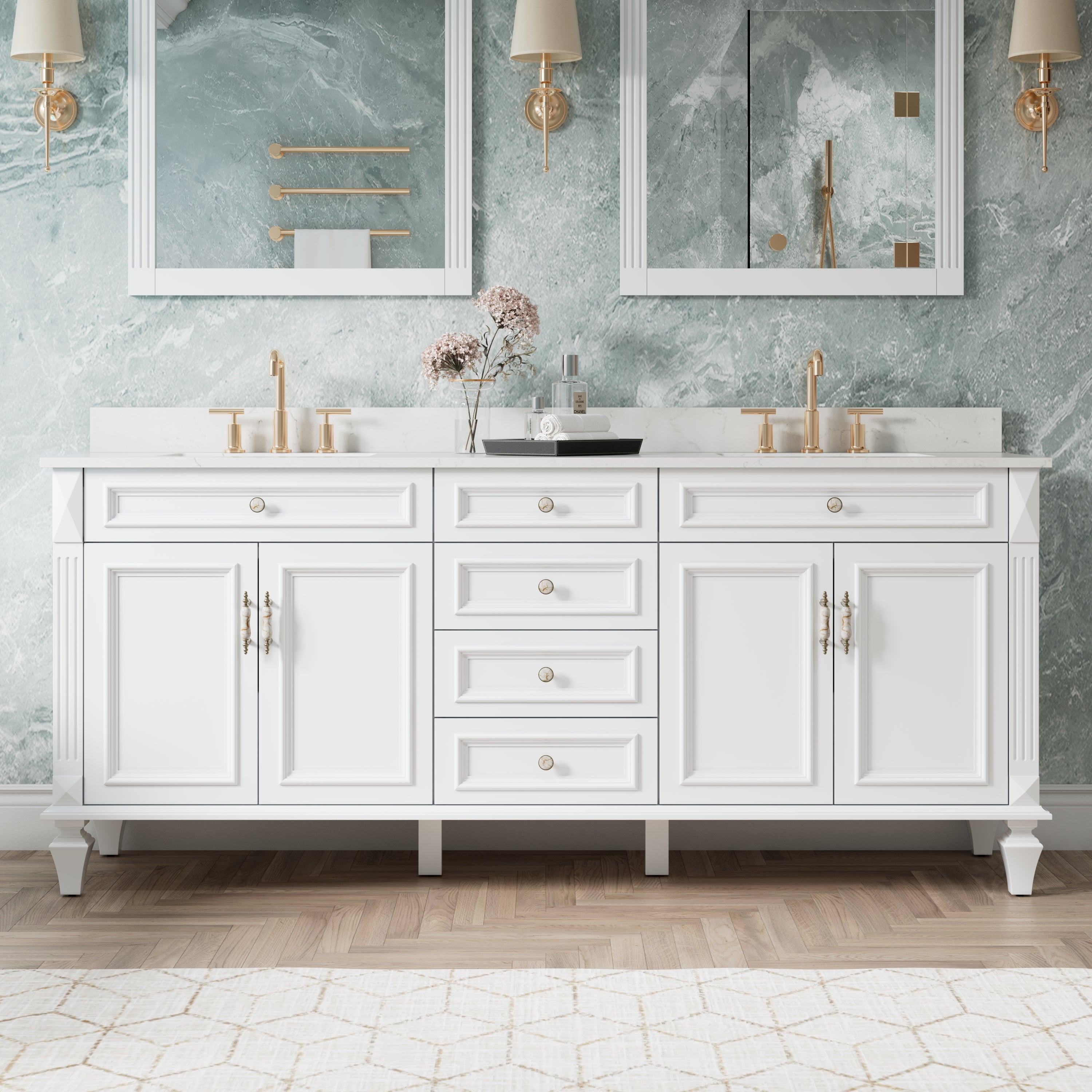
2. If you are using side sconces, do not “max out” the wall with mirror width. Plan for the sconce footprint first, then choose the mirror that fits inside the remaining zone. Guidance from Kohler explicitly states that the mirror or medicine cabinet width should not exceed the vanity width, and that side sconces require additional space.
3. Quick width targets for standard vanity sizes
Because most shopping happens in standard increments, it helps to translate rules into realistic targets:
1. 24" vanity: mirror around 20"–22" for a tailored look, up to 24" for a fuller face-framing presence.
2. 30" vanity: mirror around 26"–28" is the “safe default.”
3. 36" vanity: mirror around 32"–34" keeps proportions balanced without overpowering the wall.
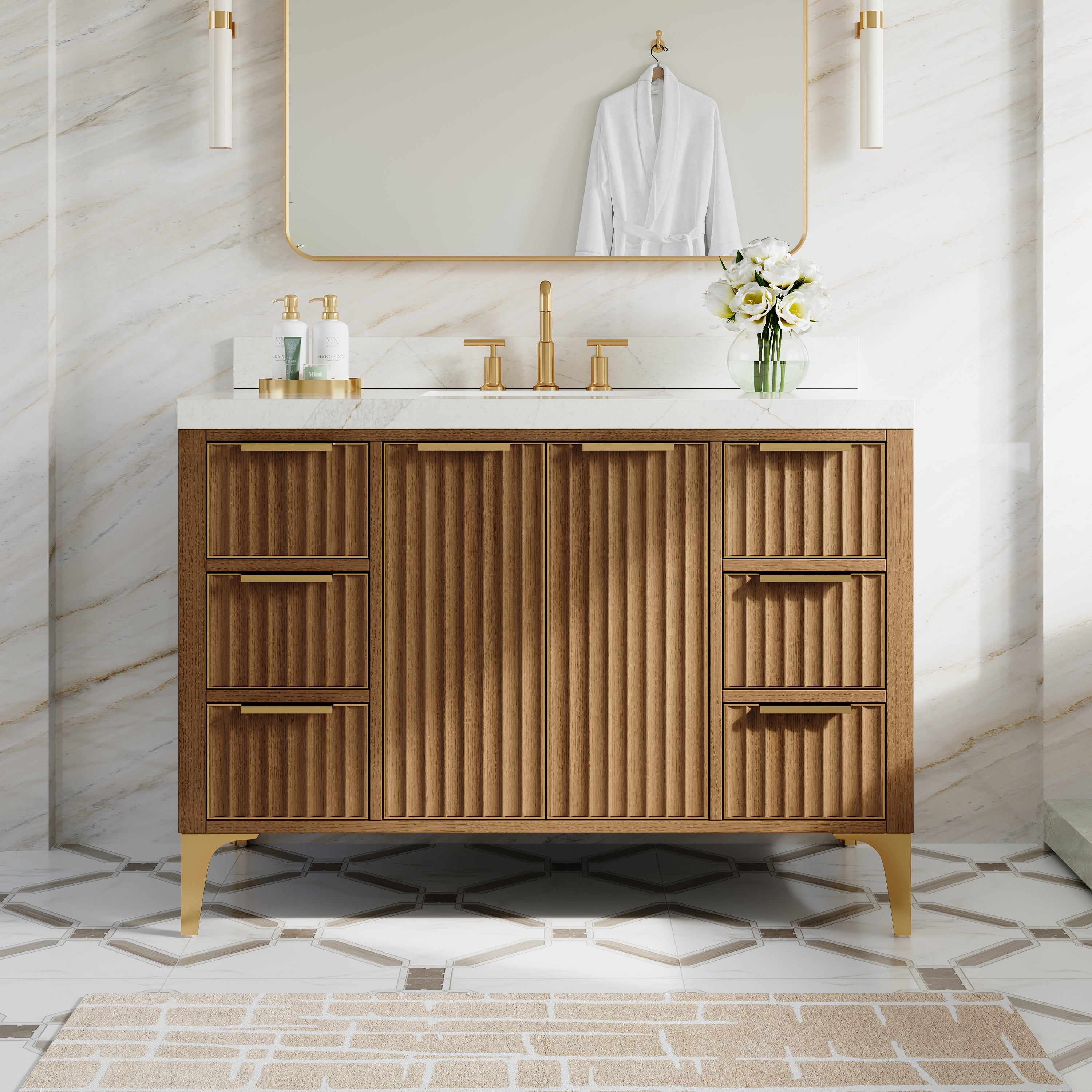
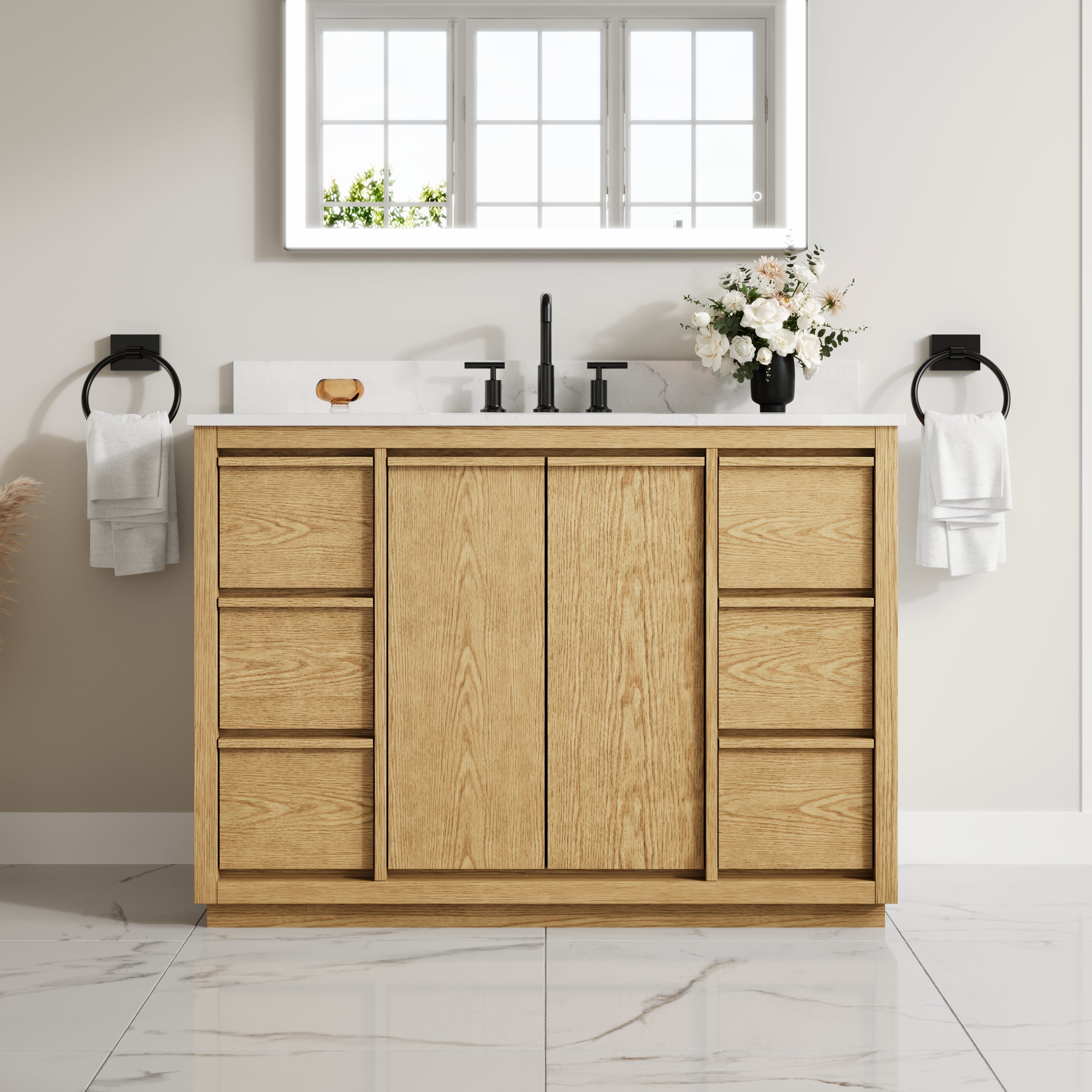
4. 48" vanity: mirror around 44"–46" typically reads premium and intentional, especially with a single centered faucet.
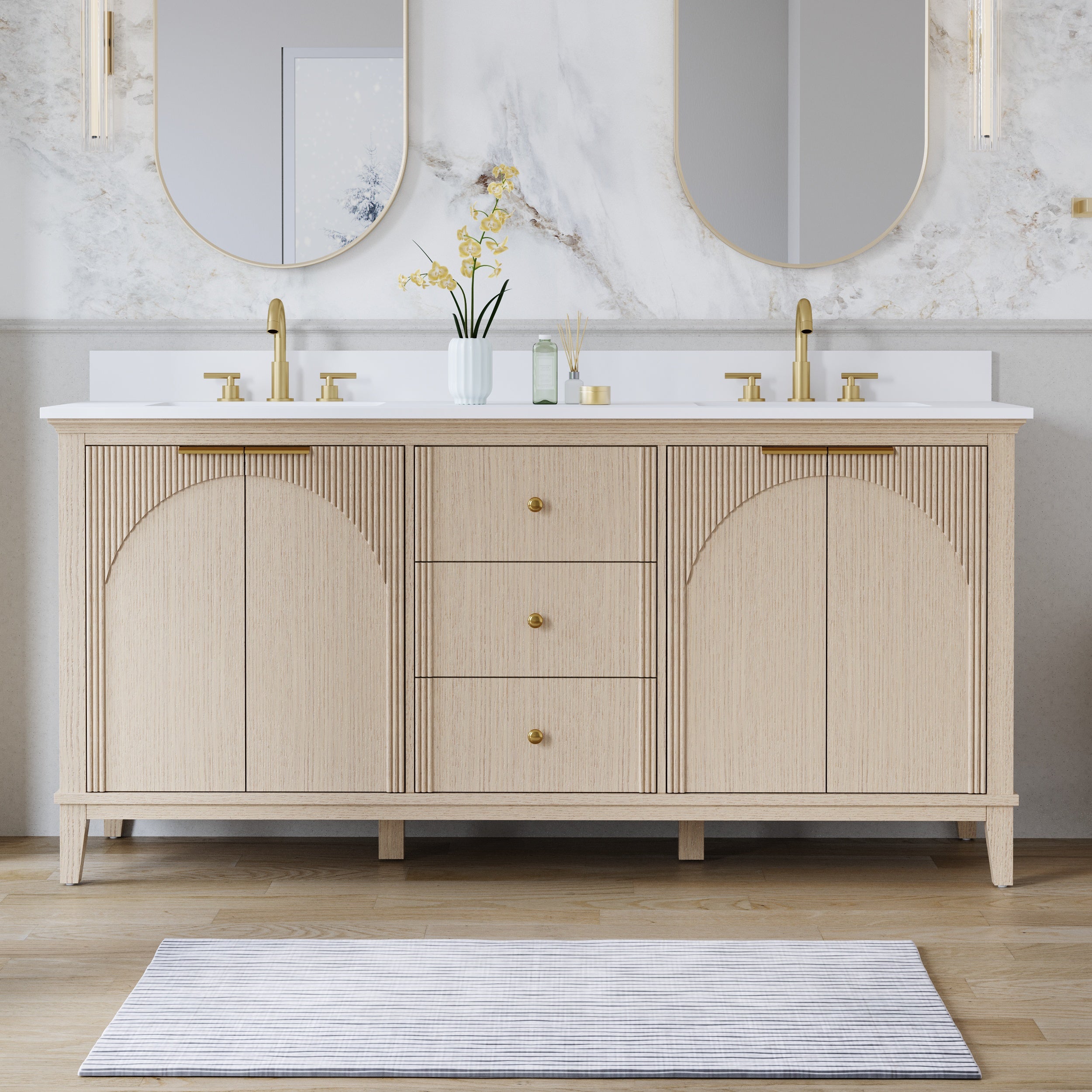
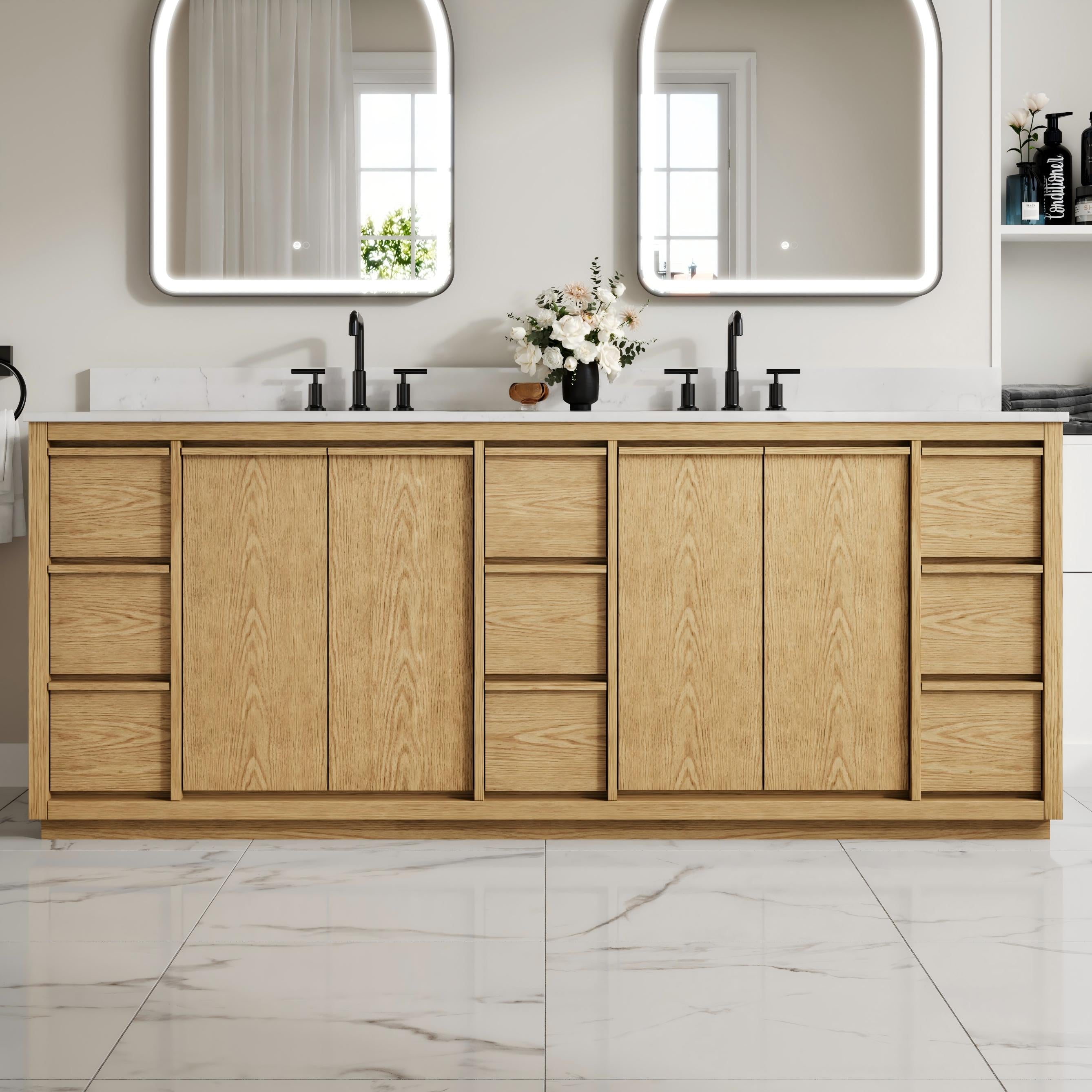
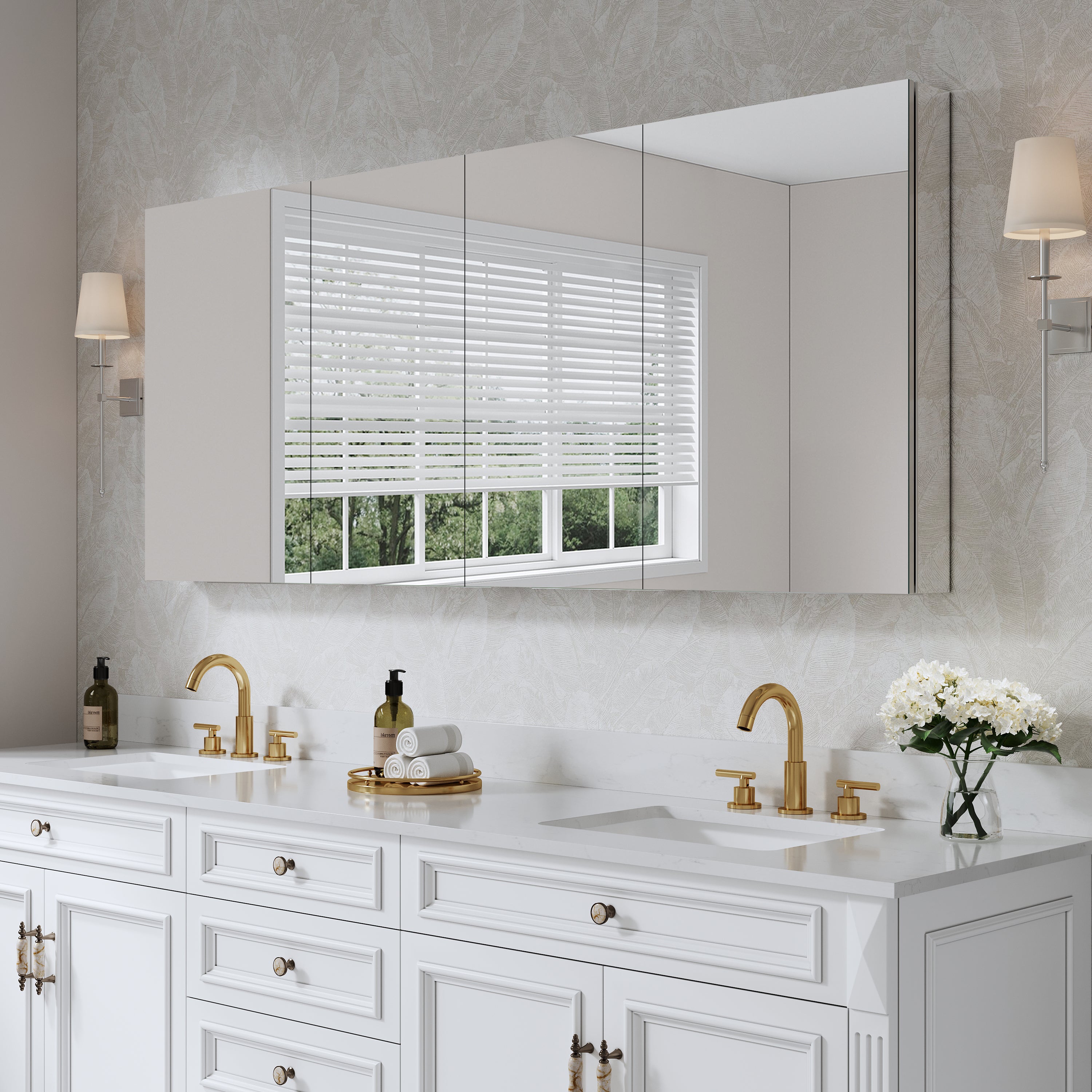
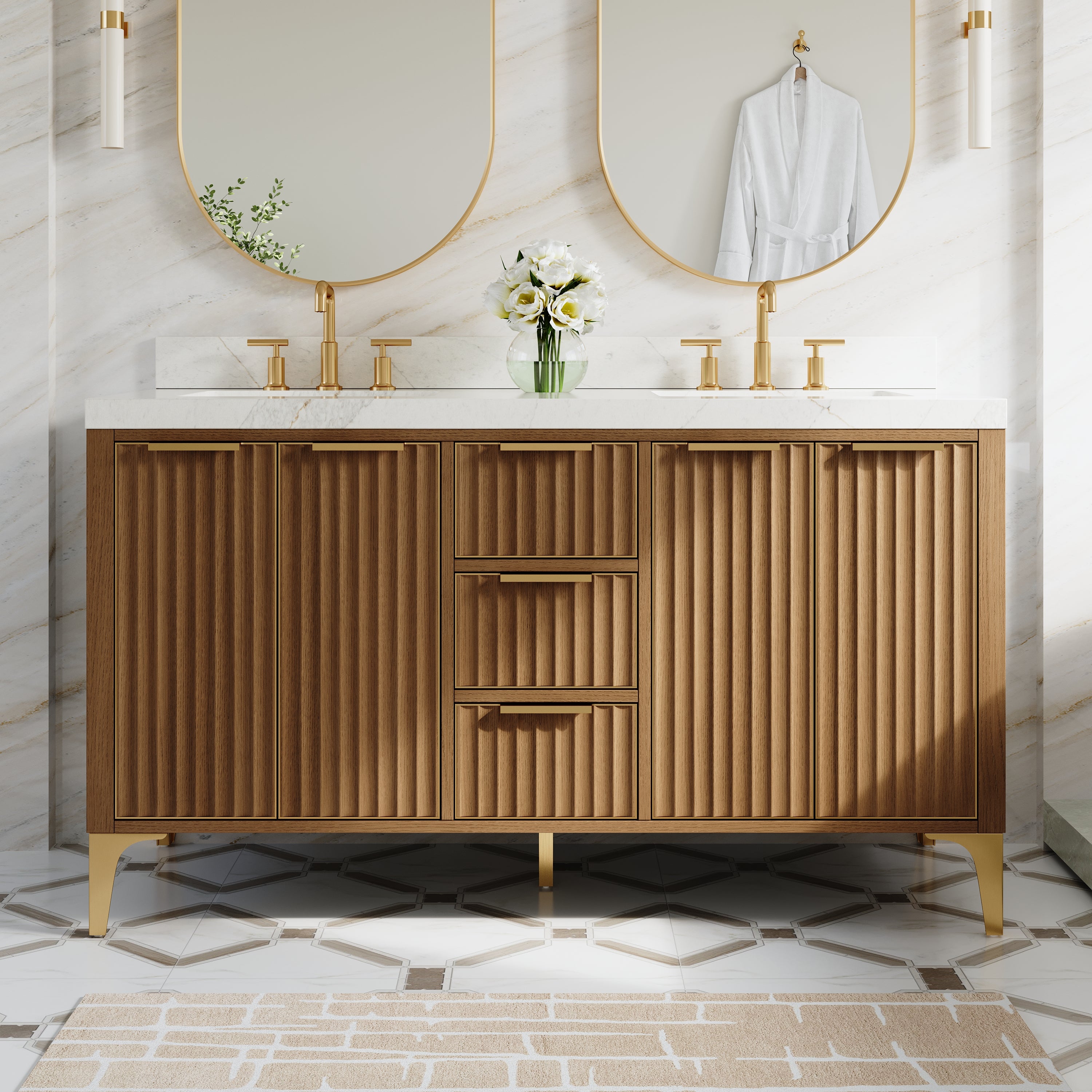
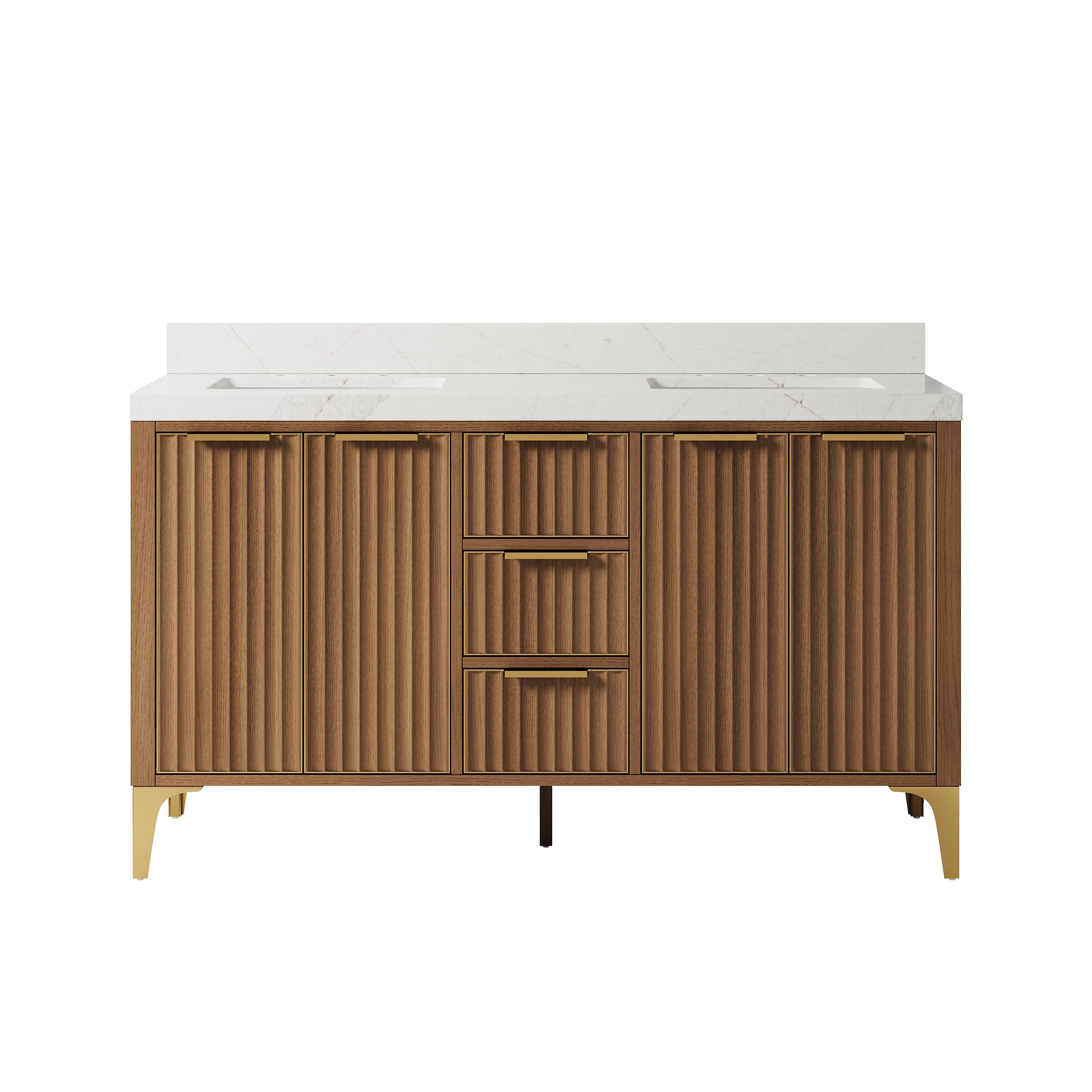
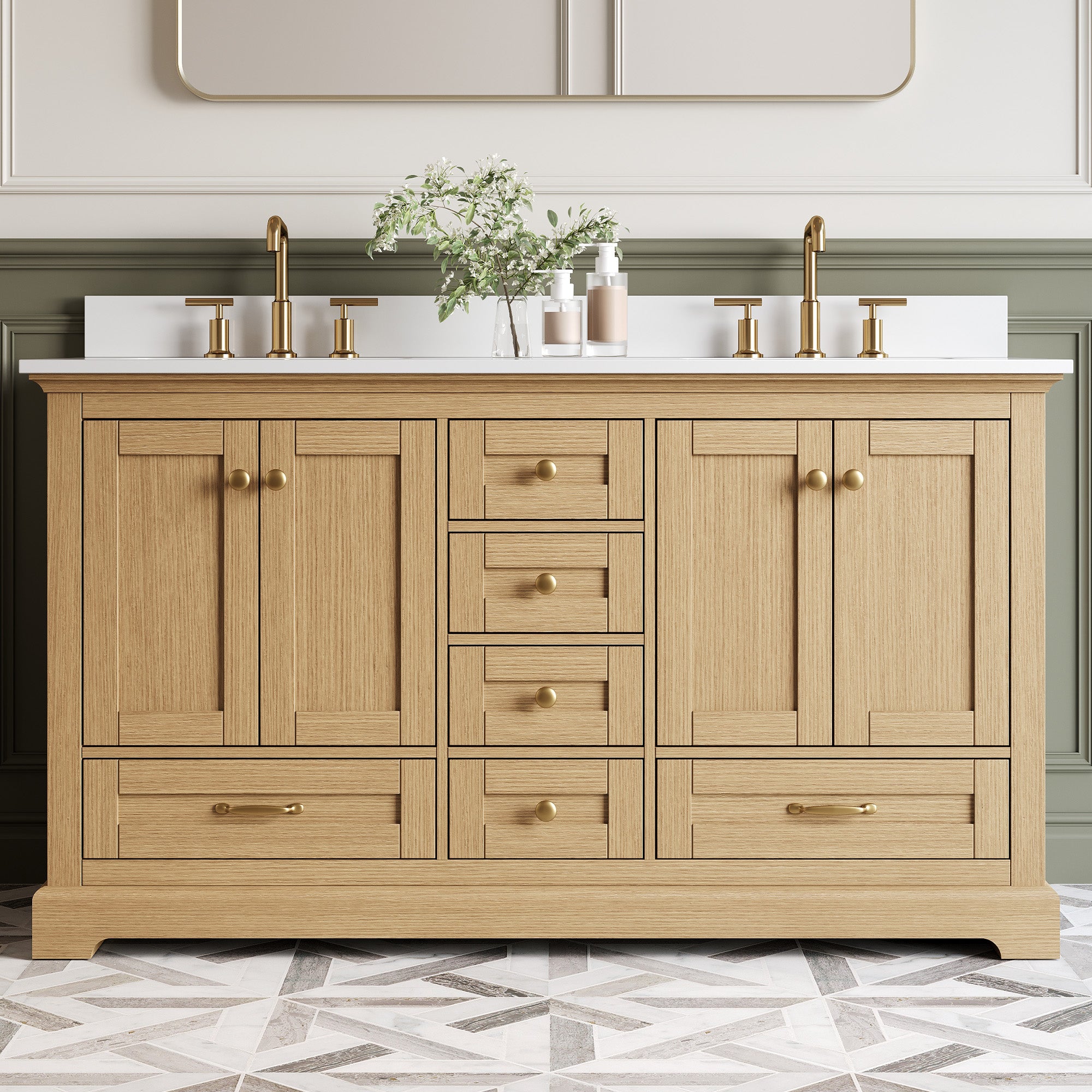
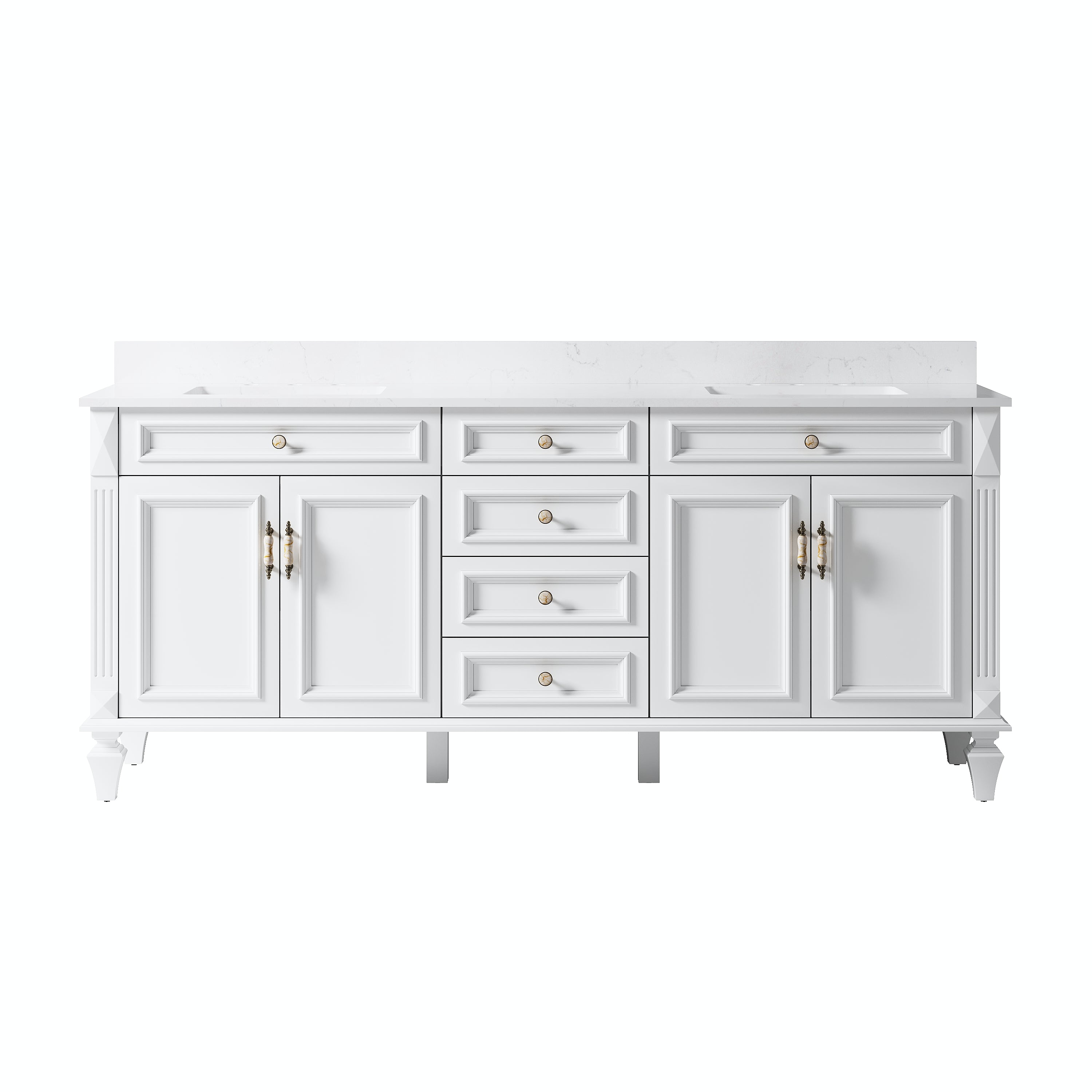
5. 60" double vanity: you generally have two strong options.
1. One wide mirror around 56"–58" for a continuous, hotel-style look.
2. Two mirrors, around 26"–28" each, to reinforce symmetry between sinks and create visual breaks for lighting or tower storage.
Those targets follow the same core rule: stay at or slightly under the vanity width, with a small margin that makes installation easier and lighting layouts cleaner.
4. Height is about faces and fixtures, not “filling the wall.”
A mirror can be the correct width and still feel wrong if it is mounted too high or squeezed between a faucet and a light.
A practical, brand-agnostic method is:
1. Measure the vertical distance between the faucet and the light (or the planned light). Then choose a mirror height that leaves workable clearance above the faucet and below the light. Kohler recommends a minimum of 3" clearance above the faucet and below the lights, which is a simple way to avoid a cramped “stacked” look.
2. Use a usability benchmark so the mirror does not end up too high. Accessibility guidance is surprisingly helpful here, even in non-accessibility projects. As a practical design reference, this helps prevent the common mistake of placing the reflective area too high for comfortable daily use.

5. Don’t ignore the vanity’s depth and height, because they affect mirror placement
Mirror sizing is not only a “mirror problem.” Vanity dimensions can force your hand on where the mirror can start and stop.
Many measuring guides describe typical vanity depth in the neighborhood of 14"–26" (with an average around 21") and typical vanity height around 31"–32".
Why that matters:
1. Deeper countertops push users farther from the mirror, which can make a slightly taller mirror feel more comfortable to use.
2. Higher vanities often pair better with slightly taller mirrors, because the eye line shifts upward, and the mirror needs to support a natural viewing angle.
3. Tall faucets and deck-mounted hardware can raise the “no-go zone” at the bottom, making clearance planning more critical than adding height for appearance.
6. Medicine cabinet or flat mirror: sizing rules stay similar, but planning changes
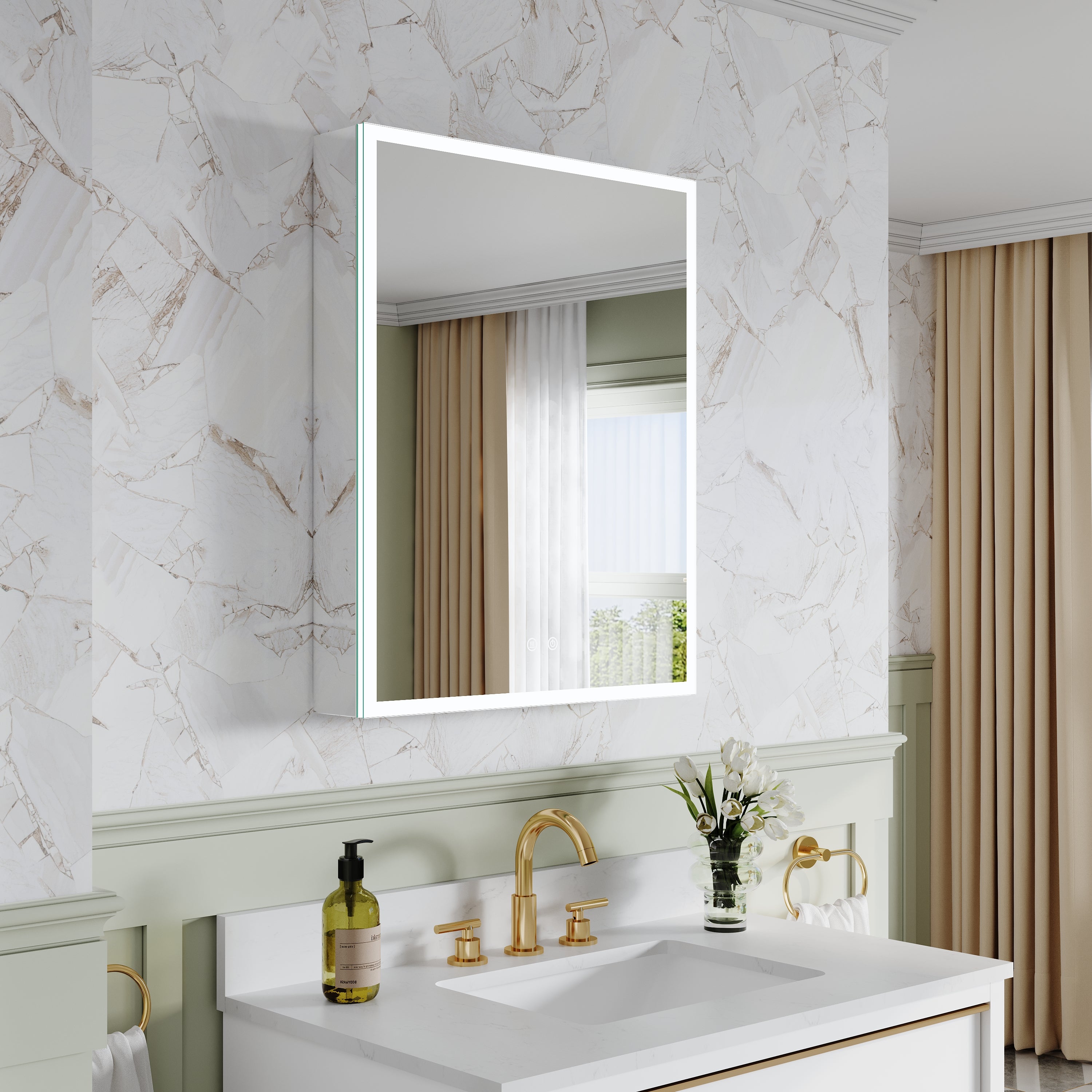
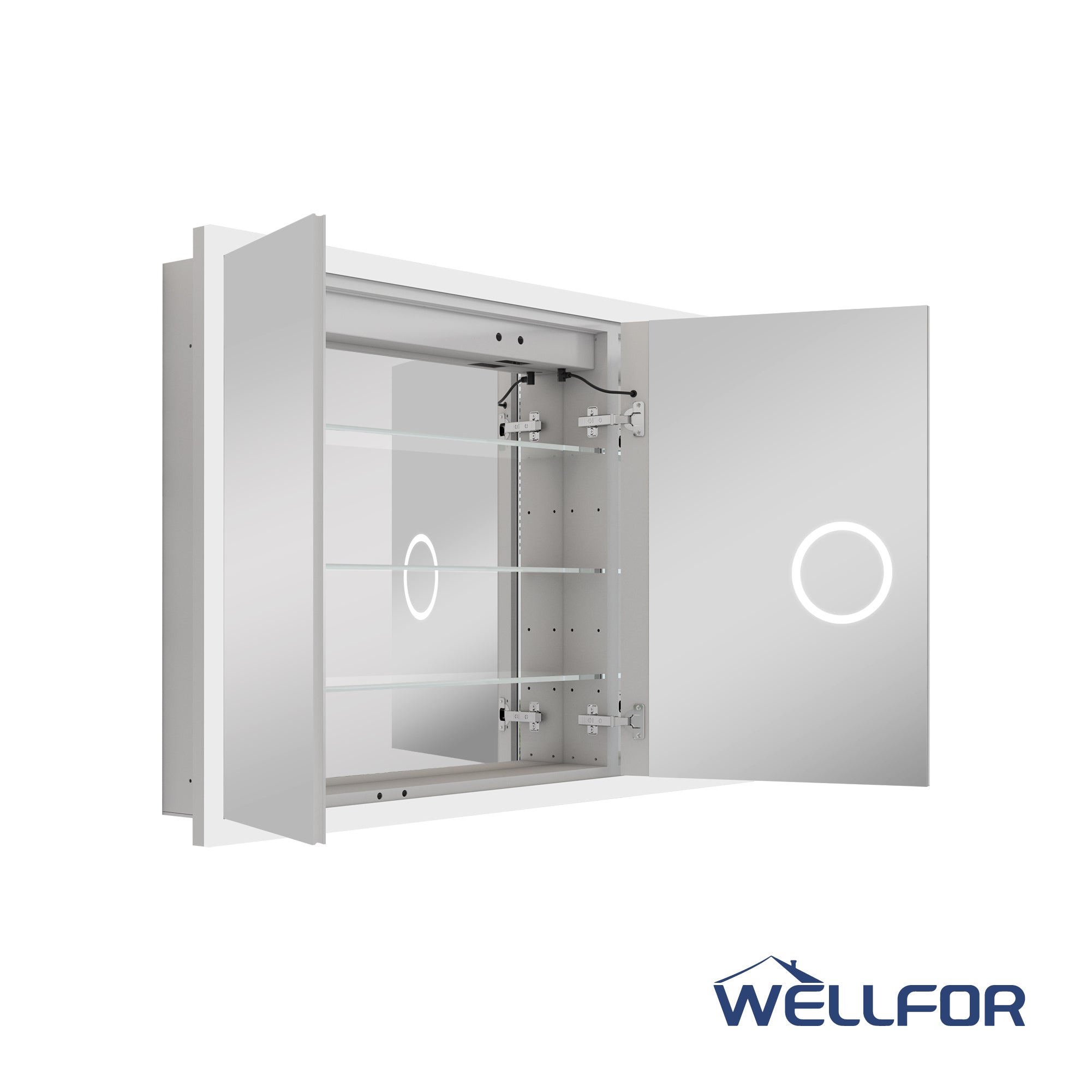
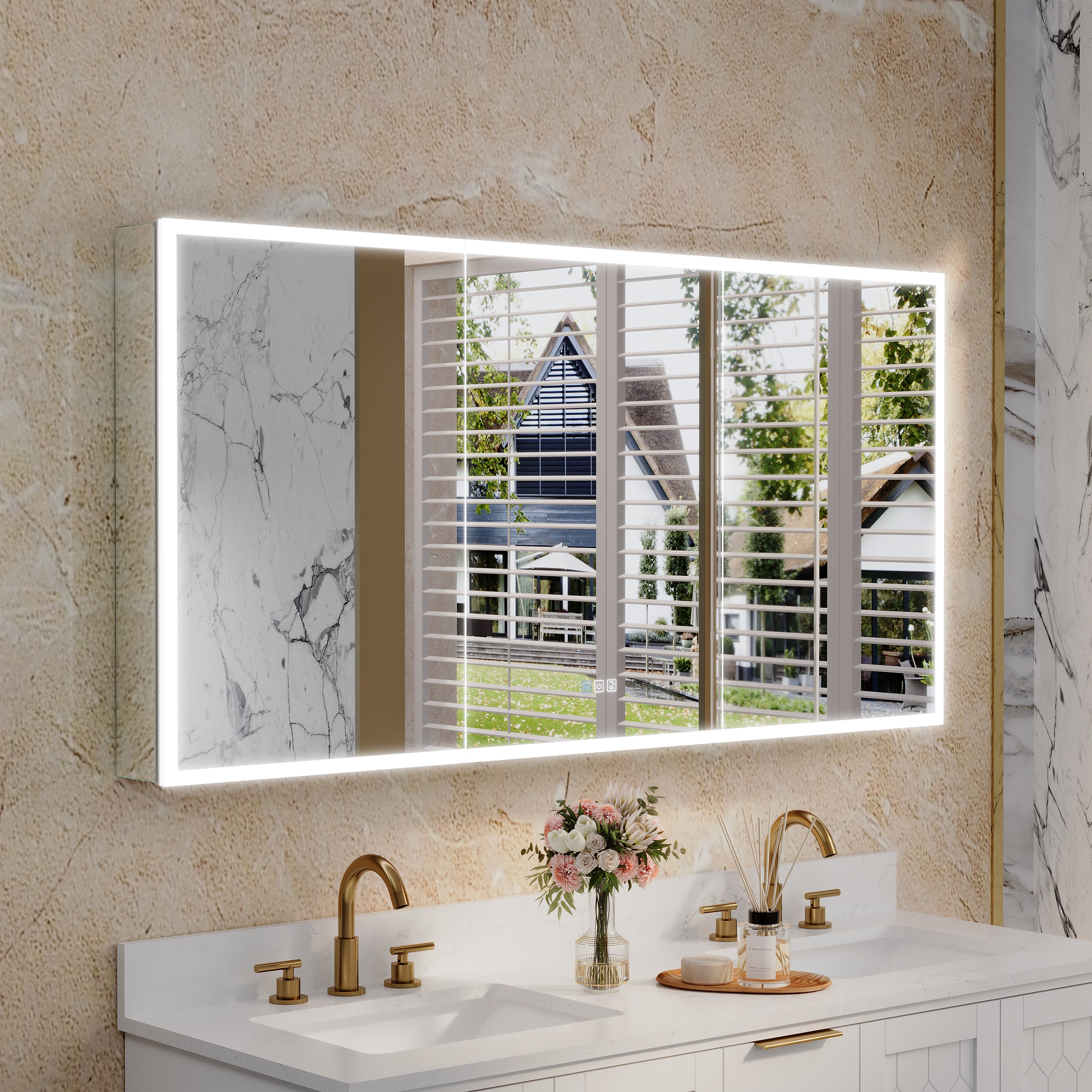
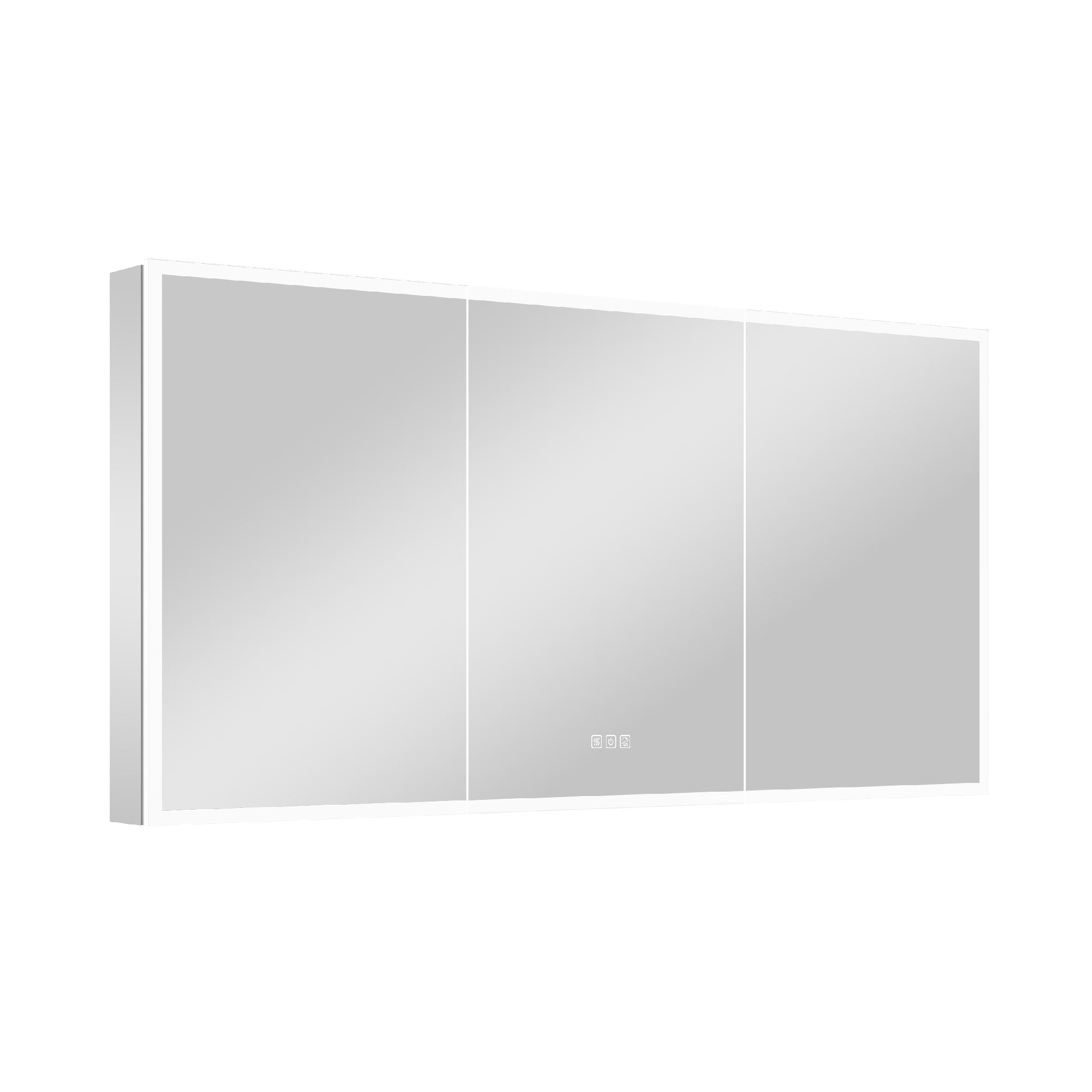
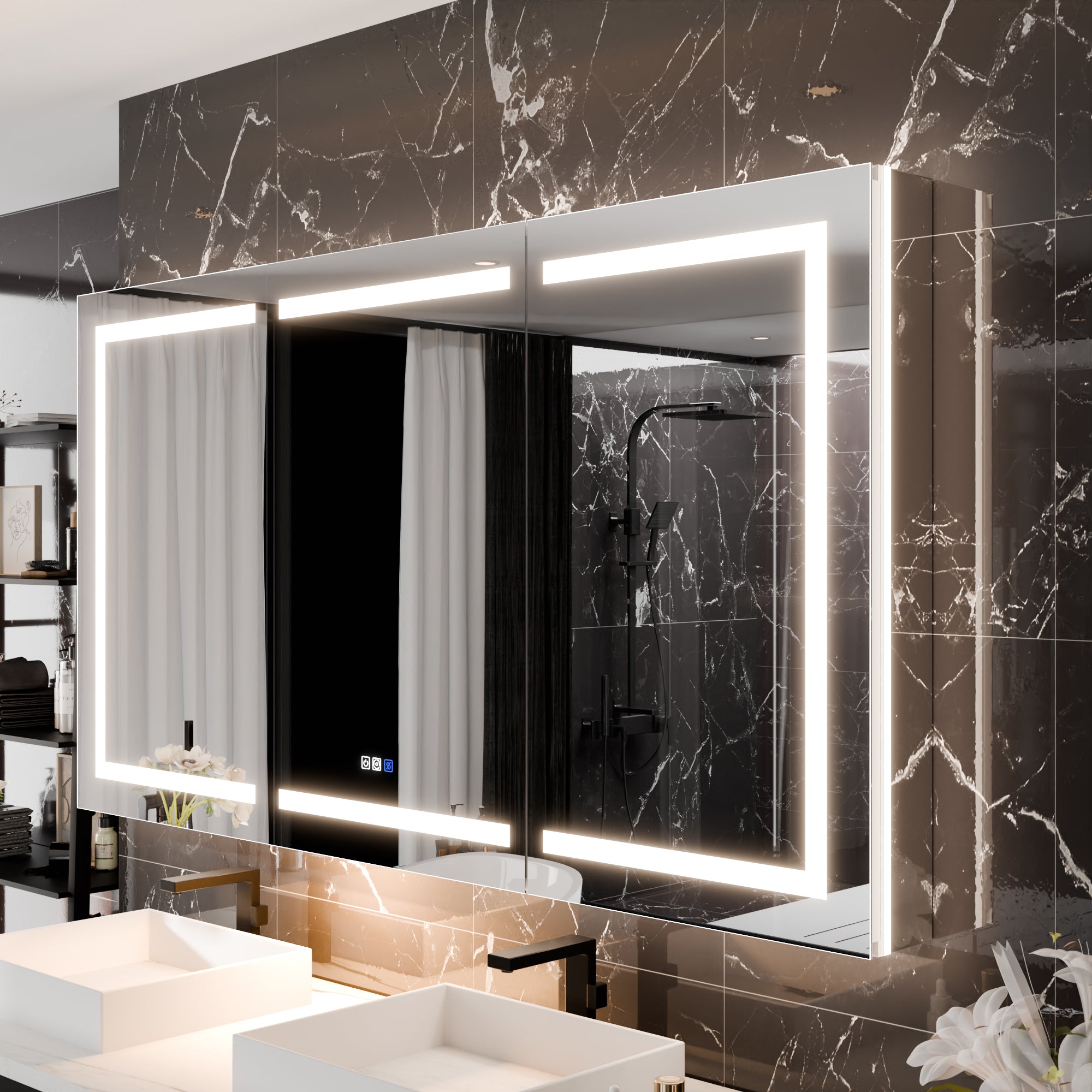
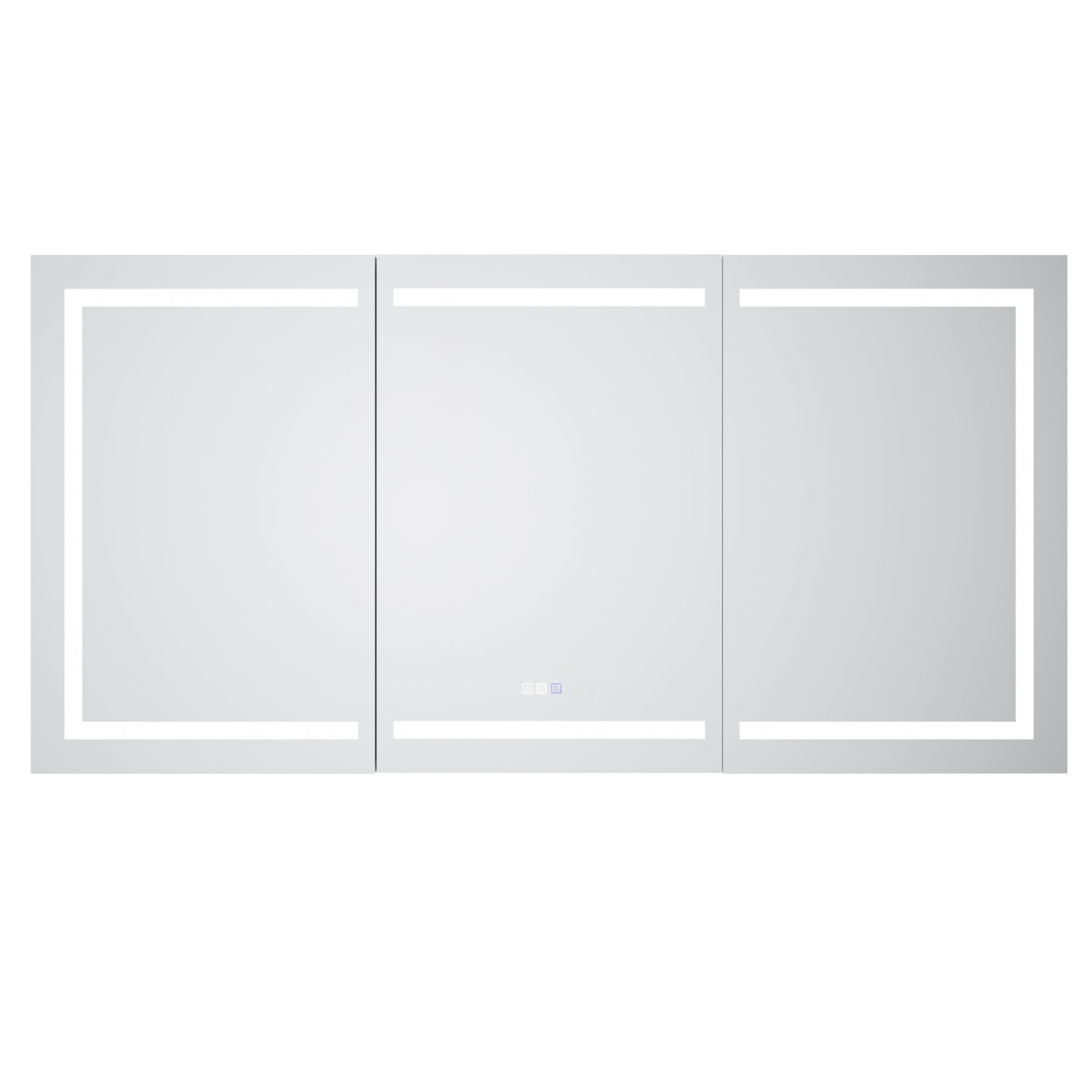
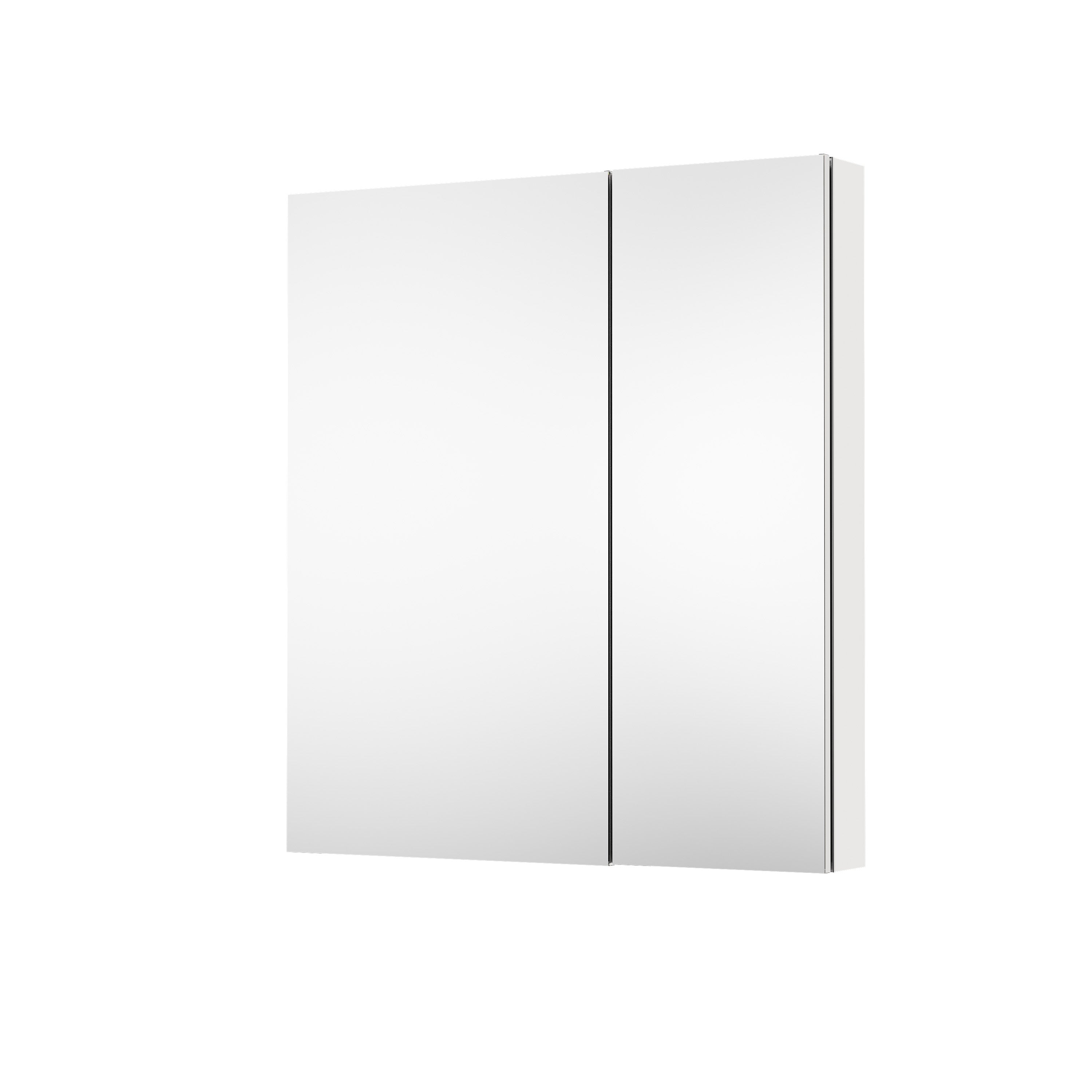
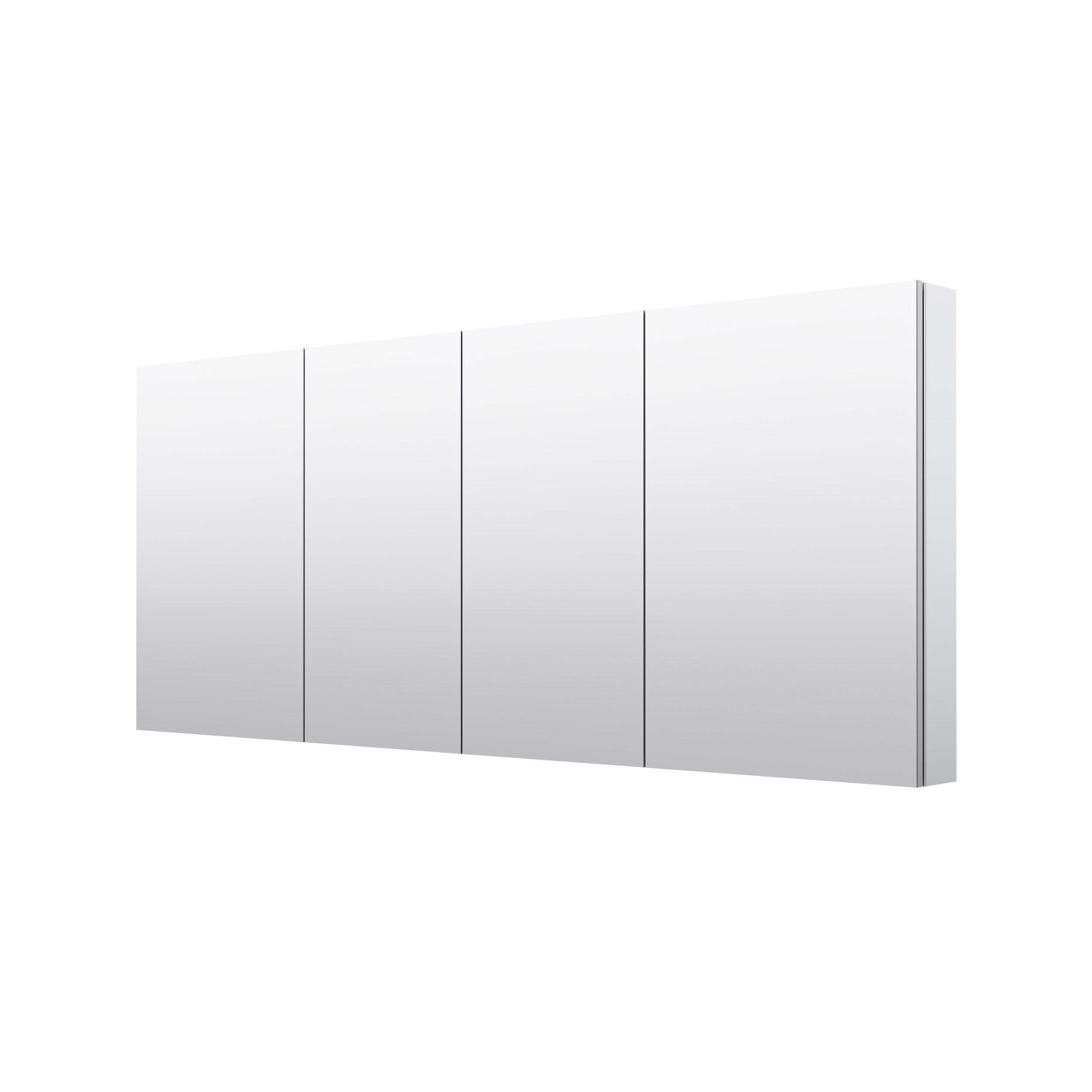
If the mirror is also storage, the width logic remains essentially the same: measure the vanity first and keep the cabinet at or under vanity width.
What changes is the installation reality:
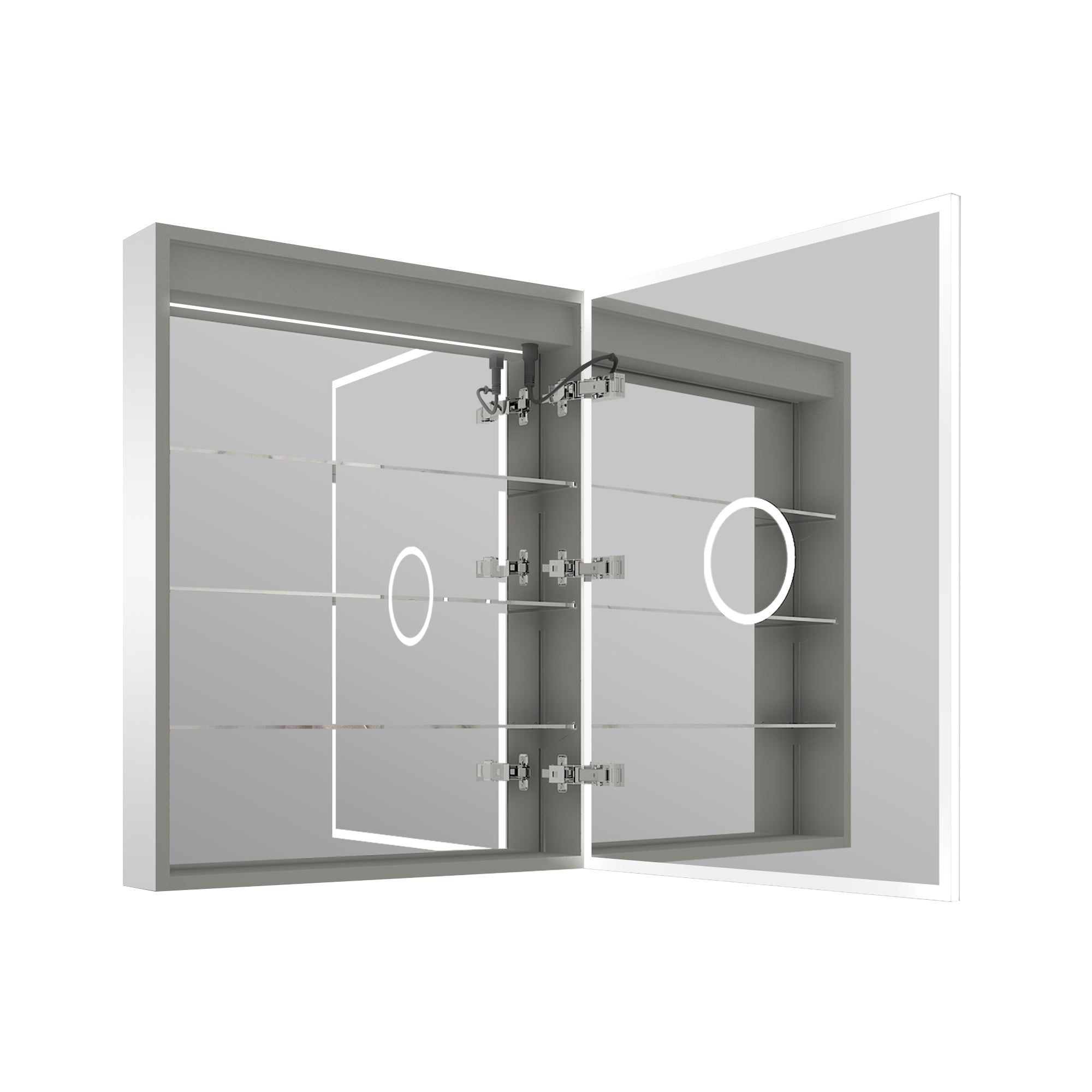
1. Recessed cabinets have framing constraints, which can limit the widths you can choose without reframing.
2. Surface-mount cabinets add depth, so you want to be more cautious about going oversized in tighter bathrooms.
3. Door swing and clearance matter. A mirrored door that hits a sconce or crowds a nearby wall is a real-world usability fail, even if the size looks good in a render.
The takeaway: cabinet mirrors follow the same width-to-height logic, but you must treat nearby lights and wall boundaries as hard constraints.
7. A fast sizing checklist that prevents most mistakes
If you want a repeatable approach for product selection or spec writing, this flow works:
1. Measure vanity width (common standards include 24", 30", 36", 48", 60", 72").
2. Choose a mirror width at or below the vanity width, with a clean default of 2"–4" narrower.
3. Confirm the lighting plan, especially the side sconces, before locking the width.
4. Set the mirror height by measuring from the faucet to the lights, maintaining a workable clearance.
5. Sanity-check the mounting height using the 40" reflective-bottom reference for above-counter installations.
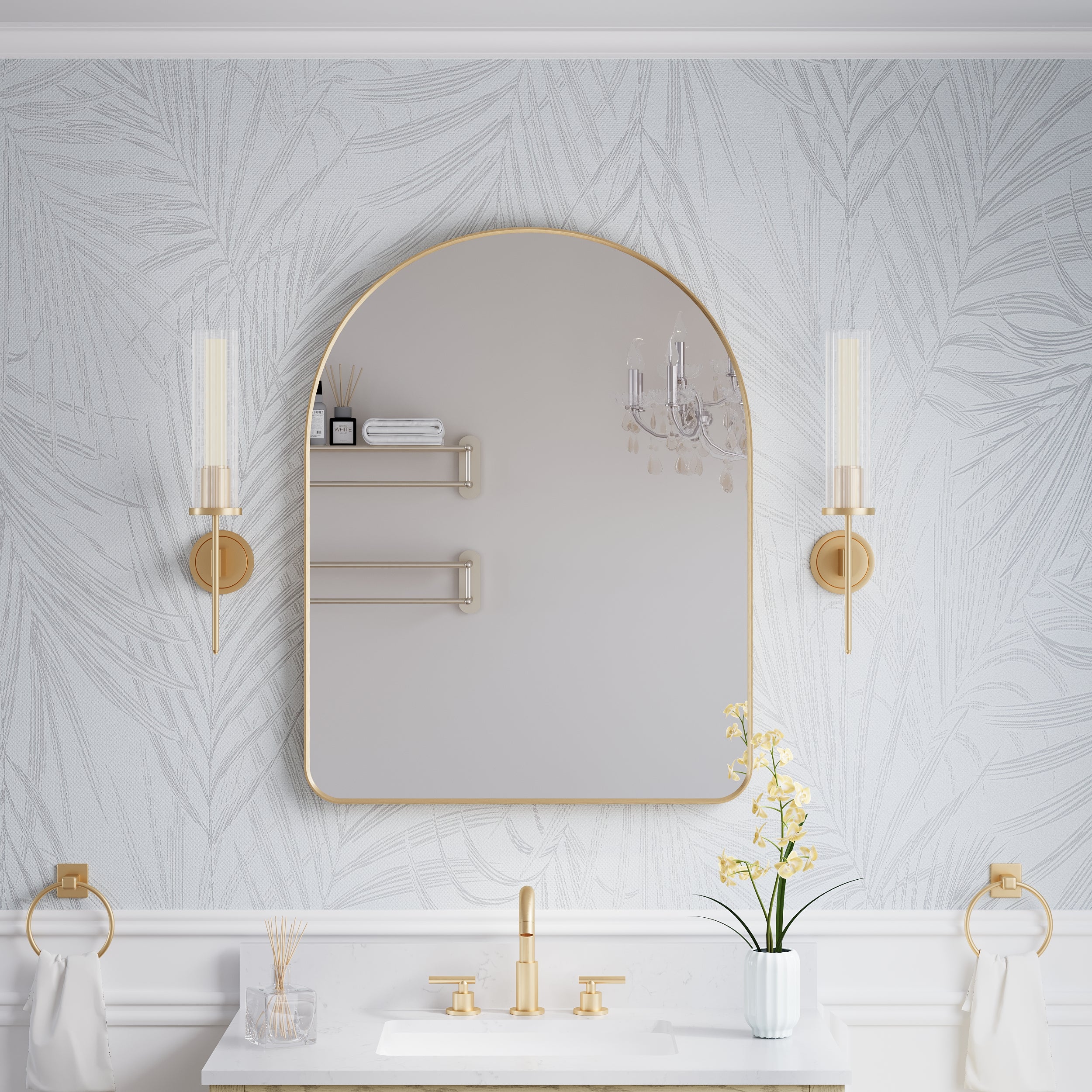
6. Only after the size works, pick shape and style (rounded corners, arch tops, framed vs. frameless, integrated lighting).
8. Closing: Buy the mirror that supports the routine you repeat every day
The best mirror size is the one that makes daily tasks feel effortless: you can stand naturally, see your face clearly, and get flattering, shadow-minimizing light without fighting the layout. When you anchor the decision to vanity width, protect space for lighting, and use clear height benchmarks like the 40" reflective-bottom reference, you end up with sizing that looks intentional and works long-term, even as décor trends shift.












Leave a comment
This site is protected by hCaptcha and the hCaptcha Privacy Policy and Terms of Service apply.