
















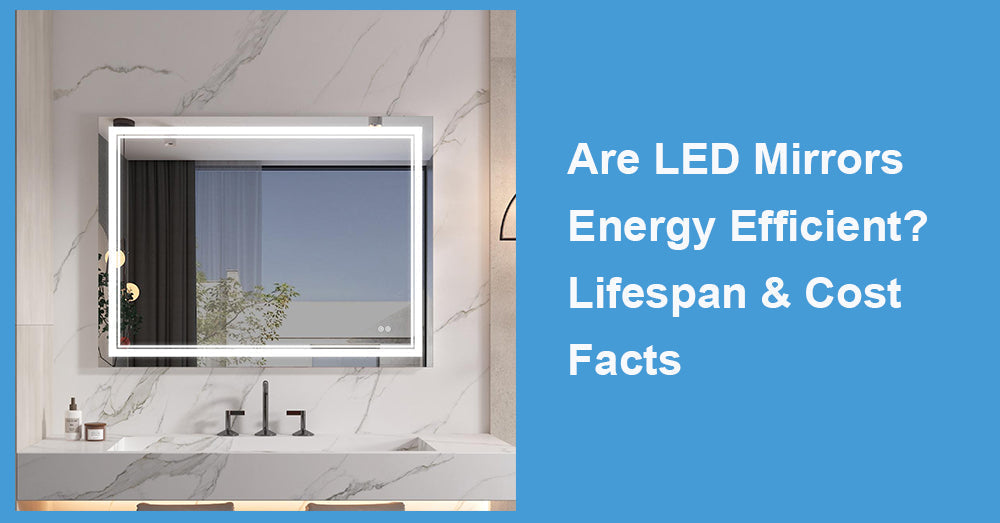
1. Why are LED mirrors being treated like a “lighting upgrade,” not just decor
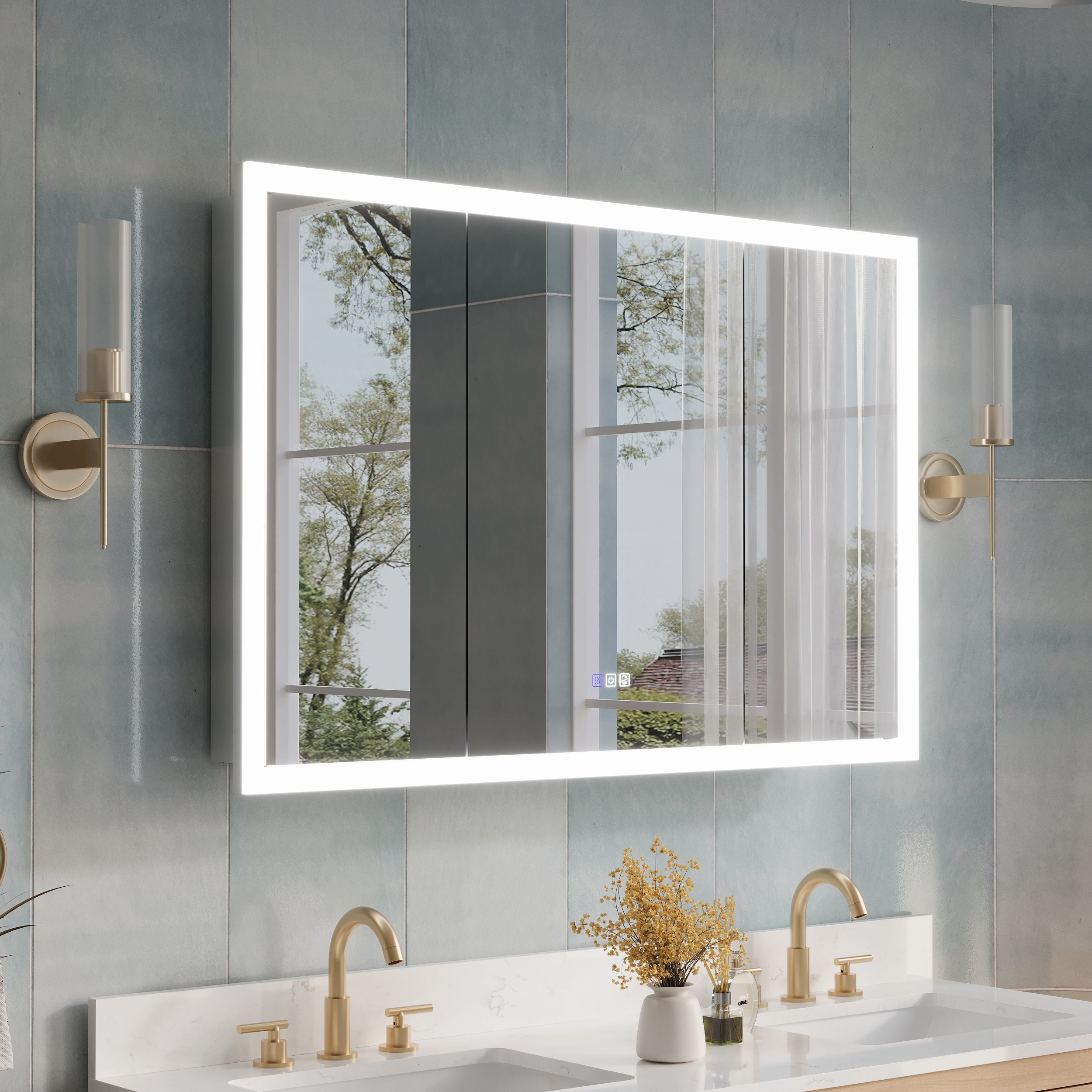
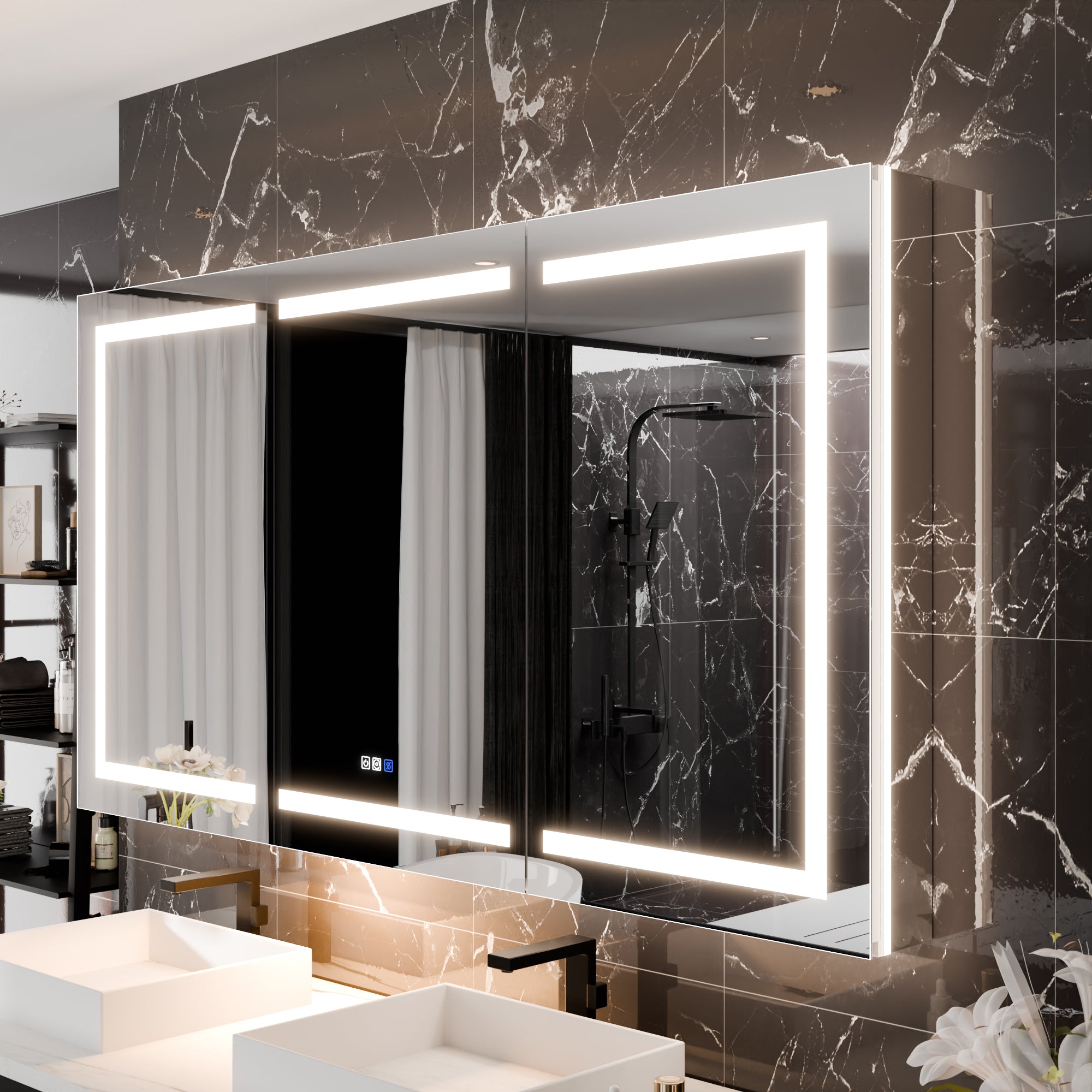
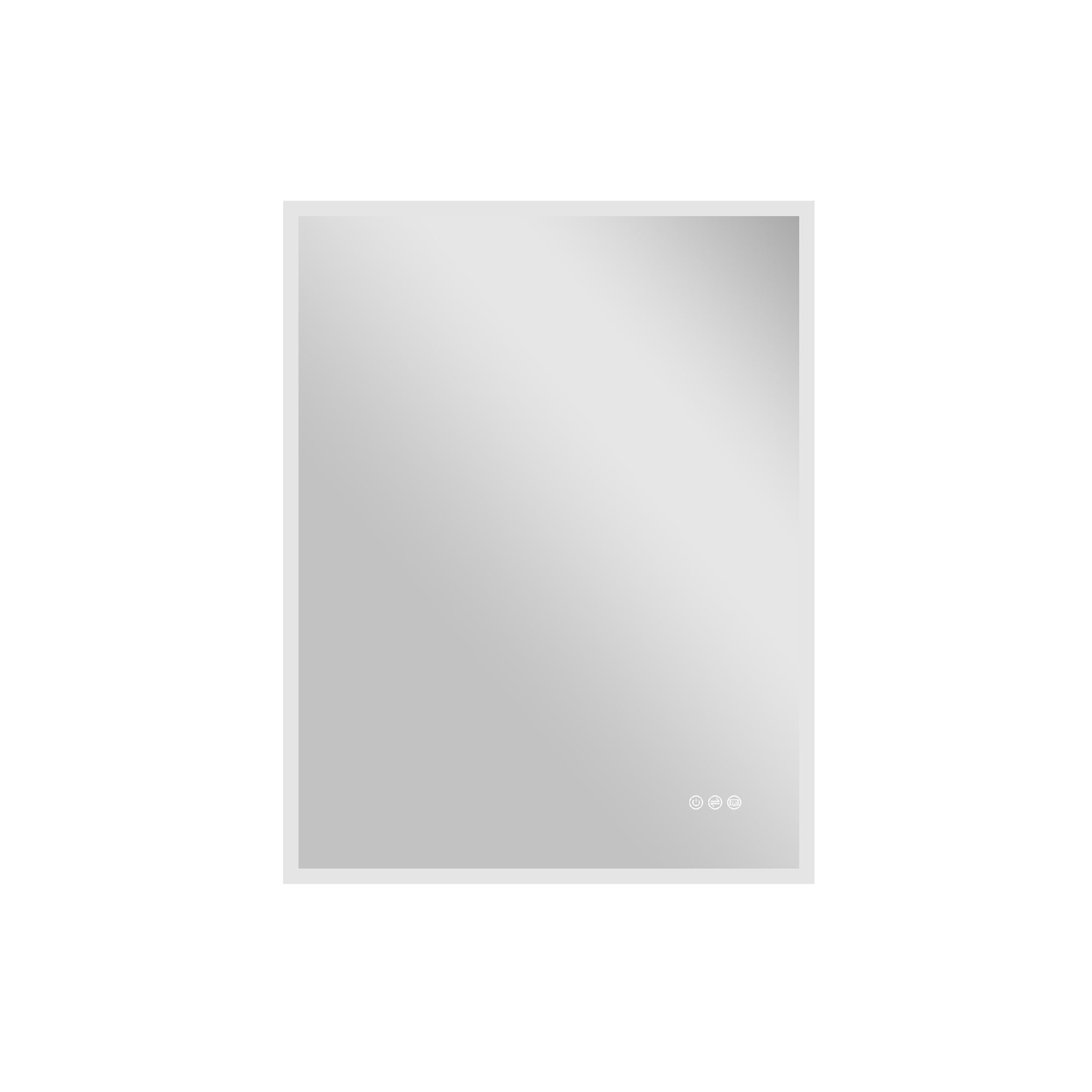
LED mirrors moved from boutique add-ons to mainstream bath specs for one simple reason: the lighting is efficient, controllable, and targeted. Instead of filling a room with heat-heavy light, LEDs concentrate usable illumination where people actually need it, around the face and vanity zone. In broader lighting, efficiency expectations are also rising rapidly: updated efficiency standards for common household lamps raise the minimum efficacy from 45 lumens per watt to more than 120 lumens per watt (with manufacturer compliance required starting July 25, 2028). That policy direction is essentially the market’s headline: high-efficacy LED lighting is the baseline going forward.
2. Energy efficiency: what “efficient” really means for an LED mirror
Energy efficiency comes down to how much light you get for the electricity you pay for, and how much waste heat you don’t create. LEDs are strong on both points.
1. Less energy for the same visual task
2. Residential LED products, especially those that meet ENERGY STAR requirements, are commonly described as using at least 75% less energy and lasting up to 25 times longer than incandescent lighting. Even if a mirror is not certified, the underlying LED technology advantage is the same physics: more light, less power.
3. Less wasted heat near the mirror
4. Incandescent lighting releases the vast majority of its energy as heat, while LEDs emit very little heat by comparison. That matters in a bathroom: less heat load near the face, less stress on nearby materials, and fewer “hot spots” that can age finishes.
5. Feature creep can change the math.
6. The LED ring or strip is usually efficient, but optional add-ons can significantly increase power consumption. A defogger pad, always-on backlight, speakers, or an always-awake sensor system can quietly add more watt-hours than the LEDs themselves. The most efficient mirrors are those with high-draw features on separate switches or timers.
3. Lifespan: the honest way to read “50,000 hours” claims
Most LED mirror marketing leans hard on long life. The critical industry nuance is that “LED life” is often a lumen-maintenance story, not a guarantee of complete product survival.
1. Component lifetime vs. whole mirror lifetime
2. IES guidance warns that it is inaccurate to estimate the lifetime of an entire luminaire (the whole mirror system) based solely on LED component projections. Drivers, control boards, dimmers, touch sensors, and moisture exposure can shorten the usable life of the LED chips.
3. How projections are supposed to be limited
4. IES also notes that when TM-21 projections are used correctly, projections using 10,000 hours of LM-80 data should not exceed 60,000 hours. So when you see extremely high hour claims, it’s worth checking whether the claim respects these projection limits.
5. A practical conversion into years (so the number feels real)
6. If an LED system is rated at 25,000 hours, that equals about 22.8 years at 3 hours per day (25,000 ÷ (3 × 365)). At 50,000 hours, it’s about 45.7 years at 3 hours per day. In real bathrooms, electronics and humidity usually determine service life sooner than that math suggests, which is why build quality and driver design matter as much as raw “LED hours.”

4. Cost facts: what it actually adds to your electric bill
The electricity price is the multiplier that converts watts into dollars. Recently published averages show residential electricity at about 17.31 cents per kWh (year-to-date 2025).
Now apply simple math. Assume the mirror’s LED lighting draws 40 W (0.04 kW). Your results scale linearly, so the formula is:
Annual cost = kW × hours/day × 365 × $/kWh
1. 40 W, 1 hour/day
2. 0.04 × 1 × 365 = 14.6 kWh/year
3. 14.6 × $0.1731 ≈ $2.53/year
4. 40 W, 3 hours/day
5. 0.04 × 3 × 365 = 43.8 kWh/year
6. 43.8 × $0.1731 ≈ $7.58/year
7. 60 W, 3 hours/day (larger mirror or higher output)
8. 0.06 × 3 × 365 = 65.7 kWh/year
9. 65.7 × $0.1731 ≈ $11.37/year
The takeaway is blunt: for LED lighting itself, operating costs are usually small. What surprises people is the defogger. If a defogger draws significant power and is used daily for extended periods, it can cost more than the LEDs. The cost story is less about “LED mirrors are expensive to run” and more about “high-draw extras need controls.”
5. Replacement and maintenance: the hidden savings lever
Long life saves money in two ways: fewer replacements, and less labor or hassle. DOE guidance for efficient lighting purchasing notes that ENERGY STAR-qualified lamps must last 10,000 hours or more, thereby reducing replacement frequency and related costs.
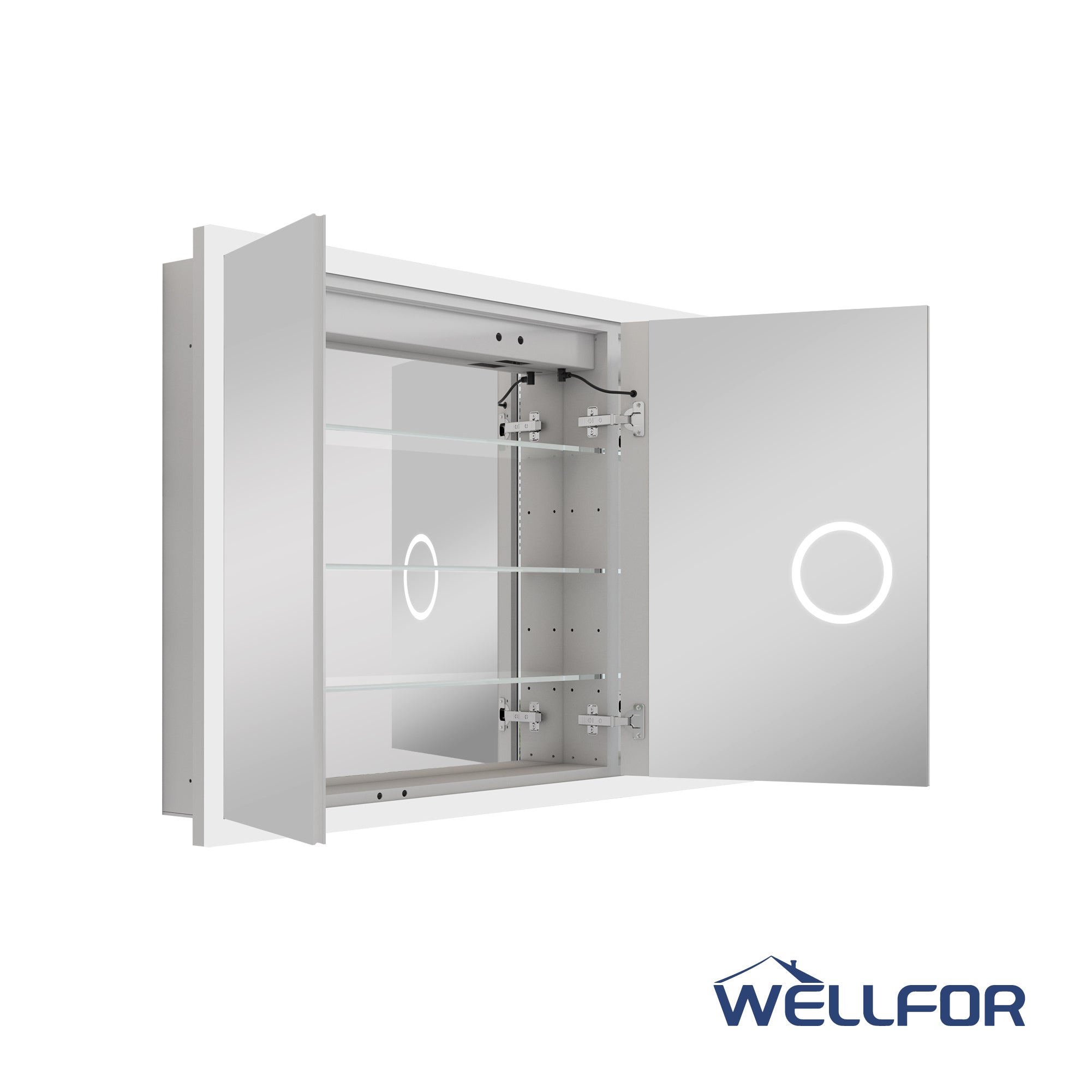
For mirrors, you’re usually not swapping a bulb. You’re betting on the quality of the electronics package. That shifts the buying decision toward warranty terms, driver quality, moisture protection, and whether the brand can supply replacement parts (driver, touch switch, power supply) instead of forcing a complete unit replacement.
6. What specifiers are watching in 2026: efficiency standards, claims discipline, and more intelligent controls
Three trends are shaping how LED mirrors are evaluated right now:
1. Efficiency expectations keep tightening
2. Lighting standards continue to push for higher efficacy, reinforcing LED as the default technology path for mainstream lighting.
3. Claims are getting scrutinized
4. IES has been explicit that lifetime marketing can become misleading when it stretches beyond supported projection limits or treats LED component data as the whole product’s lifetime.
5. Controls are becoming the real differentiator
6. The best mirrors are designed so users can keep “high comfort” features without paying for them all day. Look for separate defogger control, auto-off timers, and dimming/memory functions that reduce unnecessary runtime.


















Leave a comment
This site is protected by hCaptcha and the hCaptcha Privacy Policy and Terms of Service apply.