















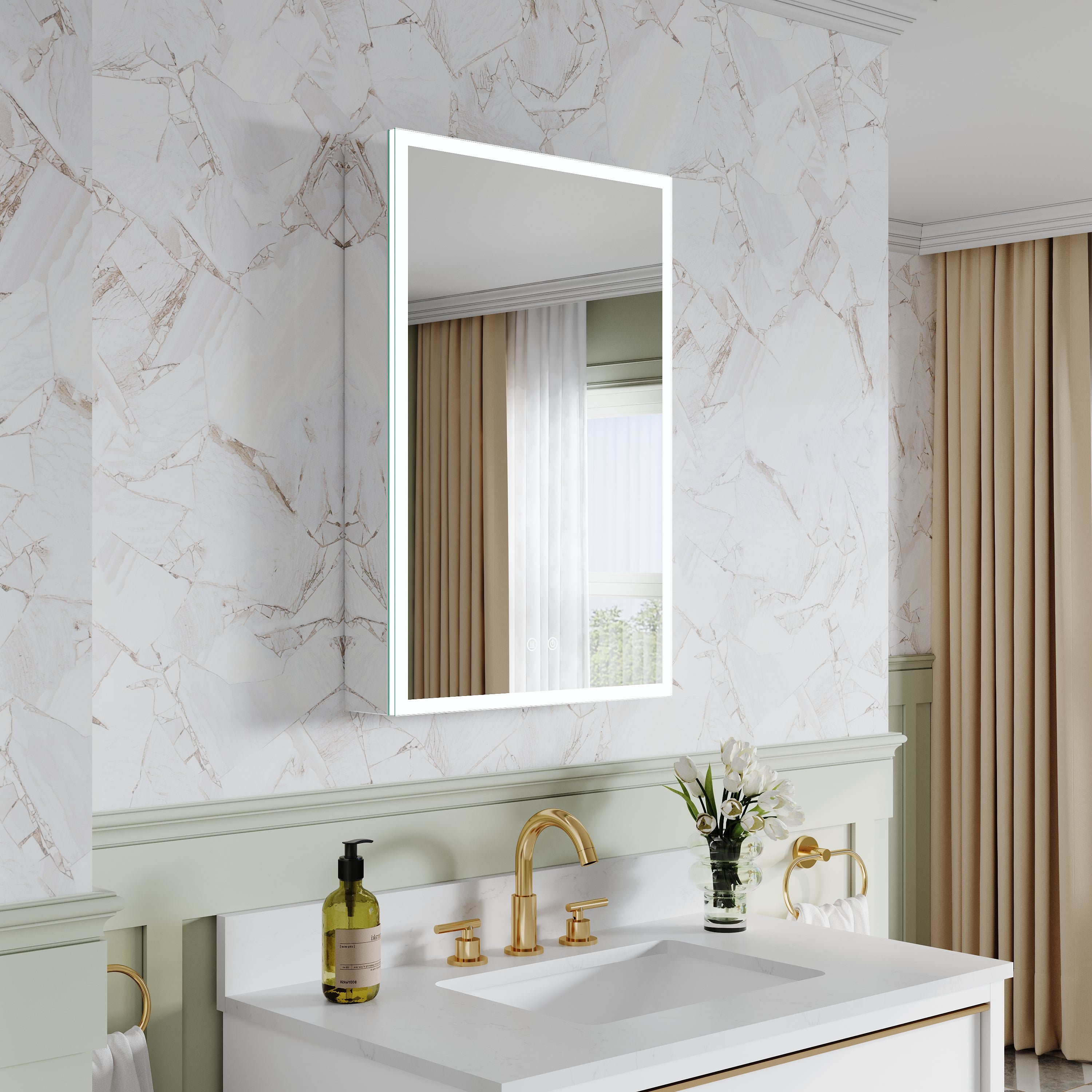
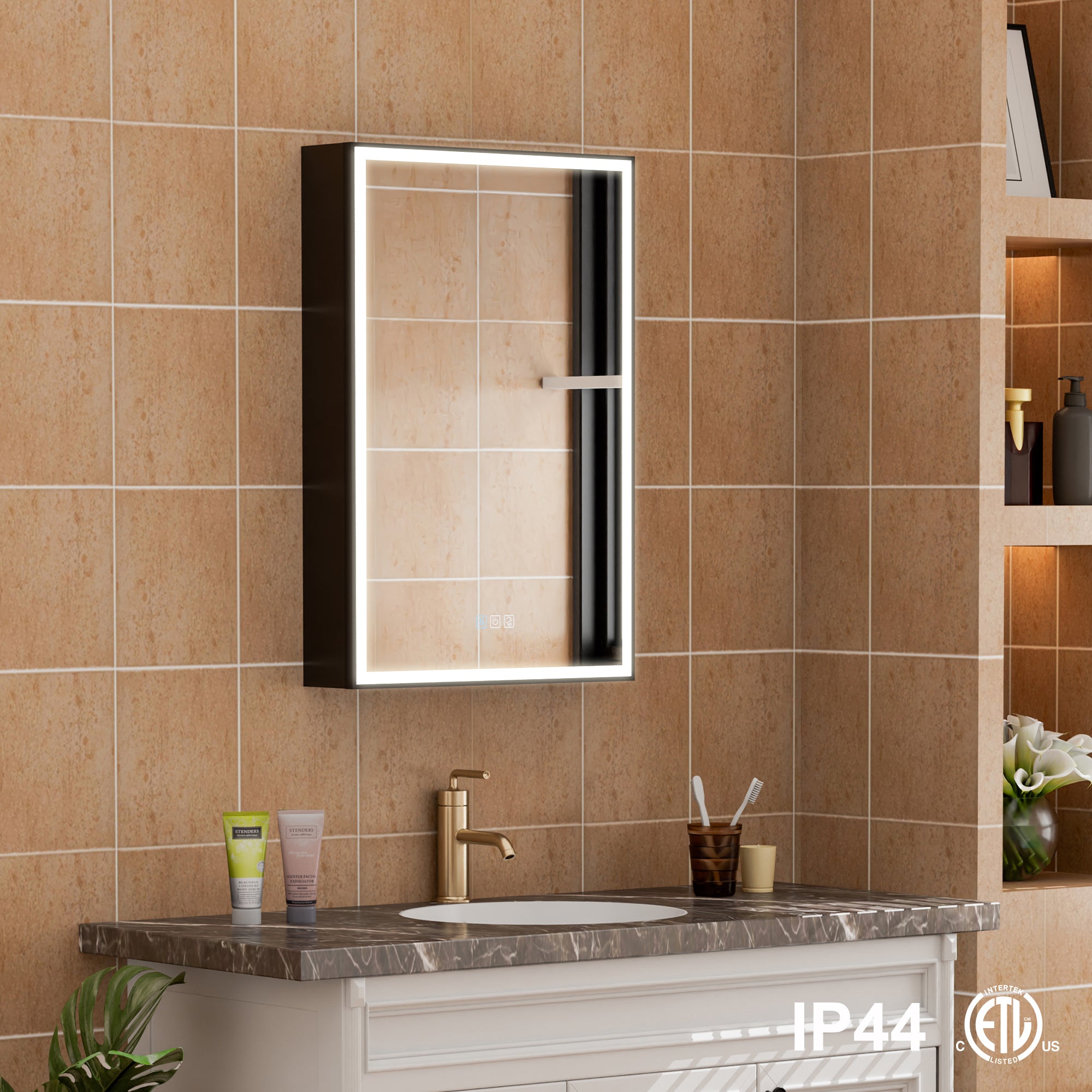











A frameless bathroom mirror has a way of making a bathroom feel more open without changing its actual dimensions. By removing the decorative border, the mirror allows light, materials, and architectural details to take center stage. This understated appearance explains its popularity in modern bathroom design, particularly in spaces where clean lines and visual simplicity matter. Yet choosing the right mirror involves more than aesthetics. Glass quality, proportions, lighting, and installation all influence whether a frameless design will remain practical and attractive for years.
1. Why a Frameless Bathroom Mirror Works So Well in Modern Interiors
Modern bathroom design often relies on restraint. Instead of filling every wall with decorative elements, designers emphasize proportions, texture, and carefully selected materials.
A frameless mirror supports that approach because it creates a reflective surface without introducing another finish or color.
Consider a bathroom with a floating oak vanity, pale stone countertop, and brushed nickel fixtures. A heavy ornamental frame might compete with these details, while a frameless mirror allows them to remain visually connected.
The result feels intentional rather than overly decorated.
Frameless mirrors also offer considerable versatility. They complement minimalist, Scandinavian, contemporary, and transitional interiors without requiring homeowners to match the mirror frame to cabinet hardware.
However, this simplicity places greater emphasis on installation accuracy. Uneven positioning or poorly finished edges can become more noticeable when there is no surrounding frame to disguise them.
2. How Frameless Mirrors Make Small Bathrooms Feel Larger
One reason designers frequently recommend frameless mirrors for compact bathrooms is their ability to create visual continuity.
Without a contrasting border interrupting the reflection, the mirror blends more naturally into the surrounding wall. This can make a narrow bathroom appear less confined, particularly when the mirror reflects an open doorway or a well-lit area.
A larger mirror may also distribute available light throughout the space.
For example, placing a frameless mirror opposite a window can reflect daylight into areas that otherwise appear darker.
That effect depends on the room's layout. A mirror facing a cluttered storage shelf may simply duplicate the visual disorder.
Choosing the Right Size and Shape
A common purchasing mistake is assuming that the largest possible mirror will always produce the best result.
In practice, proportions matter more.
For a single vanity, choosing a mirror slightly narrower than the countertop often creates a balanced appearance. Wider mirrors can work beautifully, especially when the vanity and lighting are designed together.
Round mirrors soften bathrooms dominated by rectangular tiles and cabinets. Rectangular designs emphasize architectural lines, while oval mirrors provide a gentler silhouette.
Before purchasing, mark the proposed dimensions on the wall with painter's tape. This simple exercise reveals whether the mirror feels appropriately scaled.
3. The Practical Advantages of a Frameless Design
Frameless mirrors offer benefits beyond their appearance.
Without an exposed decorative frame, there are fewer grooves where dust, toothpaste residue, and moisture can accumulate. Routine cleaning is generally straightforward, particularly on mirrors with smooth, polished edges.
They also eliminate concerns about matching metal finishes.
Homeowners who eventually replace their faucets or cabinet handles may find that a frameless mirror adapts more easily to the updated design.
Still, frameless does not mean maintenance-free.
Moisture can damage the reflective backing when water repeatedly reaches inadequately protected edges. This is especially relevant in bathrooms with poor ventilation.
Look for well-finished edges and moisture-resistant mirror construction rather than assuming all frameless products offer identical durability.
4. What Should You Look for When Buying a Frameless Mirror?
Glass quality deserves more attention than it usually receives.
A good bathroom mirror should provide a clear reflection without noticeable distortion. Poor-quality glass can create subtle visual irregularities, particularly near the edges.
Thickness also matters because it influences rigidity and mounting requirements. Thicker glass may feel more substantial, but it adds weight and requires suitable support.
Are LED Frameless Mirrors Worth Considering?
Integrated LED lighting is increasingly common in contemporary bathroom mirrors.
Front-lit designs can provide useful illumination for shaving, applying makeup, and other grooming tasks. Backlit mirrors create a softer glow against the wall, making them more suitable for atmospheric lighting.
Some models offer adjustable brightness, color temperature, or anti-fog heating.
These features can be convenient, but they introduce additional electrical components that may eventually require servicing.
At Wellfor, shoppers comparing traditional and LED bathroom mirrors should consider their existing lighting before choosing a model. If wall sconces already provide excellent facial illumination, a standard frameless mirror may be the more economical purchase.
For bathrooms with limited space around the vanity, an illuminated mirror can reduce the need for separate fixtures.
5. When a Frameless Mirror May Not Be the Best Choice
Despite its versatility, a frameless design does not suit every bathroom.
Traditional interiors with detailed cabinetry, decorative molding, or vintage fixtures may benefit from a framed mirror that reinforces the room's character.
Frameless edges can also be more vulnerable to accidental impacts during handling or installation. Choosing polished or beveled edges helps reduce sharpness, but careful handling remains essential.
Another consideration is wall condition.
A frameless mirror installed against an uneven surface may reveal irregular gaps or alignment issues. Decorative frames sometimes conceal minor imperfections more effectively.
For households that need additional concealed storage, a mirrored medicine cabinet may provide greater functionality than a standalone mirror.
6. Installation Details That Influence Long-Term Performance
Proper mounting is critical, especially for larger mirrors.
Before installation, confirm the wall's condition and identify suitable support points. Heavy mirrors require mounting hardware rated for their weight and compatible with the wall material.
Avoid relying on ordinary adhesive unless the manufacturer specifically approves it for the mirror and installation surface.
Positioning and Moisture Protection
Position the mirror at a comfortable height for the people who use the bathroom regularly.
Check clearance around faucets, light fixtures, and nearby cabinets. In shared bathrooms, a slightly taller mirror may accommodate users of different heights more effectively.
Keep the room ventilated to reduce persistent condensation.
When cleaning, apply a suitable glass cleaner to a soft cloth rather than spraying directly along the mirror's edges. Avoid abrasive materials and harsh chemicals that could damage protective coatings.
Periodically inspect mounting hardware and exposed edges for signs of movement or deterioration.

7. Finding the Right Mirror for Your Bathroom
Before ordering, measure your vanity, assess the available lighting, and consider what the mirror will reflect from different positions.
For smaller bathrooms, a generously sized rectangular mirror can create a sense of openness without introducing visual clutter. In a larger primary bathroom, two separate mirrors may offer better proportions and more flexible lighting arrangements.
When comparing products, prioritize accurate reflection, protected edges, reliable mounting systems, and clear warranty information.
A thoughtfully selected frameless bathroom mirror should complement the room rather than dominate it. Choose a size that feels balanced, invest in dependable glass quality, and install it carefully. The simplicity that makes these mirrors attractive also makes good proportions and attention to detail especially worthwhile.





































Leave a comment
This site is protected by hCaptcha and the hCaptcha Privacy Policy and Terms of Service apply.