
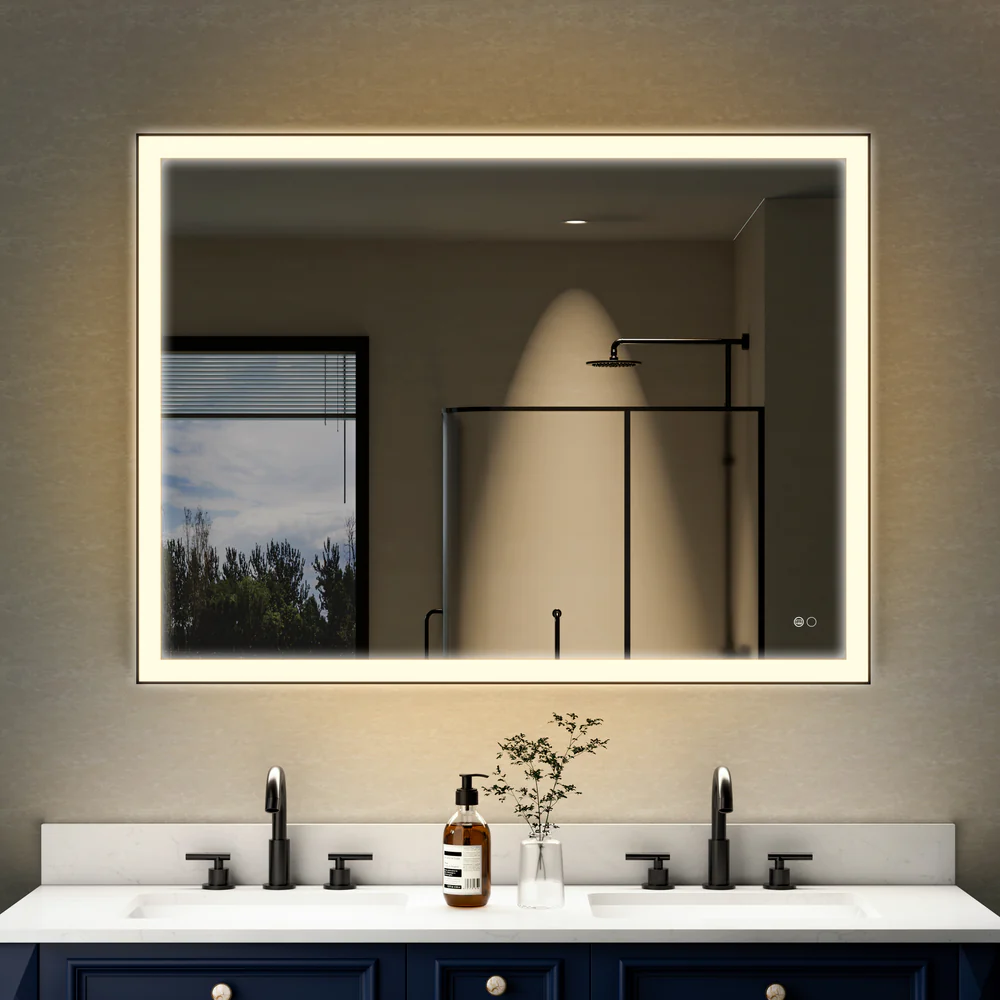
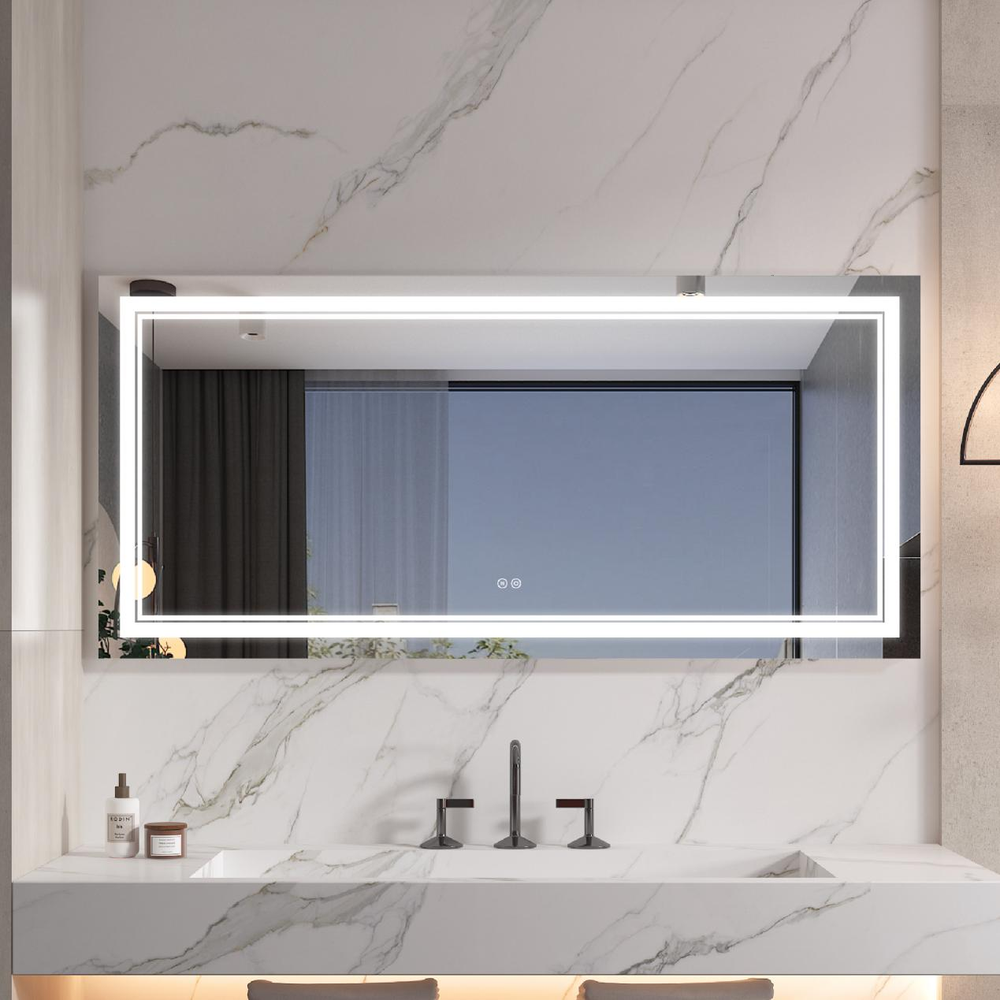
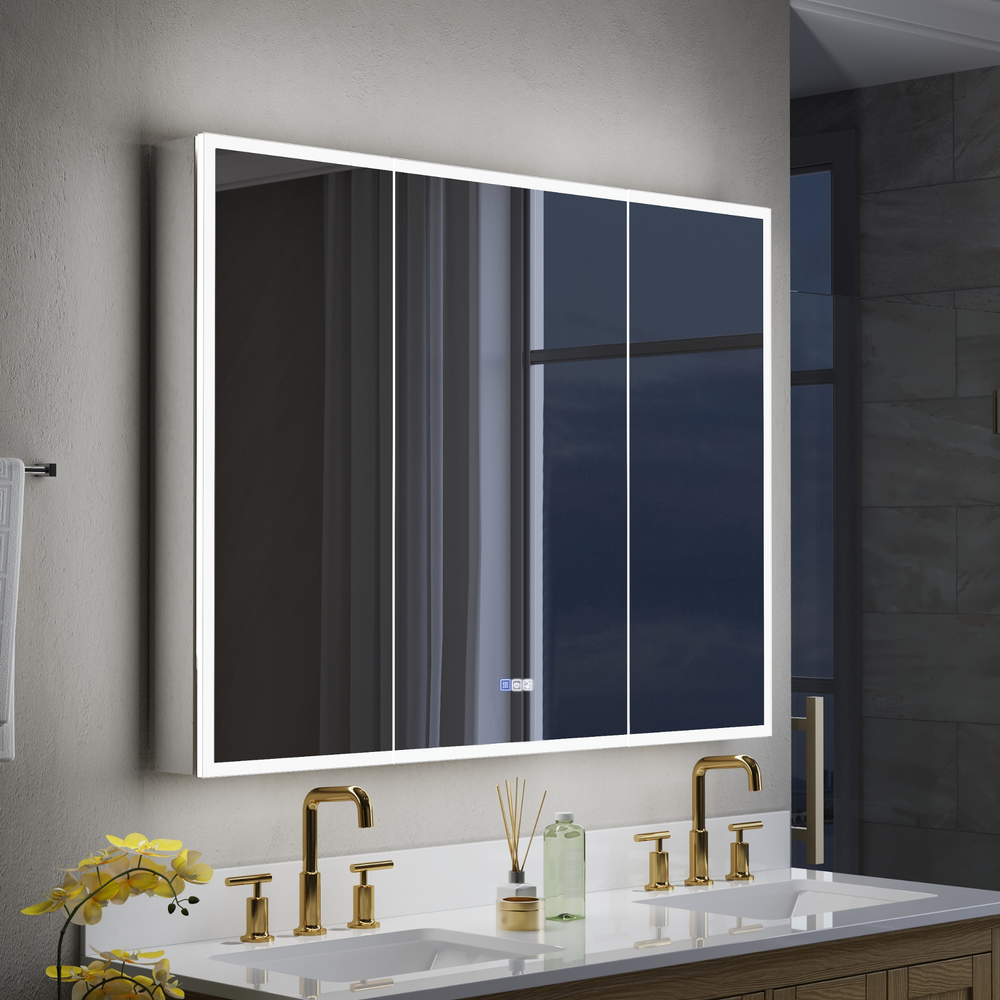
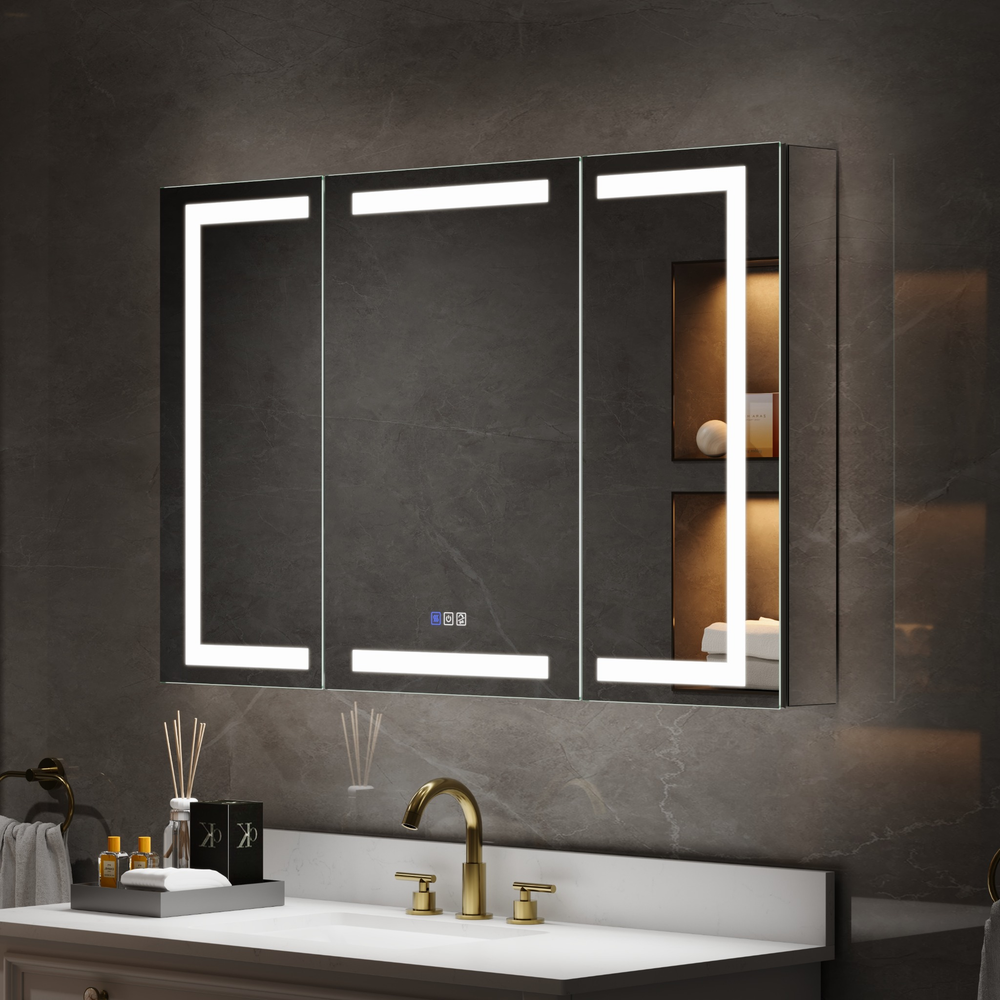

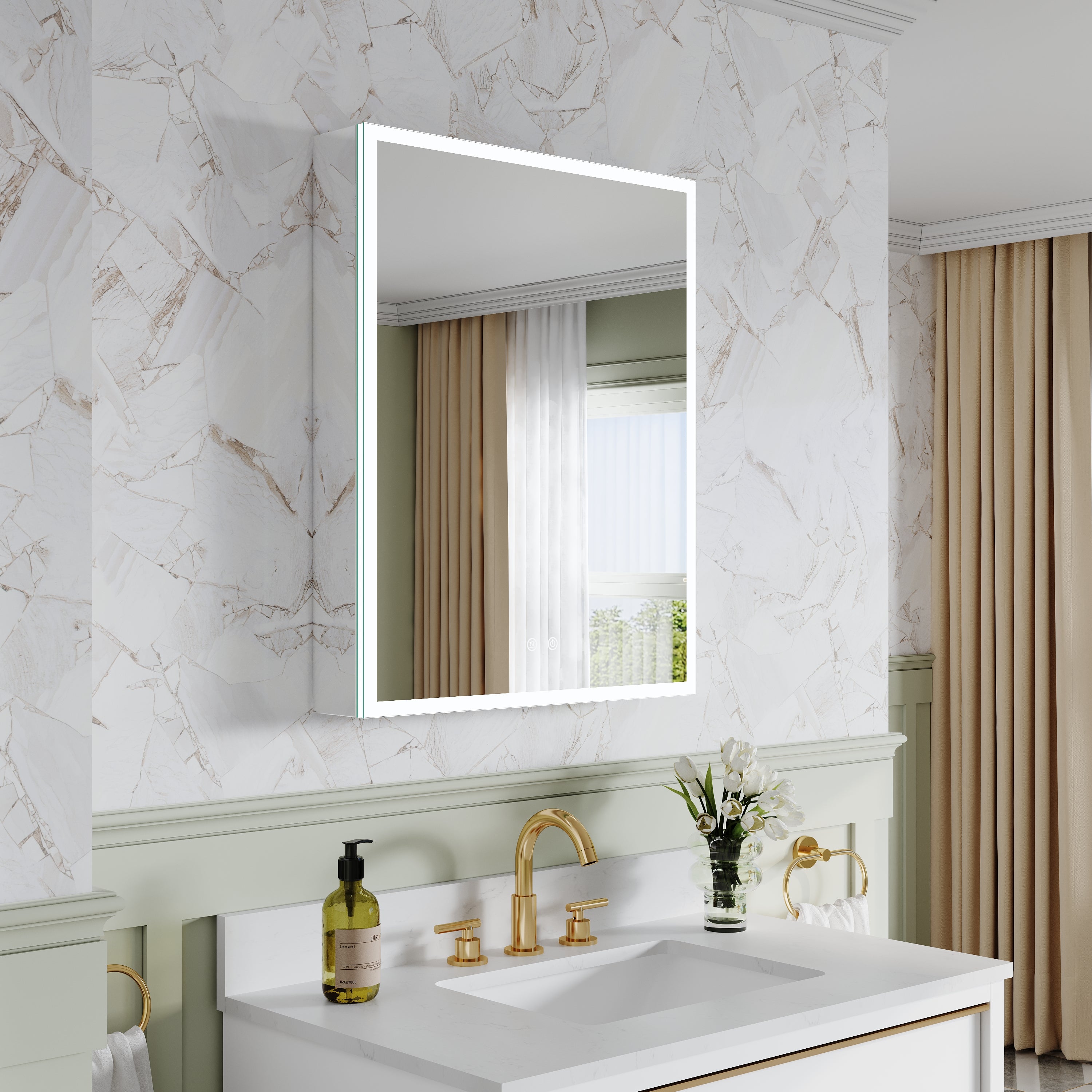
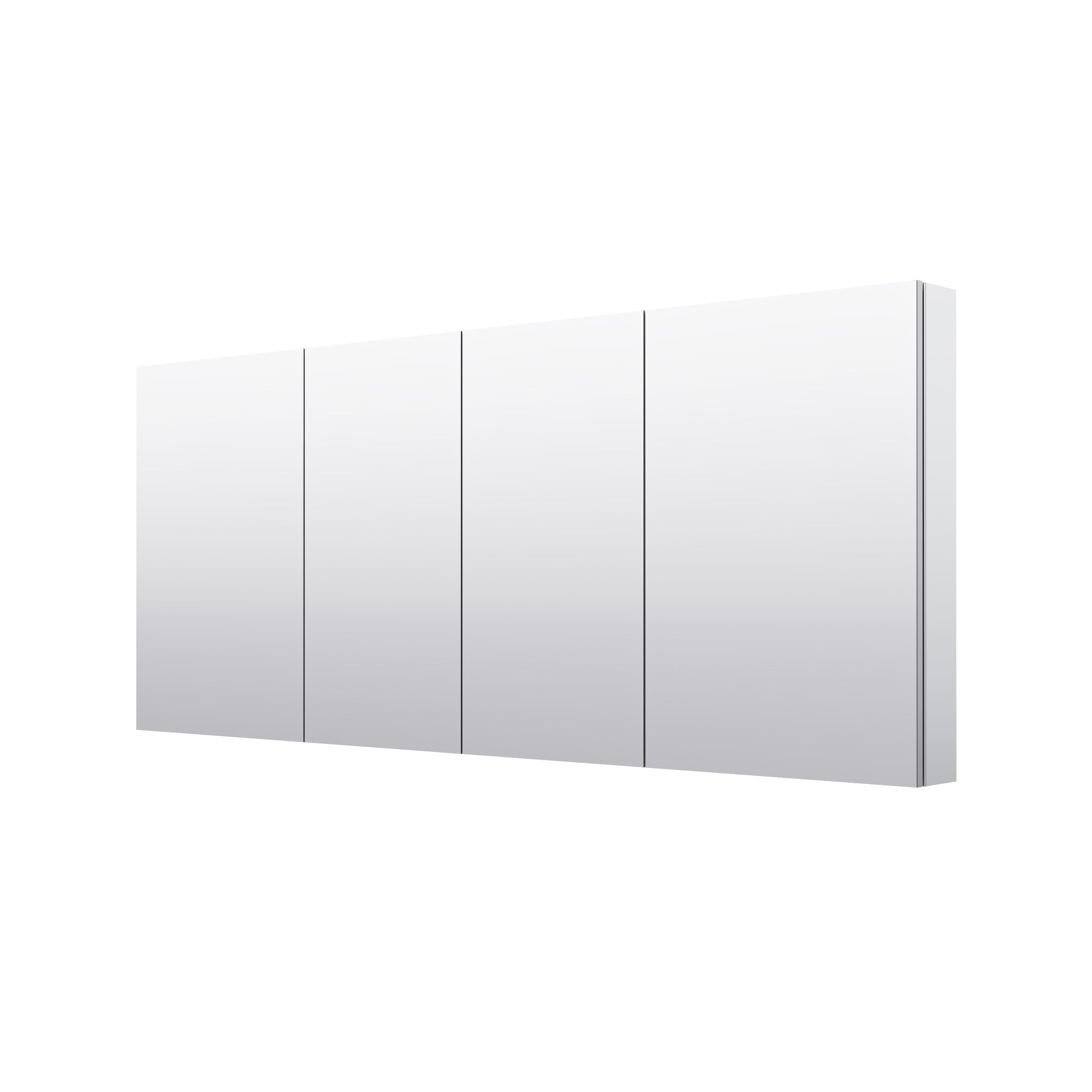
A small bathroom rarely has room for everything you need, especially when countertops are crowded with skincare products, toothbrushes, and everyday essentials. A recessed medicine cabinet with mirror offers a practical solution by combining concealed storage with an essential bathroom fixture. Unlike traditional wall-mounted cabinets, recessed models fit inside the wall cavity, keeping the space above your sink visually uncluttered. For homeowners renovating compact bathrooms, this simple change can improve storage, comfort, and appearance without sacrificing valuable floor space.
1. How a Recessed Medicine Cabinet with Mirror Saves Space
The greatest advantage of recessed cabinetry is its ability to use space that would otherwise remain hidden inside the wall.
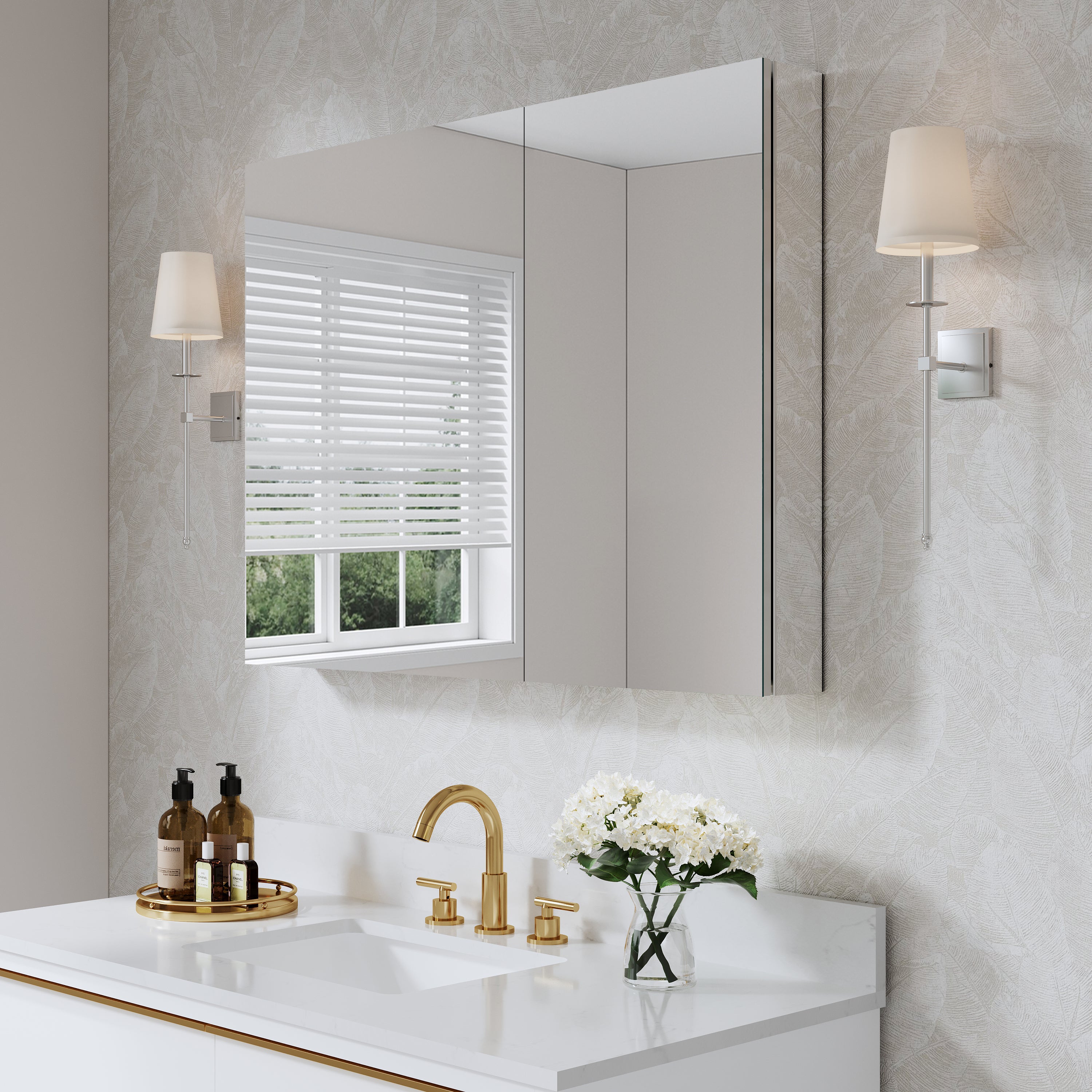
Traditional surface-mounted cabinets extend outward, sometimes making narrow bathrooms feel cramped. Recessed designs sit partially or almost entirely within the wall, leaving the mirror close to the finished surface.
This difference becomes noticeable around shallow vanities. When someone leans forward to wash their face, a projecting cabinet can feel intrusive. A recessed model provides more comfortable clearance above the sink.
The visual improvement matters, too. With fewer protruding elements, the wall appears cleaner and more continuous.
However, recessed cabinets do not create unlimited storage. Their depth depends on the wall cavity and surrounding construction. Homeowners with unusually large toiletries may find a deeper surface-mounted cabinet more practical.
2. Why Concealed Storage Makes Small Bathrooms Feel Larger
An organized countertop can change the impression of an entire bathroom.
Consider a compact guest bathroom with a narrow sink and limited cabinet space. When bottles, cosmetics, and grooming tools occupy every available surface, the room feels smaller than its actual dimensions.
A mirrored medicine cabinet moves frequently used essentials into accessible compartments while maintaining a familiar reflection above the vanity.
Choosing the Right Internal Storage Layout
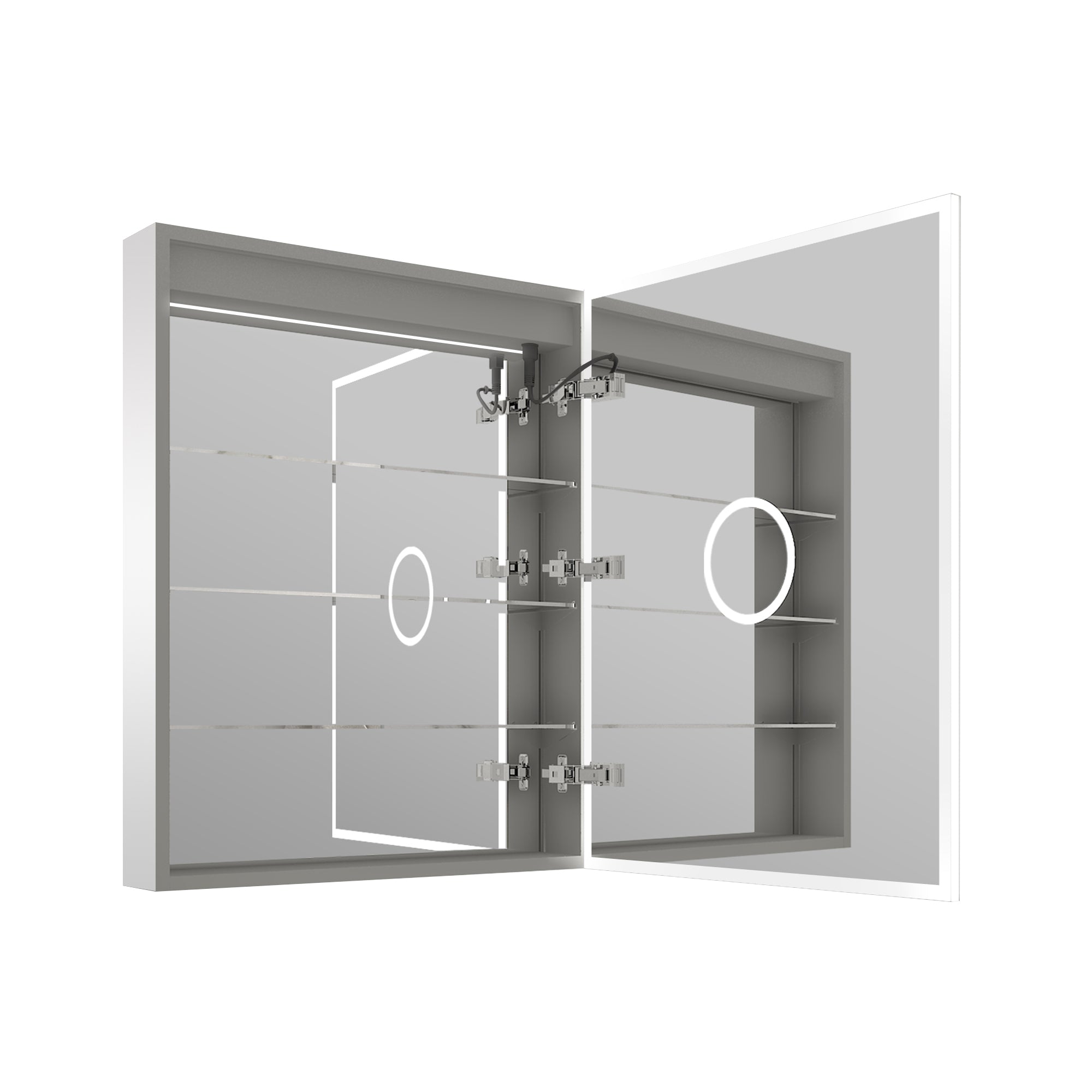
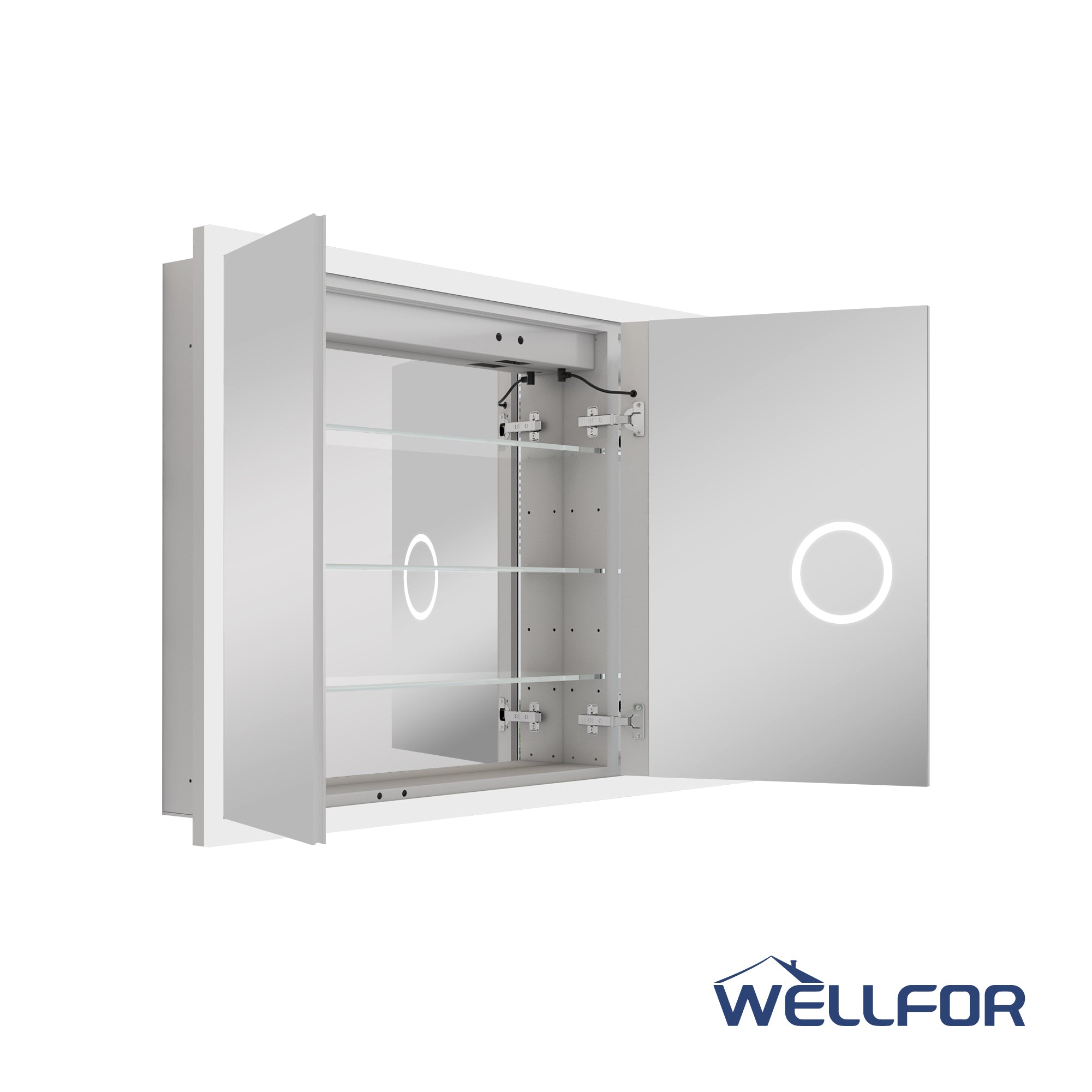
Adjustable shelves are particularly valuable in small bathrooms because storage needs change over time.
Tall compartments accommodate electric toothbrushes, mouthwash, and skincare bottles. Narrower sections work well for razors, dental floss, and smaller accessories.
Before purchasing, measure the tallest products you intend to store. A beautifully designed cabinet becomes frustrating when its shelves cannot accommodate the items you use every morning.
For shared bathrooms, separate storage sections can also prevent products from becoming disorganized.
3. The Design Benefits Go Beyond Storage
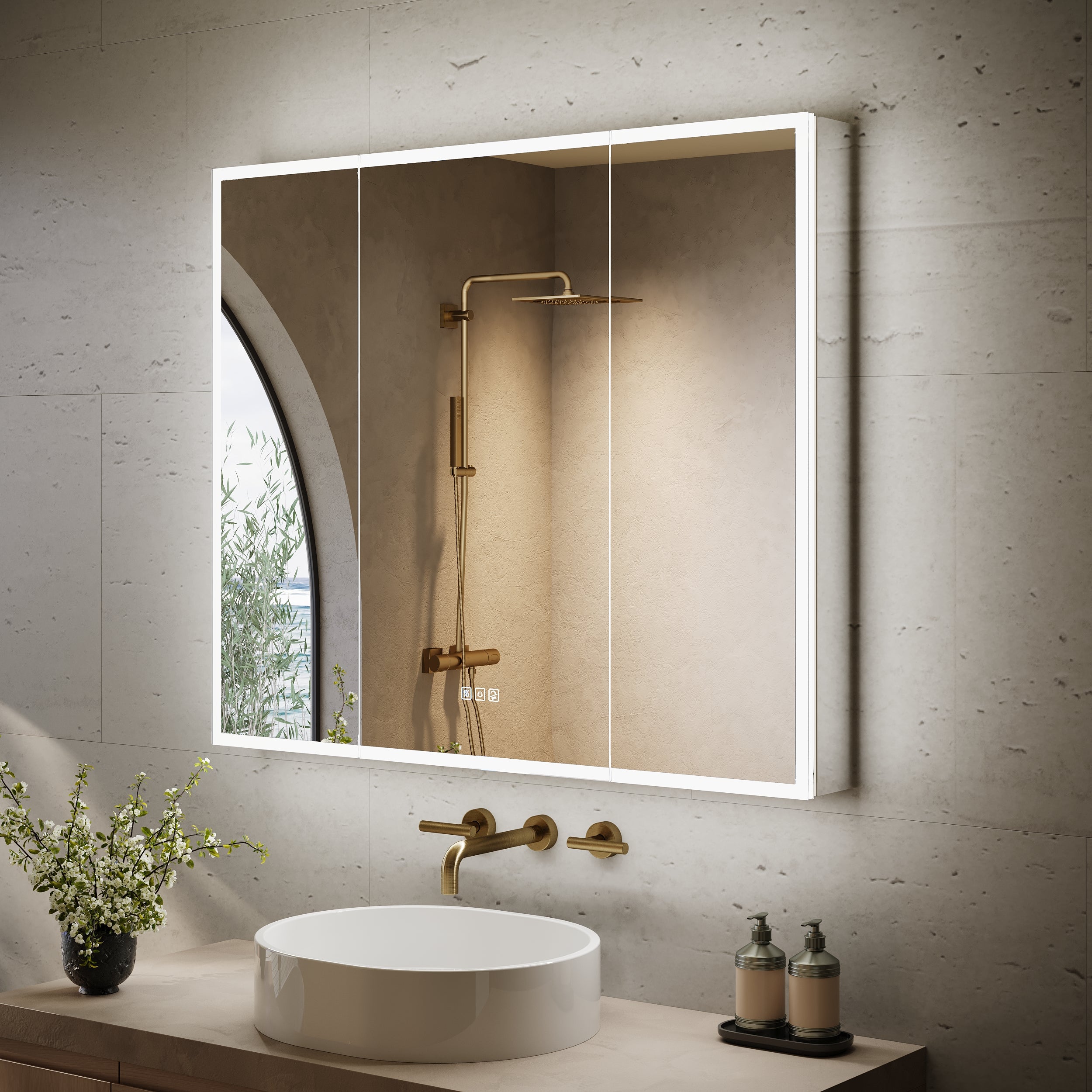
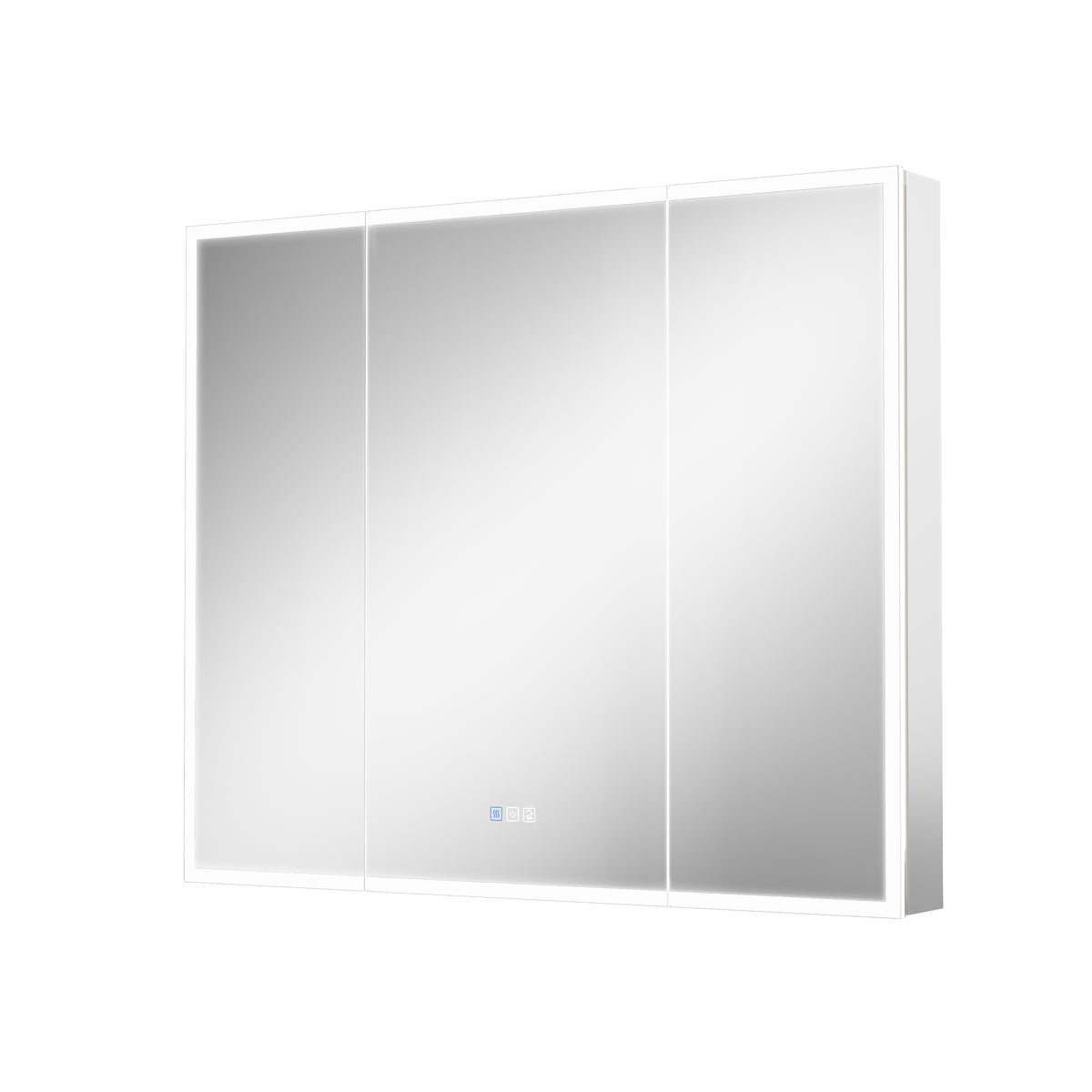
Recessed mirrored cabinets complement contemporary bathrooms because they provide functionality without demanding visual attention.
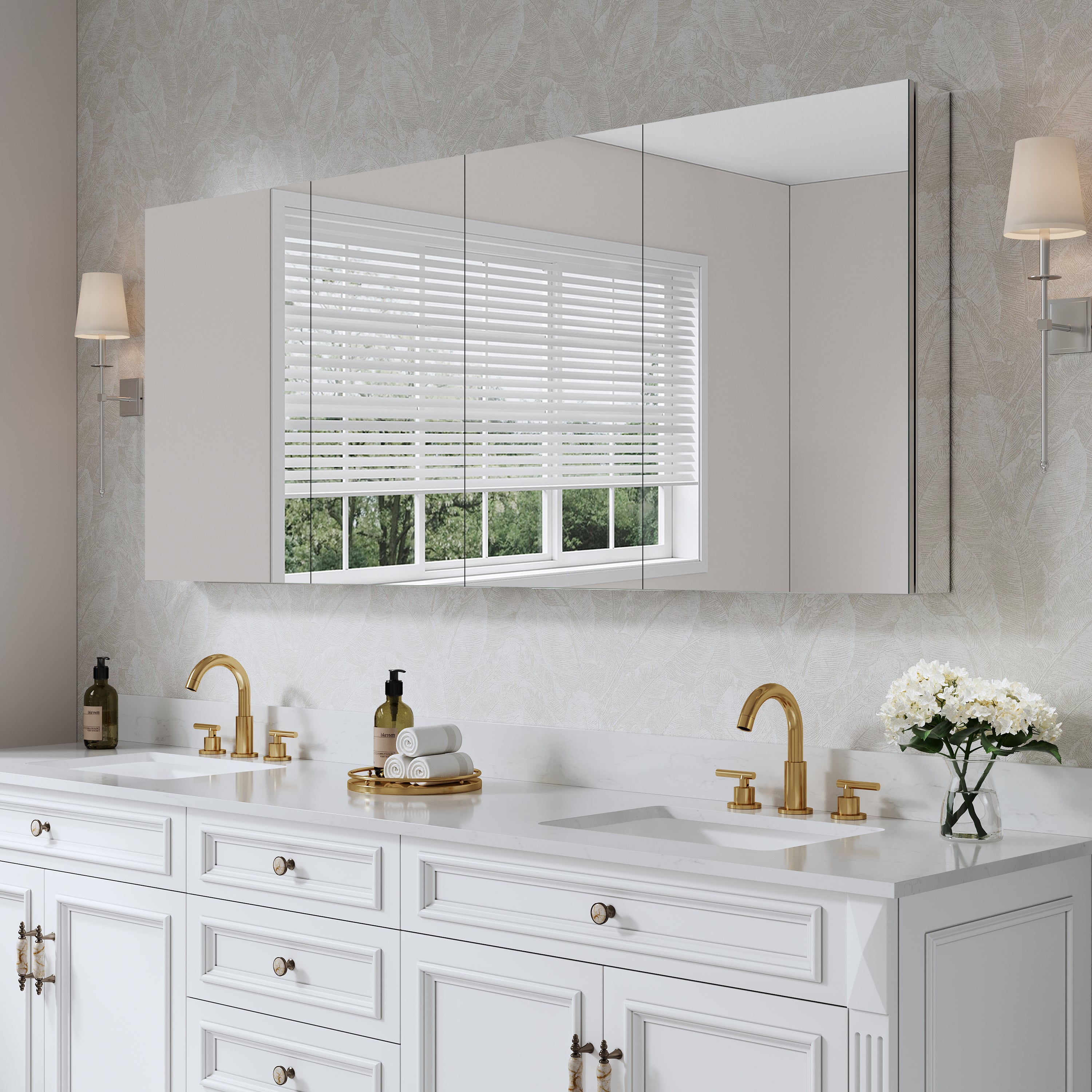
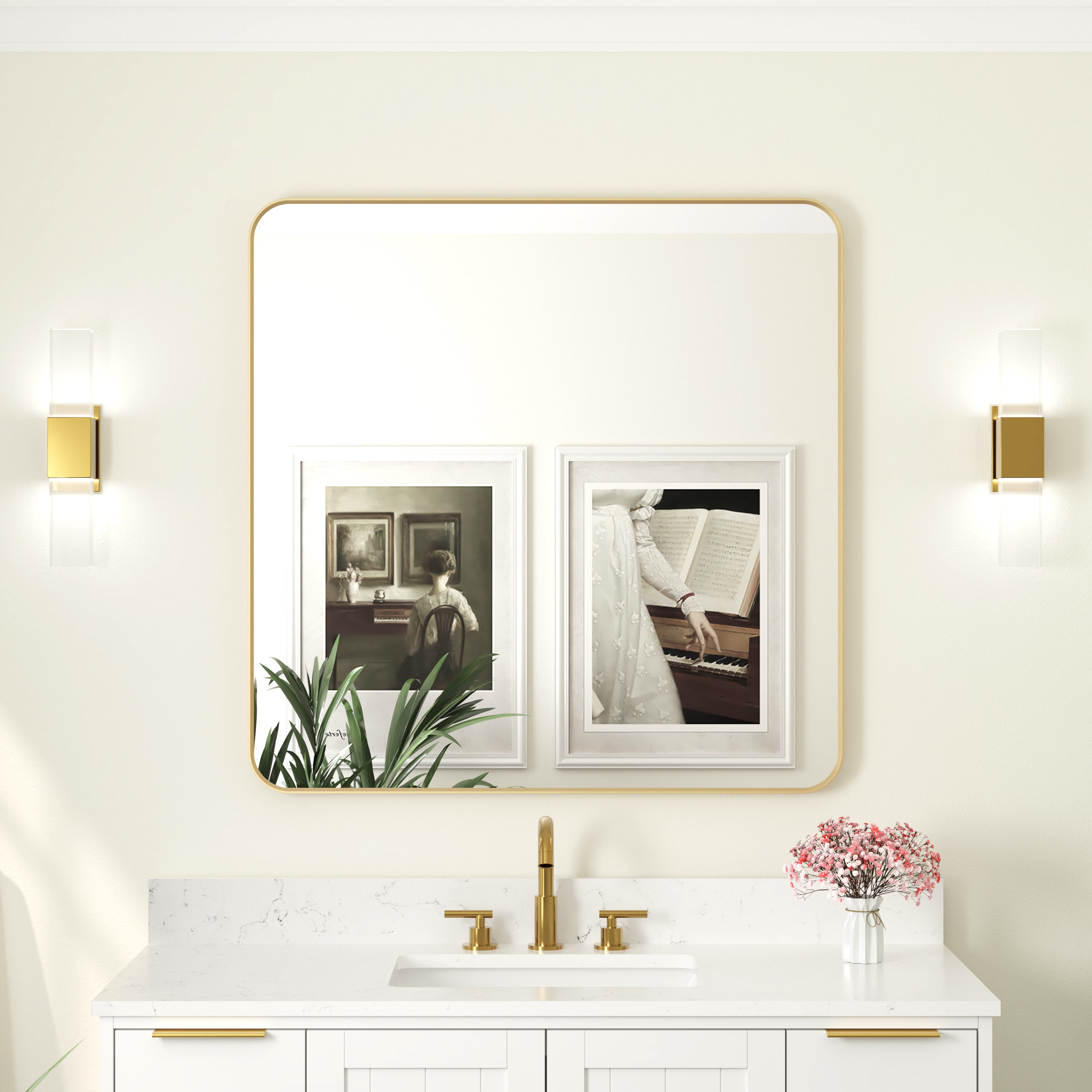
A frameless mirror creates a particularly clean appearance. It reflects surrounding finishes while allowing decorative tile, lighting, and vanity materials to remain the focal points.
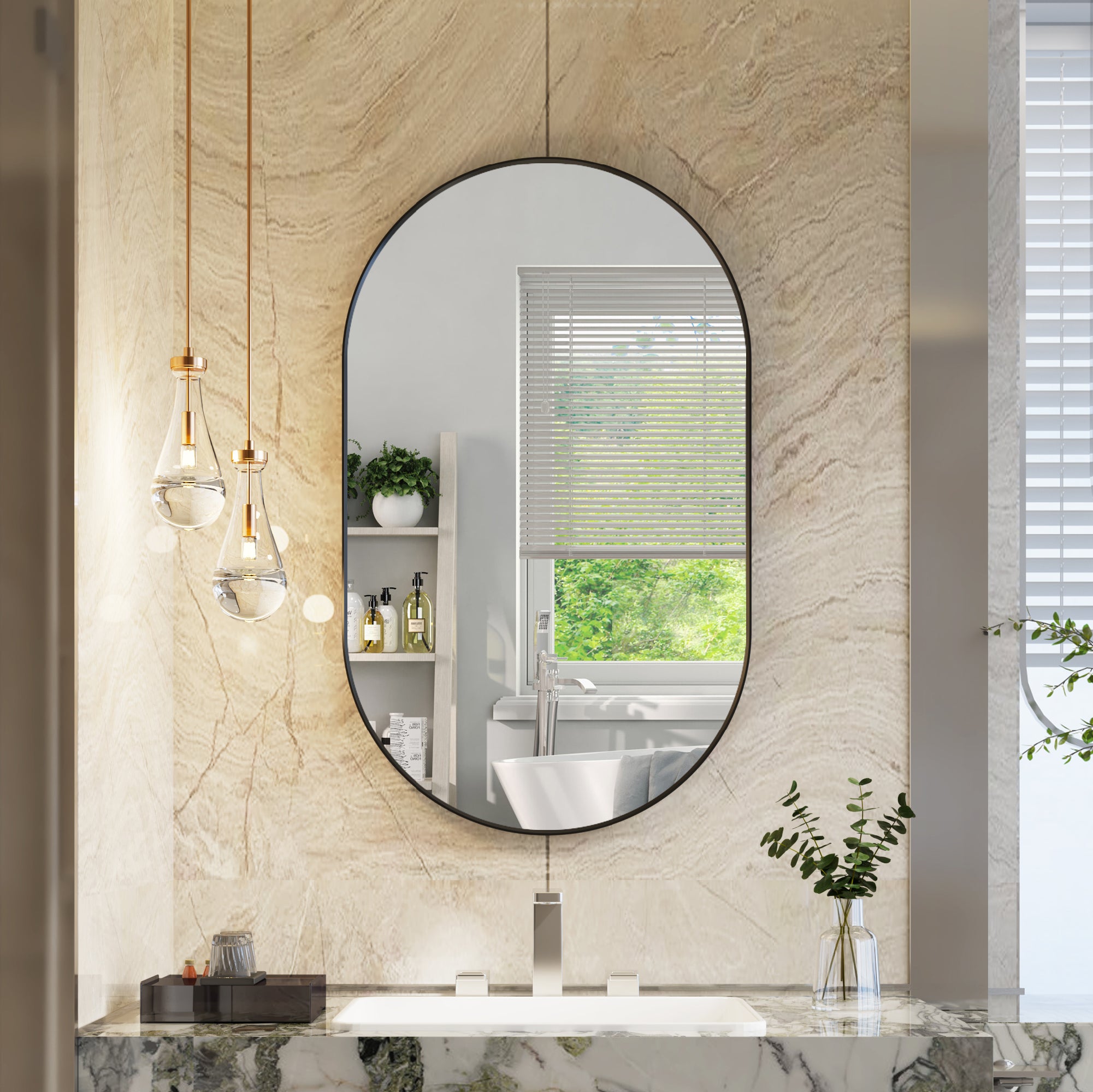
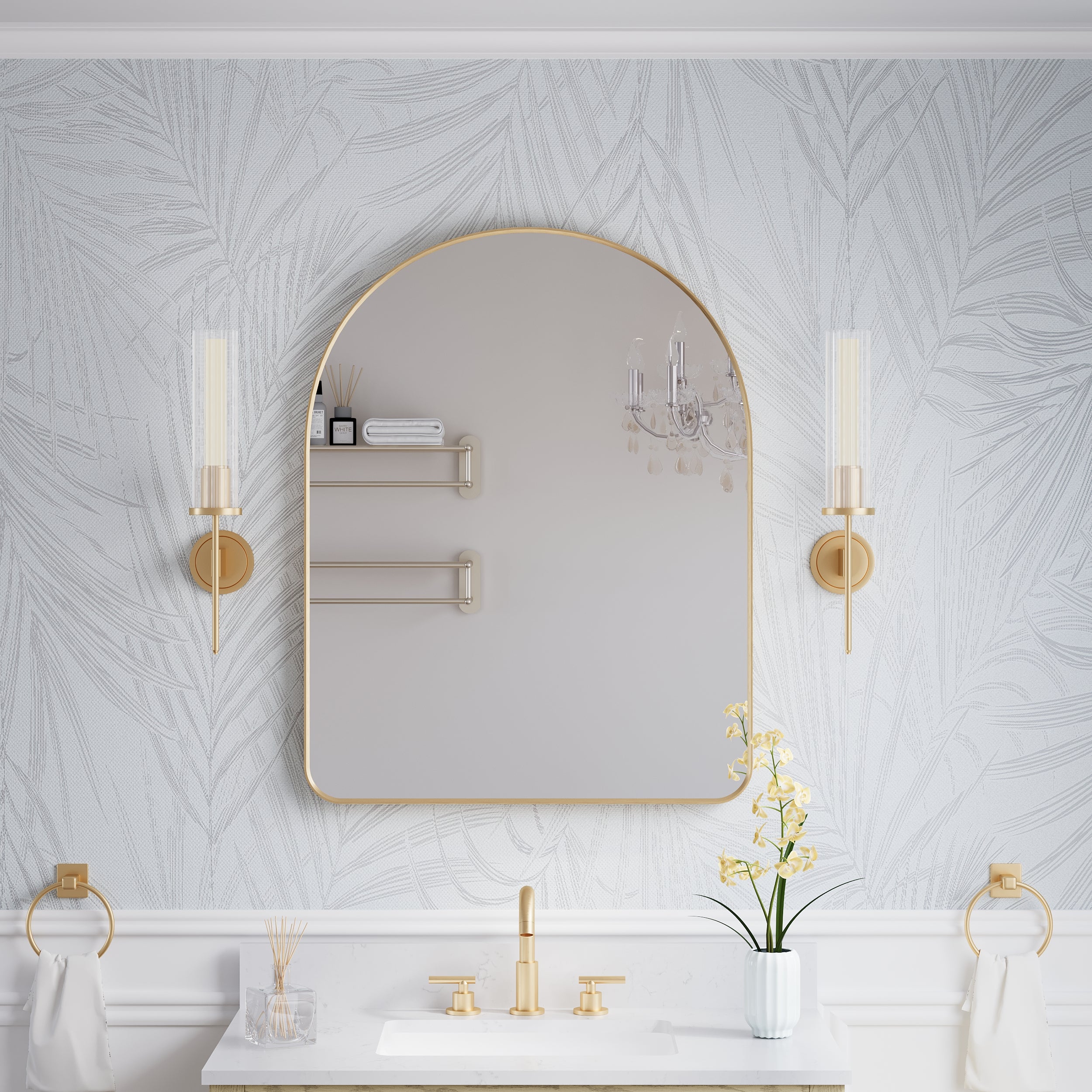
Framed models offer a different advantage. Black, brushed nickel, or other coordinated finishes can connect the cabinet visually with faucets and hardware.
Neither option is automatically better.
A frameless design often suits minimalist interiors, while a framed cabinet may work more naturally in traditional or transitional bathrooms.
Should You Choose a Cabinet with LED Lighting?
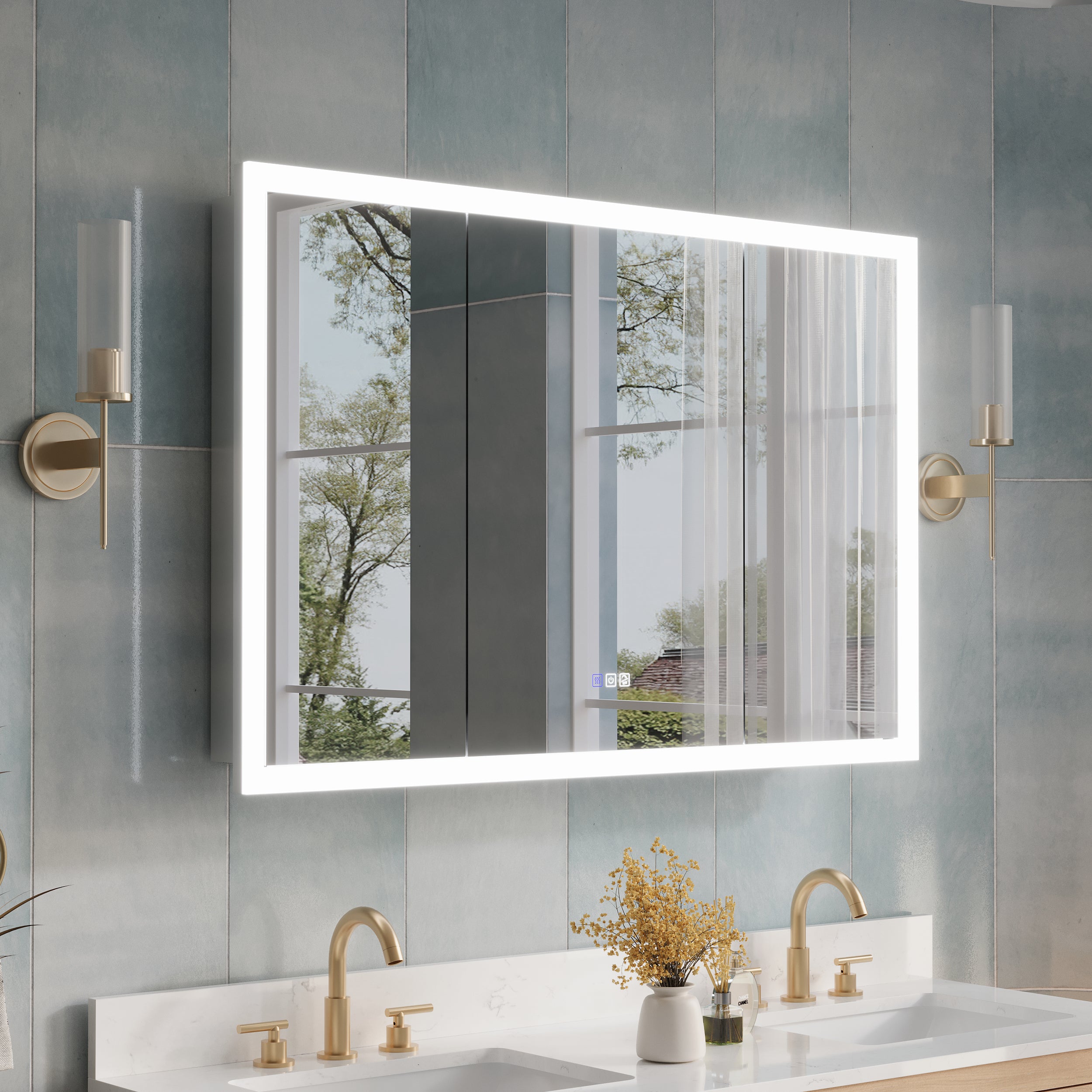
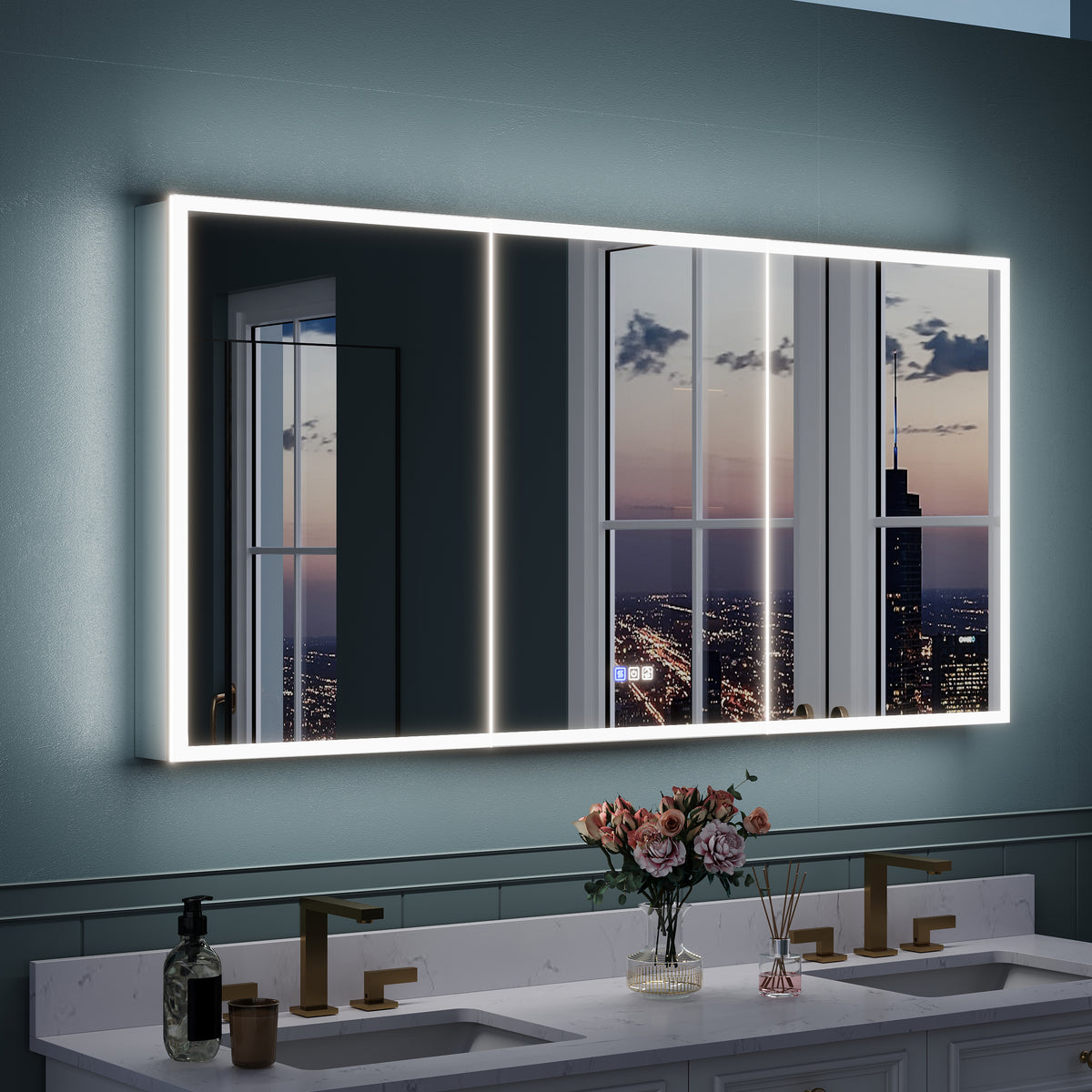
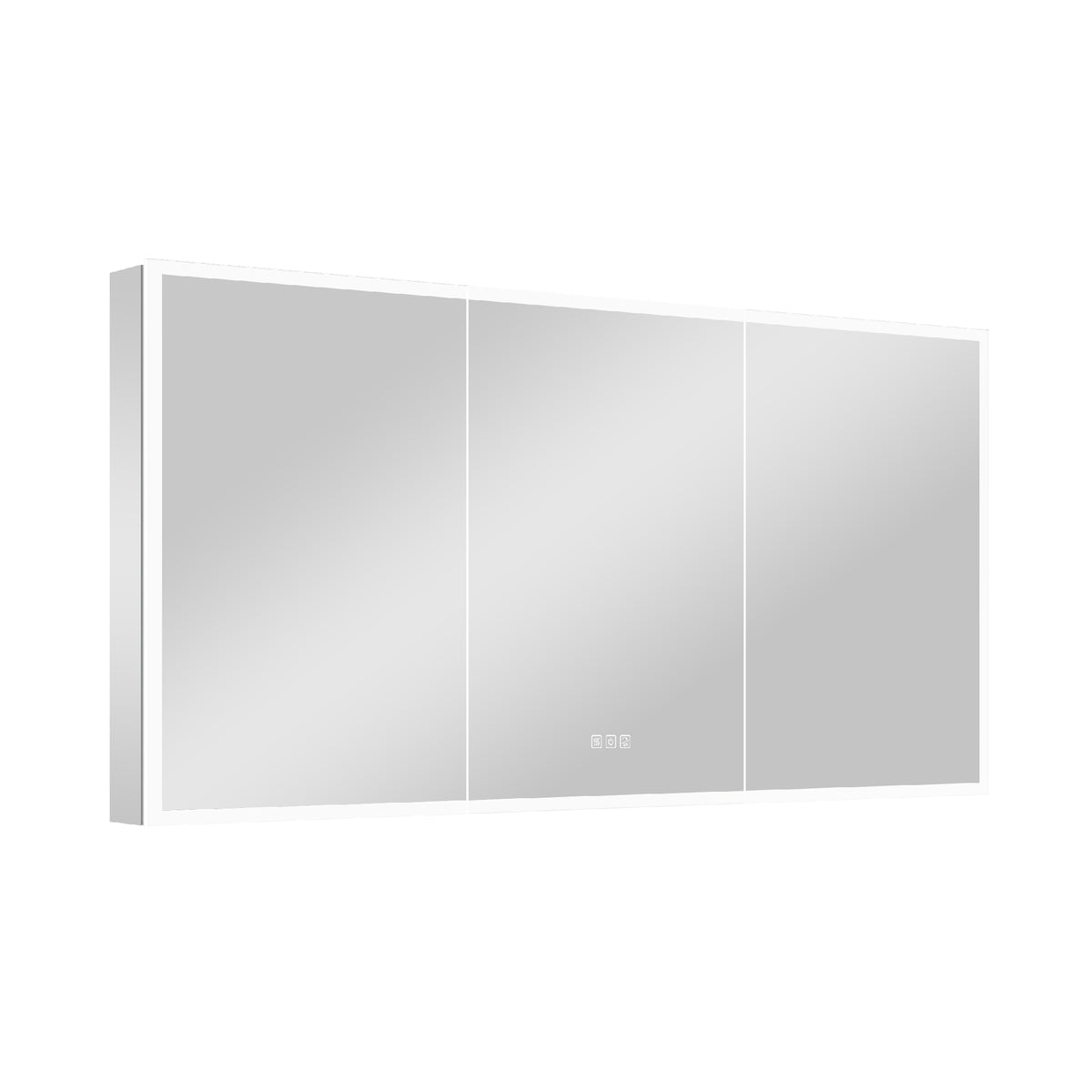
Integrated LED lighting can simplify a bathroom layout by combining illumination, reflection, and storage.
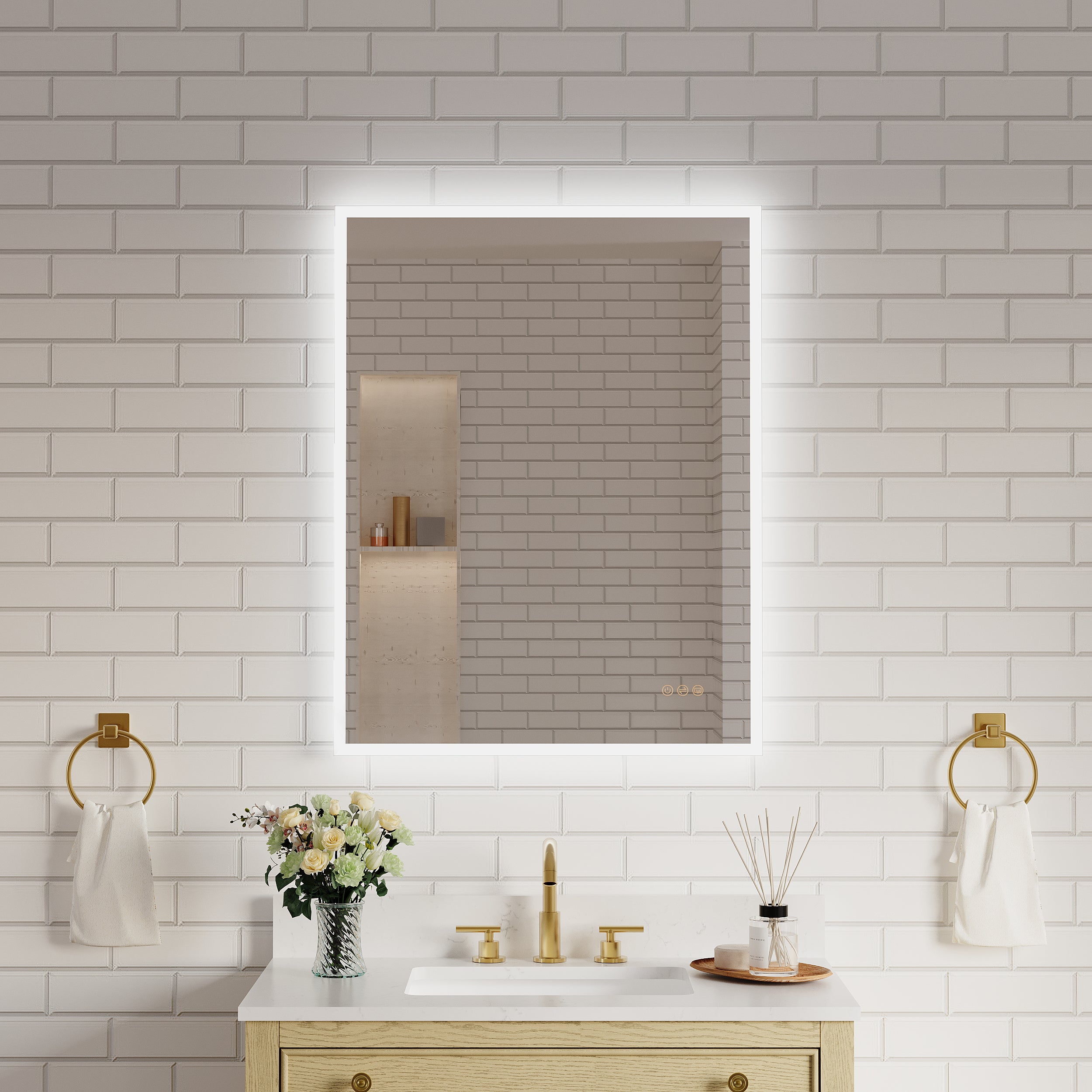
Front-facing lighting is useful for shaving and applying makeup because it can reduce facial shadows. Backlit models primarily create a softer decorative effect.
Some illuminated cabinets include dimming or anti-fog functions, although these features usually increase the purchase price.
For bathrooms with effective existing lighting, a standard mirrored cabinet may provide better value. There is little reason to pay for electrical features that will rarely be used.
4. What Homeowners Often Overlook Before Installation
A recessed cabinet may look simple, but installation requires more planning than mounting an ordinary mirror.
The most common mistake is assuming that any bathroom wall can accommodate the cabinet.
Electrical wiring, plumbing lines, ventilation ducts, and structural framing may occupy the intended opening. Cutting into a wall without checking these conditions can create serious problems.
Wall thickness also matters. A cabinet designed for a deeper cavity may not fit within a shallow partition.
Before ordering, examine the manufacturer's rough-opening dimensions rather than relying exclusively on the exterior measurements.
At Wellfor, homeowners comparing bathroom storage solutions should pay particular attention to cabinet depth, door clearance, mounting requirements, and internal shelf dimensions.
These practical details often determine whether a cabinet feels convenient after installation.
5. When Is a Recessed Cabinet the Wrong Choice?
Despite its advantages, recessed cabinetry is not appropriate for every bathroom.
In apartments or rental properties, altering the wall may be prohibited. Concrete or masonry walls can also make recessed installation expensive or impractical.
Existing plumbing behind the vanity presents another challenge. Relocating pipes simply to accommodate a medicine cabinet may cost more than the storage improvement justifies.
Surface-mounted cabinets are often a better alternative in these situations.
There is also the question of storage capacity. A family sharing one bathroom may need deeper compartments for larger bottles and grooming equipment. Recessed cabinetry can feel restrictive when the wall cavity limits usable depth.
The best solution should reflect actual storage requirements rather than a preference for a particular appearance.
6. Installation and Maintenance Tips for Long-Term Performance
Proper installation protects both the cabinet and the surrounding wall.
Start by checking the wall structure and locating concealed utilities. If framing modifications are required, consult a qualified professional before proceeding.
Position the cabinet at a comfortable height for regular users. Confirm that the door opens fully without striking adjacent walls, faucets, or light fixtures.
Protecting the Cabinet from Bathroom Moisture
Bathrooms experience repeated humidity changes, making moisture-resistant construction especially important.
Aluminum and appropriately finished metal cabinets are practical options, while wood-based models require reliable edge sealing and protective coatings.
Keep the bathroom adequately ventilated and avoid allowing condensation to remain around mirrored edges.
Clean glass surfaces with a microfiber cloth and a suitable cleaner applied directly to the cloth. Spraying liquid into hinges or electrical components can create unnecessary maintenance problems.
Check hinges and shelf supports periodically, especially in heavily used family bathrooms.

7. Choosing the Right Cabinet for Your Bathroom
Before purchasing, measure the available wall space, identify potential installation obstacles, and list the products you expect to store.
For a narrow powder room, a compact frameless cabinet with adjustable shelves may provide everything necessary. A frequently used family bathroom may benefit from a wider model with multiple compartments and durable hardware.
If your renovation already involves opening the walls, recessed installation becomes particularly worth considering. Otherwise, compare installation costs against the benefits of a surface-mounted alternative.
A well-chosen recessed medicine cabinet with mirror should make daily routines easier without complicating the room's design. Prioritize accessible storage, reliable construction, and comfortable positioning. Those details will matter far more during everyday use than an impressive product photograph.













Leave a comment
This site is protected by hCaptcha and the hCaptcha Privacy Policy and Terms of Service apply.