
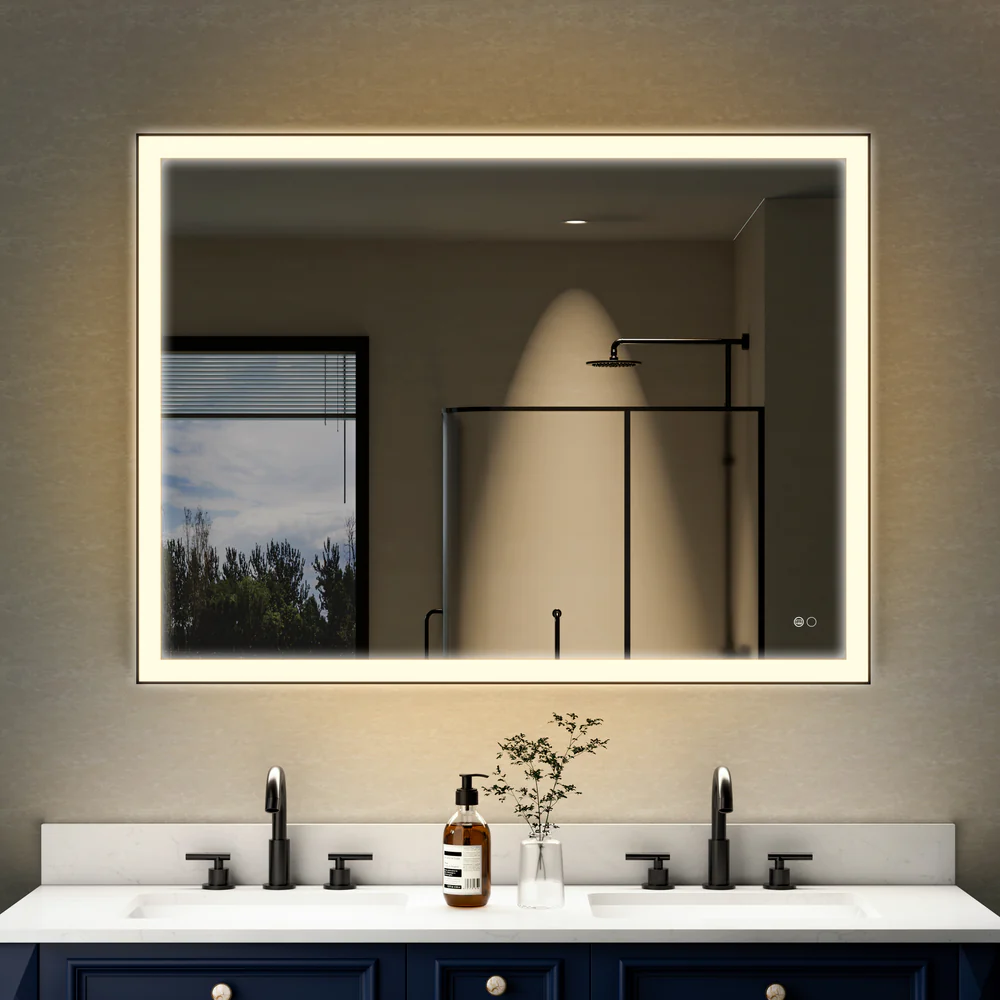
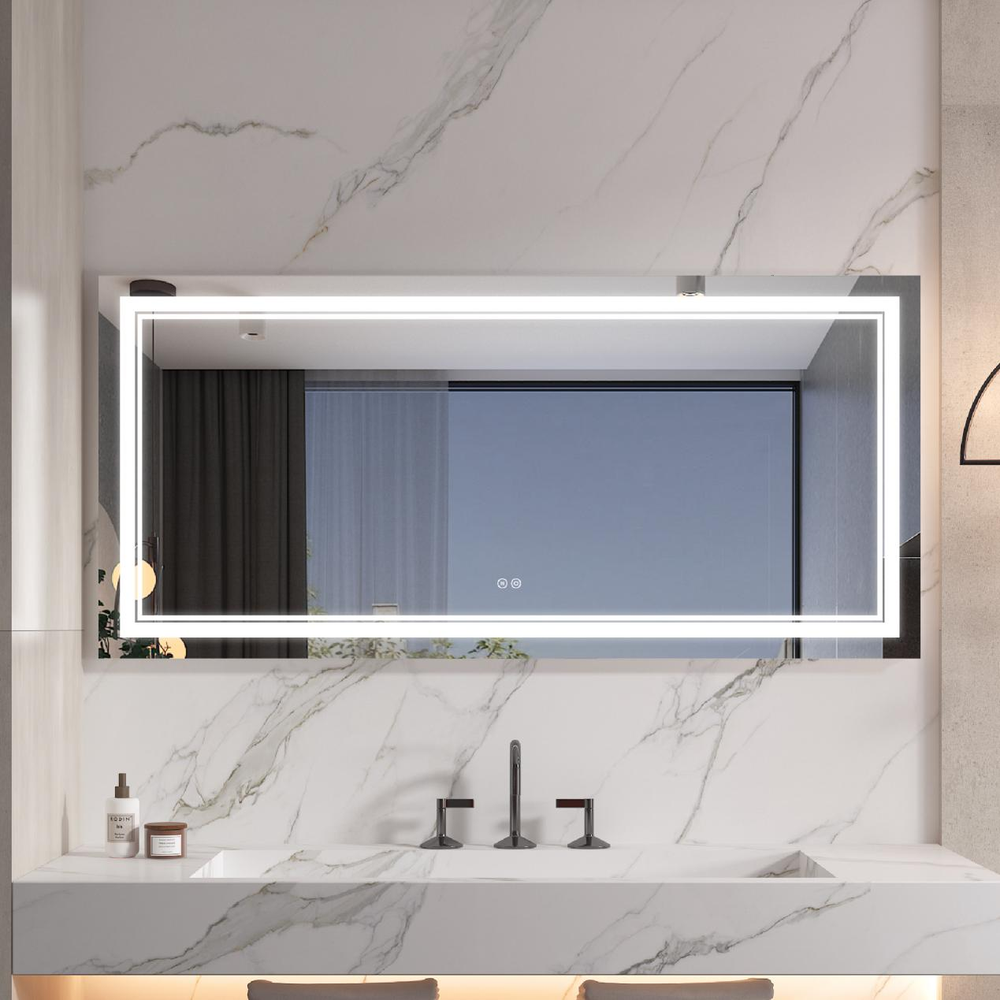
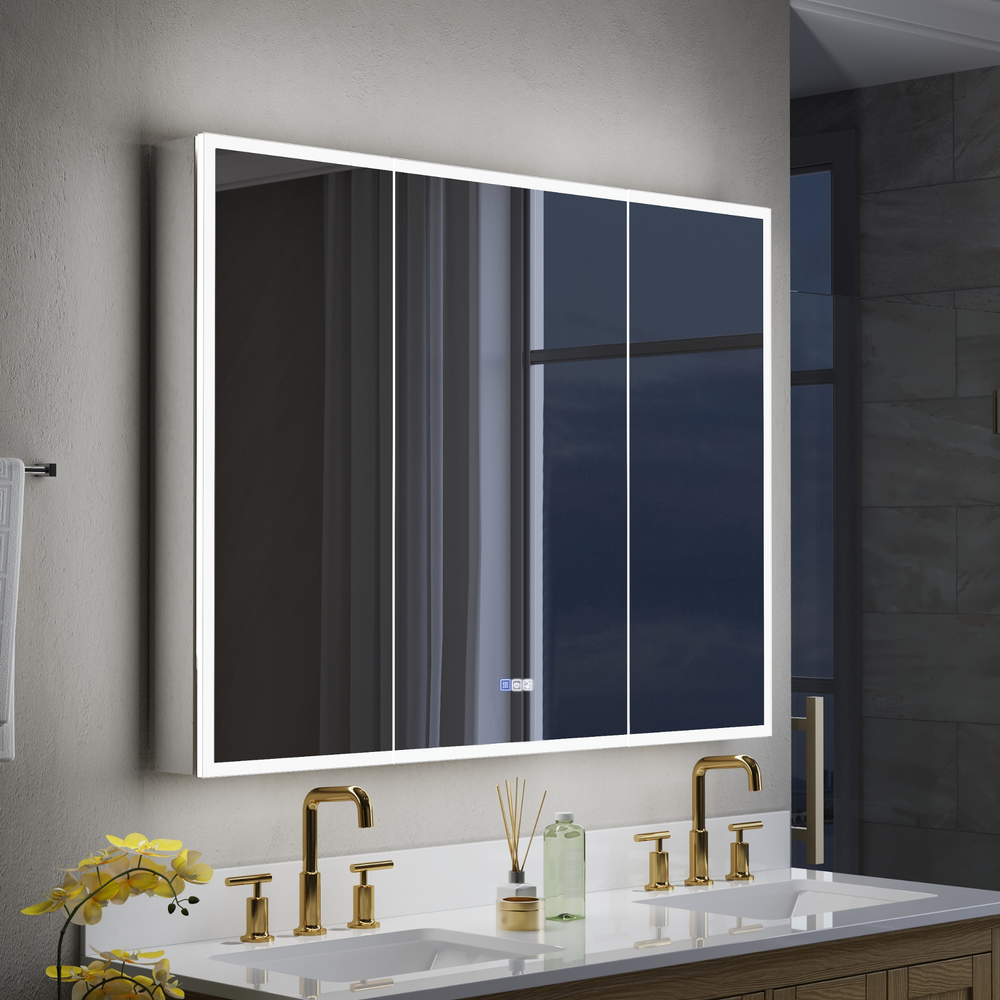
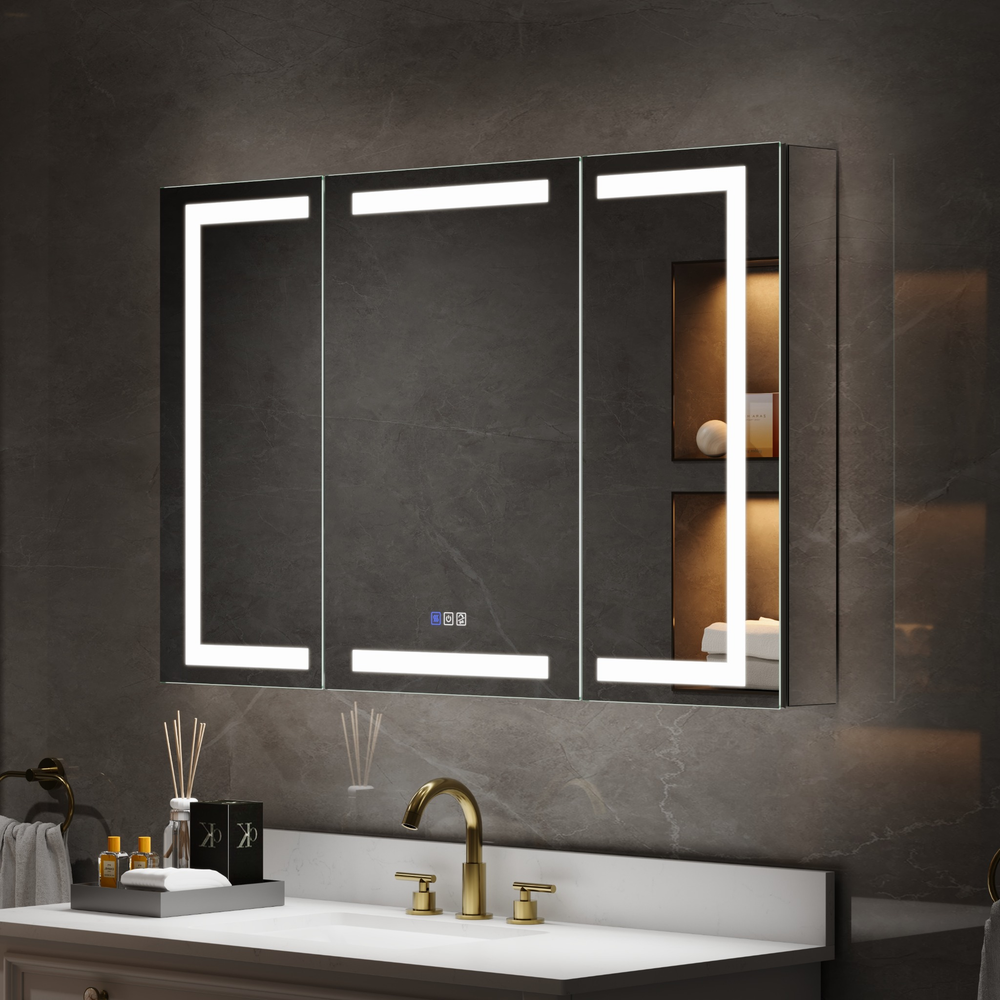



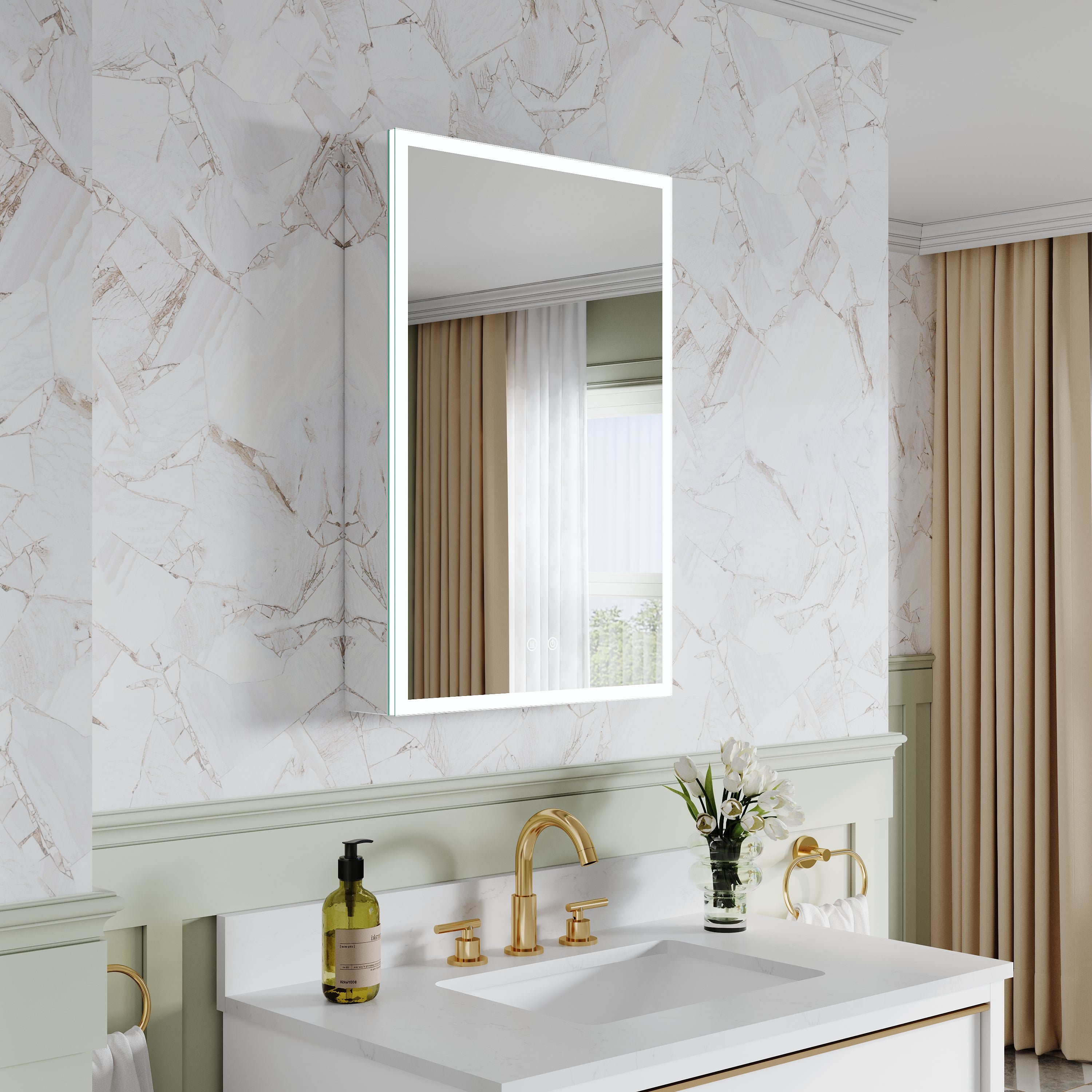
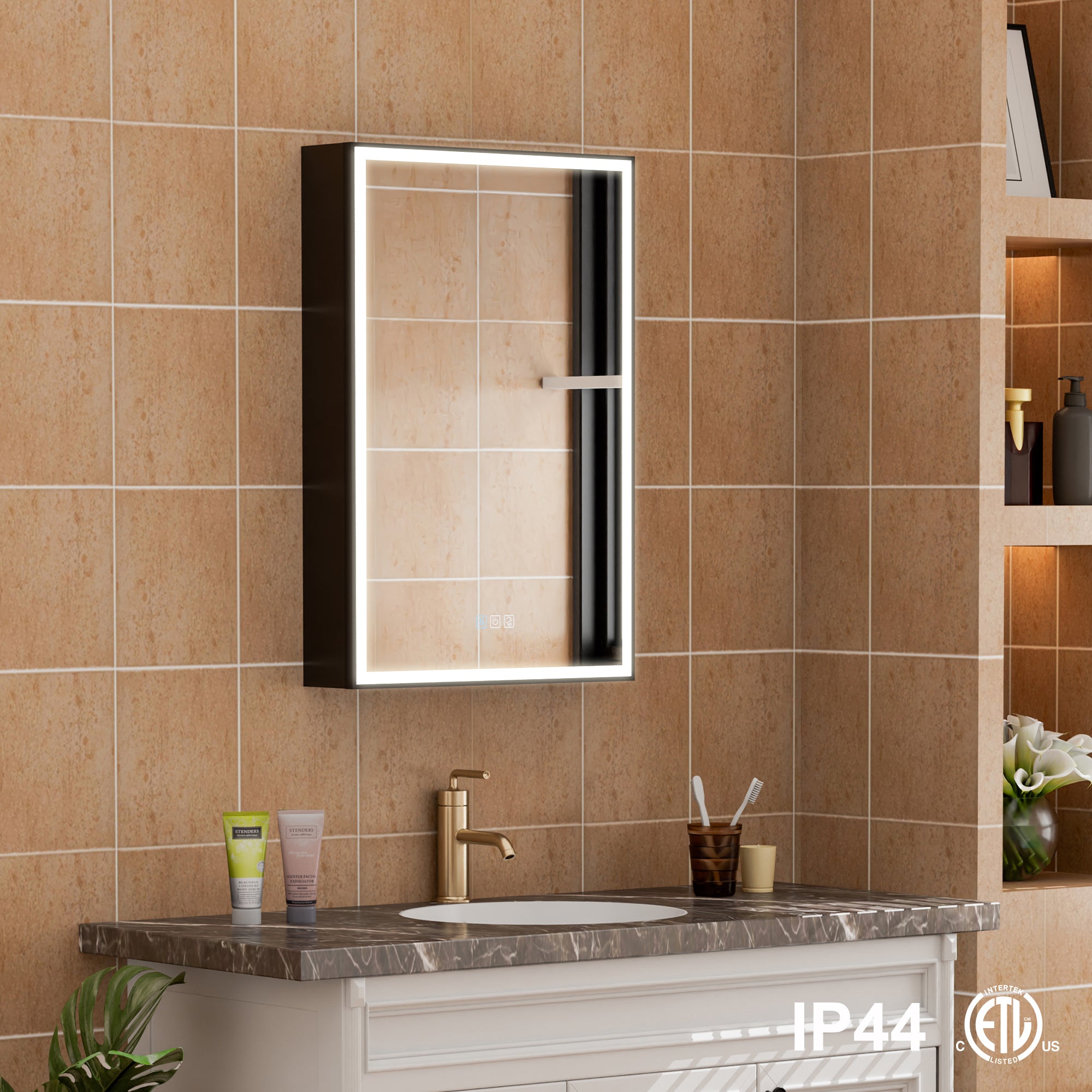



A bathroom mirror may seem like an unlikely place to cut electricity use. Yet an LED mirror can replace a separate vanity light, provide more useful illumination for everyday tasks, and reduce the need to keep several fixtures switched on. The savings depend on how often the light is used and whether it replaces another fixture. Those details matter more than a flashy feature list.
1. How an LED Mirror Uses Energy More Efficiently
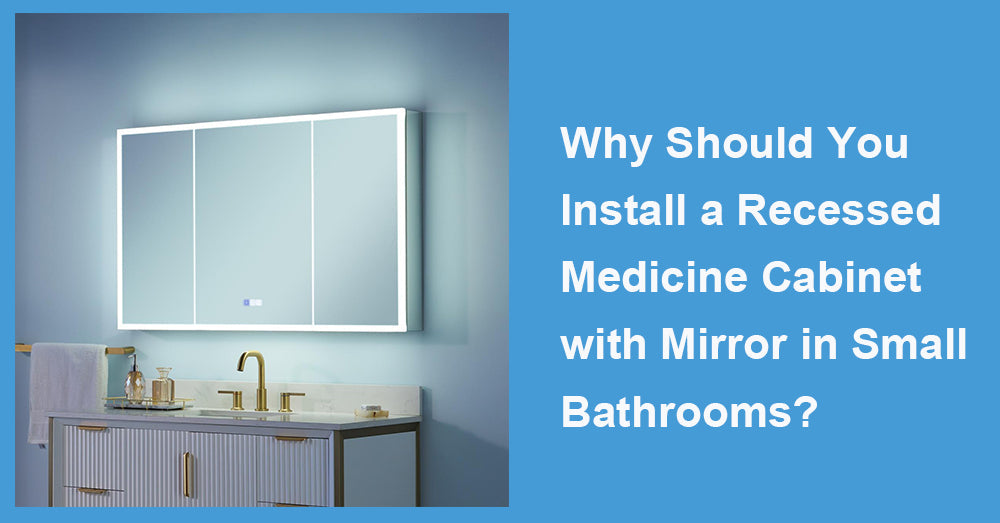
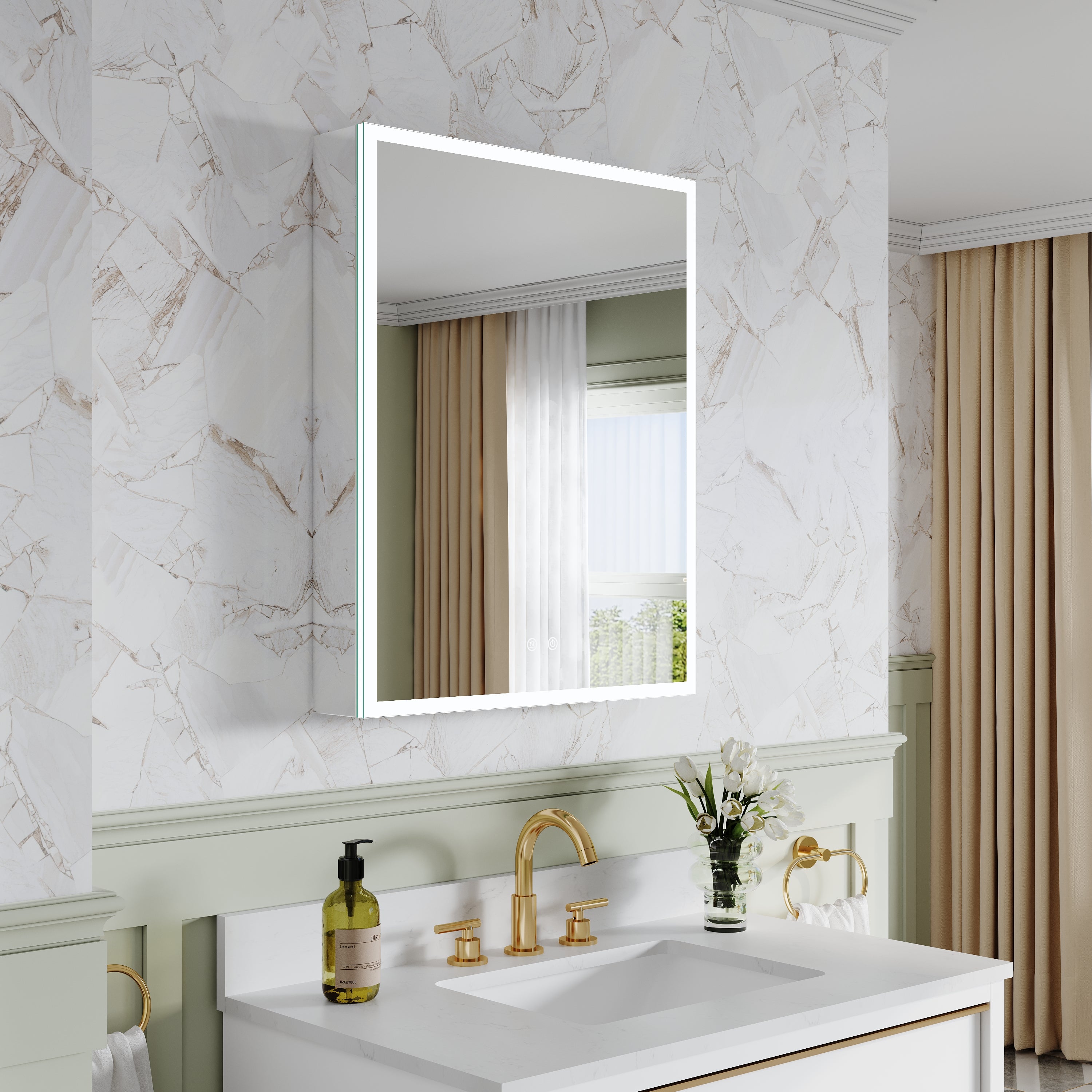
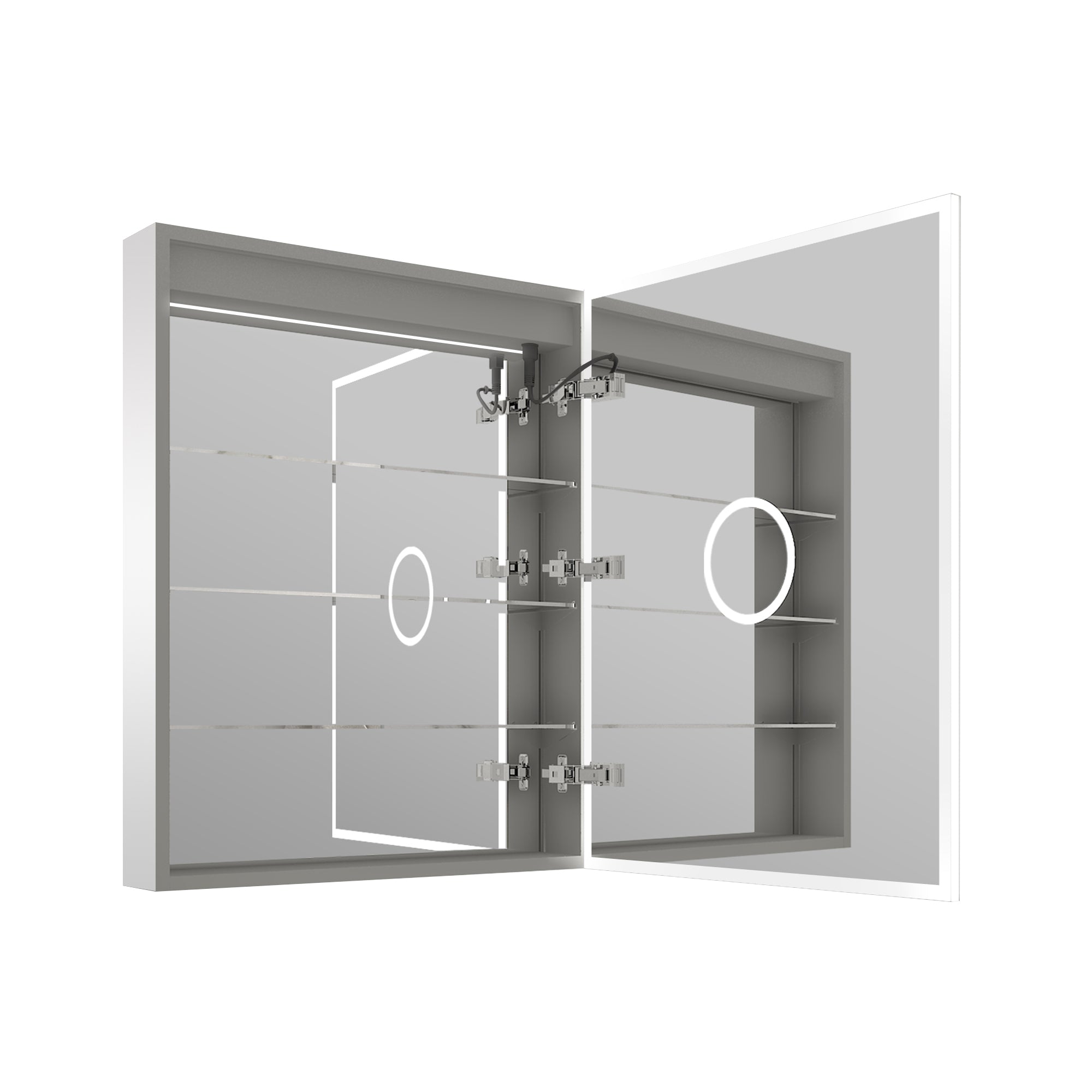
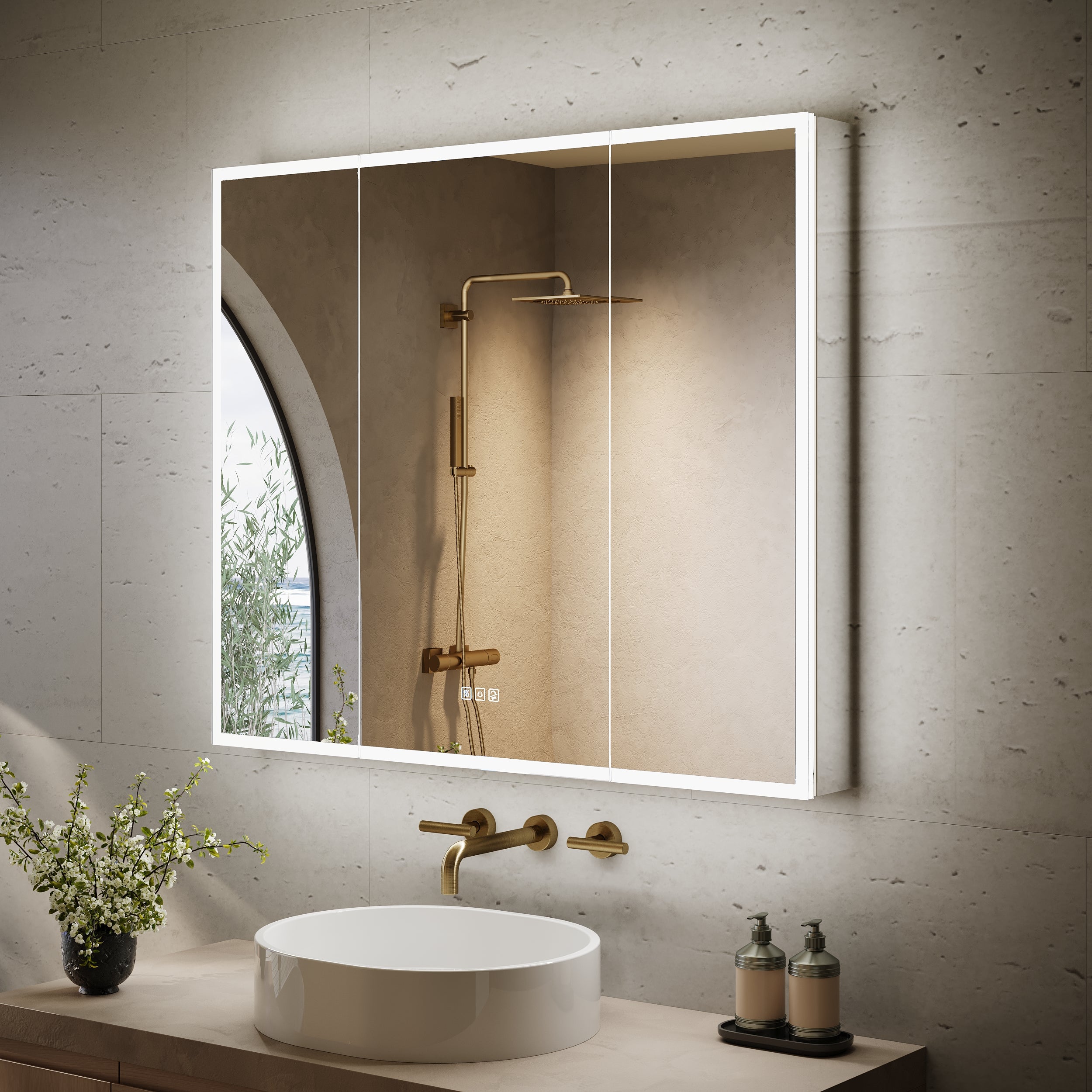
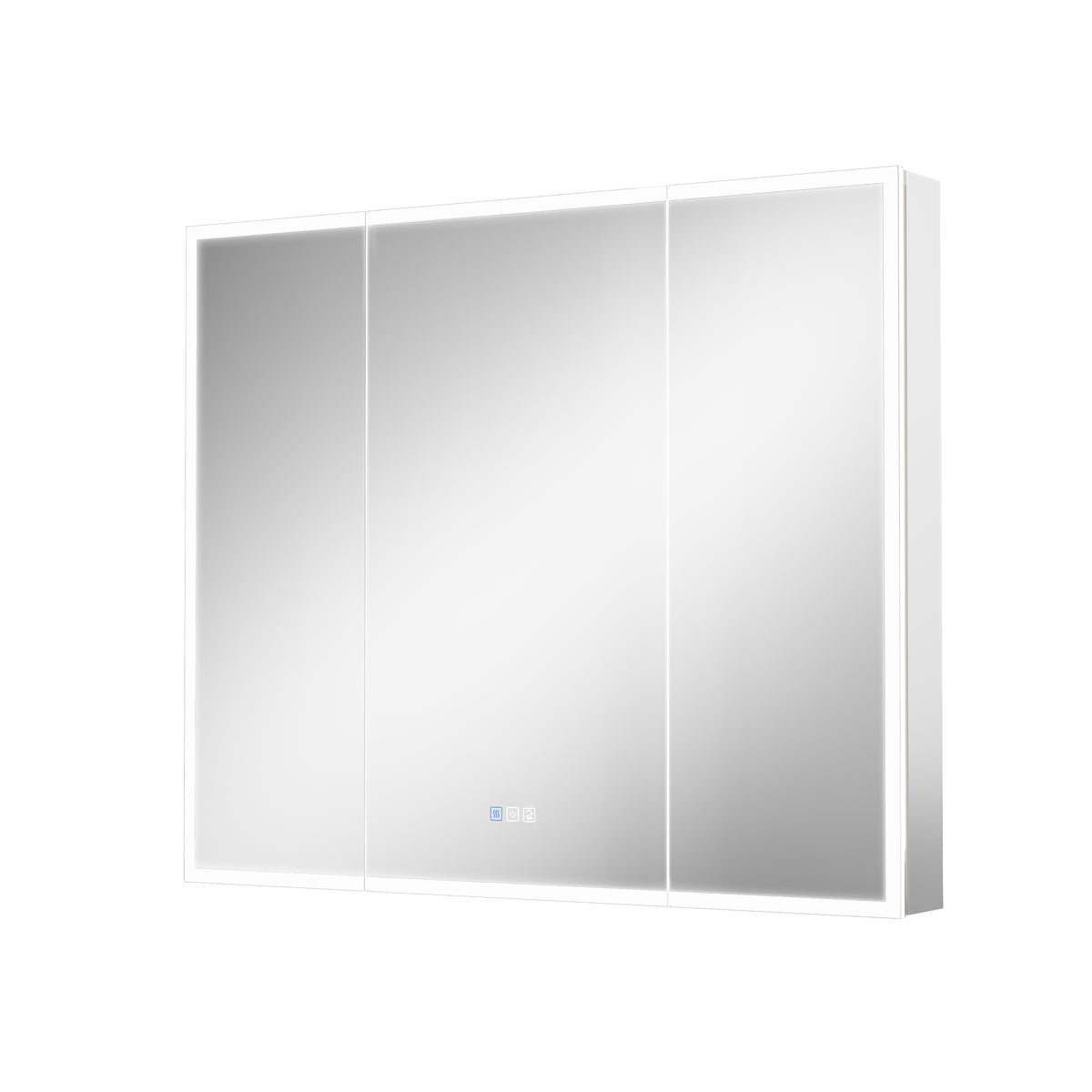
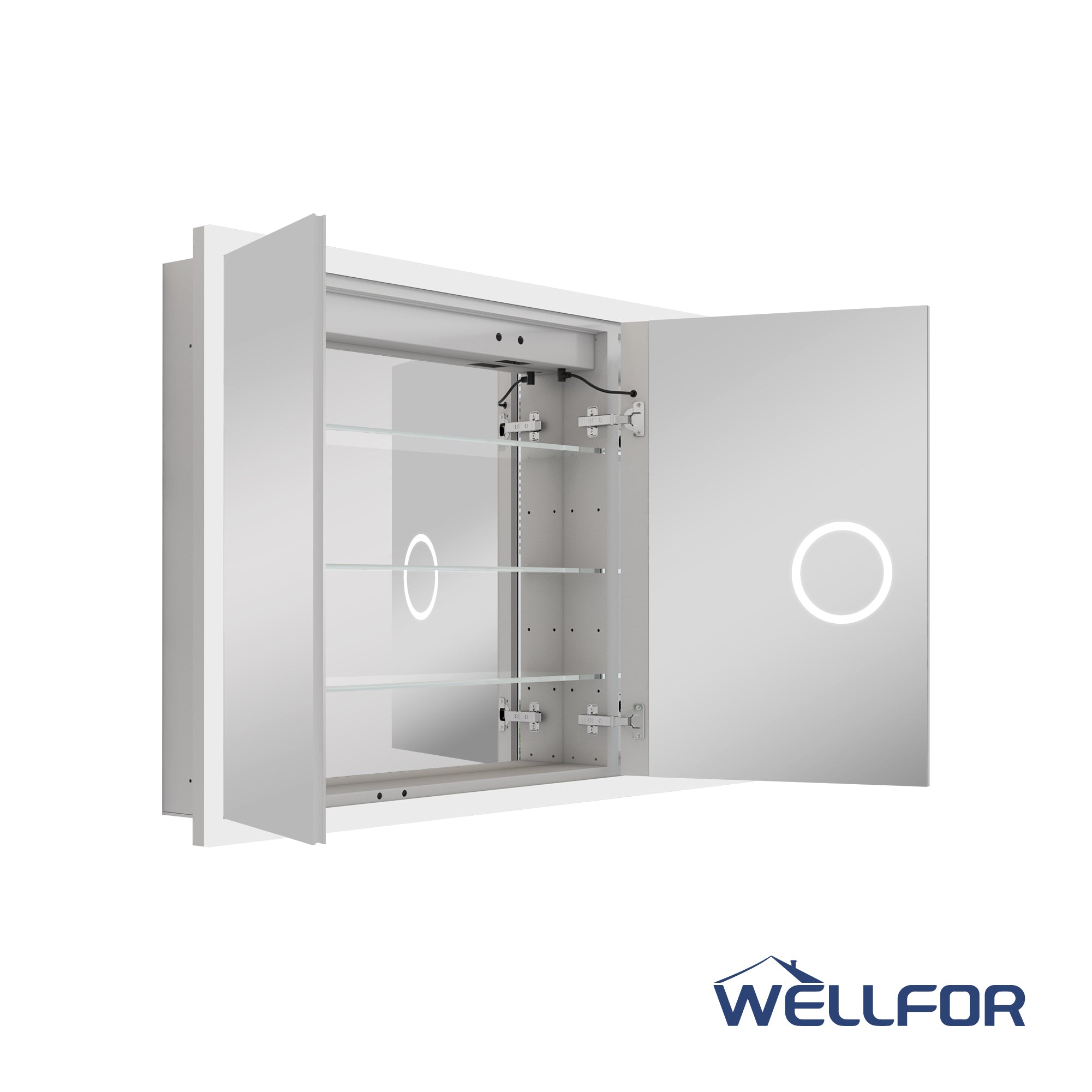
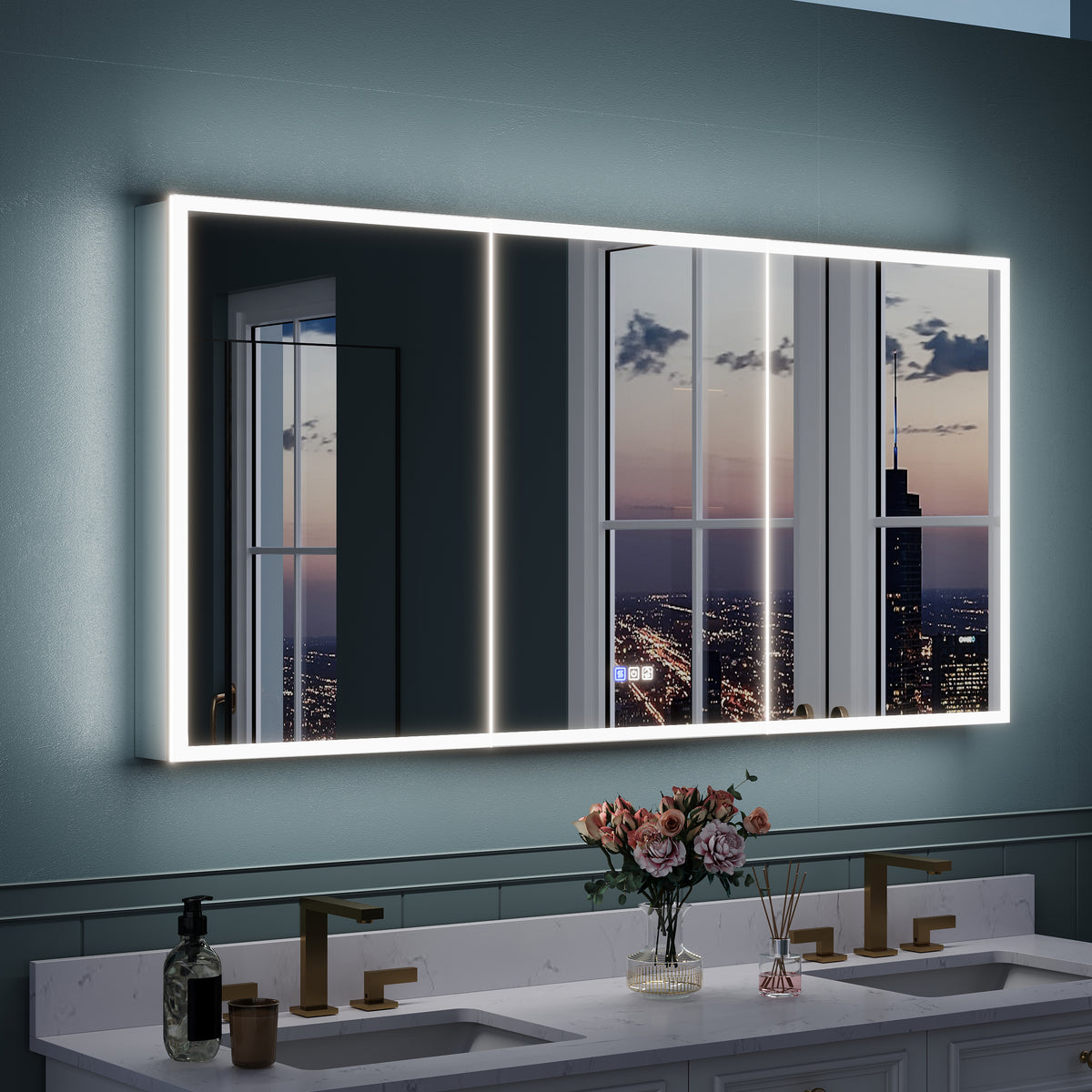
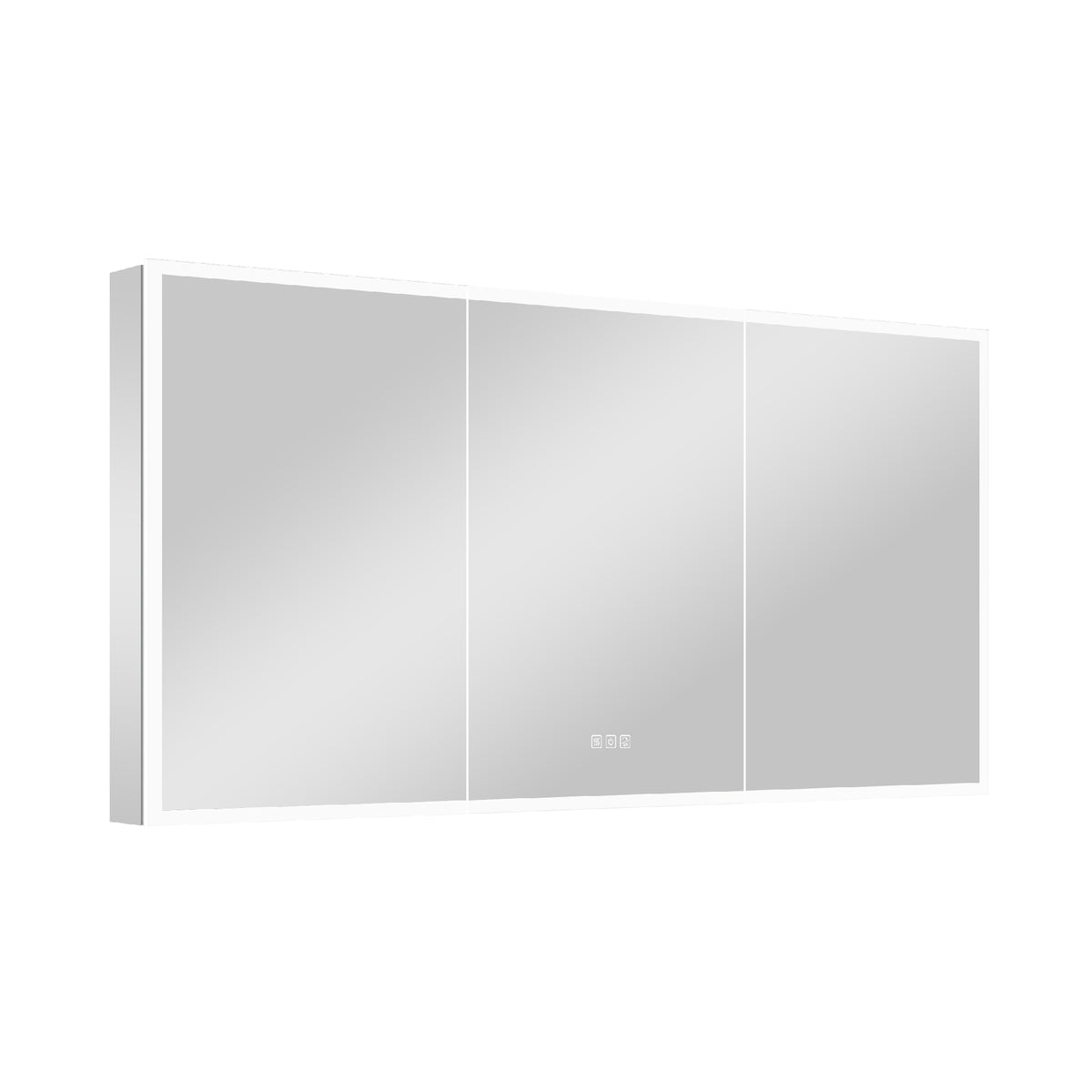
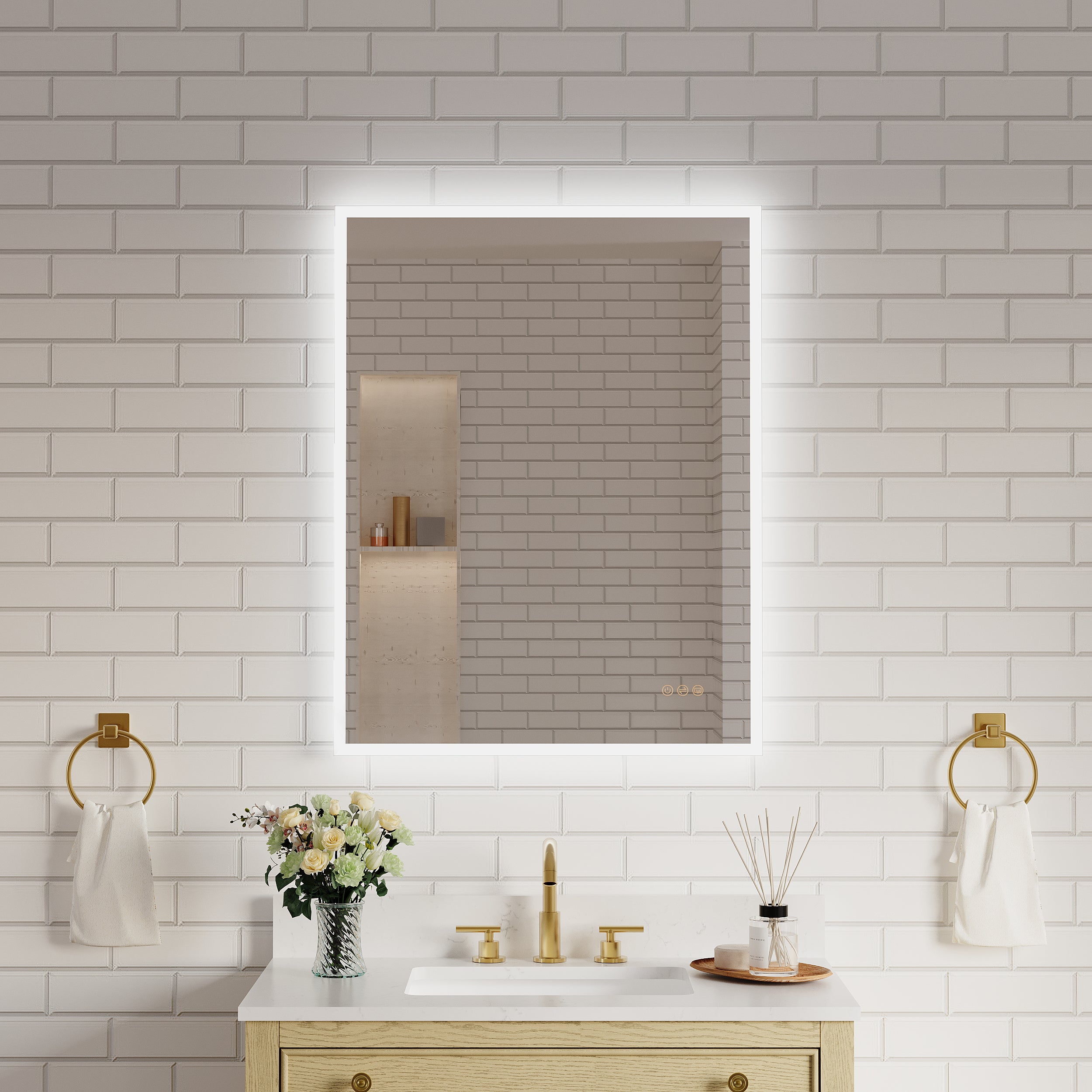
Traditional vanity fixtures often rely on several bulbs to illuminate a sink area. An LED mirror uses integrated light sources positioned around or behind the glass, directing illumination closer to where it is needed. LEDs generally convert more of their electrical input into visible light and less into heat than incandescent bulbs.
Not every illuminated mirror is economical. A large, powerful model could use more electricity than an efficient wall sconce. Compare the fixture's rated wattage and expected hours of use, not just the word "LED" on the packaging.
2. Better Task Lighting Can Reduce Unnecessary Lighting
Consider a typical weekday morning: one person shaves while another applies makeup. With poorly placed overhead lighting, shadows often fall across the face. People respond by turning on every light in the bathroom, even when they only need illumination at the vanity.
A well-designed LED mirror provides more even light at face level. In a small bathroom, that may make additional vanity bulbs unnecessary during routine grooming. In larger rooms, ceiling fixtures still provide general illumination.
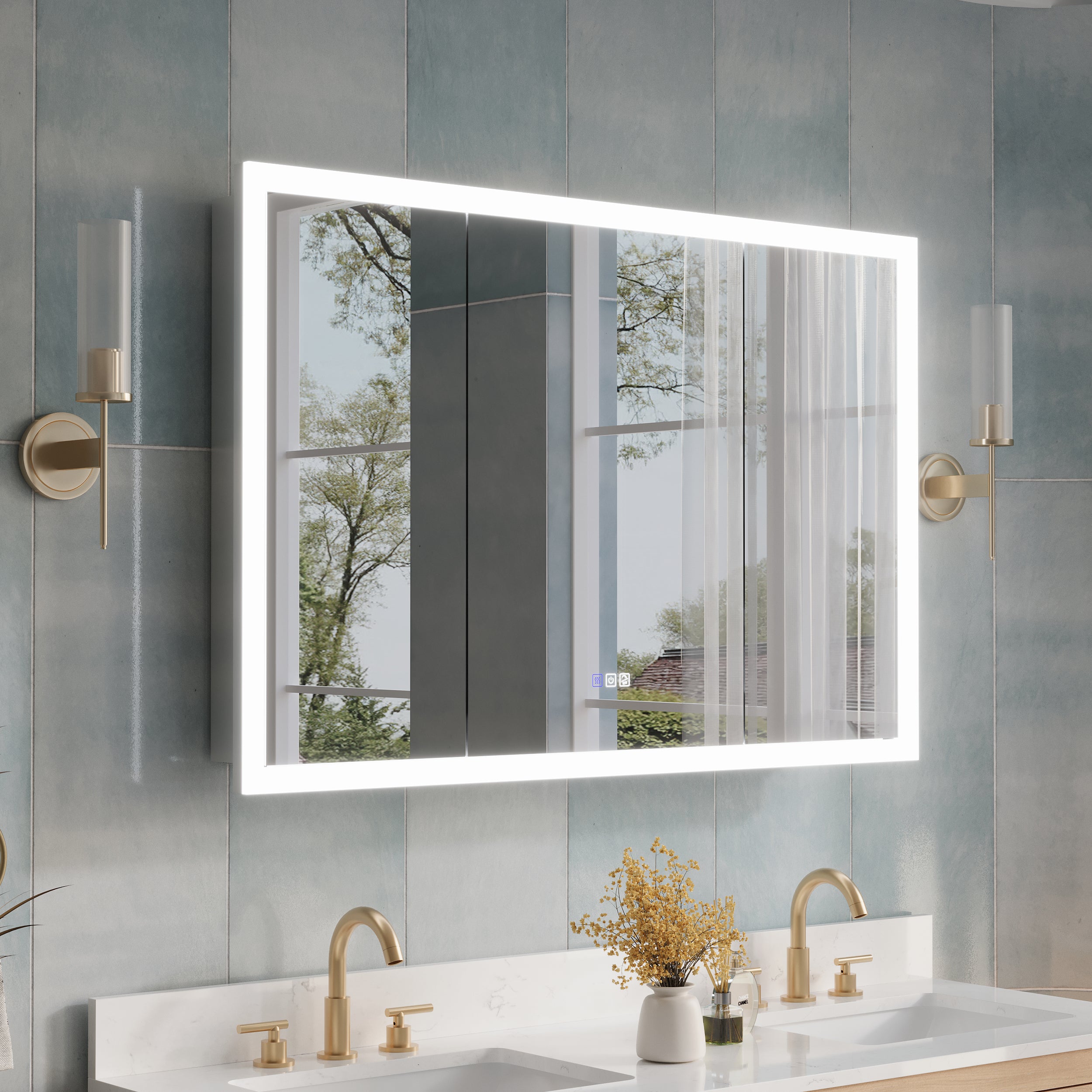
Placement matters. A mirror with light only behind the glass may create an attractive halo but offer less direct facial lighting than a front-lit design.
3. Dimming and Controls Make a Real Difference
The energy advantage becomes more practical when users can control brightness. Full output is useful for detailed grooming. It is seldom needed for brushing teeth before bed.
Choose Controls You Will Actually Use
Look for responsive dimming, accessible controls, and a memory function. A separate wall switch can also be convenient, particularly in a shared bathroom. Check whether the mirror remembers its last brightness setting after power is interrupted; models vary.
Color temperature adjustment can improve comfort, but warmer or cooler light does not automatically mean lower electricity use. Dimming the actual light output is the more relevant feature.
4. Hidden Energy Costs: Defoggers and Standby Power
One common purchasing mistake is assuming every feature is free to operate. Built-in demisters warm a section of the mirror to help prevent condensation. They're useful after a hot shower, but they draw additional electricity, sometimes independently of the lights.
For a family that showers frequently, an automatic shutoff or separately controlled defogger is worth seeking out. Otherwise, the heating function may run longer than necessary.
Touch sensors, clocks, and electronic controls may also consume a small amount of standby power. Ask for total rated wattage, including the demister, and any available standby specifications. Those numbers beat vague energy-saving claims.
5. The Limitations Worth Considering
Integrated lighting has trade-offs. If the LED driver or light strip fails, replacing it may be more complicated than changing a standard bulb. Some mirrors have serviceable components; others do not. Review warranty coverage and replacement-part availability before ordering.
An illuminated mirror also cannot always replace ambient bathroom lighting. It may leave the shower, storage cabinets, or toilet area too dim. In a windowless family bathroom, layered lighting is often the better solution.
And if your existing vanity already uses efficient LED bulbs, replacing the entire setup purely to save electricity may offer limited financial benefit.
6. Installation Choices Affect Performance
Plan Around the Electrical Connection
Measure the vanity width and check how the mirror will sit relative to faucets, outlets, and nearby cabinets. Hardwired models usually call for a qualified electrician and must meet local electrical requirements. Select a product rated for its intended bathroom location, including appropriate moisture protection.
Watch for harsh reflections from glossy tile. A lighting test at face height can reveal problems product photos conceal.
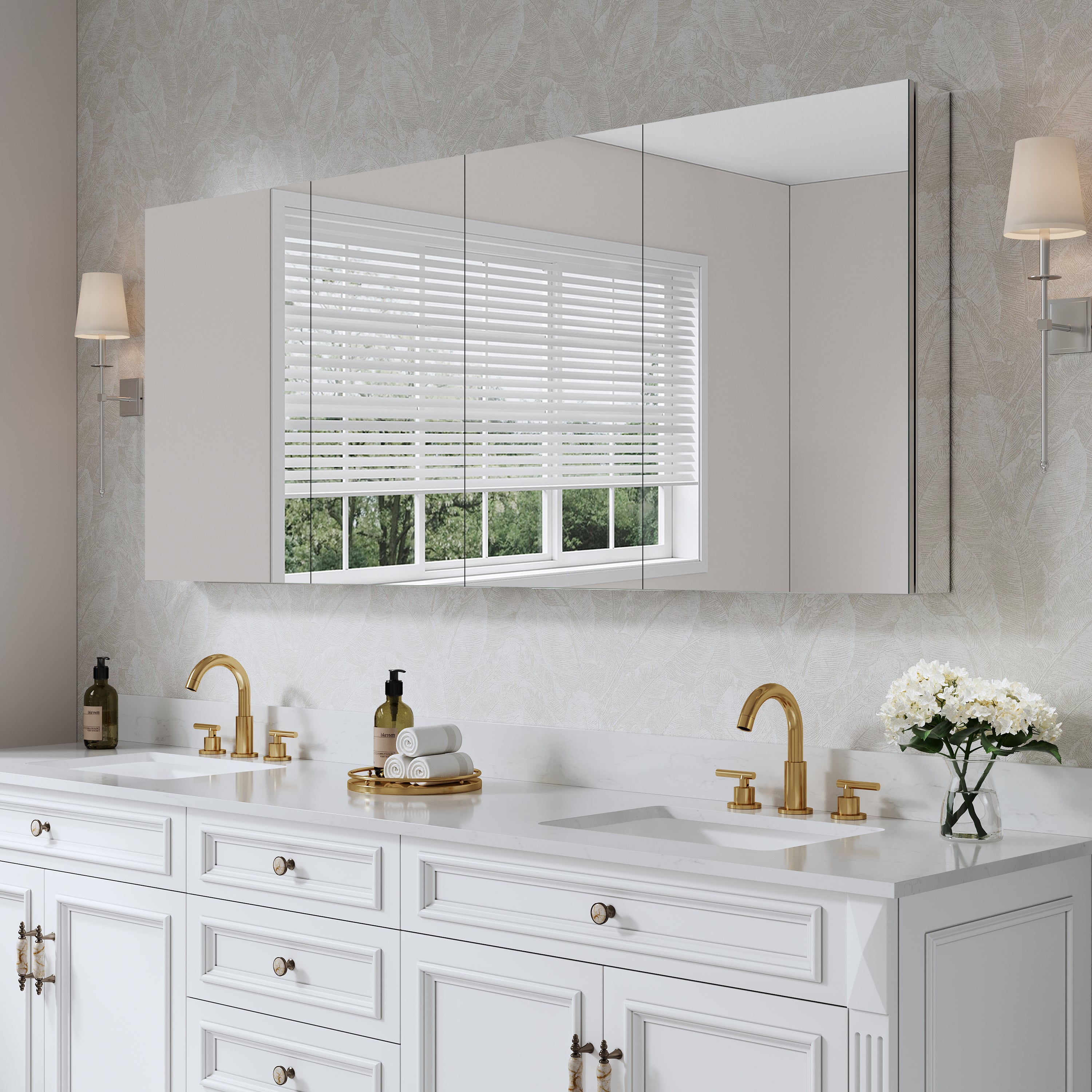
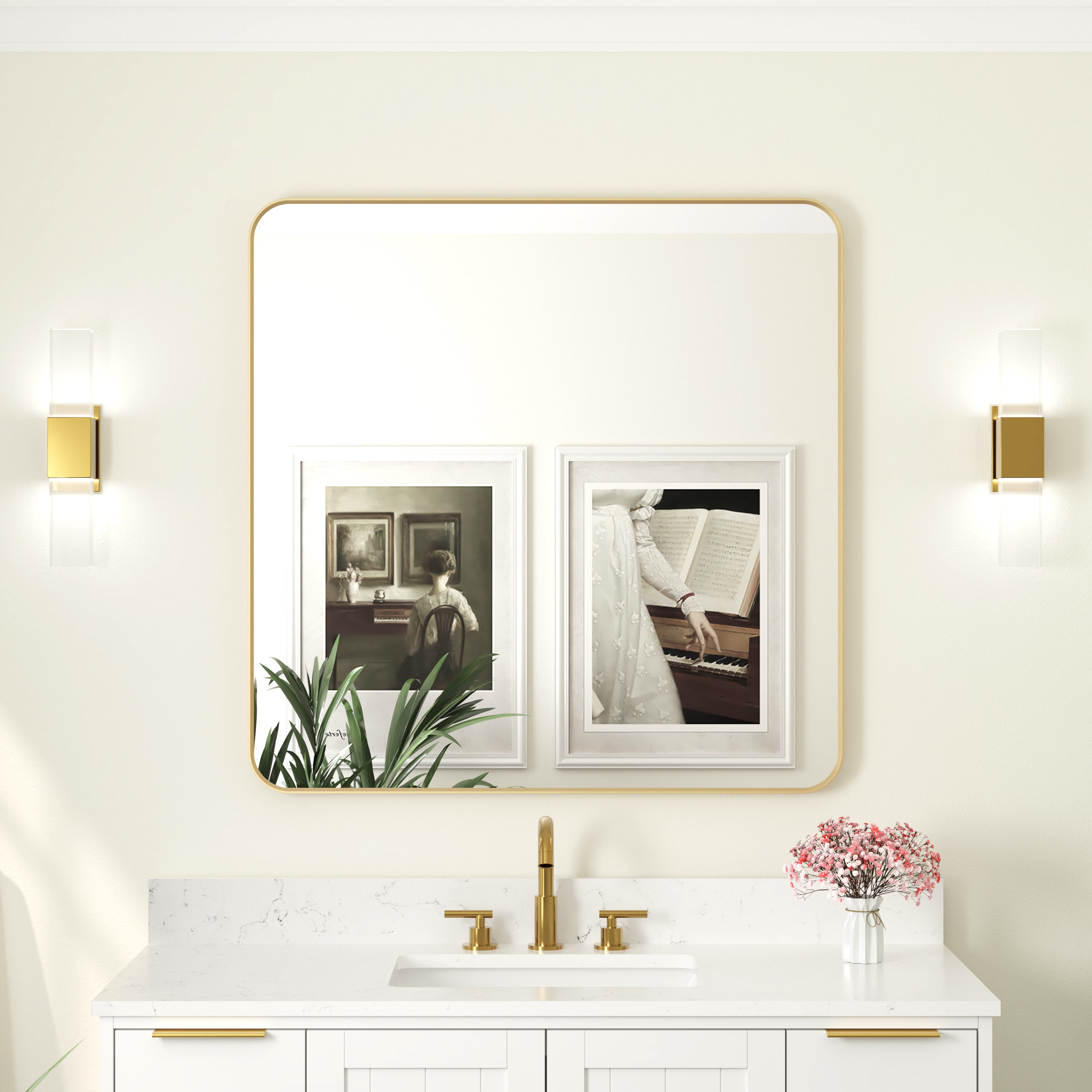
Size the mirror to your vanity rather than filling the wall.
7. Keep the Light Working Efficiently
Maintenance is straightforward but easy to neglect. Dust, fingerprints, and residue can reduce perceived brightness, leading users to raise the setting unnecessarily. Clean glass with a soft cloth and a cleaner suitable for the manufacturer's finish, keeping liquid away from electrical seams.
Keep ventilation working properly, too. An exhaust fan that controls humidity can reduce how often you need the mirror's defogging feature. Never block ventilation openings or attempt electrical repairs without the appropriate expertise.

8. Choose the Right Mirror for the Way You Live
For a compact guest bath or a frequently used primary vanity, an LED mirror can be a smart upgrade when it provides enough task light to replace another fixture. Wellfor shoppers should prioritize light distribution, adjustable brightness, accessible controls, and clear power specifications over decorative extras.
If you already have excellent lighting, or you want a mirror mainly for occasional use, a conventional mirror may be the more sensible purchase. Before committing, compare the existing fixture's wattage with the proposed setup, including any defogger. The best LED mirror is the one that improves your daily routine without adding lighting and features you rarely need.














Leave a comment
This site is protected by hCaptcha and the hCaptcha Privacy Policy and Terms of Service apply.