
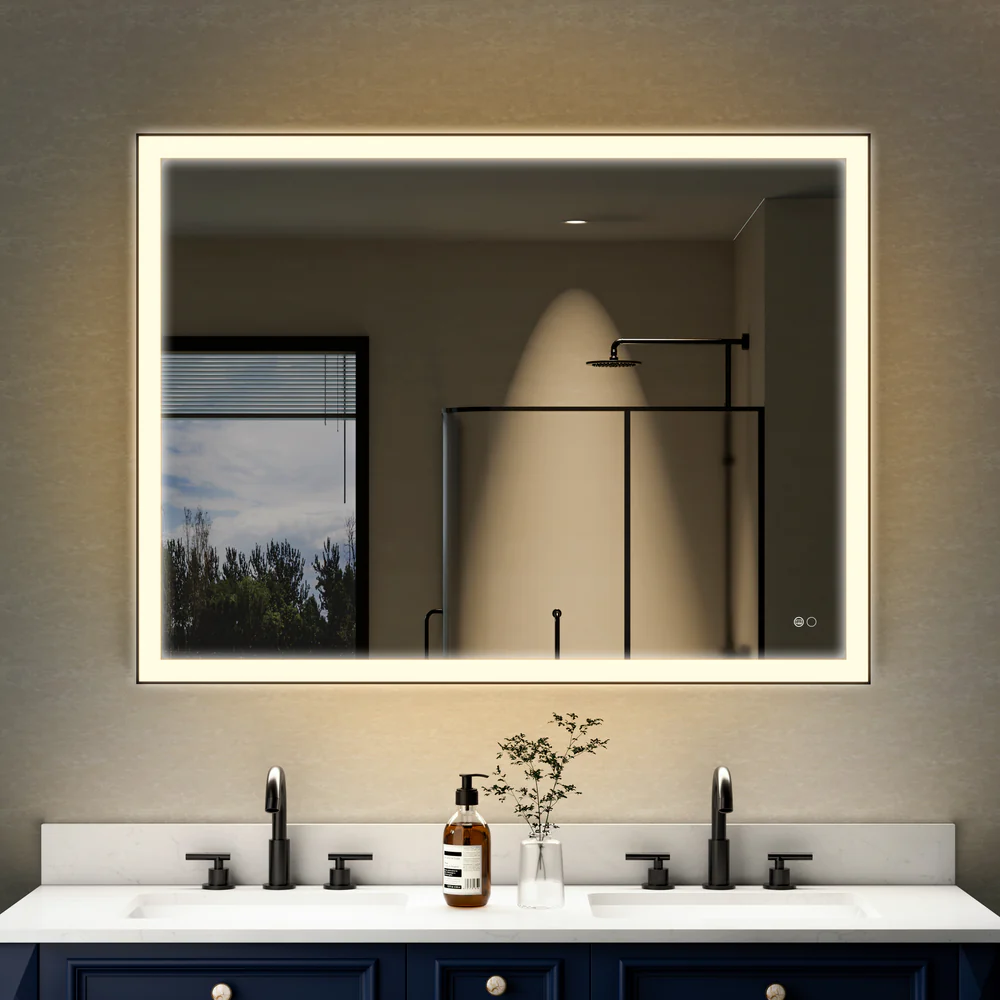
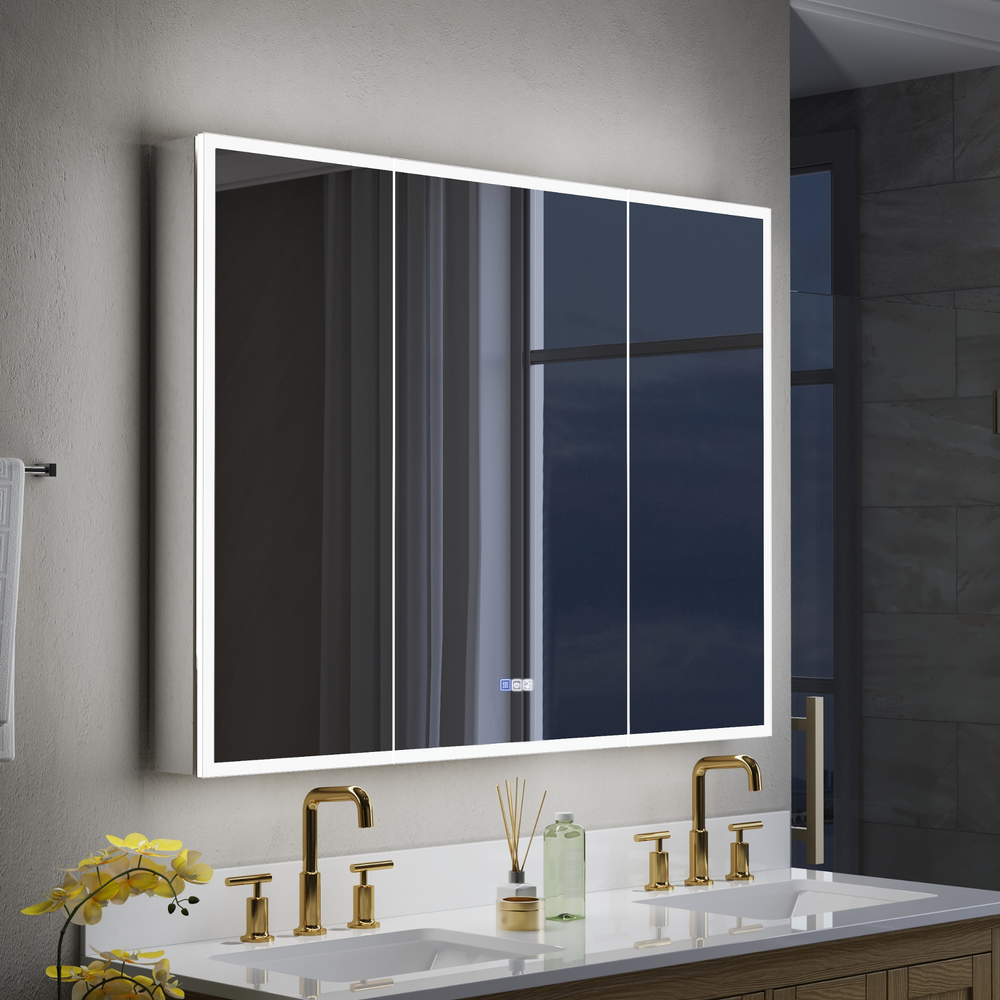
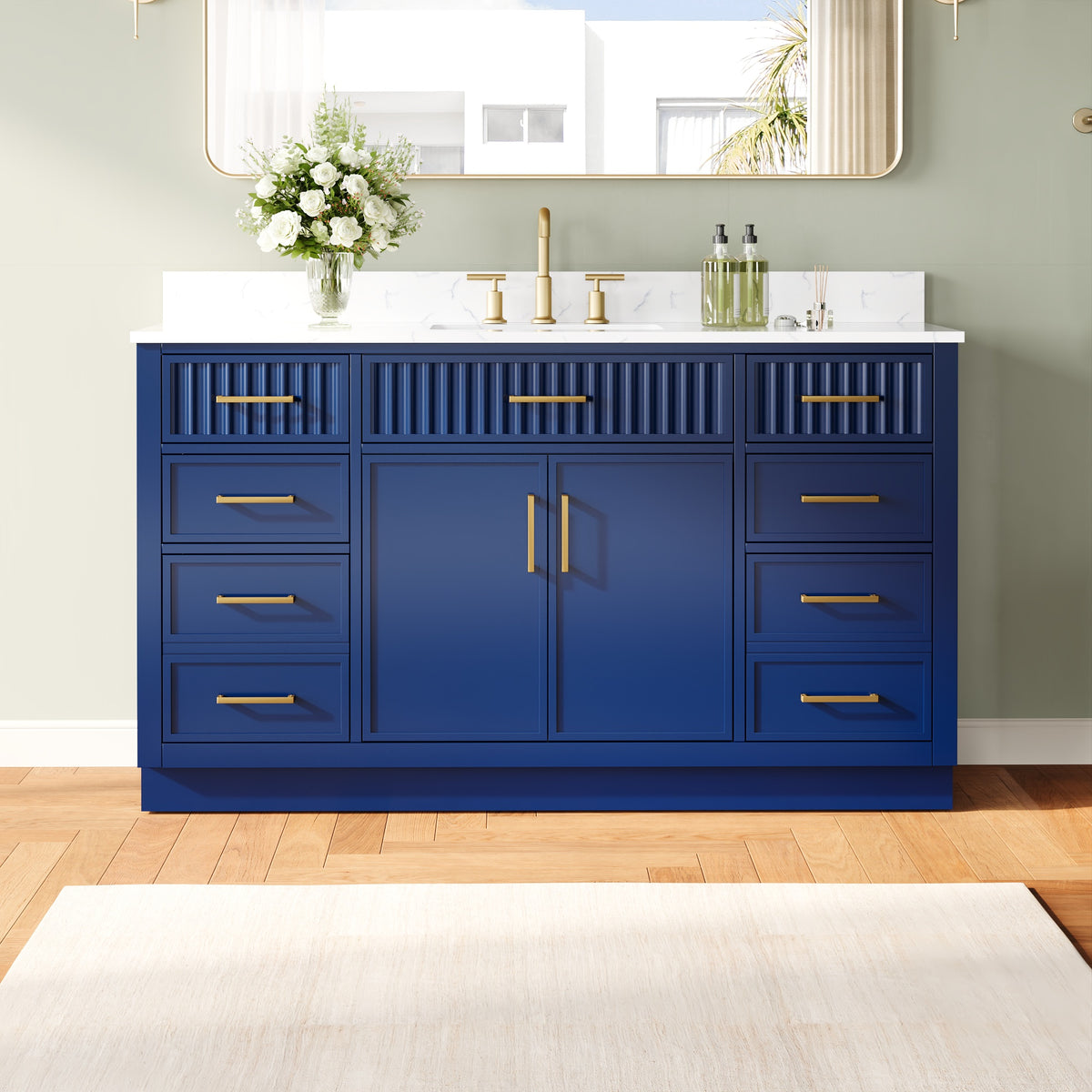
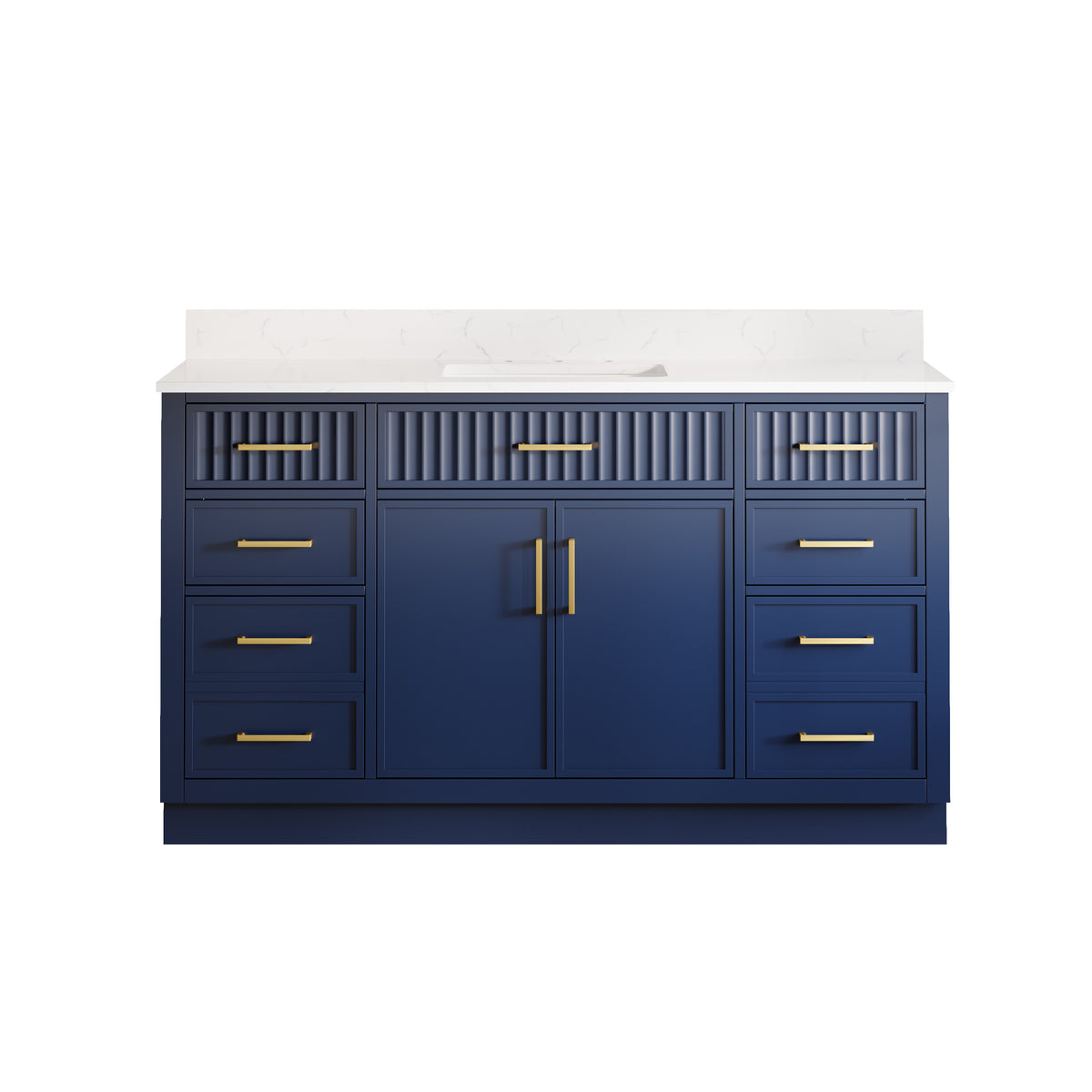
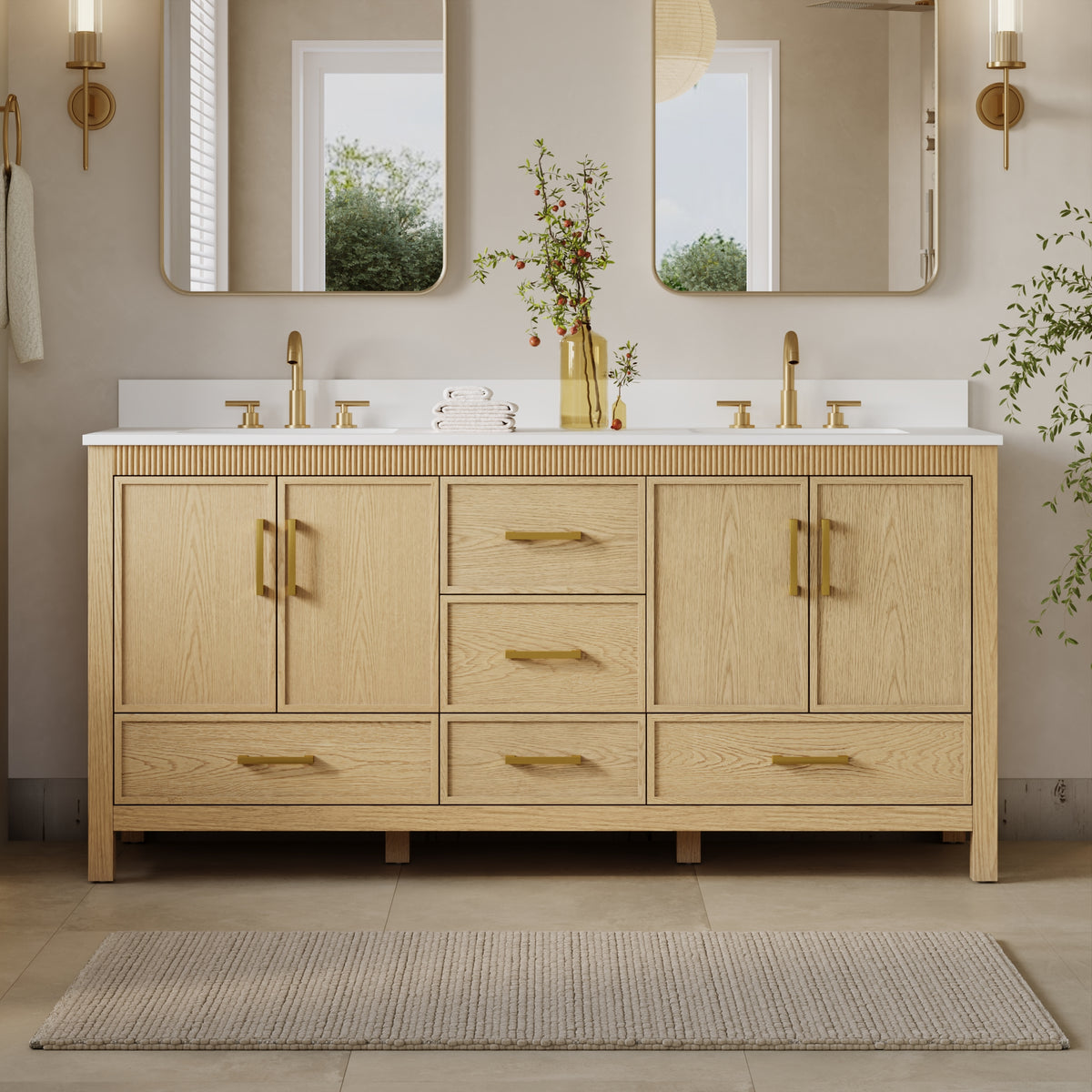
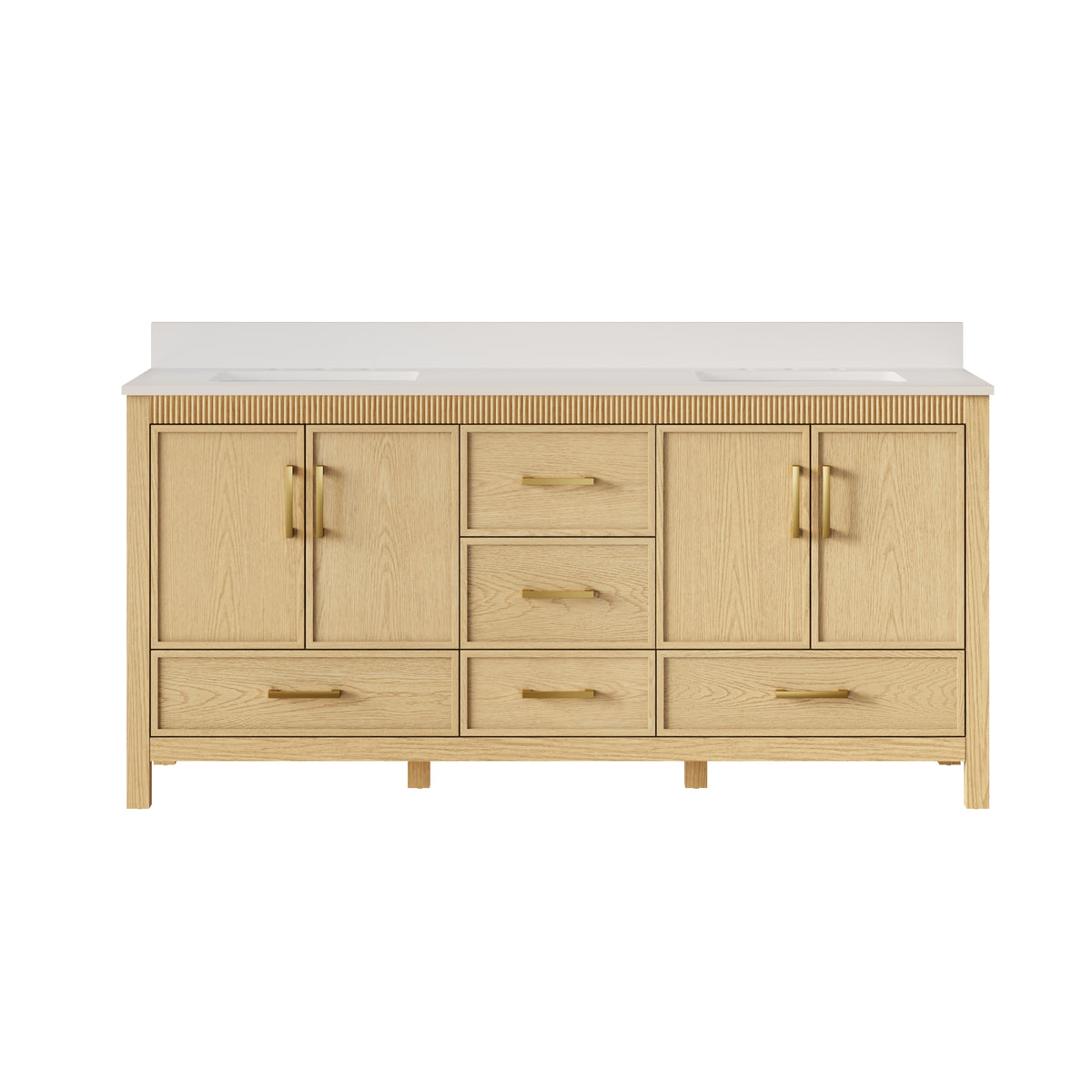
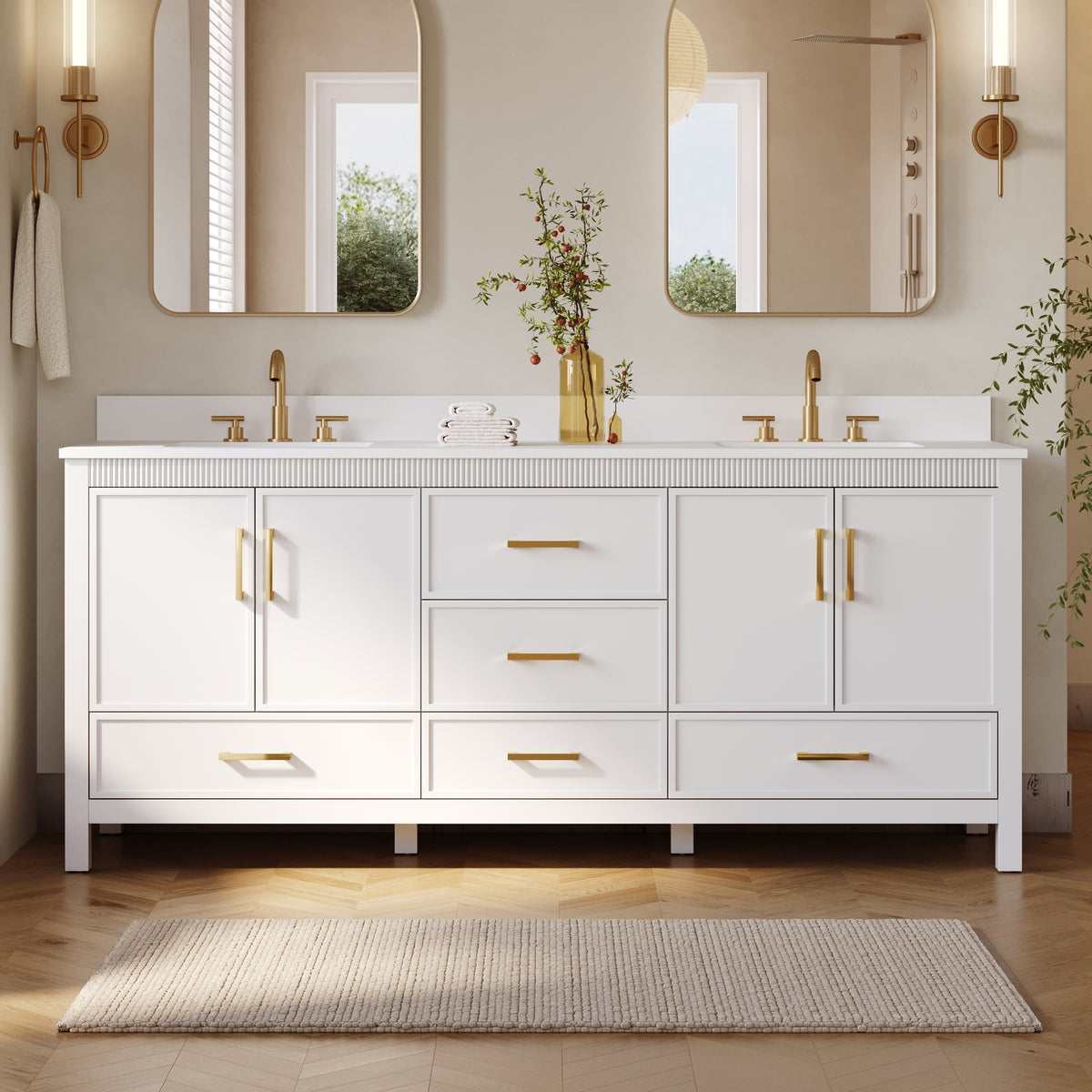
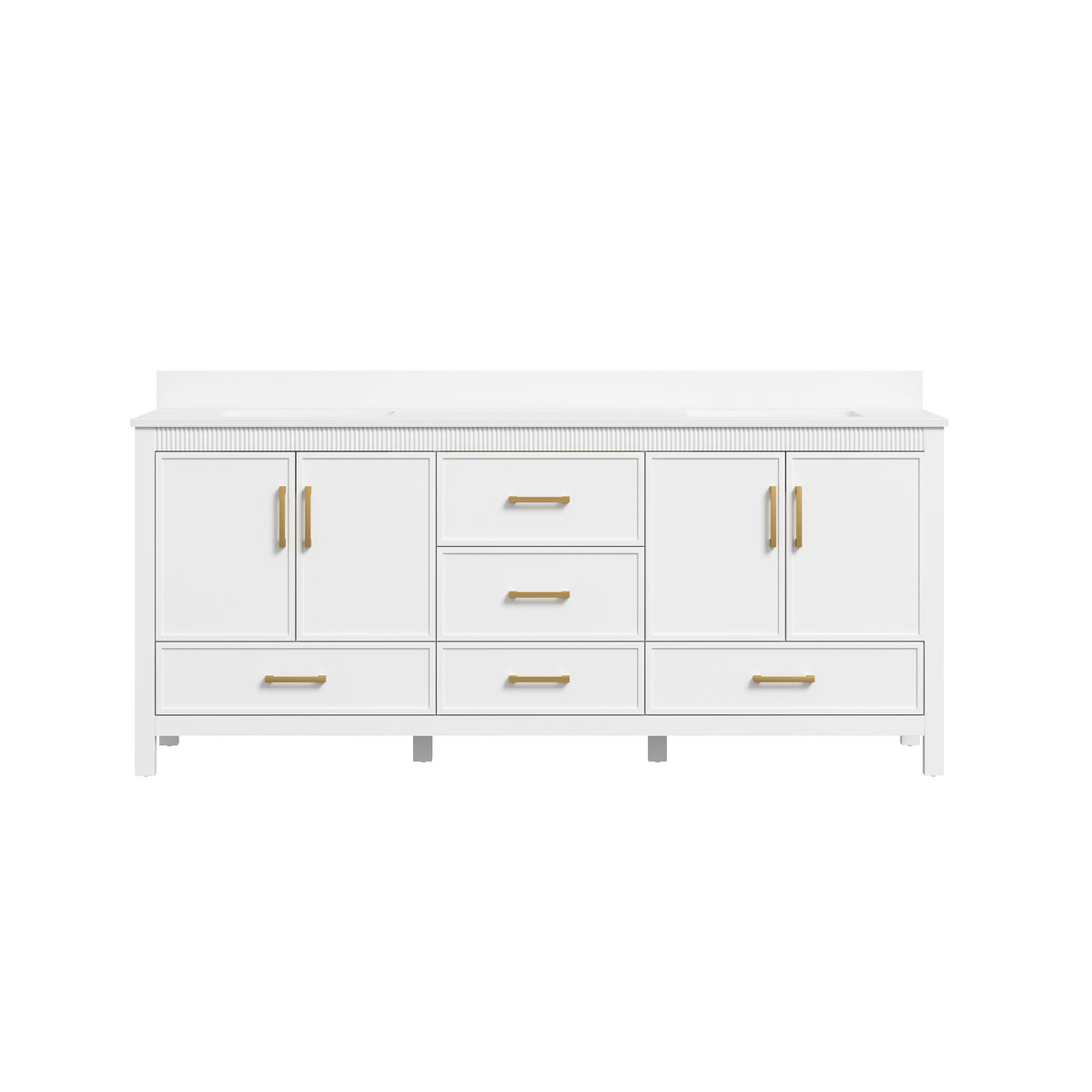

A wooden vanity can make a bathroom feel warmer, more settled, and less like a purely functional space. But a showroom finish may be wrong for a humid family bathroom. Look beyond color to proportions, construction, storage, and daily routines. The best choices do more than match a style.
1. Start With the Bathroom, Not the Vanity
Before comparing finishes, study the room itself. Is it windowless? Does the shower leave moisture nearby? Do two people use it simultaneously?
In a small bathroom, a bulky floor-standing cabinet can make the walkway feel tighter. A floating model exposes more floor and often creates a lighter visual effect. It makes mopping easier, though the wall must support its weight.
For a busy household, storage may matter more than an airy silhouette. Deep drawers can keep hair tools, spare toiletries, and cleaning supplies out of sight. Measure those items first; attractive drawer fronts mean little if the plumbing leaves hardly any usable space behind them.
2. Match a Wooden Vanity to Your Design Style
Wood has a remarkable range of personalities. Grain, stain, door profile, and hardware all change how the same material reads in a room.
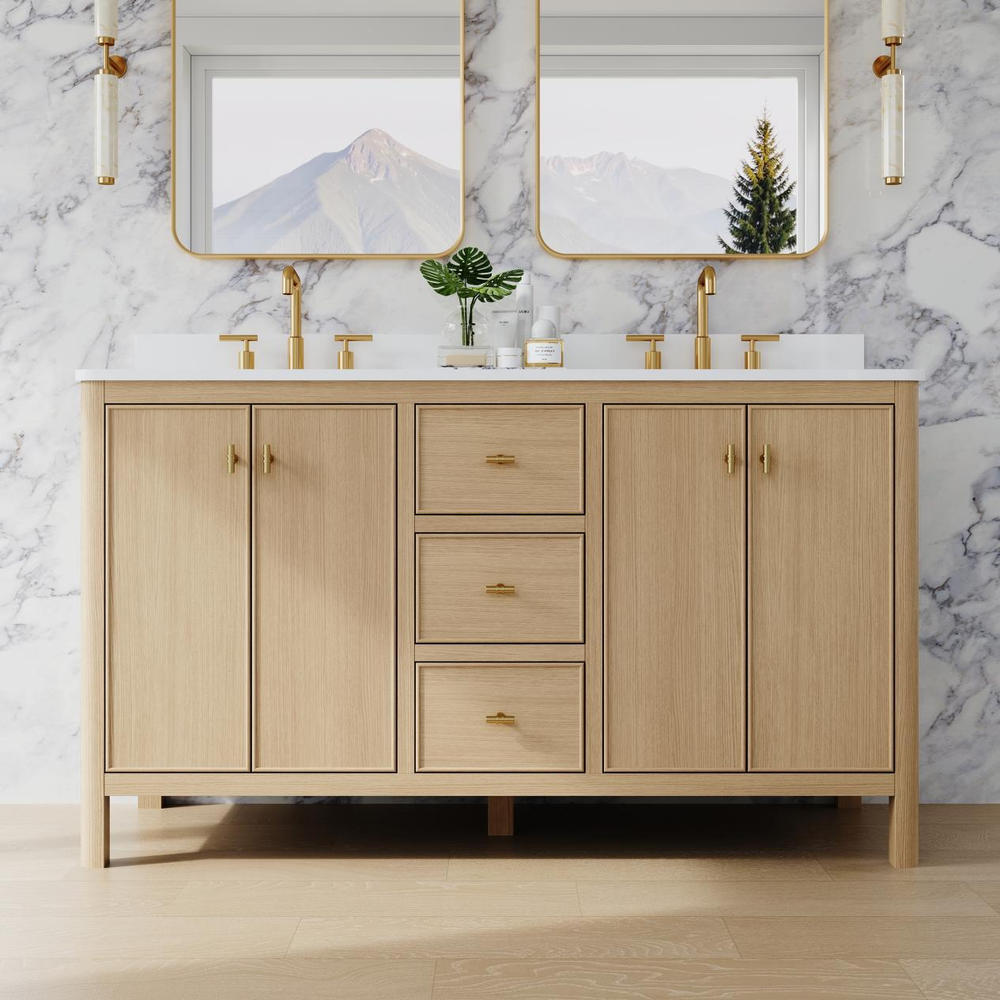
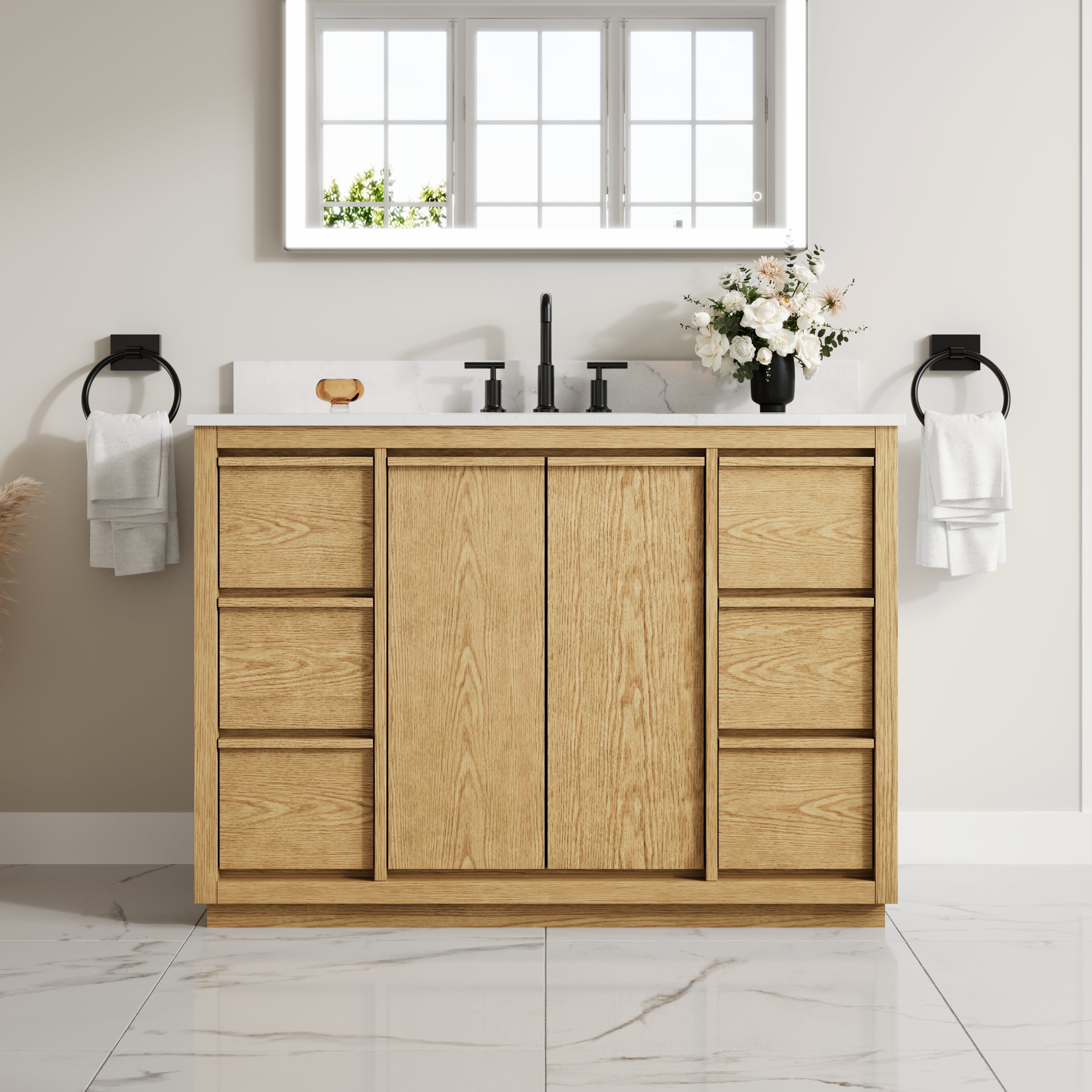
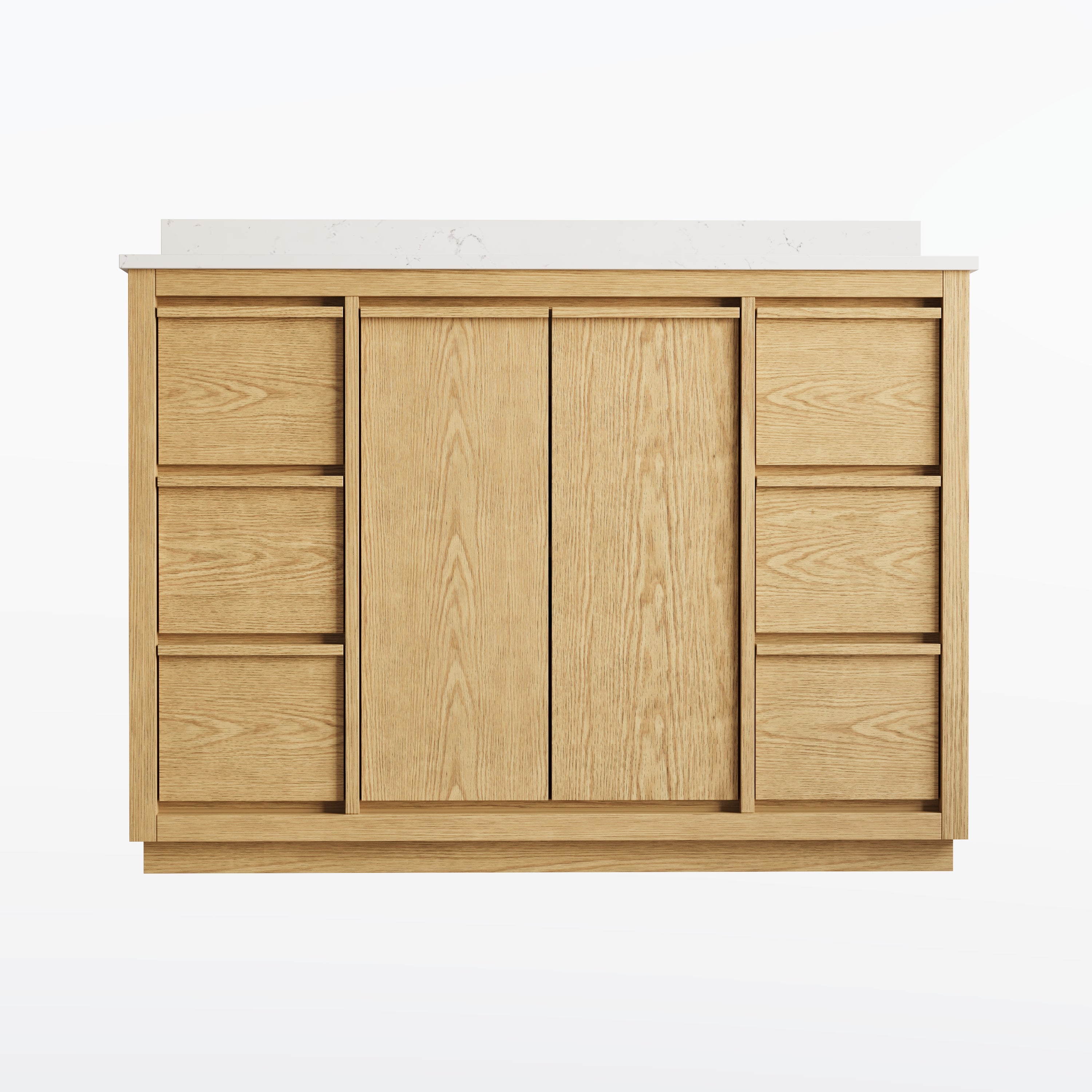
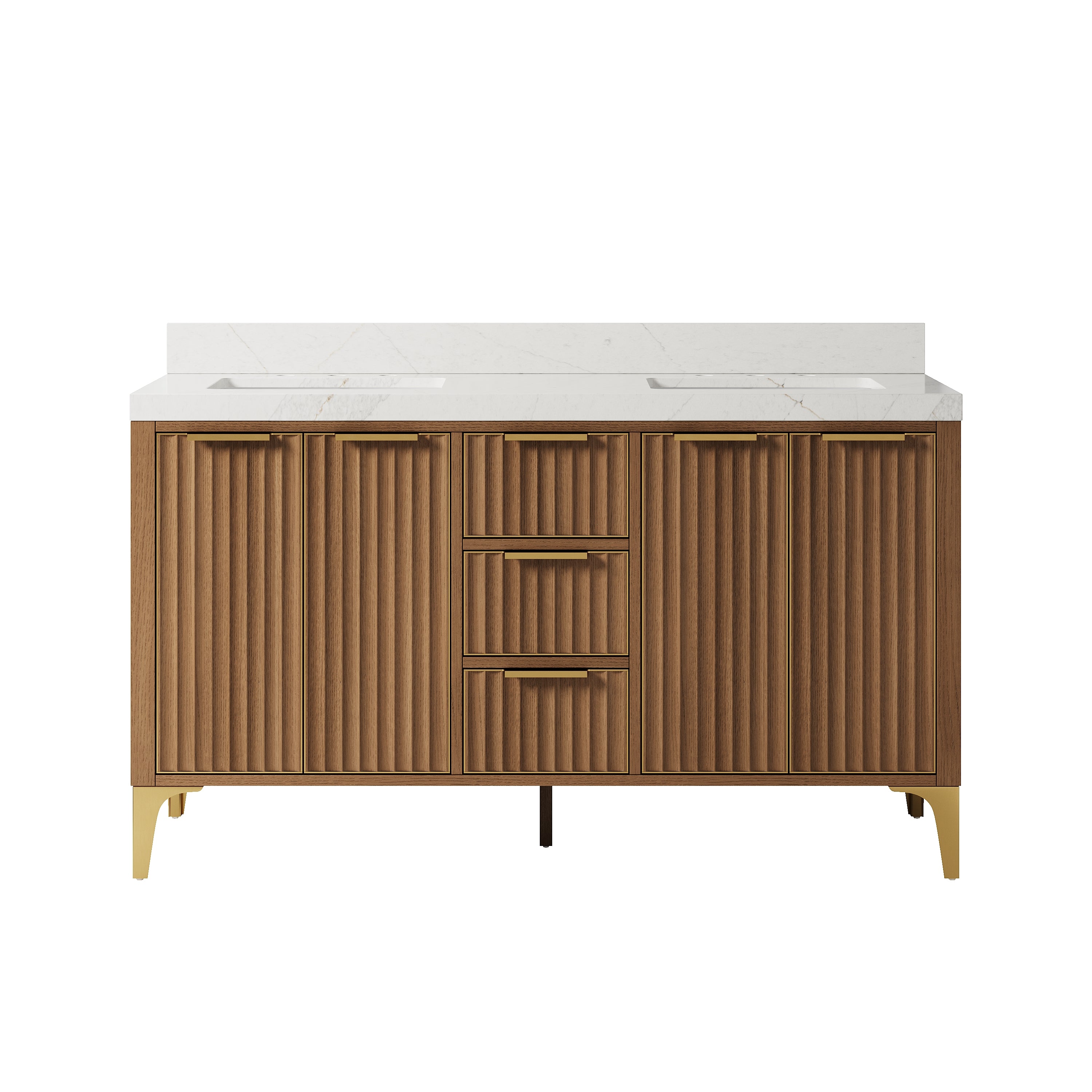
For Scandinavian-inspired bathrooms, light oak tones and flat-panel fronts complement pale walls and simple fixtures. Modern interiors often suit cleaner lines, integrated pulls, and restrained grain patterns. A traditional bathroom can carry raised-panel doors, warmer finishes, and more decorative hardware without feeling overdone.
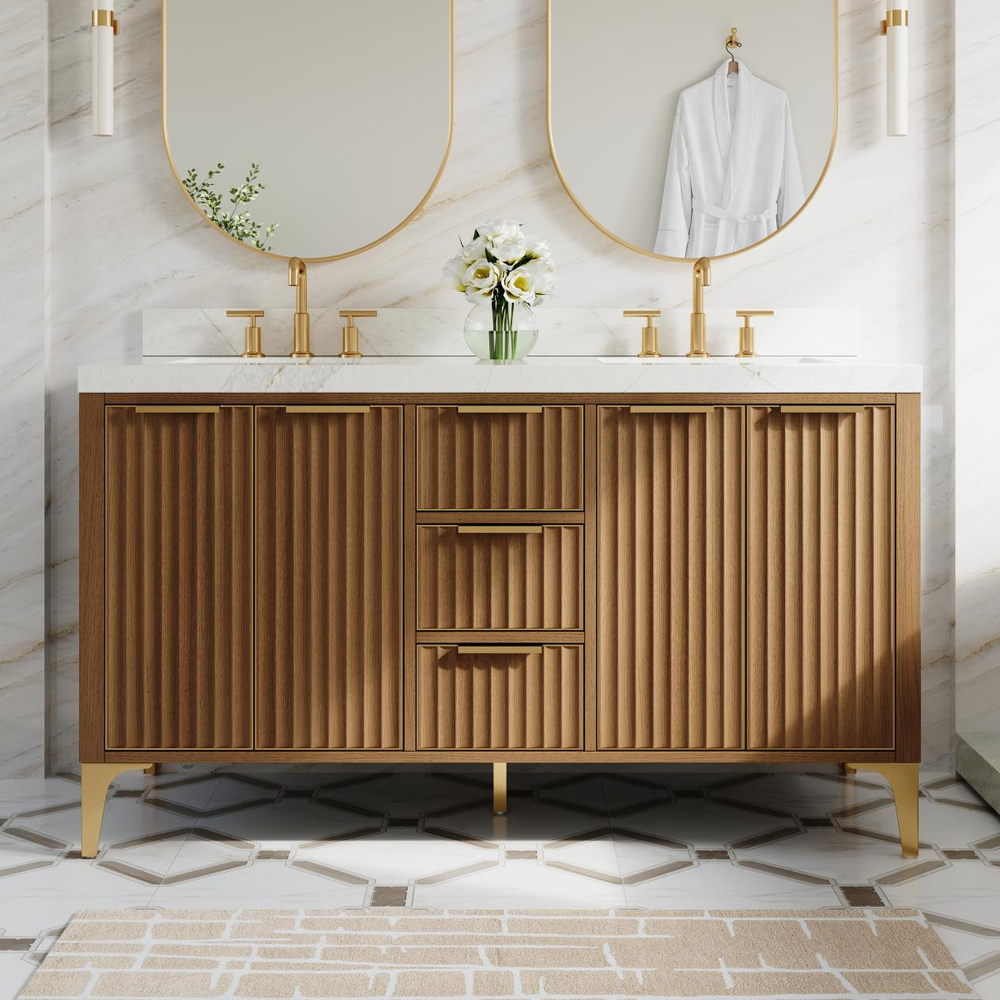
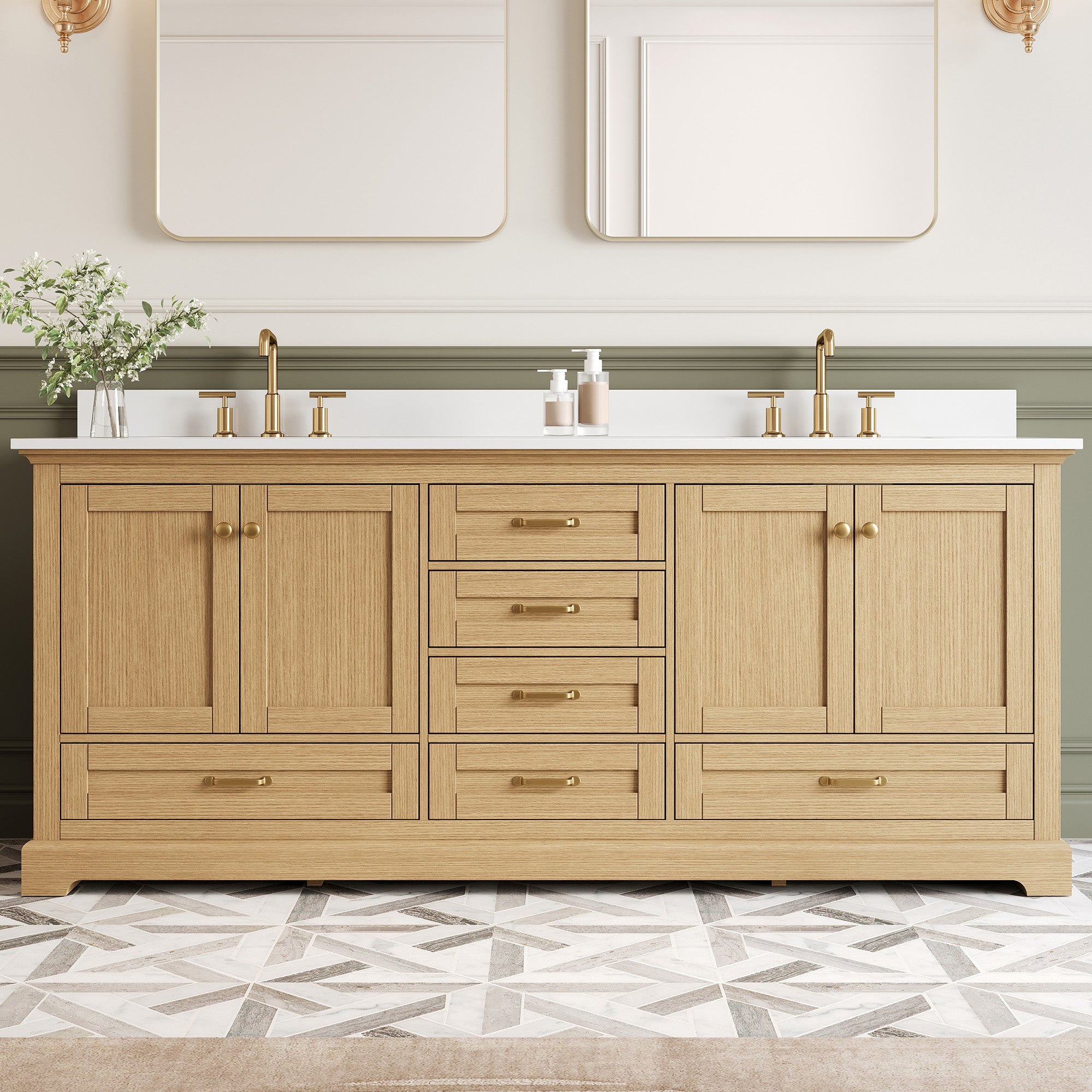
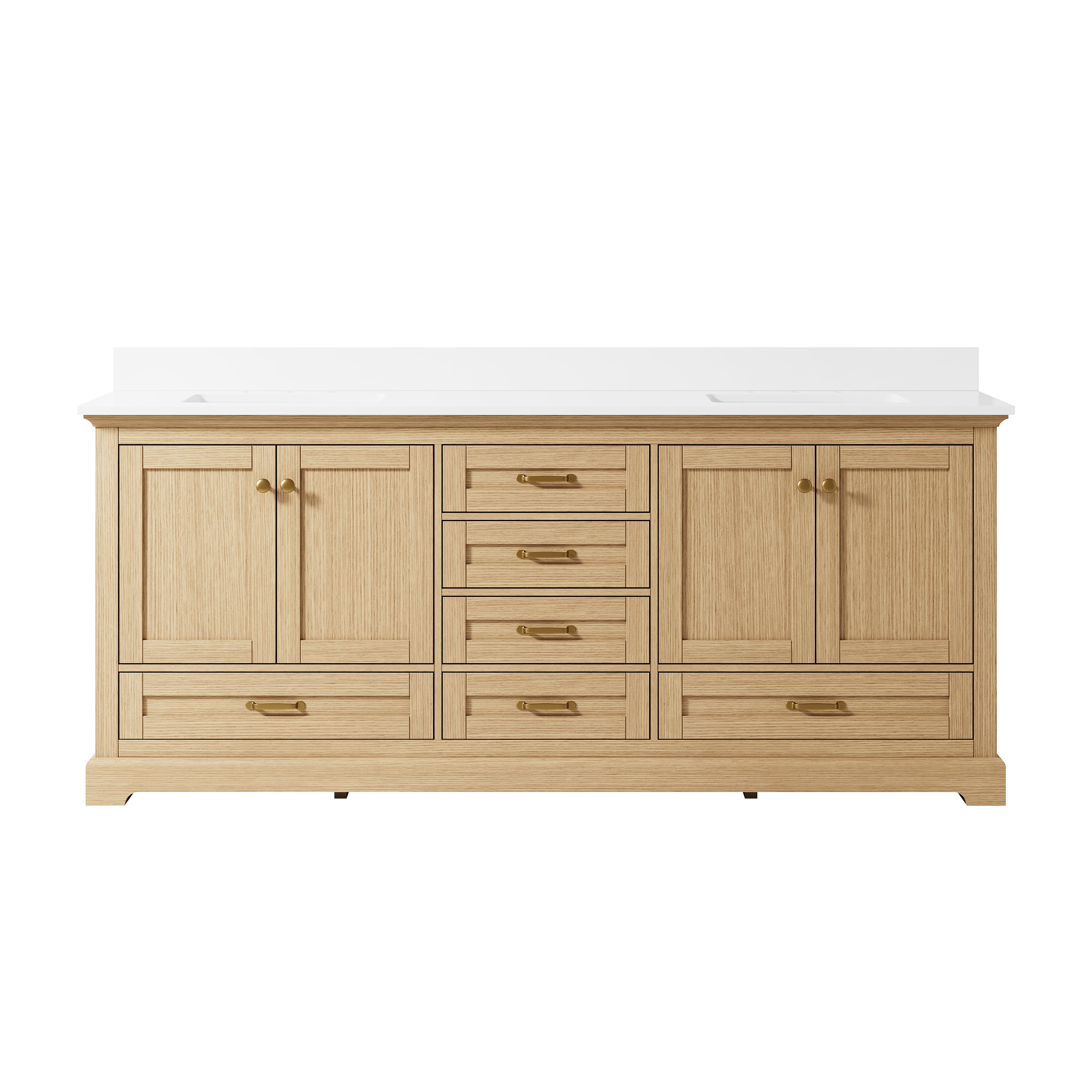
If you prefer a transitional look, consider a medium wood tone with uncomplicated shaker-style doors. It can sit comfortably between classic tile and contemporary fittings.
Let the Existing Finishes Lead
Take samples into the bathroom rather than judging them under store lighting. Morning daylight may bring out yellow undertones in oak, while warm bulbs can make the same finish appear orange.
You do not have to match the floor exactly. In fact, identical wood tones on every surface can feel flat. Aim for compatible undertones, then allow some contrast between the vanity, flooring, and countertop.
3. Choose Materials That Can Handle Bathroom Moisture
One of the most persistent buying mistakes is assuming solid wood always makes the best bathroom cabinet. Solid hardwood can be durable, but wide panels expand and contract as humidity changes. Poorly designed construction may eventually lead to warped doors or misaligned drawers.
Quality plywood with a real wood veneer is often a sensible choice for cabinet boxes because its layered construction improves dimensional stability. Solid wood can still be valuable for frames and door components. What matters is how the materials work together.
Check the finish closely, particularly around sink cutouts, panel edges, and the cabinet base. Water entering an unsealed seam can damage even an expensive vanity.
What About MDF and Particleboard?
These materials are not automatically unsuitable. Properly engineered and sealed panels can perform adequately in controlled conditions, particularly in lower-cost cabinetry. Their weakness is exposure to standing water, especially at damaged edges.
For a bathroom used by children or multiple adults, I would prioritize a well-protected cabinet body and repairable hardware over an elaborate finish.
4. Think Through Storage and Daily Movement
A vanity is furniture you interact with several times a day. Drawer placement, countertop height, and door swing deserve the same attention as color.
Drawers are often easier to organize than a cavernous cupboard, but they need clearance from supply lines and the drain. Open shelving displays towels beautifully in photographs; in real bathrooms, it also exposes them to dust and splashes.
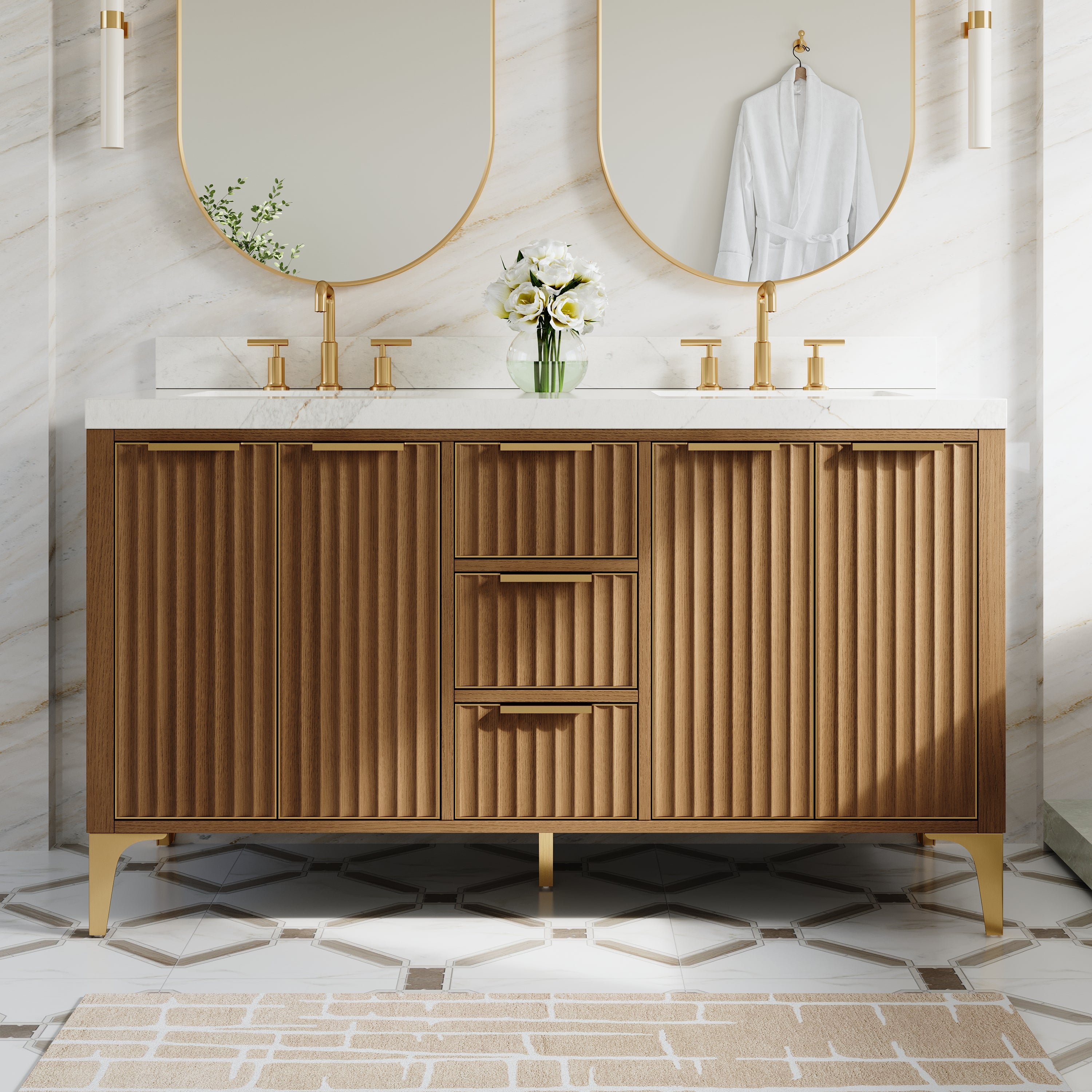
For a shared primary bathroom, a double-sink vanity can reduce morning congestion if there is enough width. In a compact room, one sink with more uninterrupted countertop space may serve two users better.
Before ordering, tape its footprint onto the floor and check door clearances. That can reveal an awkward layout.
5. Know When Wood Is Not the Best Fit
Wood introduces natural warmth, but it is not universally the easiest material to live with. In poorly ventilated bathrooms, repeated condensation and unnoticed leaks place greater demands on cabinet finishes.
A highly textured or open-grain finish may also require more careful cleaning than a smooth painted surface. Very dark stains can show mineral deposits and water marks, particularly in homes with hard water.
If the vanity sits immediately beside an open shower, consider whether a different cabinet material or greater separation would be more practical. A beautiful choice that needs constant attention rarely feels luxurious after the first few months.
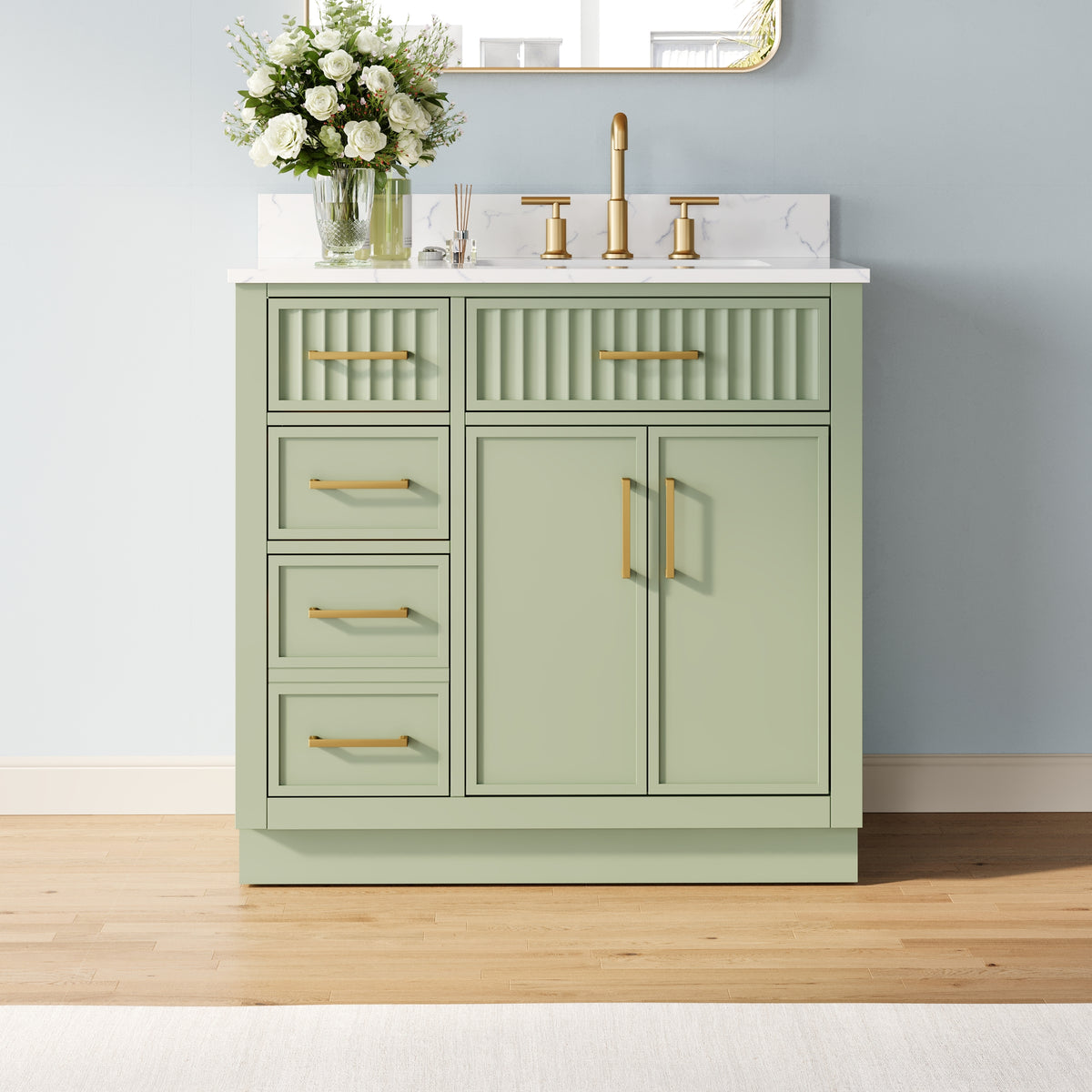
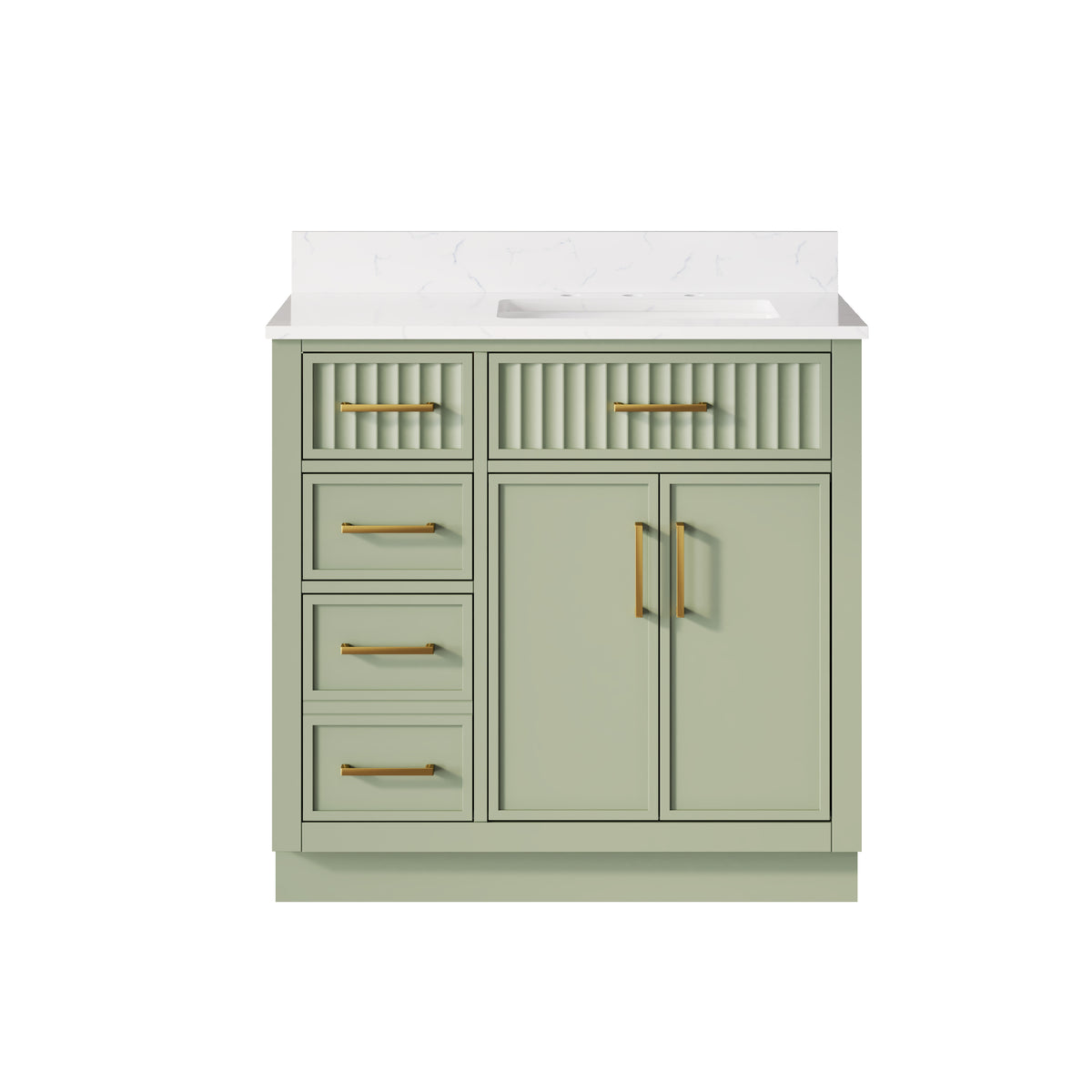
At Wellfor, a useful way to compare bathroom vanities is to weigh the cabinet's specifications against the room's actual moisture exposure and storage demands, rather than making the decision from styled photographs alone.
6. Install and Maintain It With Care
Check the wall and floor for level before installation. Floating designs need suitable structural support; freestanding units should stand securely without twisting the cabinet. Have a qualified installer assess wall conditions and plumbing when necessary.
Seal countertop and backsplash joints according to the product instructions, and inspect the drain and supply connections after installation. A slow leak inside the cabinet can go unnoticed long enough to swell panels.
For maintenance, wipe standing water promptly, use a soft cloth with a manufacturer-approved mild cleaner, and keep the exhaust fan running as recommended after showers. Avoid soaking the cabinet or using abrasive cleaners on its protective coating.

7. Make the Final Choice in Your Own Bathroom
Narrow your options to two or three finishes, then compare their dimensions, internal materials, drawer hardware, and warranty terms. View samples beside the floor, countertop, and fixtures at different times of day.
If you are choosing a wooden vanity for a family bathroom, favor accessible storage, sealed edges, and durable fittings. For a quieter guest bath, you can give more weight to distinctive grain or a sculptural silhouette. Buy the piece that supports the way you use the room, and its style is much more likely to age gracefully.














Leave a comment
This site is protected by hCaptcha and the hCaptcha Privacy Policy and Terms of Service apply.