




















A cracked bathroom mirror can quickly escalate from a minor cosmetic issue to a serious safety concern. While many people continue using a damaged mirror for weeks or even months, experts warn that cracks can spread over time, especially in humid environments where temperature changes and moisture put extra pressure on the glass. Home improvement professionals have also noticed a steady increase in mirror replacement projects as oversized mirrors and frameless designs become more common in modern bathrooms.
According to injury data published by the U.S. Consumer Product Safety Commission, thousands of glass-related household injuries are reported each year, with bathroom glass and mirrors among the recurring causes. Many of these accidents happen during improper removal or installation rather than from the crack itself. That is why contractors now place much greater emphasis on safe handling procedures, protective materials, and proper mounting systems.
1. Why a Cracked Mirror Should Never Be Ignored
Even a small crack can weaken the structural stability of mirror glass. Over time, vibrations from door closings, wall movement, or changes in humidity can cause the crack to spread unexpectedly. Mirrors installed above vanities are especially vulnerable because bathrooms experience frequent fluctuations in heat and moisture.
Industry specialists note that mirrors thinner than 1/8 inch are significantly more likely to crack during handling or installation. For long-term durability, most professionals recommend mirrors with a 1/4-inch thickness because they resist flexing and provide a more stable reflection.
Another important concern is edge damage. Once the edge of a mirror becomes chipped or cracked, pressure points form around the damaged area. Those weak points increase the chance of sudden breakage, especially during removal.
2. Preparing the Bathroom Before Removal
Safe mirror replacement starts long before the glass is removed from the wall. Professionals typically begin by clearing the surrounding area completely. Countertop items, lighting accessories, rugs, and nearby décor should all be moved away from the workspace.
The floor should then be covered with heavy cardboard, moving blankets, or thick drop cloths. This creates a protective layer that can catch broken fragments and reduce cleanup hazards later.
Protective gear is also essential. Most installers wear:
* Cut-resistant gloves
* Long sleeves
* Closed-toe shoes
* Safety goggles
One simple but highly effective technique involves covering the mirror surface with painter’s tape in a grid pattern. This helps hold the glass together if additional cracking occurs during removal. Glass industry professionals estimate that taped surfaces can reduce scattered fragments by more than 70% during accidental breakage.
3. The Safest Removal Methods

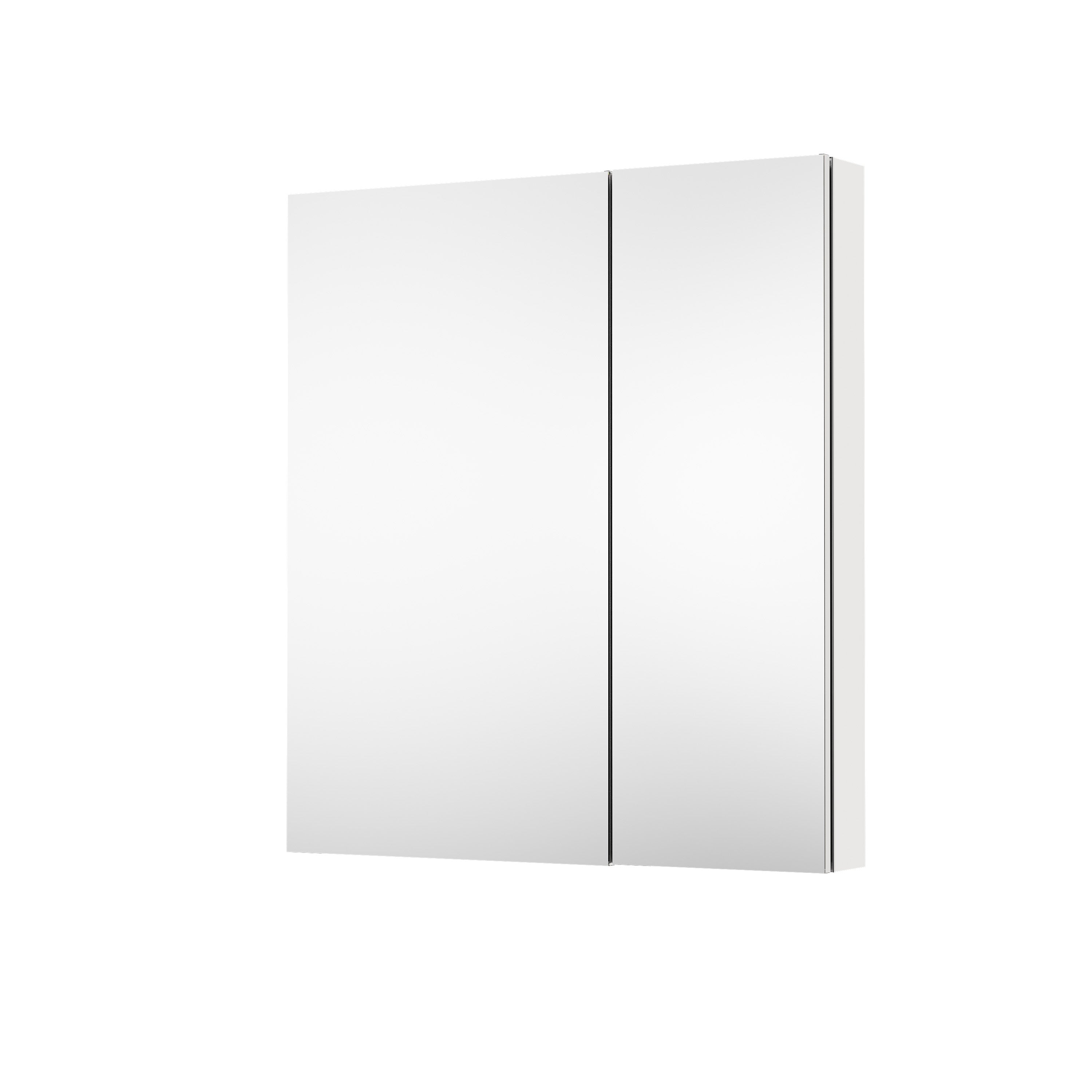
The safest removal method depends on how the mirror was originally installed. Most bathroom mirrors fall into three categories: clip-mounted, adhesive-mounted, or framed.
Clip-Mounted Mirrors
Clip-mounted mirrors are usually the easiest to remove safely. The installer loosens the top clips first while supporting the mirror from below. Suction cups designed for glass handling are commonly used because they provide better control and reduce pressure on weakened sections of the glass.
Adhesive-Mounted Mirrors
Adhesive-mounted mirrors require much more patience. Many modern frameless mirrors are attached directly to drywall using construction adhesive or mirror mastic. Pulling too aggressively can cause the glass to shatter unexpectedly.
Professionals usually slide a flexible putty knife or cutting wire behind the mirror to slowly separate the adhesive from the wall. The process can take time, especially for mirrors larger than 48 inches wide.
Framed Mirrors
Framed mirrors often feel safer because the frame provides support, but they still require careful handling. Once the mounting brackets are removed, the weight distribution can suddenly shift. Large framed mirrors may weigh over 50 pounds, depending on glass thickness and frame material.
4. Handling Broken Glass Properly
After removal, broken or cracked mirrors should never be carried uncovered. Installers typically wrap the glass in thick blankets or cardboard sheets before moving it through the house.
Loose shards should be swept carefully into a rigid container rather than a trash bag. Thin plastic bags can tear easily, creating additional hazards during disposal. Many local waste management departments also recommend labeling containers clearly with “Broken Glass” warnings.
Recycling rules vary depending on mirror coatings and backing materials. Some recycling facilities accept mirror glass, while others classify it separately from standard household glass because of the reflective backing layer.
5. Choosing a Safer Replacement Mirror
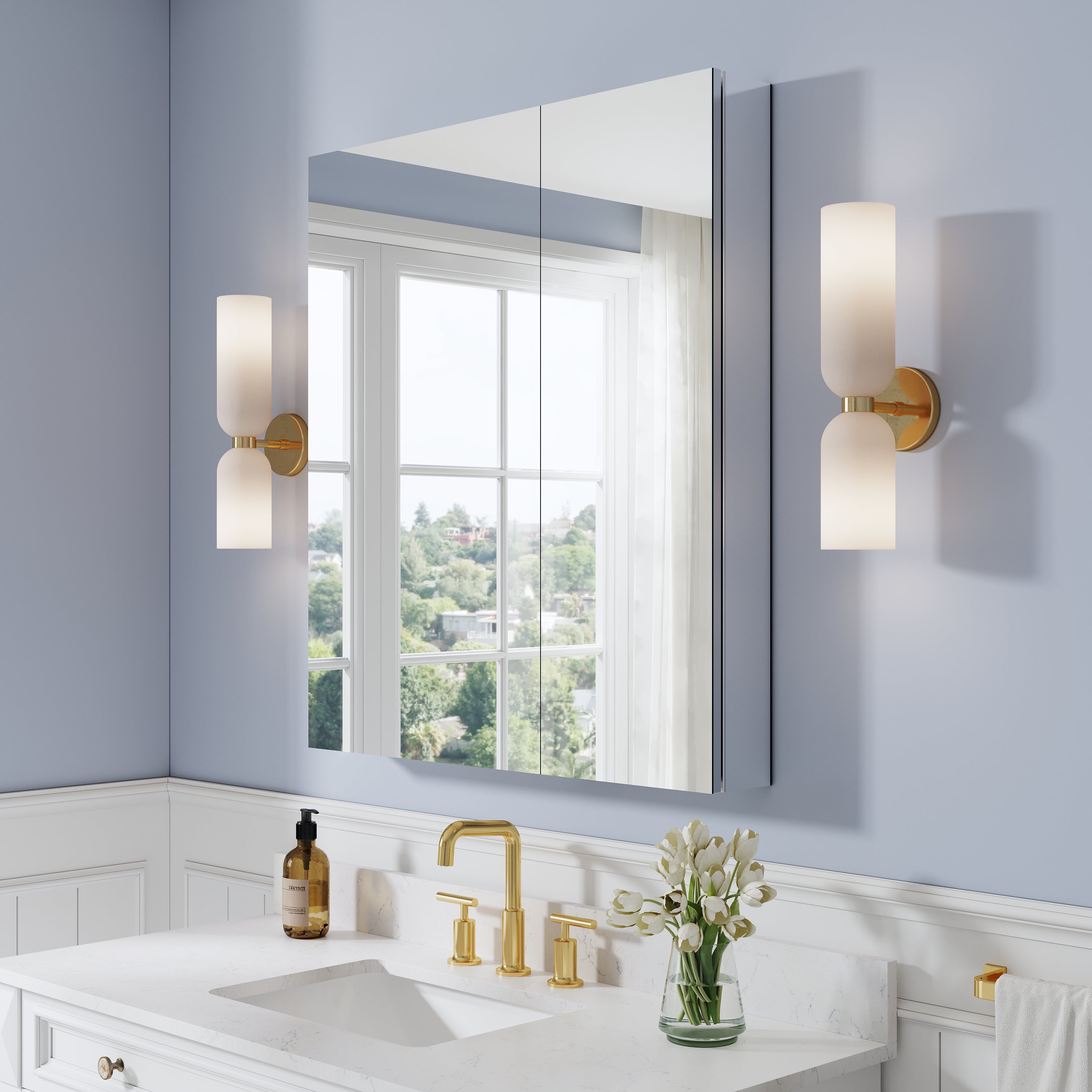
Modern mirror manufacturing has improved significantly in recent years. Today, many homeowners are choosing mirrors with additional safety features rather than standard glass alone.
Tempered mirrors are becoming increasingly popular because they break into smaller, less dangerous fragments instead of large, sharp shards. Tempered glass is especially useful in family bathrooms or high-traffic areas.
Safety-backed mirrors are another growing trend. These mirrors include a protective film attached to the back of the glass that helps hold fragments together after impact.
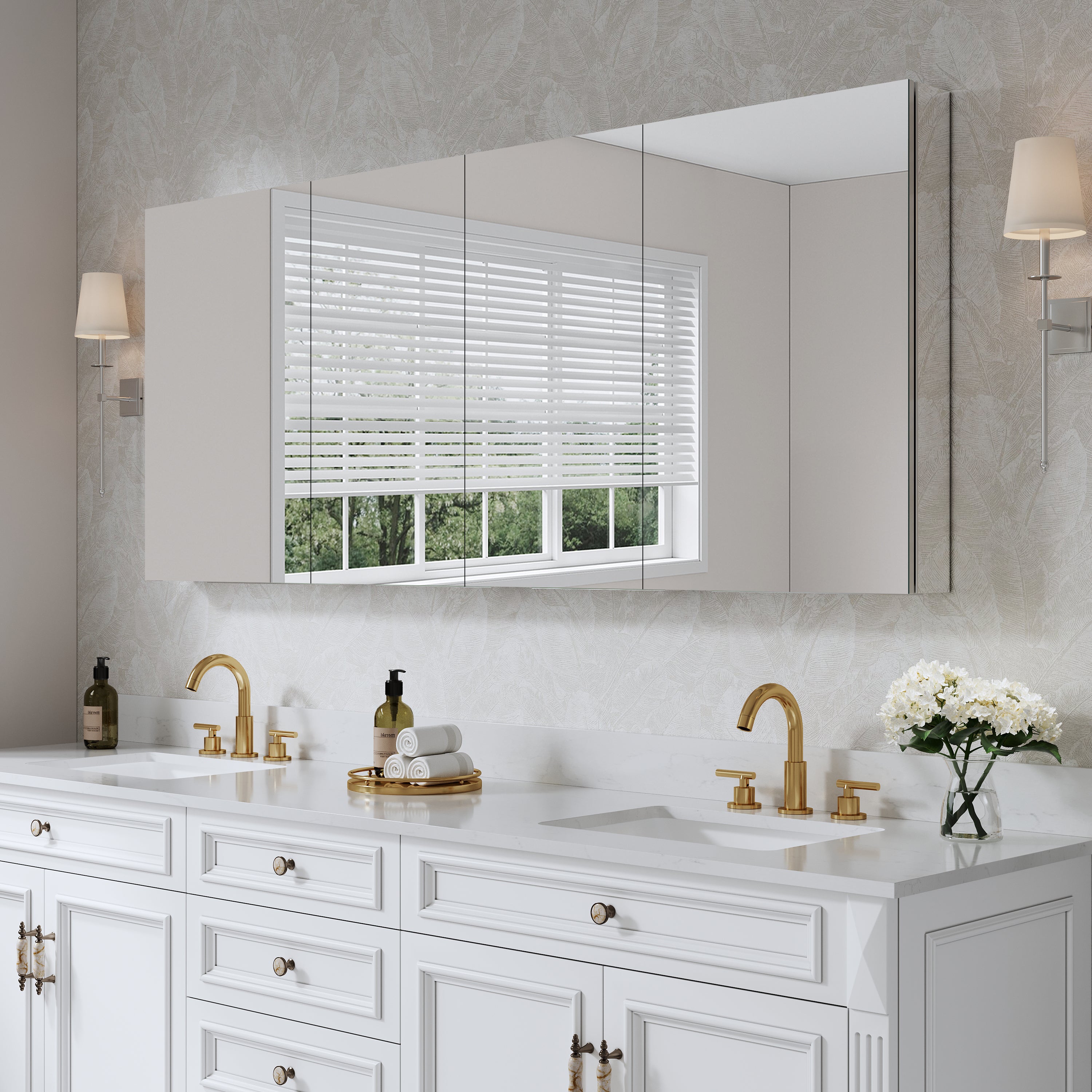
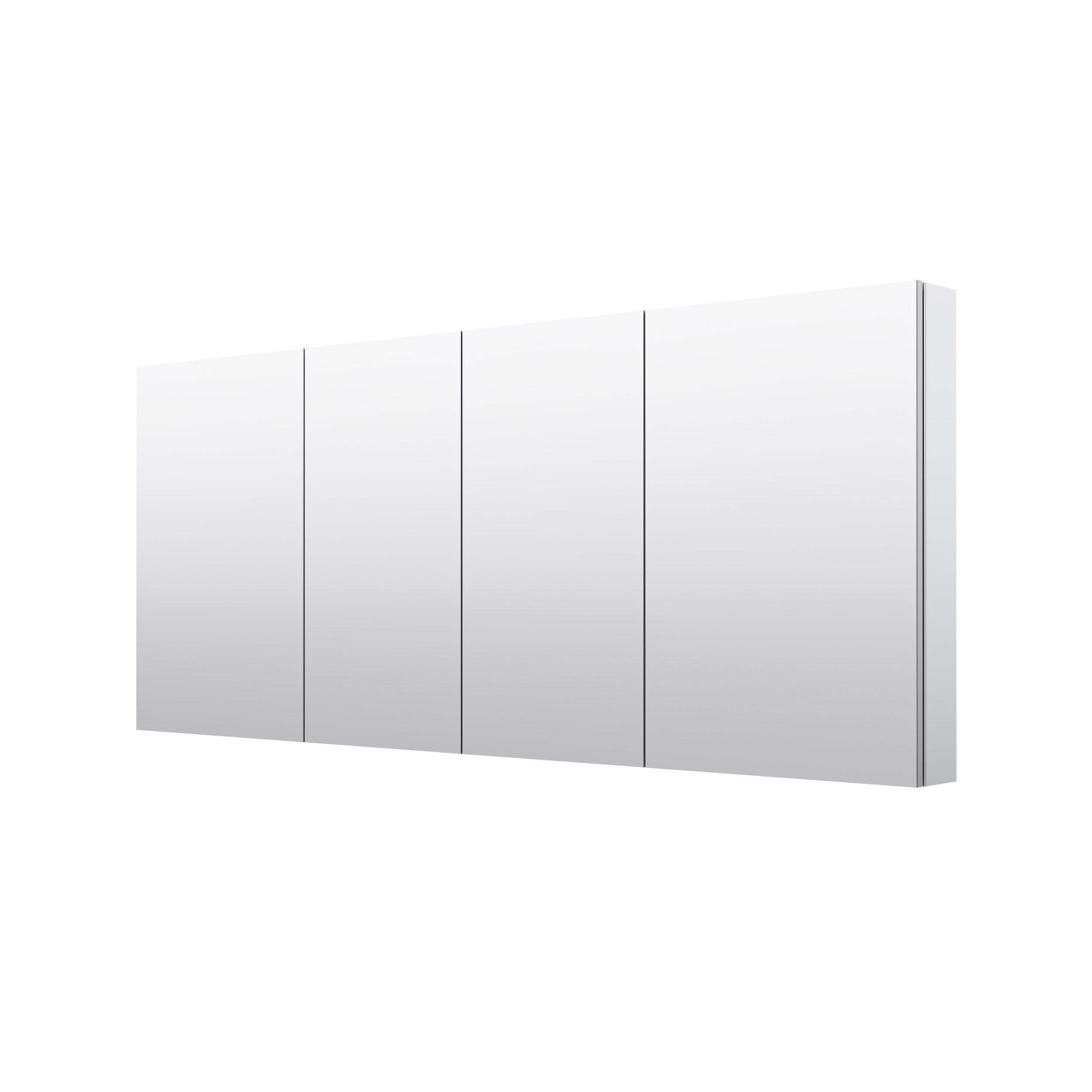
Mirror size also matters. Oversized mirrors create a sleek and luxurious appearance, but larger panels require stronger mounting systems and more precise installation. Many contractors recommend using multiple mounting points for mirrors wider than 60 inches to reduce long-term stress on the wall and glass.
6. Proper Installation Makes a Big Difference
A high-quality mirror can still become dangerous if installed incorrectly. Uneven wall surfaces, improper anchors, or low-quality adhesive products are some of the leading causes of mirror failure.
Professional installers usually check the wall with a level before mounting begins. Even slight wall inconsistencies can place pressure on one section of the mirror over time.
Humidity-resistant mirror adhesives are strongly recommended for bathrooms because standard adhesives may weaken in moist environments. Many silicone-based mirror adhesives are specifically designed to prevent corrosion on reflective backing materials while maintaining strong bonding performance.
Installers also allow adequate curing time before applying stress to the mirror. Depending on the adhesive type, curing may take anywhere from 24 to 48 hours.
7. New Trends in Mirror Safety
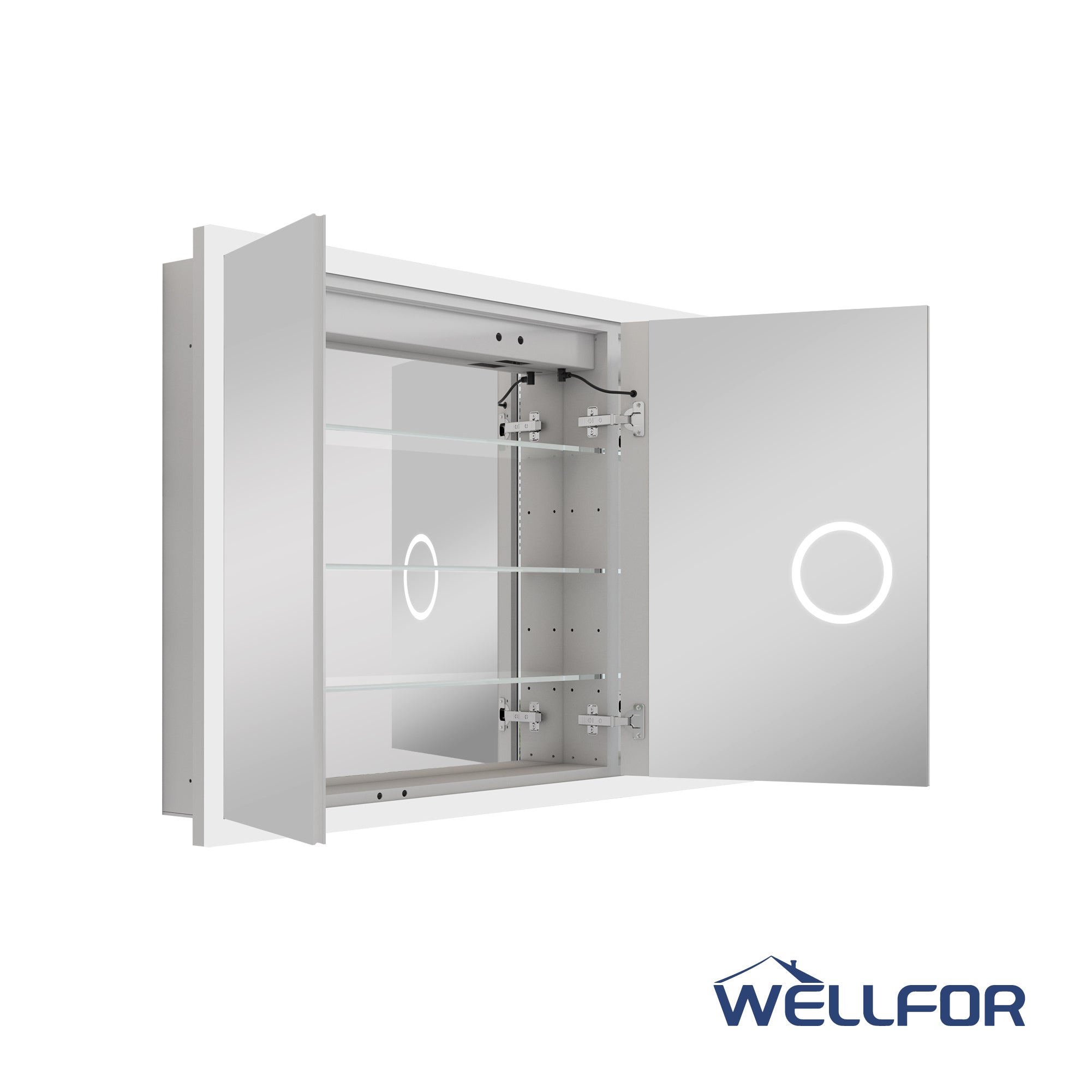
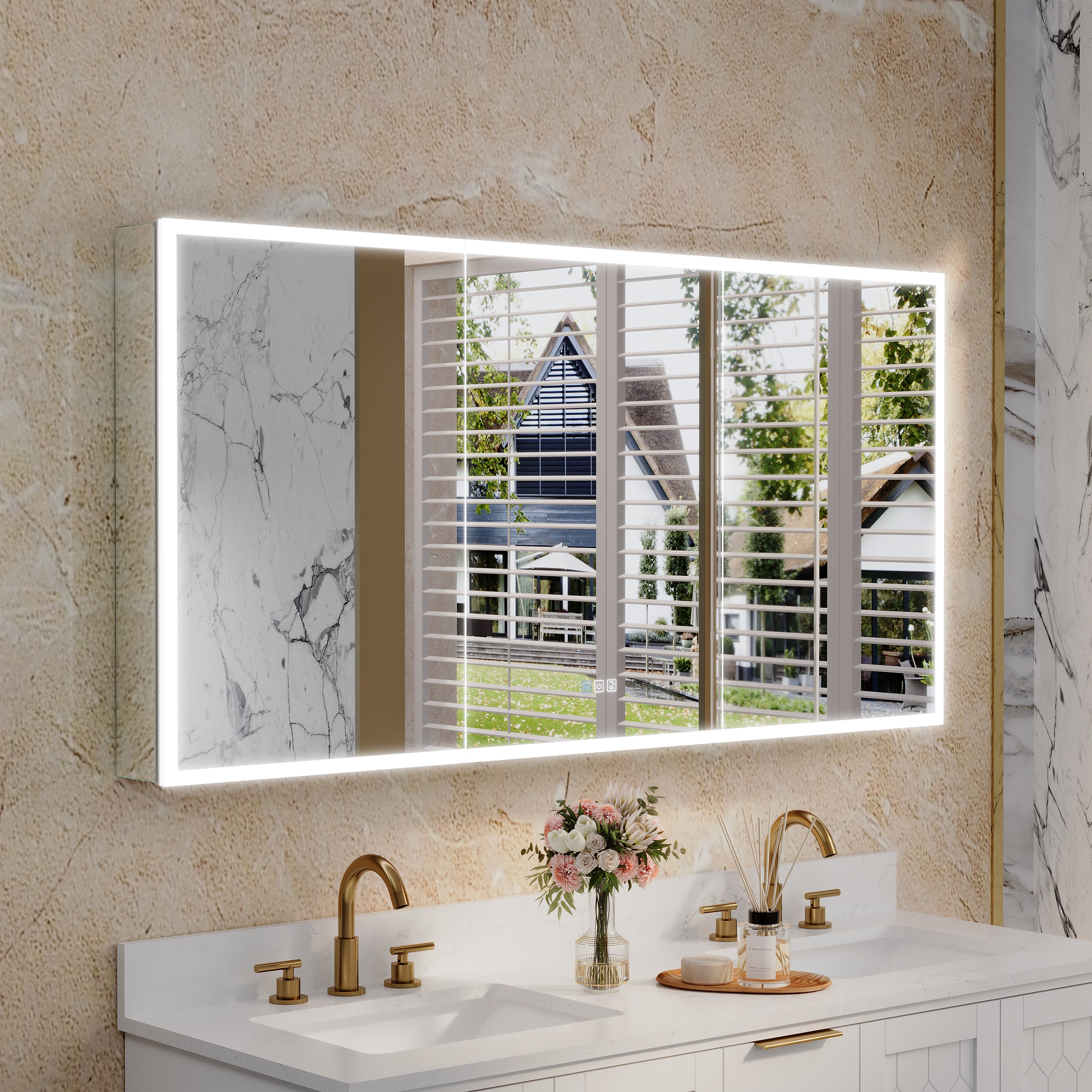
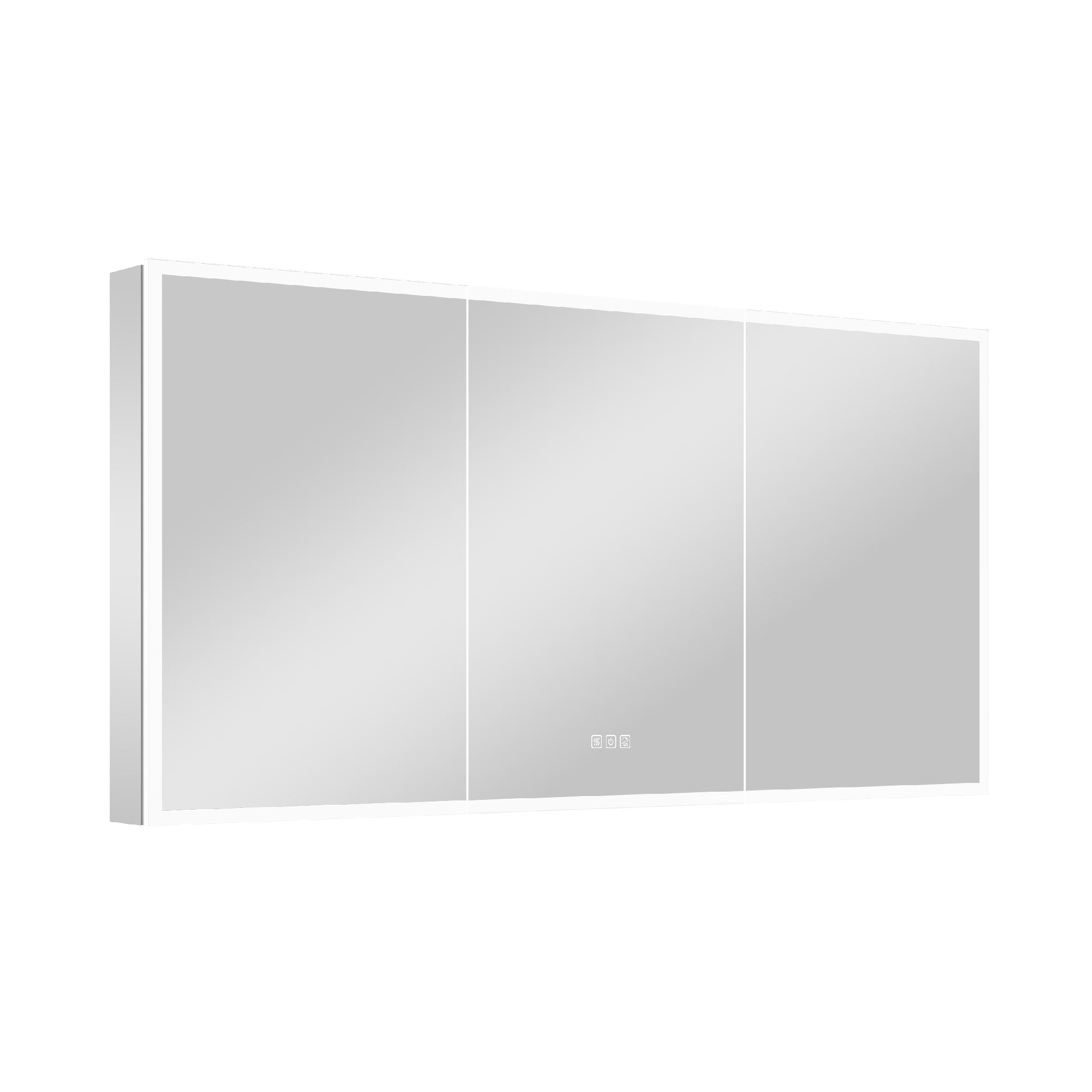
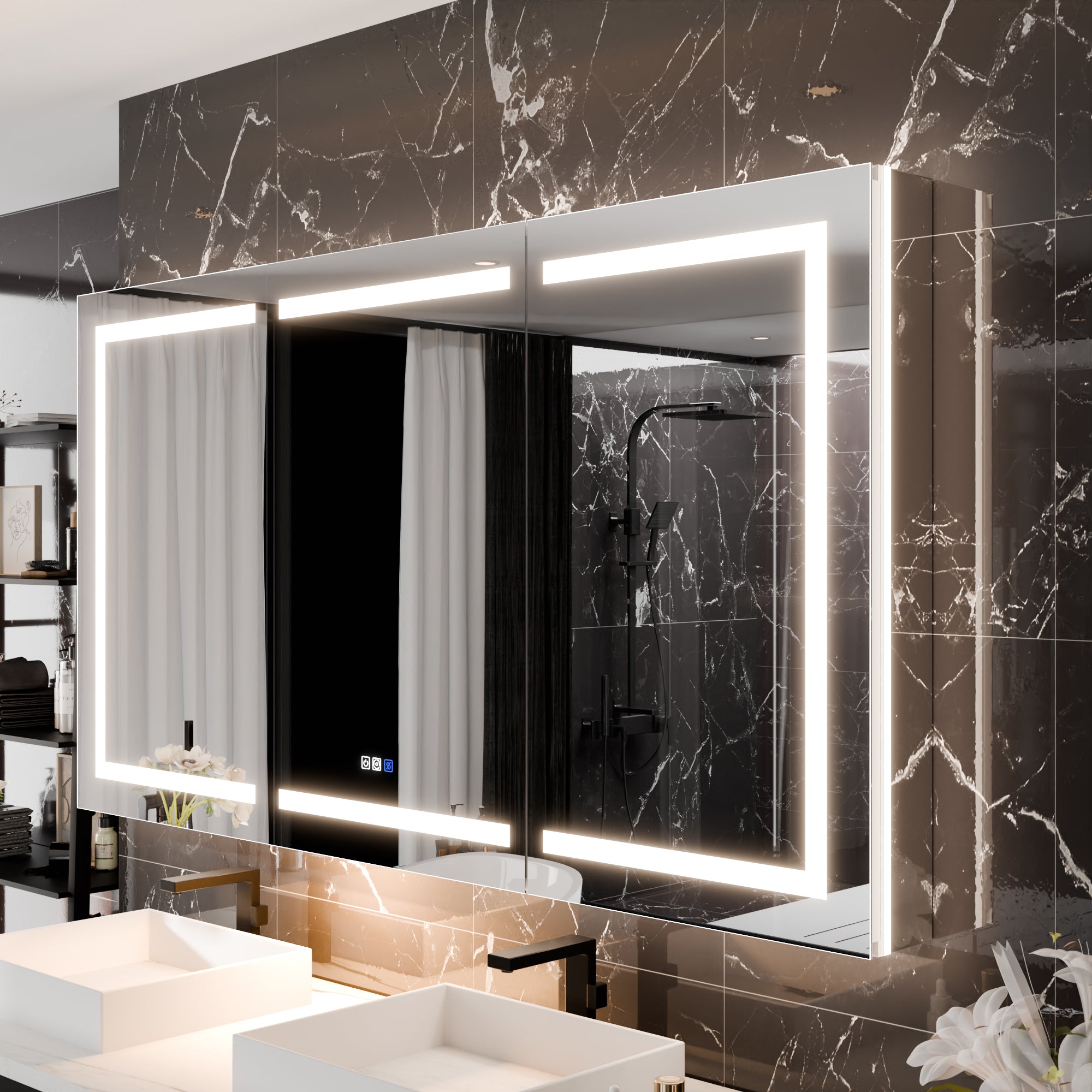
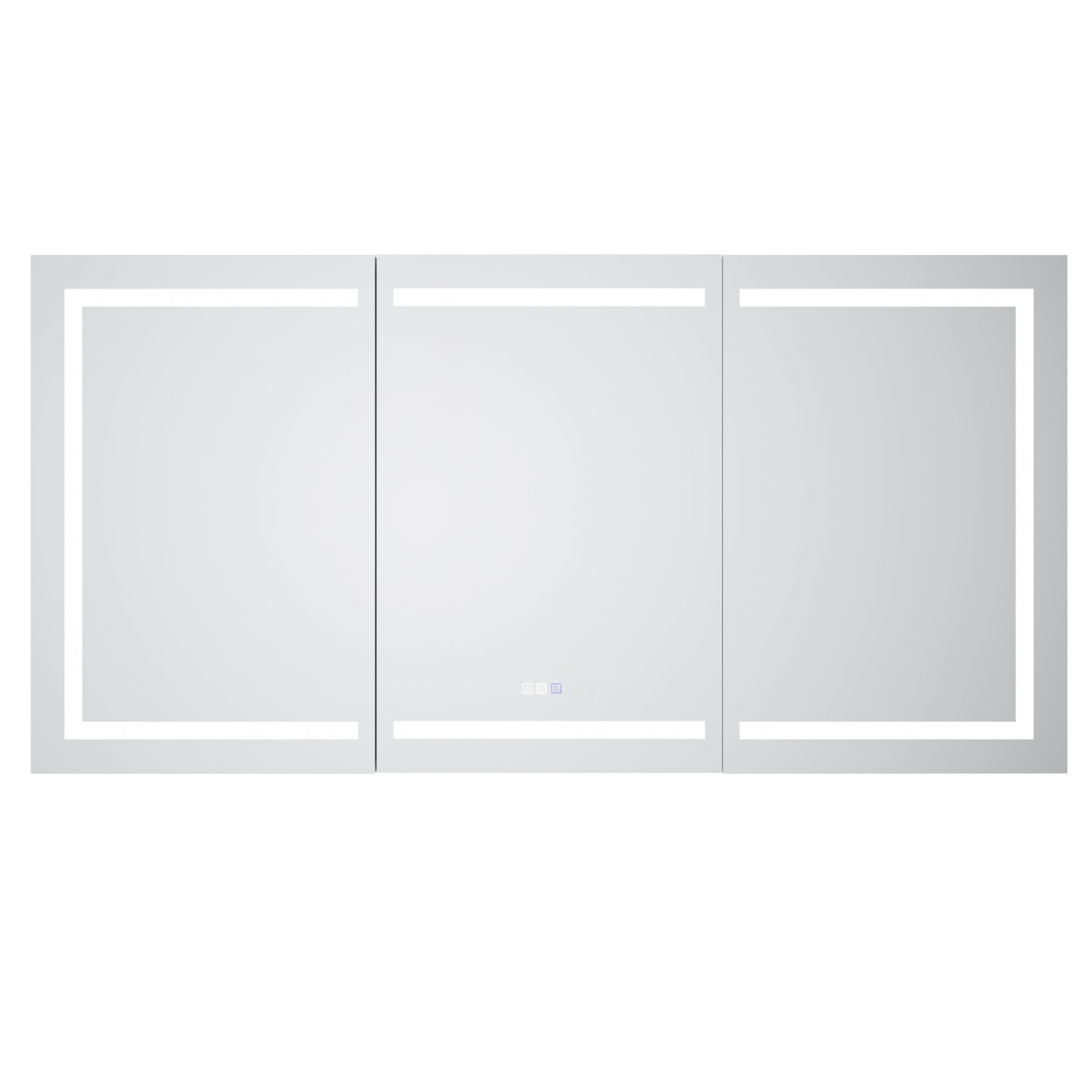
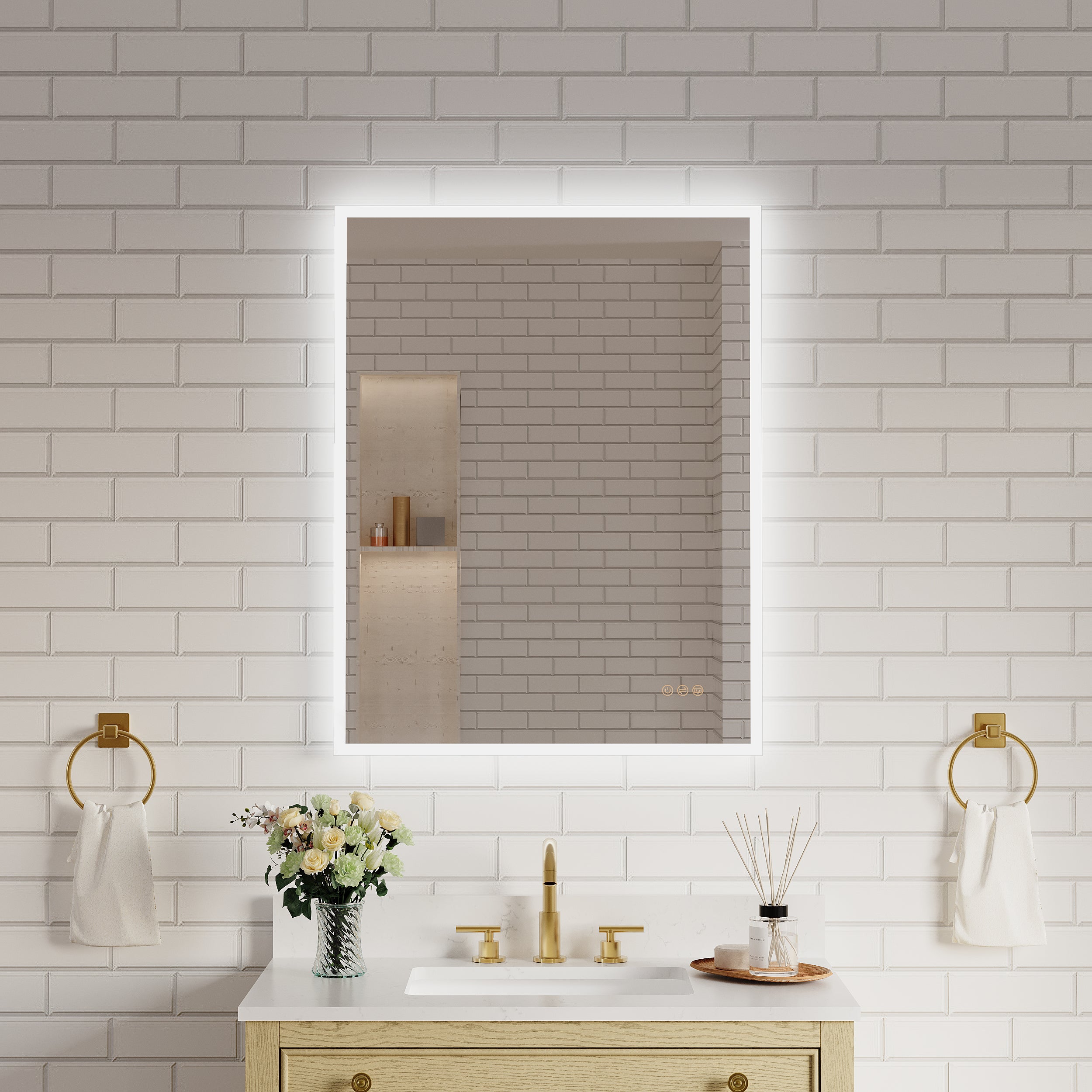
The mirror industry continues to evolve with new safety technologies and installation systems. Backlit LED mirrors, anti-fog designs, and smart touch controls are now common in residential renovations.
Manufacturers are also introducing improved mounting rails and bracket systems that reduce direct stress on the glass itself. These systems not only improve safety but also make future replacement easier and less risky.
At the same time, moisture-resistant backing materials are helping extend mirror lifespan in humid bathroom environments, reducing the likelihood of premature cracking around the edges.
Replacing a cracked mirror safely requires more than simply swapping one piece of glass for another. Proper preparation, careful removal, quality materials, and correct installation techniques all play an important role in preventing injuries and ensuring long-term durability. As mirrors continue becoming larger and more design-focused, following professional safety practices has become more important than ever.






















Leave a comment
This site is protected by hCaptcha and the hCaptcha Privacy Policy and Terms of Service apply.