














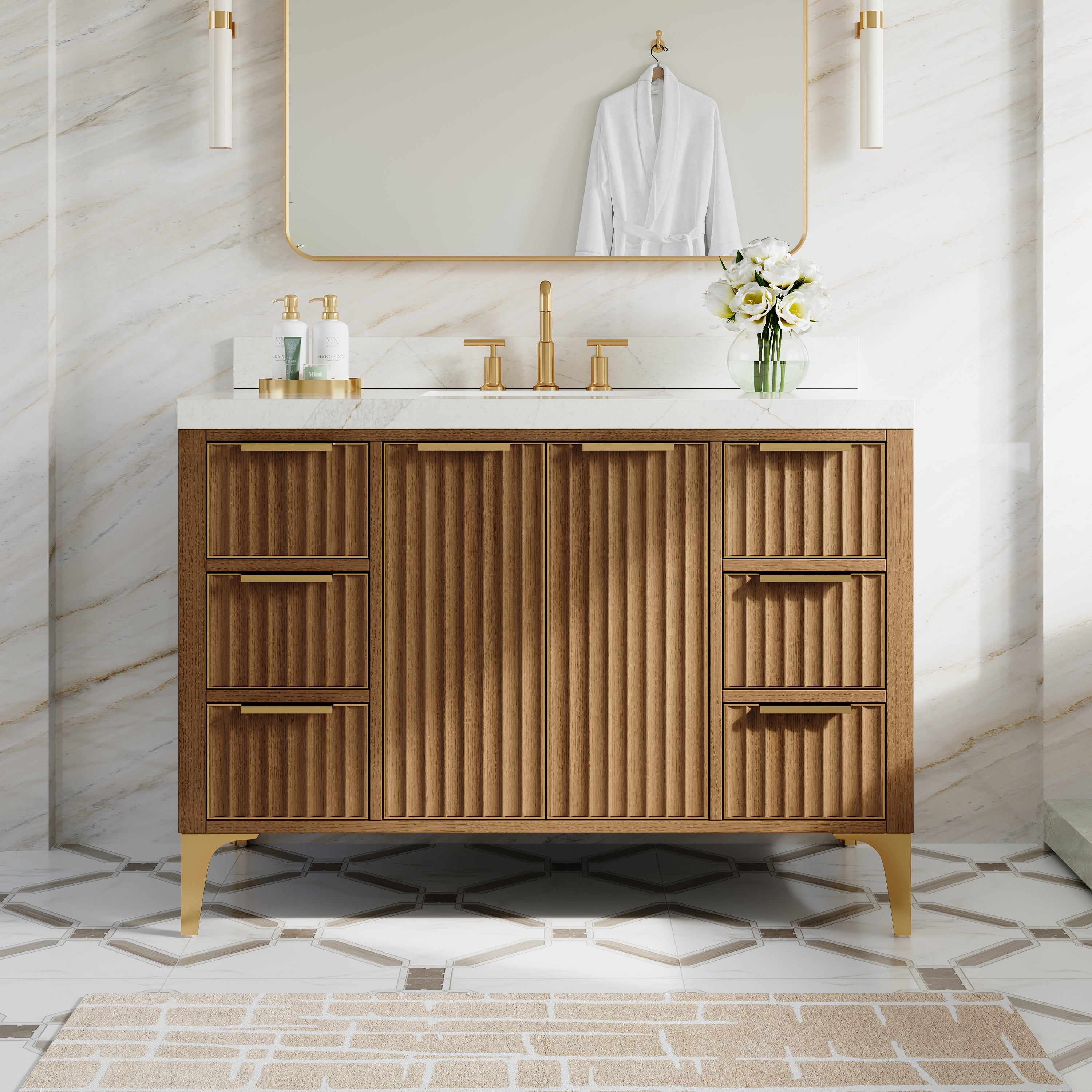


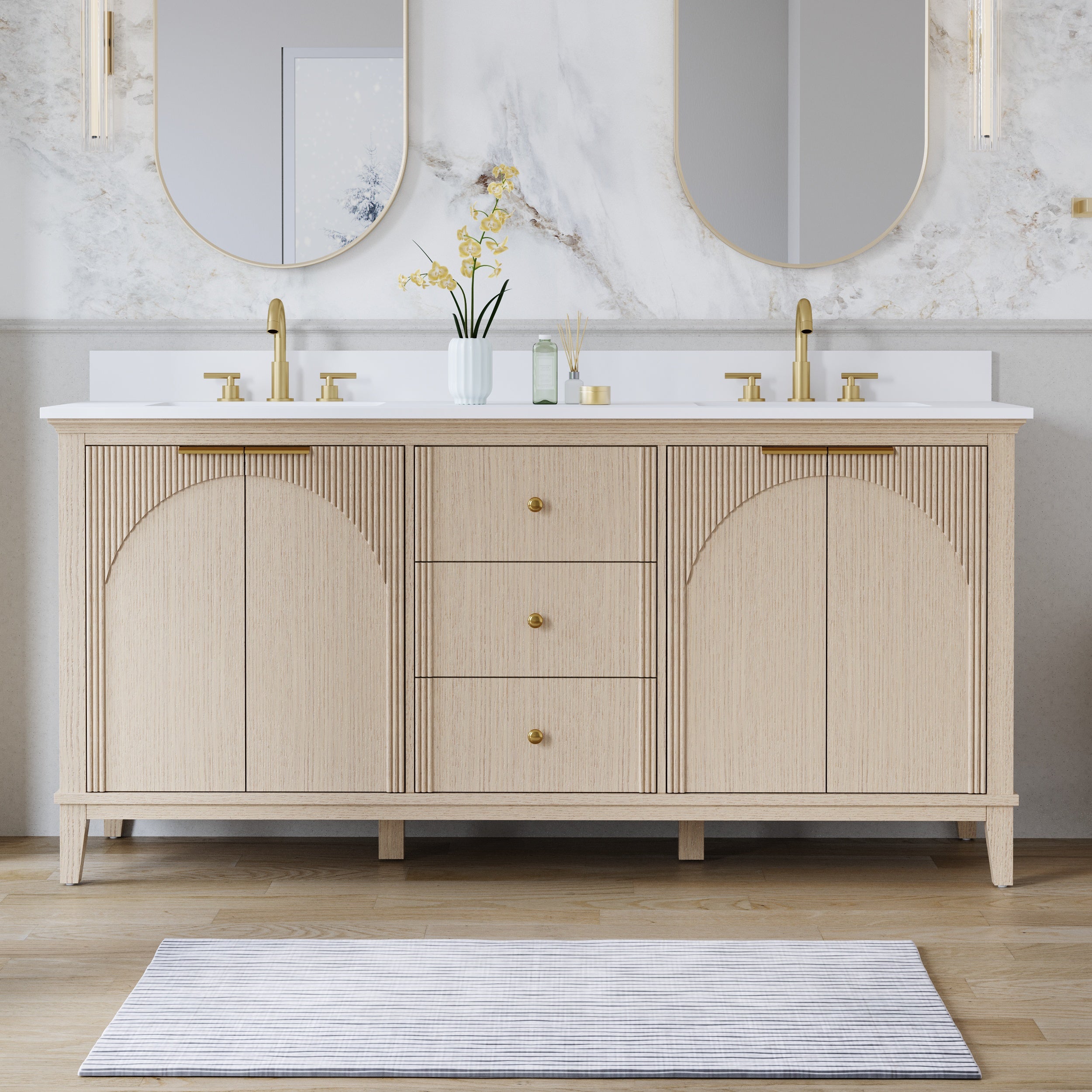
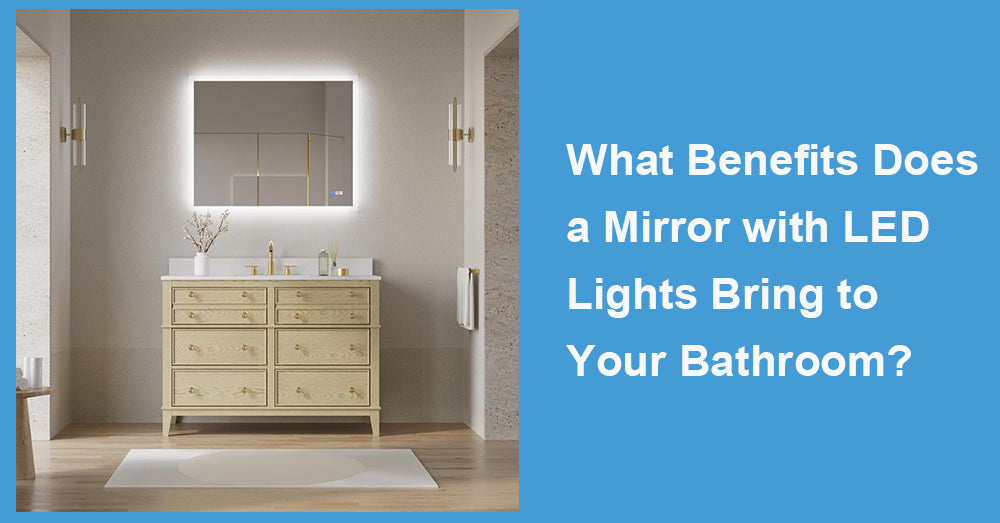
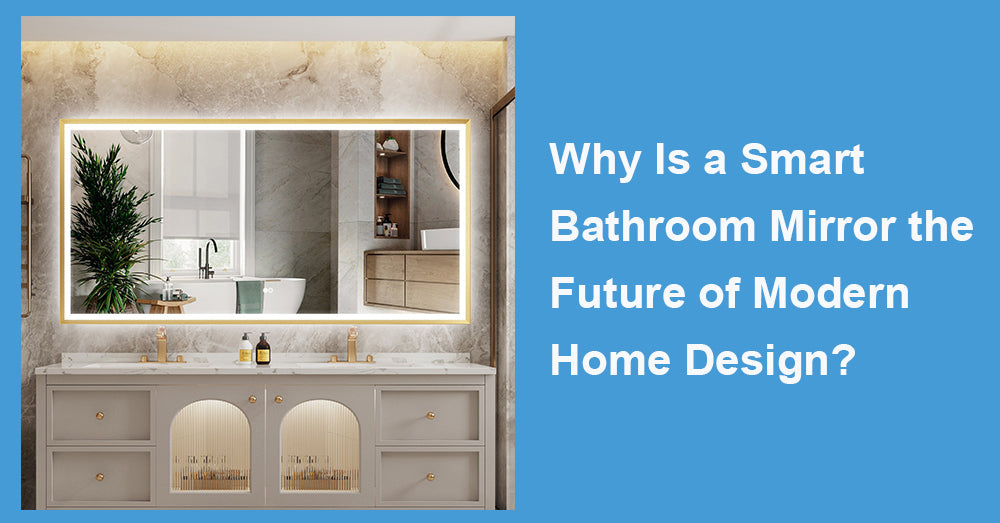
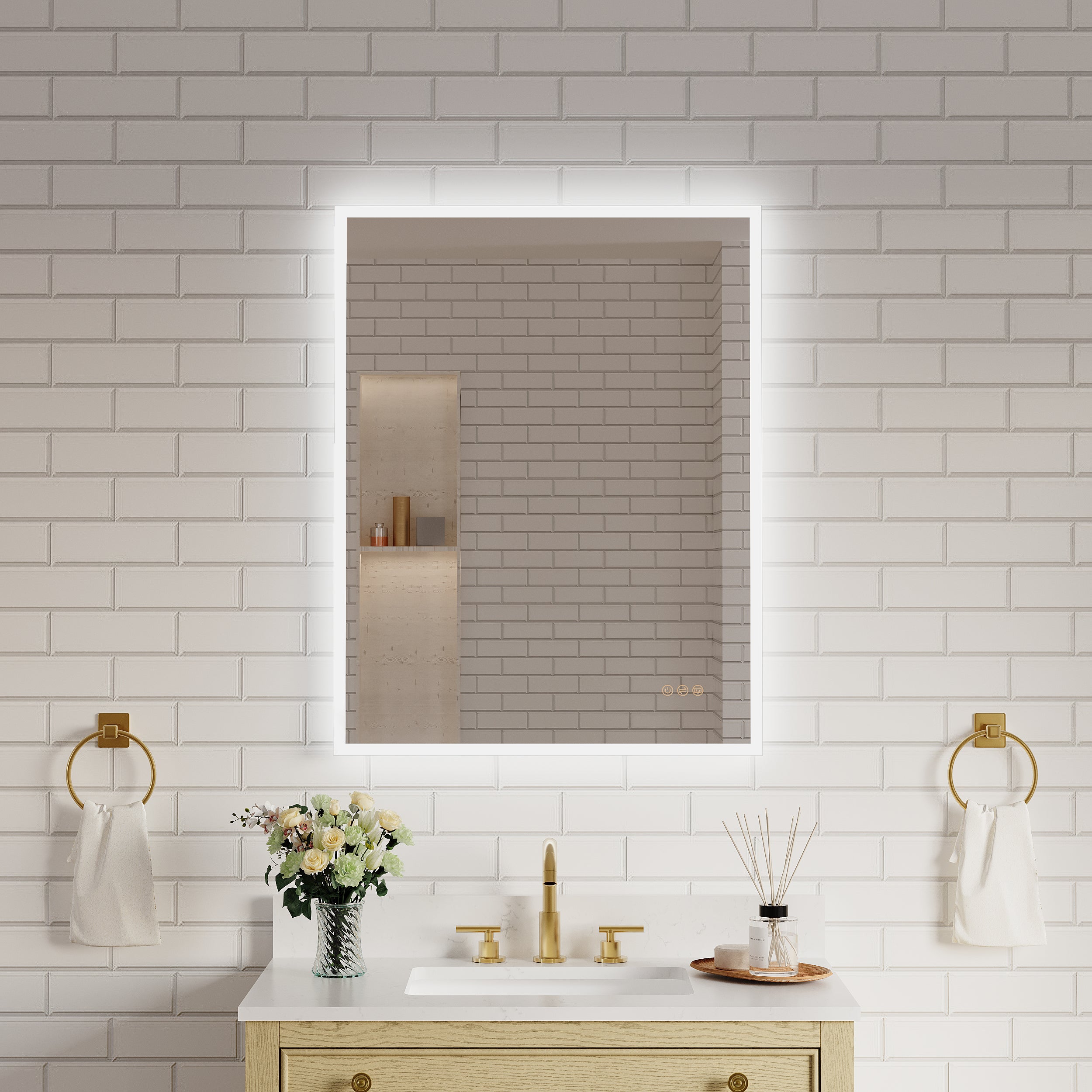
A mirror with LED lights has shifted from a “nice-to-have” upgrade to a mainstream bathroom choice because it solves several everyday problems at once: uneven lighting, messy counters, and wasted energy. In recent renovation research, lighted mirrors accounted for 22% of upgraded bathroom lighting fixtures, showing steady momentum as homeowners seek cleaner, more functional vanity zones.
1. It Delivers More Useful Vanity Lighting With Fewer Shadows
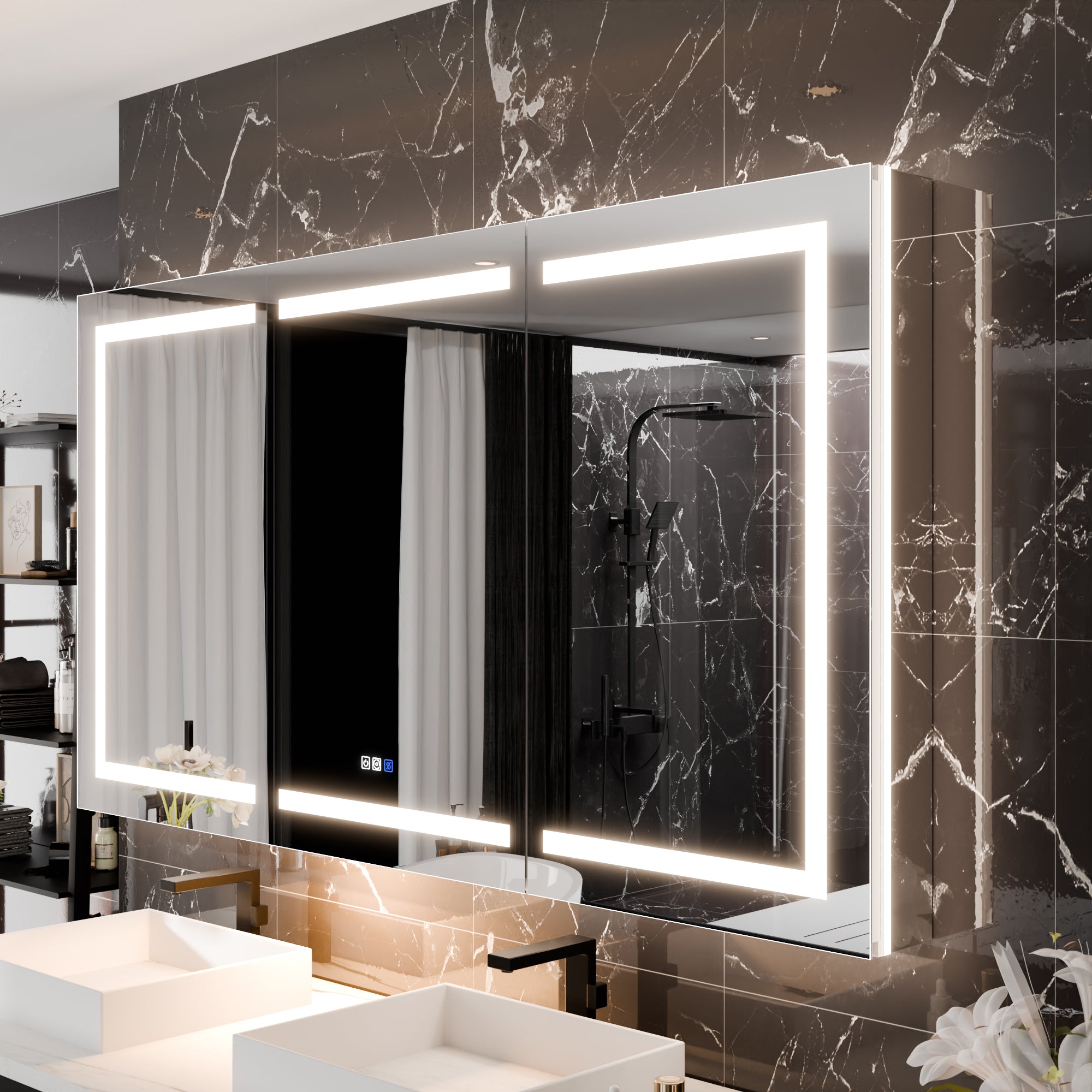
Bathrooms often rely on overhead lights that create shadows under the eyes and chin, exactly where you want clarity for shaving, skincare, or makeup. LED-lit mirrors place light closer to face level, helping reduce harsh top-down shadows and improving visibility at the sink. Many designs also spread light more evenly through a diffuser, creating a softer, “wraparound” effect that can feel more flattering and less glaring than a single ceiling fixture.
This matters most in smaller bathrooms where adding sconces on both sides of the mirror is not always practical. A lighted mirror can approximate that balanced illumination without requiring extra wall space, extra wiring runs, or multiple fixtures competing for attention.
2. It Can Cut Energy Use and Reduce Bulb-Replacement Hassles
One of the most measurable advantages is efficiency. Energy Star materials also summarize similar benefits for certified LEDs, noting up to 90% less energy and far longer lifetimes compared with incandescents, depending on product type and usage assumptions (source: ENERGY STAR).
For a bathroom, this is practical in two ways:
· You can keep the vanity well-lit without feeling like you are “burning electricity.”
· You avoid frequent bulb changes in fixtures exposed to humidity and frequent on/off cycles.
3. It Improves Color Accuracy for Grooming and Everyday Details
Light quality is not just brightness. It is also color rendering (how accurately skin tones and colors appear) and color temperature (warm vs cool feel). Many LED mirrors offer adjustable color temperatures so the mirror can match the room’s lighting mood: a warmer glow for winding down, a neutral tone for general use, and a cooler tone for detail work.
From a buying standpoint, look for:
· A high color rendering rating (often labeled as CRI).
· A diffuser that avoids “hot spots” and visible LED dots.
· Dimming that stays stable (no flicker) at low brightness.
Even if two mirrors have similar brightness, the one with better color quality usually feels more premium in daily use.
4. It Creates a Cleaner, More Space-Efficient Vanity Wall
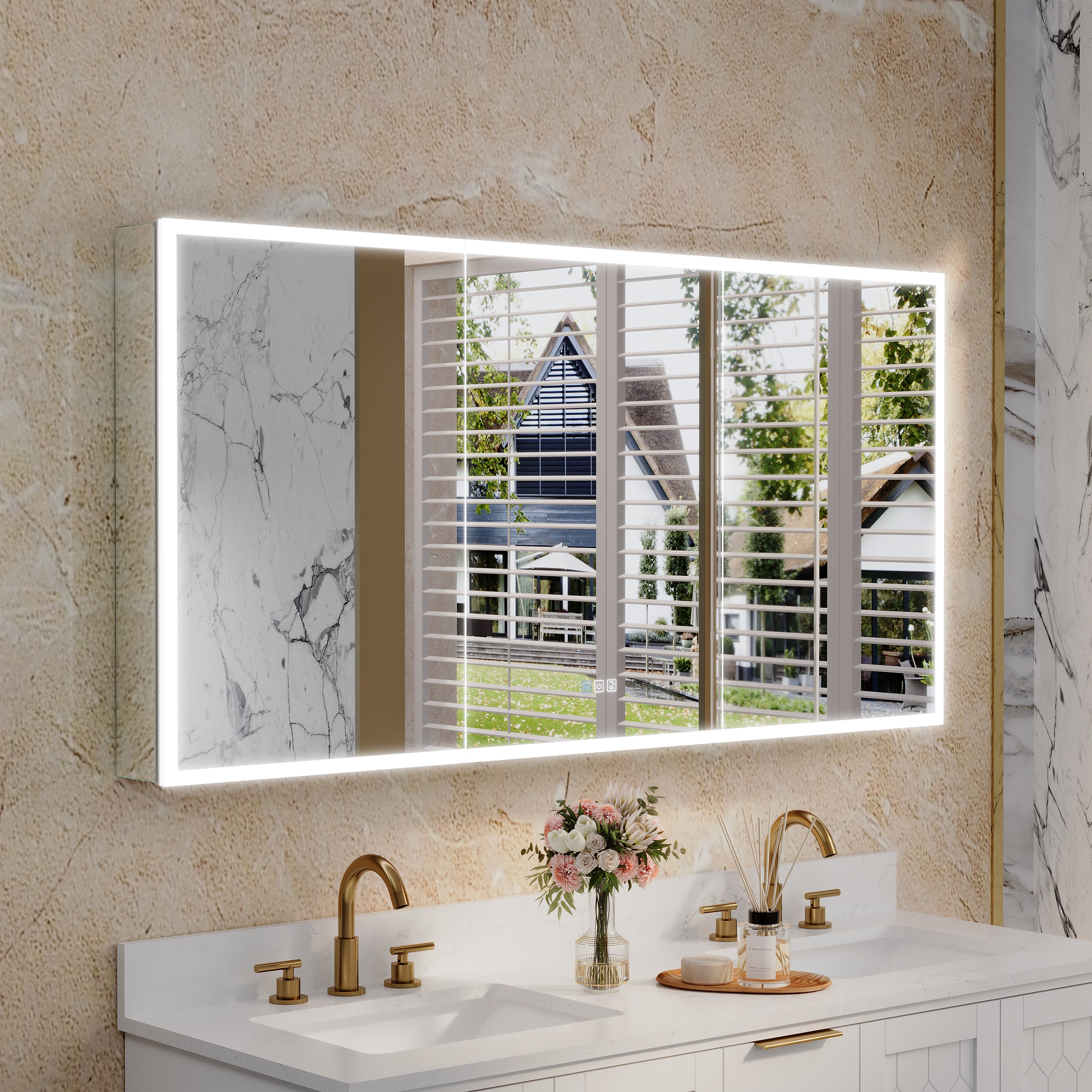
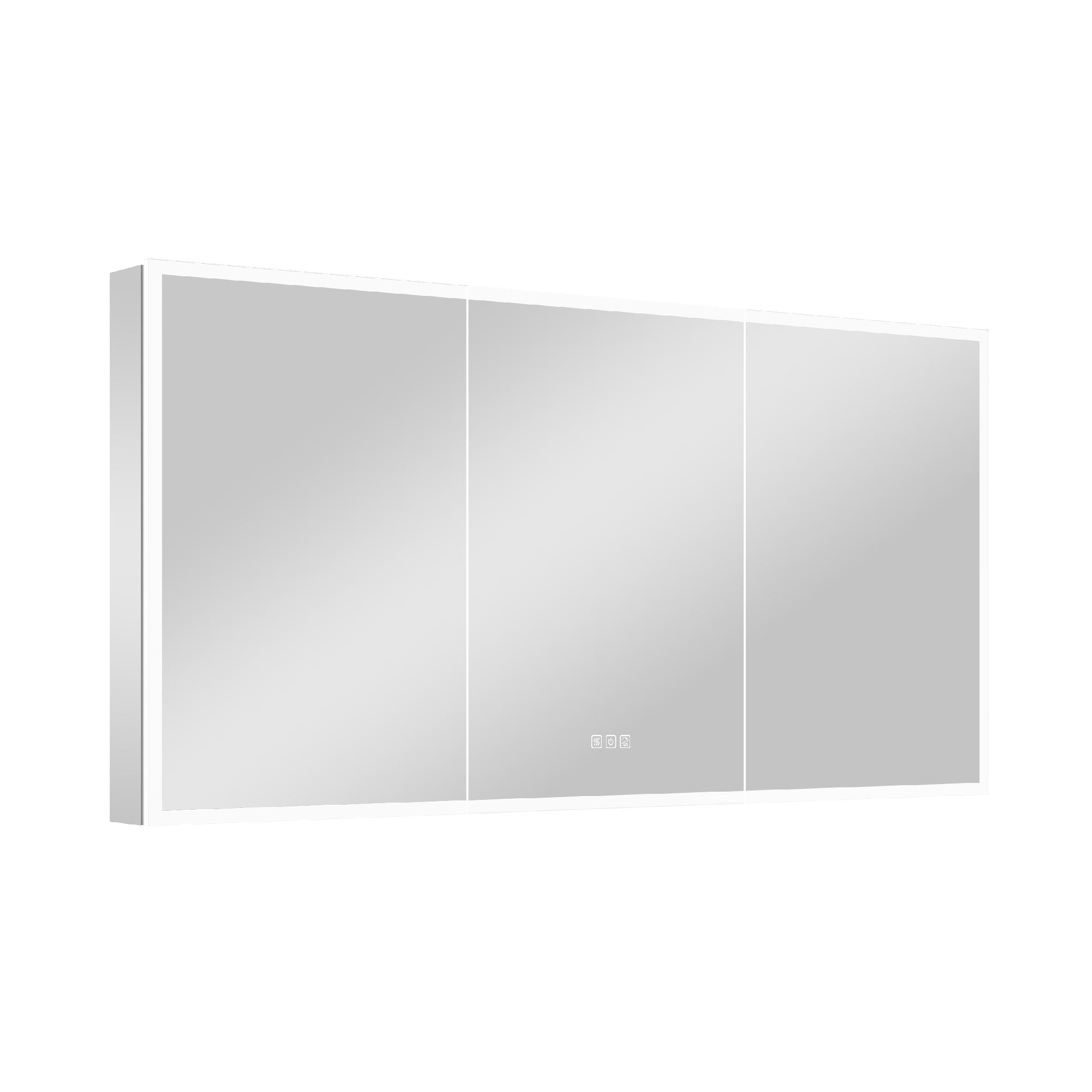
A lighted mirror can simplify the entire vanity wall by merging two roles: mirror and lighting. That can reduce the need for bulky light bars or multiple fixtures, which is helpful when wall space is tight or when you want a minimal, hotel-style look.
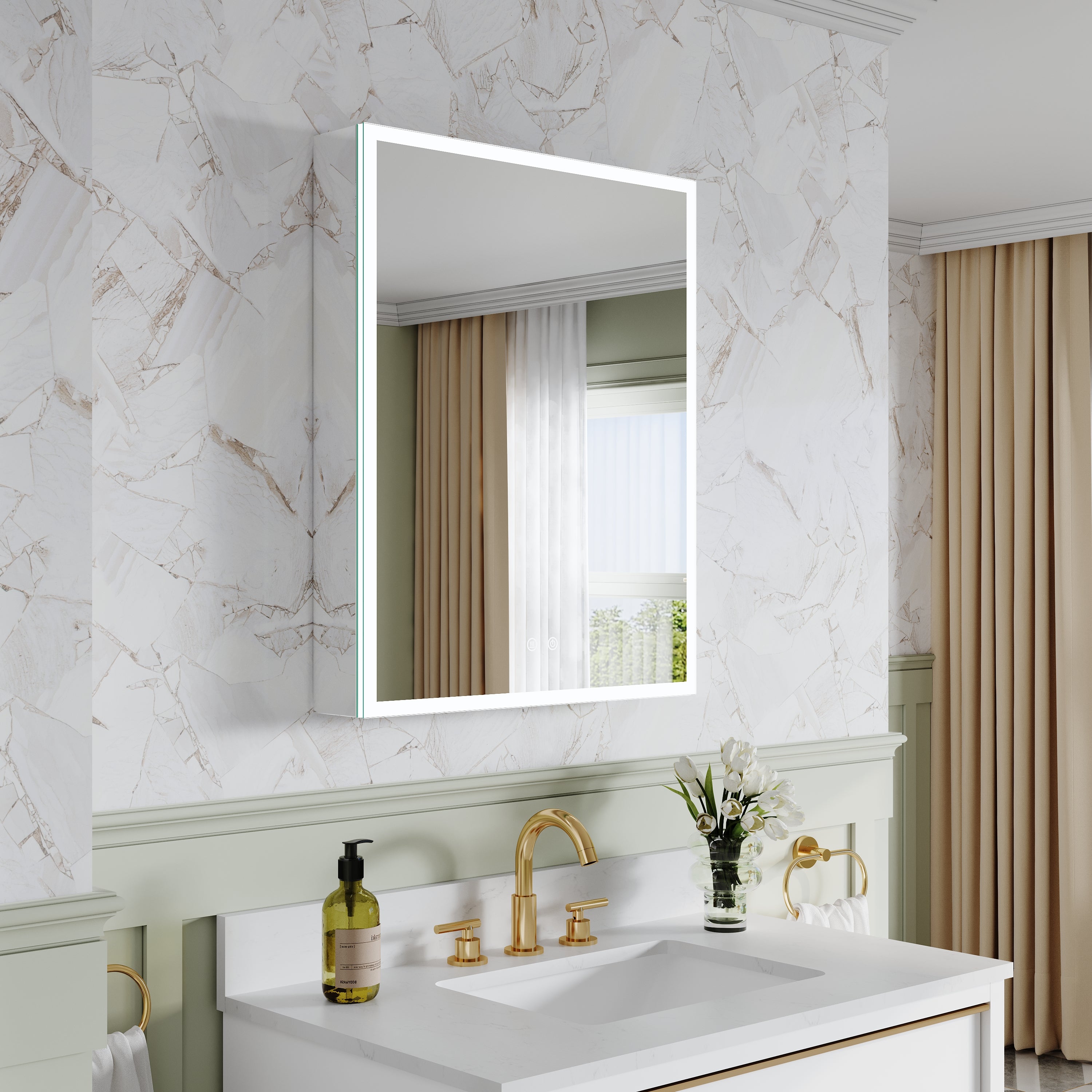
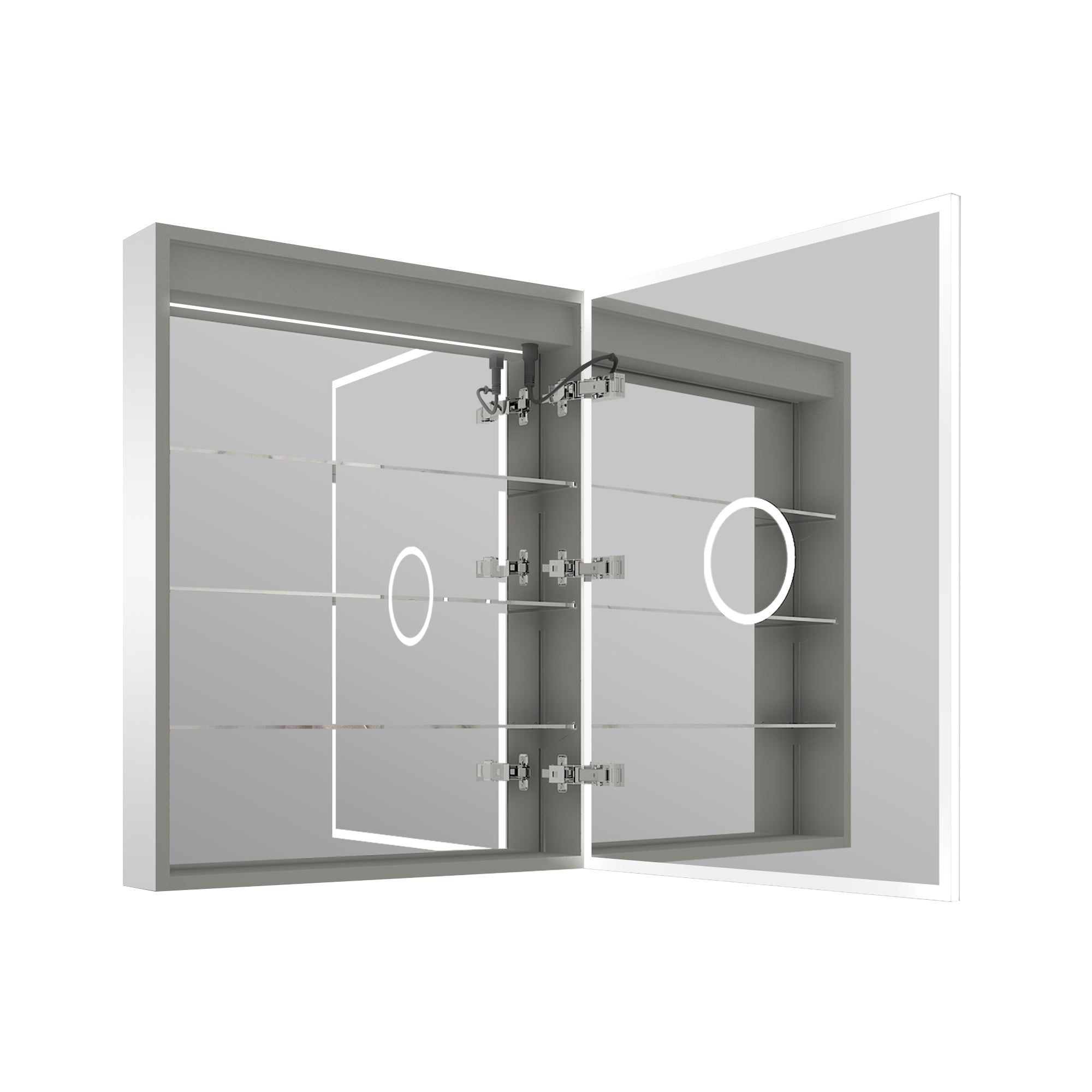
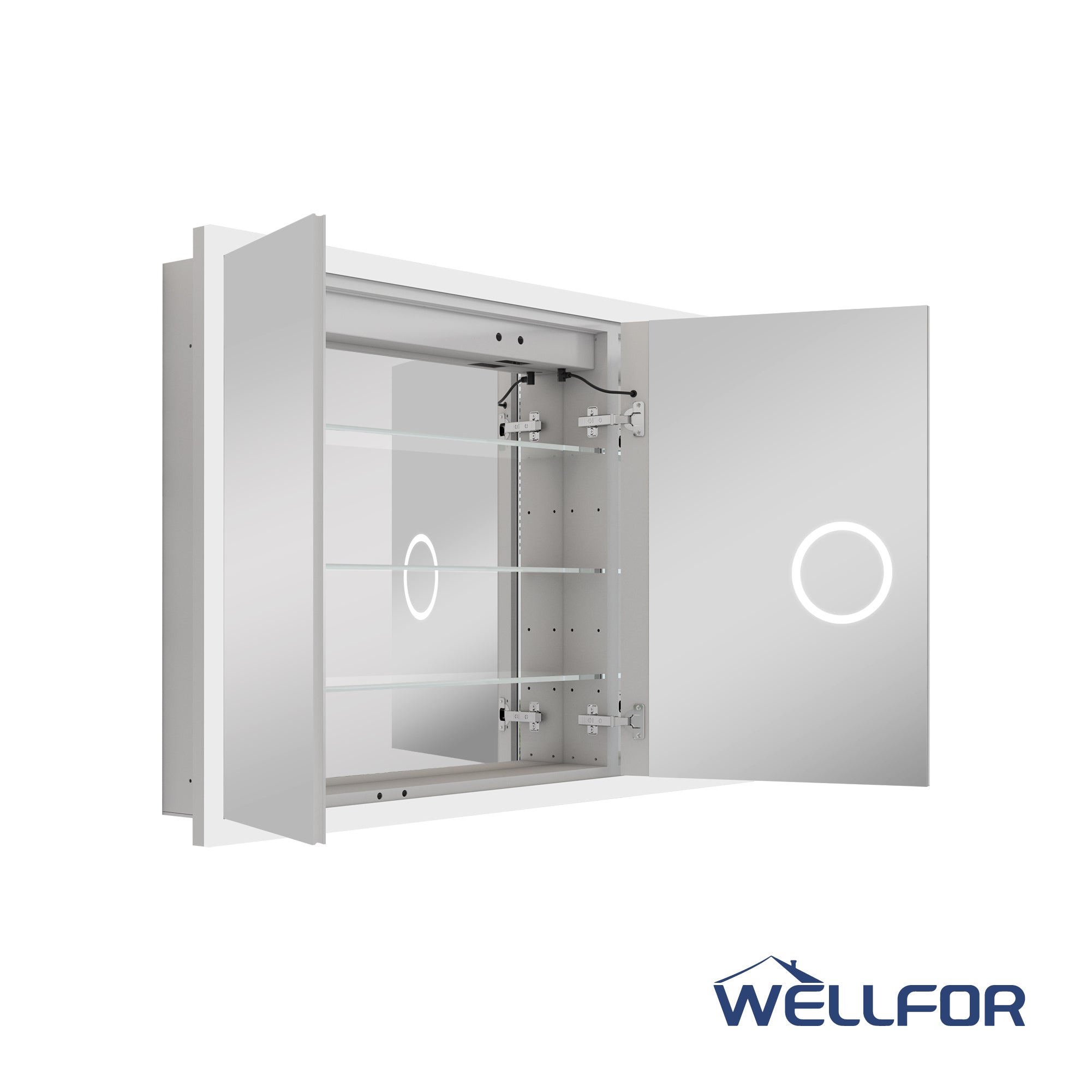
This “fewer elements, cleaner wall” effect is one reason designers like LED mirrors in modern renovations: it keeps the sightline calm, makes the vanity feel less cluttered, and often frees space for storage features like a mirror cabinet or open shelving.
5. It Adds Comfort Features That Feel Small, But Matter Daily
Beyond lighting, many mirrors include features that directly address common bathroom annoyances:
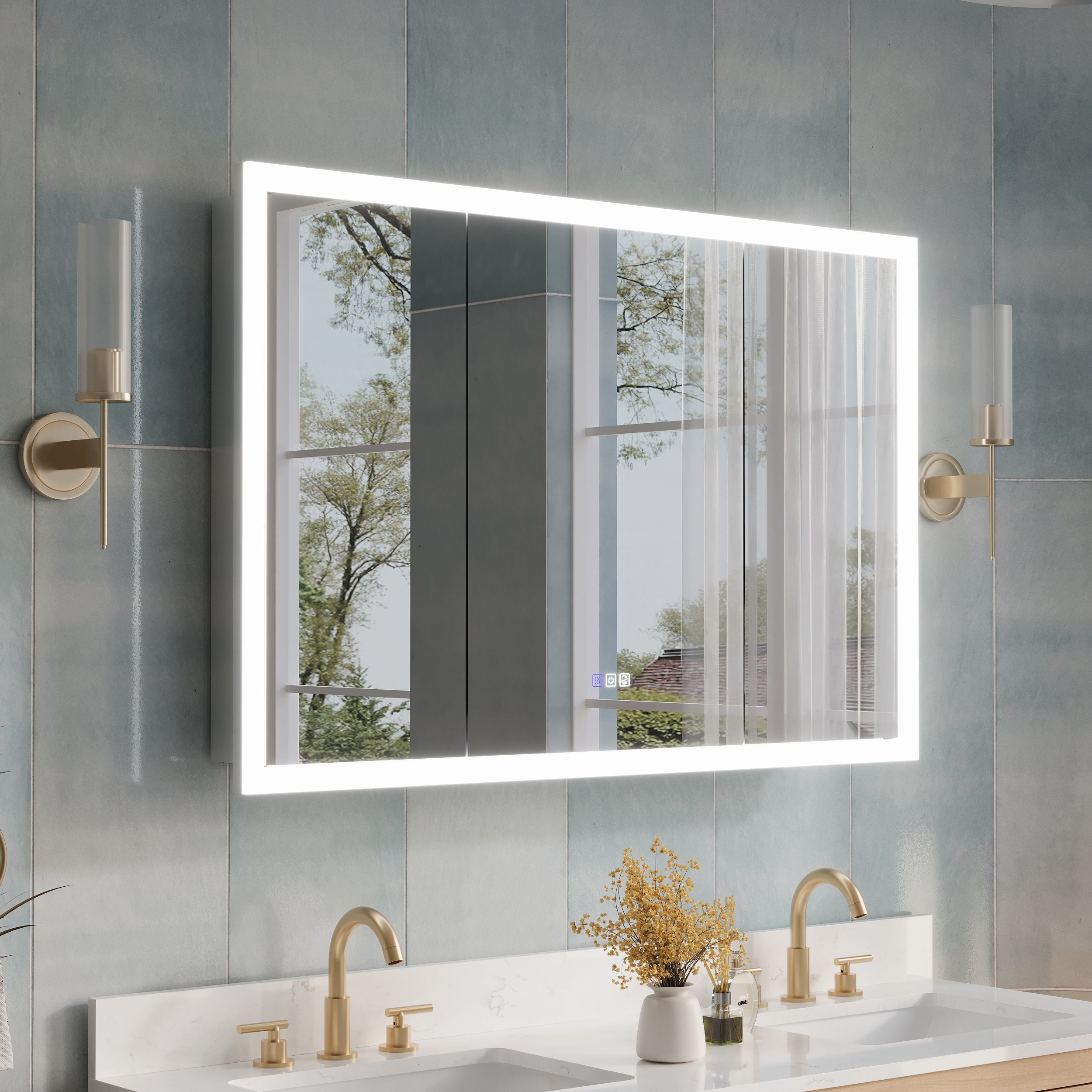
· Anti-fog/defog pads that help keep the mirror usable after hot showers
· Touch controls for dimming and color temperature
· Memory settings that return to your last brightness and tone
· Night-light modes that provide low-level guidance without waking the whole room
These features are not mandatory, but they can meaningfully improve morning and nighttime routines, especially in shared bathrooms where people have different lighting preferences.

6. How to Choose the Right Size and Placement Using Inches
Size is where many buyers make avoidable mistakes. A mirror that is too small looks lost; too large can overwhelm the wall or crowd nearby fixtures.
Practical sizing guidelines:
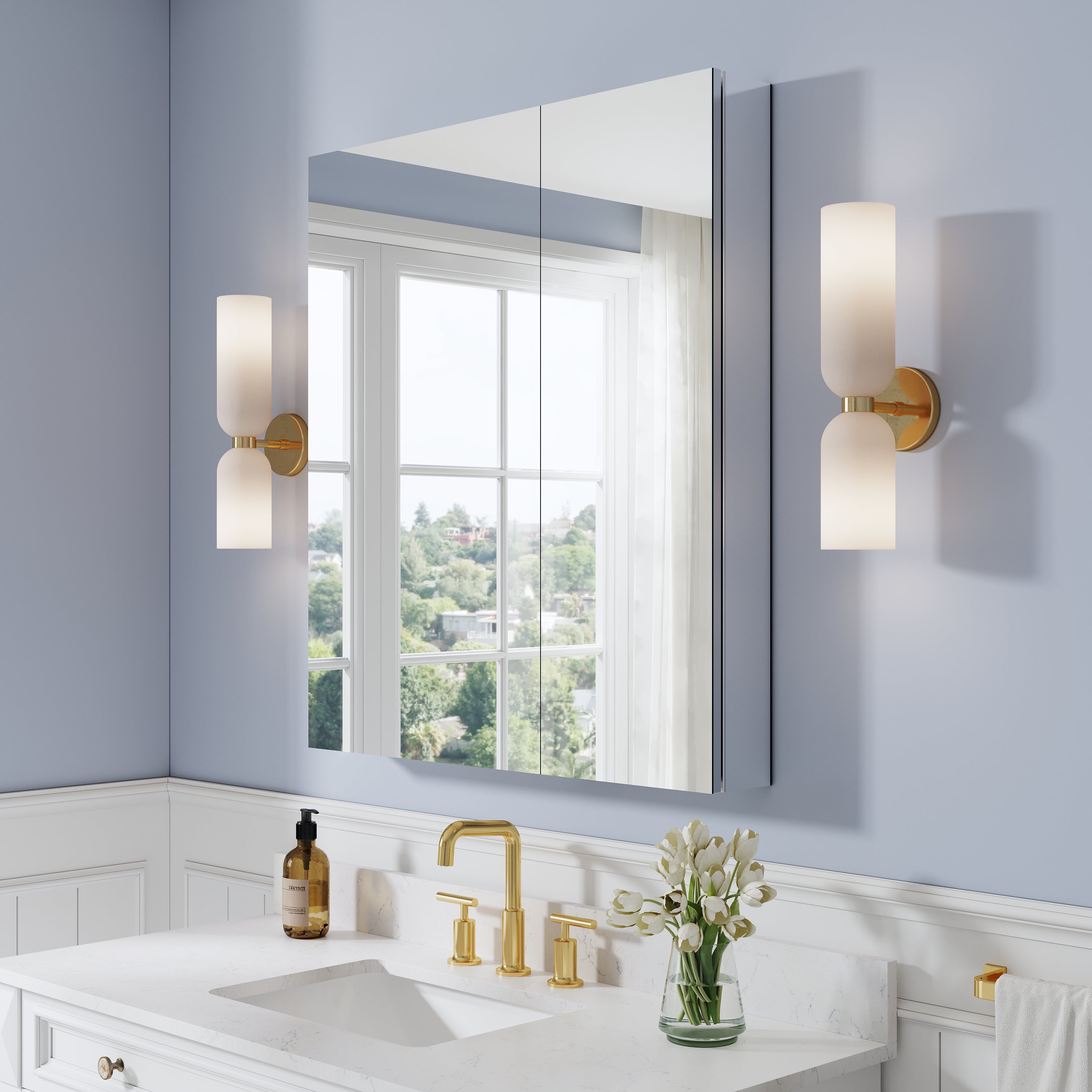
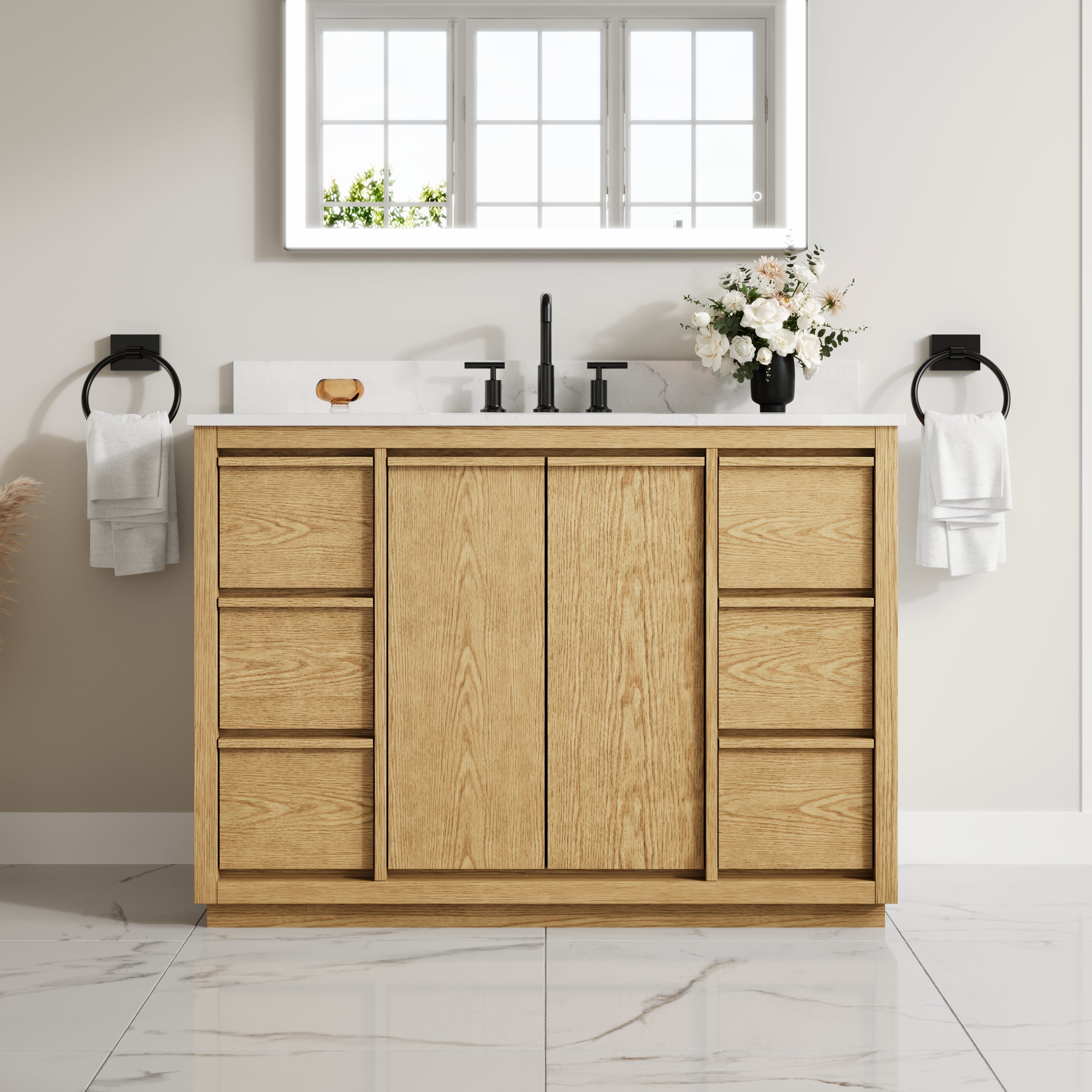
· For a single-sink vanity, the mirror width is often set to 70% to 80% of the vanity width. Example: a 36-inch vanity often pairs well with a mirror around 24 to 30 inches wide, depending on side clearance and lighting layout.
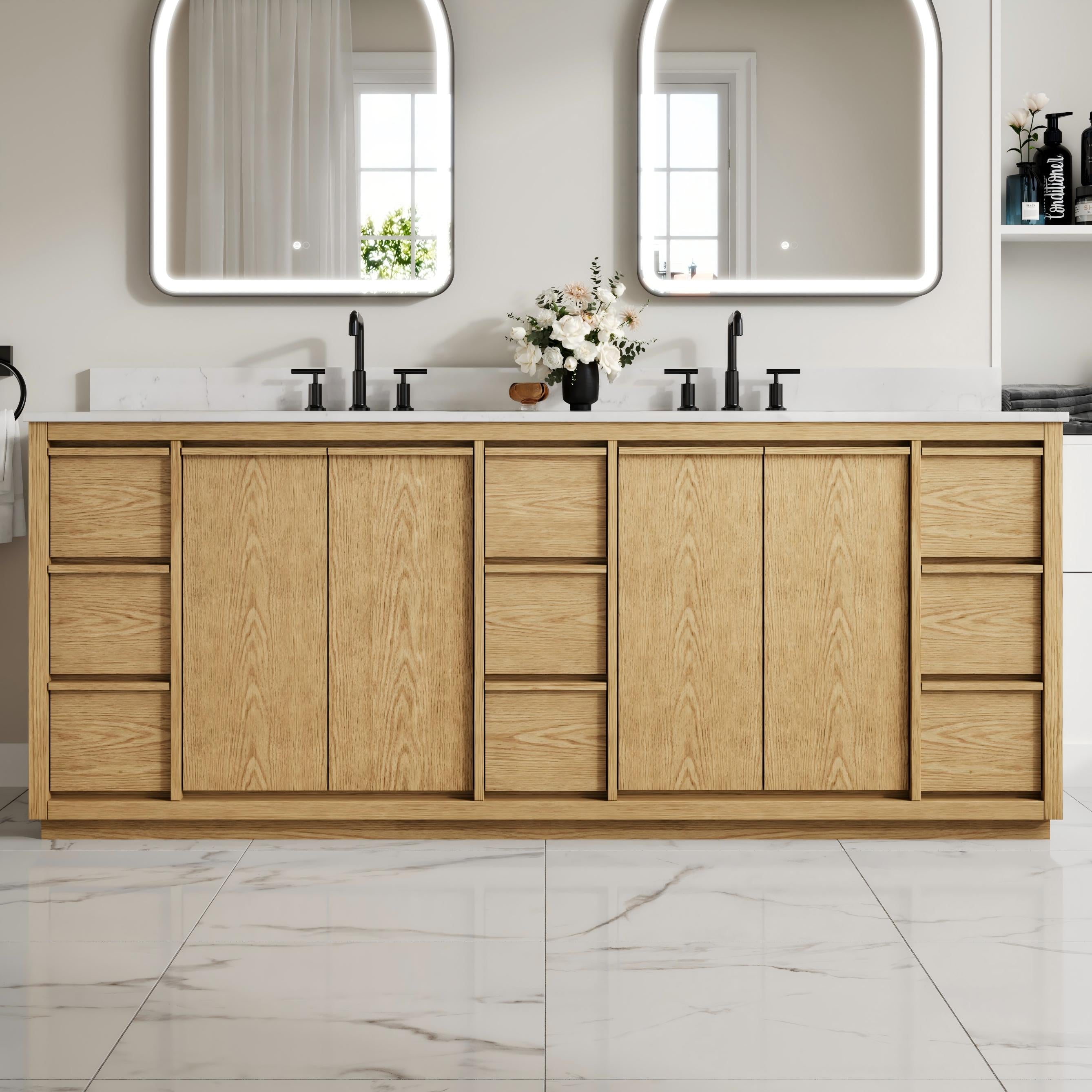
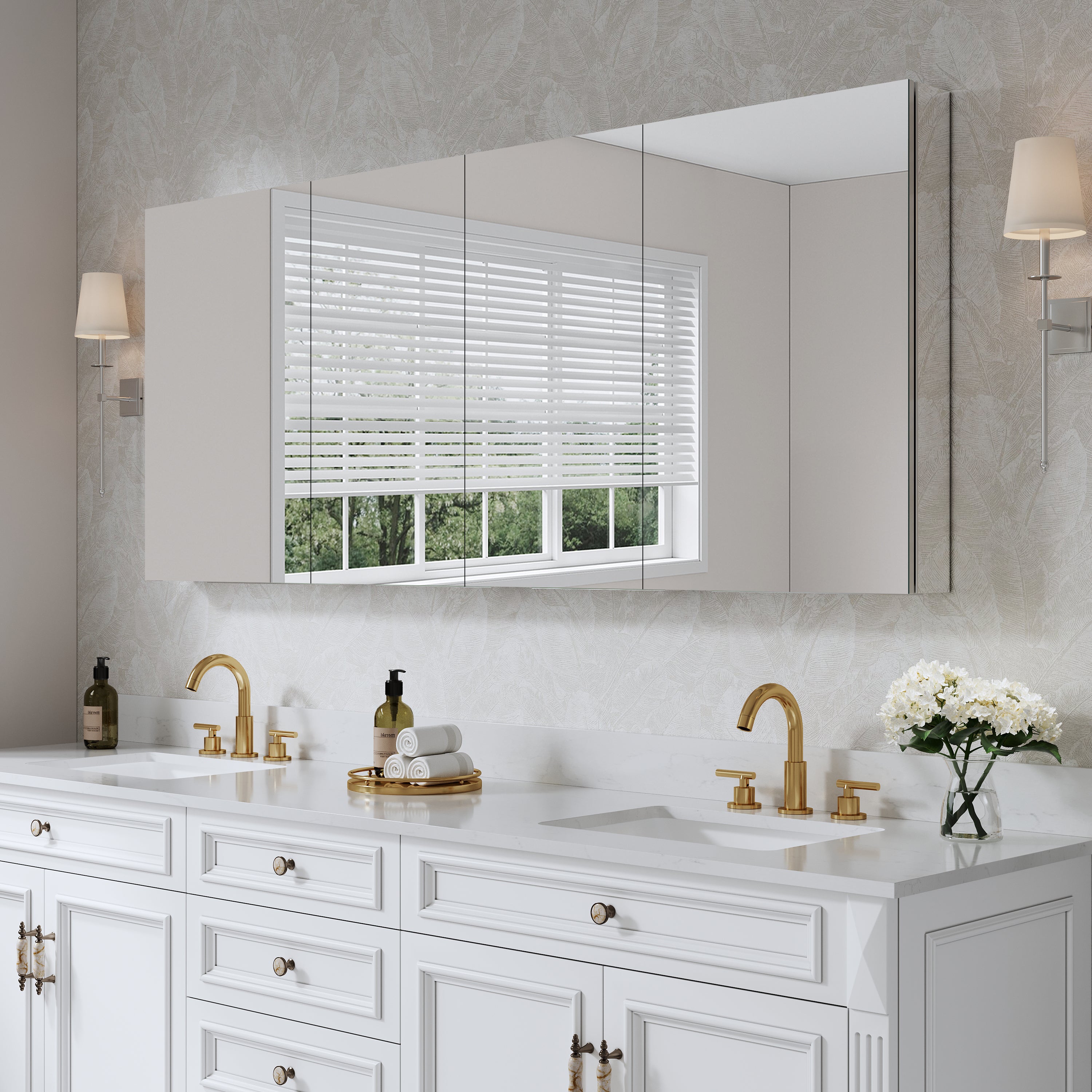
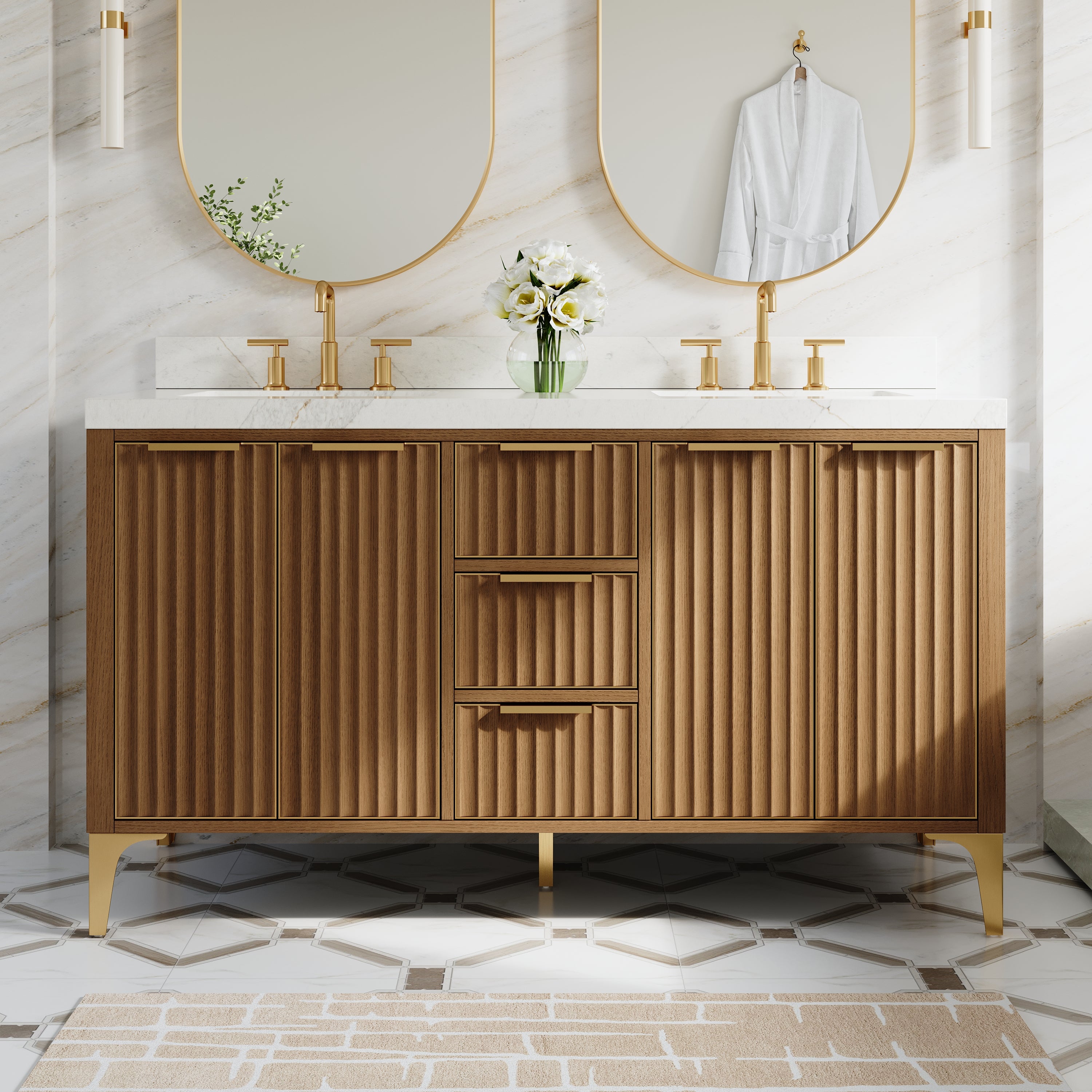
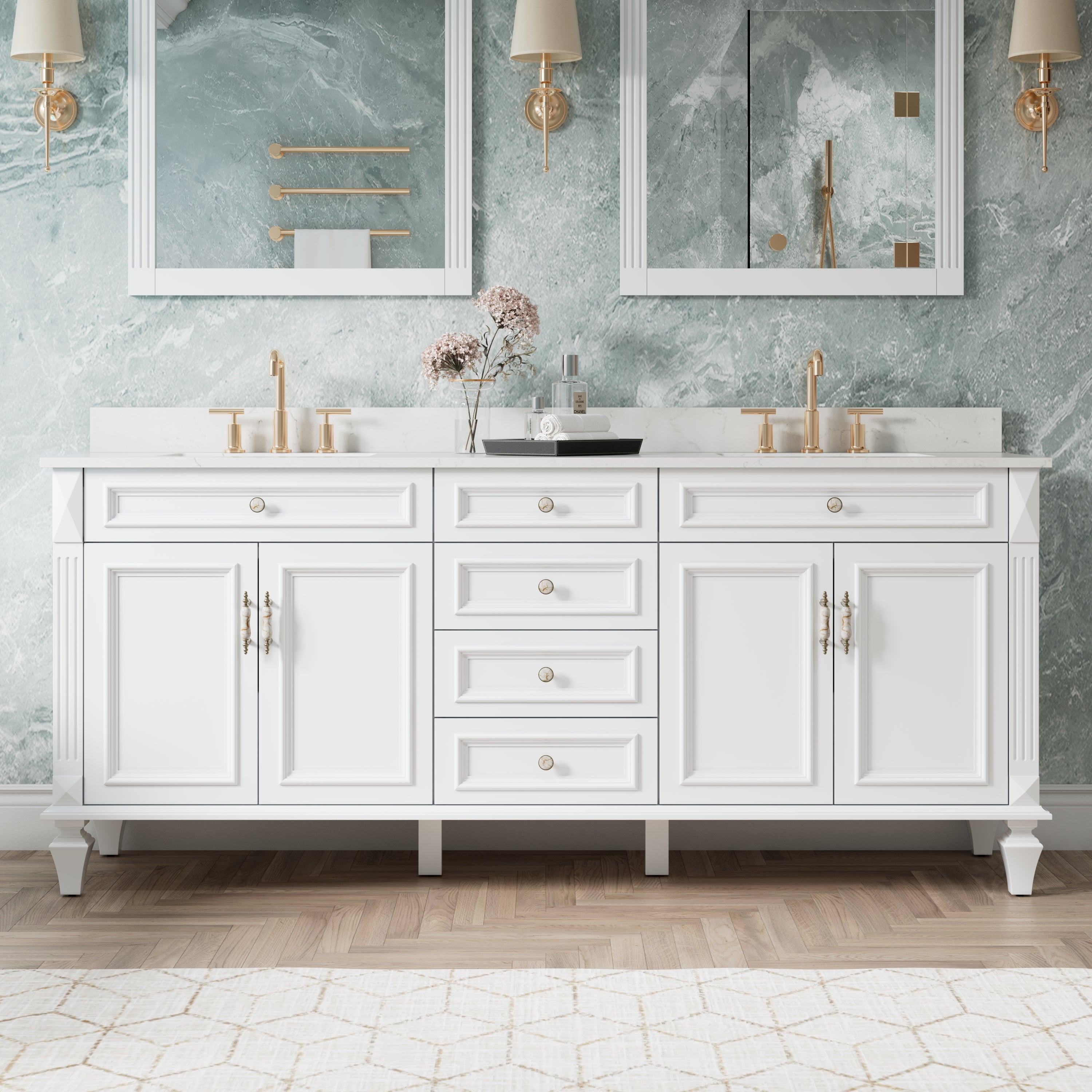
· For a double vanity (often 60 inches or wider), two mirrors in the 24 to 30 inch range can look balanced and give each user dedicated light and reflection space.
· Typical mirror heights range from 30 to 40 inches, but taller mirrors can be helpful if users vary in height or if you want a more “full wall” look.
Mounting height tip: place the mirror so the center aligns near eye level for the primary users, and confirm the top aligns comfortably with any existing light fixture or ceiling line.
7. Installation and Safety Checks You Should Not Skip
Bathrooms are humid spaces, so product ratings and electrical decisions matter:
· Choose a mirror rated for damp locations (or appropriate bathroom use) when possible.
· Decide early: plug-in (simpler) vs hardwired (cleaner look). Hardwiring often looks best but requires proper planning.
· Confirm local electrical requirements for bathroom circuits and protection (such as GFCI protection where required).
If you are pairing a lighted mirror with other upgrades like a fan-light combo or shower lighting, plan the switch layout so daily use is intuitive (for example, separate control for mirror light vs defog).
8. Why Lighted Mirrors Are Rising in Renovations
The trend is not random. People are actively upgrading mirrors during bathroom projects. In Houzz's findings, 59% of renovating homeowners upgraded their mirrors, underscoring the centrality of the mirror zone in bathroom design decisions (source: Houzz).
At the same time, lighting preferences are expanding beyond basic recessed fixtures, and lighted mirrors have been gaining share year over year in Houzz reporting.
9. The Bottom Line: The Benefit Is “Better Function Per Square Inch.”
A mirror with LED lights is popular because it enhances what people do at the vanity without taking up more space. It can improve clarity of grooming, reduce shadowing, simplify the visual appearance of the wall, and lower energy use compared with older lighting approaches (source: DOE).
If you tell me your vanity width (for example, 24-inch, 30-inch, 36-inch, 48-inch, or 60-inch) and whether you want plug-in or hardwired, I can recommend a sizing plan and feature set that fits your listing and customer expectations.













Leave a comment
This site is protected by hCaptcha and the hCaptcha Privacy Policy and Terms of Service apply.