
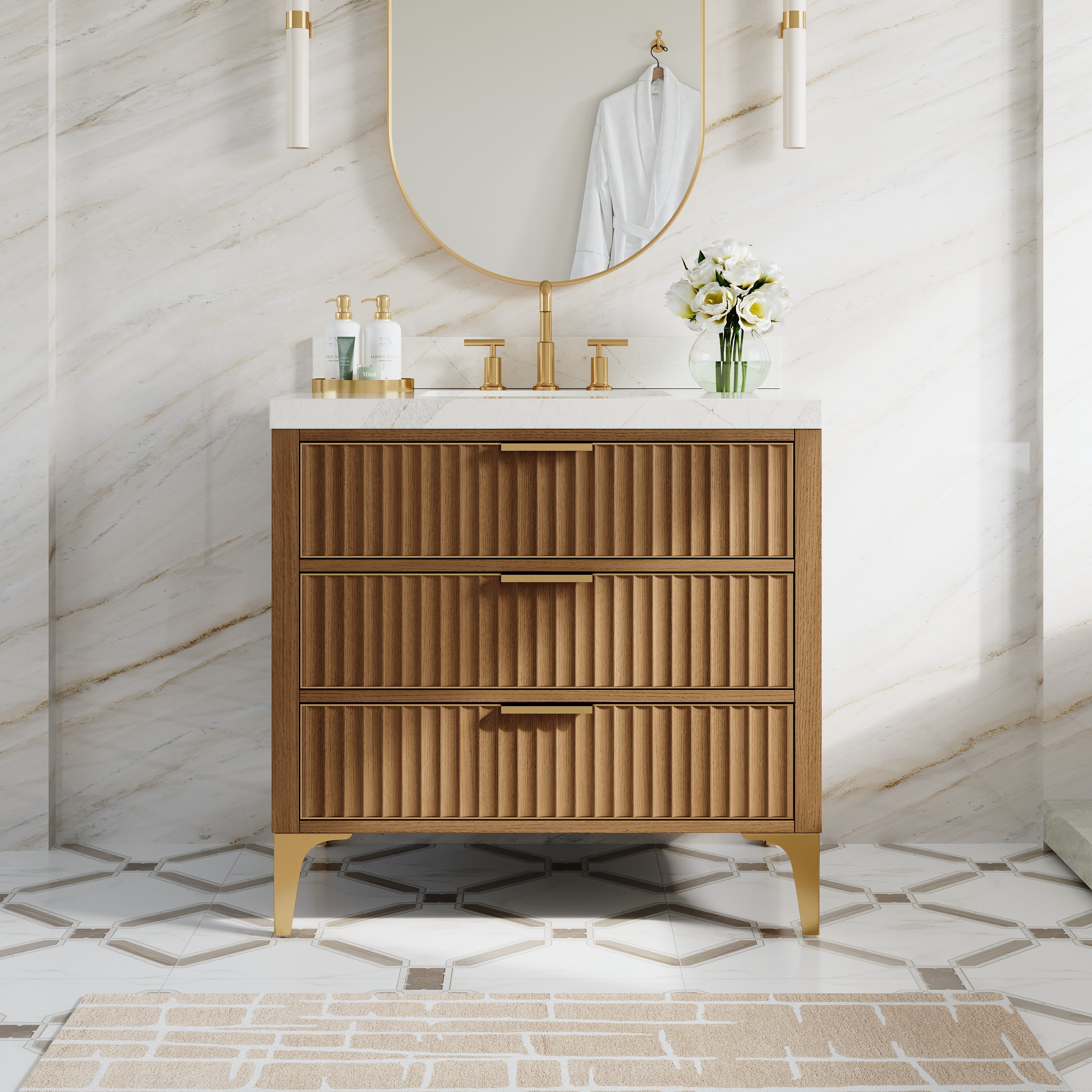
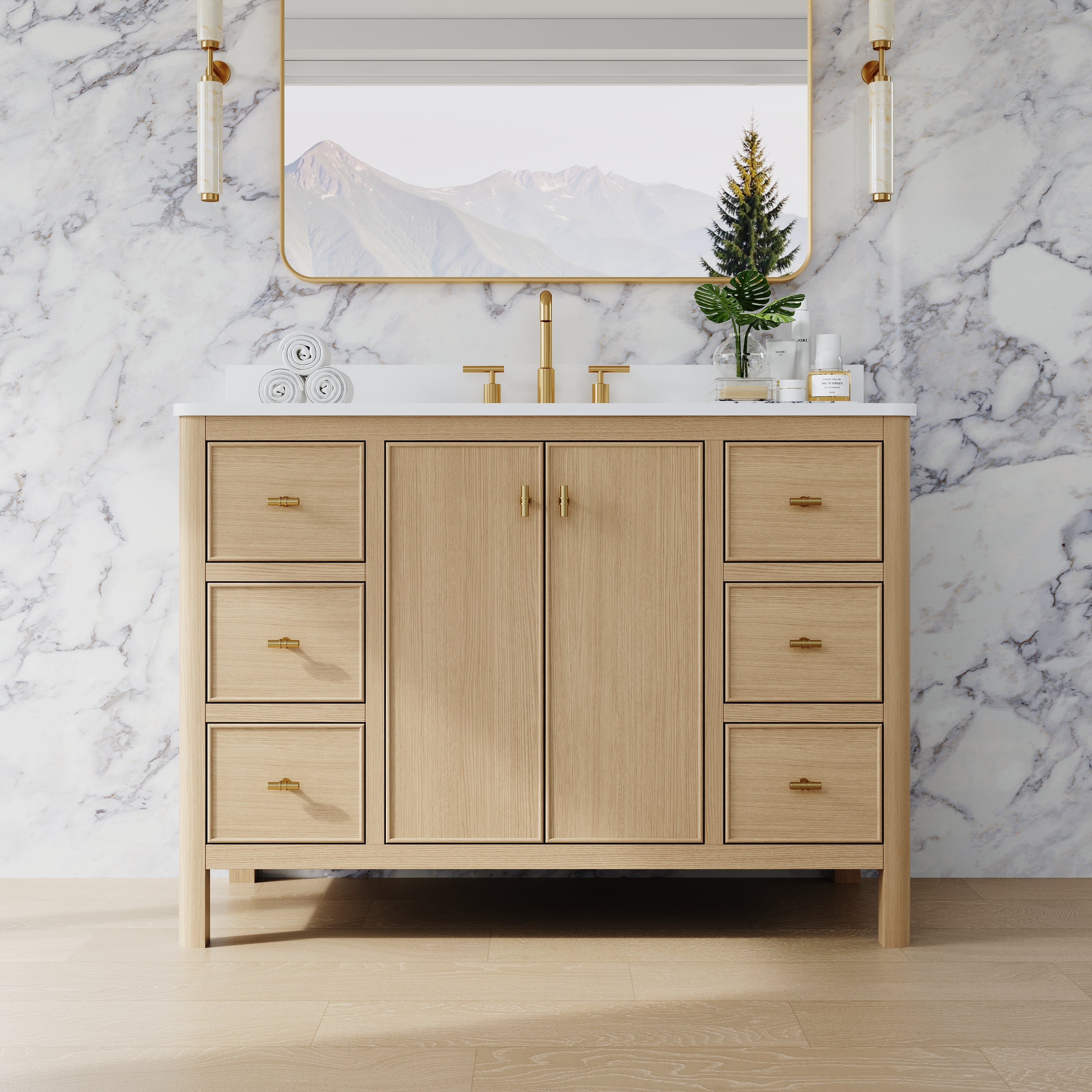
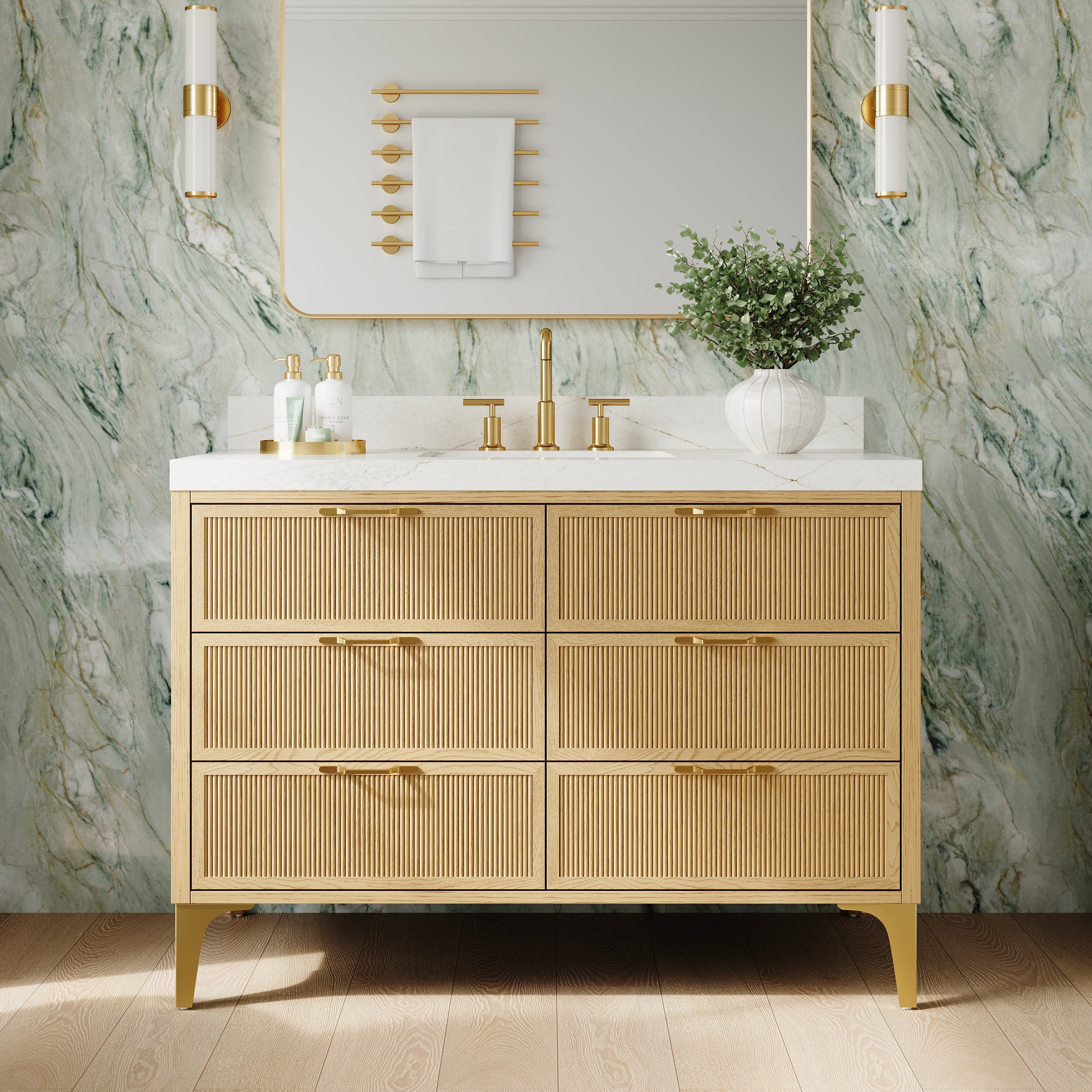
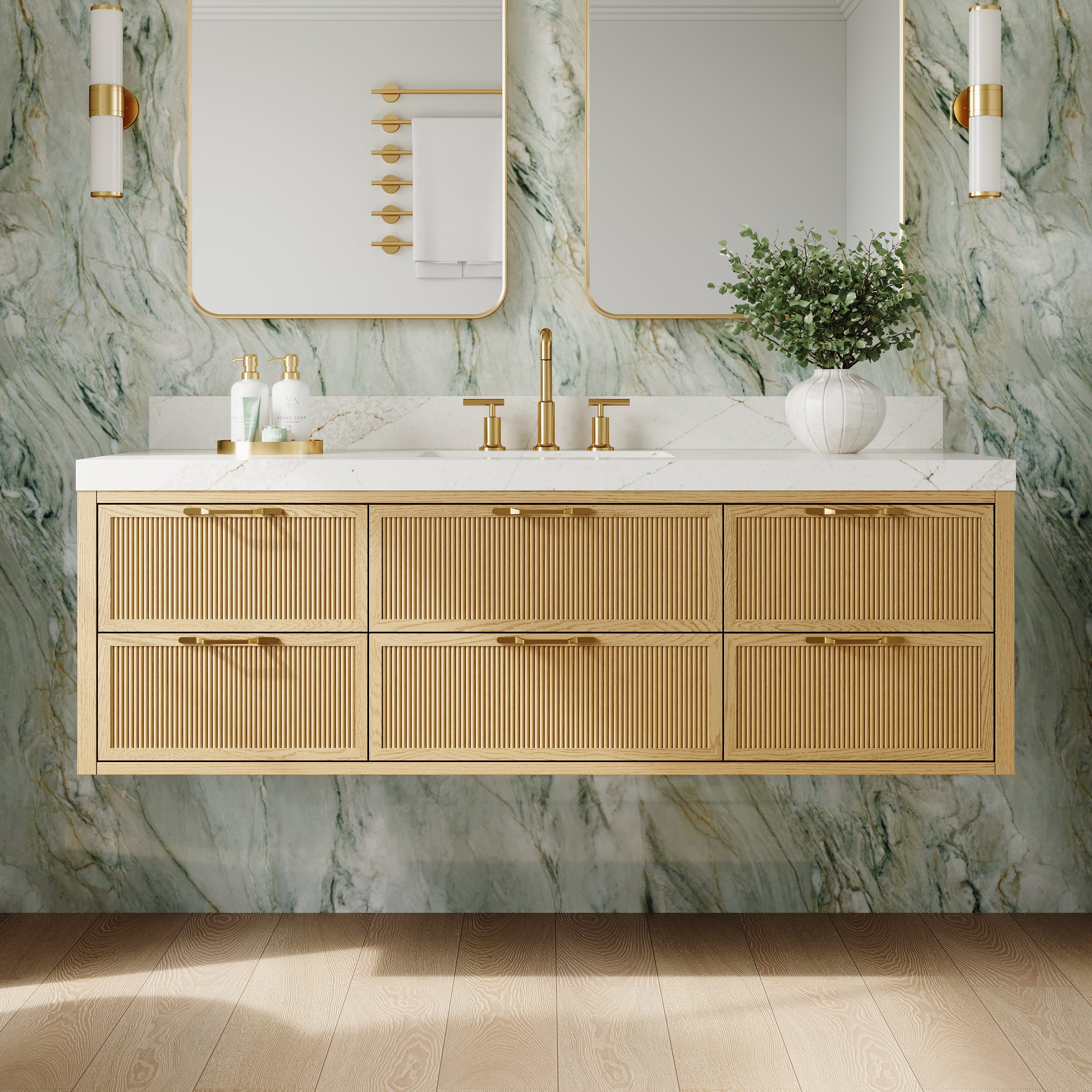
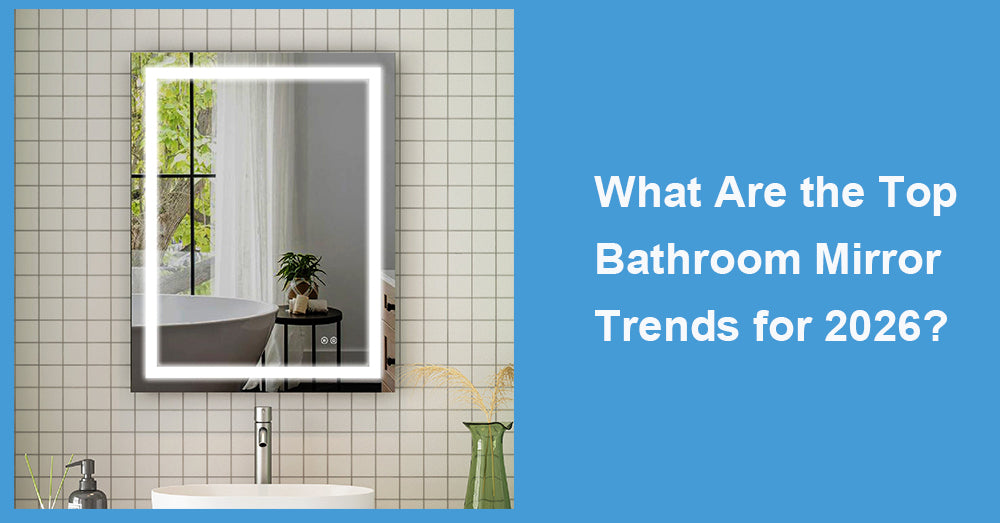
A bathroom mirror is no longer just a reflective surface in 2026. It is becoming the “control center” for lighting, storage, and daily wellness routines, driven by rising demand for layered illumination, integrated tech, and cleaner wall design. Industry research shows that lighting is now treated as a core performance feature in the bath, and mirror-based solutions are among the fastest ways to deliver that upgrade without expanding the room footprint.
Integrated Mirror Lighting Becomes the Default, Not the Upgrade
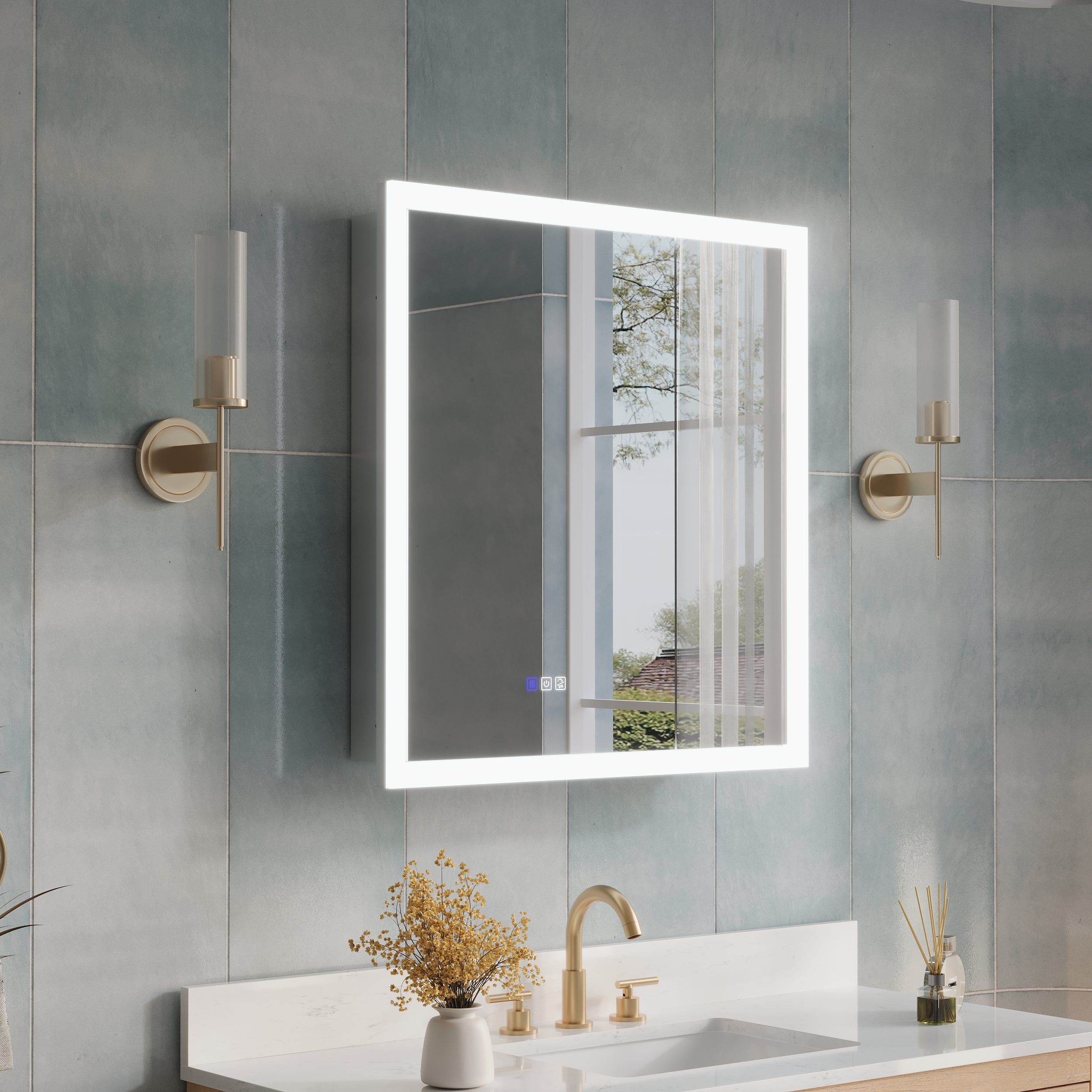
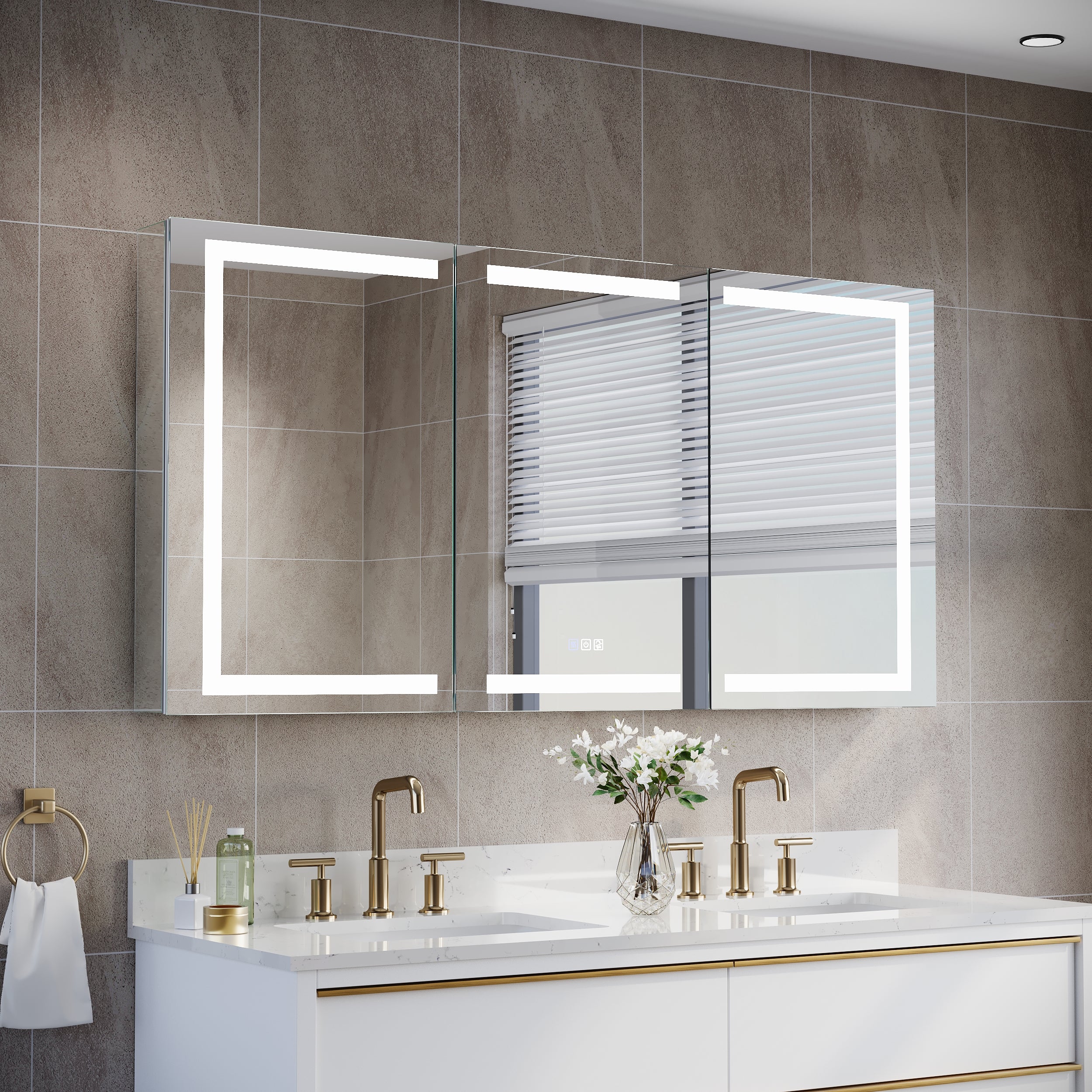
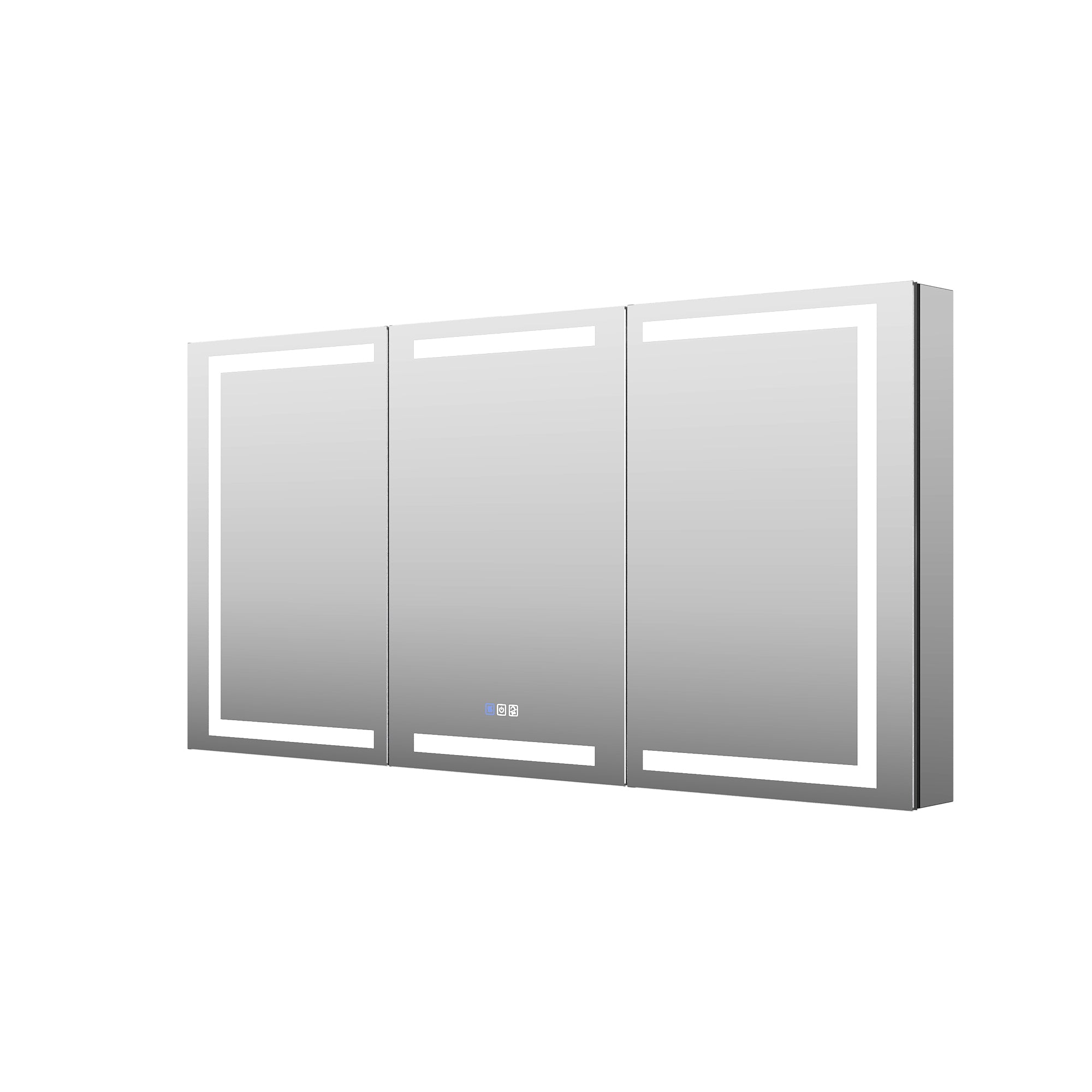
The biggest shift for 2026 is that mirror lighting is moving from a “nice-to-have” to an expectation. In NKBA’s 2026 Bath Trends findings, 91% of respondents say lighting quality is a top consideration, 92% agree task lighting should always be included, and 47% favor integrated lighting in mirrors over the next three years.
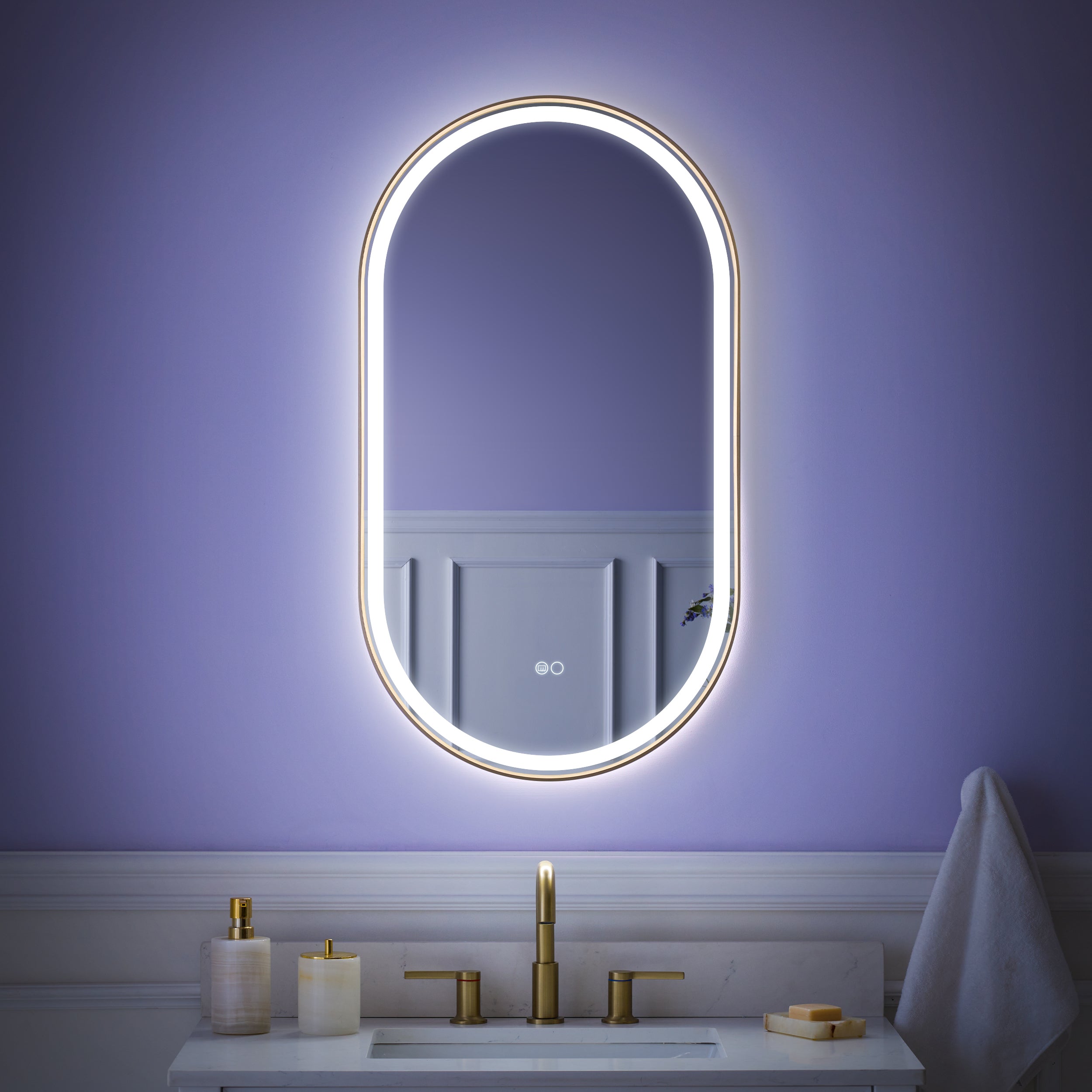
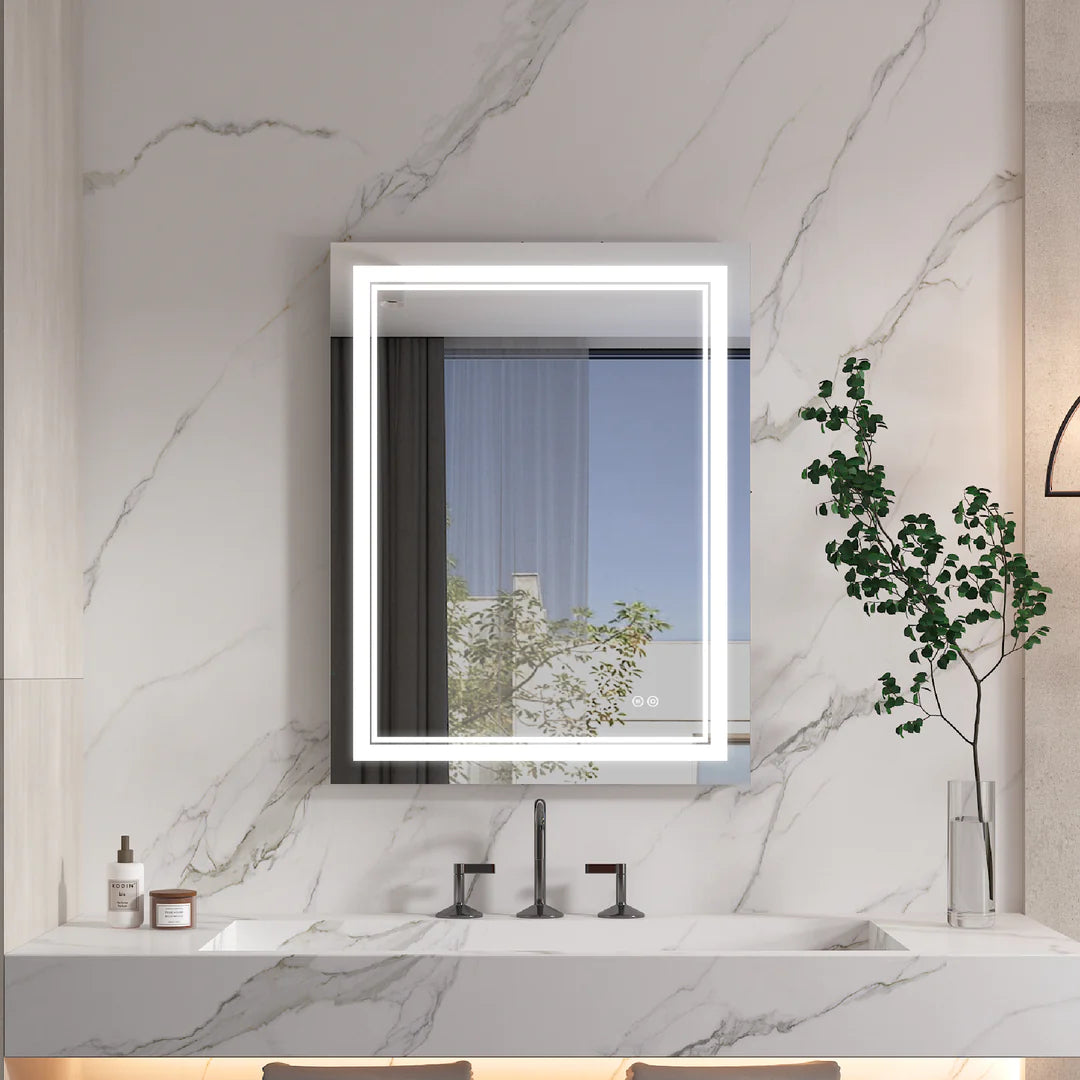
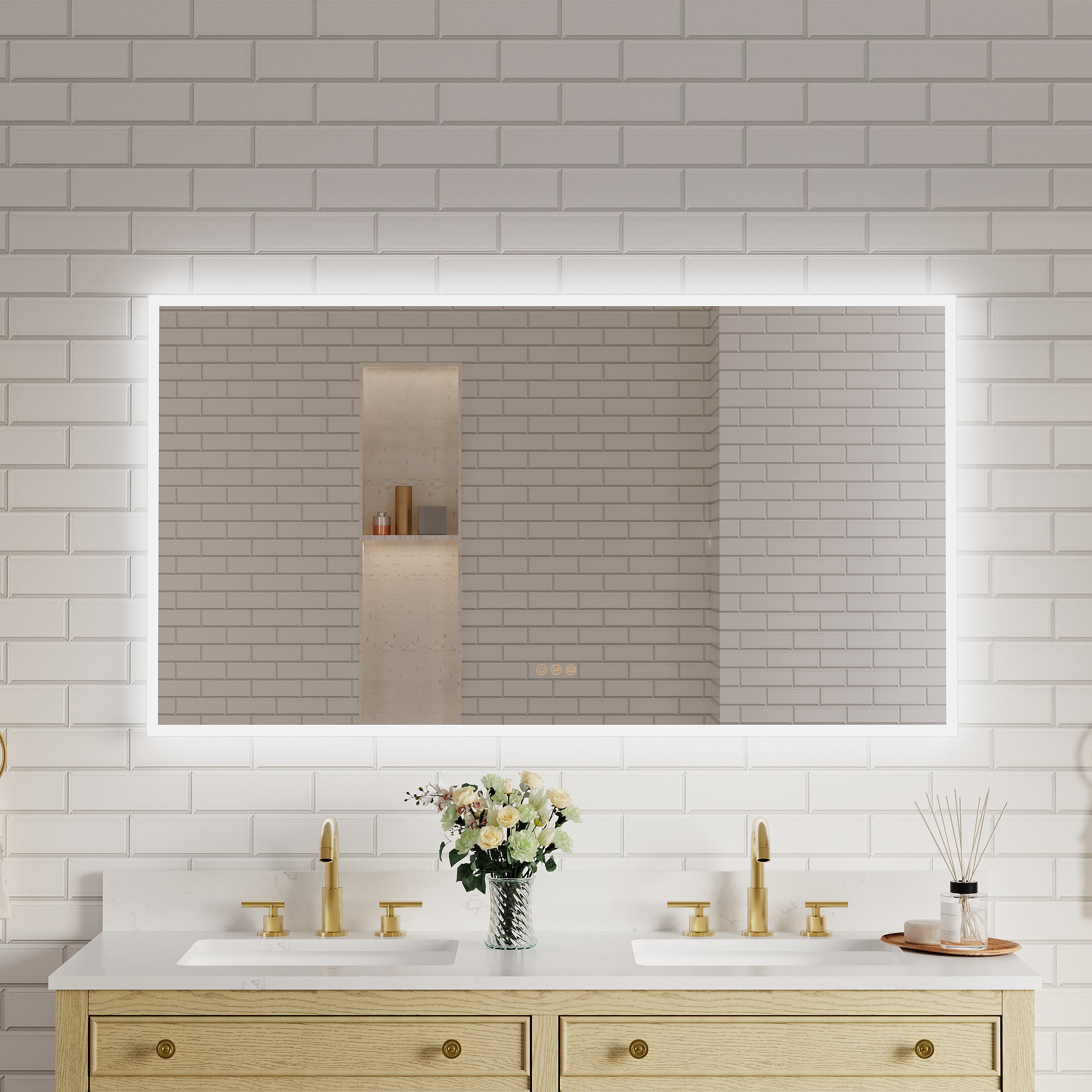
What this changes in the market: the mirror is increasingly designed as a lighting fixture (not just paired with one). That pushes more products toward built-in LED perimeters, cleaner diffuser designs, and improved facial illumination—especially for makeup, shaving, and skincare.
“Time-of-Day” Lighting and Night-Friendly Modes Go Mainstream
Instead of a single harsh brightness setting, mirrors are being designed for multiple daily moments: early morning, daytime grooming, evening wind-down, and nighttime use. NKBA’s report highlights “time-of-day lighting” momentum: 80% are including nighttime-specific lighting, and 88% list natural lighting as a top priority.
As a result, 2026 mirror designs increasingly emphasize:
l Tunable color temperature (warm-to-cool) and smooth dimming.
l Memory functions that return to the last setting.
l Low-glare, low-output night modes that reduce eye strain.
Backlit Glow and Softer Light Diffusion Replace “Hot Spot” Lighting
Lighted mirrors are gaining share because they simplify the vanity wall and improve light placement at face level. Houzz reported that lighted mirrors accounted for 22% of upgraded lighting choices in renovated bathrooms.
The 2026 design direction favors a more architectural look:
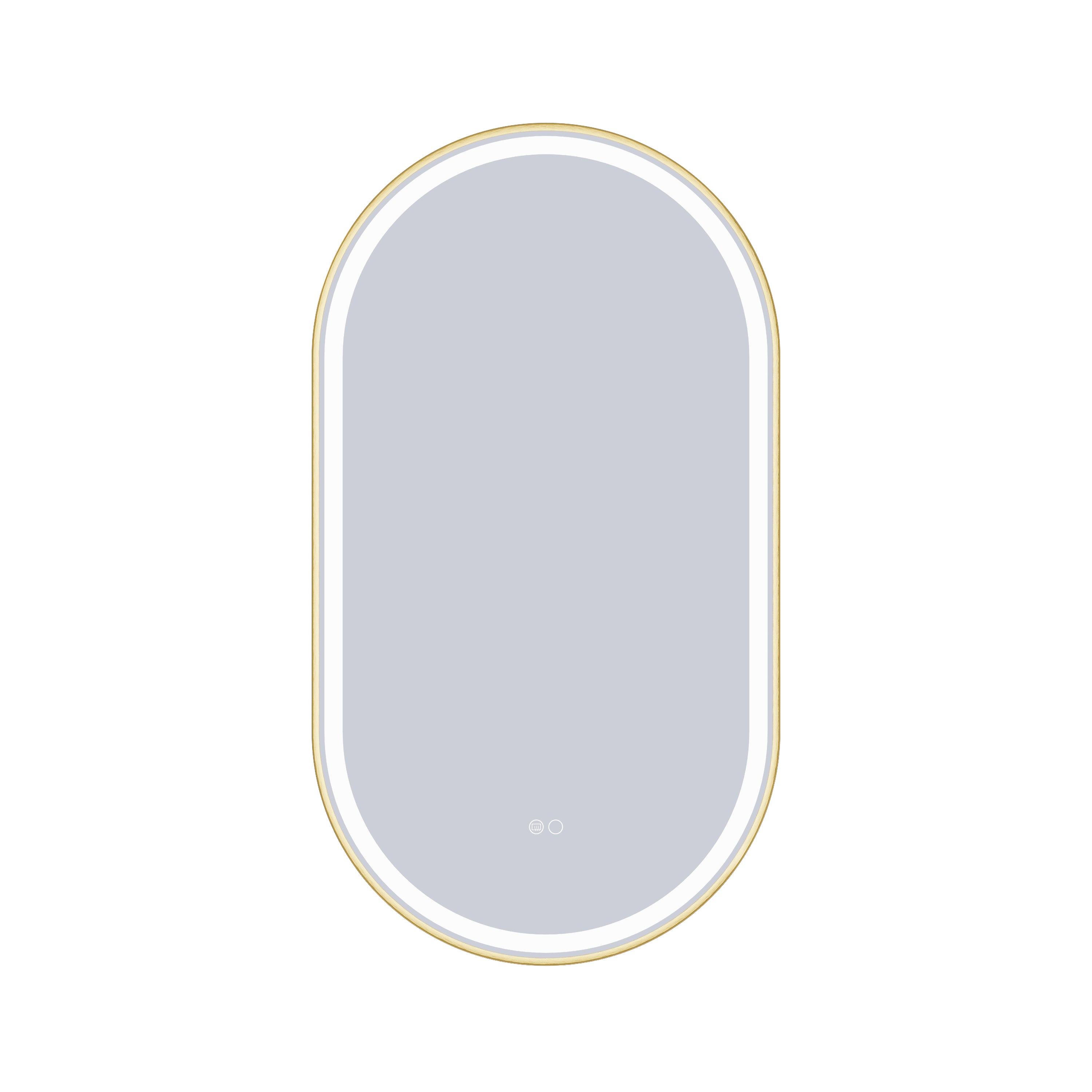
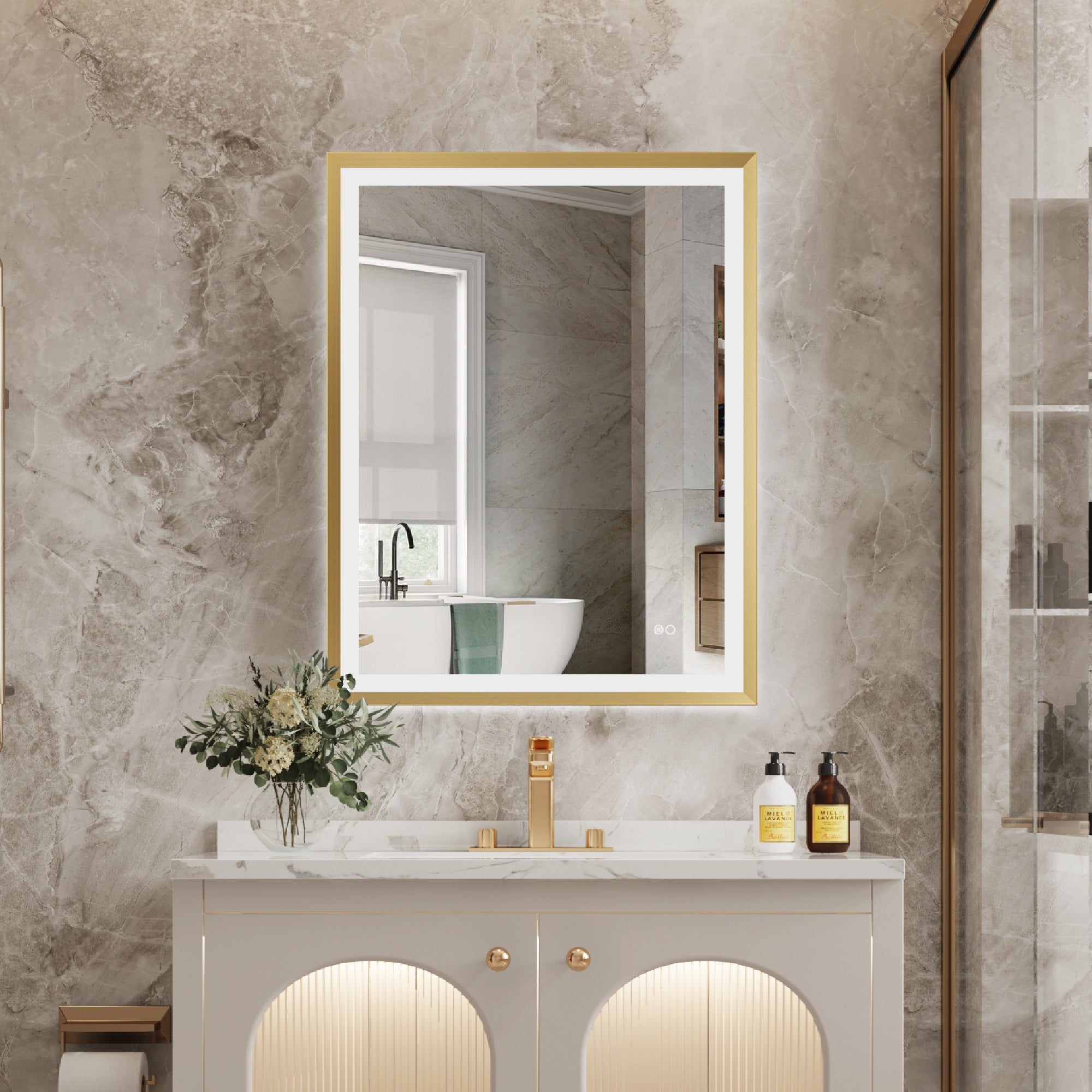
l Backlit “halo” effects for ambient glow.
l Thicker, more uniform diffusion to avoid striping and bright points.
l Cleaner edges so the mirror reads like part of the wall, not a separate object.
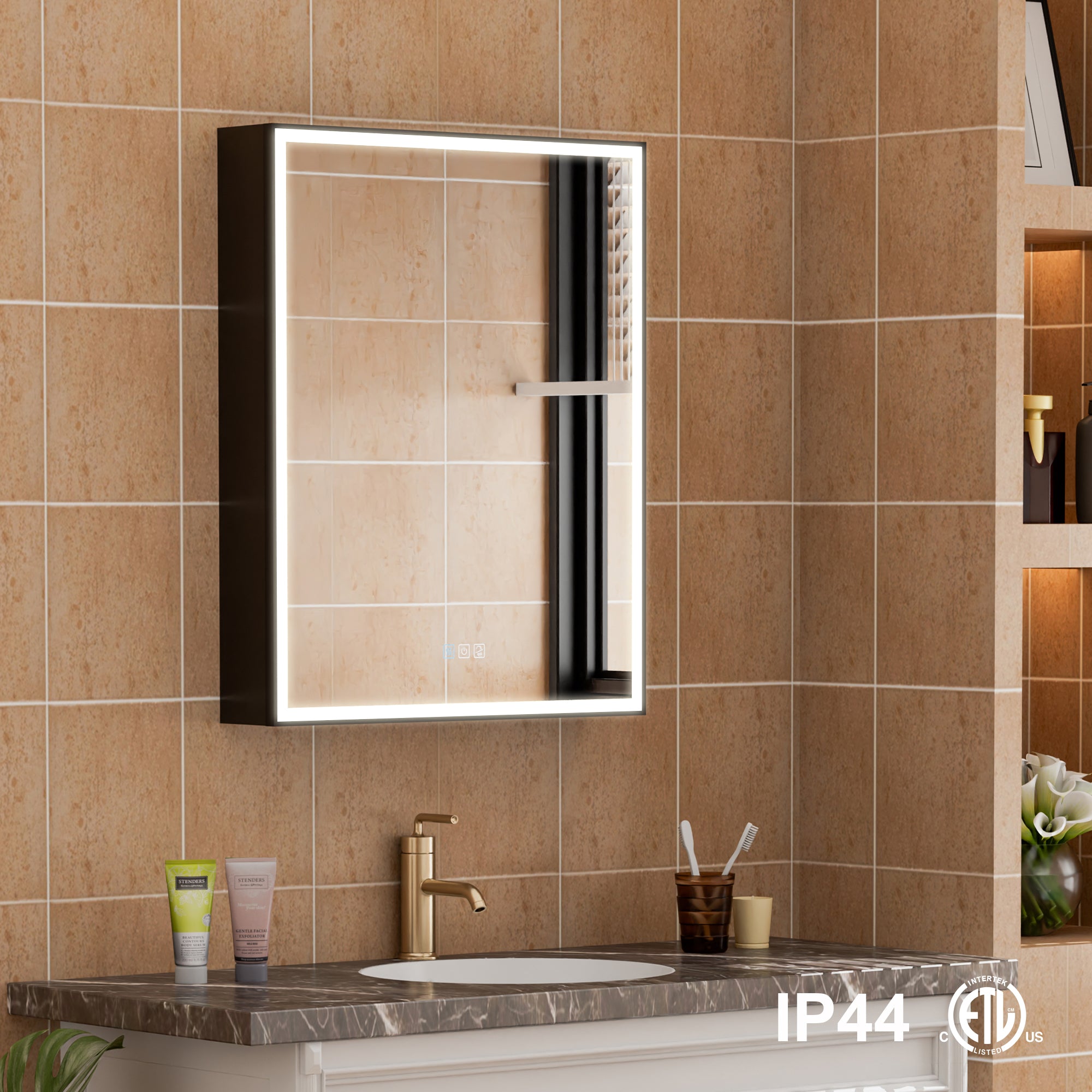
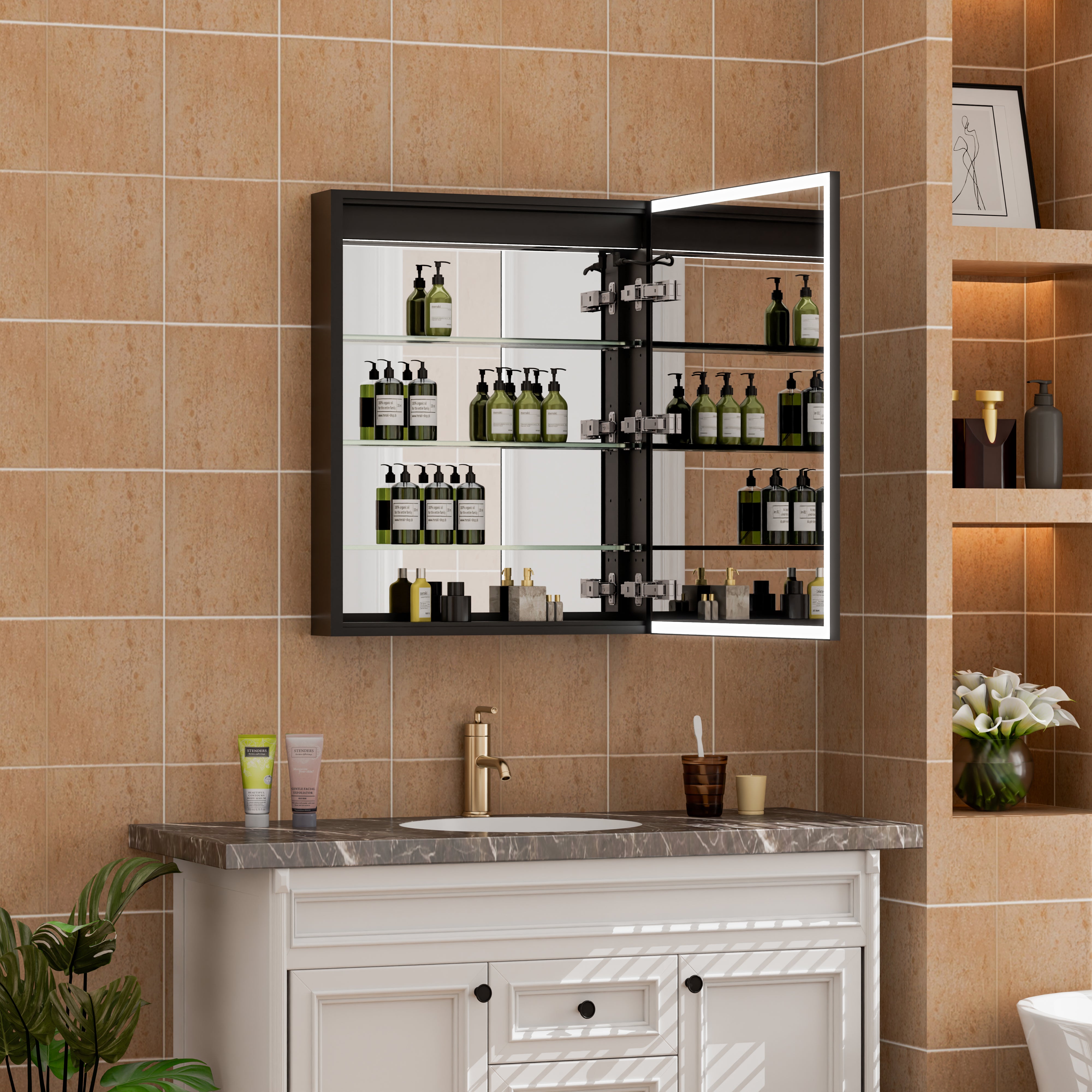
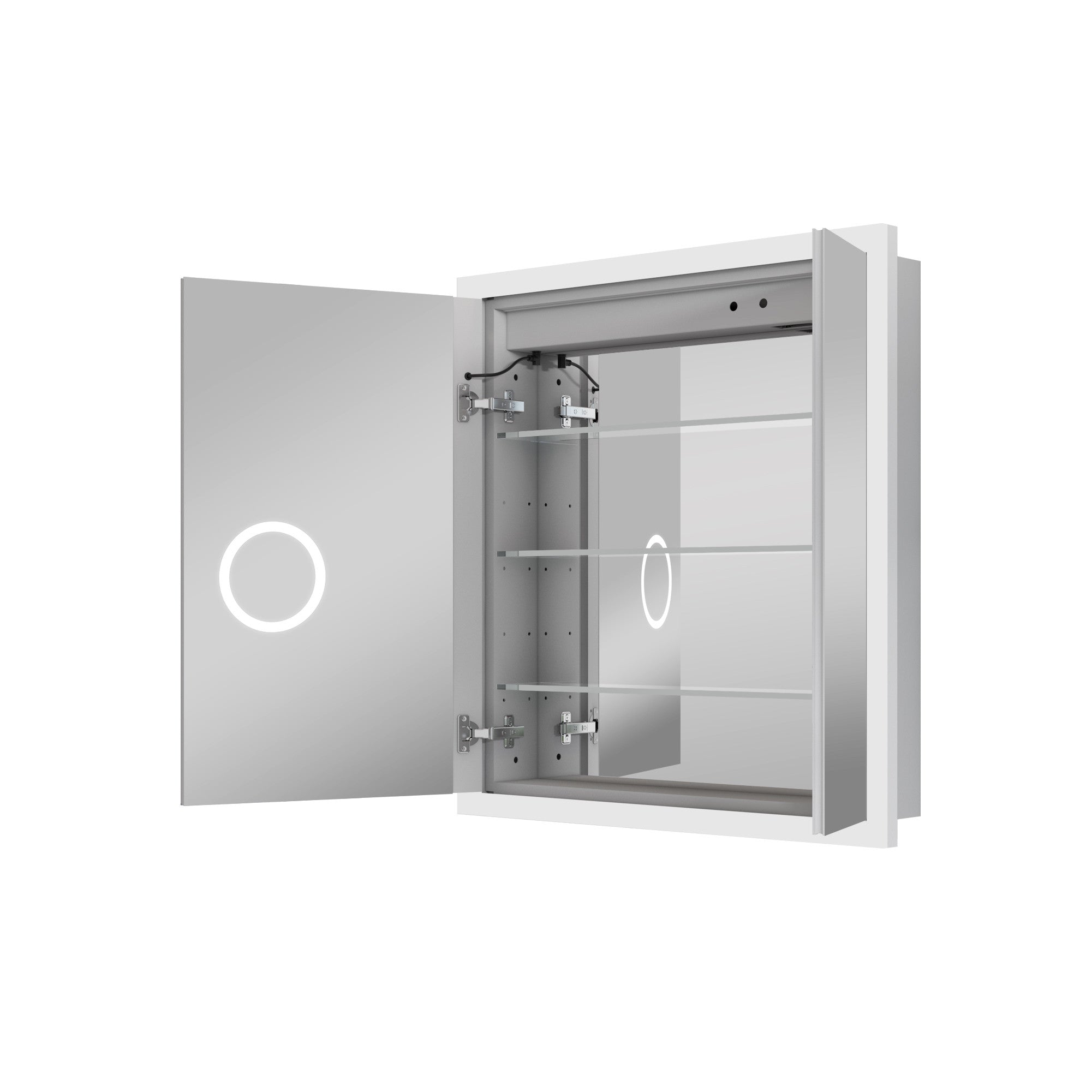
Medicine Cabinets Make a Strong Comeback, With Power Built In
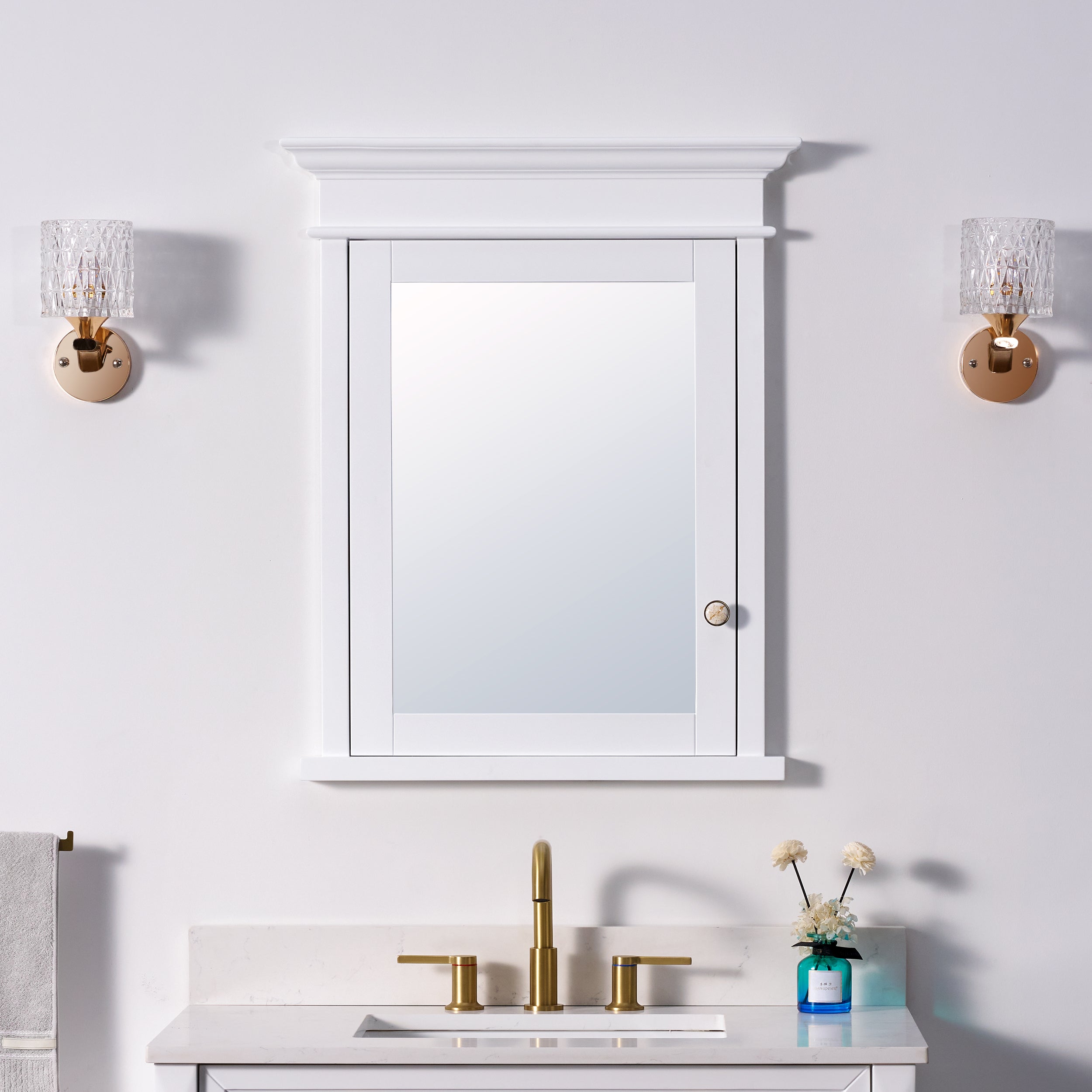
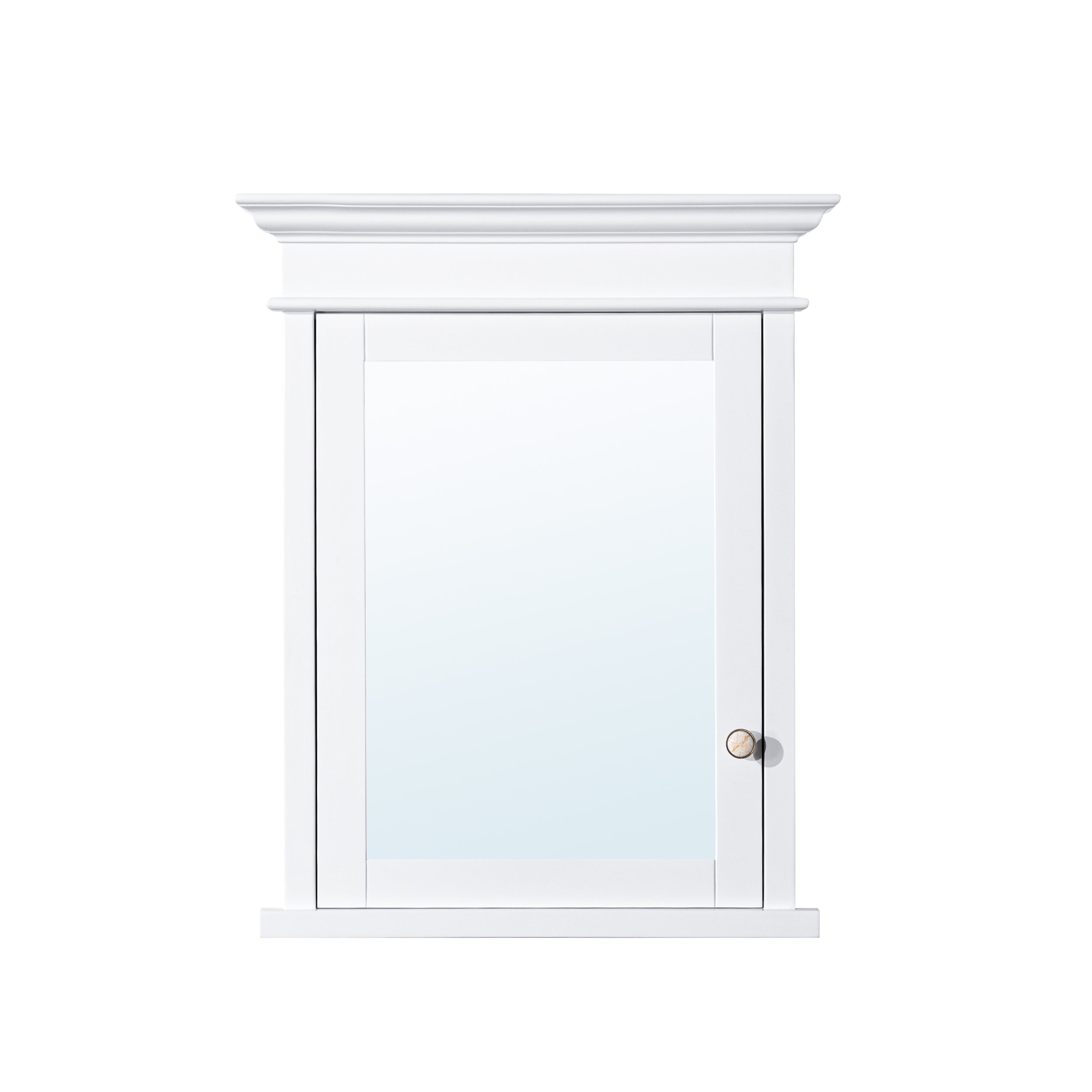
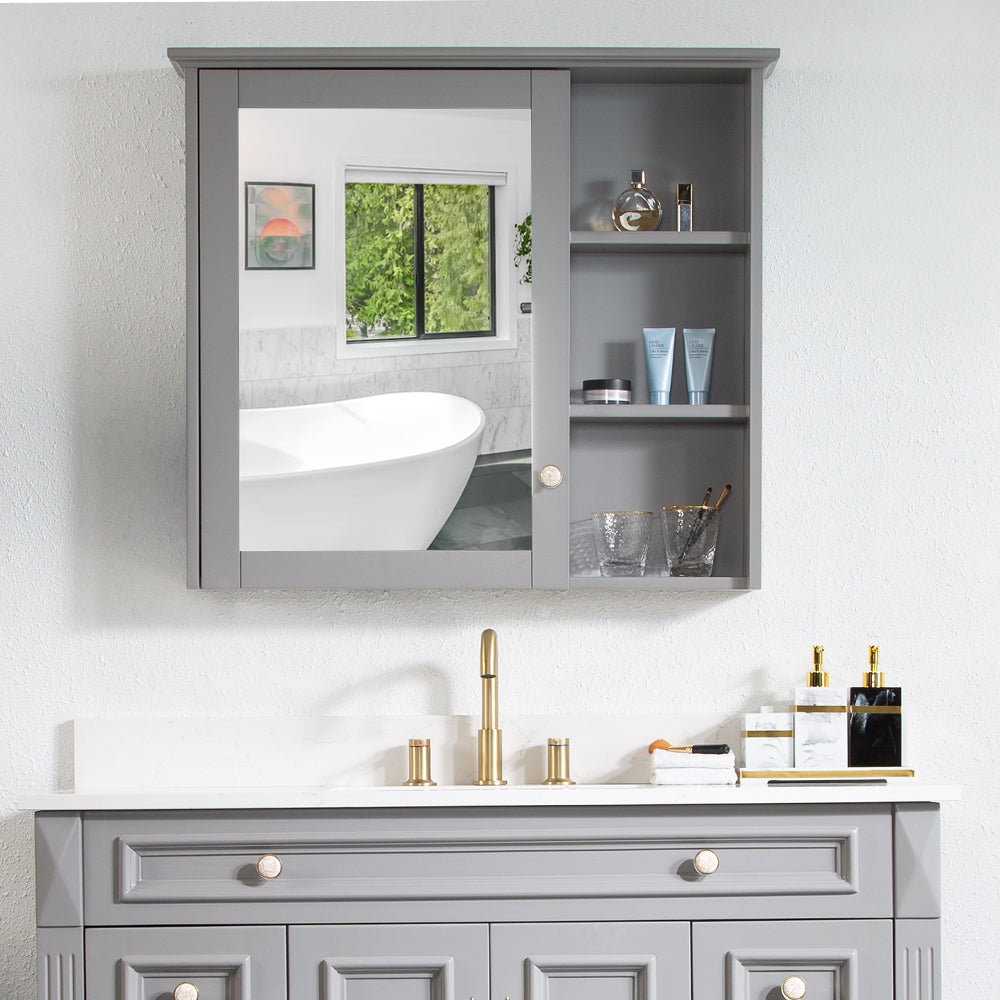
Storage pressure is driving mirror innovation. In the 2025 Houzz Bathroom Trends Study, 32% of renovating homeowners upgraded medicine cabinets (up year over year).
Two details matter for 2026:
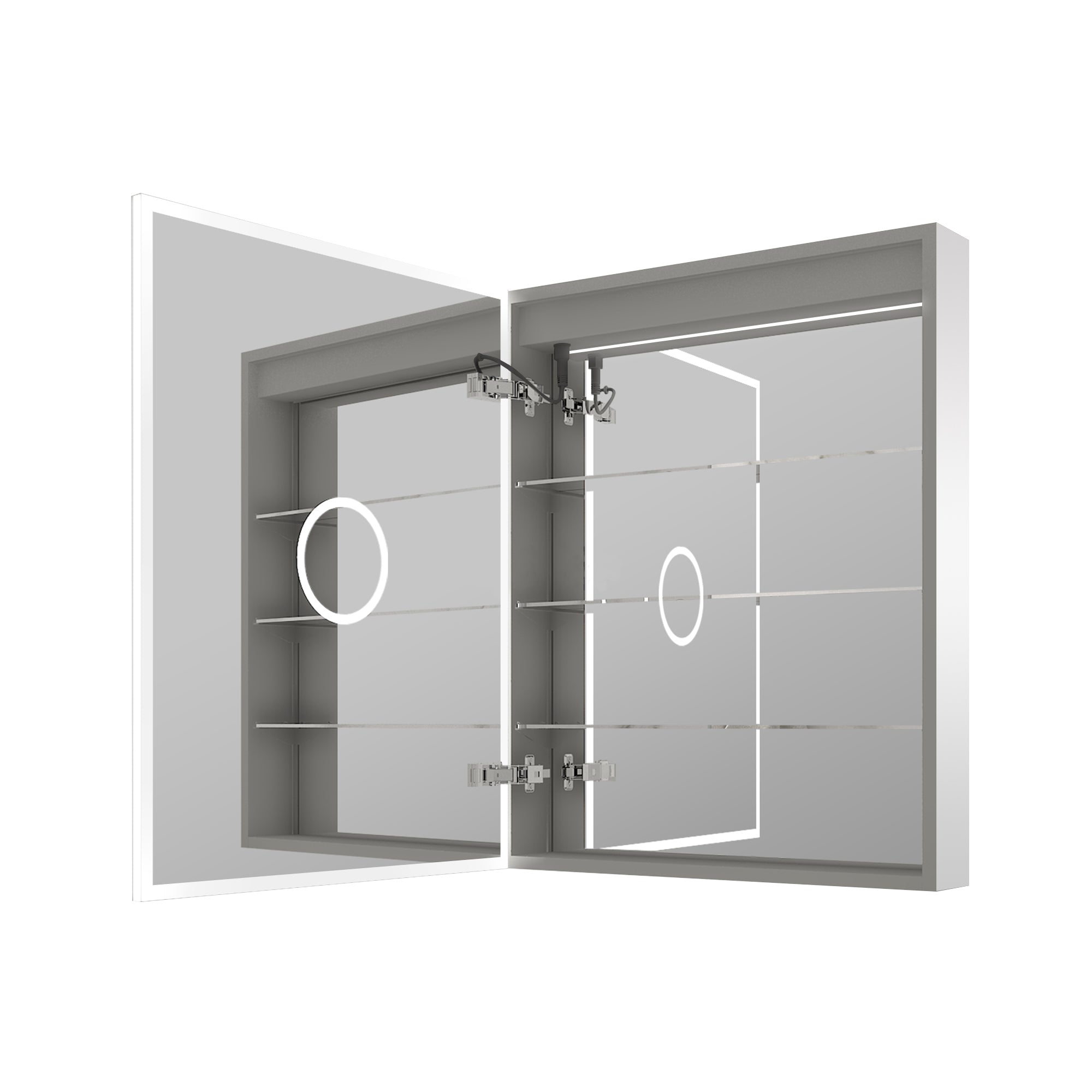
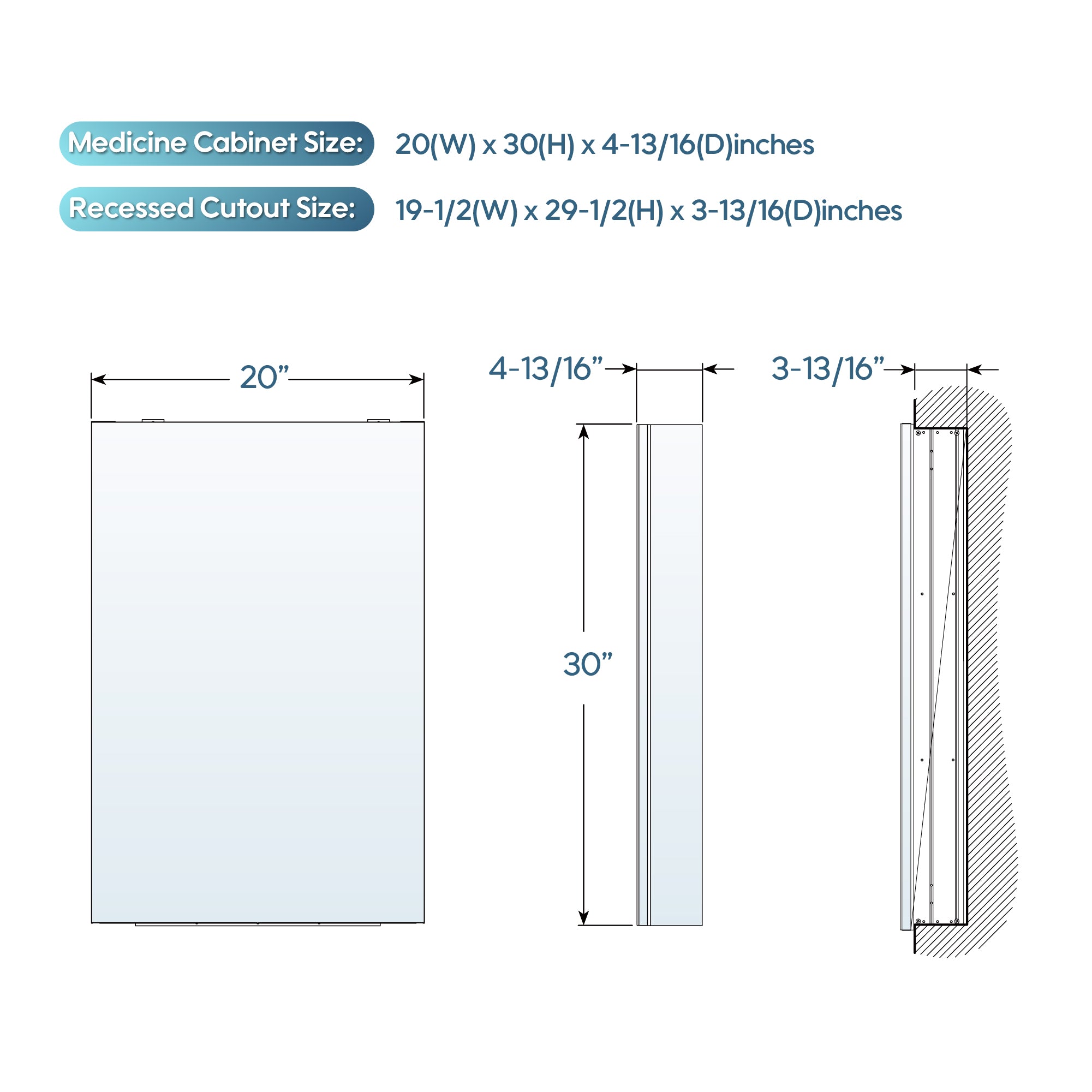
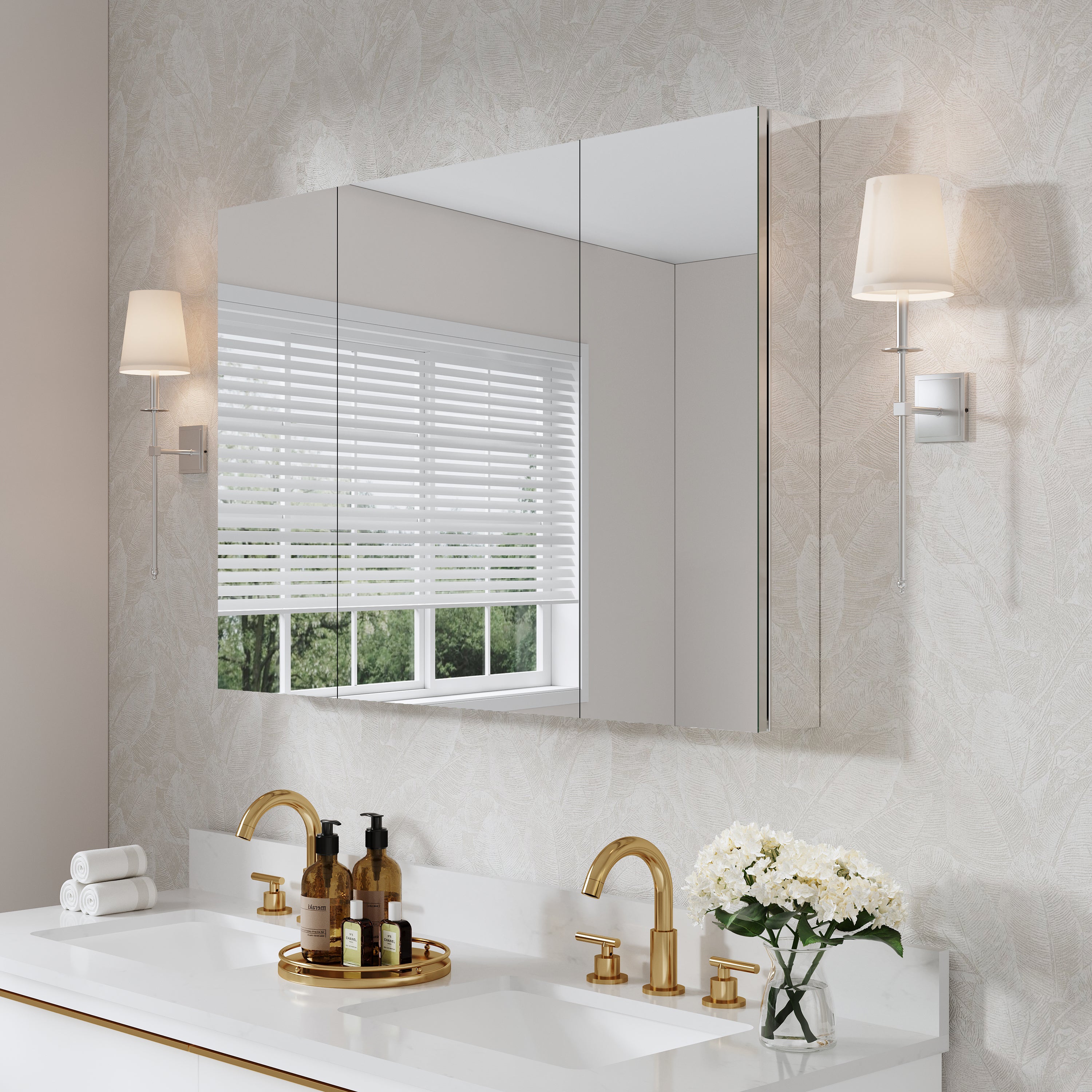
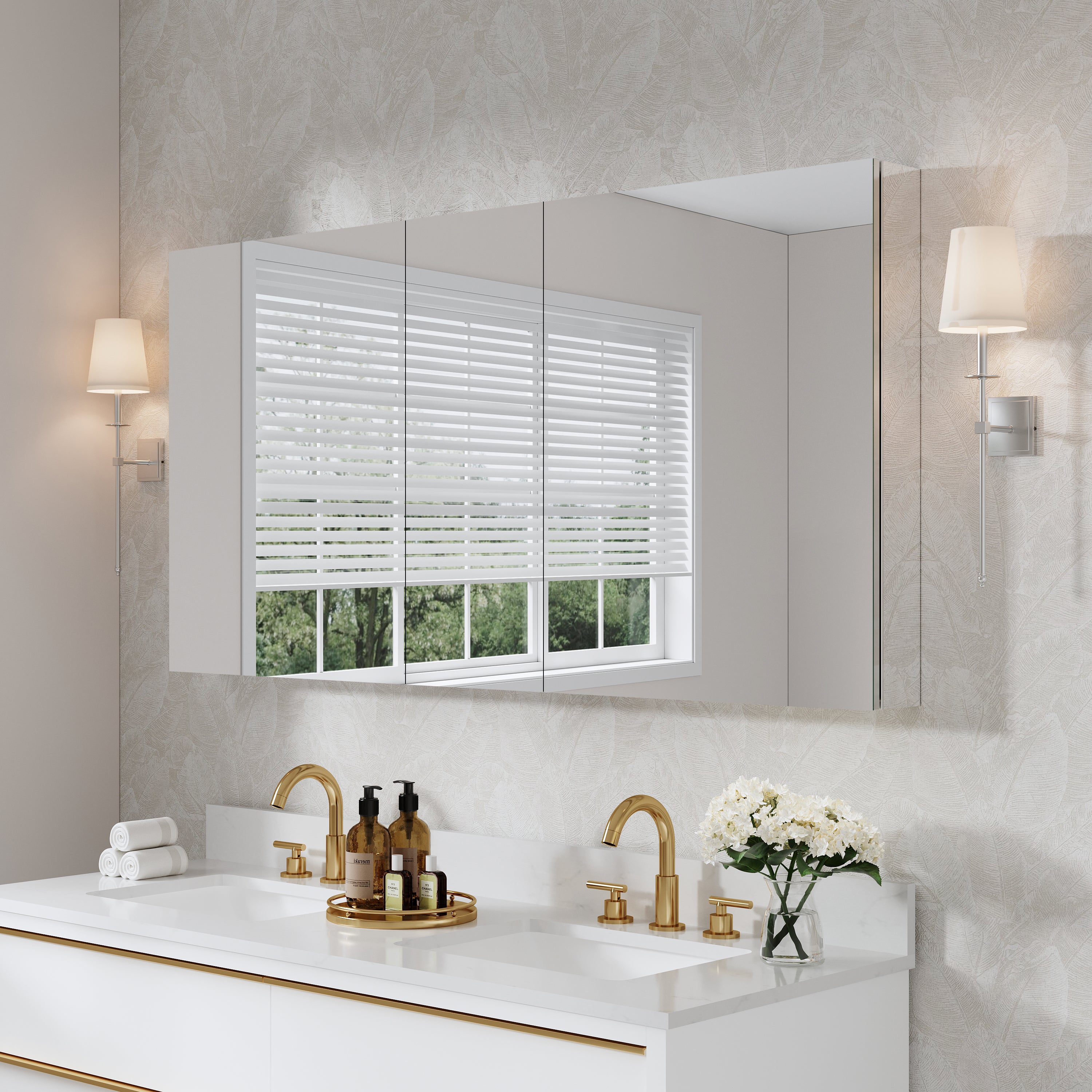
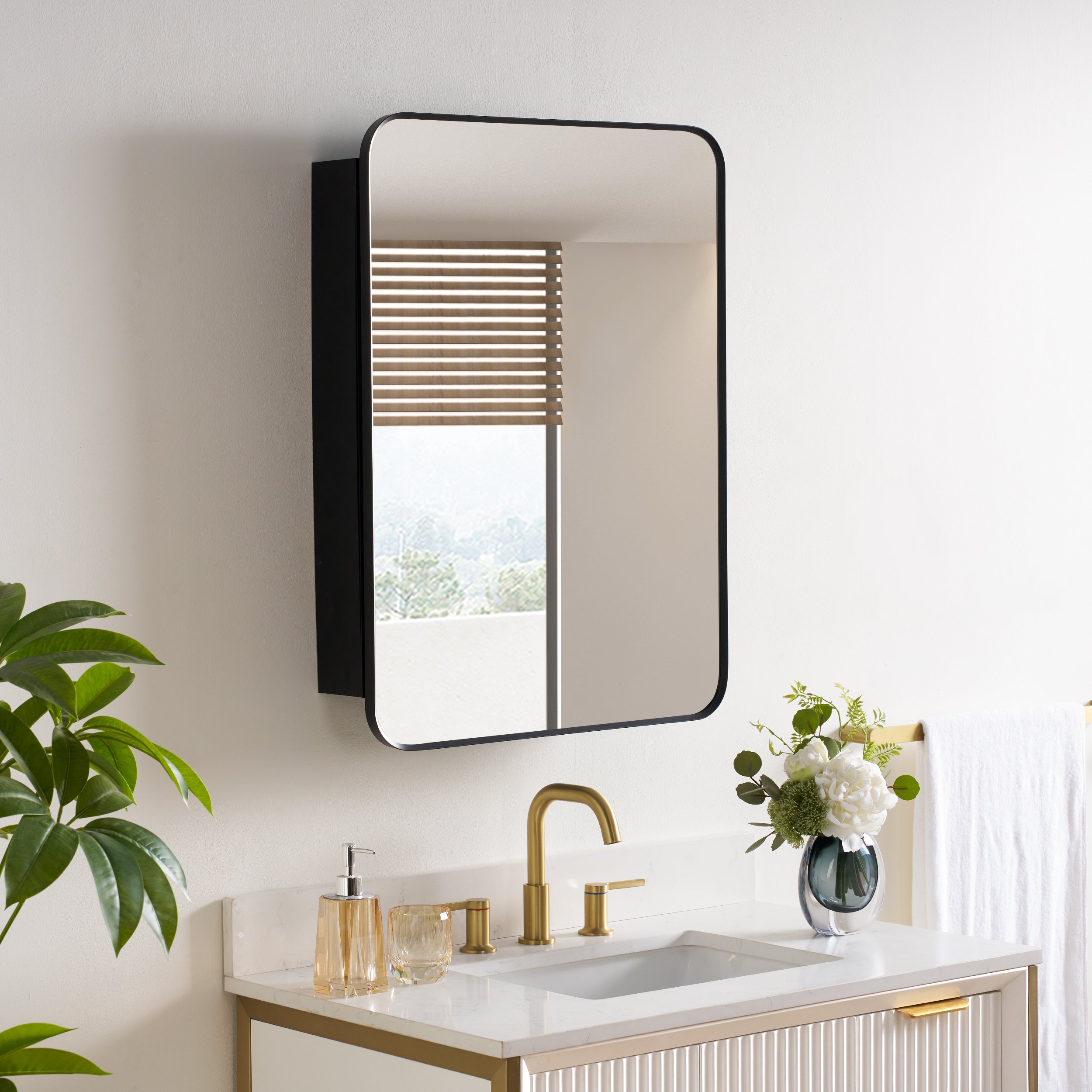
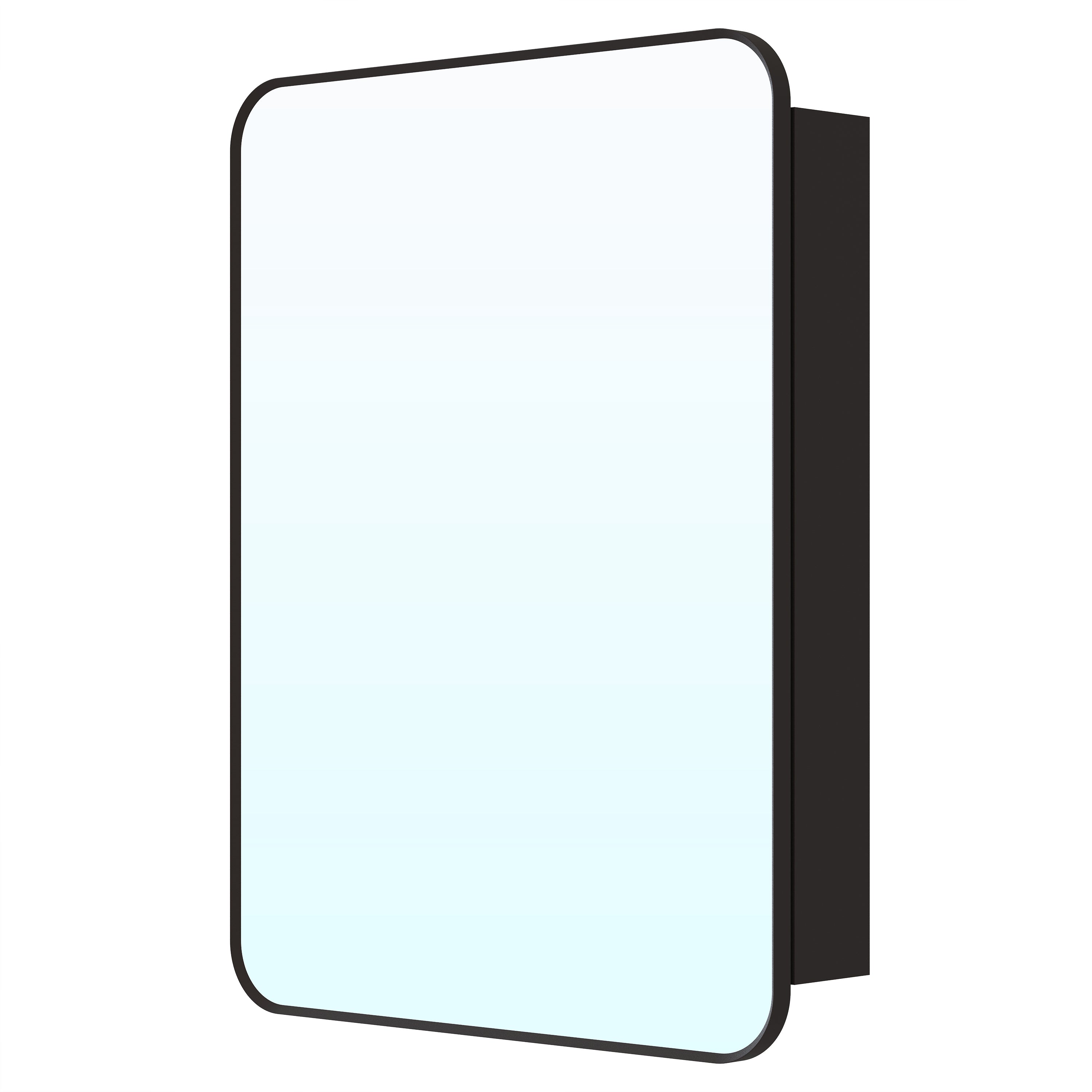
Recessed mounting remains the leading choice (Houzz notes 66% select recessed for mounting styles among those updating medicine cabinets).
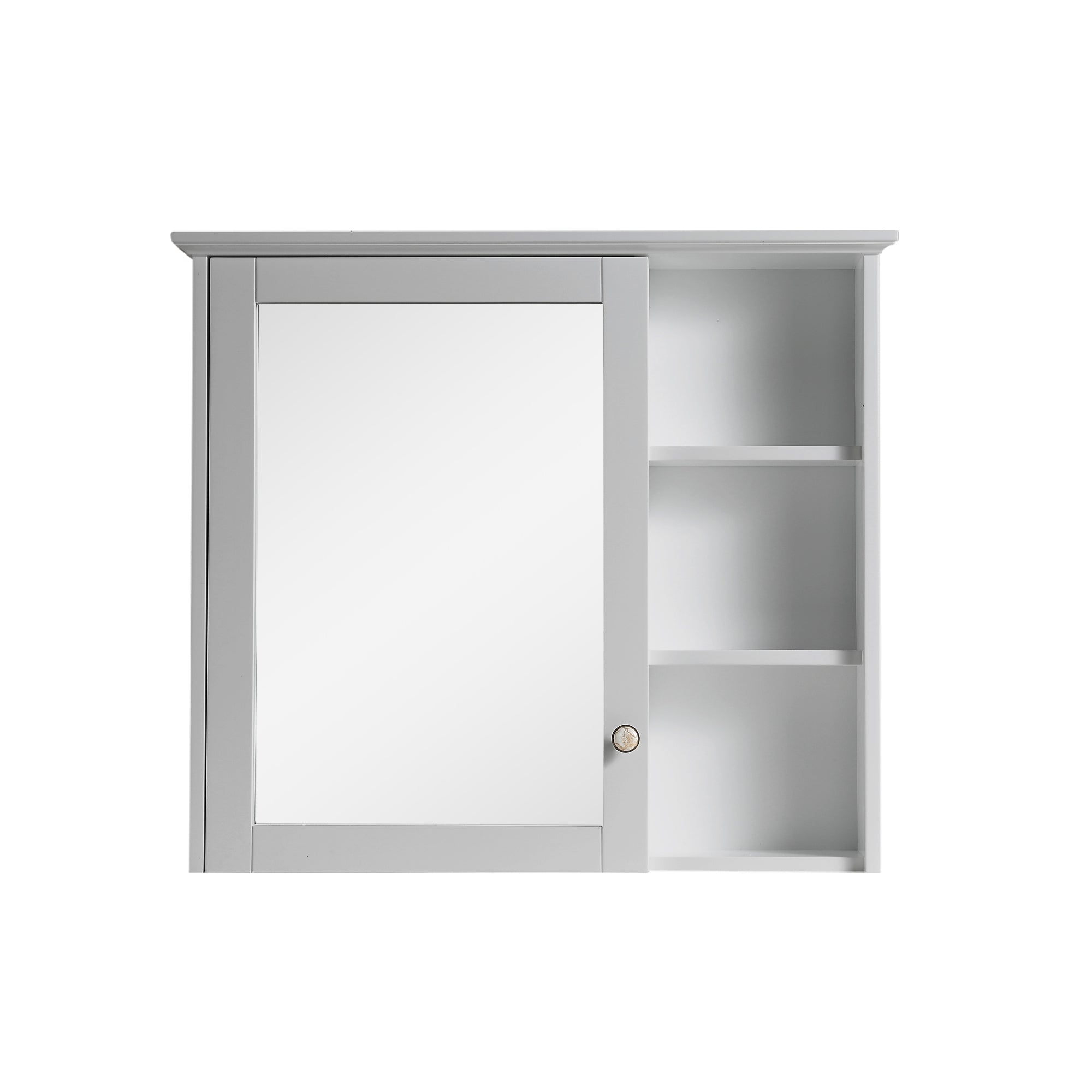
NKBA highlights the growth of custom storage modules with electrical integration, including charging stations and item-specific storage for hair tools, makeup, and medications.
In plain terms, the mirror becomes the clean front face for hidden storage and power, helping countertops look larger and less cluttered.
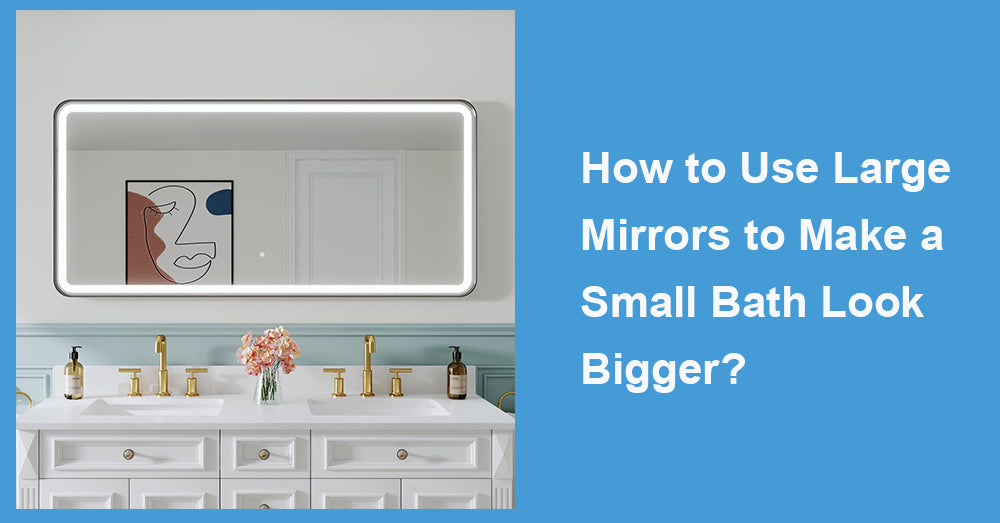
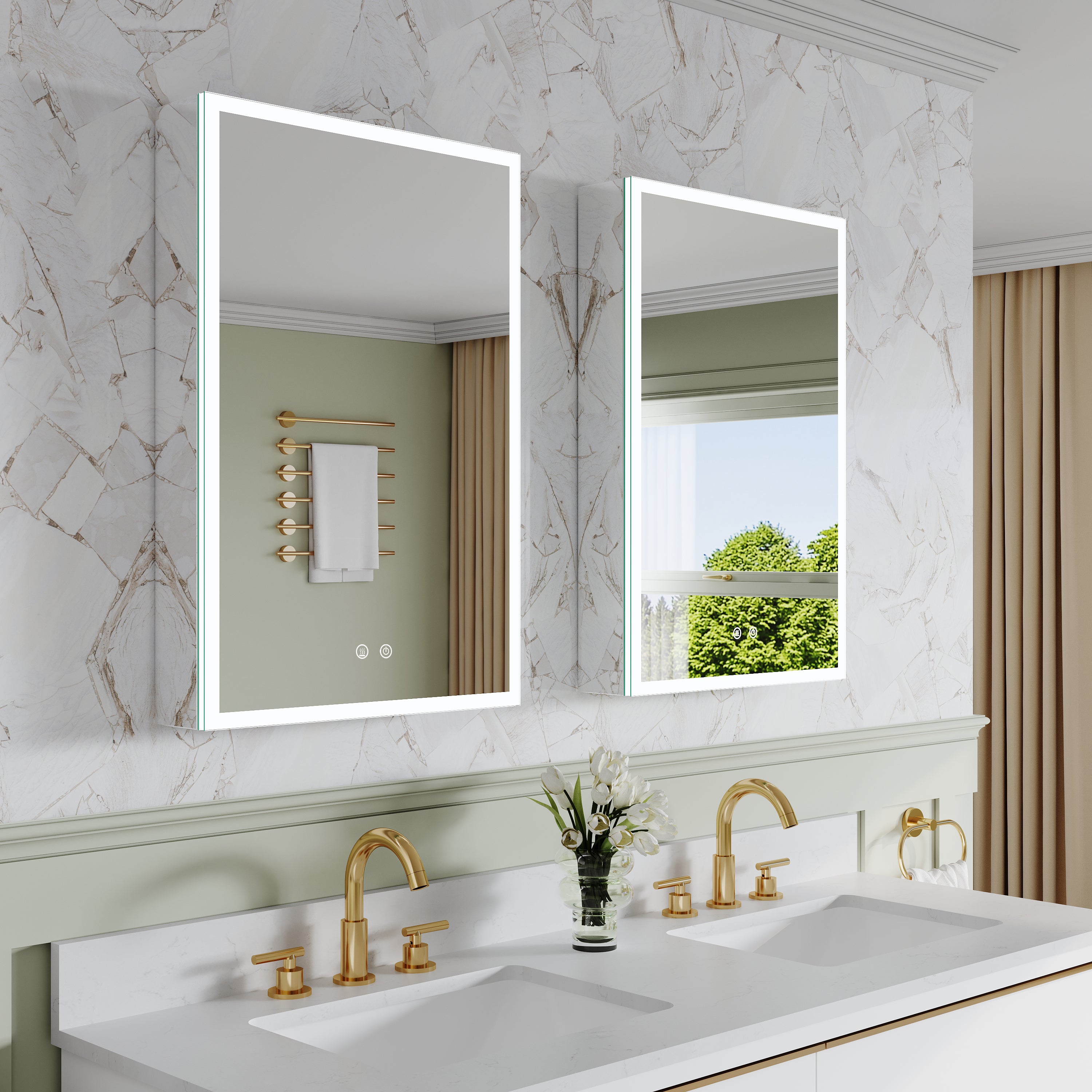
Oversized Mirrors and Wall-Spanning Installs Expand the Room Visually
A major 2026 visual trend is scale: bigger mirrors that stretch the vanity zone and reduce “dead wall” space. This shows up in three common approaches:
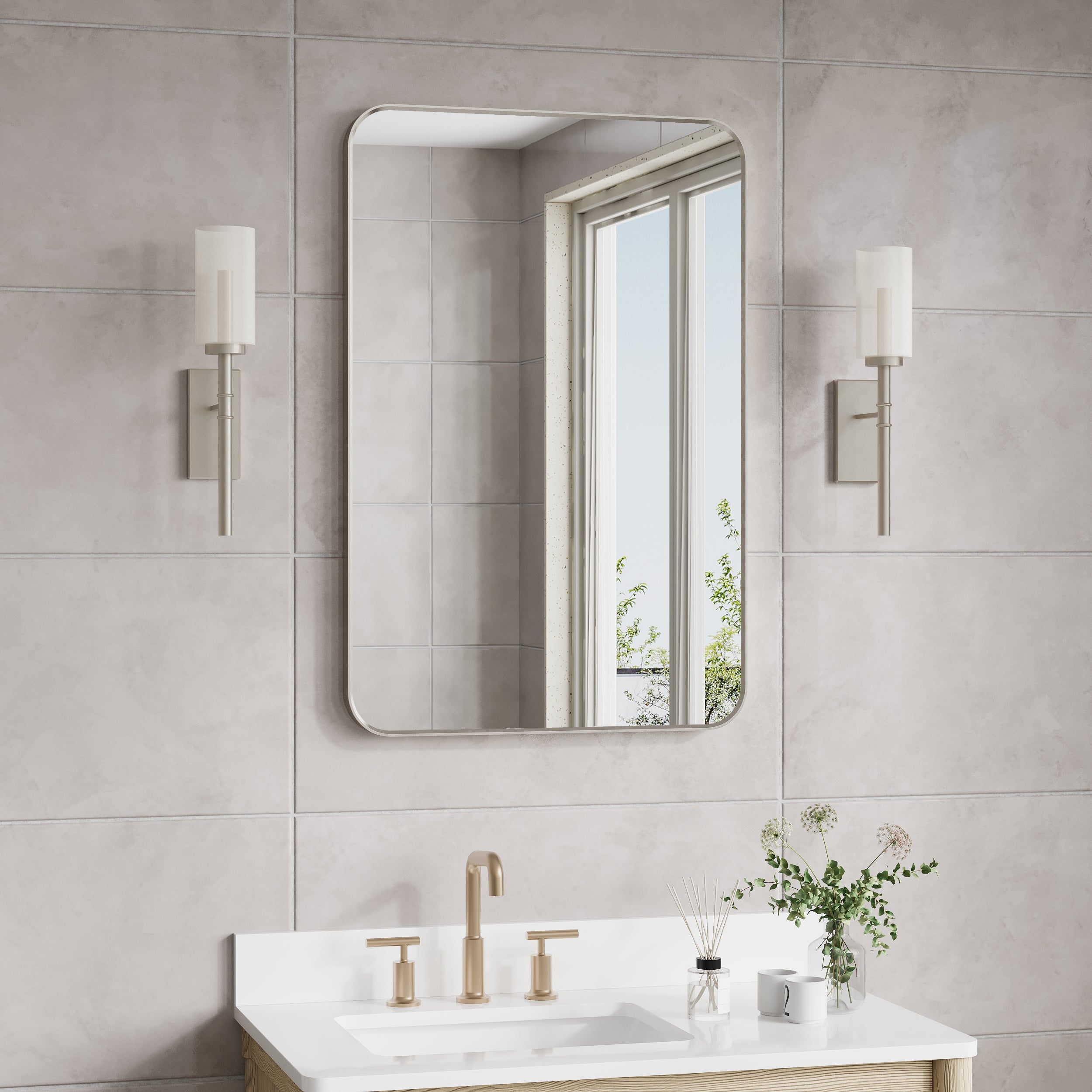
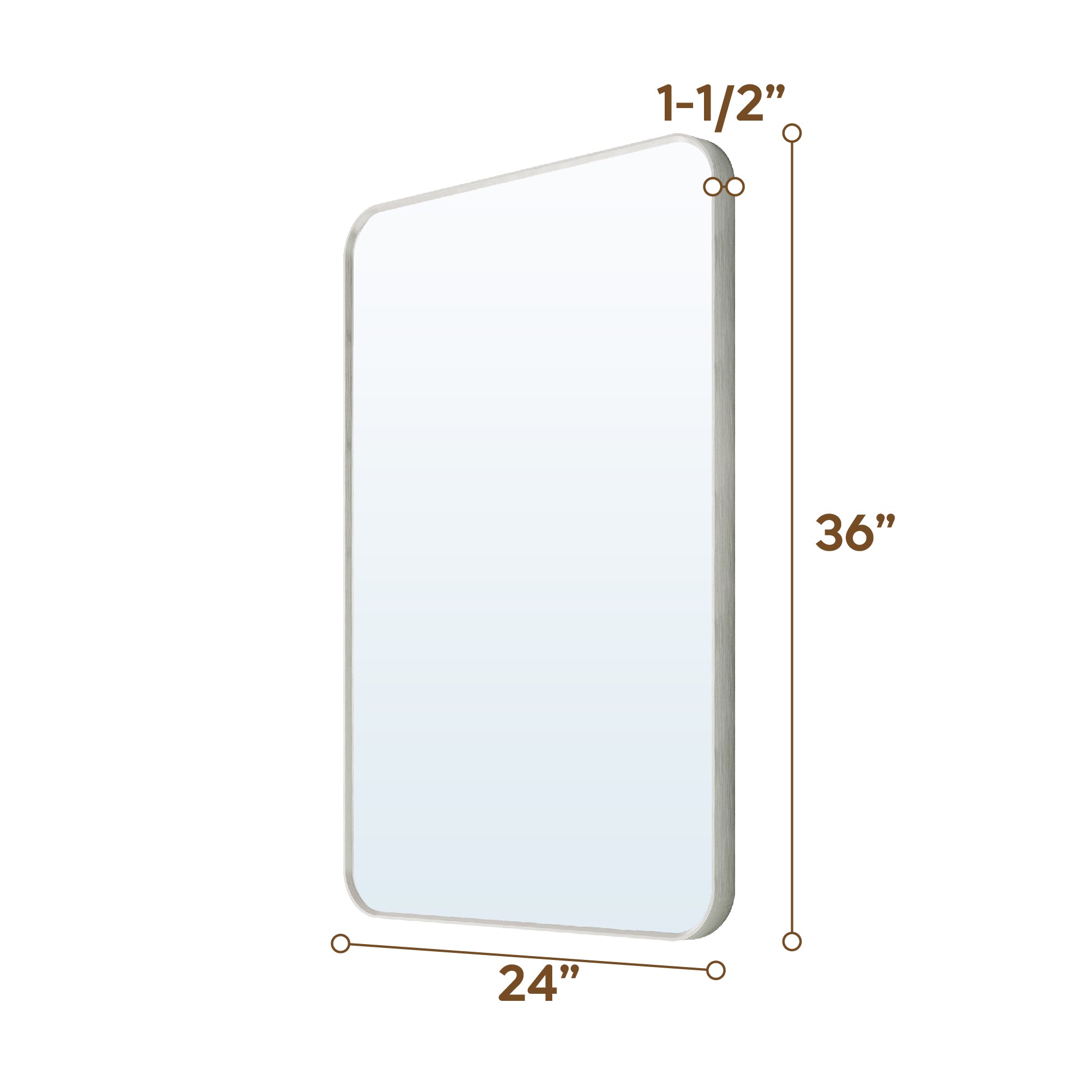
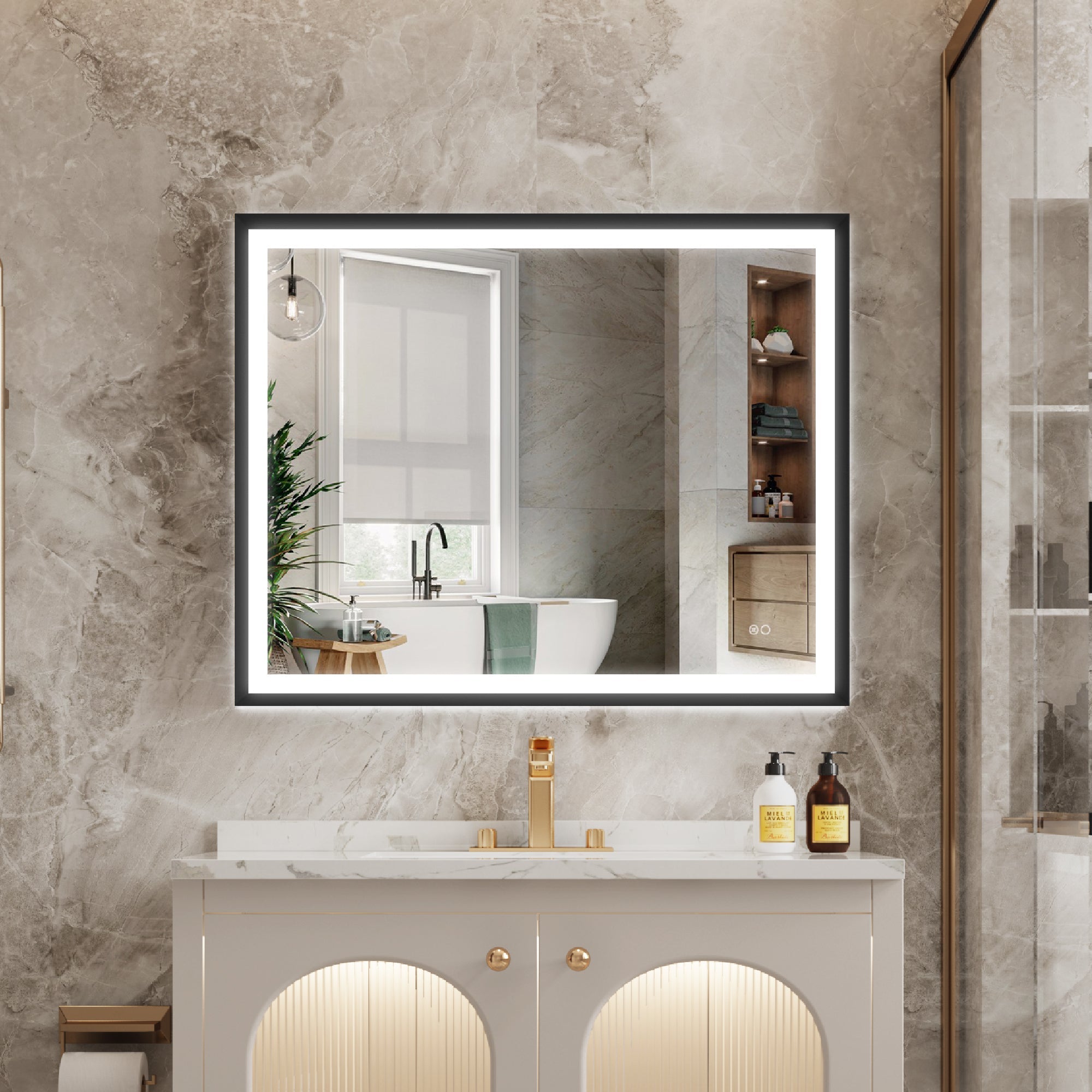
l One large mirror above a single vanity (often 24-inch W to 36-inch W mirrors depending on vanity width).
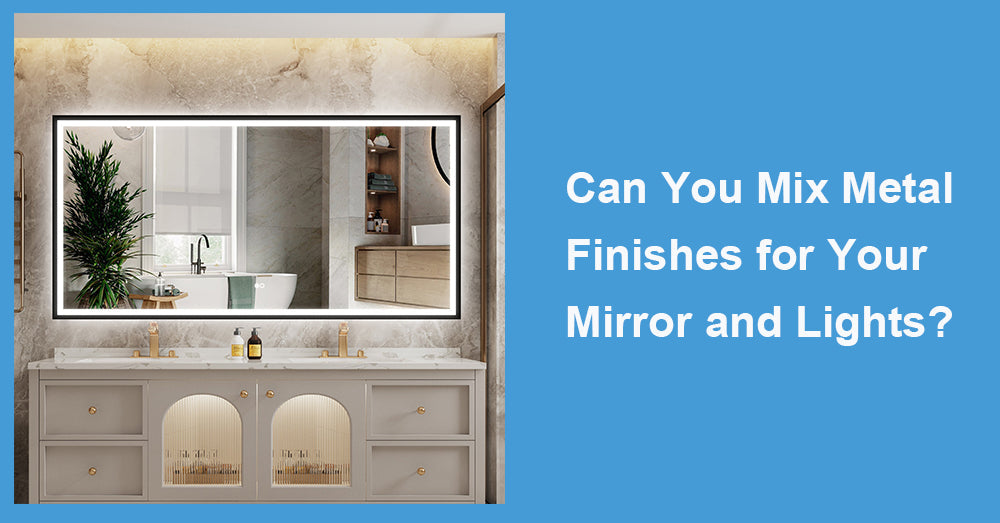
l A wide mirror above double vanities (often 55-inch W to 72-inch W spans when proportions allow).
l Two matching mirrors above double sinks (for a more symmetrical, hotel-style feel).
This trend aligns with broader “space-enhancing” bath choices heading into 2026, including floating vanities that visually open the floor area—making the mirror wall feel even more expansive.

Frameless, Thin-Profile Minimalism Stays Strong
The cleanest mirror edges are still winning because they match the broader preference for fewer visual borders in bathrooms. Houzz data shows that when renovating, homeowners choose shower doors, frameless leads at 75%—a strong signal that the same minimal, low-visual-noise look is preferred across the bath.
For mirrors, that translates into:
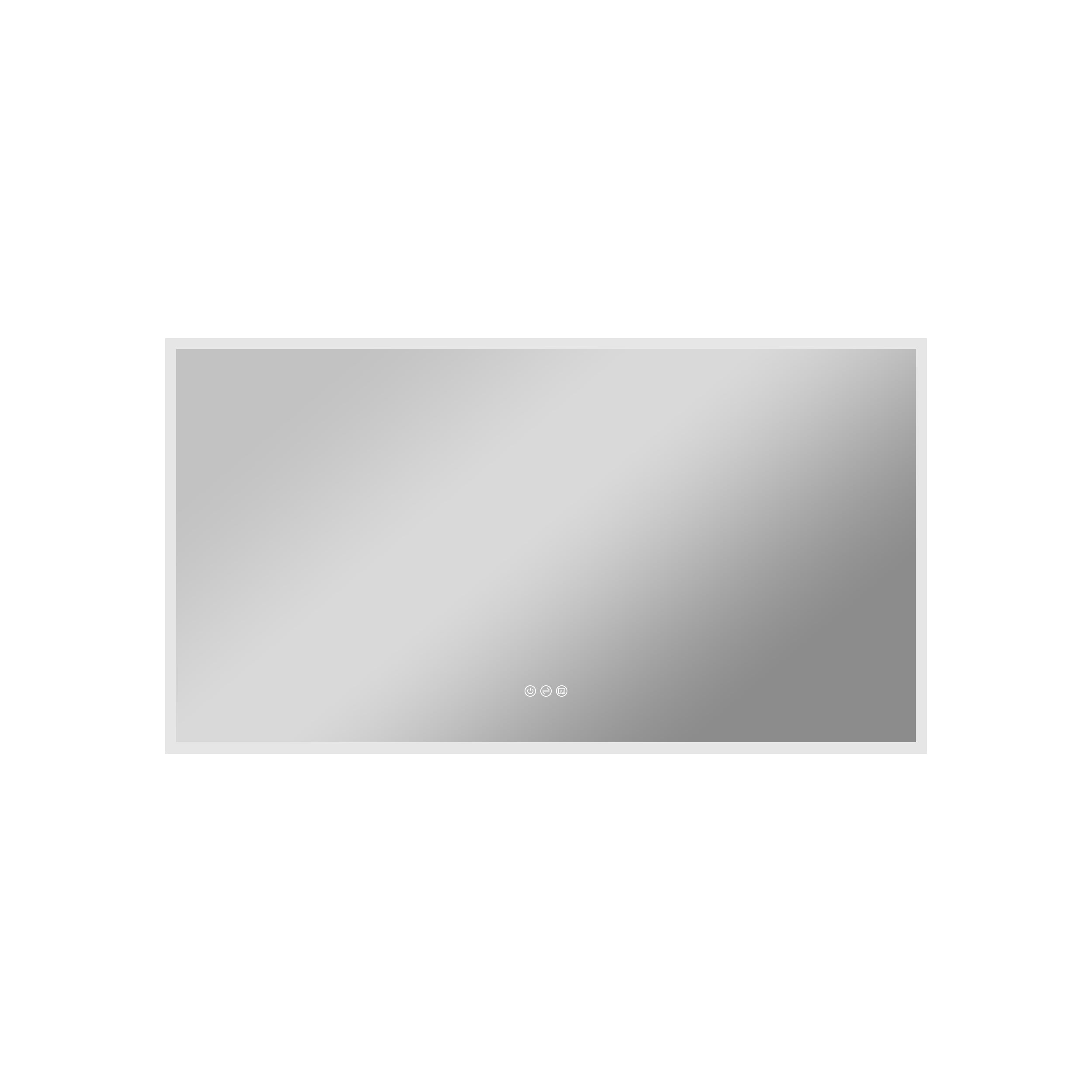
Frameless rectangles with polished or subtly beveled edges.
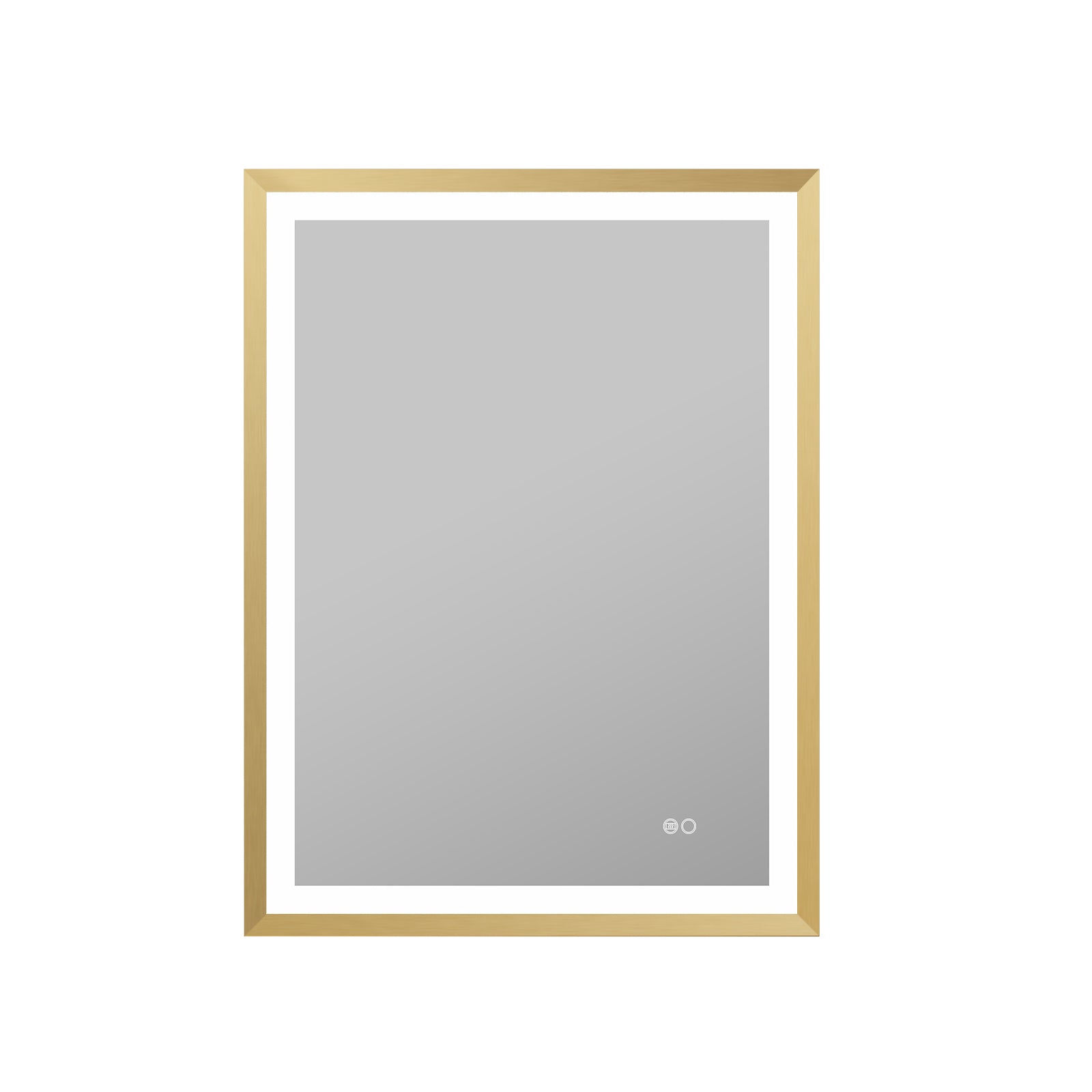
Ultra-thin framed looks (micro-frames) that read almost frameless.
Hardware and mounting systems designed to “disappear.”
Smart Features Shift From “Gadget” to Quiet Convenience
In 2026, “smart mirror” features succeed when they reduce friction, not when they add complexity. The most common asks are practical:
l Anti-fog zones.
l Touchless or easy-clean controls.
l Auto shutoff timers.
l Integrated clocks or temperature readouts (especially in primary baths).
Smart lighting ecosystems are also influencing expectations. A recent update to the Residential Energy Consumption Survey noted that 36% of households had at least one smart speaker, and nearly 14 million households reported using them to control lighting.
That backdrop makes it easier for mirror brands to position smart features as normal extensions of daily routines, not “tech for tech’s sake.”
More Personality: Curves, Texture, and “Warm Modern” Styling
While minimalism remains, 2026 is also moving toward greater character—without reverting to heavy ornament. Design editors and designers are calling for a move away from sterile, monotonous bathrooms toward warmth, texture, and layered style.
How that shows up in mirrors:
l Soft-rectangle, pill, oval, and arch shapes to break up hard tile lines.
l Subtle texture (ribbed glass accents nearby, or paired materials) to add depth.
l Warmer metal pairings (polished nickel, brass tones, mixed metals) so mirrors coordinate easily with faucets and lighting.
Sustainability and Energy Efficiency Become Core Selling Points
l Energy efficiency is no longer a side note—especially for lighting-heavy bathrooms. The Department of Energy notes that residential LEDs (especially ENERGY STAR-rated) use at least 75% less energy and last up to 25 times longer than incandescent lighting.
l Meanwhile, the Residential Energy Consumption Survey update reports 90% of households use LED bulbs, and 37% use LEDs for all indoor lighting.
Mirrors benefit directly because integrated LED mirrors can reduce the need for multiple fixtures, and features like dimming, timers, and night modes support lower energy use without sacrificing comfort. Houzz also reports 83% of homeowners include eco-friendly features in bathroom remodels, with long-run cost savings as the top reason.
What This Means for 2026 Product Positioning
If you’re building listings or assortments around 2026 mirror demand, the winners tend to combine:
l Integrated, layered lighting (task + ambient).
l Clean styling (frameless or thin-profile).
l Practical smart features (anti-fog, memory, timers).
l Storage-forward options (recessed medicine cabinets, hidden outlets).
l Scaled-up sizes that visually expand the vanity wall.












Leave a comment
This site is protected by hCaptcha and the hCaptcha Privacy Policy and Terms of Service apply.