














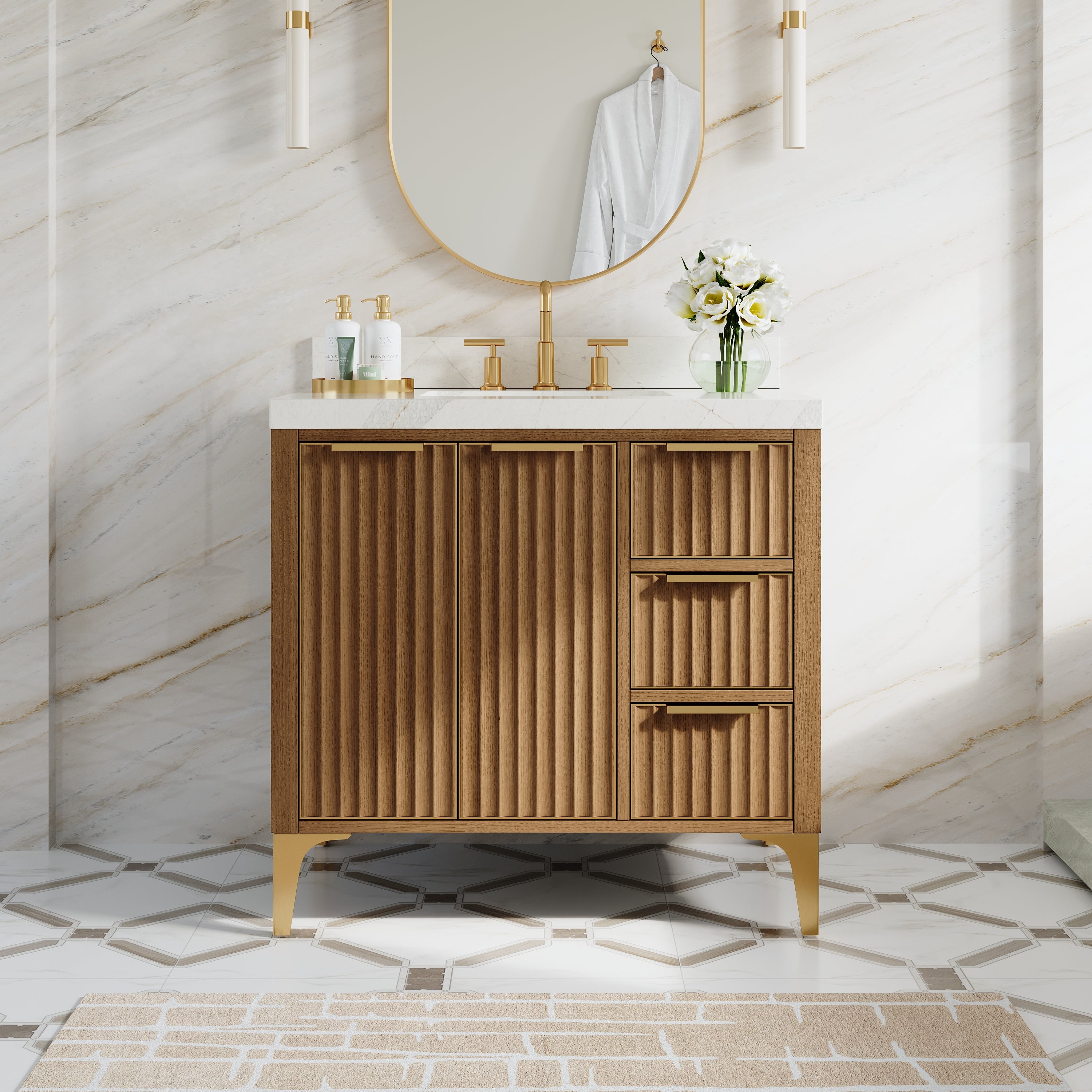
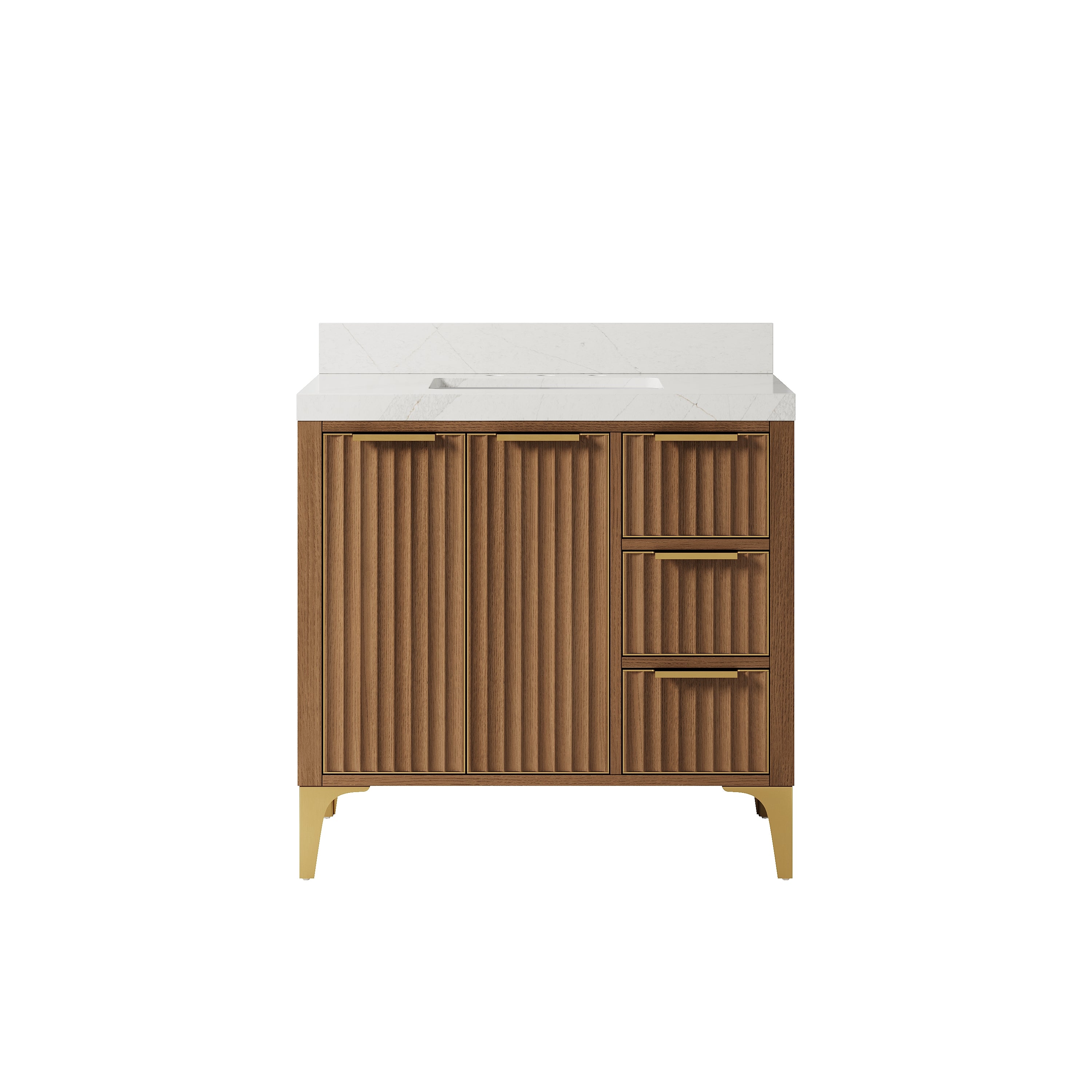


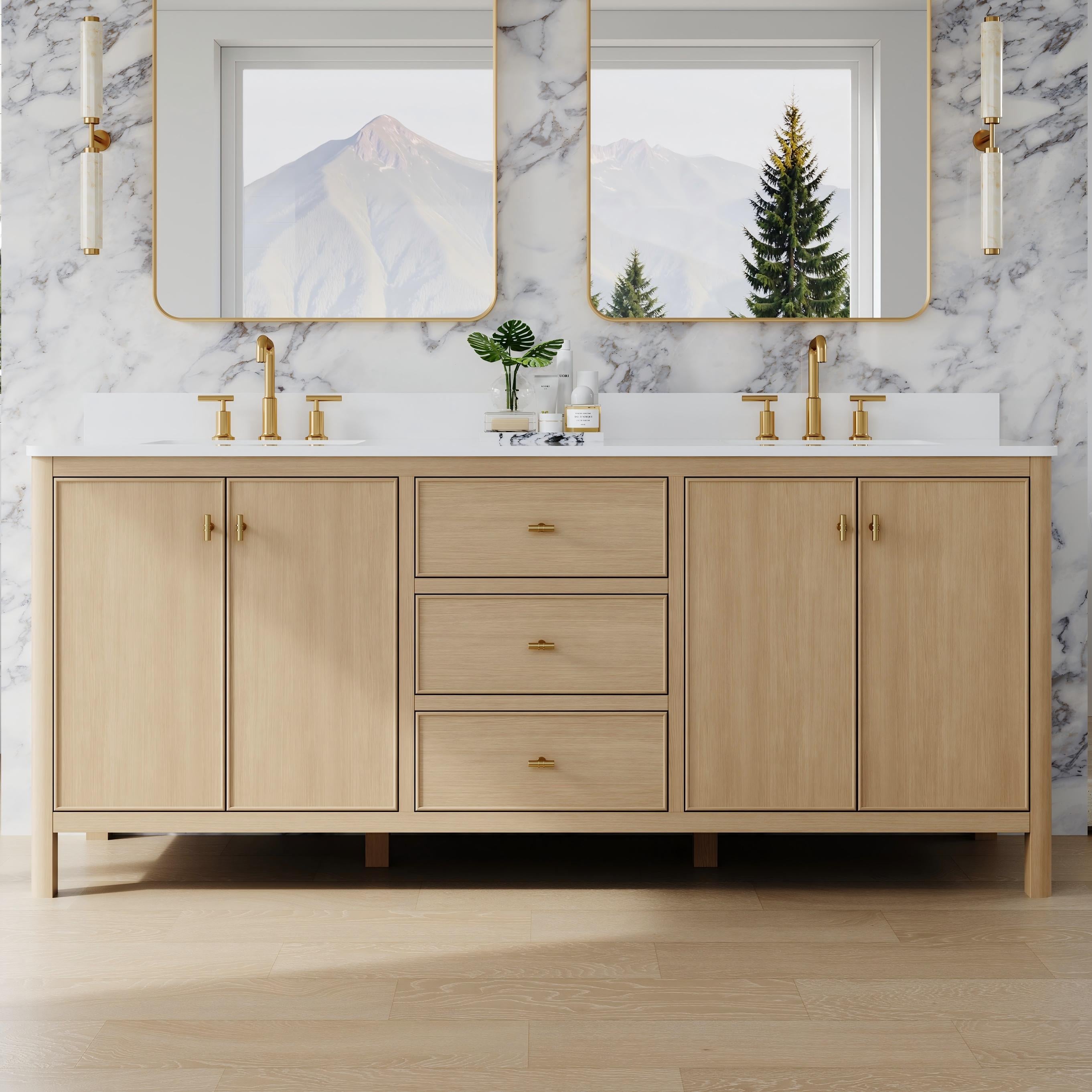
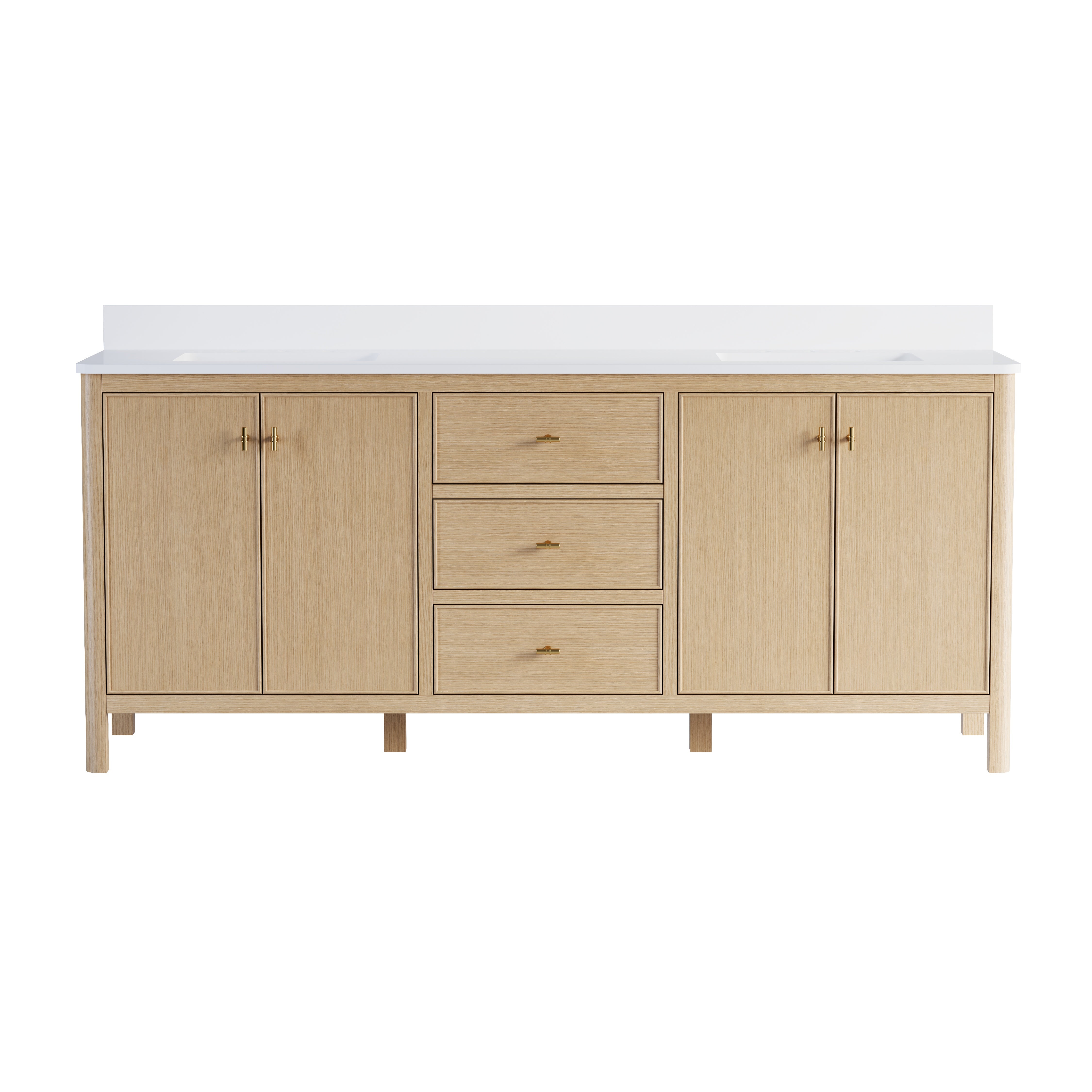


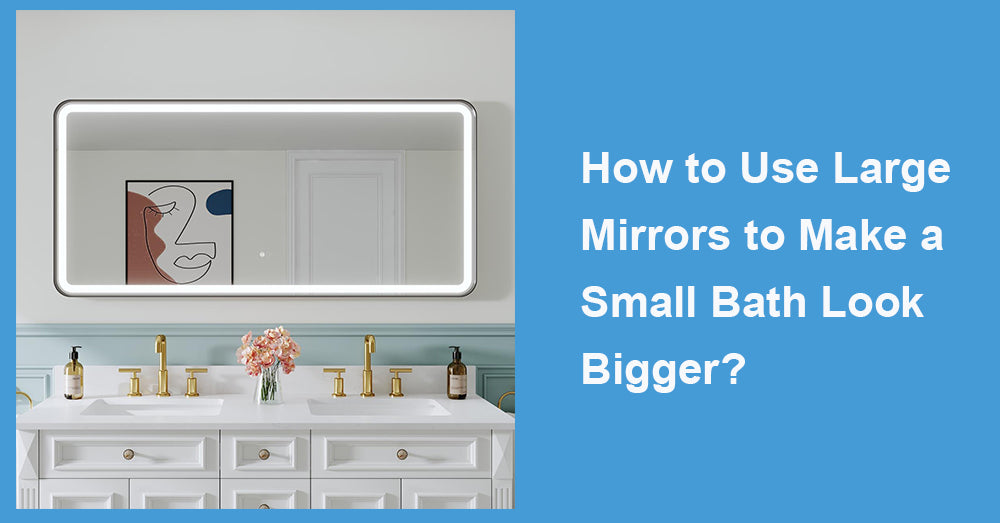
A large bathroom mirror can be one of the fastest ways to make a compact bath feel brighter and more open, because it amplifies both light and sightlines without moving plumbing. That idea is gaining traction as renovation dollars stay concentrated in high-impact updates: Harvard’s Joint Center for Housing Studies projects annual homeowner spending on improvements will reach about $518 billion by the end of 2026, even as growth cools later in the year.
1. Why “go bigger on the mirror” is showing up in more remodels
Recent survey data suggests vanity zones are being upgraded as a set, not piece by piece. In the 2025 Houzz Bathroom Trends Study, faucets (87%) and lighting fixtures (82%) are among the most commonly upgraded items in bathroom projects—two categories that directly influence how large mirrors look and perform.
At the same time, mirrors themselves are becoming more feature-driven. Houzz reports that 34% of renovating homeowners choose mirrors with specialty features, led by LED lighting (24%) and antifog systems (22%). Bigger mirror formats pair naturally with these upgrades because a wider reflective surface benefits more from even illumination and fog resistance.
2. Pick the right “large mirror” strategy for a small footprint
Not every “large mirror” creates the same visual expansion. The industry is trending toward three practical formats:
1. One oversized single mirror: A clean rectangle (or soft-corner rectangle) that spans most of the vanity width gives the strongest “wider wall” illusion and keeps styling simple.
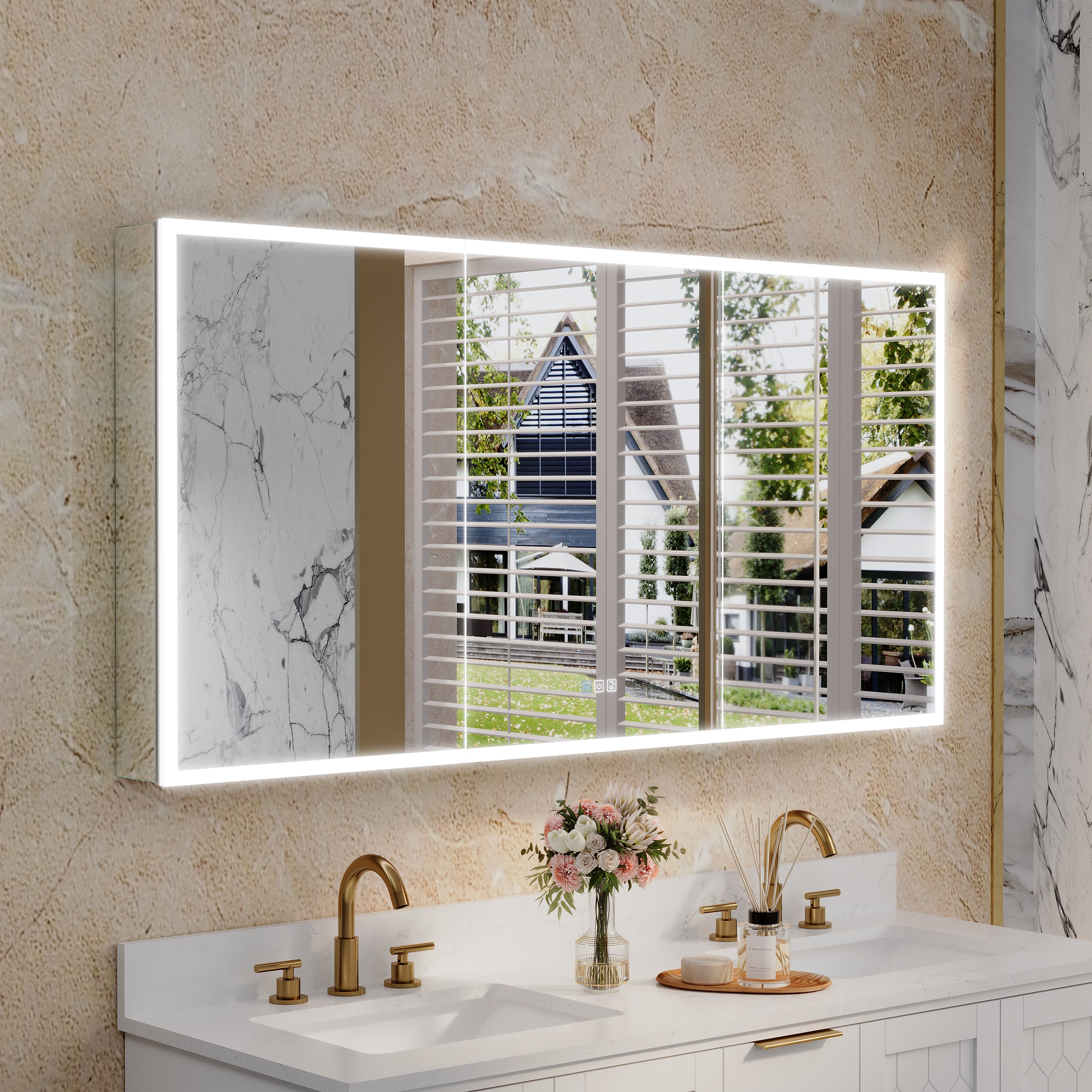
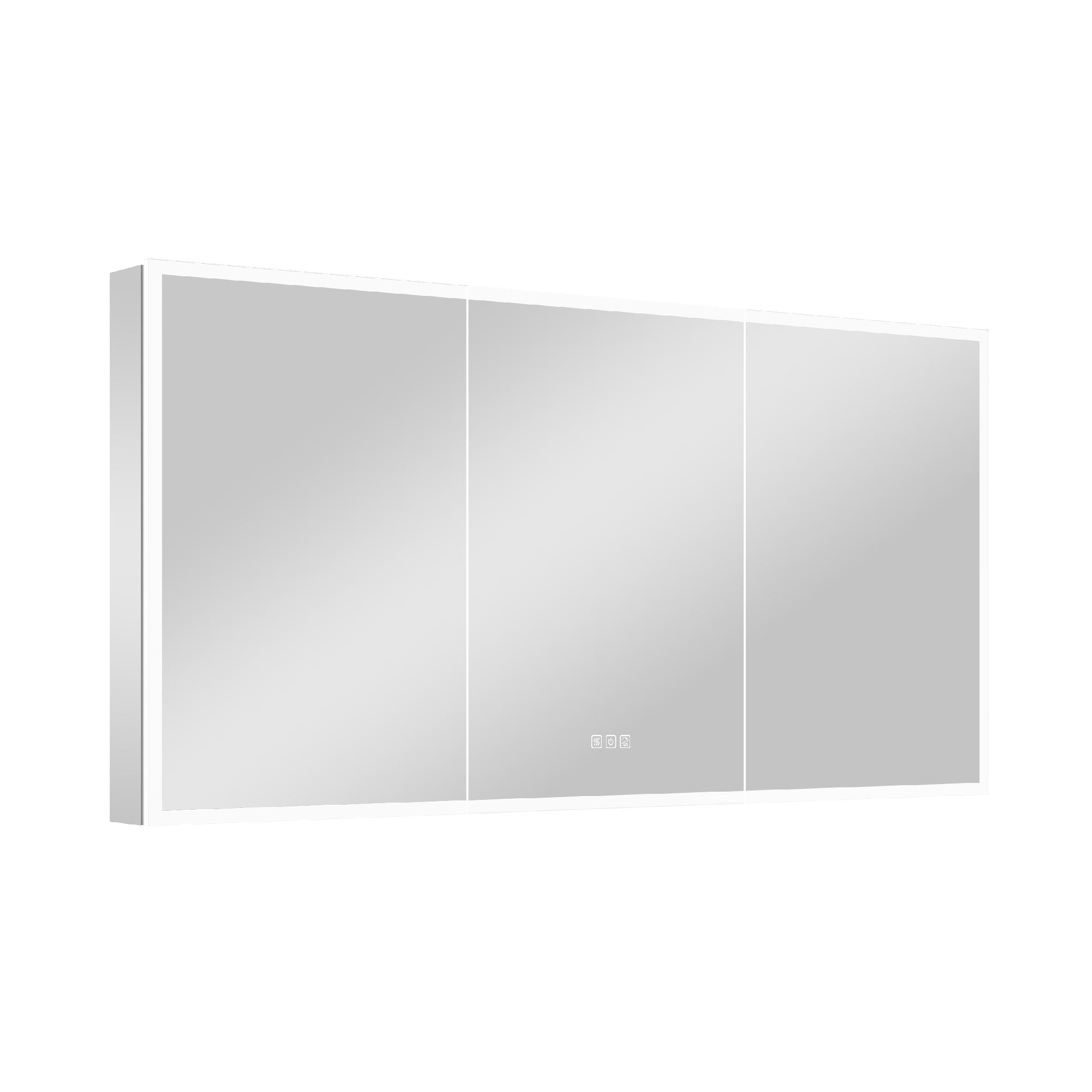
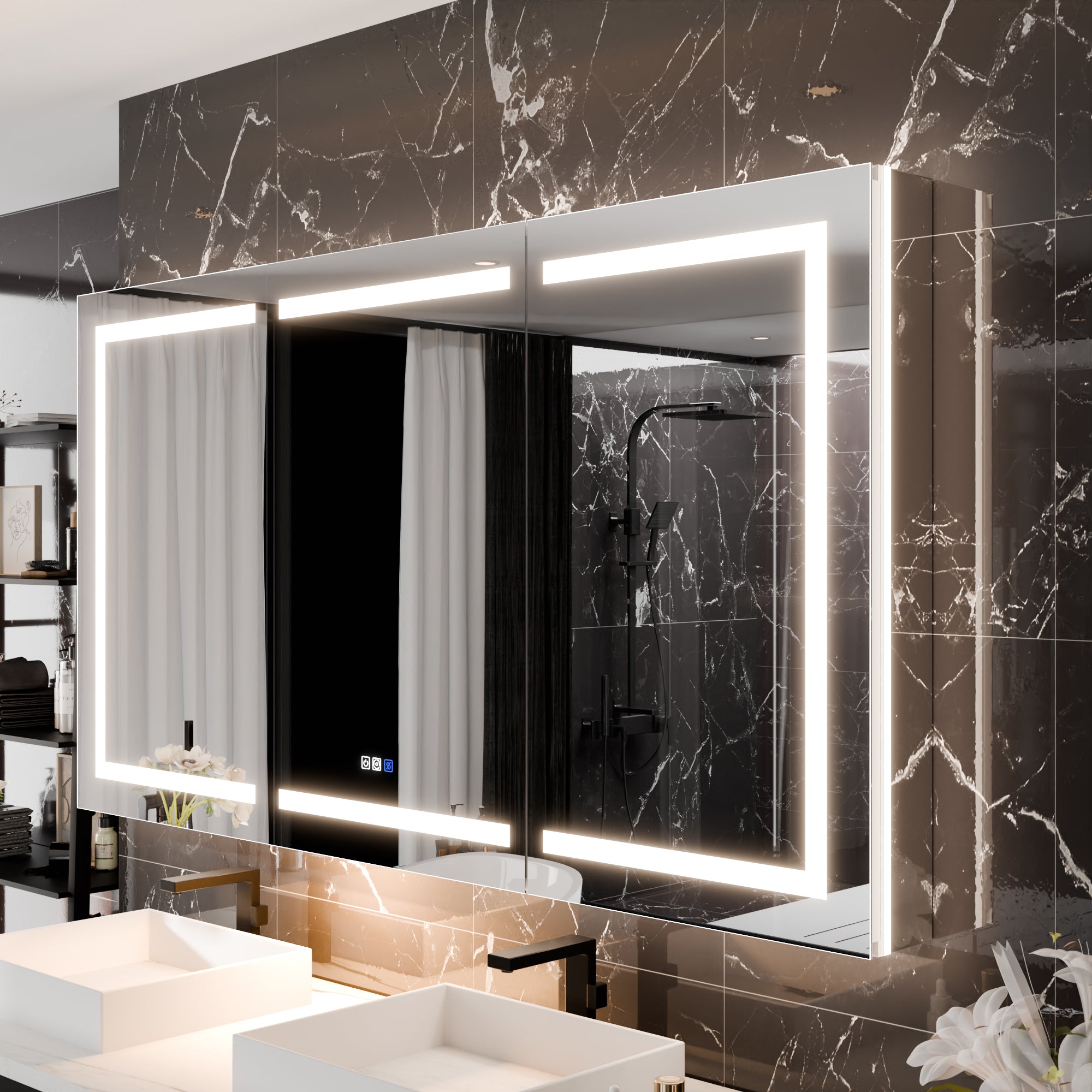
2. A wide medicine cabinet with a mirrored front: This adds depth and function (storage, integrated lighting, defogger) while still reading as a large reflective plane.
3. A full-height mirror zone: In tight layouts, increasing mirror height can stretch the room vertically, especially when ceiling light is limited.
The key is to choose a format that reflects the best parts of the room—more on that in Section 4—while also staying consistent with your lighting plan (sconces vs overhead vs integrated mirror light).
3. Sizing rules in inches that keep the space looking intentional
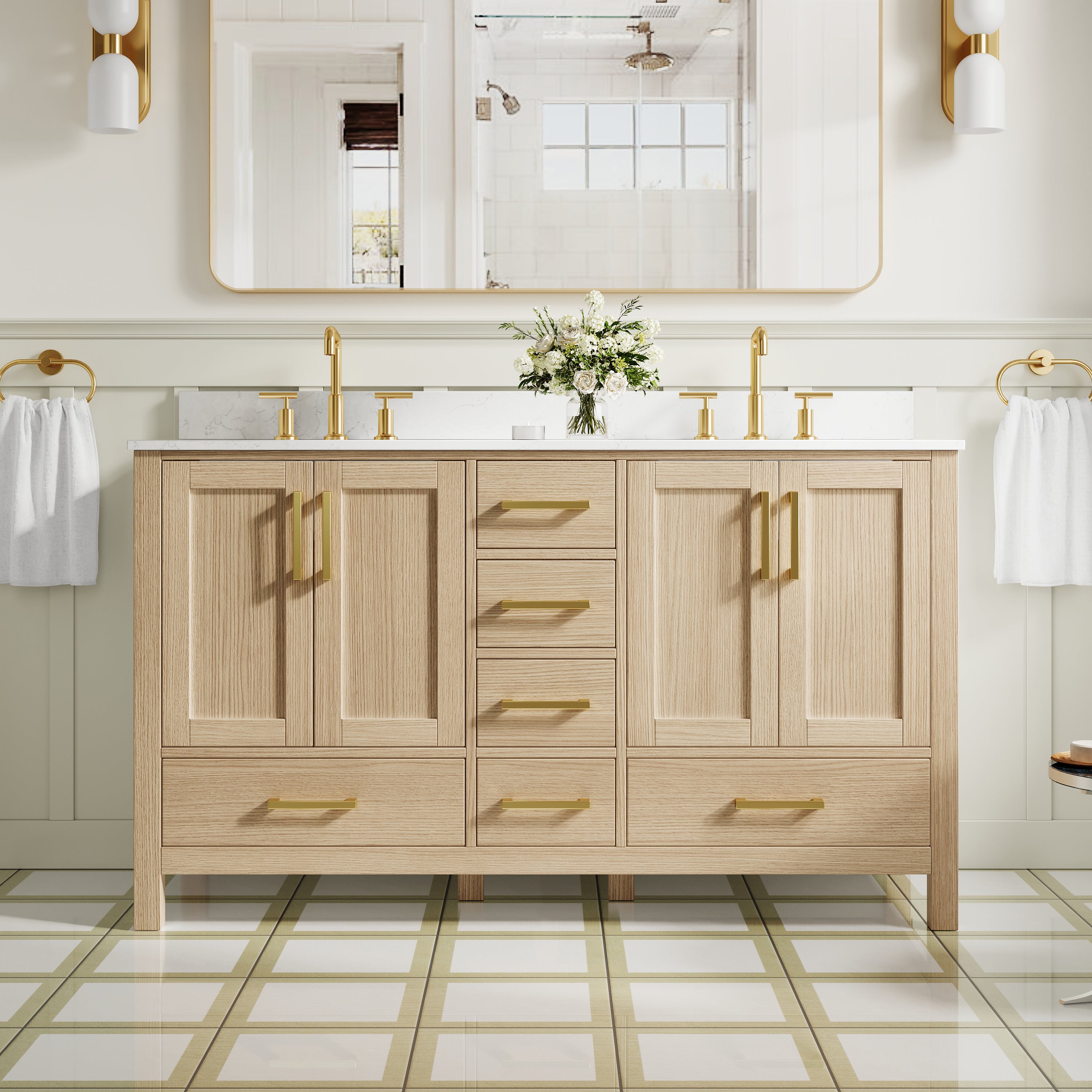
Large mirrors work when they are big and proportionate. A widely used guideline is to start with the vanity width. Kohler’s mirror buying guidance recommends measuring the vanity first and choosing a mirror that is the same width or narrower for visual balance.
So how do you go “large” in a small bath while still following that rule?
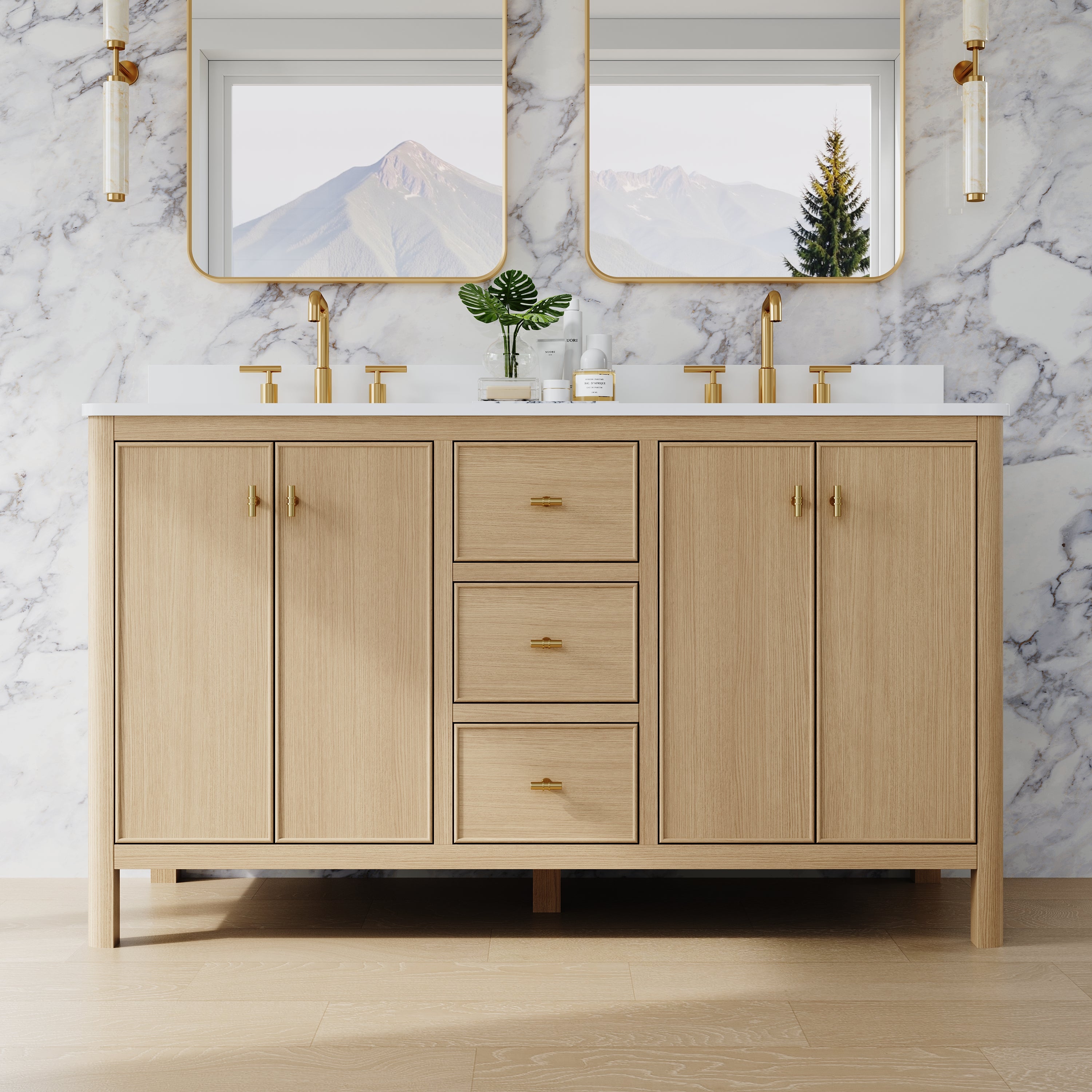
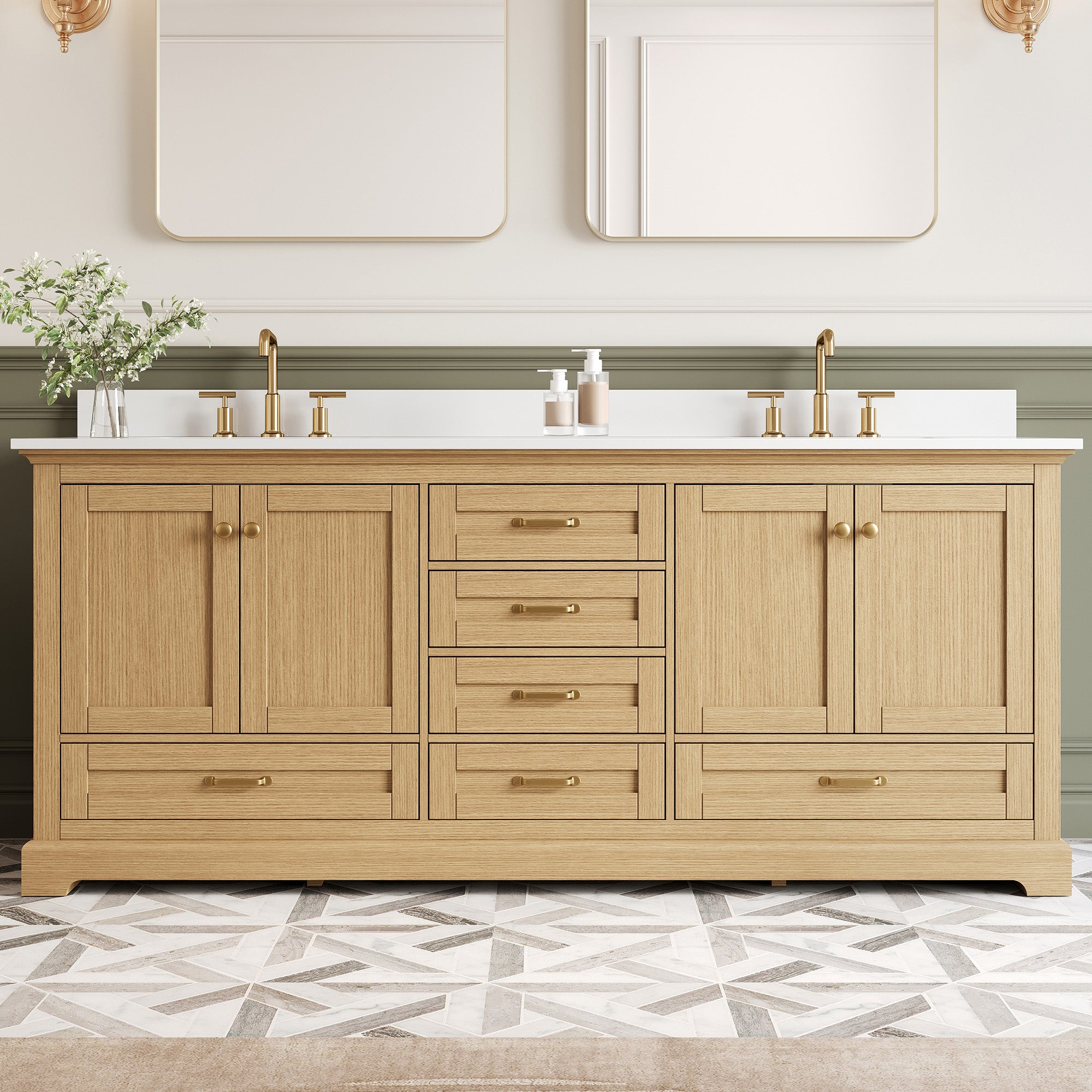
· Max out within the vanity width. If your vanity is 36 inches wide, a mirror that is 34 to 36 inches wide will look tailored and substantial without feeling like an afterthought.
· Go taller when you can’t go wider. If wall width is constrained by a door casing or a shower edge, adding height often creates more “air” than forcing extra width.
· Use classic small-bath math. Many compact layouts are built around the familiar “5 by 8” footprint—about 60 inches by 96 inches. In spaces like this, a mirror that visually dominates the vanity wall can counter the narrow room width, but only if trim, outlets, or bulky lighting don’t squeeze it.
A final practical detail: if you’re planning an accessibility-friendly placement, the ADA guidance allows mirrors above lavatories/countertops when the bottom of the reflecting surface is no more than 40 inches above the finished floor. Designing with that in mind early can help you choose a taller mirror without mounting it so high that it's not useful.

4. The reflection plan: what the mirror should show (and what it shouldn’t)
Large mirrors don’t magically “add space.” They multiply what they reflect. That’s why the best small-bath results come from a reflection plan:
· Reflect light sources. A large mirror, positioned to catch ceiling lights or a nearby window, will immediately boost perceived brightness. This pairs well with the growing popularity of lighted mirrors; Houzz notes that they are increasingly popular as a choice in renovated bathrooms.
· Reflect depth, not clutter. If the mirror reflects a clean shower opening, a brighter wall, or a long sightline to the doorway, the room feels deeper. If it reflects towel piles, countertop congestion, or the toilet at a harsh angle, the room can feel busier.
· Use symmetry to calm the wall. Even in a small bath, aligning the mirror centerline with the faucet centerline makes the wall read more “designed,” which people often interpret as more spacious.
5. Lighting is the multiplier: why big mirrors fail without the right light
Oversized mirrors can backfire when the lighting is patchy. Uneven lighting creates dark corners and harsh facial shadows, making a room feel smaller and less comfortable. This is one reason mirror features are gaining ground: LED lighting and antifog are the top specialty mirror features cited in the 2025 Houzz study.
Three industry-aligned moves that consistently help small businesses:
· If you want maximum openness, consider integrated lighted mirrors. They reduce visual clutter from bulky fixtures and spread light across a larger reflective area.
· If you prefer sconces, space them to support the mirror size. A large mirror with tiny, closely packed sconces can look mismatched; a mirror scaled to the light placement looks more cohesive.
· Avoid glare hotspots. In tight rooms, glare is magnified. Diffused lighting (whether from fixtures or the mirror itself) tends to feel softer and more “expensive.”
6. The “new large mirror” look: cleaner edges, smarter features, easier upkeep
One caution: “large” shouldn’t mean “builder-grade sheet mirror.” The market is shifting toward large mirrors that look intentional—clean edges, minimal hardware, and performance features that make daily use easier. With Houzz showing meaningful adoption of antifog and LED mirror features, it’s increasingly common to see large mirrors chosen for comfort and maintenance, not just aesthetics.
If you’re specifying for longevity in a small bath, the most durable approach is simple: size the mirror confidently in inches, mount it for real-world usability, plan the reflection, and treat lighting as part of the mirror decision—not a separate step.
































Leave a comment
This site is protected by hCaptcha and the hCaptcha Privacy Policy and Terms of Service apply.