
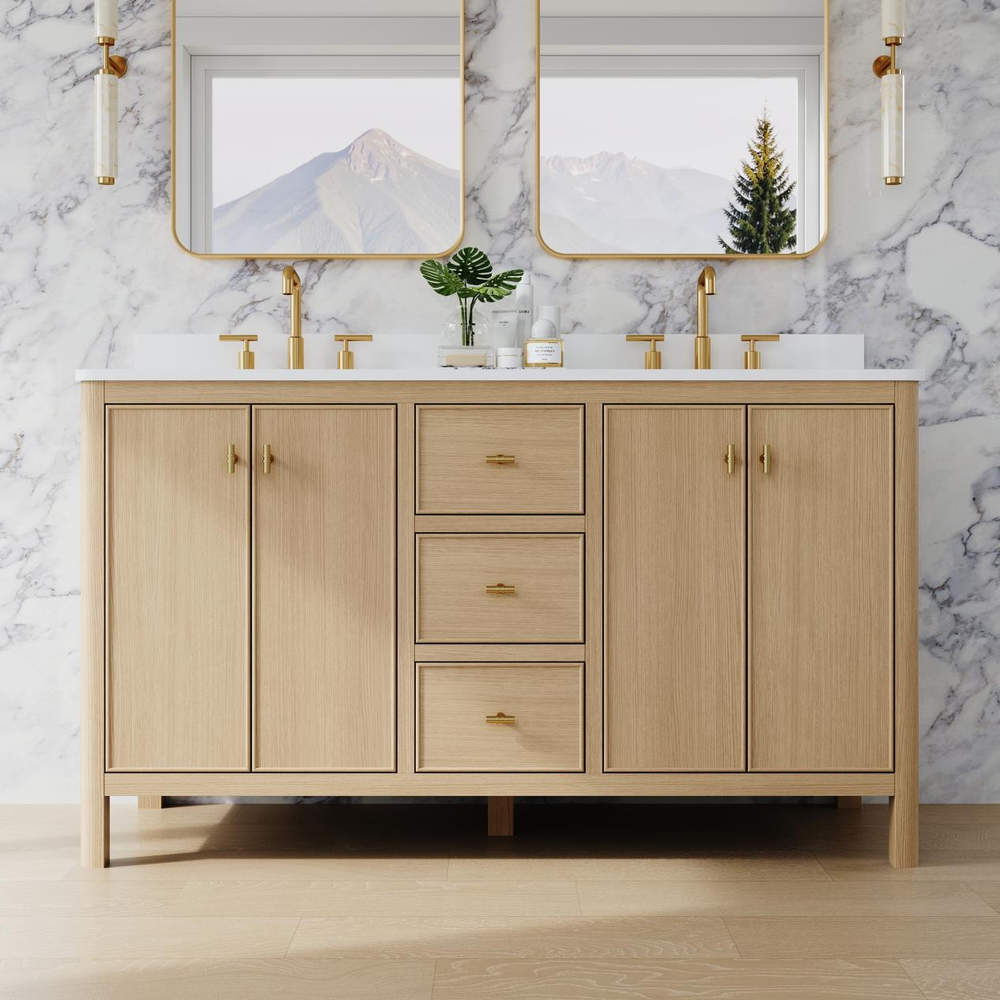
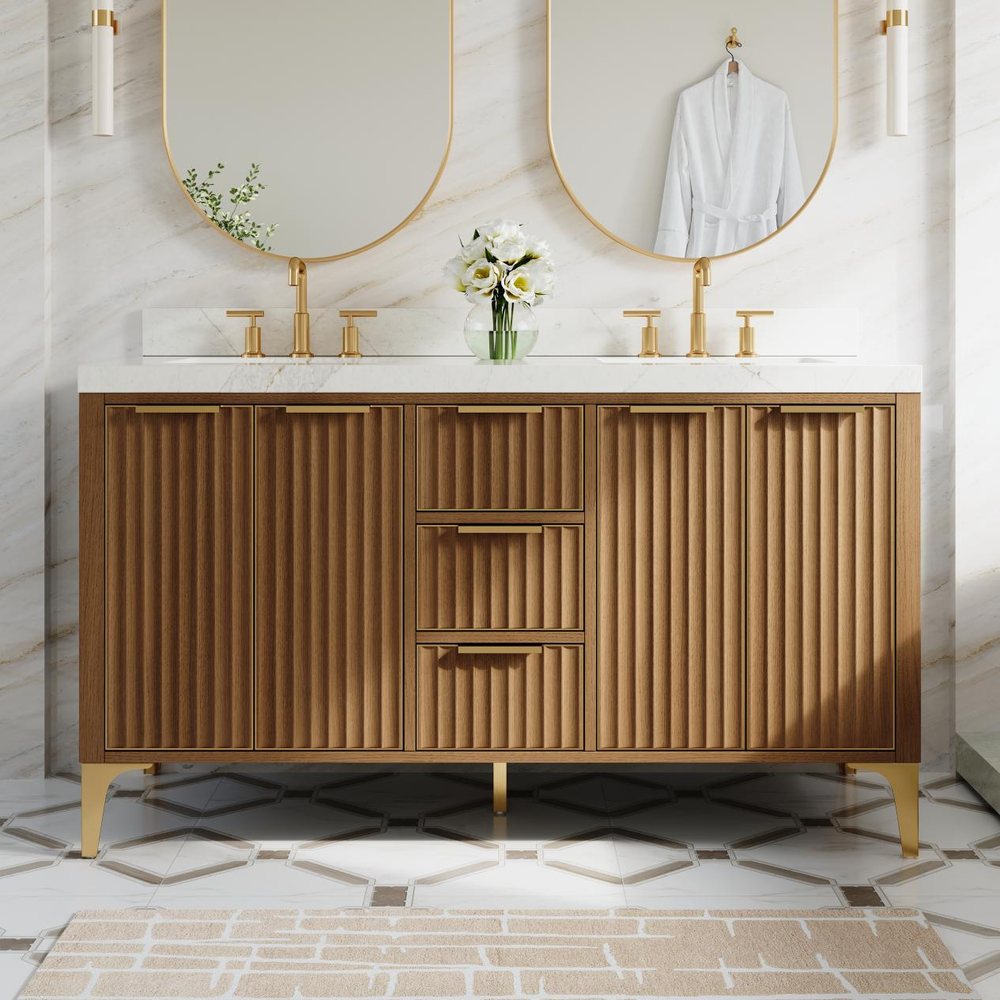
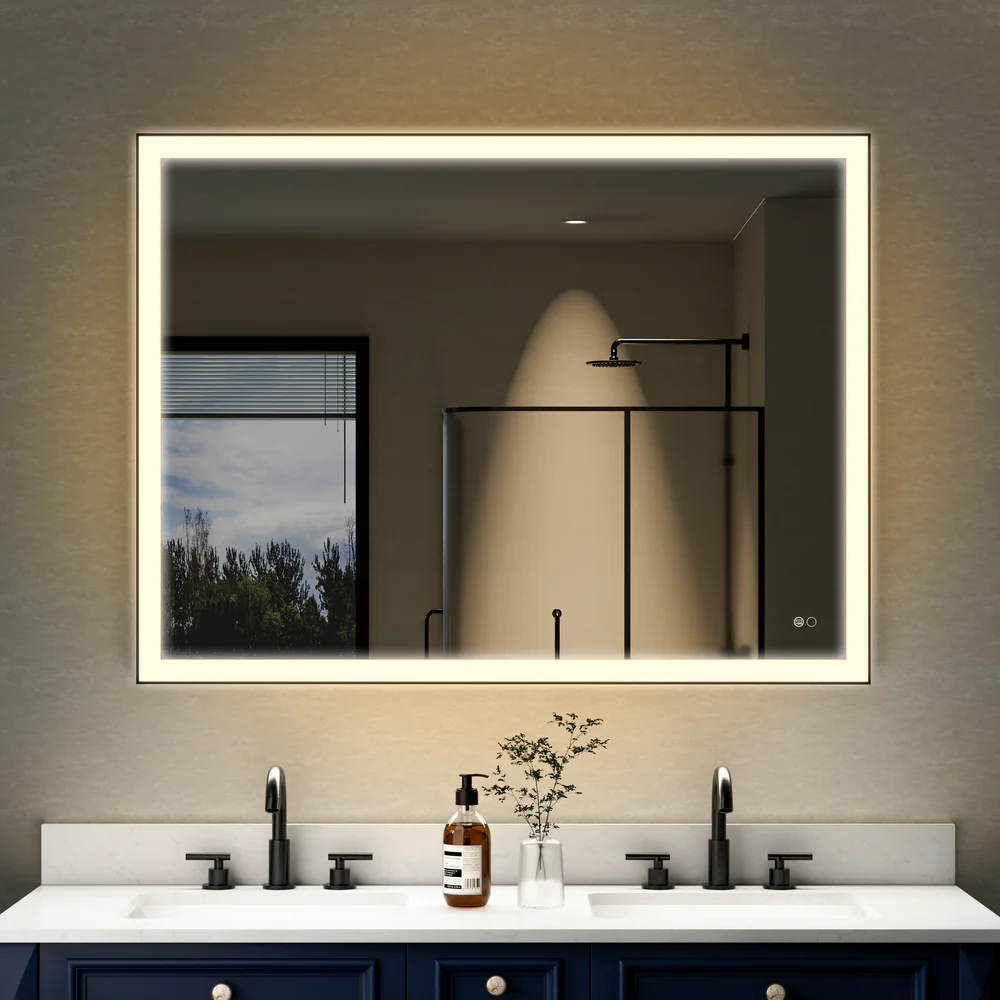
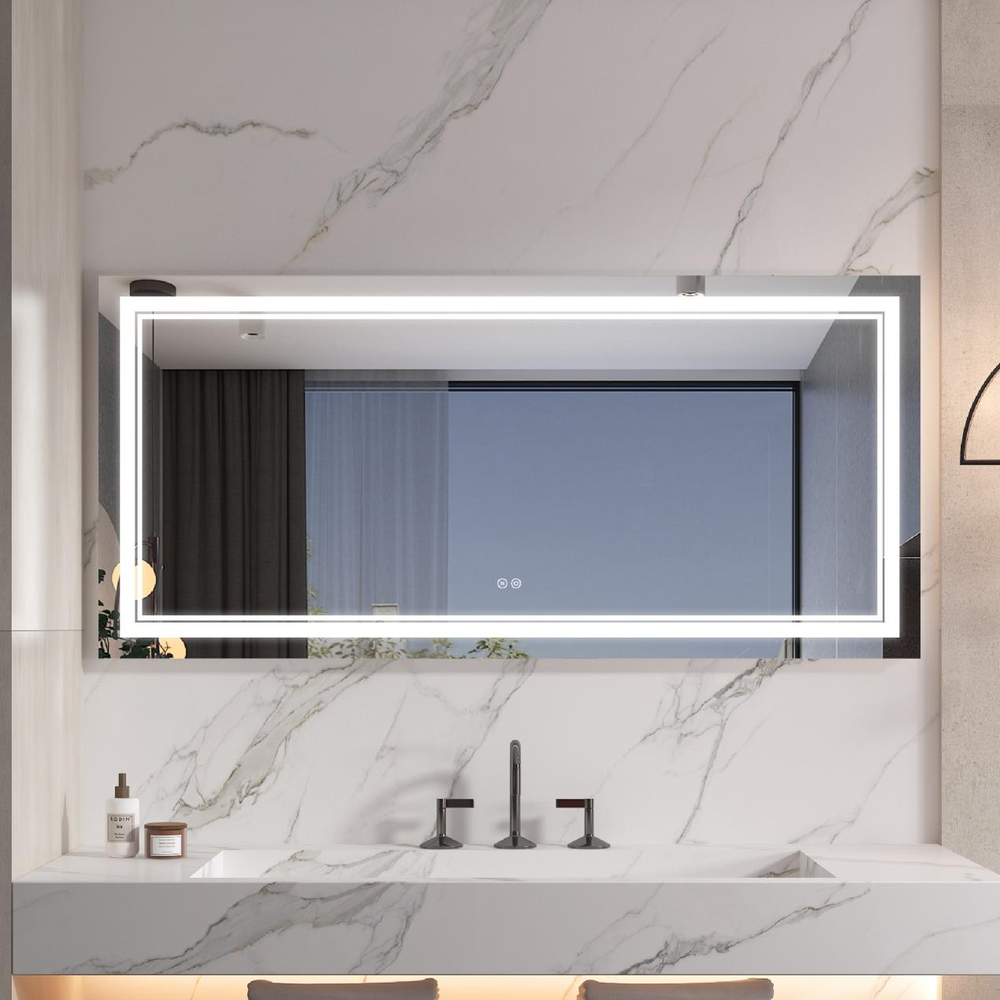
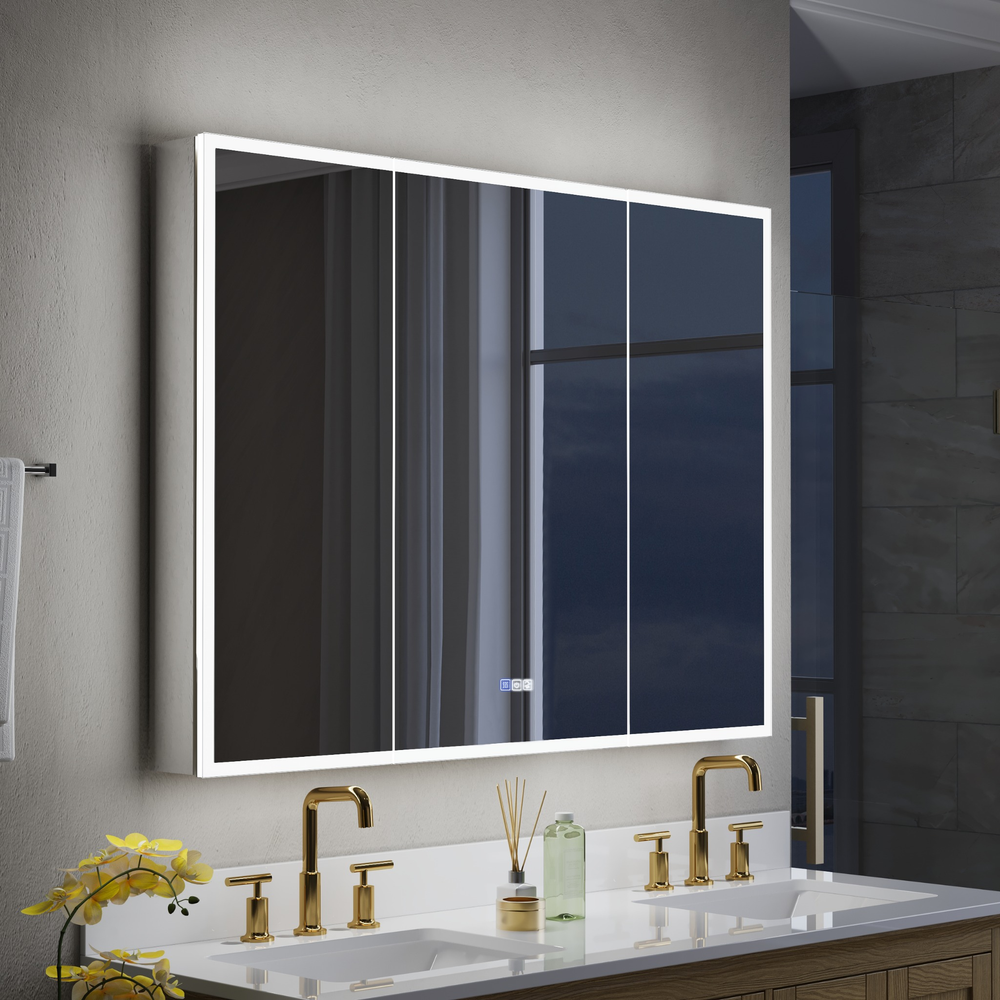
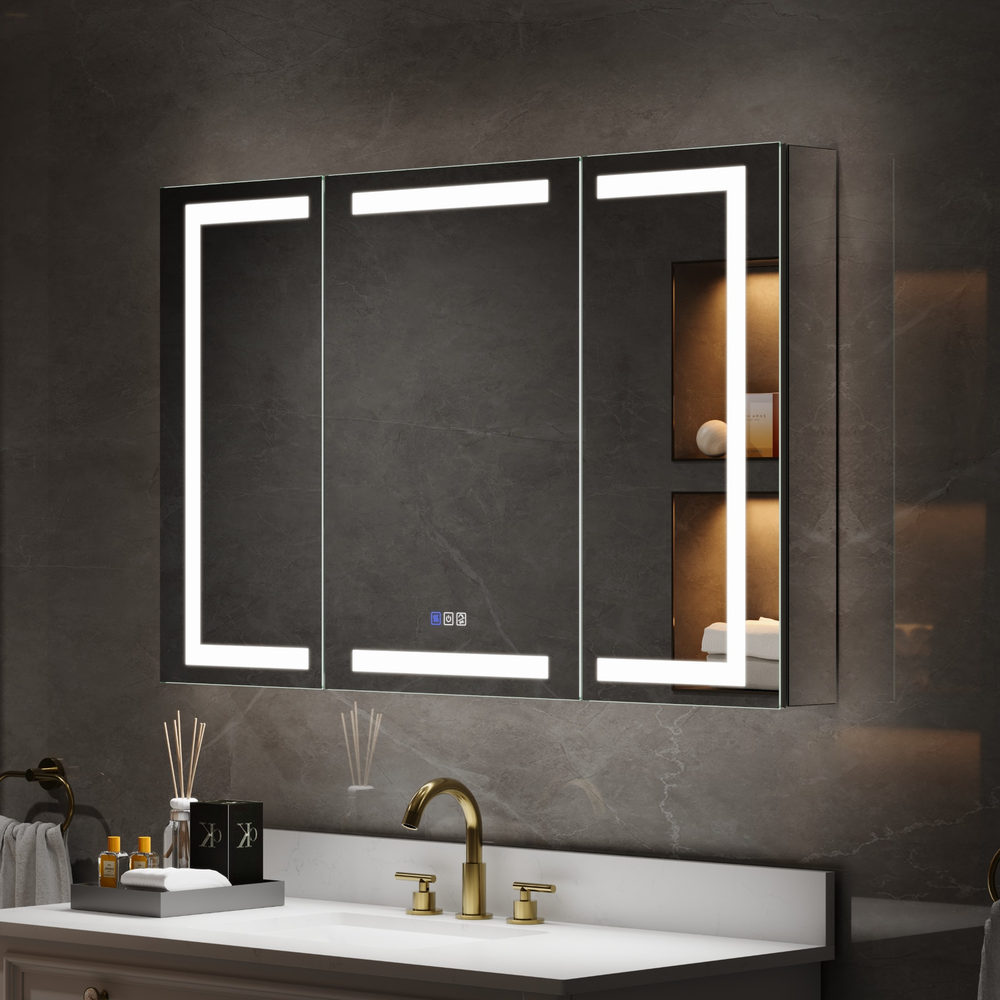
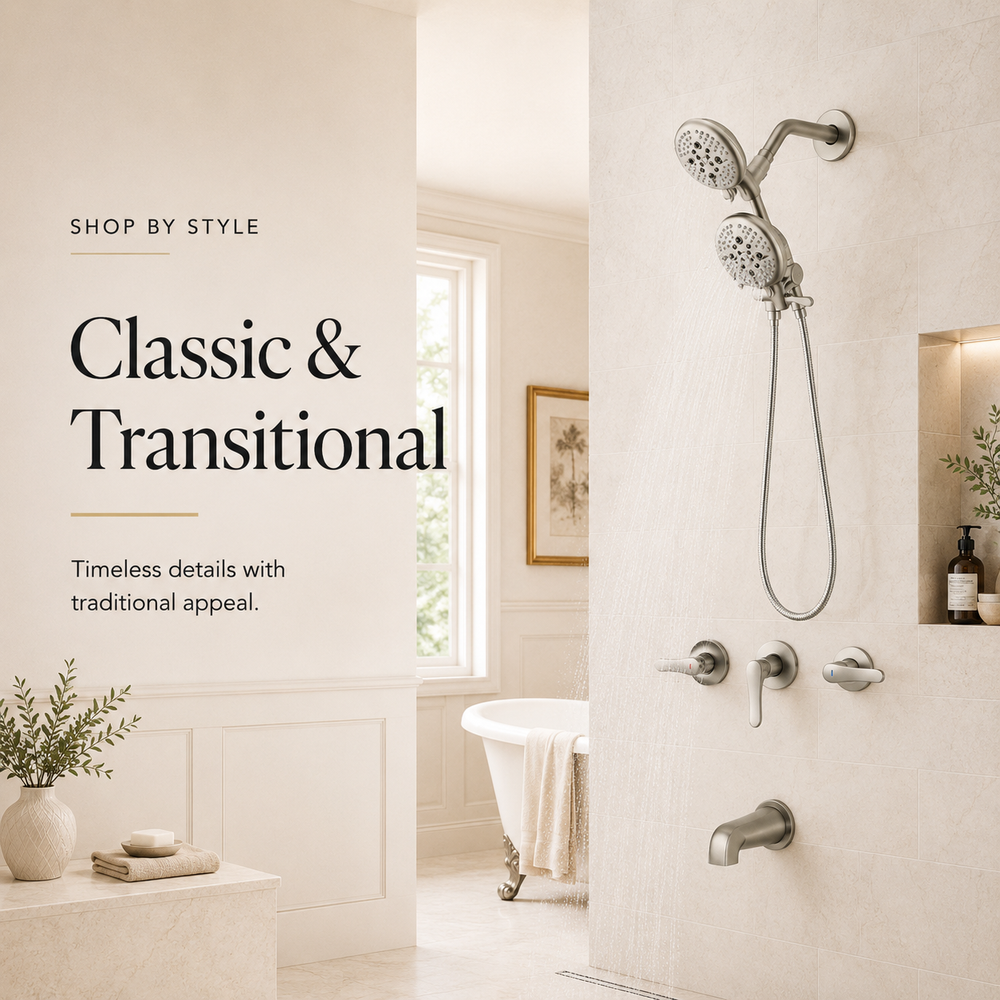
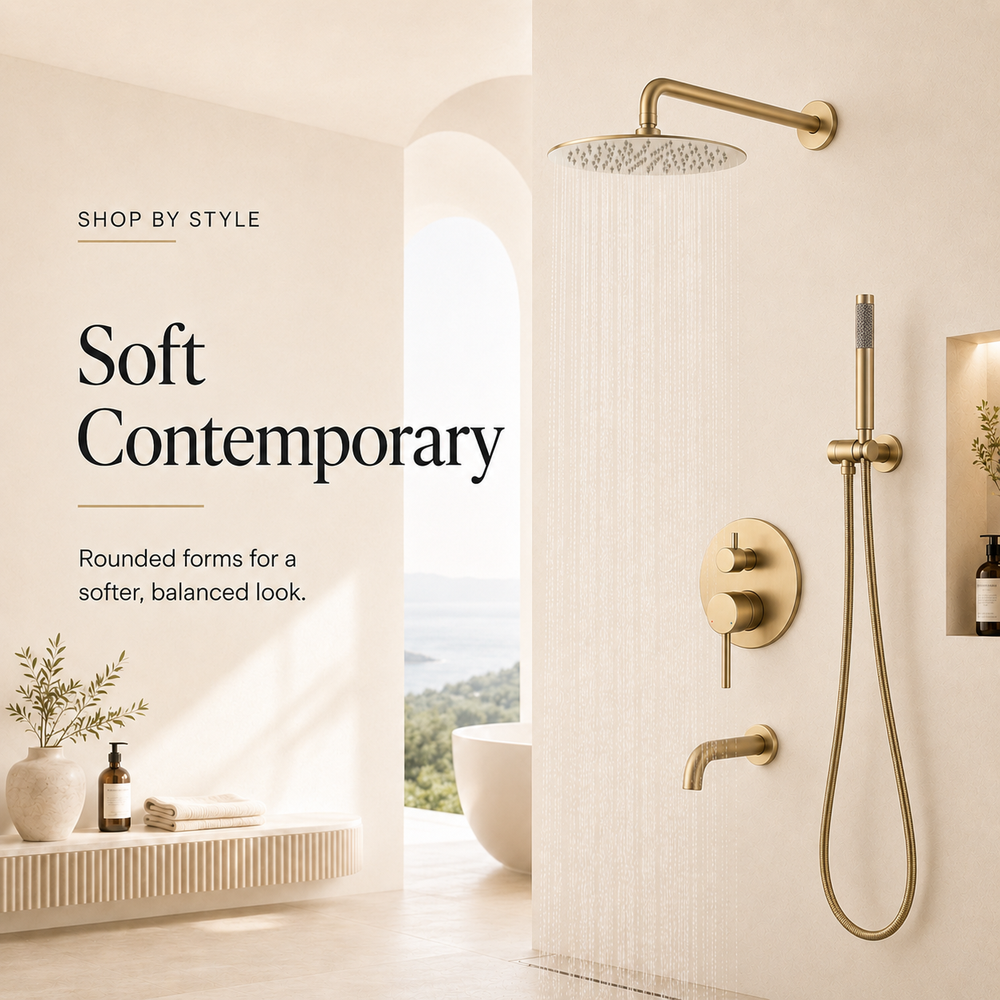
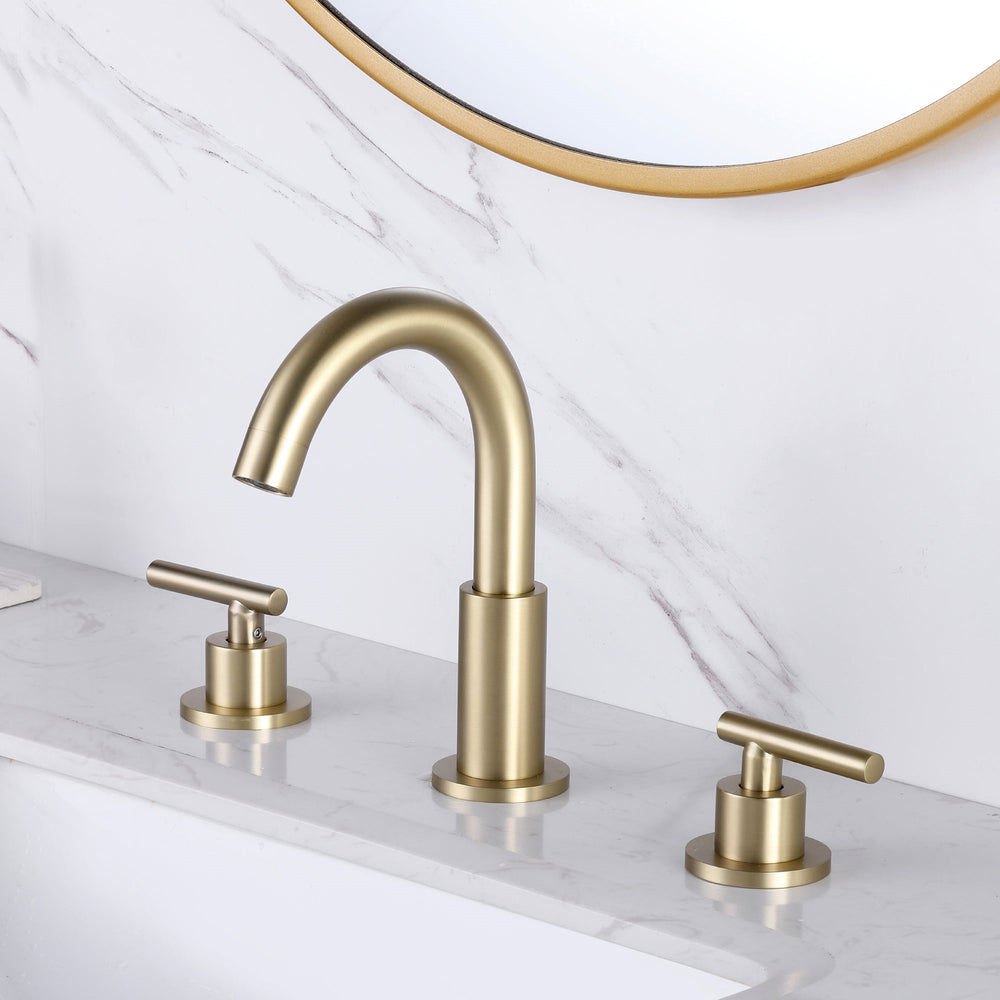
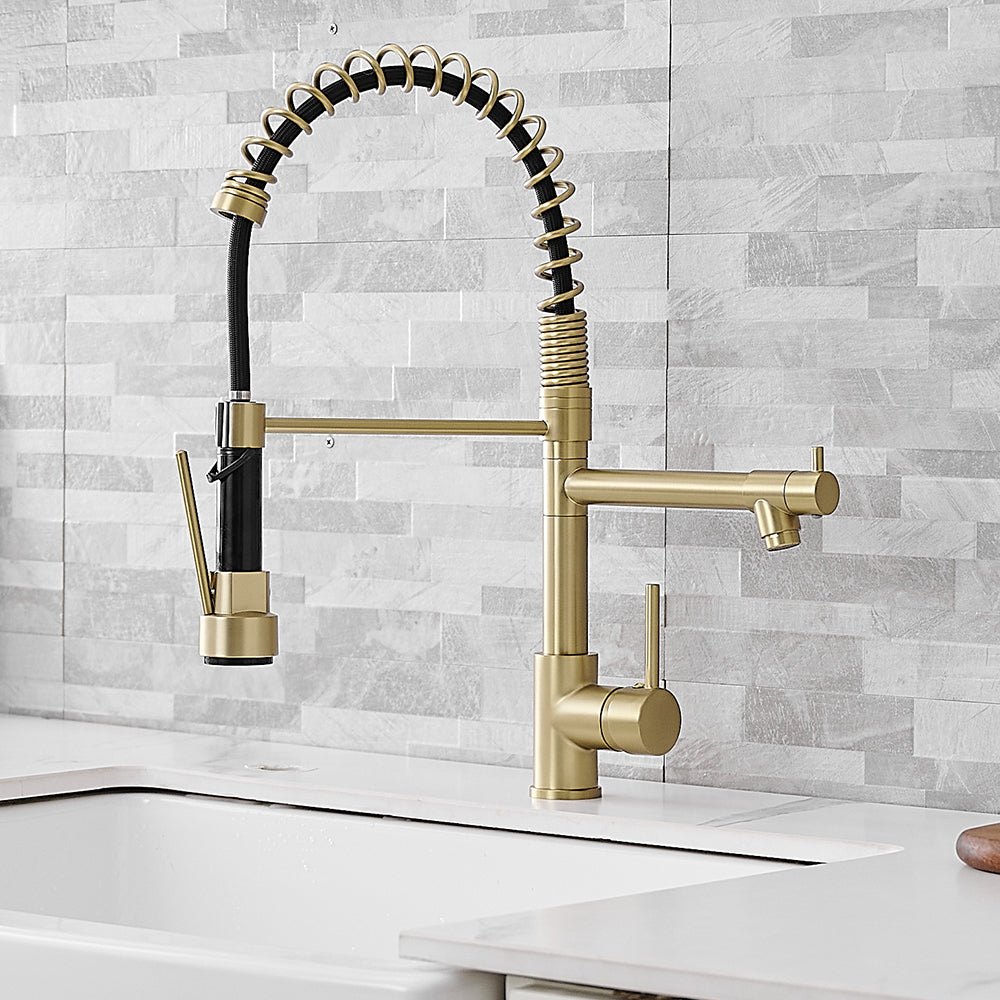
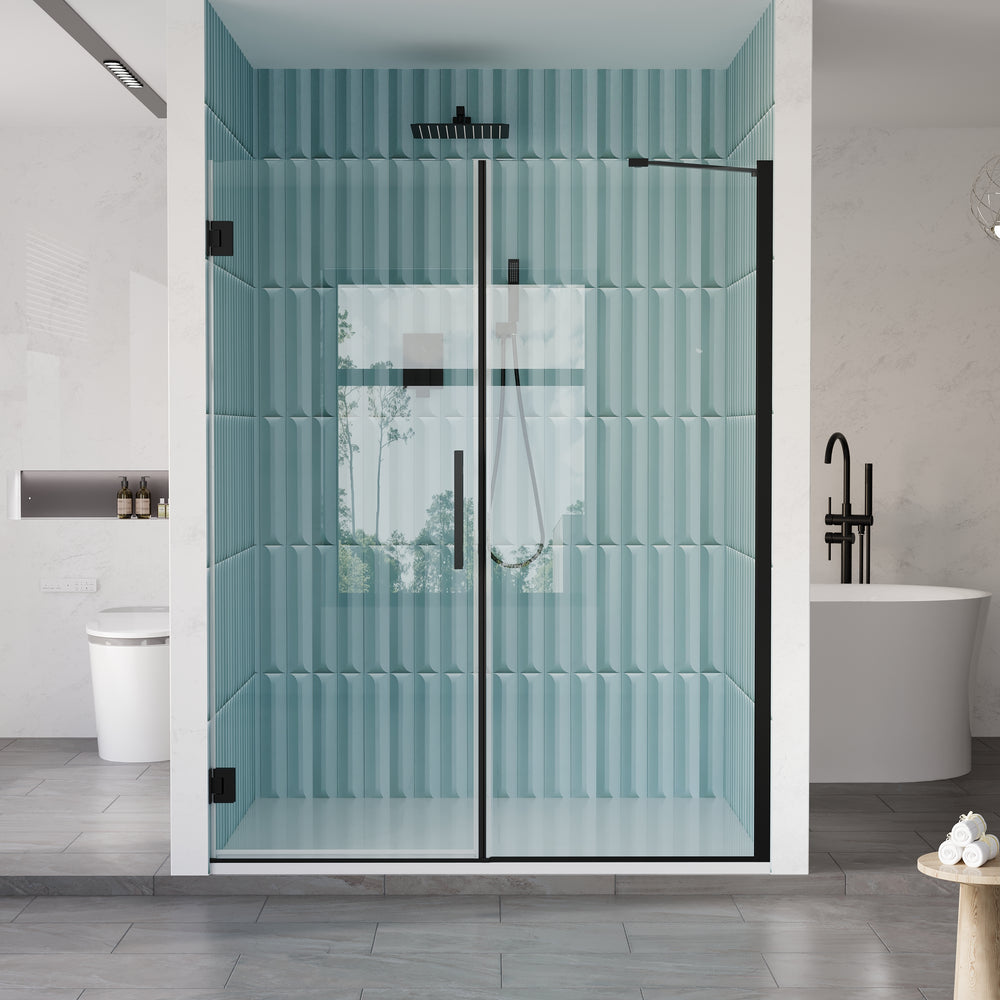
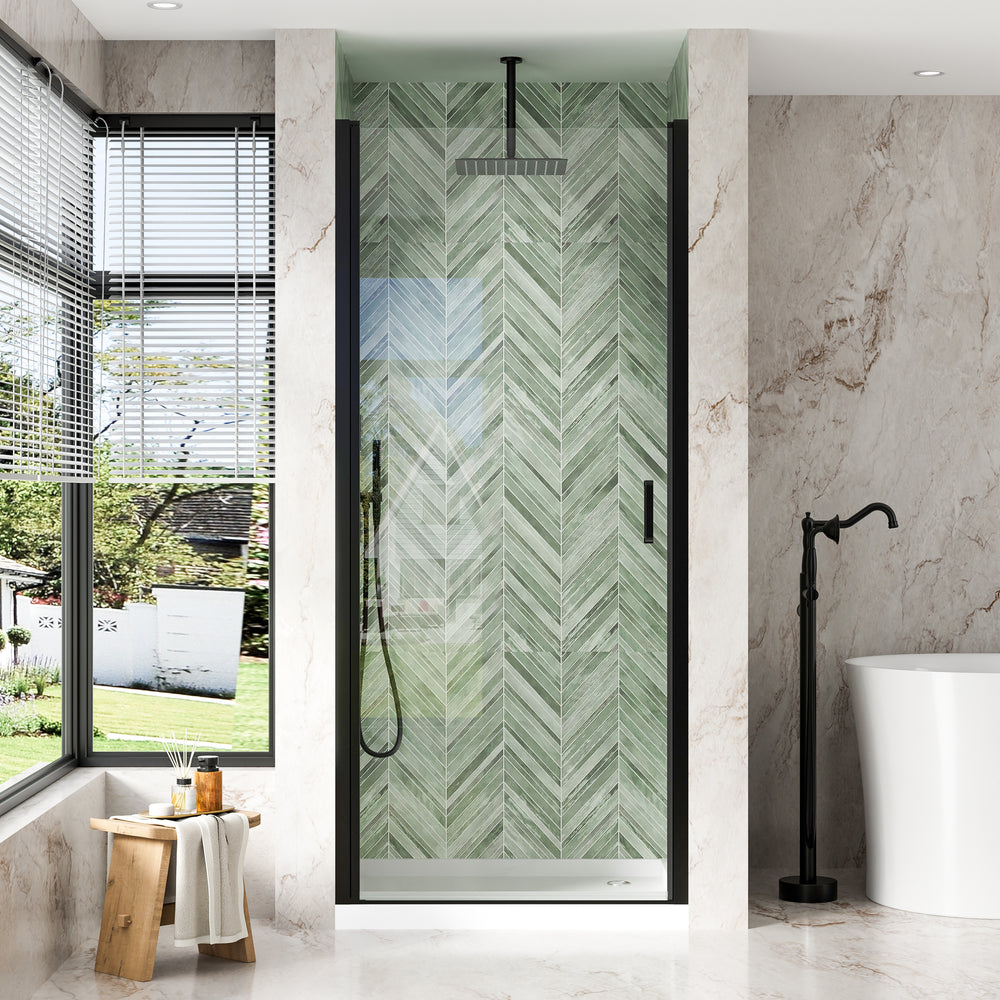
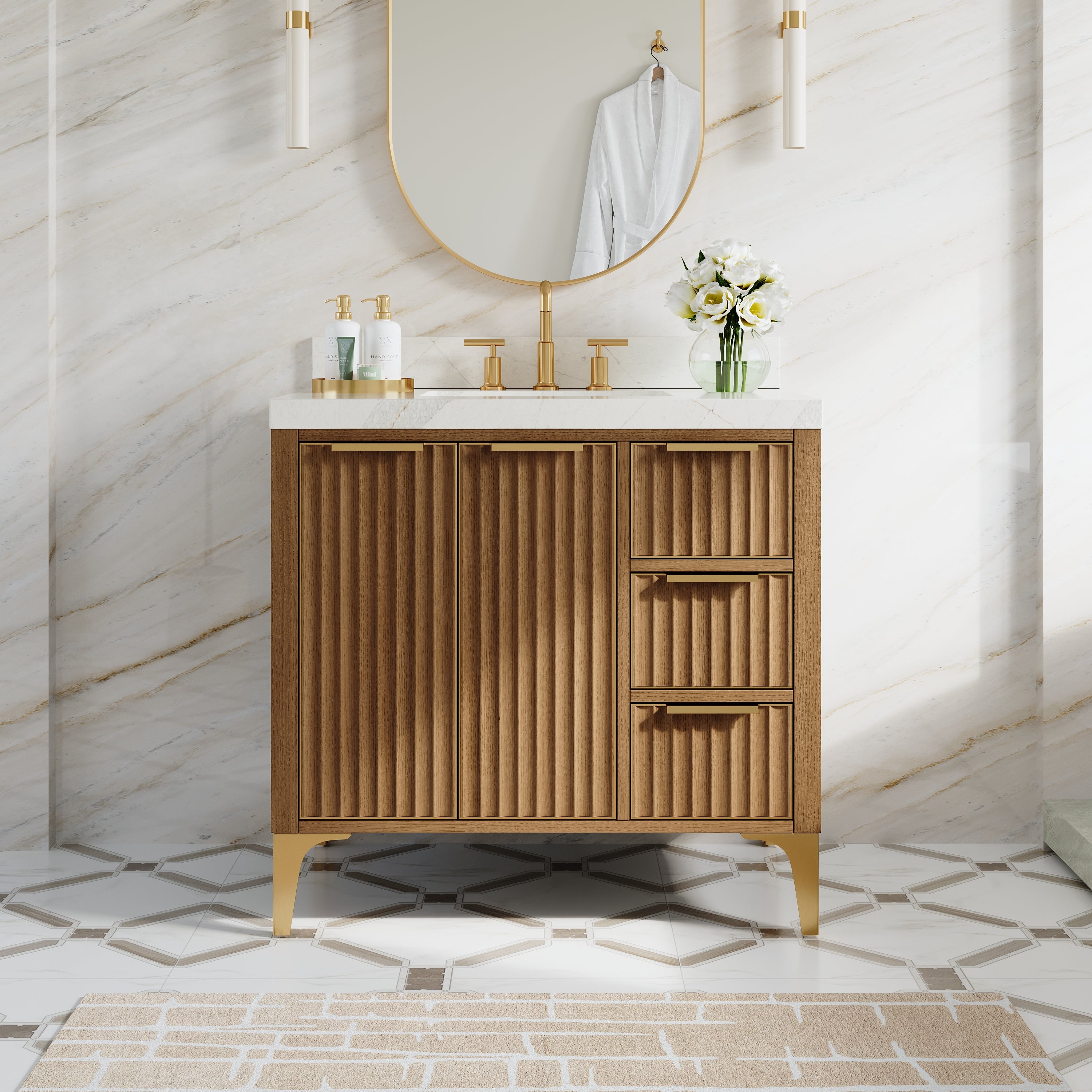
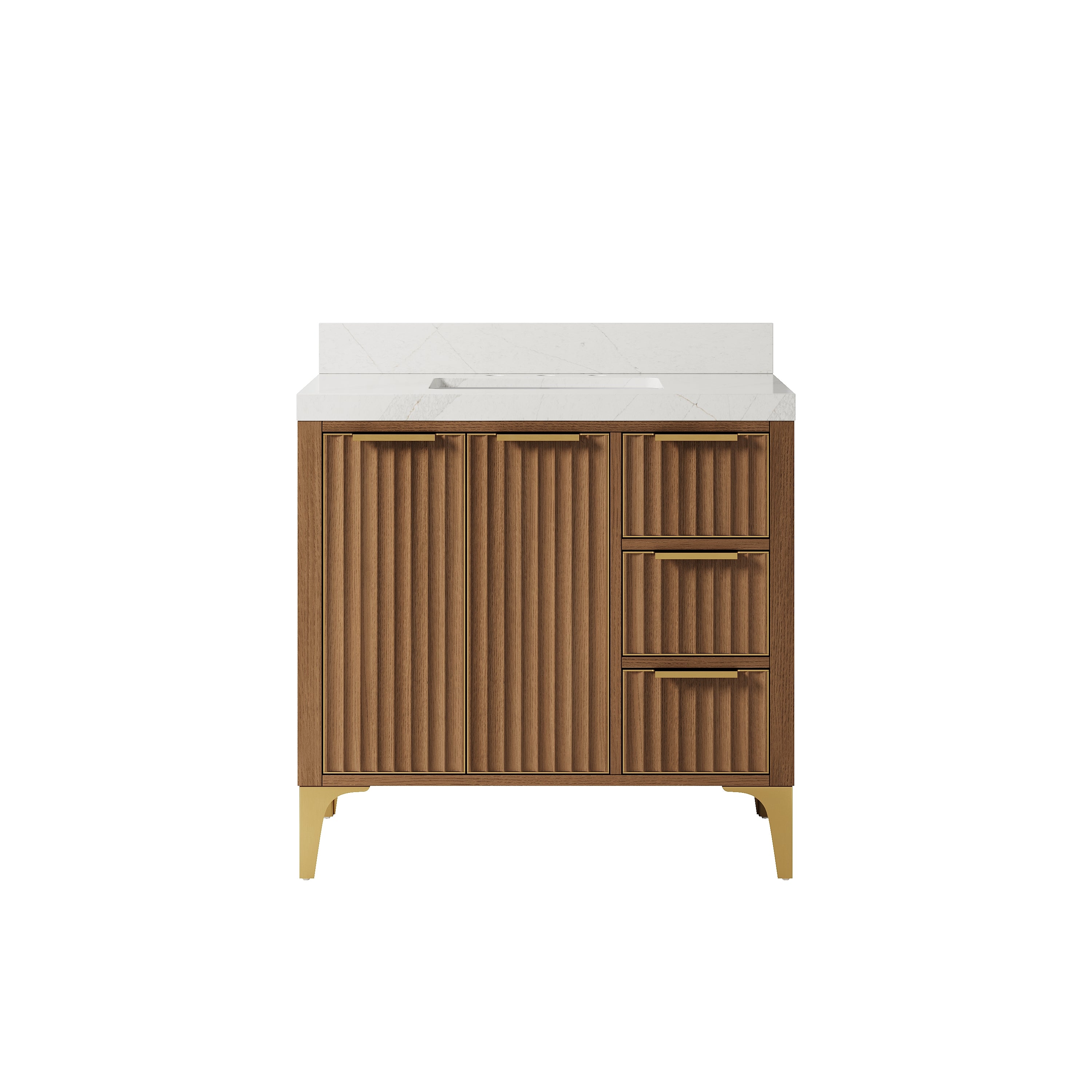
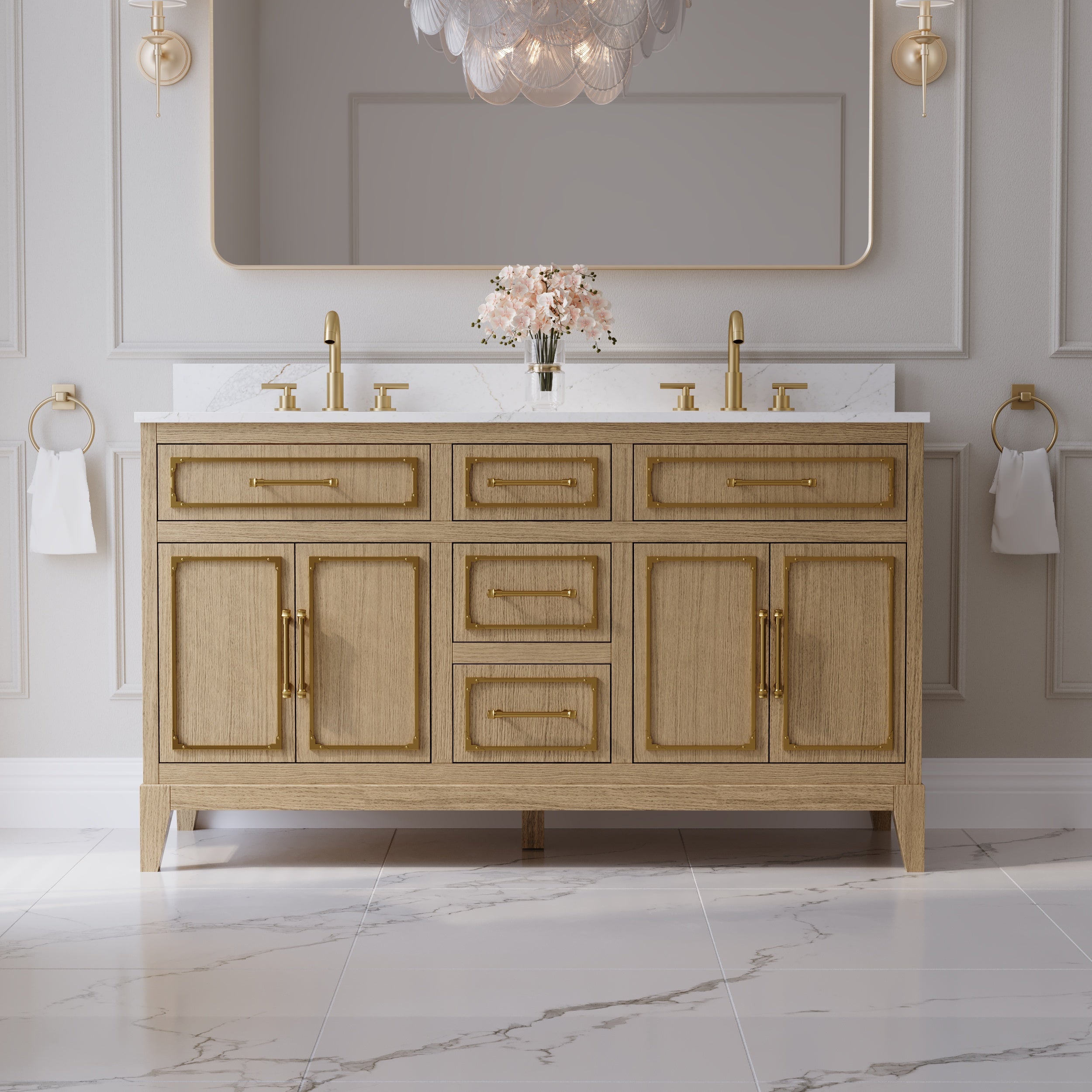
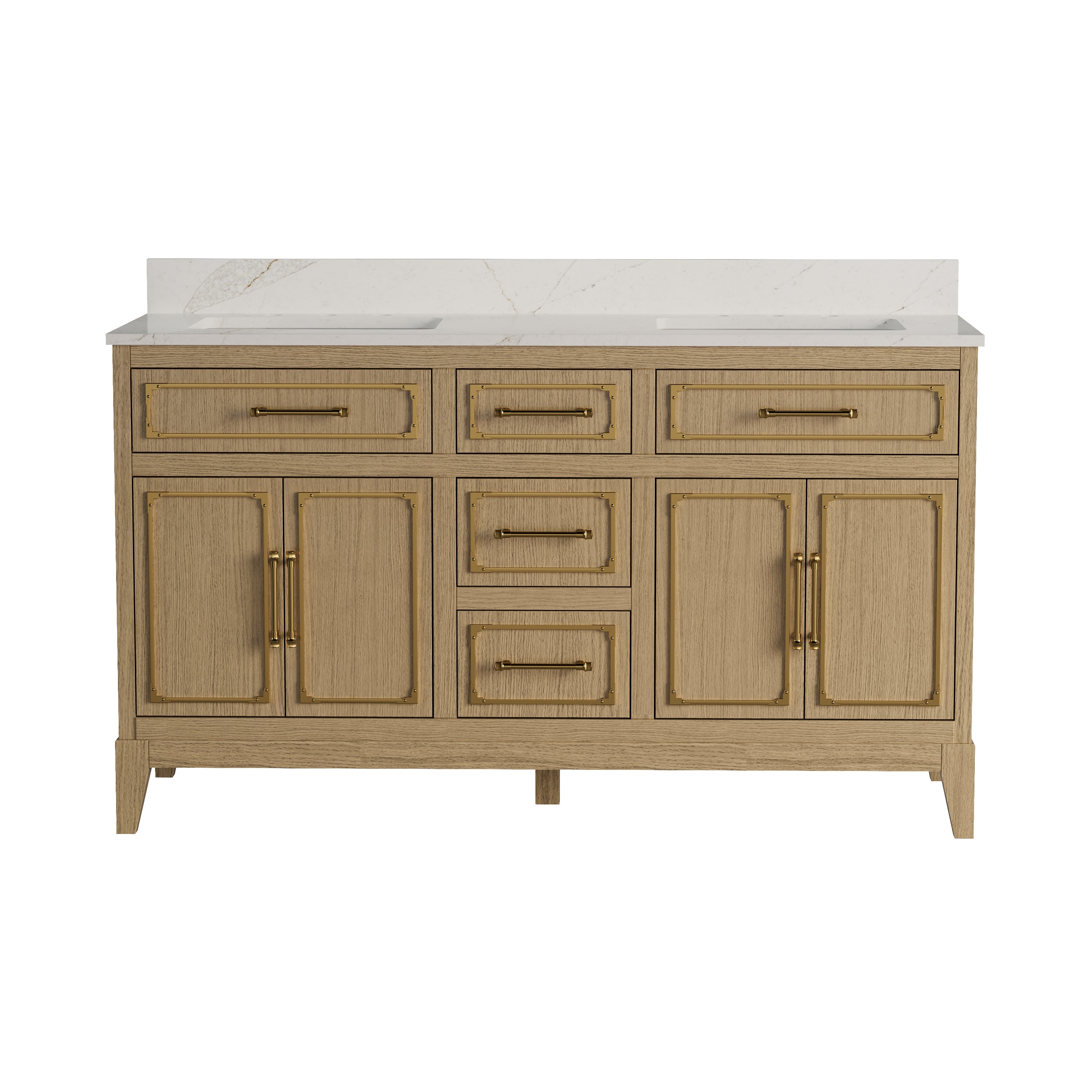
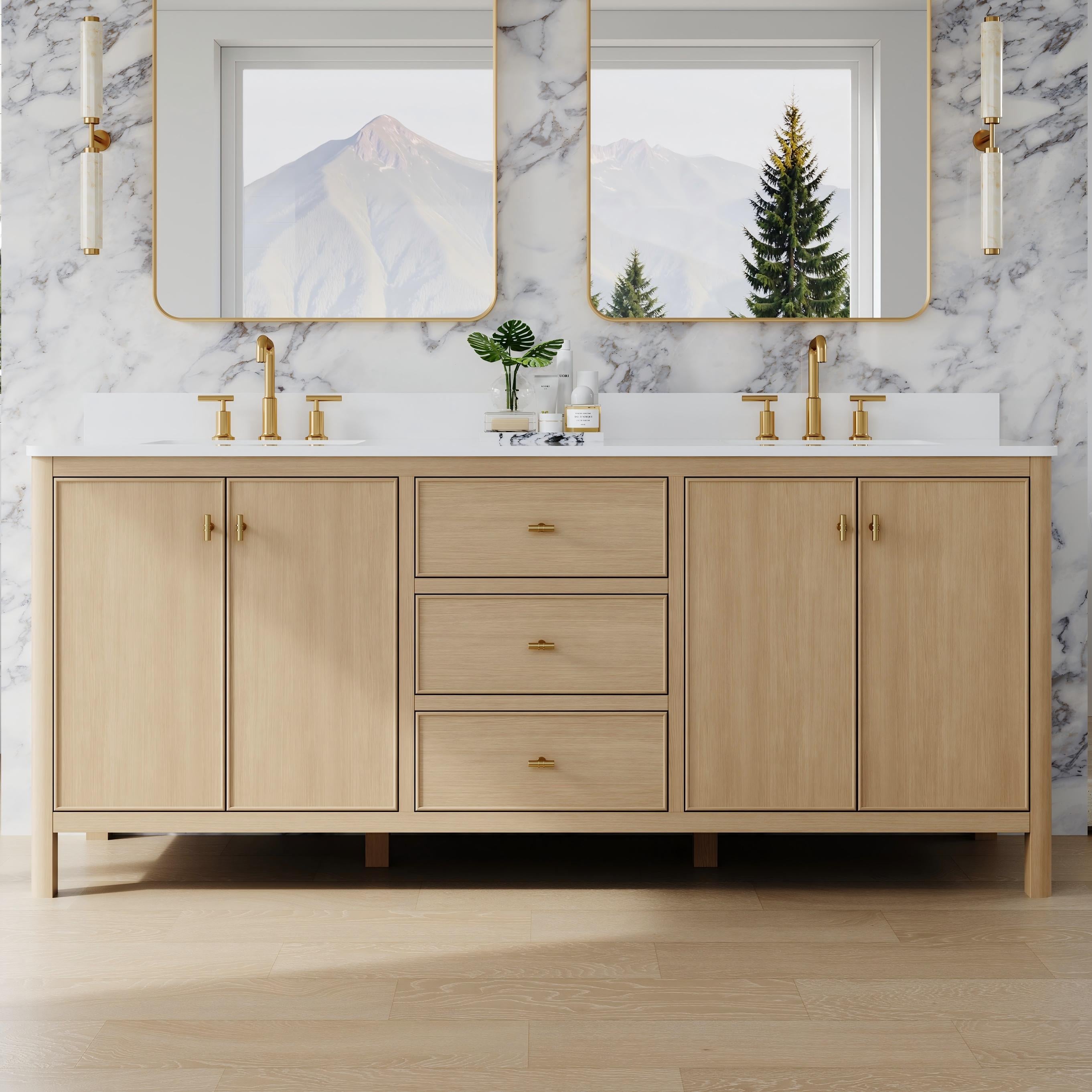
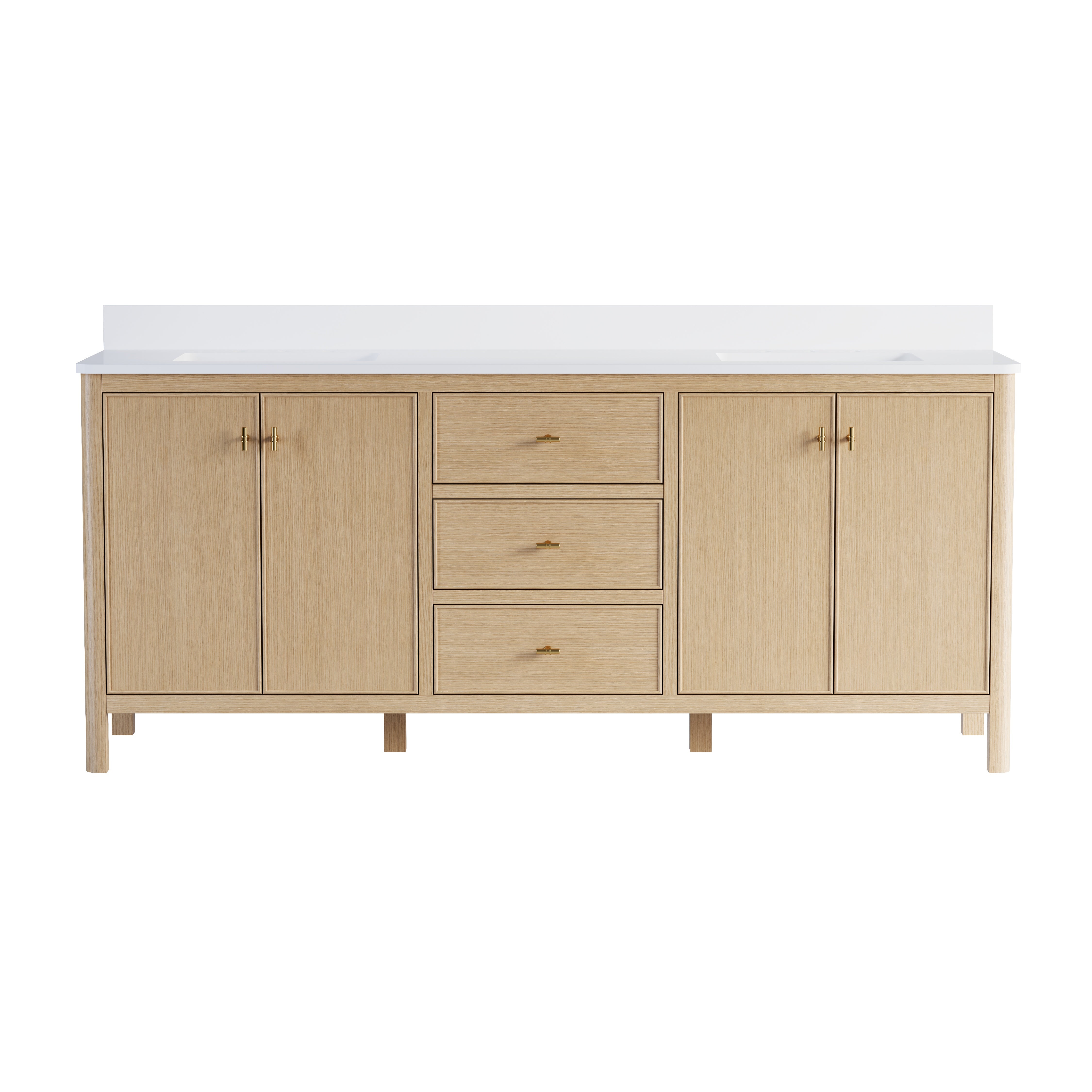
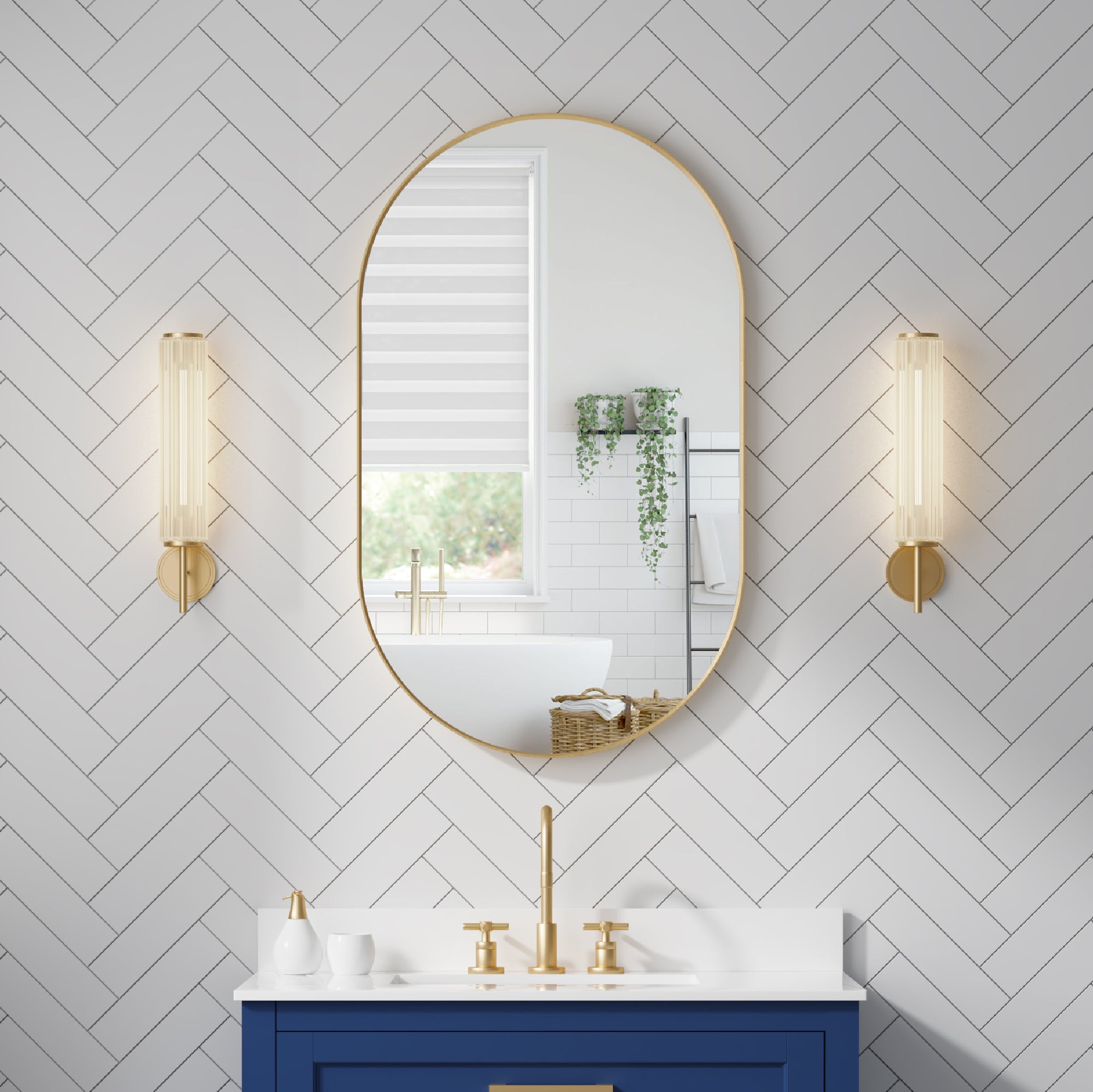
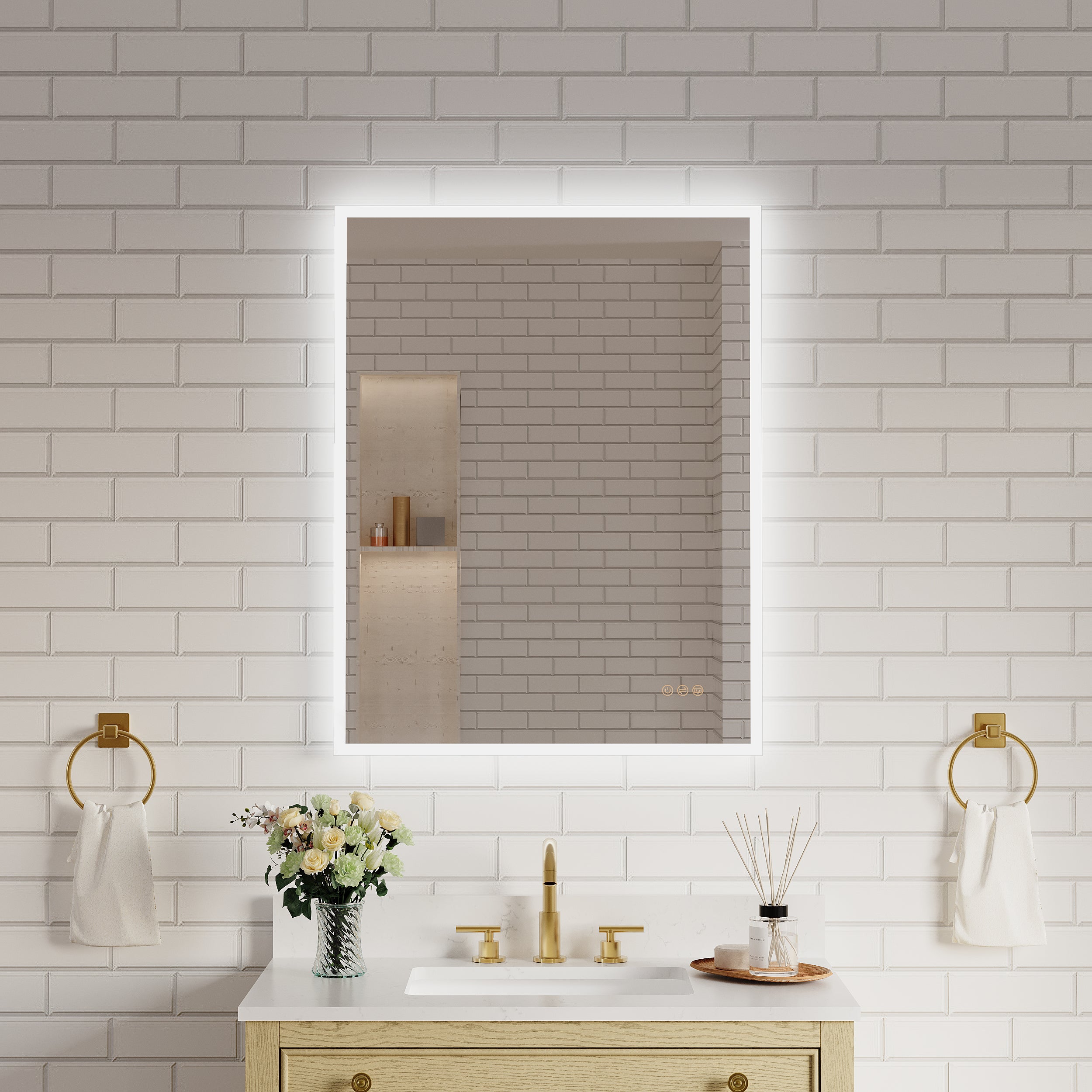
Yes, mixing metal finishes can look intentional and high-end, especially around the vanity wall where the bathroom mirror and lighting do the most visual work. What’s changed in recent remodel cycles is that “perfectly matched sets” are no longer the default goal. Renovations remain a major priority, with annual homeowner spending on improvements projected to reach $518 billion by the end of 2026, making design decisions feel higher-stakes and pushing people toward flexible, timeless combinations rather than one-note matching.
Why Mixed Metals Are Showing Up Everywhere Right Now
Two big forces are driving the rise of mixed finishes: people are upgrading more of the bathroom at once, and lighting is being treated as a design feature rather than an afterthought. Houzz’s 2025 Bathroom Trends Study found that 87% of renovating homeowners upgrade faucets and 82% upgrade lighting fixtures, putting metals and finishes front and center in most projects.
Meanwhile, NKBA’s 2026 Bath Trends release points to a broader move away from shiny uniformity: for faucets, matte (54%), brushed (51%), and satin (46%) finishes were all more popular than polished (39%).
When the industry shifts toward softer sheens, it naturally becomes easier (and more common) to combine finishes without the room looking “busy.”
The Core Rule: Pick a Dominant Metal, Then Add One Accent
Mixed metals look best when there’s a hierarchy. Architectural Digest’s guidance is simple: choose two or three finishes, make one the primary, and use the others as smaller accents so nothing feels random.
A practical way to do this on the vanity wall:
Dominant finish (about 60–70%): faucets + shower trim (or towel bars).
Secondary finish (about 20–30%): vanity lights (sconces or bar light).
Accent finish (about 10%): mirror frame, knobs/pulls, or a small accessory.
You’re not counting pieces perfectly. You’re creating a “main character” finish and supporting finishes.
Use the Vanity Hardware Trend as Your Reality Check
If you ever worry that mixing finishes is “too risky,” look at what people already choose for hardware. In the same Houzz study, vanity handle finishes were spread across multiple popular choices: brushed nickel (32%), black (18%), and brushed gold (14%).
That variety is one reason a single mirror and light finish match is no longer assumed. Bathrooms are already being built around different metal tones—your job is to make it look deliberate.
Match Undertones First, Not Names
Finish labels can be misleading. “Brushed nickel,” “stainless,” and “chrome” can look similar in a product photo but clash in real light because the undertones differ.
A safer approach:
Warm metals: brass, champagne bronze, gold-toned finishes.
Cool metals: chrome, polished nickel, many stainless/nickel tones.
Neutral bridges: black and many mixed-material fixtures (metal + glass).
Southern Living’s advice is especially useful here: avoid combining metals that are “almost the same” because it can read like a mismatch. Stronger contrast looks more intentional.
The “Planes” Trick: Keep Like Items Consistent
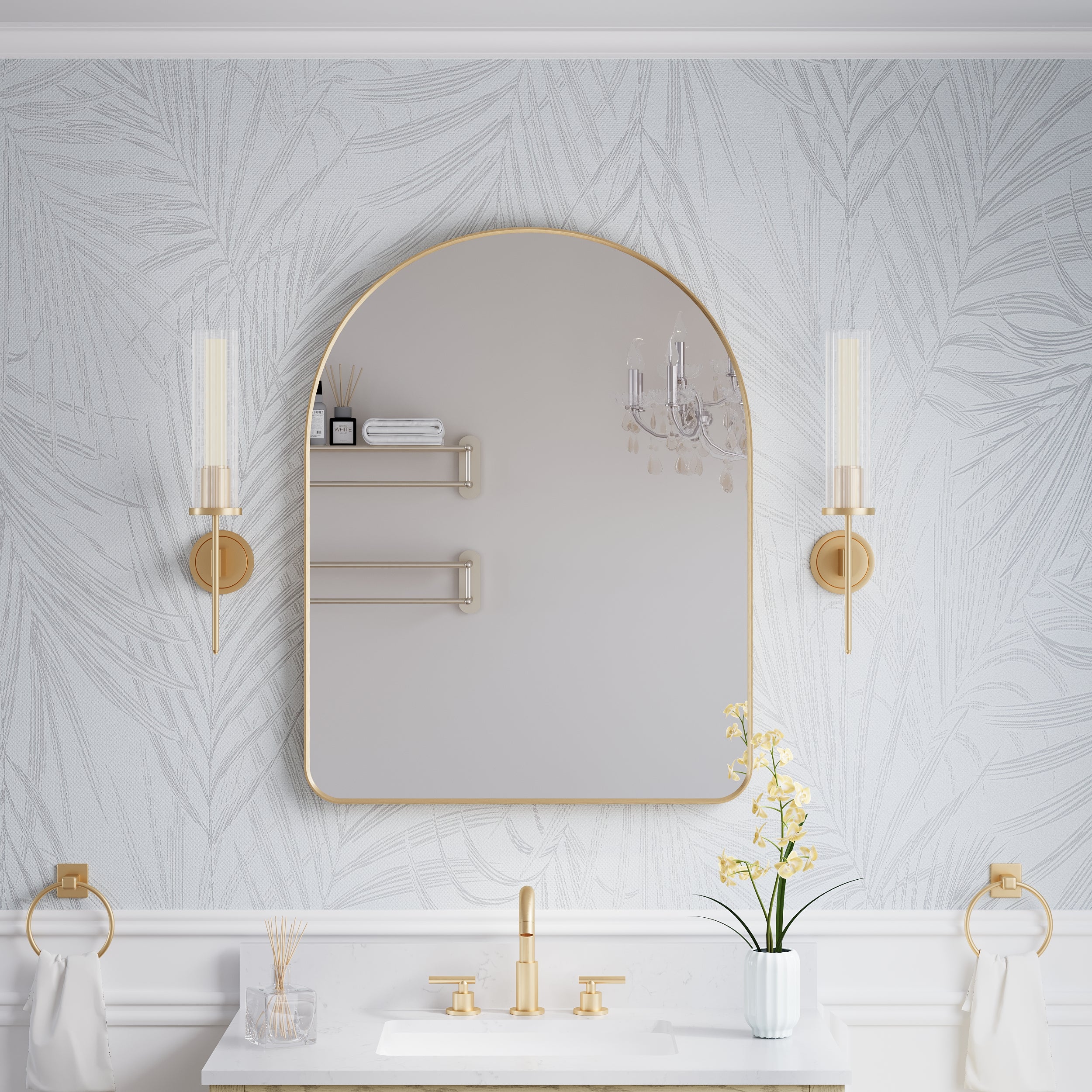
If you want mixed metals without chaos, group them by function and sightline. Architectural Digest shares a designer rule of thumb: items on a similar plane should share a finish (for example, one finish for tall lights, another for cabinet hardware, or one for faucets and another for mirrors).
In practice:
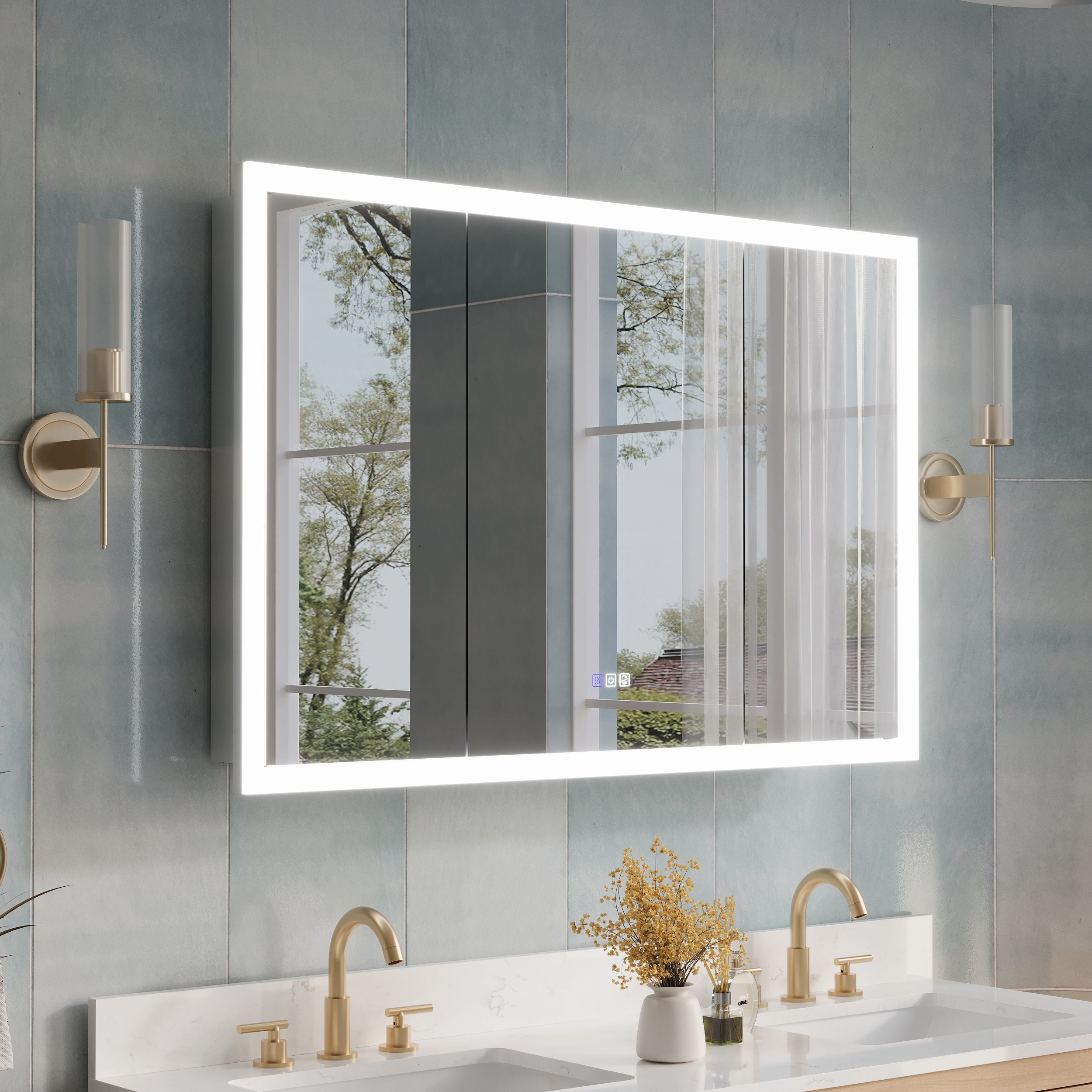
If you have two sconces flanking the mirror, keep both sconces the same finish.
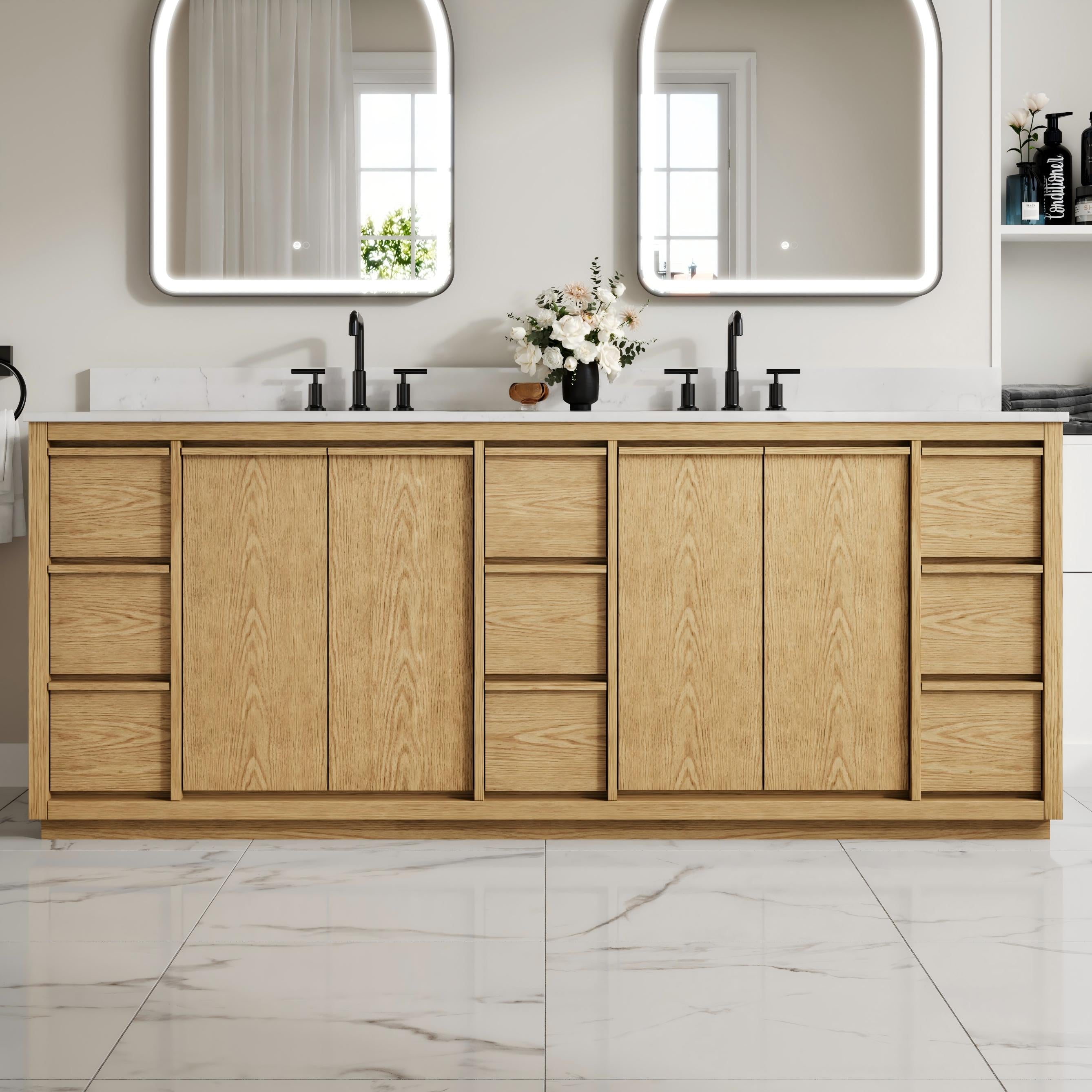
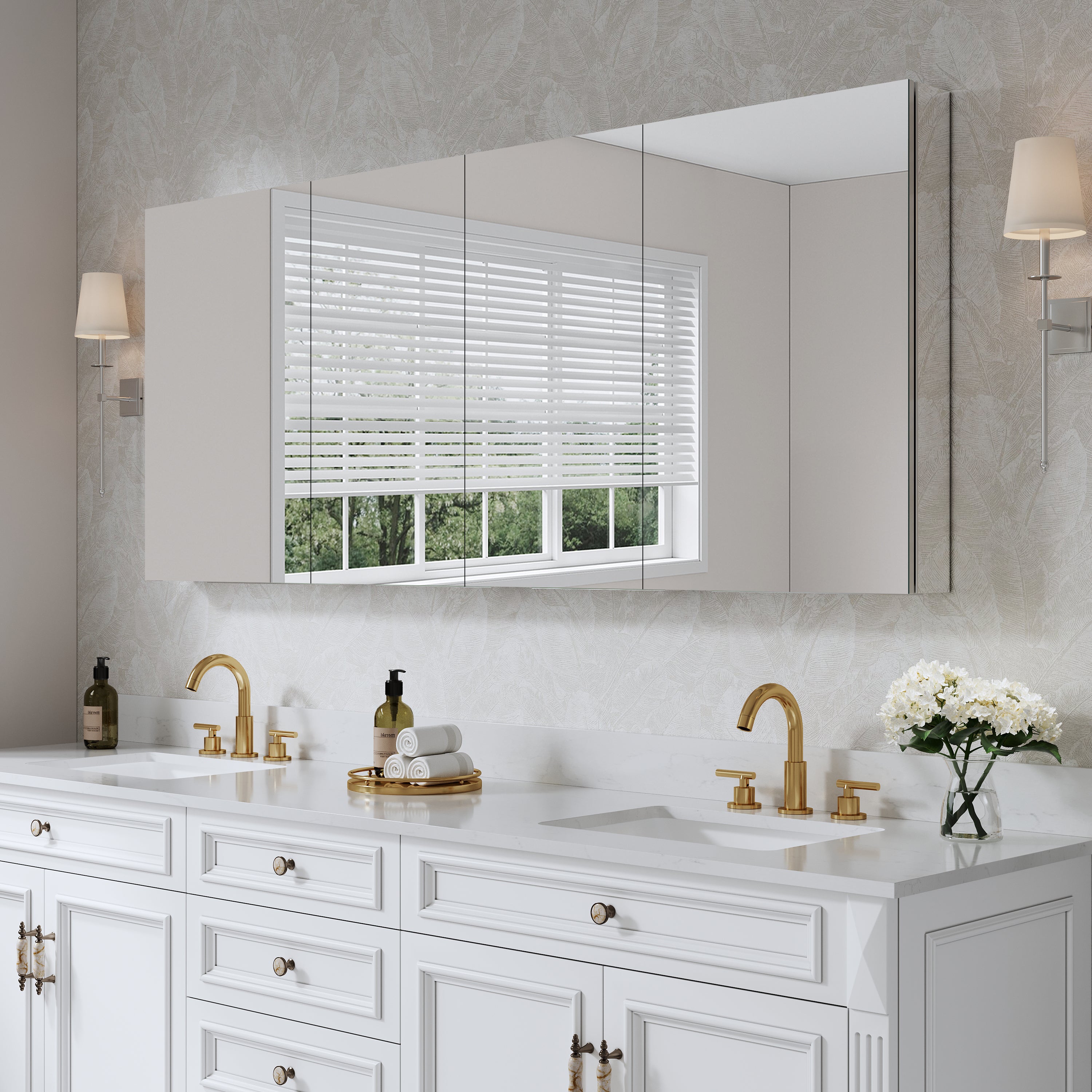
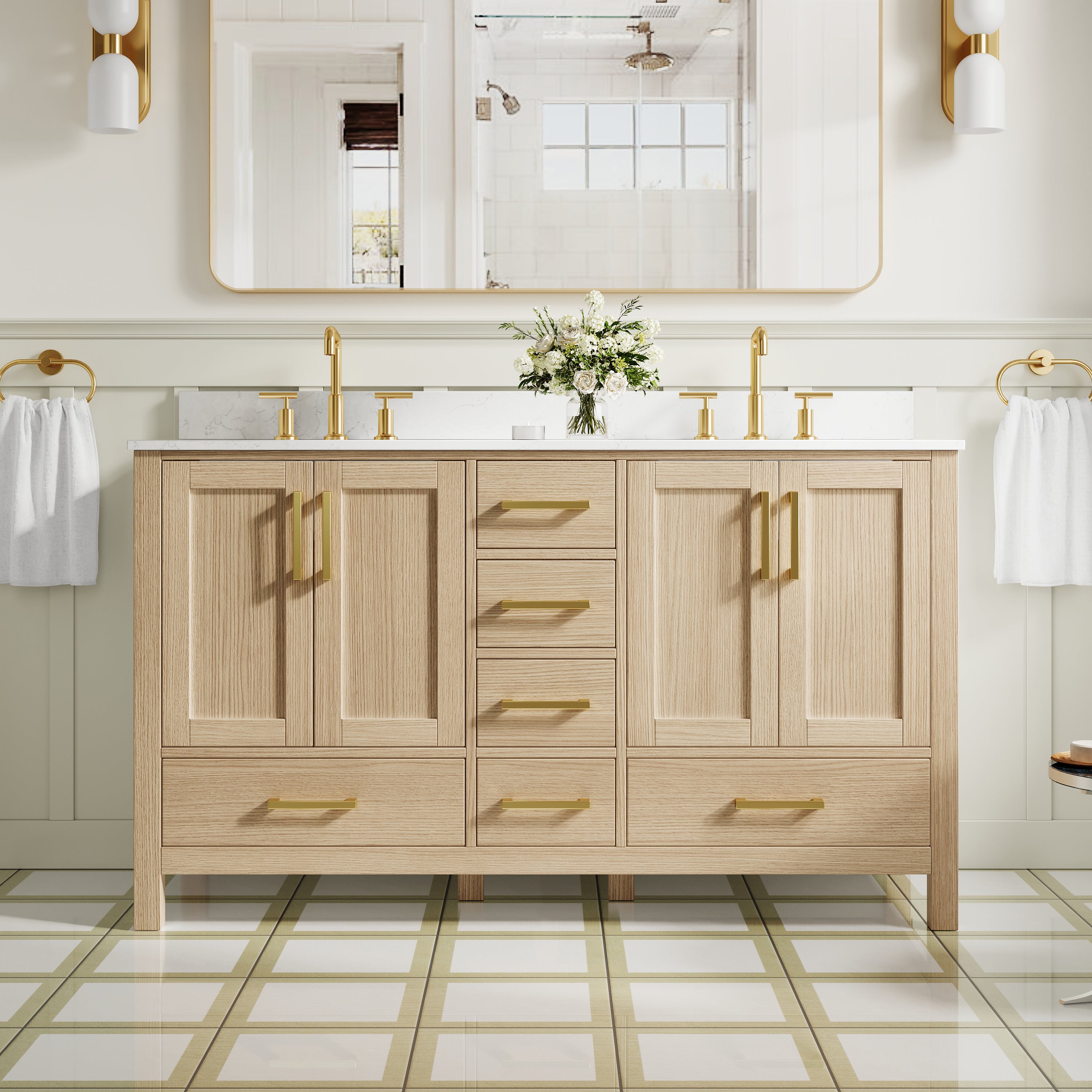
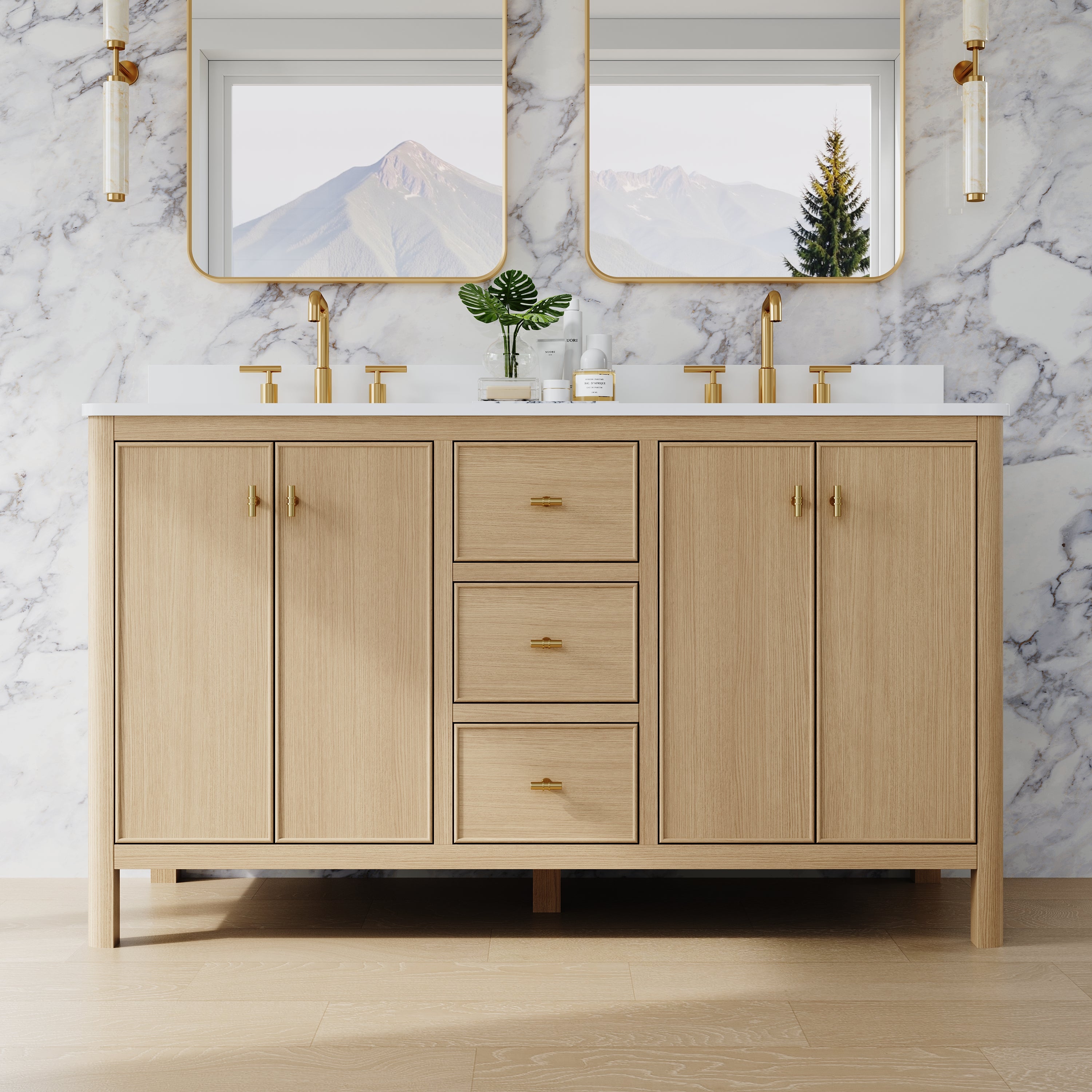
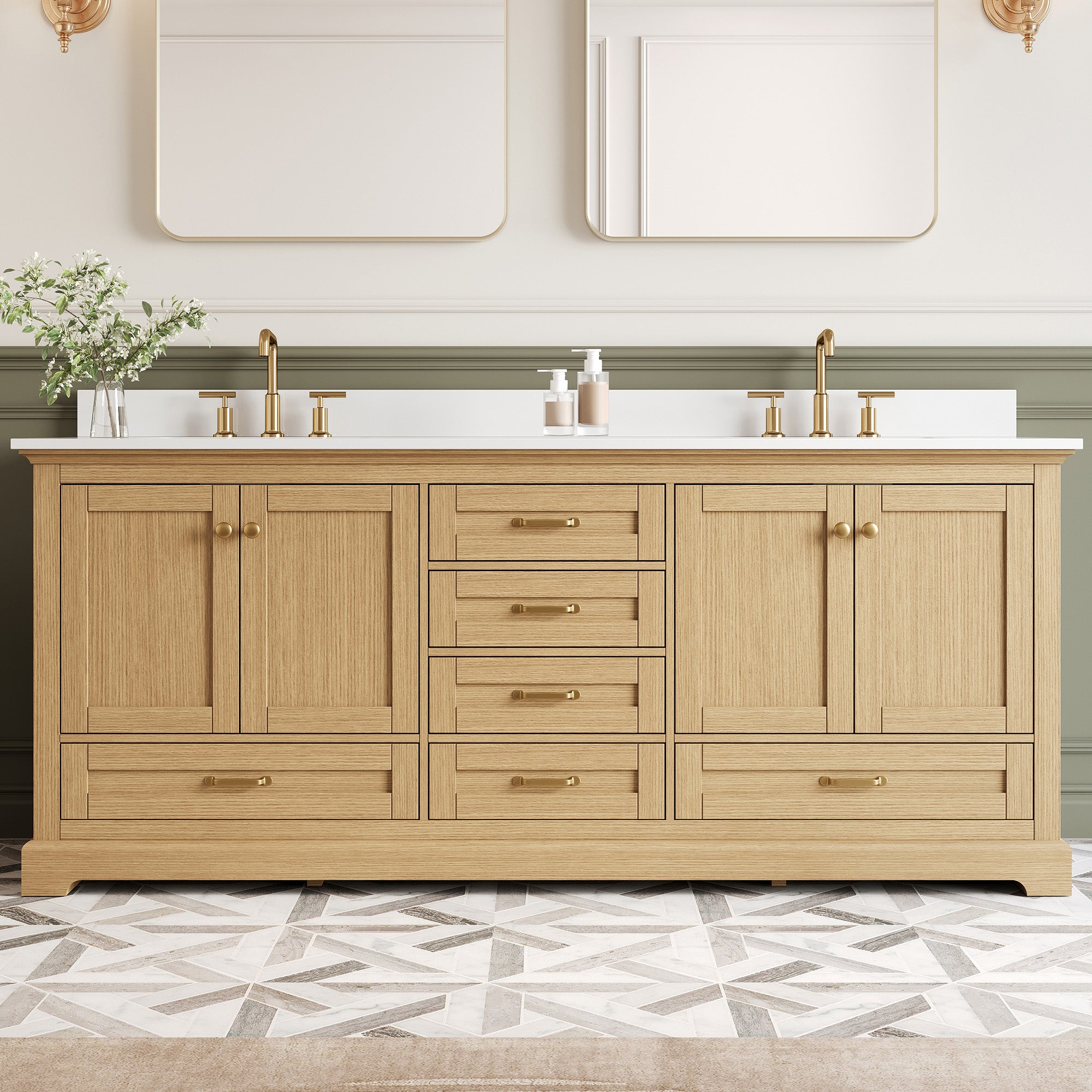
If you have two mirrors over a double vanity, keep both mirrors the same finish.
If your faucet is brushed nickel, it’s fine for the mirror to be black—just don’t make the left- and right-side sconces different metals.

Mirror + Light Pairings That Rarely Fail
Here are combinations that consistently photograph well and feel current:
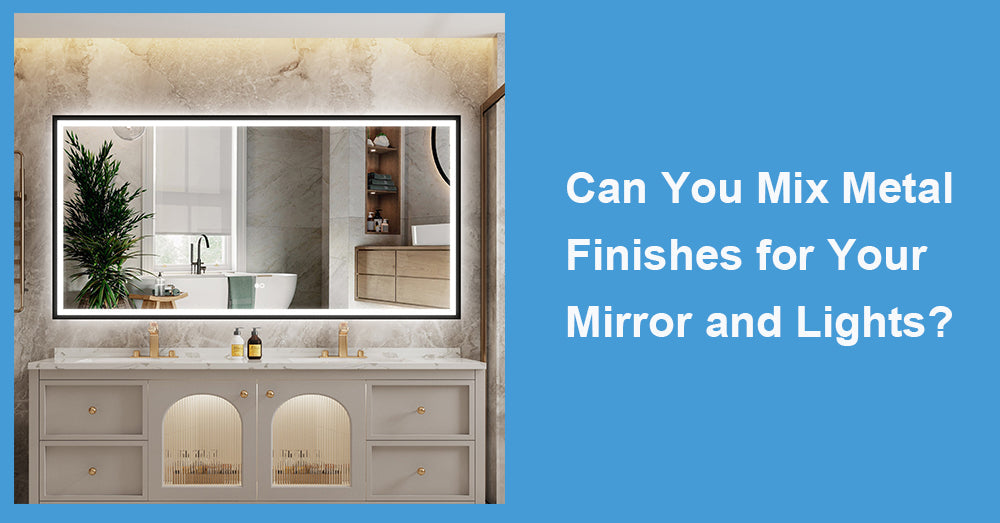
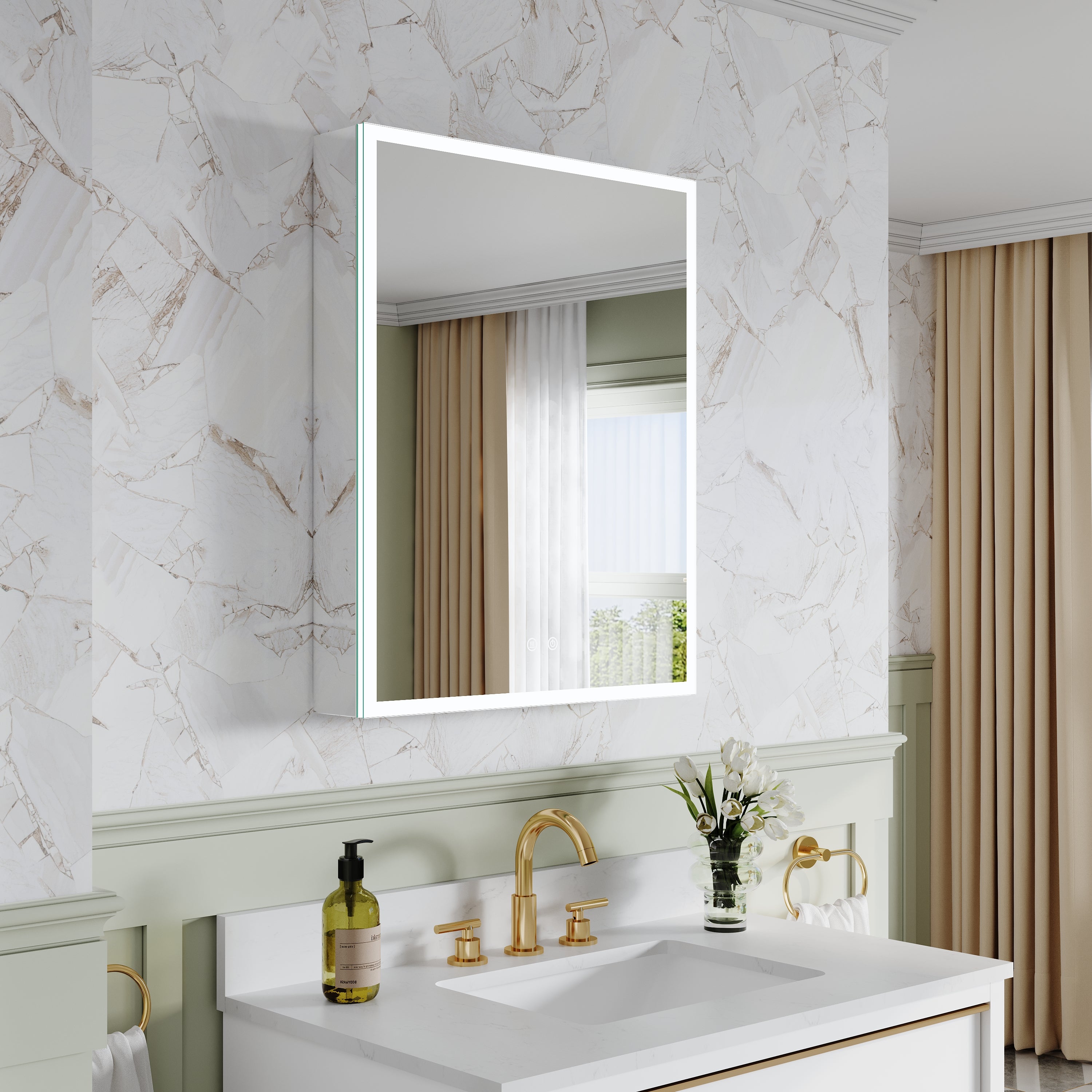
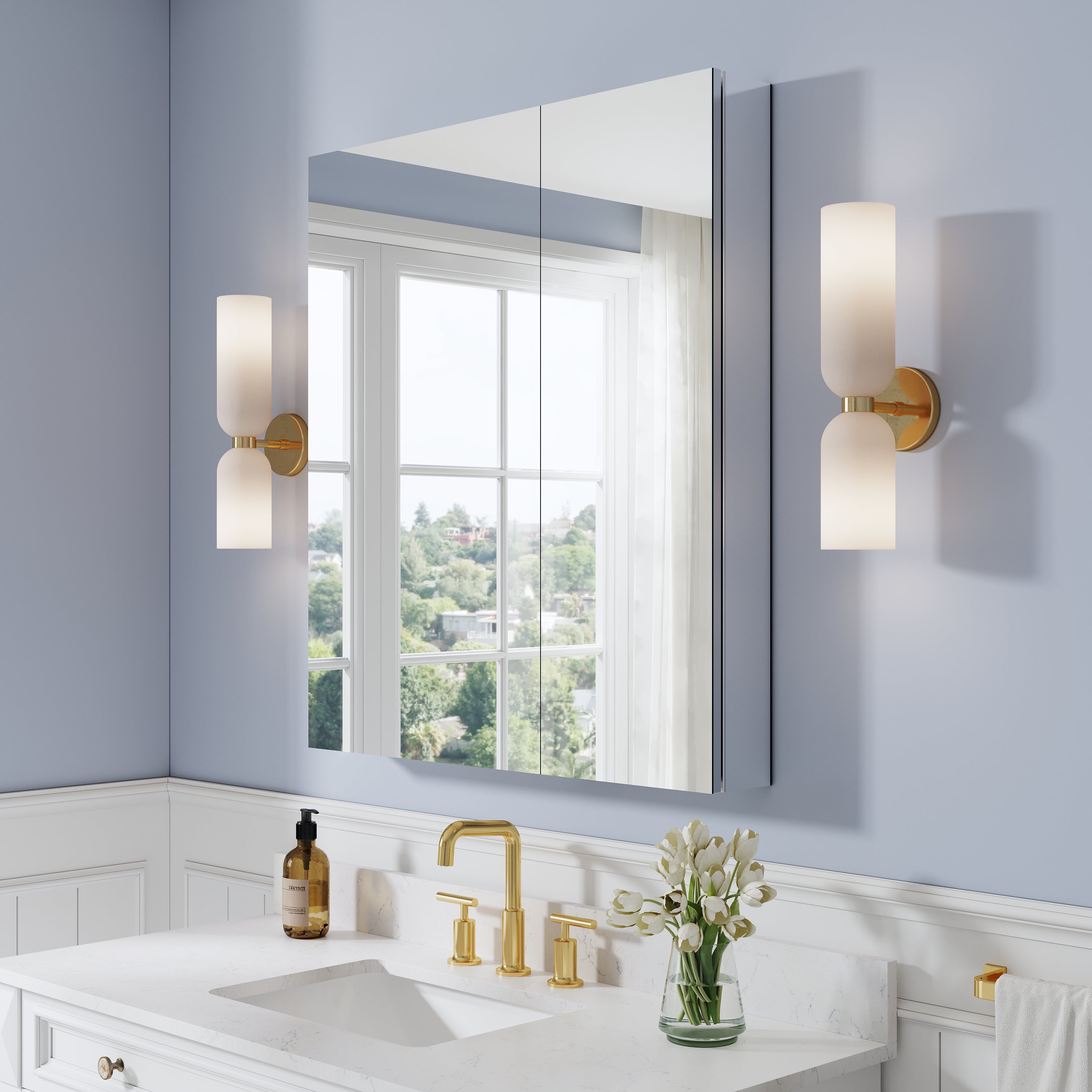
Black mirror + warm brass lights
Black acts like a neutral “frame” while brass adds warmth. This pairing is also called out as an example in the mixing metals guidance.
Brushed nickel mirror + matte black lights
Great for modern bathrooms where you want contrast without the room feeling too busy.
Frameless mirror + statement metal lights
A frameless mirror removes one finish from the equation, giving you more freedom to go bolder on lighting.
Scale tip: In many vanity setups, sconces land roughly around 60 to 66 inches from the floor to the center of the fixture (depending on vanity height and mirror size). Keeping the lighting symmetrical helps mixed metals feel intentional even when finishes differ.
Control “Shine”: Sheen Matters More Than People Think
If you mix finishes and it still looks off, sheen is usually the culprit. NKBA’s “polished is out” datapoint is a clue: softer sheens hide fingerprints, reduce glare, and layer better with other materials.
A simple rule:
If your faucet is polished chrome, consider a single polished element, then keep the rest brushed/matte.
If your faucet is brushed/matte, you can safely mix in another brushed/matte finish without the room looking sparkly or busy.
Let Mixed Materials Do Some of the Work
Lighting fixtures often include more than just metal. Houzz found that when upgrading bathroom light fixtures, 66% of homeowners prefer designs made with a metal-and-glass combination (vs 19% all-metal).
This is your advantage: glass diffusers soften the visual “metal load,” making it easier to mix finishes. If you’re nervous about mixed metals, choose lights with glass shades or diffusers.
A Quick Decision Checklist Before You Buy
Use this checklist to avoid expensive “almost matches”:
Limit the palette to two metals (three max).
Repeat each finish at least twice (mirror + one accessory, or lights + towel ring) so it doesn’t look accidental.
Avoid near-duplicates (chrome next to satin nickel can look like a mistake).
Choose one hero zone: either the mirror is the statement (bold frame), or the lights are the statement (sculptural finish), not both.
The Bottom Line
Mixing metal finishes for your mirror and lights isn’t just “allowed”—it’s a practical way to build a bathroom that feels layered, modern, and easier to update later. With lighting and faucets among the most frequently upgraded elements in remodels, a flexible finish strategy helps a bathroom look cohesive even as styles evolve.














Leave a comment
This site is protected by hCaptcha and the hCaptcha Privacy Policy and Terms of Service apply.