
















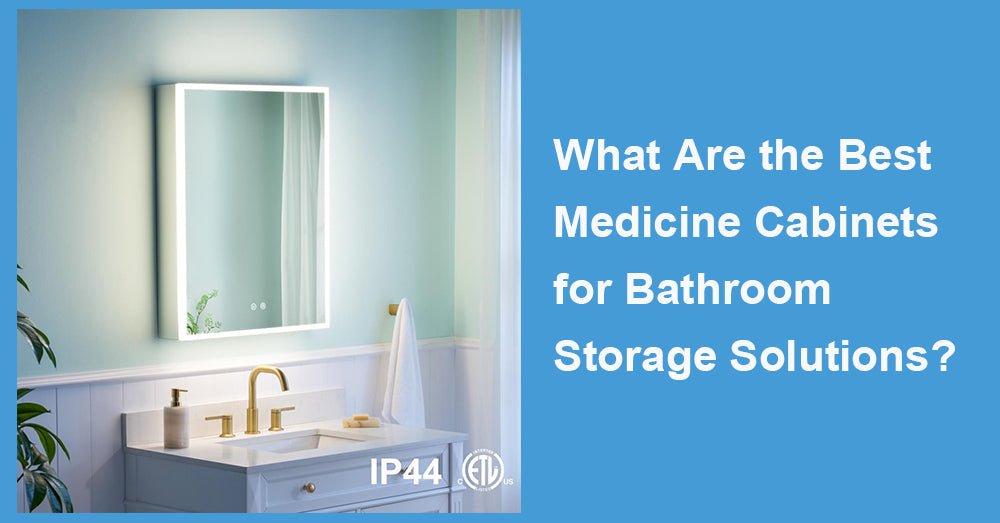
The best medicine cabinets are not defined by a single “top model.” They are defined by how well they solve real storage problems without making the vanity wall feel bulky, cluttered, or hard to use. A great cabinet hides daily essentials, keeps countertops clear, supports comfortable mirror height, and holds up in a humid room. The smartest way to choose is to match the cabinet type to your layout, then prioritize features that improve everyday organization, cleaning, and long-term durability.
1. Choose the Cabinet Type That Fits Your Space
Recessed medicine cabinets: best for a clean, built-in look
If you want maximum space optimization, recessed cabinets are often the best solution because they sit inside the wall cavity and project less into the room. This helps tight bathrooms feel less crowded and keeps walkways clear. The tradeoff is that recessed installation depends on wall realities like studs, wiring, and plumbing.
A practical planning detail is stud spacing. A common installation guide notes that most wall studs are spaced 16 inches apart, and many cabinets are designed with mounting strips spaced accordingly. If the cabinet does not align with studs, reinforcement may be needed.
Surface-mount medicine cabinets: best for easy installation
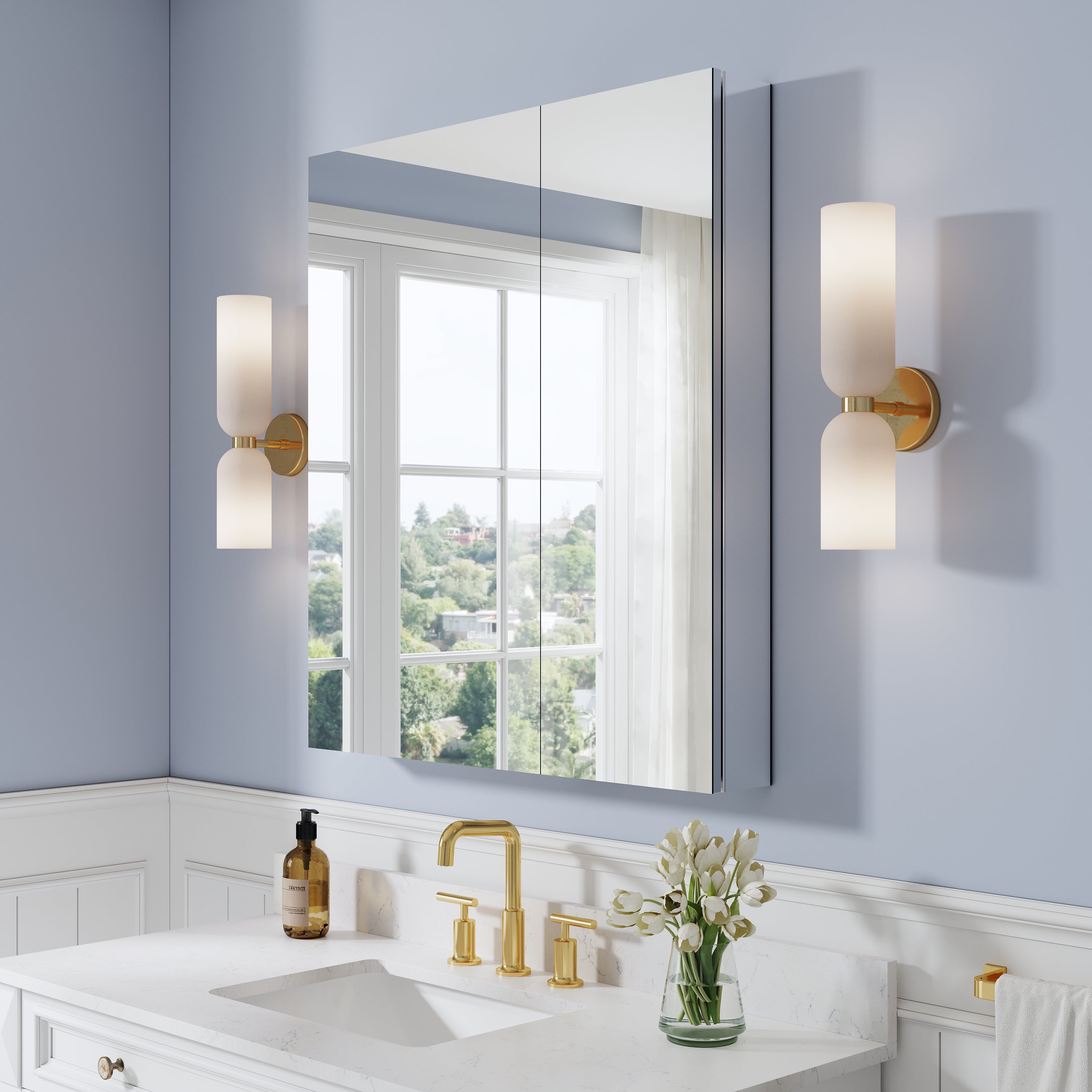
Surface-mount cabinets are often easier to install because they do not require cutting into drywall or tile. They are a strong choice for quick upgrades or for bathrooms where recessed placement is blocked by plumbing or electrical runs. To keep the look modern, choose a slimmer depth and a door design that does not visually overwhelm the wall.
2. Size the Cabinet for Real Storage and Comfortable Use
Depth: the hidden measurement that decides satisfaction
Storage fails when bottles do not fit upright, or when shelves waste vertical space. A widely cited guideline for standard medicine cabinet depth is 4 to 5 inches, with about 3 to 4 inches of usable internal storage. This range often balances capacity with a clean profile.
A simple pre-purchase test: measure your tallest must-fit item, such as a skincare bottle or electric toothbrush accessory, and confirm it fits upright on an adjustable shelf. Depth should support your routine, not force everything to lie sideways.
Height and placement: avoid mounting too high
Many people mount cabinets based on wall symmetry, then regret it during daily grooming. A useful reference from accessibility standards states that mirrors above lavatories or countertops should have the bottom edge of the reflecting surface 40 inches maximum above the finished floor, and mirrors not above lavatories or countertops should have the bottom edge 35 inches maximum above the finished floor. Even if you are not designing to compliance requirements, this guideline prevents the “neck craning” problem and improves usability for more people.
Practical method: stand at the sink, mark eye level, and place the cabinet so eye level lands around the upper middle of the mirror.
3. Pick the Door Style That Prevents Daily Annoyances
The “best” medicine cabinet is the one that opens without fighting the room.
· Single door cabinets look the cleanest but require more swing clearance.
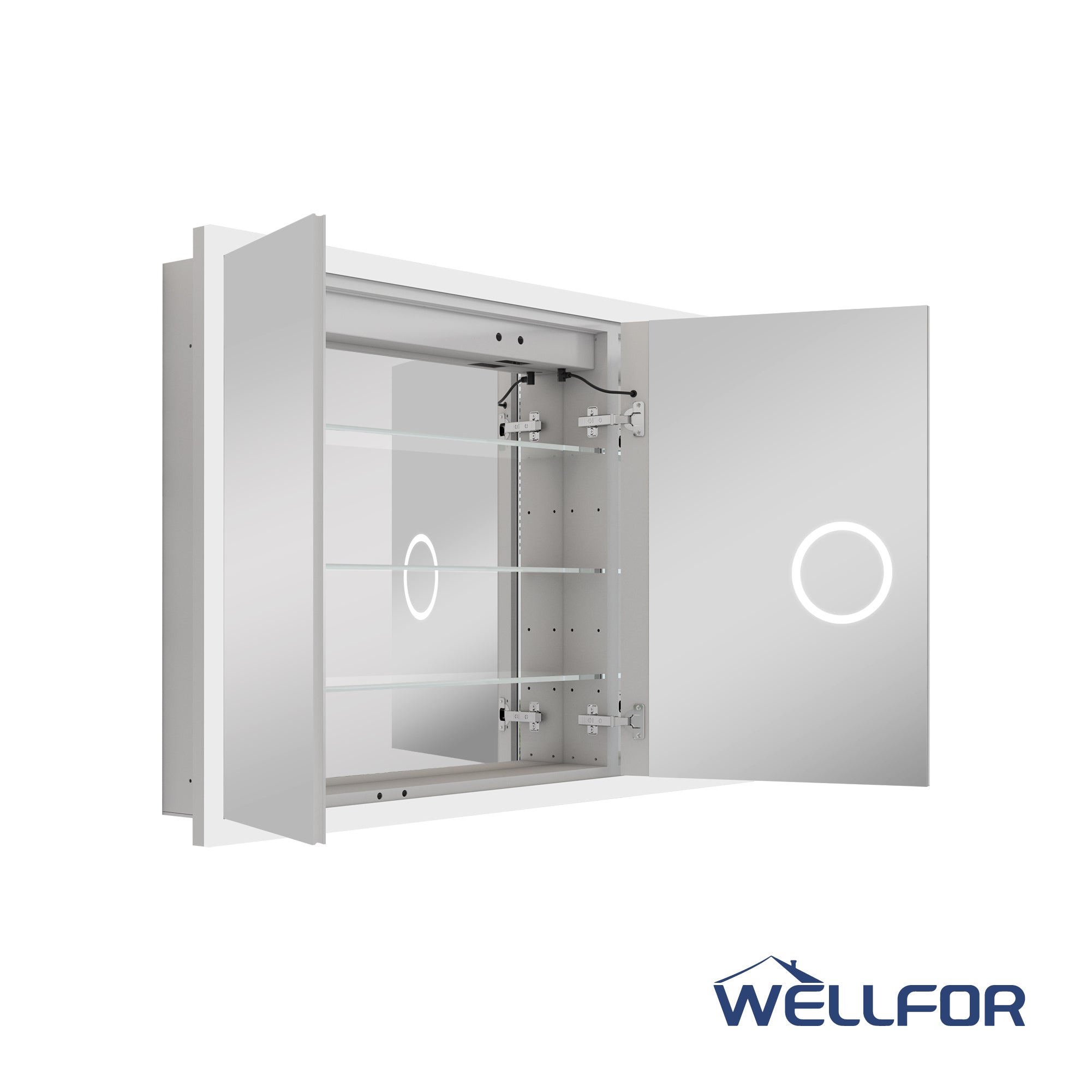
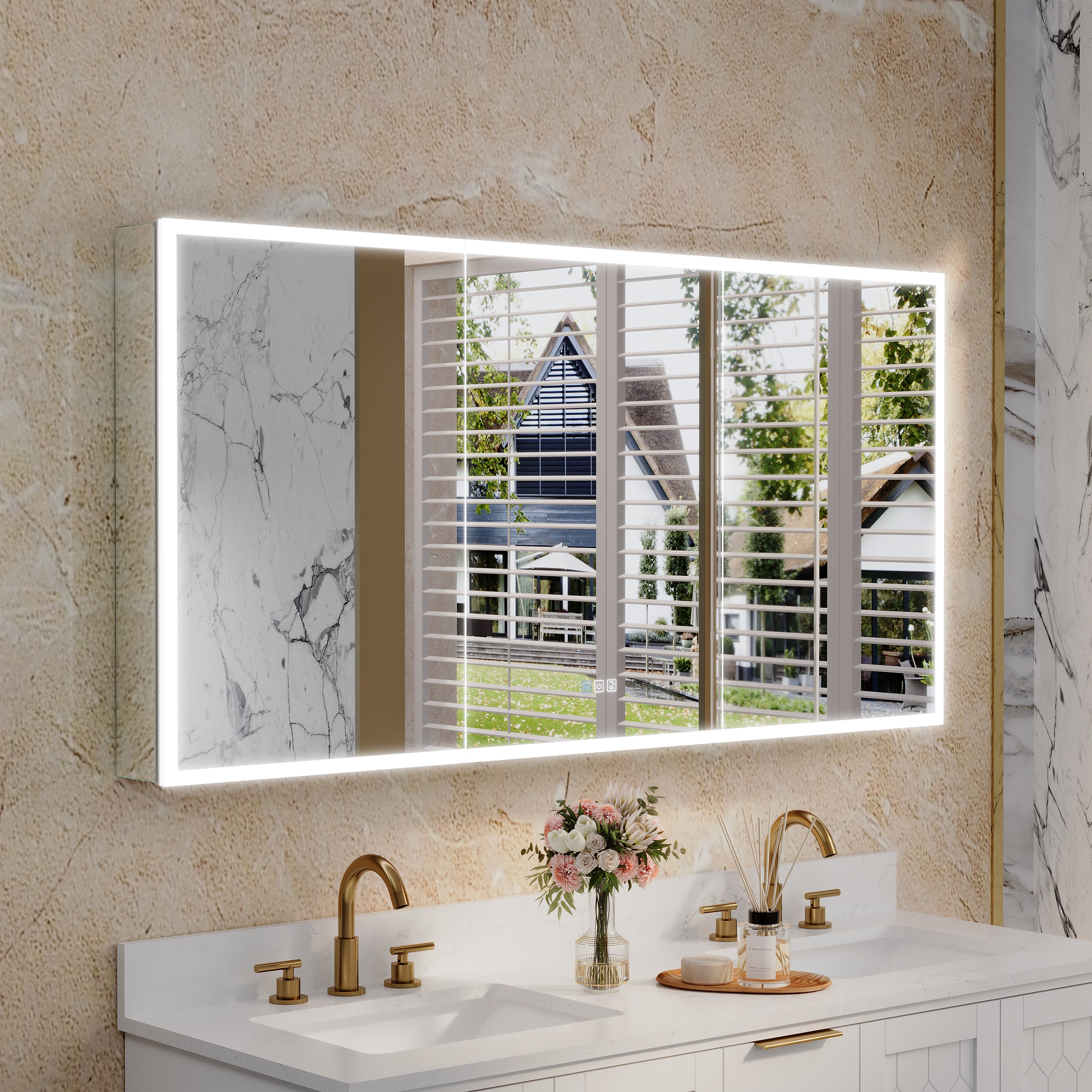
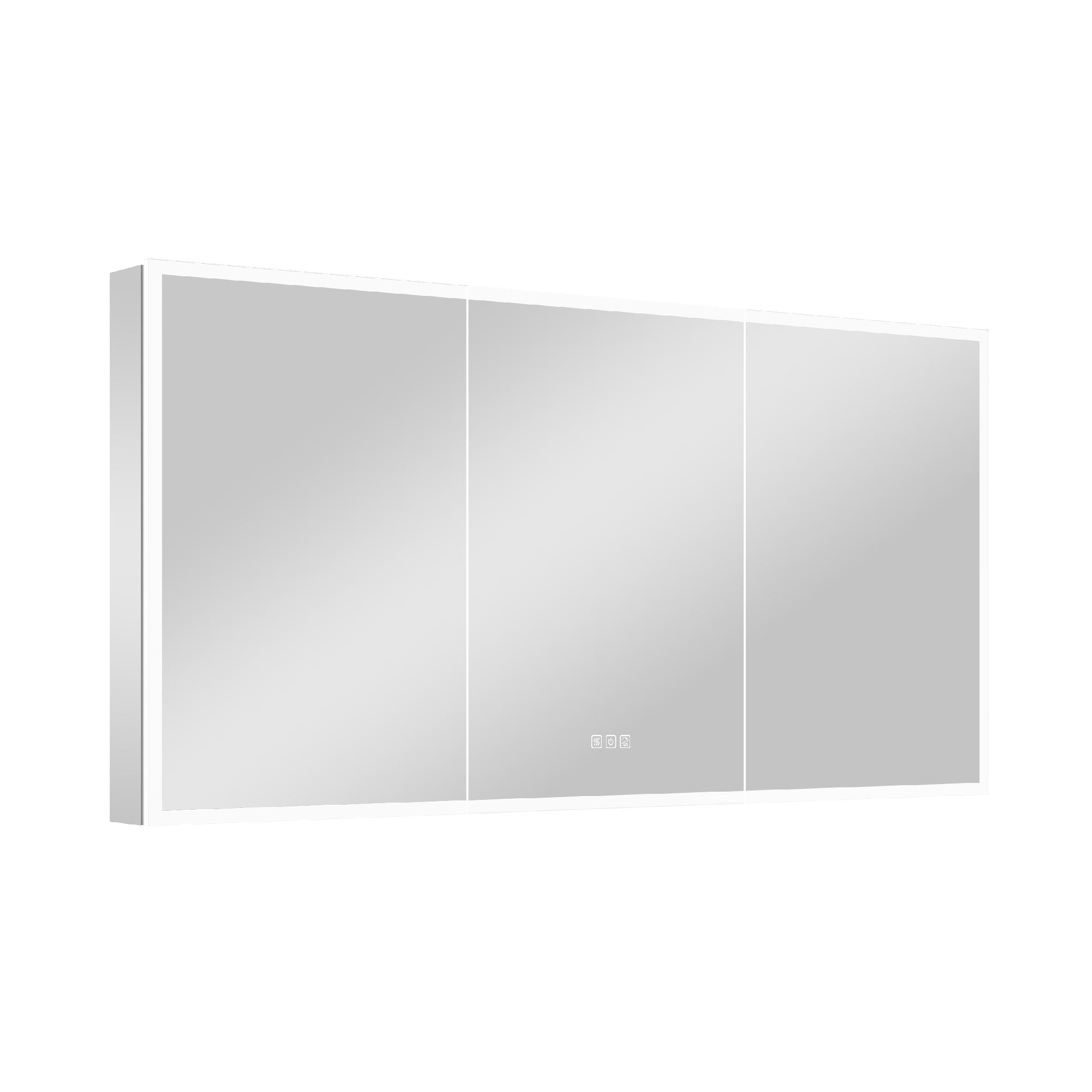
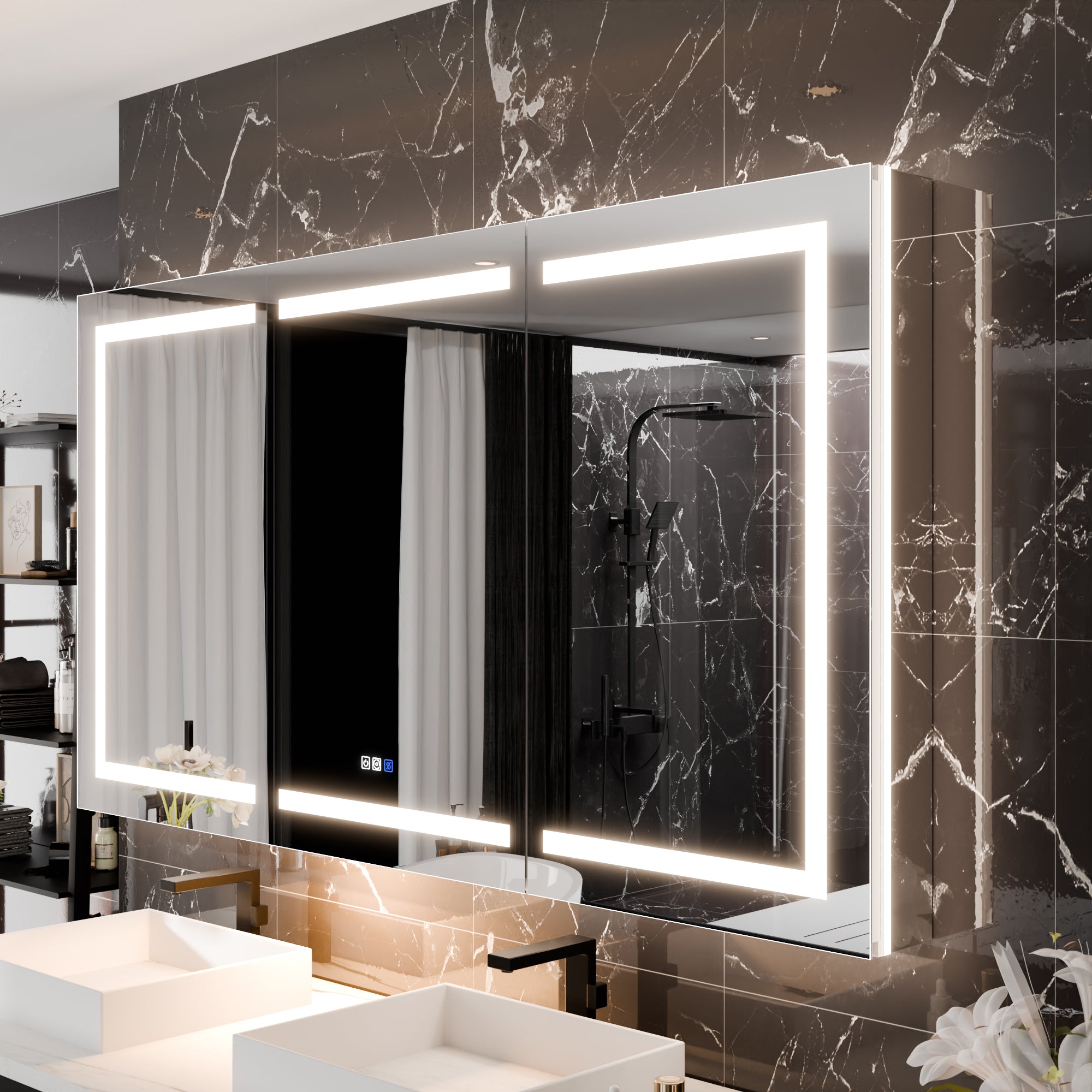
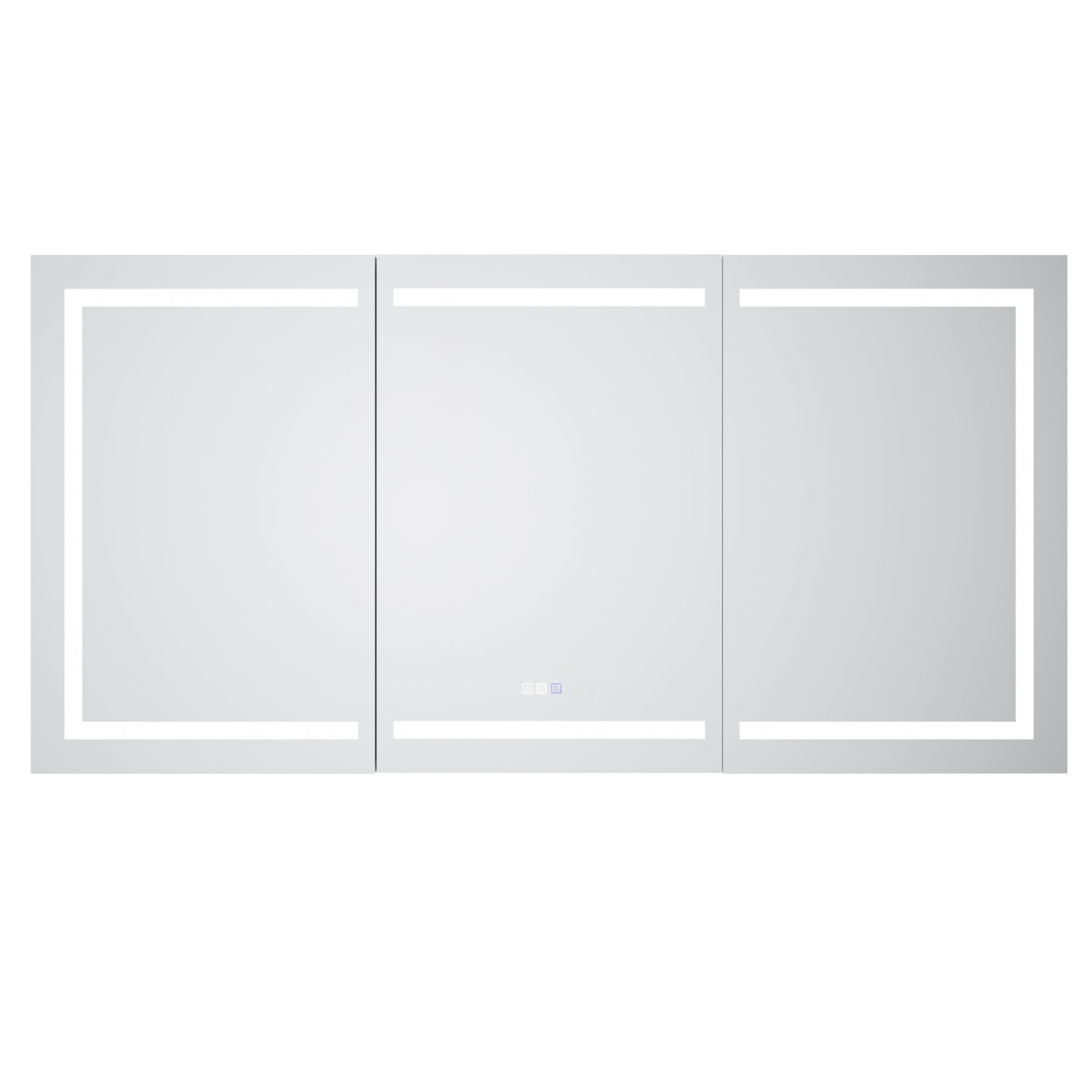
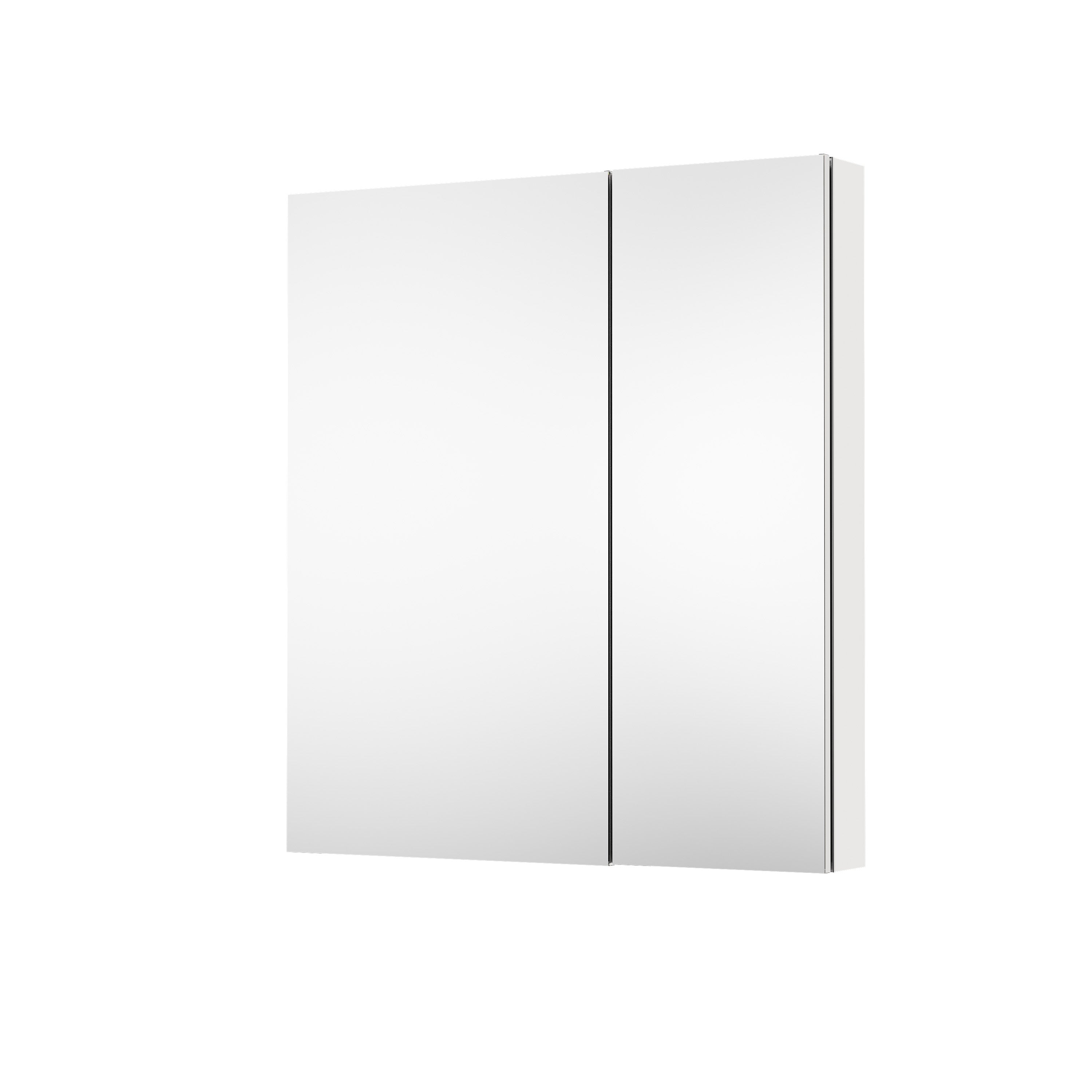
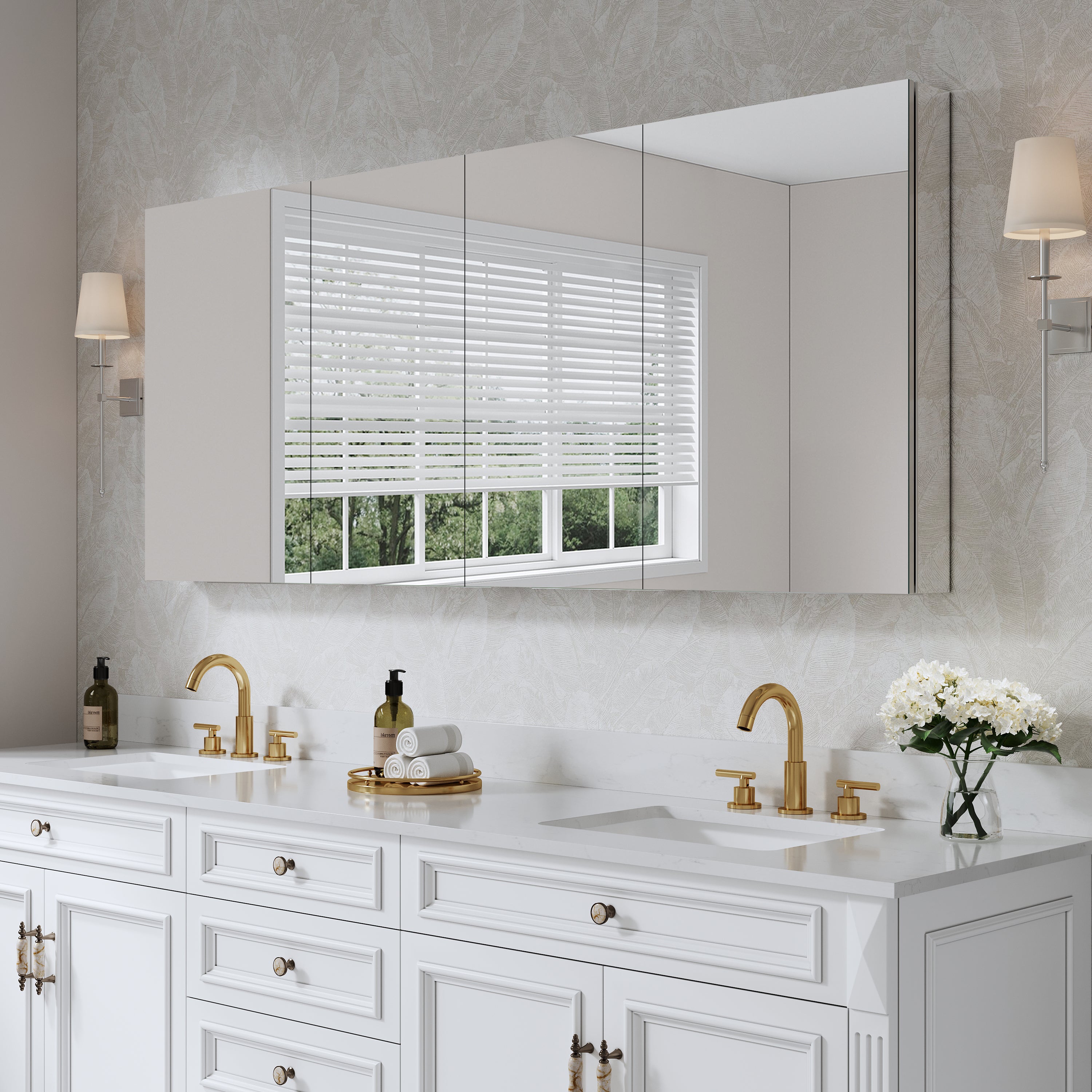
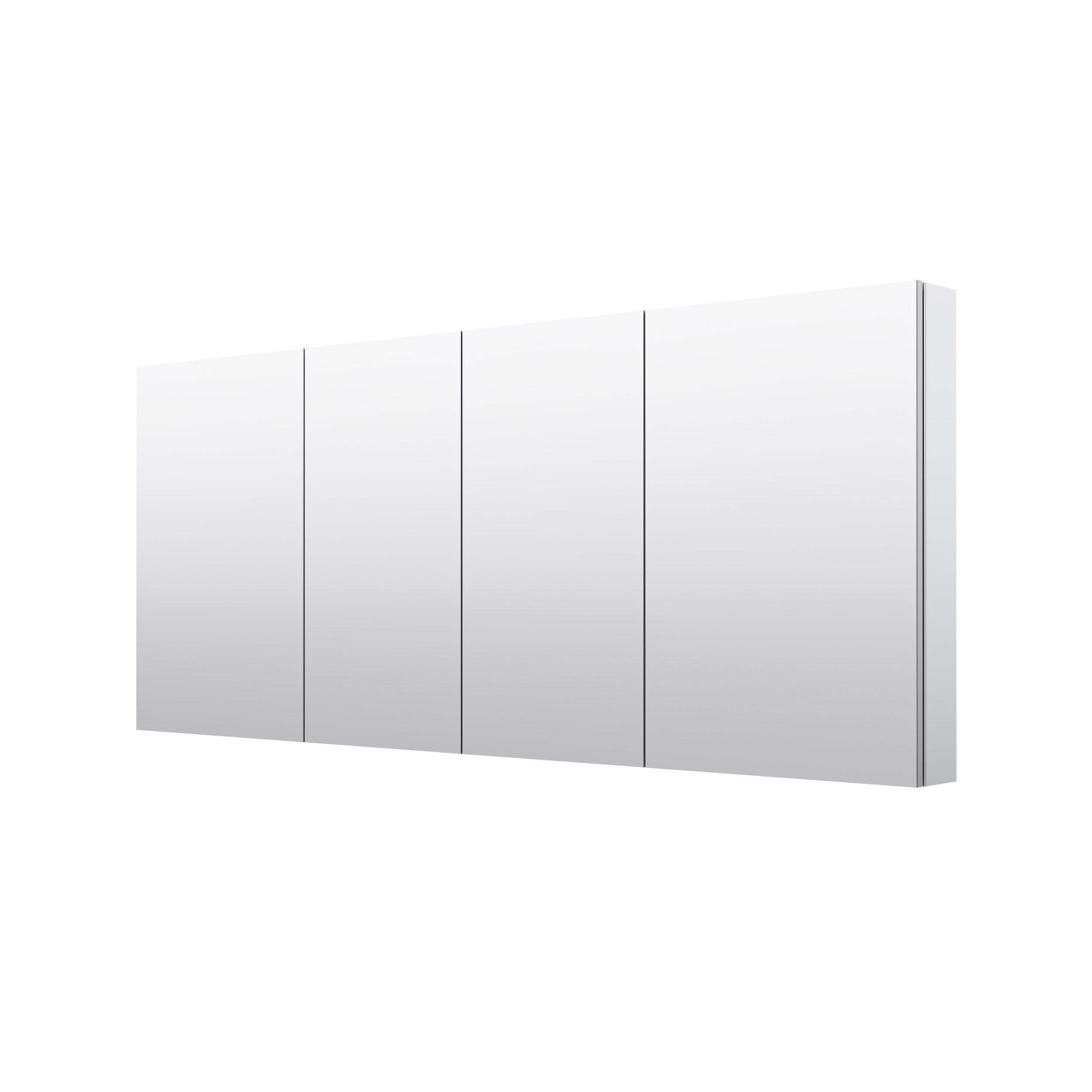
· Tri-view cabinets reduce clearance issues because each door swings less, and they provide multiple viewing angles.
· Sliding door cabinets minimize swing clearance, but tracks can require more cleaning over time.
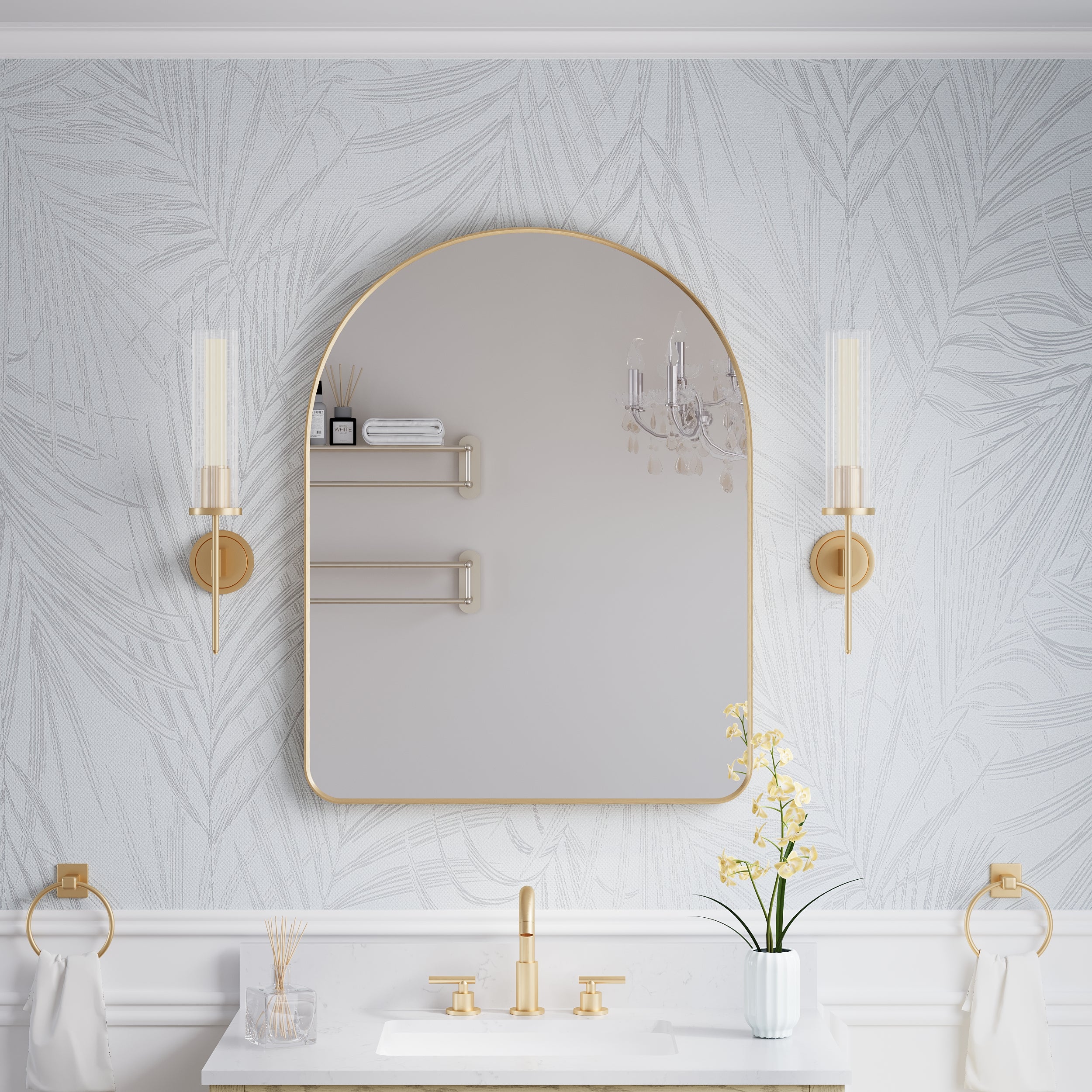
If sconces, towel rings, or a wall corner are close to the cabinet edge, tri-view or sliding designs often feel more practical than one wide swinging door.
4. Look for Storage Features That Keep Counters Clear
A medicine cabinet is a storage tool, so interior design matters more than exterior style.
Adjustable shelves are the top feature.
Adjustable shelves allow you to create zones for daily, weekly, and backup items. Without adjustability, the cabinet often wastes space because shelf heights do not match the real products.
Usable organization patterns
A cabinet feels bigger when it supports a simple system:
· Daily items at eye level.
· Weekly items on an upper shelf.
· Backup supplies lower or higher depending on access needs.
This reduces countertop clutter, which is one of the fastest ways to make a bathroom feel more “finished.”
5. Humidity Durability Is Part of Storage Performance
In a bathroom, moisture can cause moisture-related damage to hinges, finishes, and mirror edges over time. EPA guidance states that indoor relative humidity should be kept below 60 percent, ideally between 30 percent and 50 percent. While showers will spike humidity, ventilation helps the room return to a safer baseline.
What to prioritize for durability:
· Corrosion-resistant hinges and fasteners.
· Sealed interior finishes.
· Clean mirror backing protection and good edge finishing.
Also plan habits that protect the cabinet: run the exhaust fan during showers and for a period after, and wipe standing water near the backsplash.
6. Lighted and Smart Medicine Cabinets: When They Are Worth It
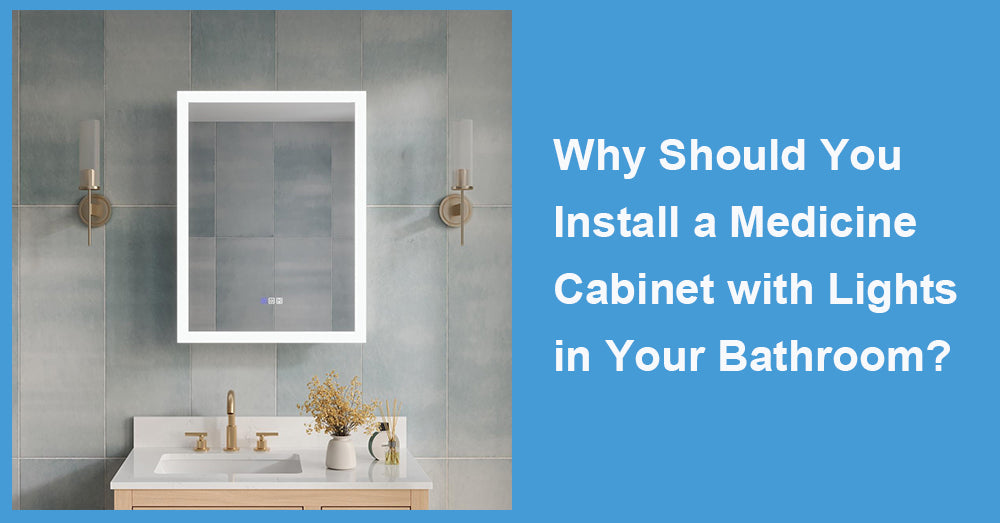
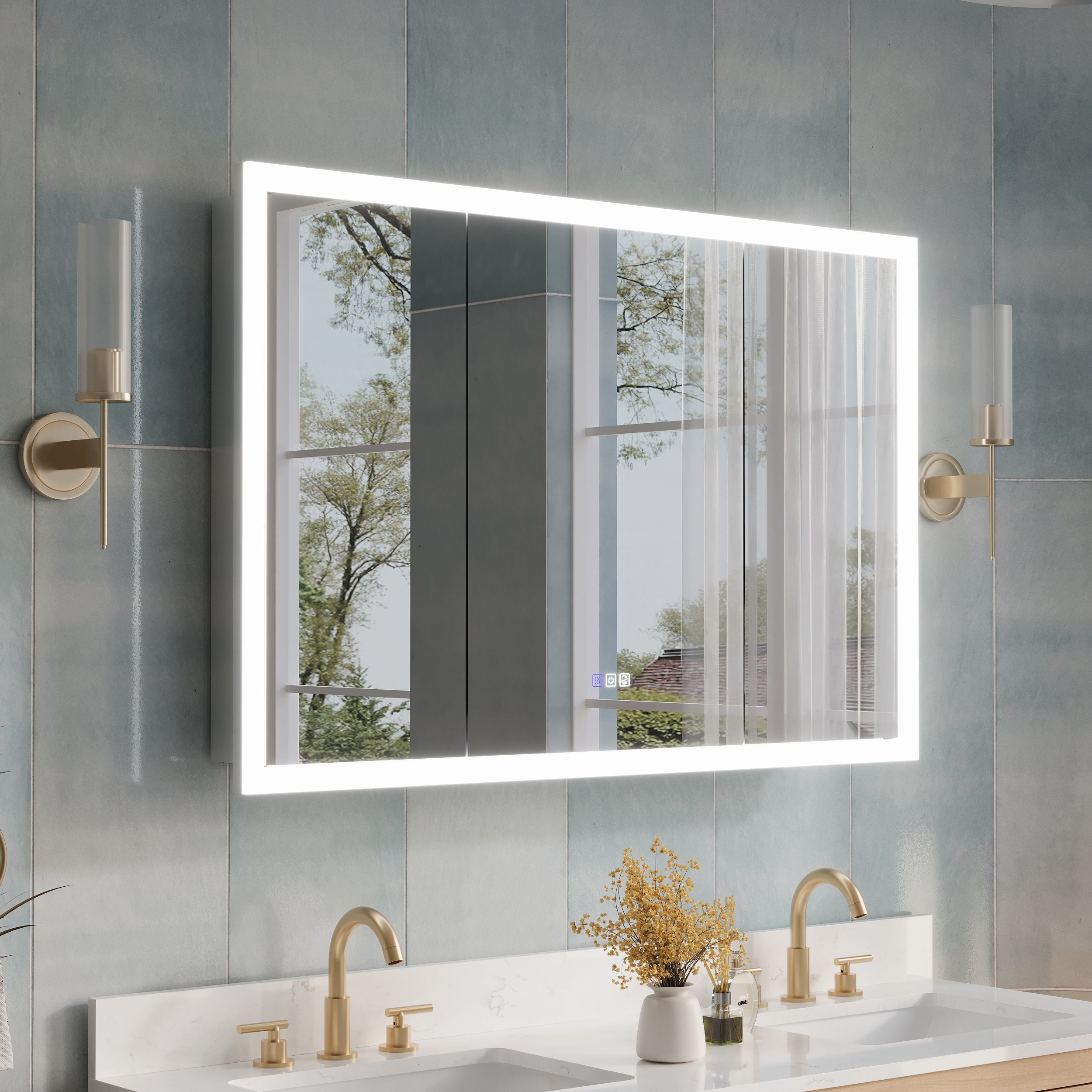
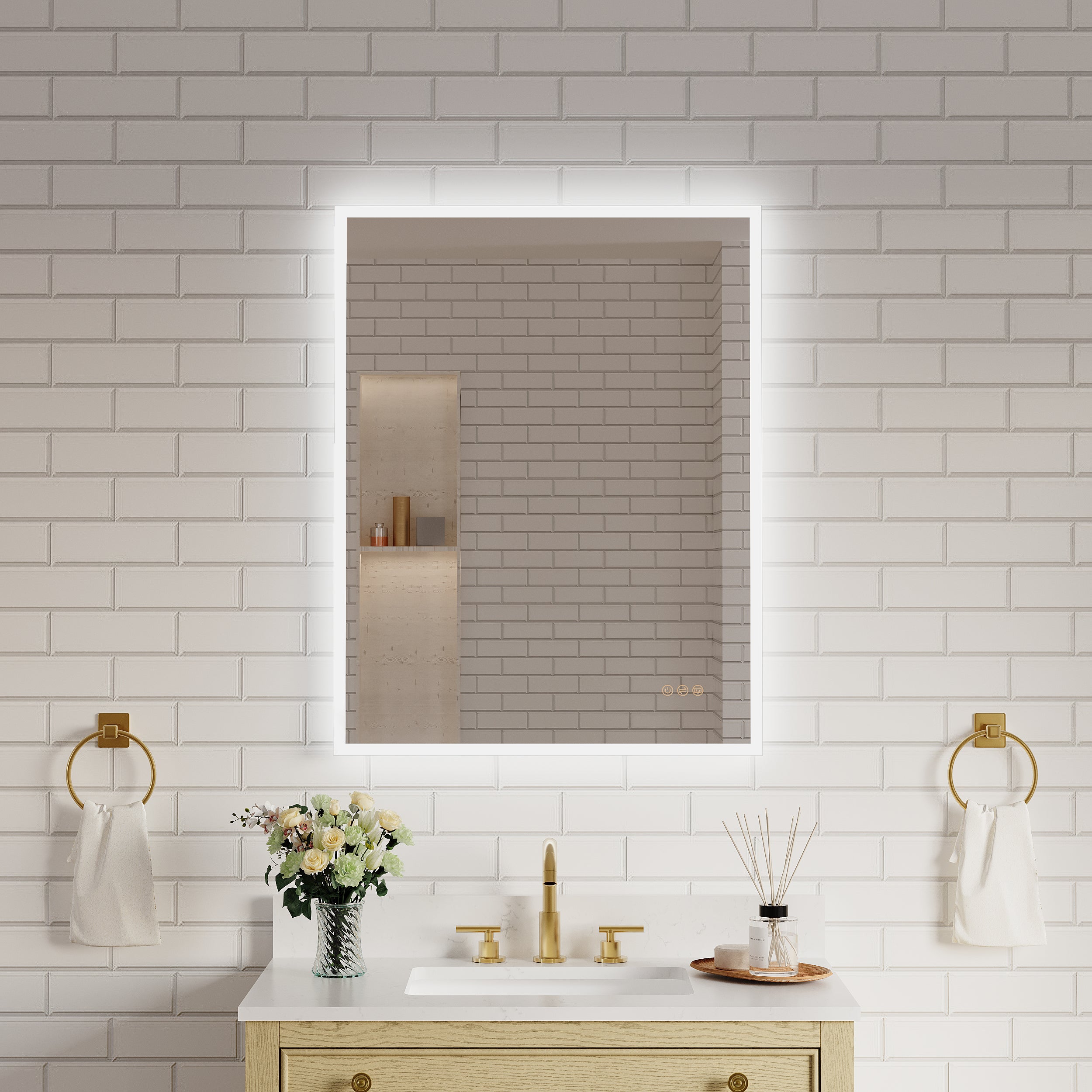
Lighted medicine cabinets can improve both storage and visibility, especially when wall space for sconces is limited. The key is choosing lighting that is diffused and controllable, not harsh.
LED lighting has strong efficiency and longevity advantages. DOE notes that residential LEDs, especially ENERGY STAR-rated products, use at least 75 percent less energy and last up to 25 times longer than incandescent lighting. This matters for a daily-use fixture that you do not want to service frequently.
If you choose a cabinet with power features, prioritize:
· Dimming for comfort at night.
· Clear warranty coverage for drivers and electronics.
· Practical outlet or USB placement that does not create cord clutter.
· Defoggers only if fogging is a frequent issue and ventilation is limited.
A smart rule: do not pay for features you will not use weekly. Unused features are not benefits; they are failure points.
7. Installation Realities: Why “Best” Includes Mounting Strategy
A cabinet that is opened and closed thousands of times must be anchored well. Stud alignment matters because many walls are spaced at 16 inches on center, and many cabinet mounting strips are designed around that pattern. If studs do not align, use reinforcement or appropriate heavy-duty anchors rather than light-duty plastic anchors.
For recessed cabinets, plan framing early if the cabinet width does not fit between studs. For surface-mount cabinets, consider a mounting rail or backer board approach for extra stability if the cabinet is heavy or wide.
8. The Best Medicine Cabinets by Use Case
Instead of one “best,” use these practical categories:
· Best for small bathrooms: recessed cabinet with slim profile and tri-view doors, to reduce clearance conflicts.
· Best for shared bathrooms: wider cabinet or two separate cabinets, plus adjustable shelves to create personal zones.
· Best for clutter control: deeper interior within the 4 to 5 inch standard range and strong shelf adjustability.
· Best for low maintenance: corrosion-resistant hardware and finishes, with ventilation habits aligned to keeping humidity below 60 percent.
· Best for improved grooming visibility: a lighted cabinet with dimming and a reliable LED system longevity.

Conclusion
The best medicine cabinets for bathroom storage solutions are those that fit your wall conditions, store real items without wasted space, open without hitting nearby fixtures, and remain durable in humidity. Start by choosing recessed or surface-mounted based on your wall and installation goals, then prioritize depth and adjustable shelves for usable storage. Use the 40-inch and 35-inch mirror placement references as comfort guardrails, and protect longevity by managing humidity below 60 percent when possible. If you choose a lighted cabinet, LED efficiency and long life can make the upgrade more practical day to day.














Leave a comment
This site is protected by hCaptcha and the hCaptcha Privacy Policy and Terms of Service apply.