






















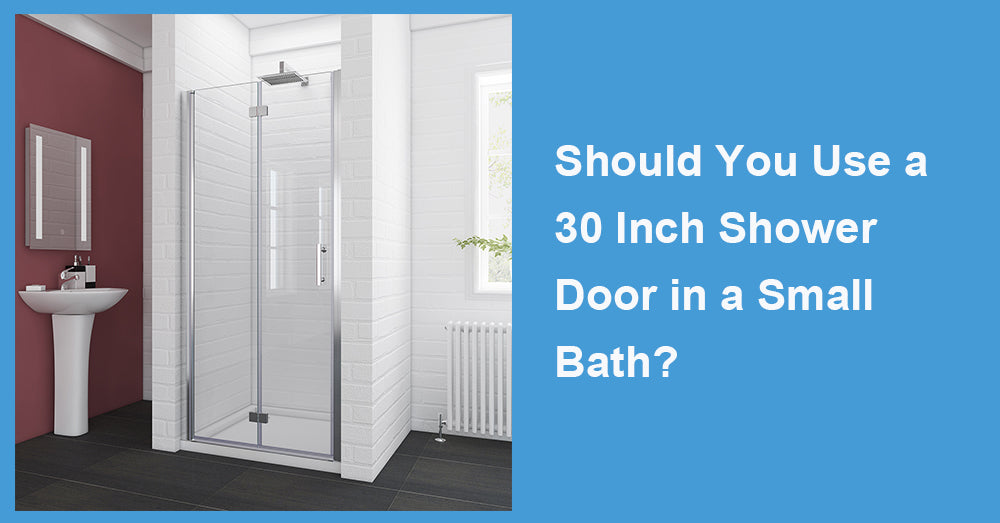
A 30 inch shower door keeps popping up in compact-bath discussions for one simple reason: it sits at the intersection of code minimums, real-world clearance, and the push toward tighter floorplans. With more projects focused on making small bathrooms feel less cramped, the question is no longer “can it fit,” but “will it work well every day” when you factor in entry comfort, door type, and the actual clear opening.
1. Why “30 Inches” Is a Real Threshold, Not a Trend Number
In residential plumbing code language, 30 inches is more than a marketing spec. The International Residential Code sets a minimum interior shower dimension of 30 inches, measured to the finished interior, and ties minimum shower size to 900 square inches of interior area.
Design guidance often goes further than code. NKBA’s bath planning guidelines recommend at least 36 inches by 36 inches inside the shower for comfort, while still acknowledging the 30 inches by 30 inches minimum (or the 900-square-inch minimum) that shows up in code language.
2. Door Width vs. Clear Opening: The Mistake That Breaks Small Baths
“30-inch shower door” can mean different things depending on the configuration. On many sliding units, the nominal width does not match the usable pass-through width, as glass overlap and frame hardware reduce the clear opening. Hinged doors usually deliver a clearer pass-through, but they demand swing clearance in front of the shower.
This matters because code language focuses on access and egress clear opening as well, not just the door label. NKBA’s guideline document references the code requirement that shower access and egress must provide a clear, unobstructed finished width of at least 22 inches. That is a minimum, not a comfort target.
3. The “Small Bath” Reality: Homes Are Shrinking, Layouts Are Compressing
Smaller homes tend to compress bathrooms first, which is why shower door sizing has become a more visible spec in remodeling and new-build planning. Industry research notes a continued drift toward smaller footprints.
A related press release highlights the broader “better, not bigger” direction, including a decline in average new-home size to 2,411 square feet in 2023 and survey-driven preferences for smaller total square footage.
4. Remodeling Spending Is High, So Standard Sizes Win More Often
Significant renovation volume drives standardization, which in turn reinforces common door widths, such as 30 inches. The 2025 Remodeling Impact Report estimates that $603 billion was spent on remodeling in 2024, and notes rising demand and project scale reported by pros in the field.
At the same time, Harvard’s Joint Center for Housing Studies points to continued monitoring of remodeling activity and a 2025 outlook that projected a modest year-over-year spending increase. This supports why builders and remodelers often favor readily available, widely supported shower-door sizes rather than niche widths.
5. When a 30-Inch Door Is a Smart Choice
A 30-inch door can be an excellent fit when the shower interior and the bathroom circulation are both tight, but not desperate. It tends to work well in these scenarios:
A. Alcove showers where you want a practical opening without sacrificing too much wall space for plumbing, niches, or towel storage.
B. Hinged or pivot designs where you can control the clear opening better than many sliders, assuming you can spare the swing clearance.
C. Projects anchored to code-minimum shower compartments where 30 inches aligns naturally with the minimum interior dimension language used in code references.

6. When 30 Inches Becomes the Wrong Answer
A 30-inch nominal door can be a bad experience if the clear opening feels tight, or if the door operation fights the room.
Sliding doors with heavy overlap: if the effective pass-through drops well below the nominal width, entry can feel awkward in daily use.
Bathrooms with “pinch points”: if the door lines up with a toilet or vanity edge, users tend to twist through the opening, and that is where small baths start to feel unsafe and frustrating.
Future-proofing needs: NKBA’s guidance discusses larger entry expectations for accessible shower types, including references where entry widths like 32 inches and 36 inches appear, depending on shower depth in accessibility contexts. Even if you are not building an accessible shower today, these numbers reflect where comfort and maneuverability tend to land.
7. Practical Measurement Rules in Inches That Prevent Ordering Mistakes
If you are considering a 30-inch shower door, measure like an installer, not like a shopper:
1. Measure the finished opening, not stud-to-stud. Tile, backer, and waterproofing change the proper dimensions.
2. Measure width in three places: top, middle, and bottom. Out-of-plumb walls are common, and they determine what actually fits.
3. Confirm the actual clear opening for the door type you want (especially sliders). The product label may describe the unit width, while the pass-through is smaller.
4. Cross-check that you still meet the 22-inch minimum clear access/egress width referenced in code-related guidance, then decide whether you want more than the minimum for comfort.
8. Bottom Line: Should You Use One?
Yes, a 30-inch shower door is often a solid choice in a small bath, but only if it delivers a comfortable, clear opening and does not create a circulation clash with the rest of the room. Treat 30 inches as a starting point, then validate against three realities: the code-driven 30-inch shower minimum dimension concept, the clear-opening requirement, and the way the door actually operates in your layout.









































Leave a comment
This site is protected by hCaptcha and the hCaptcha Privacy Policy and Terms of Service apply.