




















A bathroom mirror is one of those details that seem easy to choose until it's time to install it. The same mirror can feel clean and elegant when hung vertically, or wider and brighter when hung horizontally. Neither direction is automatically better. The right choice depends on the vanity, the wall height, the lighting plan, and how the bathroom is used every morning. In many remodels, mirror orientation is a small decision that can change the whole feel of the room.
1. Start With the Vanity Size
The vanity is usually the best place to start. A mirror should feel connected to the cabinet below it, not like a separate piece floating on the wall.
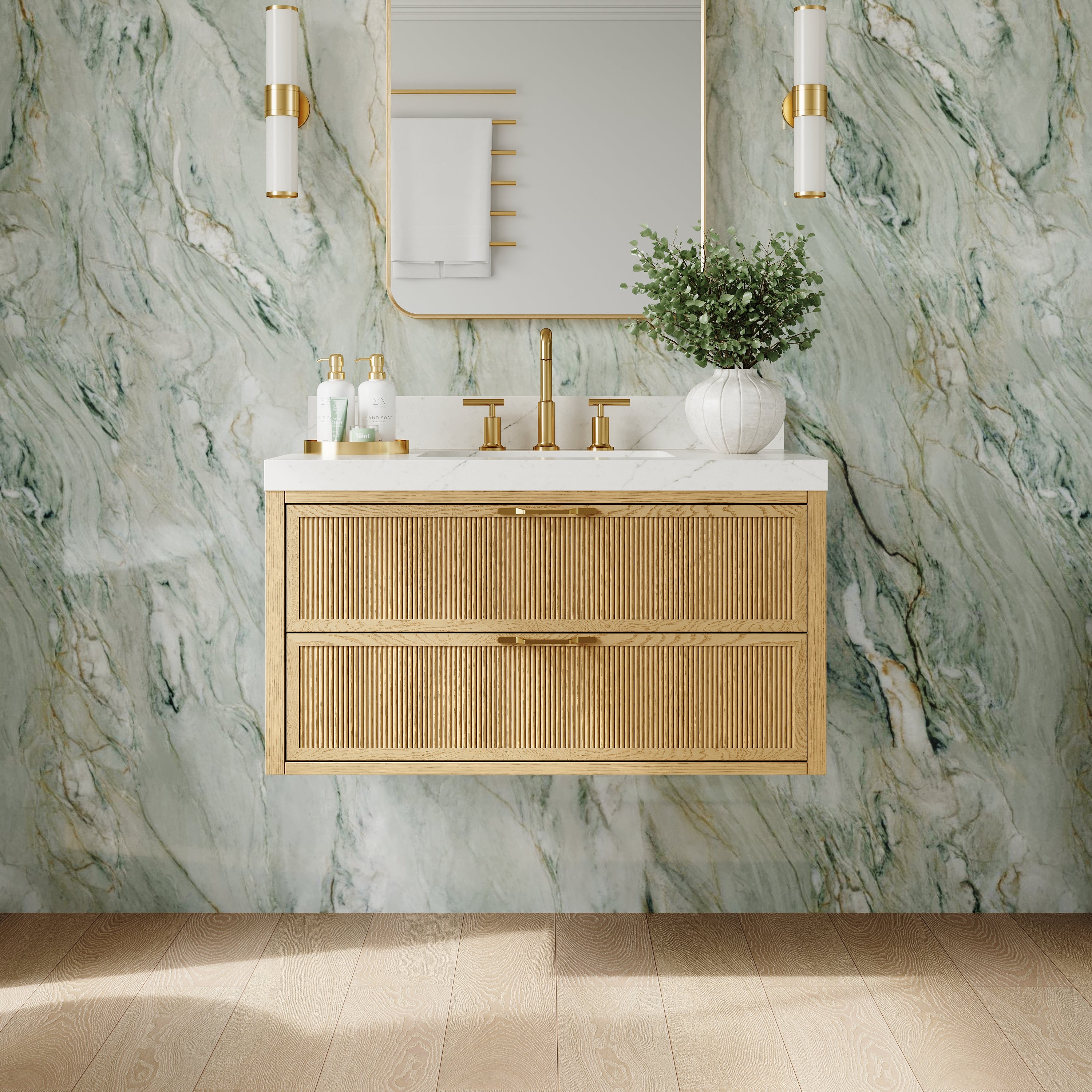
For a small single vanity, such as 24 inches or 30 inches wide, a vertical mirror often looks more balanced. A mirror around 22 inches to 28 inches wide gives enough reflection without crowding the wall. It also leaves room for side lighting or a little breathing space around the frame.
For wider vanities, the answer often changes. A 48-inch, 60-inch, or 72-inch vanity can usually support a horizontal mirror because the longer shape follows the line of the countertop. Many installers prefer leaving about 2 inches to 4 inches between the mirror edge and the vanity edge on each side. That small margin keeps the layout from looking too tight.
2. Vertical Mirrors Add Height
A vertical mirror naturally pulls the eye upward. That makes it useful in bathrooms that feel narrow, boxy, or slightly low. It can make the vanity wall feel taller without increasing the room's actual size.
Vertical mirrors also work well for daily grooming. They show more of the upper body, which helps with shaving, skincare, hair styling, and checking clothes. This is one reason they are often used in powder rooms and guest bathrooms.
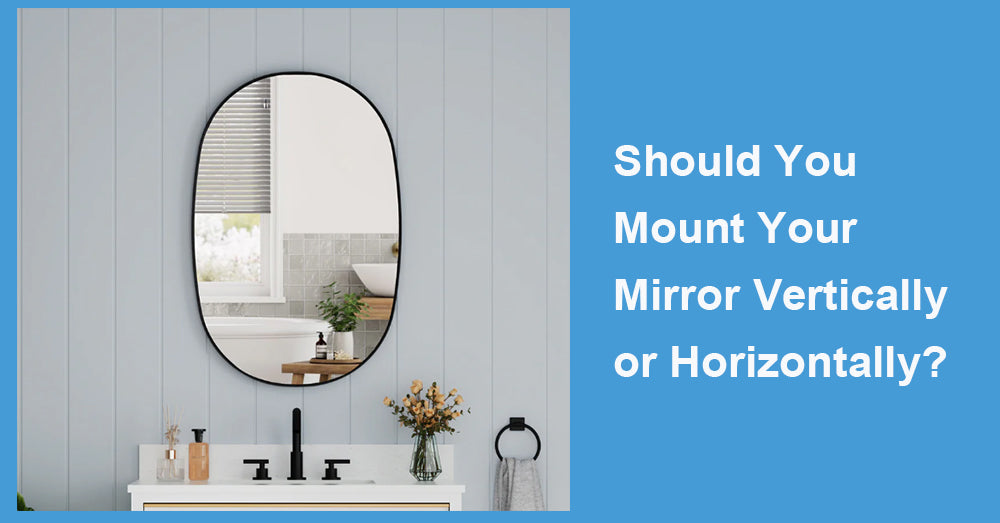
Shape matters here, too. Arched, oval, and pill-shaped mirrors usually look better vertically. Their curves are designed to feel tall and graceful. Turning them sideways can look forced unless the room has a very specific modern style.
3. Horizontal Mirrors Make the Room Feel Wider
A horizontal mirror does the opposite. It stretches the wall visually and reflects more of the bathroom from side to side. In a compact bath, that extra reflection can make the space feel brighter and less closed in.
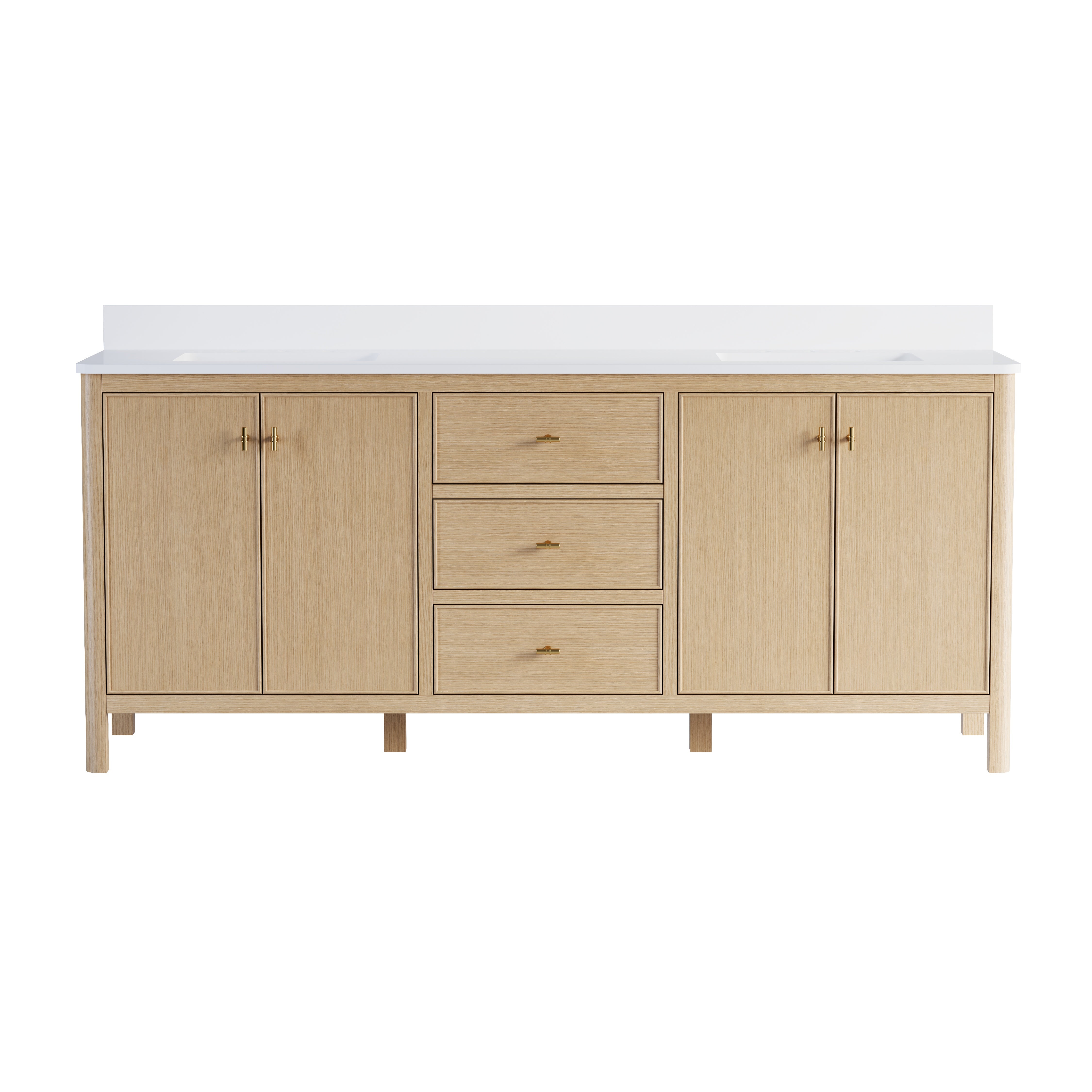
This is why long mirrors became so common above builder-grade vanities. They are simple, practical, and they make small bathrooms feel larger. For double vanities, one wide mirror can also give the wall a clean, continuous look.
A 60-inch vanity often works well with a mirror around 50 inches to 56 inches wide. For a 72-inch vanity, many homeowners choose a mirror around 60 inches to 66 inches wide. The exact size depends on the light fixture, the faucet spacing, and the available wall space.
4. Lighting May Decide the Direction
Lighting is one of the biggest factors in whether a mirror looks right or wrong. A beautiful mirror can still feel awkward if it fights the light fixture.
If the bathroom has sconces on both sides, a vertical mirror usually makes more sense. The sconces can sit close to face level and create more even lighting. This is helpful for makeup, shaving, and skincare because it reduces shadows under the eyes and chin.
If the bathroom has one light bar above the mirror, a horizontal mirror may be easier to work with. The shape of the mirror and the line of the fixture can move together, which makes the wall feel more organized.
Vanity lights are commonly installed around 75 inches to 80 inches from the floor. If a vertical mirror pushes the light too high, the reflection may still look good, but the lighting may not work as well.

5. Ceiling Height Should Not Be Ignored
Ceiling height affects how a mirror feels. In a bathroom with a lower ceiling, a very tall mirror may look squeezed between the backsplash and the light fixture. A horizontal mirror can sometimes feel calmer in that situation.
In a bathroom with a higher ceiling, the opposite can happen. A short, wide mirror may leave too much blank wall above it. A vertical mirror, especially one around 36 inches to 42 inches high, can fill that space more naturally.
The goal is not to cover as much wall as possible. The goal is proportion. A mirror should feel like it belongs in the space.
6.Double vanities present another choice regarding mirrors
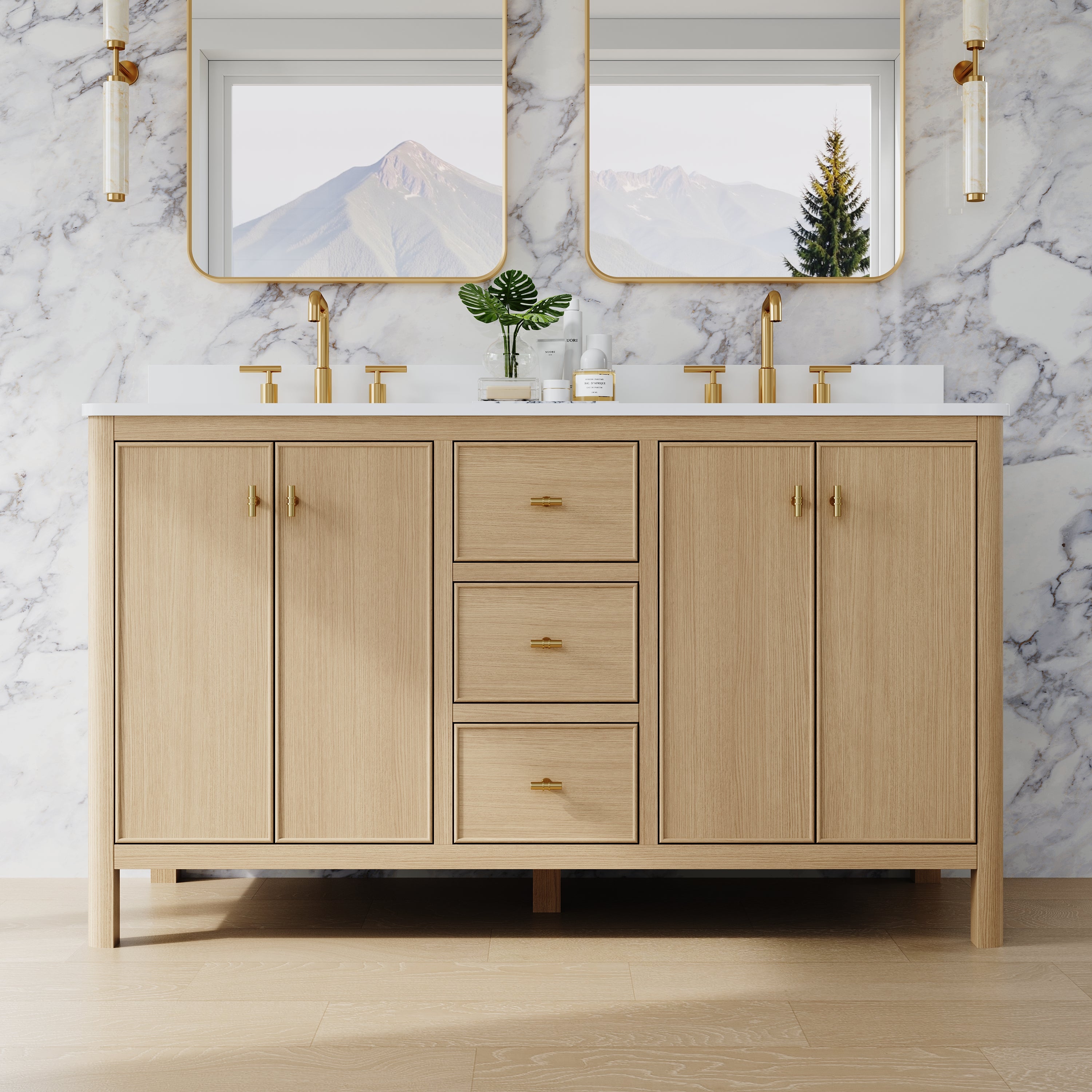
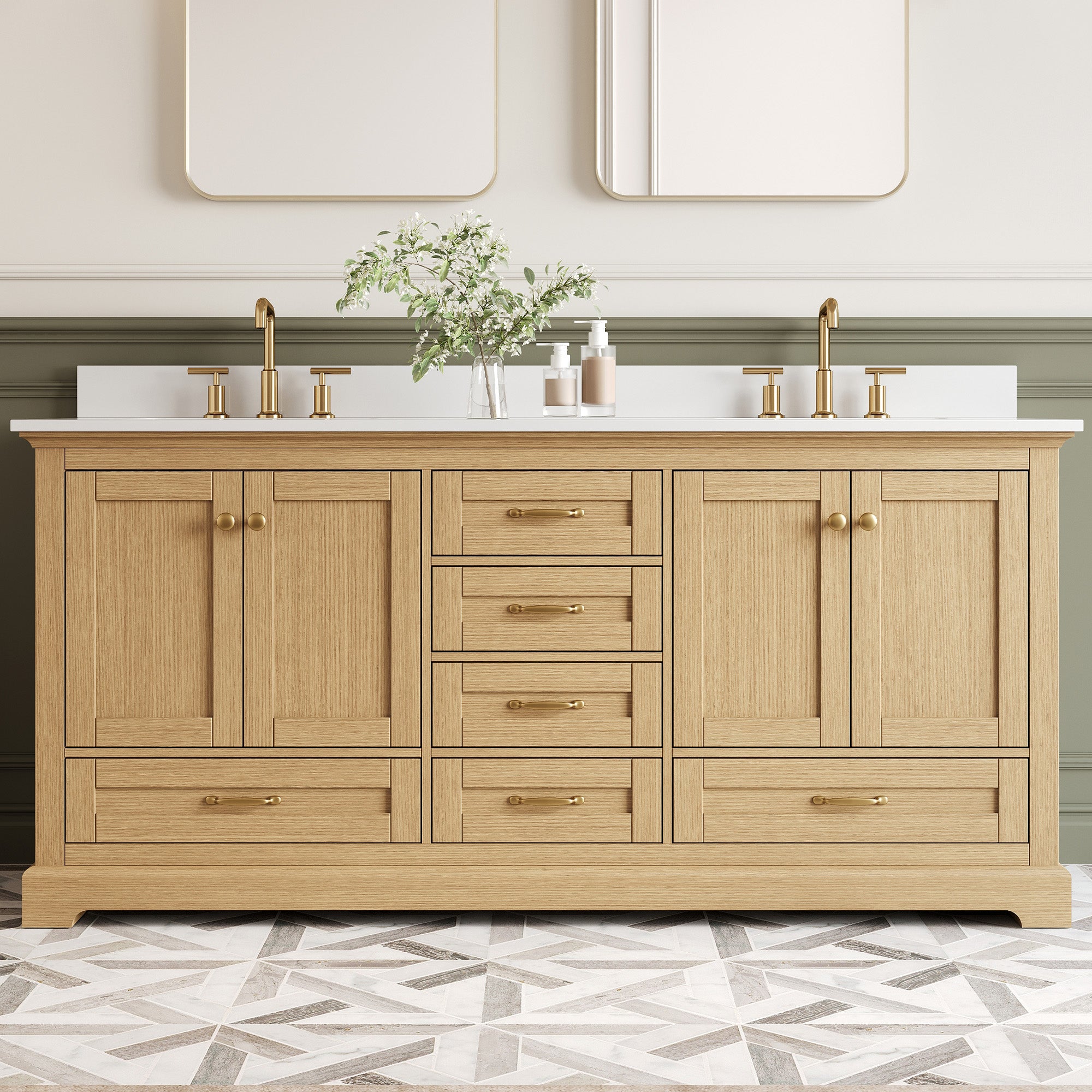
Double vanities create another common question. Should there be one long mirror or two separate mirrors?
One horizontal mirror gives the bathroom a brighter, more open feel. It works especially well in modern bathrooms with simple, clean designs. It also gives both users a wider shared reflection.
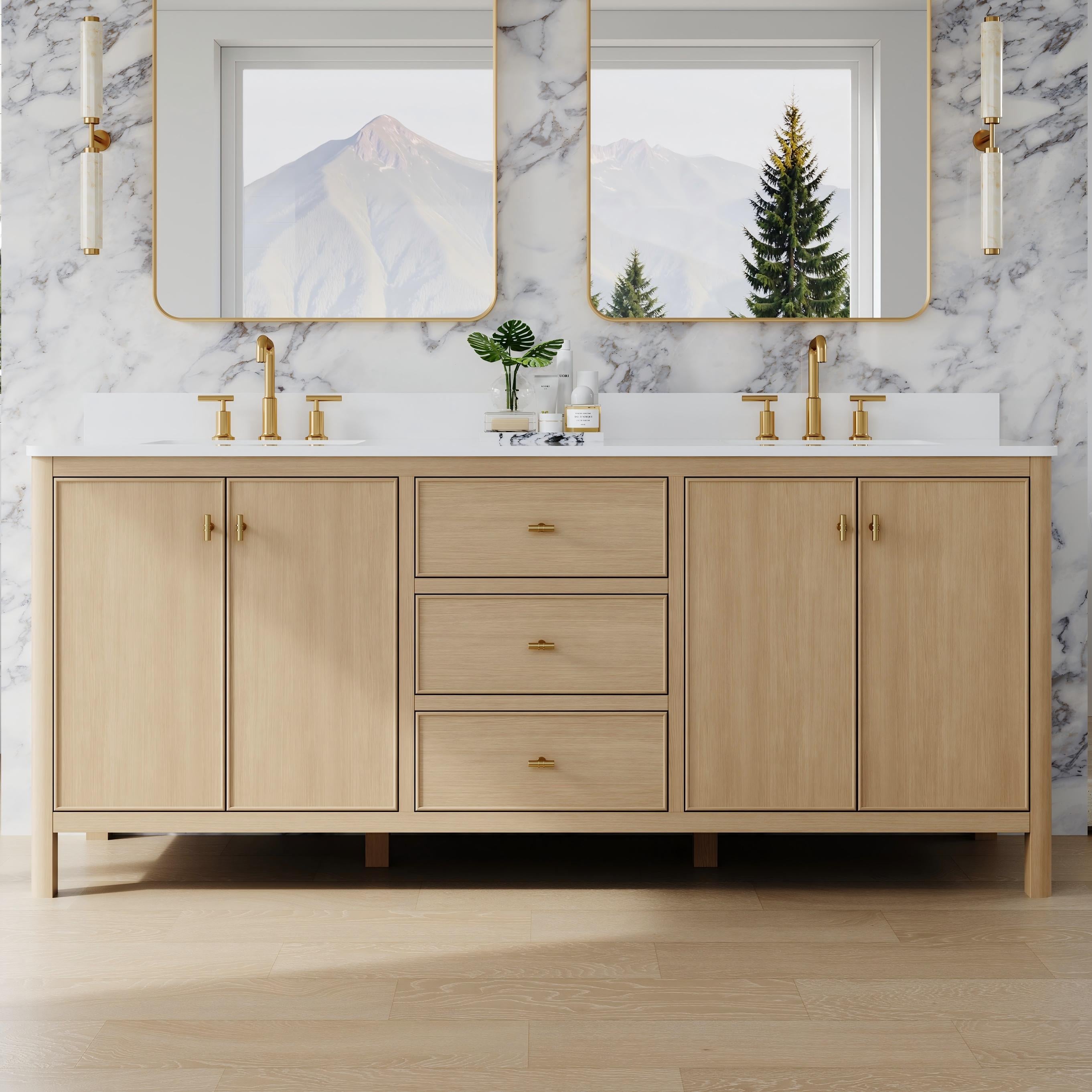
Two vertical mirrors feel more custom. Each sink gets its own mirror area, and there is often room for a sconce between them. This layout works well with framed mirrors, furniture-style vanities, and bathrooms that lean toward a more traditional or transitional style.
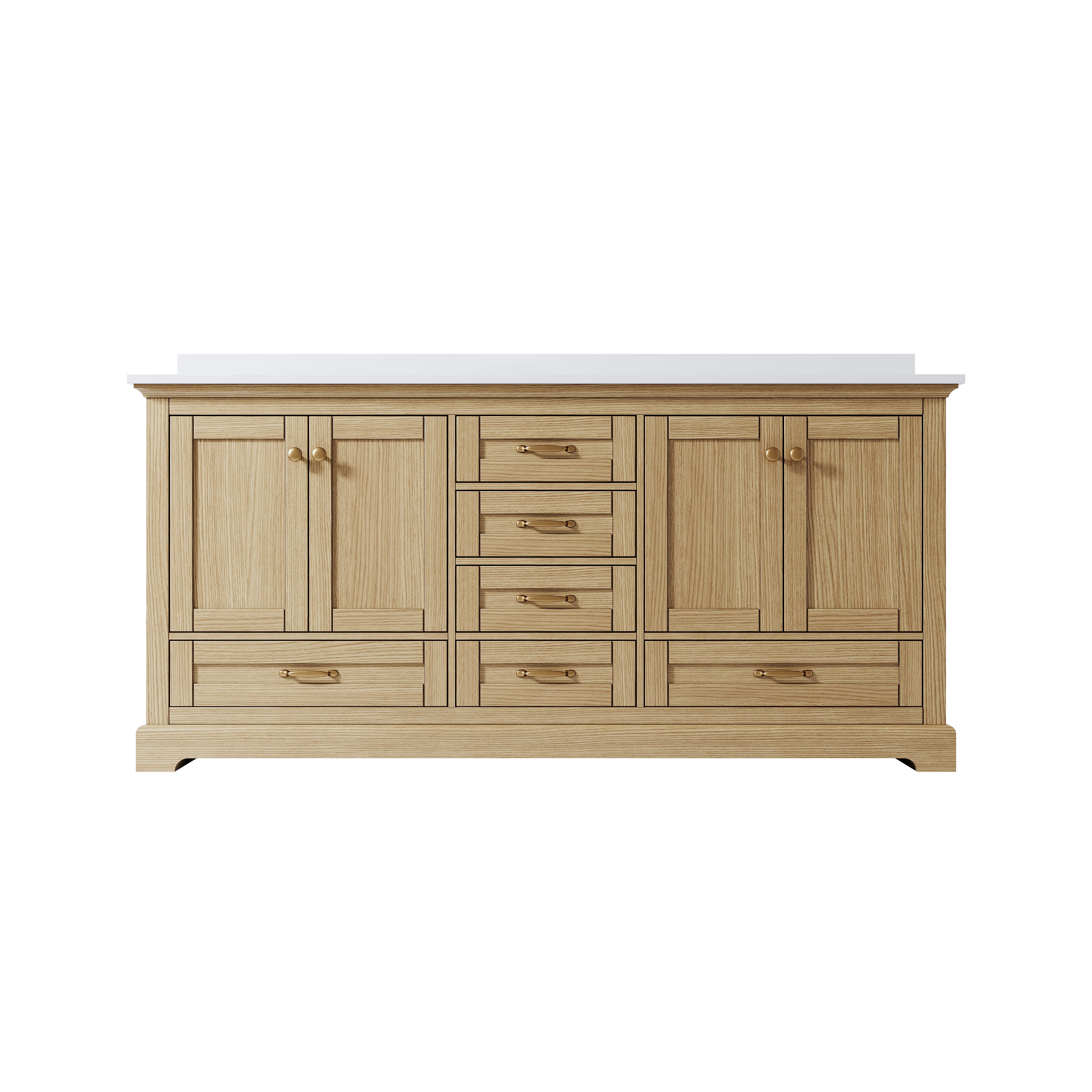
For a 72-inch double vanity, both options can work. The better choice depends on whether the design should feel open and minimal or more detailed and structured.
7. Match the Mirror Shape to the Direction
Rectangular mirrors are flexible. They can work vertically or horizontally as long as the proportions fit the wall.
Other shapes are less forgiving. An arched mirror almost always wants to be vertical. A tall oval usually looks best upright. A long, rounded rectangle, on the other hand, can look very natural over a wide vanity when mounted horizontally.
A good test is simple: does the mirror look intentional in that direction? If it looks like it was turned sideways just to fill space, it is probably not the best choice.
8. Installation Safety Still Matters
Design is important, but safe installation matters more. Large mirrors can be heavy, especially when made from 1/4-inch glass. A wide horizontal mirror may need several mounting points across the wall. A tall vertical mirror may need strong anchors because the weight is concentrated in a smaller area.
For mirrors wider than 48 inches, reinforced brackets, wall anchors, or mounting rails are often a better choice than basic hardware. Whenever possible, mounting hardware should connect to studs.
Bathrooms are also prone to humidity, so rust-resistant hardware is worth using. Gloves and careful lifting are important too, especially with oversized mirrors. Glass-related injuries remain a known household risk, and mirrors should not be treated like lightweight wall decor.
9. The Practical Answer
Mount the mirror vertically when the vanity is narrow, the wall needs height, the bathroom has side sconces, or the mirror has an arched or oval shape.
Mount the mirror horizontally when the vanity is wide, the bathroom needs more visual width, or one mirror needs to serve two sinks.
In the end, the best direction is the one that feels useful first and stylish second. A bathroom mirror should be easy to use, well-lit, safely installed, and properly sized for the vanity below it. When those pieces line up, either vertical or horizontal mounting can look right.




































Leave a comment
This site is protected by hCaptcha and the hCaptcha Privacy Policy and Terms of Service apply.