


















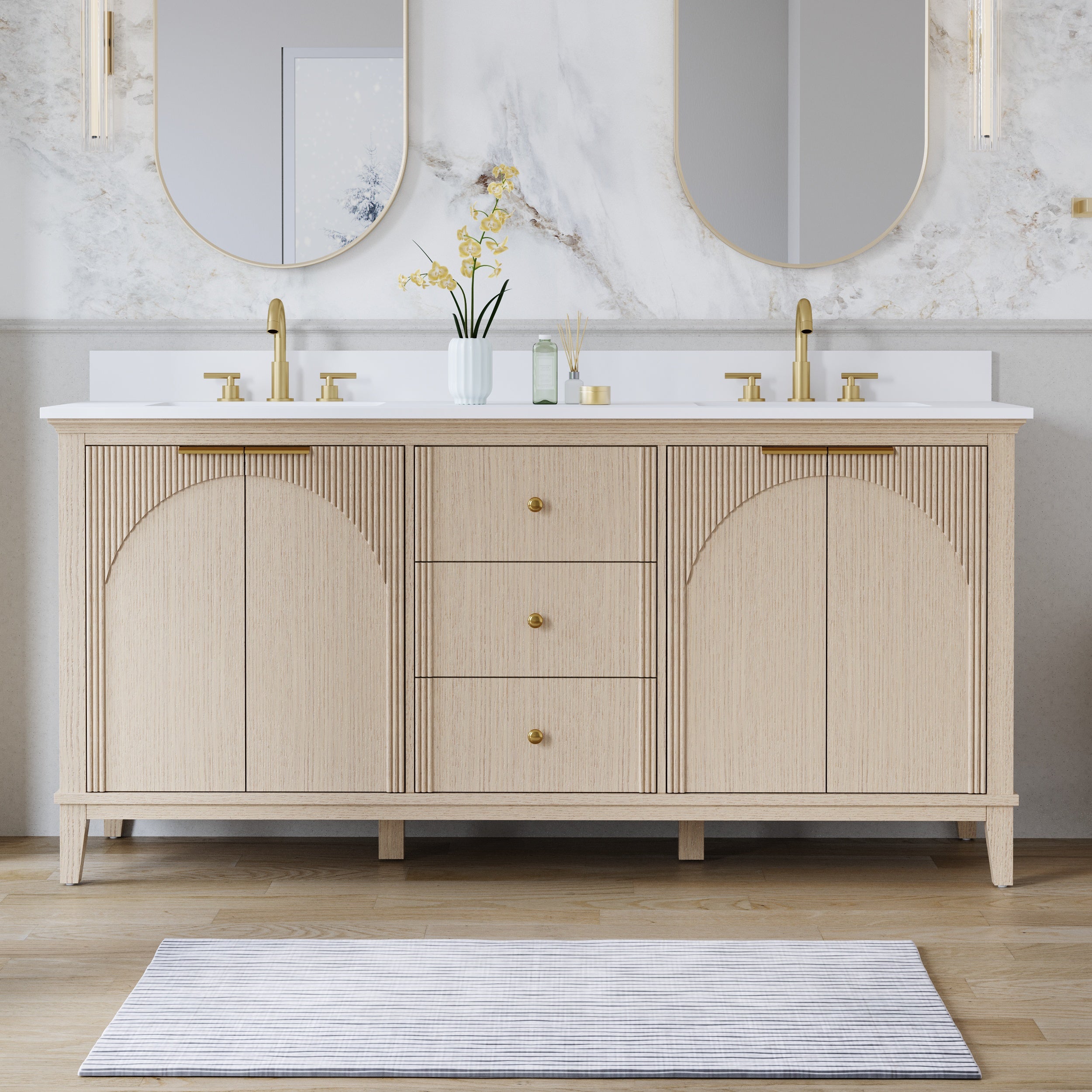
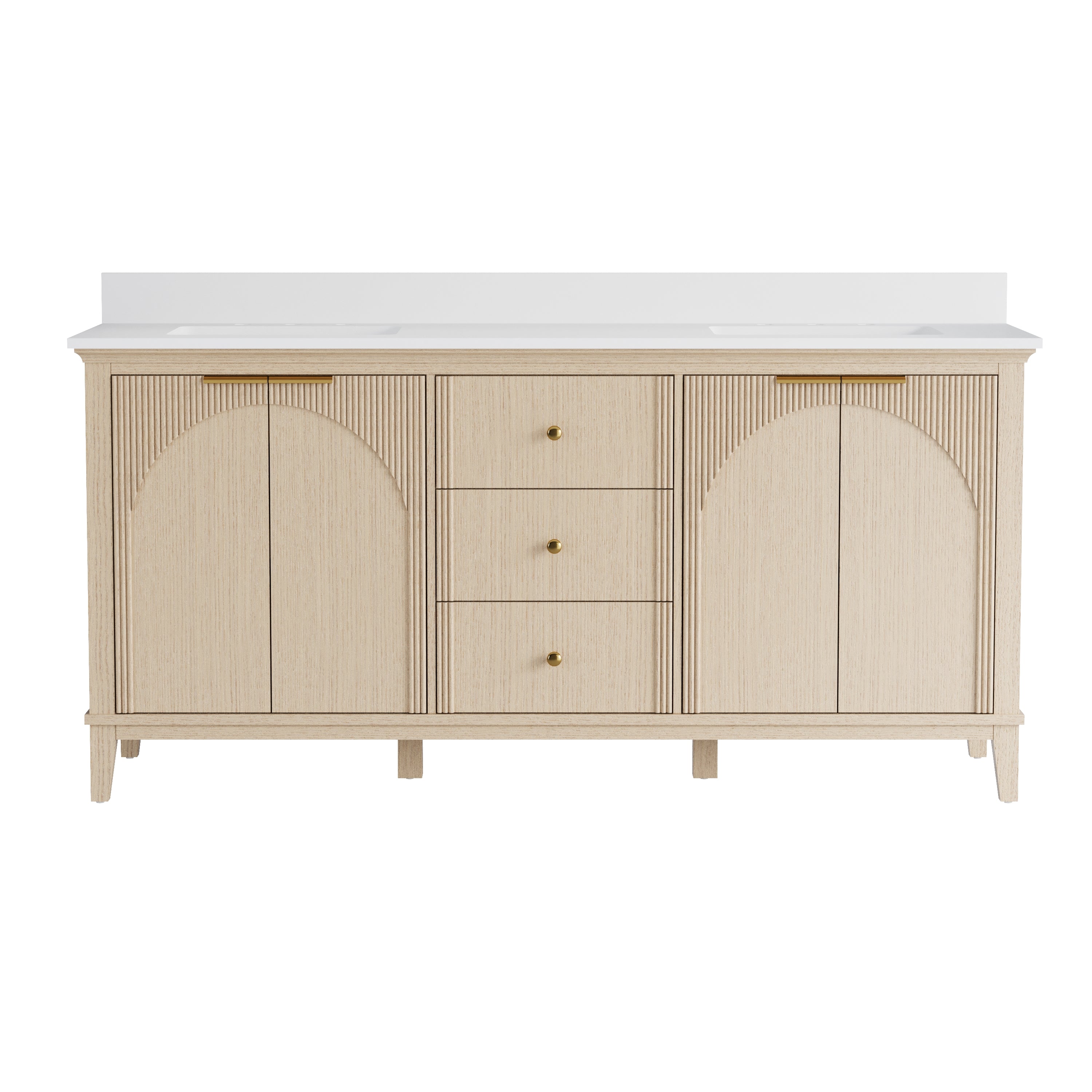


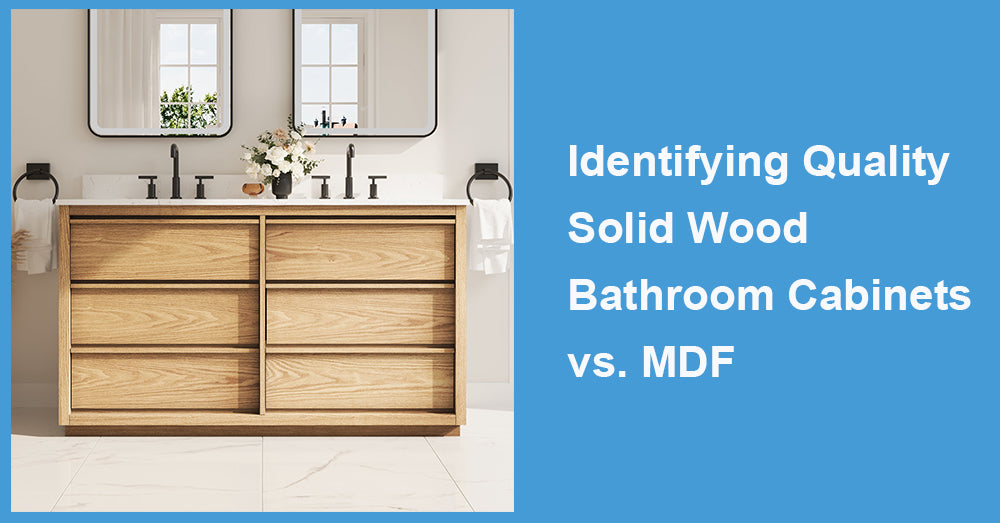
In bathroom renovations, cabinetry often determines the space's texture and longevity. Many people search directly for solid wood bathroom cabinets, hoping to buy a more durable, higher-end product in a single purchase. But the reality is that terms like “solid wood,” “all-solid wood,” “multi-layer solid wood,” “solid wood veneer,” and “MDF” are used interchangeably in the market. If you only look at the title and price, you may end up with cabinets that don't meet your expectations. To make the right choice, you need a simple yet effective evaluation method: examine the materials, structure, craftsmanship, and details. You should also understand who MDF is suitable for and who it isn't suitable for.
What's the fundamental difference between solid wood cabinets and MDF?
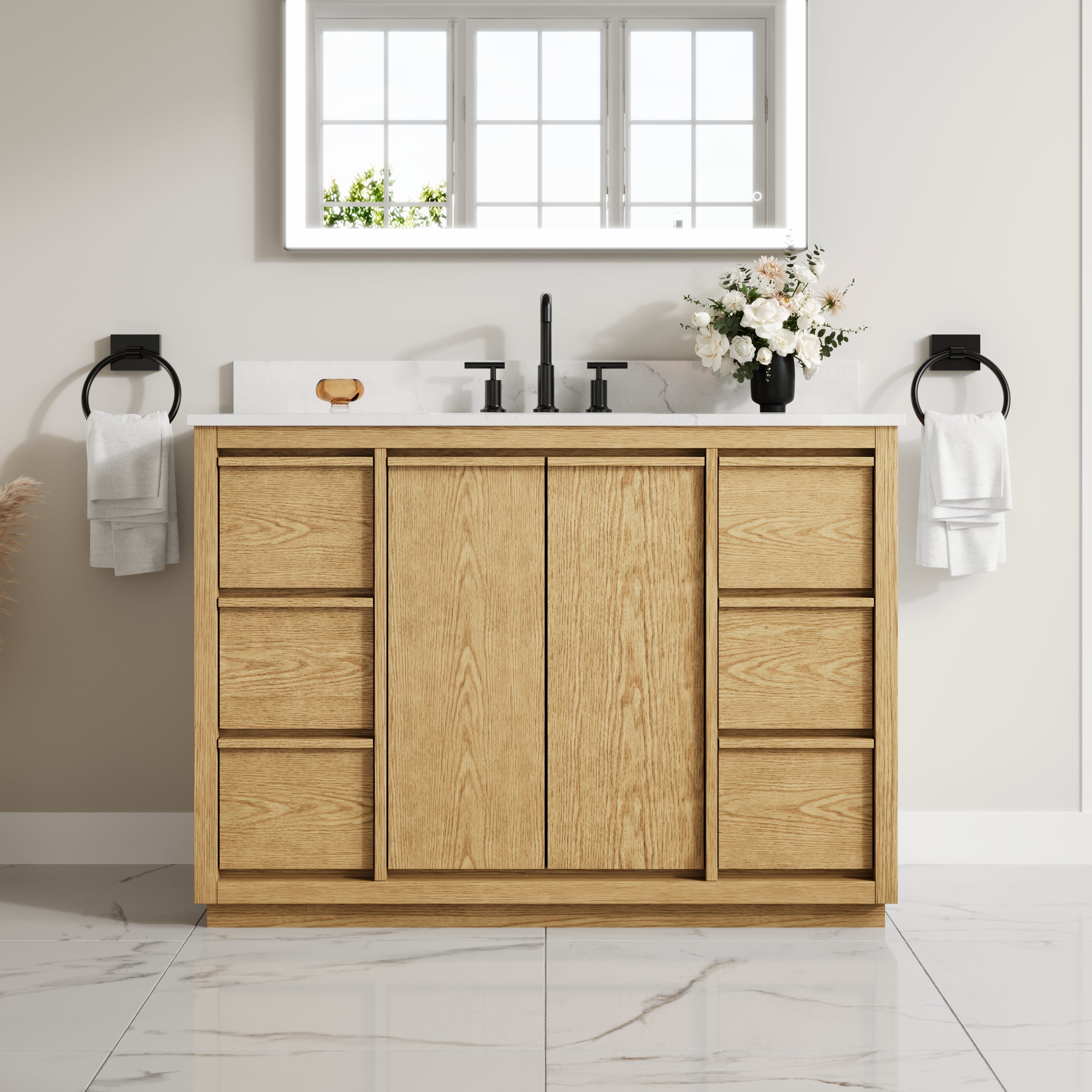
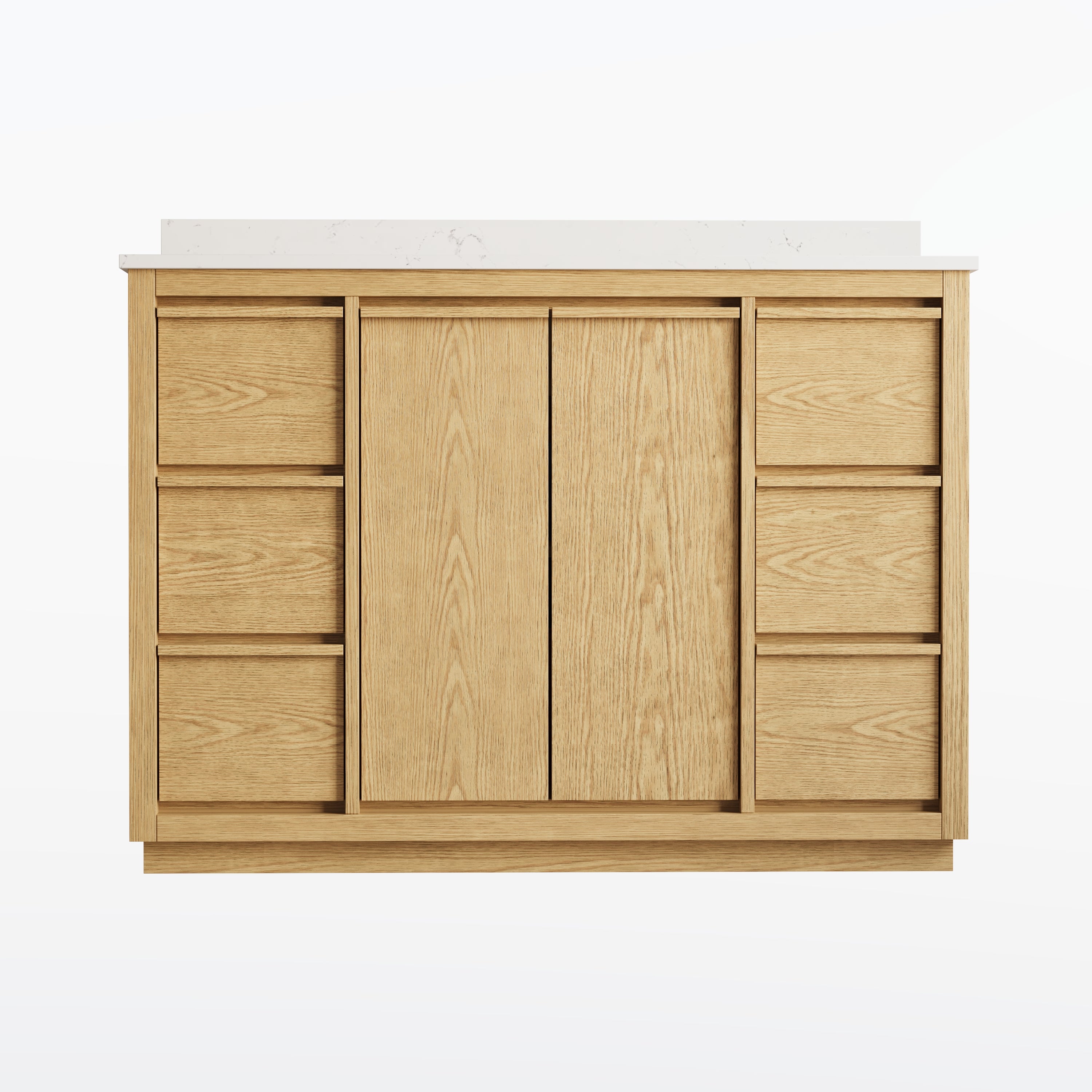
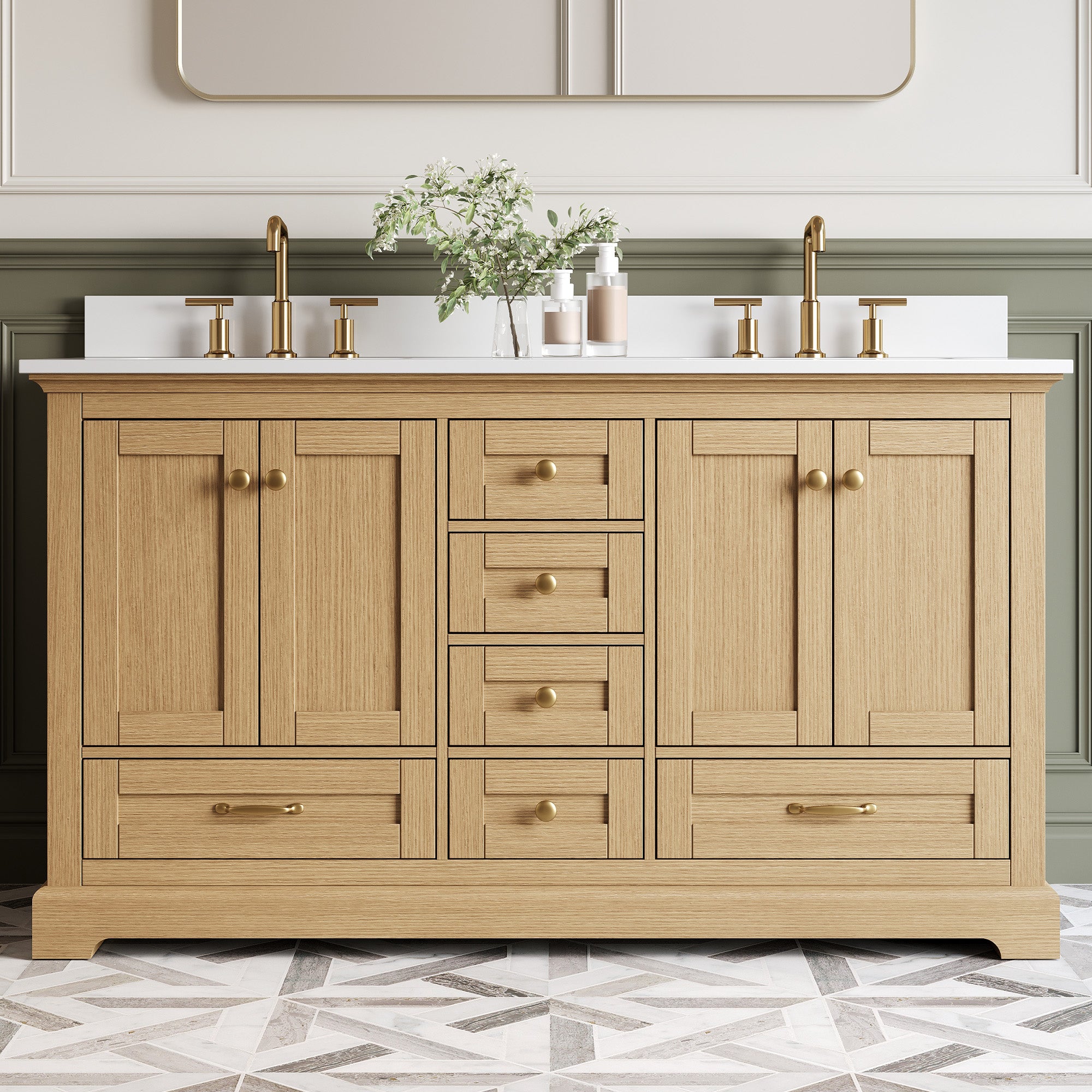
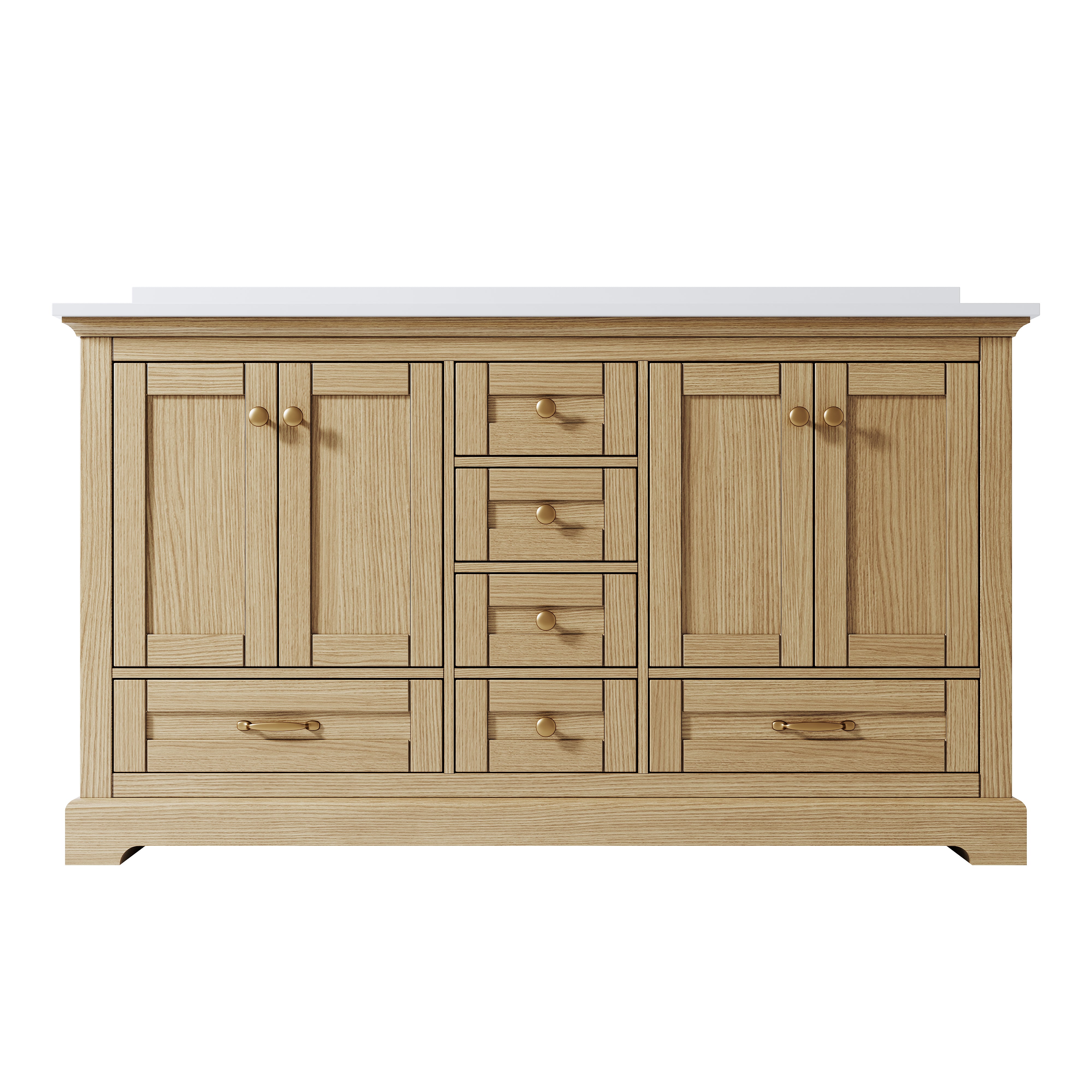
Solid wood bathroom cabinets typically refer to units where natural wood serves as the primary structural material (especially for critical load-bearing components like frames, door panels, and drawer fronts). Solid wood offers advantages like high strength, excellent nail-holding capacity, and strong repairability. It resists issues such as loosened screws or failing hinges over time. Its natural grain patterns vary from piece to piece, lending a warmer visual appeal that stands the test of time.
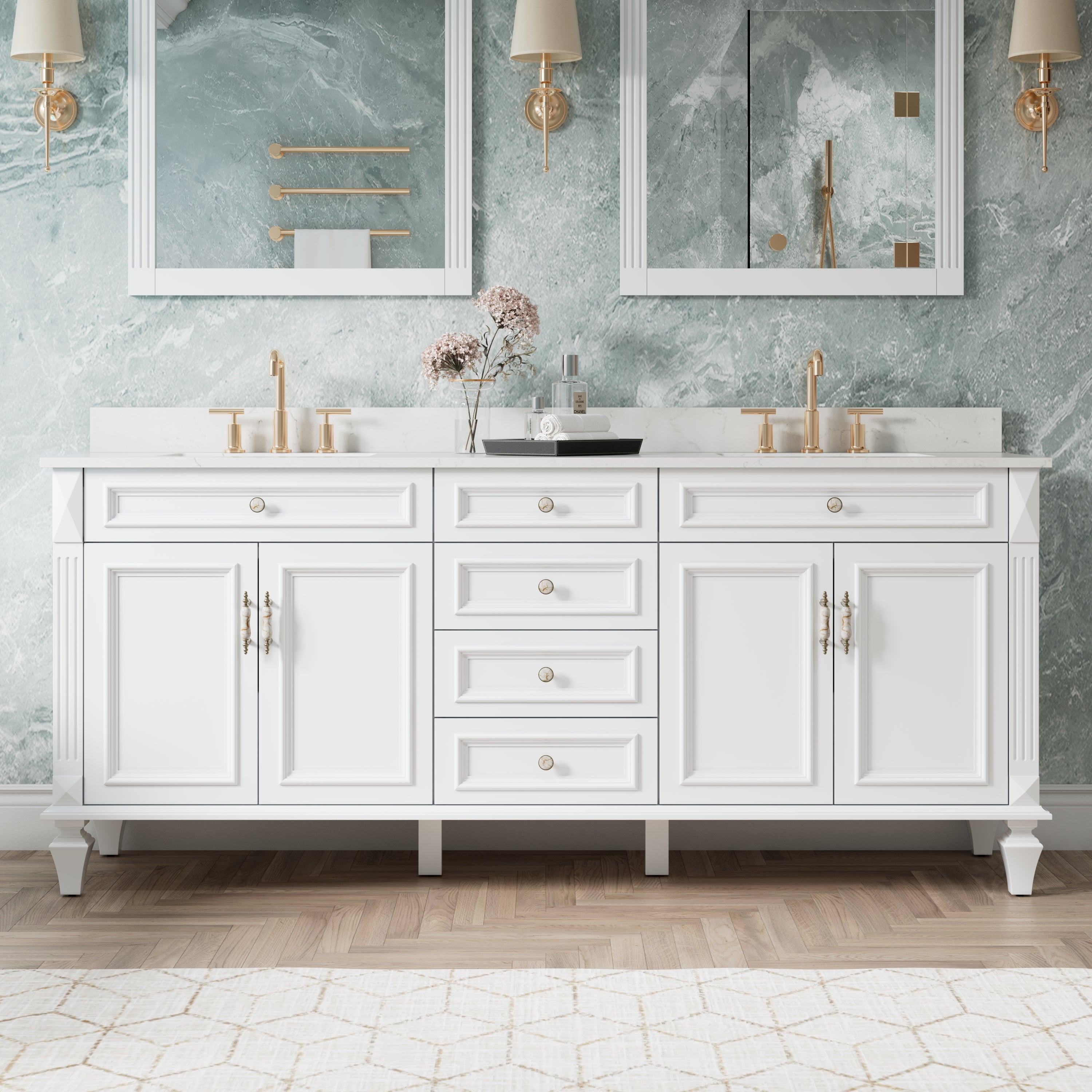
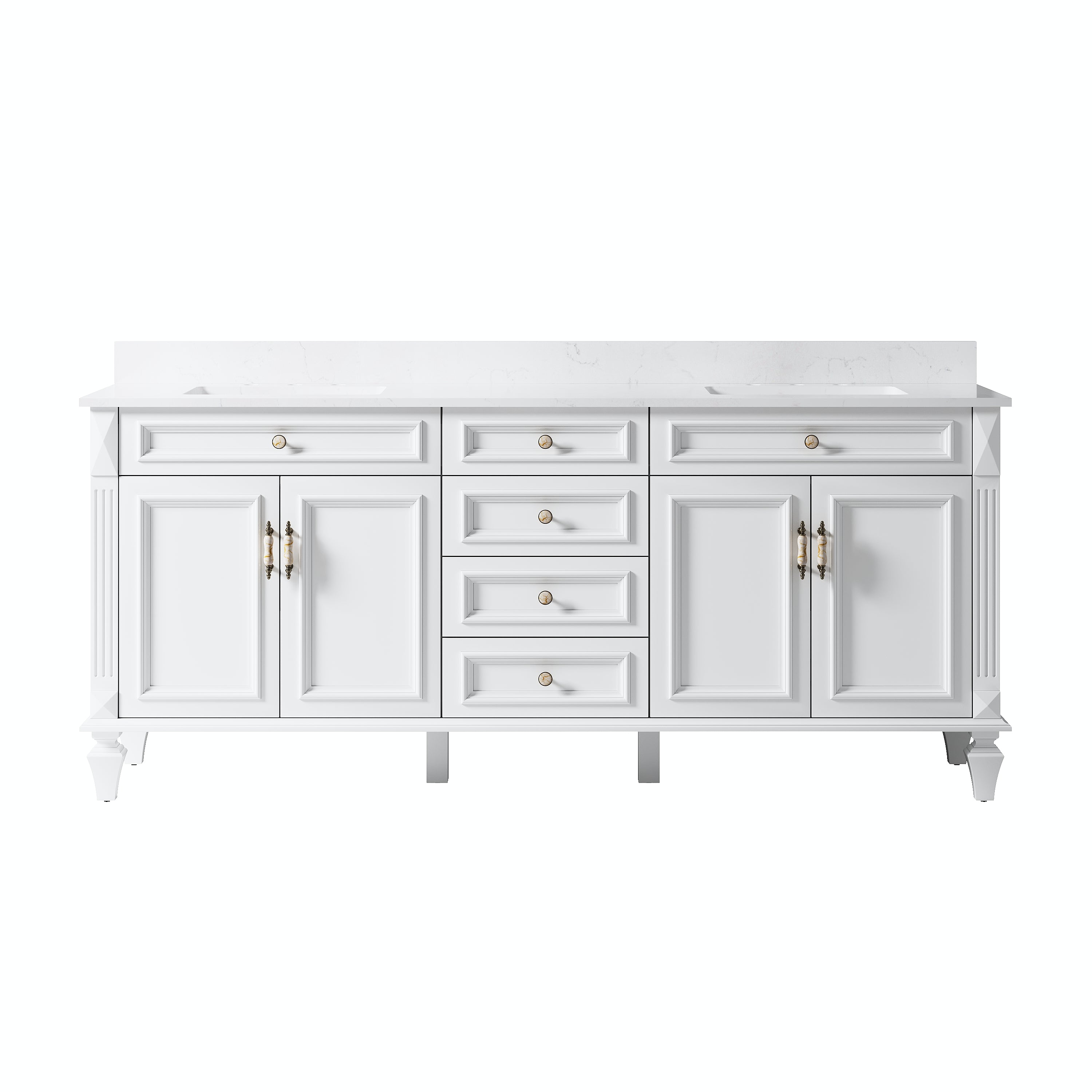
MDF (Medium-Density Fiberboard), however, is formed by compressing wood fibers with adhesive. It offers a smooth surface, is easy to shape, and is cost-effective, making it suitable for intricate door panel designs and mass production. Its main drawbacks are its vulnerability to moisture and relatively weaker nail-holding capacity. If edges aren't properly sealed, moisture can penetrate, causing swelling, bubbling, or peeling. High-stress areas like hinges and handles may loosen over time with subpar craftsmanship.
The conclusion isn't that “MDF is inherently inferior,” but rather that bathroom environments—with high humidity and temperature fluctuations—directly affect longevity through moisture resistance and edge-sealing techniques.

Quick Checks: Is It a “High-Quality Solid Wood Cabinet”?
1. Ask clearly: Which parts are solid wood, and which are not?
Truly reliable, solid-wood bathroom cabinets will specify their materials: the frame, door panels, drawer fronts, side panels, and back panels. A common industry combination is “solid wood frame + plywood cabinet body,” which is actually an excellent configuration: solid wood handles structural load and aesthetics, while plywood provides stability and moisture resistance. This combination often performs better in bathrooms than “all-MDF” cabinets.
If a seller only labels it as a “solid wood bathroom cabinet” without specifying components, it likely means only the door frame or partial sections are solid wood, with the rest being panel materials.
2. Inspect the joint construction: Dovetail joints, mortise-and-tenon, or simple screws
High-quality cabinets prioritize structural integrity in drawer-to-frame connections. For instance, drawers feature sturdier construction (evident in tighter corner joints), while cabinet corners incorporate reinforcement strips or interlocking grooves—not just a few screws “forced together.” Robust construction ensures long-term durability against warping, loosening, or squeaking under weight and repeated use.
3. Inspect Edge Sealing and Finish: The Key to Bathroom Cabinet Longevity
The biggest threat to bathroom cabinets isn't occasional water splashes, but long-term moisture seeping in through the edges. Focus on inspecting: door edges, cabinet base, back panel edges, and openings (like drain holes) for complete sealing. Quality finishes are typically more uniform with meticulous edge work; poor finishes often show thin edges, rough texture, and white discoloration or peeling at seams.
If product descriptions emphasize “multi-layer coating, sealed primer, fully edged edges, moisture-proof treatment,” these claims are generally more credible than simply stating “waterproof.”
4. Focus on Hardware: Hinges and Sliding Tracks Determine Usability
Even the finest wood can be undermined by cheap hardware. For high-frequency use in bathrooms, prioritize two aspects: smooth drawer glide with damping, and stable door closure without warping. In humid environments, hardware stability becomes critical. Robust materials and precise installation minimize issues like crooked doors, stuck drawers, or loud slams.
Is MDF Bathroom Cabinetry a No-Go?
Not necessarily. It depends entirely on the type of MDF used and the quality of craftsmanship.
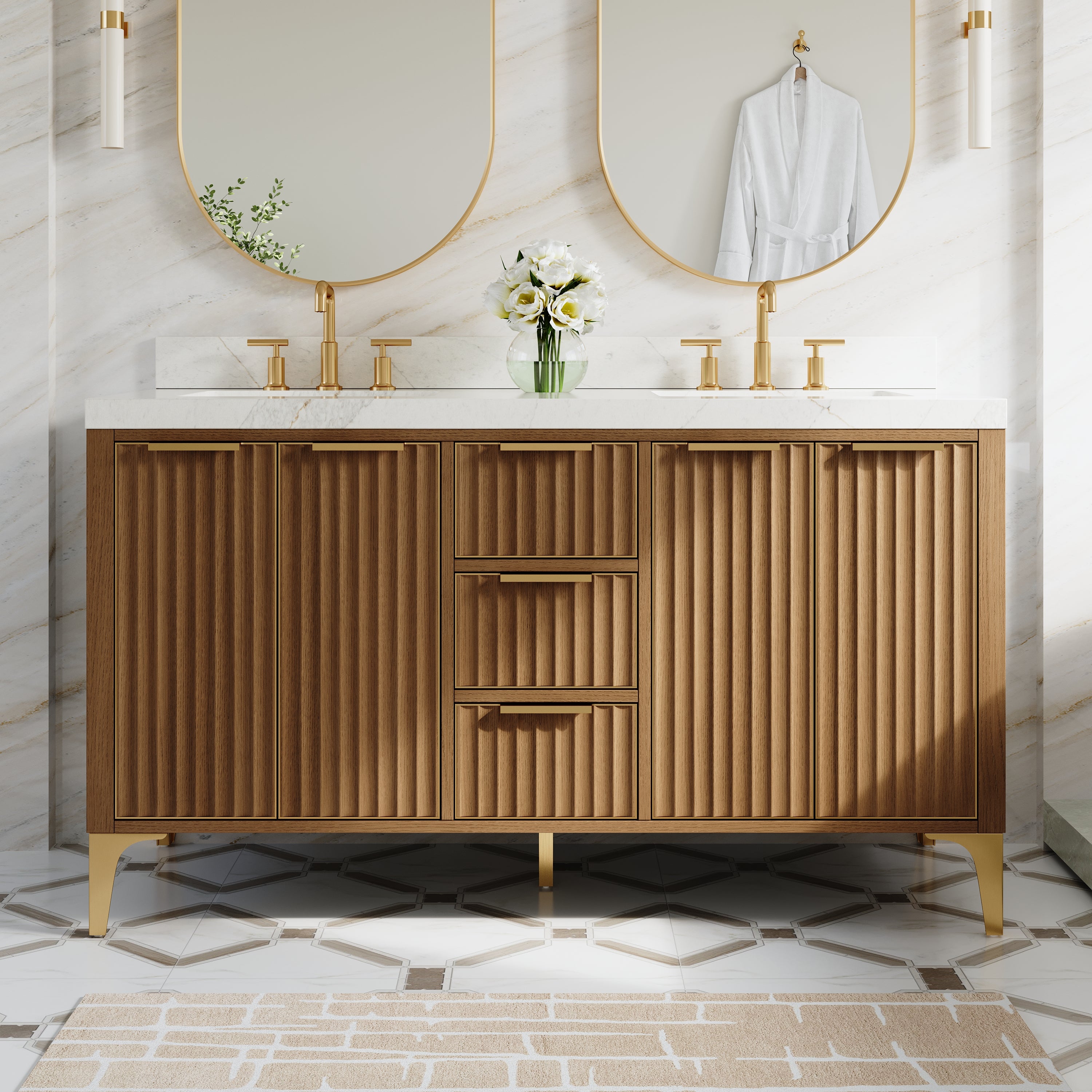
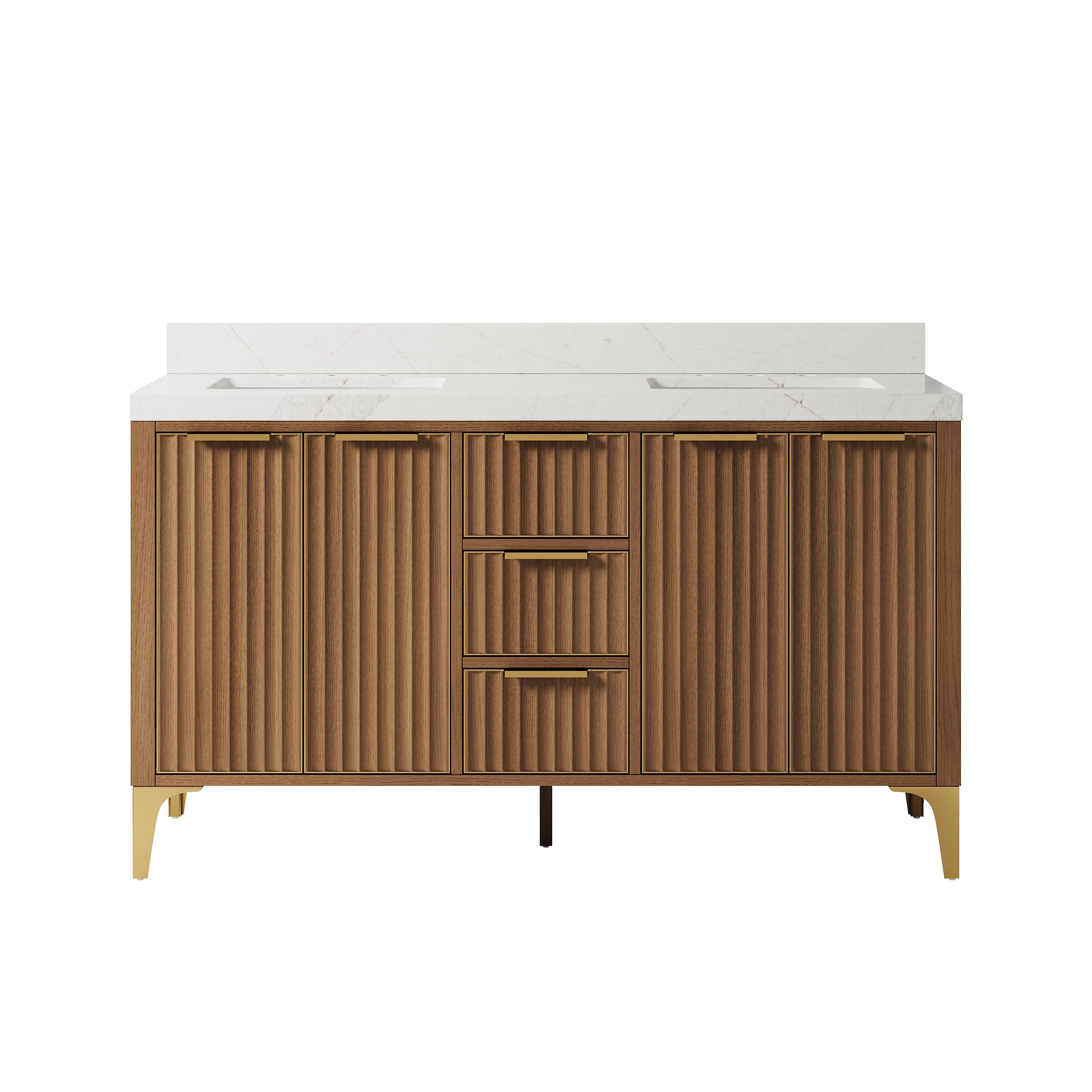
If you have a limited budget, prioritize design elements (like carved door panels or intricate detailing), and choose a brand that uses moisture-resistant MDF, ensures complete edge sealing, and employs a mature coating system—while your bathroom has good ventilation and effective dry-wet separation—then MDF cabinetry can perform well.
However, if your bathroom is perpetually damp, prone to standing water, or poorly ventilated—or if the cabinet will be positioned near the shower, bathtub, or floor drain—prioritize solid wood frames with plywood bodies or cabinets explicitly labeled as moisture-resistant solid wood. These offer greater tolerance for prolonged humidity exposure.
Finally, here's a “pre-purchase checklist”:
When selecting cabinets, treat these questions as essential inquiries to significantly reduce the risk of disappointment:
What materials are used for the cabinet body, door panels, and drawer fronts? Which components are solid wood?
Are all edges fully sealed? Are the bottom, back panel, and cutouts treated for moisture resistance?
What is the connection structure for drawers and cabinet doors? Are load-bearing areas reinforced?
What is the hardware brand or grade? Does it include dampers? Is it corrosion-resistant?
Are installation diagrams and maintenance recommendations provided? How does customer service handle “damage/warping upon delivery”?
Conclusion
Choosing bathroom cabinets isn't simply about “solid wood wins, MDF loses.” It's about selecting structures and craftsmanship suited to the bathroom environment. Truly high-quality solid wood bathroom cabinets not only use sturdier materials but, more importantly, feature meticulous detailing: seamless edge sealing, reliable finishes, stable construction, and durable hardware. Shift your focus from “labels” to “material selection by component + craftsmanship details,” and you'll more easily find cabinets that last longer, look better, and grow more satisfying with use.






























Leave a comment
This site is protected by hCaptcha and the hCaptcha Privacy Policy and Terms of Service apply.