






















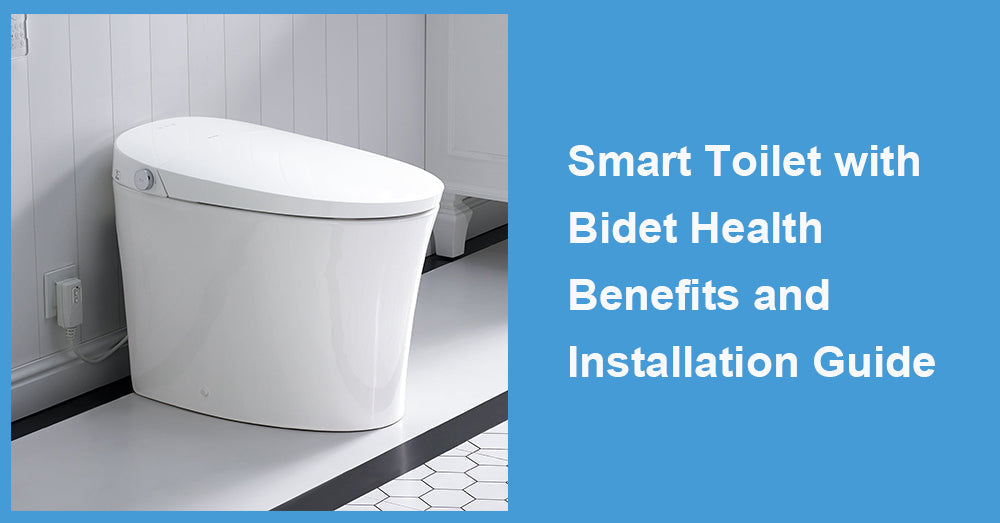
In modern bathroom upgrades, smart toilet with bidet functions are evolving from premium upgrades into practical choices seriously considered by more households. They not only enhance the comfort of the bathroom experience but also integrate cleanliness, hygiene, and convenience. While many are initially drawn to features like heated seats, warm air drying, and automatic flushing, the most noticeable benefit after actual use is often how it improves the details of daily life.
While traditional toilet paper remains common, it falls short in terms of thoroughness and comfort compared to warm-water cleansing. For those prioritizing hygiene, dealing with sensitive skin, or seeking greater daily convenience, the advantages of a smart toilet with cleansing functions become particularly evident. It brings more than just a sense of technology—it makes a high-frequency daily activity easier and cleaner.
Health Benefits of Smart Toilets with Bidet
One of the greatest advantages of smart toilets with a bidet is the gentler, more thorough cleansing experience they deliver. Compared to relying solely on toilet paper, warm-water rinsing removes more residue and enhances overall cleanliness. For many users, this improvement isn't exaggerated—it becomes noticeably apparent after just a few uses.
The second benefit is greater skin friendliness. Frequent use of dry toilet paper can cause friction discomfort, whereas smart toilets typically allow adjustment of water temperature, pressure, and spray position for a gentler cleansing process. This experience is especially valuable for those in pregnancy, postpartum recovery, or requiring more delicate care.
The third advantage is enhanced convenience. Many models feature automatic lid opening, auto-flush, night lights, warm air drying, and one-touch operation. For the elderly, children, or those with limited mobility, these designs not only reduce physical effort but also minimize unnecessary movements, making the experience smoother.
Additionally, many high-quality models feature self-cleaning nozzles, antibacterial seat rings, and deodorizing functions. As a high-traffic space, a toilet system that's easier to keep clean genuinely improves daily life.
Why are more people choosing to upgrade?
In the past, many people viewed smart toilets as merely an optional extra in high-end renovations, but this perception is changing. Today, people's expectations for bathroom spaces go beyond mere functionality—they increasingly prioritize comfort, hygiene, and long-term user experience.
Compared to spending on rarely used decorative elements, a truly functional smart toilet delivers tangible value in daily life. It doesn't just look sophisticated; it consistently provides convenience during use. For this reason, smart toilets with bidets have become a key consideration for many households during renovations and upgrades.
What to Confirm Before Purchasing
Before selecting a model, the most critical step isn't evaluating aesthetics but verifying installation requirements. Smart toilets typically require electrical power, so first confirm whether a nearby outlet is available—ensuring its location is safe and easily accessible. Installing an outlet later increases construction complexity and costs.
Second, verify that the drain hole spacing and drainage method match your existing setup. Drain locations vary between bathrooms, and mismatched dimensions will prevent installation. Beyond the toilet's physical size, consider the space needed for lifting the seat, movement on either side, and clearance from vanities or shower enclosures to avoid a cramped appearance after installation.
Additionally, pay attention to water supply conditions. Some models have specific requirements for water pressure or supply stability. Before ordering, carefully review the installation diagrams and dimension specifications on the product page—this is more important than the appearance alone.

Basic Installation Process
Installing a smart toilet with a bidet isn't necessarily complicated, but it requires more attention to detail than a standard toilet. First, confirm that the floor, drain outlet, and water supply locations are compatible. Then, check if the outlet position is reasonable. Next, install the base and connect the drain pipe, ensuring all joints are properly sealed to prevent future leaks.
Afterward, connect the water supply and power source, then secure the main unit in place. Once installed, do not rush to use it. Instead, thoroughly test all functions: flushing, bidet spray, seat heating, drying, and sensor activation. This step cannot be skipped, as making adjustments after the surrounding surfaces are finished will be far more troublesome.
For new construction projects, it's best to plan for a smart toilet as a specific requirement during the plumbing and electrical phase. This approach saves hassle compared to later adjustments and makes achieving the desired outcome easier.
Common Installation Oversights
The most frequently overlooked aspect during installation is the outlet placement. It's not enough for an outlet to be nearby; you must also consider whether it will be obstructed by the toilet itself and whether it will be accessible for future cleaning and maintenance. Another common mistake is failing to verify the drain center distance, resulting in purchased products that cannot be installed smoothly.
Additionally, space compatibility is crucial. Some bathrooms with limited area opt for oversized models, leading to issues like restricted door opening or insufficient legroom after installation. As a high-frequency use product, proper dimensions and smooth movement flow often matter more than mere aesthetics.
Conclusion
From enhanced cleanliness and comfort to daily hygiene management, from convenience to spatial upgrades, the value of a smart toilet with a bidet extends beyond mere “smart” features—it genuinely improves numerous details of the traditional bathroom experience. For those seeking to elevate their quality of life, it is no longer just a trendy product but an increasingly practical bathroom choice.
If you're considering upgrading your bathroom, focus on the actual experience. Choose the right product, confirm installation requirements, and plan the details carefully. This upgrade will bring more than just a new toilet—it will deliver a more comfortable, hygienic, and hassle-free daily experience.









































Leave a comment
This site is protected by hCaptcha and the hCaptcha Privacy Policy and Terms of Service apply.