
















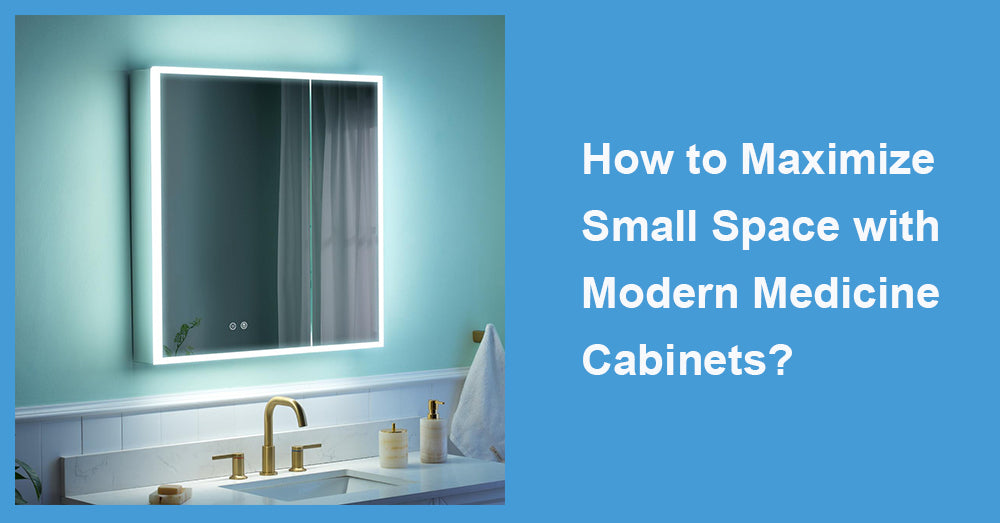
In compact bathroom design, medicine cabinets are gradually upgrading from "supplementary storage" to "small space amplifiers".
Industry data shows that in bathrooms with limited space, over half of the wasted space does not come from the floor layout but from ineffective use of walls.
Modern mirror cabinets redefine the logic of wall storage, allowing previously cramped spaces to achieve higher functional density and visual order without increasing land occupation.
1. The real problem with small spaces is not 'not big enough', but 'not three-dimensional enough.'
Many small bathrooms often prioritize reducing bathroom cabinets or giving up storage when renovating.
Still, actual feedback shows that such practices merely "transfer congestion" rather than truly solve the problem.
Industry research shows that cluttered countertops are one of the most common pain points in bathrooms with limited space, and the root cause is often that high-frequency items are not placed at a "convenient height".
The medicine cabinet is located in the most natural area for sight and hand movement, making it the most suitable storage location for small, high-frequency items.
2. Embedded design is the first choice for small spaces
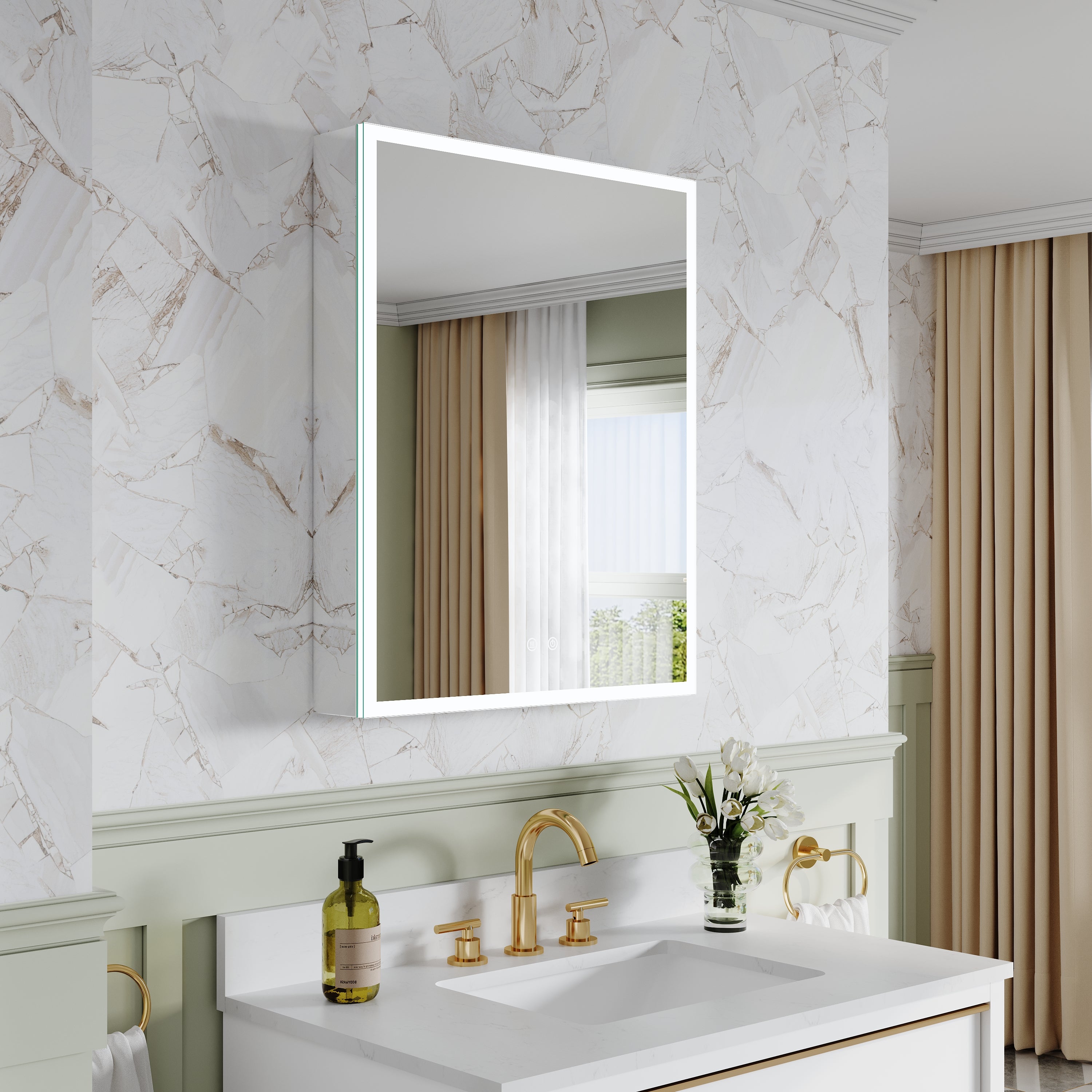
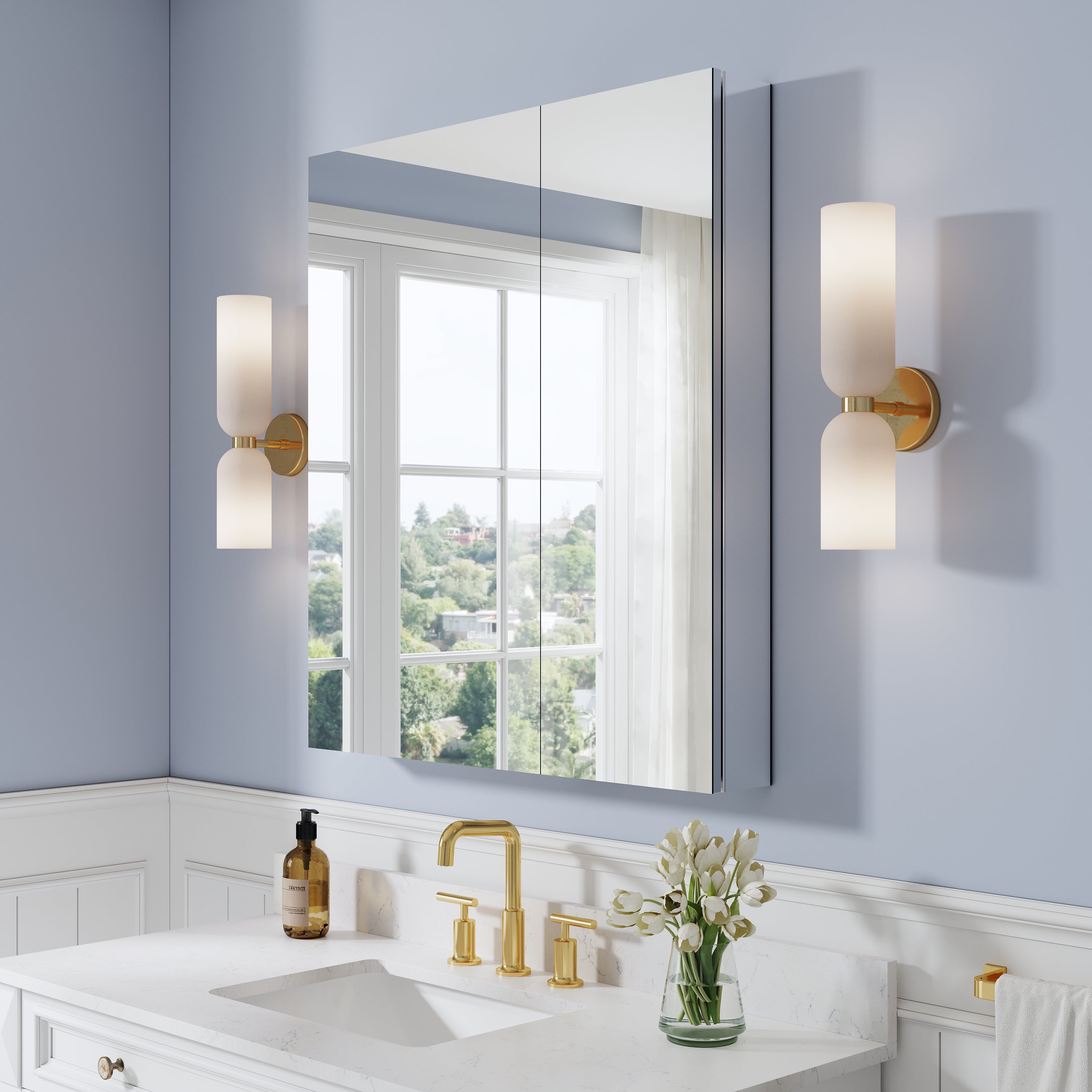
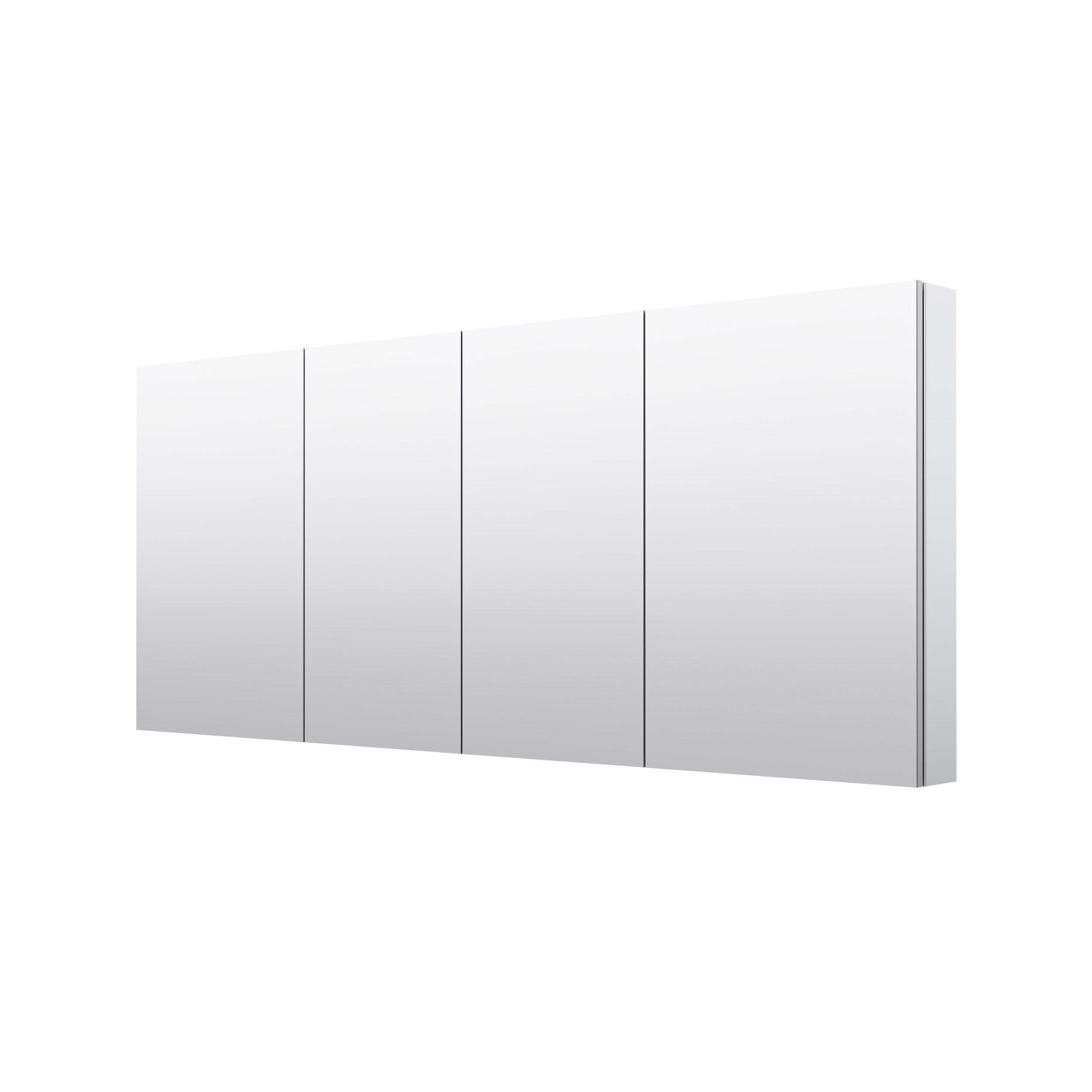
In modern mirror cabinet solutions, embedded medicine cabinets are considered the "optimal solution" for small spaces.
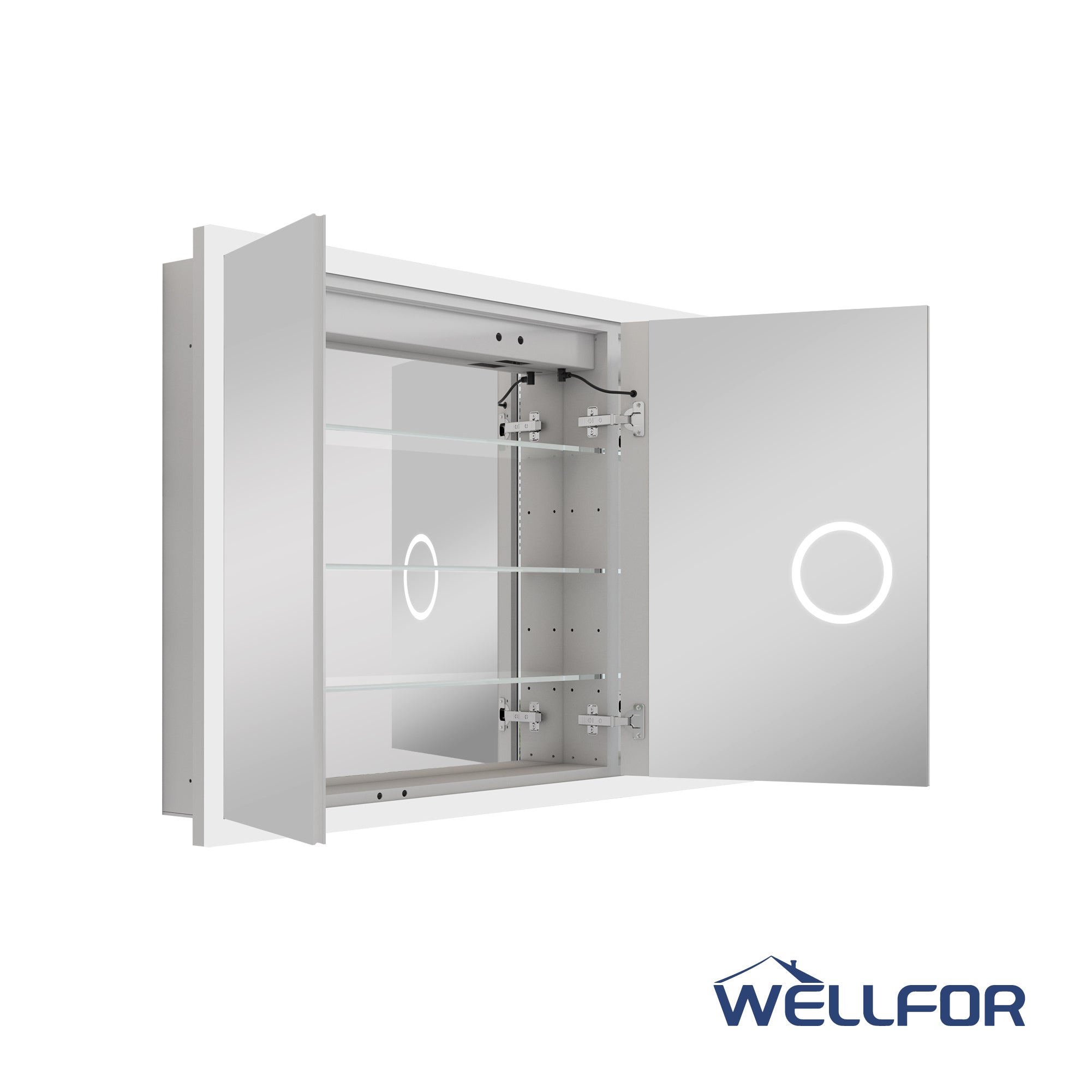
By embedding the cabinet into the wall, retaining only the mirror thickness, the front view is almost identical to a regular mirror, while releasing 4-6 inches of hidden storage space at the back.
Industry data shows that compared to surface-mounted mirror cabinets, embedded solutions have significantly lower visual pressure in small bathrooms, especially in the 24-36 inch width range, where this difference is particularly pronounced.
For spaces that are already not spacious, reducing any "protrusion" adds points to comfort.
3. Size selection: It's better to be narrow than too thick
In small spaces, the size logic of mirror cabinets is the opposite of that in large spaces.
It's not bigger-is-better; it's a more precise proportion.
In terms of width, 24 inch and 30 inch are the most common and fault-tolerant choices.
They are sufficient to cover a single person's grooming needs without squeezing the left and right walls.
The height is usually concentrated at 24-30 inches, which can fully cover the facial use area without making the mirror appear too high or heavy.
Compared to width and height, thickness has a more direct impact on small spaces.
A mirror cabinet with a thickness controlled at around 5 inches has significantly less interference with the moving line when opening or sliding.
4. Internal structure is more important than appearance
In a small space, storage efficiency does not depend on whether it can be stored, but on whether it is easy to use.
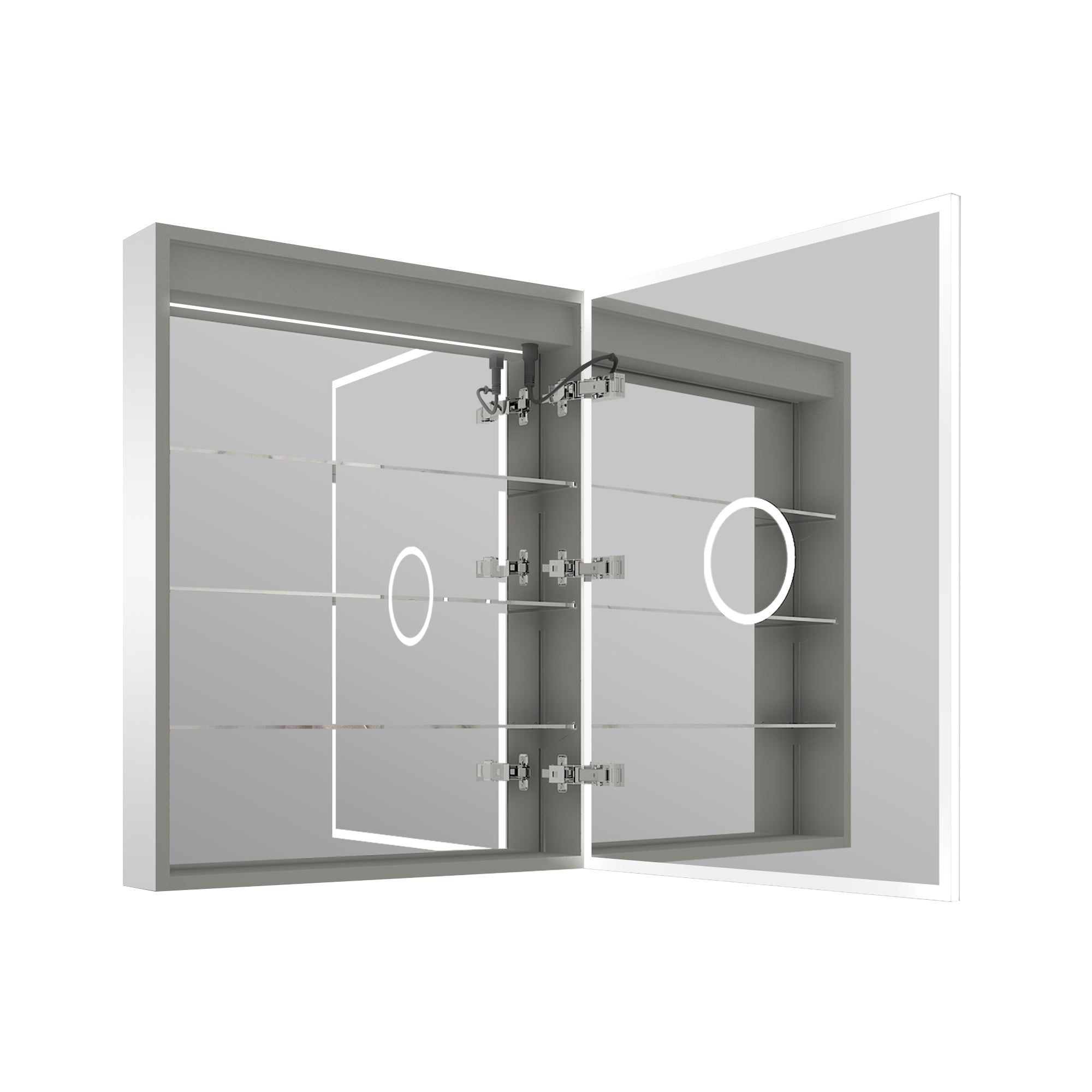
Industry usage data shows that medicine cabinets with adjustable shelves have significantly higher actual usable capacity than those with fixed shelves.
By subdividing the internal space into different height intervals, items such as small bottles, medicines, and electric toothbrushes can be clearly positioned to avoid repeated stacking.
In the long term, this "structurally clear" mirror cabinet can significantly reduce the likelihood of countertop moisture regain.
5. Mirror function, allowing one cabinet to play two roles
A significant evolution in modern medicine cabinets is the shift from "decorative elements" to "functional interfaces".
In a small space, the mirror itself magnifies vision, and when combined with storage, space efficiency is further improved.
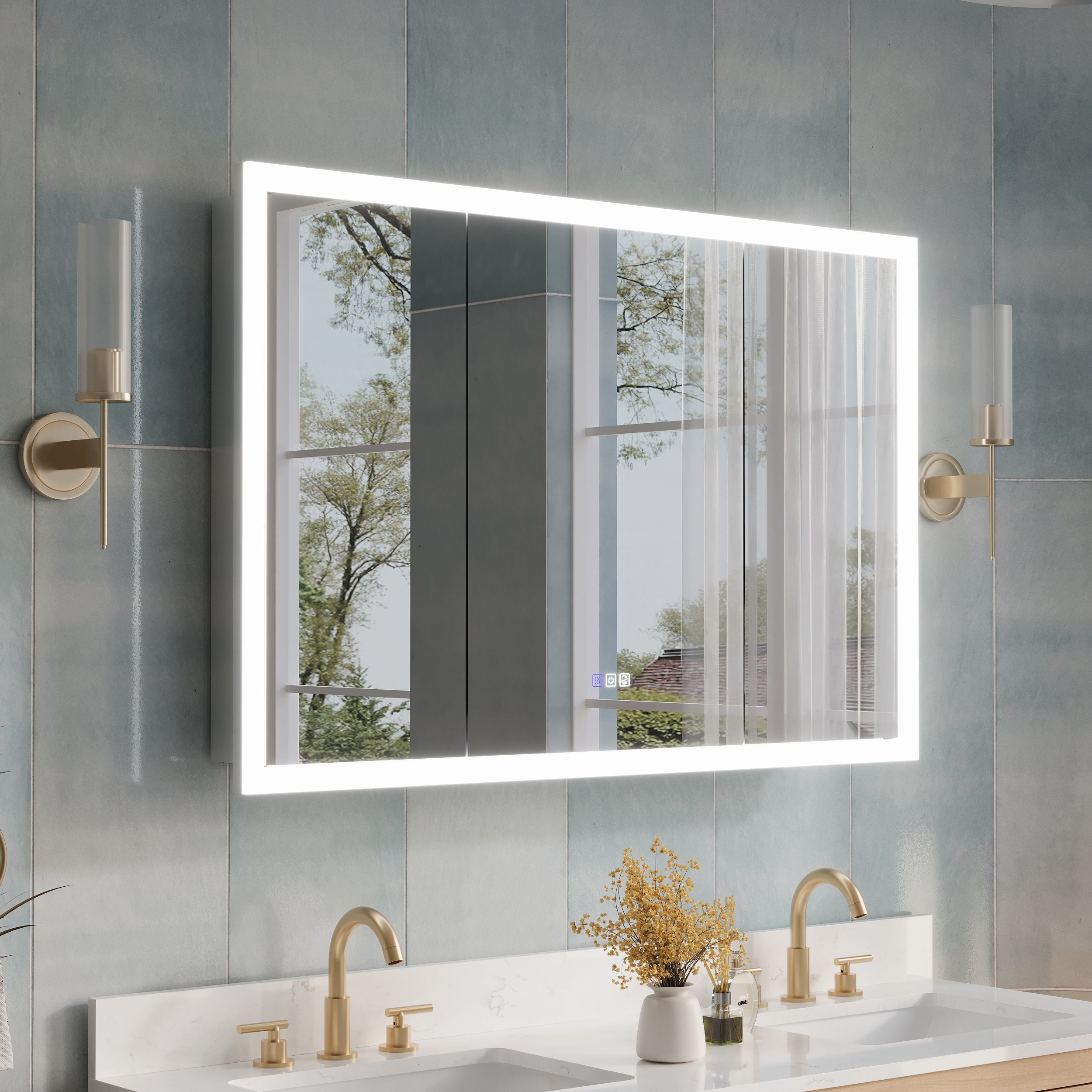
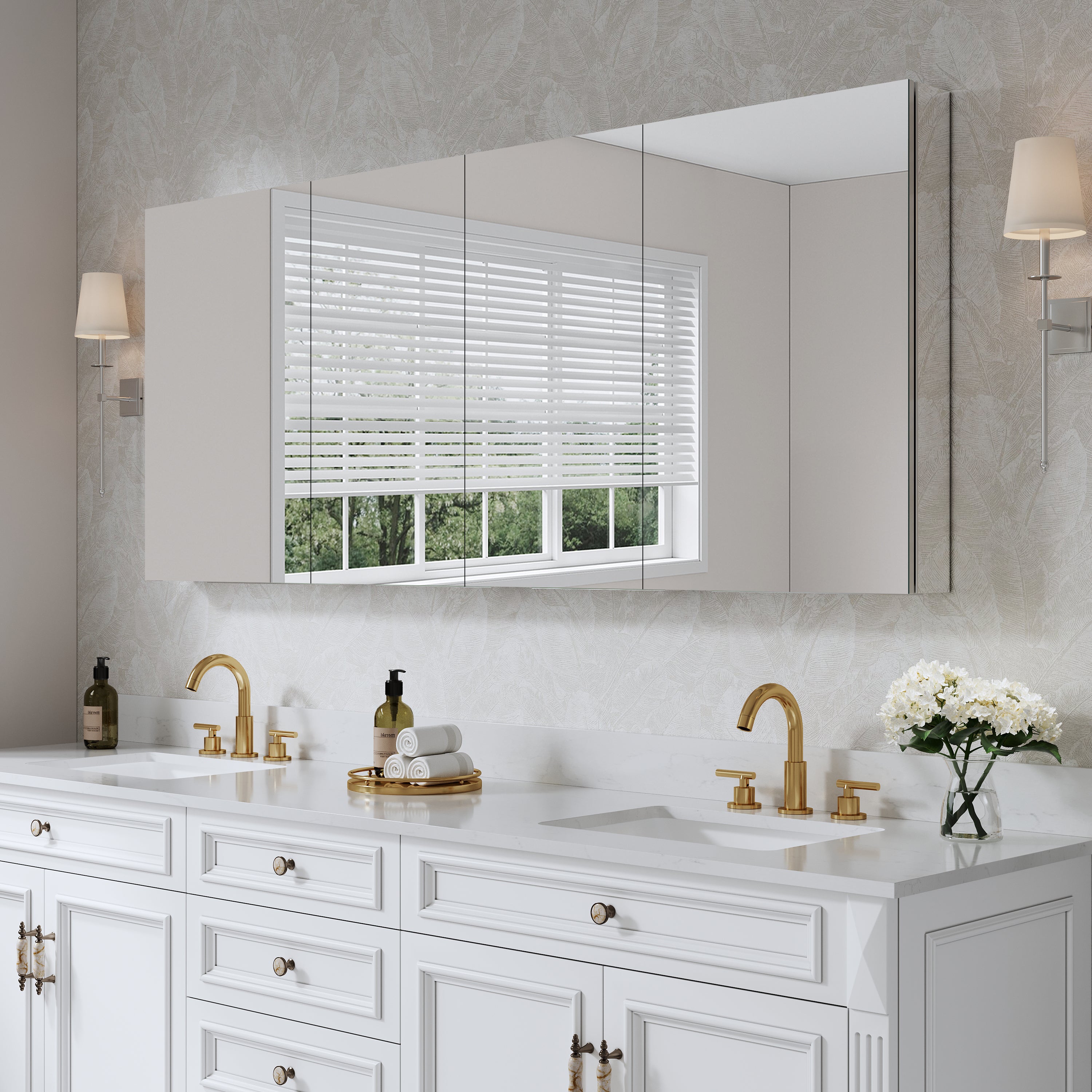
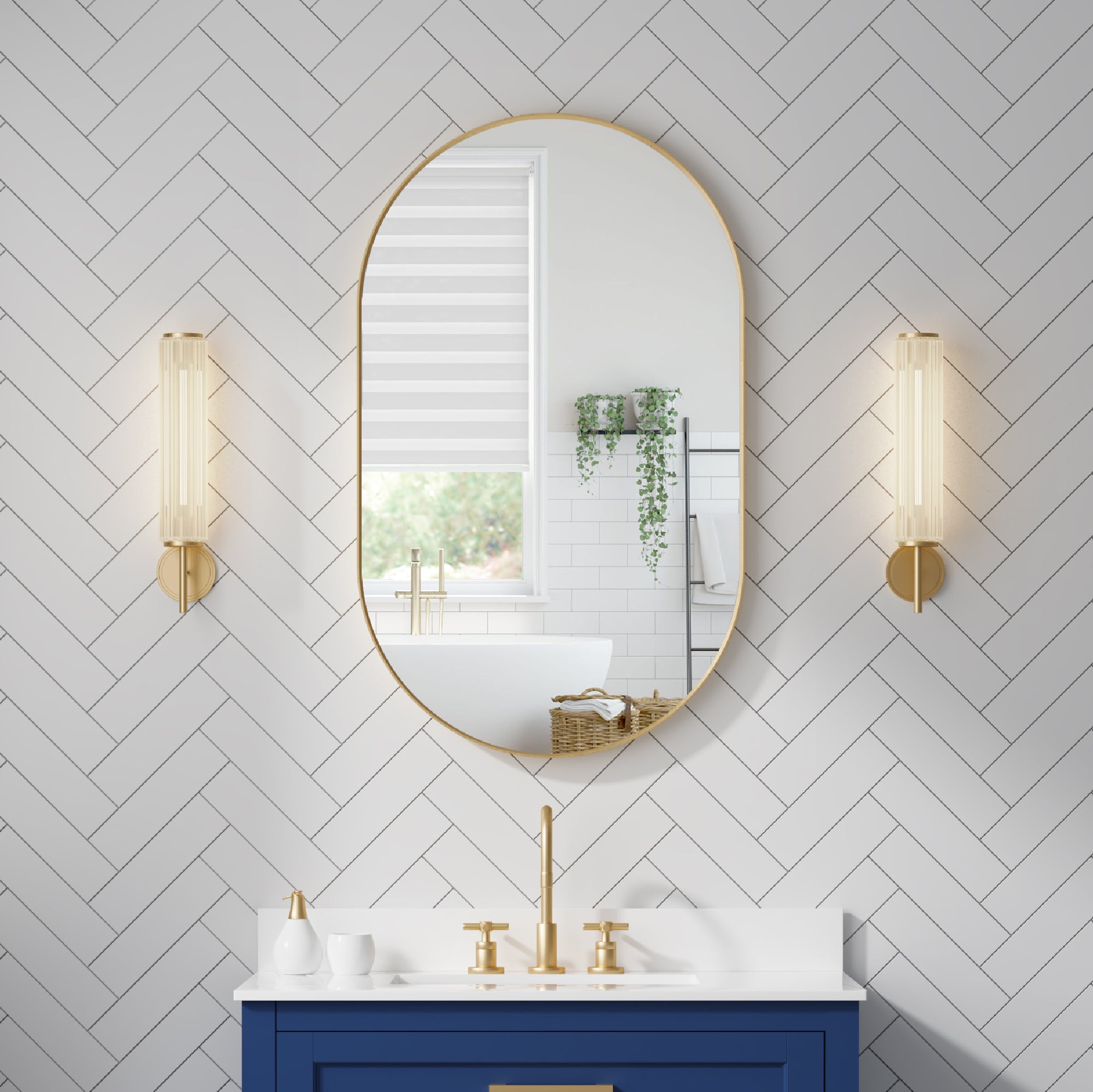
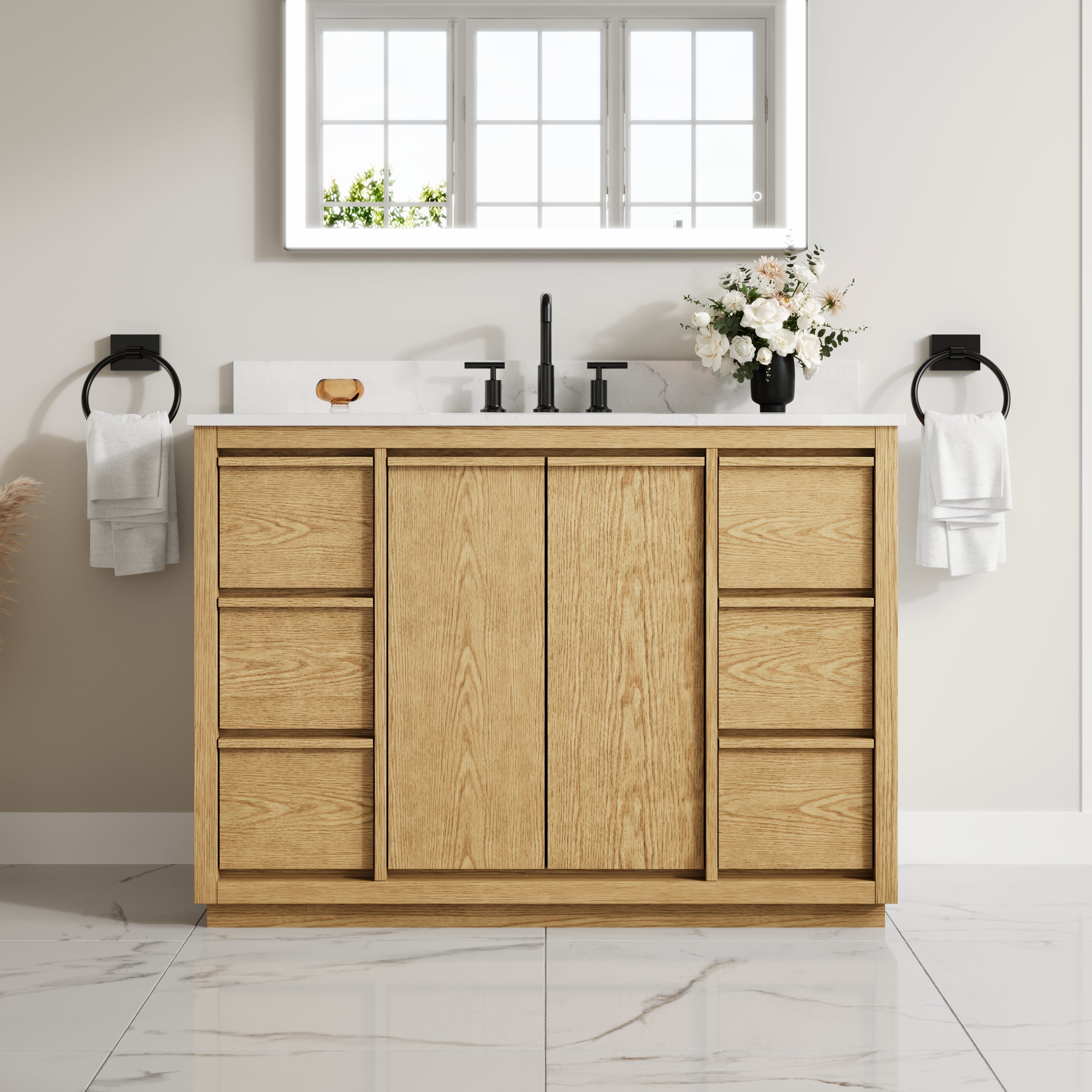
Industry feedback shows that in compact bathrooms, when the width of the mirror cabinet is close to that of the basin or bathroom cabinet, the overall proportions are most stable and least likely to appear cluttered.
This alignment will create a clear central axis, making the space seem more orderly.
6. Integrated lighting is an invisible bonus for small spaces
For a small bathroom, lighting is not only illumination, but also a "space decorator".
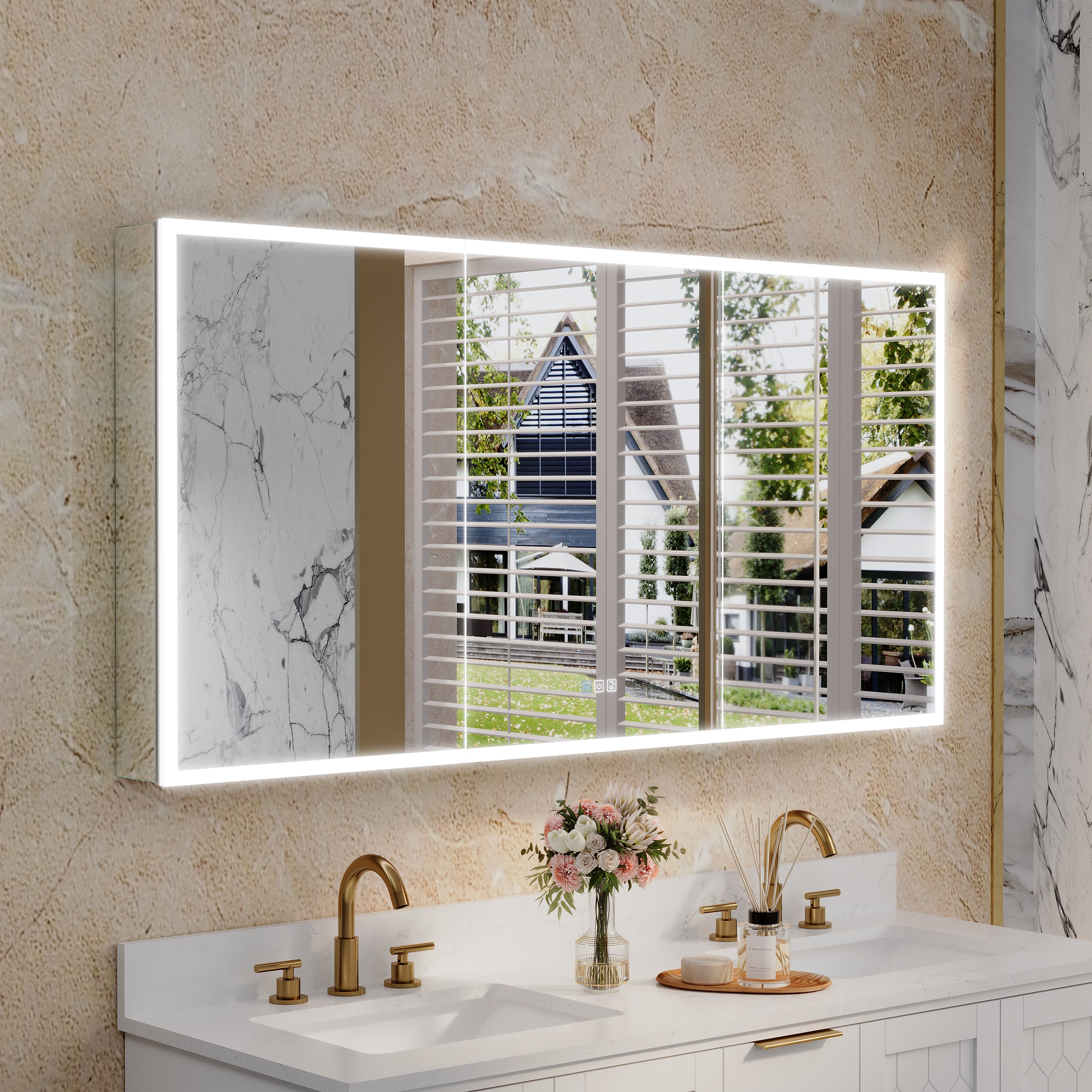
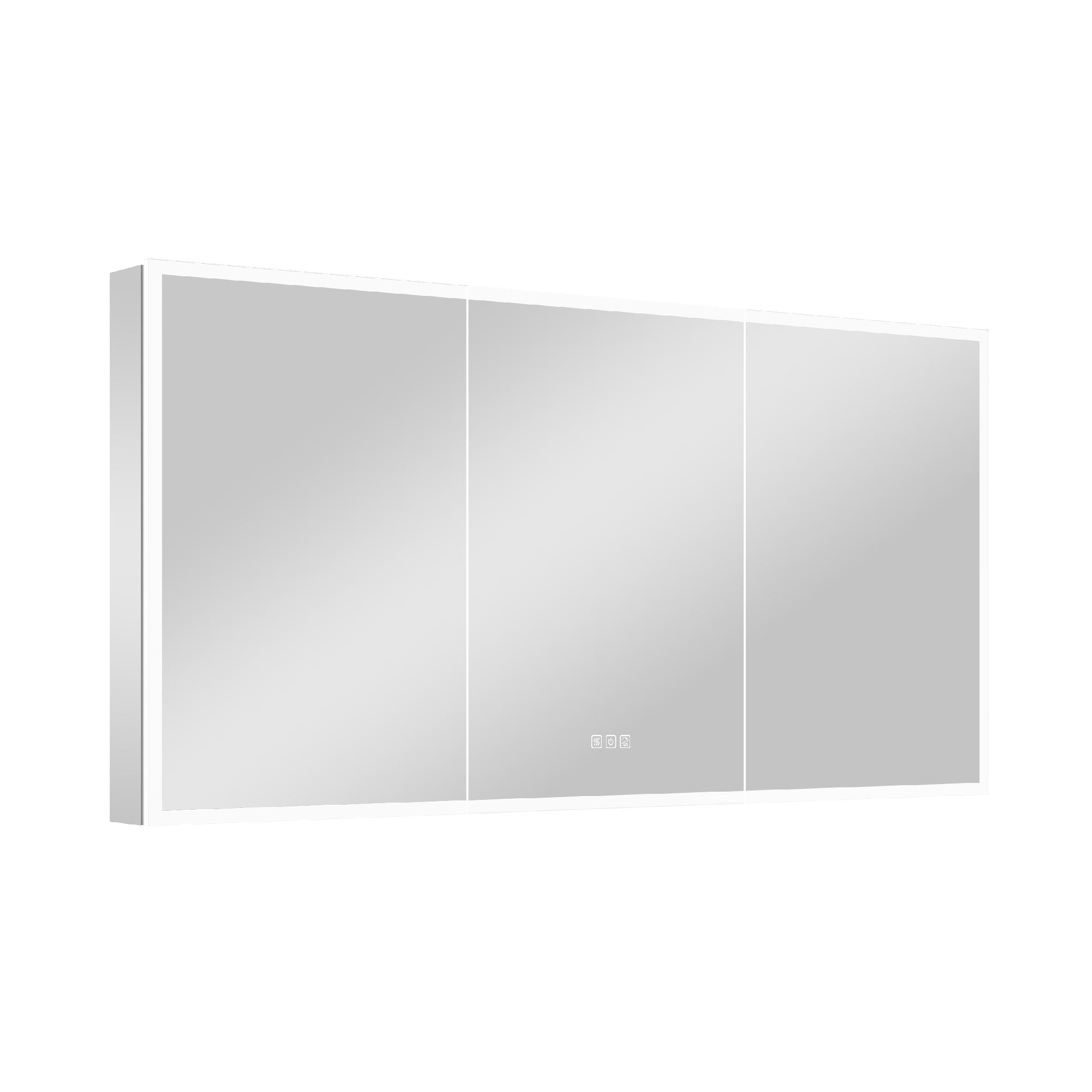
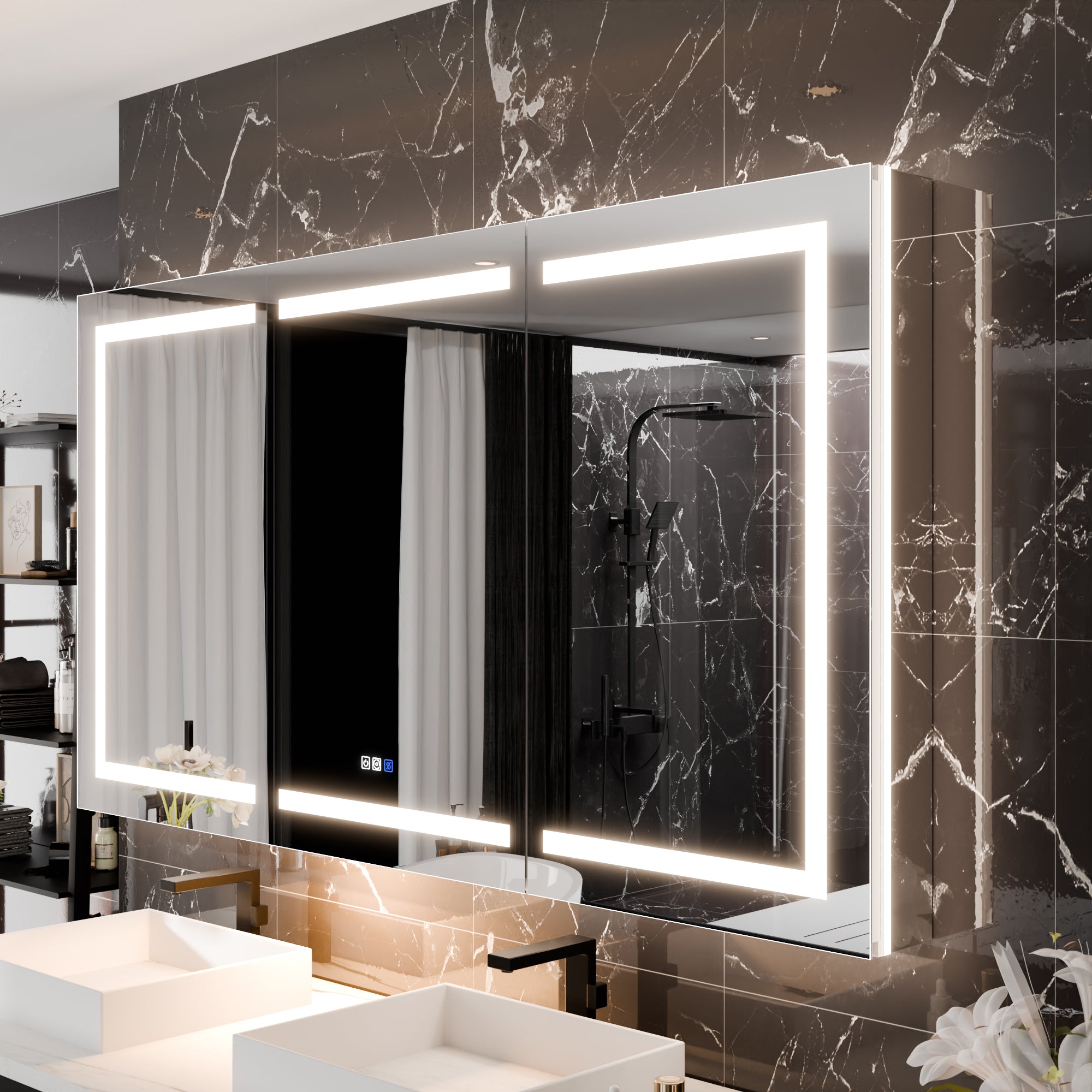
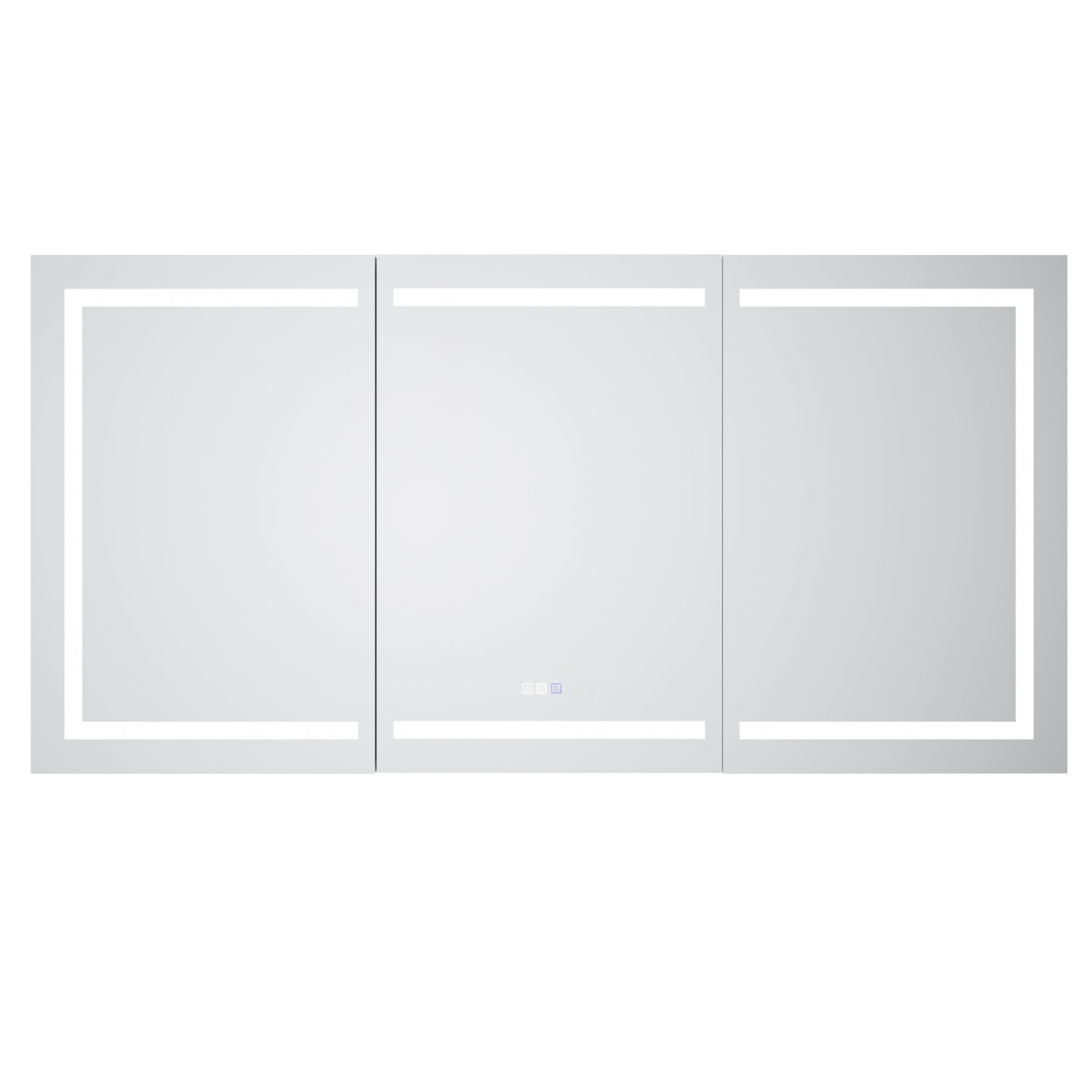
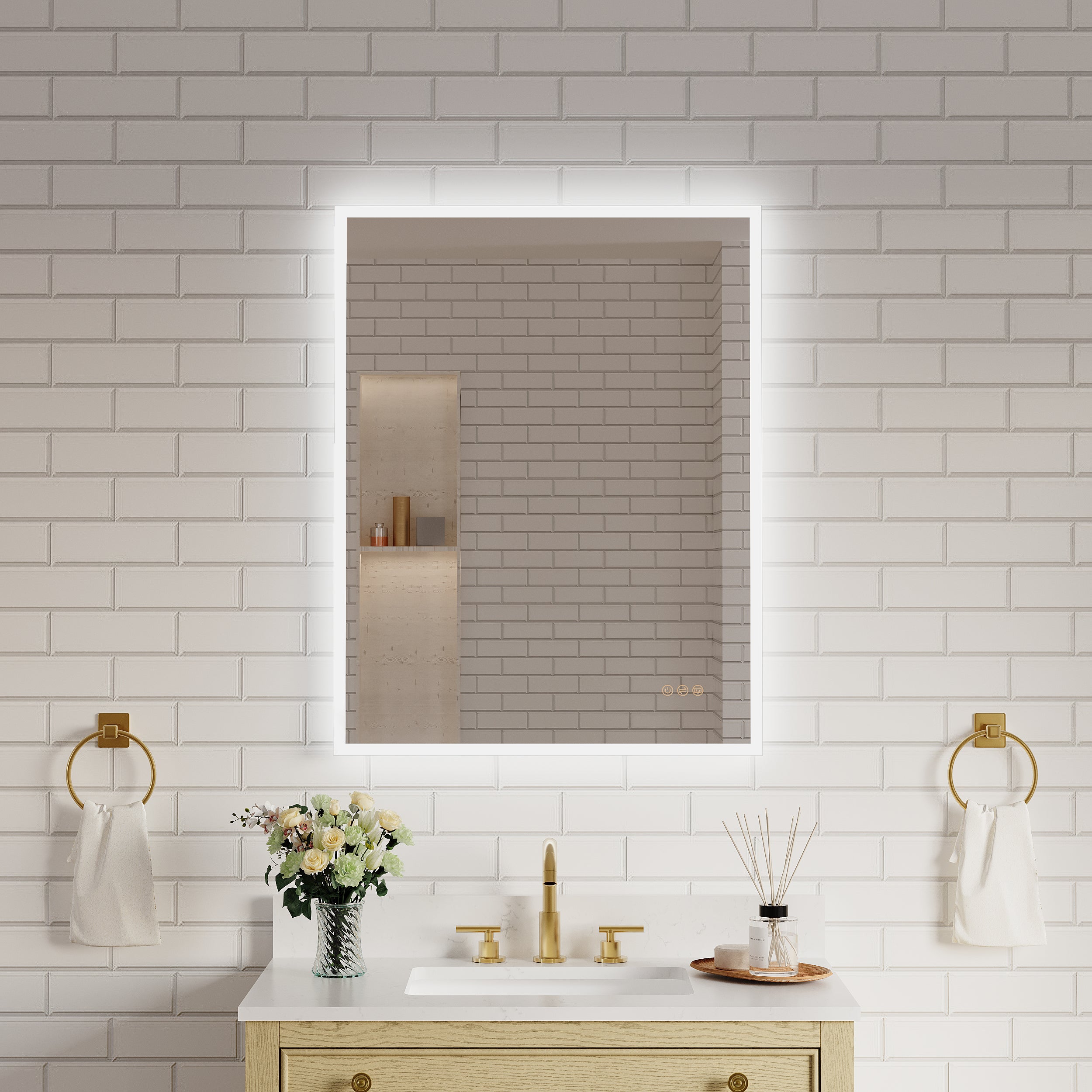
The proportion of integrated lighting in modern medicine cabinets continues to rise, not only because of convenience but also because the lighting positions are more reasonable.
Compared with traditional ceiling lights, the supplementary lighting around or on the back of the mirror cabinet is closer to the front of the face, reducing shadows and making the space appear brighter.
Industry lighting tests have shown that under the same area conditions, reasonable mirror lighting can significantly improve spatial brightness without the need for additional lighting fixtures.
7. The opening method directly affects the user experience
In small spaces, the opening method of the mirror cabinet is often overlooked, but its impact on daily use is straightforward.
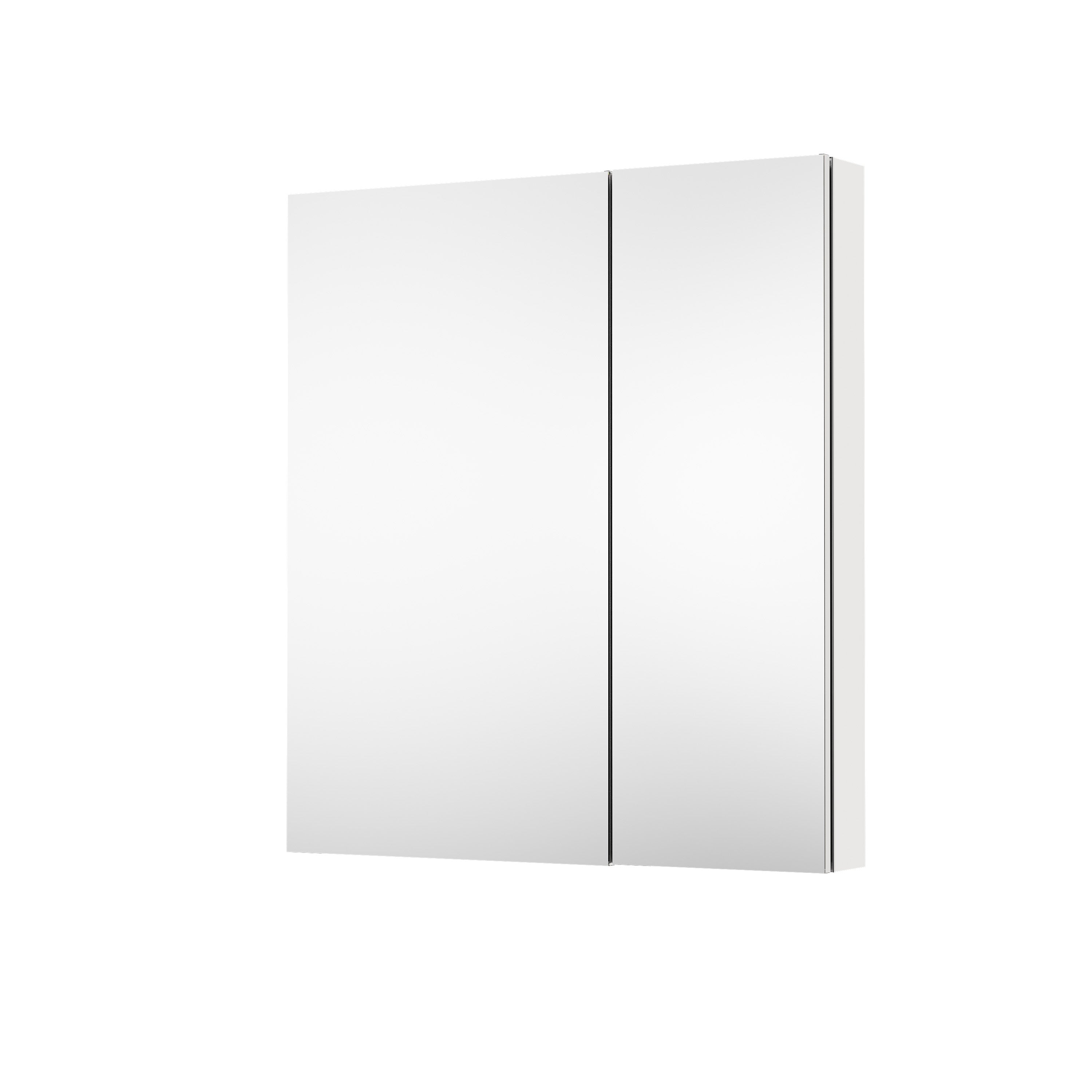
Flat doors are the most common structure, but interference may occur near side walls or narrow flow lines.
Sliding doors or bidirectional opening designs can effectively reduce this problem.
Industry experience shows that in spaces with a width of less than 30 inches, the rationality of the opening method is often more important than the cabinet's capacity.

8. Small space is not a compromise, but a more intelligent choice
The significance of modern medicine cabinets lies not in "adding more", but in "placing them in the right place".
Through embedded structure, precise dimensions, clear internal planning, and integrated lighting, small-space bathrooms can achieve a user experience close to that of larger spaces without sacrificing comfort.
When every inch of the wall is utilized rationally, the space no longer appears cramped but becomes efficient, orderly, and usable for a long time.
This is where modern mirror cabinets truly demonstrate their value in small spaces.










Leave a comment
This site is protected by hCaptcha and the hCaptcha Privacy Policy and Terms of Service apply.