














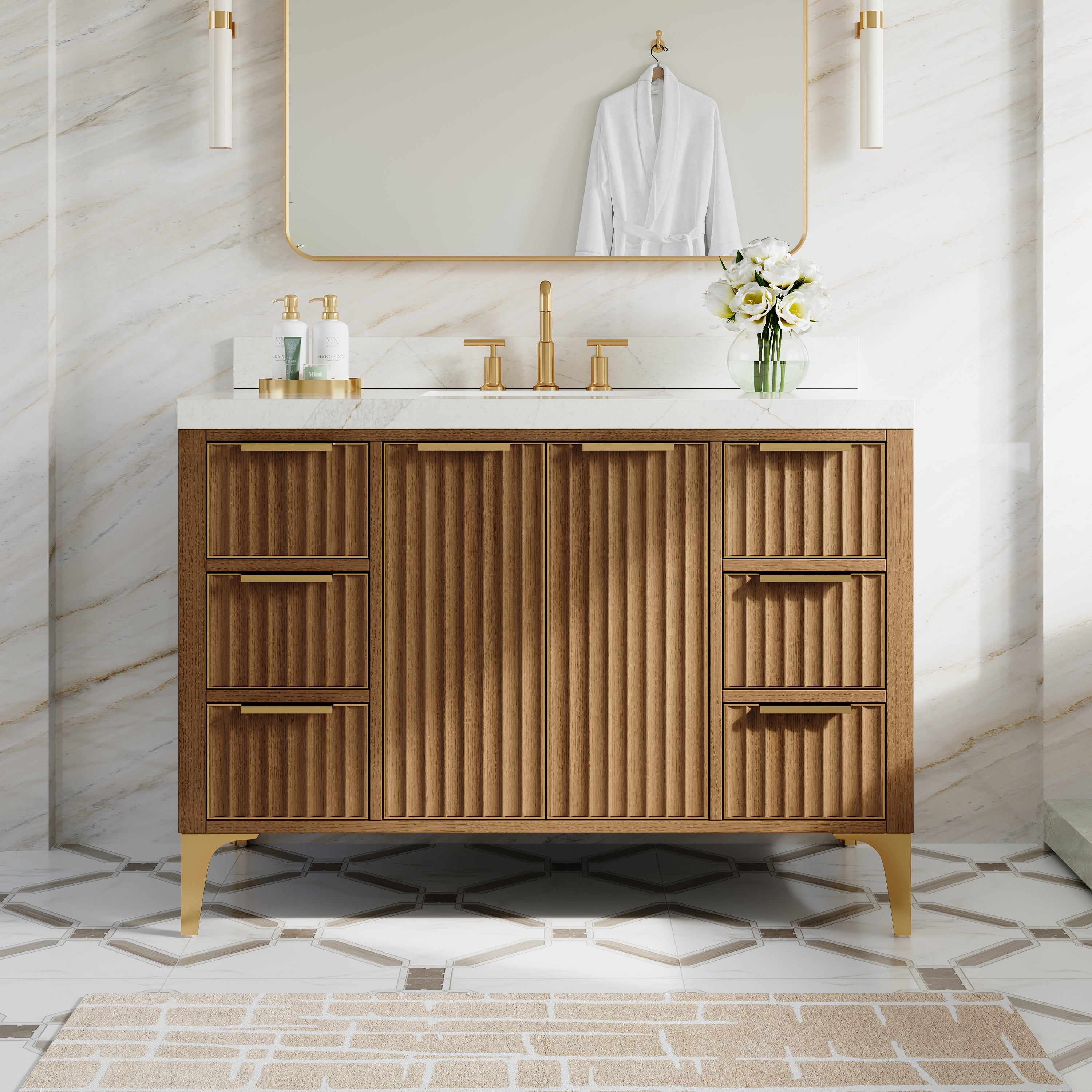
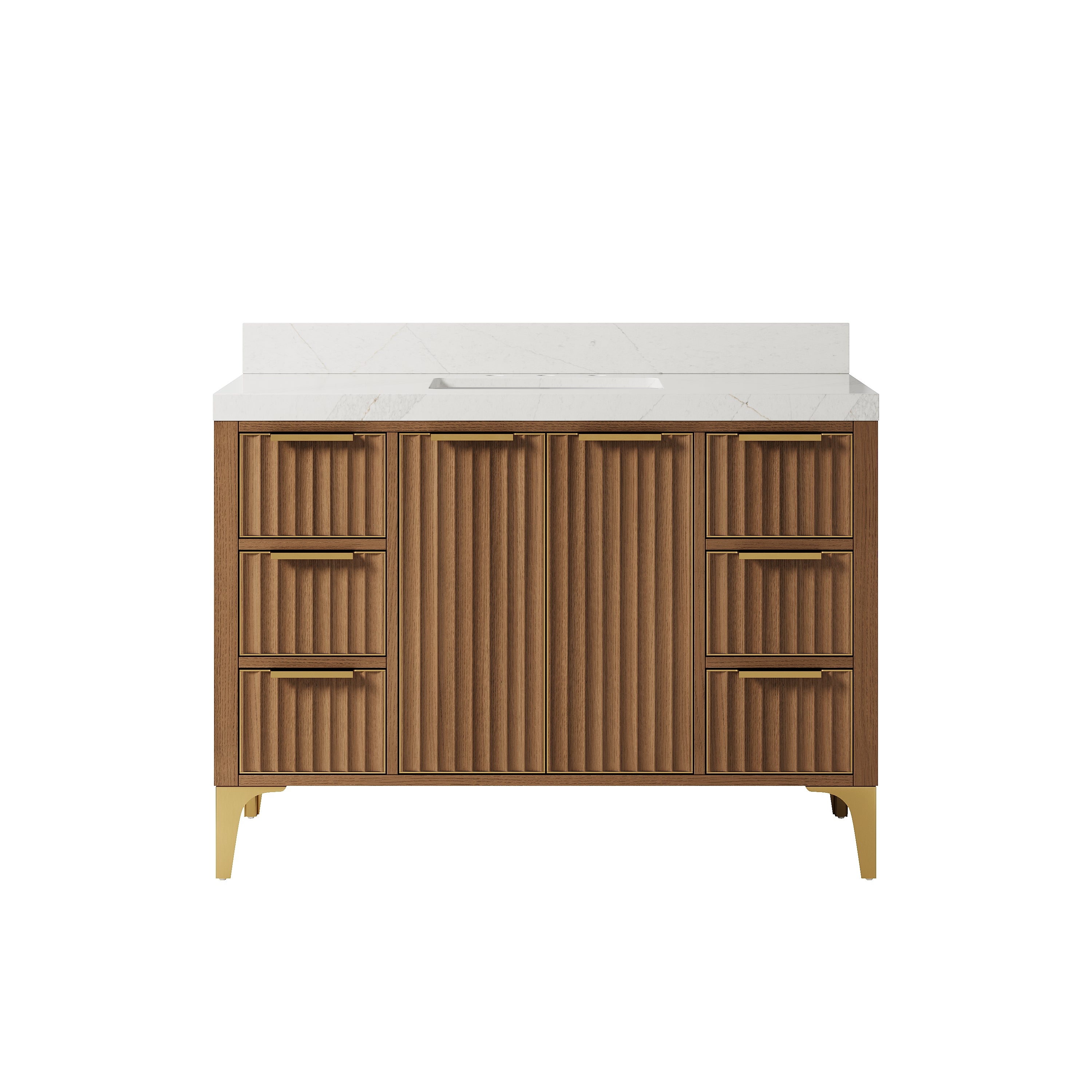


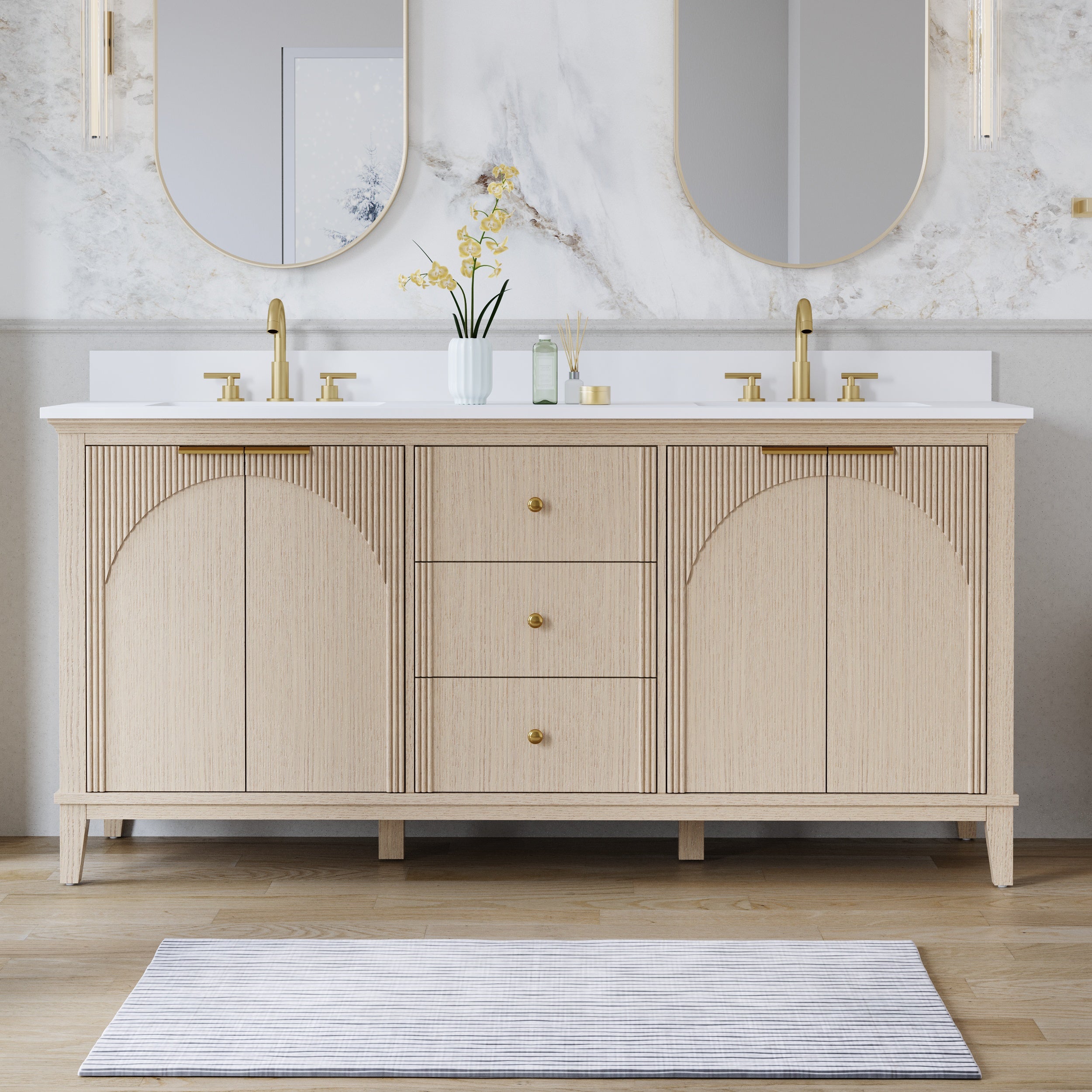
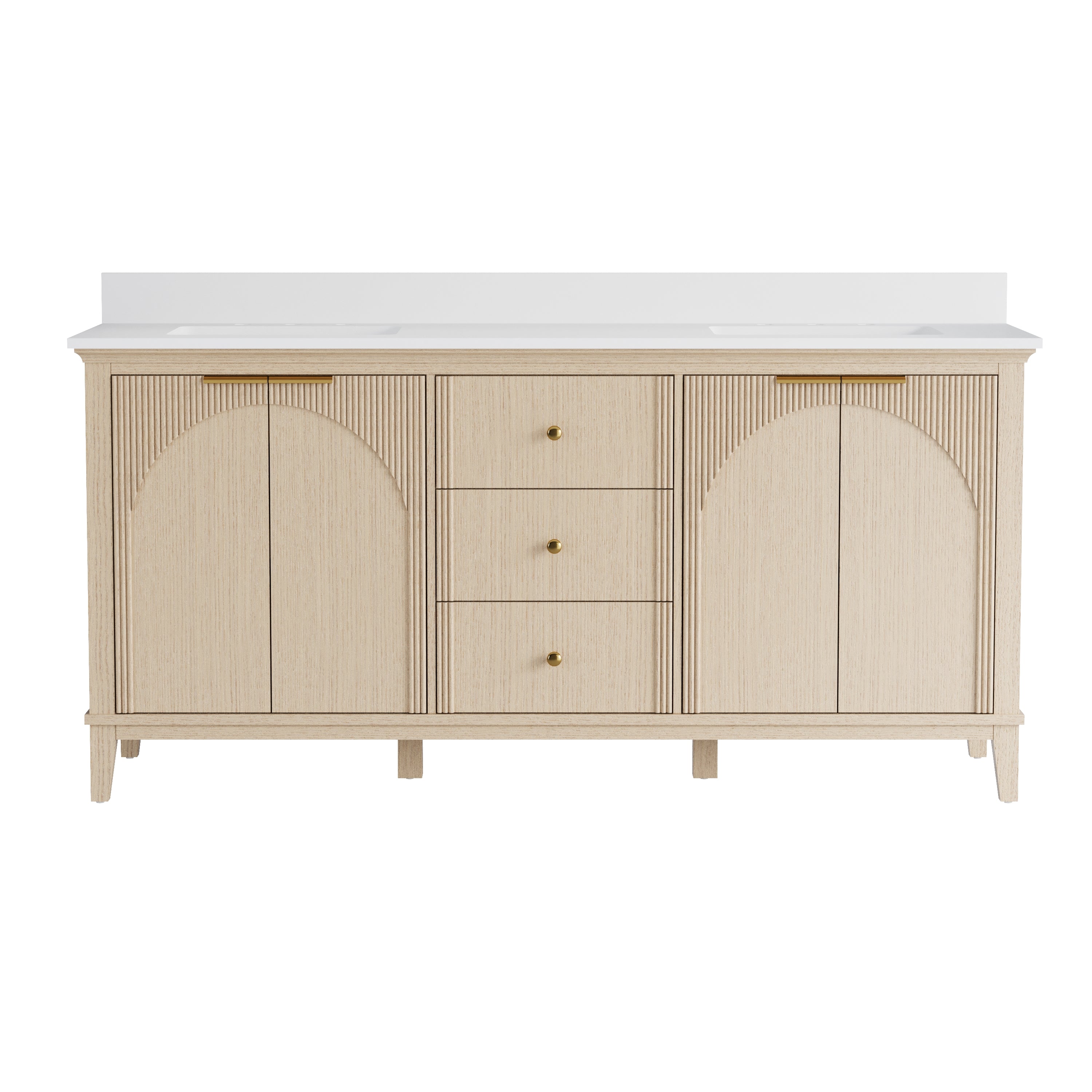
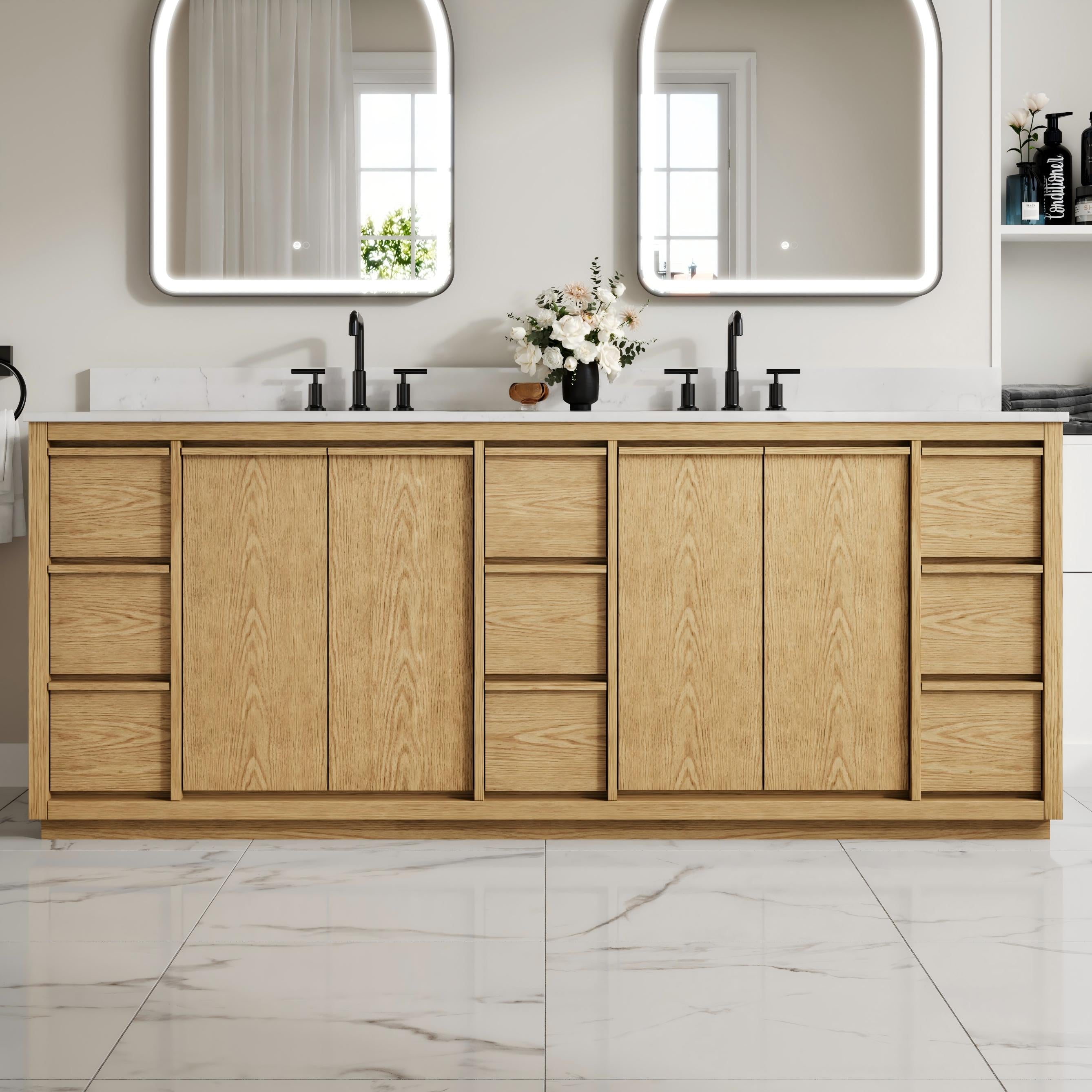
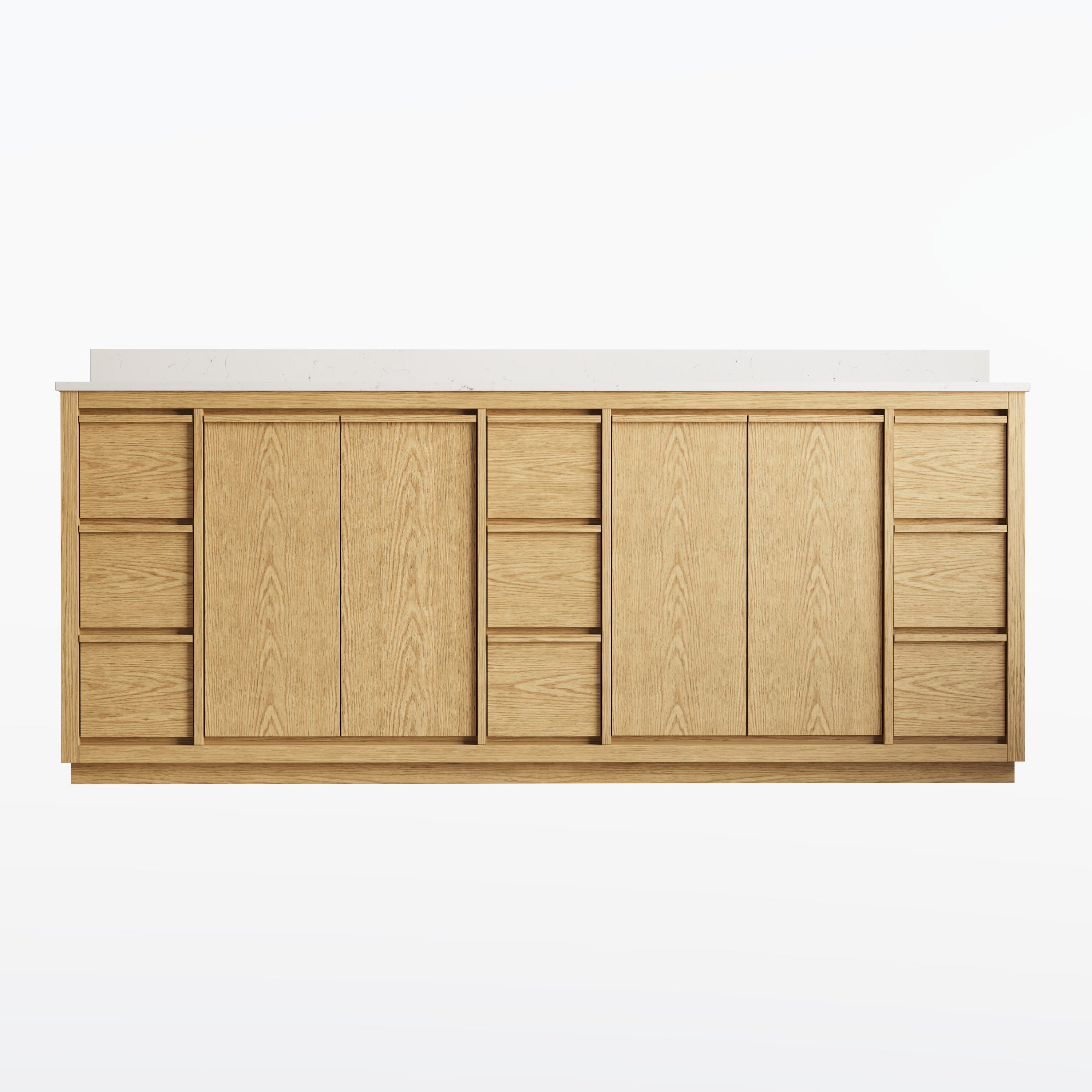

When upgrading your bathroom, many choose cabinets, faucets, and tiles first, leaving mirrors as an afterthought. Yet, bathroom mirror affect countertop proportions, lighting, storage convenience, and your daily experience. Studies show most renovations involve professionals, so the cost of "choosing the wrong mirror" and redoing work is higher than expected. Decide on mirrors early.
1. First, determine the size: the mirror and bathroom cabinet must be in the correct proportion
One of the most common mistakes is choosing a mirror that is too small or too narrow.
In practice, you can use this "worry-free ruler":
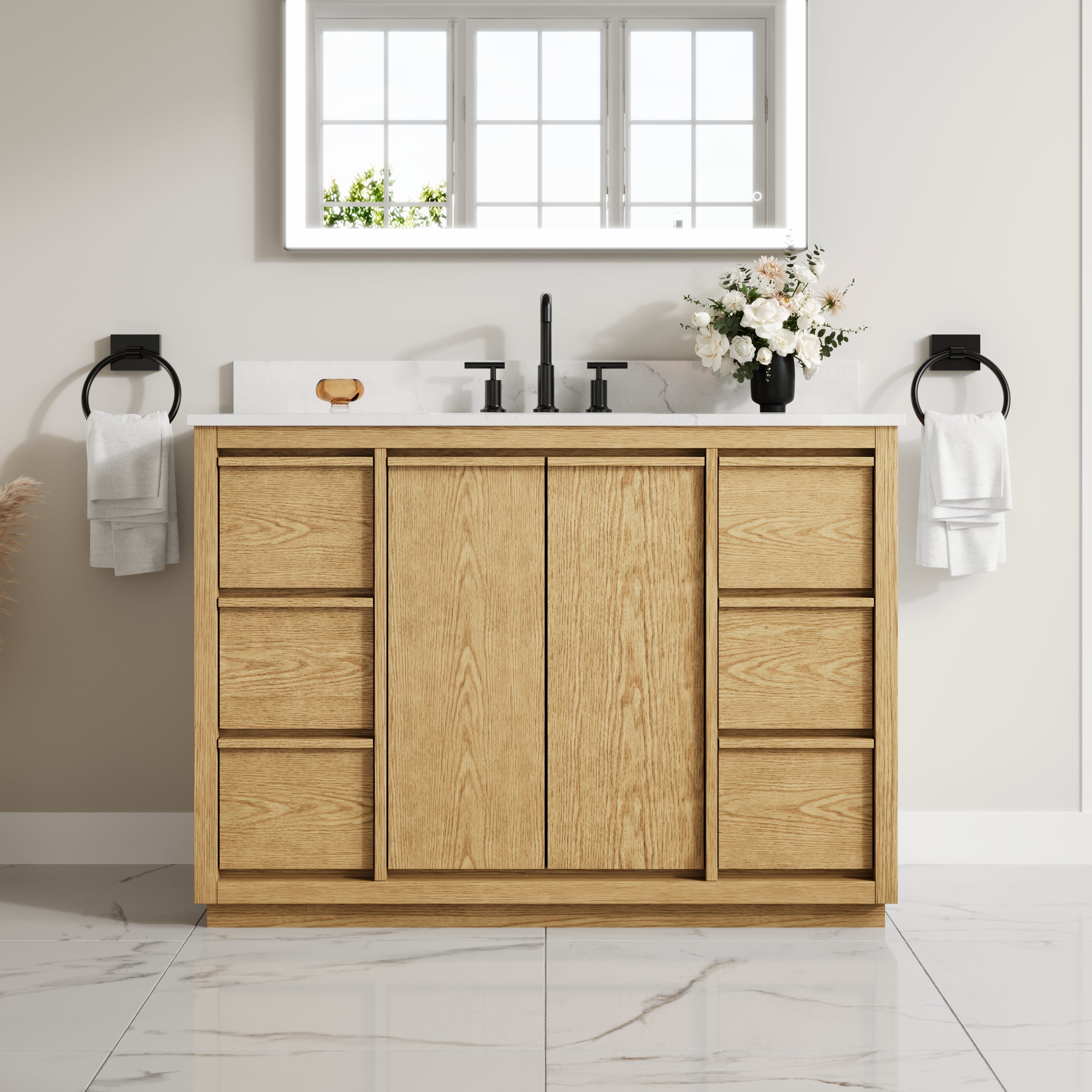
Mirror width=70% -90% of countertop/bathroom cabinet width
• 24 "-30" bathroom cabinet: mirror recommended 20 "-28."
• 36 "bathroom cabinet: mirror recommended 30" -36. “
• 48 "Bathroom Cabinet: Mirror Recommendation 40" -48“
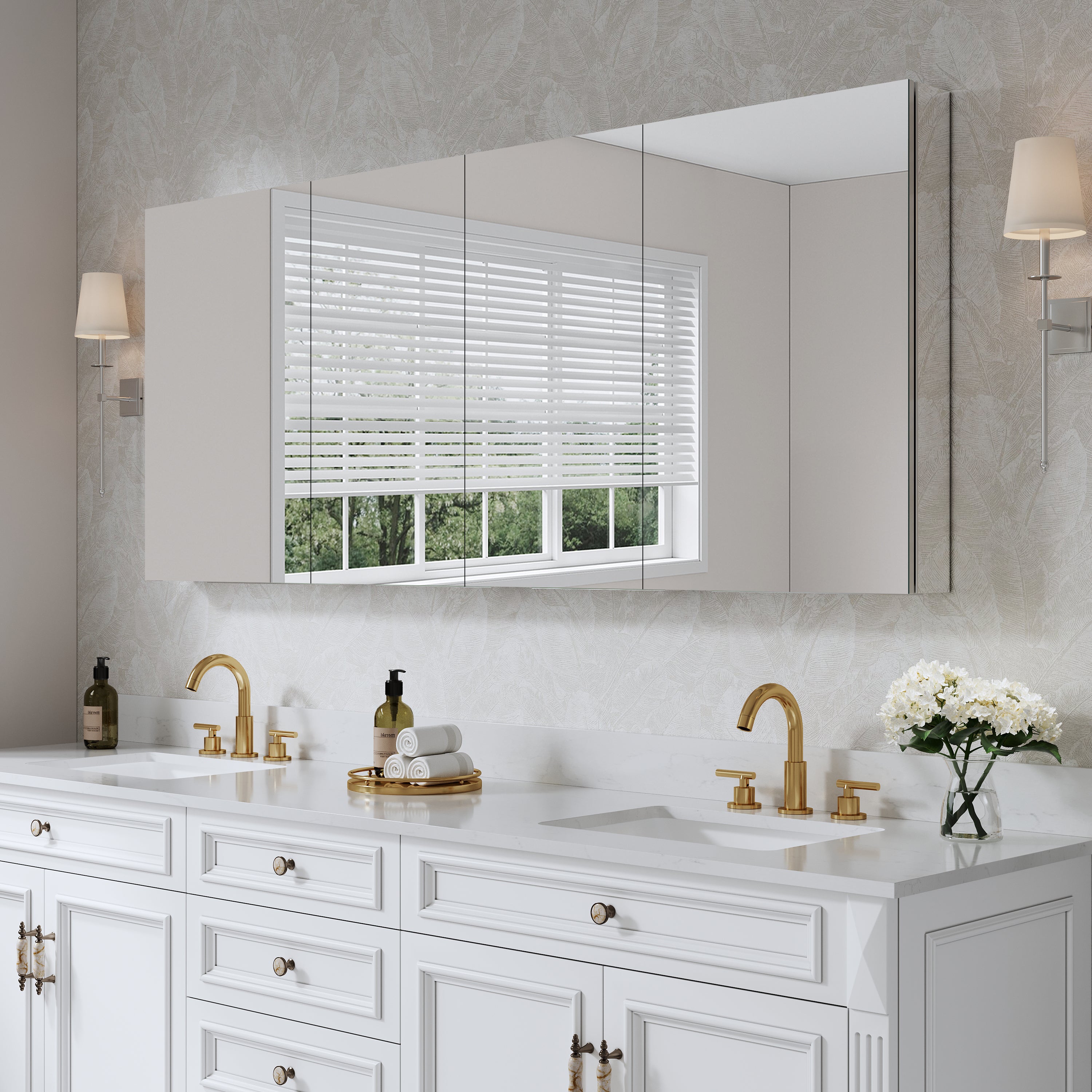
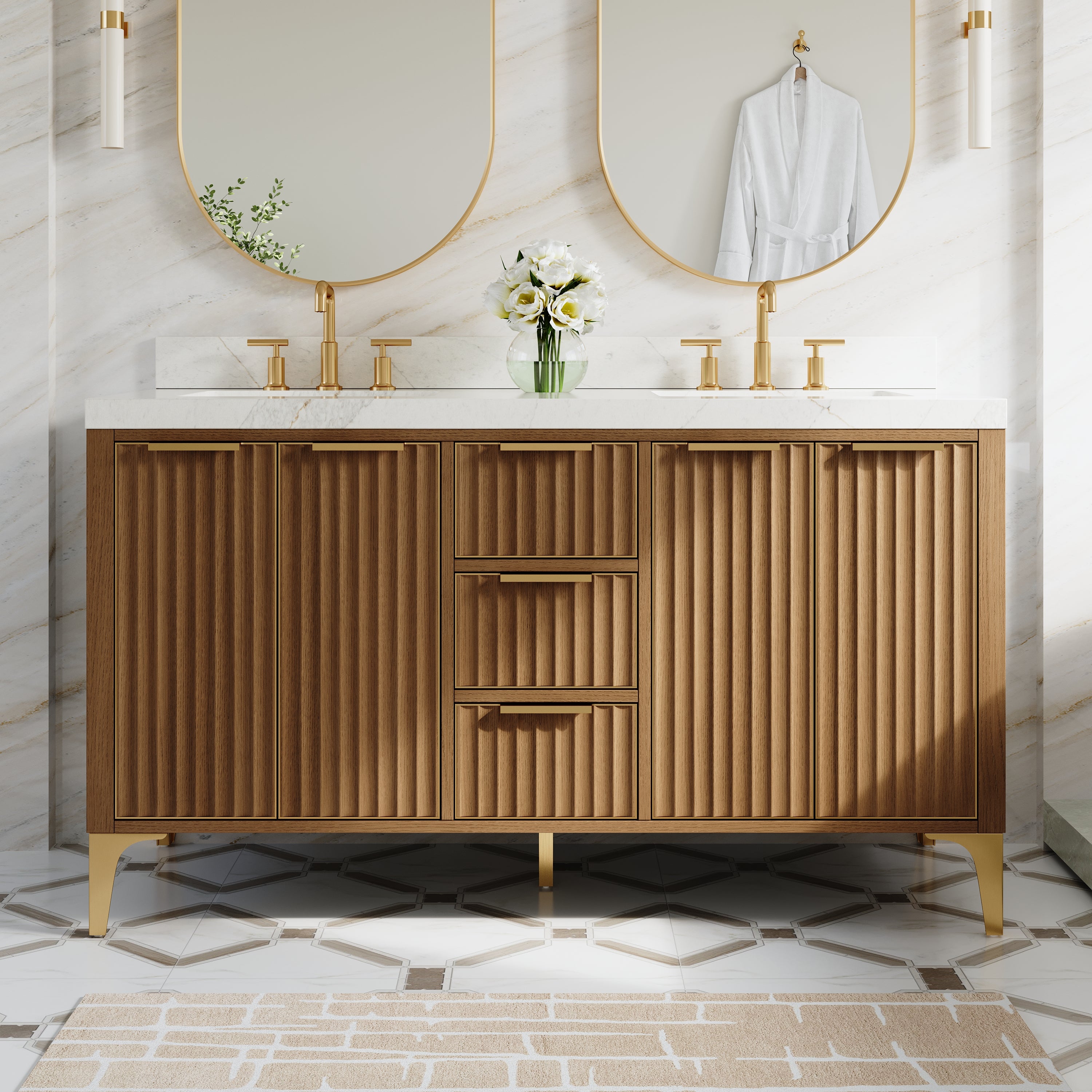
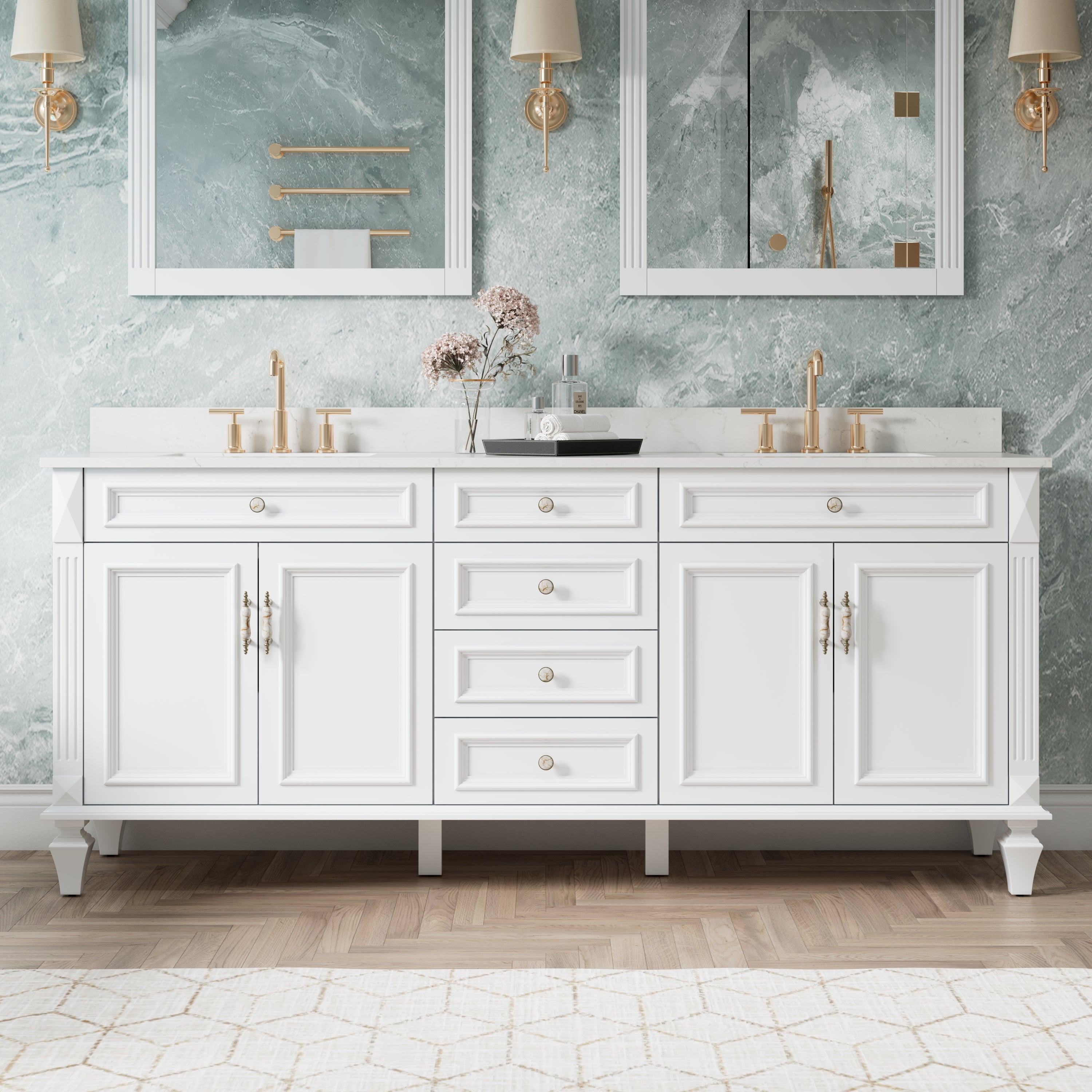
• 60" double basin: Use a 48"-60" mirror or two 24"-30" mirrors, depending on symmetry preference.
Mirror height: Do not pursue the higher the better, pursue "covering the face to the upper body."
For most families, it is better to control the height of the mirror when it falls between 28 "and 40"; The ceiling height is high, and if you want to create a hotel feel, you can go up to 40 "-48", but you need to confirm that the light positions and sockets will not be awkward.
Quick guideline: When standing in front of the mirror, avoid leaving too much space on either side. The mirror should visually align with the countertop, not appear as a small painting on the wall.
2. Re-shaping: square, round, arched, choosing "style language."
Use the mirror as a punctuation mark for the bathroom, and you won't randomly choose:
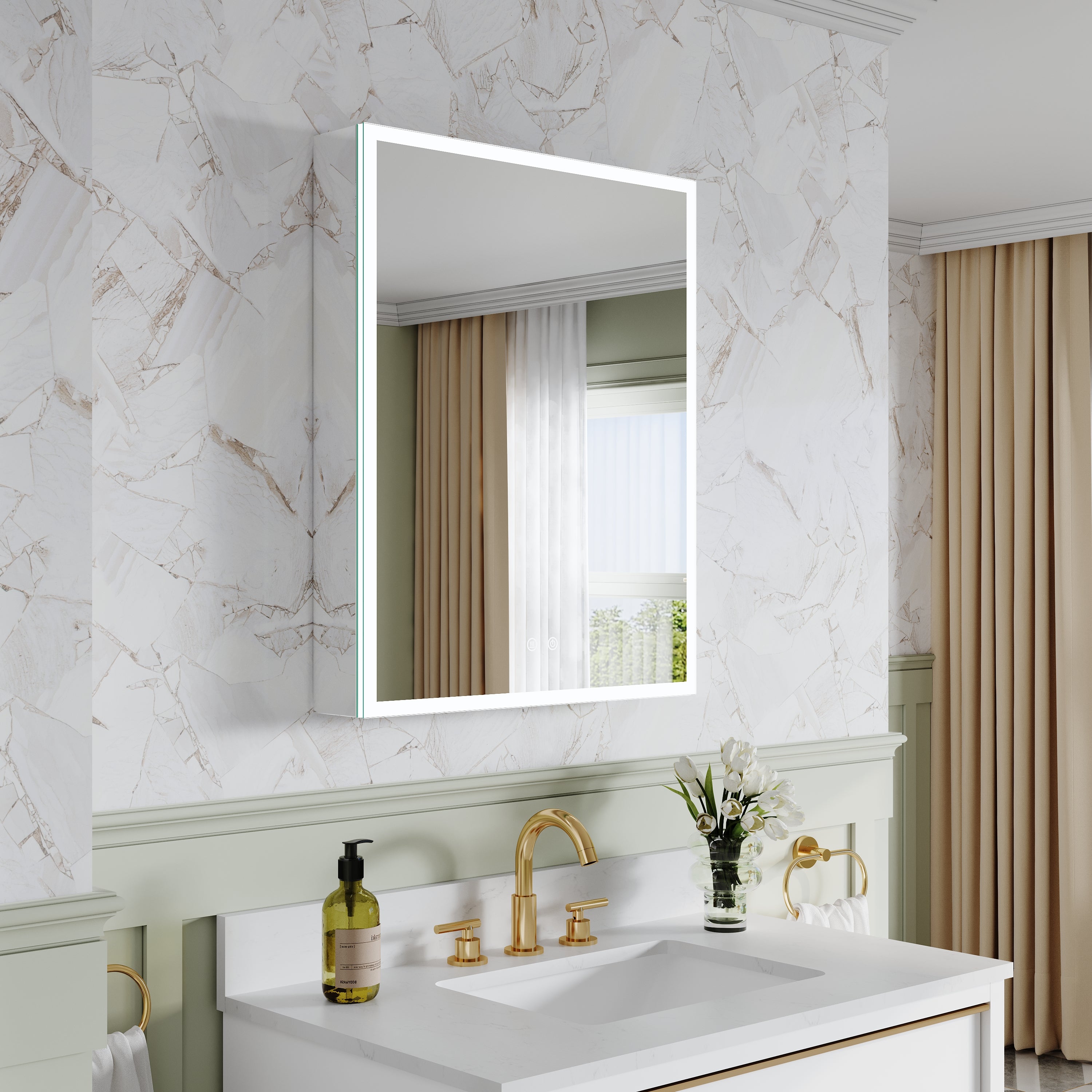
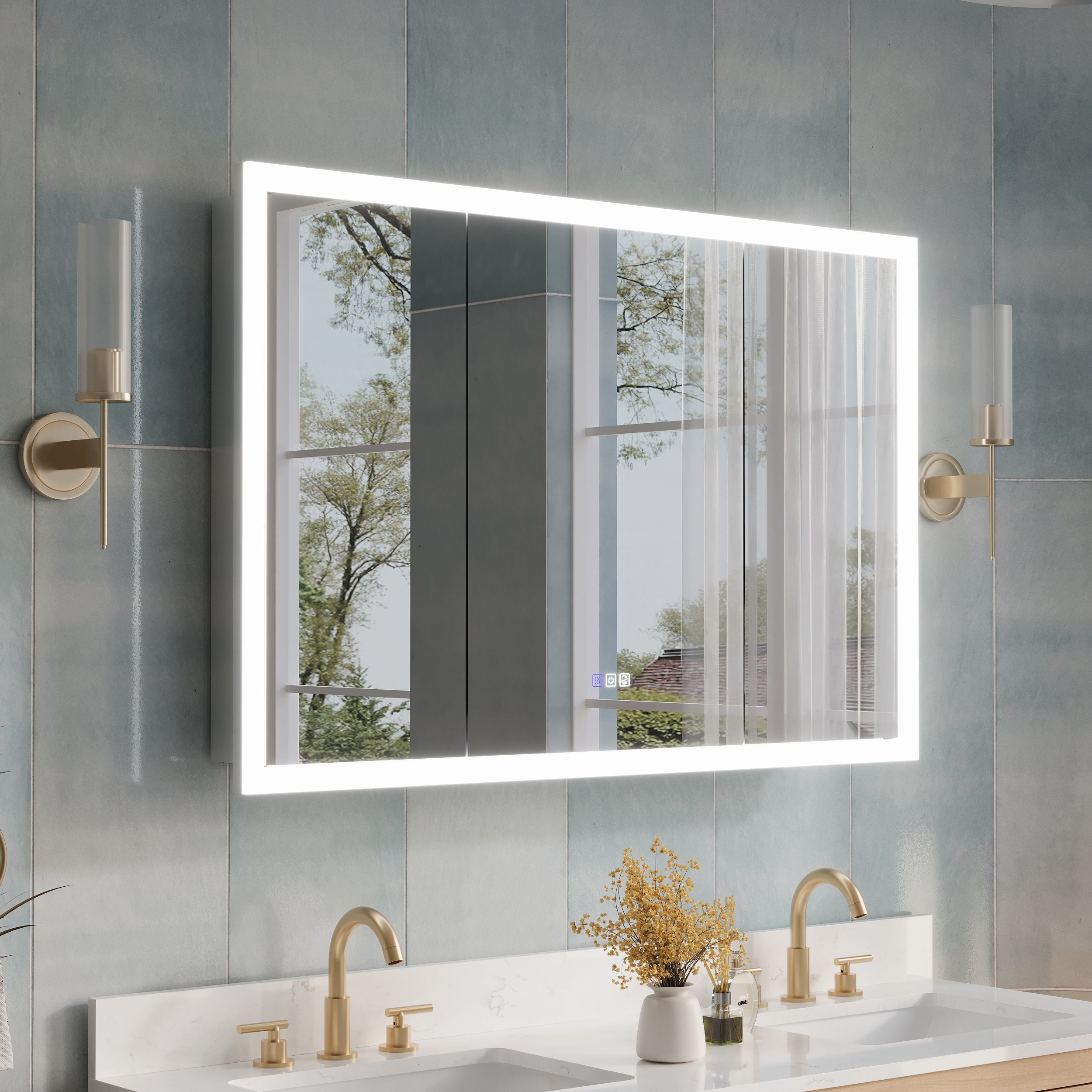
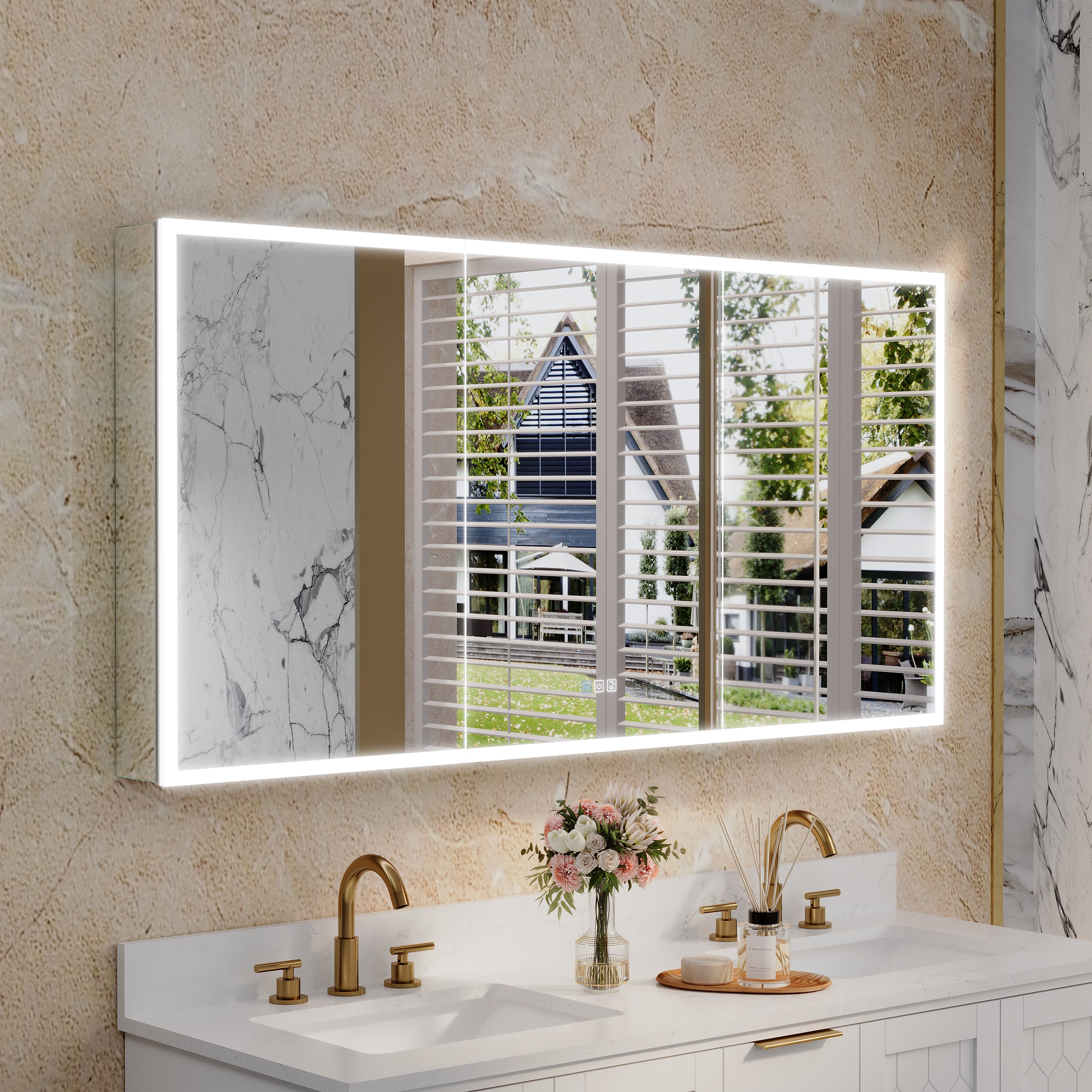
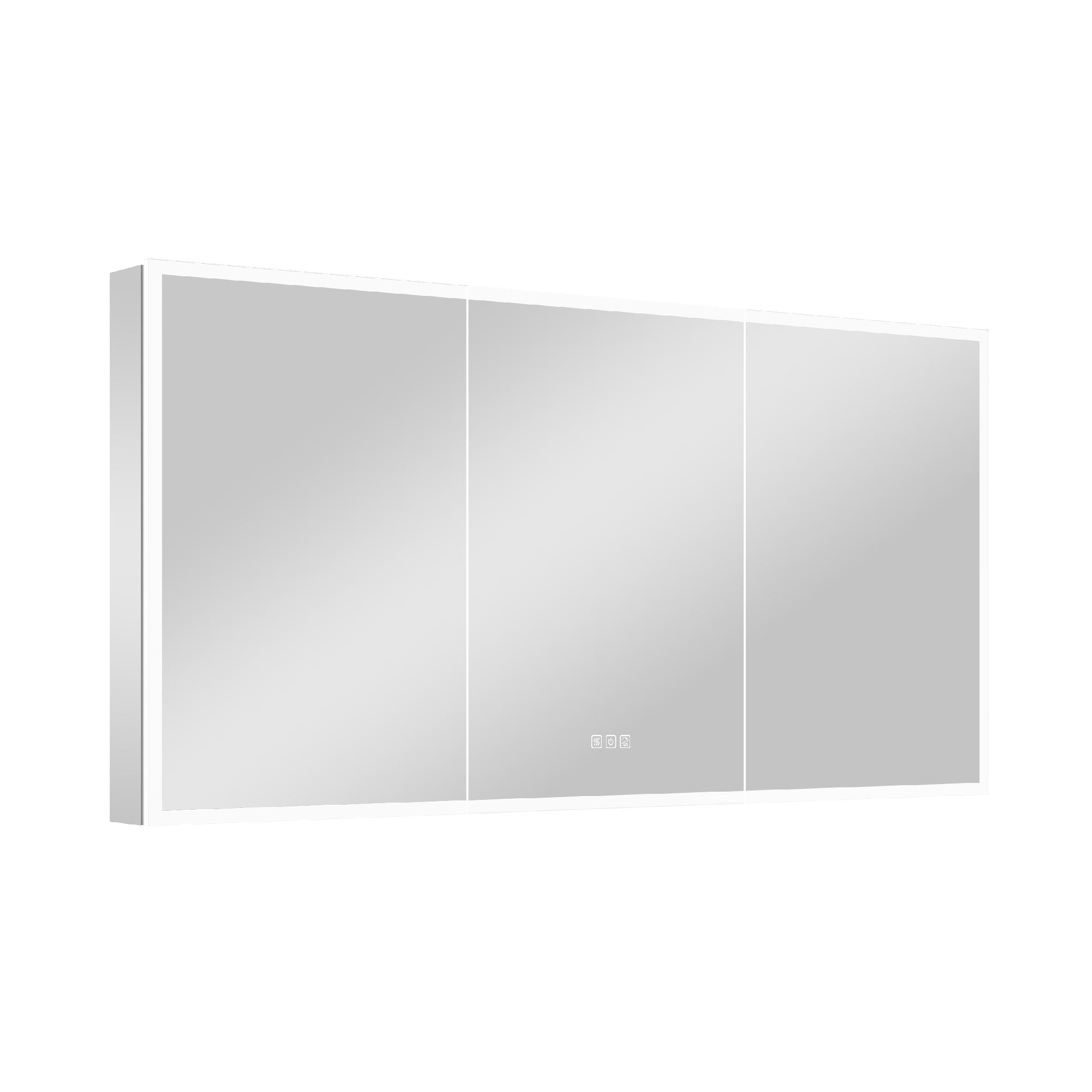
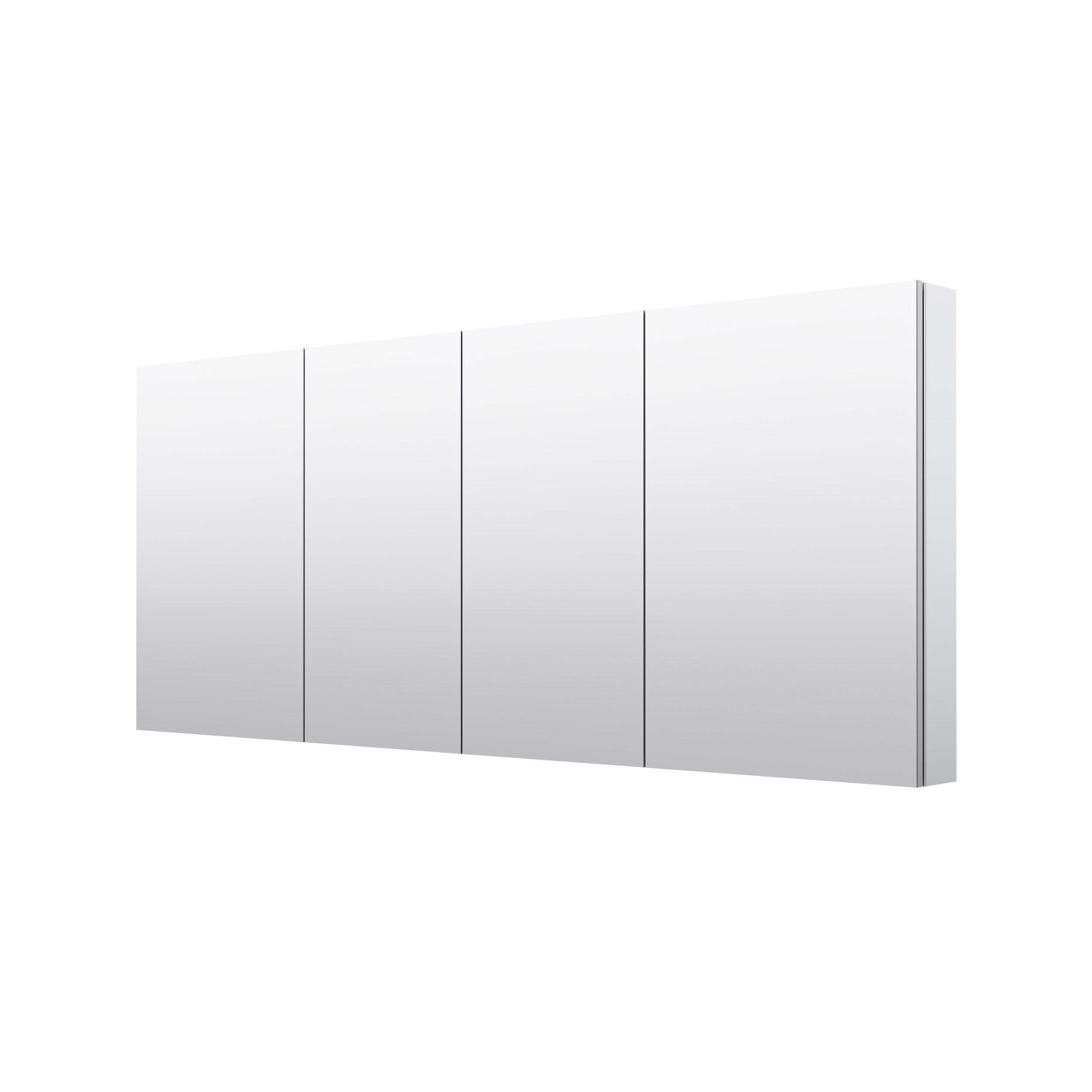
Square/rectangular: the most stable and versatile, suitable for modern, minimalist, and light luxury; It is also most suitable for making functional mirror cabinets.
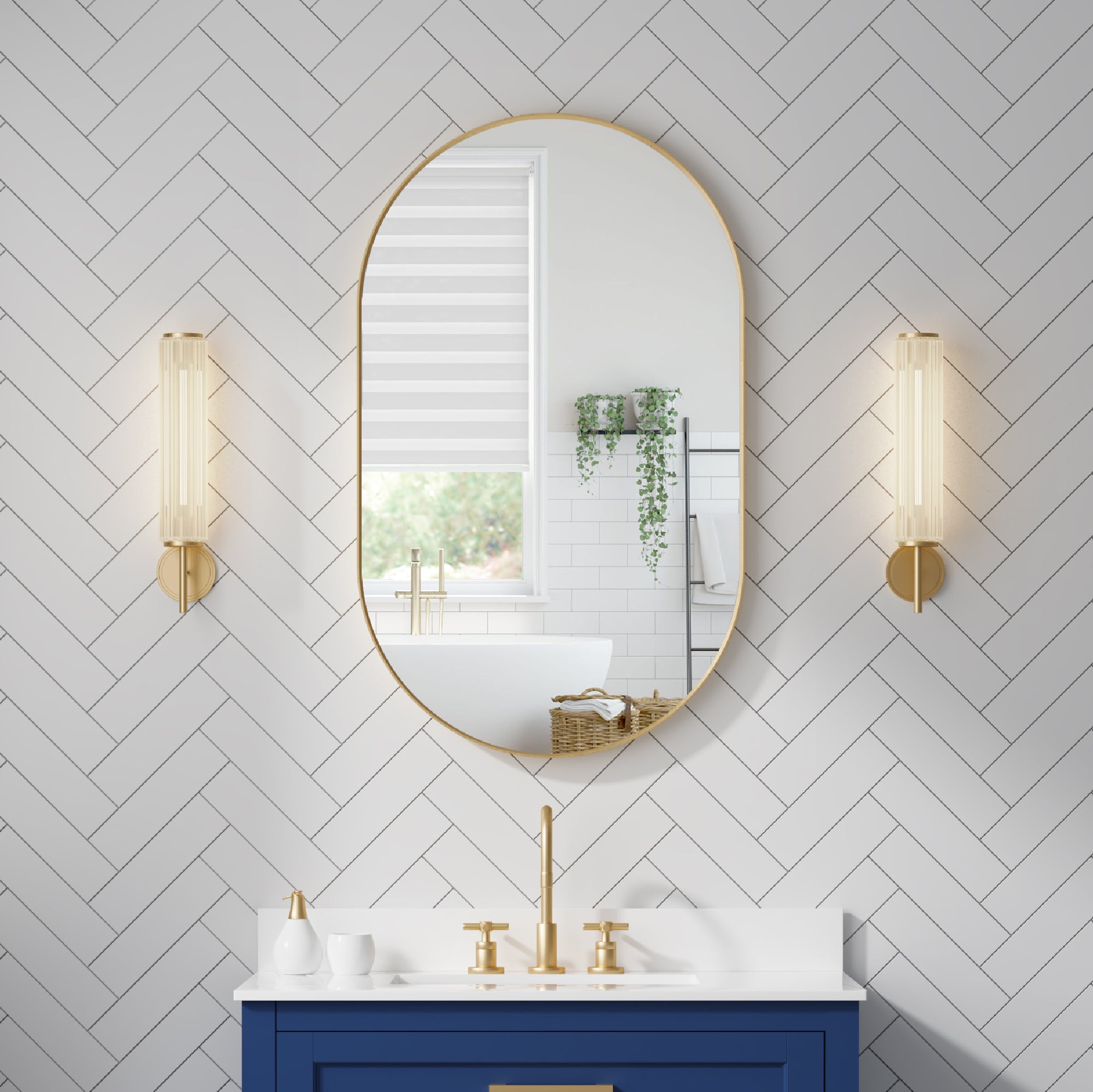
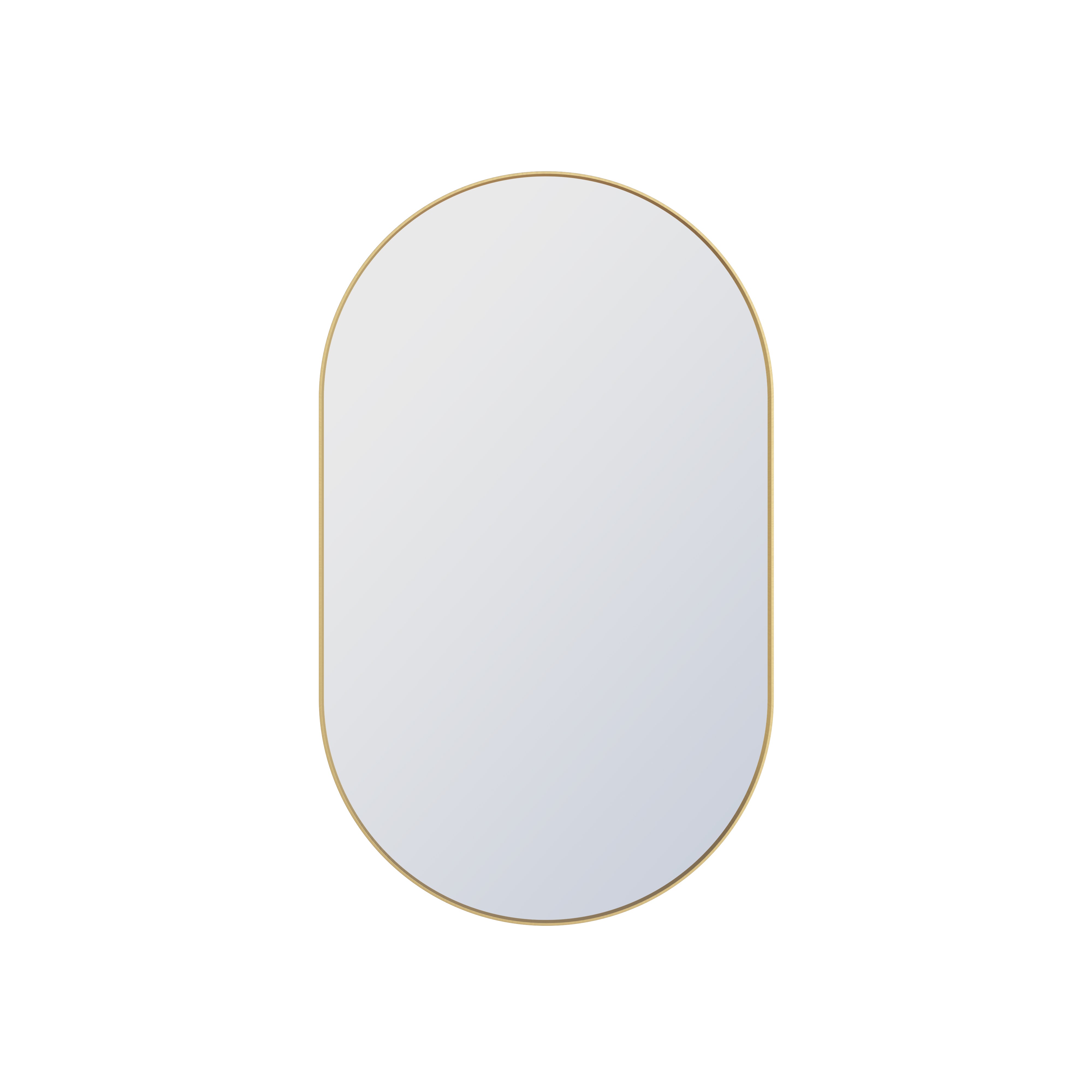
Circular/elliptical: softer, suitable for easing the straight lines of hard furnishings, especially suitable for small bathrooms to do "visual decompression."
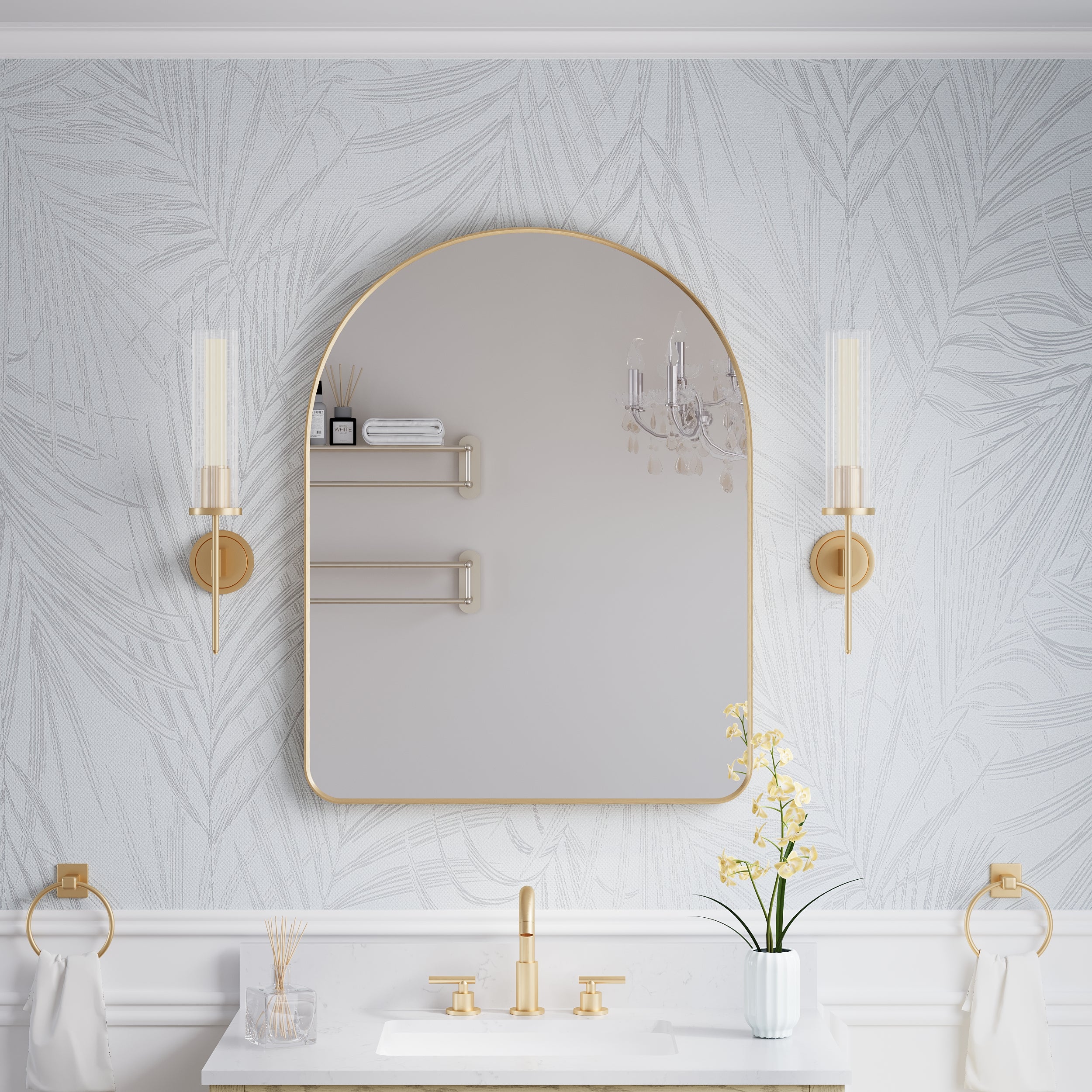
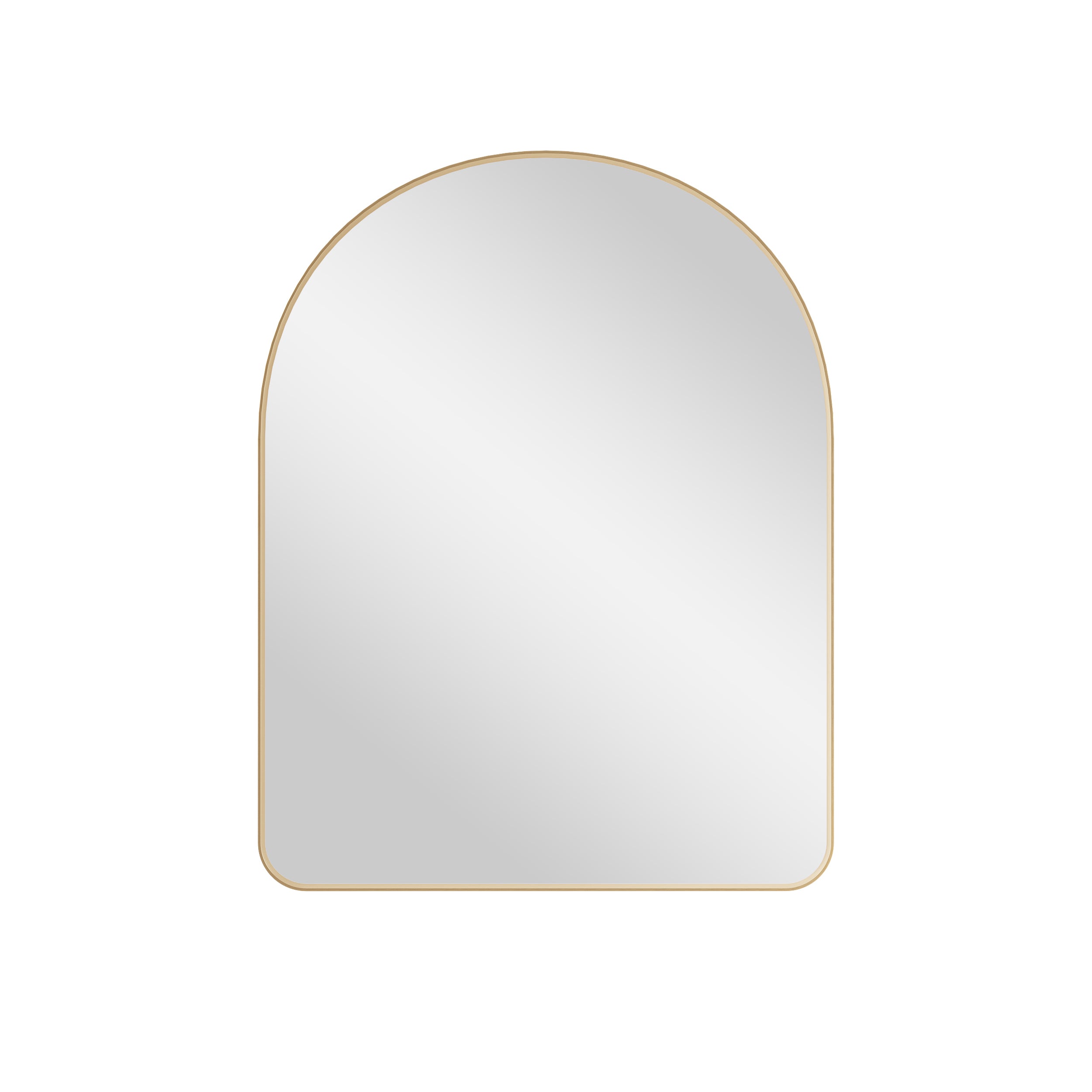
Arched: More design-oriented, but requires higher wall space requirements; The height of the arch should be sufficient, otherwise it will appear as' top to ceiling '.
If your hardware, faucets, and showerheads have sharp lines (square, thin edges, right angles), a circular or oval mirror provides balance. Conversely, if your space already includes many curves (arches, round fixtures, or sinks), a square mirror creates a simpler look.
3. Choose border and texture: Does it look expensive or not? Here's the difference
Frameless: appears large and clean, but requires more attention to wall flatness and edge details.
Thin frame: It is easier to create a sense of luxury with black, champagne gold, and brushed nickel, all of which are stable.
Thick border: Easy to appear heavy, unless you are in a retro/American/rural style, be cautious.
Detail suggestion:
Want to be more "neat": choose right-angled cut edges/polished edges.
Want to be softer? Choose rounded or micro-arc edges.
It is recommended to prioritize the glass version with higher clarity and imaging closer to real skin color (not just under light; it is best to also look under natural light once).
4. Lamp selection: The goal of mirror illumination is "no shadows, minimal color cast."
If you often apply makeup, shave, and wear invisible clothes, then the shape of the mirror is more important than matching the lamp. In recent years, the trend in bathroom design has seen a significant increase in "mirror integrated lighting," as it can more directly address the problem of facial shadows.
Practical selection method:
Only the overhead light: it is most likely to form shadows in the eye sockets and chin (not recommended for use alone).
Bar light+mirror: high cost-effectiveness and easy maintenance; Pay attention to keeping the lamp length as close as possible to the mirror width.
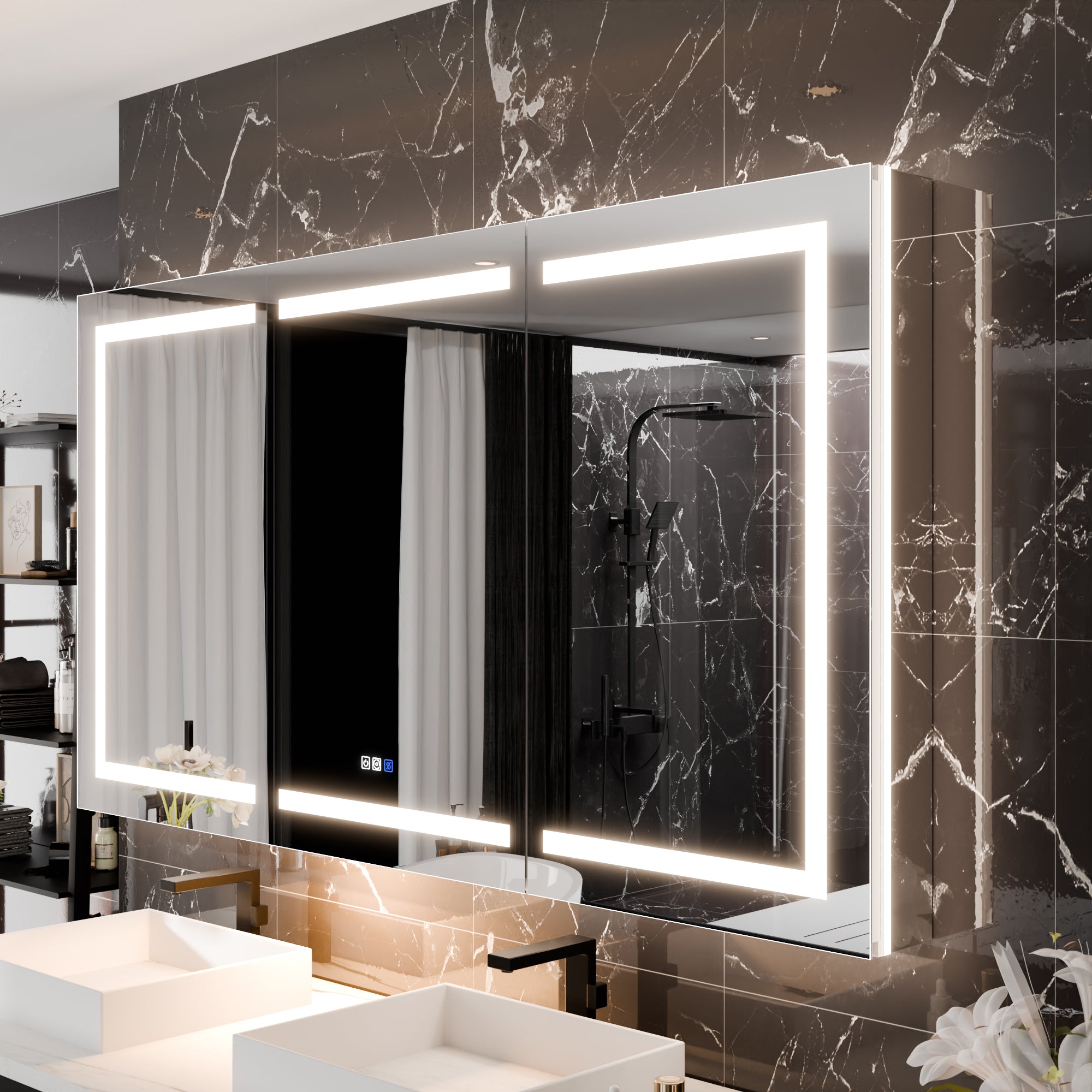
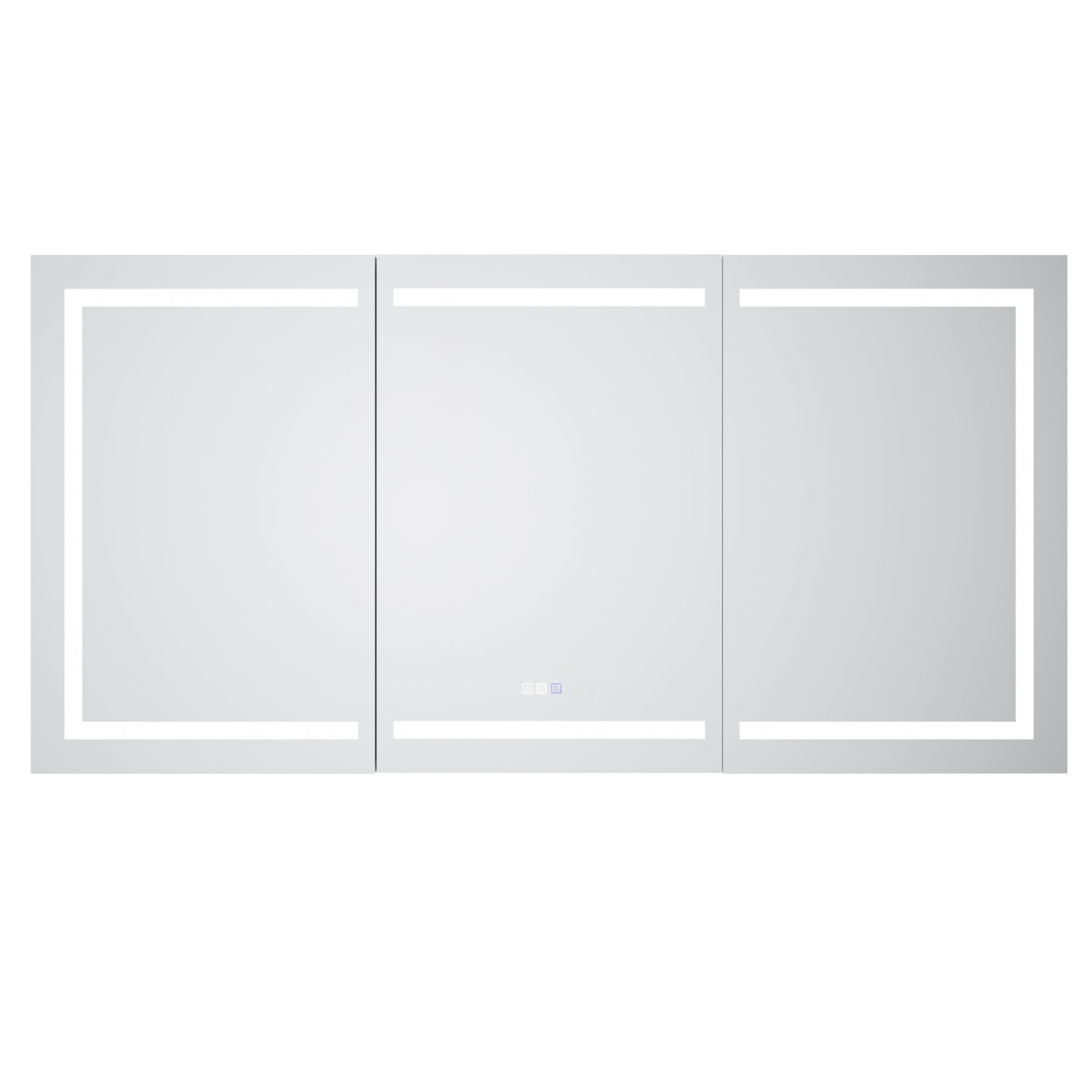
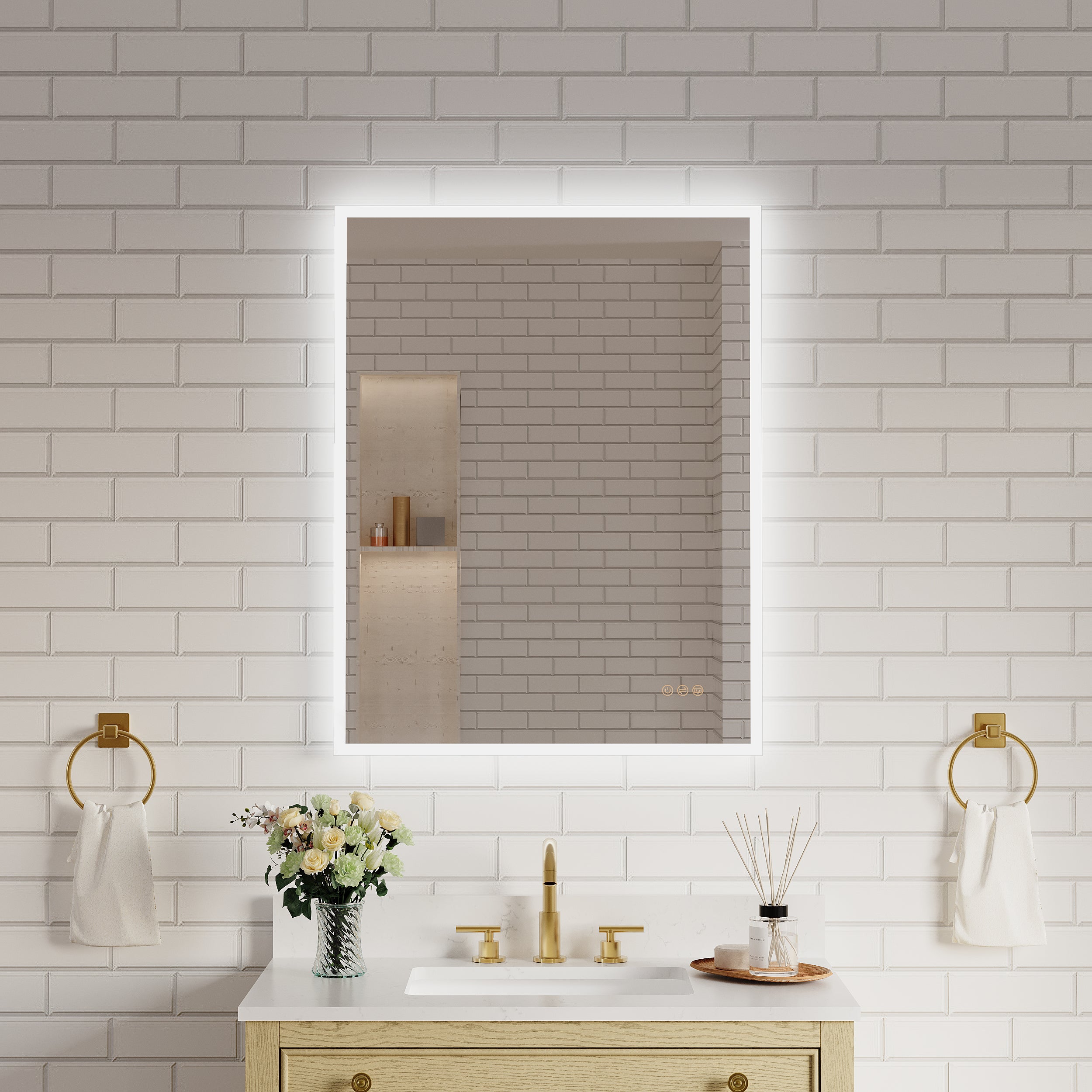
Backlight mirror/luminous mirror: The atmosphere is good, but if only backlight is used, the front fill light may be insufficient; A more ideal combination would be "positive illumination+backlight atmosphere."
In terms of color temperature:
Daily comfort and unobtrusive photography: 3500K-4500K is more balanced.
Want to be more "refreshing and clean": close to 5000K, but be careful that it may appear cold.
5. Should features be added or not: anti-fog, magnifying glass, socket, mirror cabinet
You can divide the functions into two categories: daily use vs. occasional use.
Daily use (high priority)
Anti-fog: It can be used immediately after taking a shower, and the experience improvement is very intuitive.
Mirror lighting/adjustable brightness: more user-friendly for morning and evening use.
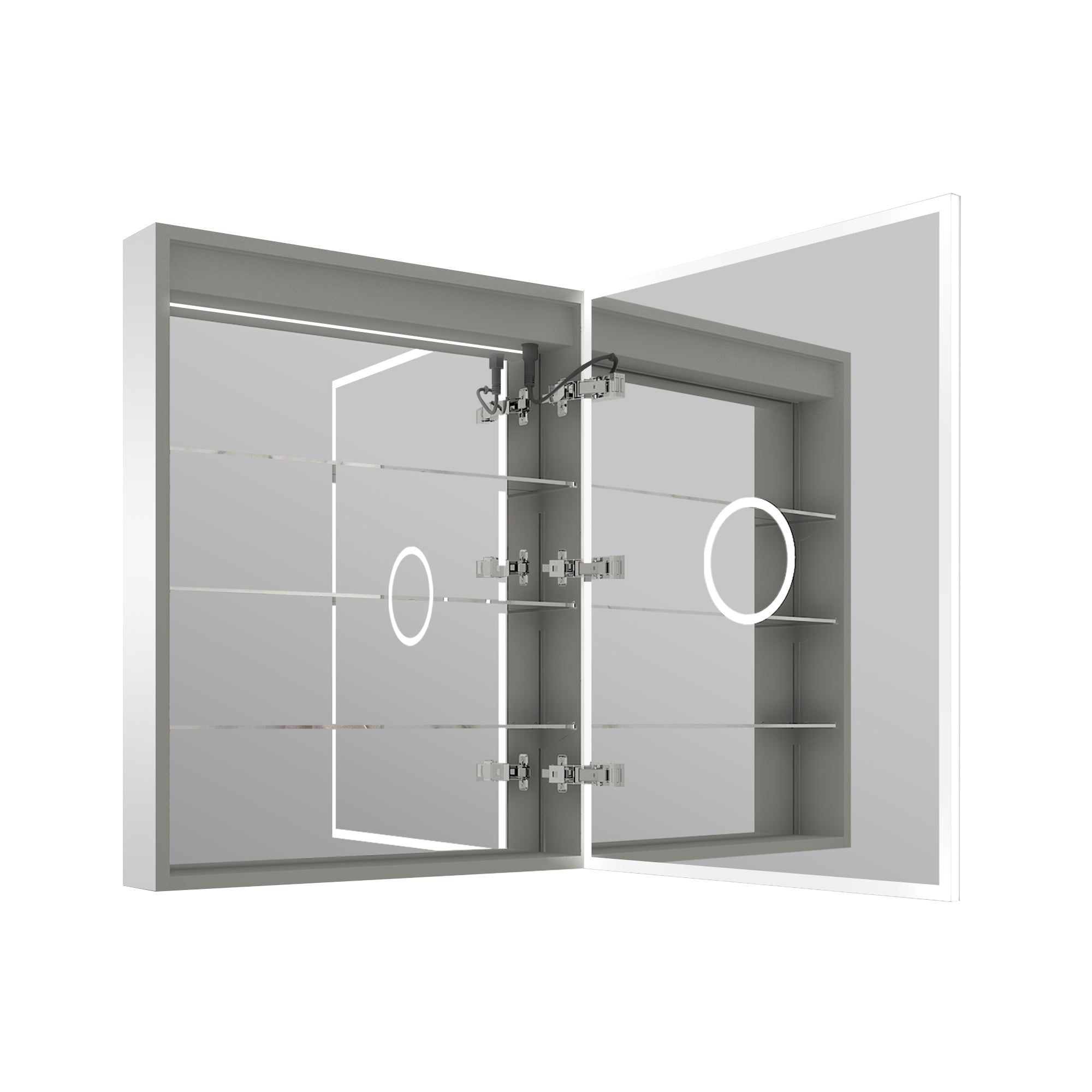
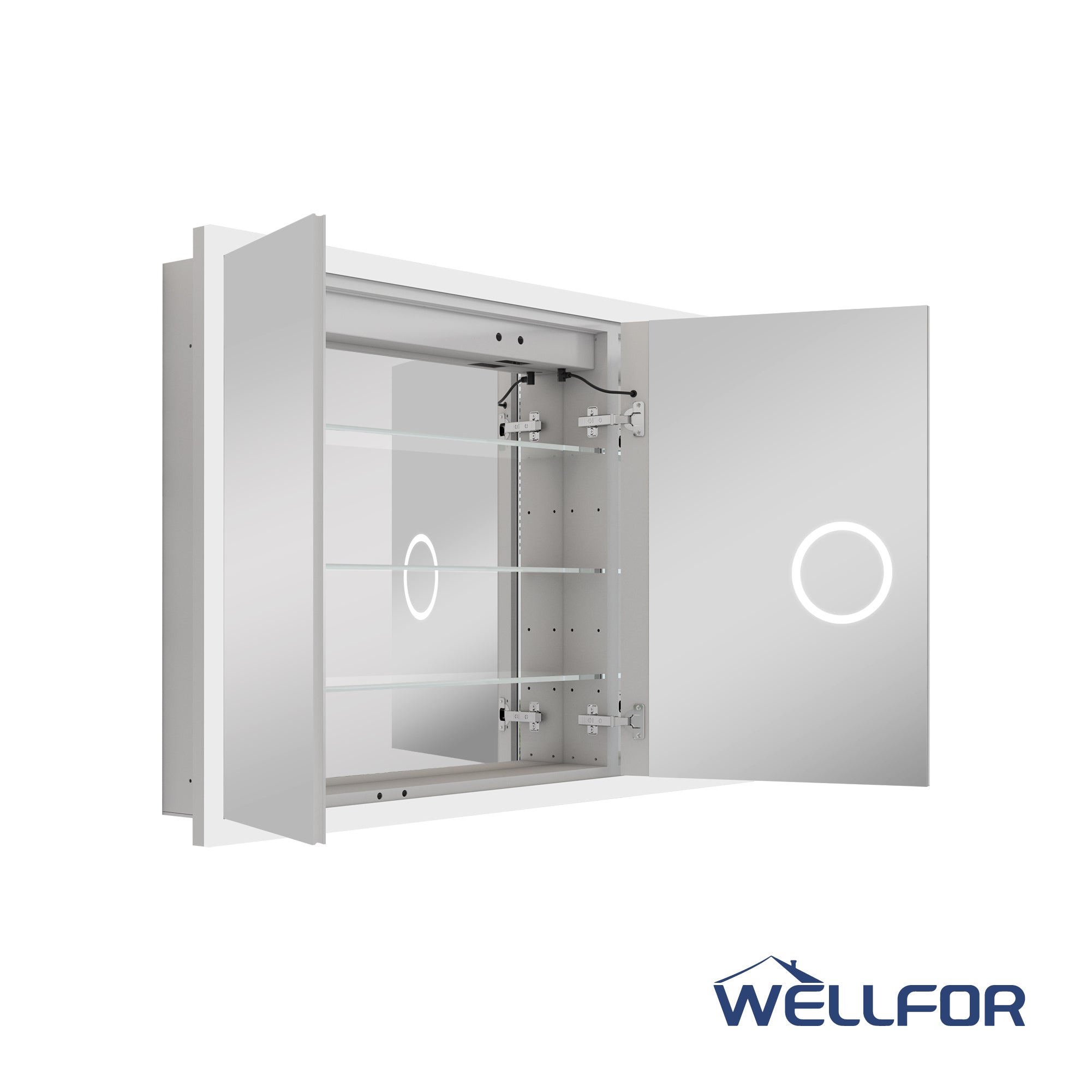
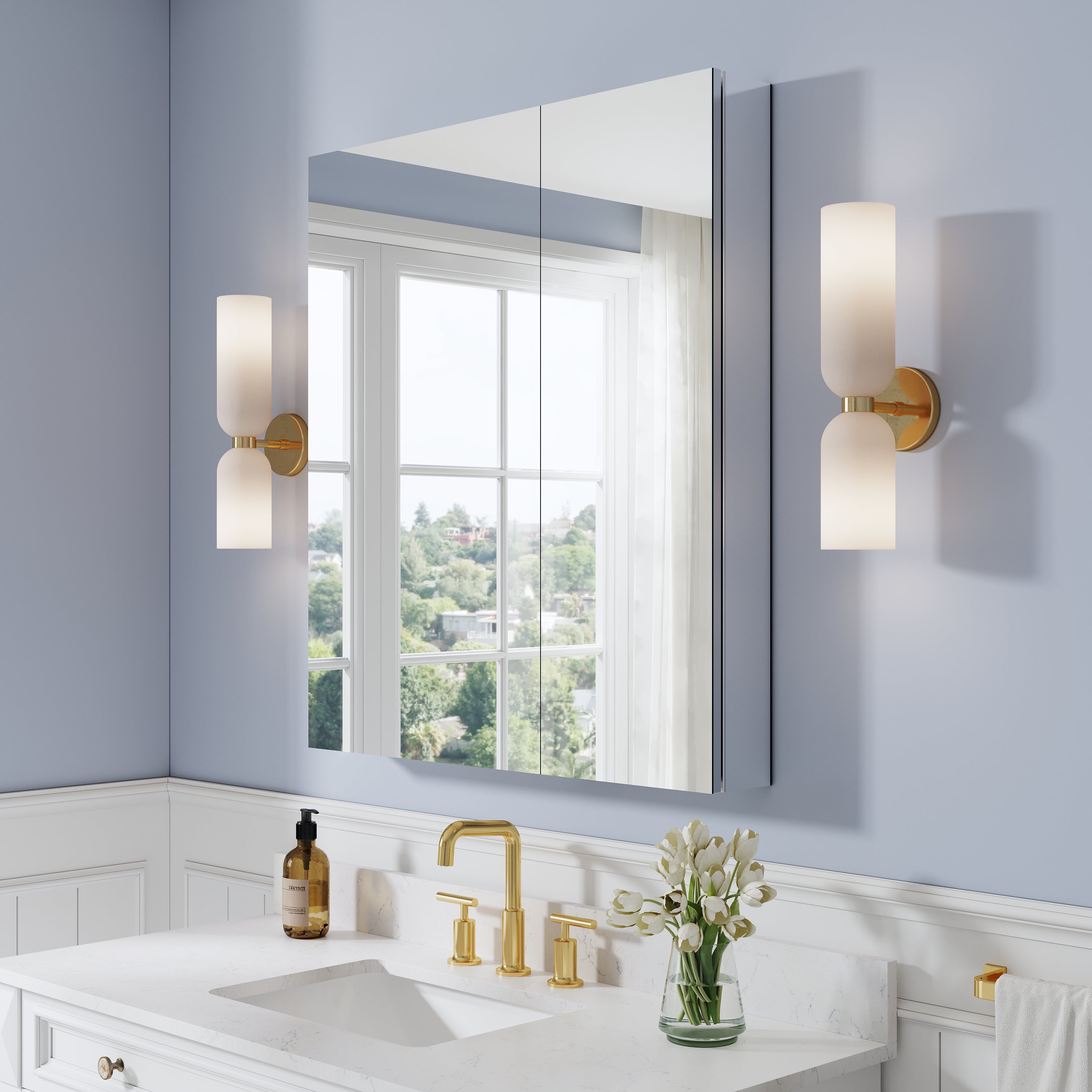
Medicine cabinet storage: the most effective "invisible expansion" for small bathrooms.
Occasionally used (depending on requirements)
Magnifying glass: Shaving/eyebrow trimming is useful, but don't let it ruin the overall beauty.
Bluetooth/Screen Display: Novel but more expensive to maintain, and even more difficult to repair if broken.
An annual trend study also noted that more households are considering accessibility and longer-cycle usage needs in bathroom renovations. If you want to use it once for a long time, mirror cabinet storage, anti-fog, and stable lighting are often more valuable than fancy smart features.
6. Installation and security: Don't let the 'last step' ruin all previous choices
Before choosing a mirror, confirm three things:
1. Can the wall bear weight? The mirror/mirror cabinet must find a keel or use suitable expansion parts.
2. Power and switch positions: For mirror cabinets with lights/anti-fog/sockets, it is necessary to plan the wiring in advance.
3. Height from the countertop: The common practice is for the lower edge of the mirror to be 4 "-8" away from the countertop, which neither compresses nor facilitates cleaning (depending on the height of the faucet and water stopper).
If you are planning to install a long mirror or a double mirror, it is recommended to use masking paper to stick the outline on the wall before punching, and to stand back to check the proportion, which can often avoid 80% regret.

7. Conclusion: A set of 'not wrong' quick decision-making sequences
Begin by confirming size (70%–90% width), then assess shape (using spatial language), evaluate lighting (ensuring no shadows), prioritize functionality for daily use, and finally verify installation conditions.
Following these steps ensures you select a mirror that delivers a stable, durable, and comfortable bathroom experience every day, not just a decorative item.
(To verify the source of the data used, do not include it in the main paragraph.)The trend research report "84% will hire professionals to participate in bathroom decoration," and the cost data comes from Houzz's bathroom trend research report.
The trend summary for "increasing accessibility/special needs considerations" can draw on relevant industry reports and trend interpretations.
Common bathroom cabinet widths (24/30/36/48/60 inches, etc.) are often referenced in mainstream building materials retail buyer guides.













Leave a comment
This site is protected by hCaptcha and the hCaptcha Privacy Policy and Terms of Service apply.