
















Bathrooms are often one of the most cramped areas in a home: walls are segmented, lighting tends to be dim, and countertops and cabinets dominate the visual space. In reality, you don't need major renovations—simply selecting the right large bathroom mirror can significantly enhance the first impression of "bigger, brighter, and tidier." This article will guide you through choosing a large mirror that maximizes spaciousness, durability, and functionality by considering size, shape, installation methods, lighting coordination, style, and common pitfalls.
First, clarify: What is the core element you want to emphasize for a "larger" effect?
To make a bathroom appear spacious, mirrors primarily work through three mechanisms:
Expanding visual depth: Mirrored surfaces reflect walls, countertops, and light, making the space "look" twice as large.
Enhancing brightness: Mirrors diffuse artificial and natural light, reducing dark corners and creating a more luminous, airy feel.
Minimizing clutter: Multiple small mirrors and decorative elements can make walls look messy, while a single large mirror creates a cleaner, more cohesive look.
Therefore, the first step in selecting a large bathroom mirror isn't choosing a style, but prioritizing these three goals: "spatial extension, brightness, and tidiness."
How to choose the size: Bigger isn't always better—it's about "correct proportions."
The most common pitfall with large bathroom mirrors is poor proportion: either the mirror overwhelms the wall, or it appears too small and makes the space feel "temporary."
Reference formula (practical and low-risk):
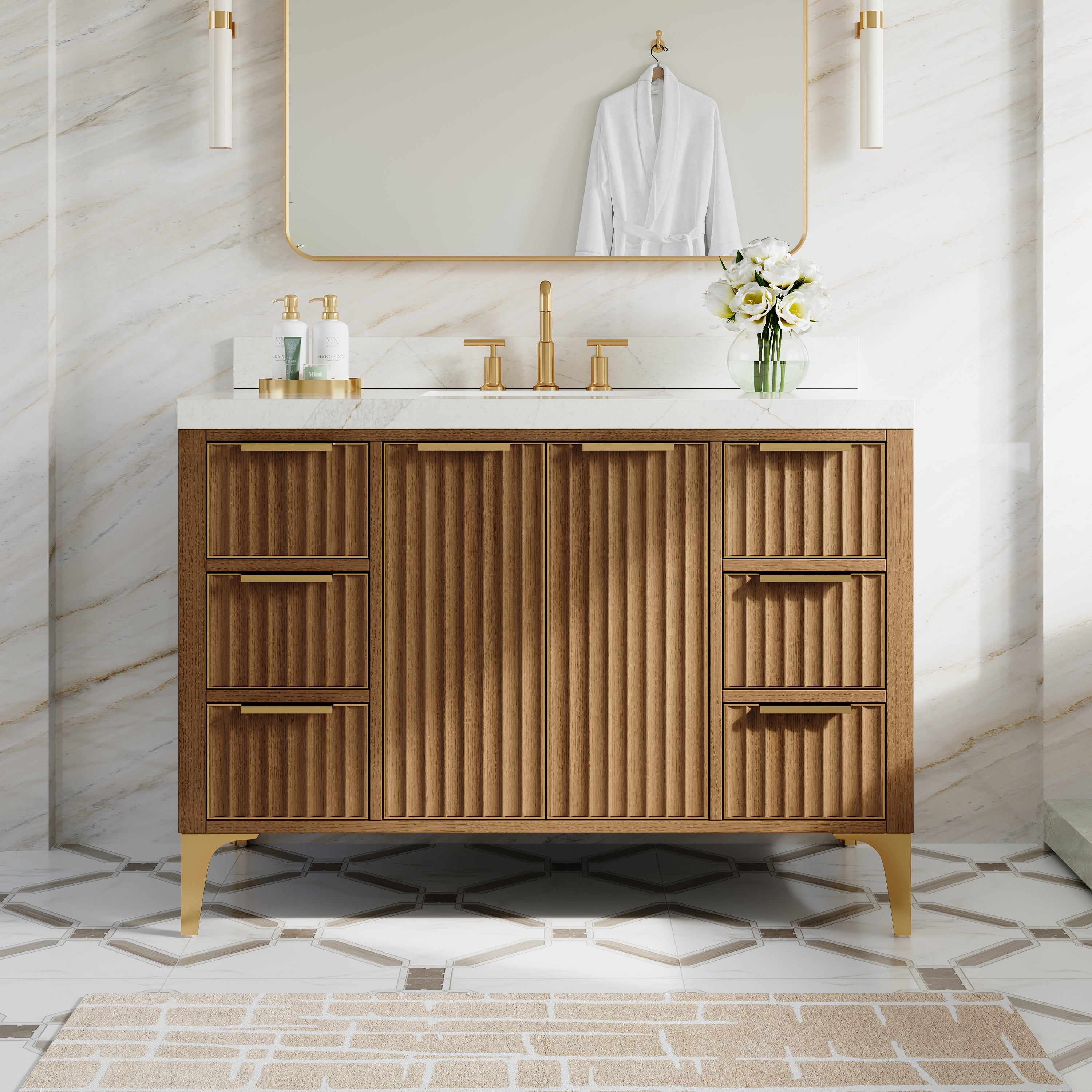
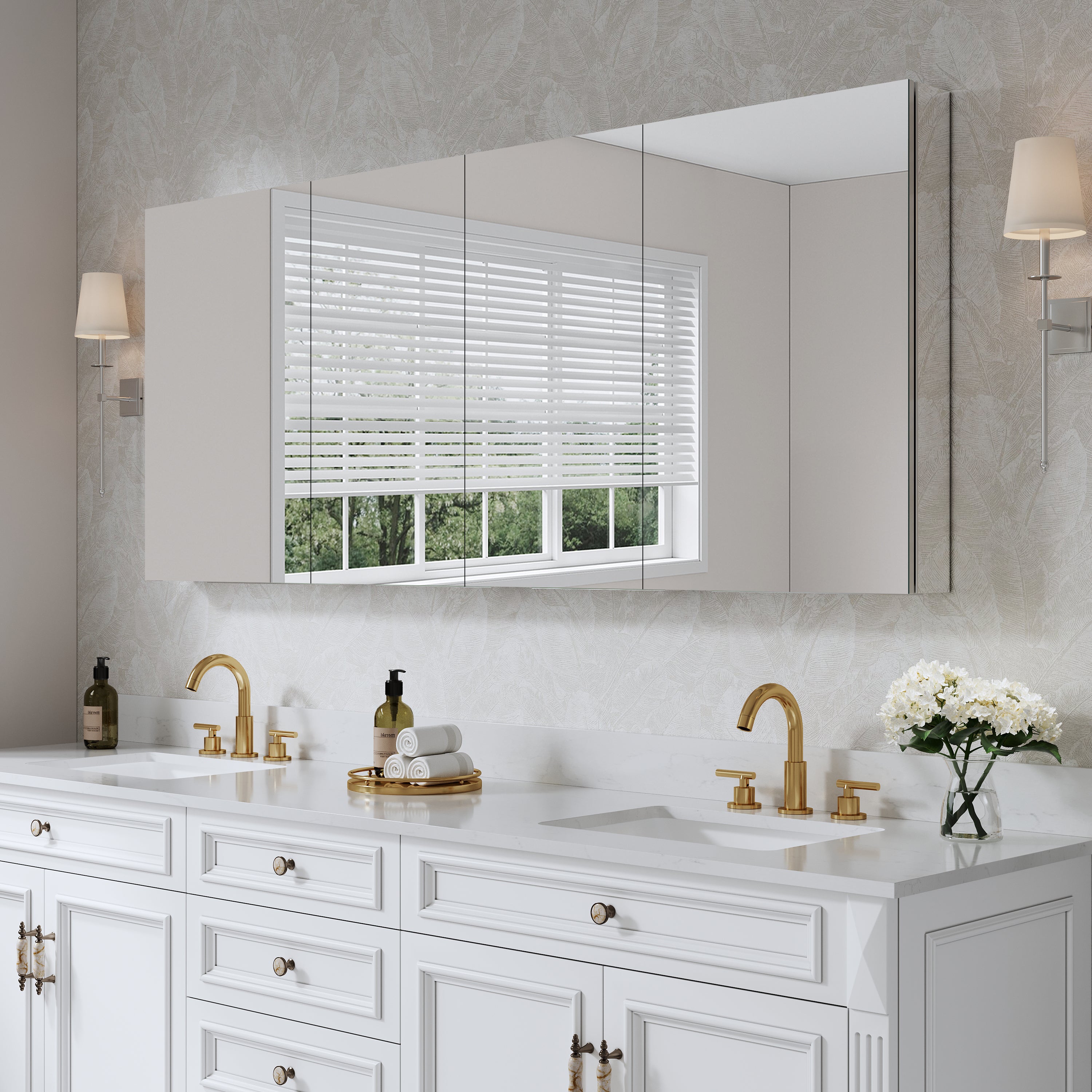
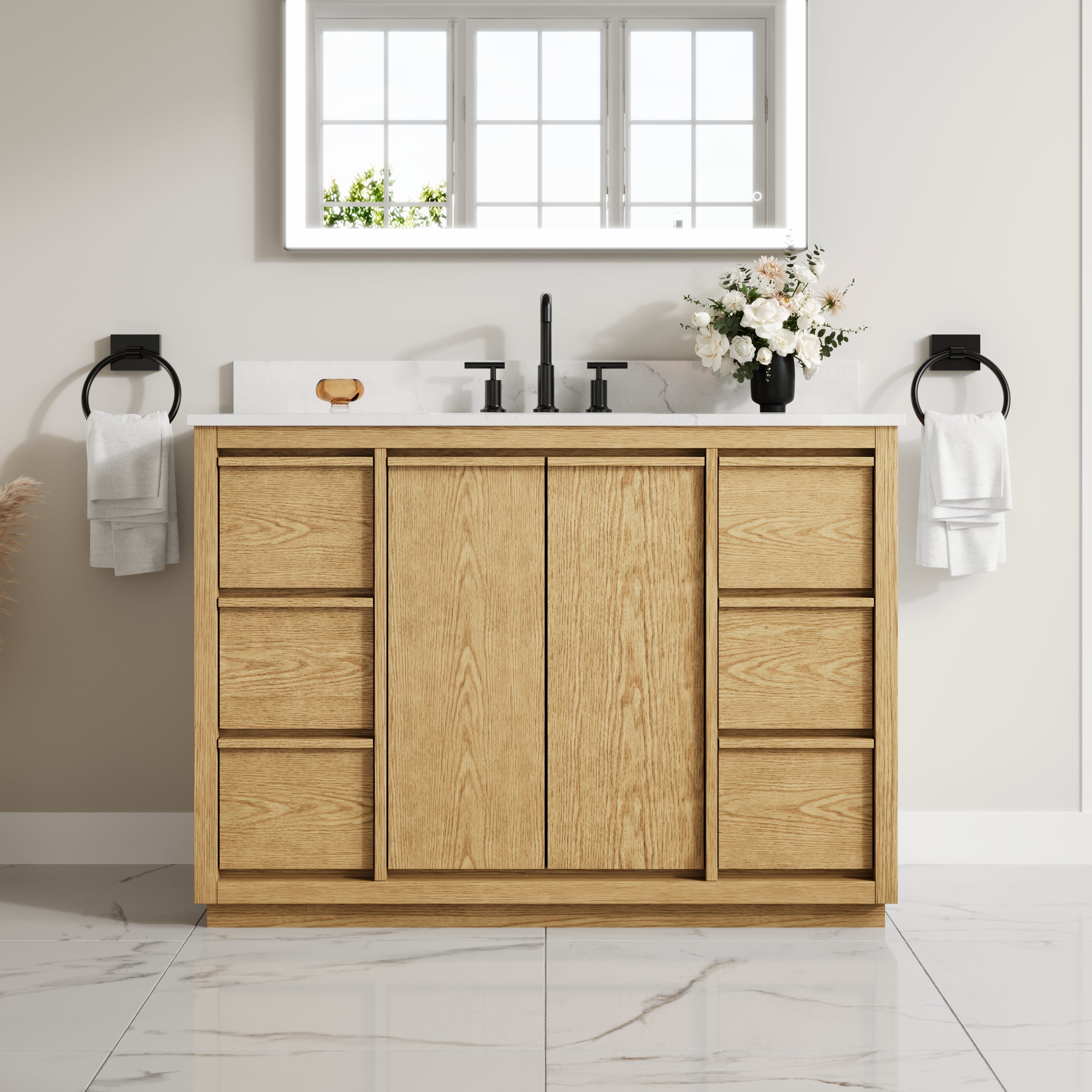
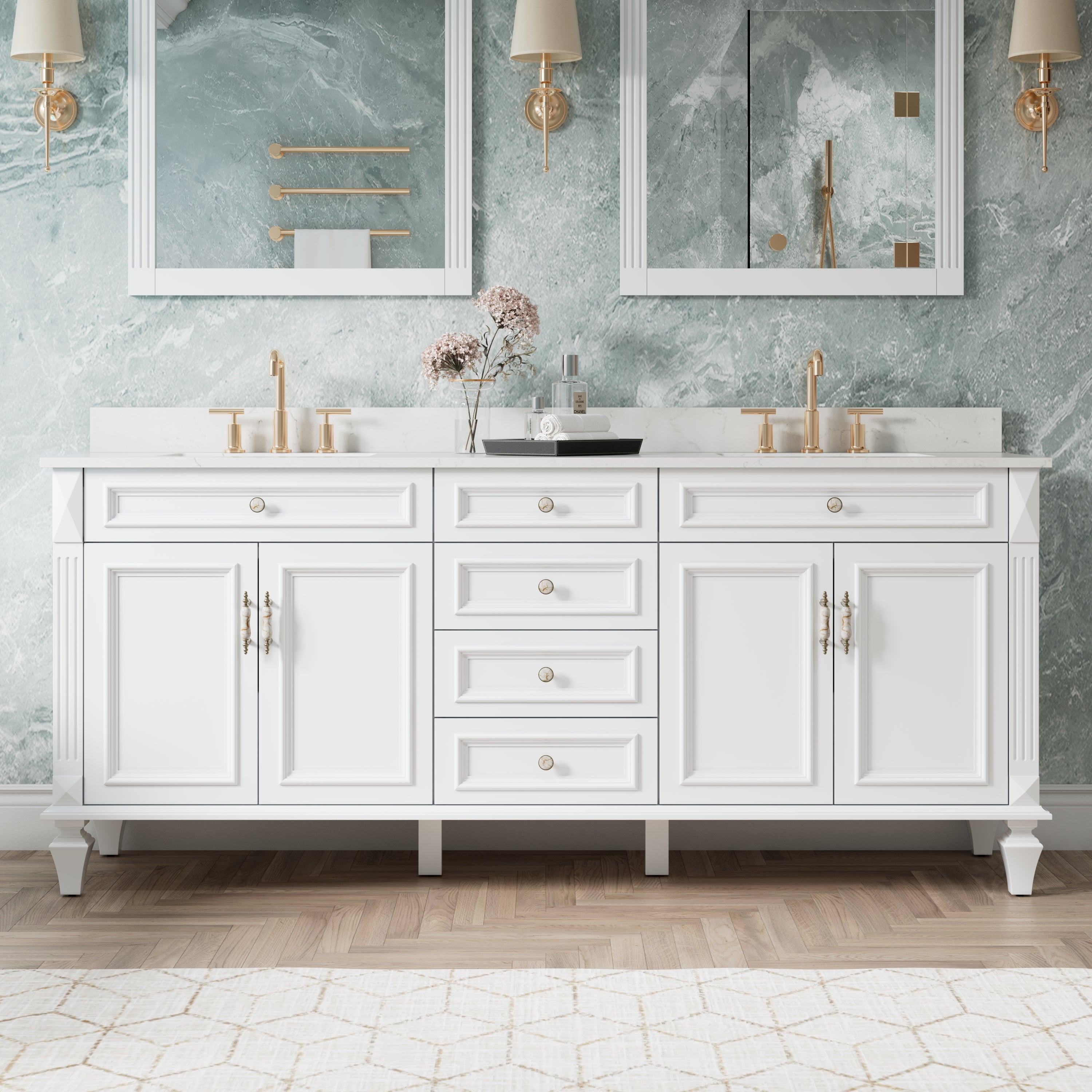
Mirror width: Typically recommended to match the vanity width.
Safer approach: Mirror width ≈ 80%–100% of vanity width.
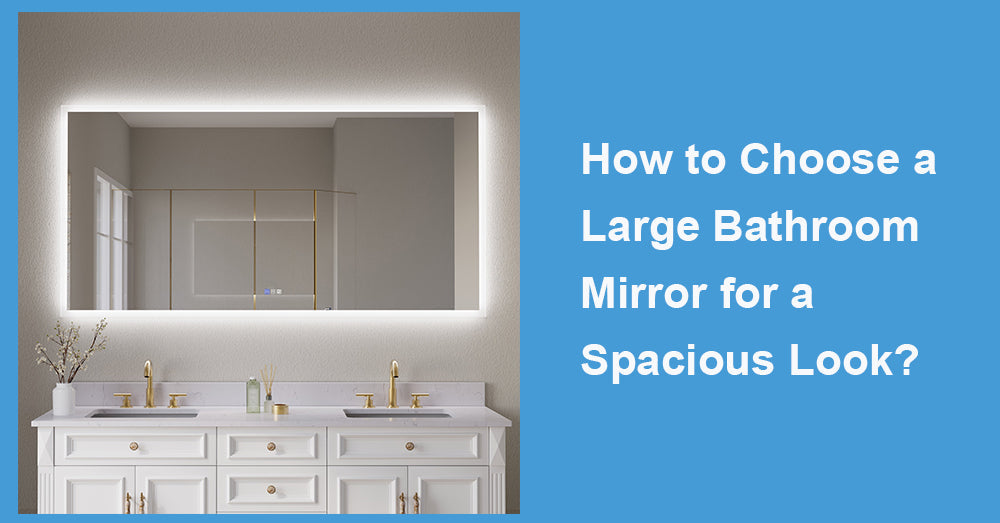
More modern and spacious: Mirror width = vanity width for a "custom-made" look.
Mirror Height: Consider user height and wall clearance
Common Comfort Zone: Ensure the mirror covers at least the chest-to-head range for most people
For a taller look: Choose taller mirrors or those with stronger vertical proportions.
If you only remember one tip: For large bathroom mirrors, "width takes priority"—width contributes more directly to the perception of spaciousness.
Shape Selection: Different shapes create distinct "expansive effects."
Horizontal Rectangle: Most effective for widening perception, suitable for most bathrooms—a safe choice.
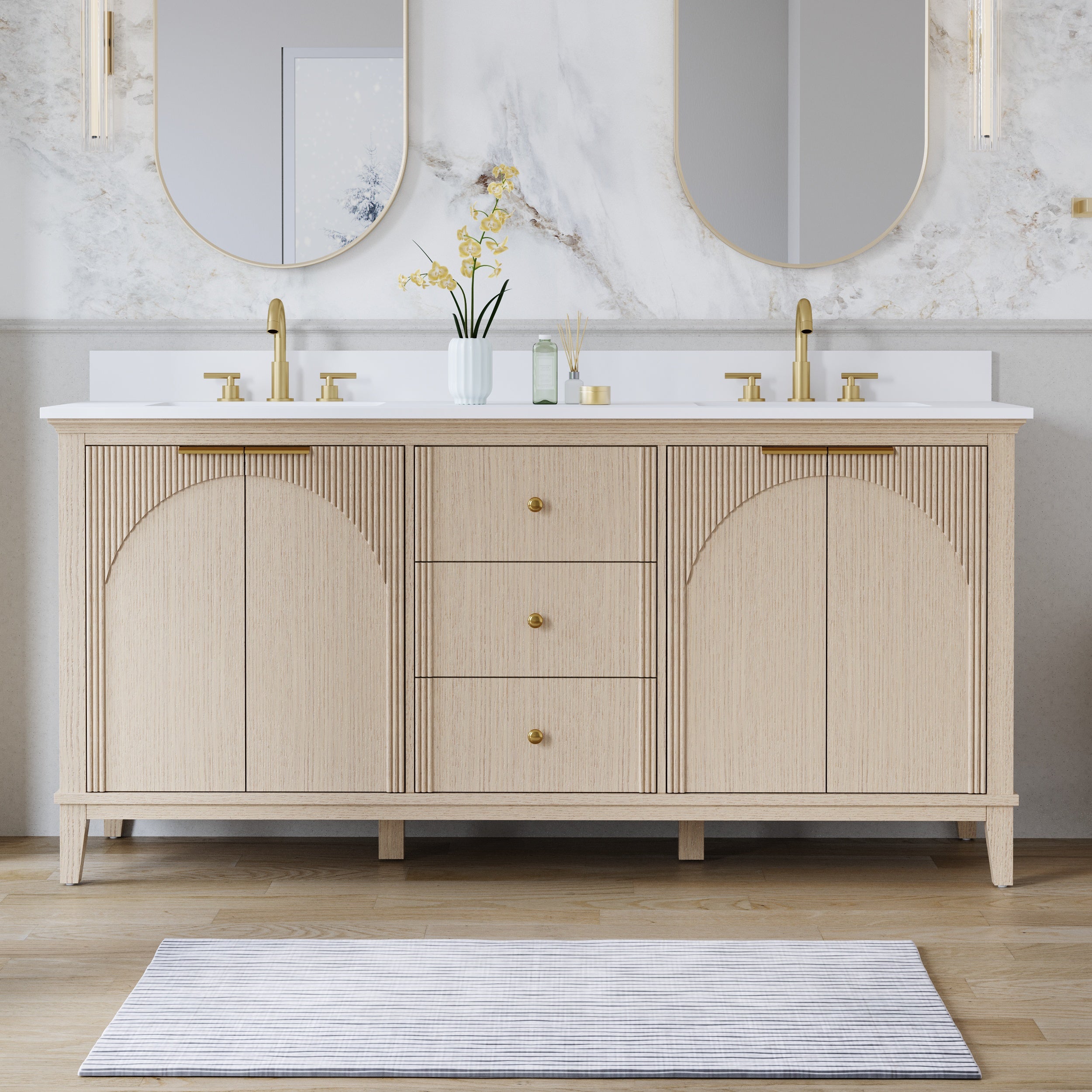
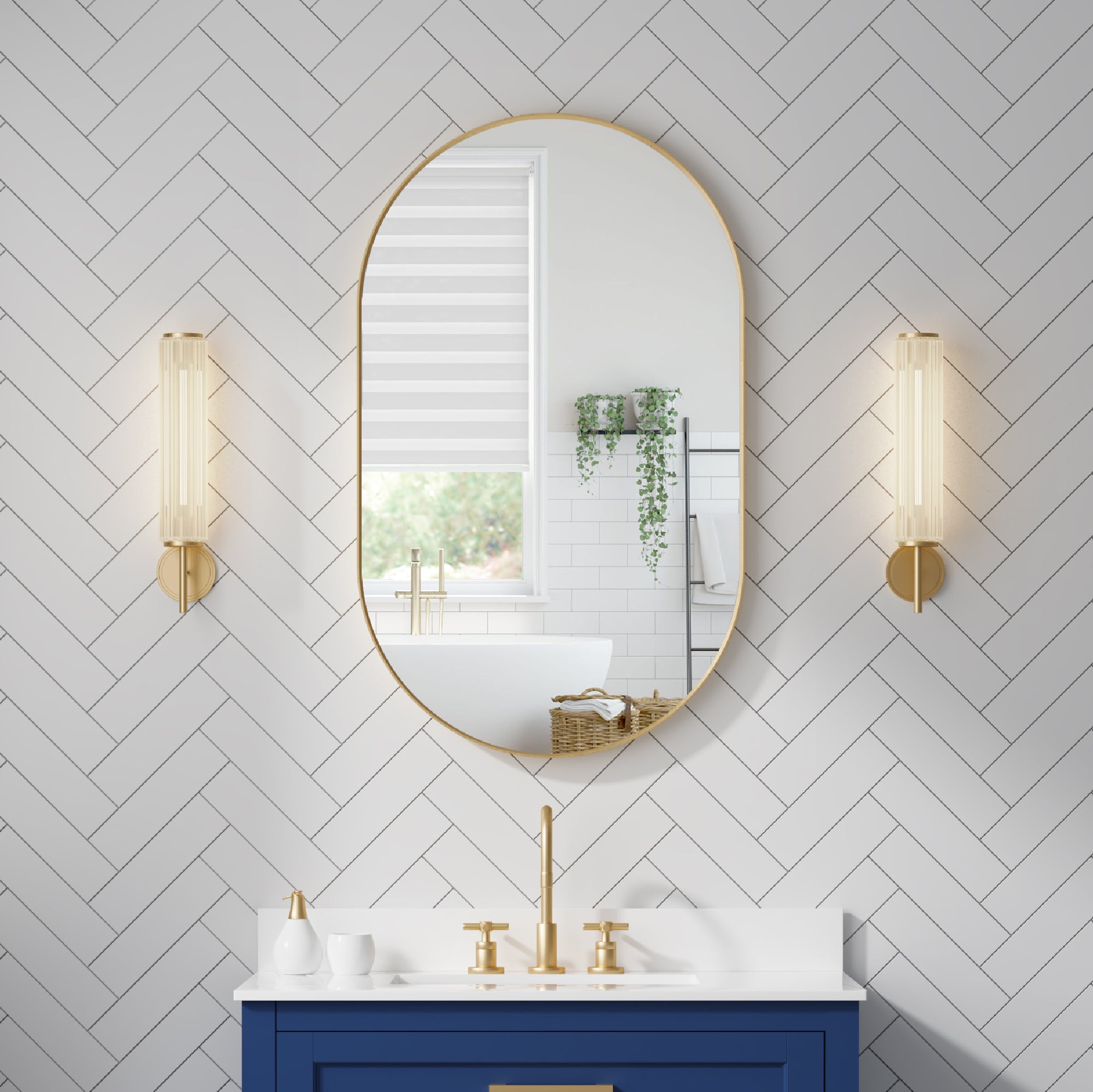
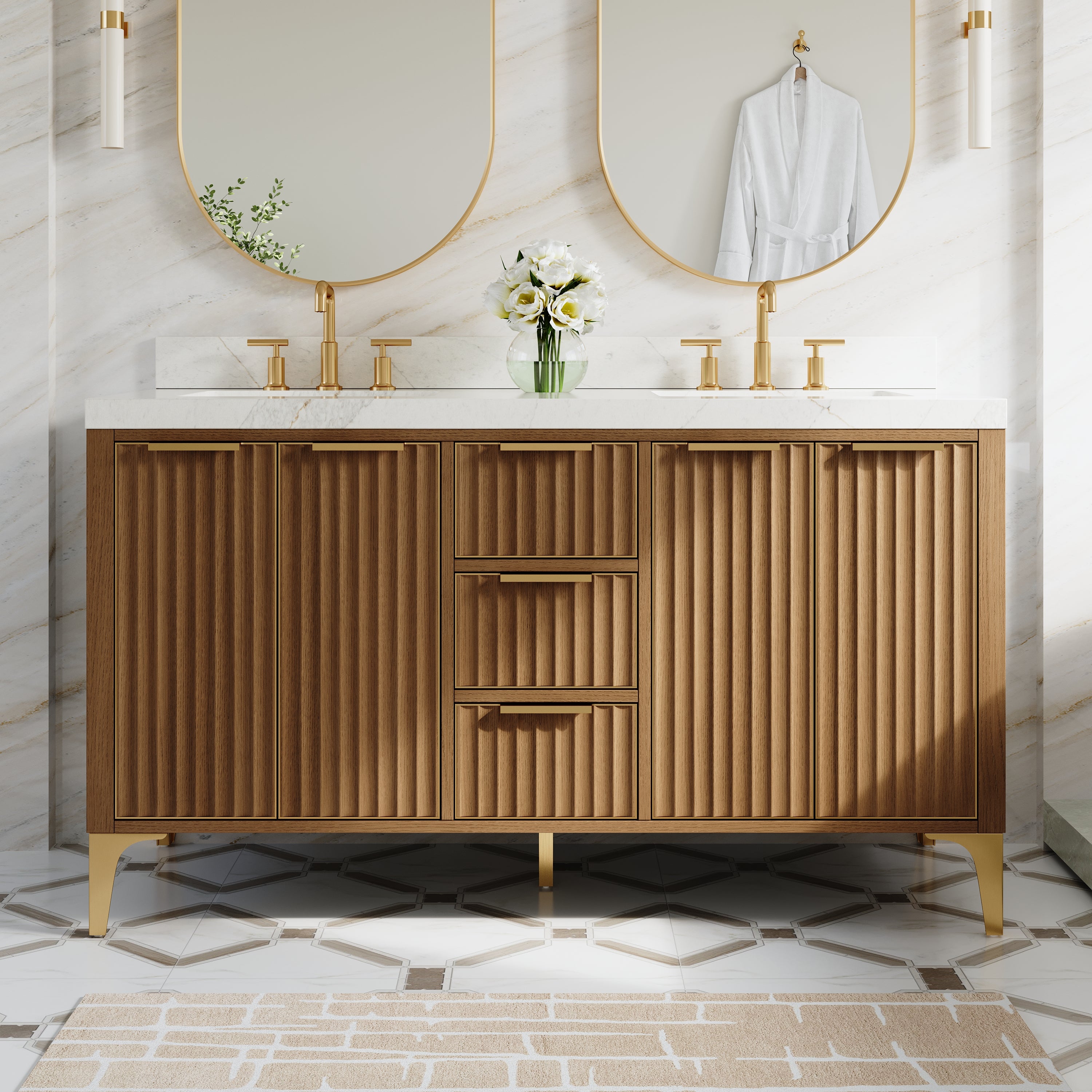
Circle/Oval: Softens lines and reduces harsh edges, ideal for small bathrooms or spaces with a softer aesthetic; however, its ability to "widen" is slightly weaker.
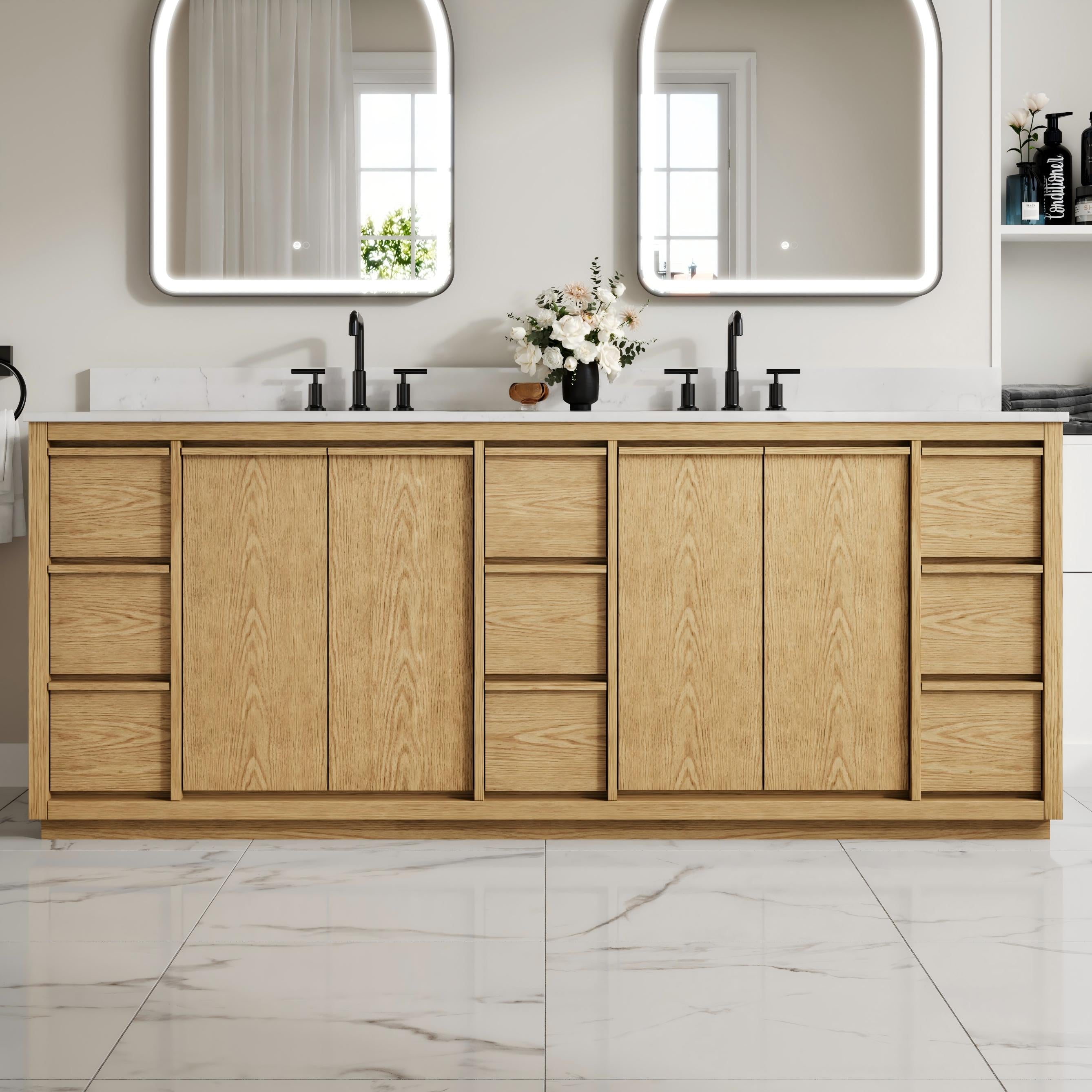
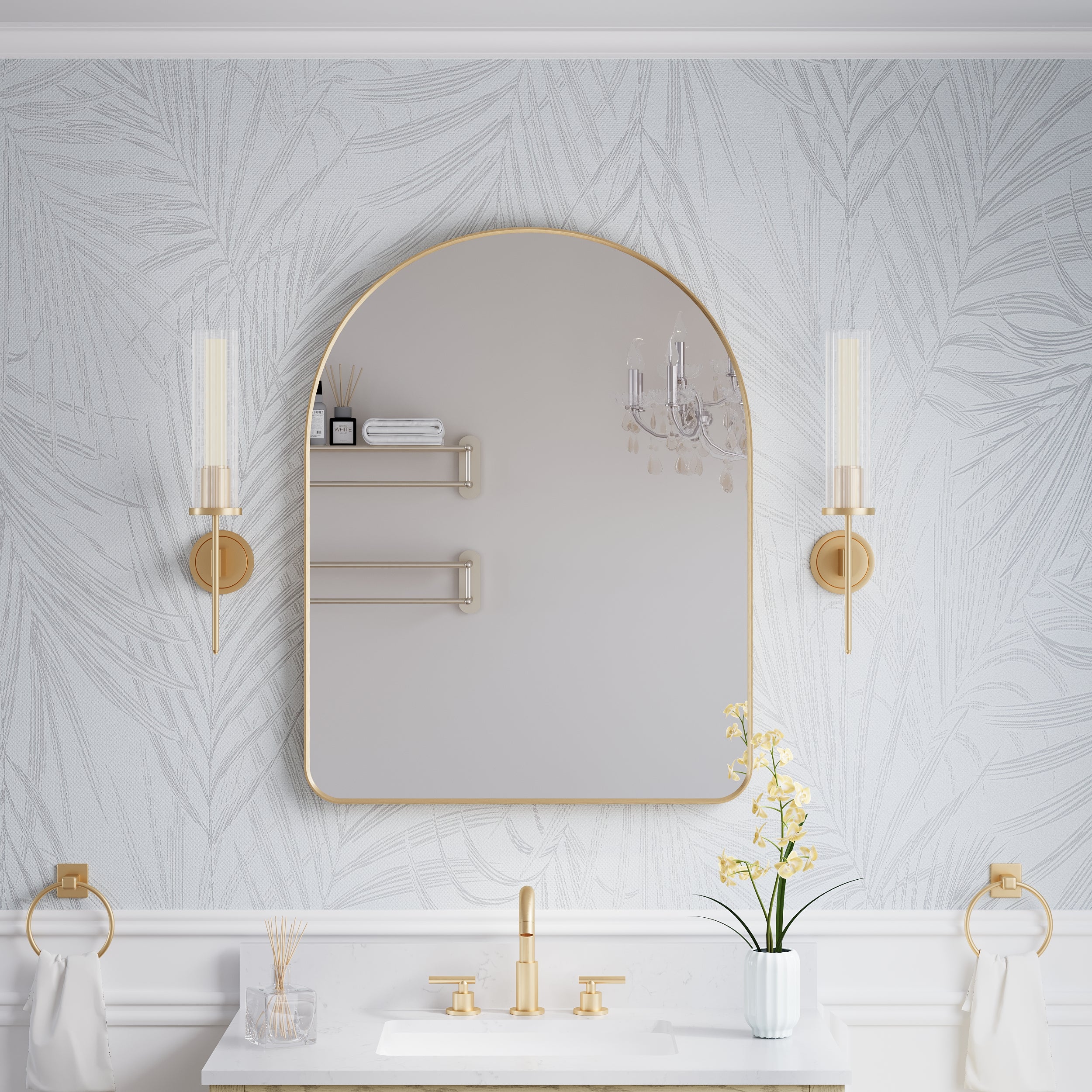
Arched: Adds design flair and visually "stretches upward," creating the illusion of higher ceilings. Ideal for bathrooms aiming for a light luxury or vintage vibe.
If your bathroom is inherently narrow, prioritize a horizontally elongated large bathroom mirror. If ceiling height is insufficient, opt for taller mirrors or those with arched designs.

Installation Method Defines Aesthetic: Wall-mounted, recessed, or flush-mounted?
Wall-mounted (most common): Offers diverse options and relatively easy installation. For a larger appearance, choose thin frames or frameless designs that create a "flush-mounted" effect.
Recessed/Semi-recessed (neater): Blends seamlessly into the wall for a cleaner, more spacious look, but requires sturdier wall construction.
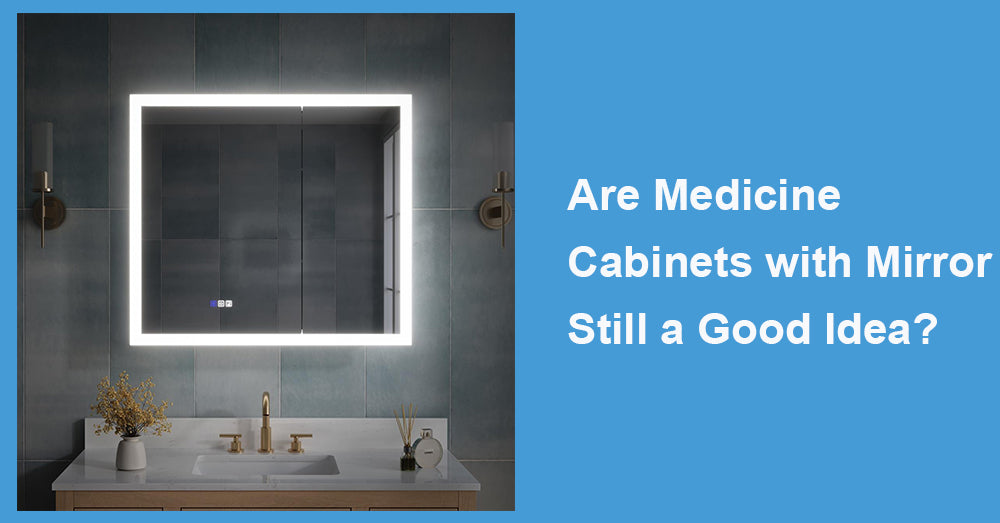
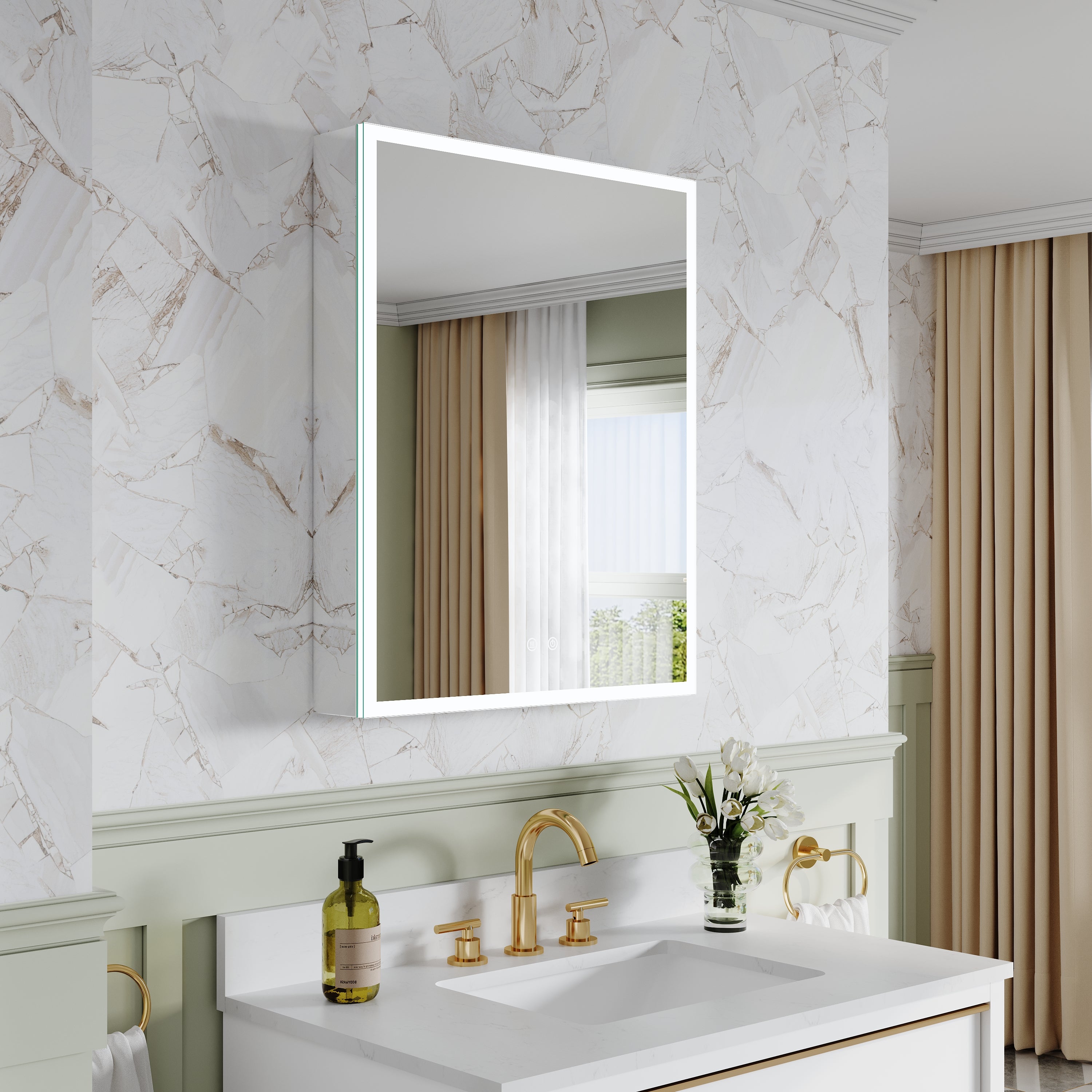
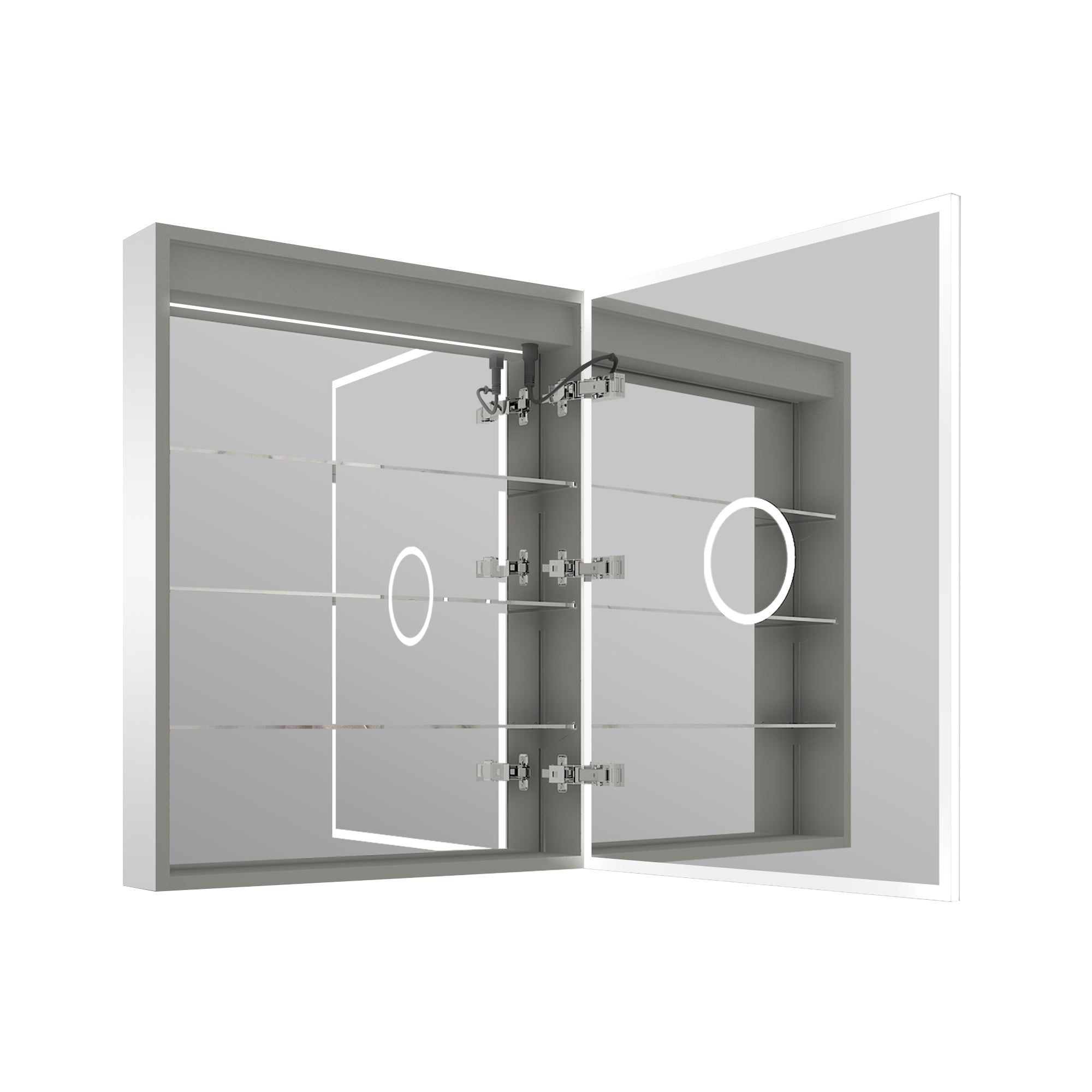
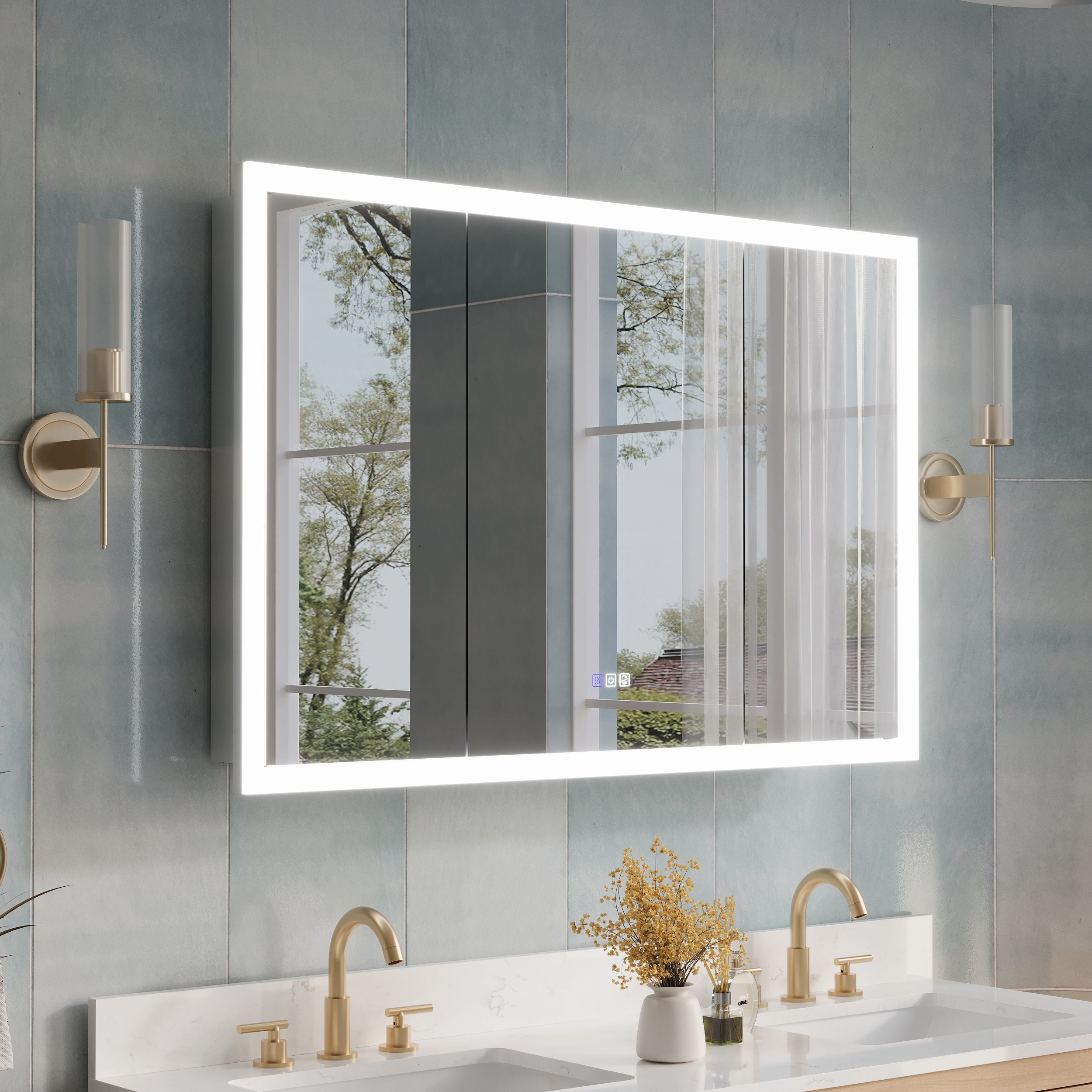
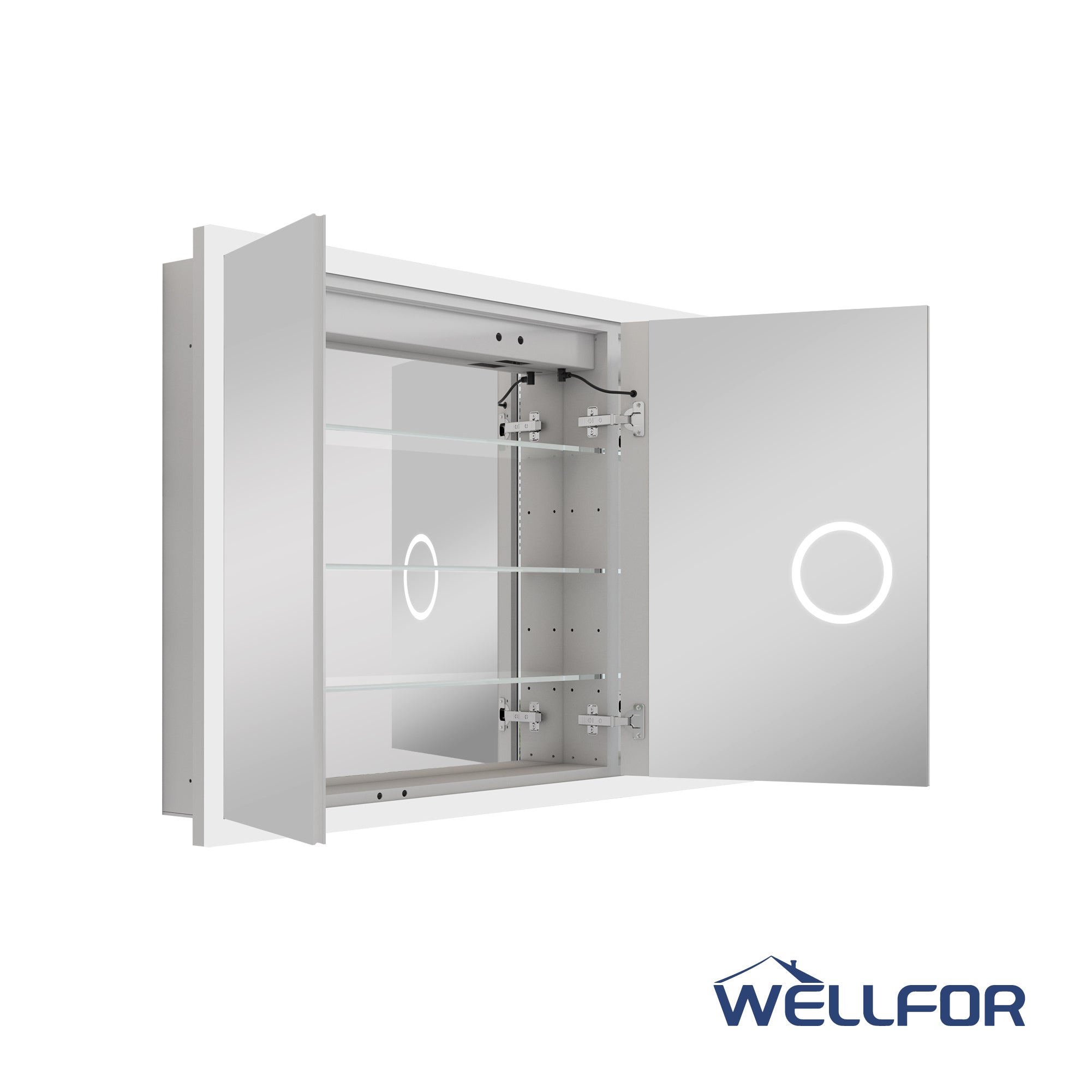
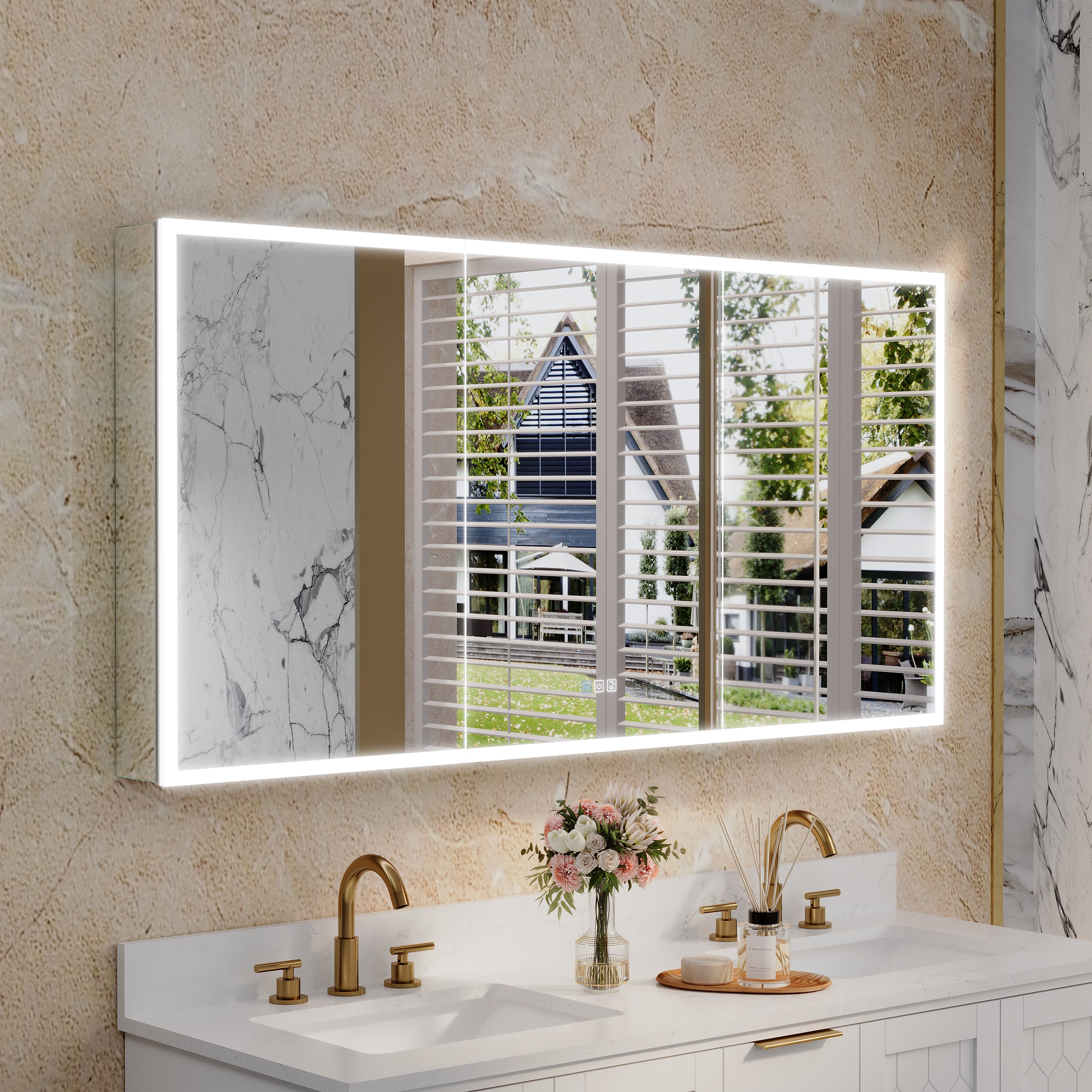
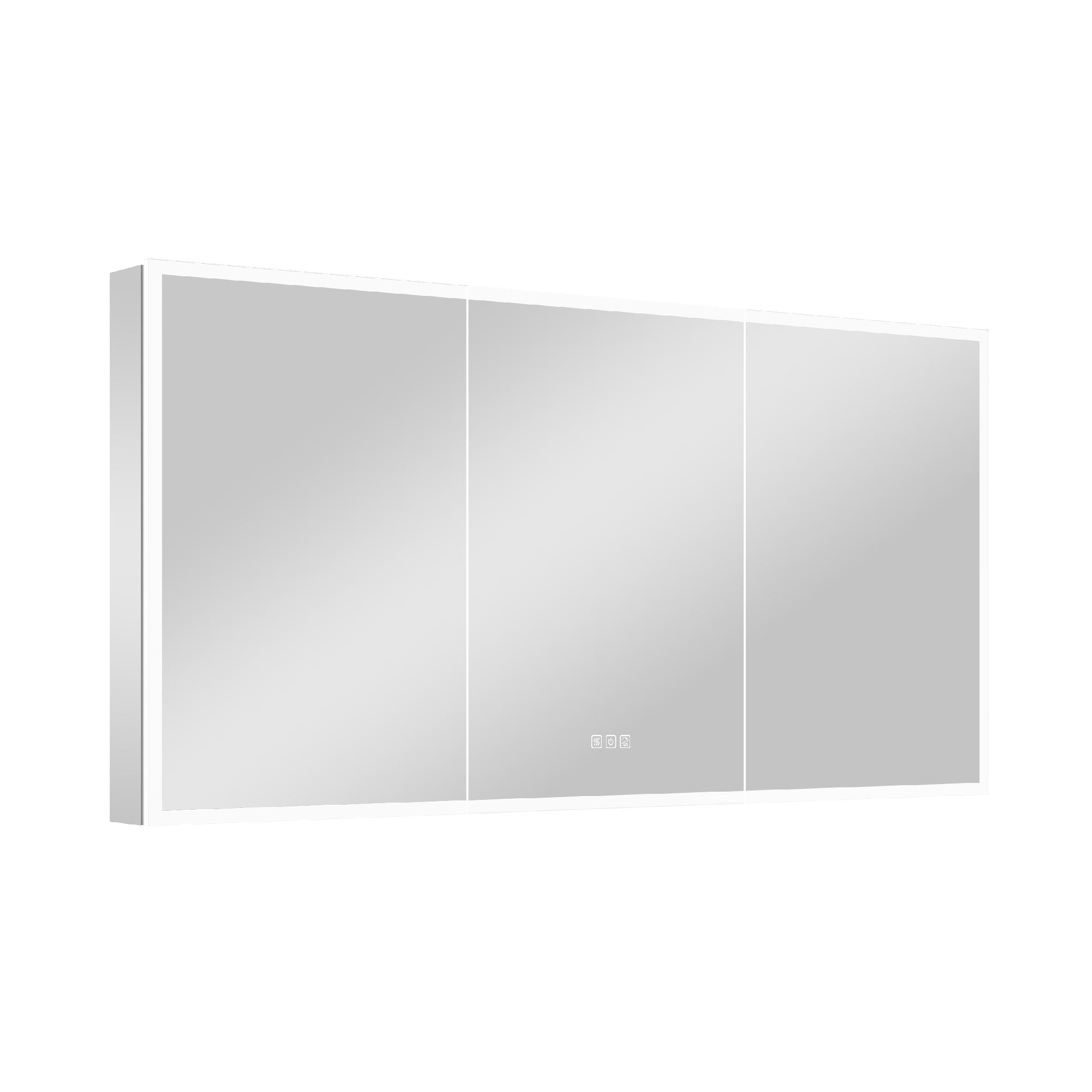
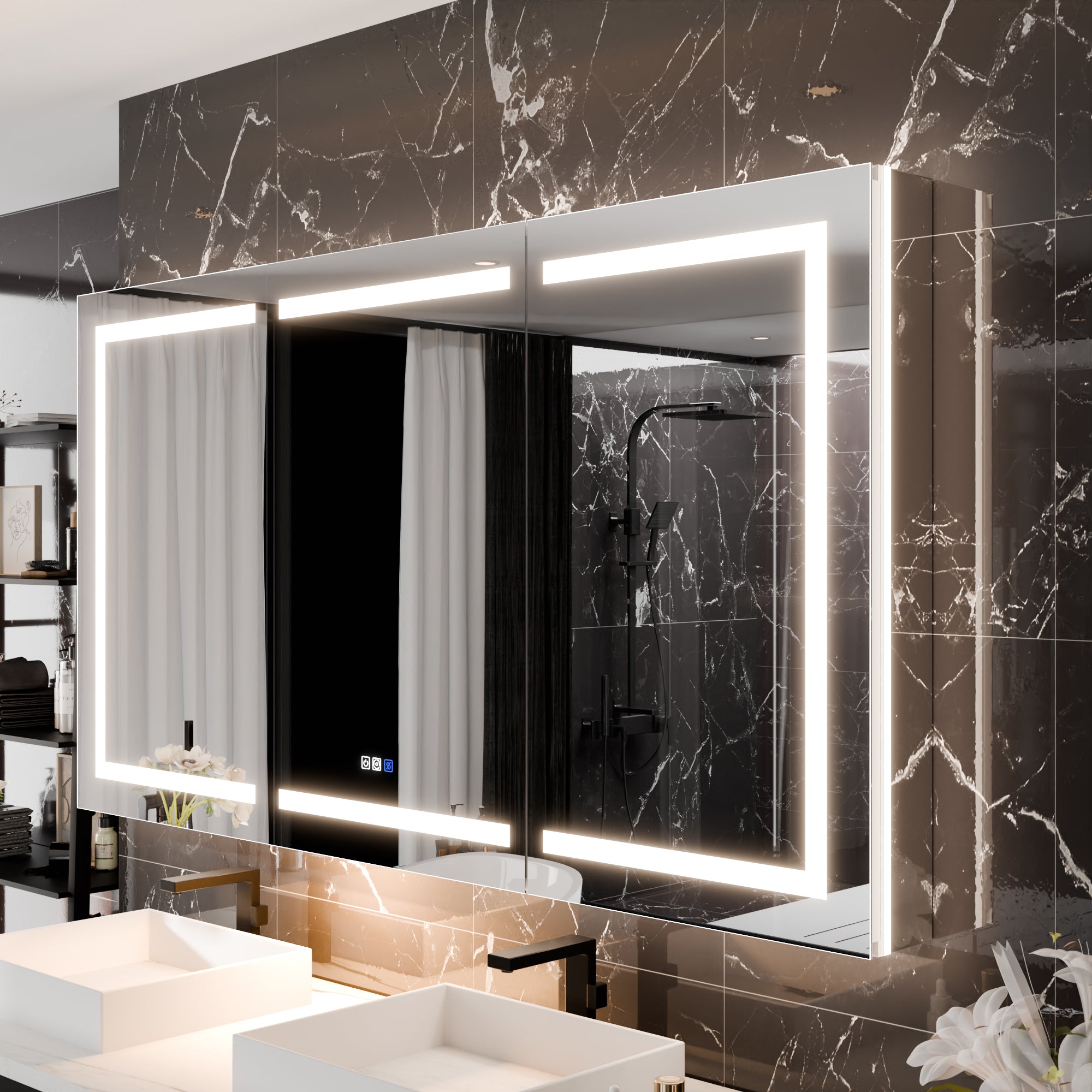
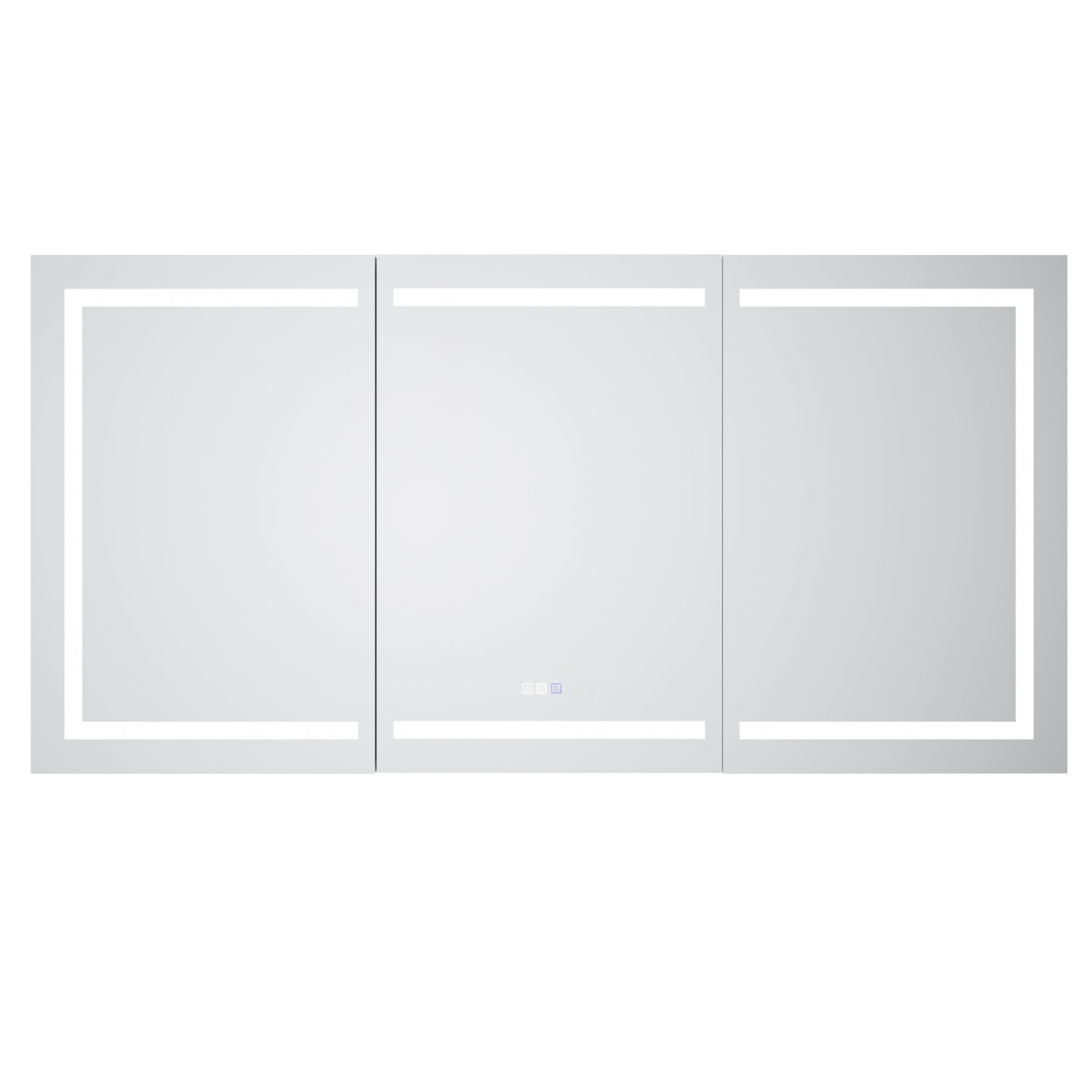
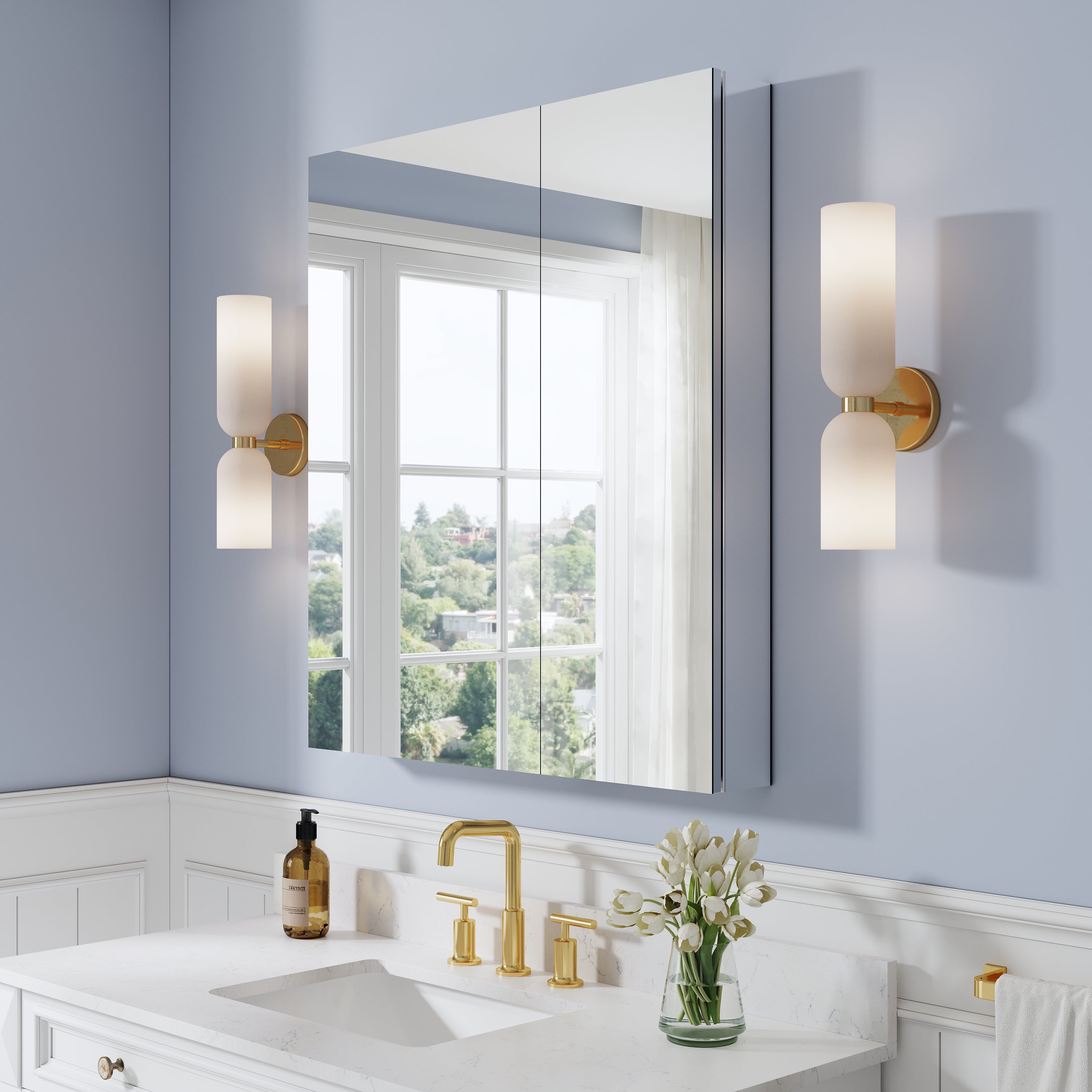
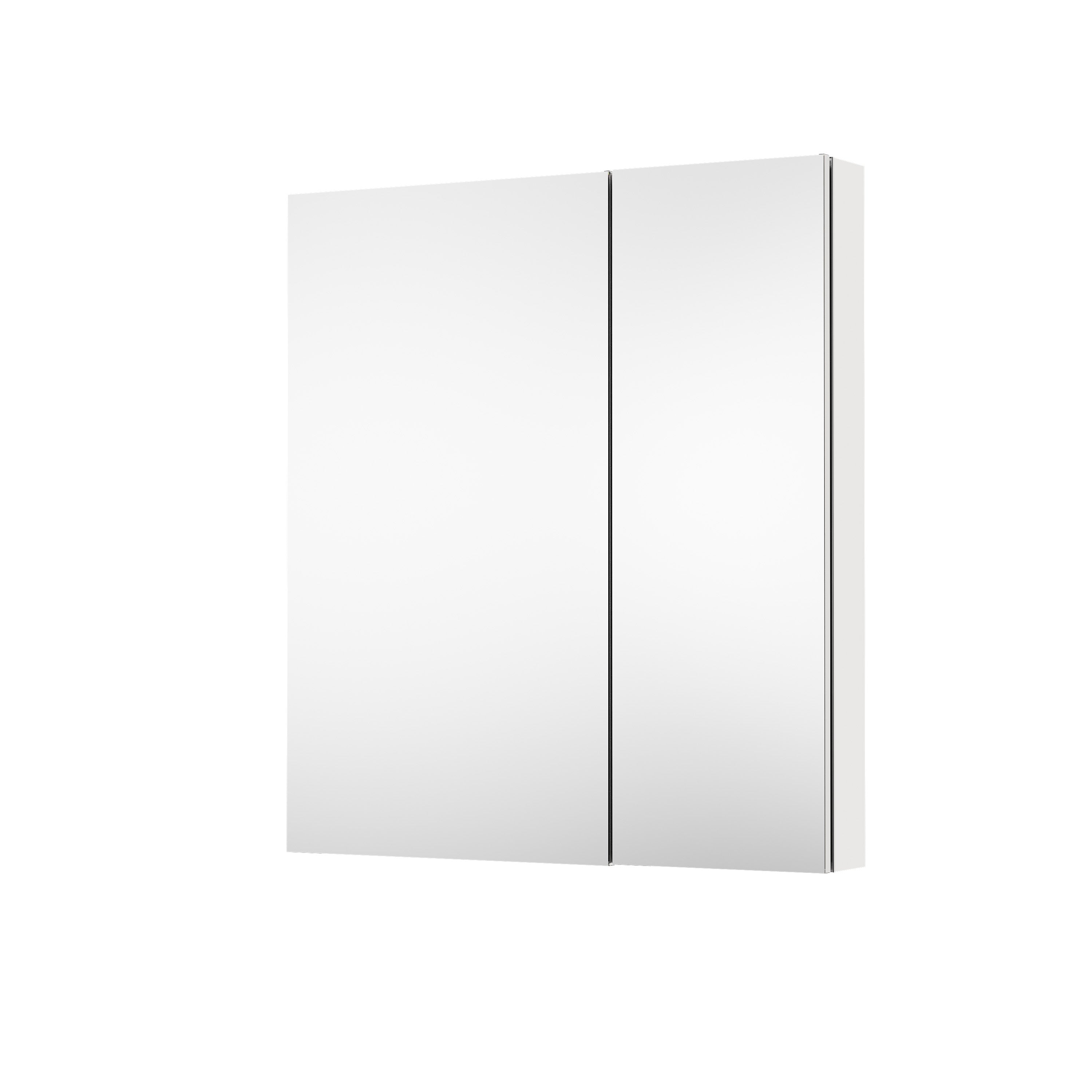
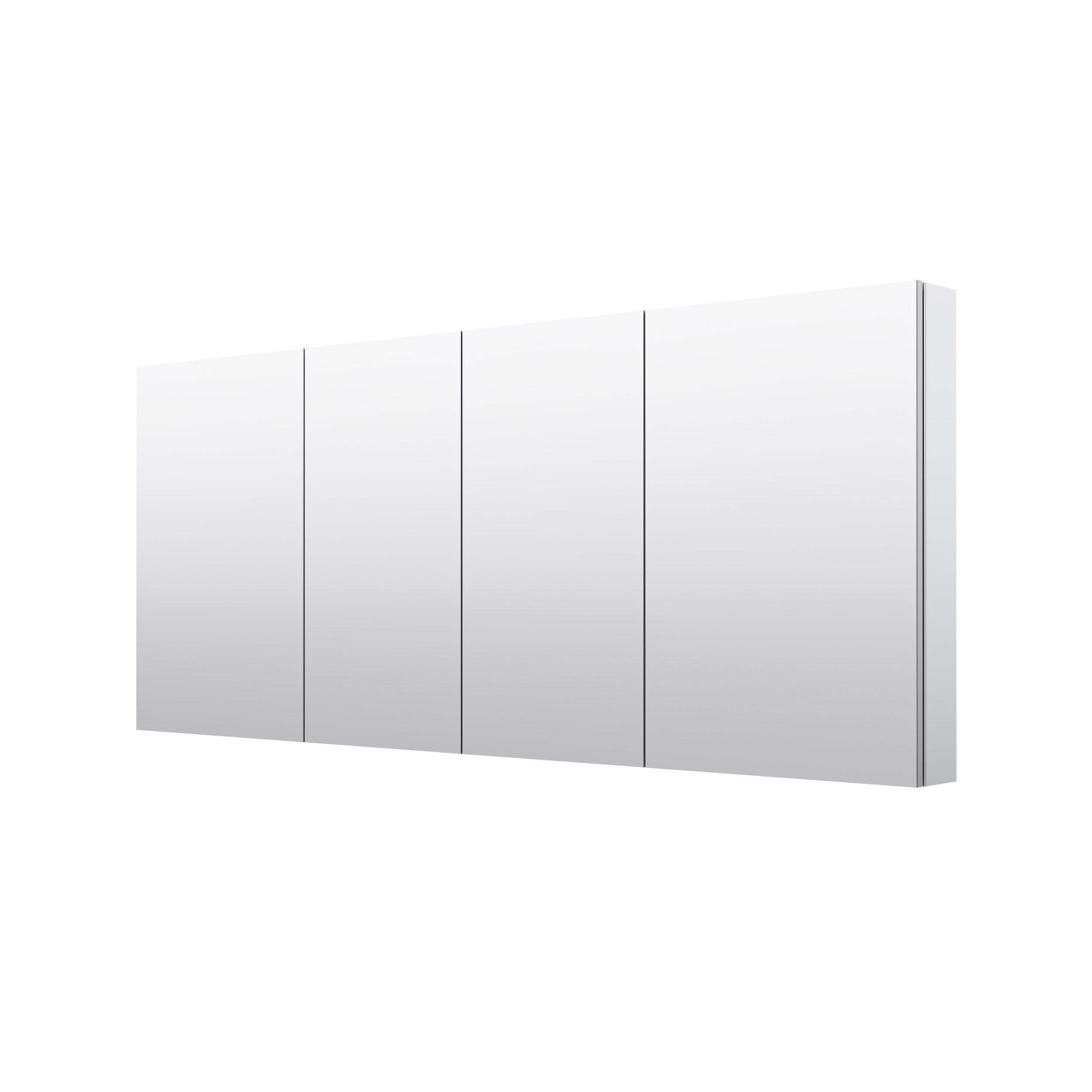
Mirror cabinet combo (storage + space illusion): Ideal for countertop clutter. Closing the doors creates an instant "tidy filter." Opt for larger mirror surfaces with minimal seams for enhanced spaciousness.
If you aim for "showroom-level sophistication": Prioritize thin-frame wall-mounted or built-in installations.
Lighting Pairing: Mirrors "absorb" light—don't let them create clutter instead.
While large mirrors expand the space, they also magnify lighting issues: if the light is too warm, too harsh, or fails to illuminate your face, even the biggest mirror won't help.
Recommended Lighting Combinations
l Wall sconces on both sides: Provides more even facial illumination, ideal for photos, makeup application, and shaving.
Mirror-front/mirror-top lights: Simple installation, ideal for limited renovation budgets.
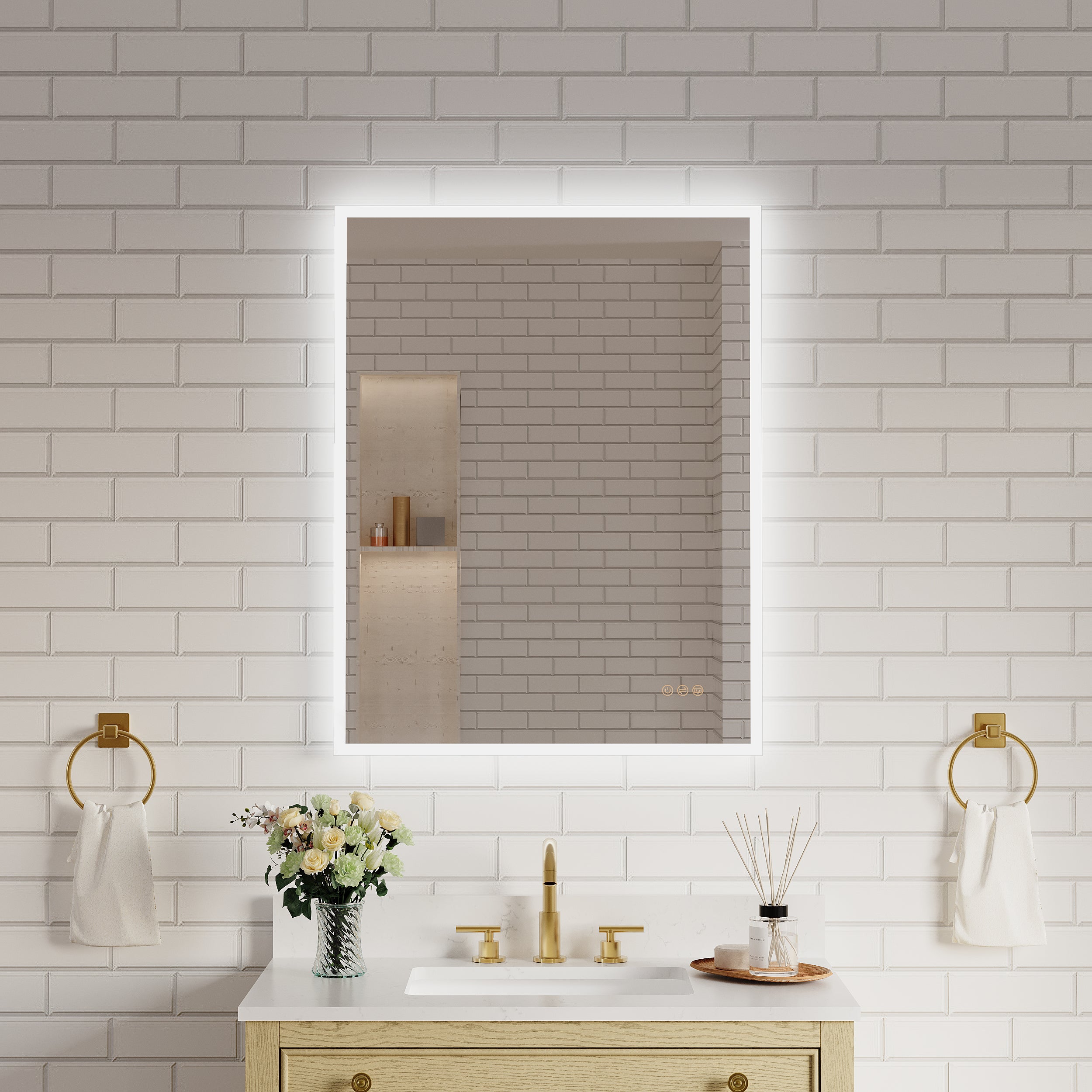
Lighted mirrors (LED): Clean, modern aesthetic; but pay attention to brightness and color temperature selection.
A practical rule:
For a "more sophisticated, spacious" look, lighting should be even, soft, and layered—don't rely solely on harsh overhead lighting.
Frames and Style: Prioritize "light borders" for a larger appearance
Frameless: Weakest visual boundary, creates more "continuous" wall space, typically best for maximizing perceived size.
Thin frames: Define contours without segmenting space, suitable for modern, minimalist, or light luxury styles.
Thick Frames: Stronger style statement but more visually imposing; may make small bathrooms feel cramped unless you specifically aim for vintage or industrial aesthetics.
If your goal is a "spacious look," remember this rule: The lighter the frame, the more open the space feels.
Material & Anti-Fog: Prioritize Durability and Safety for Larger Mirrors
A larger bathroom mirror means:
Heavier weight: Higher demands on hardware, wall structure, and installation methods
Greater humidity exposure: Long-term moisture can affect the mirror backing and edges
Key considerations when selecting:
Anti-fog functionality: Especially crucial for households with frequent showers—the difference in experience is significant
Corrosion-resistant backing: Reduces issues like black edges and fogging marks
Tempered/Safety Design (if applicable): Enhances usage safety
Installation Hardware Quality: Don't overlook hanging rails, expansion bolts, and load-bearing structures
The budget saved on a large mirror is often spent on "installation and accessories"—don't just focus on the mirror's appearance.
Common Pitfalls Checklist (Quick Pre-Purchase Self-Check)
Mirror width significantly smaller than vanity cabinet --Fragmented wall appearance --Doesn't create a spacious feel
Mirror hung too high with minimal side clearance, hitting ceiling or fixtures --Feels oppressive
Light source only overhead; even large mirror casts shadows on face --Poor functionality
Blindly choosing thick frames or intricate designs in small spaces --Makes room feel cluttered and smaller
Neglecting anti-fog, corrosion resistance, and installation load capacity --High rework costs later
Conclusion: Choose the right large bathroom mirror to instantly make your bathroom feel spacious
A suitable large bathroom mirror isn't just about being "bigger." It's about correct proportions, lighter borders, more even lighting, and installation that complements the space. By focusing on these four key points—prioritizing width, choosing light frames, ensuring even lighting, and prioritizing durability and safety—your bathroom's sense of openness, tidiness, and sophistication will instantly elevate.













Leave a comment
This site is protected by hCaptcha and the hCaptcha Privacy Policy and Terms of Service apply.