
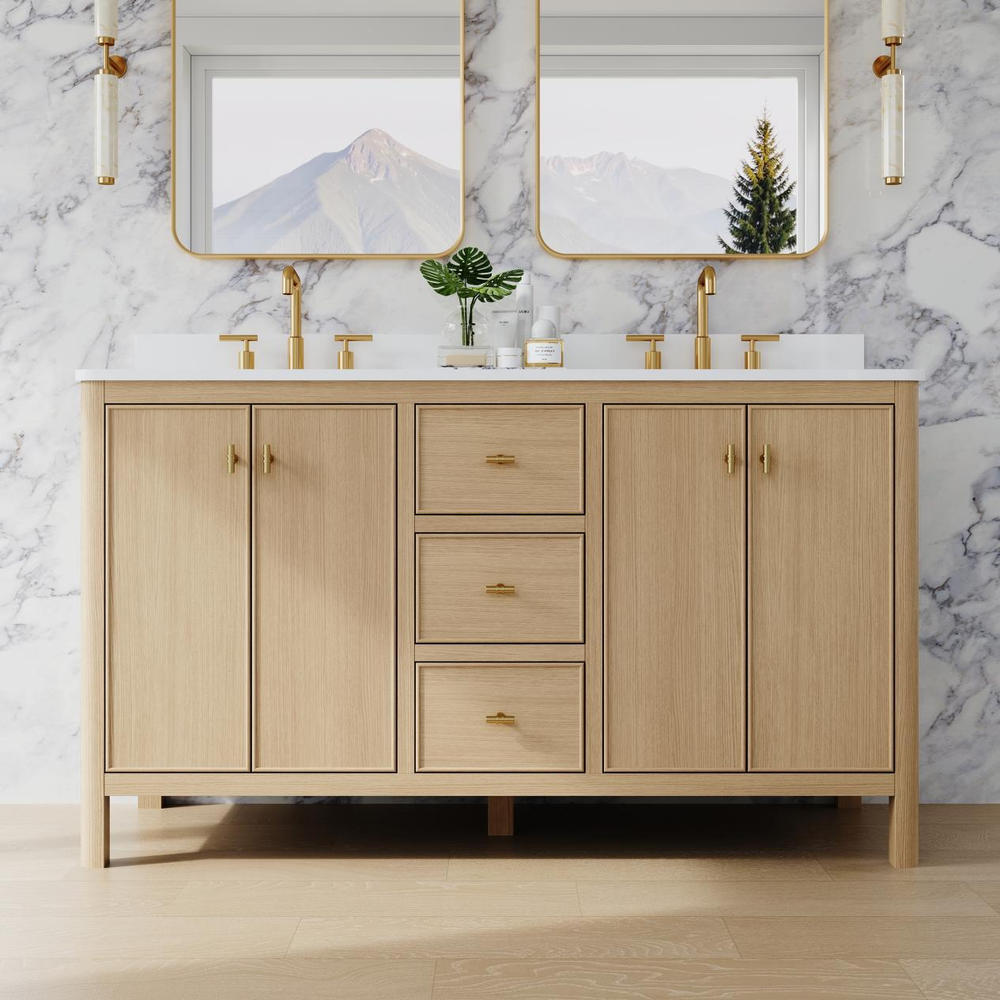
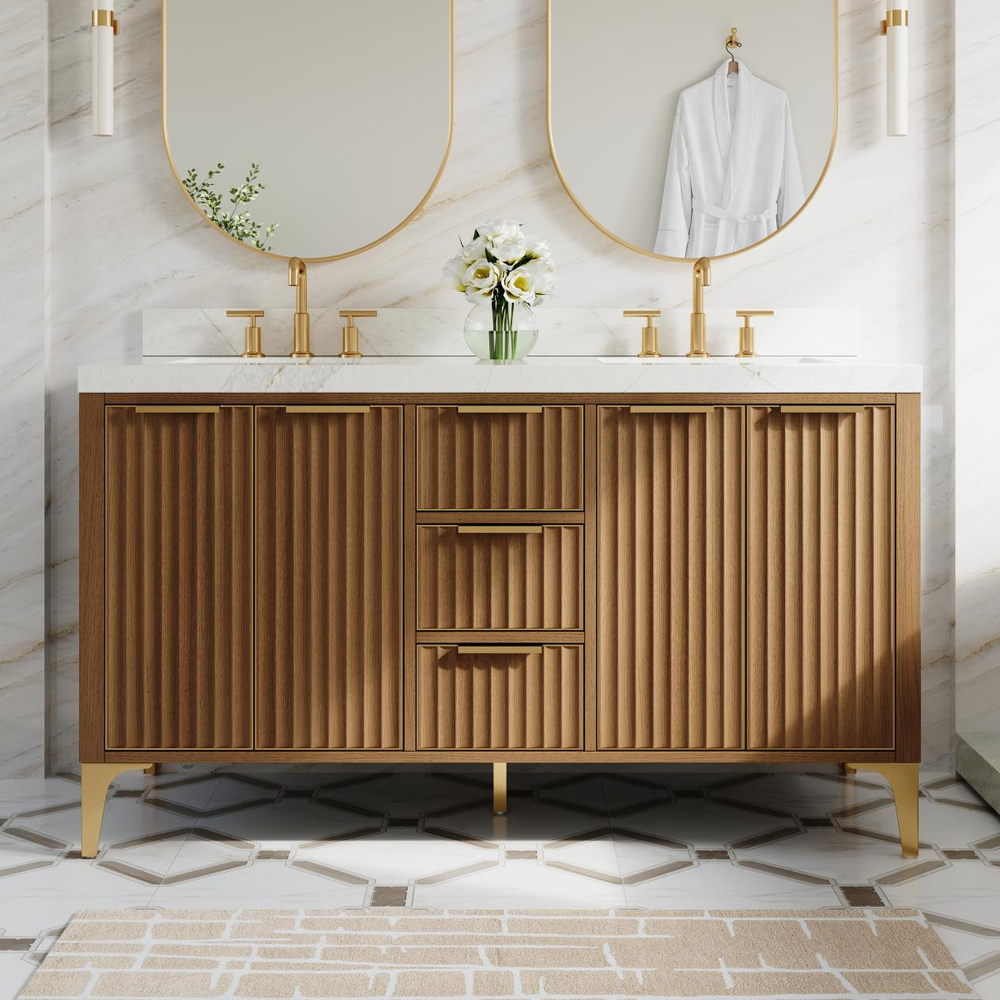
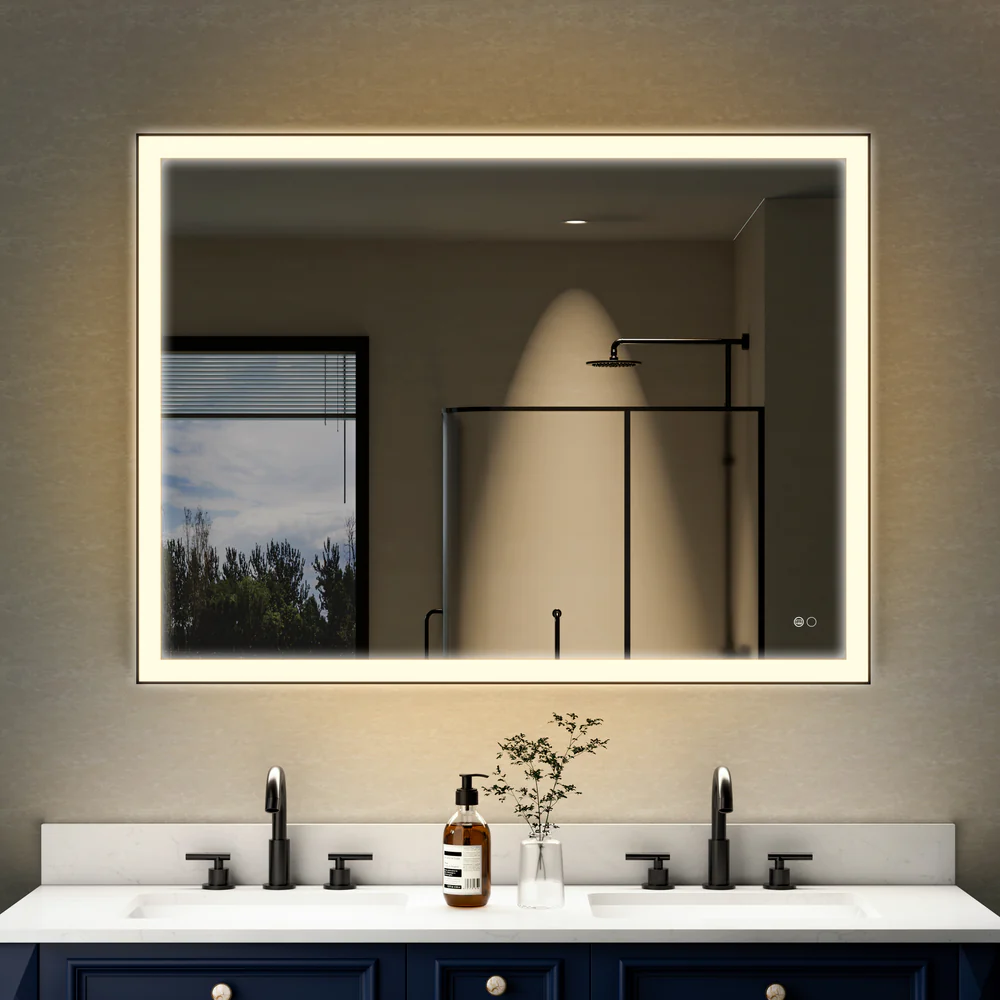
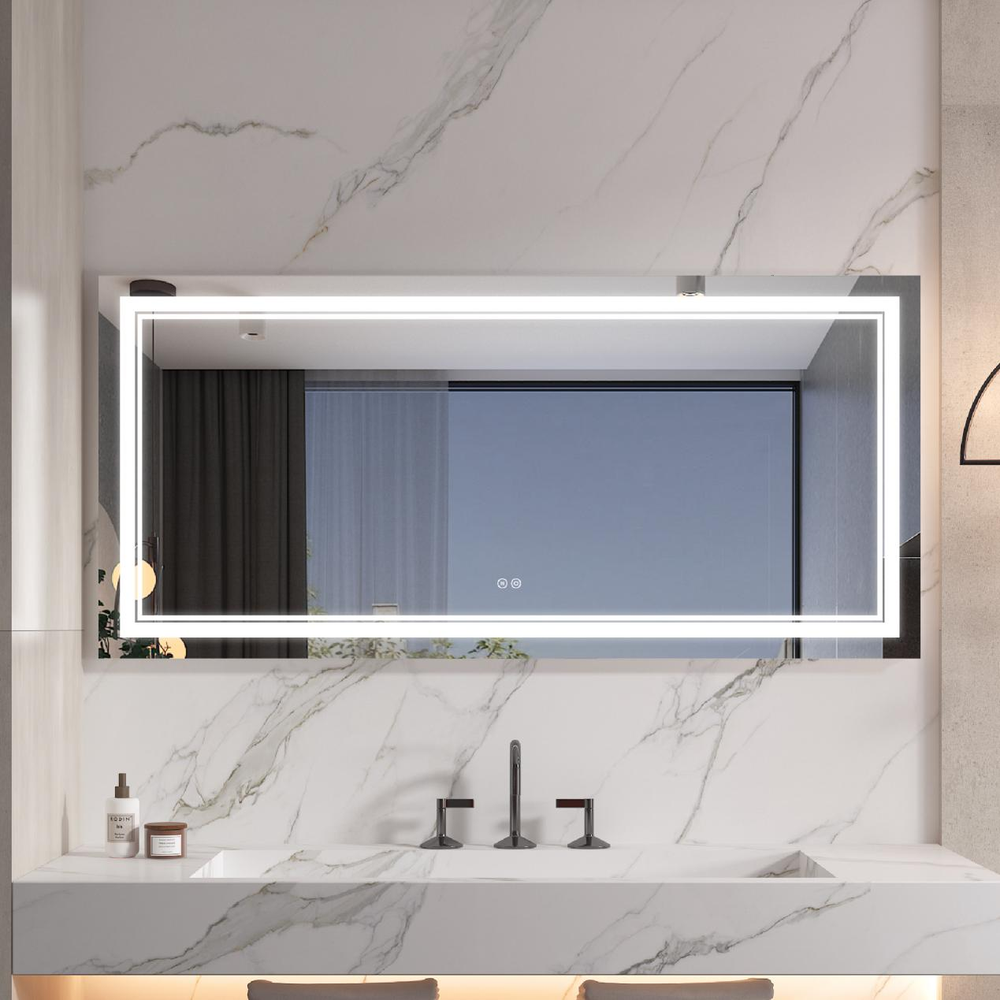
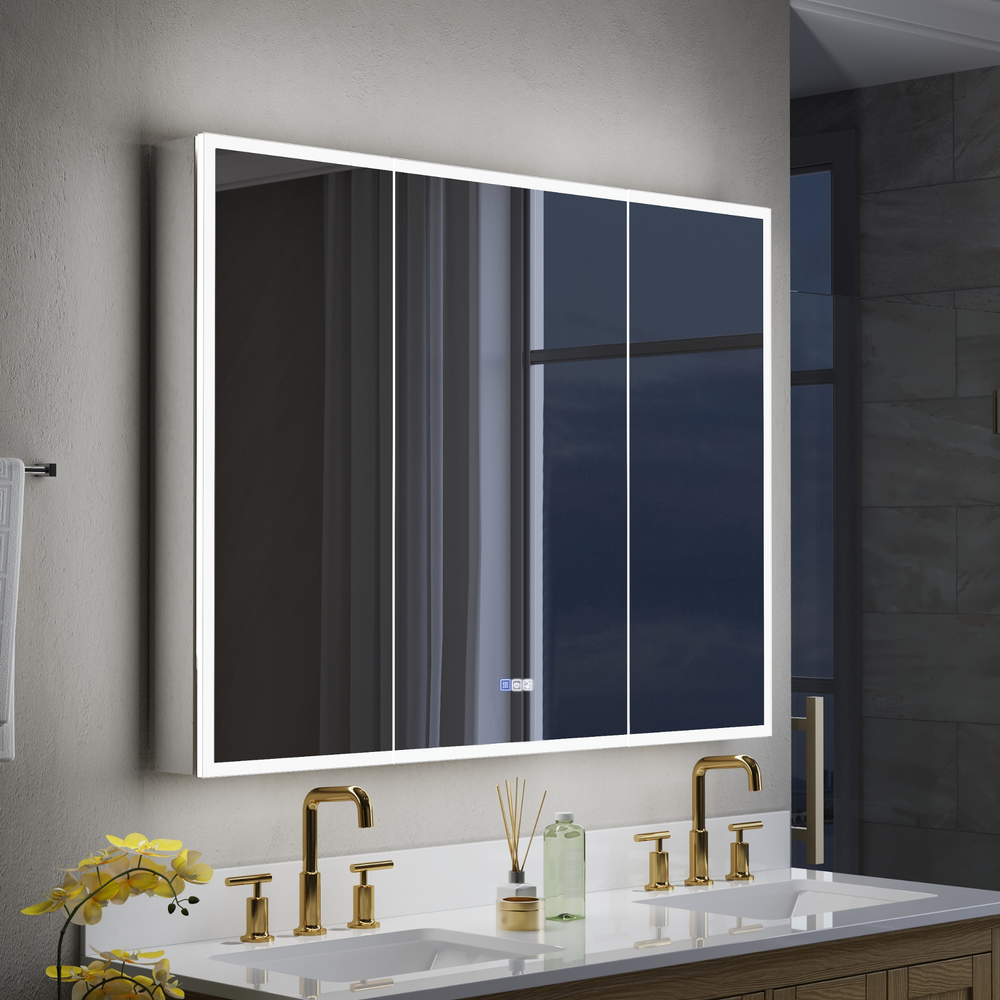
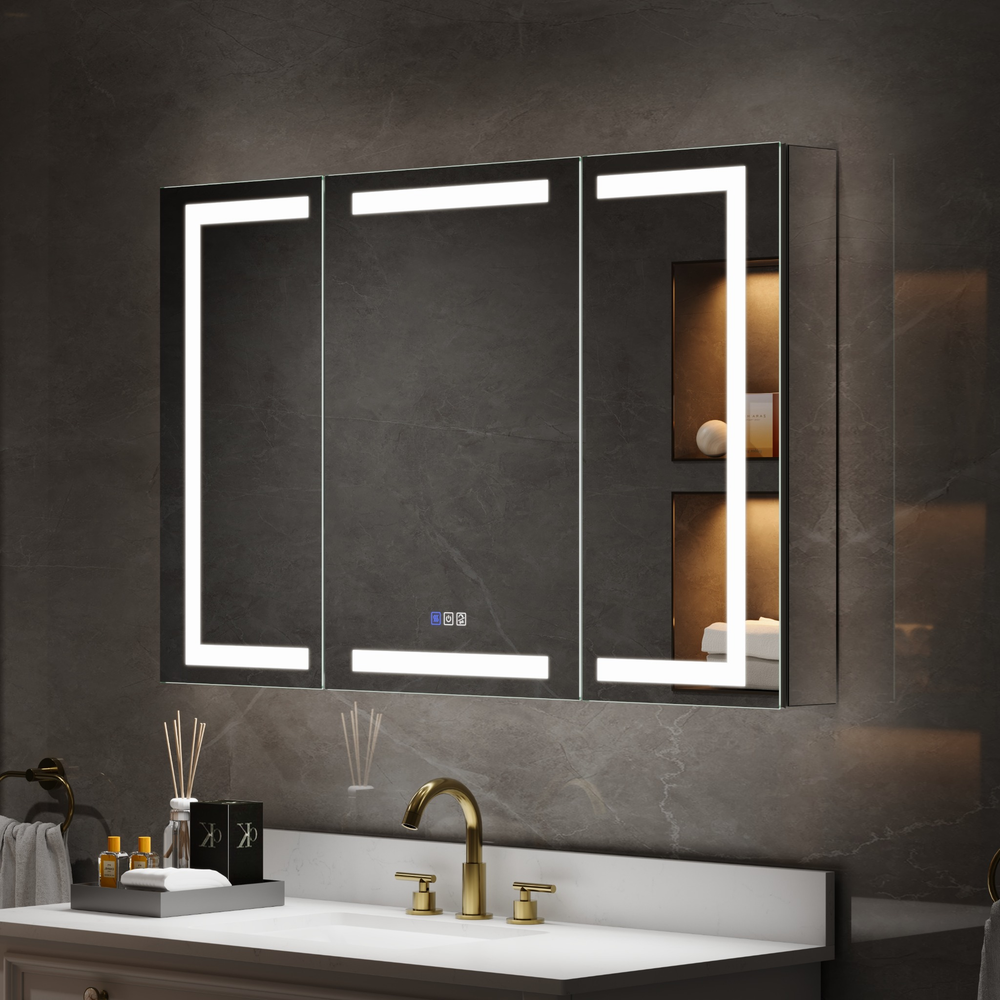
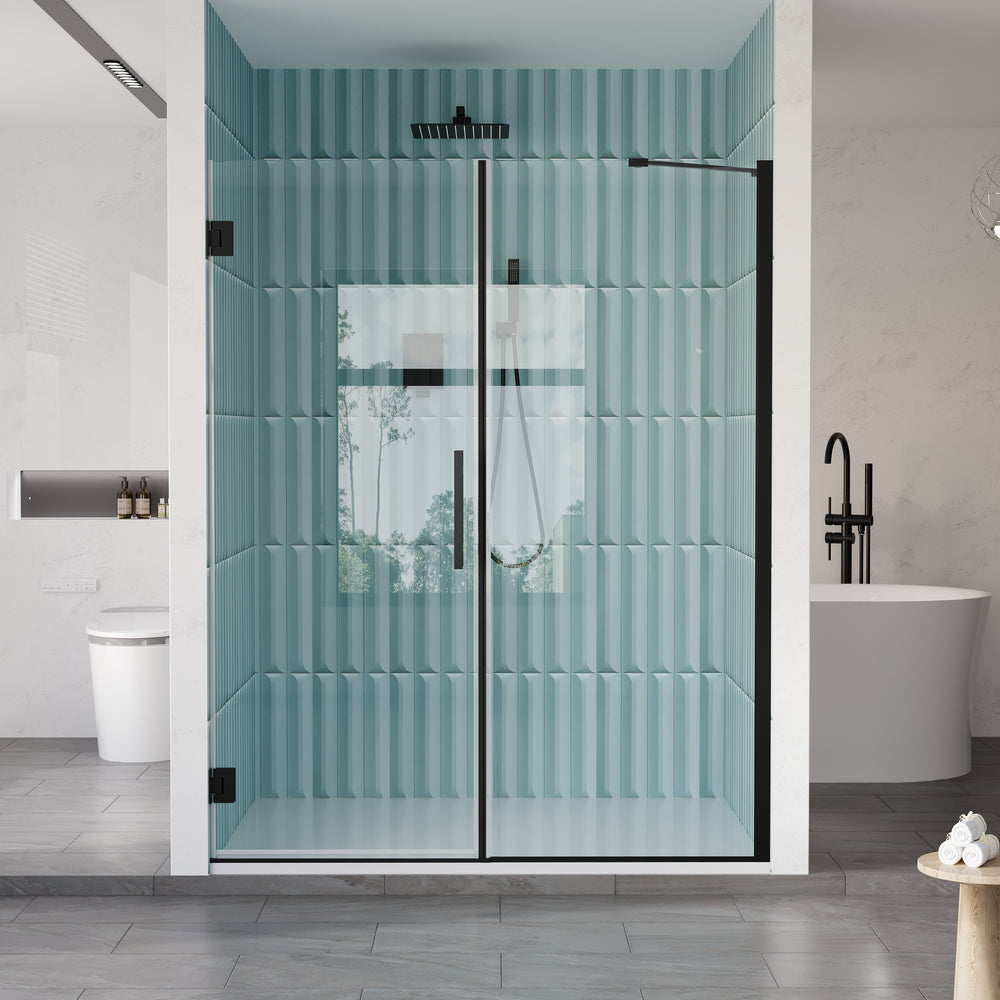
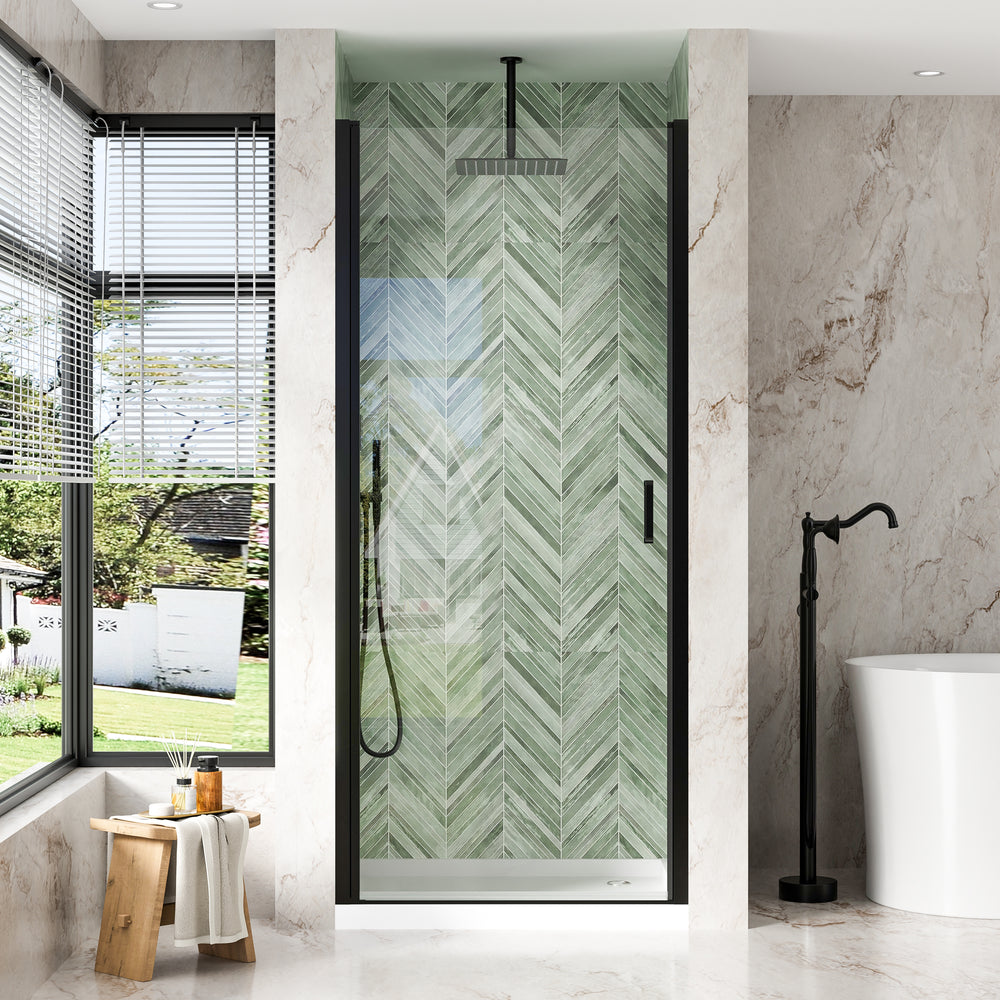

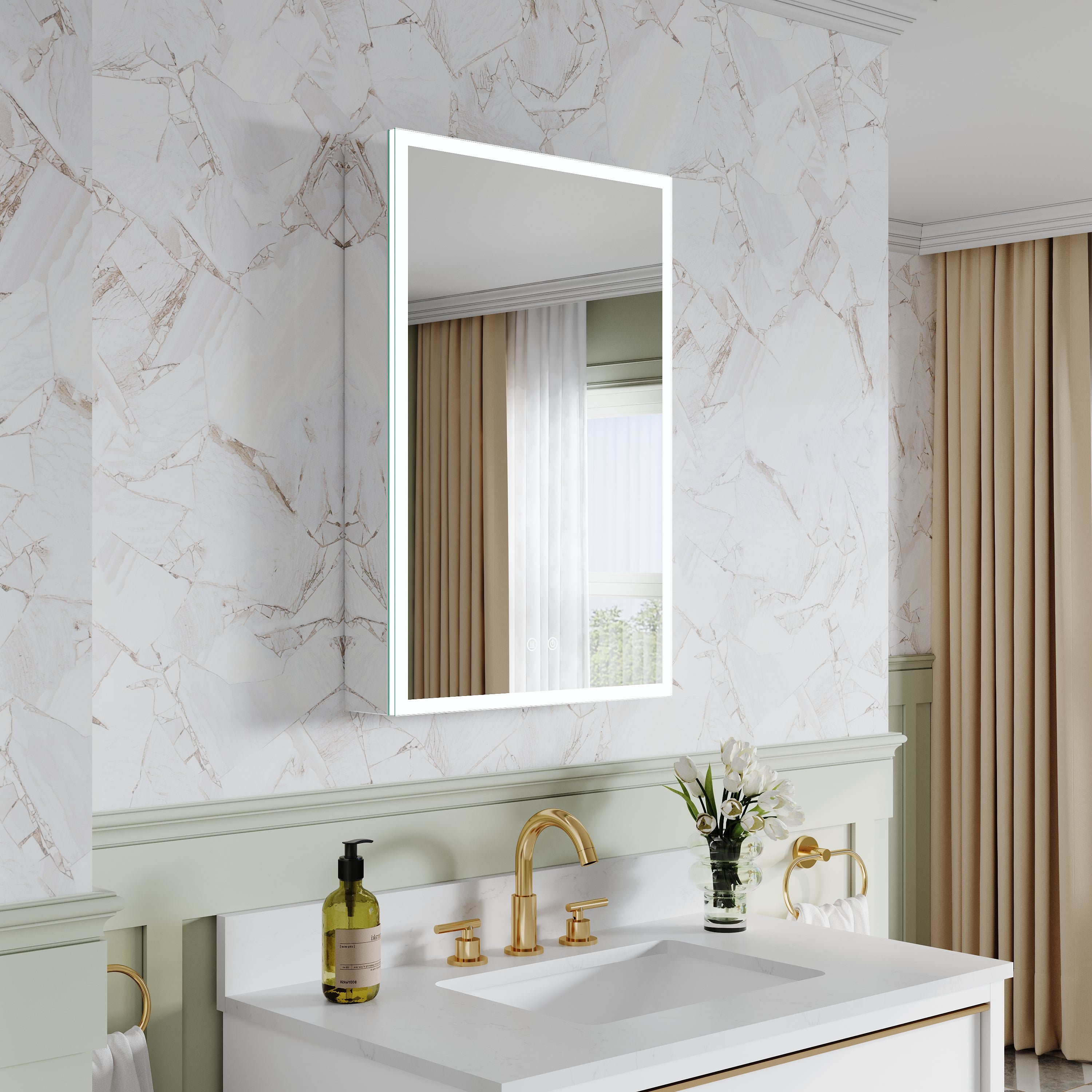
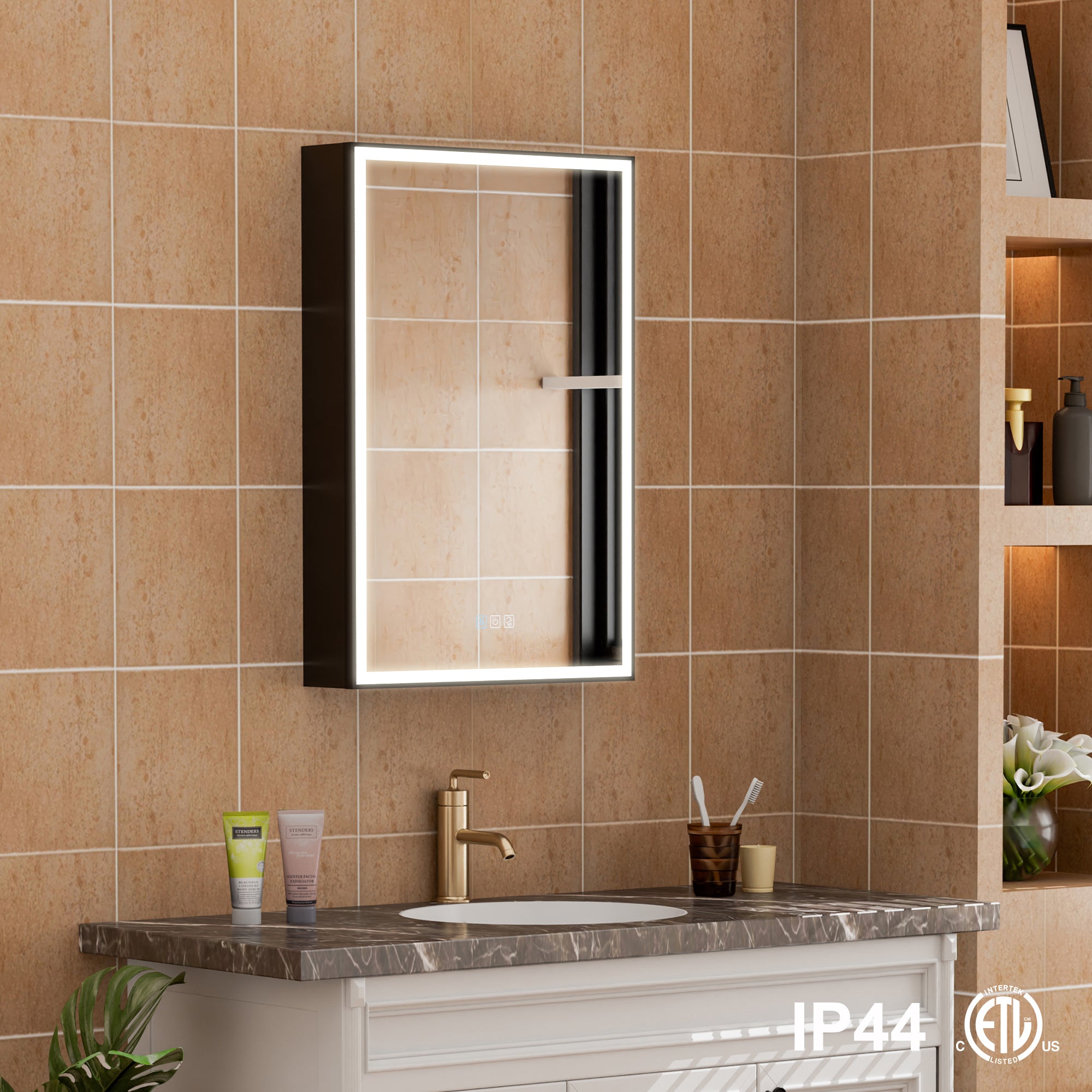


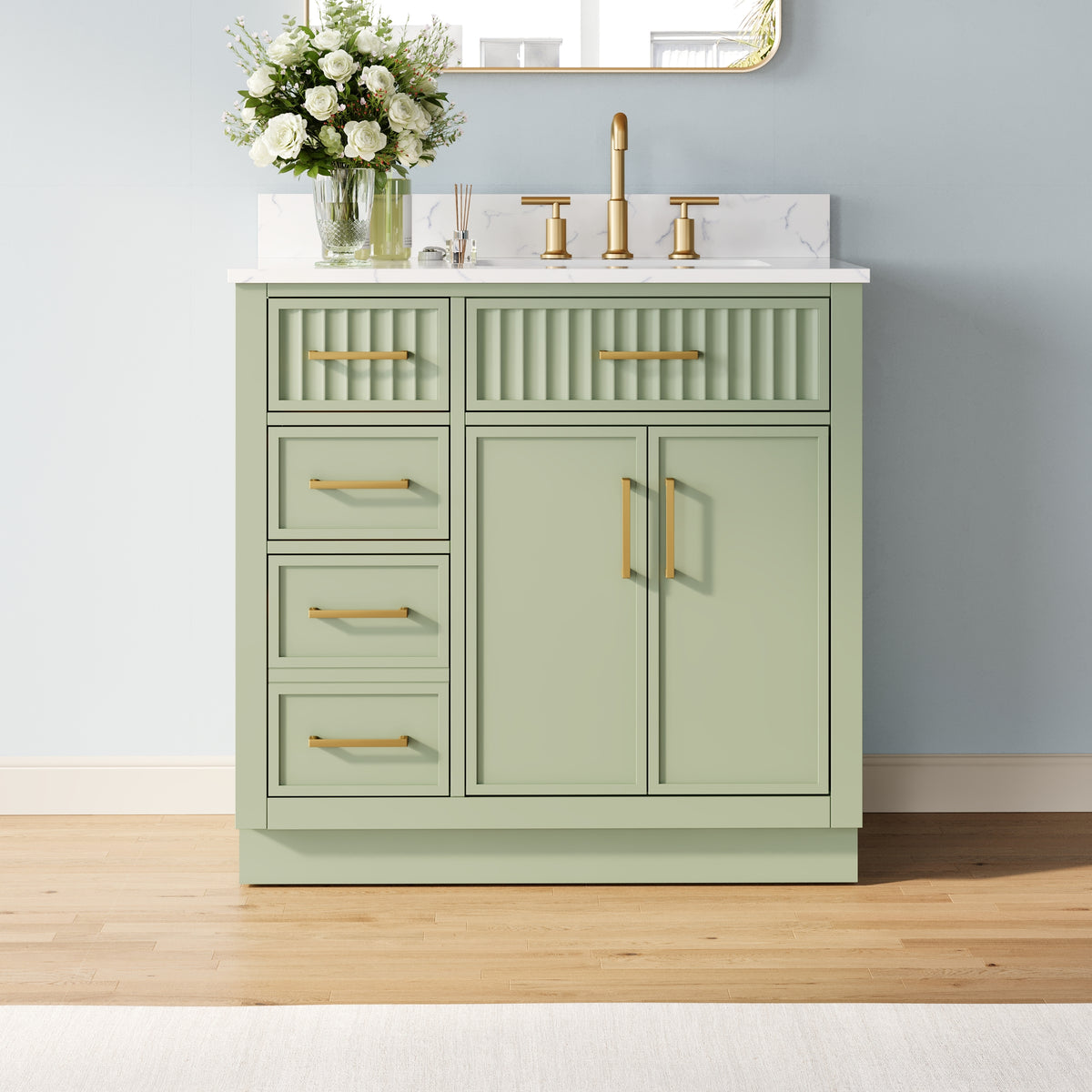
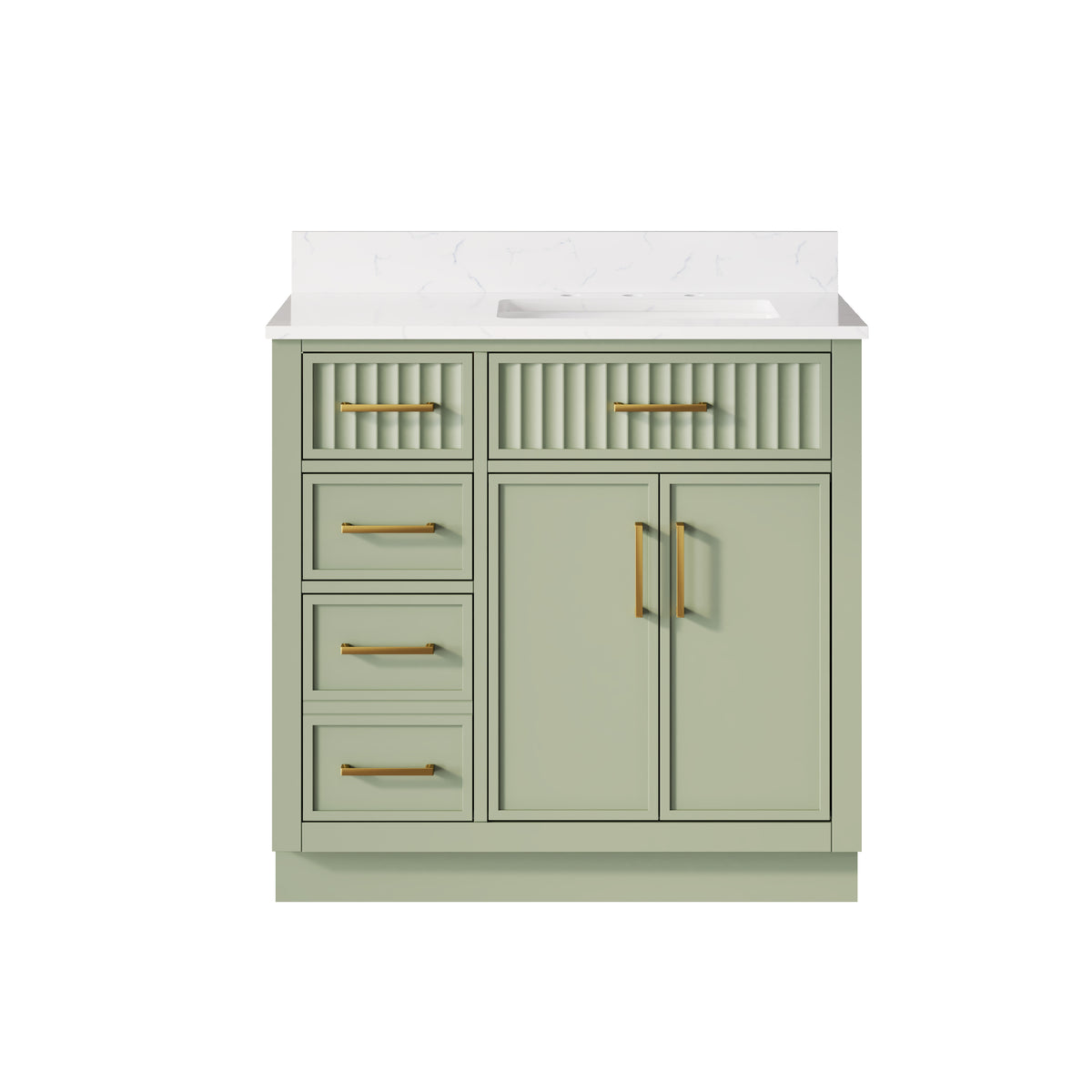
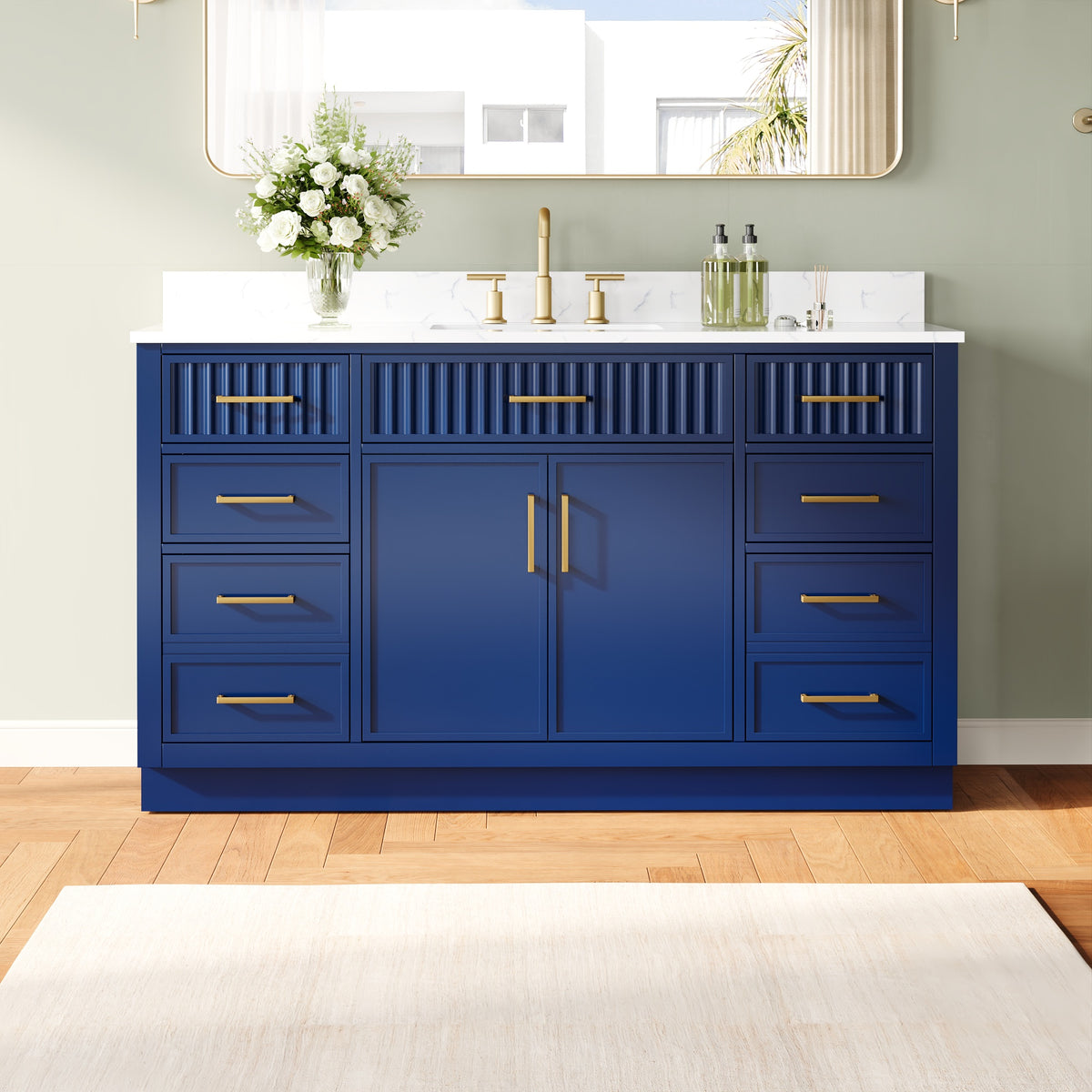
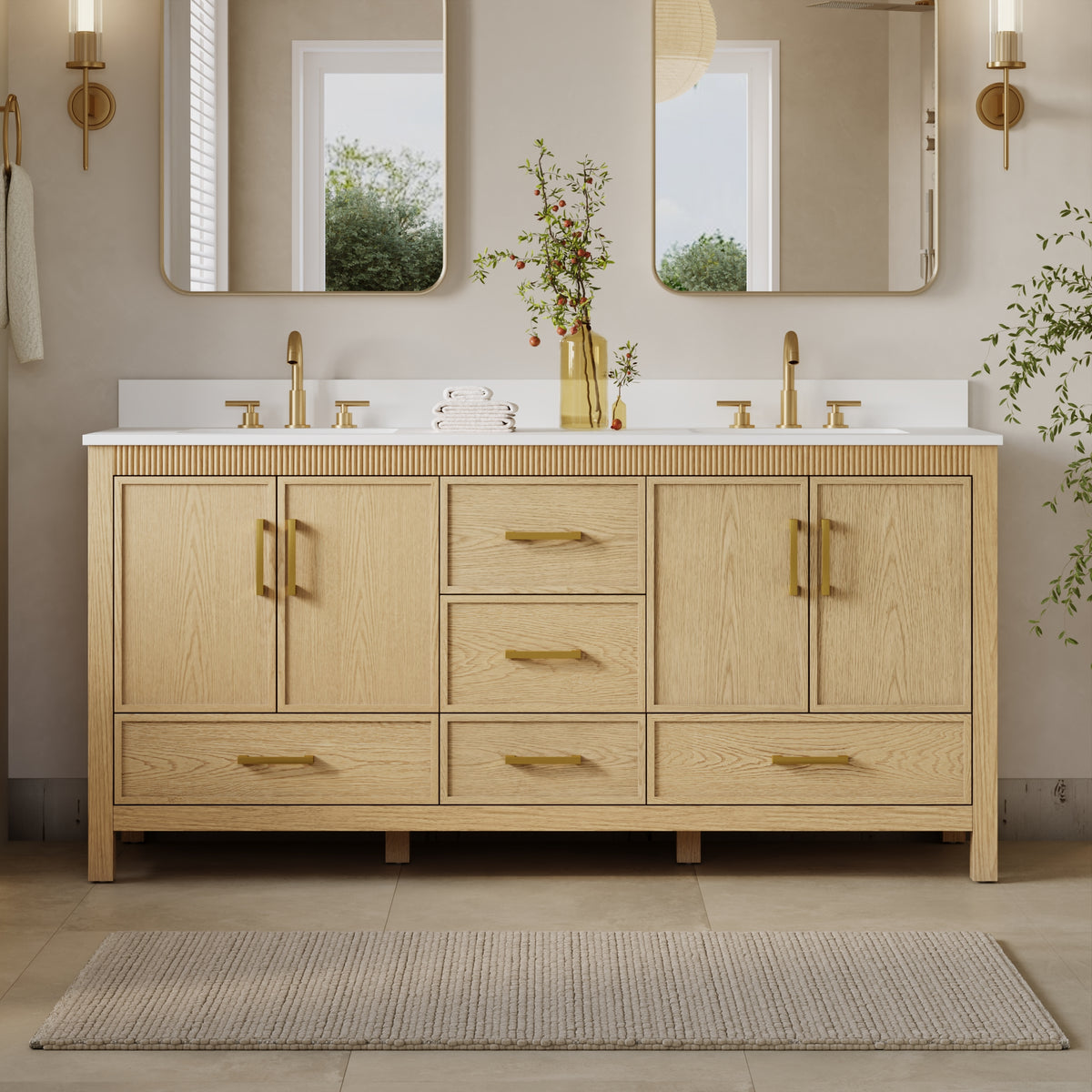
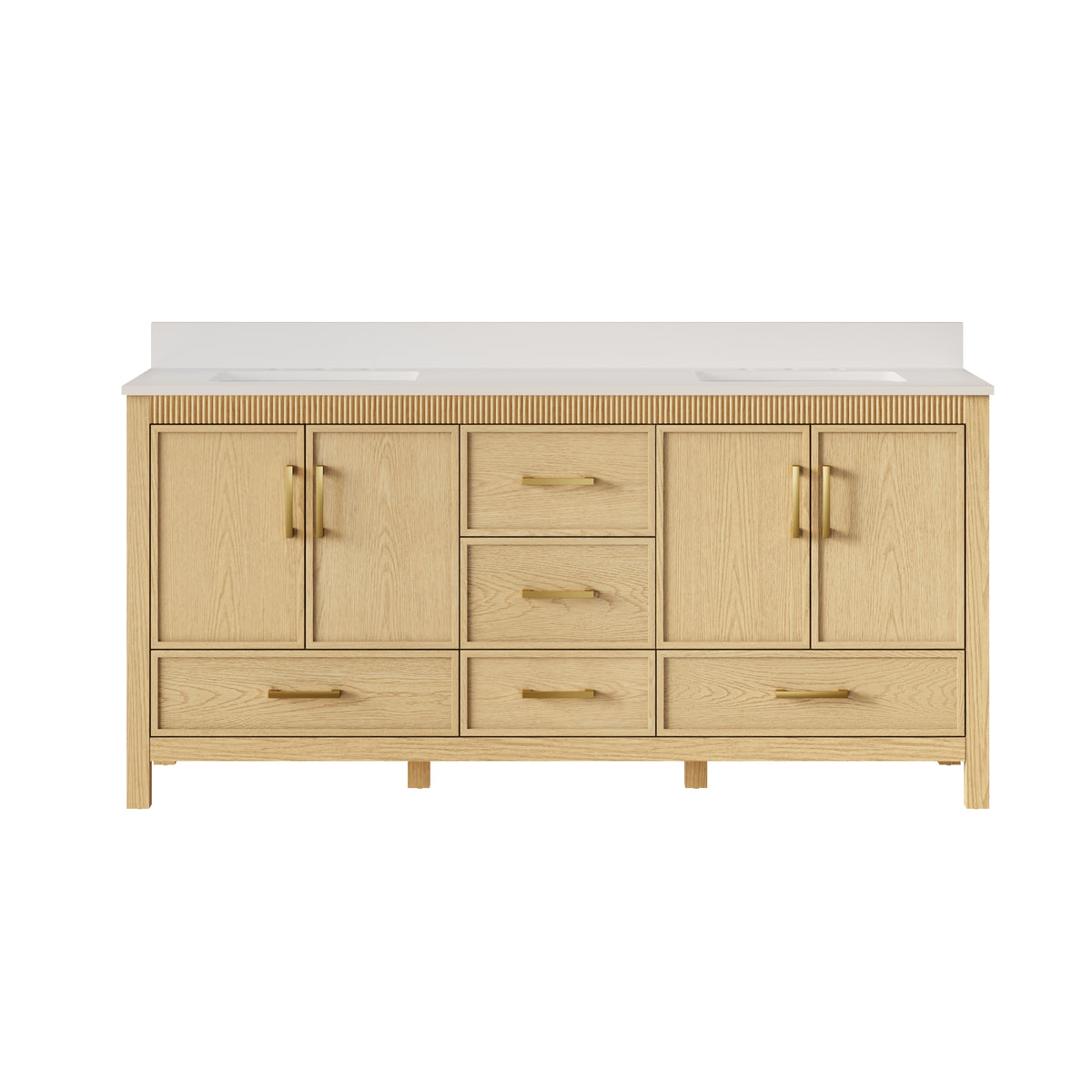
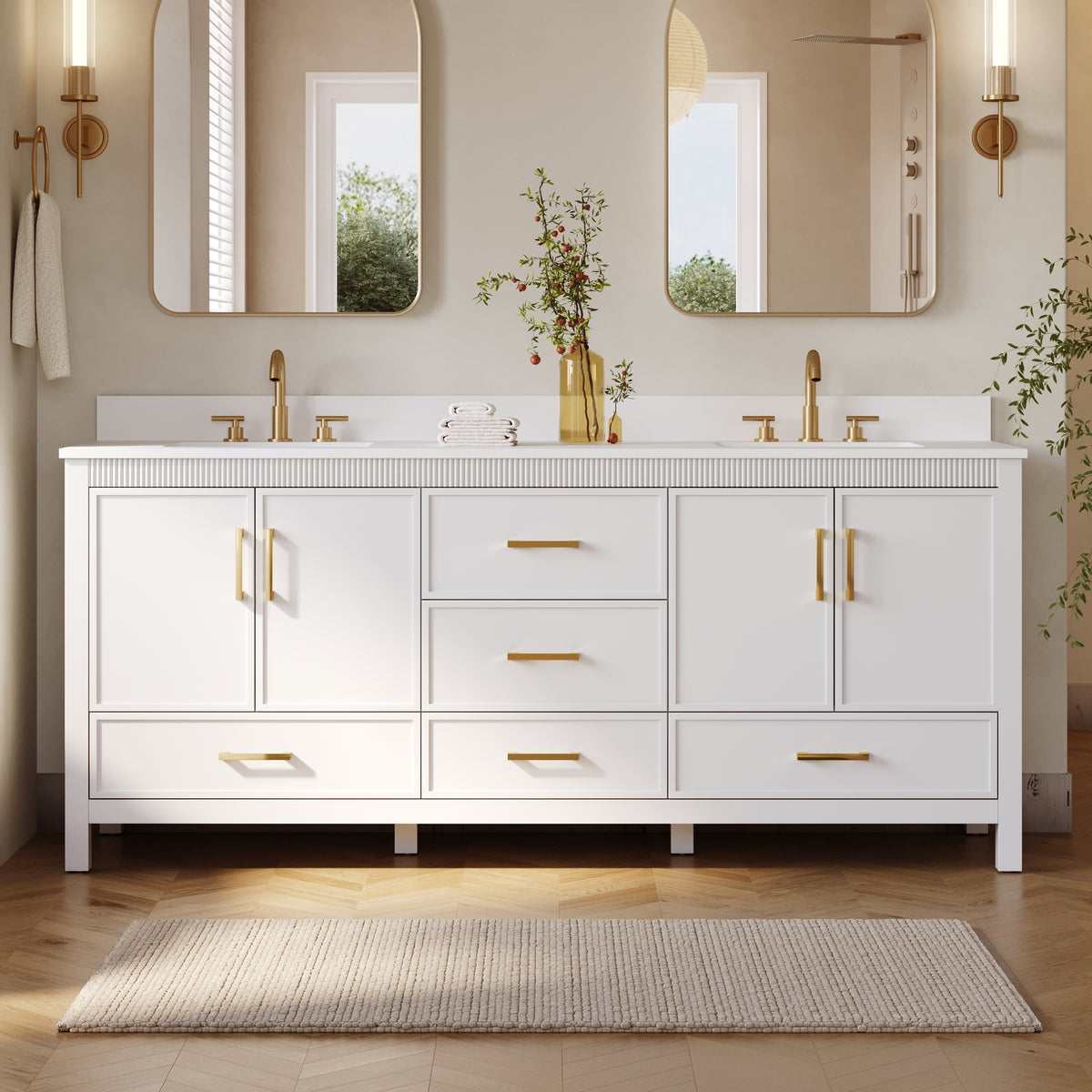
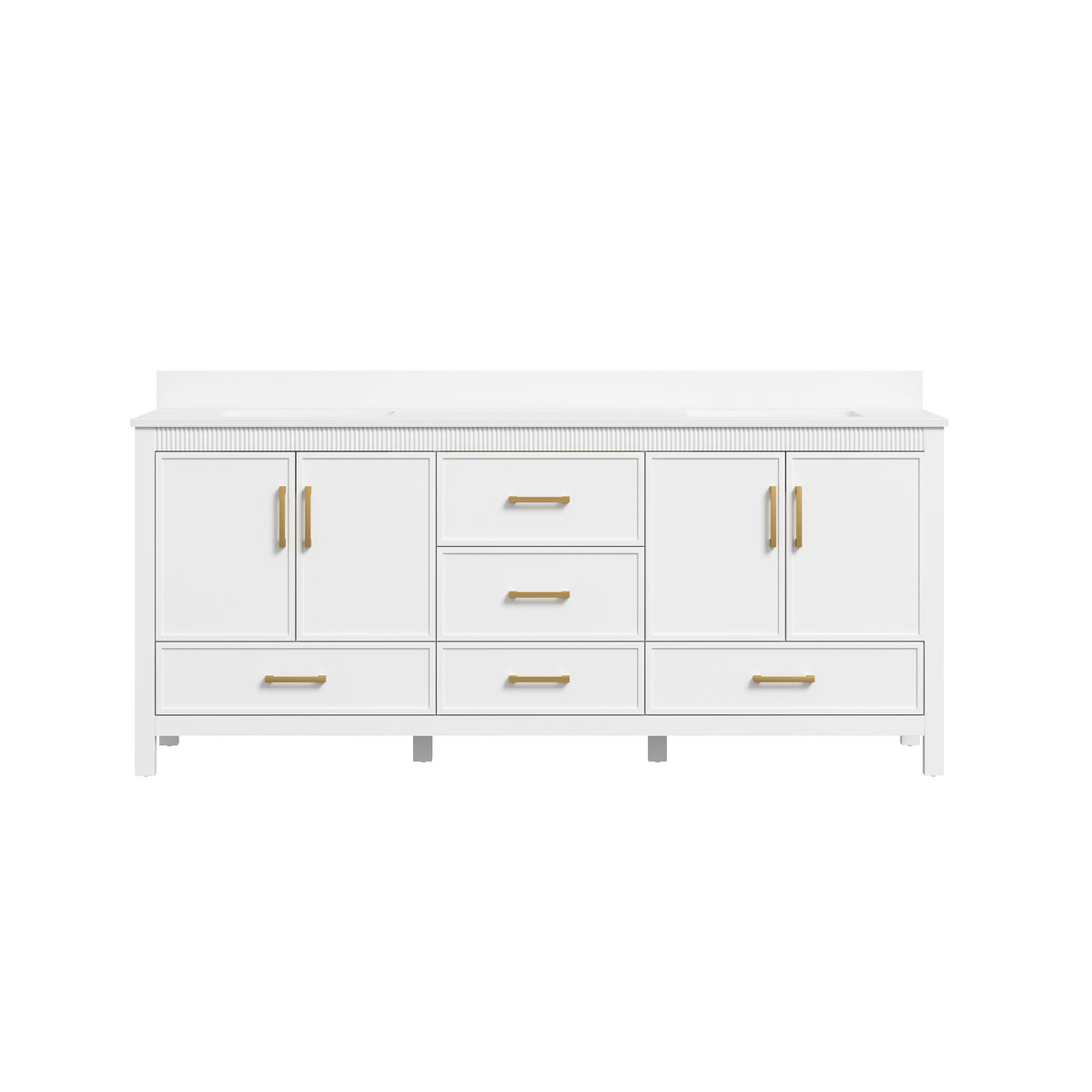
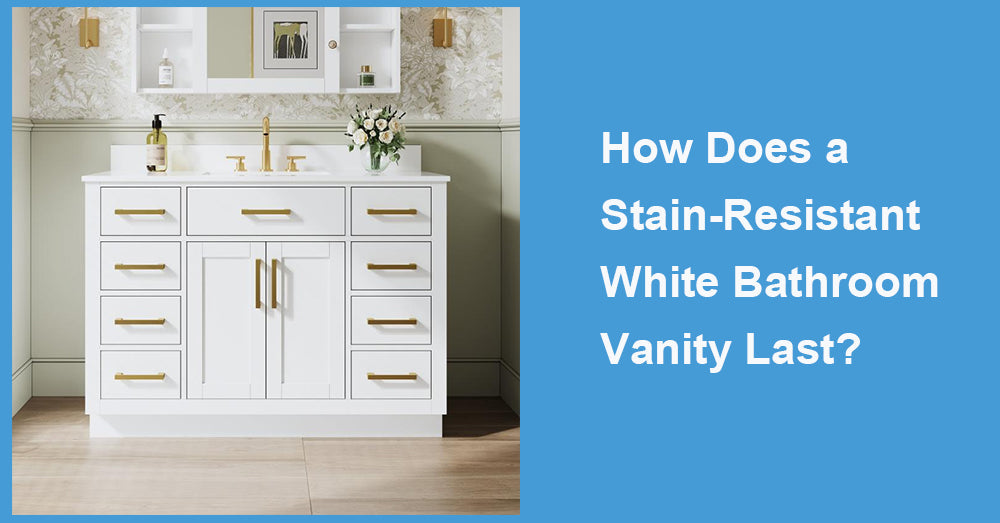
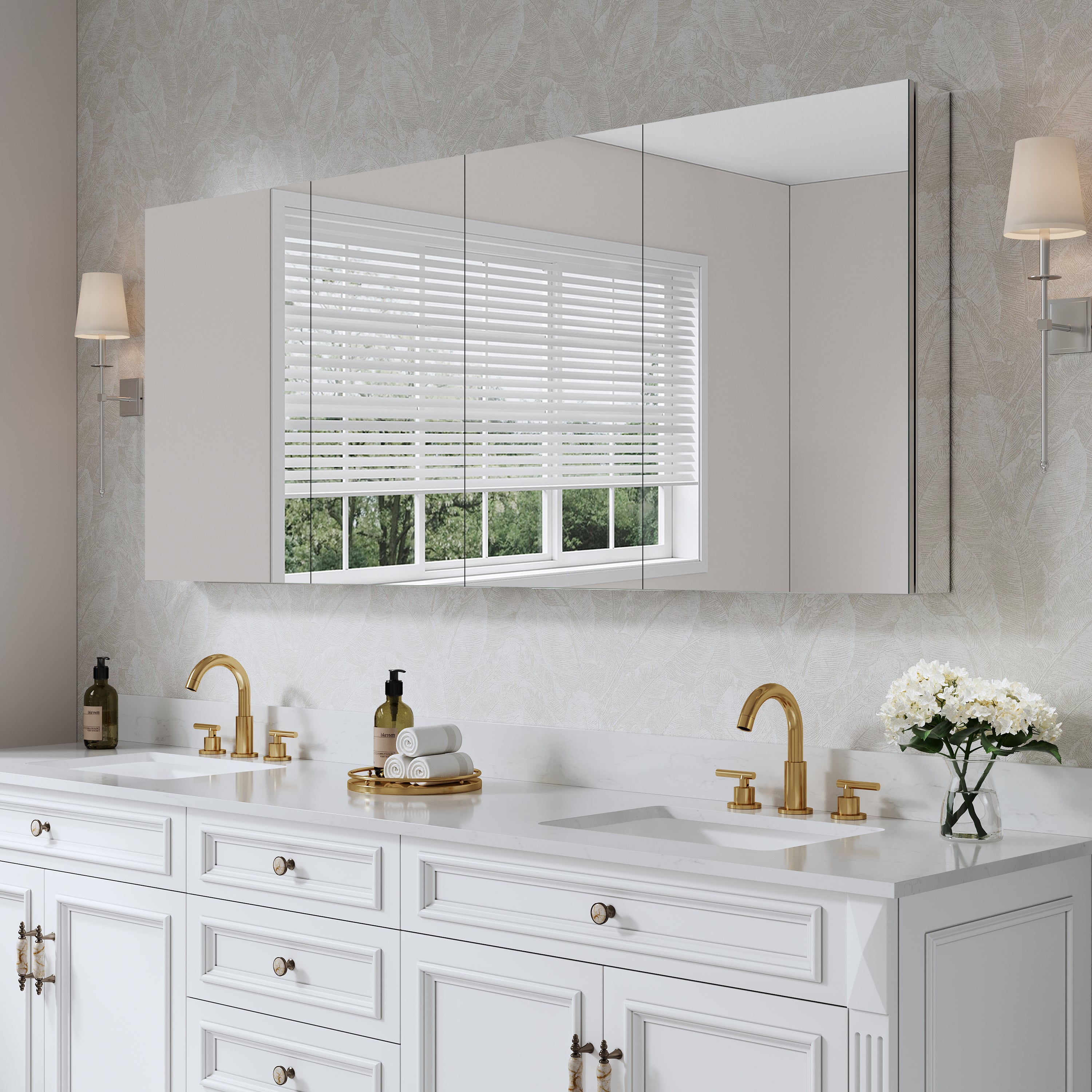
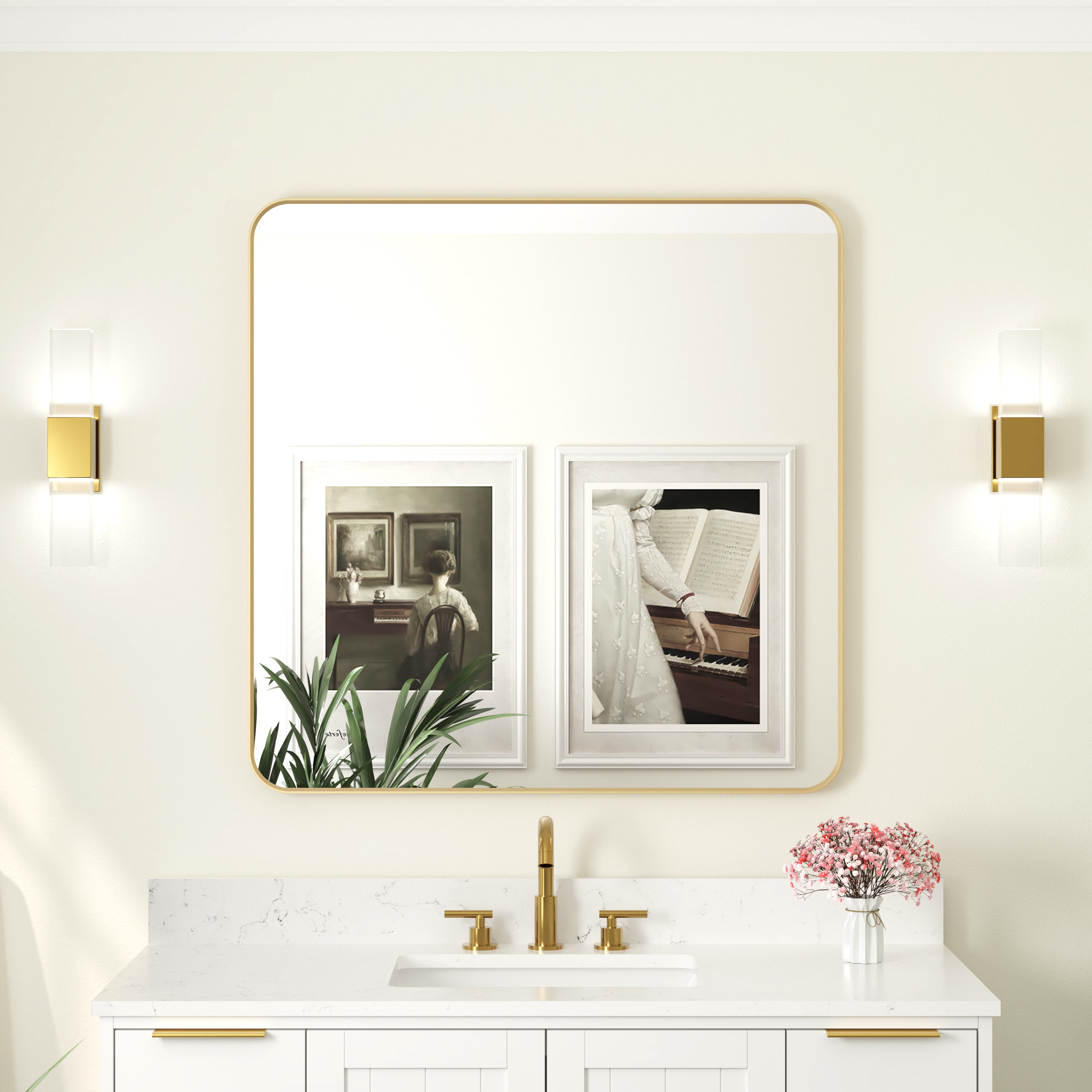
A white bathroom vanity has a reputation problem. Everyone pictures the same thing: a glossy slab that looks great in the showroom and shows every water spot by week two. That reputation isn’t bad, exactly. It’s just incomplete. The stain-resistant versions on the market now are a different animal from the painted MDF boxes of a decade ago, and the difference comes down to finish chemistry, substrate choice, and a few habits that cost nothing. If you’ve been scrolling past photos of large bathroom mirrors and wondering why some white vanities still look fresh five years in while others look tired, the answer is usually in the spec sheet, not the styling.
1. The Finish Is the Whole Ballgame
Here’s the judgment worth leading with: a stain-resistant white bathroom vanity lives or dies by its topcoat, not its color. White paint is white paint. The chemistry sitting on top of it is what determines whether hair dye wipes off or settles in.
Matte finishes have quietly overtaken gloss in high-end specification for exactly this reason. High-gloss lacquer shows water spots, fingerprints, and the micro-scratching that accumulates in a steam environment. Matte finishes are less forgiving of a single impact but significantly more forgiving of daily moisture and contact. The visual weight matters too. A glossy white vanity competes with the mirror and tile for reflections. Matte recedes. That’s why designers in high-end markets have moved toward matte lacquer and nano-particle laminates like Fenix NTM, which resist micro-scratching and can be repaired with a warm iron rather than replaced.
For painted wood vanities, the multi-step factory finish is the line of defense. A properly sealed, five-coat finish prevents peeling and fading in elevated humidity levels in a way that site-applied paint rarely matches.
2. White Is Not One Color, and That Matters for Longevity
The 2025 Houzz Bathroom Trends Study found white still holding 20 percent of vanity color preference, with off-white adding another 10 percent. But the practical difference between a stark white and a warm white isn’t aesthetic. It’s maintenance.
Water spots and mineral deposits blend into off-white and warm white surfaces rather than contrasting against them. Cleaning products don’t need to be as carefully selected to avoid streaking. Minor wear and aging are simply less visible over time. A pure bright white looks crisp in a photo. A warm white looks the same after three years of hard water.
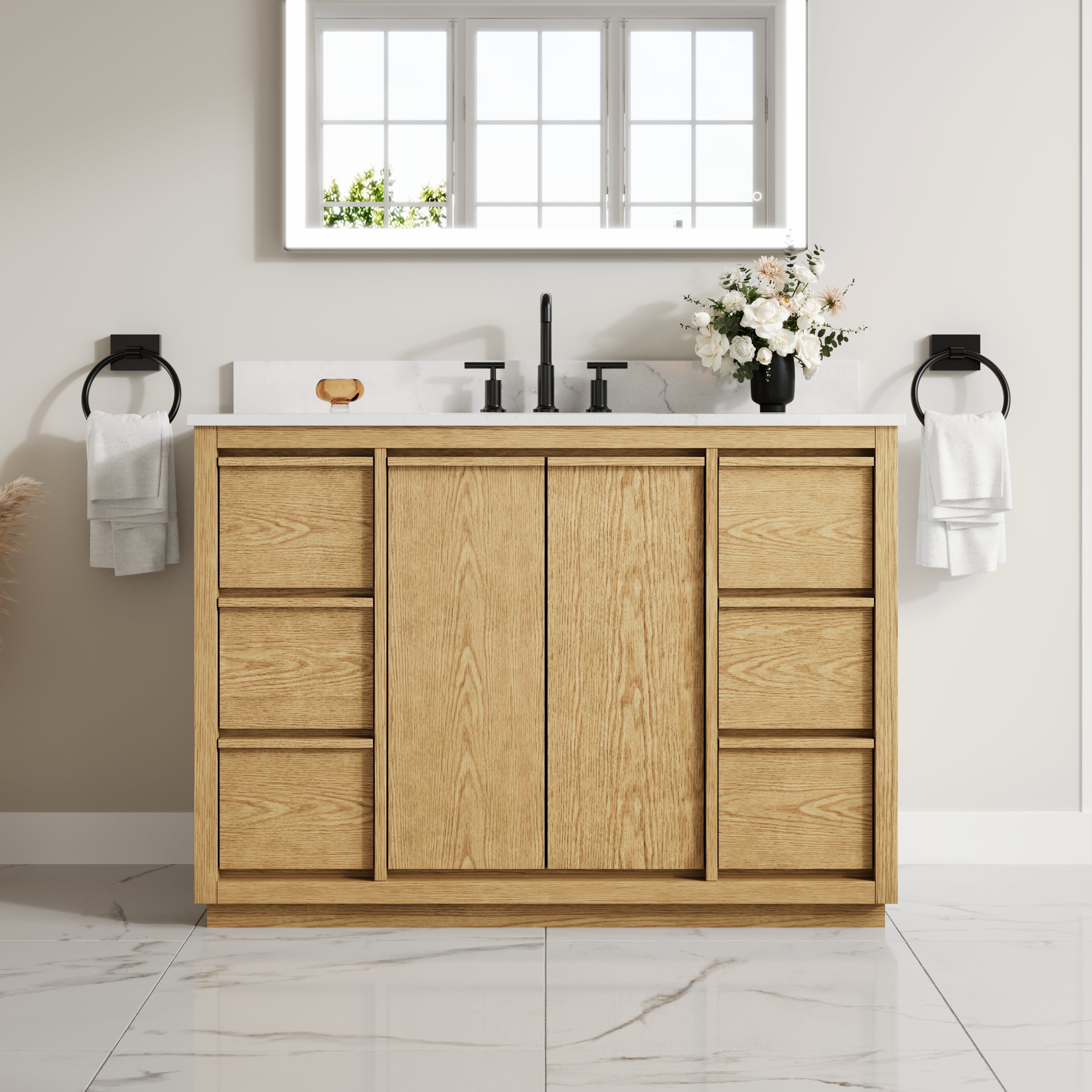
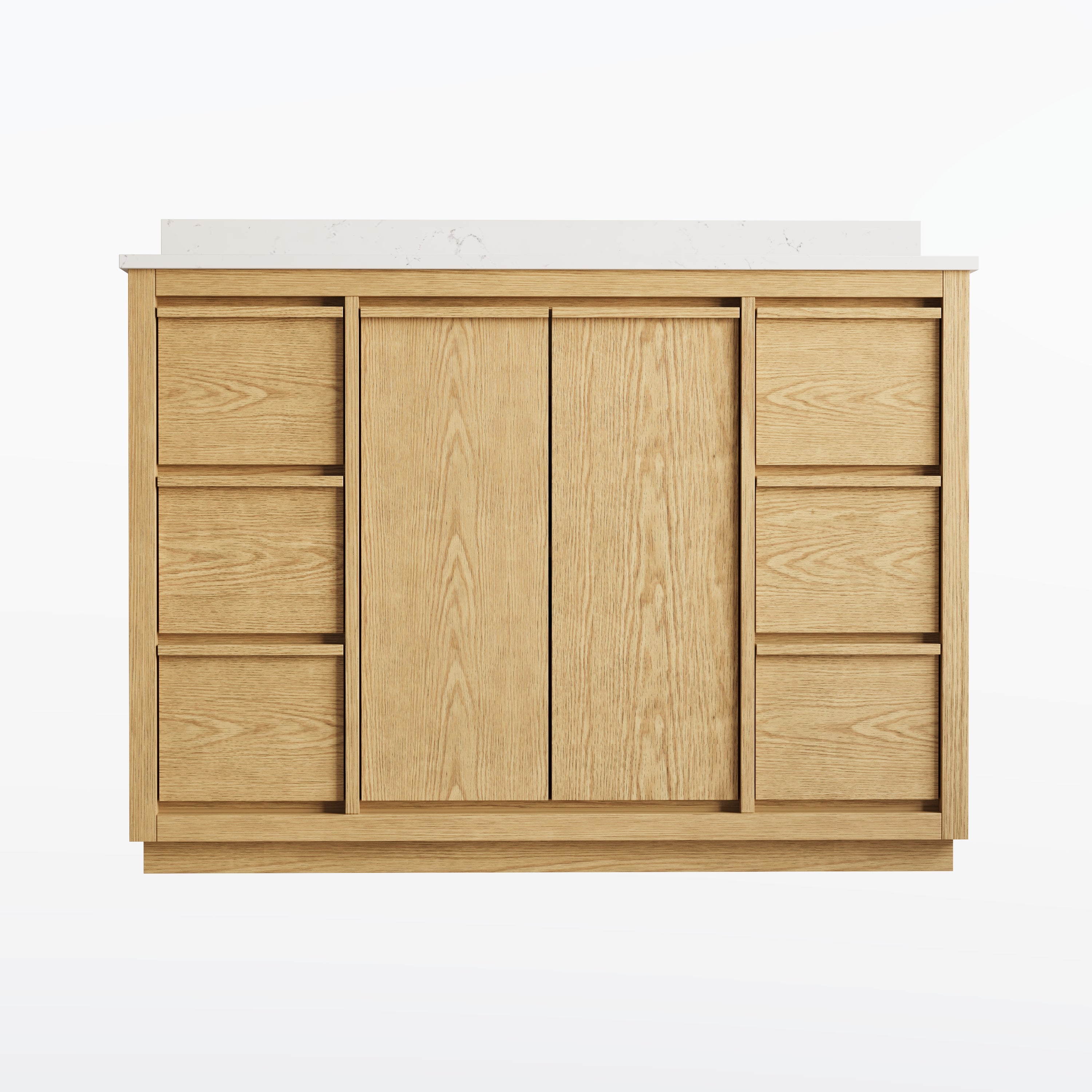
The substrate underneath the paint matters just as much. Solid wood frames dominate renovation choices—74 percent of renovators swapping vanities choose solid wood, with maple leading at 29 percent, white oak at 23 percent, and birch at 12 percent. A solid wood frame coated in crisp white paint gives you a clean exterior with the structural stability that particleboard can’t offer in a humid room.
3. The Countertop Is Half the Stain Story
A white vanity with a porous top is a stain magnet regardless of how good the cabinet finish is. Consumer Reports testing found stains are the most common countertop issue, and their bathroom-specific tests use lipstick, hair dye, nail polish remover, and Drano rather than food and wine.
The materials that hold up: quartz scored Very Good on stain resistance and requires no sealing. Granite scored Very Good but needs occasional resealing when water stops beading. Laminate scored Excellent on stains and heat at a budget price point, though it scratches more easily. Ultracompact surfaces like Dekton scored Excellent on stains and heat but cracked in the impact test.
The judgment here: a stain-resistant white vanity needs a non-porous top to earn the name. Quartz and solid surface resin are the low-maintenance defaults. Marble looks beautiful and etches from the first splash of acidic skincare product.

4. What Actually Voids the Promise
Most stain-resistant finishes come with a warranty, and most warranty claims fail for the same handful of reasons. Abrasive cleaners on quartz or lacquered finishes. Hot styling tools placed directly on the top. Failure to repair a plumbing leak within 48 hours of detection.
That last one is worth sitting with. The vanity finish isn’t what fails in a leak situation. The substrate swells, the paint lifts, and the stain resistance becomes irrelevant because the cabinet is compromised. A white vanity in a bathroom with a slow drip under the sink won’t last regardless of how good the topcoat is.
The other quiet killer is installation. Most semi-custom and custom vanity warranties require a licensed installer. DIY installation can void the manufacturer’s water-damage protection entirely. That’s not a sales tactic. It’s an acknowledgment that improper sealing at the wall and floor is the most common path to moisture damage.
5. The Daily Habits That Add Years
A stain-resistant white vanity doesn’t need much. It needs less than most people give it.
Skip the abrasive scrubbing pads. A soft cloth and mild soap handle almost everything on a sealed matte finish. Wipe up hair dye and skincare spills when they happen rather than at the end of the week. Keep the curling iron on the counter, not on the vanity top. And check under the sink occasionally. A leak caught early is a warranty conversation. A leak caught late is a replacement.
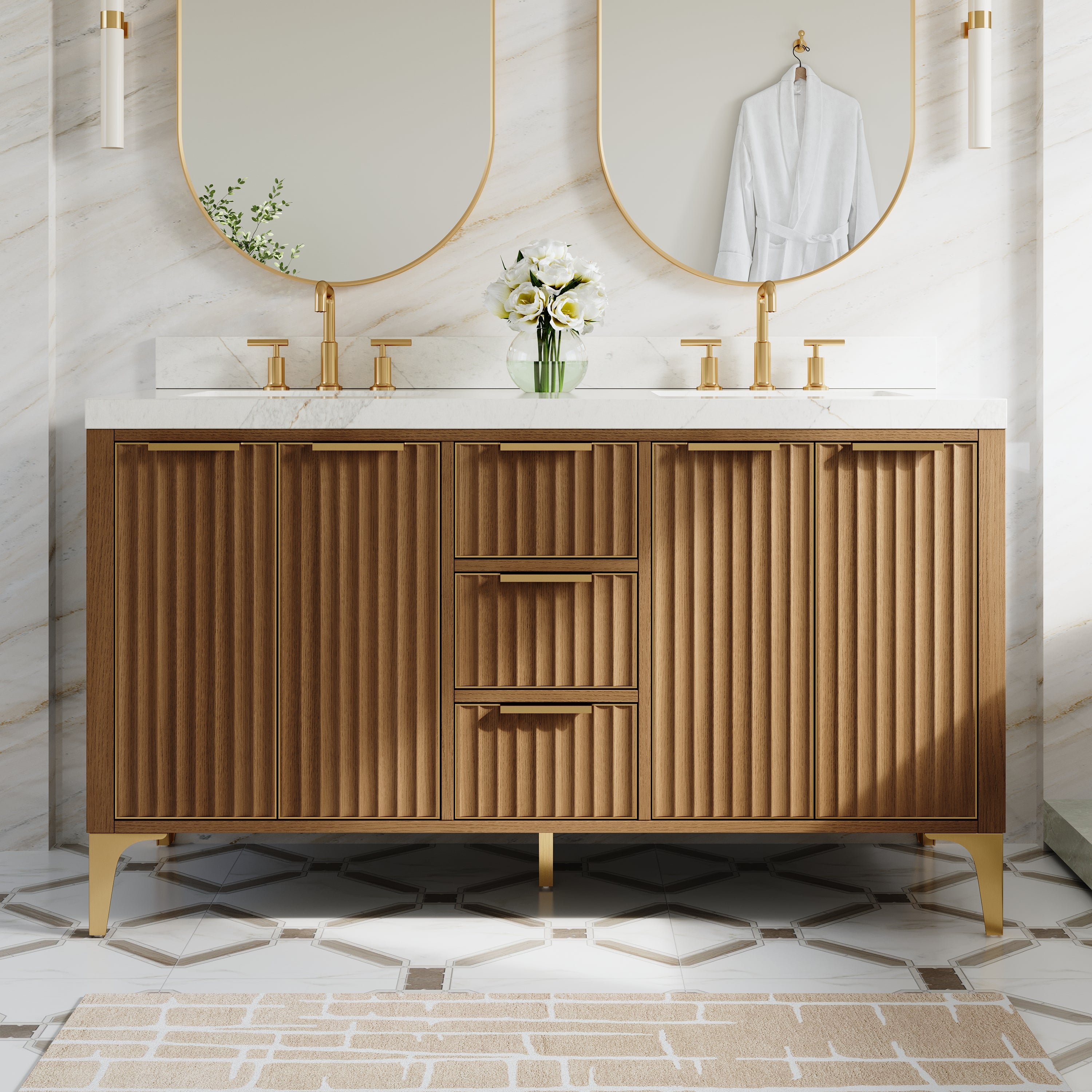
The sizing decision matters here too. Houzz data shows 47 percent of renovators choose vanities 48 inches or smaller, with 60-inch units at roughly 19 percent and 72-inch models at 14 percent. A smaller vanity means less surface area to maintain, less counter to clutter, and less white to keep clean. In a tight bathroom, a 30-to-36-inch white vanity does the job without becoming a daily chore.
6. The Verdict, Without the Hype
A stain-resistant white bathroom vanity lasts when three things line up: a matte or sealed finish that forgives daily contact, a non-porous countertop that doesn’t etch, and a solid wood frame that doesn’t swell when the bathroom gets steamy.
White isn’t the trend-proof choice it once was—wood has overtaken it as the top vanity color at 26 percent to white’s 22 percent. But white remains the most flexible finish in the category, the one that photographs well for resale and accepts hardware changes without a full renovation. Stain resistance is what makes that flexibility last beyond the first year.
The best stain-resistant white bathroom vanities aren’t the brightest or the glossiest. They’re the ones with a finish that wipes clean, a top that doesn’t stain, and a cabinet that stays dry underneath. Get those right, and the vanity looks the same in year five as it did in month one. That’s the whole point.













Leave a comment
This site is protected by hCaptcha and the hCaptcha Privacy Policy and Terms of Service apply.