
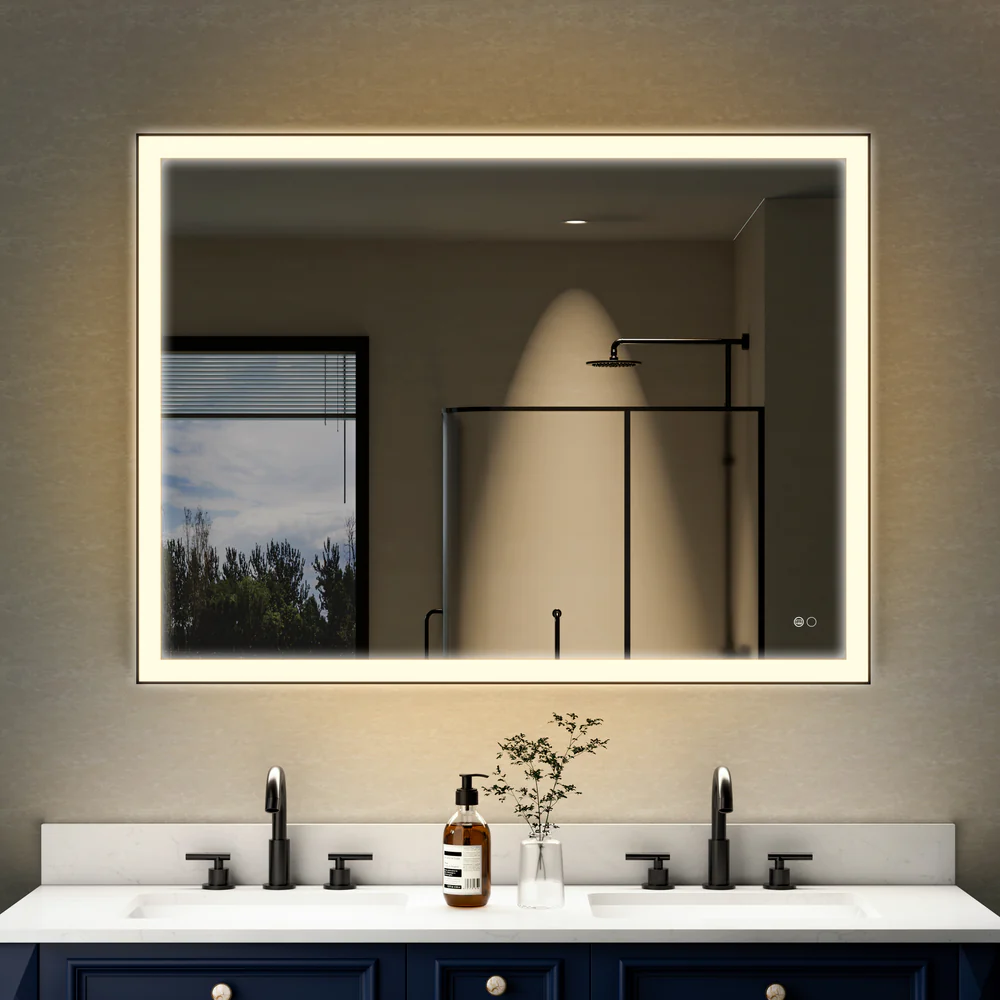
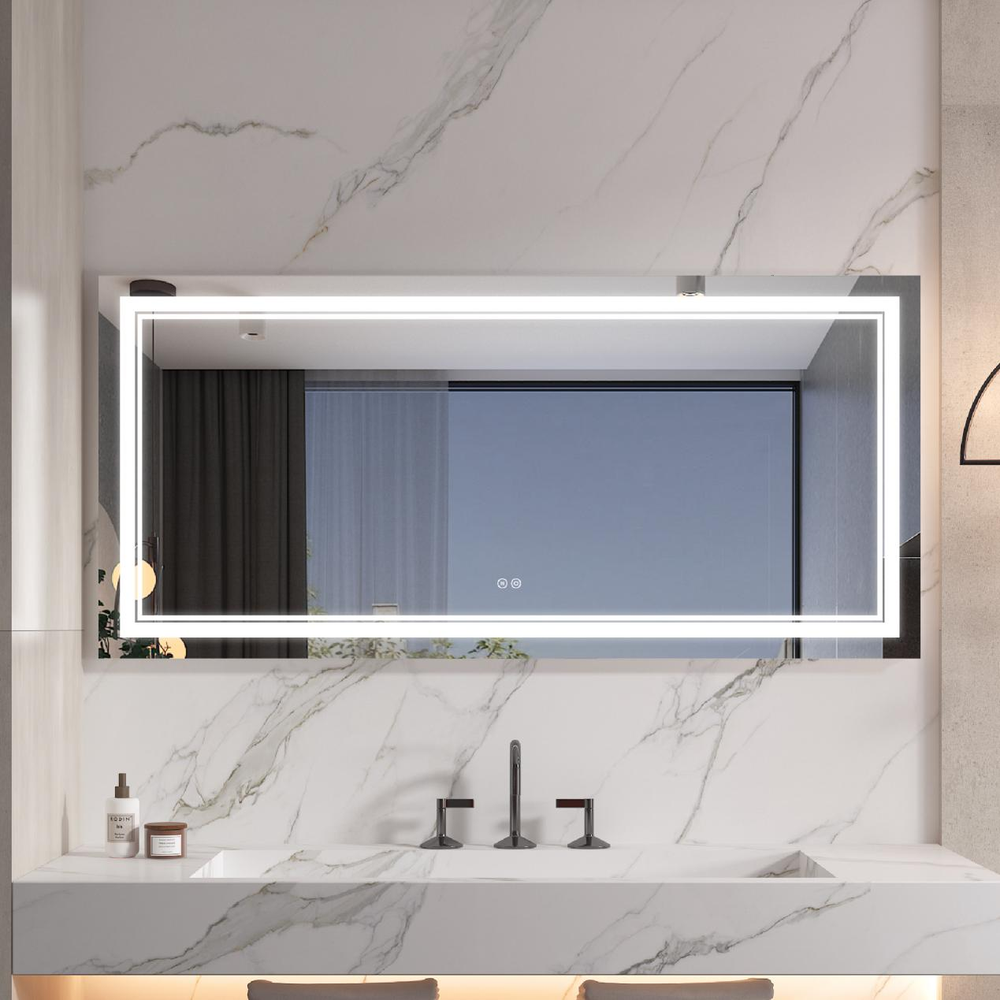
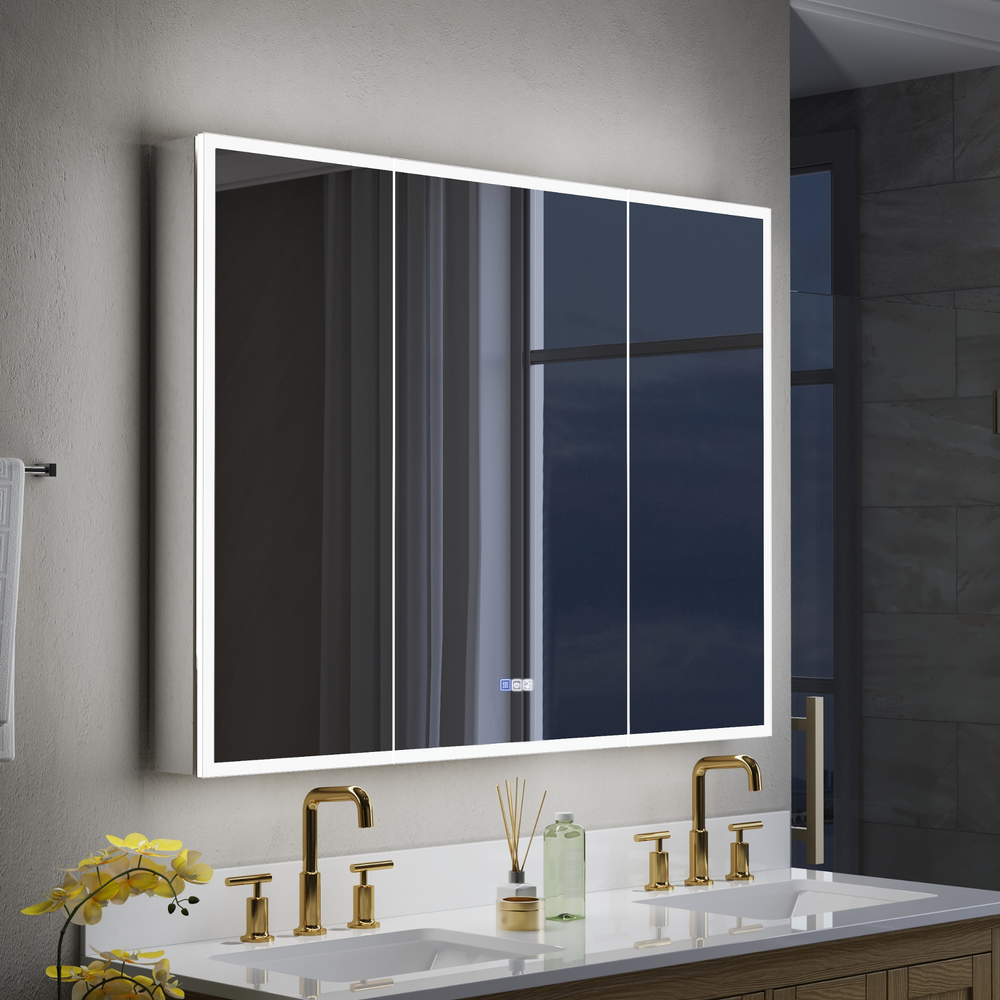
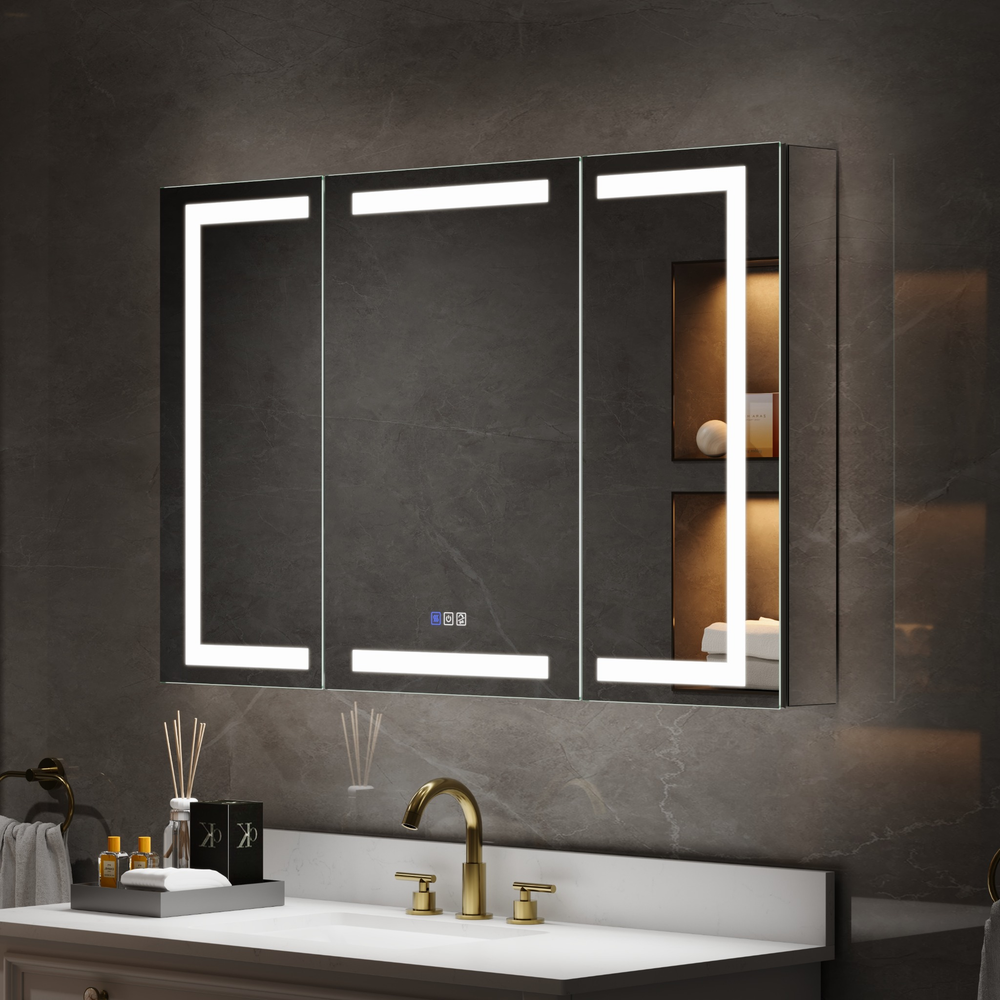

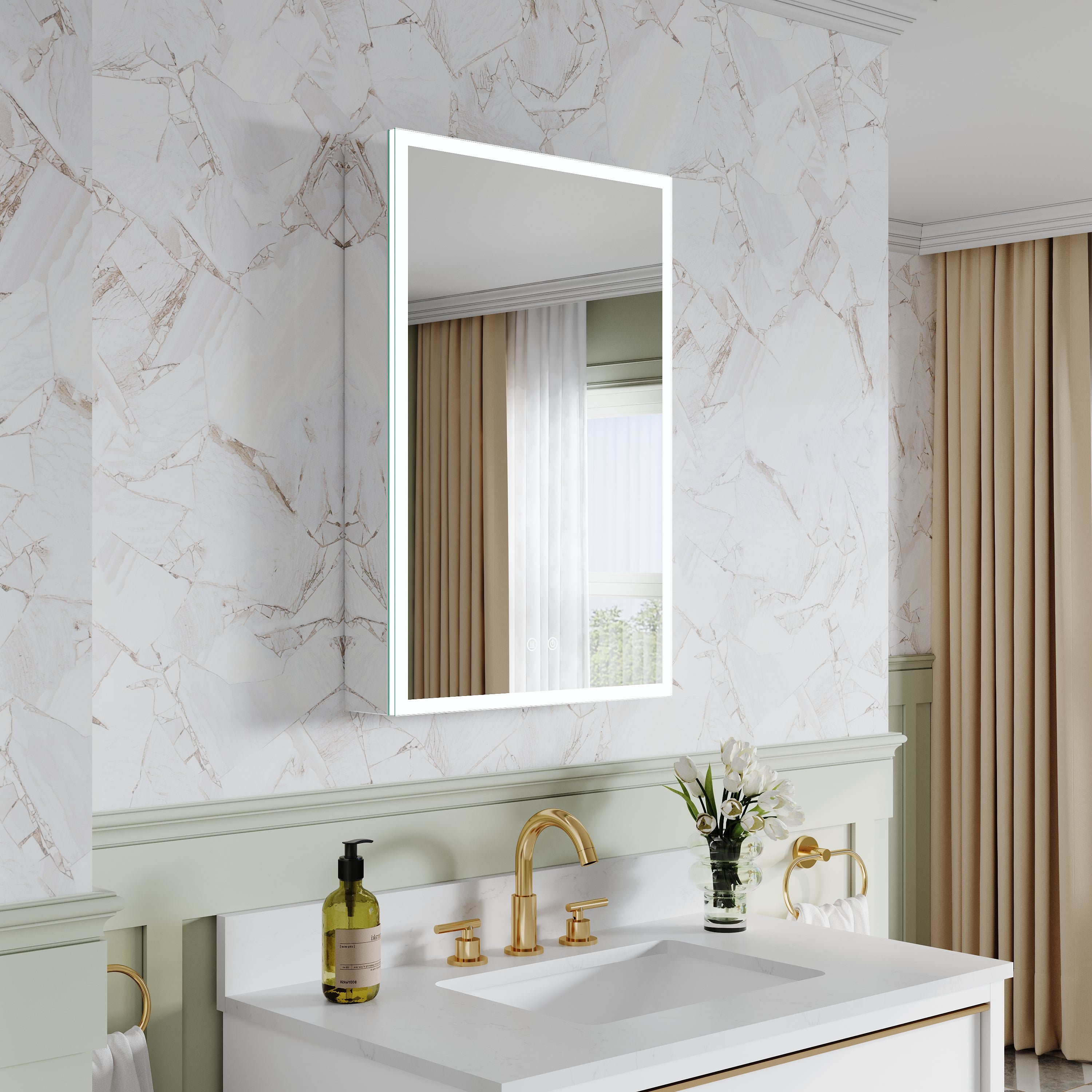
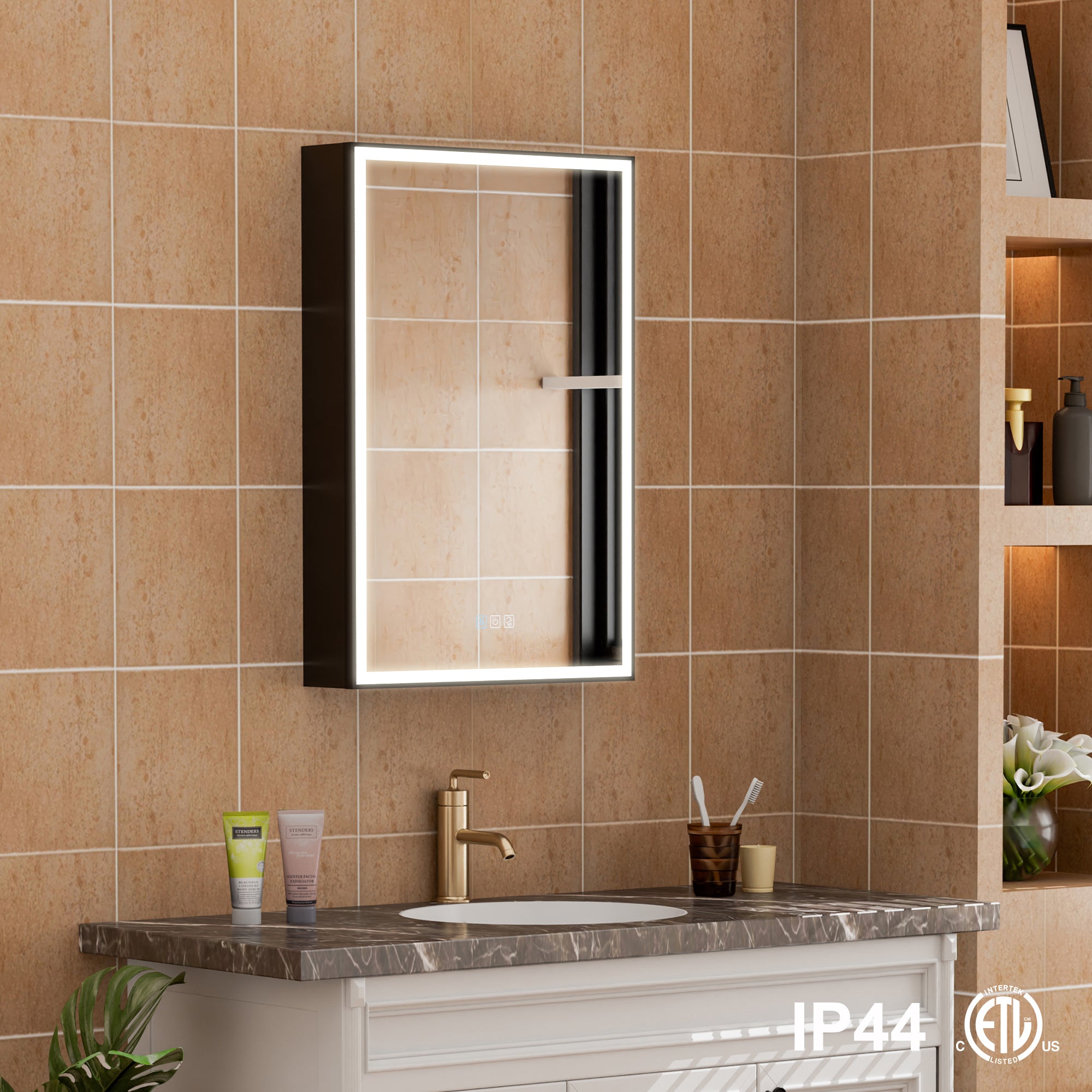


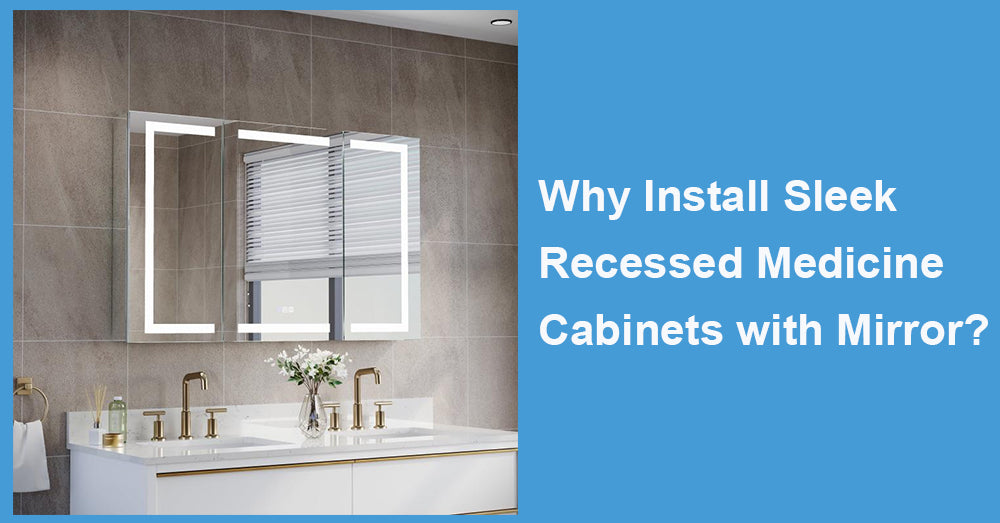
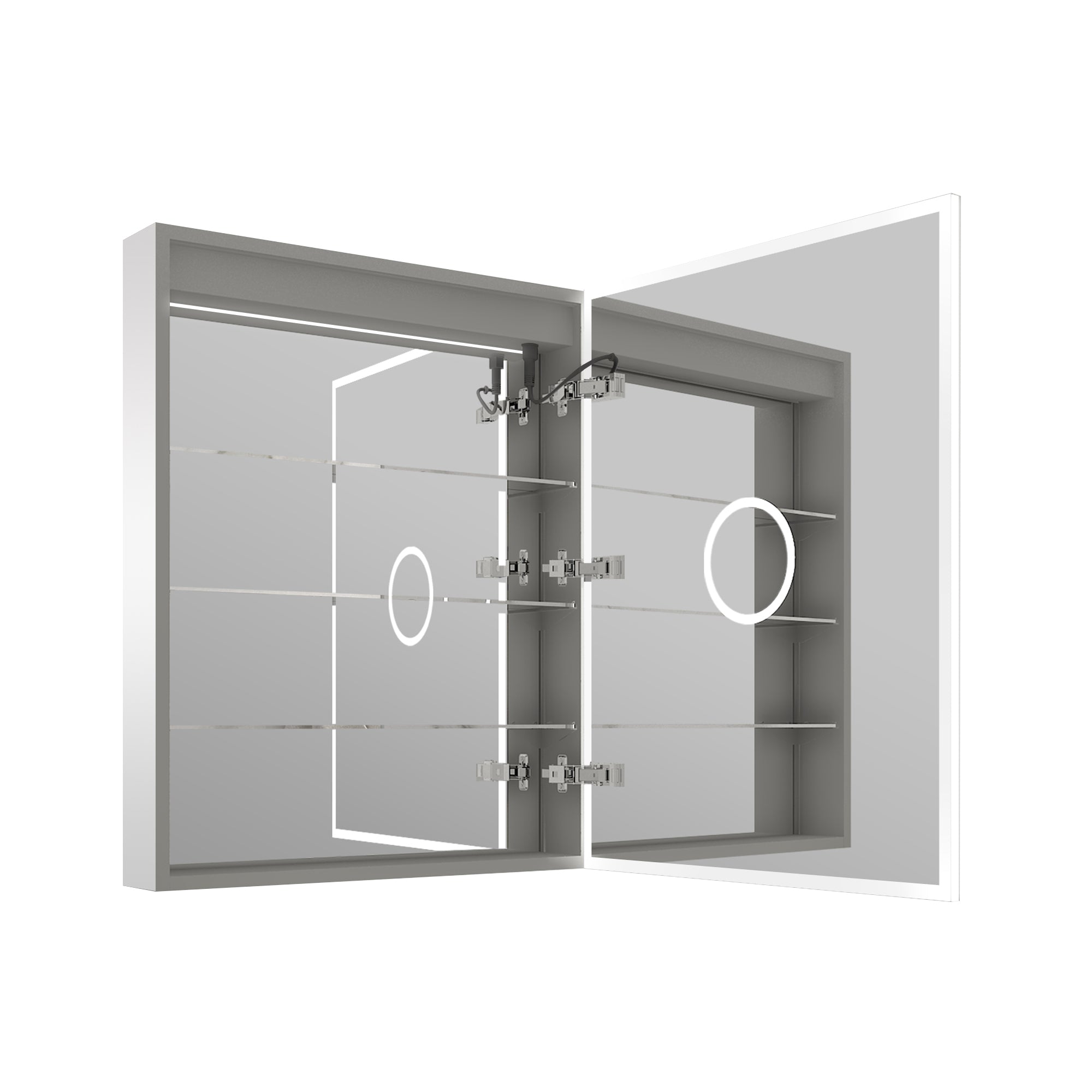
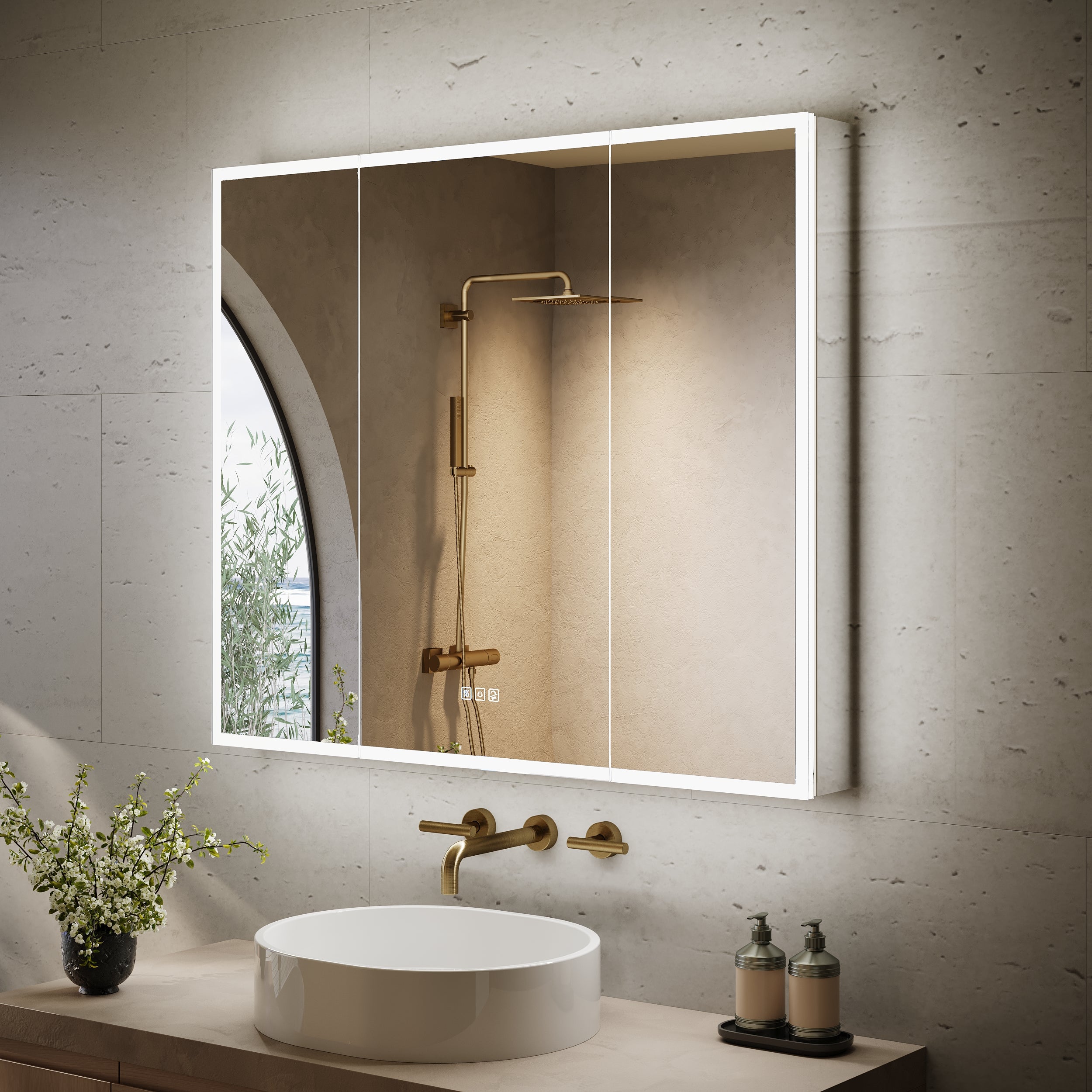
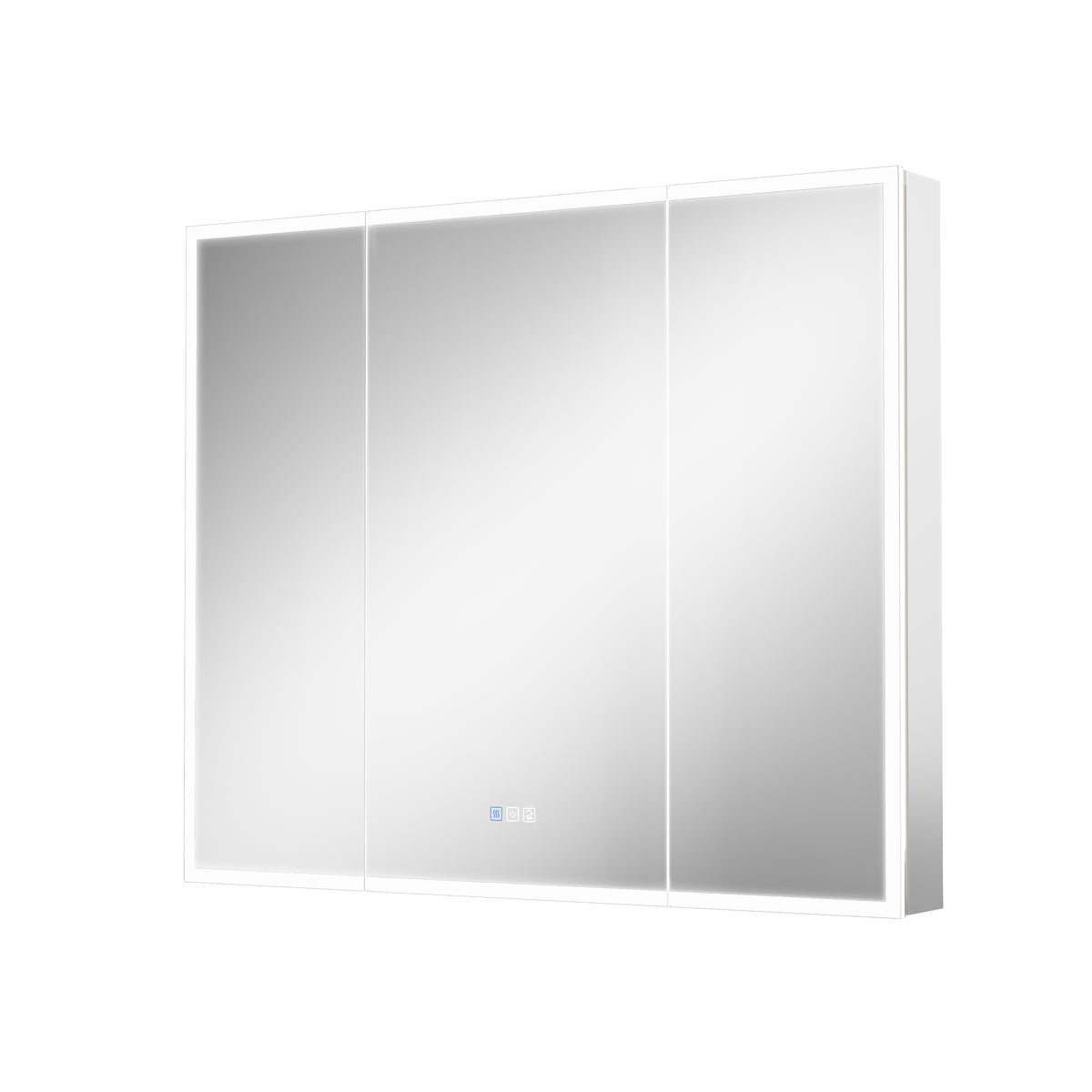
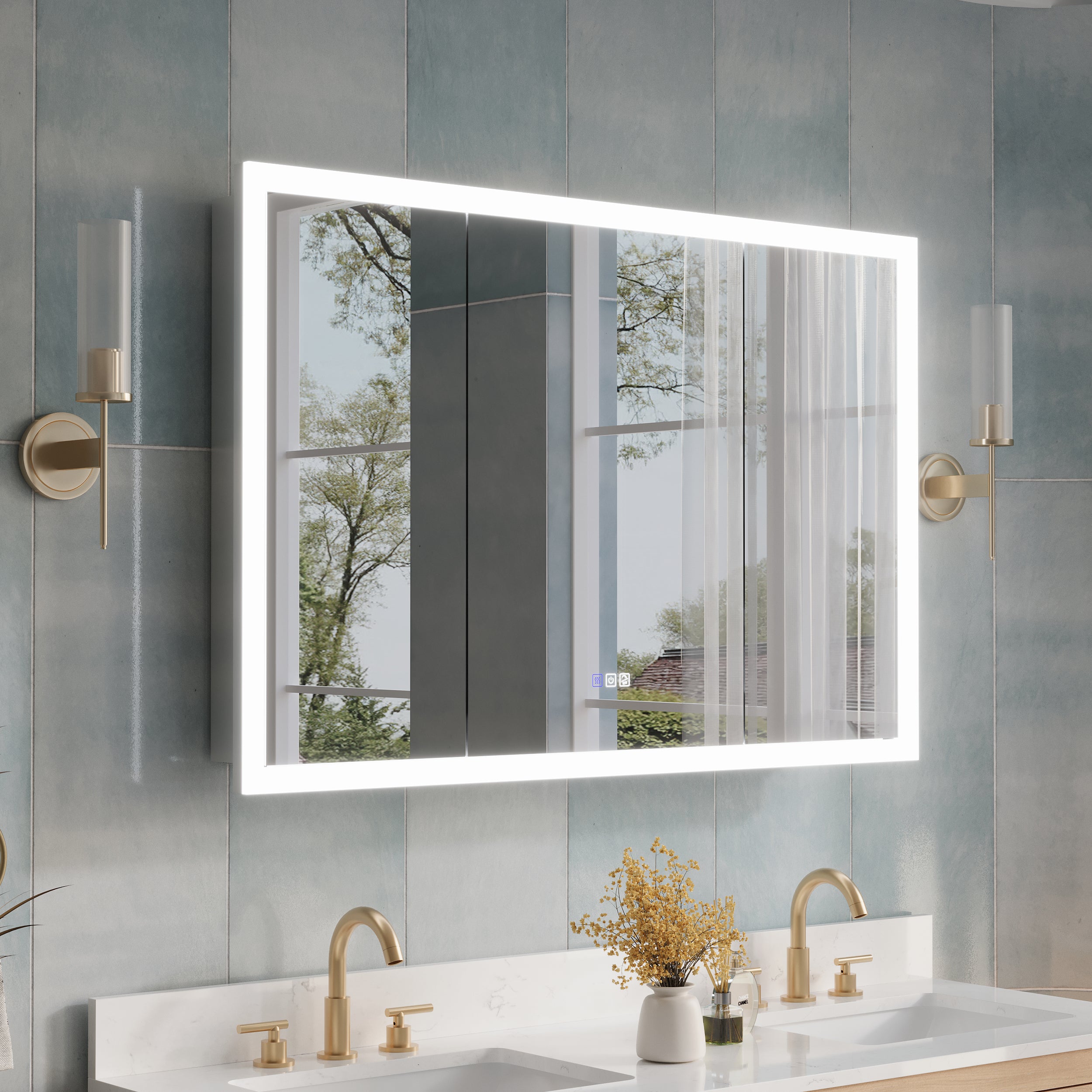
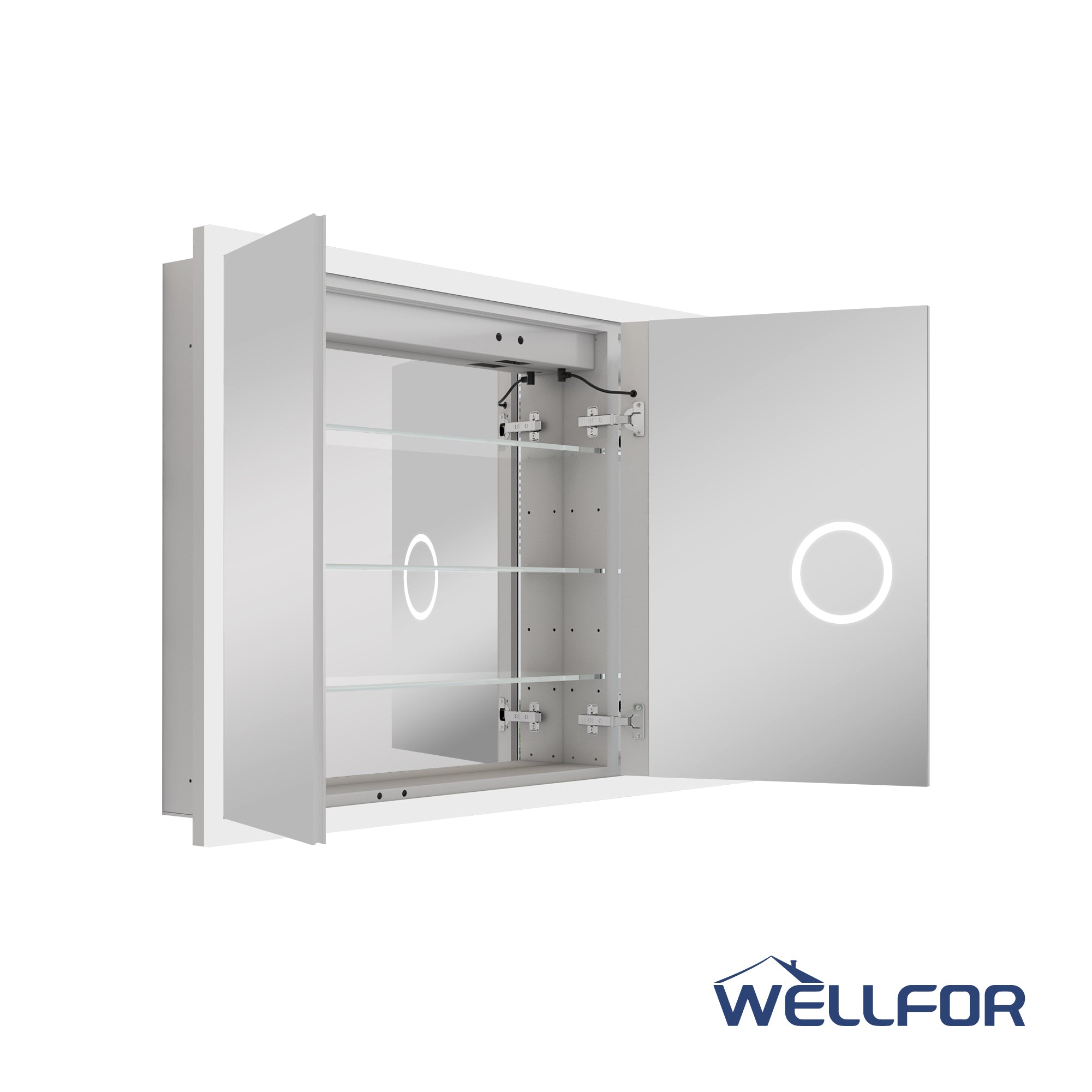
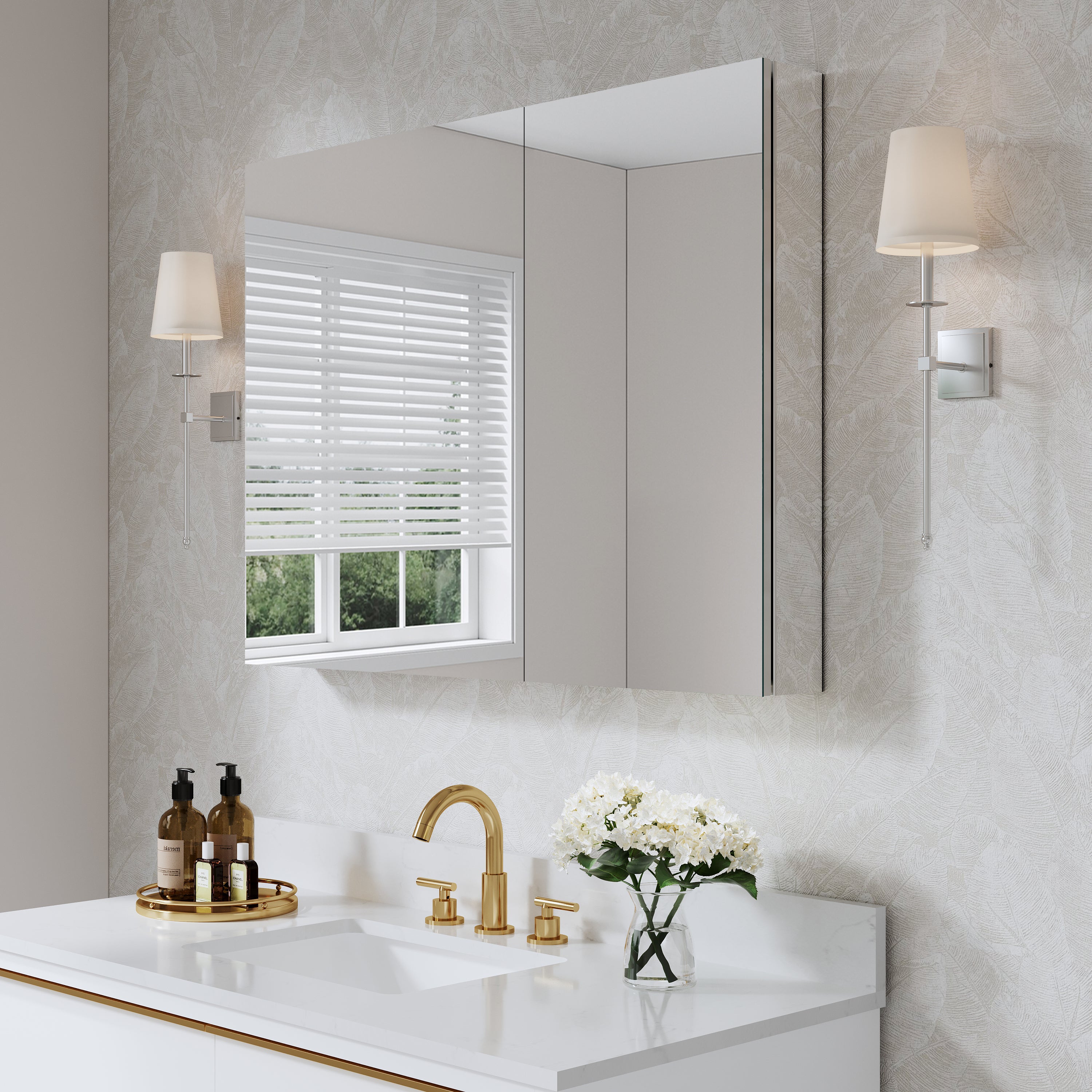
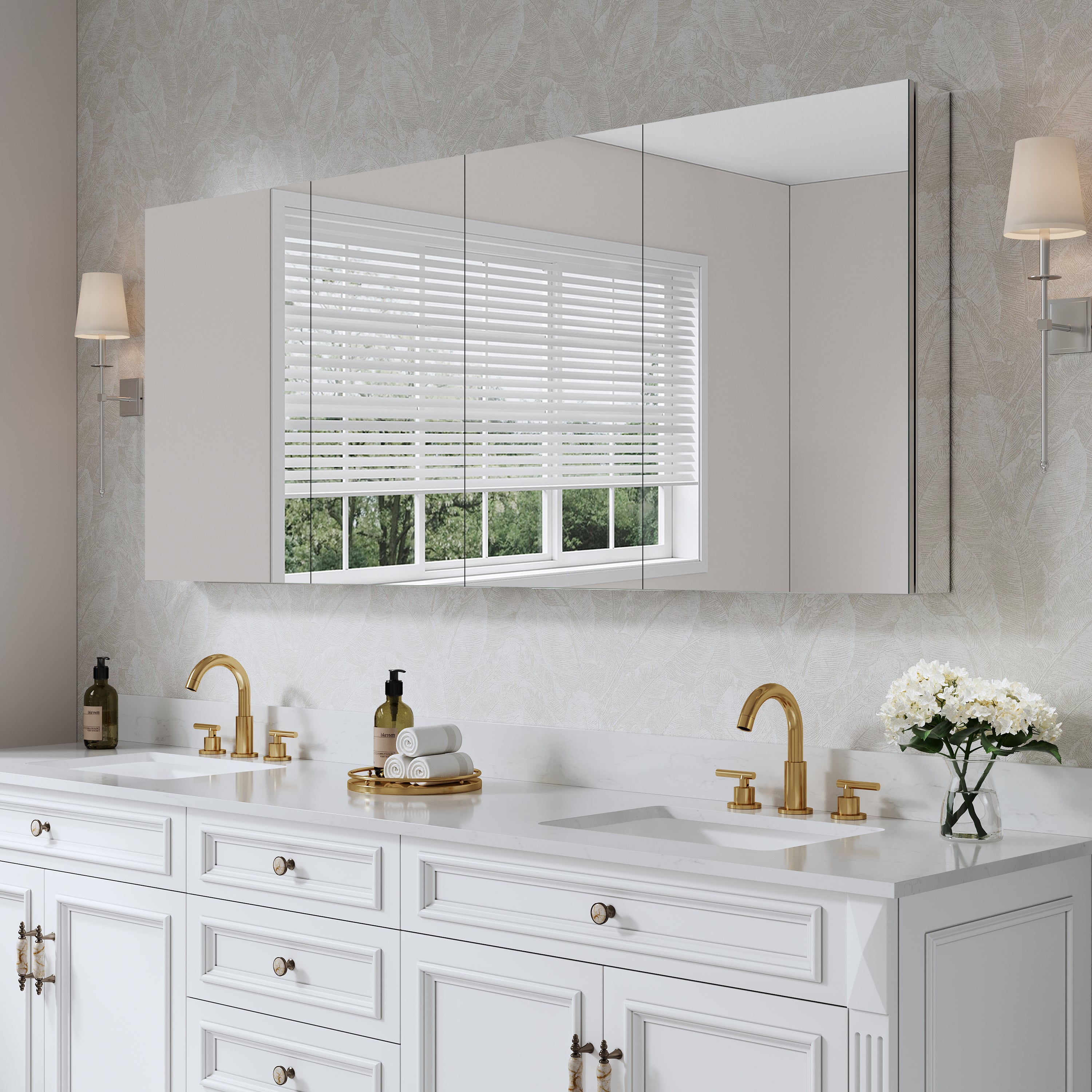
Recessed medicine cabinets with mirror have one job that surface-mount units can’t fake: they disappear. No box jutting four inches into a small bathroom. No visual interruption between the vanity and the wall. Just a clean plane of glass that happens to open into storage. That flush profile is why designers keep specifying them, and why anyone scrolling past photos of large bathroom mirrors and wondering why some rooms feel effortlessly calm usually finds a recessed cabinet behind the answer.
1. The Flush Profile Is the Entire Selling Point
Let’s be direct about the judgment here: recessed medicine cabinets with mirror are not a storage upgrade first. They’re a visual calm upgrade that happens to hold your toothpaste.
A surface-mounted cabinet sticks out. In a five-by-eight bath, that protrusion eats floor-to-ceiling visual space and catches the eye at the exact height where you’re trying to see your own face. A recessed unit sits inside the wall cavity. The mirror plane stays uninterrupted. The room reads cleaner without a single square foot being added.
Houzz data backs the preference. Among renovators, 66 percent choose recessed mirror cabinets, while 31 percent go surface-mounted. That’s not a close call. The market has already voted.
2. What the Wall Needs to Cooperate
Recessing isn’t magic. It requires cavity depth, and that cavity has to be empty.
Typical rough openings for recessed units run around 14 by 24 inches for a 16-by-26-inch exterior door, with depths commonly at 4 inches. Deeper cabinets exist, but the wall has to give you the room. Plumbing vents are the usual culprit. If a vent runs directly behind the sink, recessing means relocating it or giving up on the idea altogether. That’s a conversation to have before you buy, not after.
The payoff for the hassle is real. Designers consistently point to recessed installation as the difference between a cabinet that looks like architecture and one that looks like an appliance bolted to the wall.
3. Lighting Changes the Whole Equation
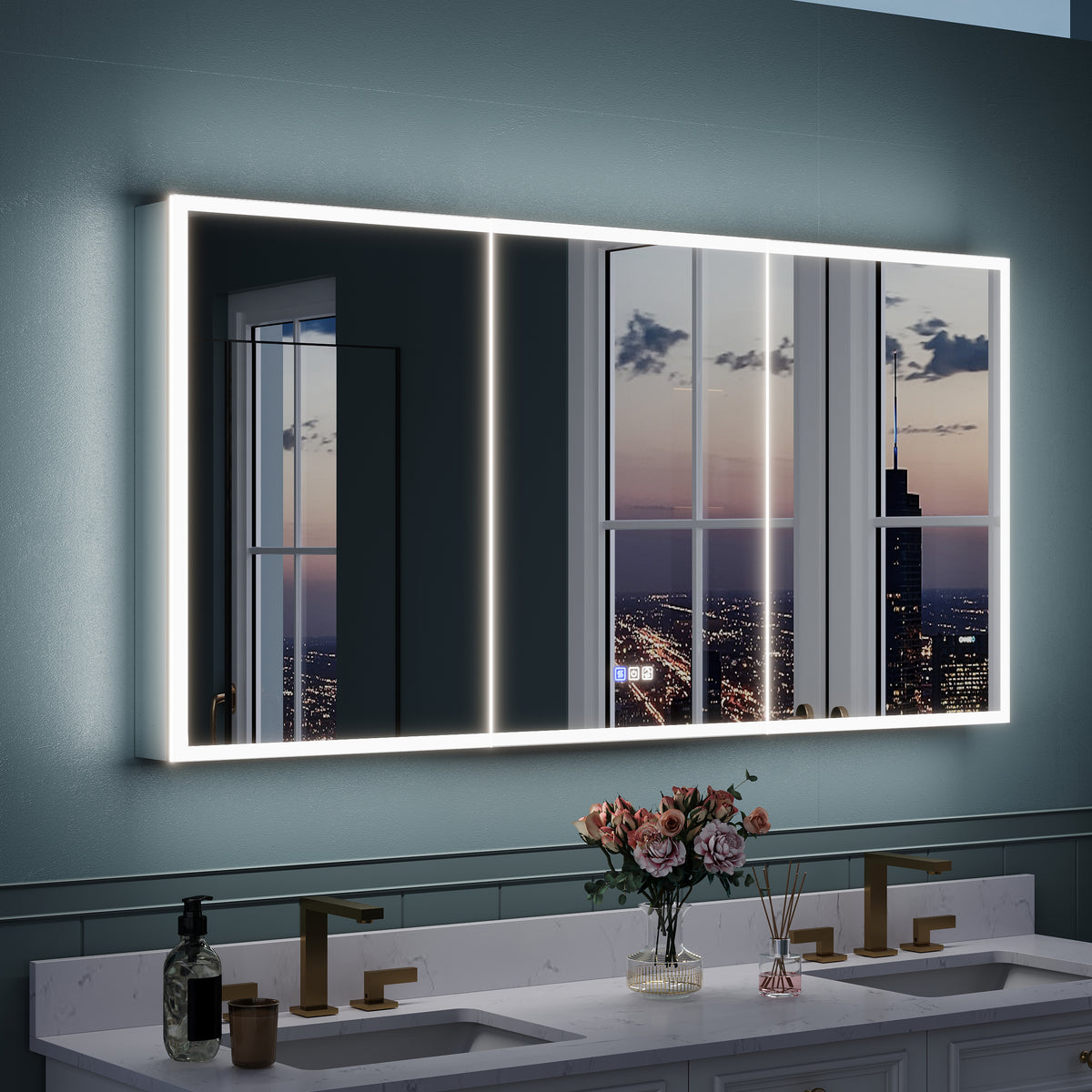
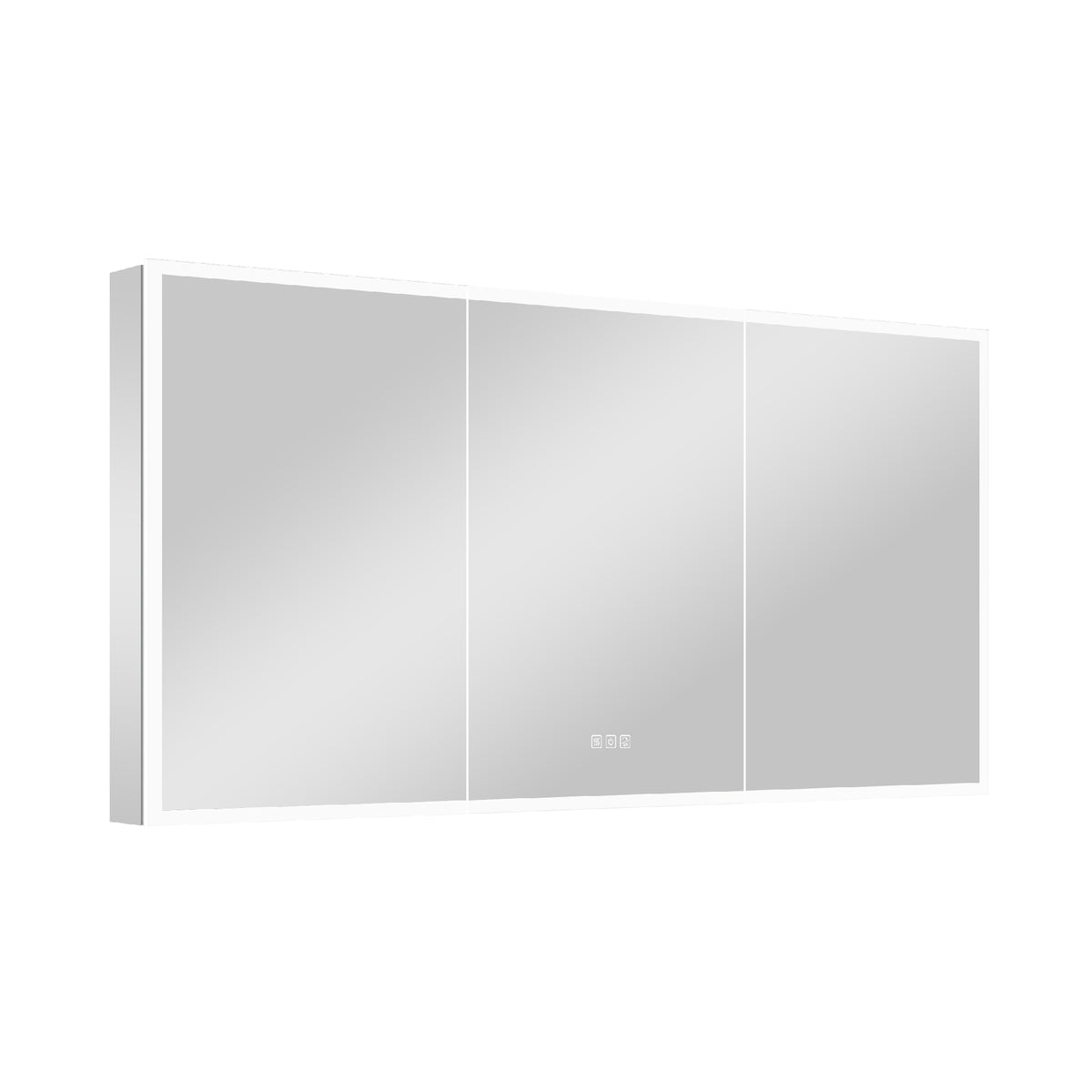
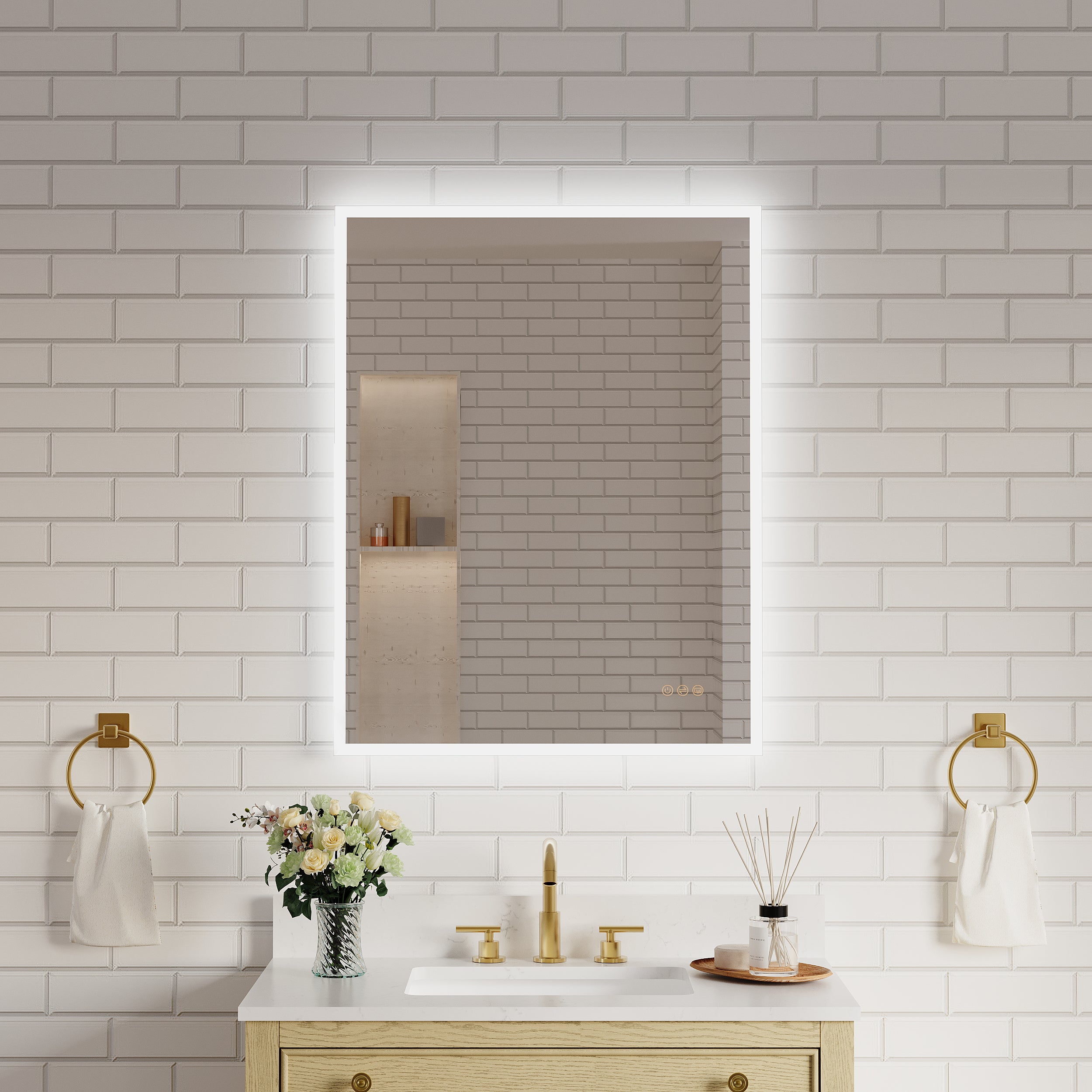
The recessed category has quietly become the lighting category. The NKBA 2026 Bathroom Trends Report finds that 47% of respondents expect integrated mirror lighting to gain popularity over the next three years, while 91% rank lighting quality as a top priority in bathroom planning.
That’s not decorative. Task lighting at face level eliminates the shadows that overhead fixtures drop under the eyes and jaw. The Department of Energy’s benchmark for color rendering—80 or higher on a 1-to-100 scale—matters more here than in almost any other room, because the thing being illuminated is skin. Builder guidance commonly pairs bathroom lighting with a CRI around 90 and a color temperature between 2700K and 3000K, which flatters while remaining useful for grooming.
The recessed format makes this work. Surface-mounted lighted cabinets can glare because the light source sits closer to eye level. A flush unit distributes illumination more evenly across the face.
4. Sizing Follows the Vanity, Not the Wall
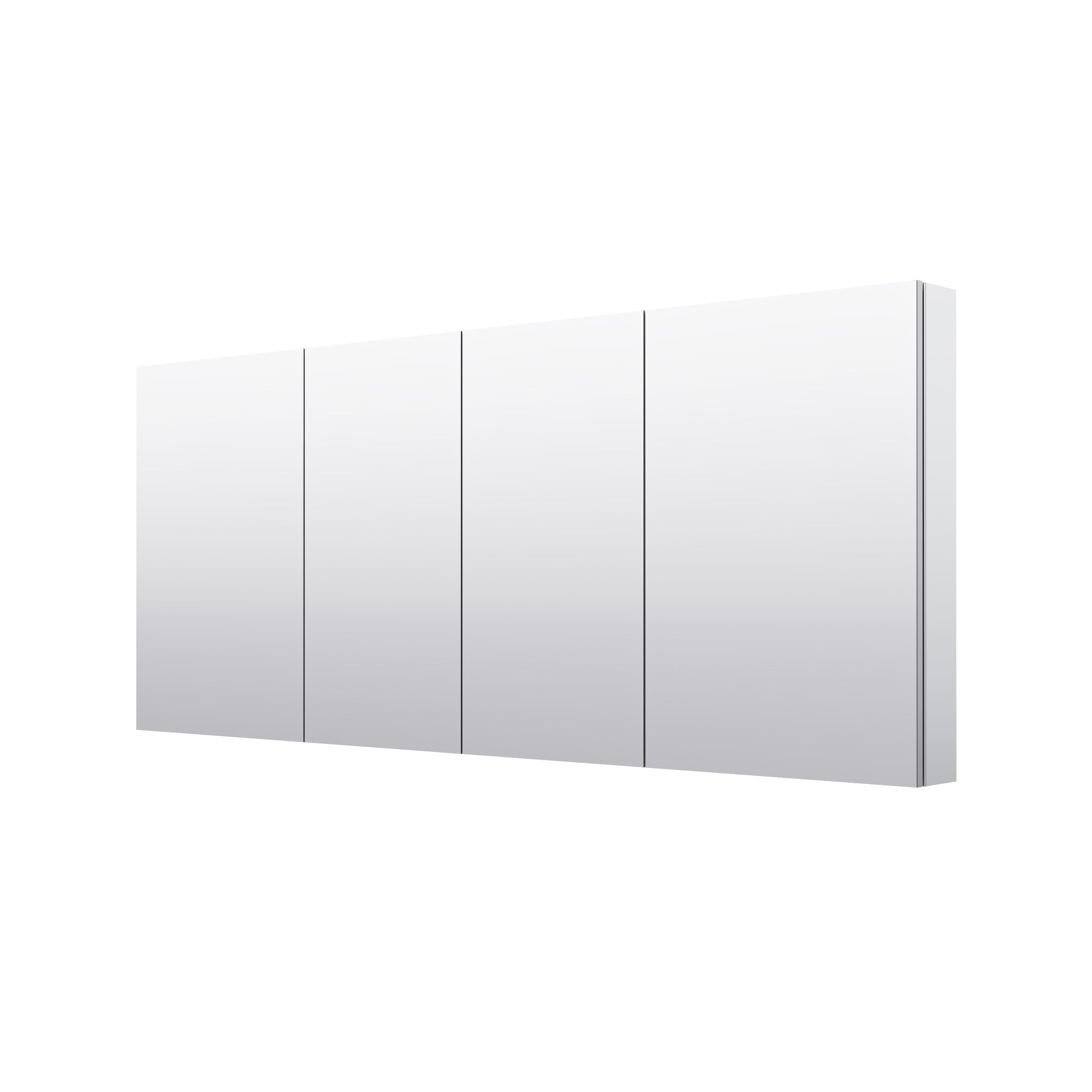
The proportion rule most designers return to: the cabinet should cover roughly 70 to 90 percent of the vanity width. A 30-inch single vanity wants something in the 24-to-28-inch range. A 48-to-72-inch double vanity can handle a 30-to-36-inch cabinet, or dual units for symmetry.
Height matters just as much. NKBA guidance places the bottom edge of the reflective surface no higher than 40 inches above the washbasin, so the mirror center falls within actual sight lines. Too high and you’re looking up. Too low and the room feels compressed.
Recessed units make these proportions easier to hit because they don’t add visual bulk. A 24-by-30-inch recessed cabinet reads larger than the same size surface-mounted, simply because the frame sits flush.

5. What the Market Data Actually Says
The lighted mirror medicine cabinet segment was valued at roughly $280 million in 2025, with projections reaching $418 million by 2034 at a 4.5 percent annual growth rate. Recessed cabinets represent the largest share of that market and are expected to remain the fastest-growing segment.
That growth is steady rather than explosive, and the reason is obvious: recessed installation requires cutting drywall, confirming cavity clearance, and often hiring a professional. The people buying these are renovating, not casually refreshing. That filters the market toward buyers who are planning to stay.
One practical note on electrical: a lighted recessed cabinet needs power. Replacing an existing hardwired fixture usually means the wiring is already there. Adding one where none existed means an electrician, a GFCI protected circuit, and a plan for cable entry. A plug-in cord dangling down the wall defeats the entire flush aesthetic.
6. The Verdict, Without the Sales Pitch
A sleek recessed medicine cabinet with mirror earns its place when the wall allows it and the lighting is genuinely good. The flush profile calms a small bathroom. The face-level illumination beats overhead shadows. The storage disappears behind glass instead of sitting on the counter.
But it isn’t universal. A wall with a plumbing vent in the wrong spot won’t take one. A rental kitchen-bath combo won’t justify the electrical work. And a cabinet with poor color rendering or visible flicker is worse than a plain mirror with a good sconce, no matter how clean the install looks.
The best recessed medicine cabinets with mirror aren’t the biggest or the brightest. They’re the ones the wall can actually accommodate, sized to the vanity, lit at a temperature that makes your face look like your face, and sealed well enough to survive the steam. Get those right, and the bathroom gets quieter, not busier. That’s the whole point.











Leave a comment
This site is protected by hCaptcha and the hCaptcha Privacy Policy and Terms of Service apply.