
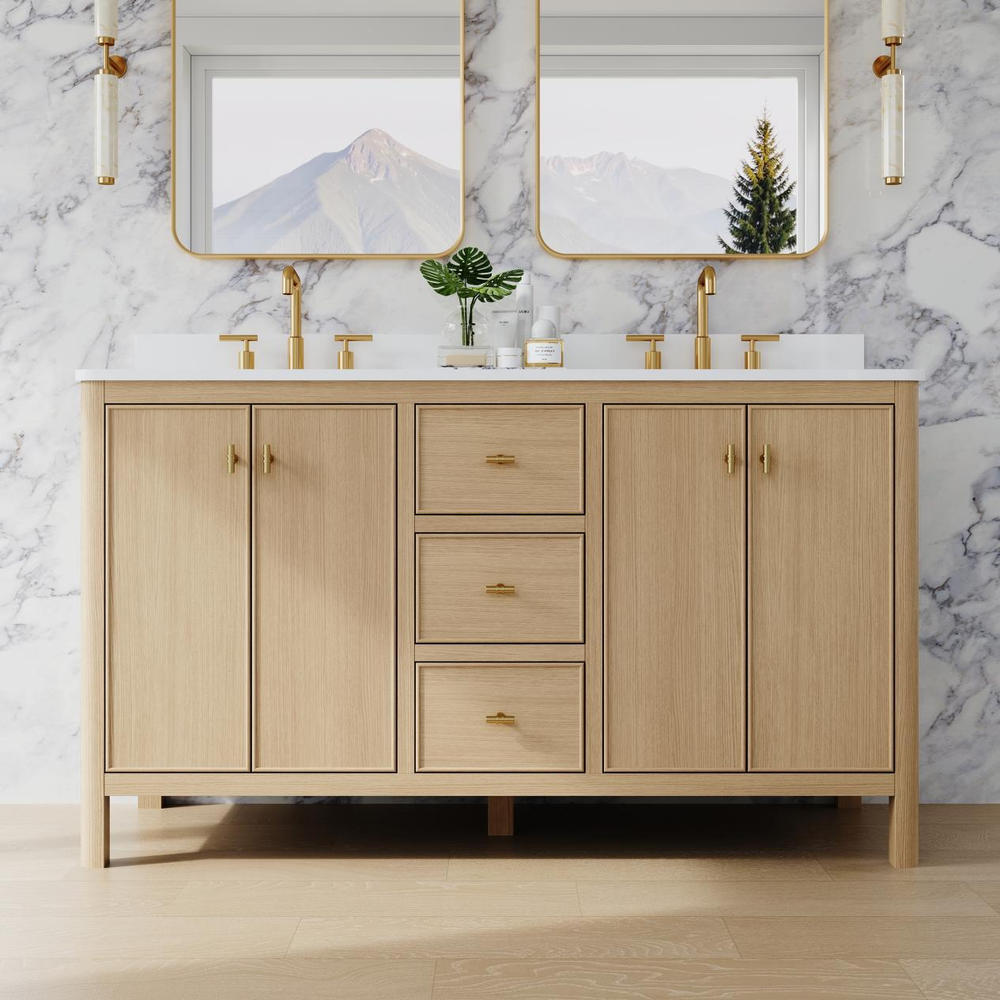
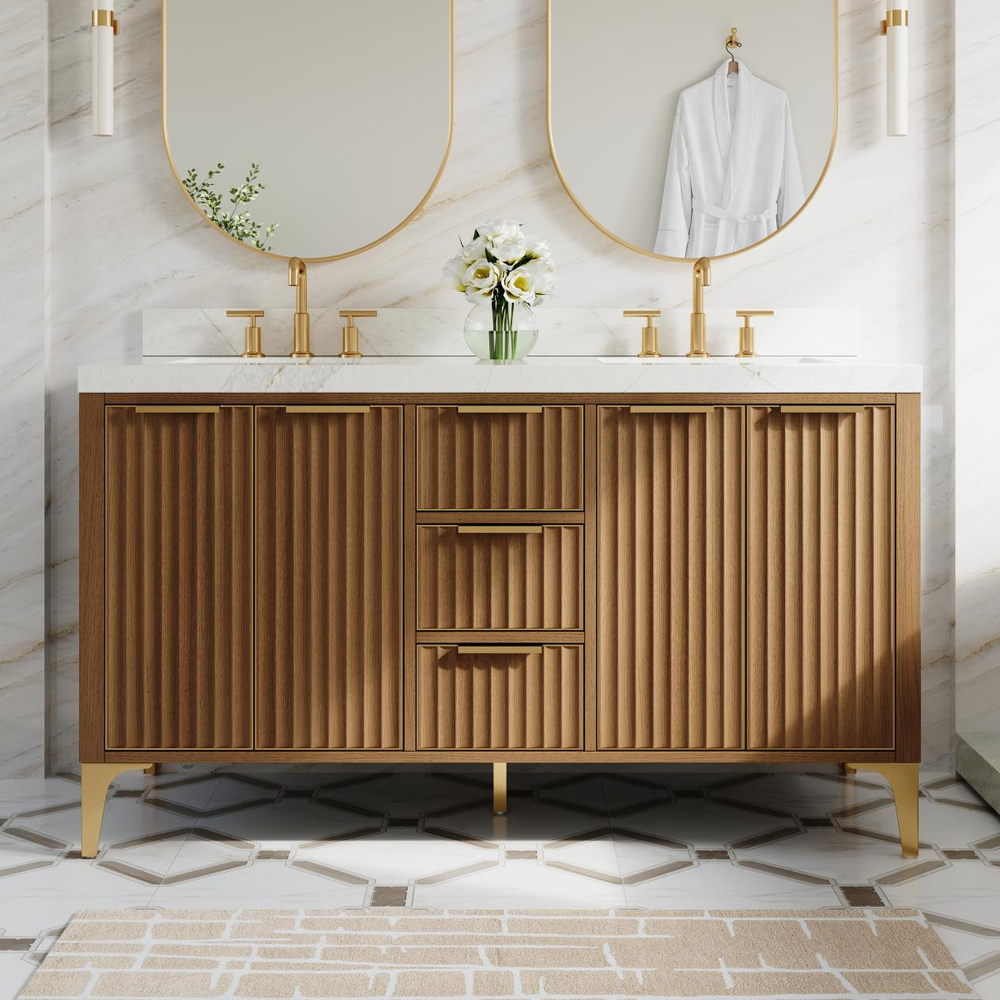




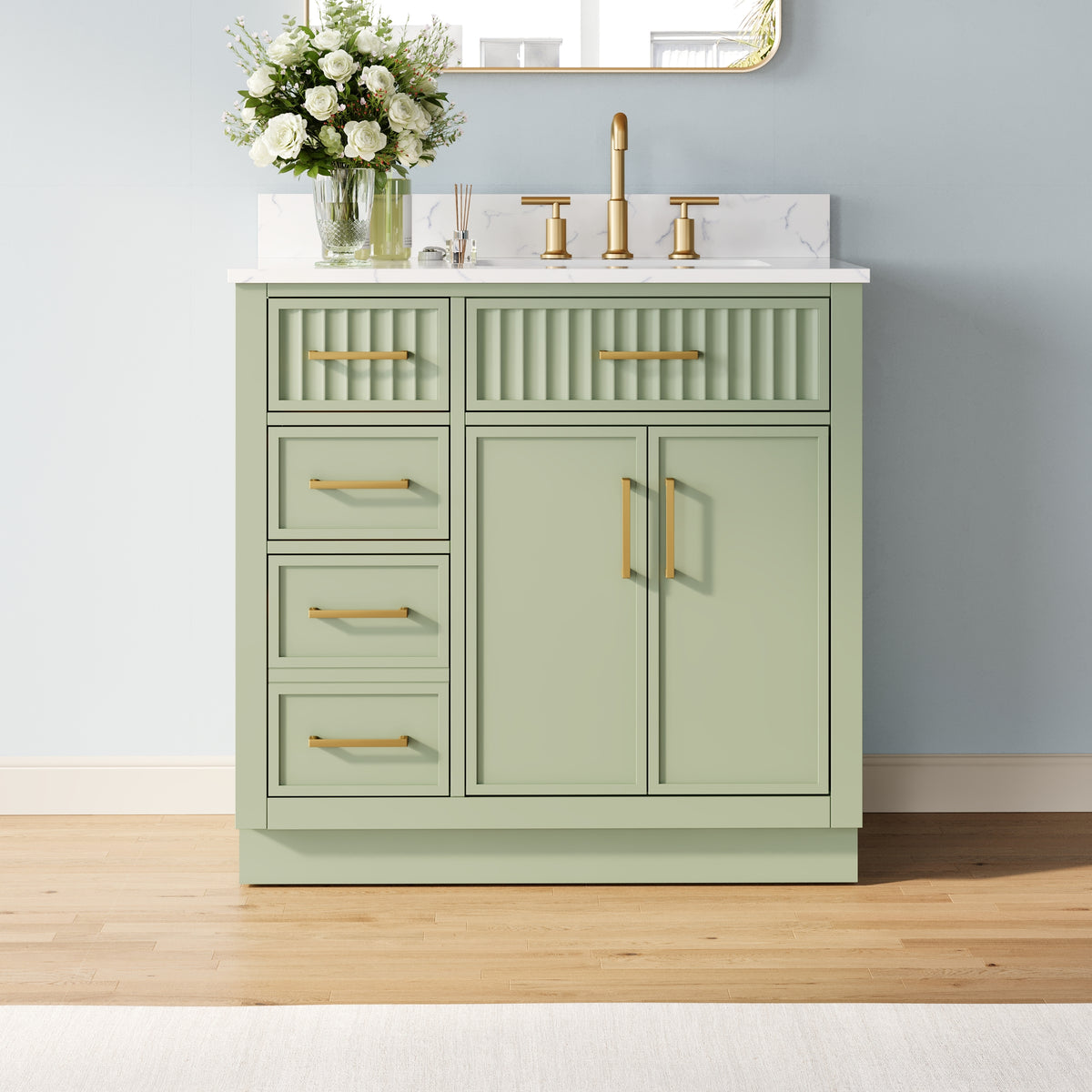
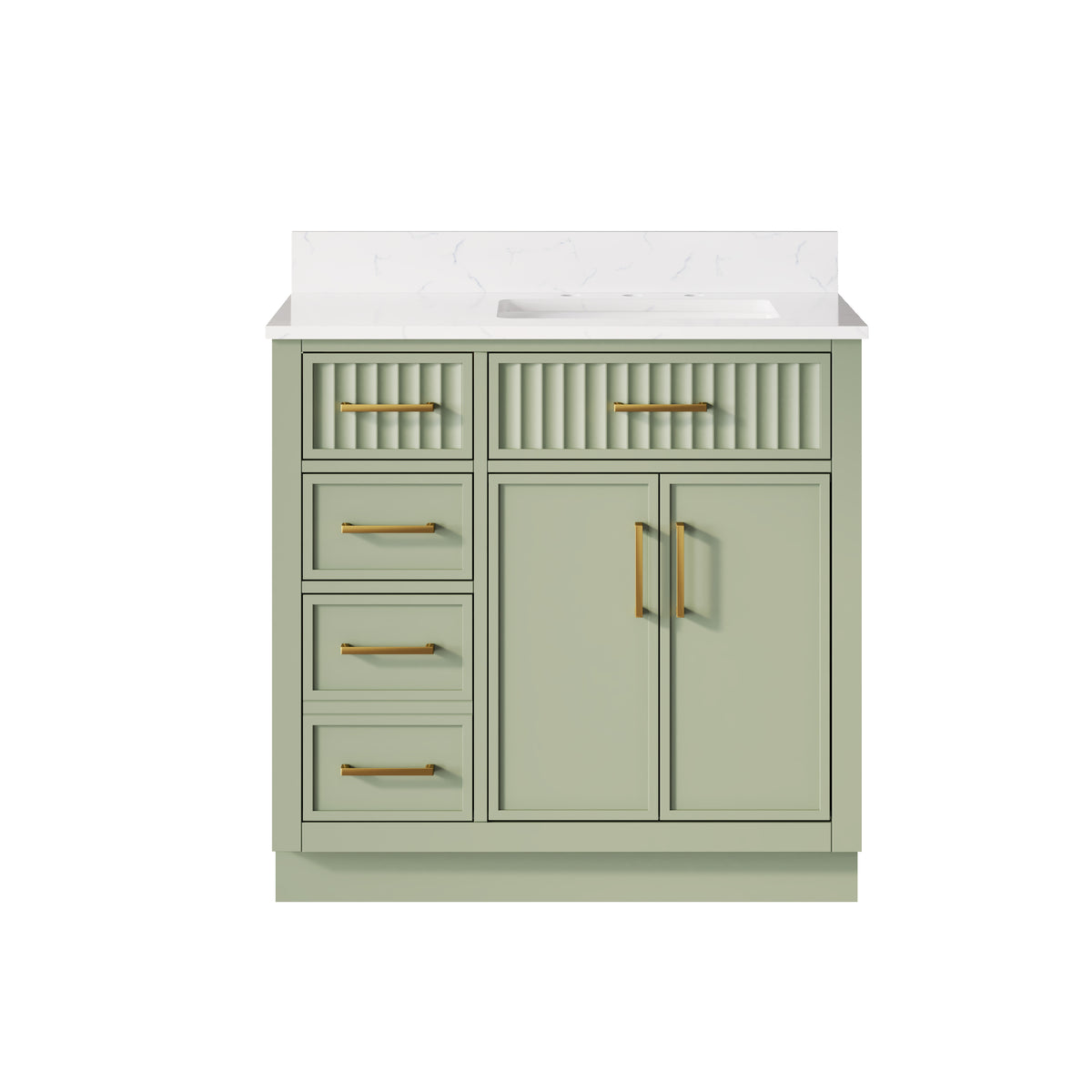
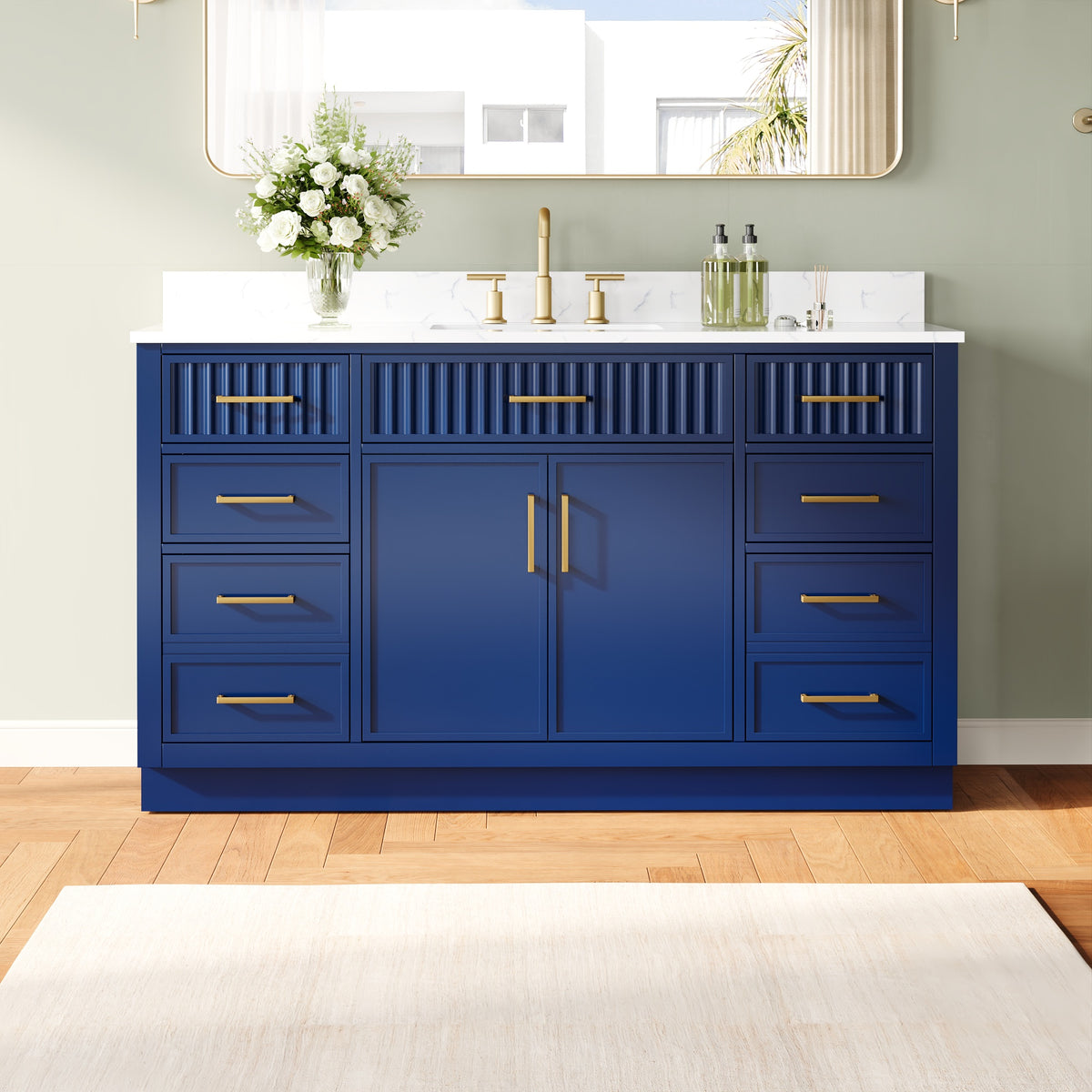
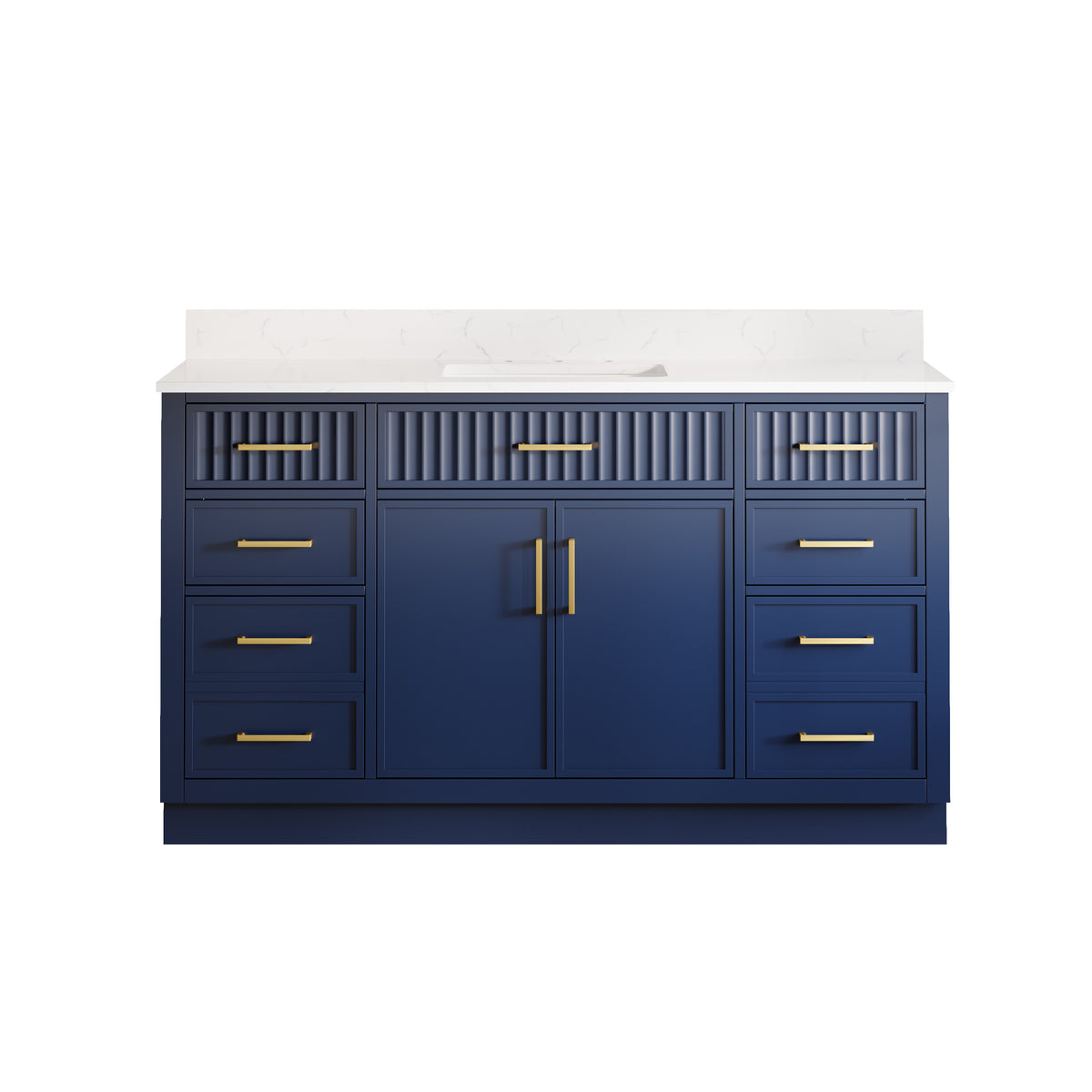
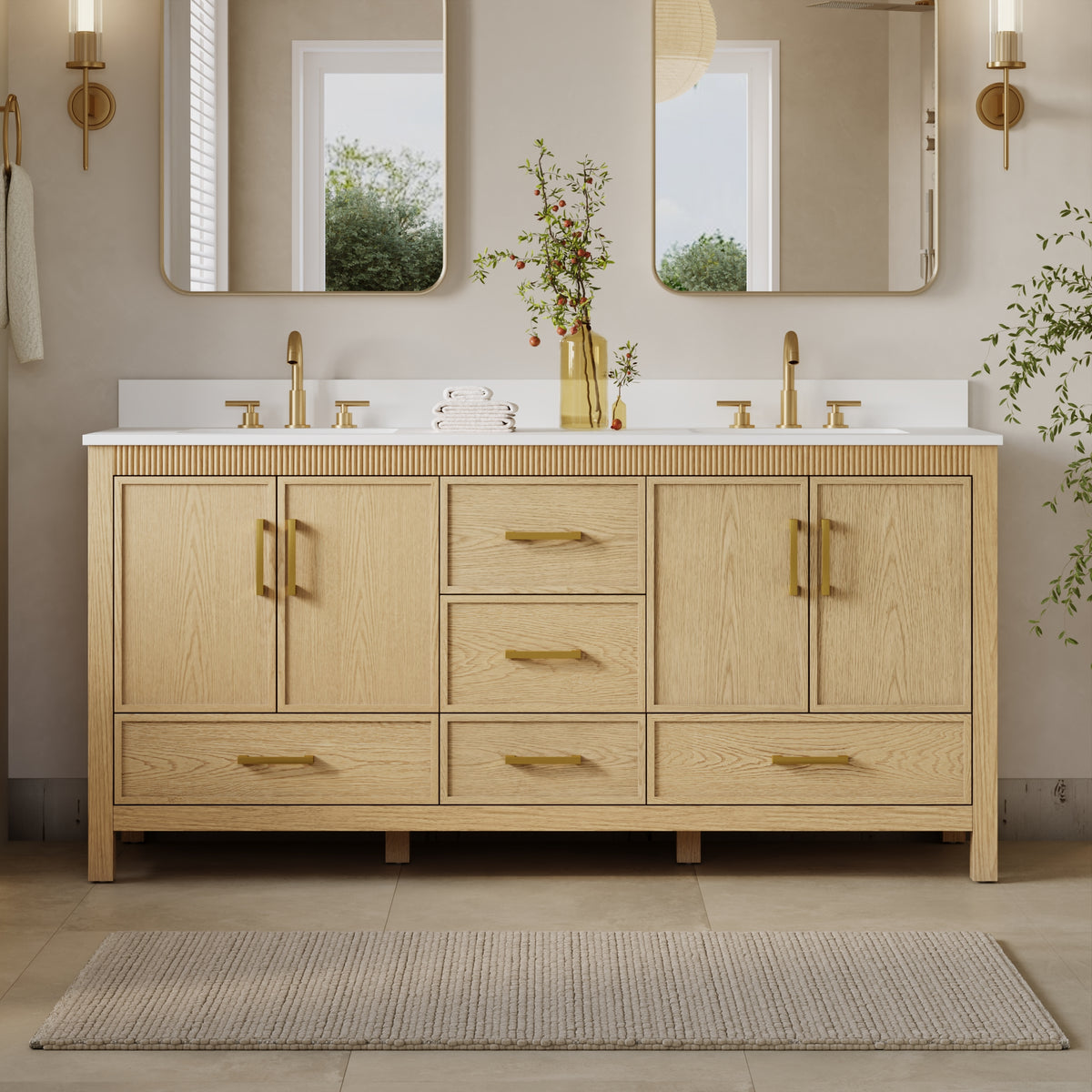
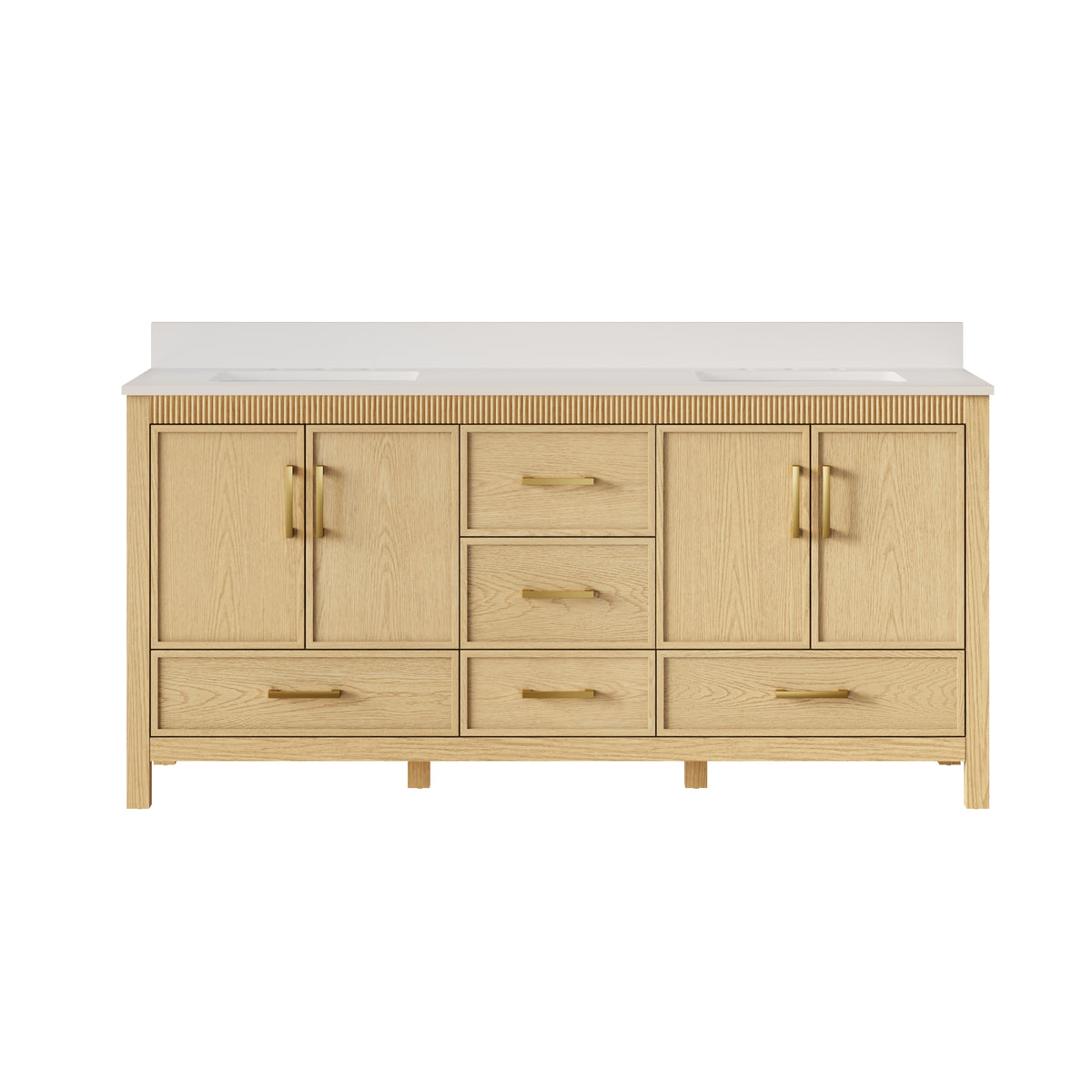
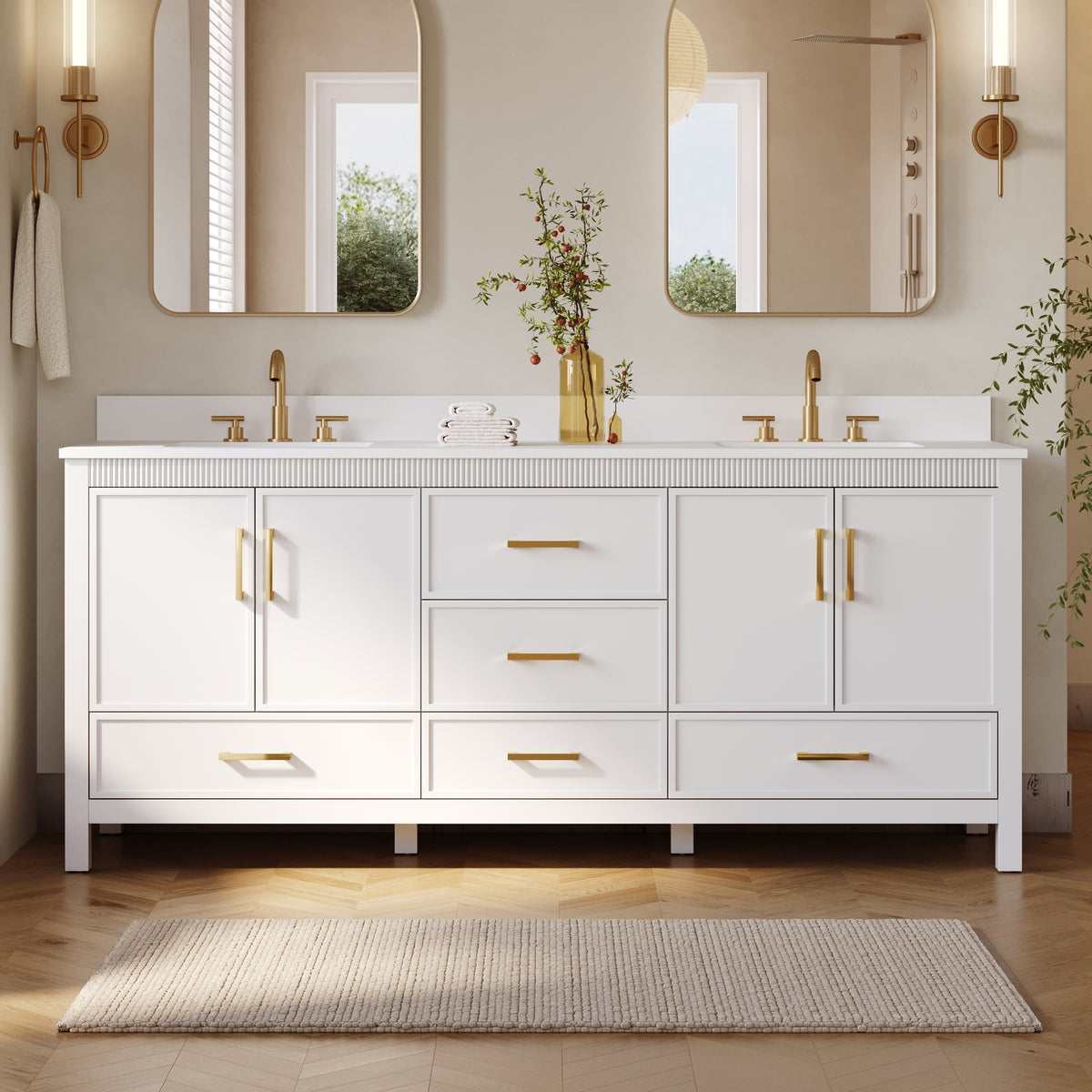
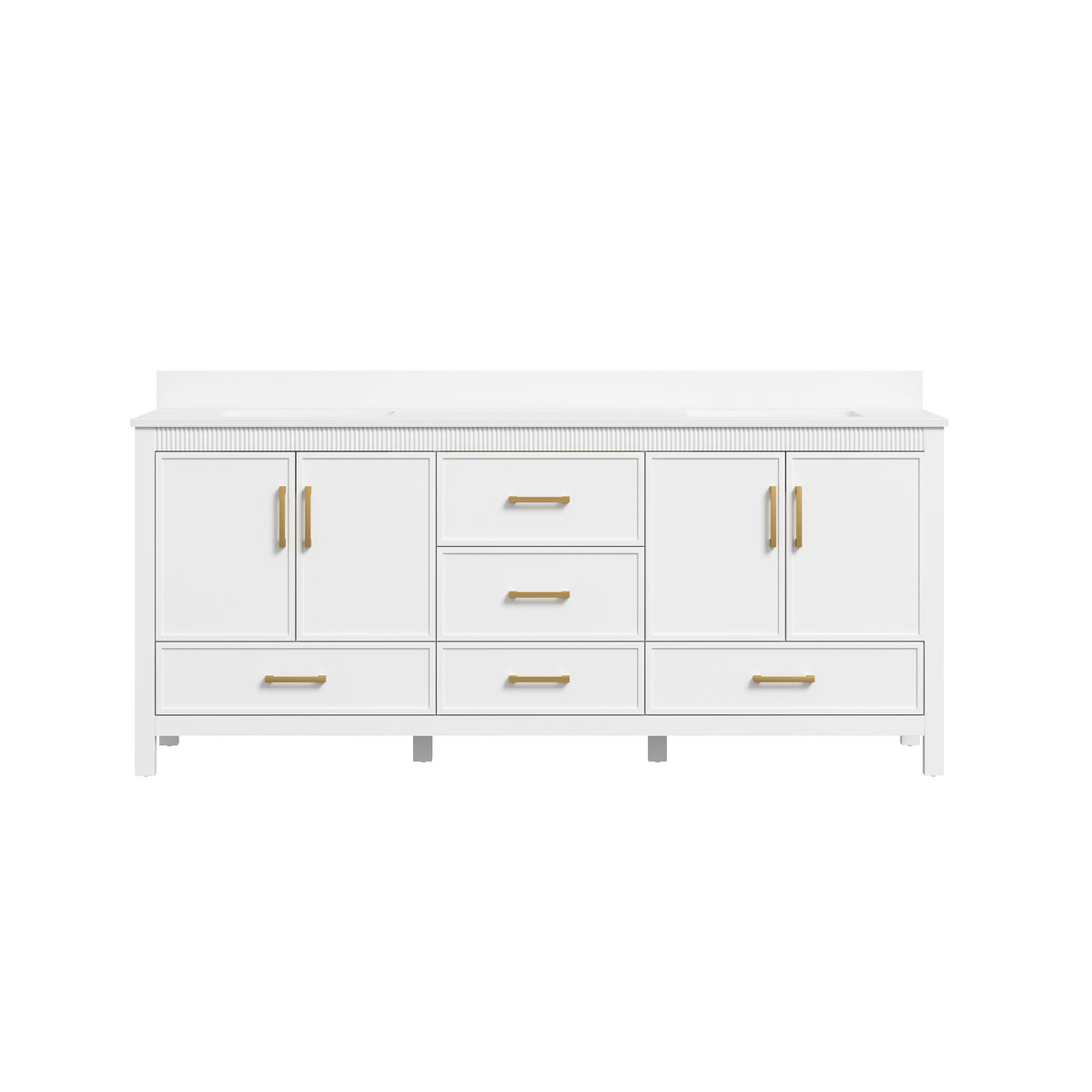
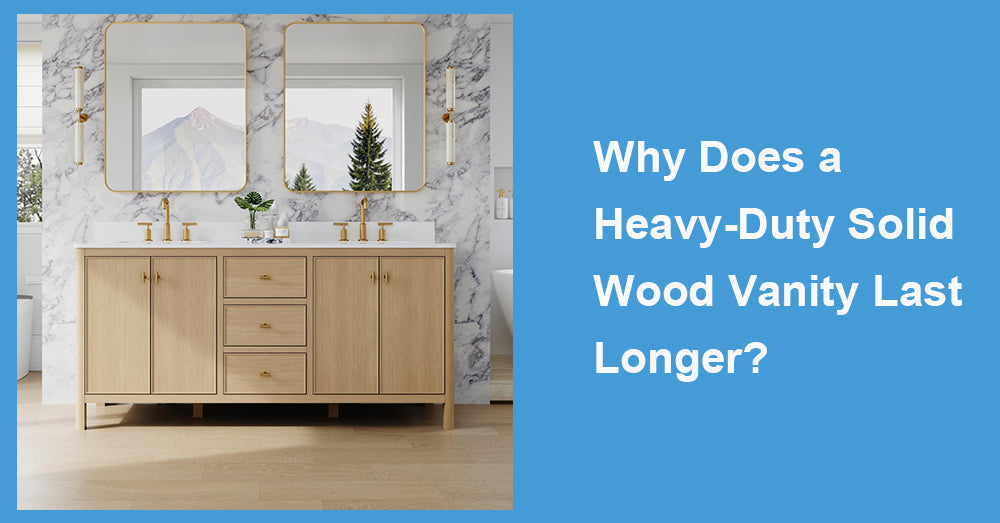
Bathroom vanities get more use every day than many other types of furniture in the home. Bathroom vanities are among the most frequently used pieces of furniture in a home. That’s why you should think about a solid wood vanity with heavy-duty construction for long-term bathroom upgrades. It is not only about whether a cabinet uses real wood. How well it lasts is affected by frame thickness, joinery, drawer construction, hardware quality, and protective finishes. According to the Houzz 2025 Bathroom Trends Study, 74% of homeowners who opted for wood vanities selected solid wood as their top wood material in renovated bathrooms. The preference indicates a desire for furniture that conveys weight and lasting utility.
1. A Strong Frame Provides Better Structural Support
The cabinet frame carries much of the structural load. A heavier vanity can provide a stable foundation for the countertop, sink, doors, and drawers.
However, thickness alone does not determine strength. The way individual components connect is equally important.
Look for:
· Solid wood structural rails and stiles.
· Secure corner joints.
· Reinforced cabinet connections.
· Stable support beneath the countertop.
· Properly constructed cabinet legs or mounting points.
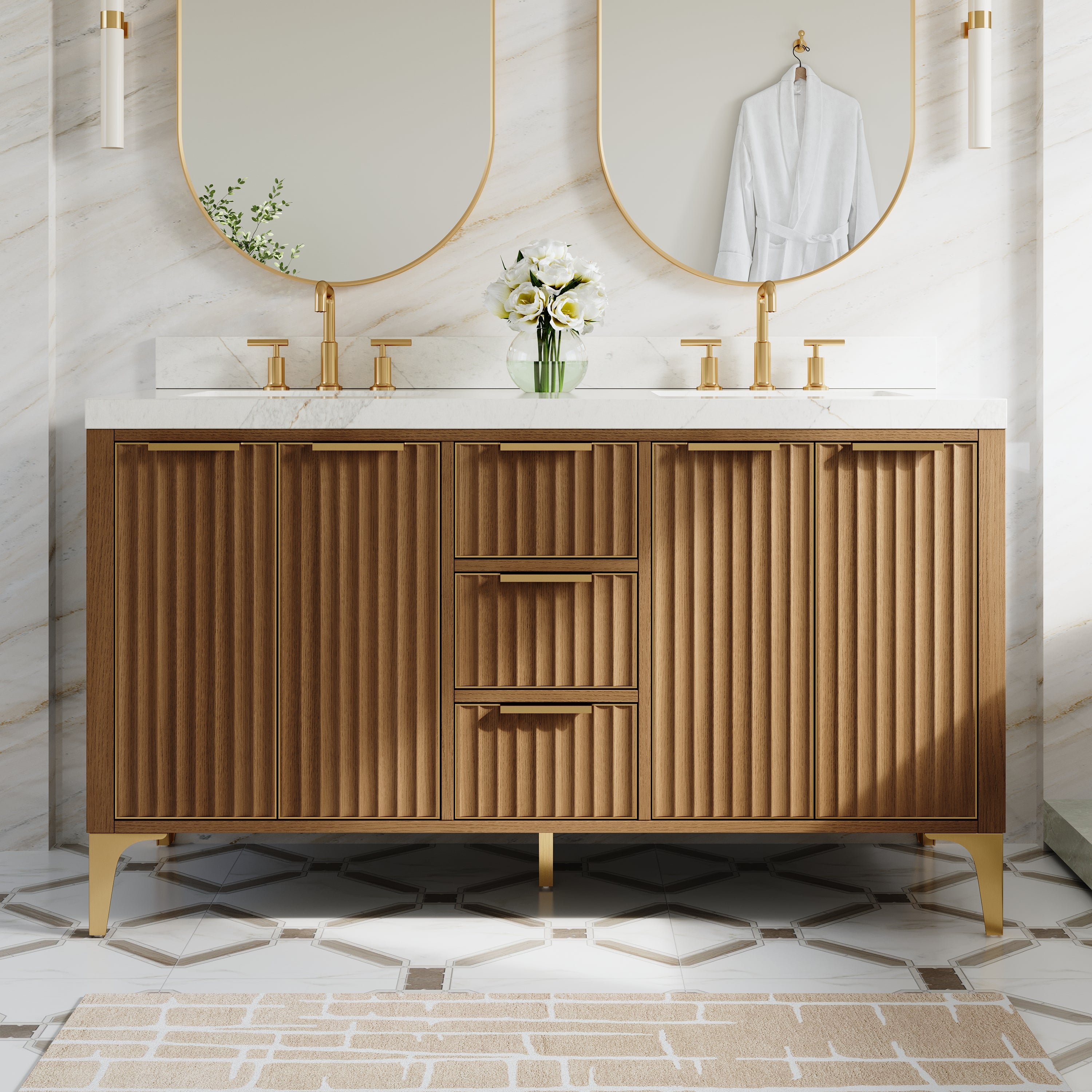
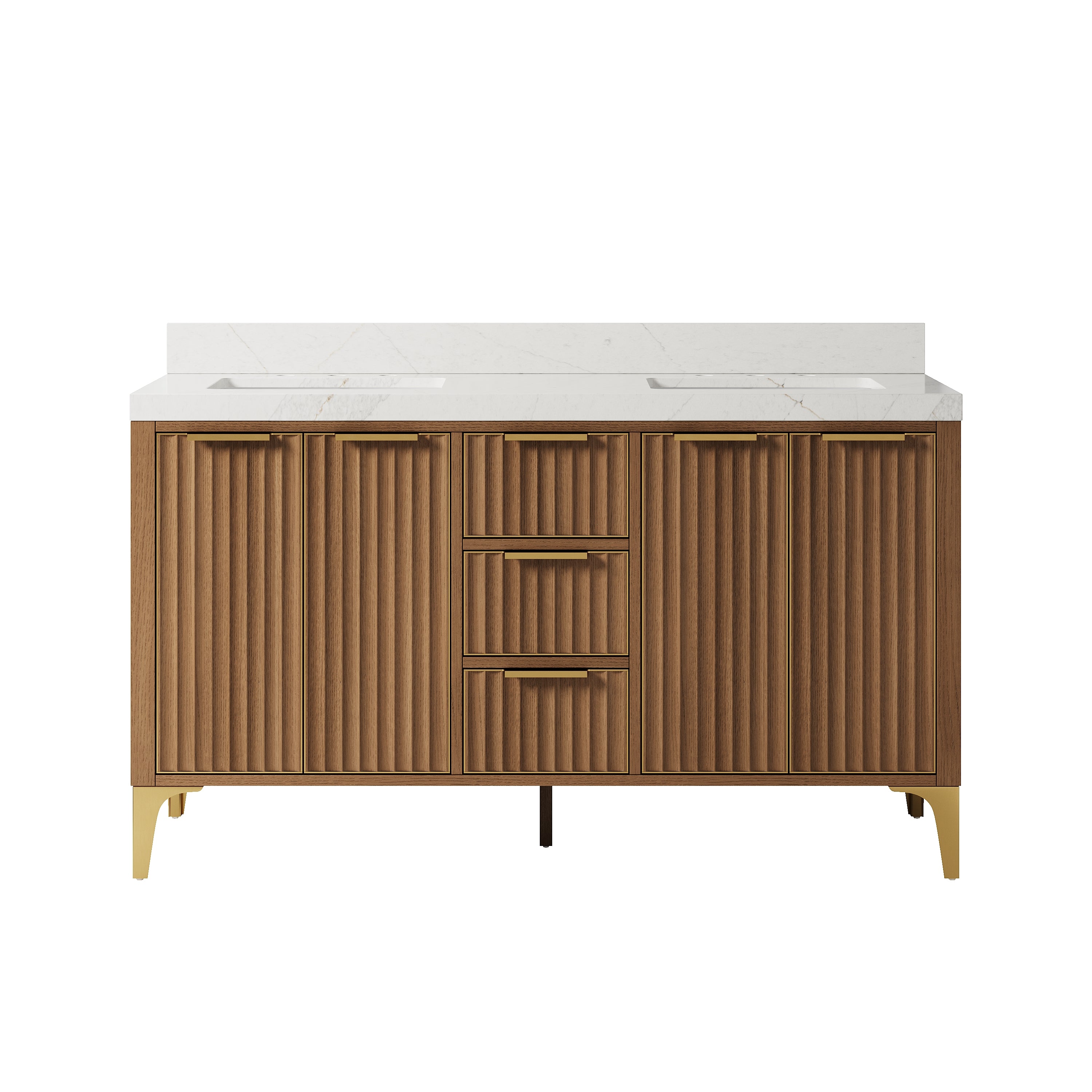
For wider models, such as 60-inch and 72-inch vanities, structural support becomes important because the cabinet must distribute the weight of a larger countertop and potentially two sinks.
Industry insight: Heavy-duty vanity should be evaluated by its overall frame construction, not simply by how much it weighs.
2. Quality Joinery Helps Prevent Loose Connections
Every time you open or close doors and drawers, cabinet joints are subjected to repeated stress.
“Poorly made connections can become loose over time and cause misalignment or movement in the cabinet.
Dovetail joinery is a very handy detail in solid wood drawers. The interlocking construction helps to resist separation between the drawer sides and drawer front.
Other important construction details include reinforced cabinet corners and well-secured drawer bottoms.
The USDA Forest Products Laboratory’s Wood Handbook: Wood as an Engineering Material describes the effect of the mechanical properties of wood on its performance under different loading conditions.
The simple, practical take-away for buyers is that strong materials require strong connections. A cabinet of solid wood but with weak joints will not last as long as one that has been carefully engineered.
3. Solid Wood Offers Better Repair Potential
A well-made solid wood cabinet often allows minor surface damage to be repaired without replacing the entire unit.
This is especially helpful for bathroom vanities as the cabinet is exposed to a lot of cleaning supplies, accessories, and everyday grooming products.
4. Heavy-Duty Drawers Handle Everyday Storage Better
A vanity's drawers are among its most frequently used components.
They may hold skincare bottles, hair tools, cleaning products, toiletries, and other relatively heavy items.
A durable drawer system should include:
· Solid wood drawer construction.
· Dovetail drawer joints.
· Full-extension slides.
· Appropriate load capacity.
· Smooth, consistent operation.
Soft-close mechanisms are another worthwhile feature. They reduce abrupt closing and help prevent repeated impact on the cabinet structure.
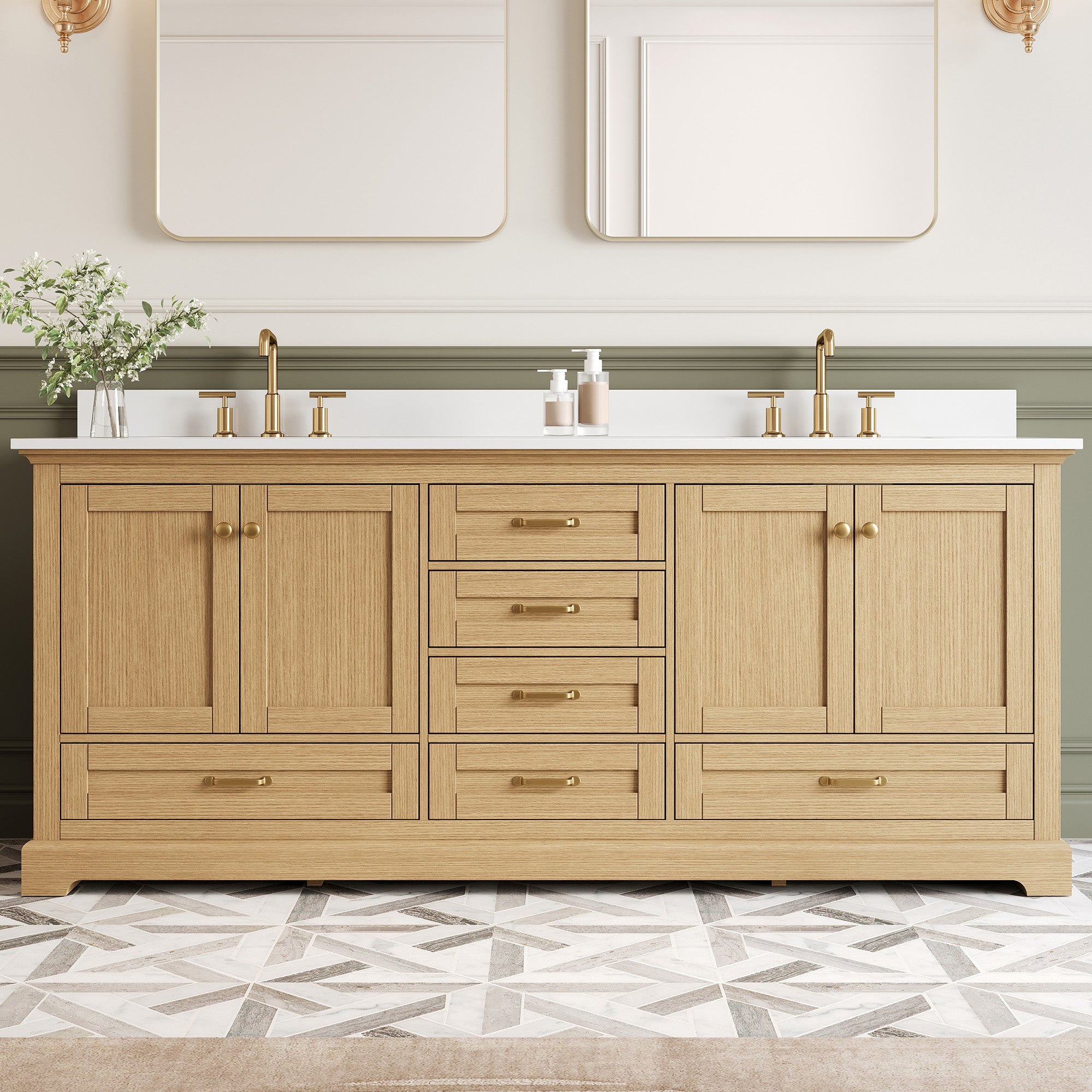
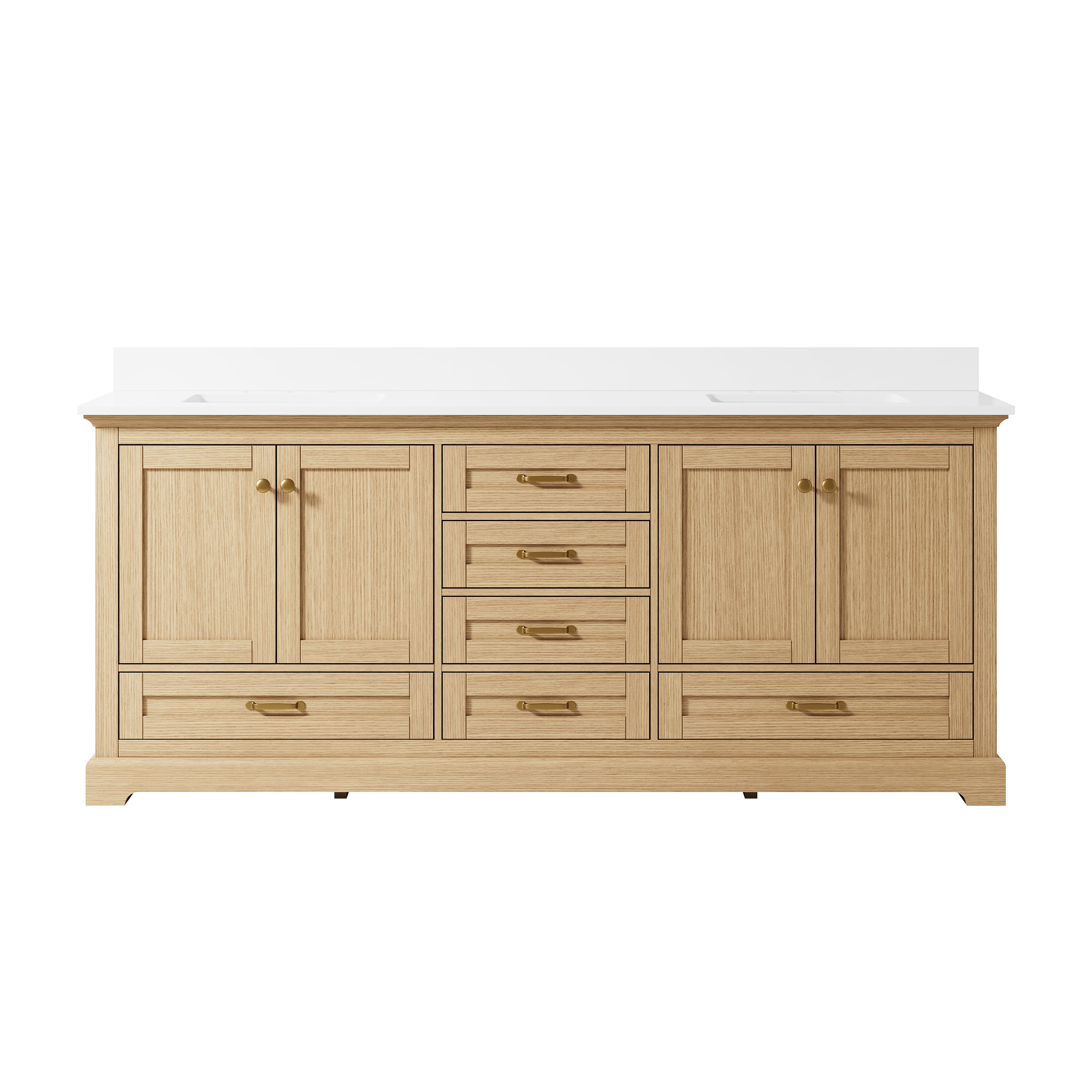
For a 36-inch single vanity or a 72-inch double vanity, drawer quality can make a noticeable difference in everyday convenience.

5. Better Hardware Reduces Wear Over Time
If the hinges and drawer slides aren’t good, a good wooden cabinet can be a pain.
Common signs of hardware wear include doors sagging with time, drawers becoming difficult to open, and handles loosening.
Look for soft-close hinges, heavy-duty drawer slides, and corrosion-resistant metal hardware.
Stainless steel fixtures can be particularly useful in humid bathroom environments.
Also worth verifying whether replacement hinges and slides are available.
6. Protective Finishes Help Defend Against Bathroom Moisture
A heavy-duty vanity needs to be protected from humidity as well.
Wood naturally absorbs and releases moisture as humidity levels change. According to the USDA Wood Handbook, this can cause the material to swell or shrink. The USDA Wood Handbook states that these changes can result in dimensional movement such as swelling and shrinkage.
Protective coatings help slow moisture penetration and reduce direct water contact.
Pay special attention to cabinet doors, exposed edges, drawer fronts, and joints.
Good bathroom ventilation helps protect the vanity from long-term moisture exposure. Also important is to wipe up any standing water and not just leave it sitting around the cabinet.
7. A Strong Countertop Connection Protects the Cabinet
The countertop also plays an important role in the vanity's long-term performance.
A heavier quartz countertop, for example, needs adequate support across the cabinet structure.
The installation should distribute the countertop load appropriately rather than concentrating excessive weight on a few unsupported areas.
Water management matters just as much.
A properly installed backsplash, sealed sink connection, and carefully finished countertop edges help reduce the risk of water reaching the cabinet below.
For larger 48-inch, 60-inch, or 72-inch vanities, these details deserve particular attention because countertop size and sink configuration can increase the demands on the supporting structure.
8. Proper Installation Prevents Unnecessary Structural Stress
Even a premium vanity can develop problems if it is installed incorrectly.
The solid wood vanity should sit level, with appropriate support beneath its base or mounting points. Uneven floors may require adjustable leveling feet or suitable shimming.
Wall-mounted vanities need secure attachment to appropriate structural framing.
Plumbing connections should also be checked carefully to prevent slow leaks inside the cabinet.
A properly installed vanity distributes weight more evenly and reduces unnecessary stress on joints, drawers, and countertop connections.
Conclusion
A solid wood vanity can last longer because it combines substantial structural materials with durable joinery, reliable hardware, and repairable surfaces.
However, longevity is never determined by wood alone. Moisture control, countertop support, installation quality, and routine maintenance all contribute to long-term performance.
Whether choosing a 36-inch single vanity or a 72-inch double vanity, buyers should pay attention to the details behind the cabinet doors and beneath the countertop. Those less visible construction features often determine whether a vanity remains stable, functional, and attractive long after the bathroom renovation is complete.














Leave a comment
This site is protected by hCaptcha and the hCaptcha Privacy Policy and Terms of Service apply.