
















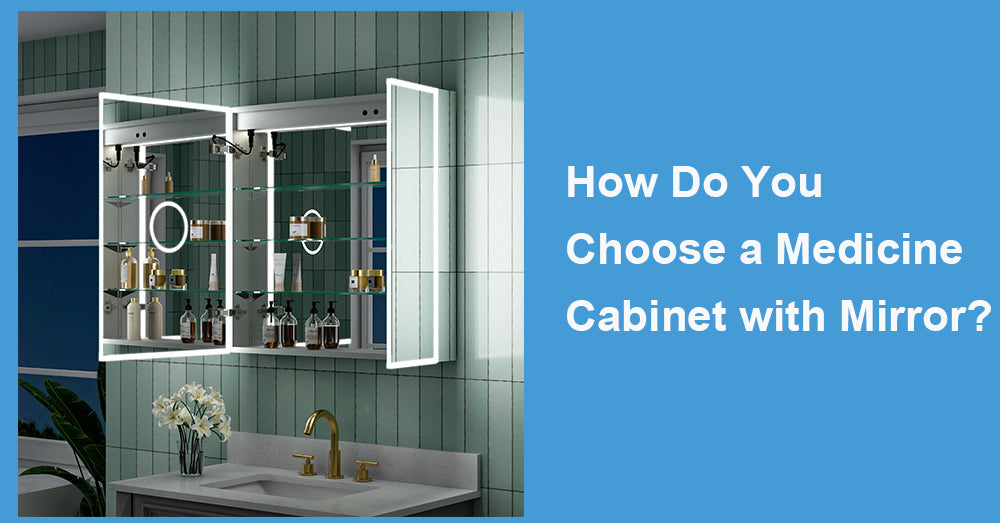
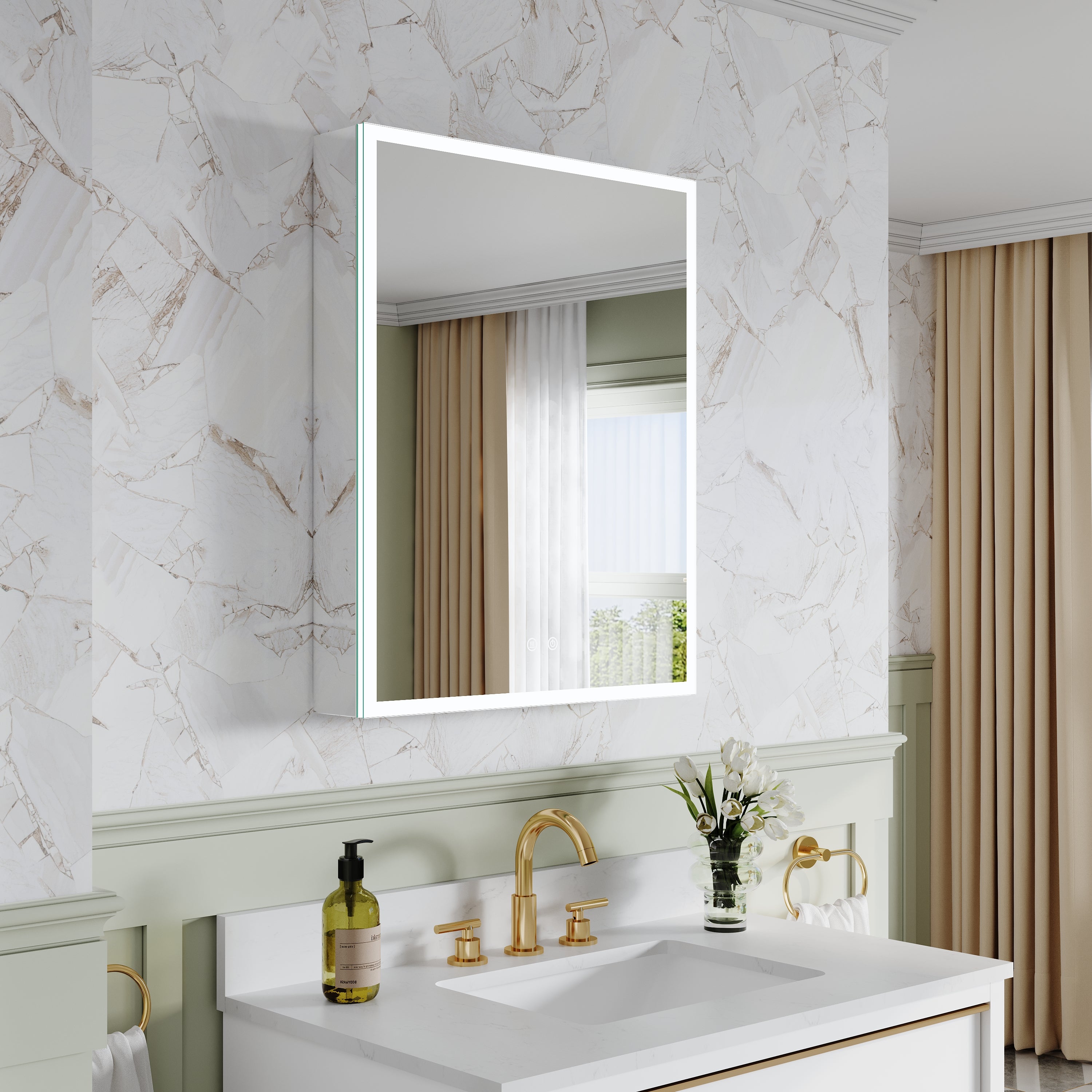
In bathroom renovation or functional upgrades, a medicine cabinet with mirror is often seen as a "mature and thoughtless" configuration. But from an industry perspective, a mirror cabinet is not simply a mirror and storage device, but a highly integrated functional piece of equipment. It simultaneously plays multiple roles such as lighting reflection, daily storage, space organization, and optimization of usage flow. The rationality of its selection will be increasingly evident over the long term.
1. The value of a mirror cabinet lies not in its existence, but in its suitability
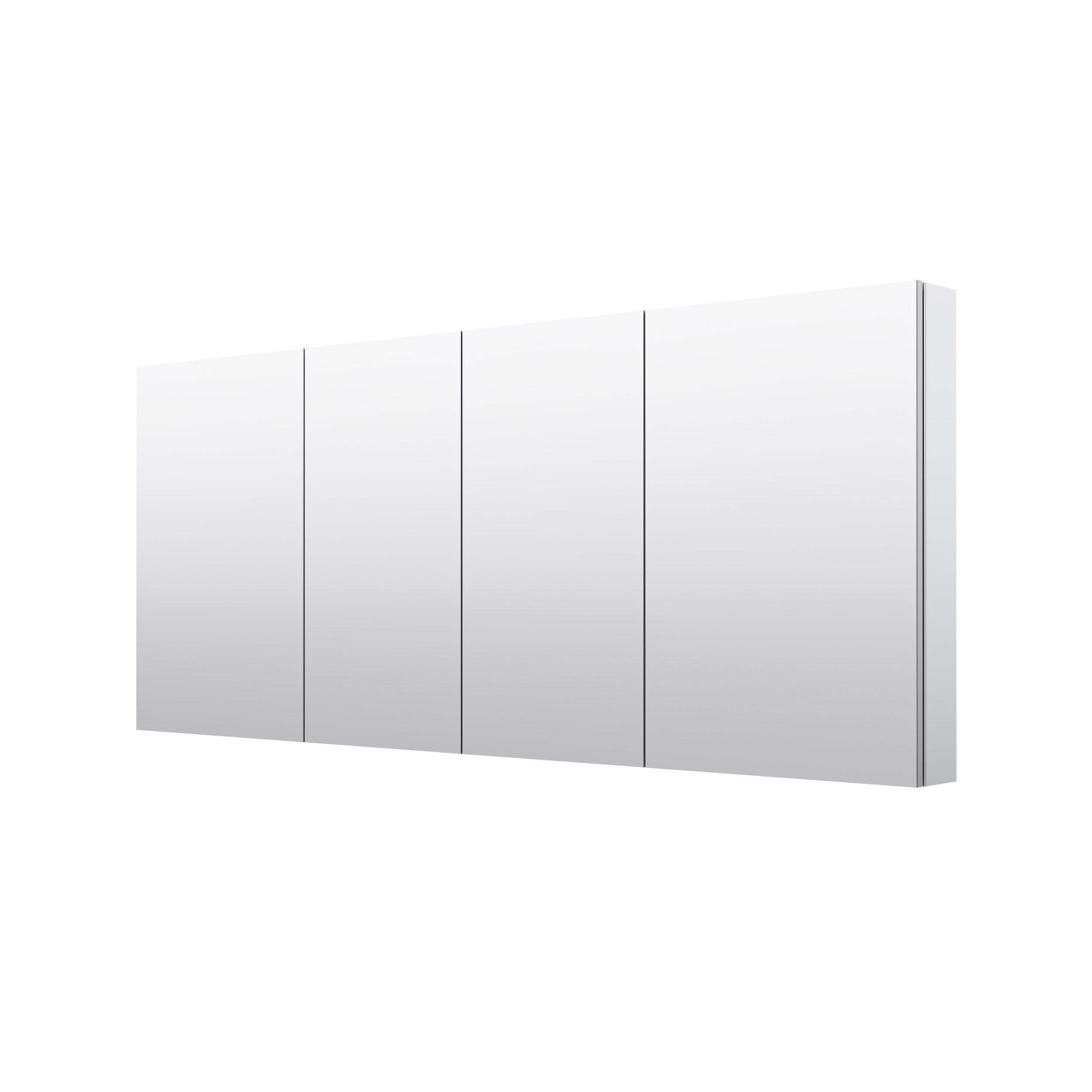
Compared with ordinary bathroom mirrors, the most significant advantage of mirror cabinets is that they provide storage space in the visual core, thereby improving overall storage efficiency without increasing the footprint. Industry research shows that in bathrooms with limited space, the storage efficiency of mirror cabinets is significantly higher than that of a combination of independent mirrors and wall cabinets.
But this does not mean that all bathrooms are suitable for the same mirror cabinet size or structure. Whether a mirror cabinet is handy depends on its compatibility with the size of the washing area, usage habits, and overall layout.
2. The size of the mirror cabinet should first serve the width of the washing area
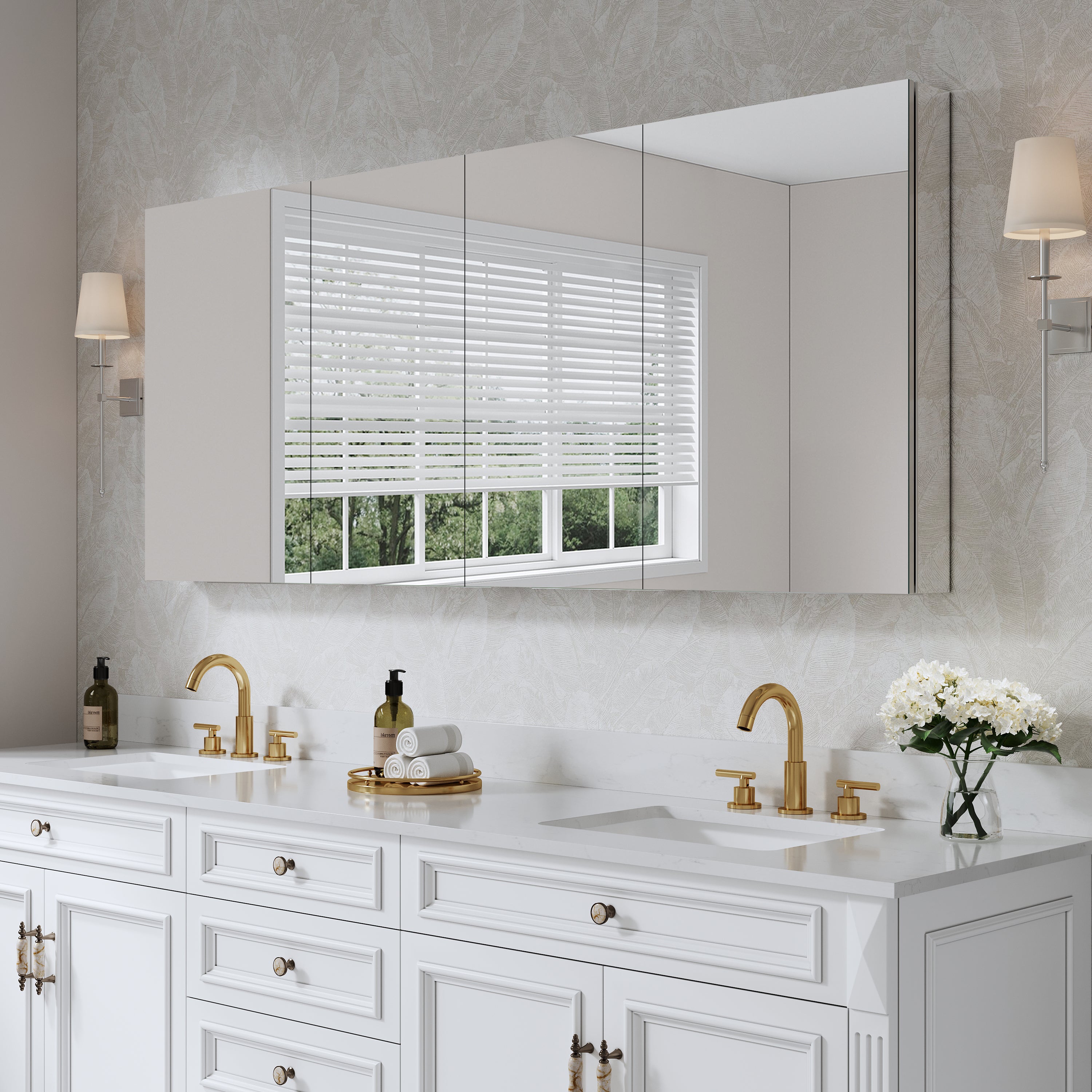
In practical applications, the width of the mirror cabinet should usually be close to or slightly narrower than the countertop width, which is visually more stable and better aligned with the logic of use. The standard width of the washbasin is 30 to 48 inches, and the mirror cabinet's width falls within this range as well.
In terms of height, most mirror cabinets are 26 to 32 inches tall. This height range not only covers the main line of sight for standing users but also provides sufficient space for internal storage structures. If the mirror cabinet is too high, the top space is often hard to use efficiently; if it is too low, it limits storage capacity.
3. The structural differences between embedded and wall-mounted systems
The installation method of the mirror cabinet is one of the most critical structural choices in renovation projects.
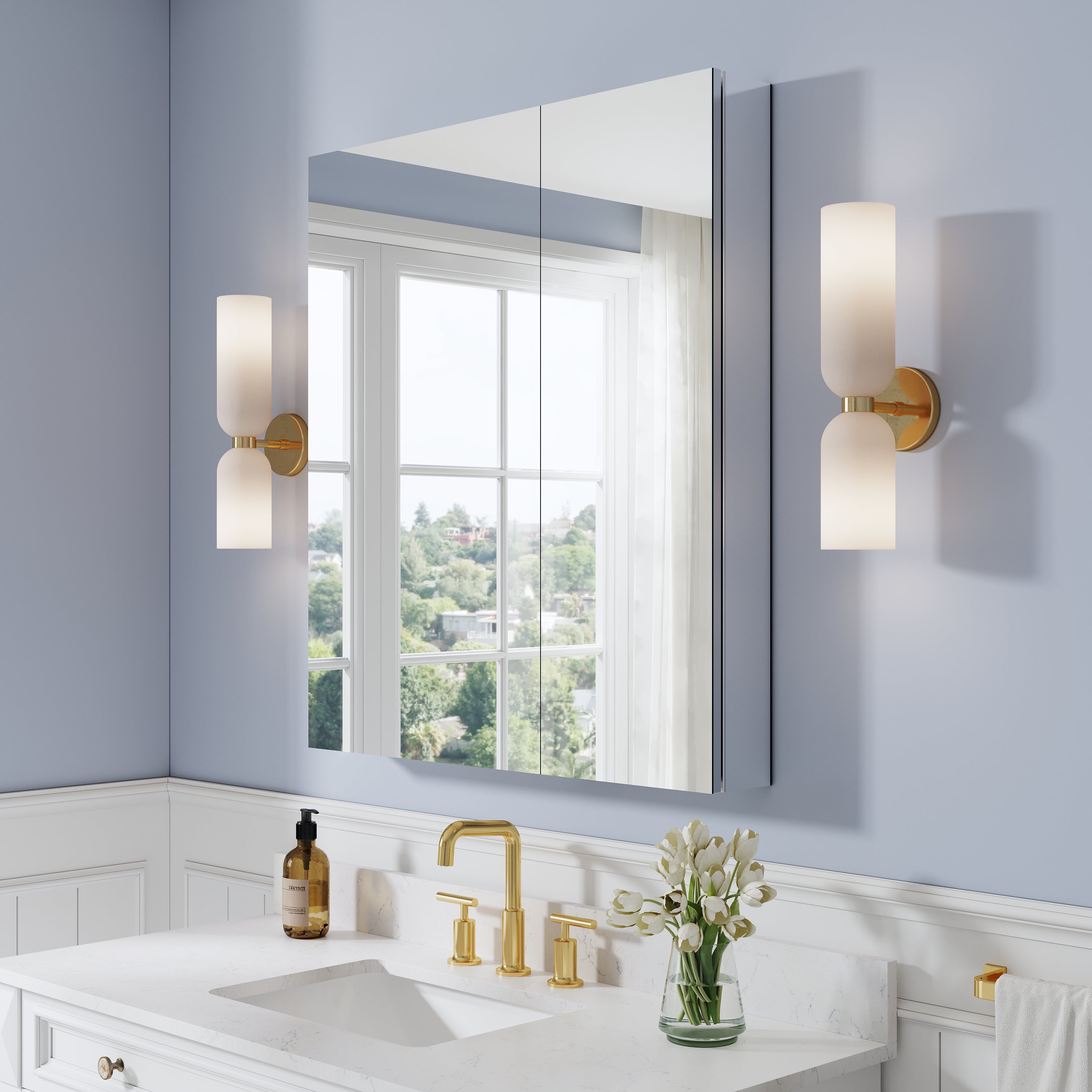
Embedded mirror cabinets are usually installed in walls, and their depth is typically around 4-5 inches. This structure is visually smoother, helping to maintain wall cleanliness and reducing spatial pressure. But it requires higher wall conditions and is more suitable for projects where the structural scheme has been clearly defined in the early stages of renovation.
Wall-mounted mirror cabinets offer greater construction flexibility, lower requirements for wall modifications, and are better suited for later upgrades or partial renovations. It should be noted that wall-mounted structures are significant for depth control and installation stability, but they may create a sense of abruptness during use.
4. The internal structure is more important than how much it looks like it can fit
A common misconception in selecting mirror cabinets is focusing only on external dimensions and ignoring the internal structural design.
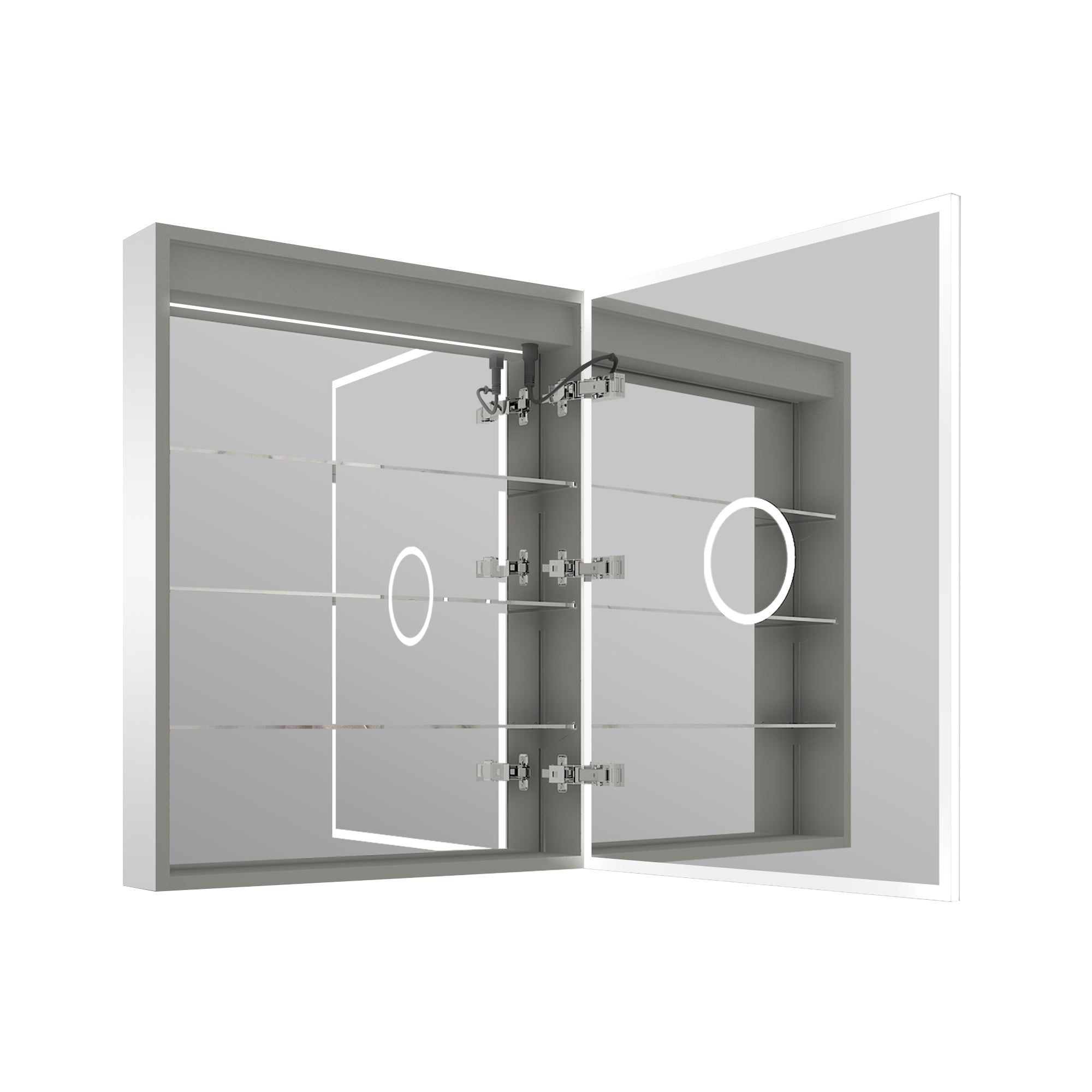
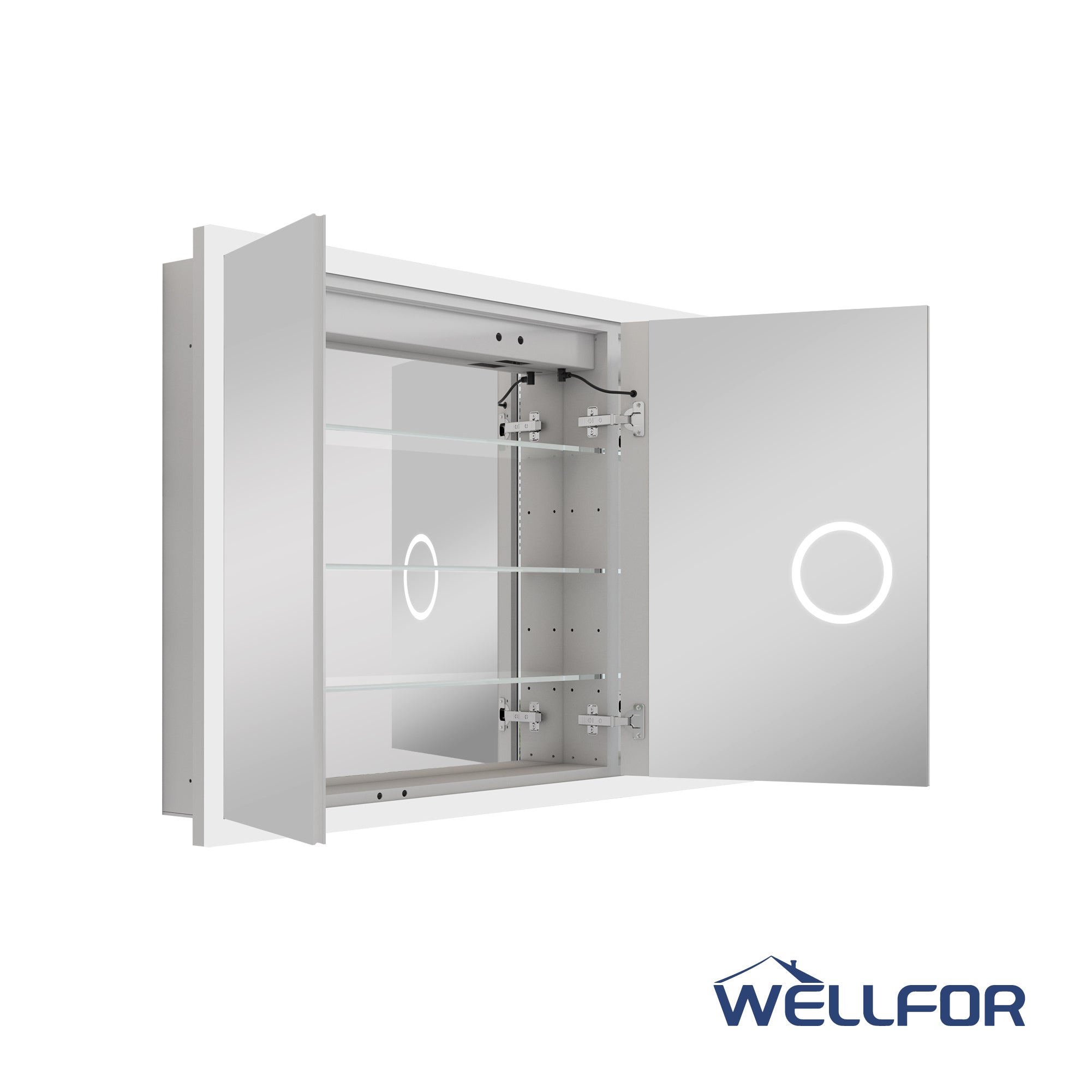
Industry practice has shown that a reasonably layered shelf system is more efficient than a single ample space. Different heights of compartments are more conducive to classifying and storing daily necessities, reducing searching time. An adjustable shelf structure can better adapt to the usage needs of different households.
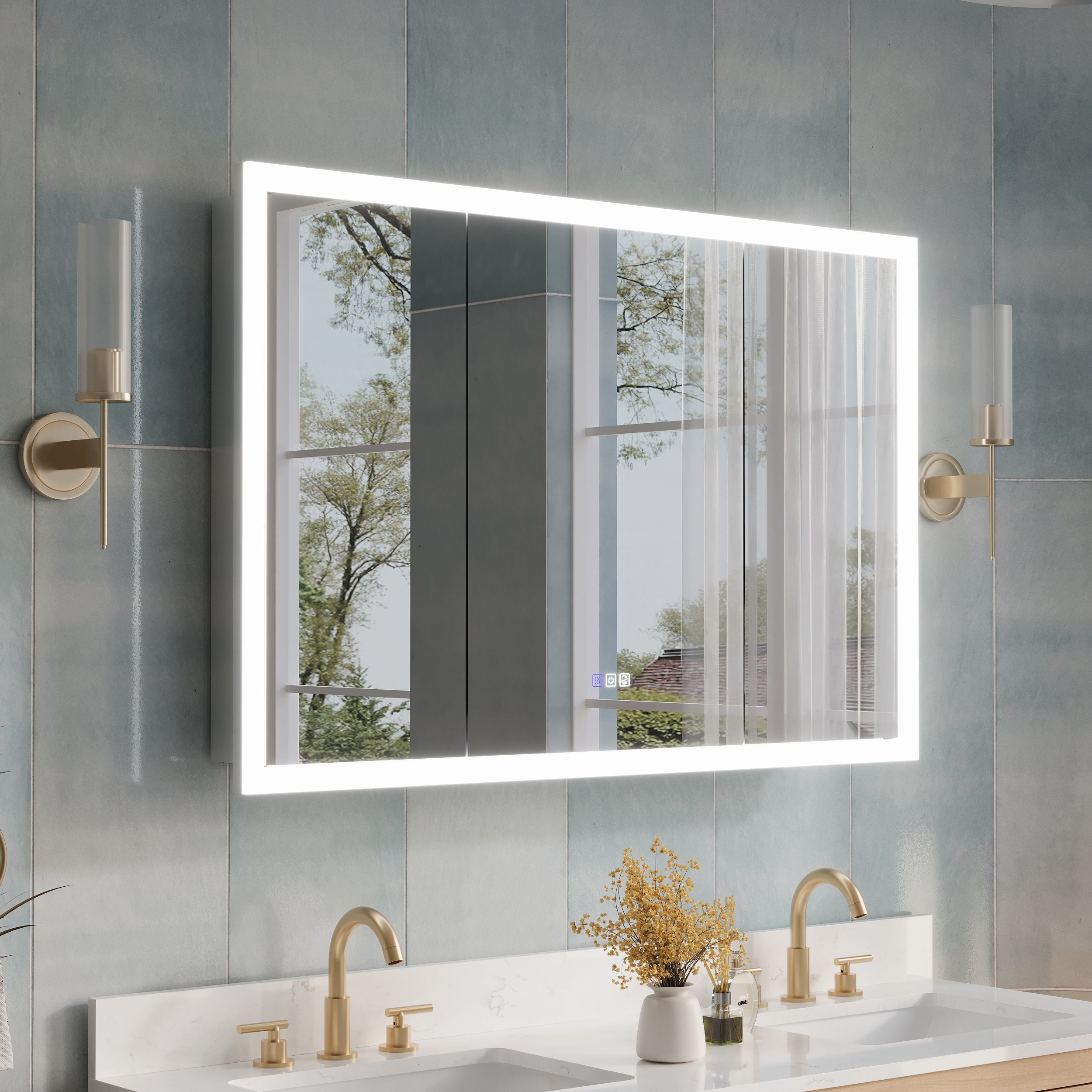
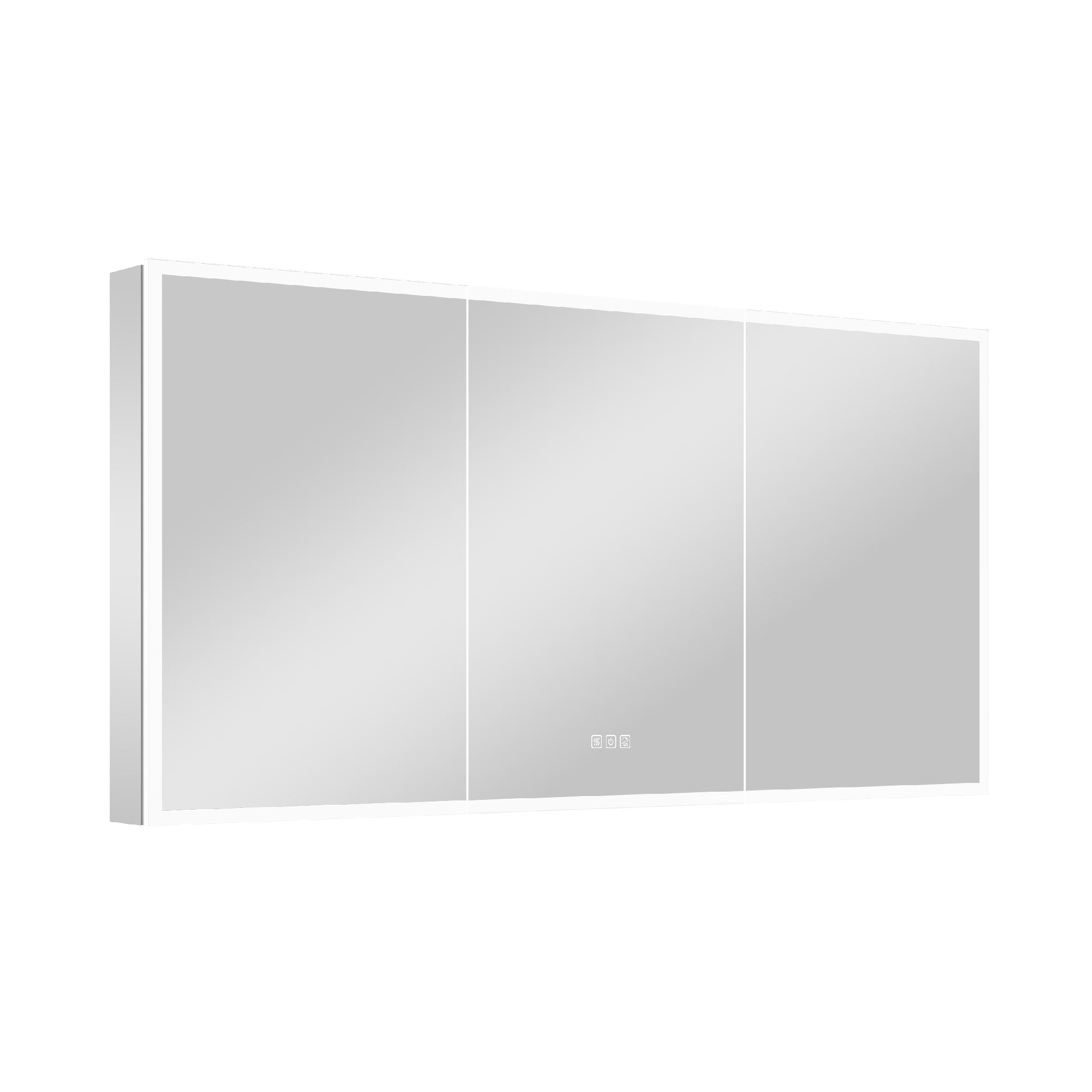
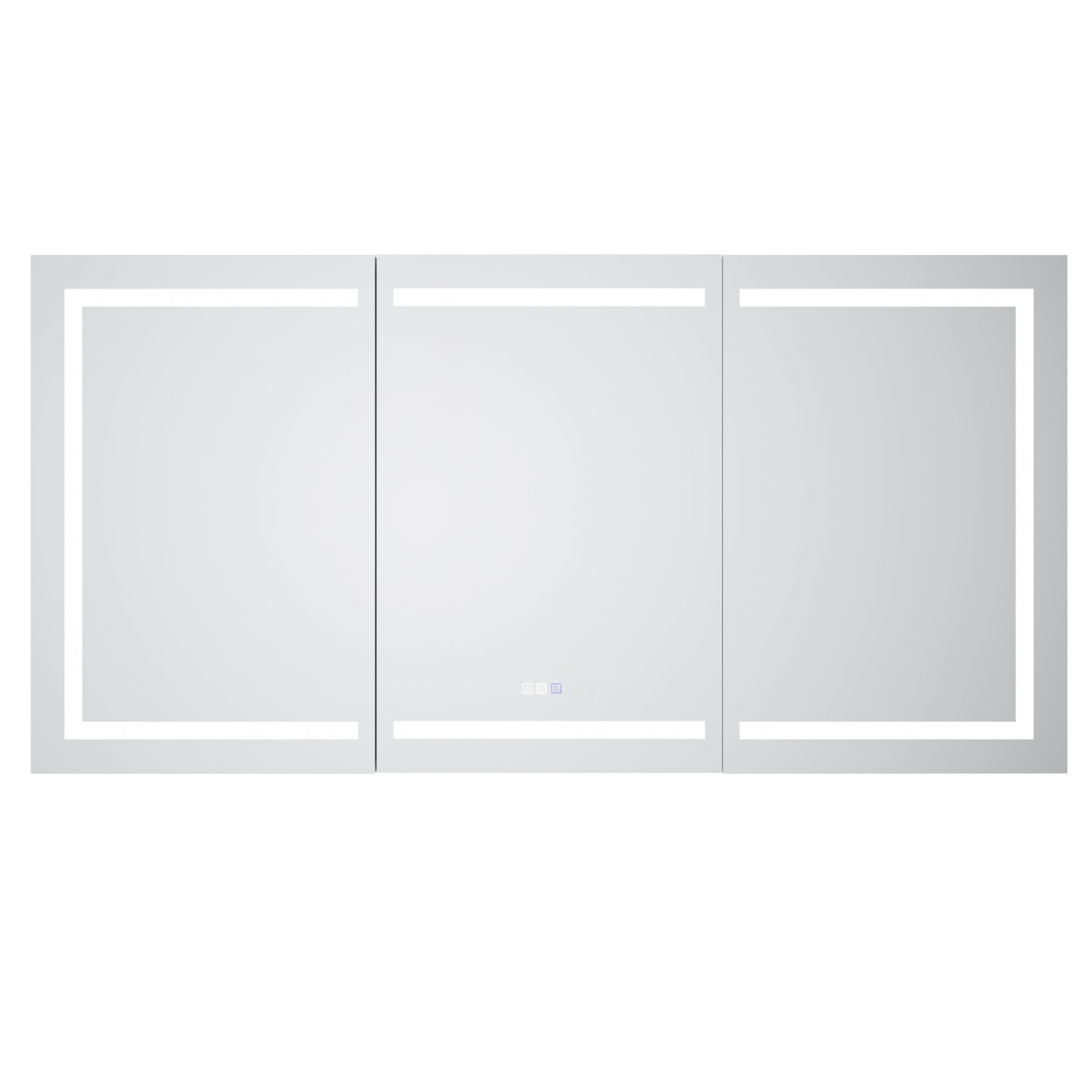
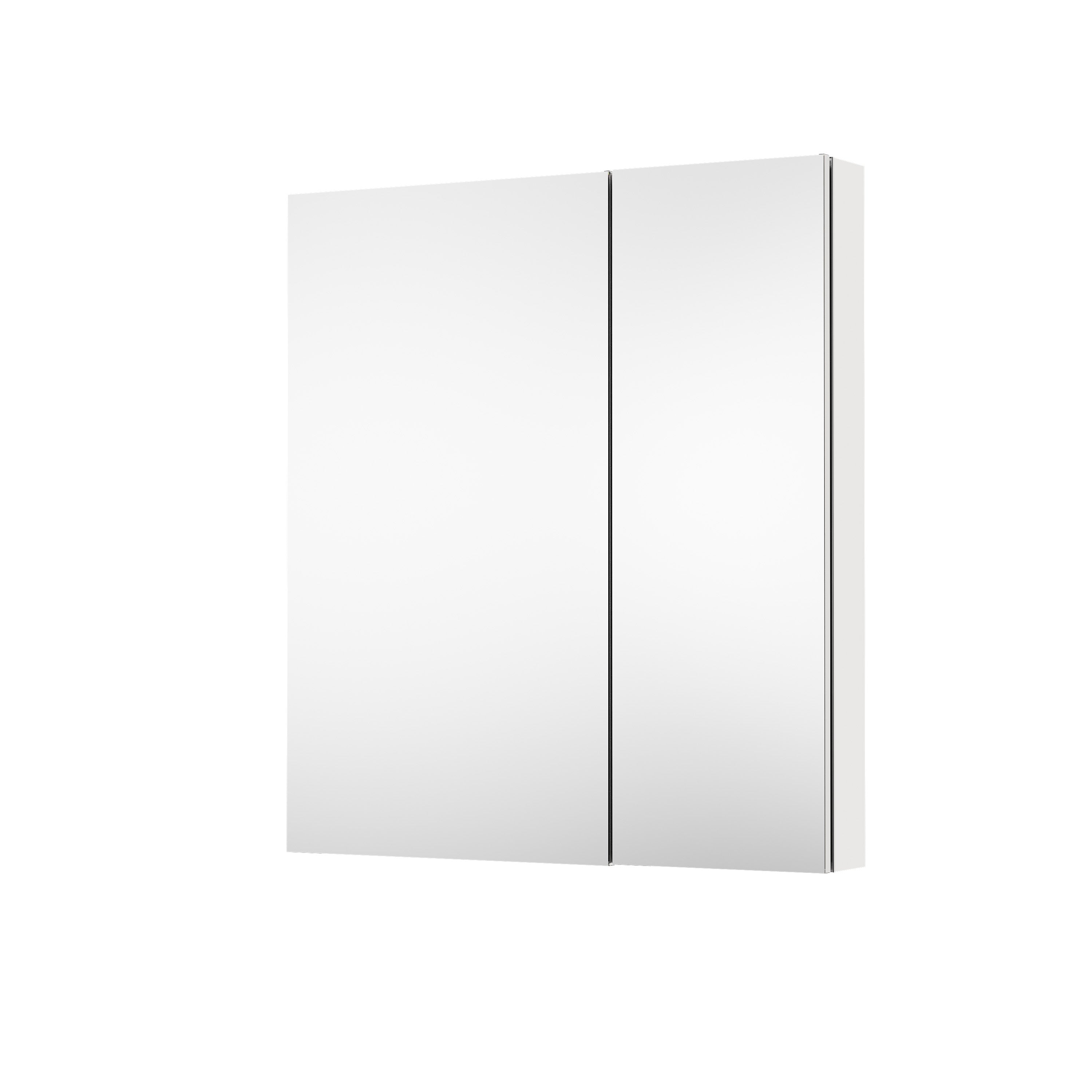
In addition, the opening method of the mirror cabinet door can also affect the user experience. The single-door structure is more concise and suitable for narrow-width mirror cabinets; double- or multi-door structures are more appropriate for wide mirror cabinets, as they reduce single-sided load-bearing and improve long-term stability.
5. The mirror quality directly affects the user experience
As a core component for high-frequency use, the clarity and stability of the mirror surface are crucial.
High-quality mirrors are less prone to problems such as darkening, fogging, and edge corrosion during long-term use, which not only affects visual effects but also reduces overall brightness. Industry experience shows that mirror quality is often a critical factor in determining the service life of mirror cabinets.
In practical use, mirror cabinets often undertake fine operational tasks such as makeup and shaving, so mirror clarity and reflection authenticity are more important than decoration.
6. Practical assessment of lighting and anti-fog functions
In recent years, illuminated mirror cabinets have gradually become the mainstream choice, but not all functions are equally important.
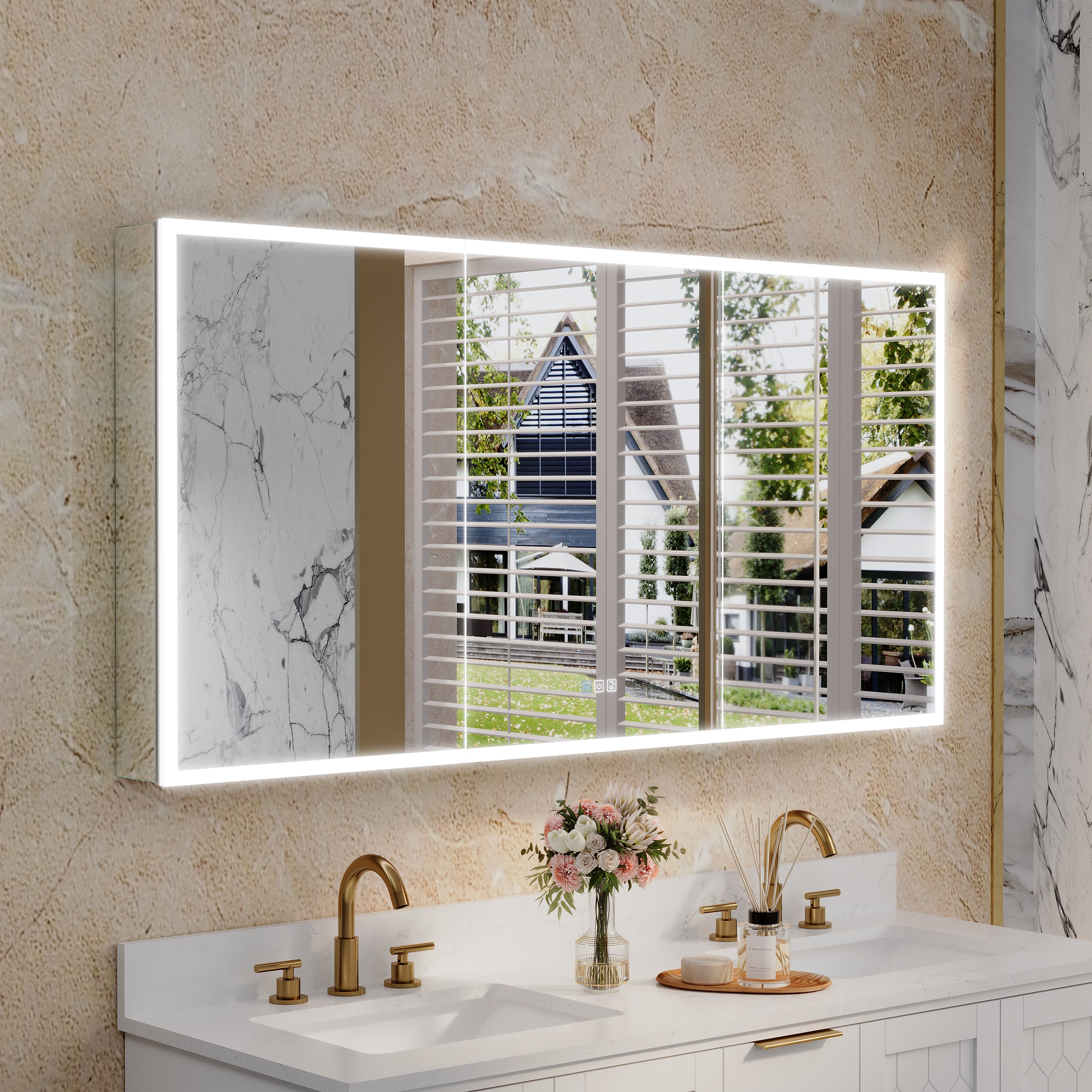
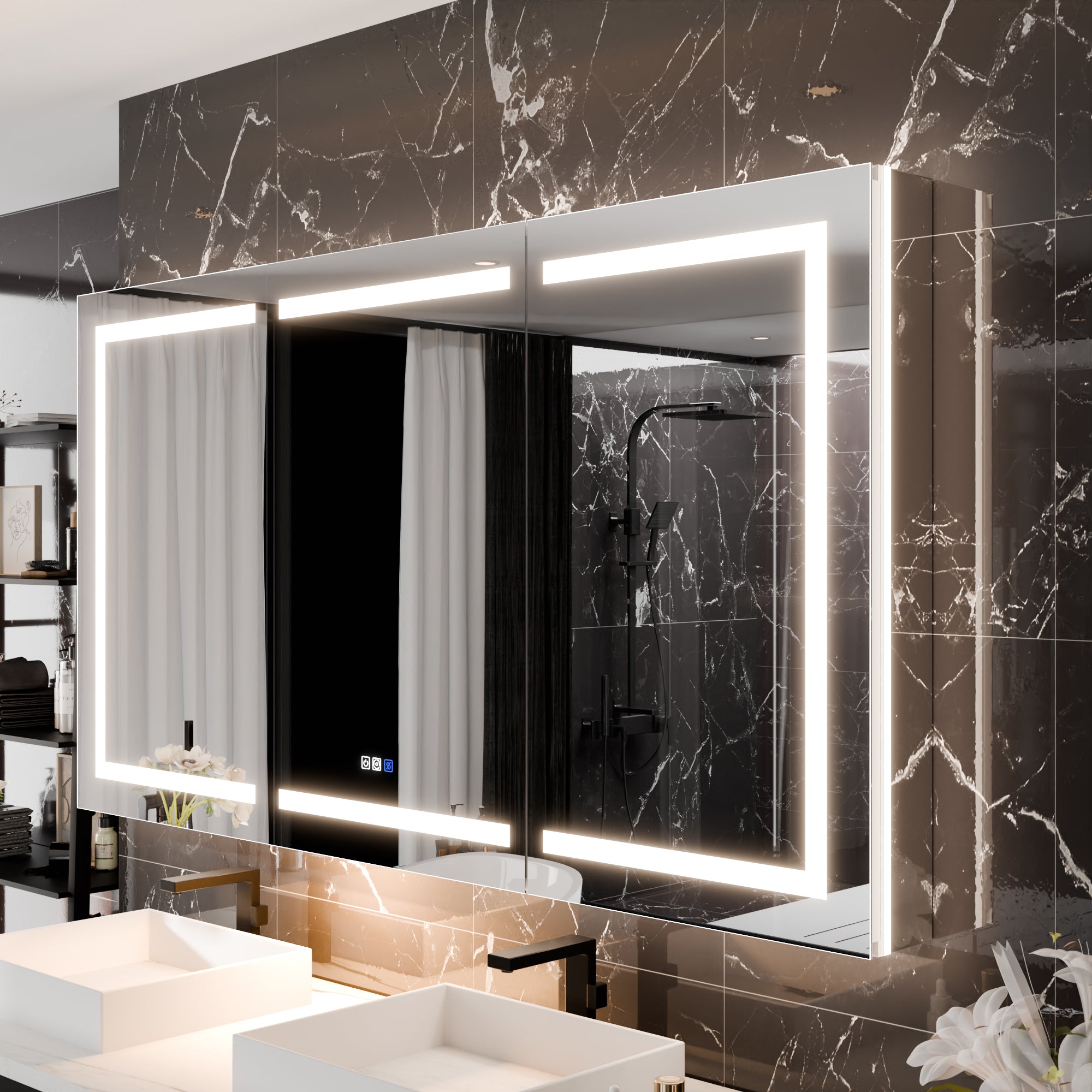
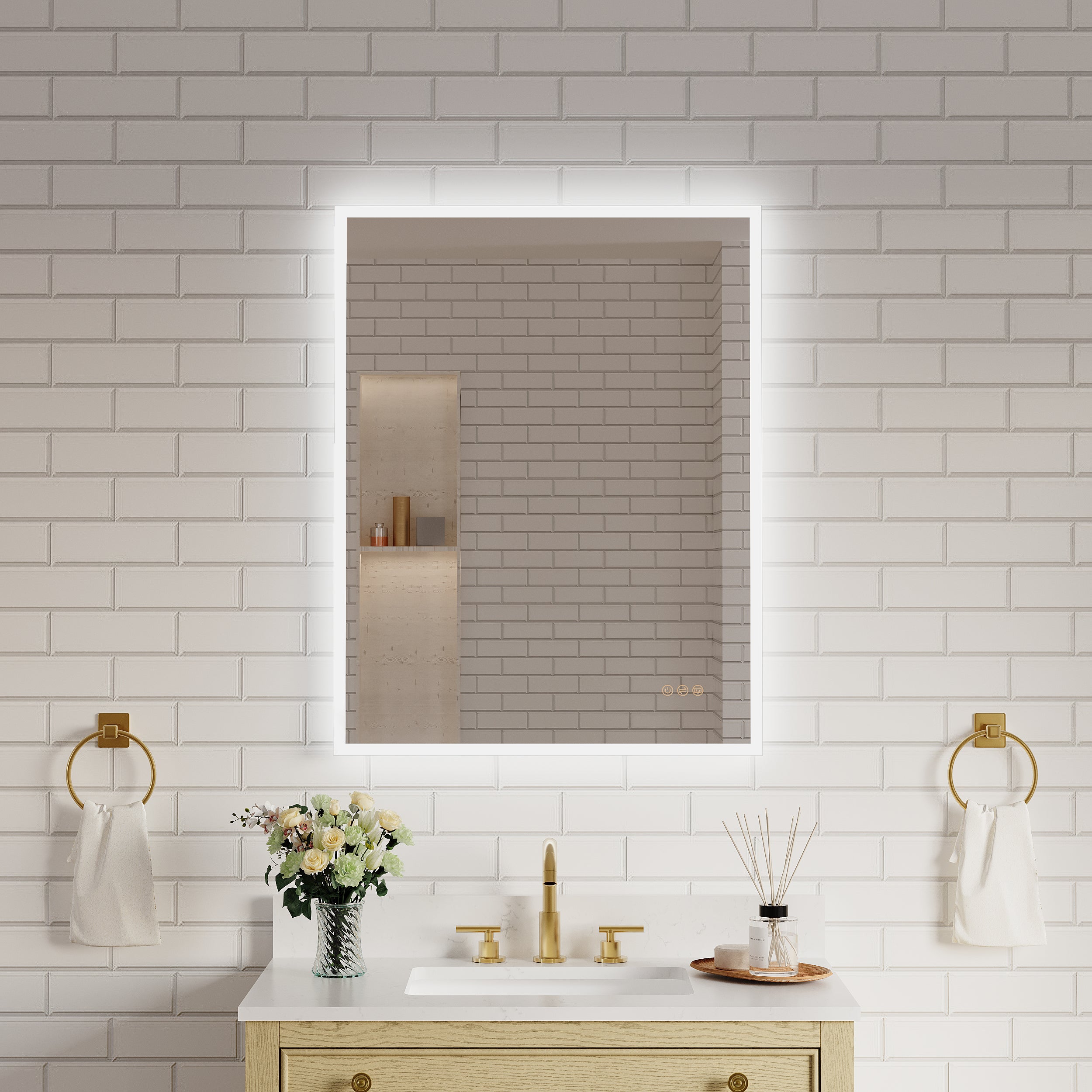
Uniformly distributed front- or back-light sources can effectively reduce facial shadows and improve user comfort. A lighting system with adjustable brightness and color temperature is better suited to adapting to different time periods.
The anti-fog function is practical in high-humidity environments, reducing waiting time caused by mirror fogging and improving efficiency during peak hours in the morning and evening. From a long-term experience perspective, these features are not just "icing on the cake" but a tangible improvement in efficiency.
7. The relationship between the depth of the mirror cabinet and the spatial flow line
The depth of the mirror cabinet is often overlooked, but it directly affects the passage and operational comfort of the washing area.
In most bathroom layouts, controlling the depth of the mirror cabinet at 4-6 inches is more conducive to maintaining spatial balance. If the depth is too large, it can easily create a sense of oppression in both visual and practical use, especially in compact bathrooms.
A reasonable mirror cabinet design should strike a balance between storage capacity and spatial transparency.
8. From the perspective of long-term use, the selection of mirror cabinets
From an industry perspective, a mirror cabinet with a reasonable structure and stable materials typically has a service life of 8-12 years. During this cycle, the cabinet's moisture-proof treatment, hardware quality, and mirror stability will continuously affect the user experience.
Compared to short-term popular designs, it is more important to focus on structural maturity and maintenance convenience. Once the mirror cabinet is installed, the cost of replacement is high, so it is imperative to make a rational choice during the renovation phase.

9. Conclusion
Choosing a suitable mirror cabinet is essentially making decisions for everyday usage scenarios. Whether the size is reasonable, the structure is stable, and the function truly fits usage habits are far more important than the appearance itself in the long term. The rational choice of a medicine cabinet with a mirror is often the most cost-effective way to improve overall bathroom efficiency and cleanliness.












Leave a comment
This site is protected by hCaptcha and the hCaptcha Privacy Policy and Terms of Service apply.