














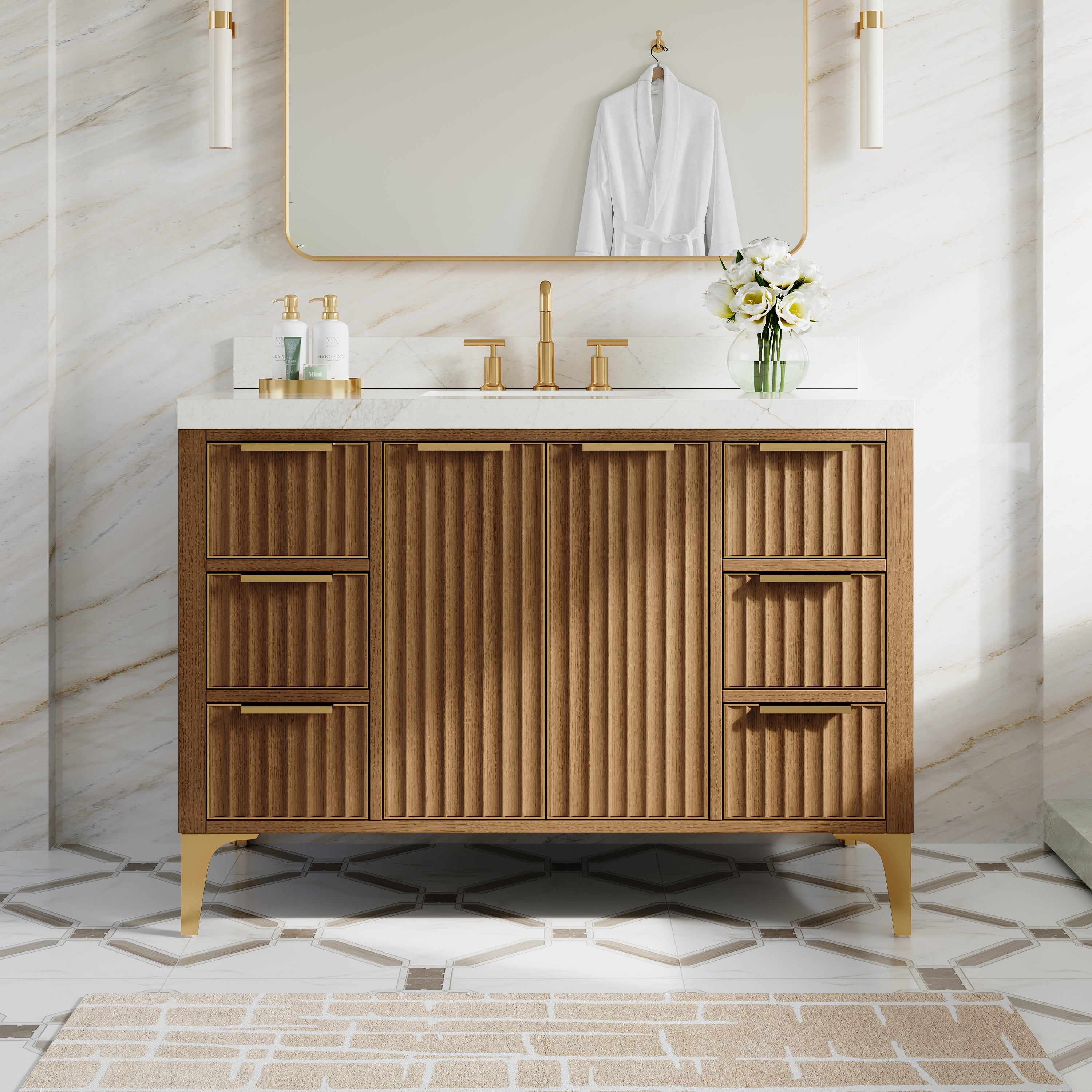
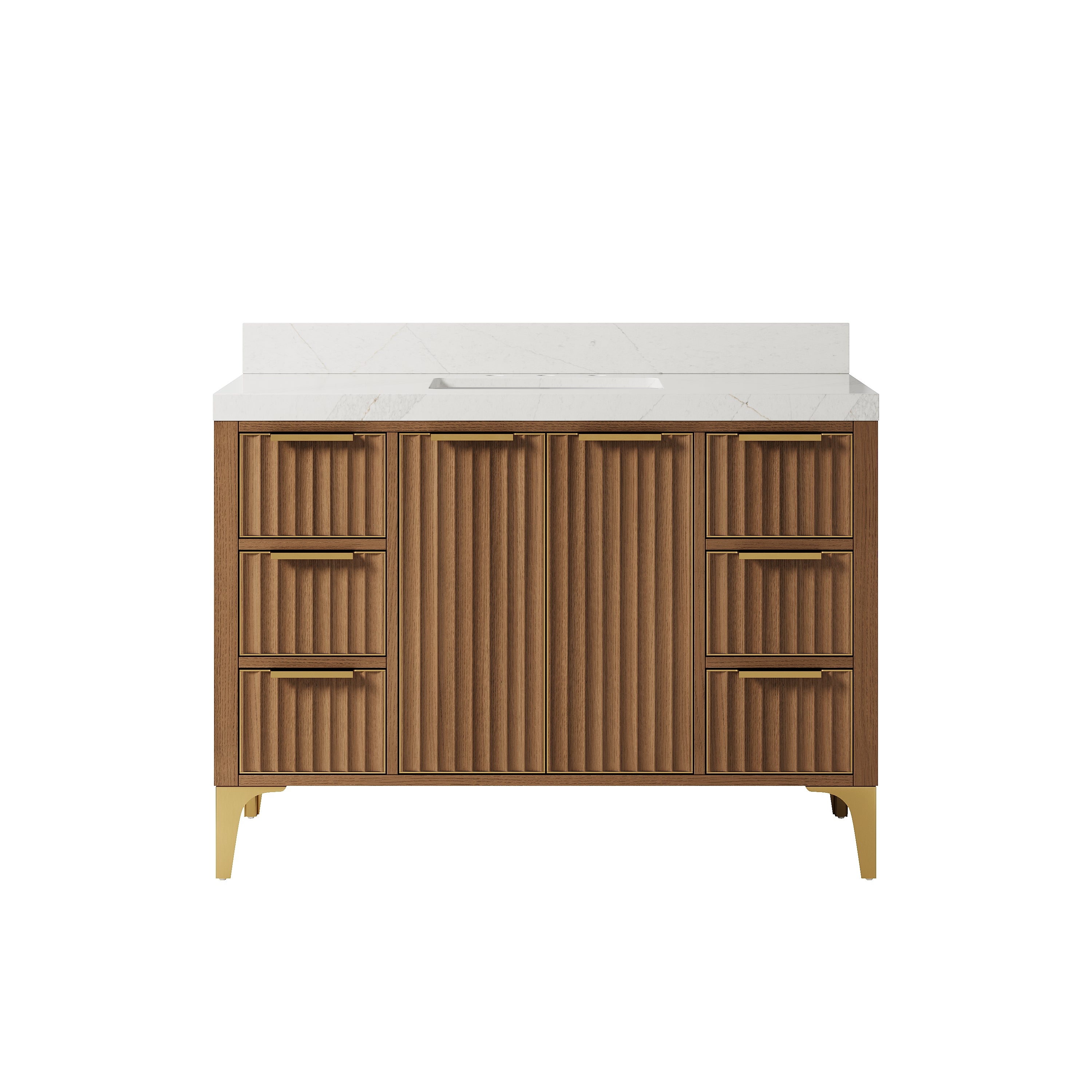


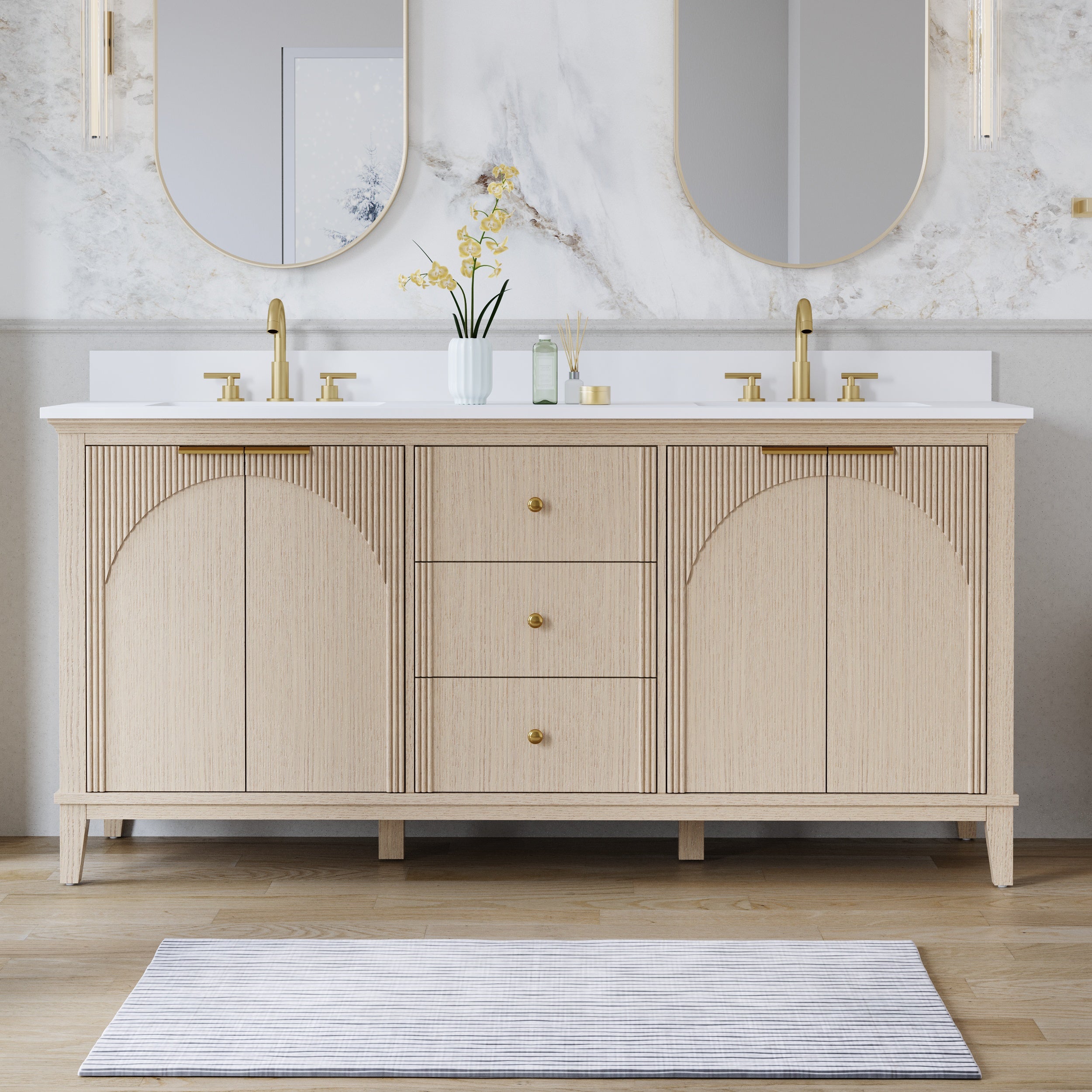
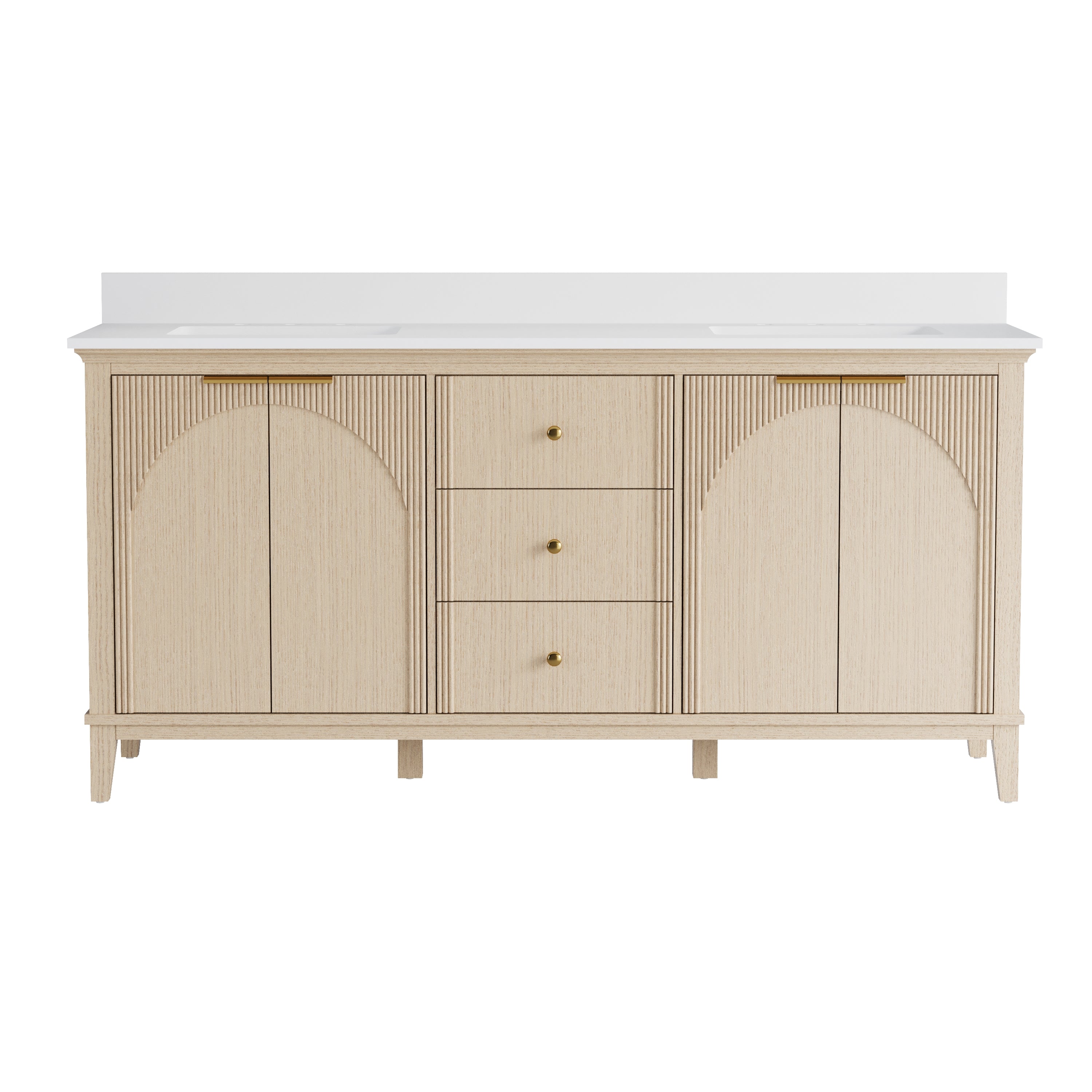
In the process of bathroom renovation, bathroom vanities are often among the most easily underestimated core components that can affect the overall experience. It not only undertakes the functions of washing and storage, but also largely determines the spatial proportion, flow efficiency, and long-term stability of the bathroom. From an industry perspective, selecting bathroom cabinets is not simply a matter of "good-looking style" but a systematic decision that requires consideration of spatial conditions, frequency of use, and structural design.
1. In the renovation project, bathroom cabinets are first and foremost "functional equipment"
In a complete bathroom system, the frequency of use of bathroom cabinets is exceptionally high. Almost all daily activities of washing, organising, and tidying up revolve around it. This also means that the height, width, and internal structure of bathroom cabinets will continue to grow over the long term.
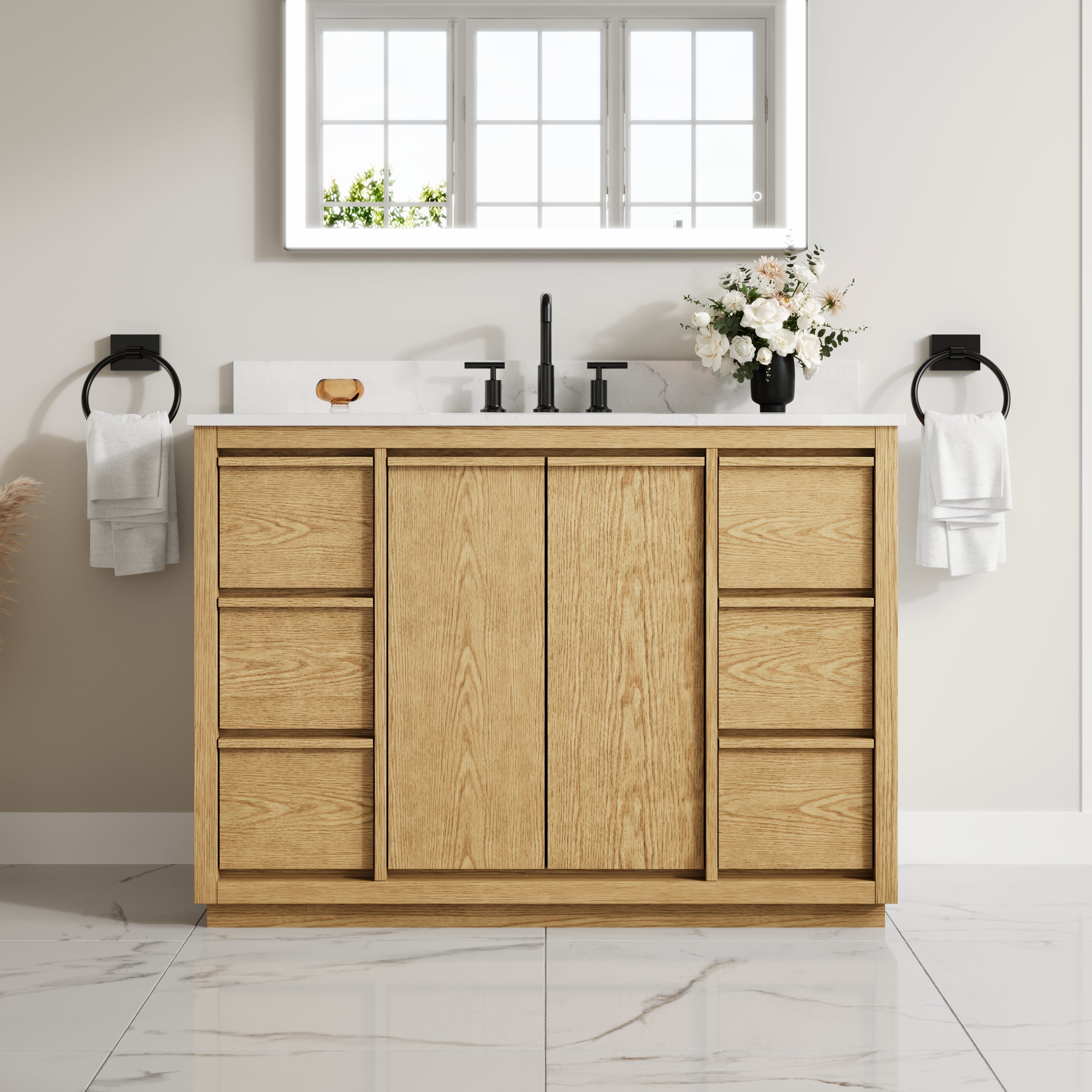
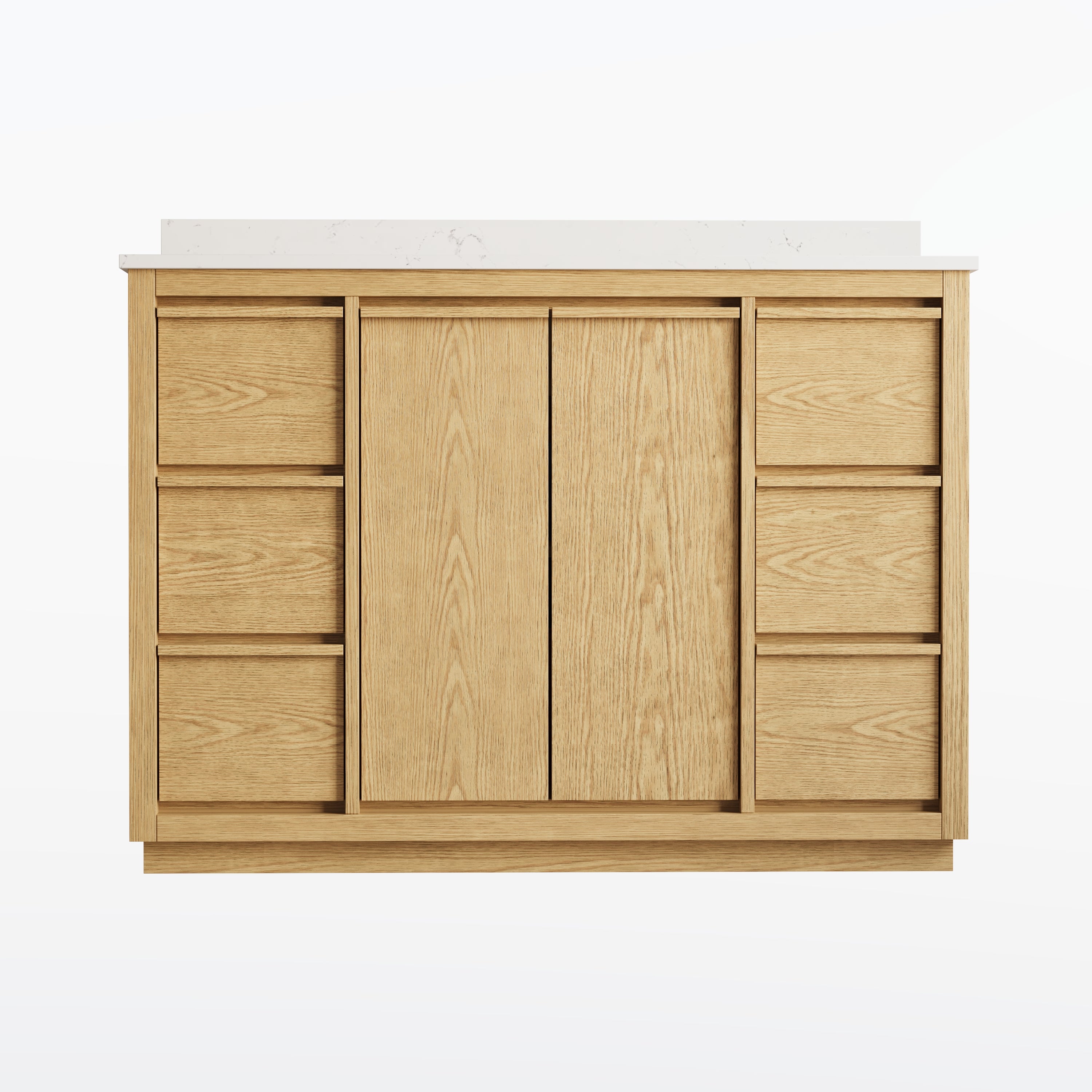
Industry practice shows that the most common width for bathroom cabinets in master bathrooms is between 30 and 48 inches. This range can meet the basic needs of single or double use without significantly squeezing other functional areas. In terms of height, the countertop height of most floor-standing or wall-mounted bathroom cabinets is concentrated at 34-36 inches, which is more in line with a comfortable standing posture for operation.
2. Single pot or double pot, depending on the probability of "simultaneous use"
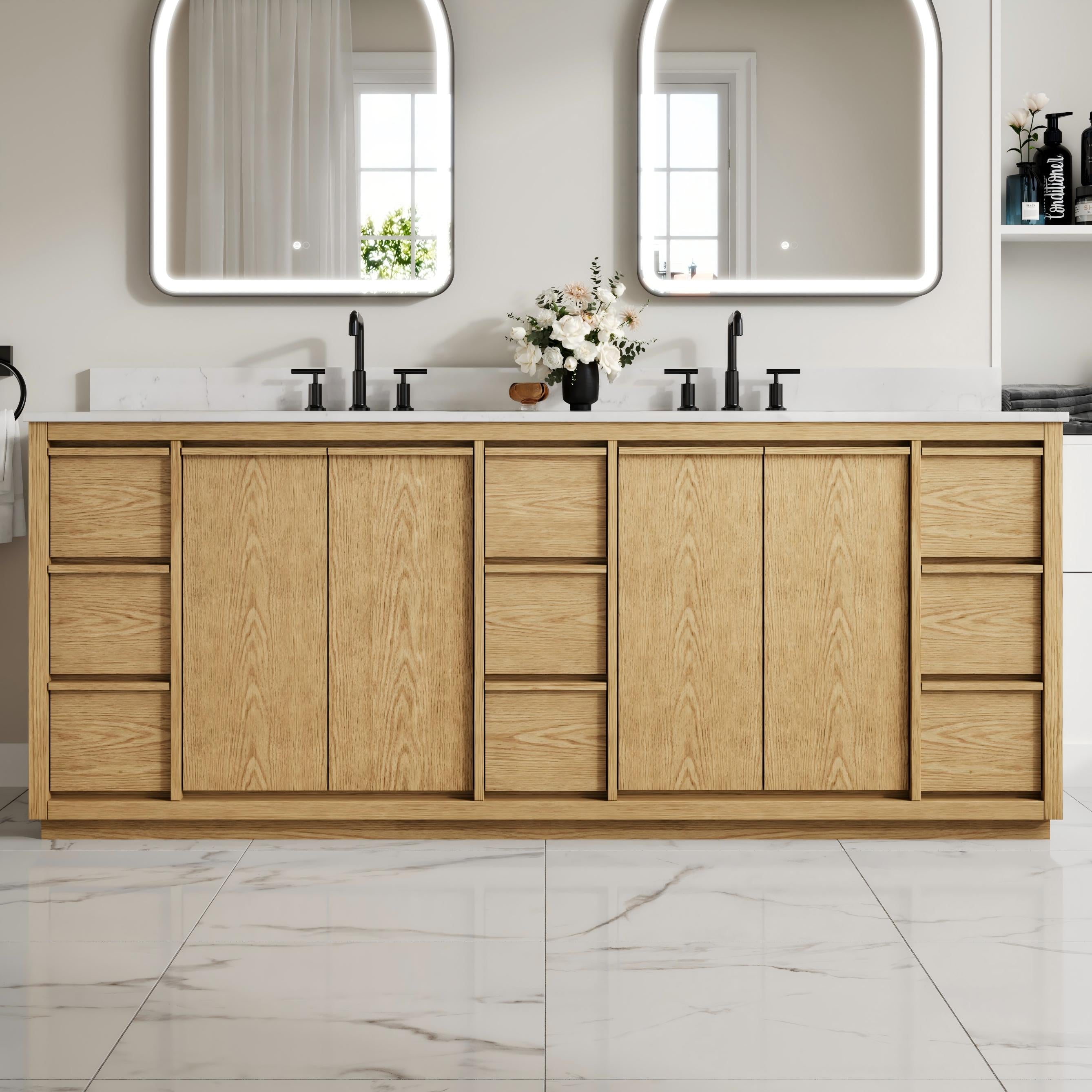
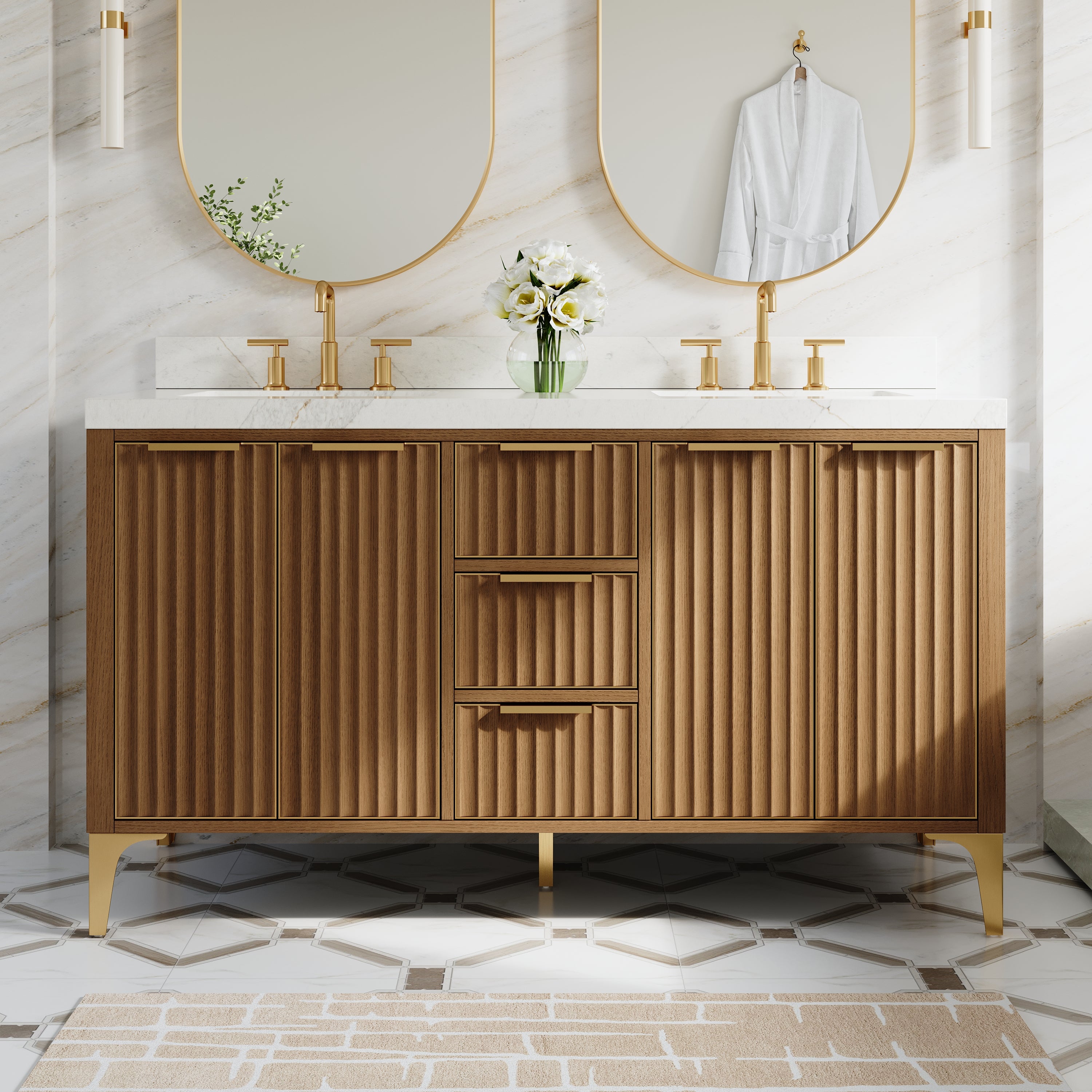
In renovation design, double basin bathroom cabinets are often seen as an "upgrade option, but whether they are truly suitable depends on the actual usage scenario.
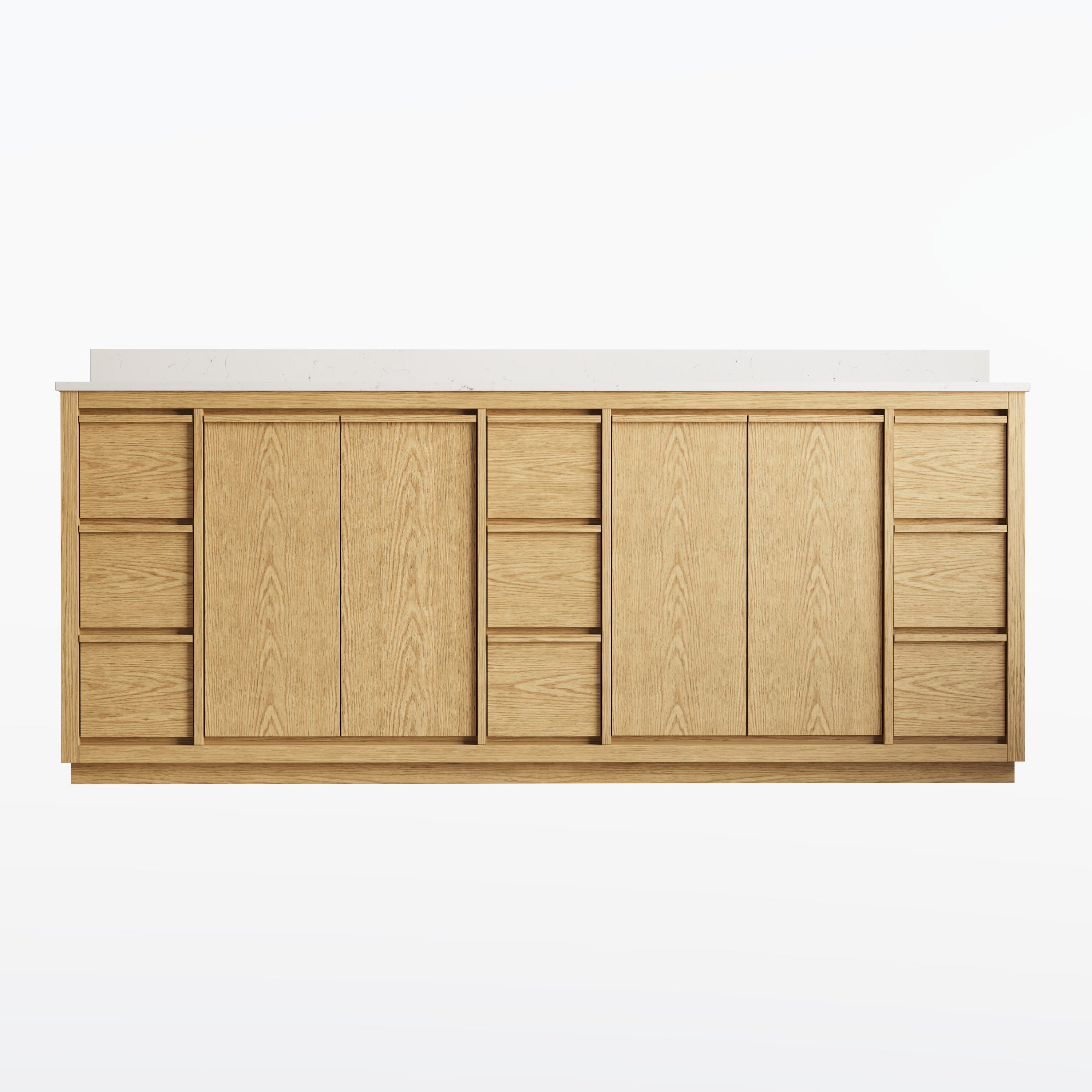
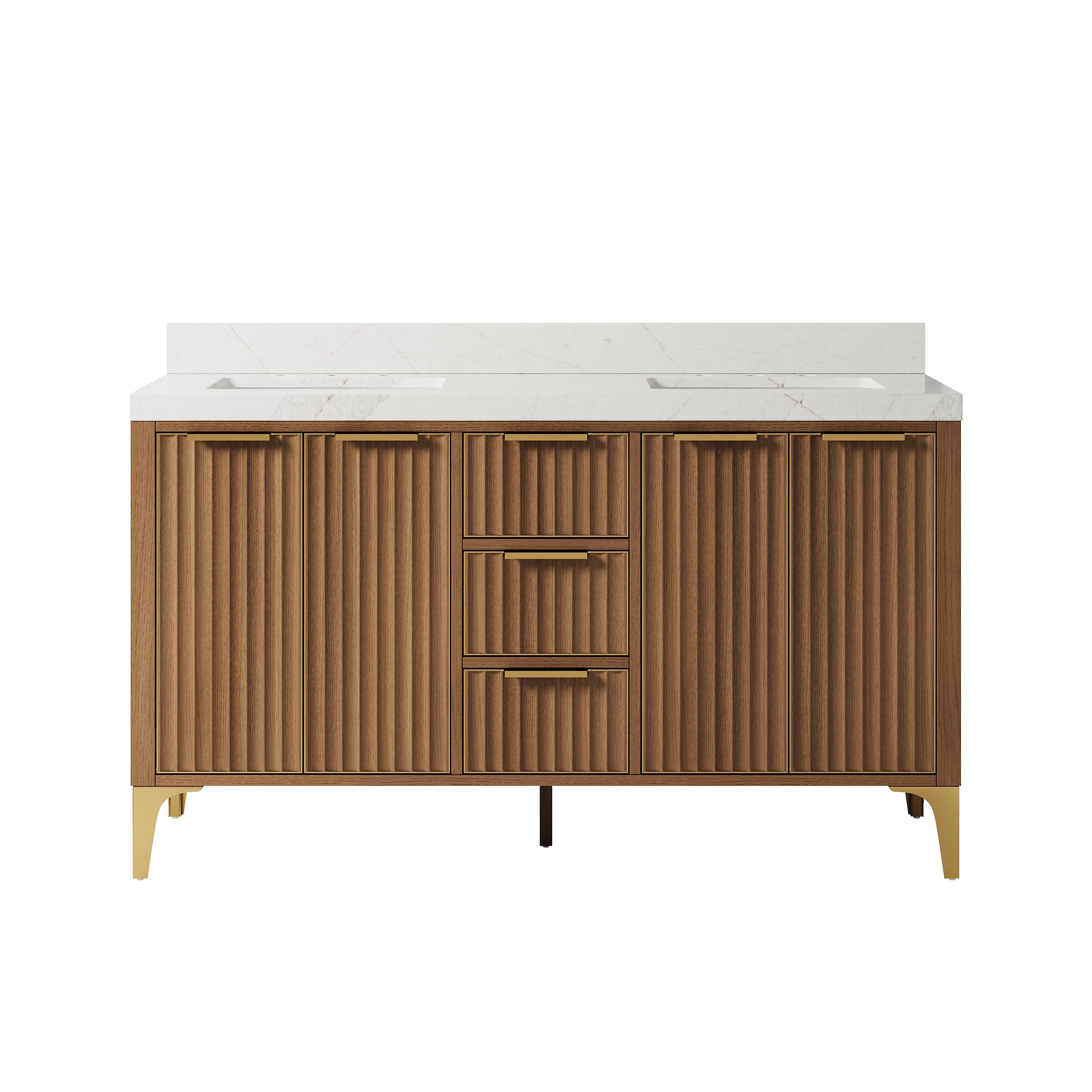
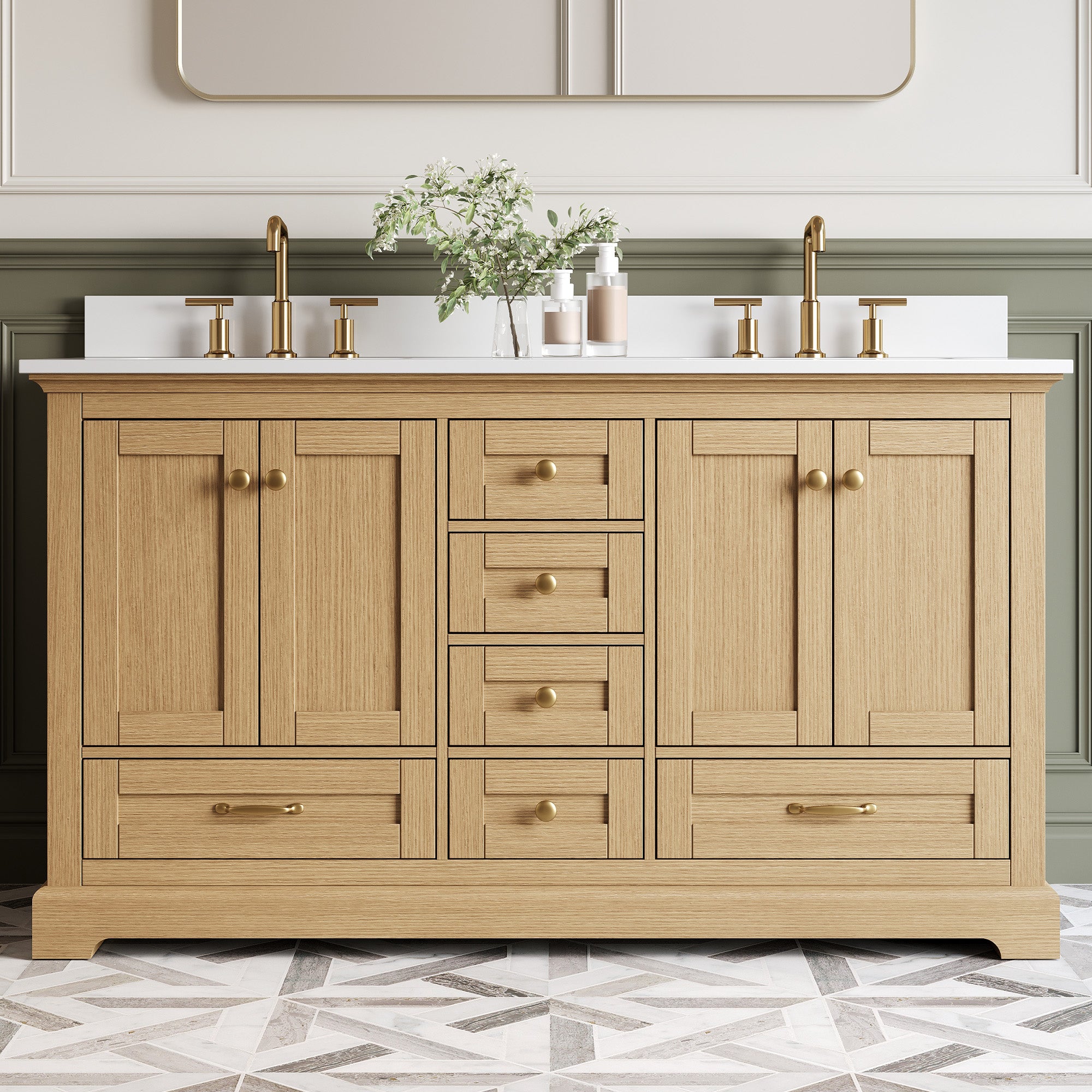
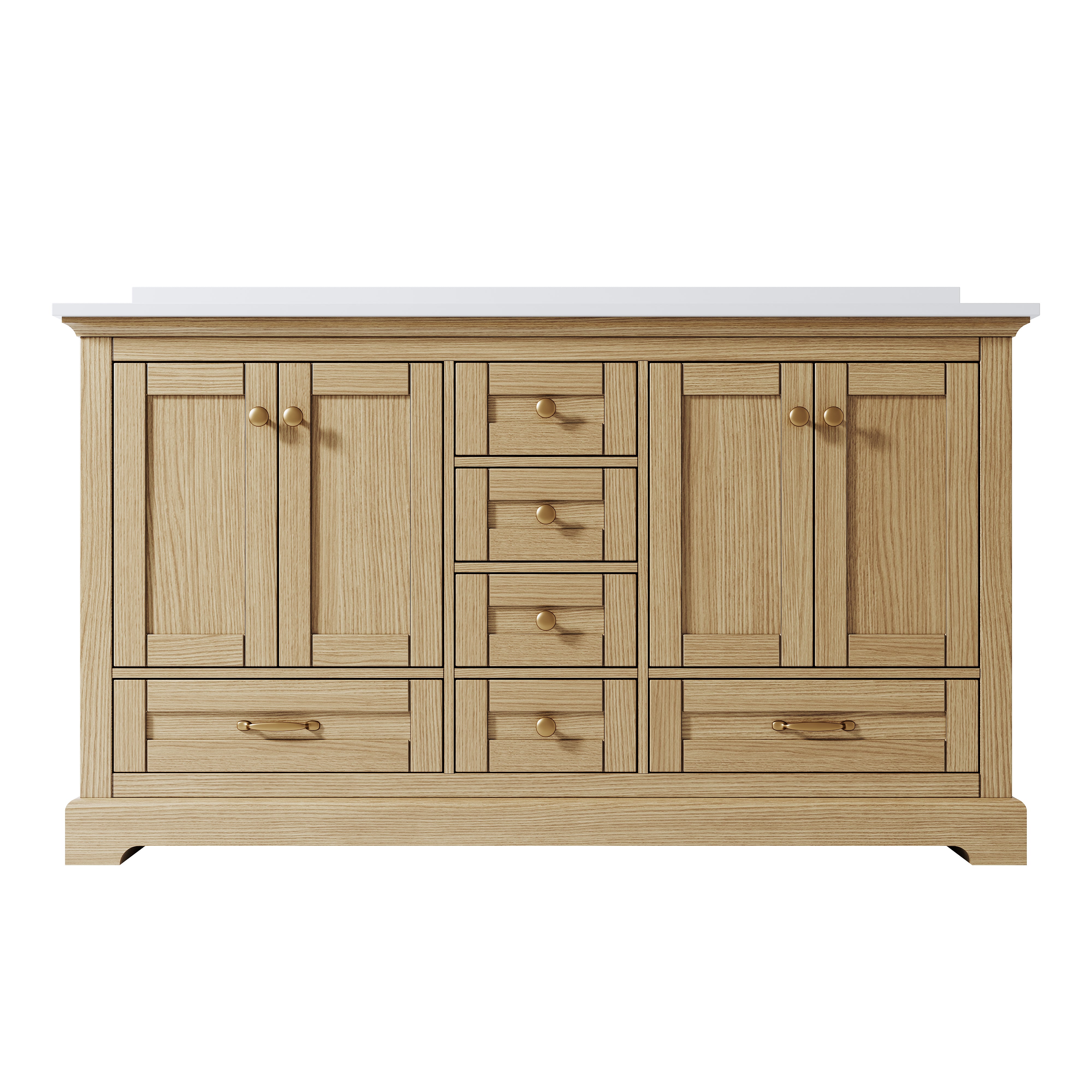
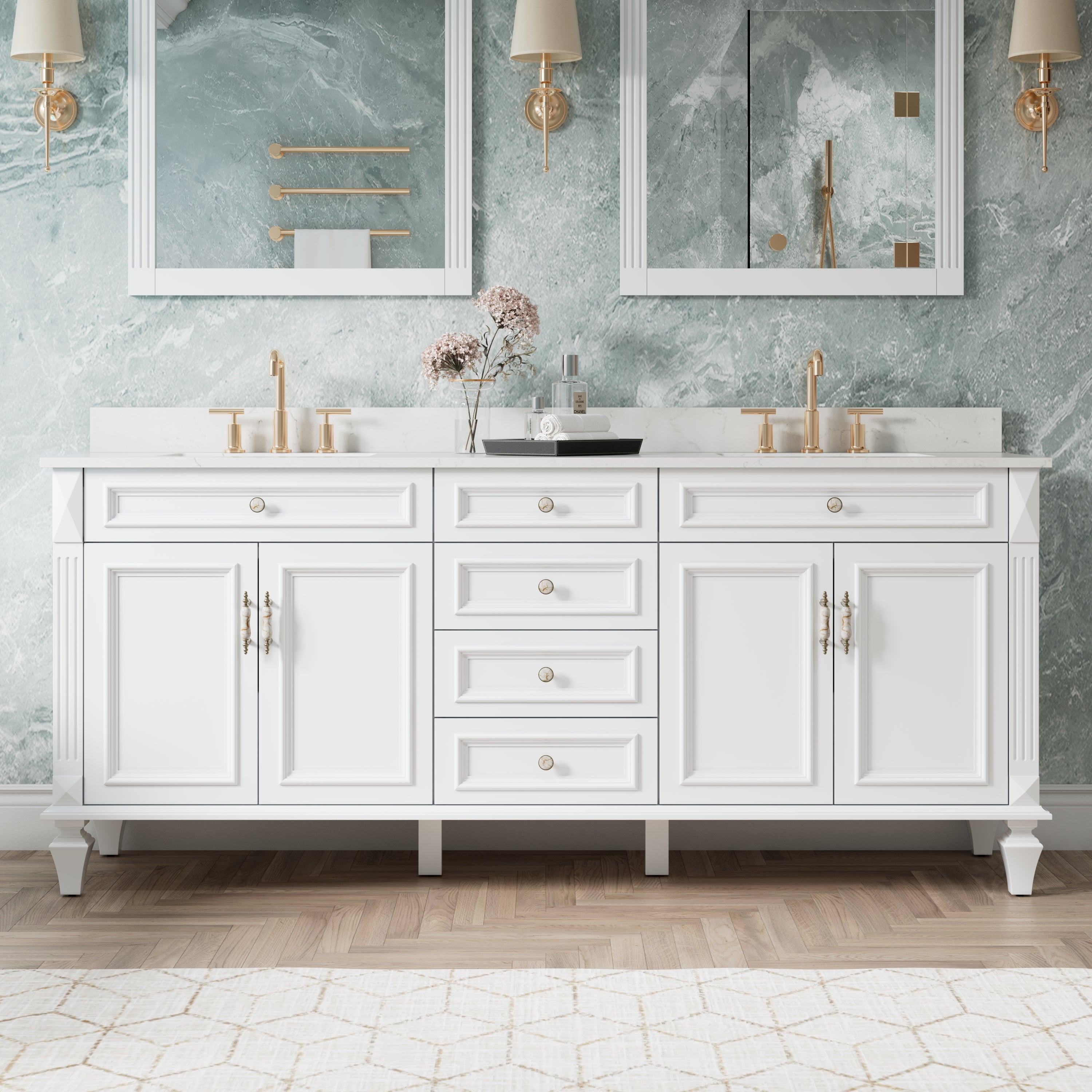
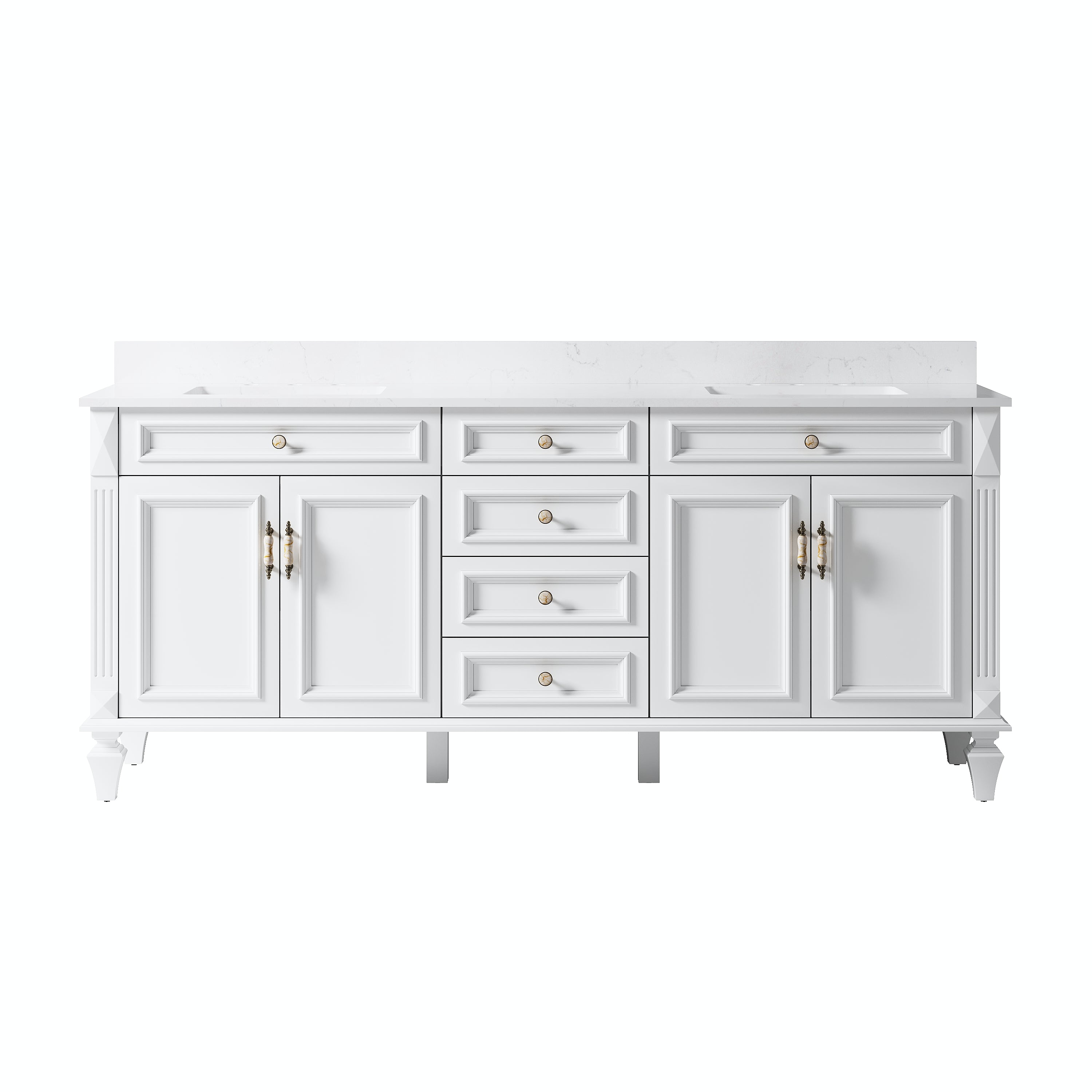
The standard width of a double-basin bathroom cabinet is usually 60 to 72 inches, which is more suitable for scenarios where two people use it frequently at the same time. If the probability of simultaneous use is low, choosing a single basin with more ample countertop space is actually more efficient in cleaning and maintenance.
From an industry perspective, a reasonable width for countertop usage is more important than the number of pots themselves. Insufficient countertop space often leads to the accumulation of items, reducing overall cleanliness.
3. The selection logic between floor-standing and wall-mounted
In renovation projects, the installation method of bathroom cabinets directly affects the spatial experience and later maintenance.
Floor-standing bathroom cabinets offer clear advantages in structural stability and installation flexibility, with lower requirements for wall conditions and easier integration with existing plumbing. Wall-mounted bathroom cabinets are visually lighter, enhancing the space's transparency and facilitating floor cleaning.
However, it should be noted that wall-mounted bathroom cabinets have higher requirements for wall load-bearing and installation accuracy, and are usually more suitable for use in renovation projects with clear structural conditions and controllable construction.
4. Material selection determines the lower limit of service life
From an industry perspective, the material of bathroom cabinets is not just about appearance differences, but is directly related to durability and long-term stability.
Solid wood or multi-layer solid wood structures perform better in terms of strength and reparability, but require higher environmental humidity control. In contrast, high-quality moisture-proof boards or composite structures achieve a more balanced performance between stability and maintenance costs.
No matter which material is chosen, the edge sealing process and back panel moisture-proof treatment are often more important than the surface material itself, and they are also key to determining whether the bathroom cabinet can maintain structural stability in the long run.
5. Storage structure is more important than cabinet size
A common misconception in renovation is focusing solely on the external dimensions of bathroom cabinets, while ignoring their internal structural design.
Industry experience shows that a properly partitioned drawer system is more efficient than a simple, large-capacity cabinet cavity. Drawers of varying heights are more suitable for organising and storing daily necessities, reducing the time and cost of repeated searches.
In addition, the quality and smoothness of drawer slides are paramount in high-frequency use scenarios, as these details often determine the overall experience over the long term.
6. The collaborative relationship between the countertop and the washbasin
A bathroom cabinet is not an isolated item; it must form a coordinated system with the countertop and washbasin.
The integrated countertop offers advantages in waterproofing and cleaning, while the basin structure beneath it is more effective at keeping the countertop clean. The basin on stage is more prominent in its design expression, but it requires higher standards for daily cleaning.
In renovation projects, choosing a combination plan that is easier to maintain is often more in line with long-term usage logic than pursuing complex shapes.
7. Matching bathroom cabinets with spatial flow lines
The position and volume of the bathroom cabinet will directly affect the overall flow of the bathroom.
A reasonable layout should ensure that at least 36 inches of movable space is reserved in front when using bathroom cabinets to avoid operational limitations. If the space is compact, choosing a bathroom cabinet with a depth of 18-21 inches is more conducive to smooth traffic flow.
8. The long-term value of bathroom cabinets from the perspective of the renovation cycle
According to industry data, a bathroom cabinet with stable quality and reasonable structure typically has a service life of 10-15 years. This means that the choices made during the renovation phase will continue to affect the user experience for a long time.
Compared to chasing short-term popular designs, what is more worth paying attention to is structural reliability, material stability, and maintenance convenience. These factors often have more value over time than the appearance itself.

9. Conclusion
In a bathroom renovation, the truly "useful" bathroom cabinet is not necessarily the most complex or expensive, but the one that best fits the space and usage conditions. Every decision, from size ratio and installation method to internal structure and material selection, will be continuously validated in daily use. Rational selection of bathroom cabinets is often the most crucial step in improving the overall quality of bathroom renovation.

















Leave a comment
This site is protected by hCaptcha and the hCaptcha Privacy Policy and Terms of Service apply.