












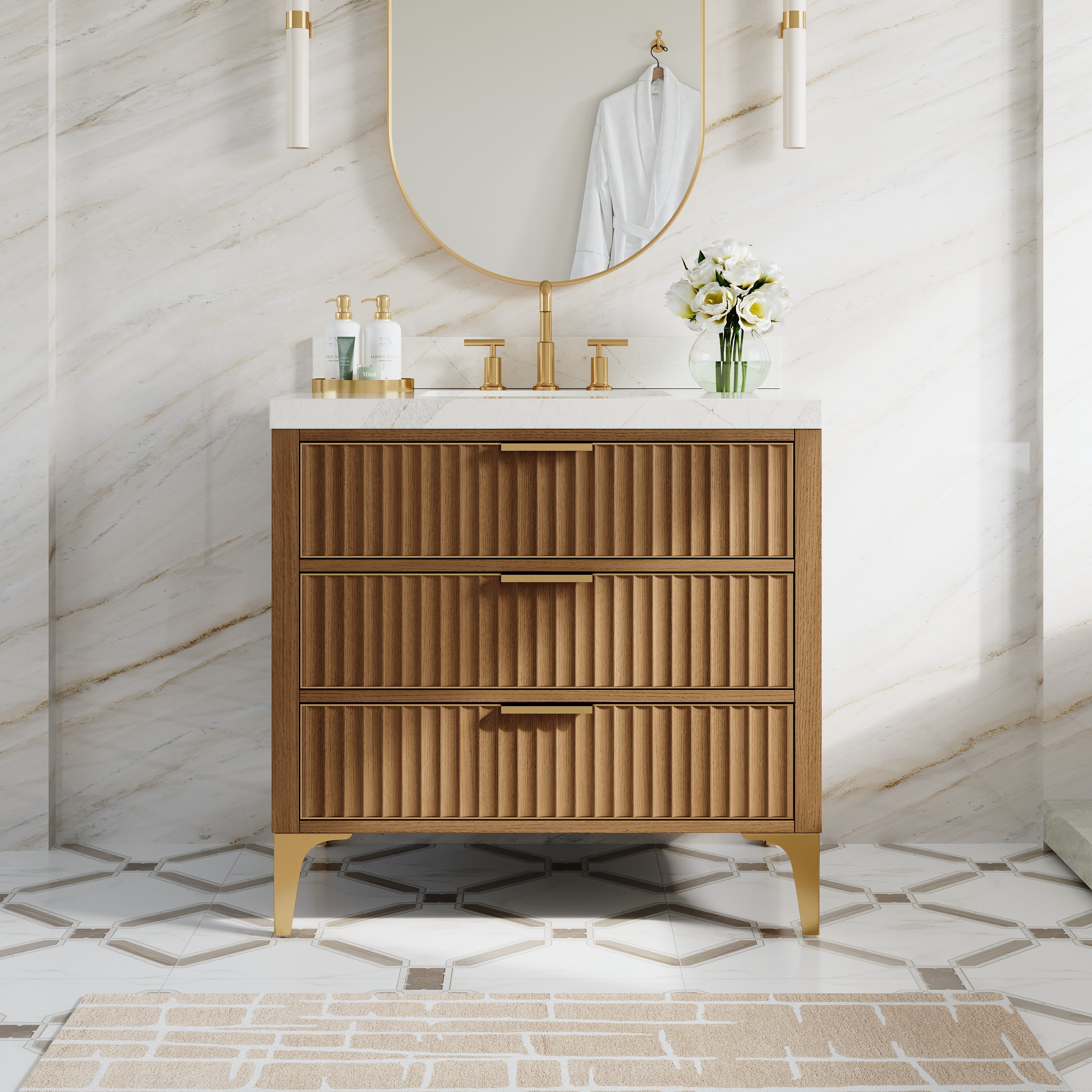
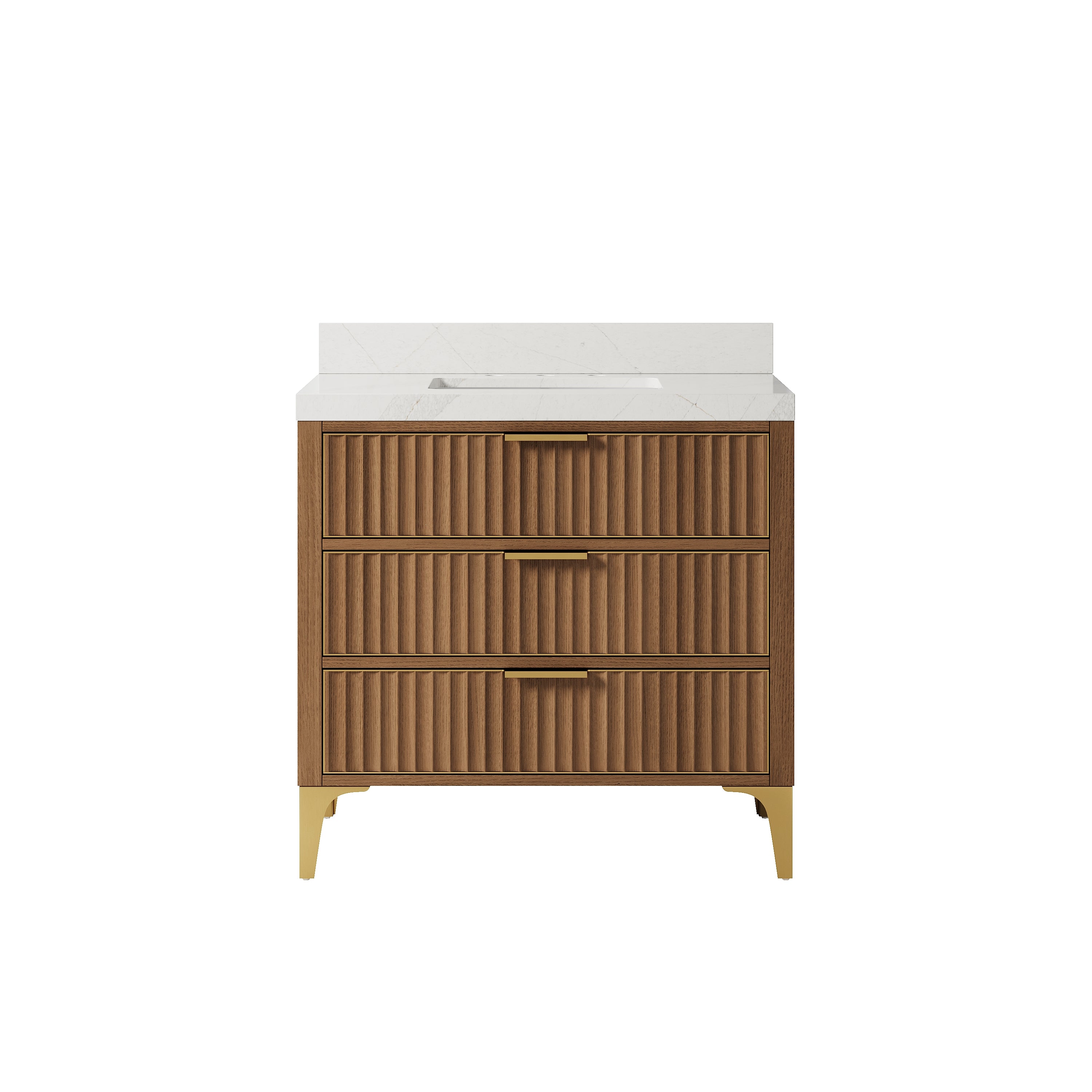
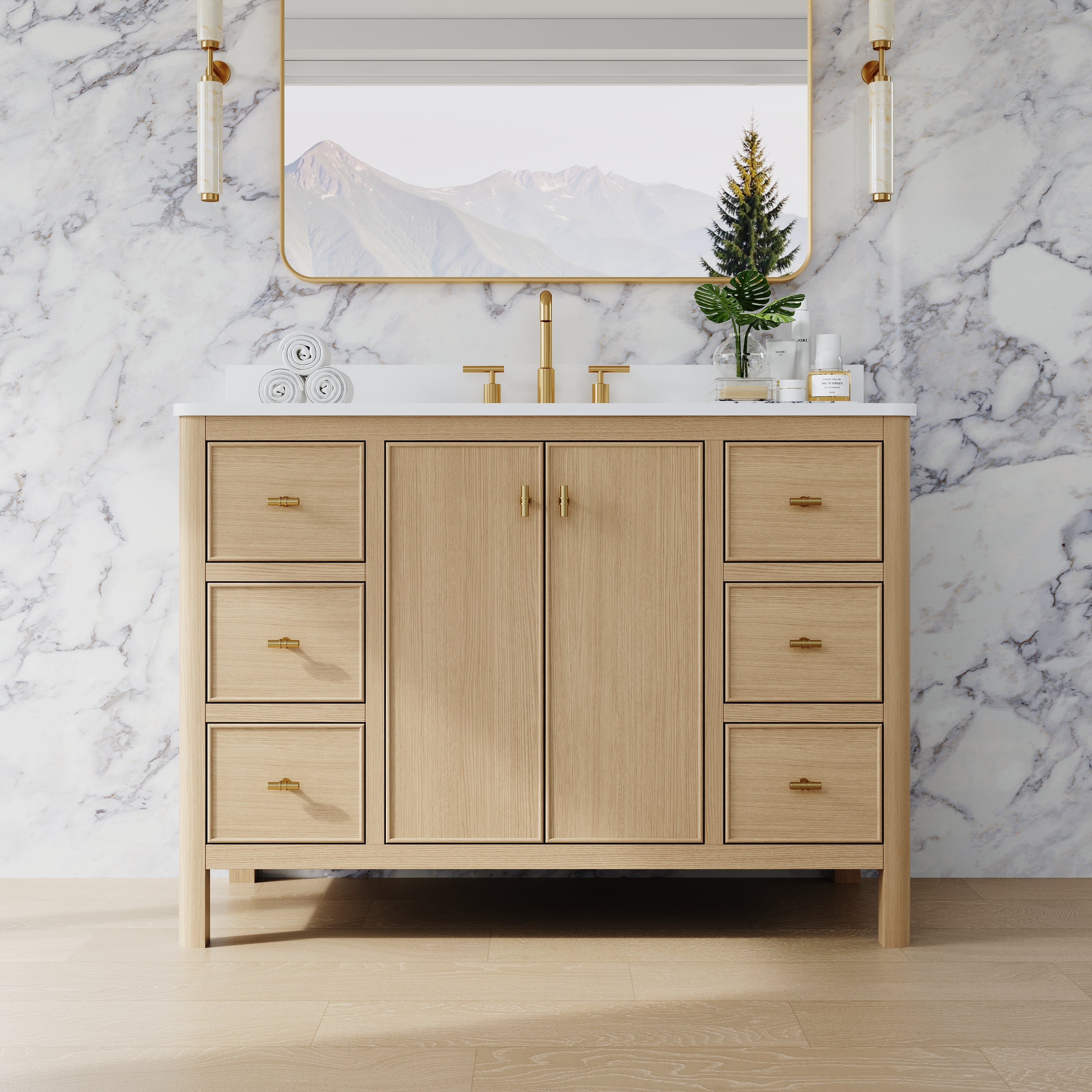
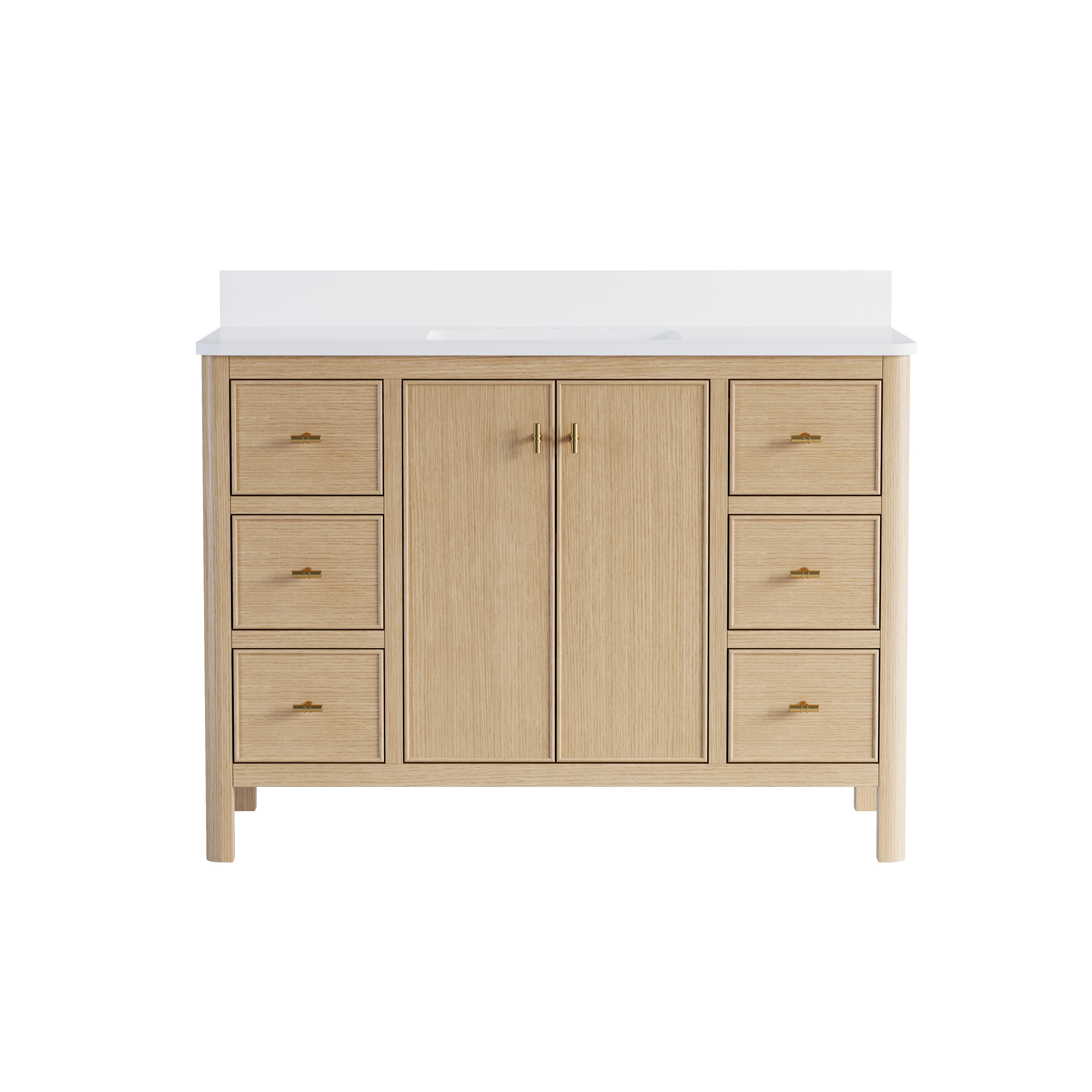
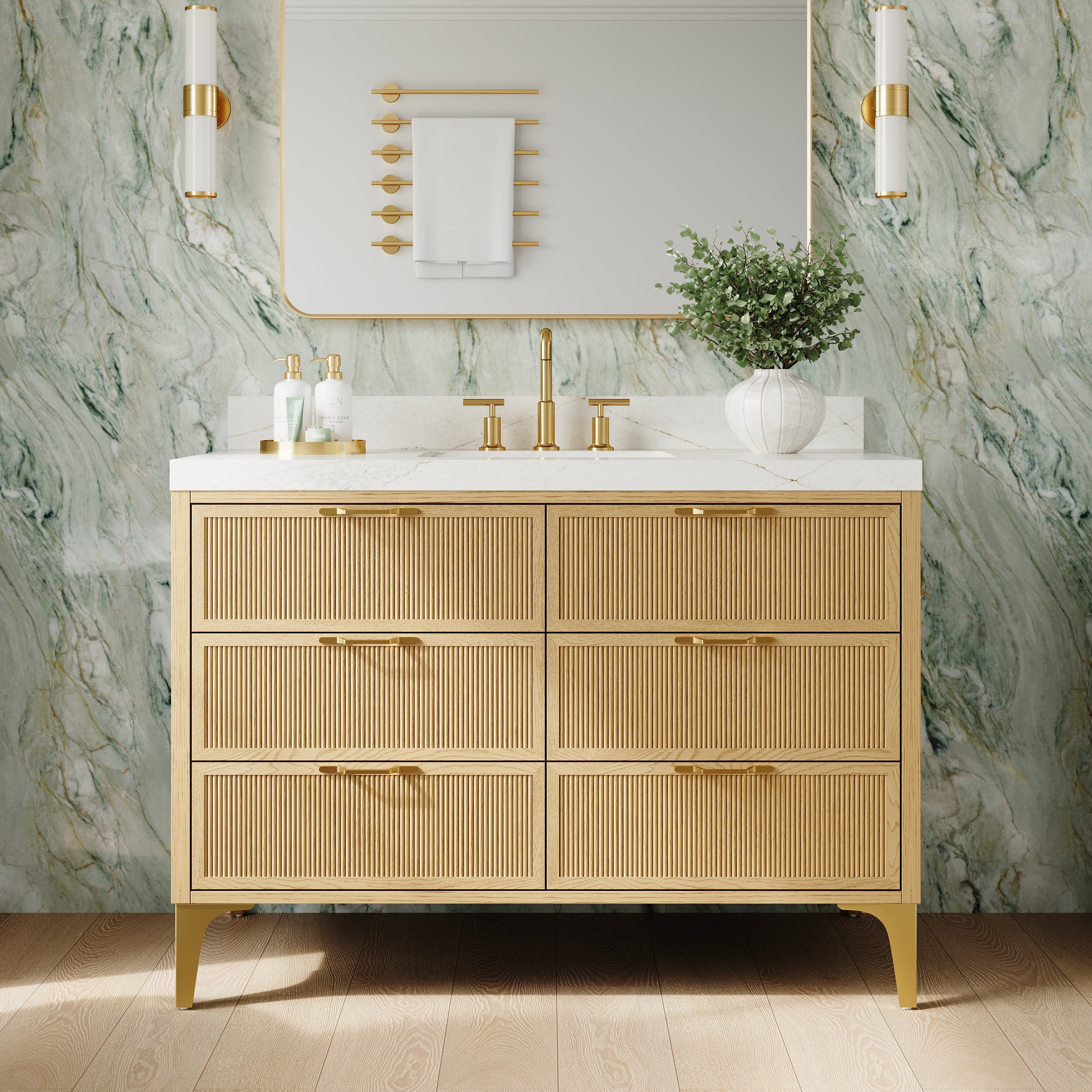
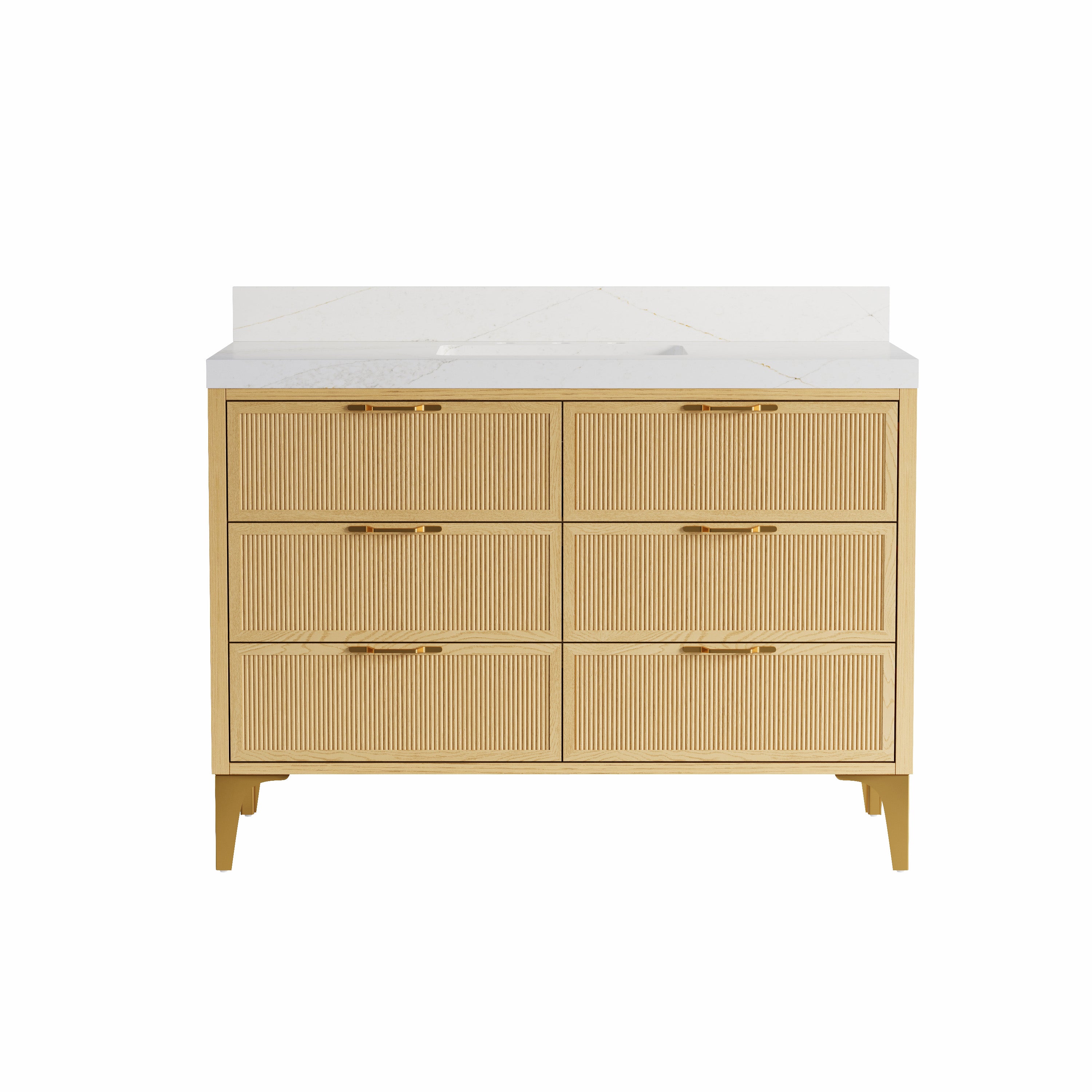


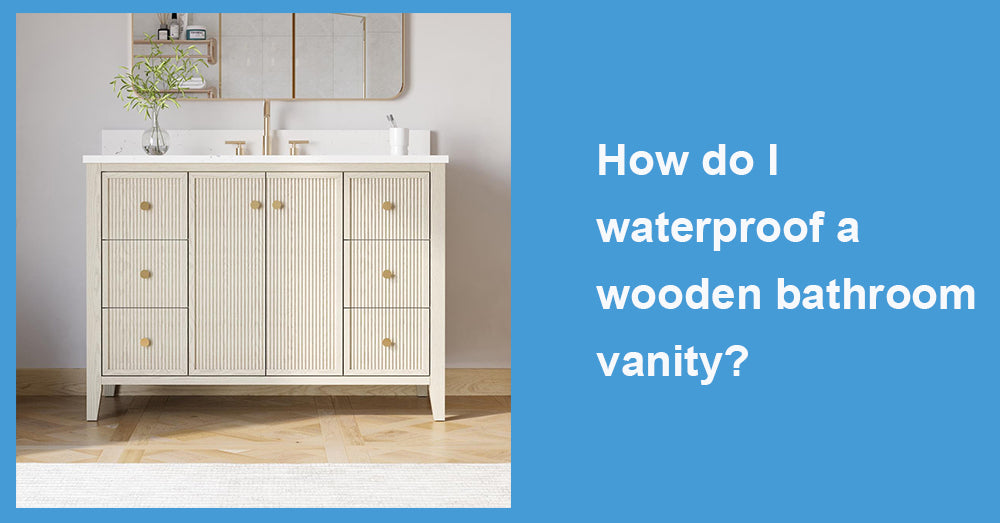
With the ongoing recovery of the North American home decor market, the design and functionality of bathroom spaces are constantly improving. Wooden bathroom vanity has become the preferred choice for more and more families due to their natural texture, design diversity, and good storage performance. However, the bathroom environment has been high-humidity for a long time, and factors such as water vapor, splashing, and condensation make waterproofing a key factor in the service life and performance of wooden bathroom cabinets.
According to data released by the National Kitchen and Bath Association (NKBA), over 60% of bathroom cabinet after-sales problems are related to insufficient moisture and waterproofing. Therefore, how to scientifically and efficiently waterproof wooden bathroom cabinets has become a core concern in the North American home furnishing industry.

1. Why do wooden bathroom cabinets require professional waterproofing treatment?
Wood itself is a porous structural material with specific water-absorption and swelling properties. If there is a lack of comprehensive waterproof protection, the moisture in the bathroom will gradually seep into the interior of the wood, leading to the following problems:
Cabinet expansion and deformation affect the smoothness of switches.
Surface blistering, cracking, peeling, affecting the appearance
Mold and bacteria grow at the seams, leading to unpleasant odors.
Structural strength decreases, shortening the overall service life.
The Building Research Institute pointed out that in environments with humidity exceeding 65% for a long time, untreated wooden cabinets can shorten their average service life by more than 40%. Therefore, professional waterproof treatment is not only a reflection of product quality but also directly related to the long-term user experience of consumers.
2. Analysis of Waterproof Technology for Mainstream Wooden Bathroom Cabinets
In the high-end bathroom cabinet market in North America, mature brands generally adopt multi-layer composite waterproofing technology, from material selection, structural design, to surface treatment, to form a system protection.
Selection of waterproof substrate: Control the water absorption rate from the source
The current mainstream bathroom cabinet substrates include:
Multilayer solid wood panel: structurally stable and highly resistant to deformation
Moisture-resistant MDF (Moisture-resistant MDF): with the addition of moisture-resistant factors, it has a low water absorption and expansion rate
Oak, maple, birch solid wood: dense texture, high stability
High-end brands usually use CARB P2 or EPA-certified, environmentally friendly boards, and use high-pressure hot pressing technology to increase the density of the board, thereby reducing its water absorption rate.
Multi-channel edge sealing treatment: prevents water vapor from entering through the incision
Industry data shows that 70% of water ingress problems occur at cabinet cuts and joint gaps. Therefore, home manufacturers generally adopt:
Laser Edge Sealing Process
Polymer PVC edge banding strip
Hot melt adhesive secondary sealing technology
By covering the exposed section of the wood with a 360 ° surface that has no dead corners, it completely blocks the penetration of water vapor.
Multi-layer waterproof coating system: building a stable protective barrier
In terms of surface treatment, the industry mainstream adopts the five-coating and three-baking or six-coating and four-baking process, including:
Moisture-proof primer sealing
Environmentally friendly water-based primer
Mid coat leveling
Waterproof functional topcoat
Among them, water-based polyurethane coating has become the mainstream choice due to its environmental friendliness, wear resistance, and excellent water resistance. This coating can form a dense protective film on the surface of wood, effectively blocking moisture penetration.
Structural waterproof design: Improving durability from details
Excellent waterproofing does not only rely on coatings, but also includes reasonable structural design:
Add elevated floor mats at the bottom of the cabinet to prevent water from flowing back into the floor area.
The bottom plate is fully enclosed and coated to prevent corrosion from condensed water.
Backboard moisture-proof ventilation hole design promotes air circulation.
Install sealing rubber rings at the water basin opening to prevent water seepage.
These details have become standard features in high-end bathroom products in Europe and America.
3. Waterproof reinforcement measures that consumers can take at home
In addition to the manufacturer's original waterproofing process, home experts suggest that consumers can also take the following secondary protective measures during installation and daily use:
Use waterproof sealant during installation
Neutral anti-mold silicone should be used to seal the washbasin and countertop, countertop and wall, and around the water inlet to prevent moisture from entering the cabinet through gaps.
Add moisture-proof pads and waterproof liners inside the cabinet
Laying EVA waterproof pads or silicone moisture-proof pads at the bottom of the cabinet can effectively prevent accidental water leakage and direct contact with the wood.
Regular ventilation and dehumidification
Maintaining good ventilation in the bathroom, installing exhaust fans or dehumidification systems, and controlling humidity between 40% and 60% can help extend the lifespan of the cabinet.
Regular maintenance of coatings
Every 12-18 months, a waterproof care wax or sealant can be applied for wooden furniture to enhance the stability of the waterproof film.
4. The development trend of waterproofing technology in the North American market
As consumers' demand for durability and environmental friendliness in bathroom products continues to increase, the industry is accelerating the adoption of advanced waterproofing technologies.
Nano waterproof coating: forming a superhydrophobic surface, significantly improving the anti-seepage ability
Antibacterial and anti-mold composite coating: effectively inhibits mold growth
All aluminum frame+wood veneer structure: balancing wood aesthetics and metal waterproofing performance
Modular quick-release structure design: easy to inspect and maintain, reducing the risk of water leakage
These innovative technologies are gradually being applied to mid to high-end bathroom cabinet products, bringing consumers a more durable and reliable user experience.
5. Conclusion: System waterproofing determines the long-term value of wooden bathroom cabinets
In bathroom space design, wooden bathroom cabinets are no longer just functional furniture, but an essential element that combines aesthetics, practicality, and a symbol of a quality life. Waterproof performance is the core guarantee for its long-term, stable use.
From material selection, process control, structural design, to daily user maintenance, systematic waterproof treatment can not only significantly extend product life, but also reduce after-sales problems and enhance brand reputation. In the future North American bathroom market, whoever continues to lead in waterproofing technology is more likely to win consumers' long-term trust.













Leave a comment
This site is protected by hCaptcha and the hCaptcha Privacy Policy and Terms of Service apply.