
















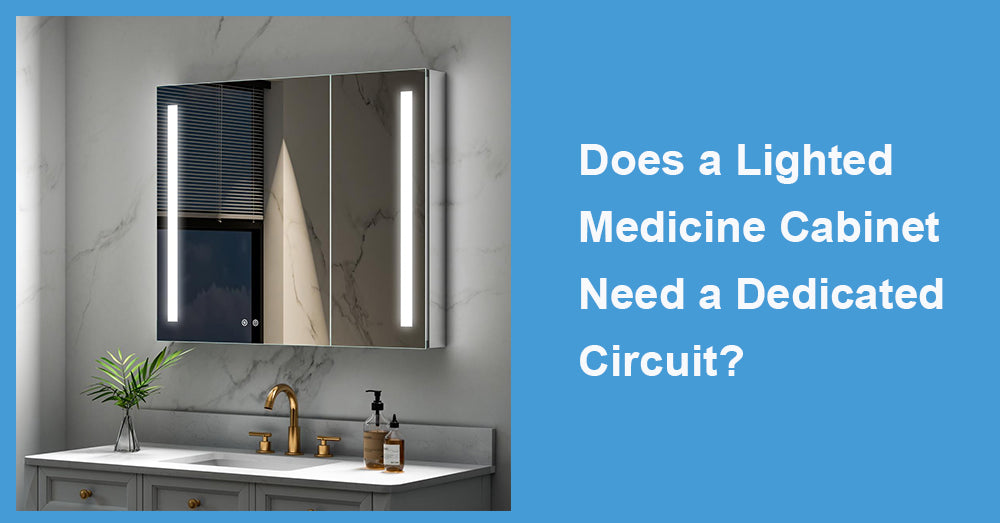
Lighted medicine cabinets have become a staple in modern American bathrooms. By combining storage, task lighting, and smart features into a single fixture, they offer both convenience and a clean, contemporary look. As homeowners upgrade from traditional mirrors to LED lighted medicine cabinets, one practical question comes up again and again:
Does a lighted medicine cabinet need a dedicated electrical circuit?
The short answer is: it depends. The long answer—and the one that actually helps you plan your bathroom renovation—requires looking at electrical codes, power consumption, and how the cabinet will be used in real life.
This guide breaks everything down in plain, American English so you can make a confident, code-compliant decision.
What Is a Lighted Medicine Cabinet?
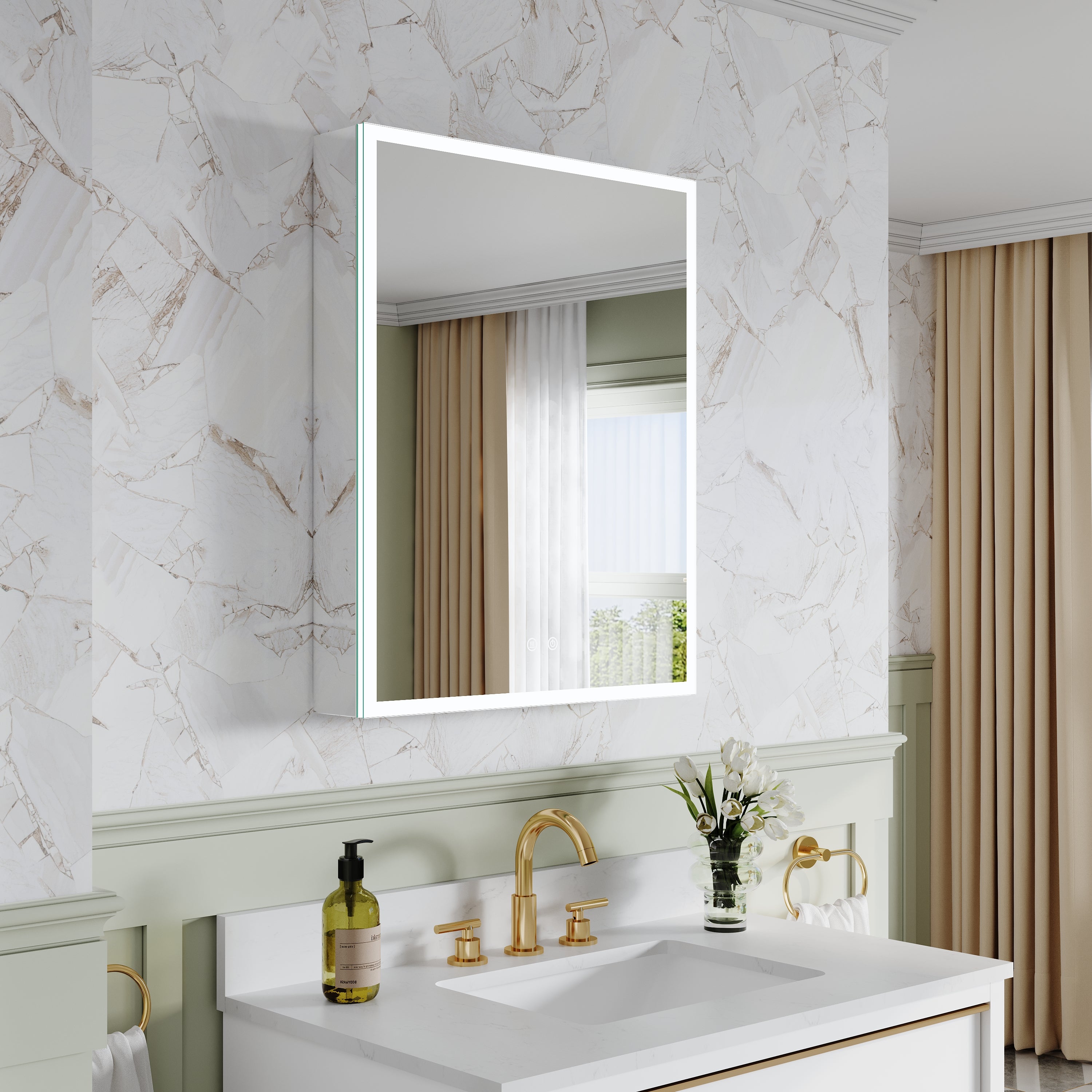
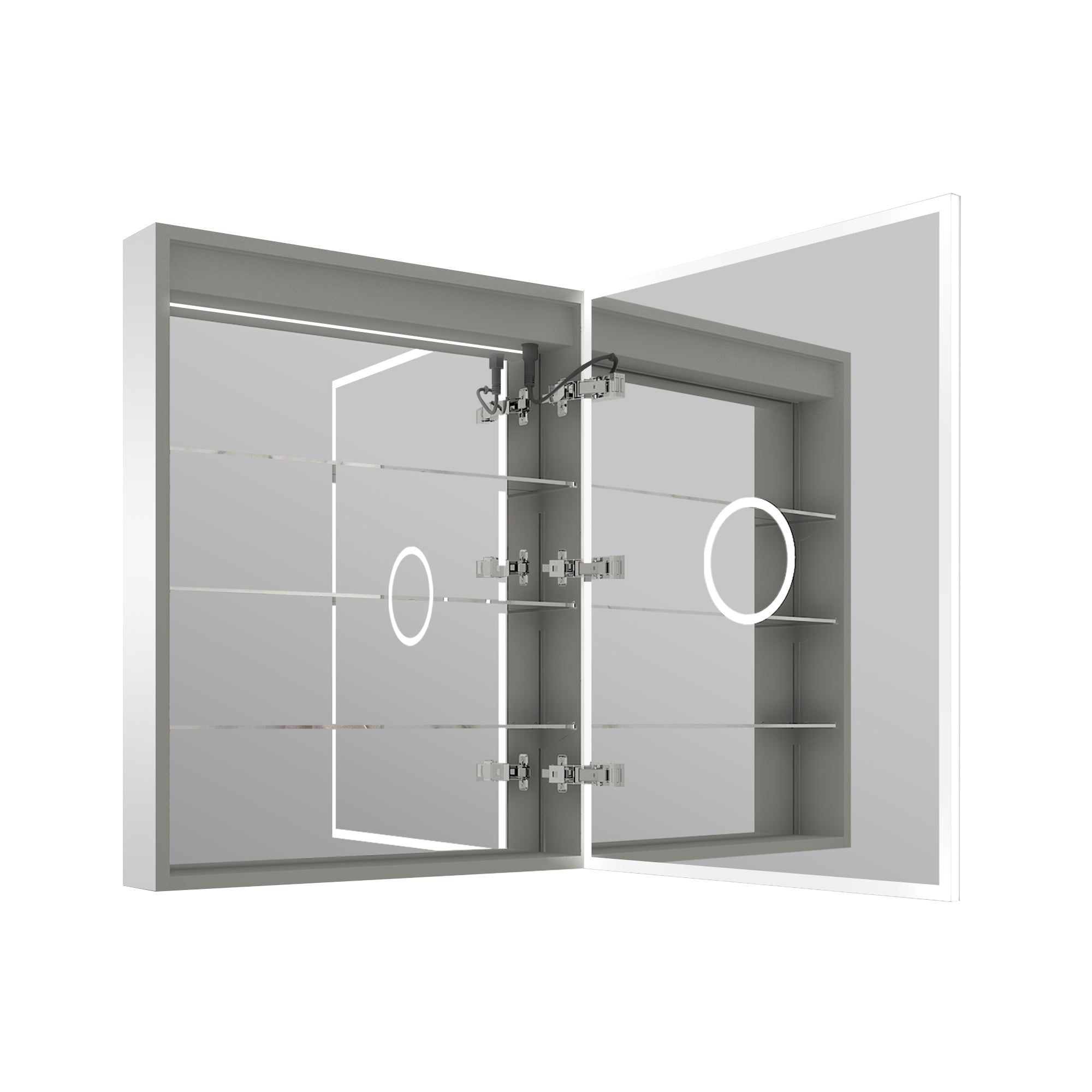
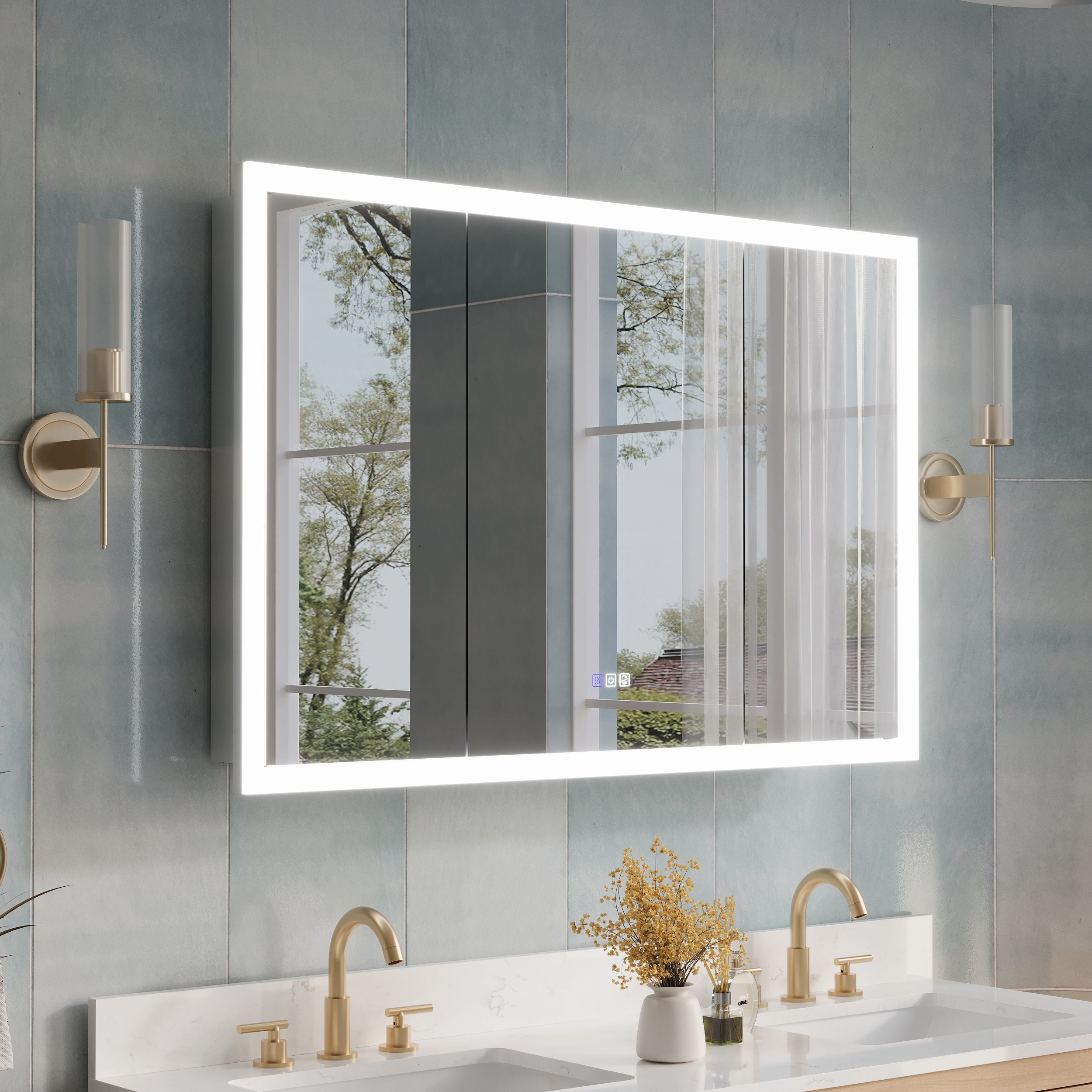
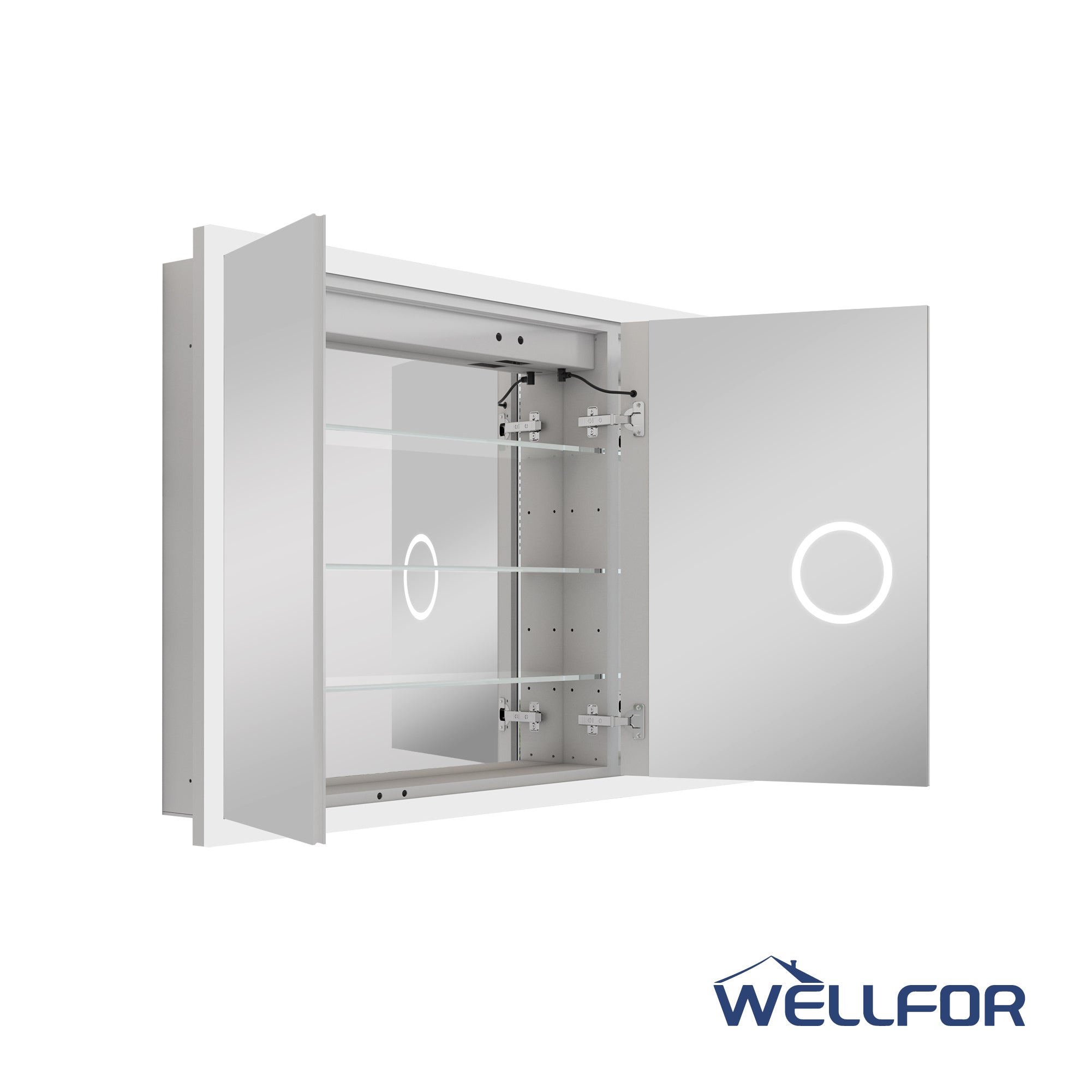
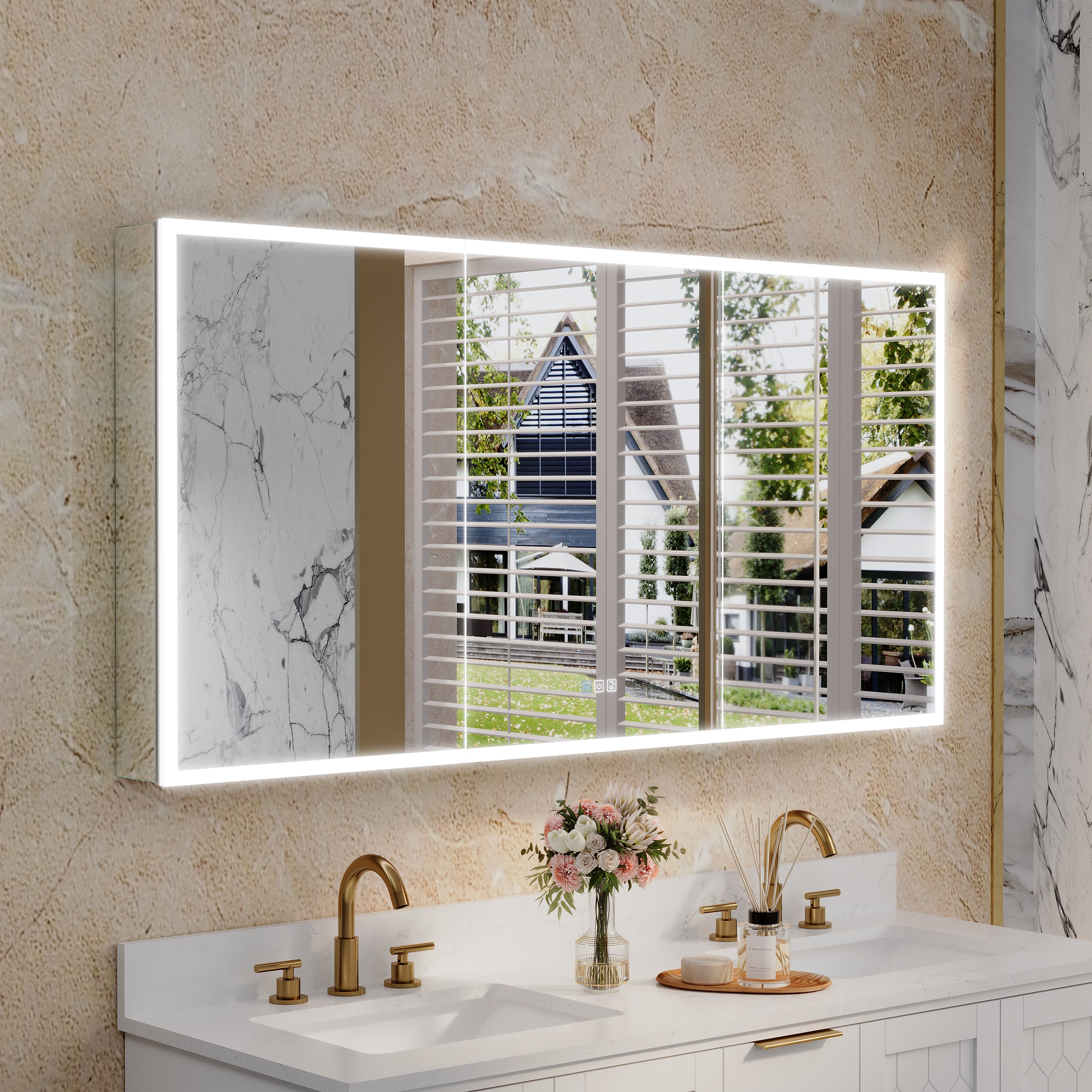
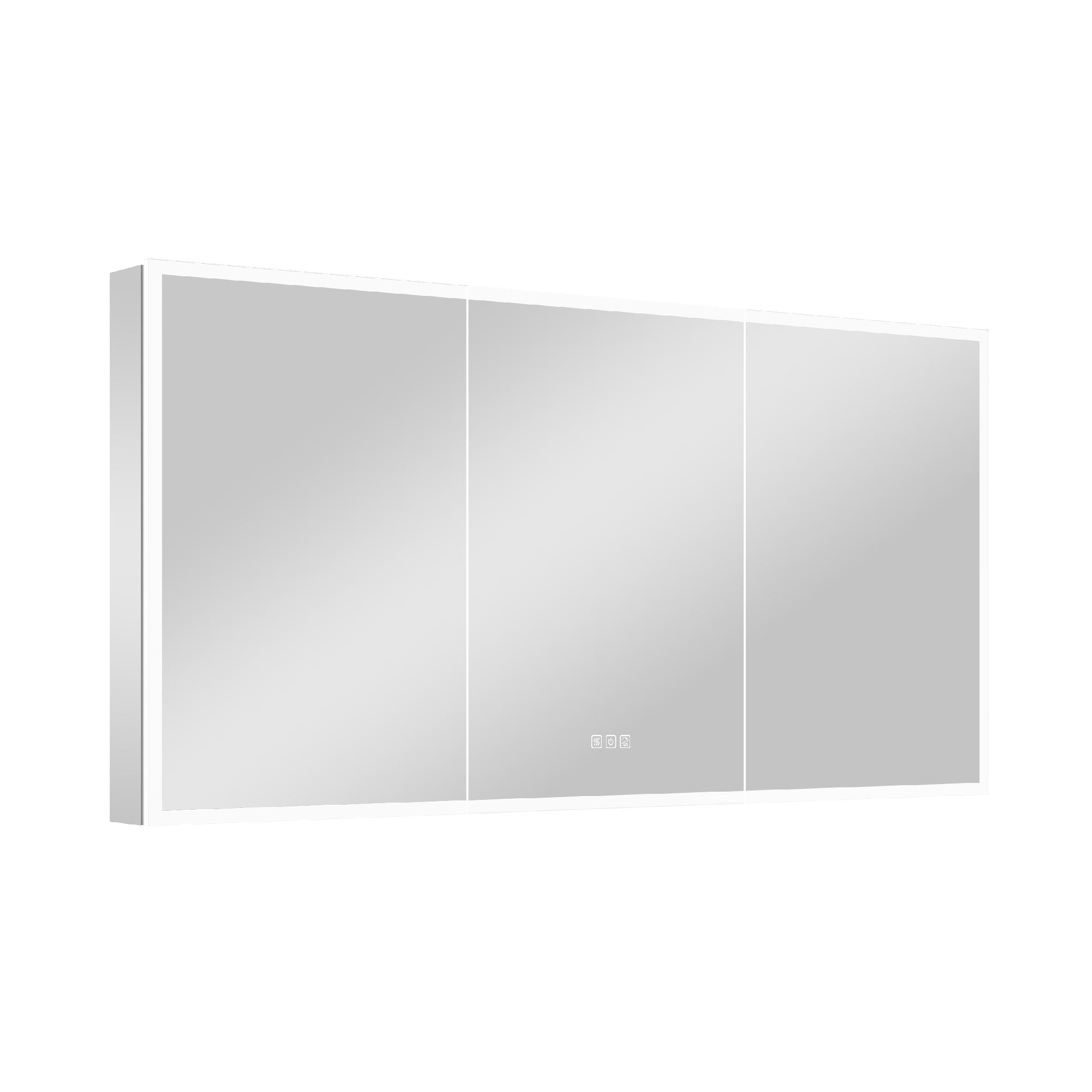
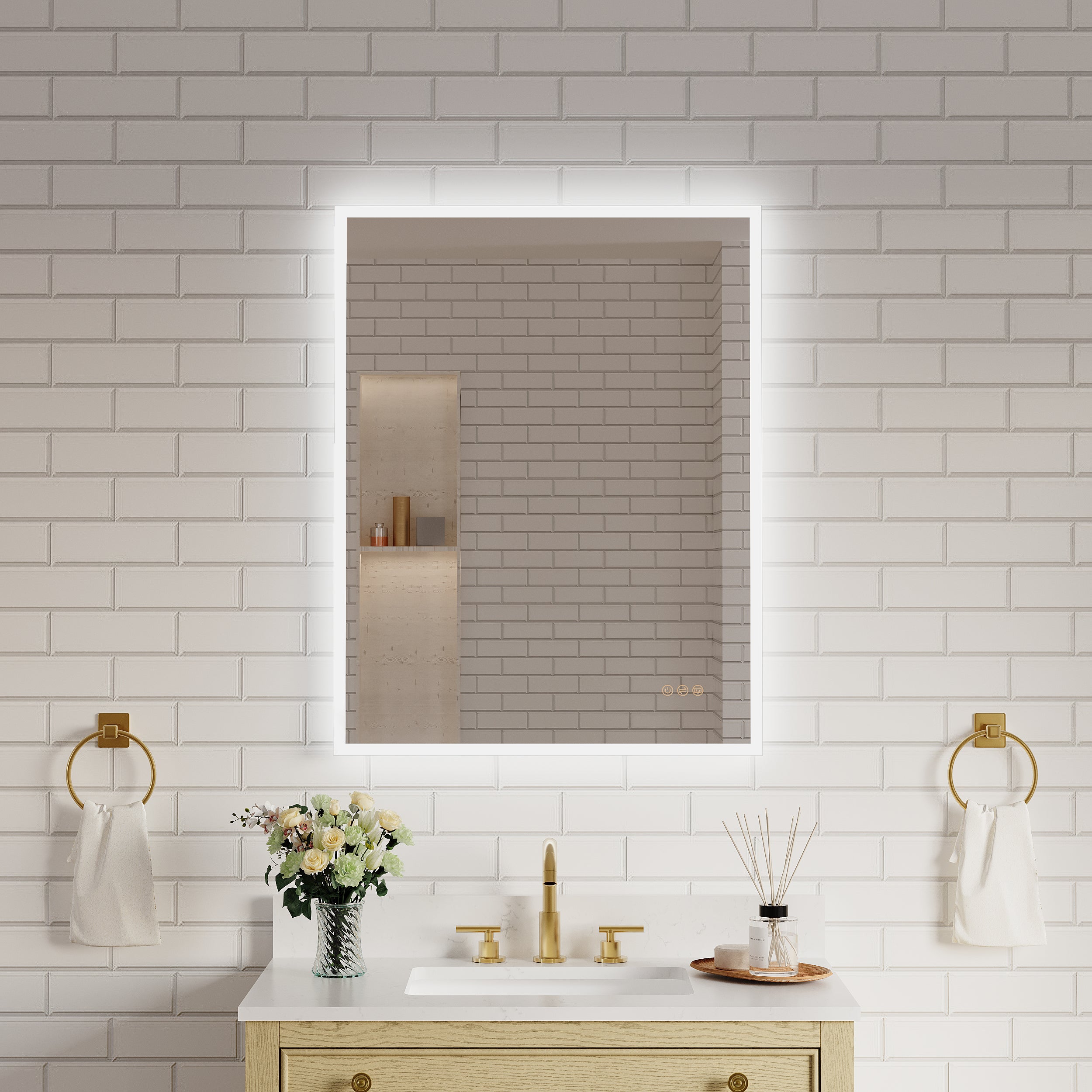
A lighted medicine cabinet is a bathroom storage cabinet with built-in LED lighting, typically integrated into the mirror or frame. Many models also include advanced features such as:
· Anti-fog mirror technology
· Adjustable color temperature (warm, neutral, cool)
· Touch or sensor controls
· Built-in electrical outlets or USB ports
· Dimmable lighting and memory settings
Understanding What a “Dedicated Circuit” Means
A dedicated circuit is an electrical circuit that serves only one appliance or fixture. That appliance does not share power with any other outlets, lights, or devices.
In U.S. residential wiring, dedicated circuits are commonly required for:
· Electric ranges and ovens
· Refrigerators
· Dishwashers
· Washing machines
· HVAC equipment
The purpose is safety and reliability. High-draw appliances can overload shared circuits, causing tripped breakers, flickering lights, or even fire hazards.
So, where does a lighted medicine cabinet fit in?
How Much Power Does a Lighted Medicine Cabinet Use?
This is the key factor.
Most LED lighted medicine cabinets are surprisingly low-power devices. Typical power usage looks like this:
· LED lighting only: 15–40 watts
· LED lighting + defogger: 40–120 watts
· LED lighting + defogger + outlet/USB use: varies based on what’s plugged in
To put that in perspective, a single hair dryer often uses 1,200–1,800 watts, which is far more than the cabinet itself.
Because LEDs are highly efficient, the lighting component alone rarely stresses a standard bathroom circuit.
What the National Electrical Code (NEC) Says
While this article is informational (not legal advice), it’s helpful to understand how U.S. electrical standards generally approach bathroom wiring.
Bathroom Circuit Basics (NEC Overview)
In most U.S. homes:
· Bathrooms must have at least one 20-amp circuit
· That circuit can supply:
·
· Bathroom receptacles only, or
· Receptacles and lighting within the same bathroom
Dedicated circuits are not automatically required for lighted mirrors or medicine cabinets unless certain conditions apply.
When a Dedicated Circuit Is Not Required
In many typical installations, a dedicated circuit is not necessary.
You usually do not need a dedicated circuit if:
· The cabinet only powers LED lighting
· The defogger is low-wattage
· No high-draw appliances are plugged into the cabinet outlets
· The cabinet is wired into an existing bathroom lighting circuit
· The total load stays well within circuit capacity
For most standard residential bathrooms, a quality LED medicine cabinet can safely share a circuit with other lighting fixtures.
When a Dedicated Circuit May Be Required
There are situations where a dedicated circuit is strongly recommended—or effectively required.
1. Cabinets With Built-In Outlets
If your lighted medicine cabinet includes 120V outlets or USB charging ports, usage matters.
If users frequently plug in:
· Hair dryers
· Electric razors
· Curling irons
· High-watt grooming tools
Those loads add up fast. In these cases, a dedicated circuit helps prevent nuisance breaker trips and ensures consistent performance.
2. High-Power Defogger Systems
Some premium cabinets include full-mirror defogging pads. While still efficient, larger defoggers draw more power, especially when paired with lighting and outlets.
In master bathrooms with heavy daily use, separating the cabinet onto its own circuit can be a smart choice.
3. Multiple Cabinets or Large Installations
If you’re installing:
· Double vanities
· Multiple lighted cabinets
· Commercial or hospitality bathrooms
The combined electrical load may justify a dedicated circuit to stay compliant and avoid overload.
4. Local Code or Inspector Requirements
Local electrical codes can vary by state, city, or county. Some jurisdictions are stricter than NEC minimums and may require dedicated circuits for built-in bathroom electrical fixtures.
Always defer to:
· Your local building department
· A licensed electrician
· The authority having jurisdiction (AHJ)

Hardwired vs Plug-In Lighted Medicine Cabinets
How the cabinet connects to power also affects circuit decisions.
Hardwired Cabinets
· Directly connected to house wiring
· Cleaner look (no visible cords)
· Often tied into lighting circuits
· More common in permanent remodels
Plug-In Cabinets
· Plug into a GFCI outlet
· Easier installation
· Outlet load matters more
· Higher chance of shared-circuit overload
Hardwired LED medicine cabinets are generally easier to integrate safely without requiring a dedicated circuit.
GFCI and Safety Requirements
Regardless of circuit type, GFCI protection is critical in bathrooms.
Most lighted medicine cabinets must be:
· Connected to a GFCI-protected circuit, or
· Installed downstream of a GFCI breaker or outlet
This protects users from electric shock in wet environments and is a non-negotiable requirement in U.S. bathrooms.
Energy Efficiency Makes a Big Difference
One reason modern LED cabinets rarely need dedicated circuits is efficiency.
Compared to older lighting technologies:
· LEDs generate less heat
· They draw less current
· They maintain stable performance over time
High-quality cabinets—like those in Wellfor’s LED medicine cabinet lineup—are engineered to meet U.S. residential electrical standards without excessive power demand.
Practical Recommendations for Homeowners
If you’re planning a bathroom upgrade, here’s a simple decision guide:
You likely don’t need a dedicated circuit if:
· The cabinet is LED-only or LED + low-power defogger
· No heavy appliances will be used from the cabinet
· It’s a single-cabinet residential bathroom
Consider a dedicated circuit if:
· The cabinet has built-in outlets used daily
· You’re installing multiple cabinets
· It’s a luxury or primary bathroom with frequent use
· Your electrician or inspector recommends it
Always Follow Manufacturer Instructions
Every lighted medicine cabinet comes with installation guidelines that specify:
· Voltage requirements
· Amperage limits
· Wiring method (hardwired vs plug-in)
· GFCI requirements
Ignoring manufacturer instructions can void warranties and create safety issues—even if the cabinet seems low-power.
Final Answer: Does a Lighted Medicine Cabinet Need a Dedicated Circuit?
In most residential bathrooms, a lighted LED medicine cabinet does not require a dedicated circuit.
However, cabinets with built-in outlets, powerful defoggers, or heavy daily use may benefit from—or require—one, depending on local code and usage patterns.
When in doubt, consult a licensed electrician. It’s a small step that ensures safety, compliance, and long-term peace of mind.
A well-planned installation lets you enjoy all the benefits of a modern lighted medicine cabinet—clean lighting, smart features, and sleek design—without electrical headaches.
















Leave a comment
This site is protected by hCaptcha and the hCaptcha Privacy Policy and Terms of Service apply.