














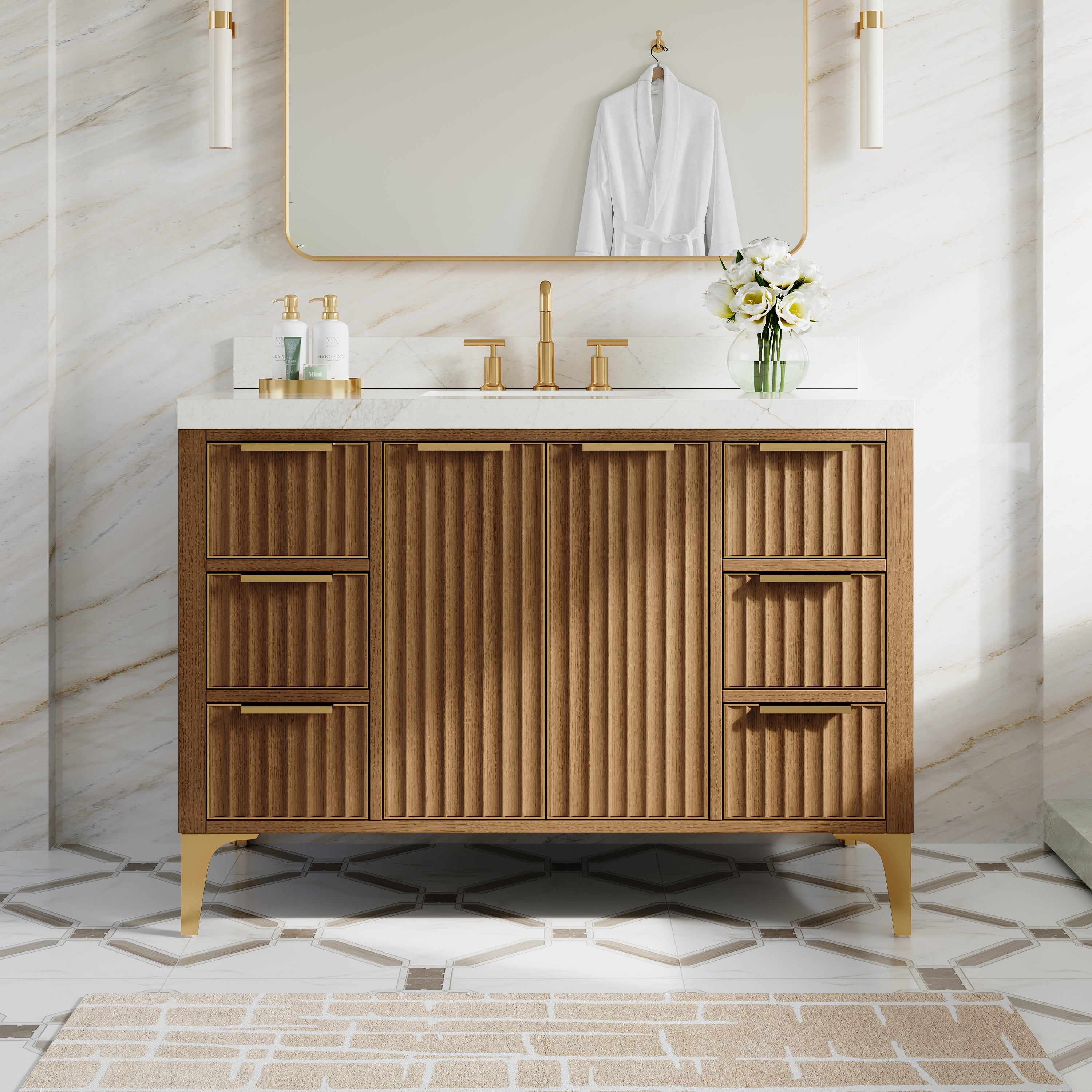


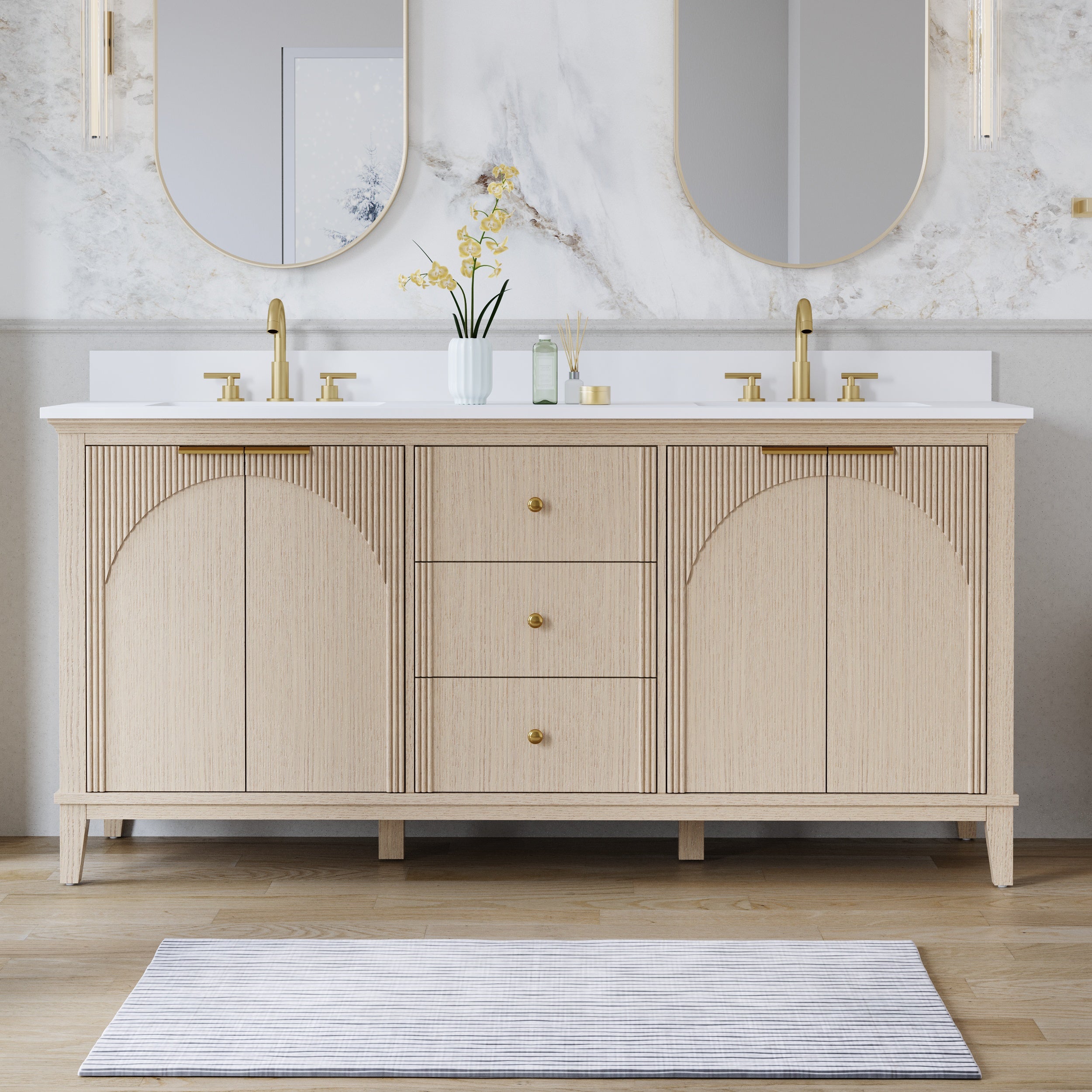
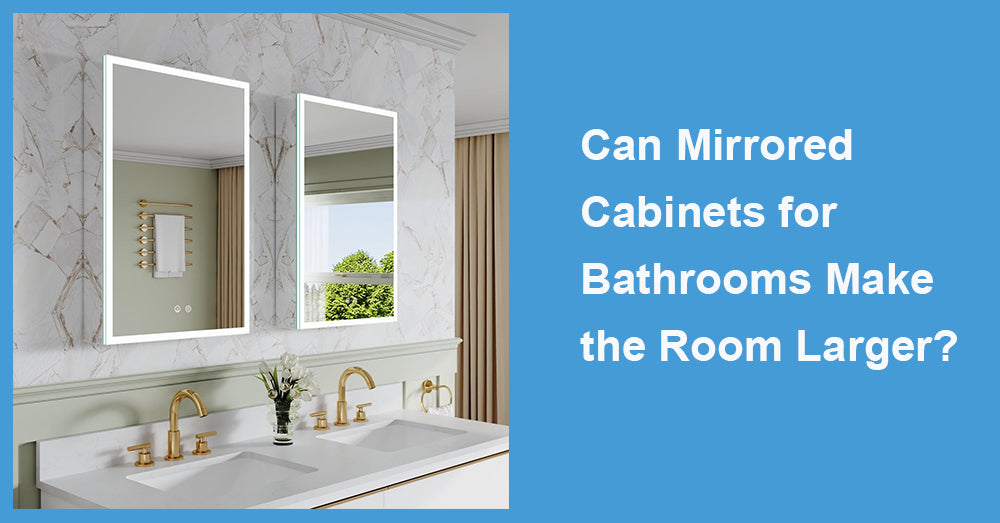
Many people wonder when renovating their bathrooms: Do mirrored cabinets for bathrooms really make the space appear larger? The answer is: In most small to medium-sized bathrooms, they are indeed a highly cost-effective "visual amplifier"—provided you choose the right size, placement, lighting, and mirror structure. Mirror cabinets aren't just "storage with a mirror"; they directly influence your perception of spatial dimensions through reflection, light distribution, wall integrity, and elevation proportions.
Why do mirrored cabinets make bathrooms appear larger?
1) The "second space" illusion created by reflection
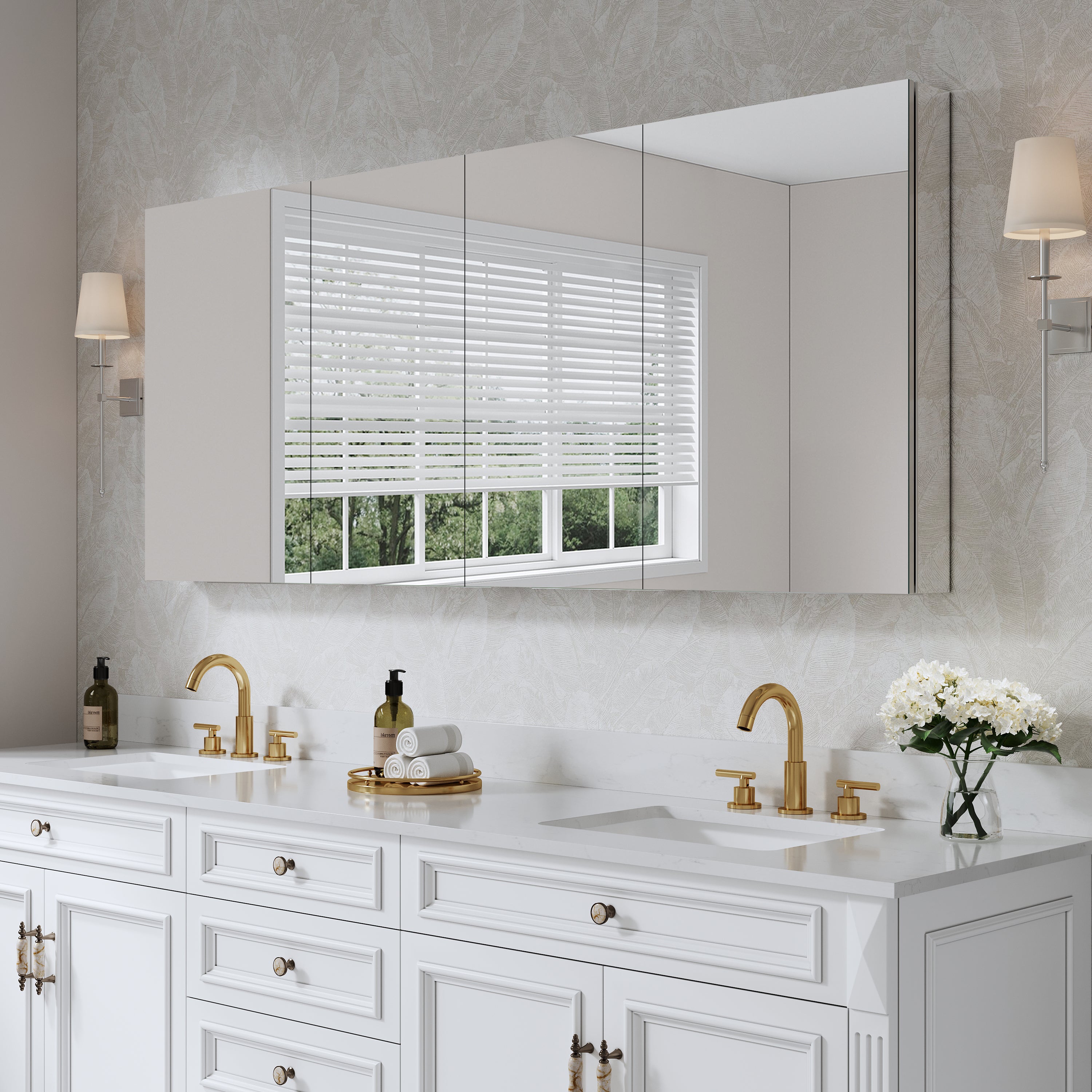
The mirror duplicates the walls, countertops, lighting, and even the shower area boundaries in front of you, effectively doubling the visual information. This tricks the brain into perceiving the space as deeper and broader. The enlargement effect is especially pronounced when the mirror reflects doorways, windows, or bright walls.
2) Diffused light reduces shadows
Heavy shadows and stark contrasts are key culprits in making small spaces feel cramped. Mirrors reflect leading lights, accent lighting, and natural light into the room, brightening dark corners and softening transitions. This makes spatial boundaries feel less oppressive.
3) Concealing clutter creates a cleaner visual
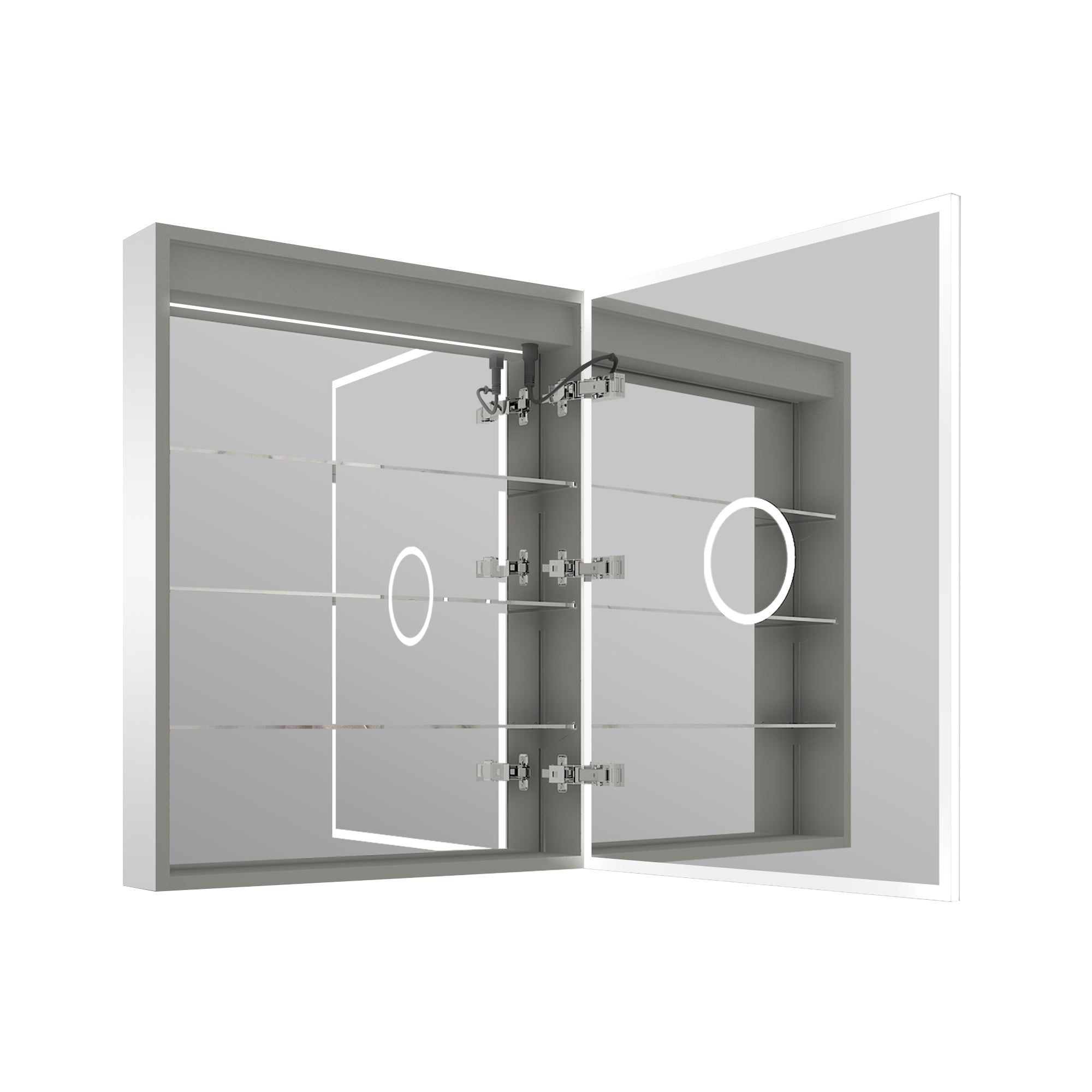
Cluttered countertops often contribute to a cramped feel. Mirror cabinets offer hidden storage, tucking away frequently used items. This increases countertop space, making the area feel more "open."
Which bathrooms benefit most from mirror cabinets for a larger feel?
Small to medium bathrooms under approx. 60–80 sq ft: Limited wall space makes the "mirror + storage" combo essential.
l Windowless or poorly lit bathrooms: Mirror reflections significantly boost brightness and openness.
l Countertops cluttered with items and insufficient storage: Mirror cabinets instantly reduce the sense of "clutter" and "crampedness."
l Long, narrow layouts: Placing the mirror along the longer wall more effectively elongates the space's proportions.
Choosing the Right Size: Enlargement Depends on "Proportion," Not Size
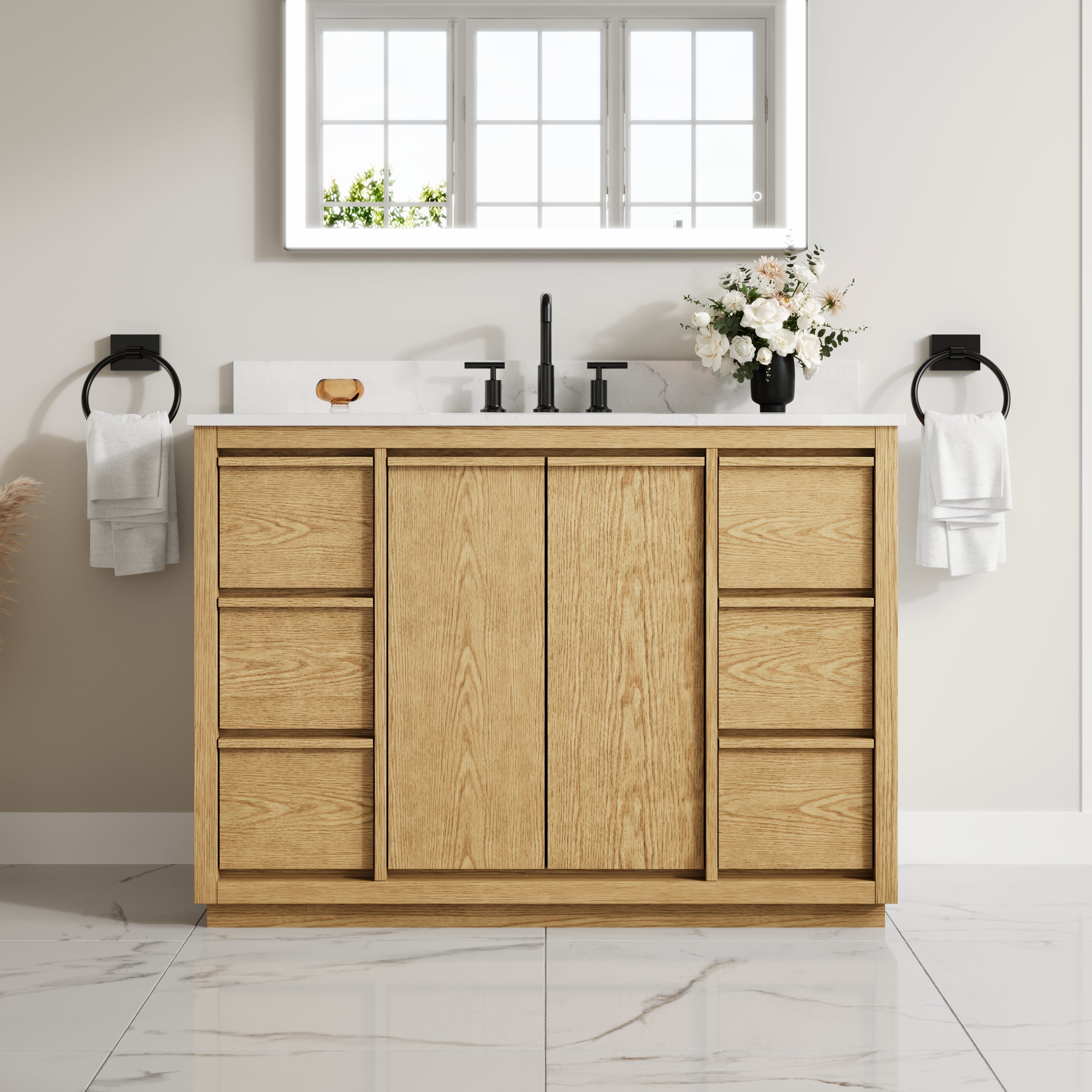
l Golden Rule: Mirror cabinet width should match or be slightly narrower than the vanity cabinet width.
l Too narrow: The mirror appears like a "patch," fragmenting the visual center and failing to create a sense of spaciousness.
l Too wide: If significantly wider than the vanity cabinet, edges may overlap door frames, switches, or trim, creating visual clutter.
l Height recommendation: Centered on the user's line of sight
A taller mirror cabinet doesn't necessarily create more spaciousness. The key is to have the mirror primarily cover the "face to chest" usage area, leaving adequate breathing space above to avoid creating a sense of pressure from the mirror touching the ceiling or fixtures.

Recessed vs. Surface-Mounted: Which "Expands Space" More?
Recessed units appear "thinner" and cleaner.
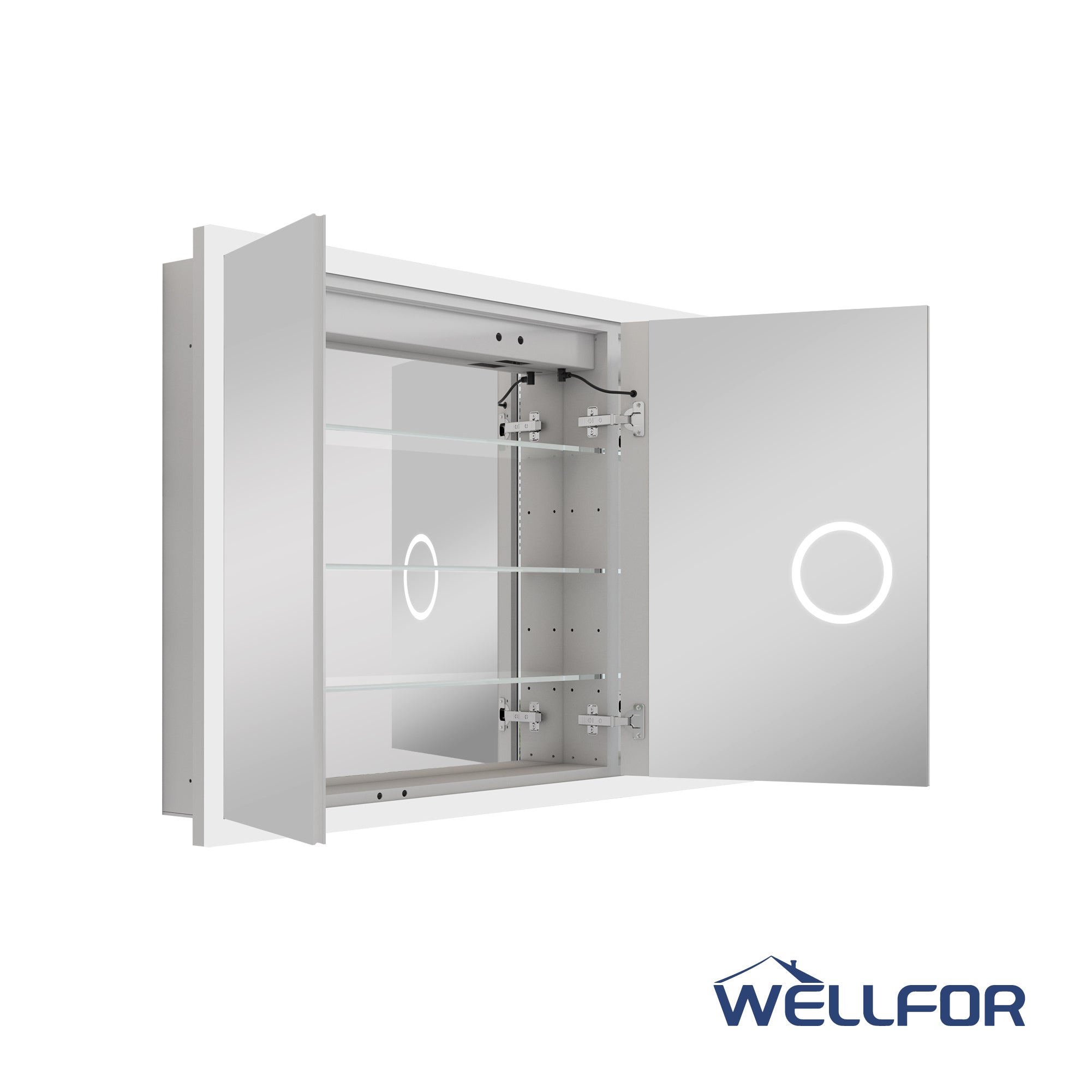
Cabinetry embedded within the wall creates a flatter façade, visually reducing protruding volume—ideal for narrow, corridor-style bathrooms.
Surface-mounted units offer greater flexibility, but require careful management of thickness and frame visibility.
Surface-mounted units require less wall space and are easier to install. To achieve a larger appearance, focus on:
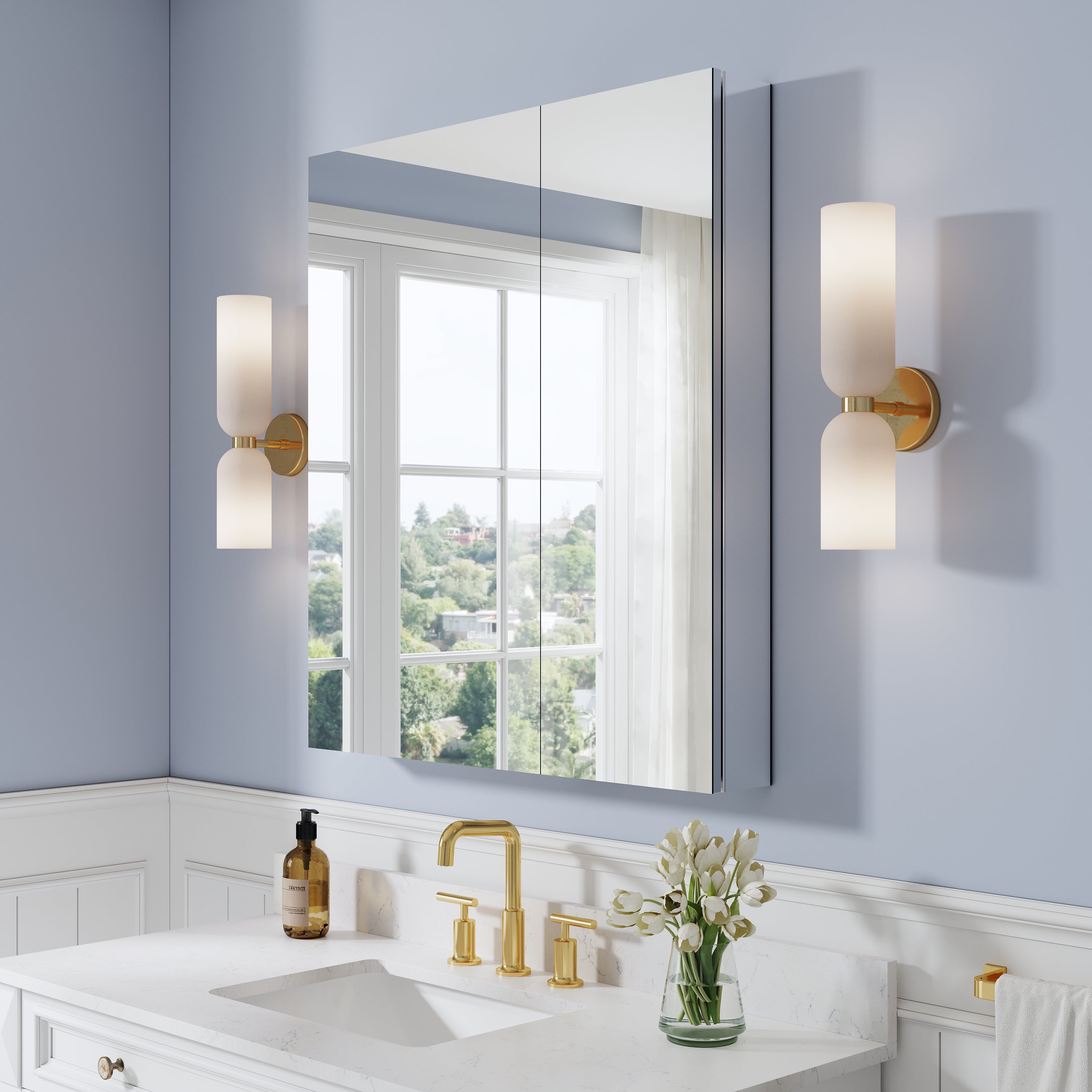
Selecting a "lighter" aesthetic (narrow frames, shallow depth, mirrors with clearer reflections)
Avoiding excessively thick units, heavy side panels, or handles with pronounced protrusions
Mirror Details Determine "Luxurious Transparency" or "Cheap Bulkiness."
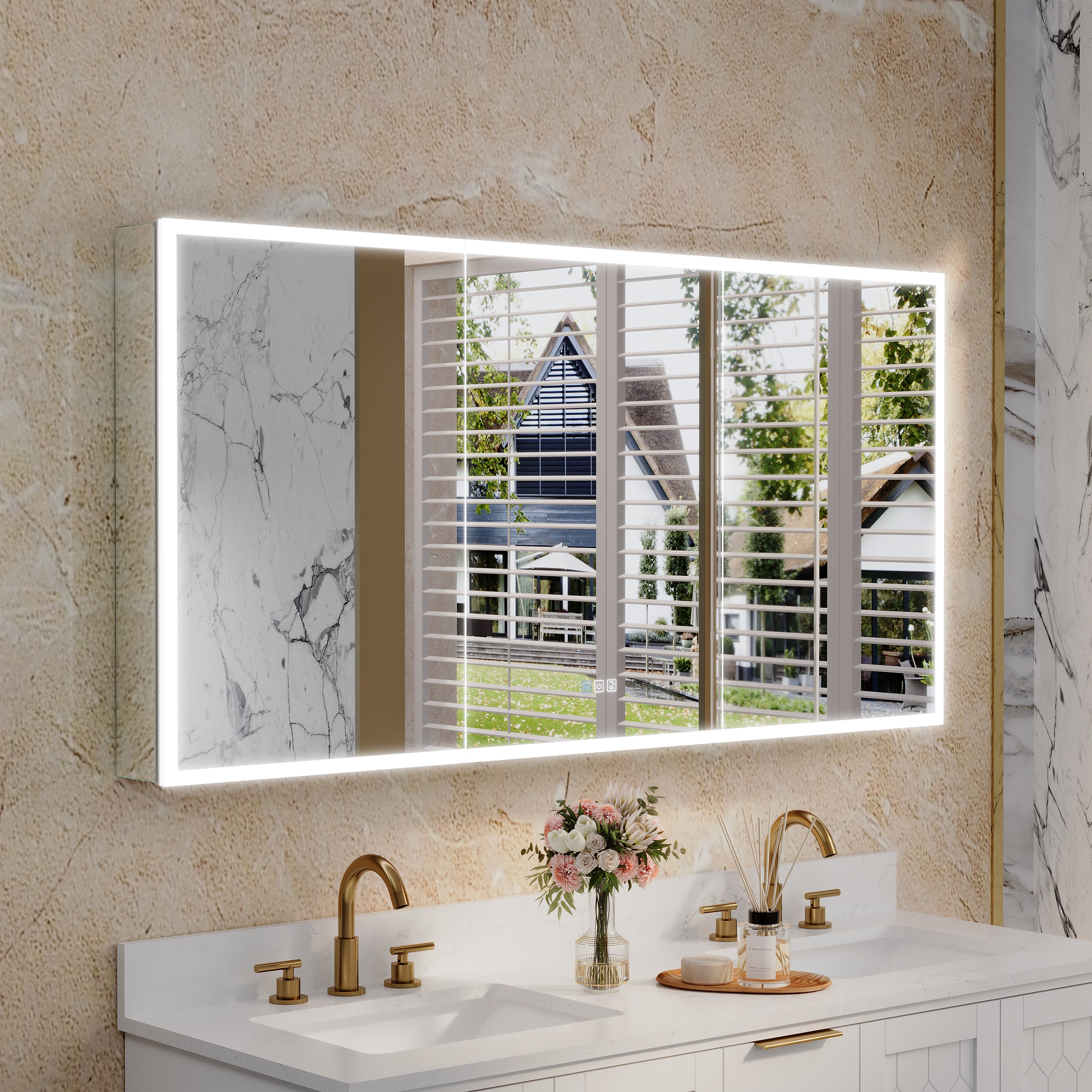
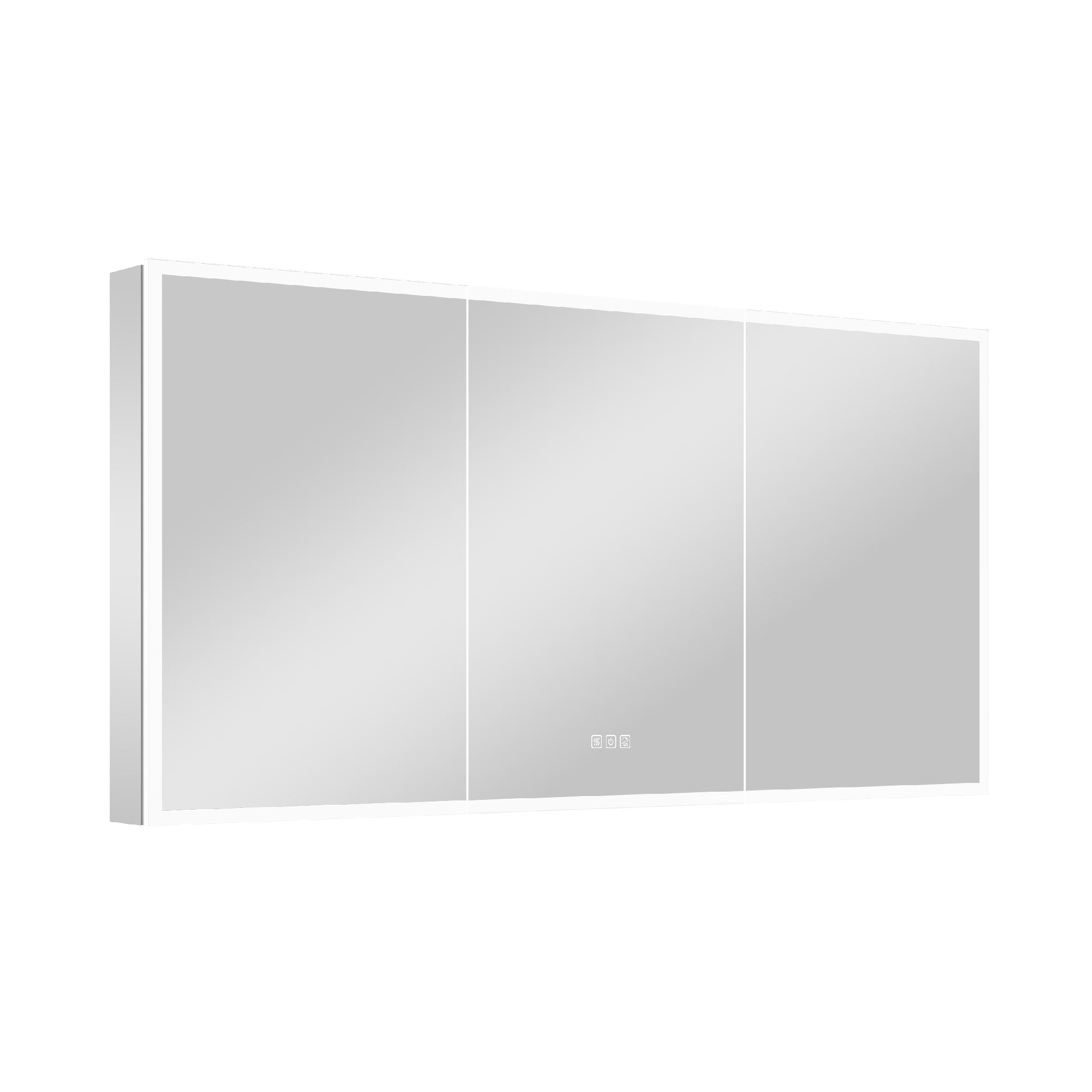
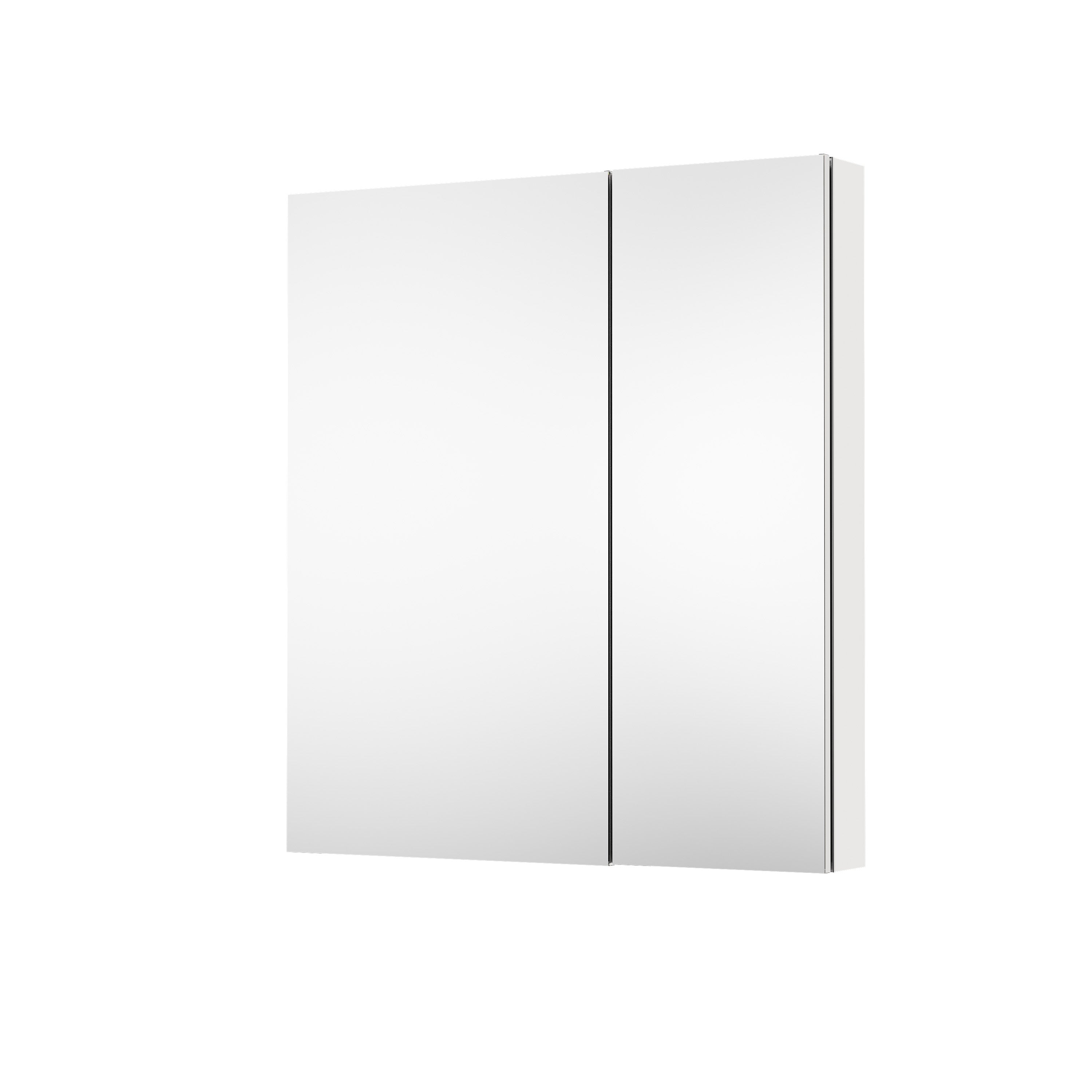
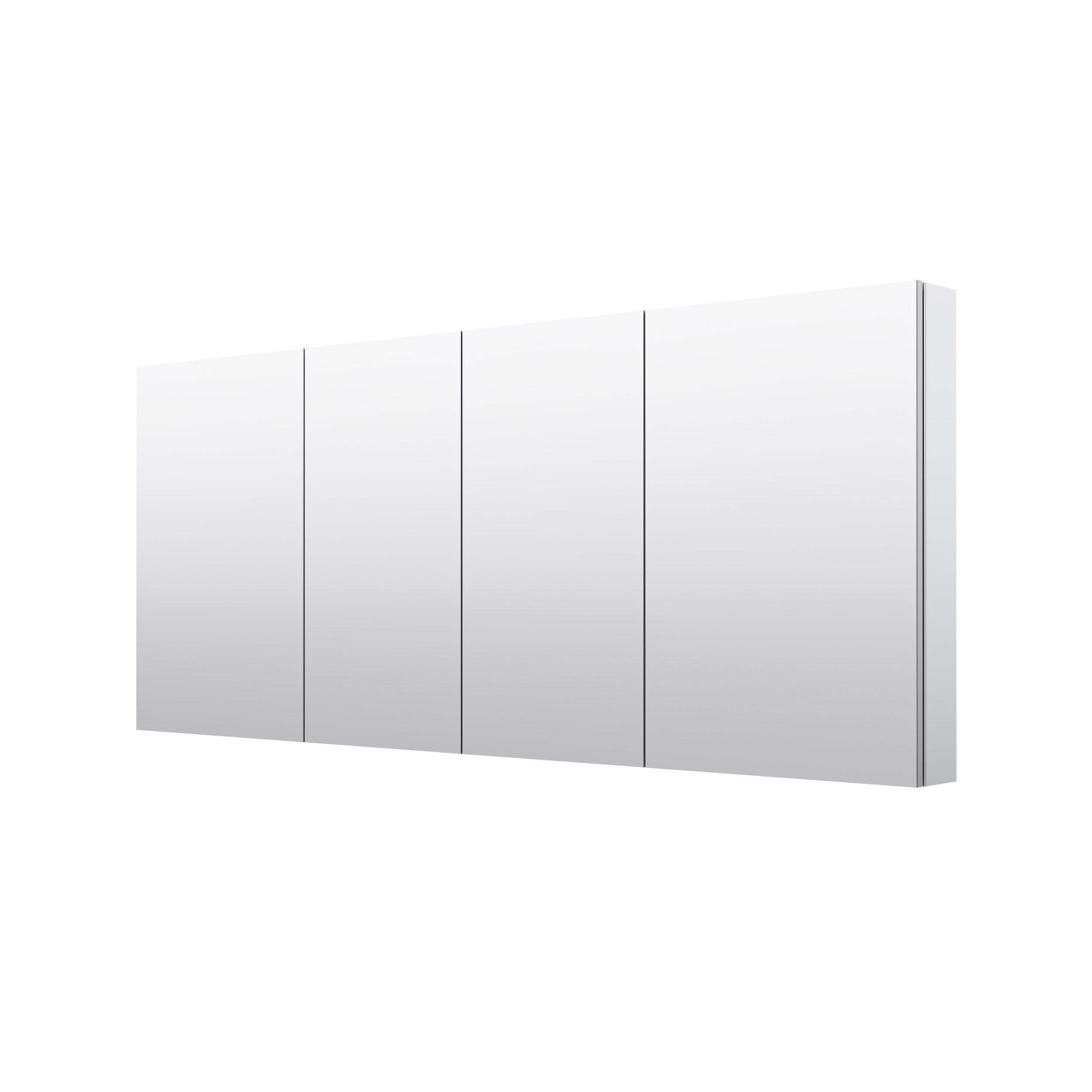
1) Multi-door mirror cabinets (e.g., three-door) suit those needing multi-angle reflection.
They increase reflection angles, enhancing the sense of "spatial extension"; however, more door gaps and frames fragment the mirror surface—exercise caution in minimalist bathrooms.
2) Thicker frames make the space feel more "enclosed."
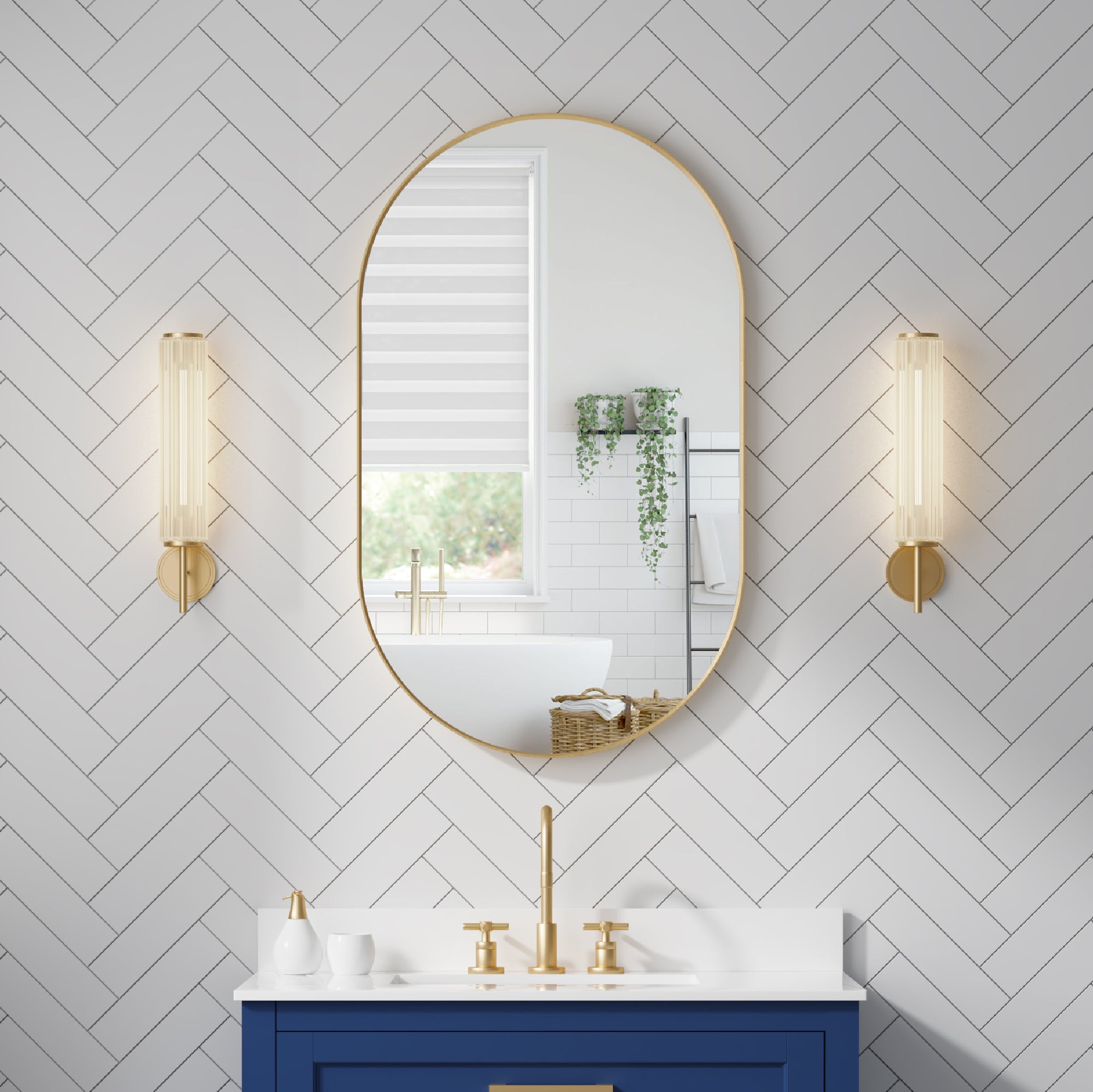
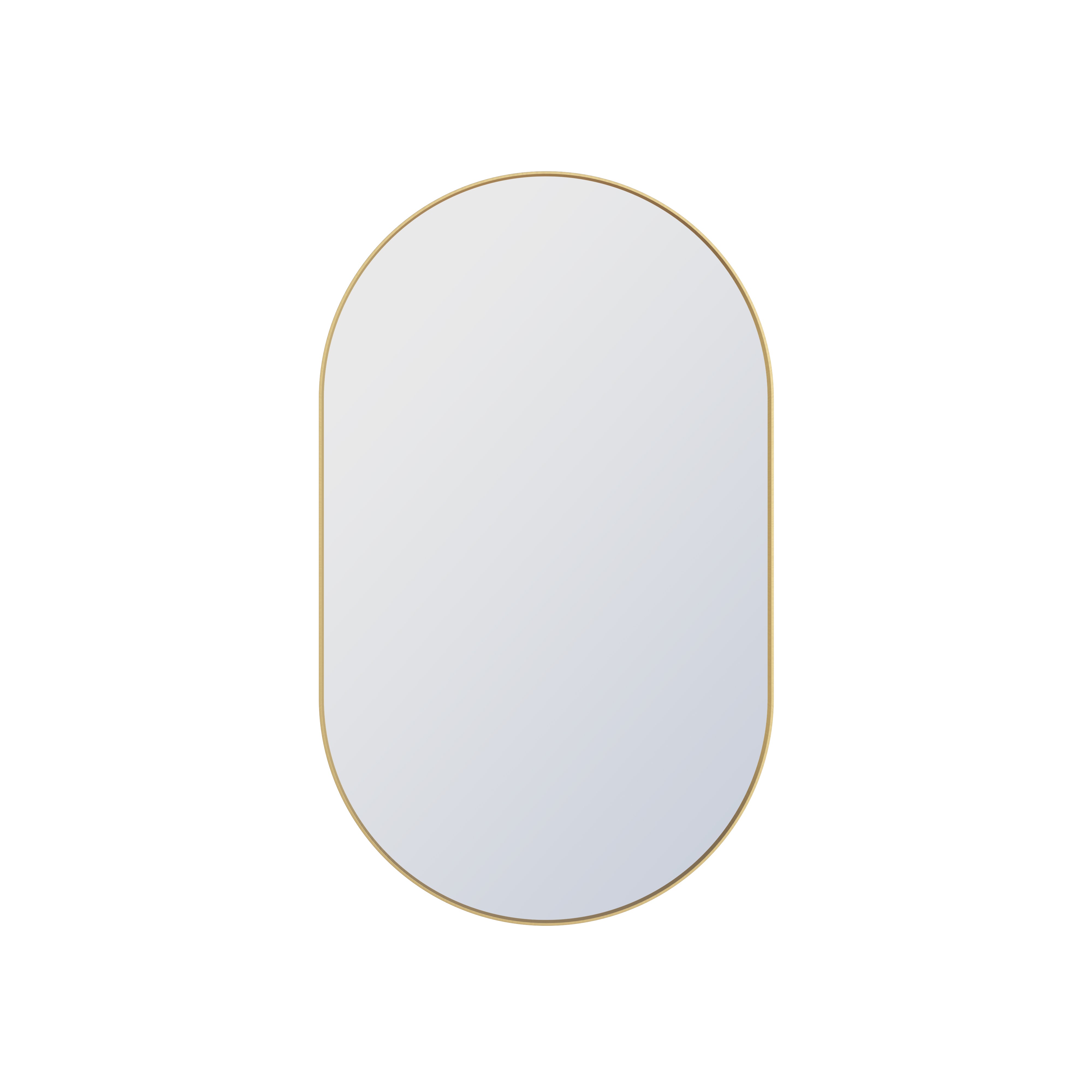
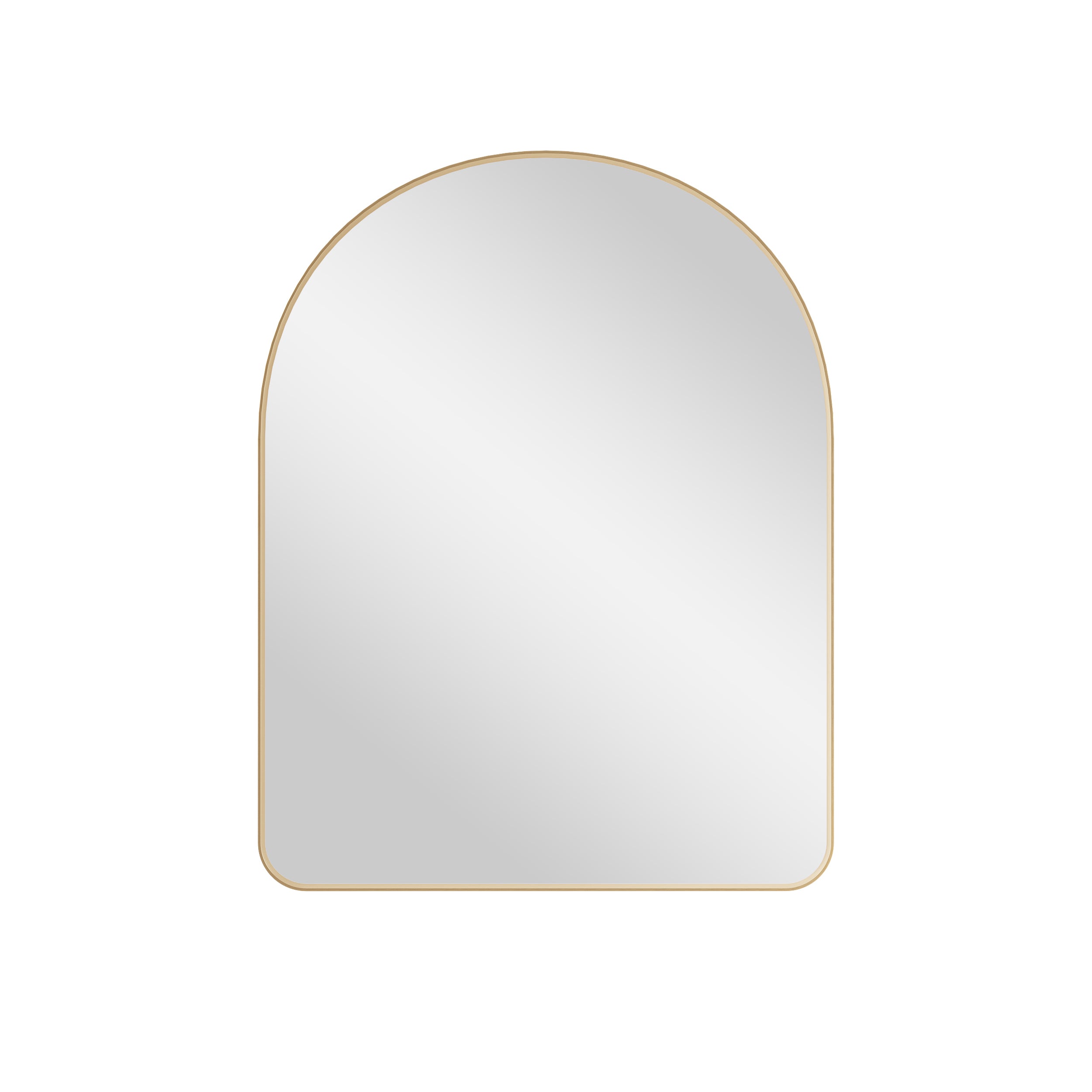
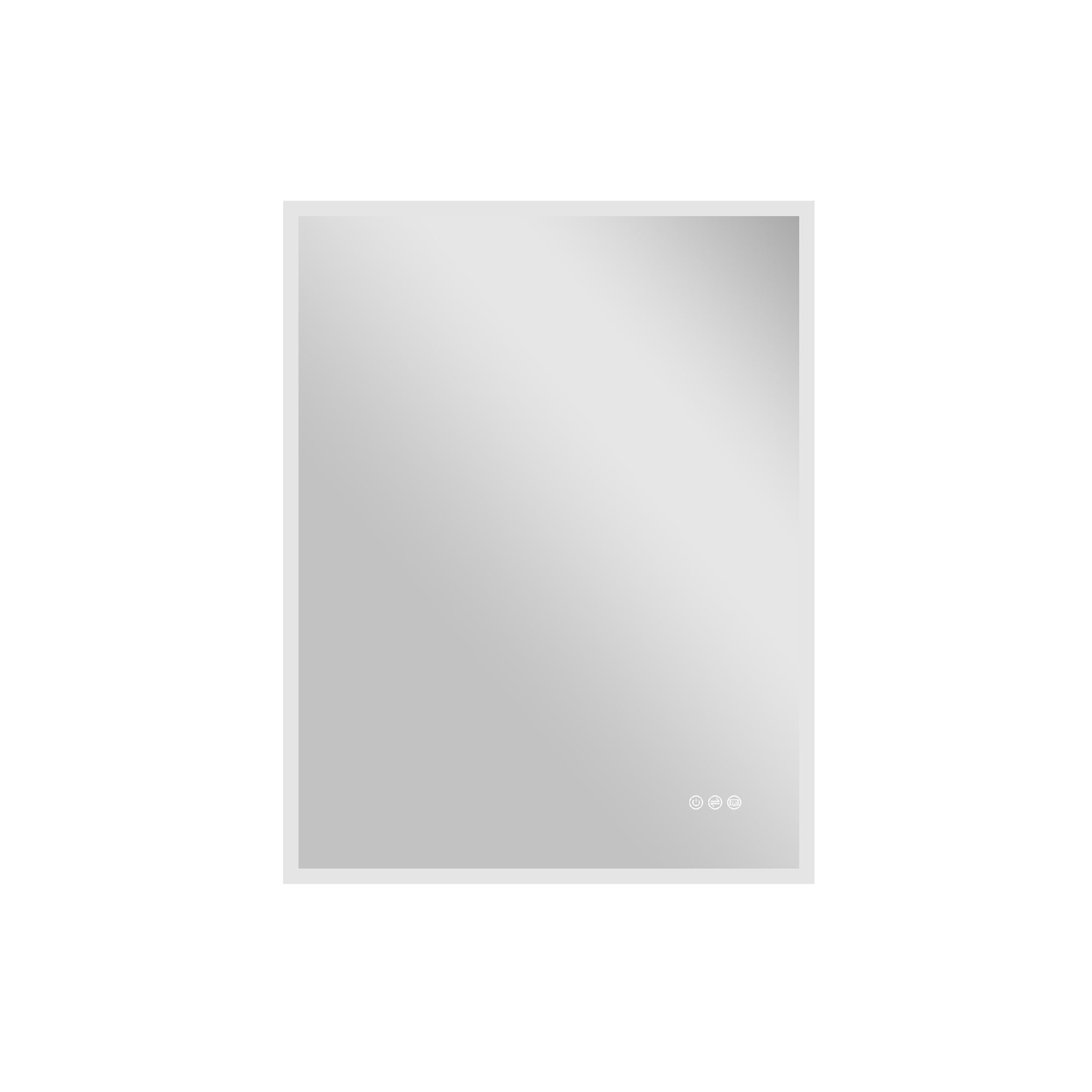
For small bathrooms, opt for narrow frames or frameless designs. This makes the mirror appear as a single "wall," creating a stronger sense of expansion.
3) Anti-fog and mirror clarity impact the "quality of magnification."
Fog turns reflections into a hazy "blur," significantly reducing the enlarging effect. In daily use, anti-fog features provide more consistent performance.
Lighting Pairing: The Key to Doubling the Enlarging Effect of Mirror Cabinets
Prioritize "even fill lighting" over "harsh direct lighting."
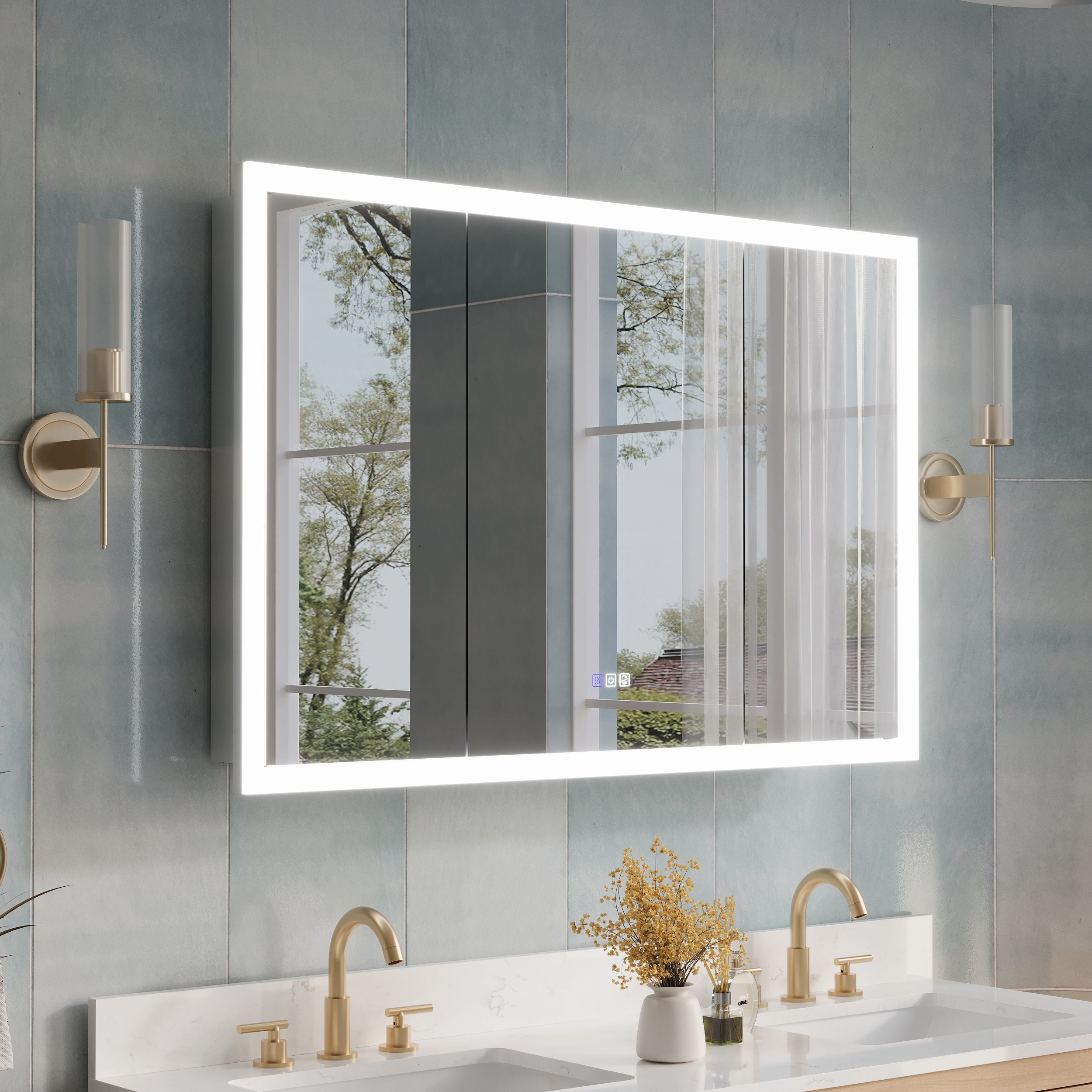
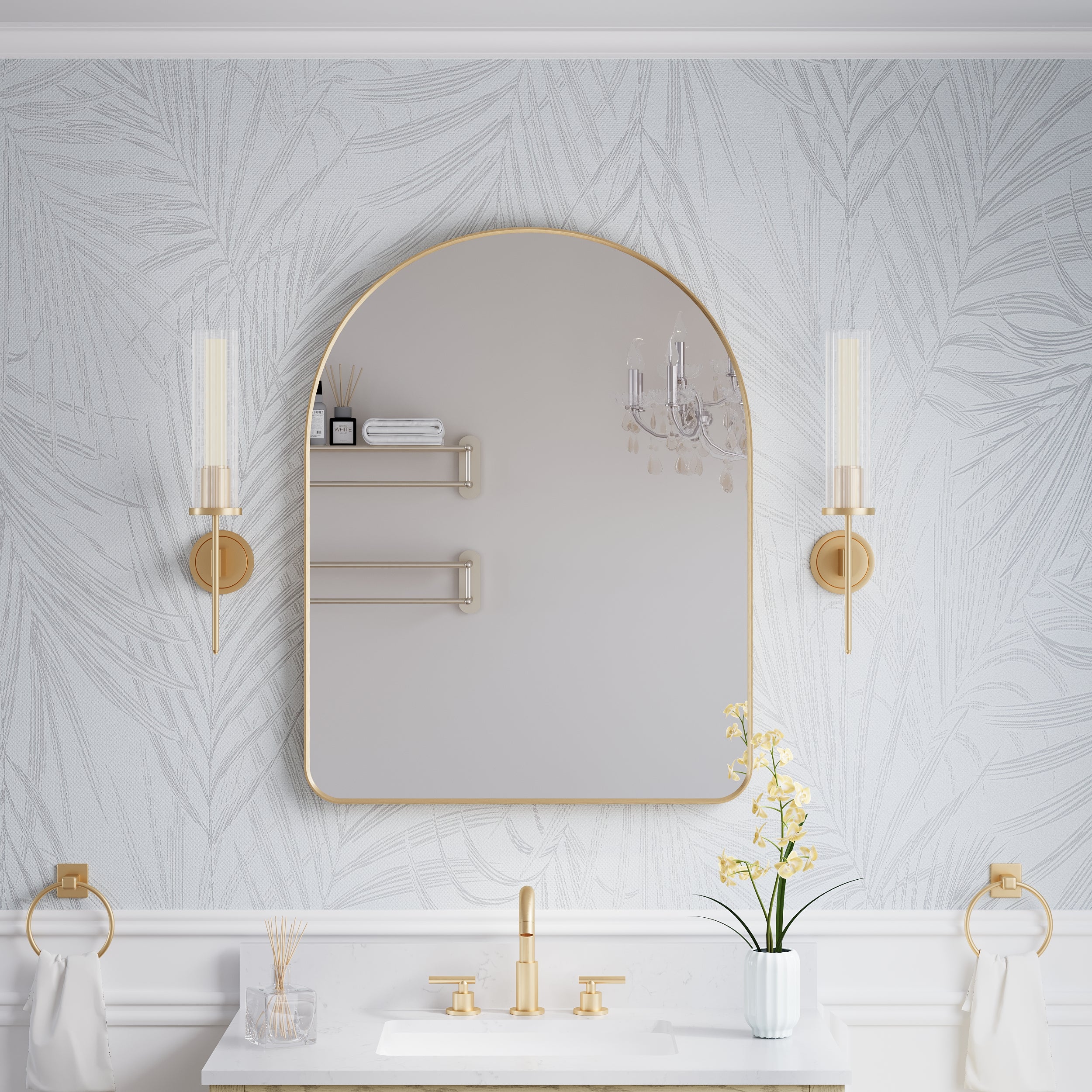
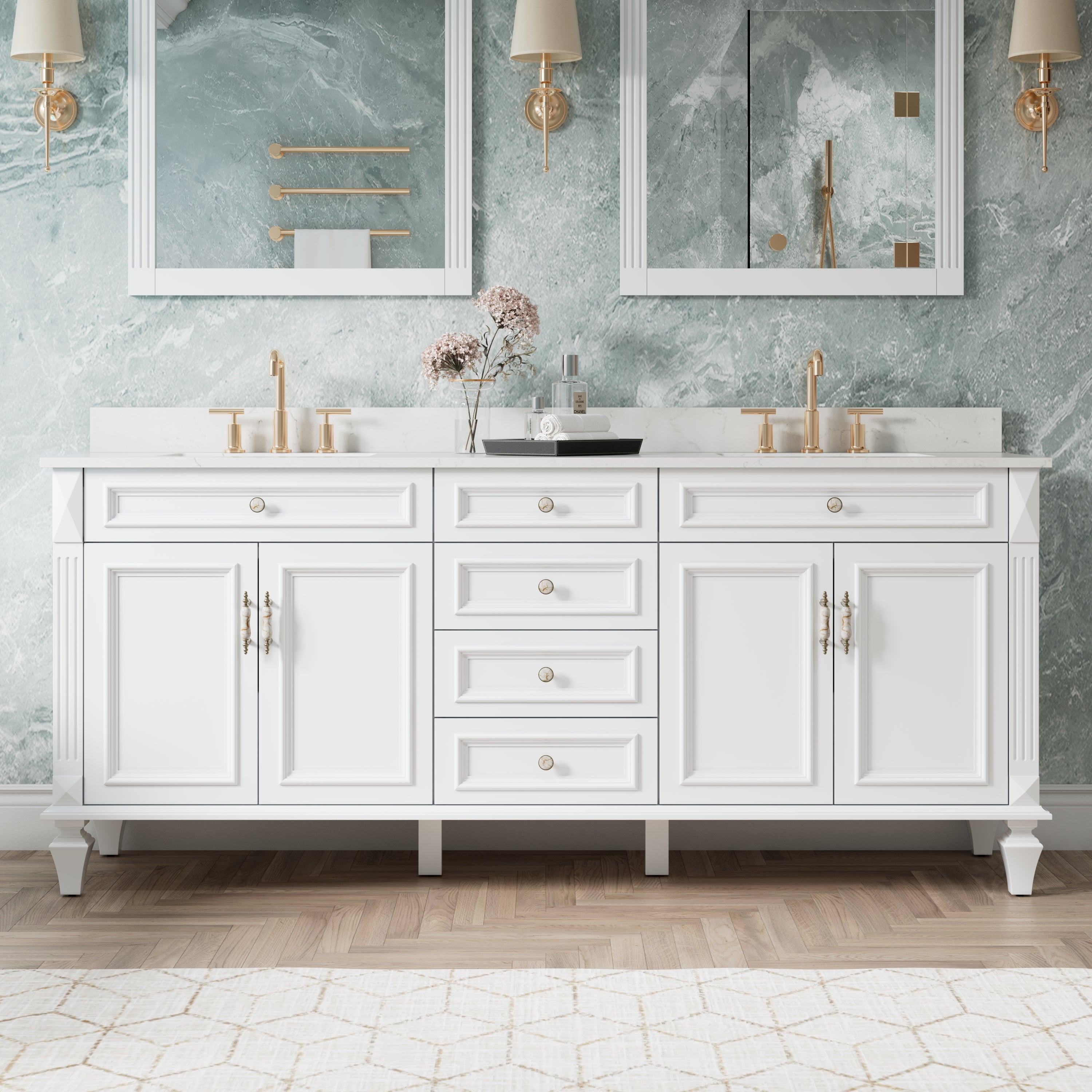
Symmetrical wall sconces on either side of the mirror: Minimizes facial shadows for a softer, more harmonious space.
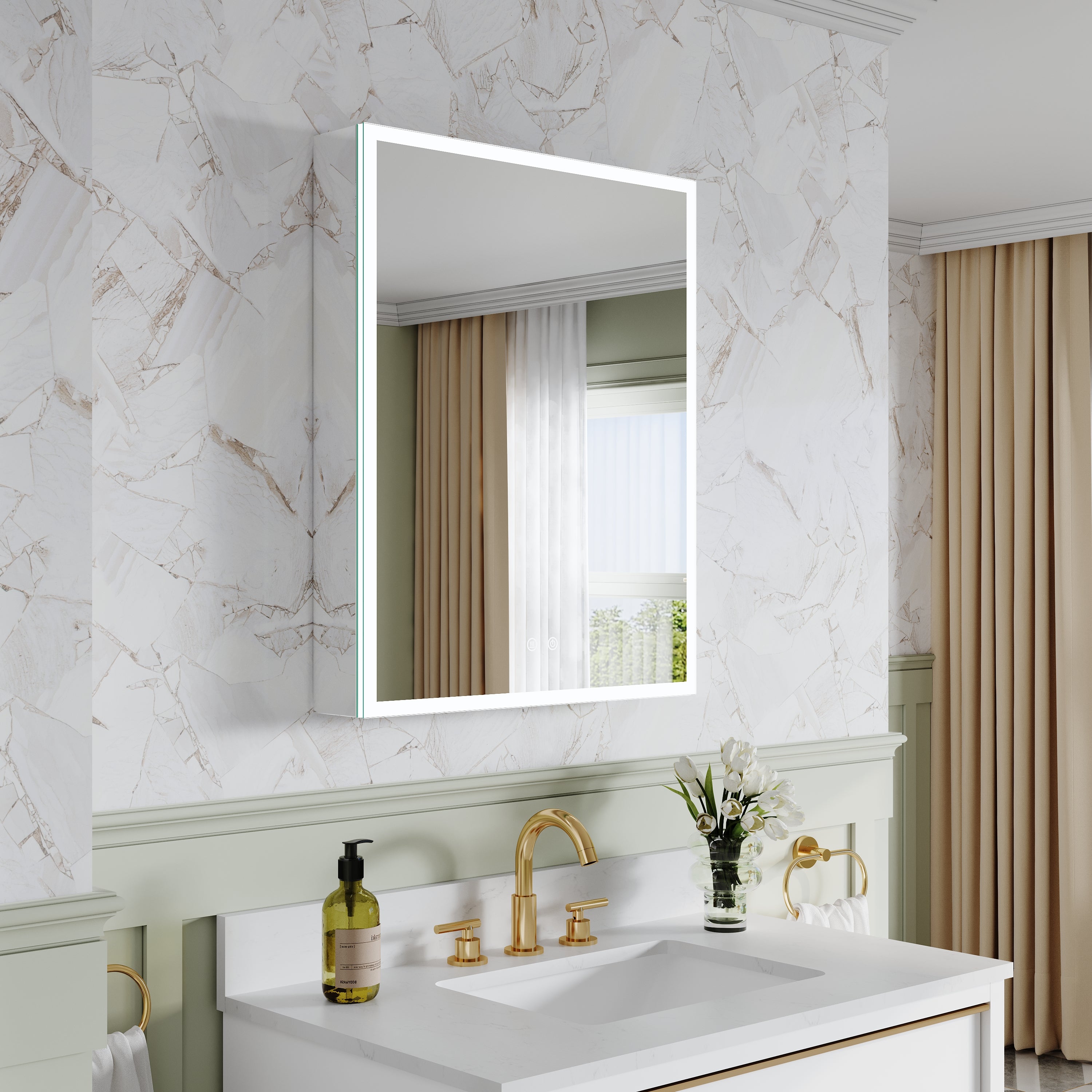
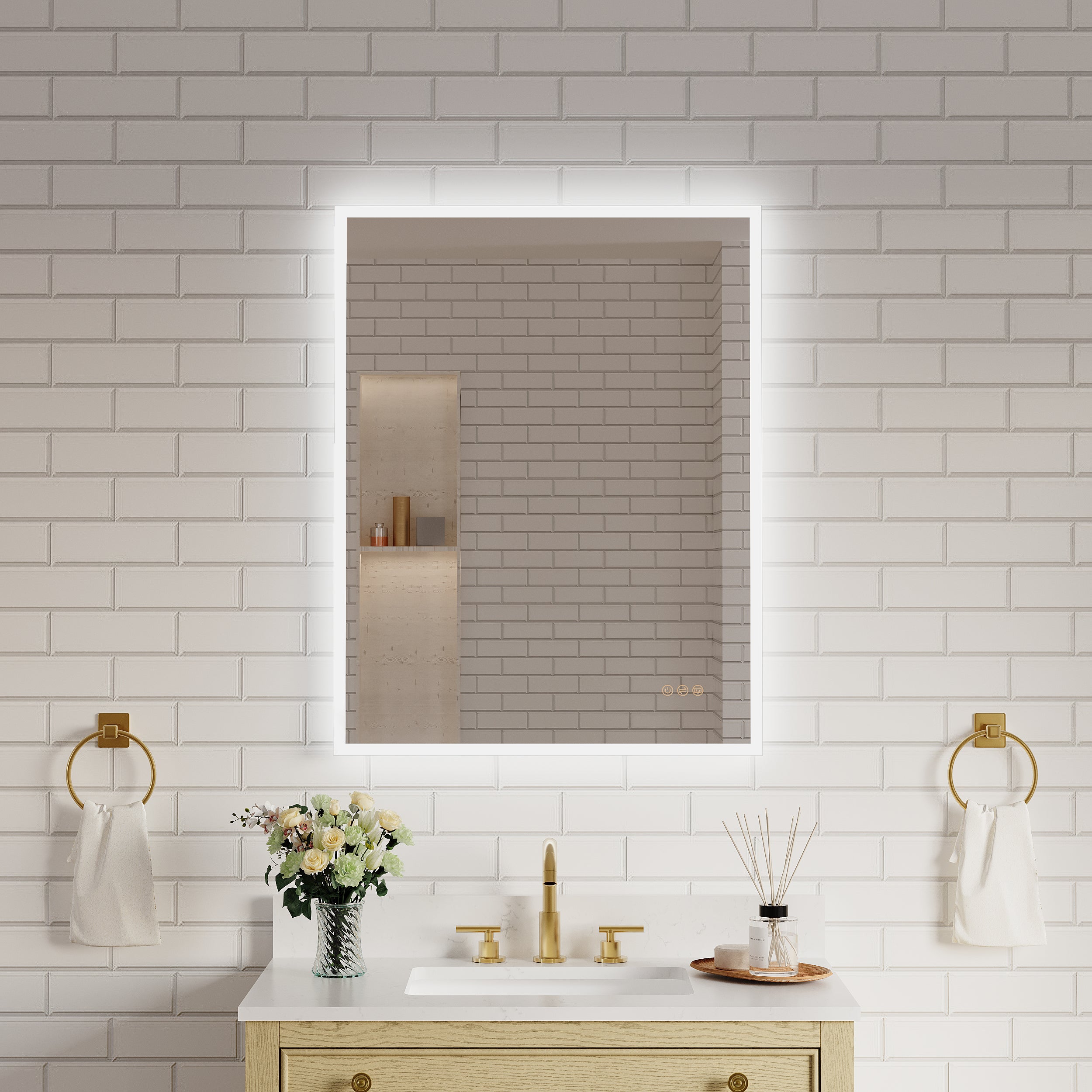
Mirror cabinets with a soft-light ring: Complement facial illumination while brightening the surrounding walls.
Avoid relying solely on overhead ceiling lights.
Ceiling lights cast deep shadows under eyes and in corners, making small bathrooms feel oppressive. Even the strongest mirror reflection can't rescue these "dark corners."
Placement: What the mirror reflects matters more than its size
For a "larger-than-life" effect, the mirror cabinet should ideally reflect one of these elements:
l Natural light sources (windows, glass doors)
l Bright, tidy walls or dry zones
l Depth direction (hallways/doorways)
Conversely, avoid mirrors primarily reflecting:
l Cluttered shelves or piles of towels
l Countertops with tiny items
l High-contrast tile grout lines (fragments the space)
Common Pitfalls: Why Do Some Mirror Cabinets Make Spaces Feel Smaller?
l Thick cabinet + heavy frame: The protruding façade compresses the hallway feel.
l Mirror surface interrupted by trim, ceilings, or fixtures: Broken reflections fragment the space.
l Unplanned interior storage: Countertop clutter remains visible, with the mirror doubling the perceived mess.
l Inconsistent light color temperature: Mirror reflections appear "yellowish/greenish," making surfaces look dirty, dated, and smaller.
Practical Tips: A Multi-Step Approach to Expand Your Bathroom with Mirror Cabinets
l Clear countertops first: Store frequently used items in the mirror cabinet, leaving only essentials like hand soap/aromatherapy on the surface.
l Match mirror cabinet width to vanity cabinet: Creates visual stability and a cohesive façade.
l Opt for sleeker aesthetics: Narrow frames, clean lines, and avoid bulky handles.
l Ensure even lighting: Prioritize side wall sconces or soft light strips to minimize shadows.
l Reflect "attractive elements" in the mirror: Light, negative space, and depth—not clutter.
Conclusion
Returning to the core question: Can mirrored bathroom cabinets make the room appear larger?
Yes, and often remarkably so—because they simultaneously address two major pain points in compact bathrooms: visual scale and storage organization. By mastering these four essentials—"proportion, lightness, reflected content, and even lighting"—the mirror cabinet transcends mere functionality. It becomes a spatial design tool that brightens, clarifies, and visually expands your bathroom.










Leave a comment
This site is protected by hCaptcha and the hCaptcha Privacy Policy and Terms of Service apply.