
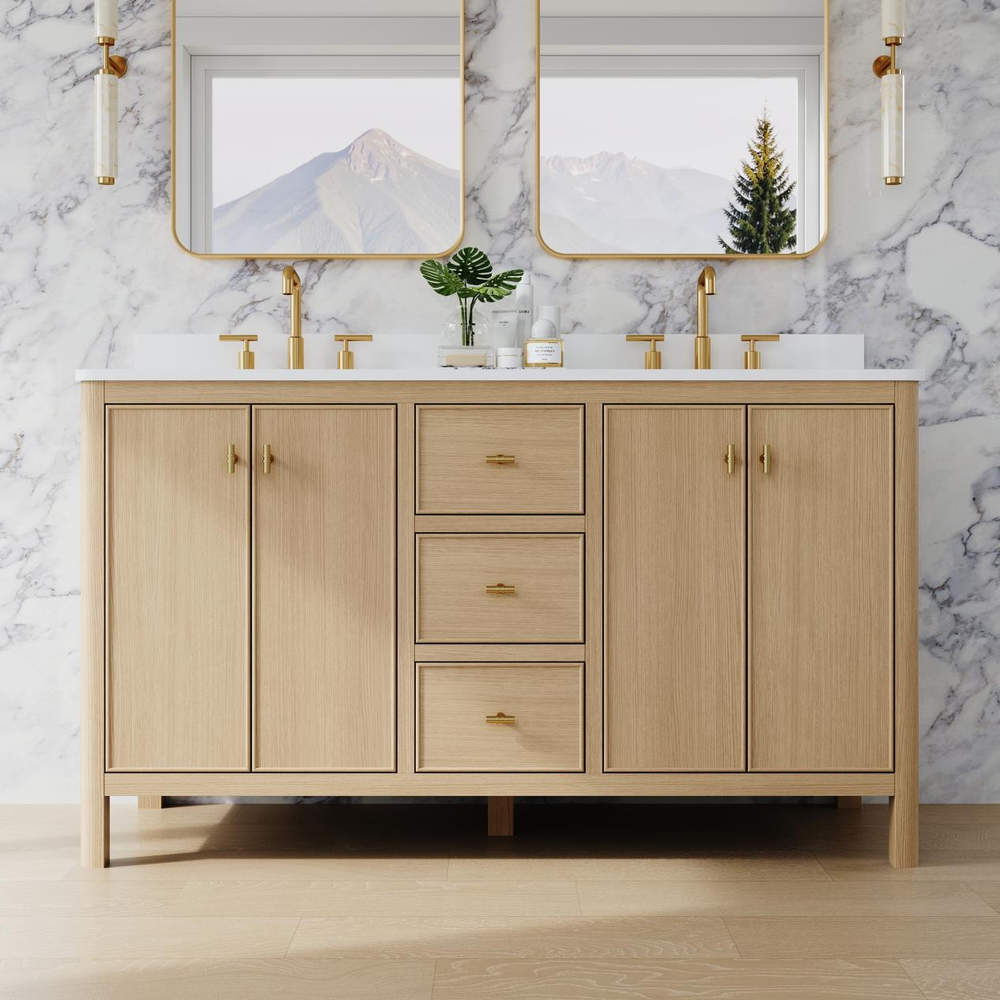
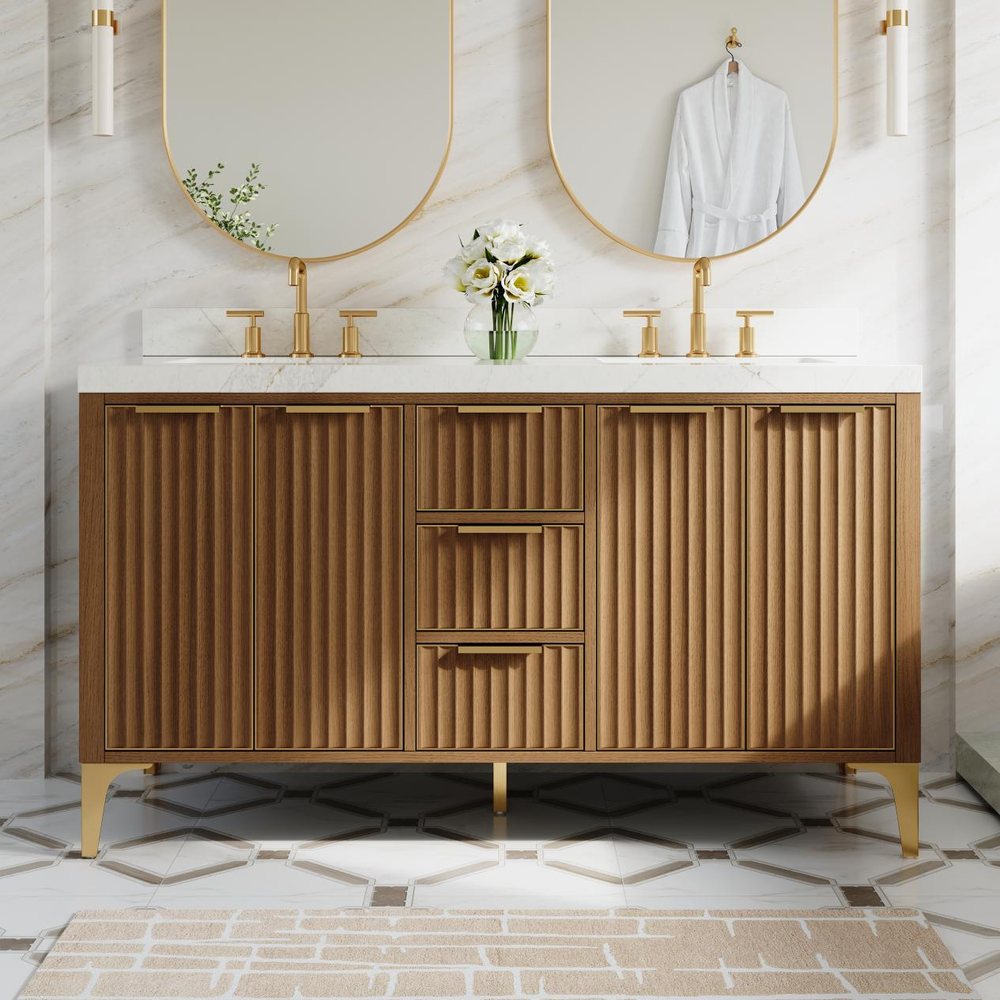
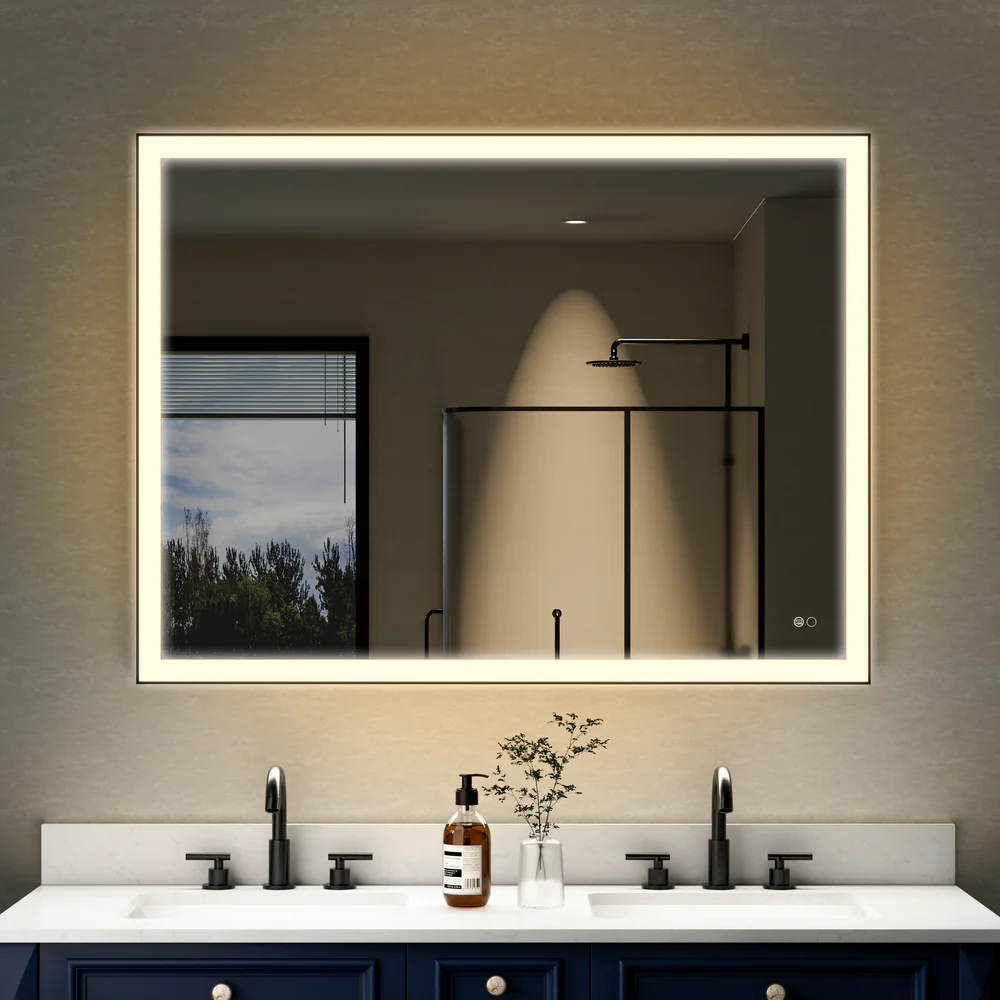
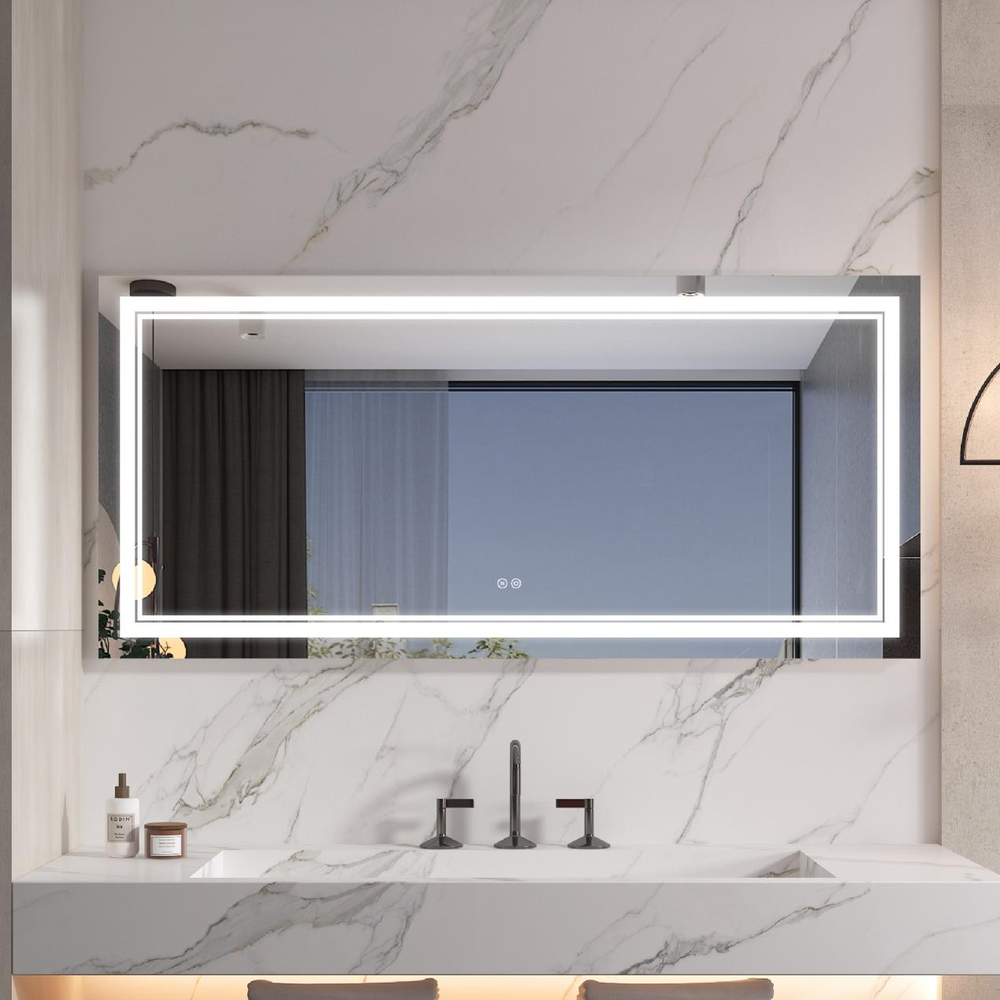
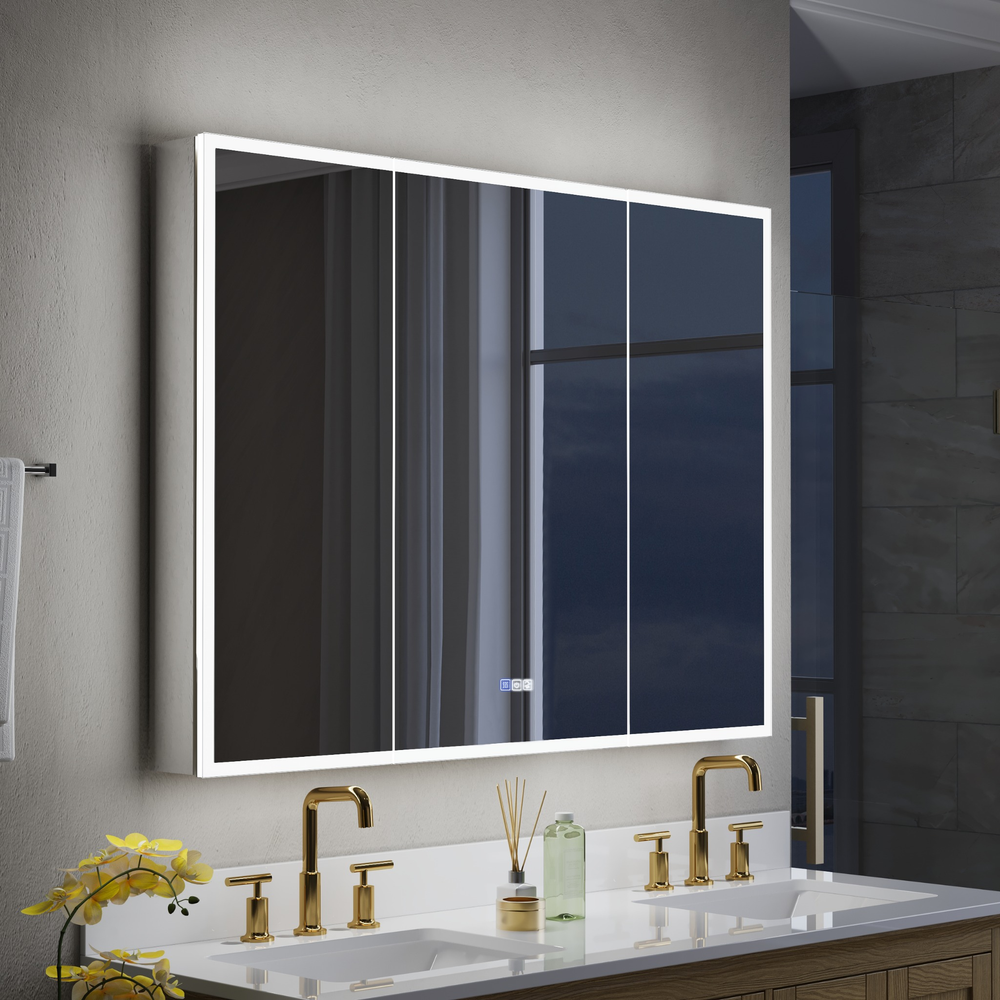
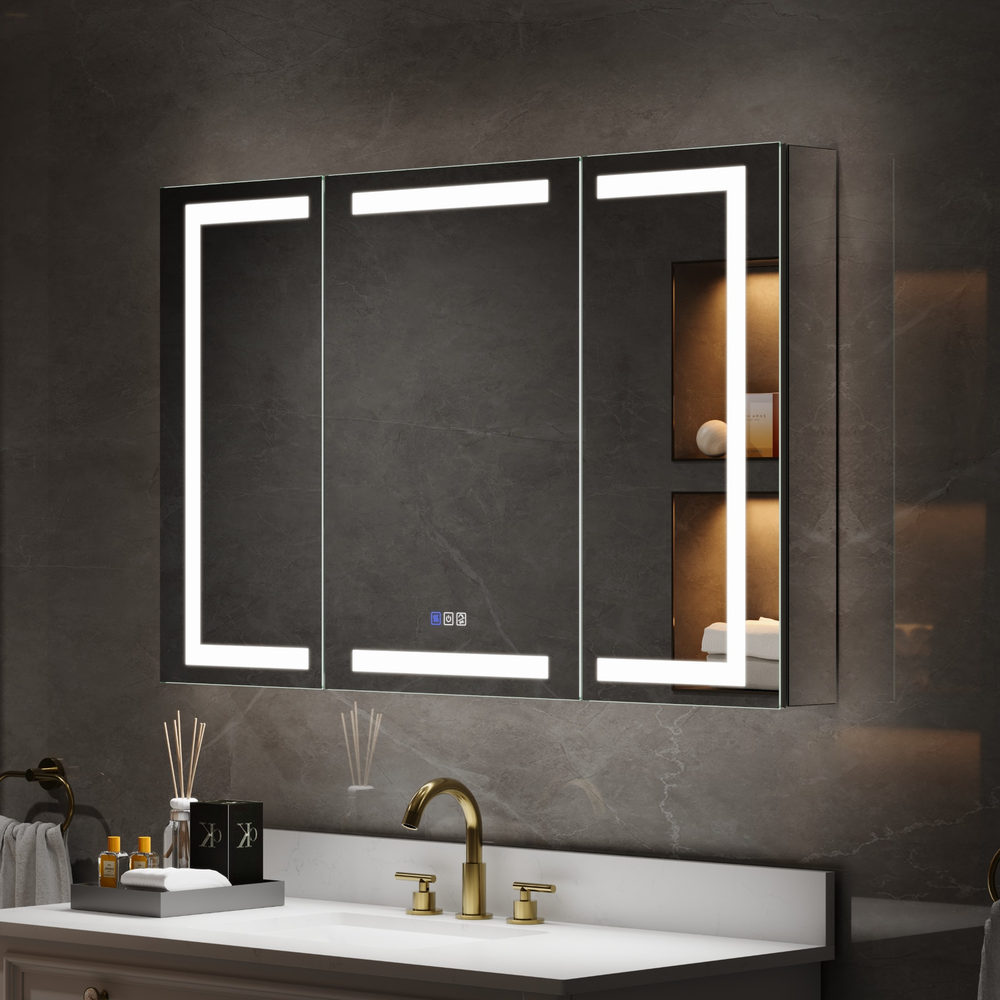
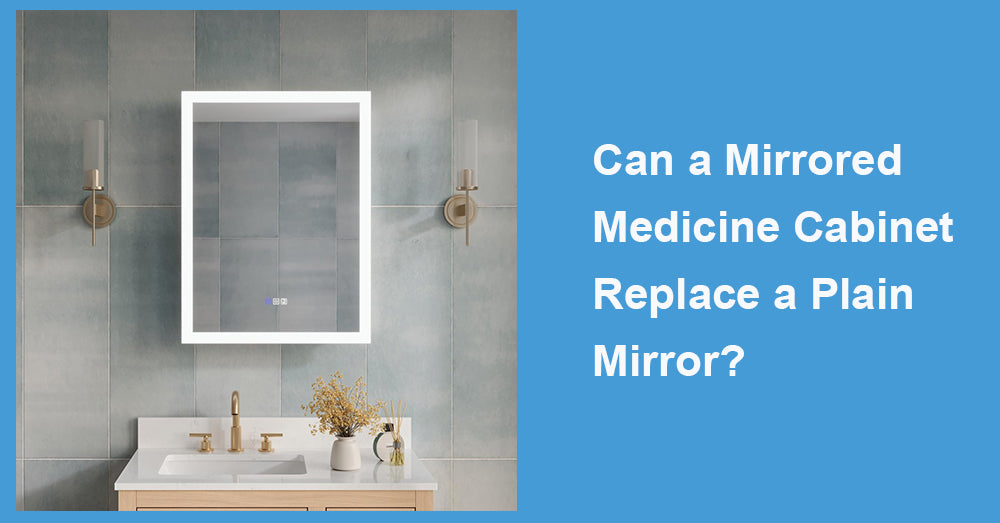
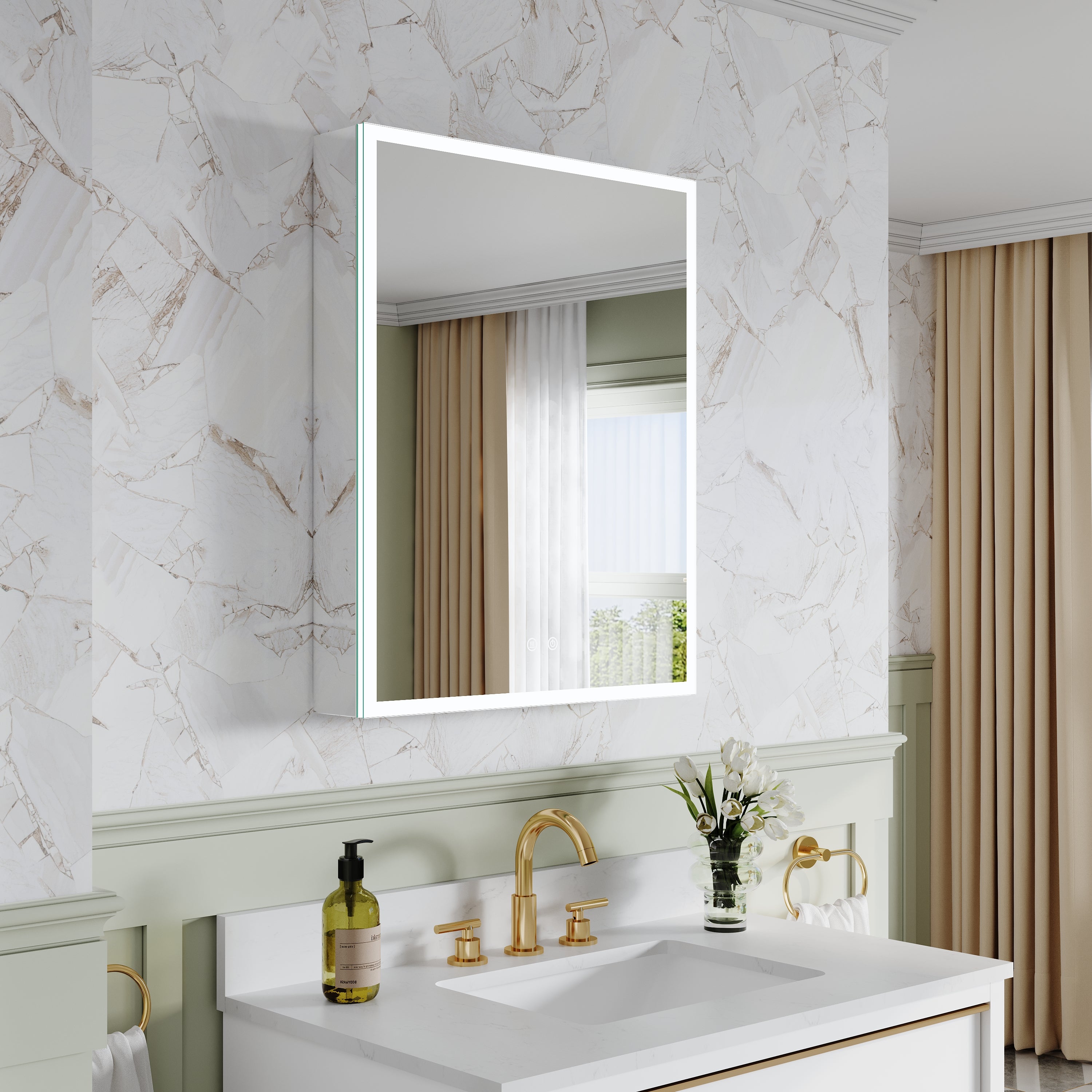
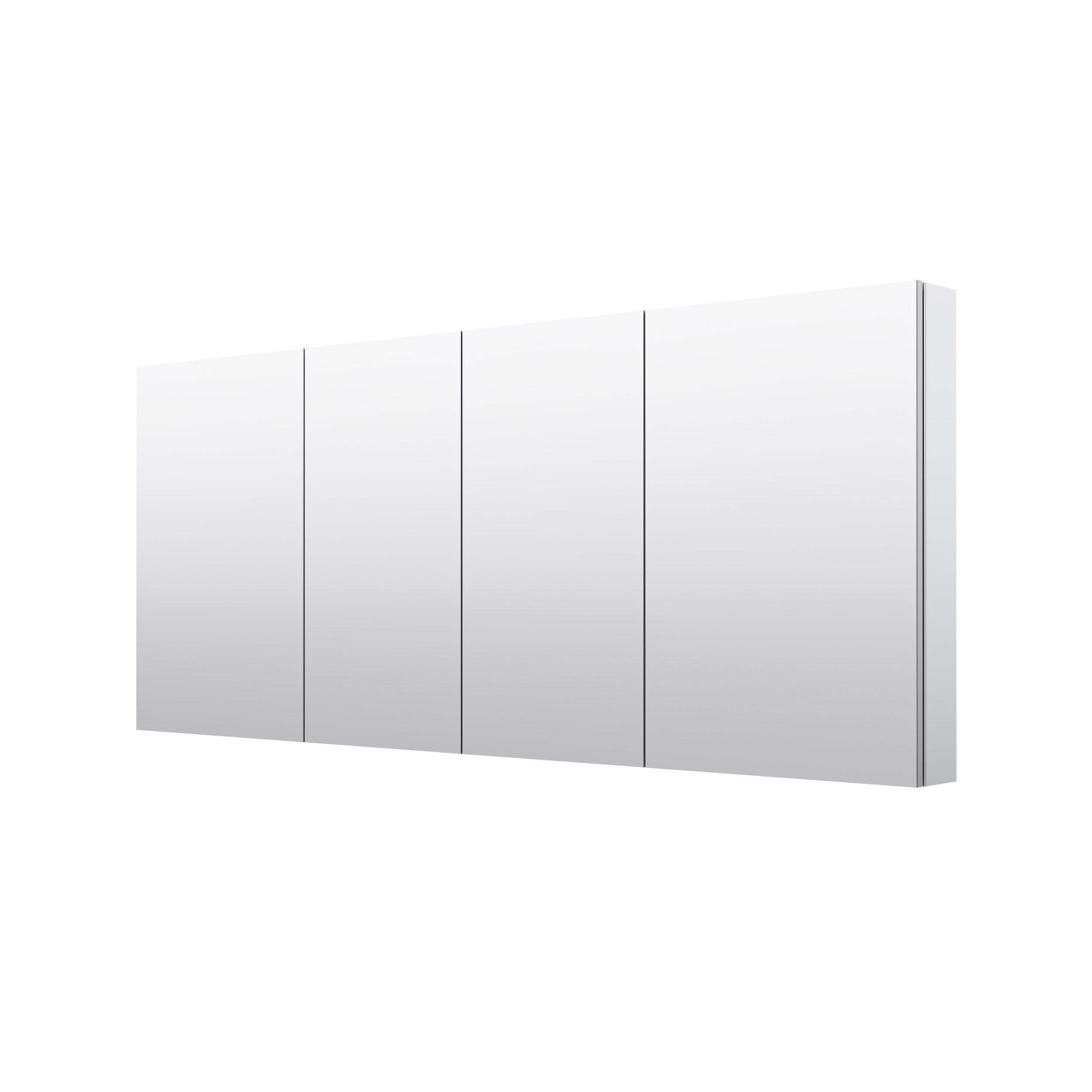
A mirrored medicine cabinet can absolutely replace a plain mirror in many bathroom remodels, but it’s best treated as a storage-and-lighting decision as much as a style choice. Renovation budgets are still supporting meaningful upgrades: the latest remodeling outlook projects total homeowner spending to reach $524 billion in early 2026, keeping “small footprint, high impact” products like medicine cabinets in the spotlight.
Why this swap is gaining momentum
What used to be a basic mirrored box has become a multi-function wall system: storage + mirror + task lighting + defogging + charging. In the most recent Houzz Bathroom Trends Study, 32% of renovating homeowners report upgrading medicine cabinets—up a few points year over year—showing the category is becoming a more common line item instead of an afterthought.
Two other signals matter:
· Recessed installation leads: 66% of upgraded medicine cabinets are recessed (flush/nonflush or semi-recessed), though surface-mount has been rising.
· The mirror still matters most: mirrors are more often placed on the outside (64%) than inside (36%), which tells you many people want the cabinet to read visually like a standard mirror first.
In short, the market is treating mirrored medicine cabinets as “mirrors that happen to store things,” not “cabinets that happen to have a mirror.”
When a mirrored medicine cabinet is a clear upgrade
1) You need storage, but don’t want more visual clutter
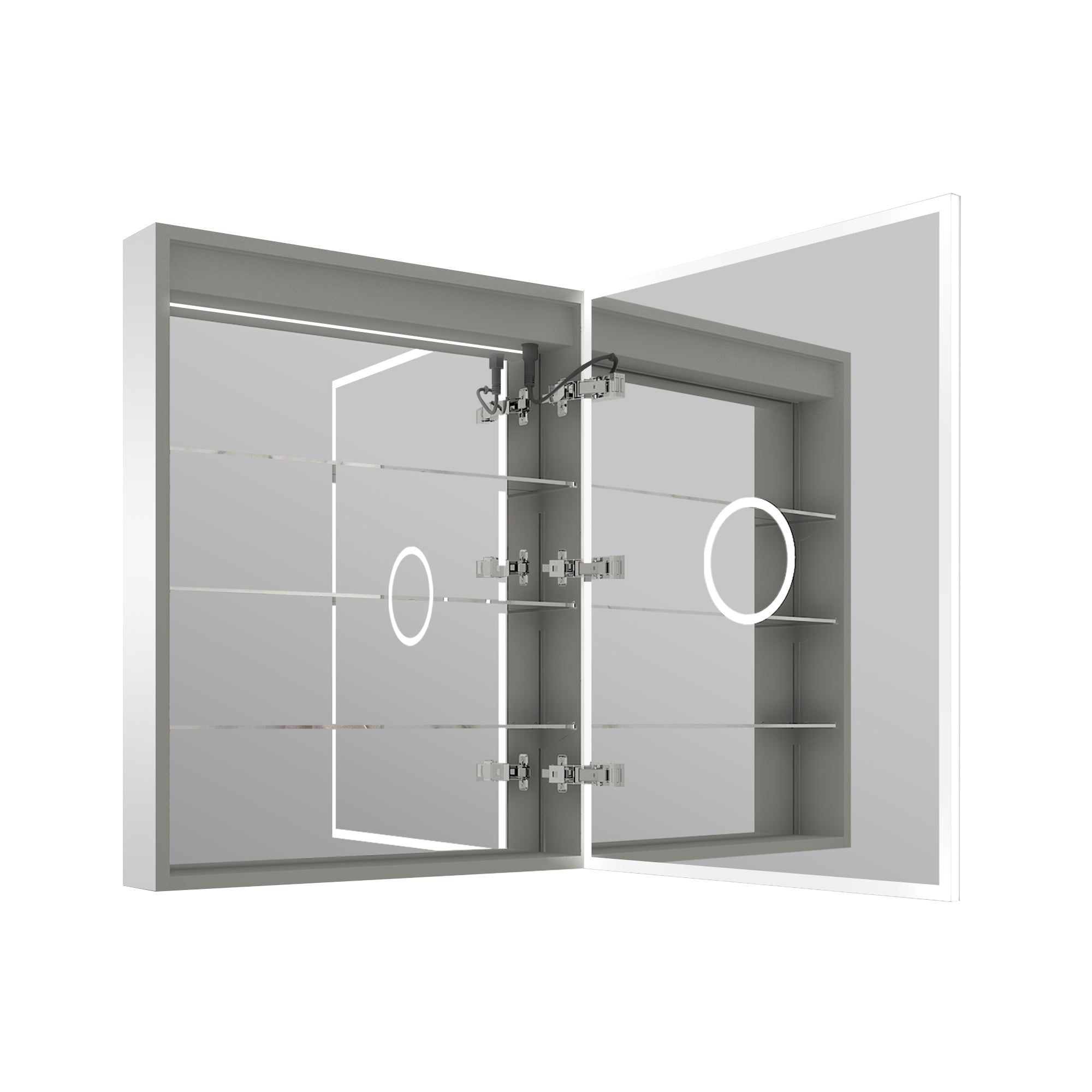
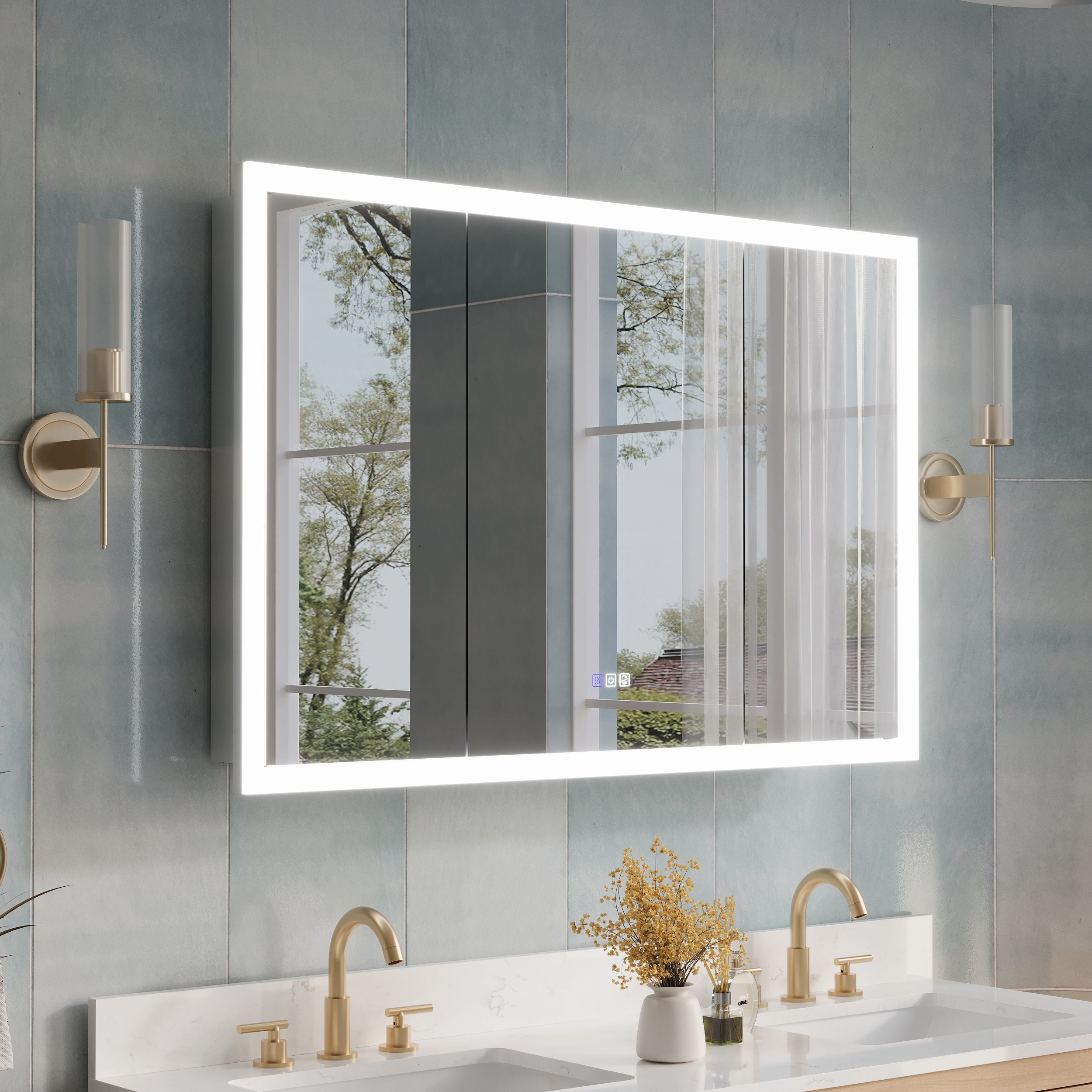
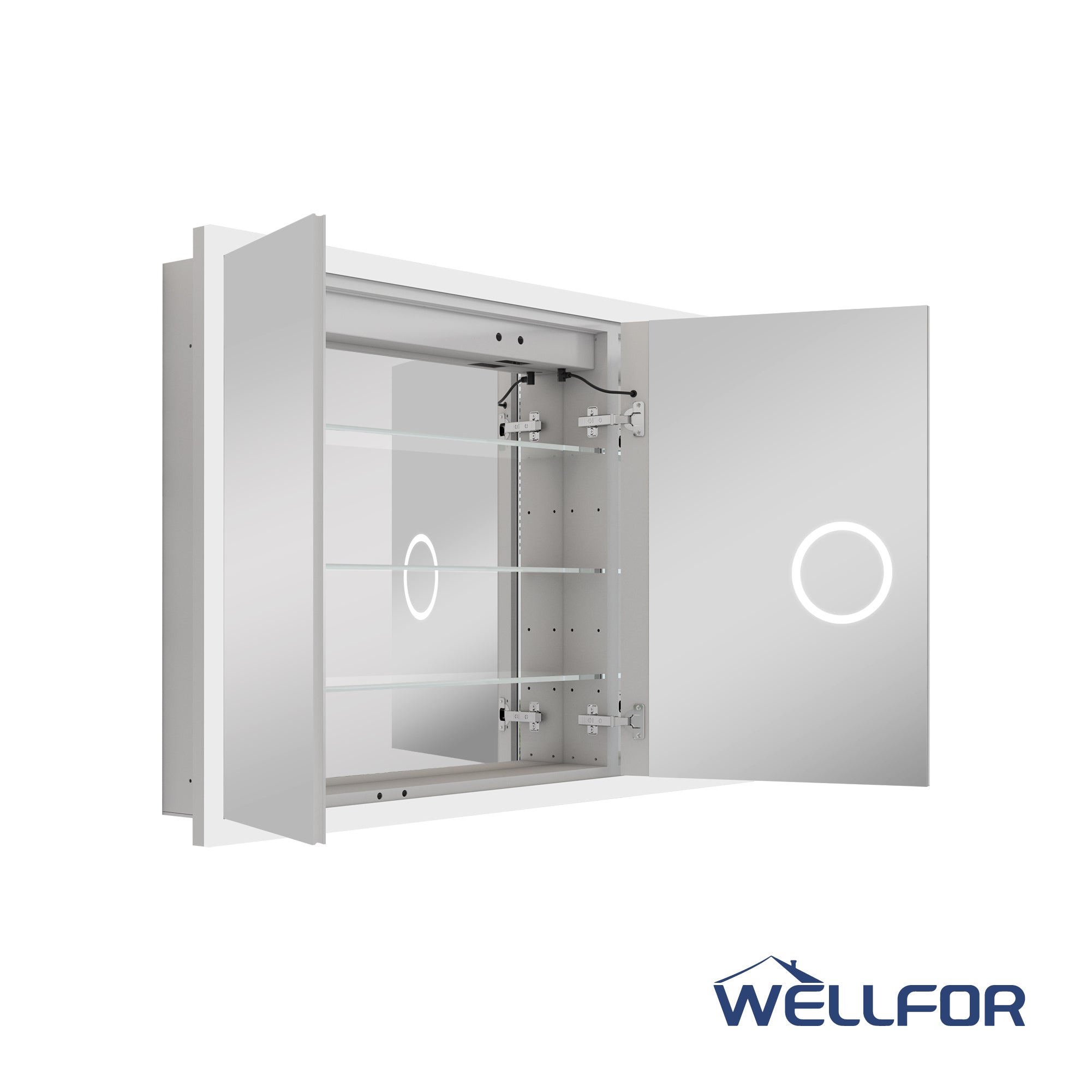
A plain mirror adds zero functional space. A cabinet can swallow the daily countertop chaos—skincare, grooming tools, meds, spare toothbrush heads—without adding another piece of furniture. And the trend data shows the cabinet itself is evolving: hidden outlets (22%) and anti-fog systems (17%) are now among the most common features in new or upgraded medicine cabinets.
That “hidden outlet” point is underrated: it lets you keep electric toothbrushes, razors, or hair tools charging out of sight and off the countertop, which immediately makes a bathroom look more high-end.
2) You want better task lighting around the face
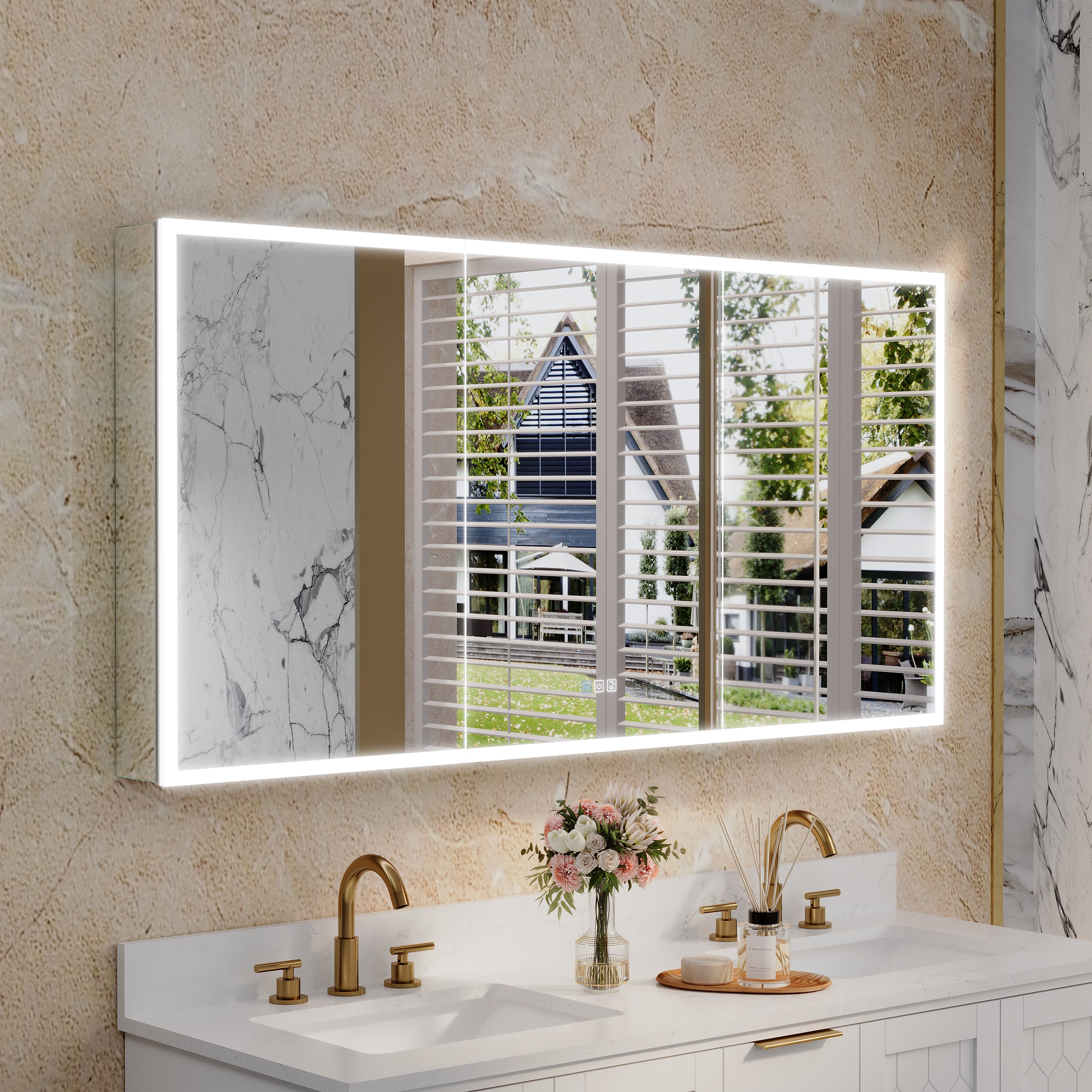
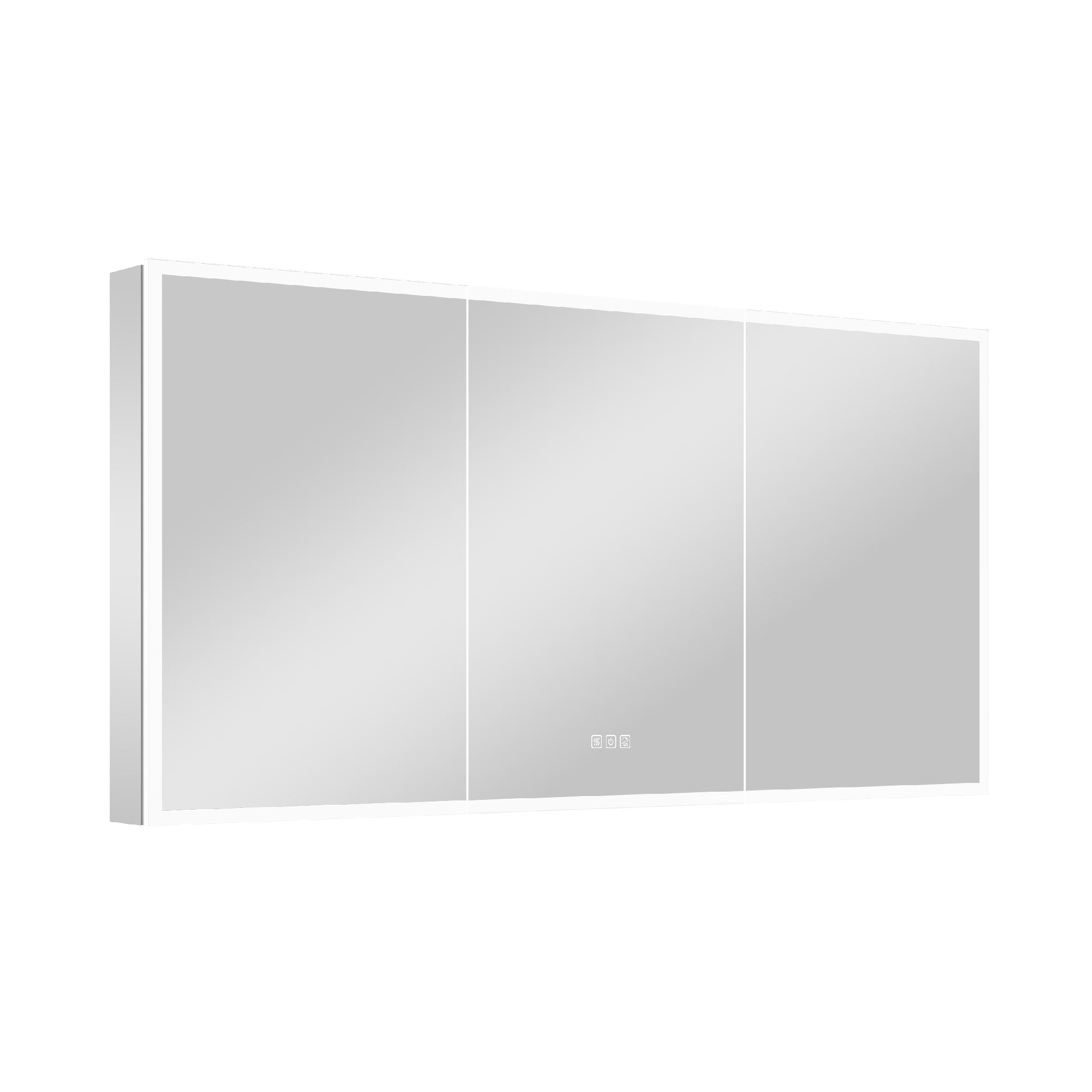
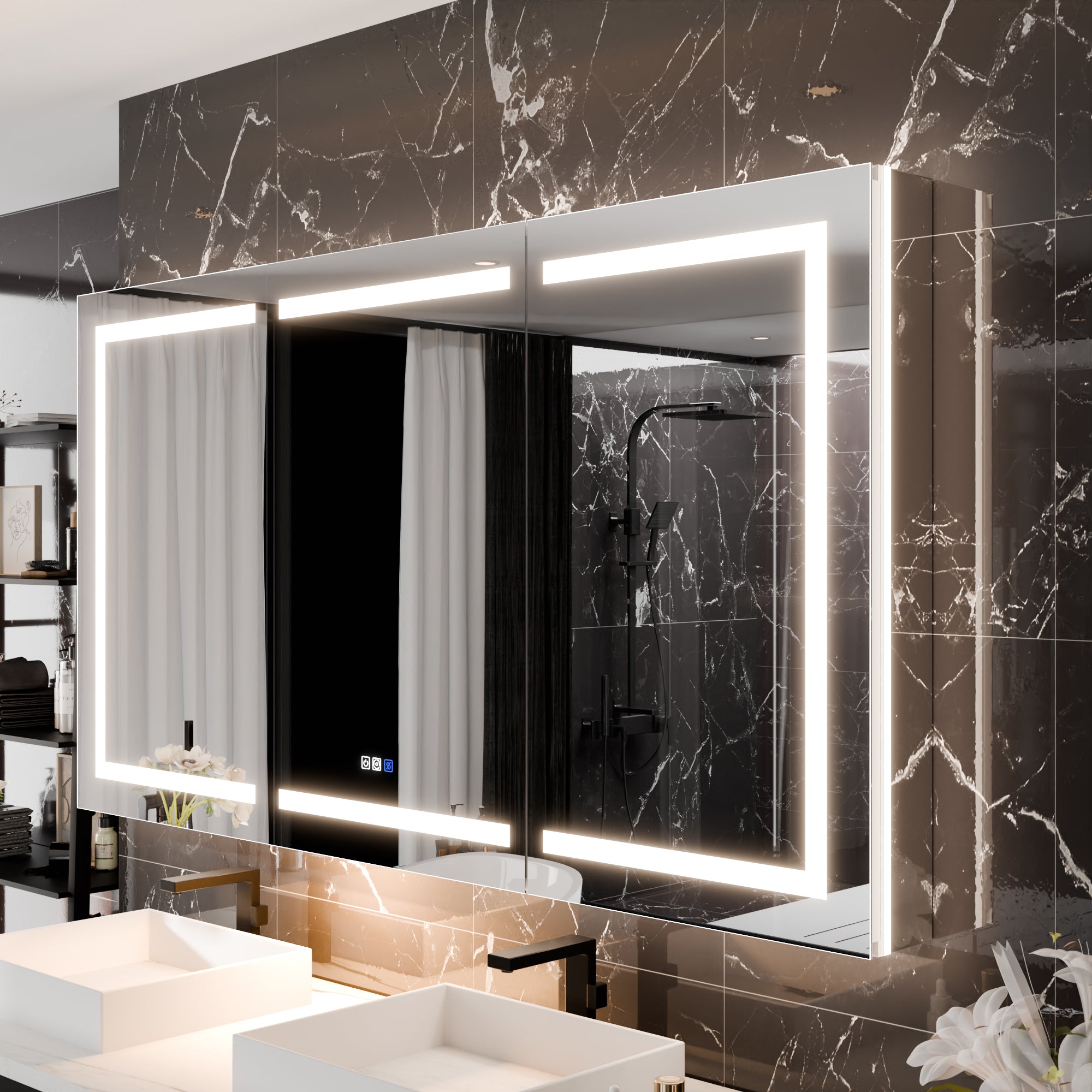
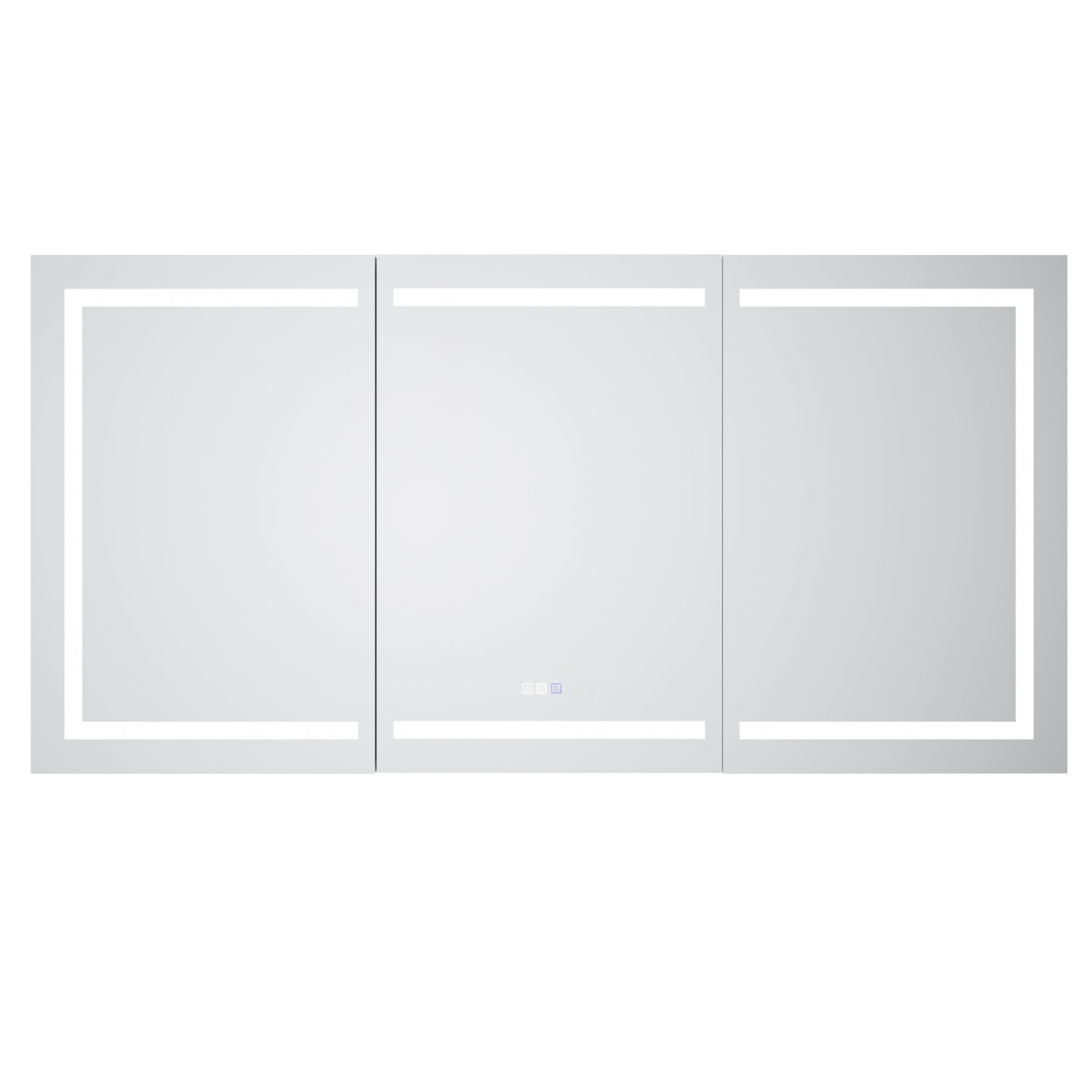
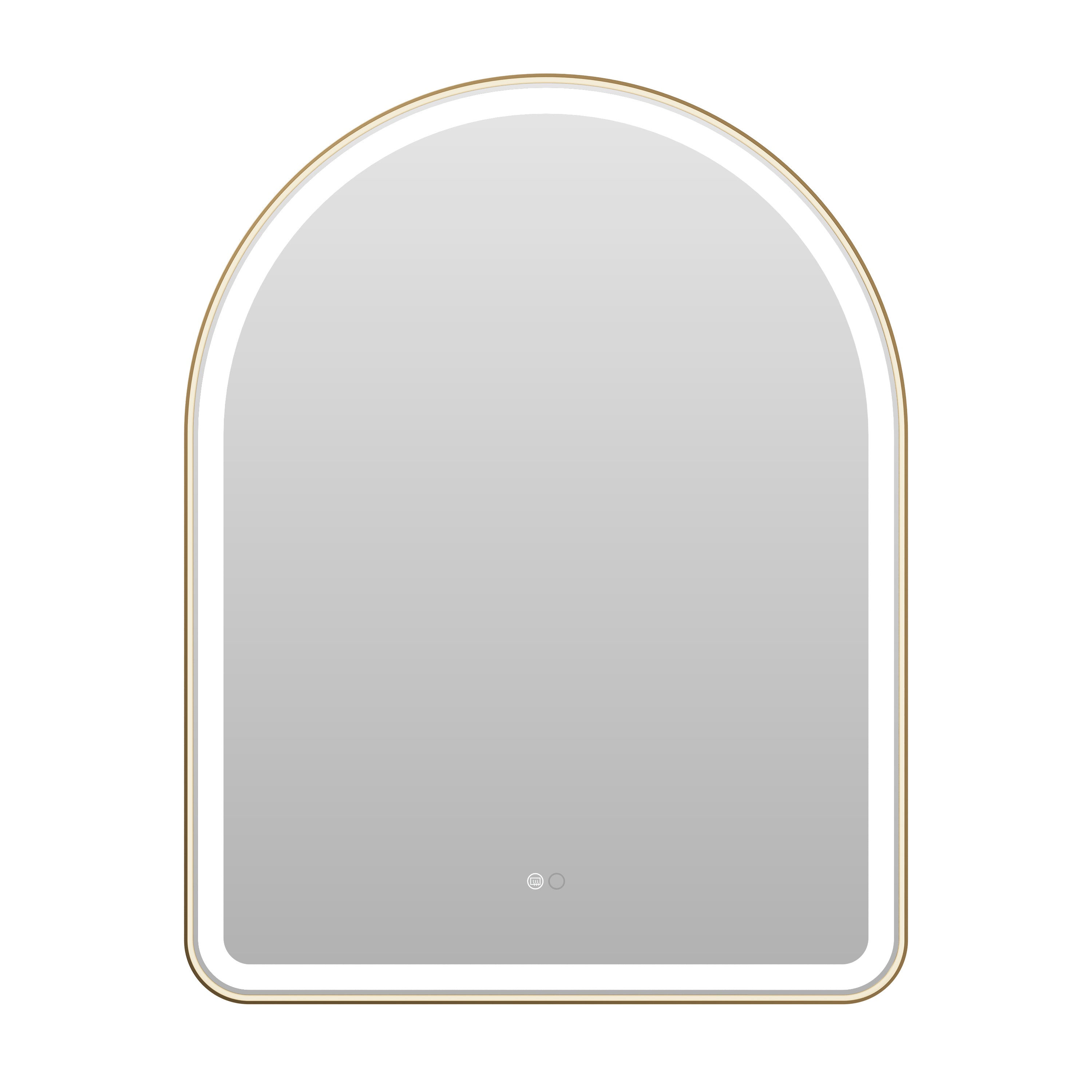
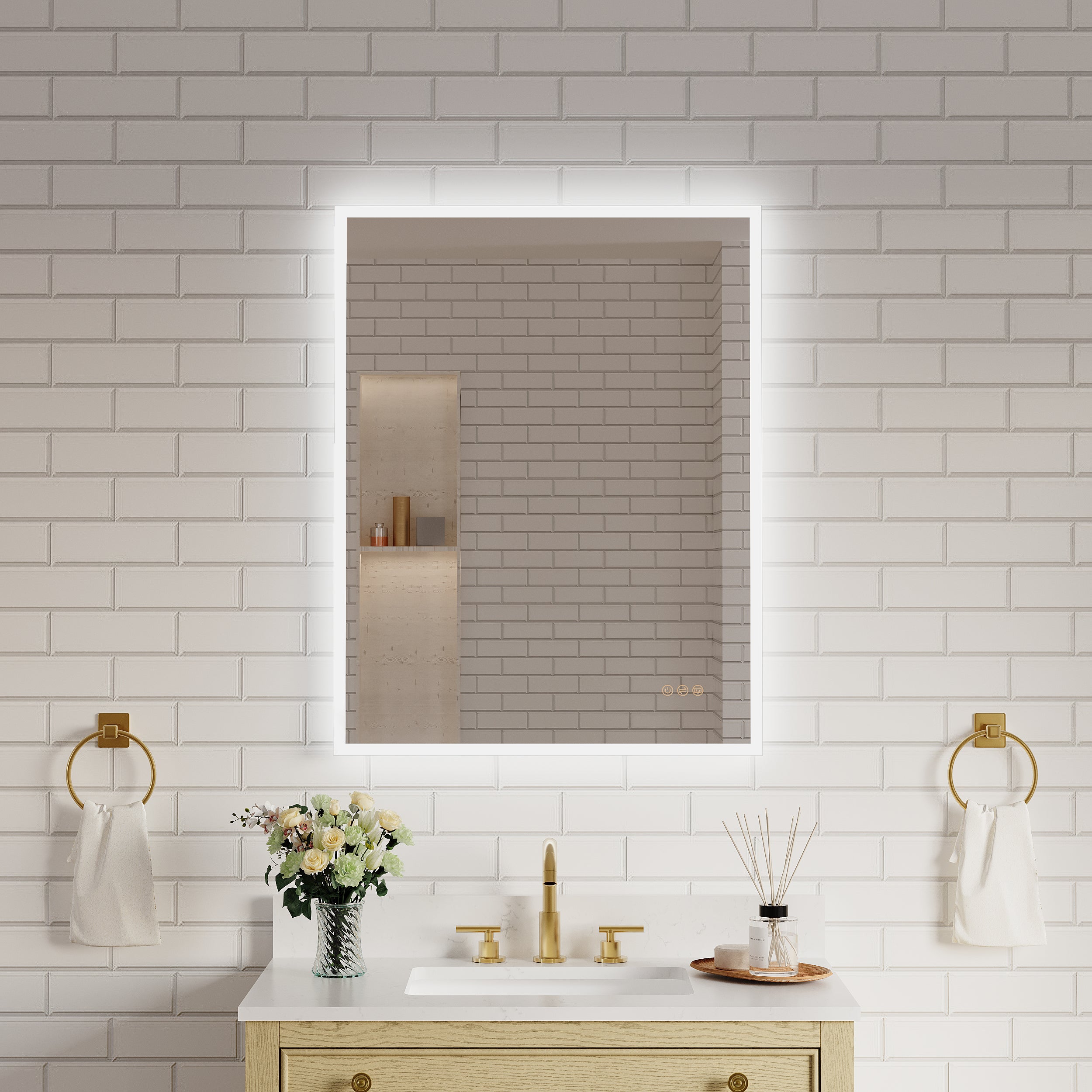
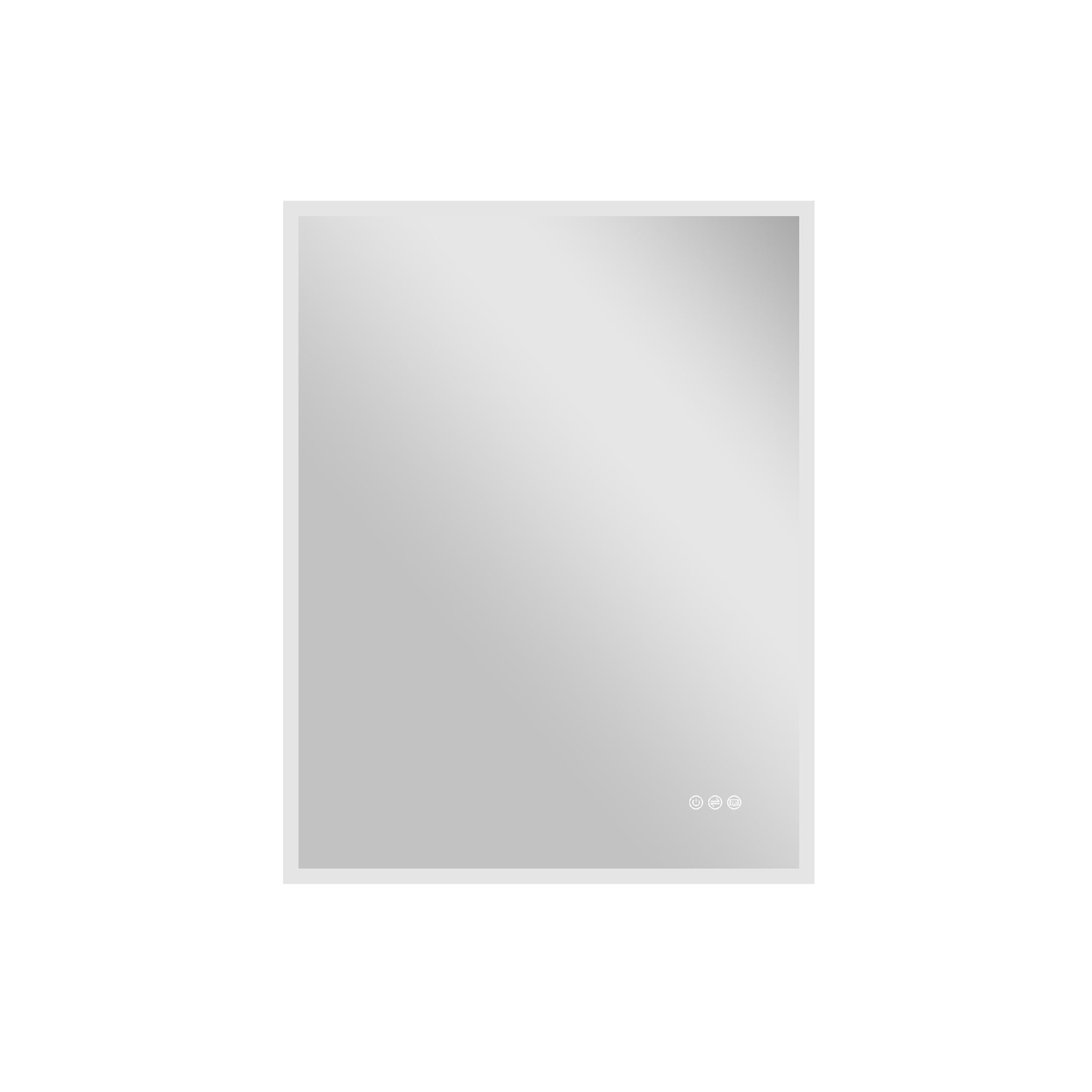
Lighting is where many bathrooms fail. A big flat mirror doesn’t fix shadows; it just reflects them. Medicine cabinets are increasingly stepping into the lighting role: over a quarter now include exterior illumination (26%), and a meaningful share add interior lighting (20%), both trending upward.
If your vanity lighting is limited to one overhead fixture, a lighted cabinet can be a practical upgrade that changes daily usability more than a pricier tile.
3) Your bathroom layout is tight
When floor space is limited, wall space becomes the “expansion zone.” A recessed cabinet adds storage without stealing a single inch of circulation space. That matters because good planning guidance recommends 30" of clear space in front of fixtures (and many codes allow a minimum of 21" in front of key fixtures).
If you’re already fighting for those inches, adding a freestanding tower or deeper vanity may not be the best move—using the wall is cleaner.
When a plain mirror is still the better choice
1) You want an oversized statement mirror
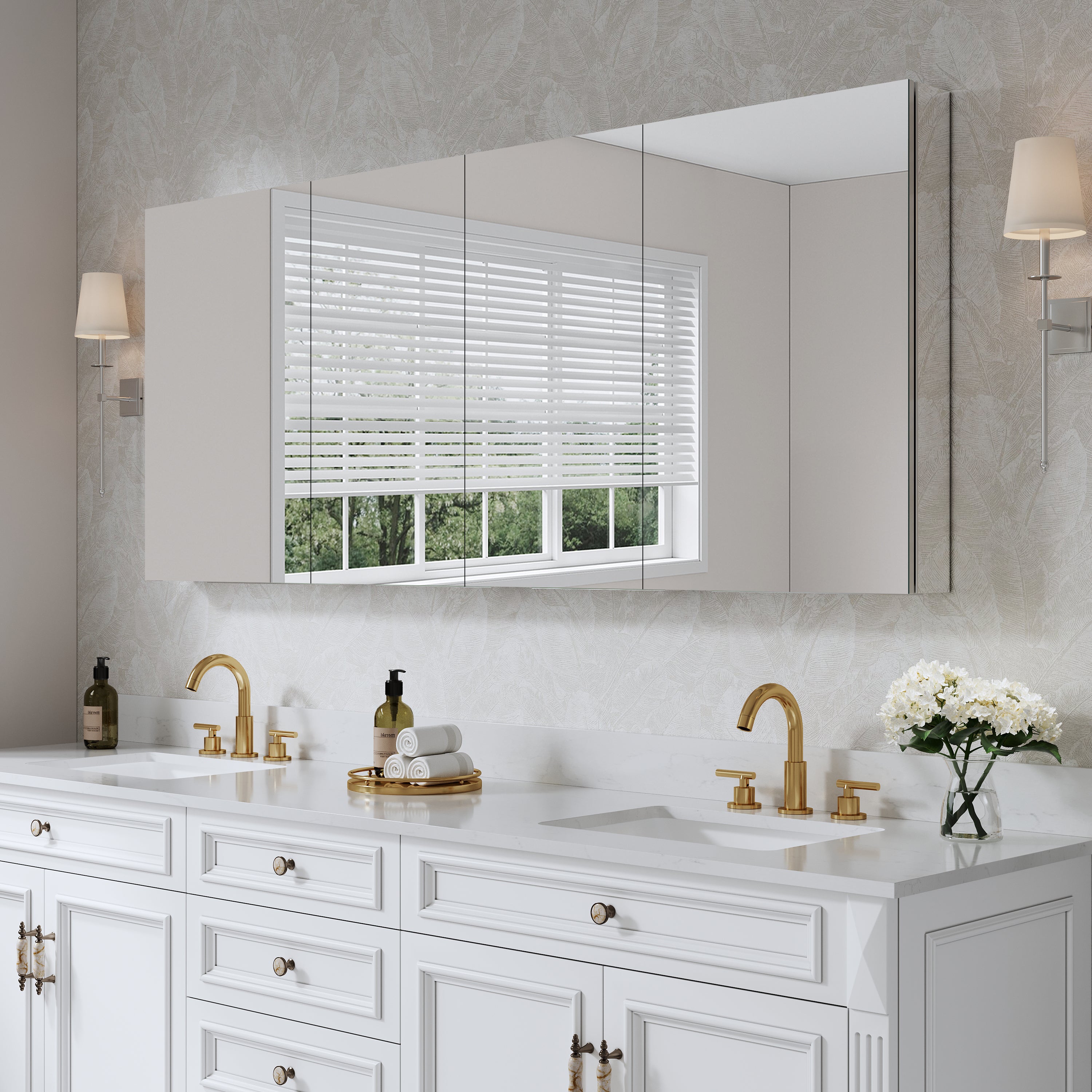
Medicine cabinets are constrained by wall framing, door swing, and weight. If your design goal is a wide, dramatic mirror that spans most of a double vanity, a standard mirror is often easier and can look more seamless.
2) Your wall is “busy” behind the mirror
Recessed installs compete with studs, wiring, plumbing vents, and sometimes shower valves. Standard stud spacing is often 16" on center, leaving about 14-1/2" of open cavity between studs—great for specific recessed cabinet widths, not great for others.
If the only viable spot is packed with obstructions, a surface-mount cabinet or plain mirror may be the more straightforward (and cheaper) path.
3) You hate door swing conflicts
A cabinet door needs room to open. If it collides with a sconce, a faucet, a nearby wall, or another cabinet door, it becomes annoying in a hurry. This is especially true in narrow baths with tight clearances.

The sizing and placement rules that keep it feeling “right.”
Match proportions to the vanity
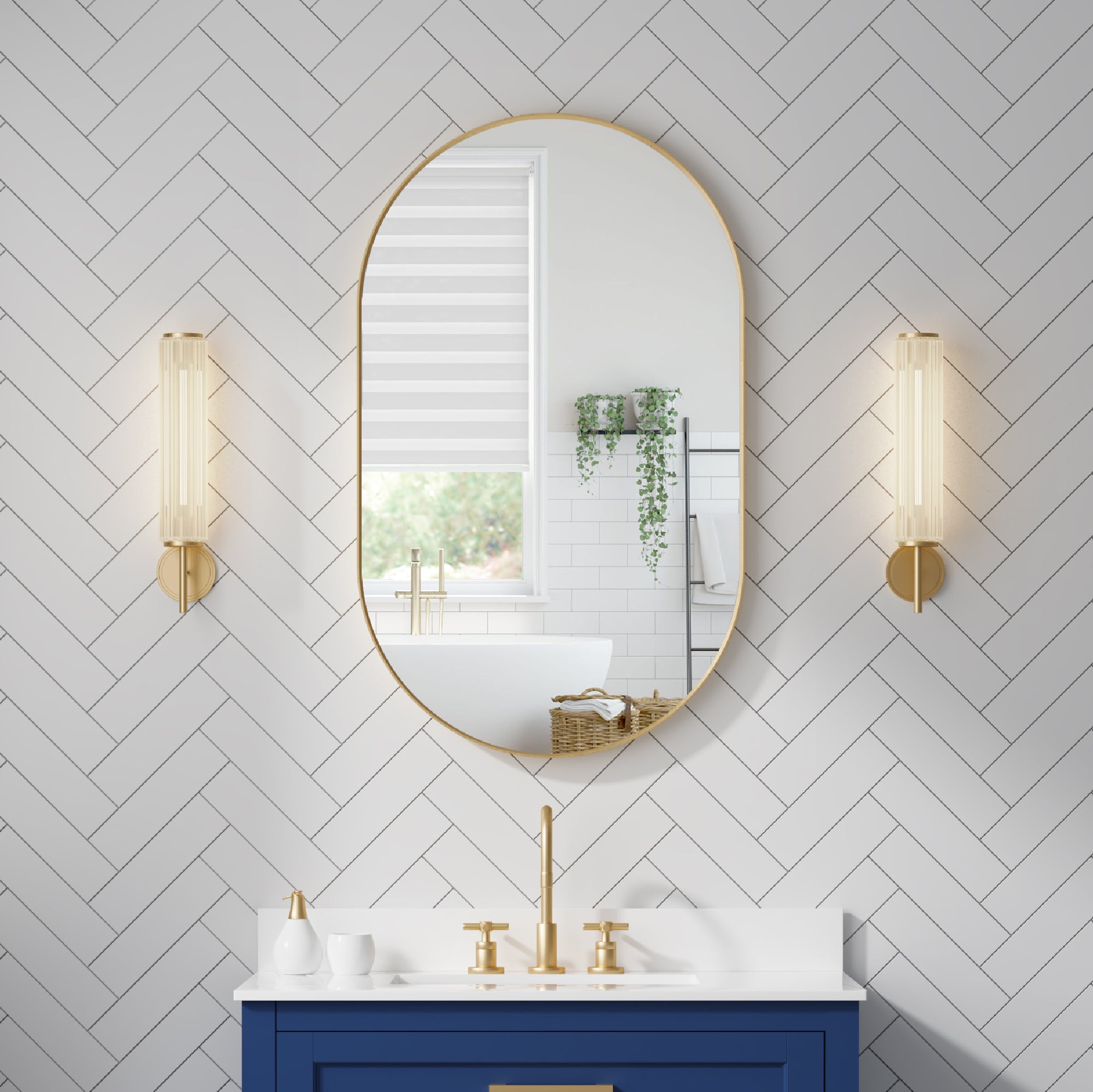
A reliable look is: cabinet width equal to or slightly narrower than the vanity top. Too narrow can look “floating,” too wide can crowd side lighting and feel top-heavy.
Think about user height and daily reach.
If multiple people share the bath, place the mirror area so it works for most faces. Accessibility-oriented code provisions used in many jurisdictions also give a useful benchmark: mirrors above lavatories are commonly required to have the bottom edge of the reflecting surface no higher than 40" above the floor, and if a medicine cabinet is provided, a storage shelf is commonly limited to 44" max above the floor.
Even if you’re not designing for strict accessibility, these numbers are a great “reality check” for comfortable daily use.
Don’t forget the electrical plan.
If you want the modern features people are choosing—hidden outlets, defoggers, lighting—you need a plan for power, wire routing, and service access. The Houzz data makes it clear these aren’t niche add-ons anymore.
Recessed vs. surface-mount: which looks more like a “plain mirror”?
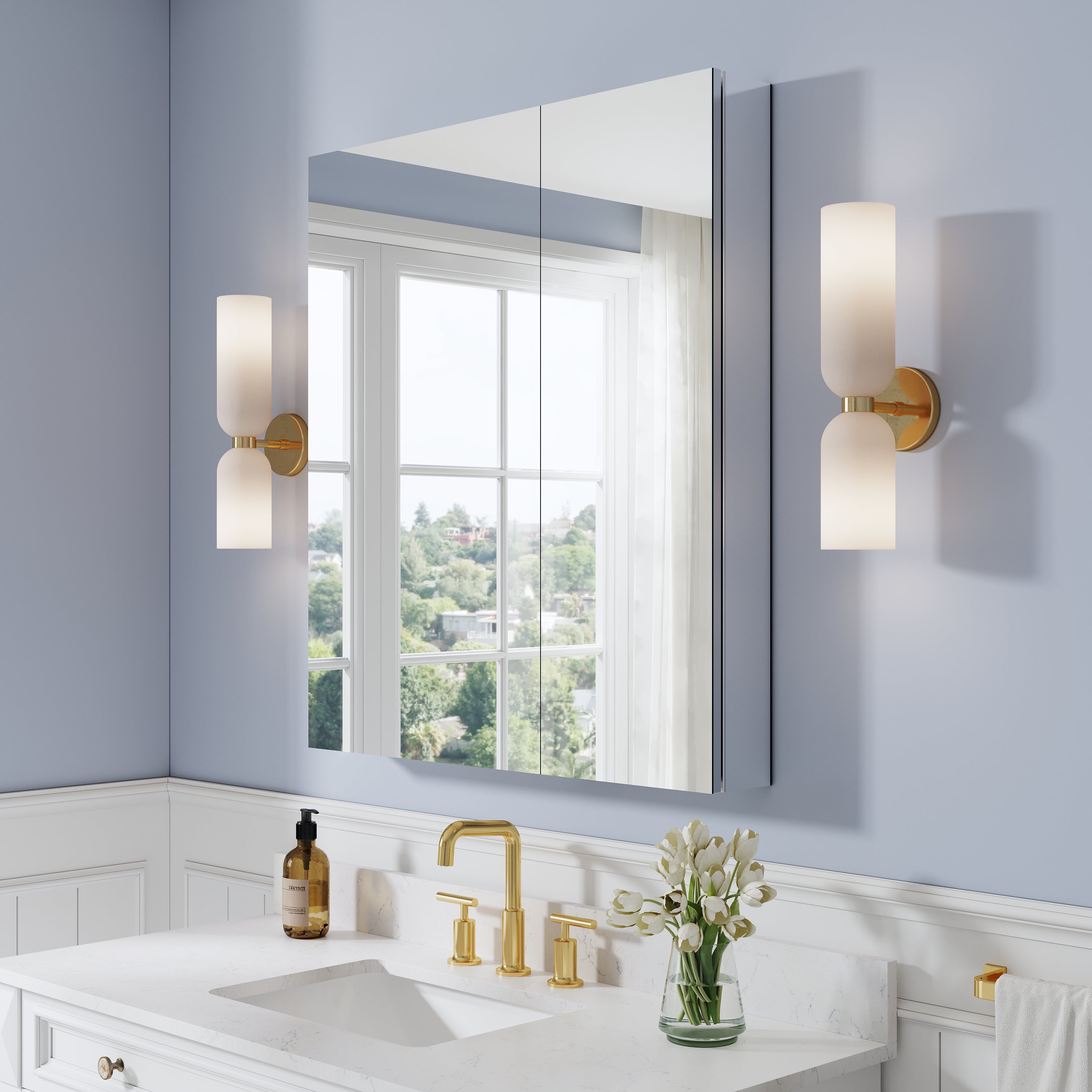
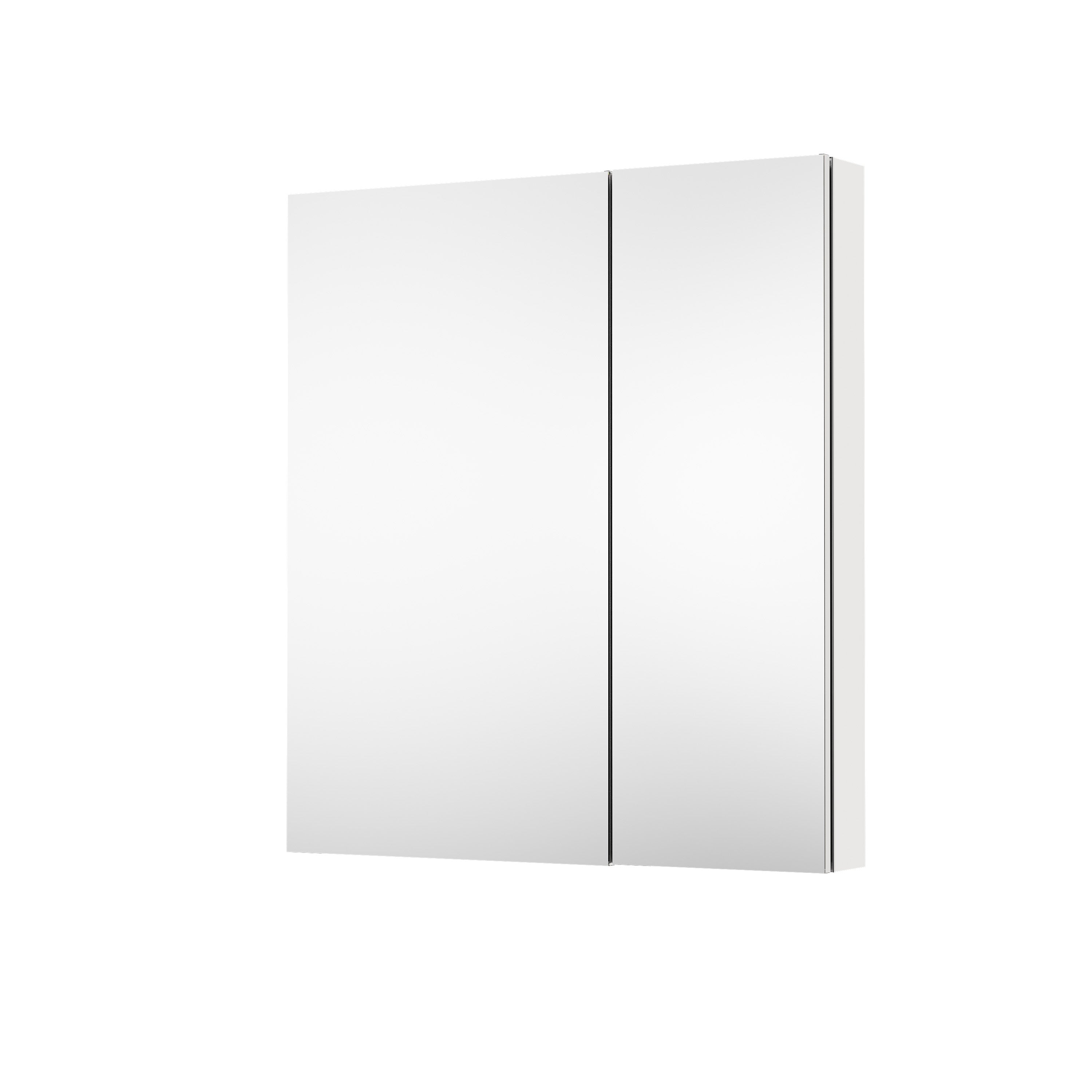
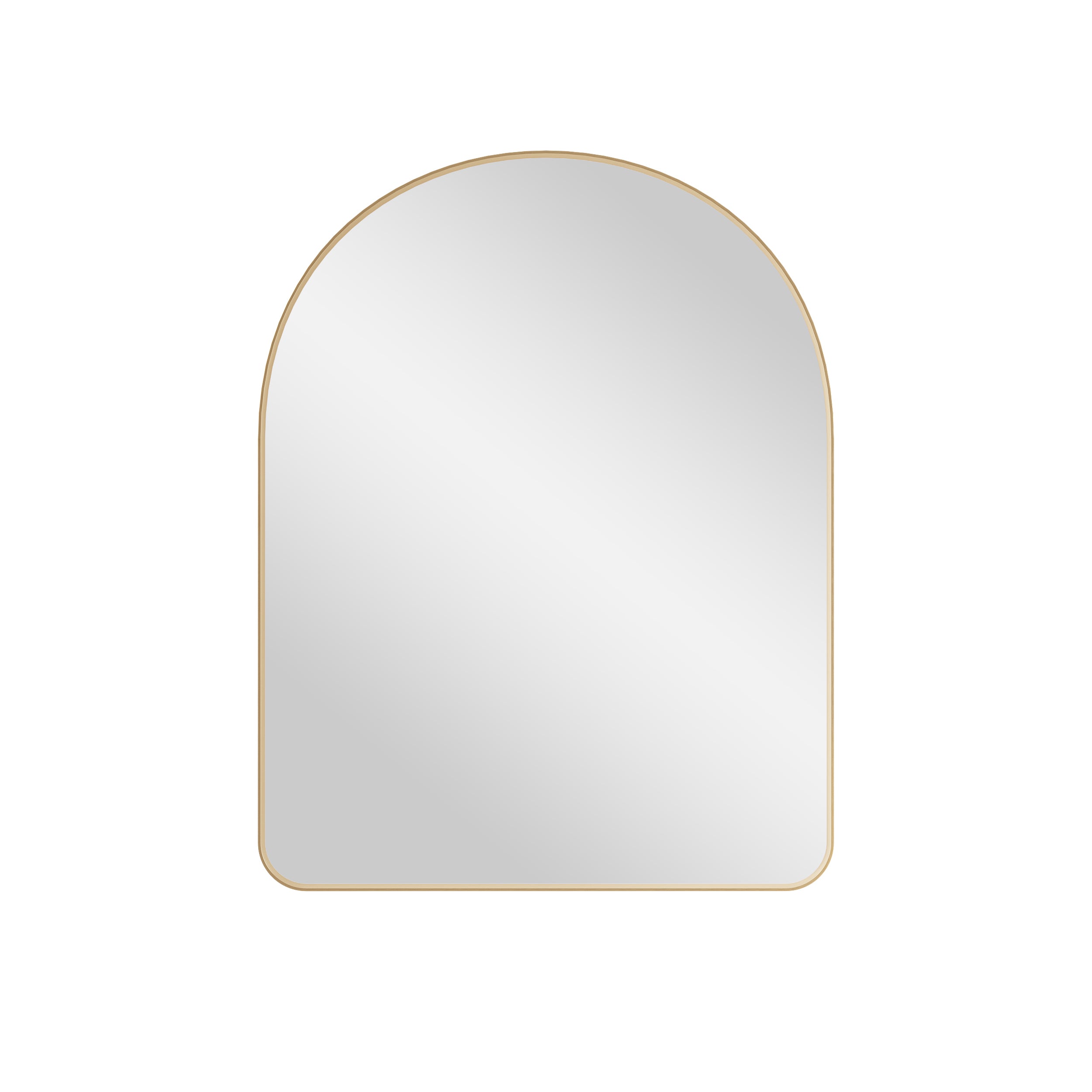
If your goal is to replace a plain mirror without altering the bathroom’s visual depth, a recessed mirror is the closest match. It sits more flush and reads cleaner.
But surface-mount is growing—up to 31% for upgraded medicine cabinets in the latest Houzz study—often because it avoids opening the wall or because framing/plumbing makes recessed impossible.
A good surface-mount cabinet can still look intentional if you:
· choose a thinner profile,
· align it precisely with vanity and lights,
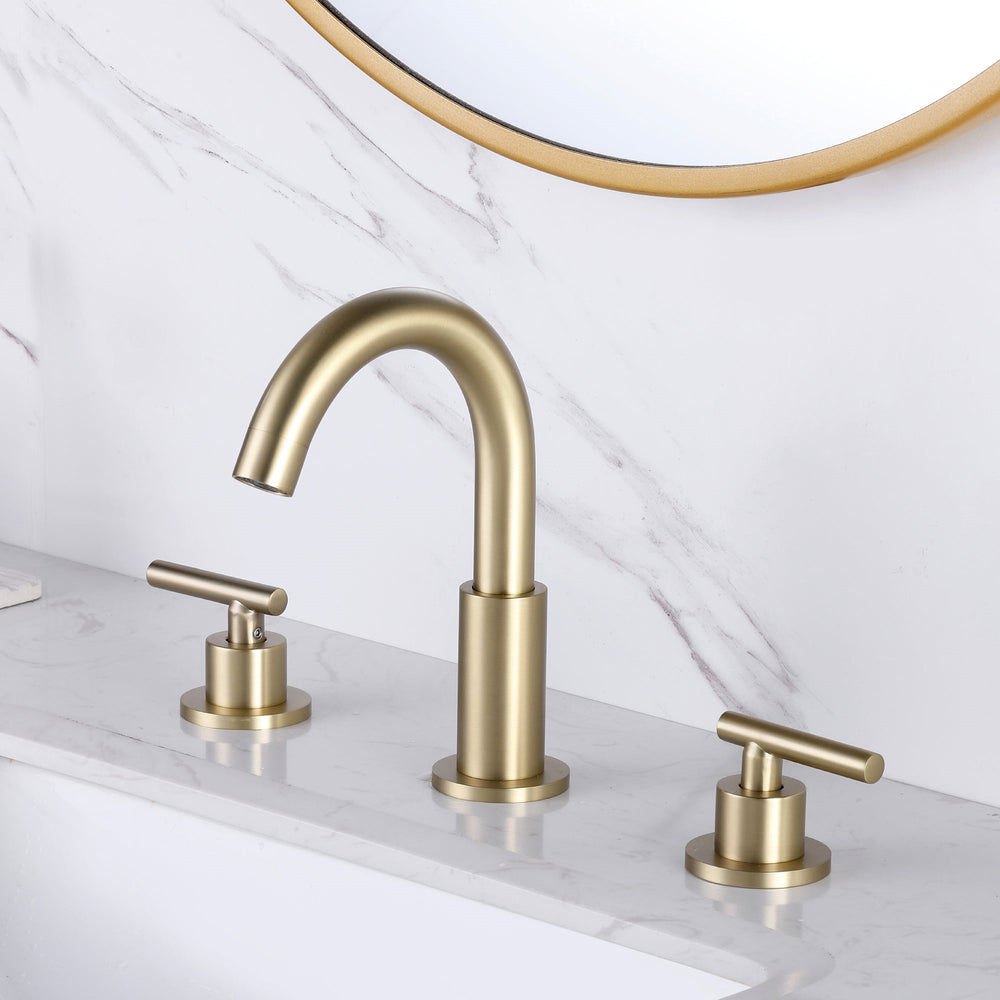
· and use a frame finish that matches the faucet/hardware.
A practical decision checklist
A mirrored medicine cabinet can replace a plain mirror and feel like an upgrade when most of these are true:
· You want hidden storage to reduce countertop clutter.
· You can recess the unit, or you’re OK with a modest surface projection.
· You want better face lighting or need defogging/charging features (which are increasingly common).
· Your layout benefits from wall-based storage without sacrificing the recommended 30" clear zone in front of fixtures.









Leave a comment
This site is protected by hCaptcha and the hCaptcha Privacy Policy and Terms of Service apply.