






















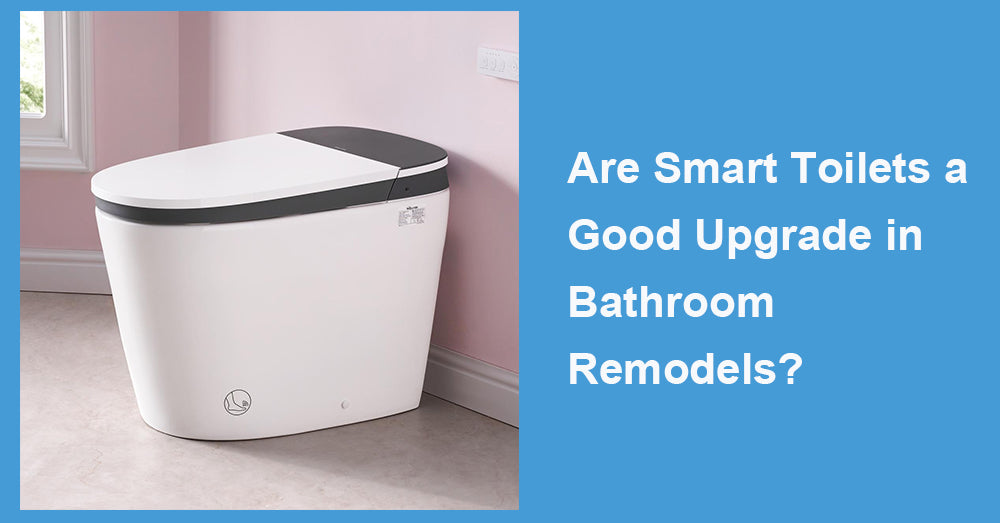
Smart toilets are moving from “nice-to-have” showpieces to practical upgrades as bathroom remodels increasingly prioritize comfort, hygiene, and long-term usability. That shift is happening alongside steady momentum in renovation spending: total home improvement outlays are projected to reach $524 billion in early 2026, keeping premium bathroom choices on the table even when budgets are carefully managed.
What counts as a “smart” toilet now?
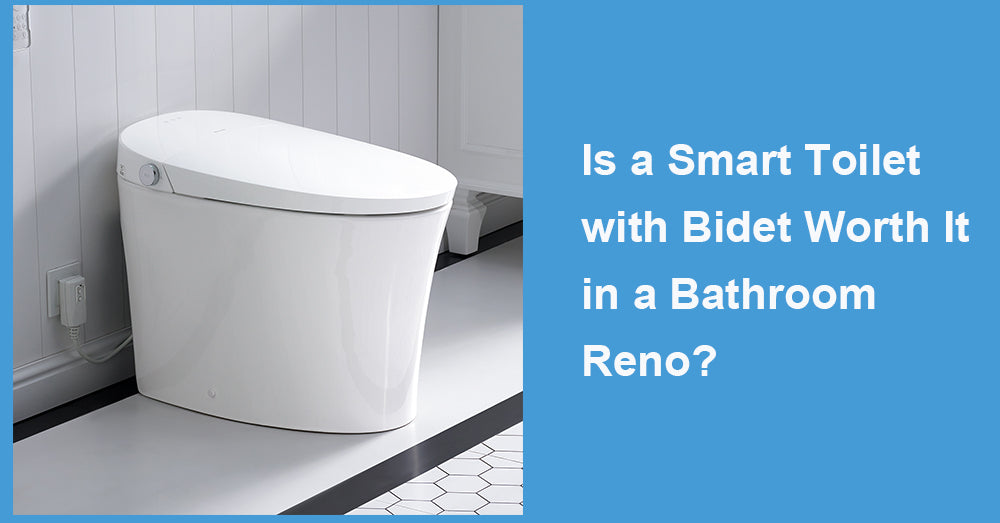
In today’s product landscape, “smart” usually means a mix of features once sold separately: integrated bidet washing (often with adjustable pressure/temperature), heated seat, warm-air drying, deodorizing, automatic or hands-free flushing, self-cleaning routines, and user presets via remote or app. The practical question isn’t whether the tech exists—it’s whether the benefits fit the remodel’s goals and the home’s constraints (space, wiring, serviceability).
A proper reality check: many households don’t jump straight to an all-in-one unit. They adopt smart-toilet features first—especially bidet functions—because they deliver immediate daily value without changing the rough plumbing.
Demand is measurable, and it’s no longer niche.
Recent remodeling research shows specialty toilet features are becoming mainstream: 41% of renovating homeowners installed toilets with specialty features, with 35% choosing features built into the bathroom itself. The most common picks map closely to what people associate with smart toilets—bidet seats (23%), bidet seats with water pressure controls (21%), self-cleaning (19%), air dryers (17%), and heated seats (17%).
On the industry forecast side, a major kitchen-and-bath trade group reports that 51% of respondents anticipate smart toilets becoming more popular over the next three years—an indicator that designers and manufacturers expect continued pull, not a short-lived fad.
The “quiet” ROI: water performance and operating cost
A smart toilet upgrade can be framed as a lifestyle, but it can also be framed as a more disciplined performance upgrade—especially when it’s aligned with high-efficiency flushing.
· Toilets are also cited as the largest single source of indoor water use in a typical home—around 30%.
· Replacing older, inefficient toilets with WaterSense-labeled models is associated with 20%–60% reduction in toilet water use and about 13,000 gallons/year in savings, with $170+ in water-cost savings for the average family.
The takeaway: if you’re already opening walls and finishing floors, locking in efficient flushing at the same time can make the upgrade easier to justify—especially in areas with higher water rates or rebate programs tied to efficiency.
Space planning: smart toilets still obey “dumb” rules
Innovative features don’t matter if the toilet placement feels cramped. Use these inch-based benchmarks early, before tile and electrical get finalized:
· Front clearance: plumbing code language commonly calls for at least 21" in front of the toilet to any wall/fixture/door.
· Comfort standard: many designers plan 30" clear space in front of fixtures for better movement and a less “tight” feel.
· Side clearance (centerline): plan 15" minimum from the toilet centerline to a side wall/obstacle; 18" is often recommended for comfort.
These matter more with smart toilets because some models have wider seats, integrated side controls, or a bulkier skirted base. If you’re tight on inches, a sleek bidet seat on a standard bowl can deliver most of the comfort without pushing the footprint too far.

Electrical and rough-in: the two remodel “gotchas.”
Most smart toilets (and nearly all electric bidet seats with heat/dry) need power. In a remodel, adding an outlet is usually straightforward; in a light refresh, it can be the deal-breaker. Plan a code-compliant location for the bathroom receptacle and keep service access in mind. You also need to confirm the toilet rough-in dimension (many bathrooms are built around a 12" rough-in, but 10" and 14" exist), because smart toilets are less forgiving to “almost fits” replacements—especially with skirted designs and concealed trapways.
The best practice is to select the toilet model before the electrician closes the wall. Otherwise, you risk an outlet that’s blocked by the toilet body or visible in an awkward spot.
Hygiene and comfort: why people actually keep loving them
If you strip away the tech buzzwords, the daily value falls into three buckets:
1. Cleanliness with less friction: warm-water washing and drying reduces reliance on paper and can feel noticeably cleaner.
2. Nighttime usability: soft-close lids, night lights, and hands-free flushing reduce noise and fumbling.
3. Aging-in-place advantages: easier hygiene routines and fewer twisting motions can be meaningful over time, even if you’re not designing a fully accessible bath today.
This is why adoption often starts with a bidet seat and evolves into a complete smart toilet during a later remodel cycle.
Performance: don’t ignore the “flush” part of smart
Smart toilets can be luxurious and still disappoint if flushing is weak. That’s why performance testing has become part of the buying conversation. The independent MaP (Maximum Performance) testing program measures bulk waste removal and publishes scores to compare models.
At the same time, it ties efficiency to performance requirements, which helps reduce the risk of “low-flow = weak” assumptions when you buy a certified unit.
A practical approach: shortlist models that are both efficiency-certified and have strong third-party performance data, then decide which innovative features actually matter (heated seat vs. dryer vs. auto-open lid, etc.).
So, are they a good upgrade?
In remodel terms, smart toilets are a good upgrade when at least one of these is true:
· You’re already doing electrical work or can easily add a nearby outlet.
· You’re upgrading fixtures for long-term comfort (heated seat, bidet, drying) rather than “resale optics.”
· Water efficiency matters, and you’re replacing an older, higher-volume toilet anyway (making the upgrade a two-for-one).
· The layout can comfortably support proper clearances—because no feature compensates for a cramped 21" front zone in a daily-use bath.









































Leave a comment
This site is protected by hCaptcha and the hCaptcha Privacy Policy and Terms of Service apply.