
















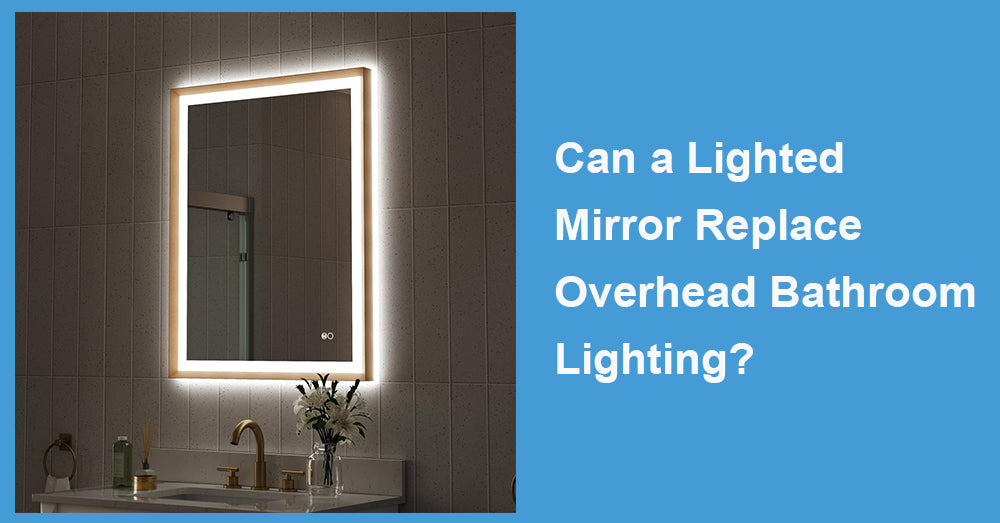
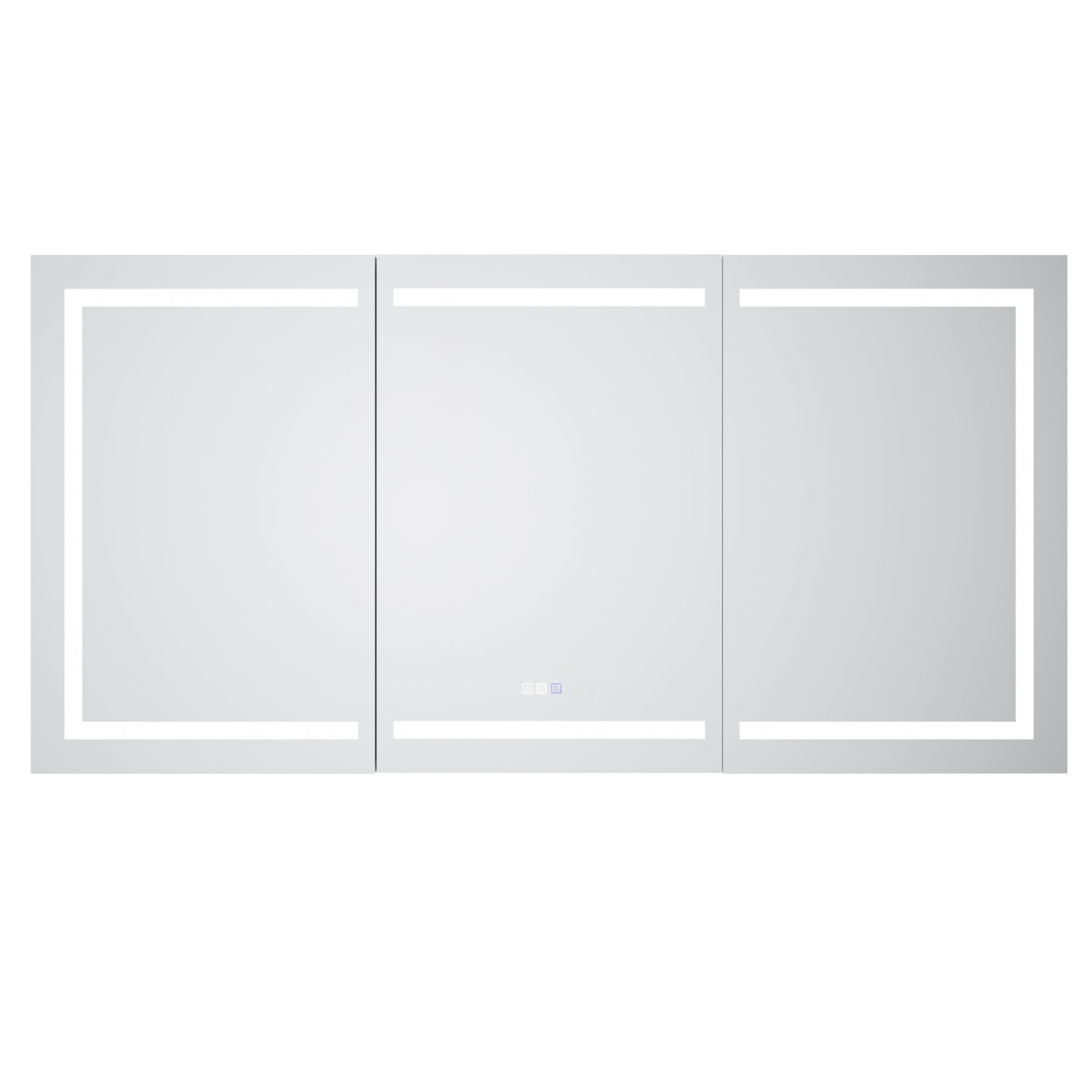
With bathroom design evolving towards minimalism and functional integration, lighted mirror have gradually evolved from auxiliary lighting to a core light source.
More and more families are asking a question when renovating: Can mirrors with lights completely replace traditional ceiling lights?
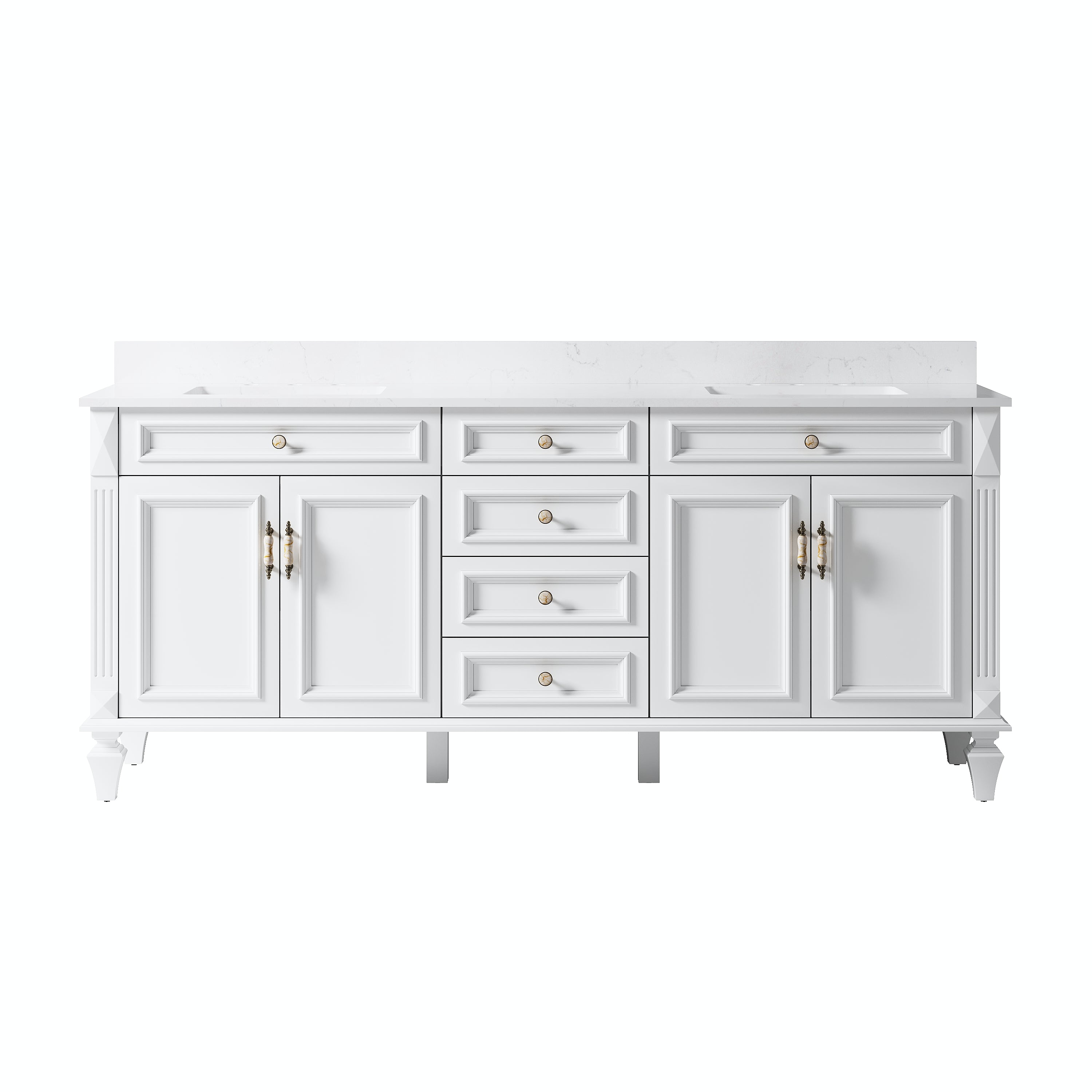
Especially in 30-inch30-inch single-pot spaces or 60-inch60-inch double-pot layouts, the lighting layout directly affects comfort and the visual hierarchy of use.
To answer this question, it is necessary to analyze from multiple dimensions, such as illuminance level, light distribution, functional requirements, and spatial area.
1. Illuminance standards and basic light requirements
In bathroom lighting design, it is usually recommended to achieve a basic ambient illuminance of about 50 to 75 foot candles.
Converted to common lighting specifications, a bathroom with an area of approximately 80 to 100 square feet typically requires a total luminous flux between 2000 and 4000 lumens, depending on the wall color and floor height.
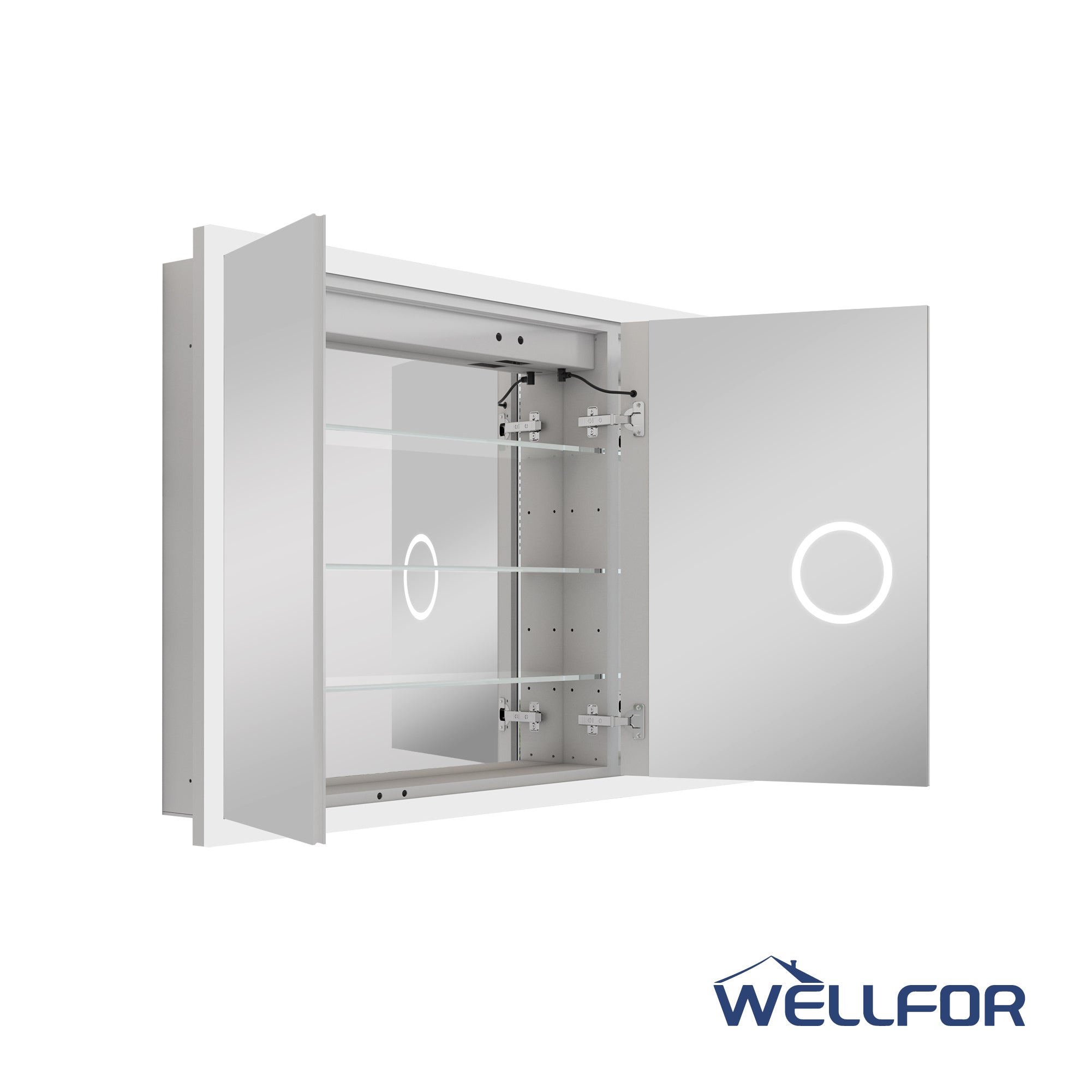
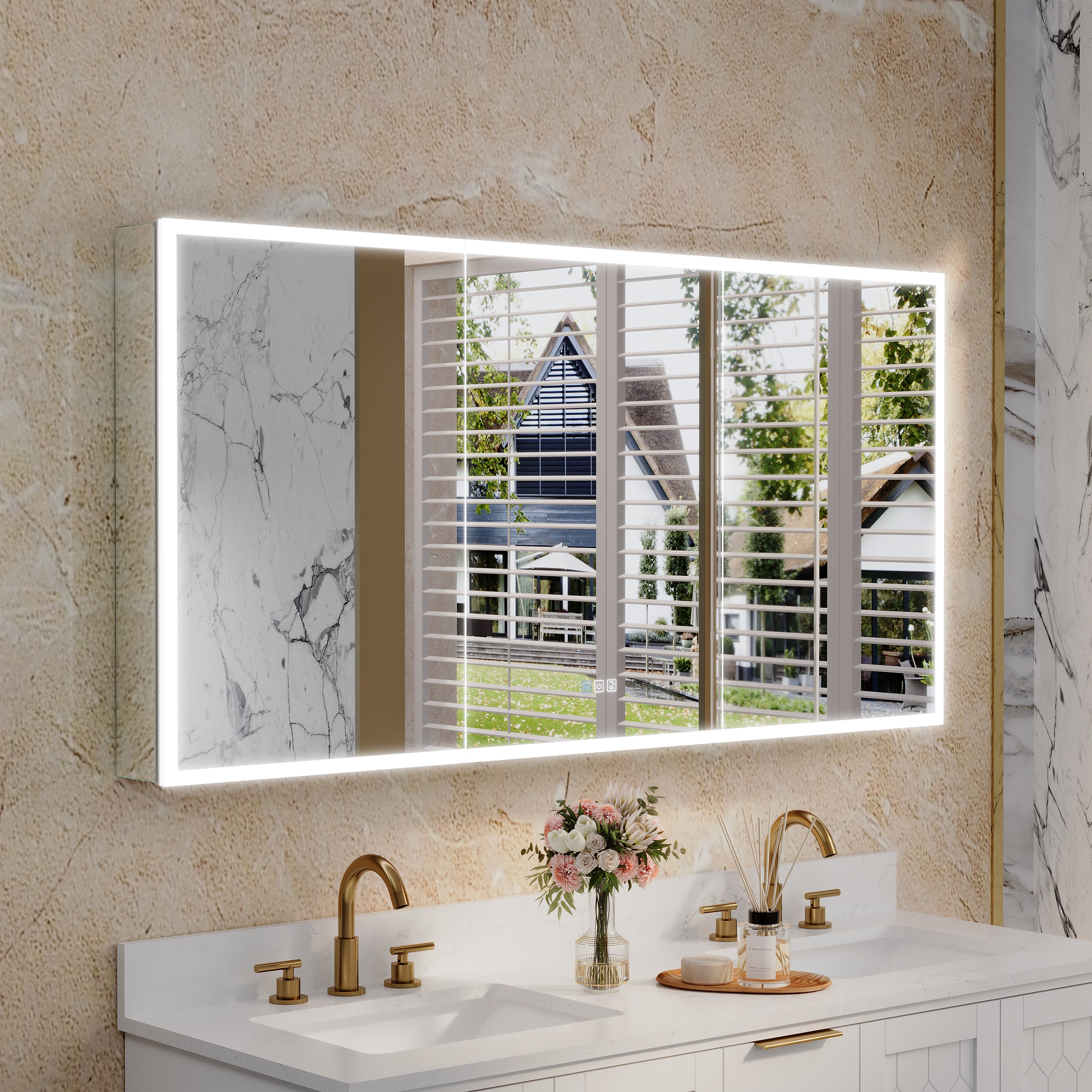
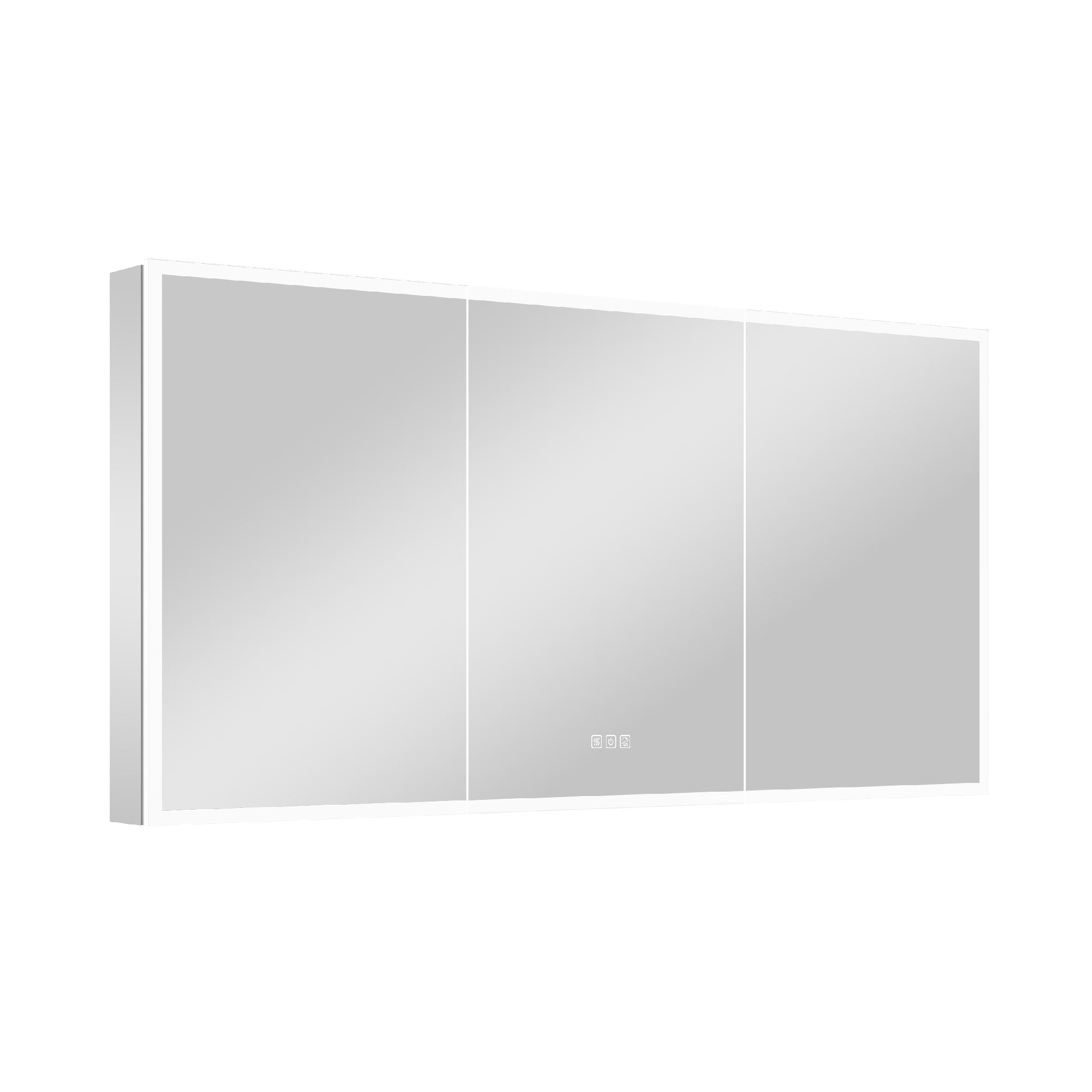
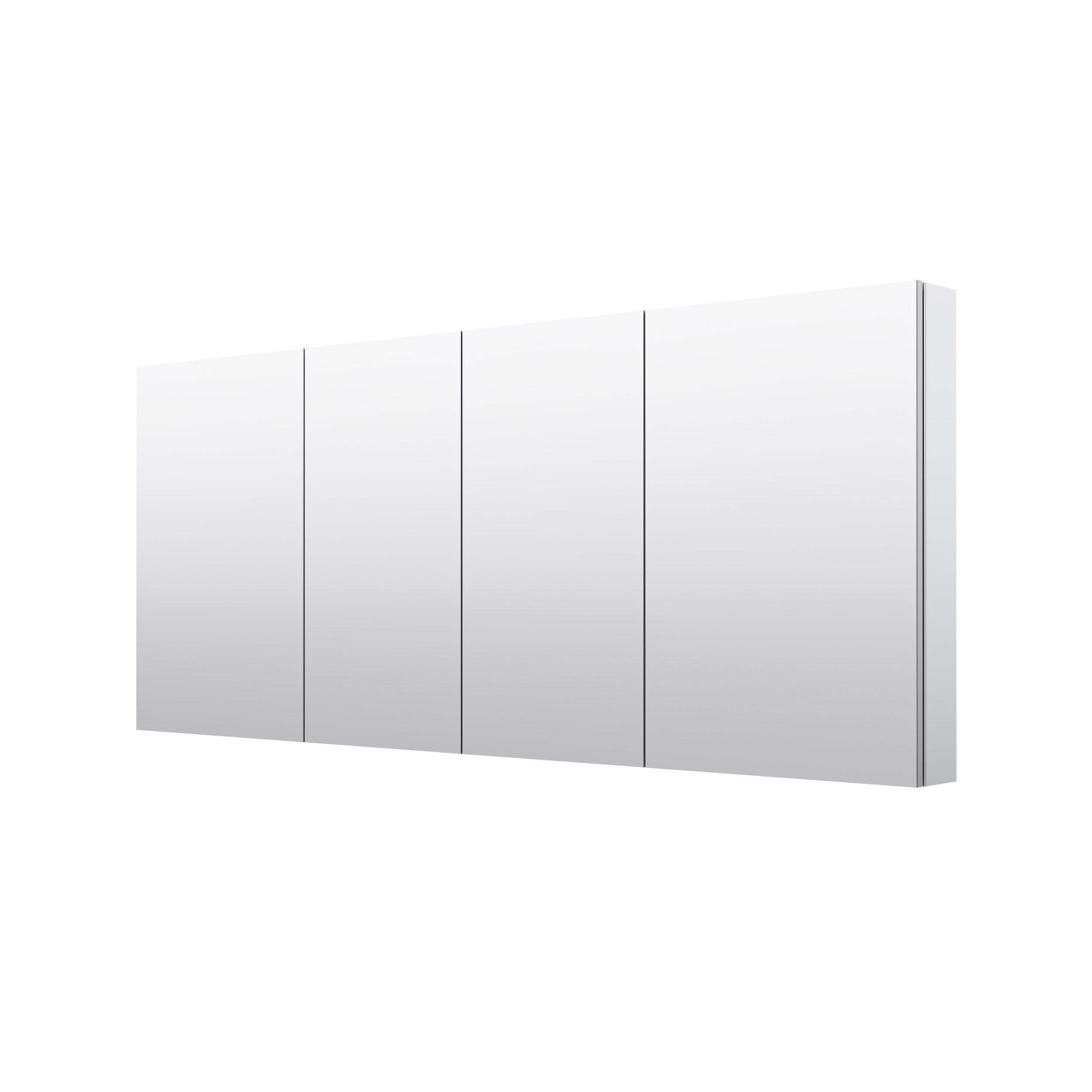
A common 32-inch to 36-inch LED illuminated mirror typically outputs brightness between 1200 and 2000 lumens.
The larger 48-inch to 60-inch models may reach 2500 to 3500 lumens.
From a data perspective, in small- and medium-sized bathrooms, large illuminated mirrors theoretically achieve or approach the required luminous flux for basic lighting.
But luminous flux is not equivalent to lighting coverage.
The key lies in the distribution of light.
2. Light distribution and shadow control
Traditional ceiling lights are usually installed in the center of a room, with light spreading downwards.
But a single overhead light can easily create shadows on the face, especially affecting accuracy during shaving or makeup.
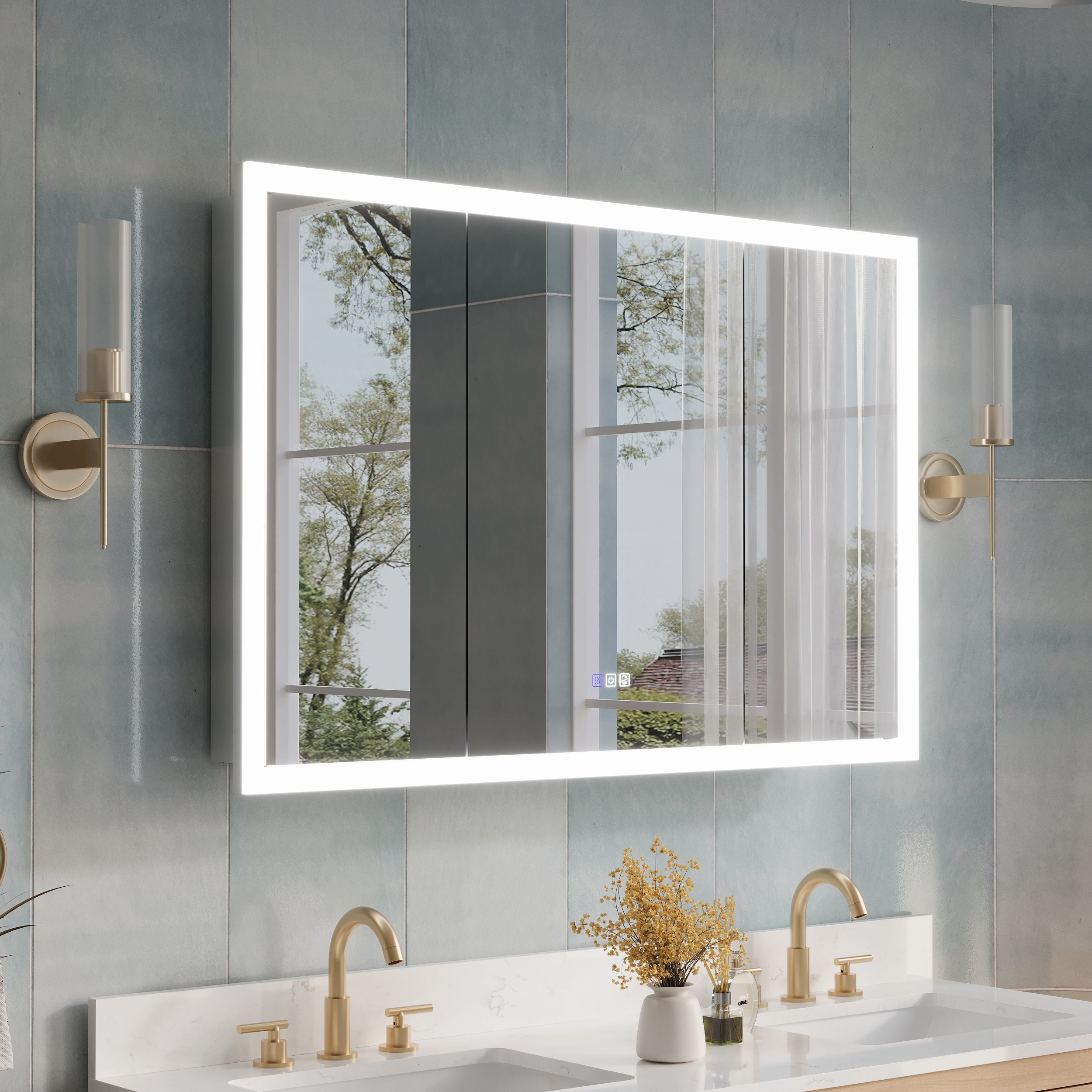
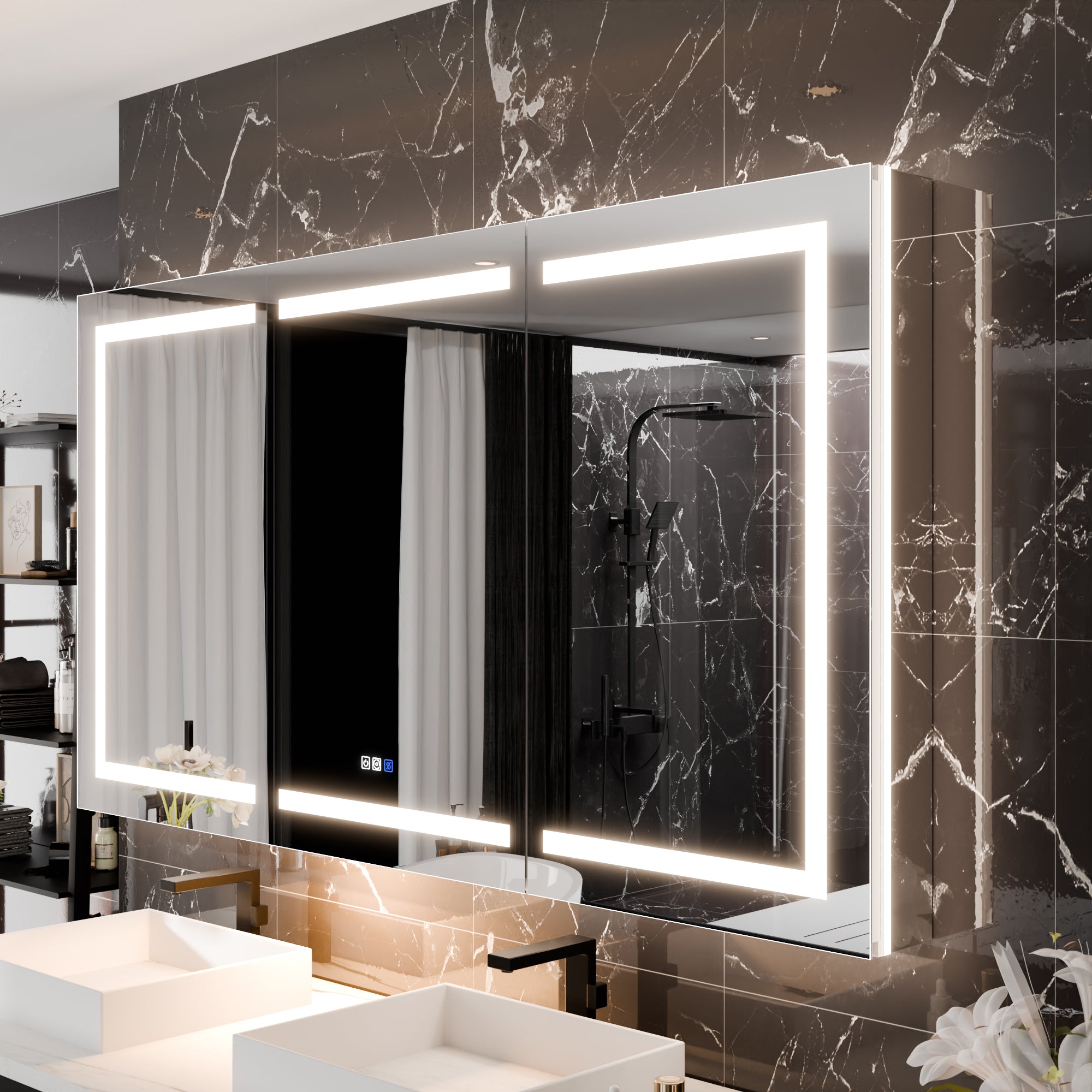
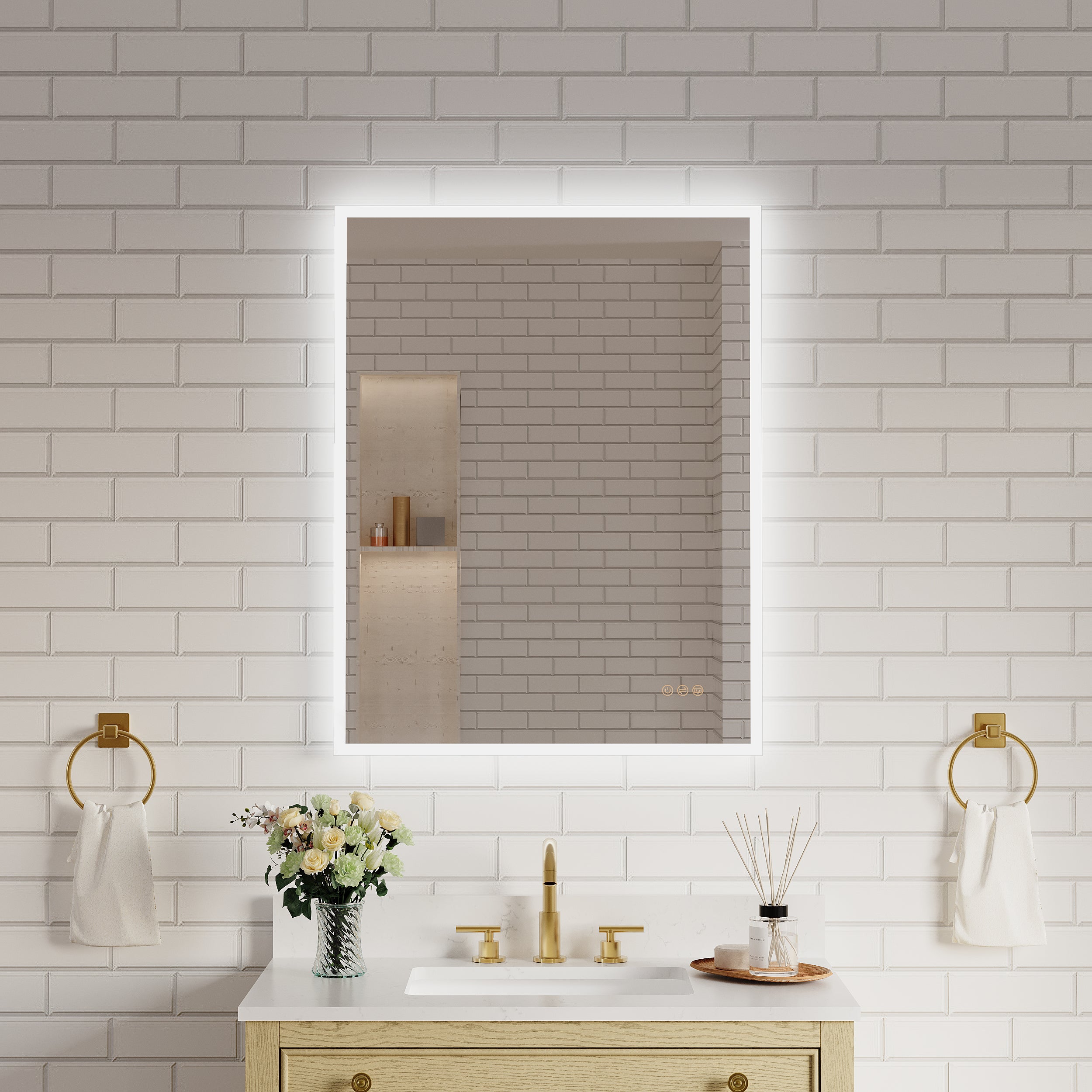
In contrast, mirrors with lights usually use backlight or side lighting, with the light closer to the front of the face, which can reduce shadows.
Research has shown that in structures where the height of light sources on both sides of the face is level with the eyes, facial shadows are reduced by about 20% to 30%.
Therefore, from the perspective of task lighting, illuminated mirrors are superior to single overhead lights in front of mirrors.
3. The impact of spatial area on substitutability
In compact bathrooms with an area less than 70 square feet, it is feasible to eliminate the overhead light if equipped with high-brightness LED mirrors (output exceeding 2000 lumens).
However, in main bathroom spaces exceeding 120 square feet, relying solely on mirror light sources may result in insufficient illumination in corner areas.
Especially in 9-foot or higher spaces, the top lighting still serves to distribute the overall ambient brightness evenly.
Data show that in spaces with an area exceeding 100 square feet, satisfaction with using only mirror light sources is significantly lower than with the combination of "mirror+ceiling light".
4. The key role of color temperature and color rendering index
Modern LED illuminated mirrors typically offer color temperature adjustment from 3000K to 6000K.
3000K warm light is suitable for a relaxing atmosphere.
4000K is close to daylight.
5000K or above is more suitable for fine care.
In addition, the Color Rendering Index (CRI) is an important indicator for measuring the ability of a light source to reproduce skin color accurately.
High-quality CRI with illuminated mirrors is usually above 90.
In contrast, if the color rendering index of a regular ceiling light is insufficient, it may affect the judgment of skin color.
From a functional perspective, high-CRI mirror light sources offer greater advantages for facial lighting, but top lighting remains responsible for the overall spatial hierarchy.
5. Energy efficiency and usage cost
The power of LED illuminated mirrors typically ranges from 30W to 80W, depending on their size and brightness level.
Compared to traditional ceiling lighting systems, the total power may be comparable or slightly lower.
If lighting is only turned on when mirrors are in use, energy consumption can be more precisely controlled.
But if relying entirely on mirror light sources, prolonged use may affect the lifespan of electronic components inside the mirror body.
Data shows that under normal usage conditions, the lifespan of LED systems can reach 30000 to 50000 hours.
But in high-humidity environments, a stable power supply and waterproof rating are equally important.
6. Zoning lighting trend
Modern bathroom lighting design gradually adopts a zoning concept:
The top provides ambient light
The mirror provides task light
The shower area or niche provides auxiliary light
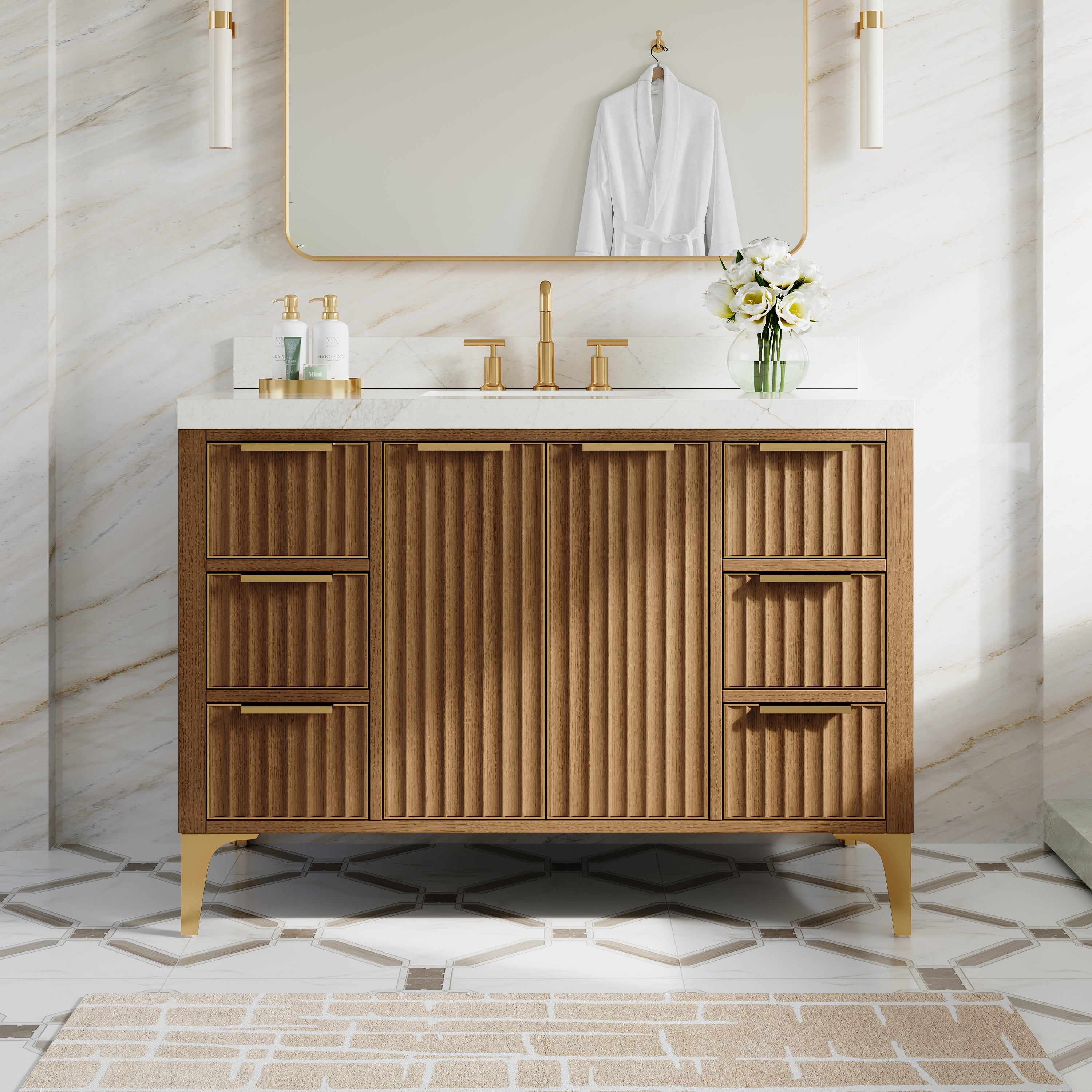
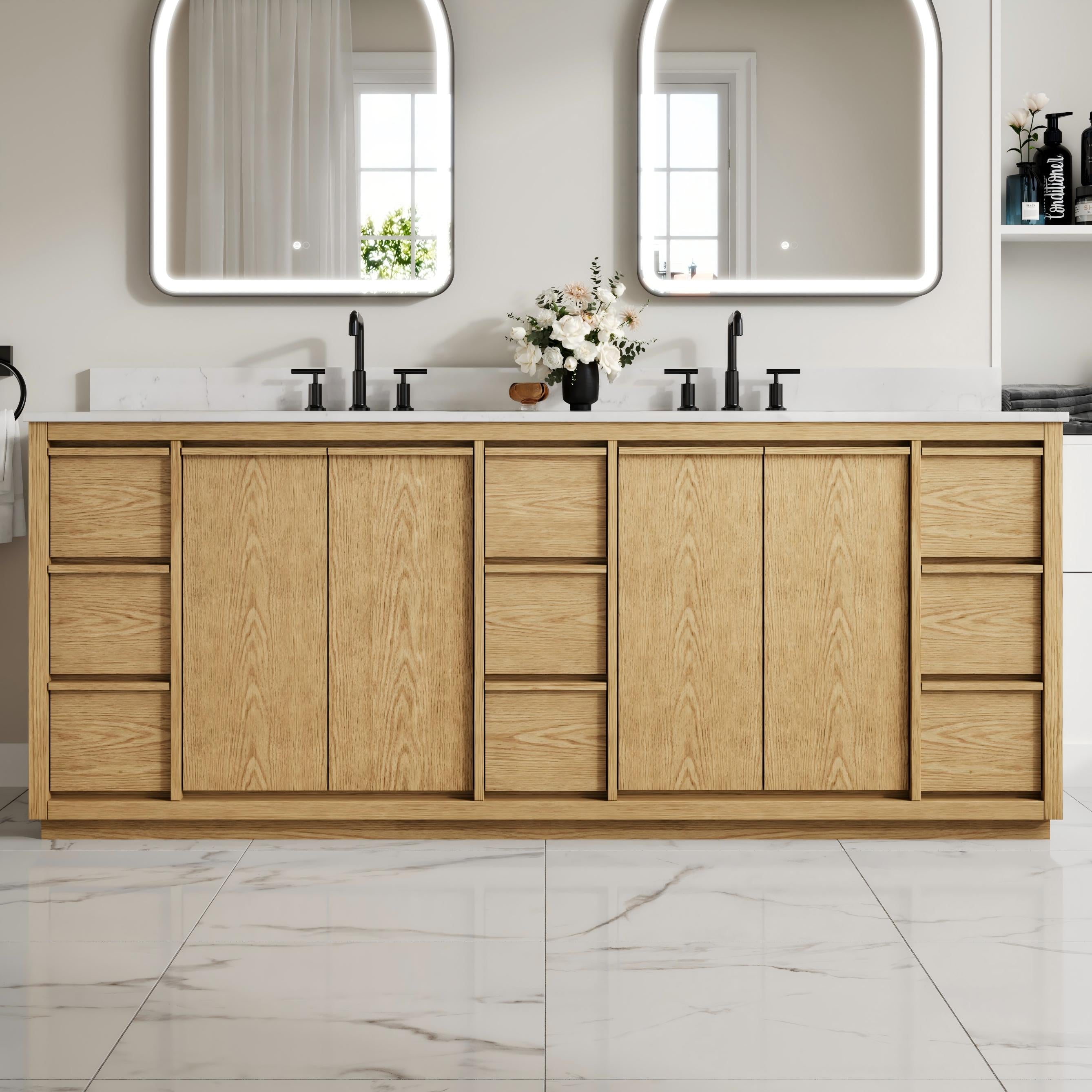
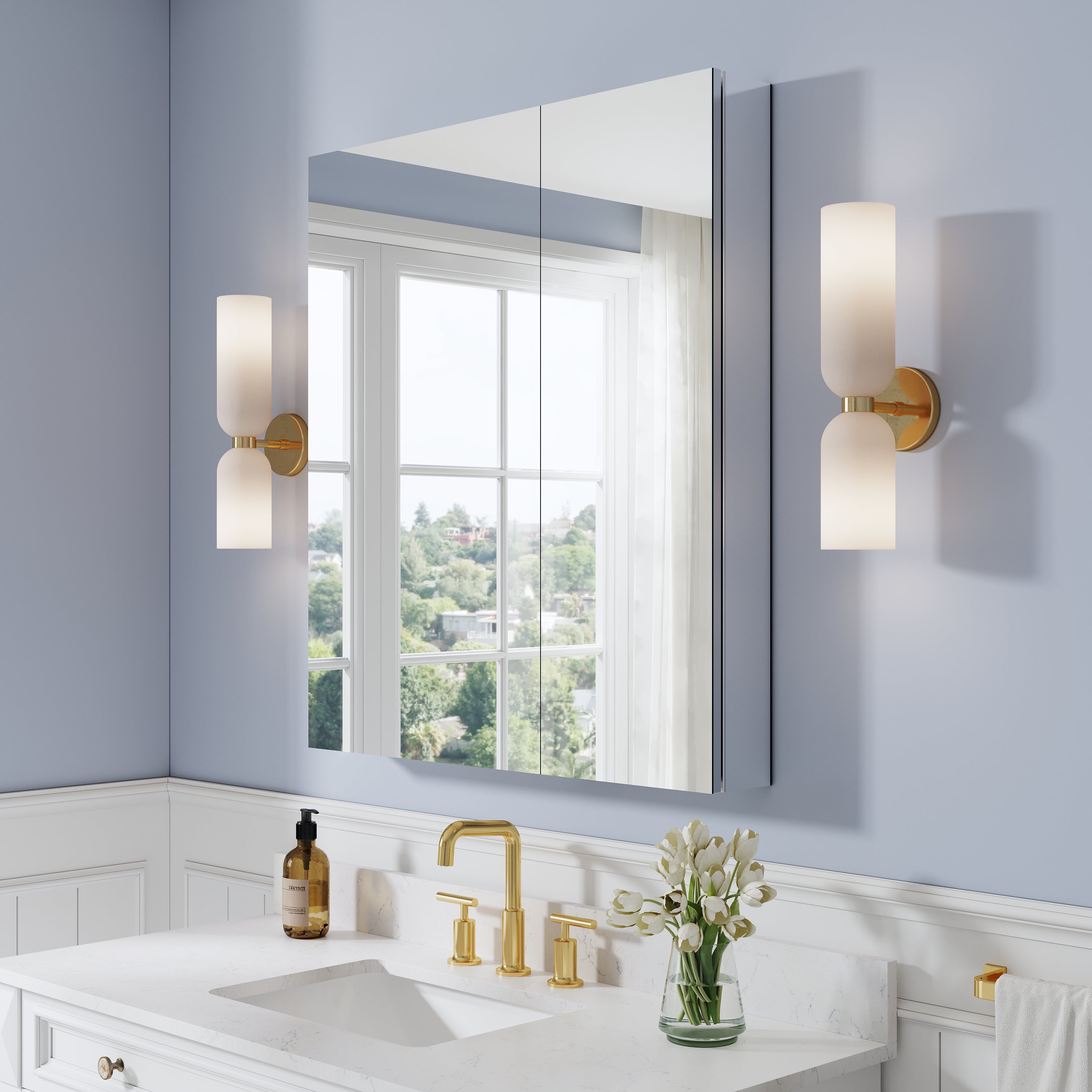
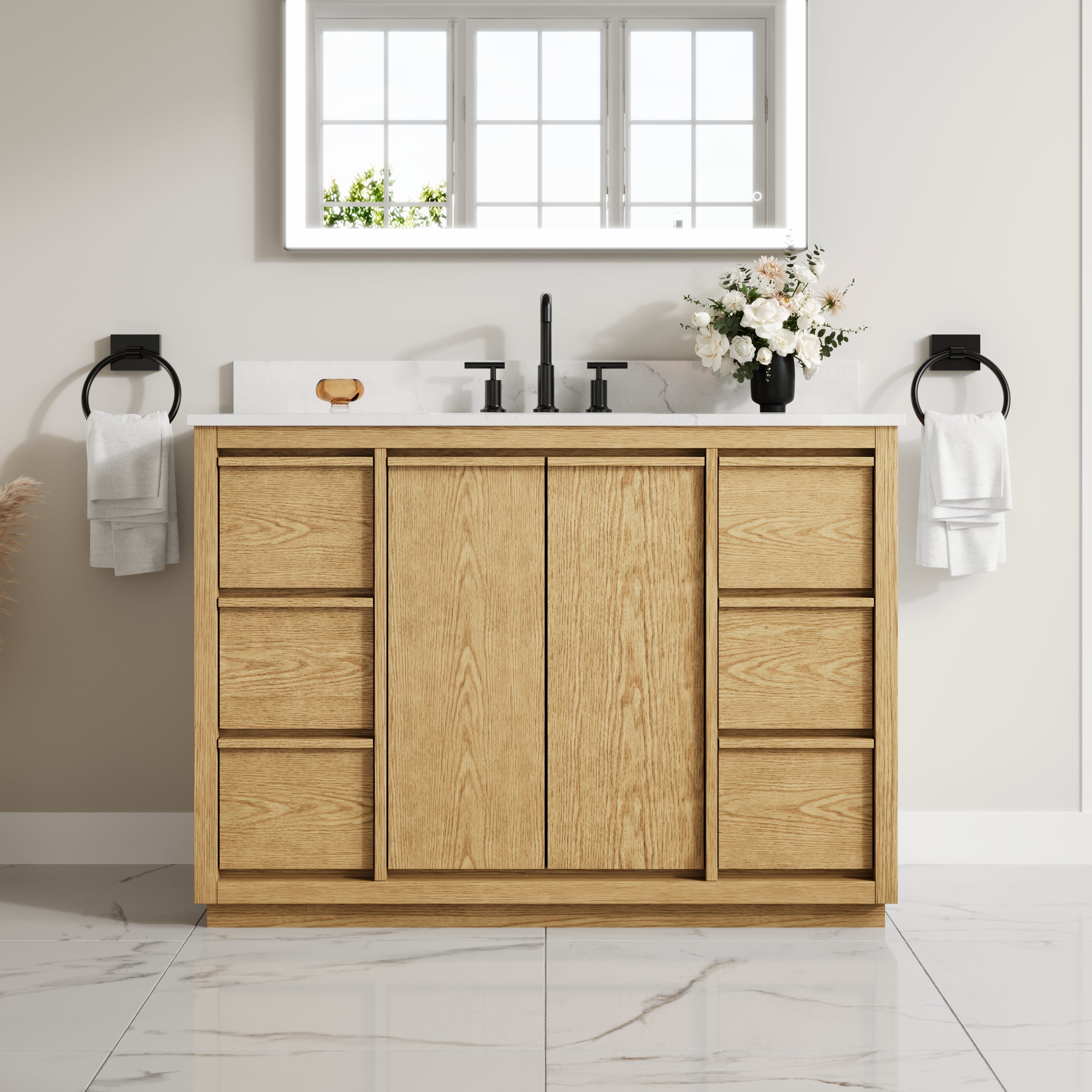
In the 36-inch vanity configuration, using a 32-inch illuminated mirror with a simple overhead light can ensure even lighting while maintaining a minimalist style.
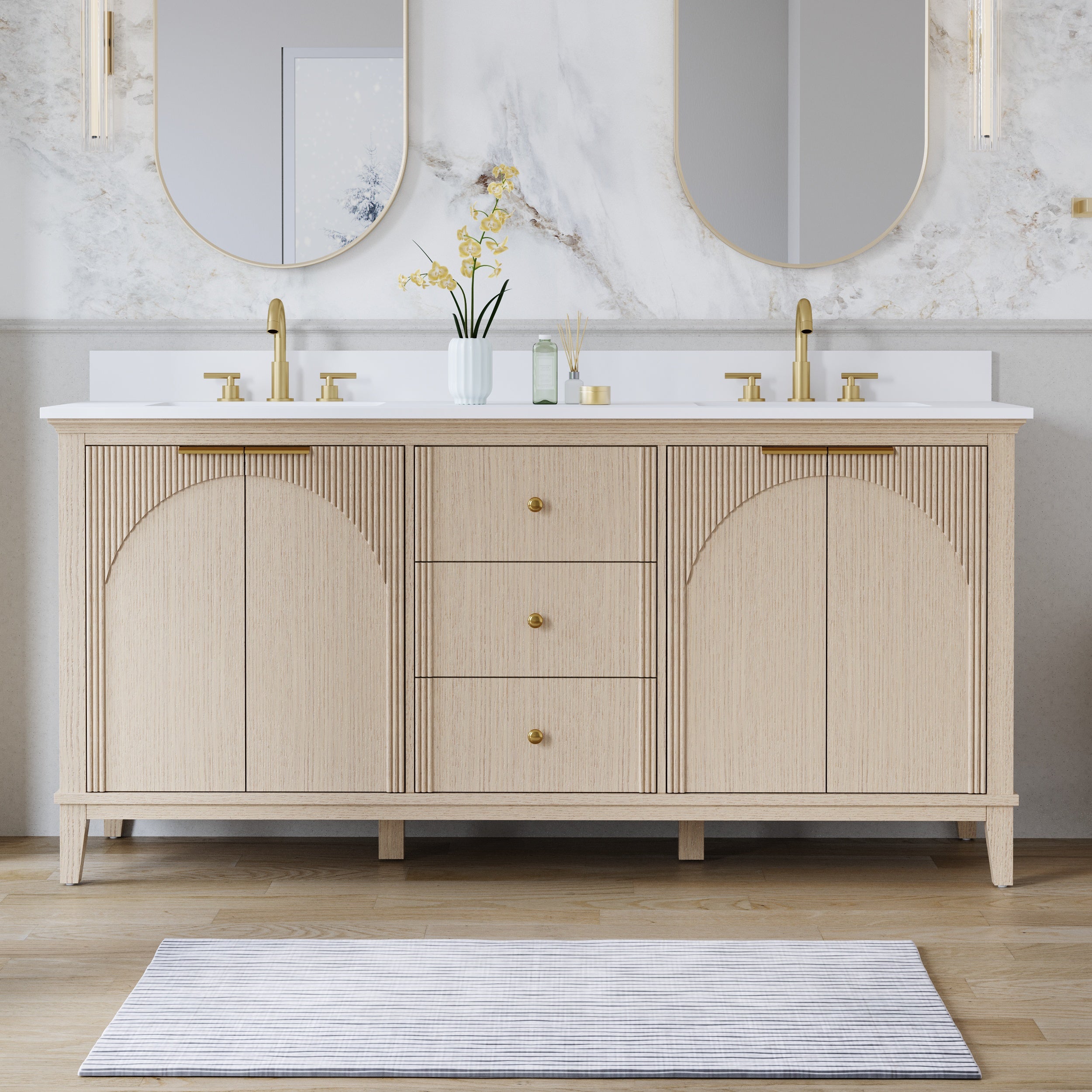
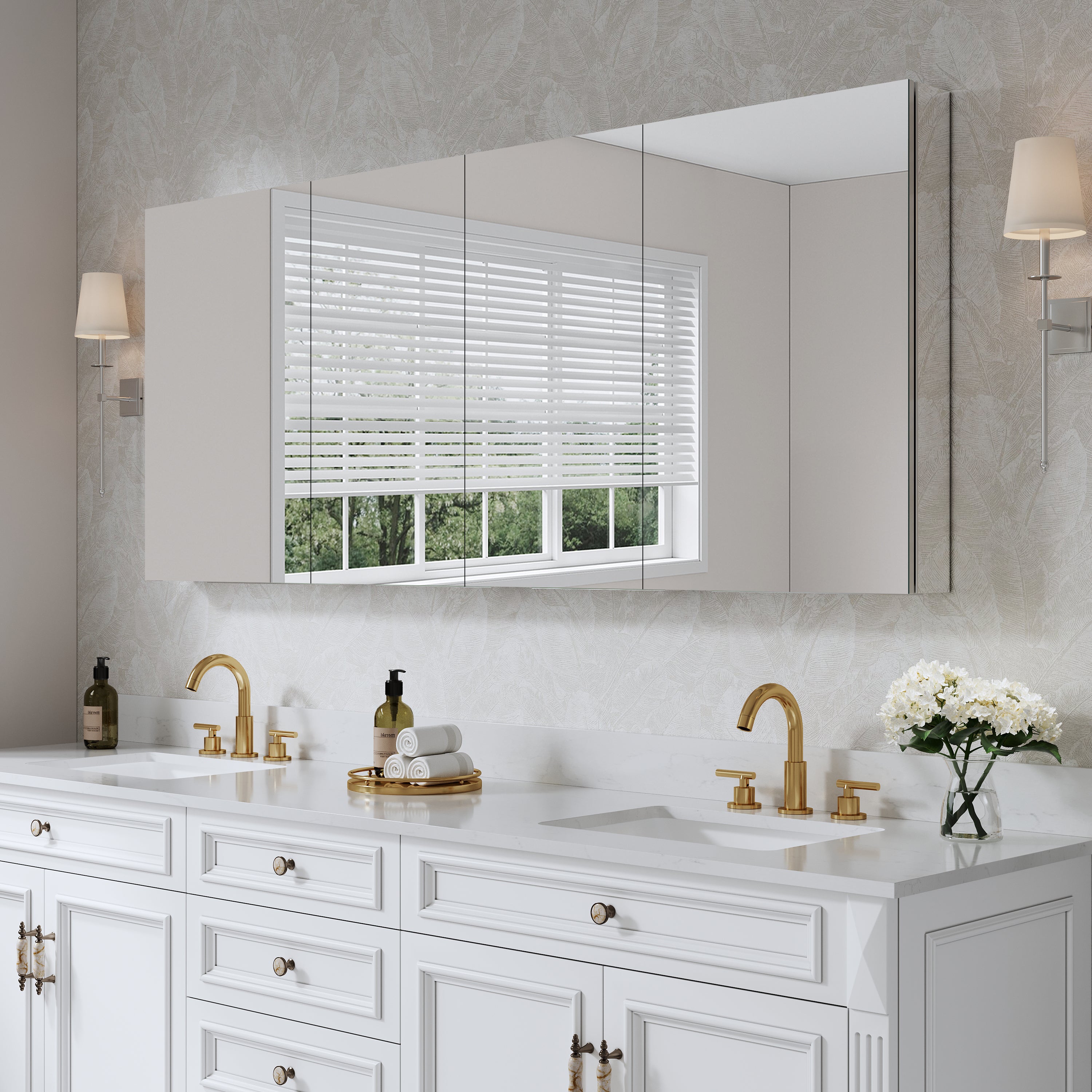
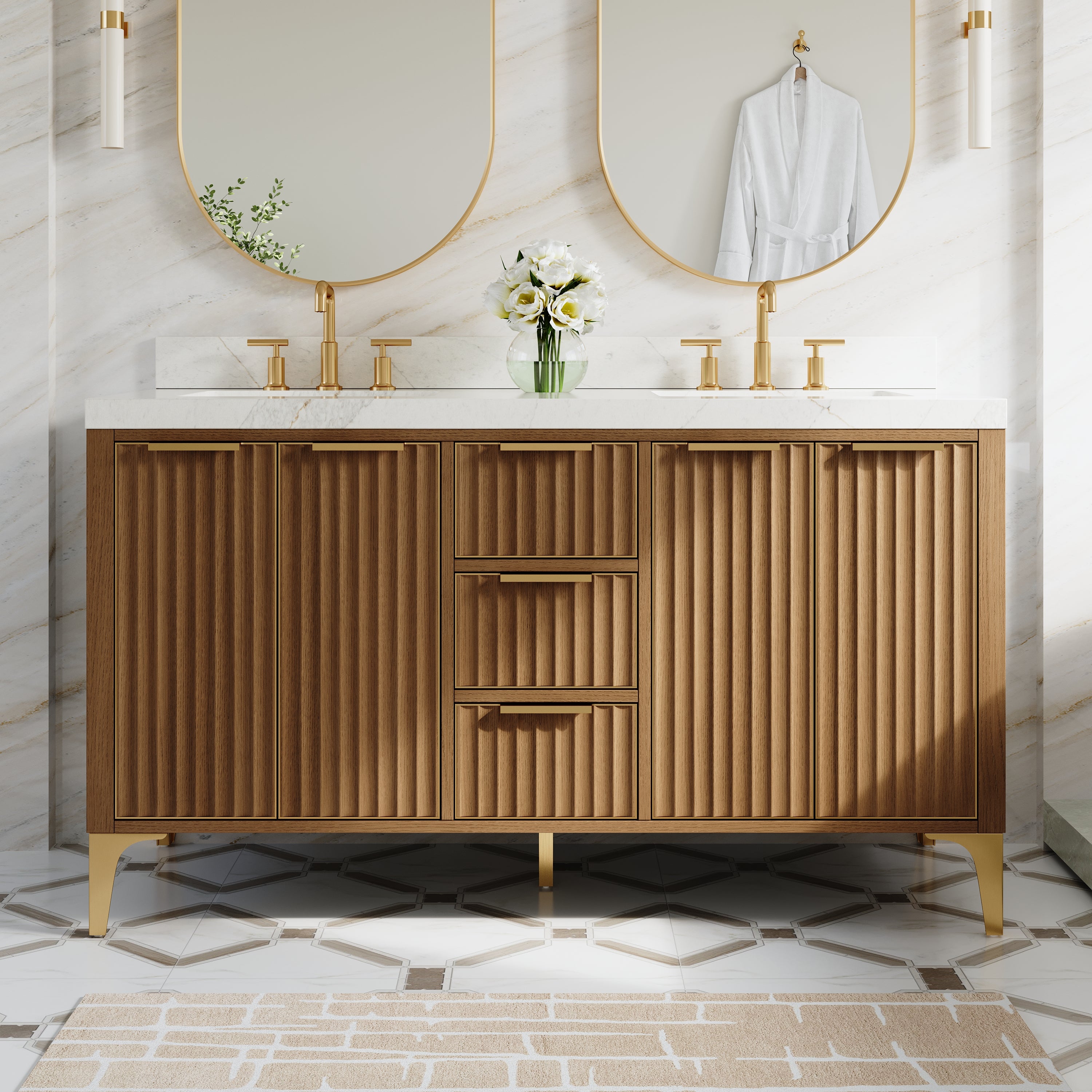
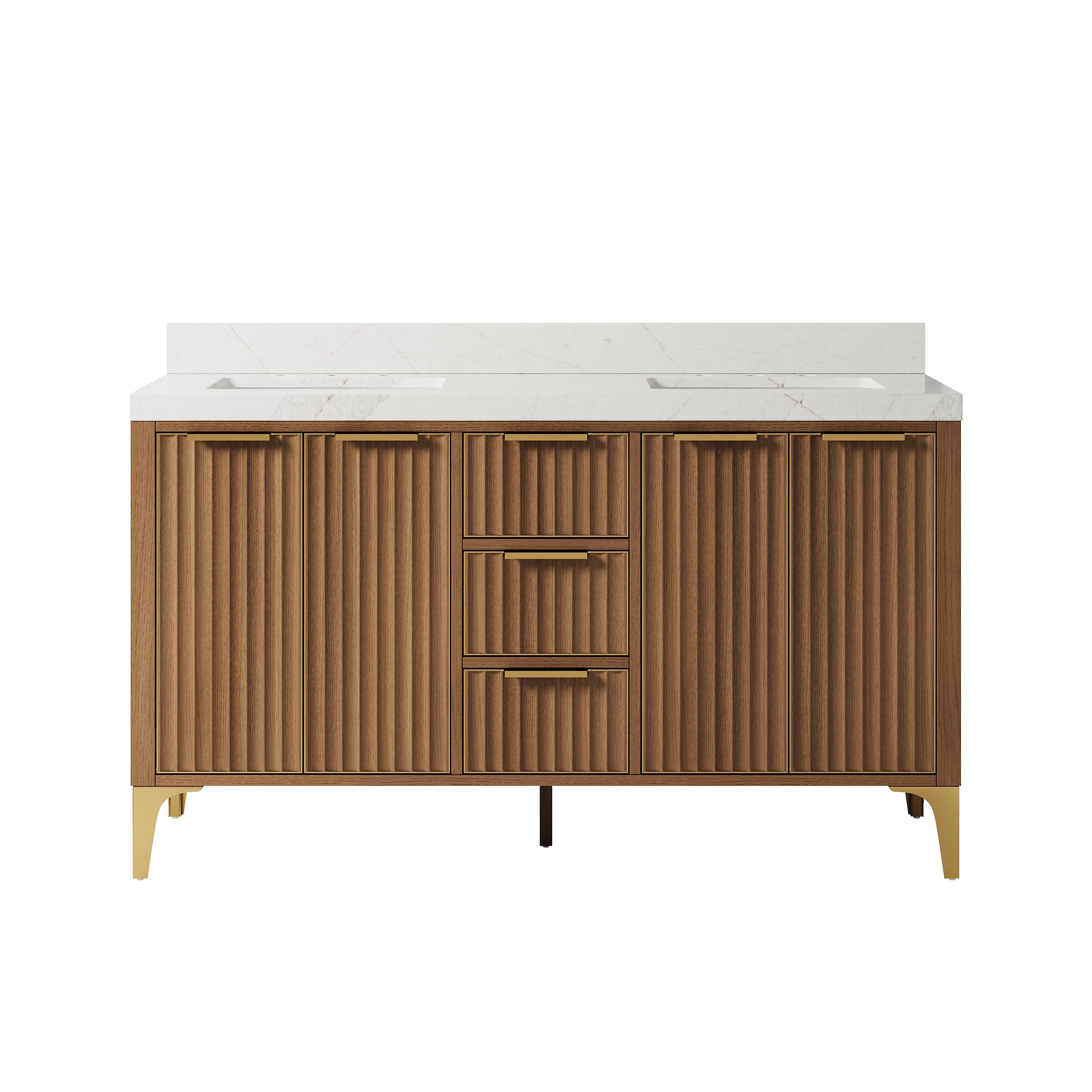
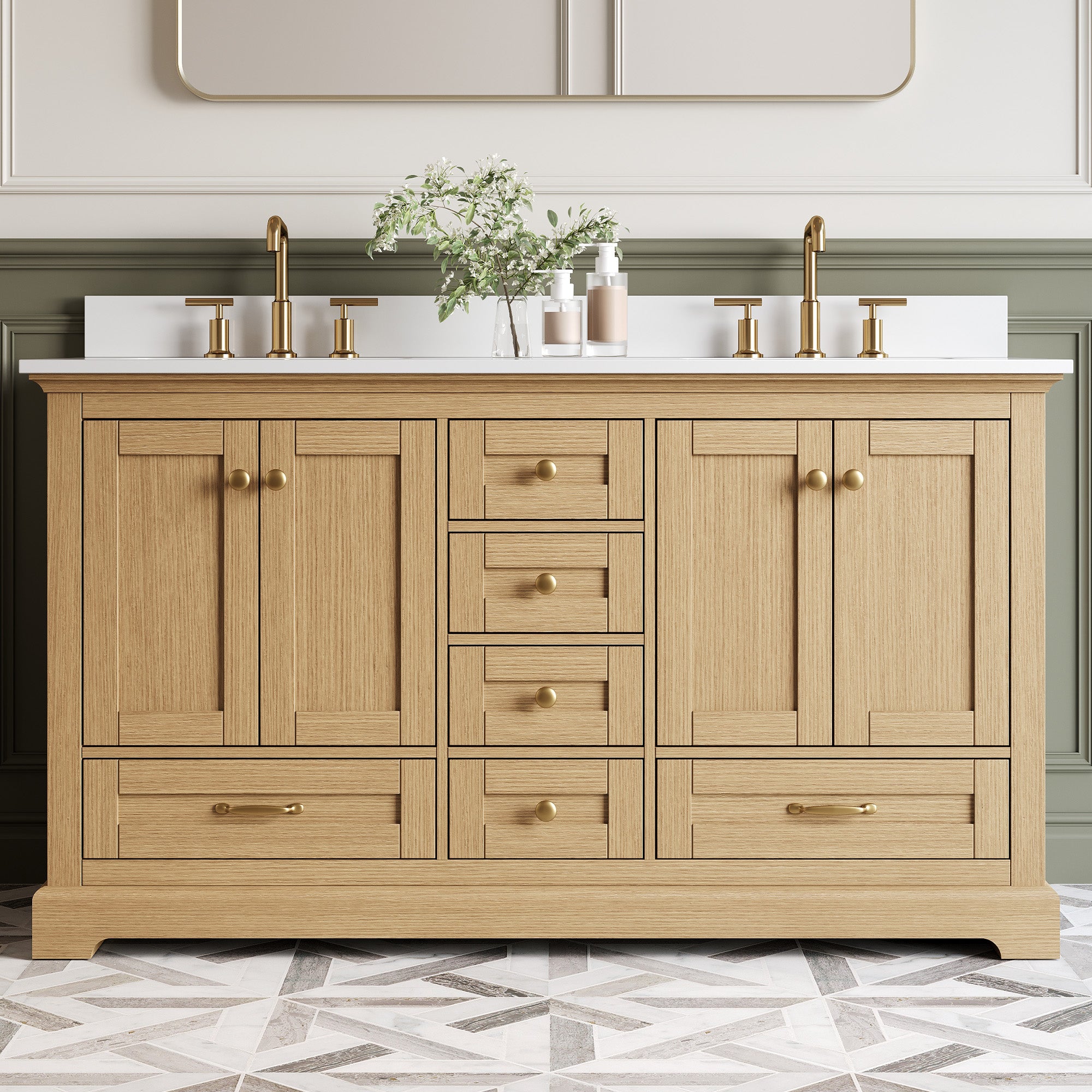
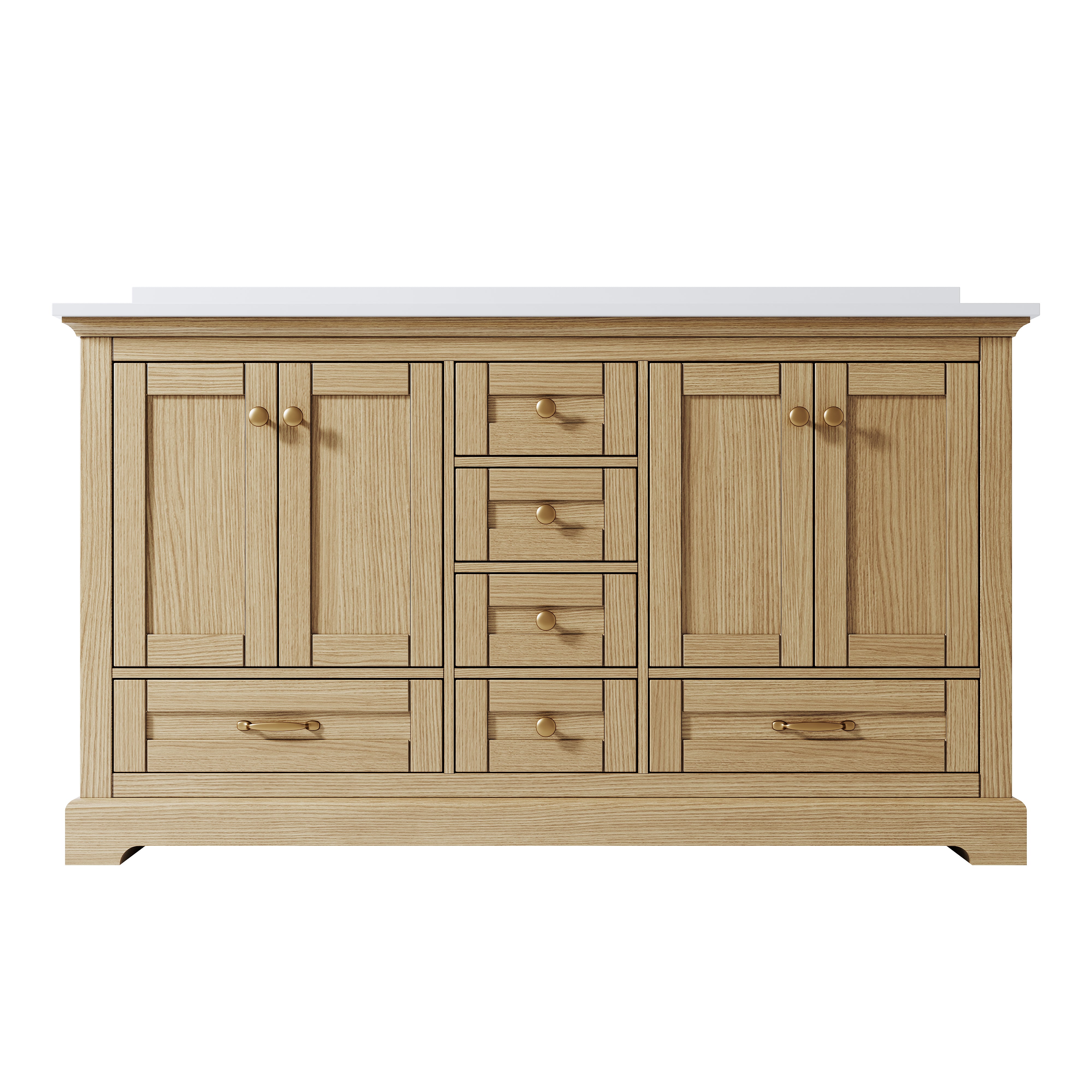
In the 60-inch double basin structure, two 28-inch to 32-inch illuminated mirrors paired with low-profile ceiling lights have become a common combination in recent years.
Design surveys show that overall satisfaction with partitioned lighting is about 25% higher than that with a single light source.
7. When can it be completely replaced?
If the following conditions are met, illuminated mirrors can be considered as alternatives to overhead lights:
Firstly, the spatial area is less than 80 square feet
Secondly, the mirror output brightness exceeds 2000 lumens
Thirdly, the wall is a light-colored reflective surface that helps spread light
Fourthly, the floor height is around 8 feet
In large spaces or high-rise environments, ceiling lights still serve as basic lighting.

8. Conclusion
Whether illuminated mirrors can replace overhead lights is not simply a matter of "yes or no", but depends on the spatial scale and lighting layout strategy.
In small bathrooms, high-brightness LED mirrors are fully capable of handling the main lighting tasks.
In the main bathroom or a spacious layout, mirror light sources are more suitable as task lighting, complementing the top light source.
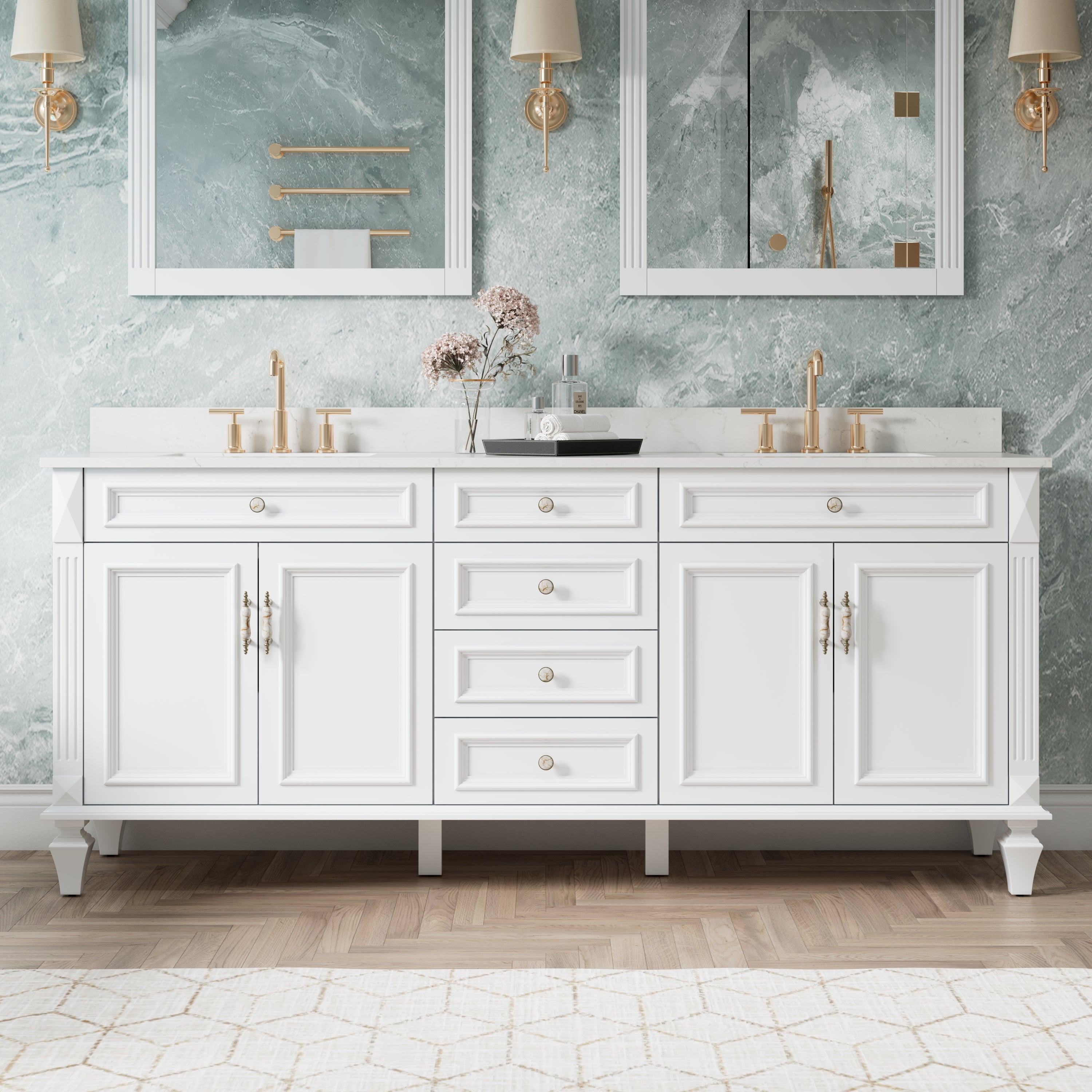
From a 30-inch single pot to a 72-inch double pot, understanding the relationships among luminous flux, color temperature, and spatial proportions is necessary to achieve the best balance between functionality and aesthetics.
















Leave a comment
This site is protected by hCaptcha and the hCaptcha Privacy Policy and Terms of Service apply.