
















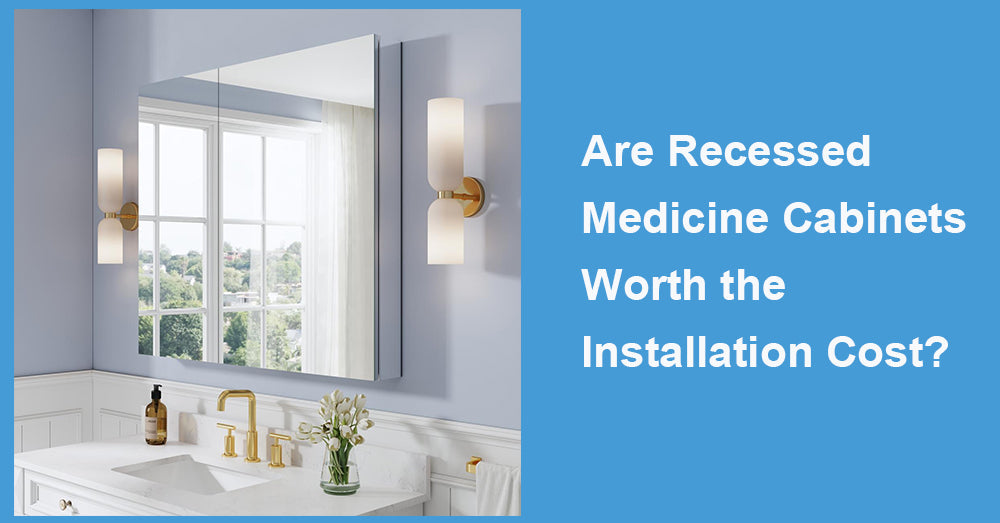
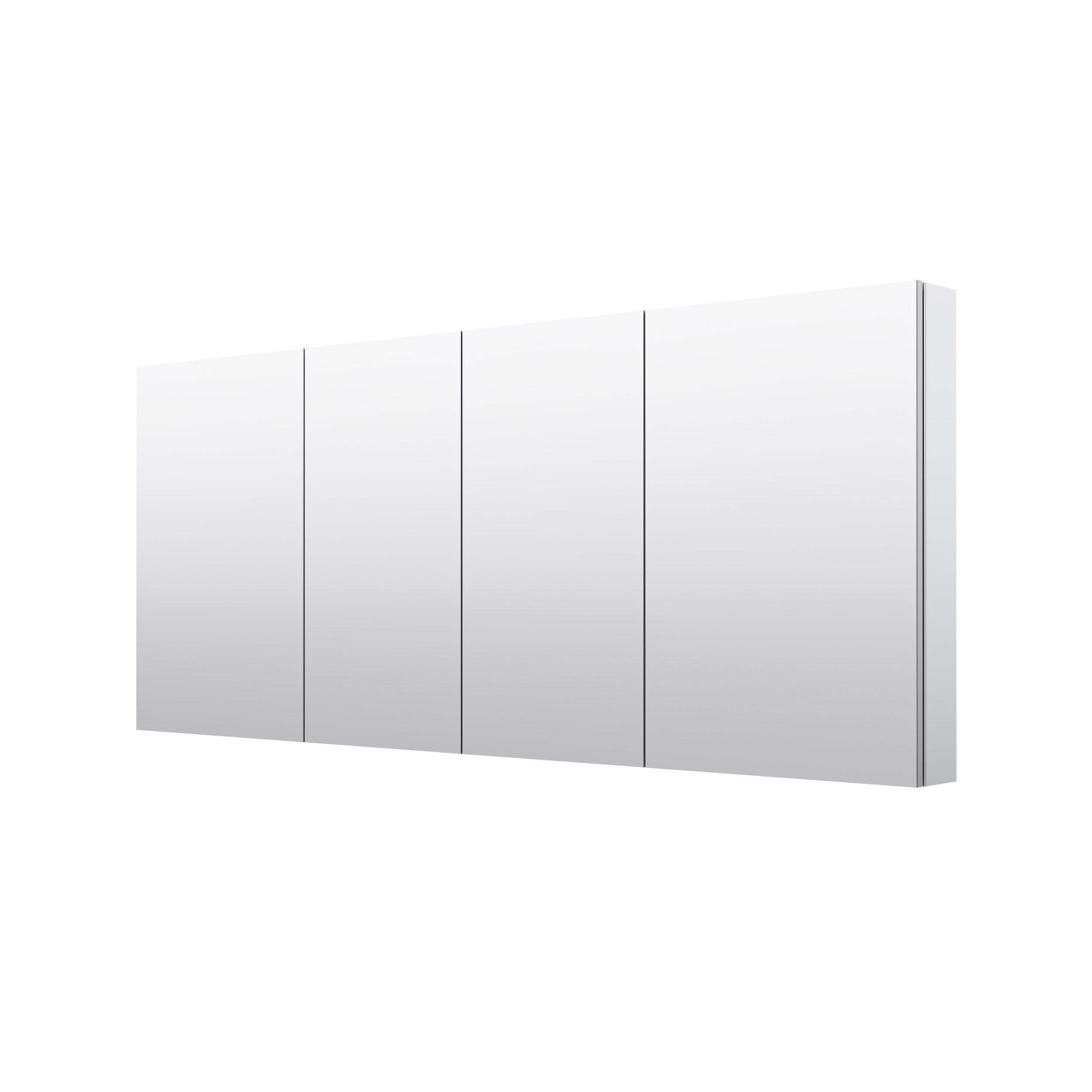
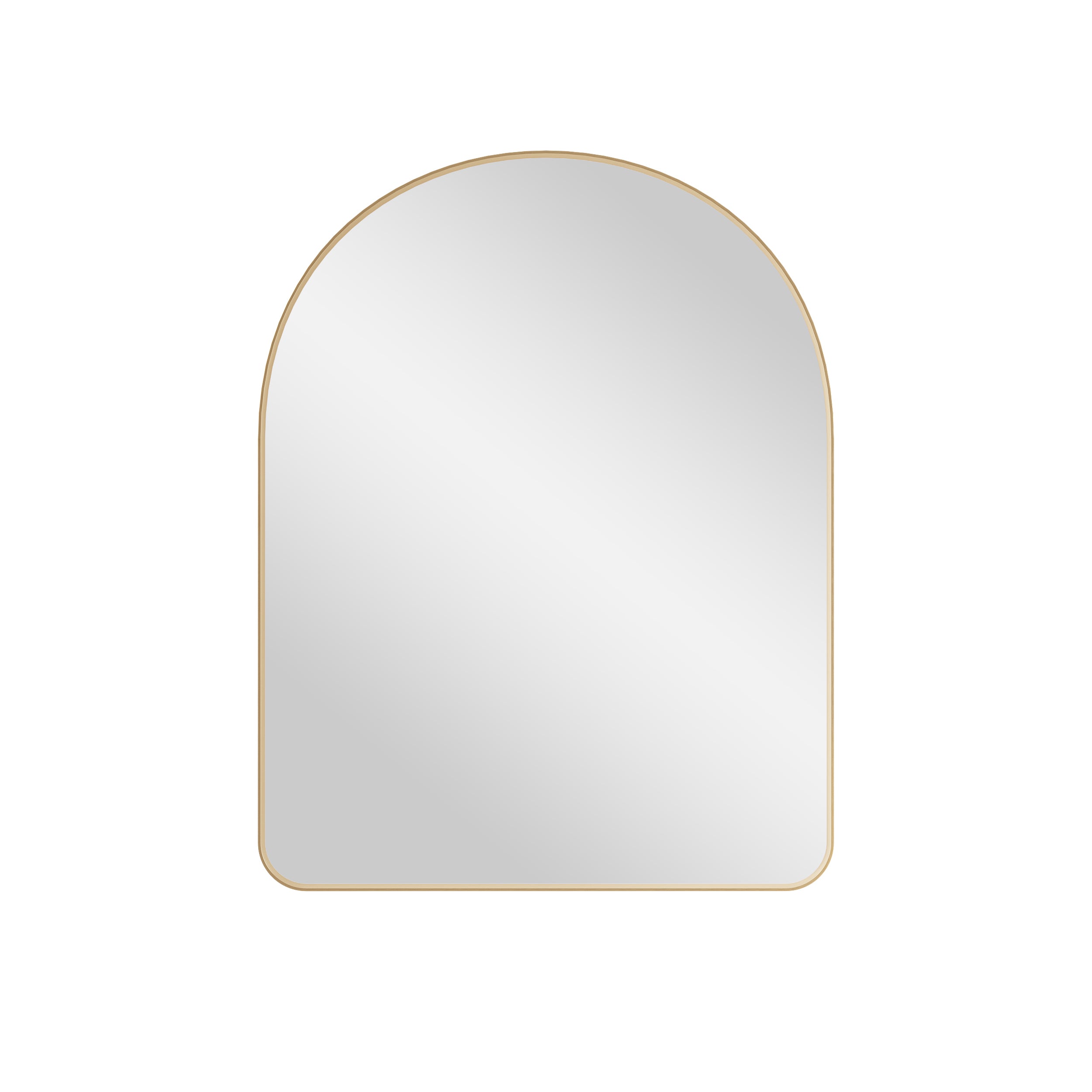
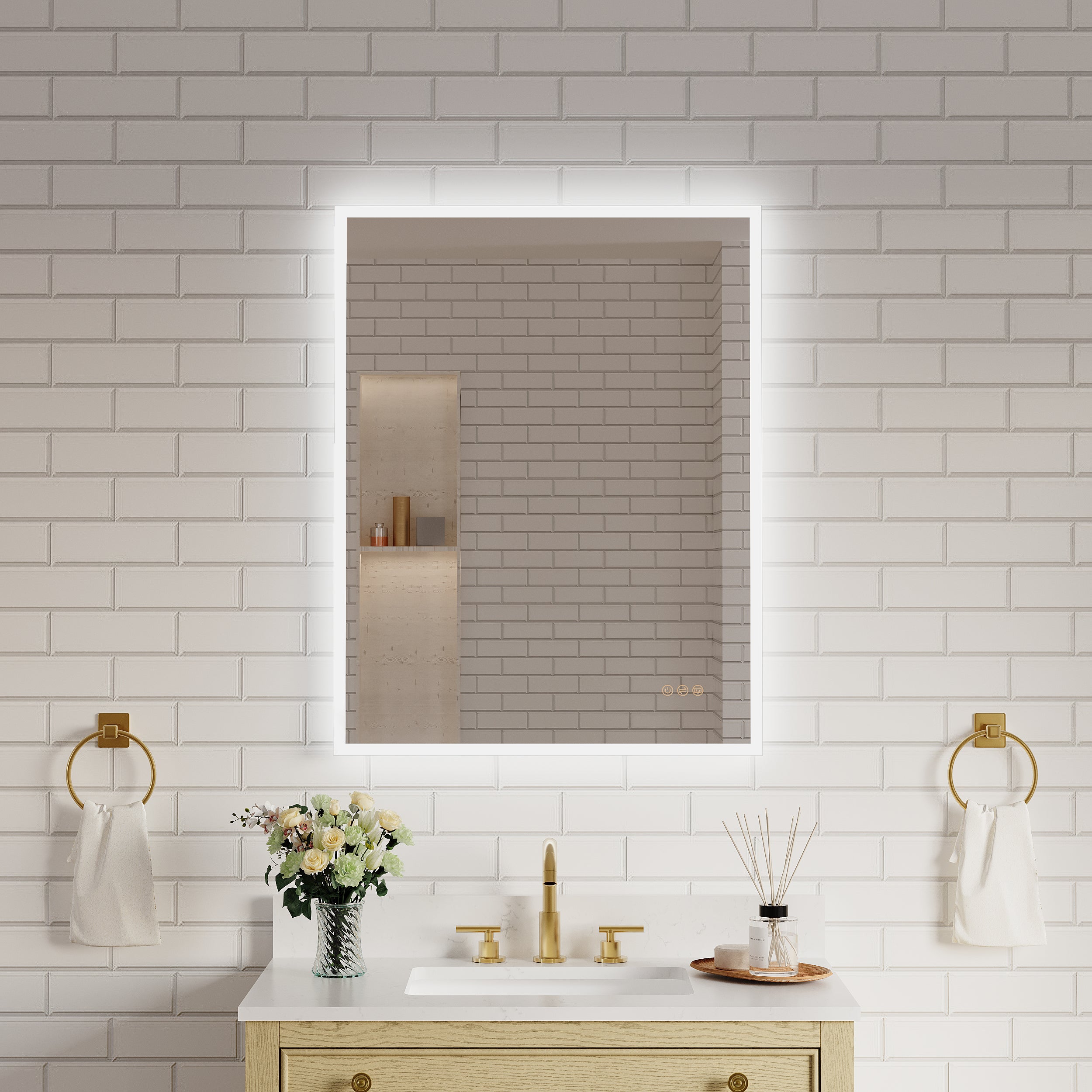
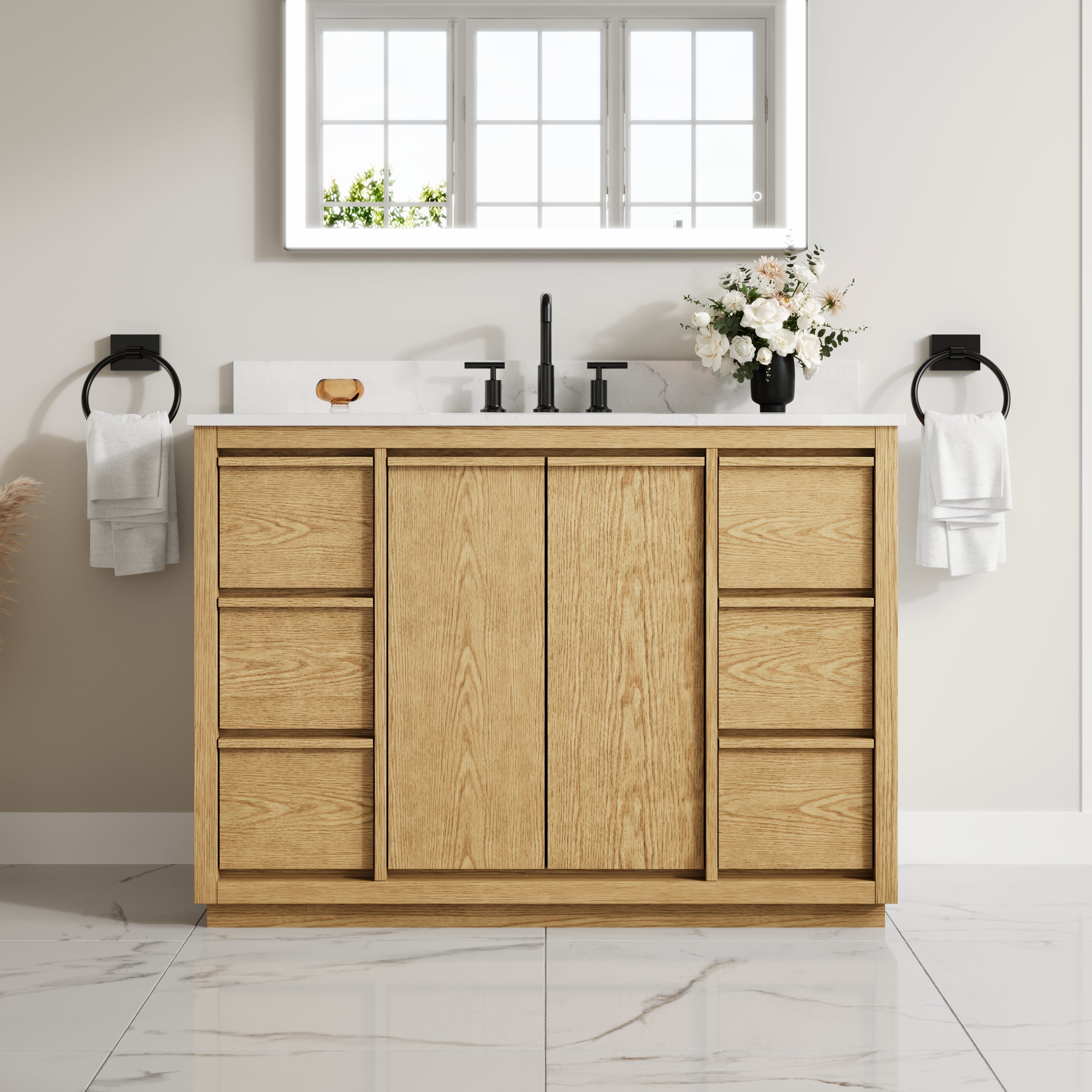
In modern bathroom renovations, medicine cabinets are no longer just simple storage mirror cabinets but important components that combine storage, lighting, and space-optimization functions.
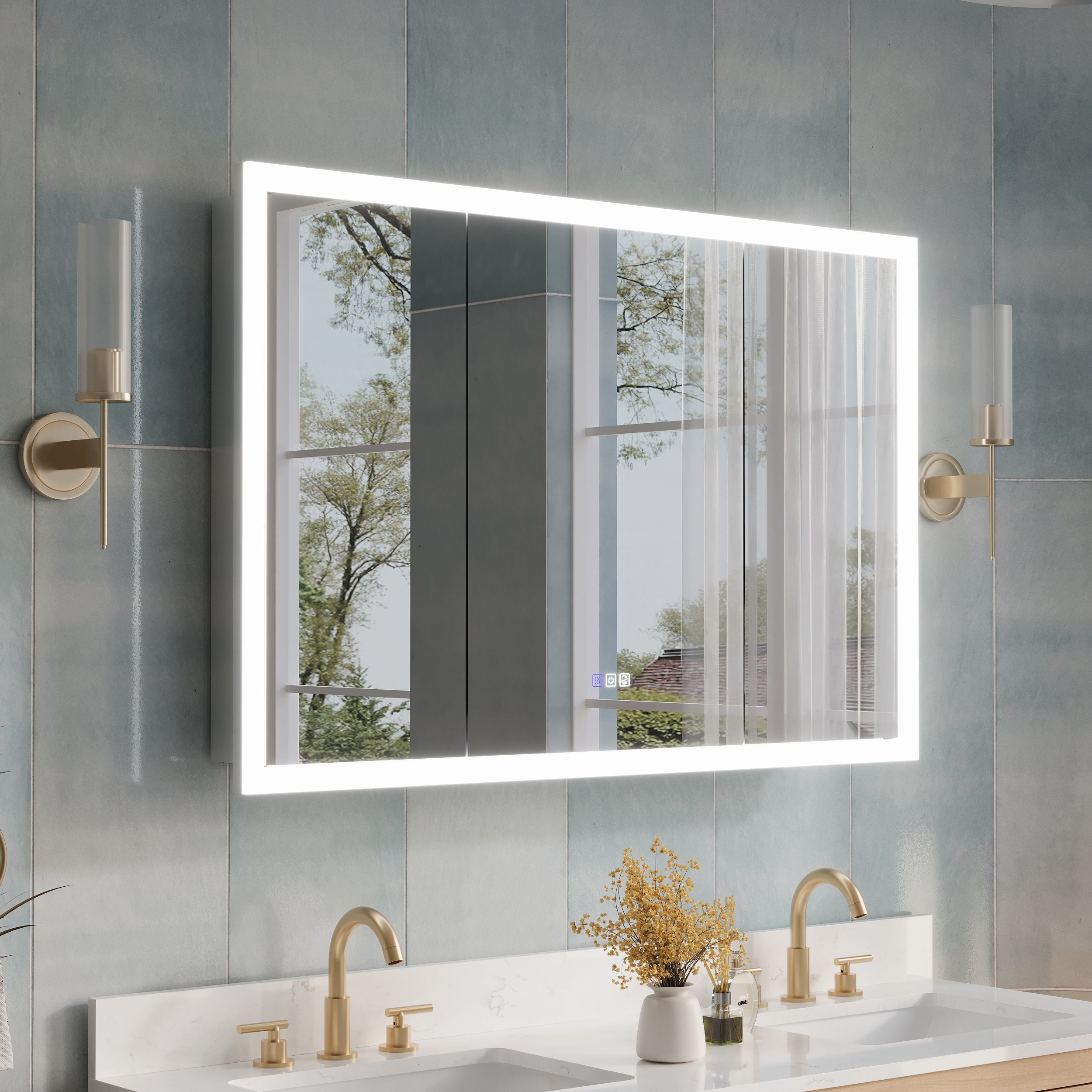
Among them, the Recessed installation method has received widespread attention due to its structural advantage of being "embedded in the wall and flush with the wall".
However, compared to Surface-Mount Installation, embedded installation typically requires wall-opening construction, which involves structural, pipeline, and labor costs.
Is the Recessed Medicine Cabinet worth the additional installation investment?
This issue needs to be comprehensively evaluated across multiple dimensions, including space utilization, visual effects, construction complexity, and long-term value.
1. The spatial advantage of the embedded structure
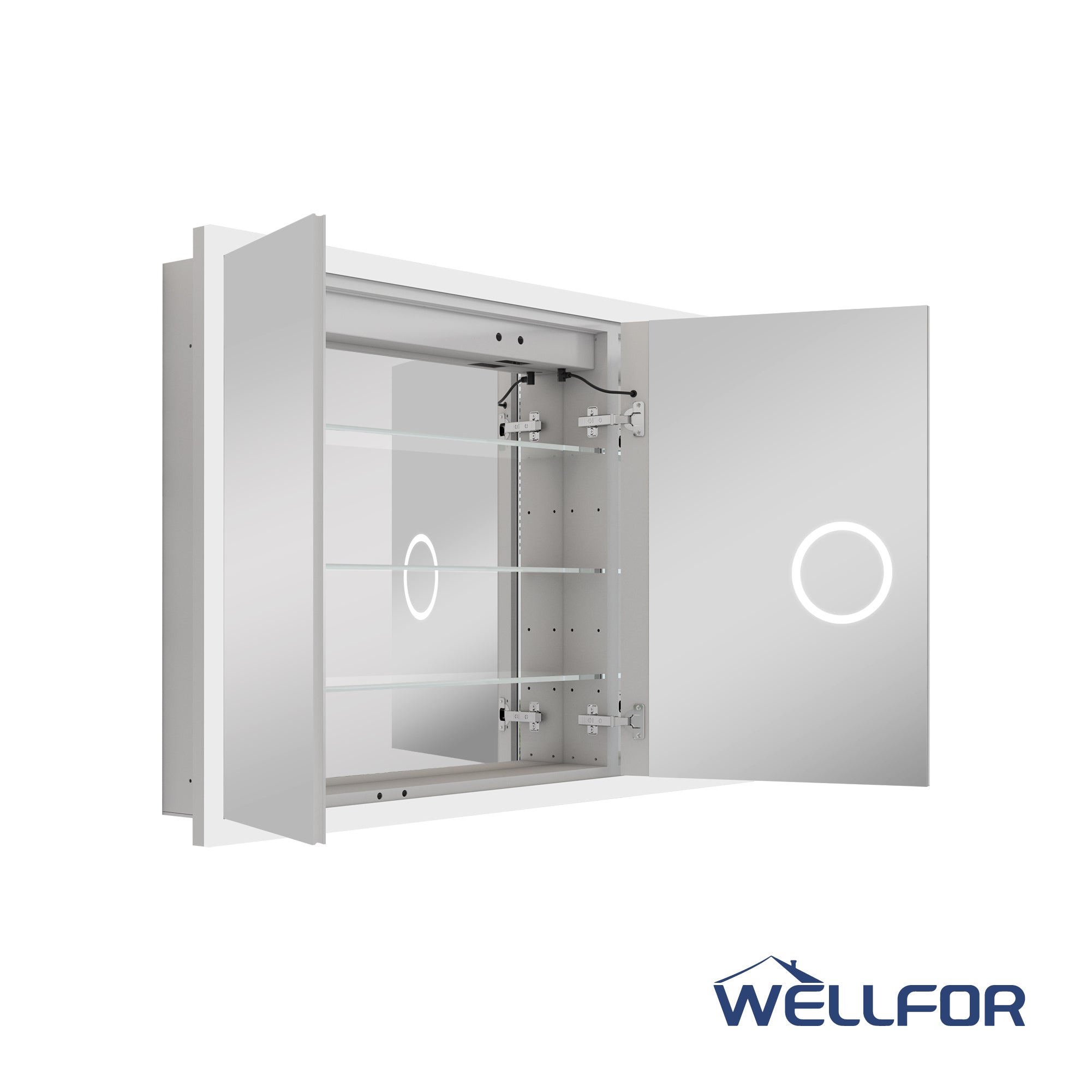
The biggest advantage of a Recessed Medicine Cabinet is its ability to save space.
The depth of a standard surface-mounted mirror cabinet is typically 4 to 6 inches.
In comparison, the embedded structure may reserve a cavity of about 3.5 to 4 inches inside the wall, while the exposed part may be only about 1 inch.
In compact bathrooms with widths ranging from 30 to 36 inches, reducing the 4-inch front protrusion can significantly improve travel comfort.
The data shows that in spaces with a width less than 36 inches, for every 1-inch reduction in convex depth, there is a significant improvement in actual activity comfort ratings.
Especially in primary or secondary bathrooms with limited depth, embedded structures can optimize the flow line and avoid spatial conflicts when opening doors or turning around.
2. Visual proportion and overall sense
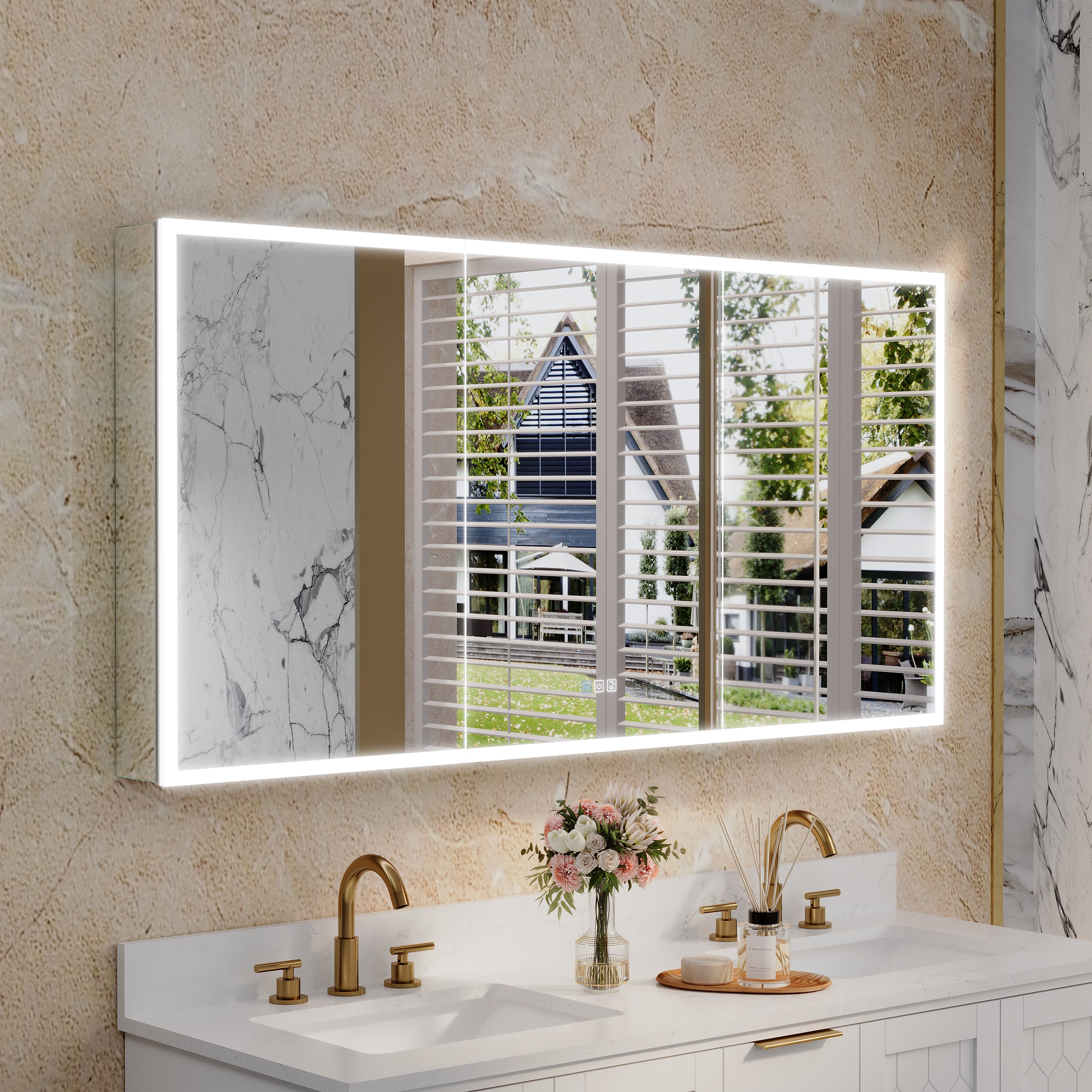
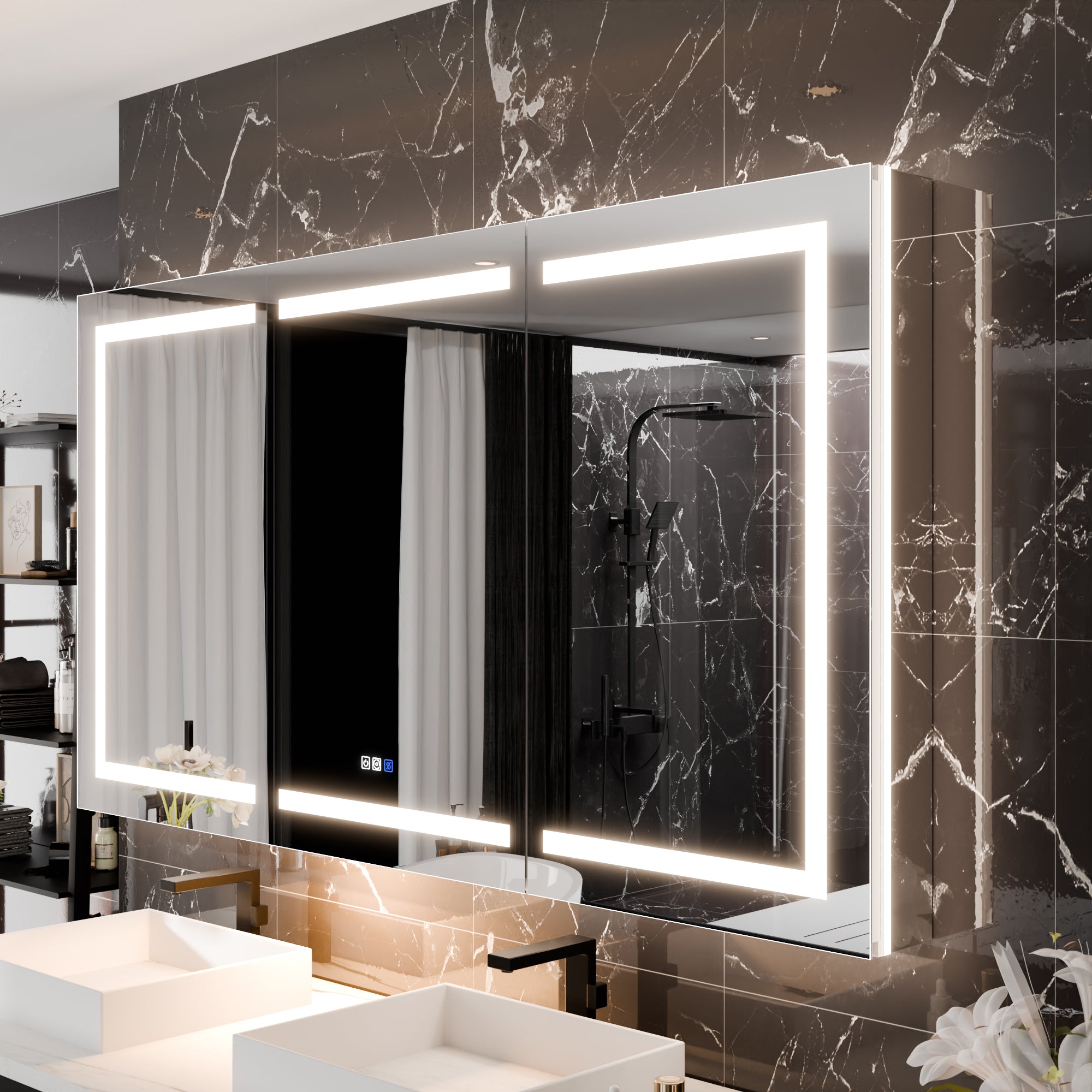
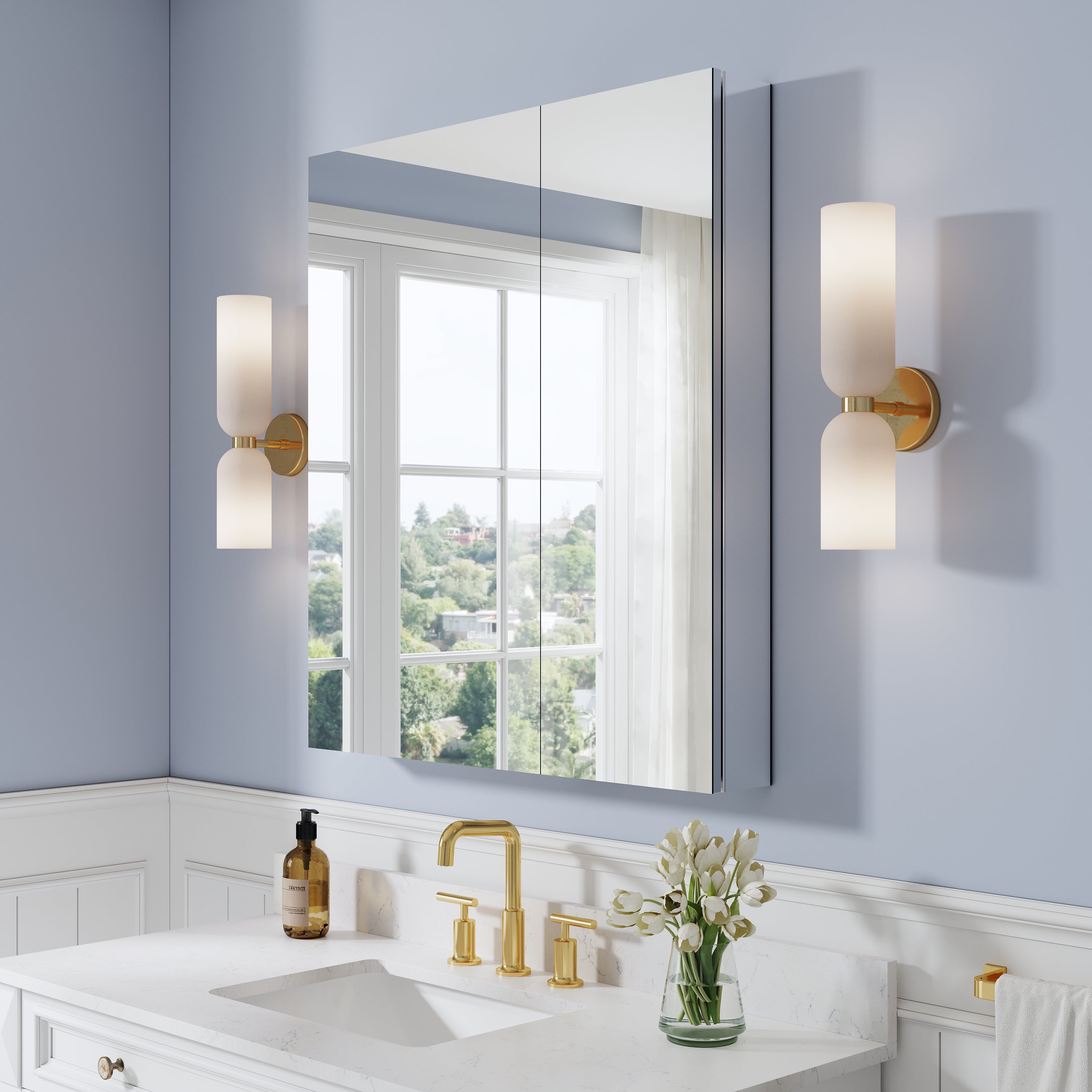
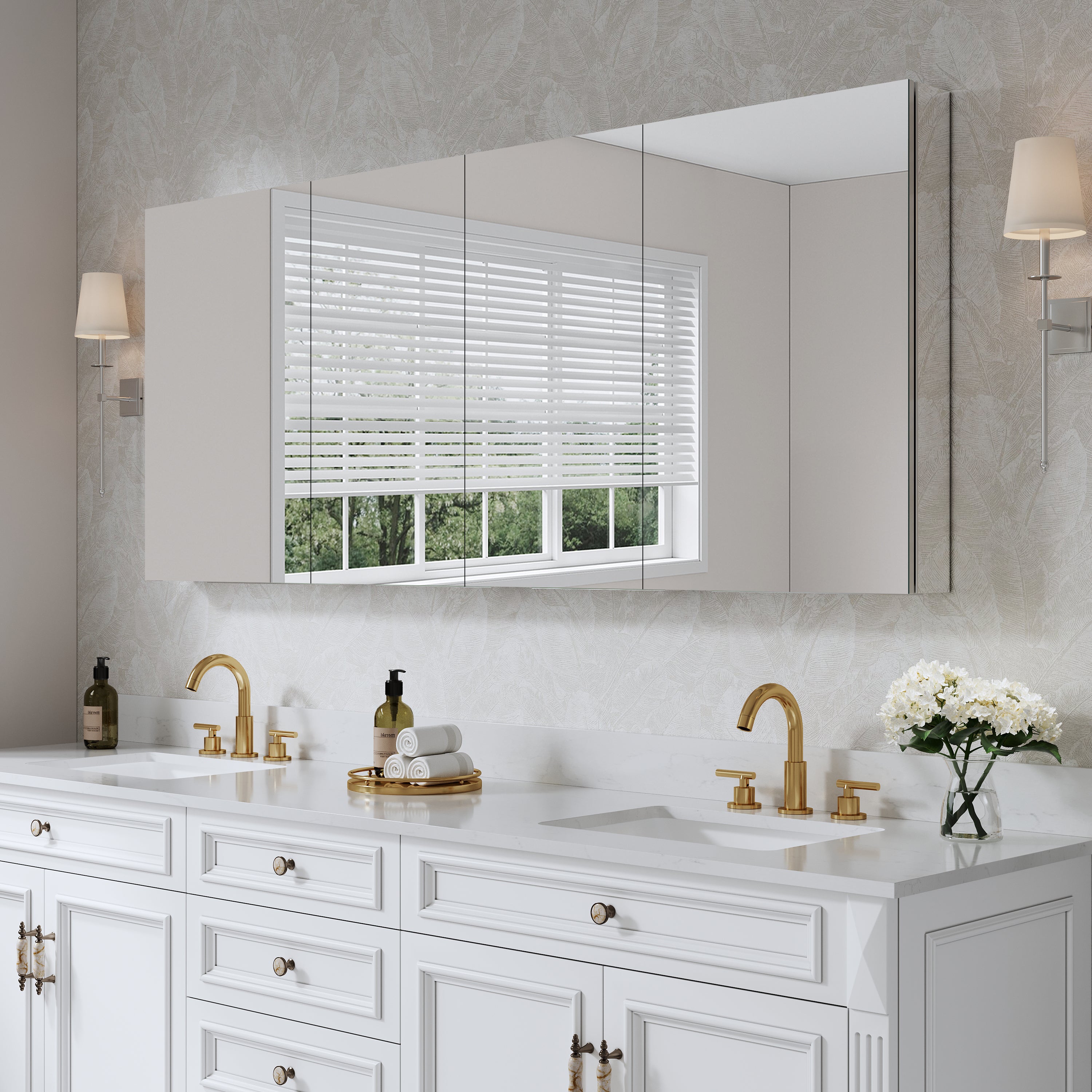
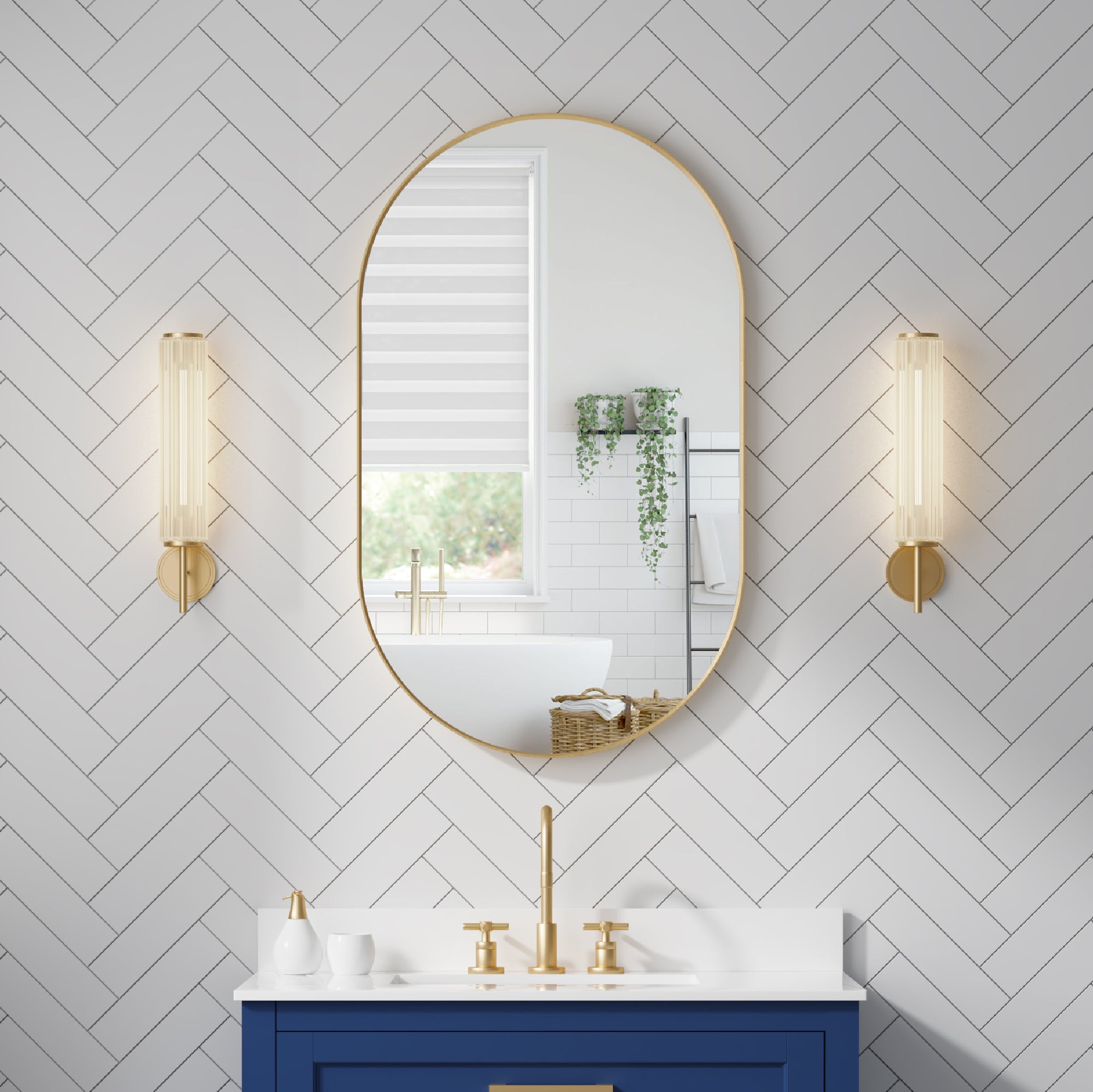
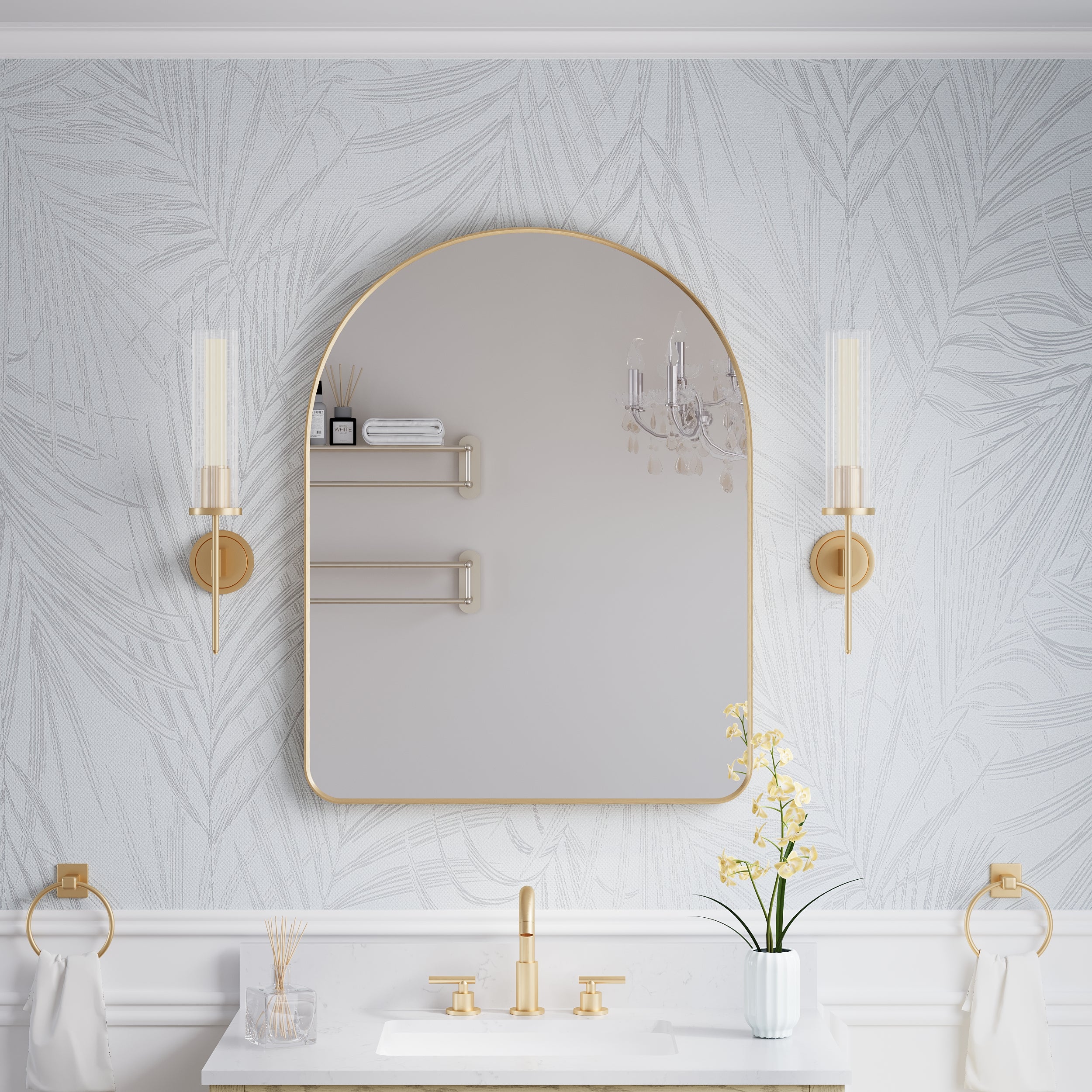
From a design perspective, the embedded mirror cabinet is flush with the wall, making it visually simpler.
For spaces that adopt minimalist or modern styles, wall continuity is an important element.
The embedded structure reduces borders and shadow lines, making the wall cleaner.
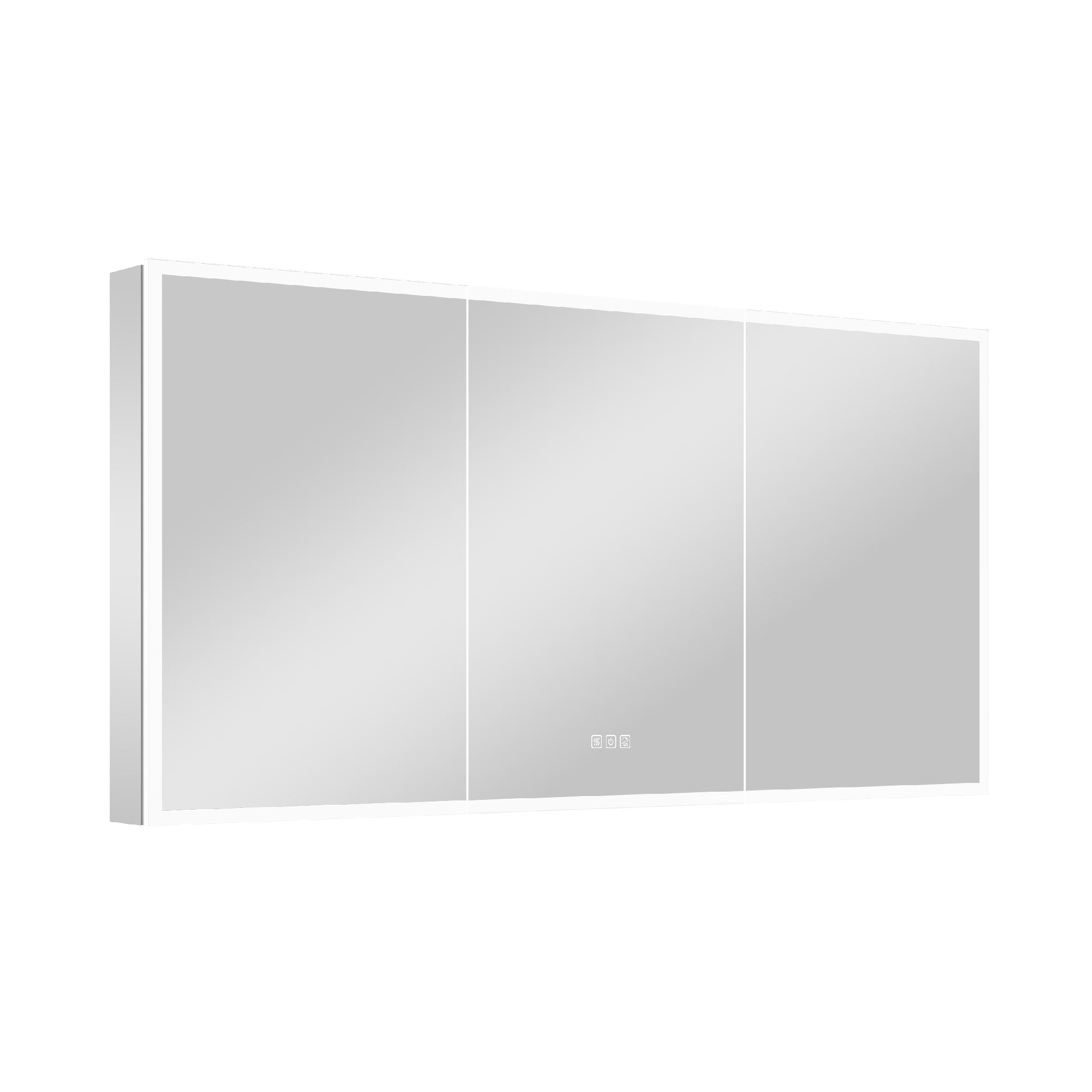
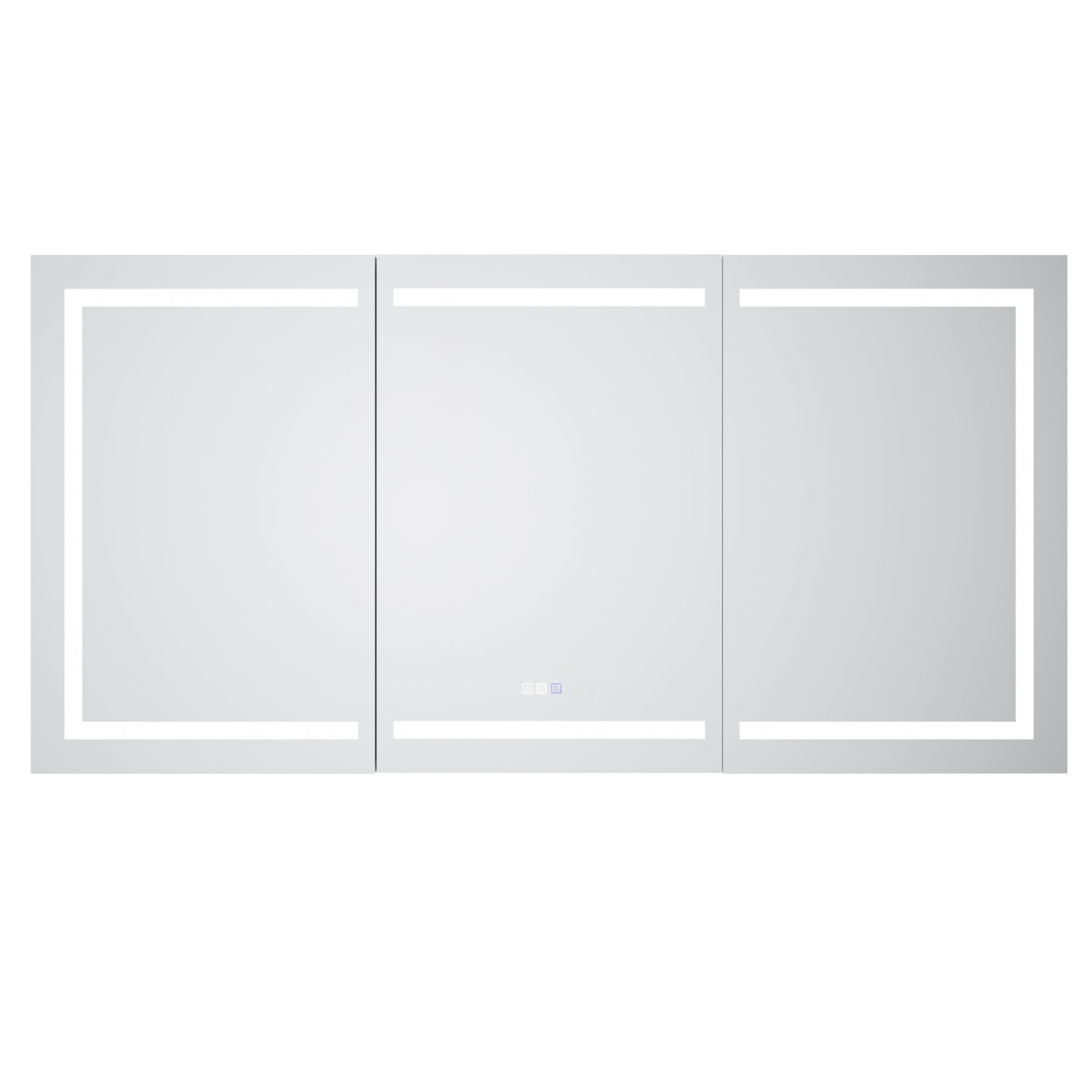
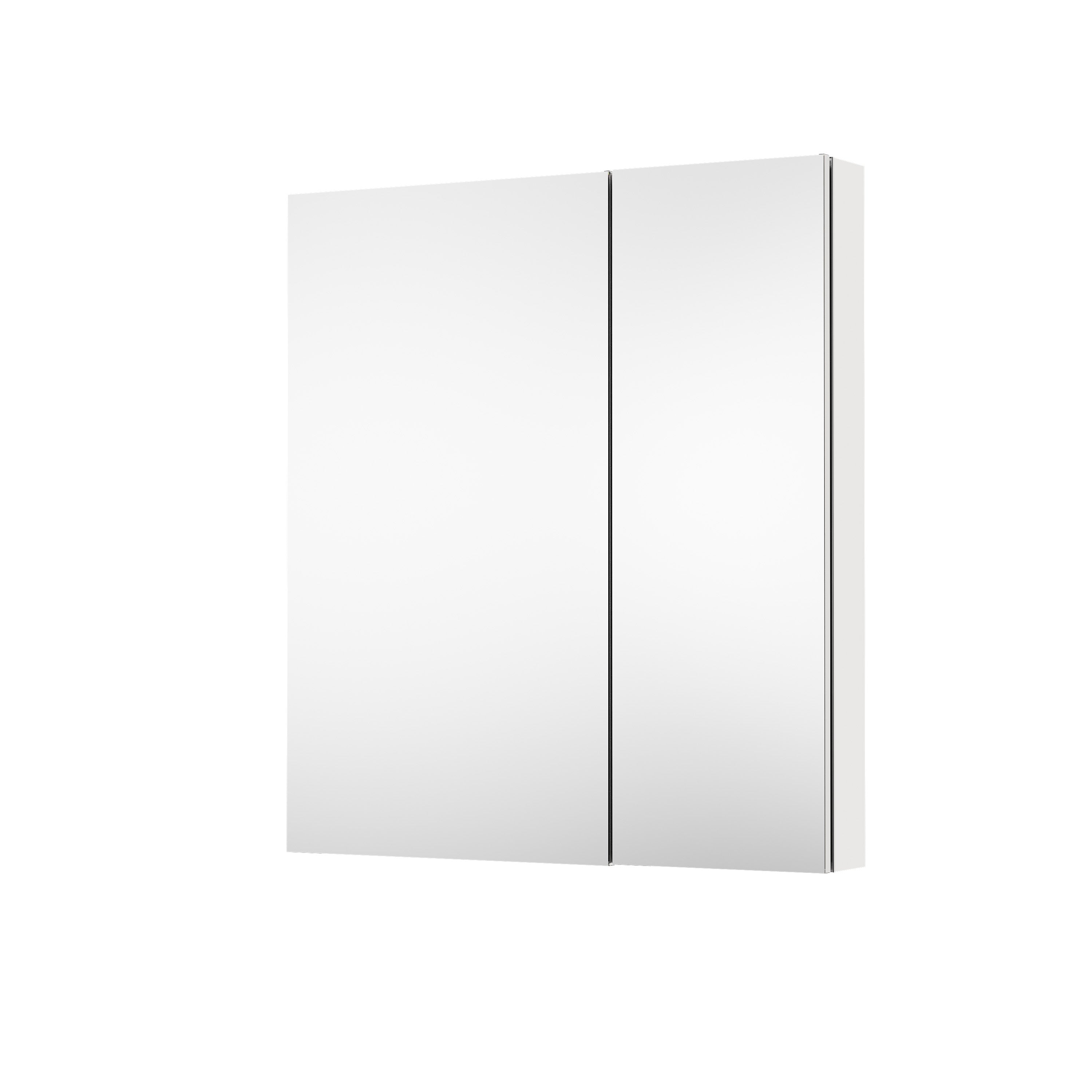
In a 36-inch36-inch vanity configuration, embedded mirror cabinets typically measure 20 to 30 inches wide and 26 to 34 inches high.
After installation, the mirror surface is flush with the wall surface, enhancing overall proportion coordination.
Design survey data shows that the adoption rate of embedded structures has been increasing year by year in mid to high-end renovation projects, especially in bathrooms with an area of less than 120 square feet.
3. Construction complexity and cost factors
The biggest challenge of embedded installation is the difficulty of construction.
The wall usually uses a 2x4 structure, and the usable cavity depth is about 3.5 inches3.5 inches.
Therefore, the depth of the mirror cabinet must match the wall structure.
If there are water pipes, wires, or structural supports inside the wall, they may not be installed directly and may require additional adjustments or rewiring.
The construction cost usually includes wall openings, frame reinforcement, drywall repair, and paint restoration.
Data shows that under standard conditions, the labor cost of embedded installation is usually 20% to 40% higher than that of surface installation.
If pipeline modifications are required, the cost may increase further.
However, in new construction or large-scale renovation projects where the walls are already open, the additional cost of adding embedded structures is relatively low.
Therefore, whether it is "worth it" is closely related to the construction phase.
4. Actual comparison of storage capacity
Under the same external dimensions, surface-mounted mirror cabinets typically have deeper internal storage space.
For example, a surface-mounted mirror cabinet measuring 24 inches wide by 30 inches high may have an internal depth of more than 5 inches.
At the same time, embedded structures are limited by wall depth, with internal storage depths typically ranging from 3.5 inches to 4 inches.
This means that for larger-volume cleaning products, an exposed structure may offer more advantages.
However, in daily use, the diameter of most toothbrushes, skincare products, and small bottled products is usually less than 3 inches, so the embedded capacity has a limited impact on daily needs.
5. Potential impact on housing value
In real estate display and evaluation, embedded mirror cabinets are often seen as a manifestation of "customization" and "high-end details".
Especially in the main bathroom, embedded structures can enhance the overall design.
Data shows that the occurrence rate of embedded mirror cabinets in professionally designed and renovated main bathrooms is significantly higher than that in basic renovation projects.
Although it does not independently determine the house's value, as part of the overall upgrade, it can enhance the sense of spatial quality.
6. Long-term maintenance and durability
From a maintenance perspective, embedded structures are more stable and less prone to vibration over the long term.
Due to its integration with the wall, the force is more evenly distributed.
But if mirror cabinets of different sizes need to be replaced in the future, the difficulty of adjusting the embedded structure will increase, and the wall may need to be repaired again.
In contrast, the exposed structure is easier to replace and upgrade, making it suitable for families who may change their style or size in the future.
7. Suitable for selecting embedded scenarios
Embedded mirror cabinets are more suitable for the following situations:
Firstly, the space is small, and we hope to optimize the flow and visual width.
Secondly, carry out comprehensive renovation or new construction projects, with the walls already open for use.
Thirdly, adopt a modern, concise style that aligns with the overall design.
If it is a partial renovation and the structure inside the wall is complex, an exposed structure may have a cost advantage.

8. Conclusion
The key to whether Recessed Medicine Cabinets are worth the installation cost lies in how well the space conditions align with the renovation phase.
Embedded structures have significant advantages in visual cleanliness and space utilization, but their construction complexity and cost are relatively higher.
Every detail, from the 3.5-inch limit on wall cavity depth to the 30-inch standard mirror cabinet size, needs to be planned.
For families pursuing space optimization and design integrity, embedded structures are often worth the investment.
In situations where budget or construction conditions are limited, exposed structures remain a stable and reliable choice.














Leave a comment
This site is protected by hCaptcha and the hCaptcha Privacy Policy and Terms of Service apply.