














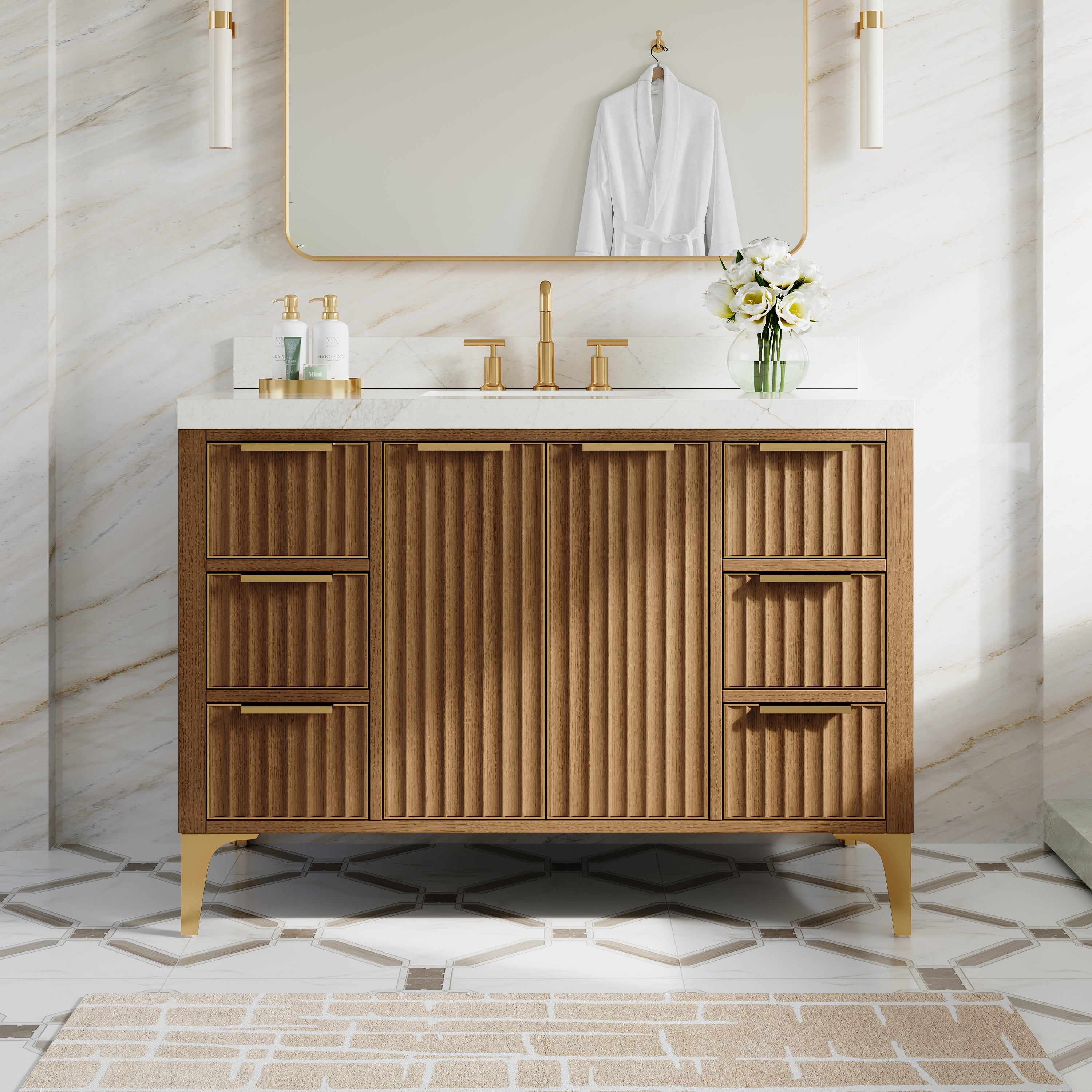
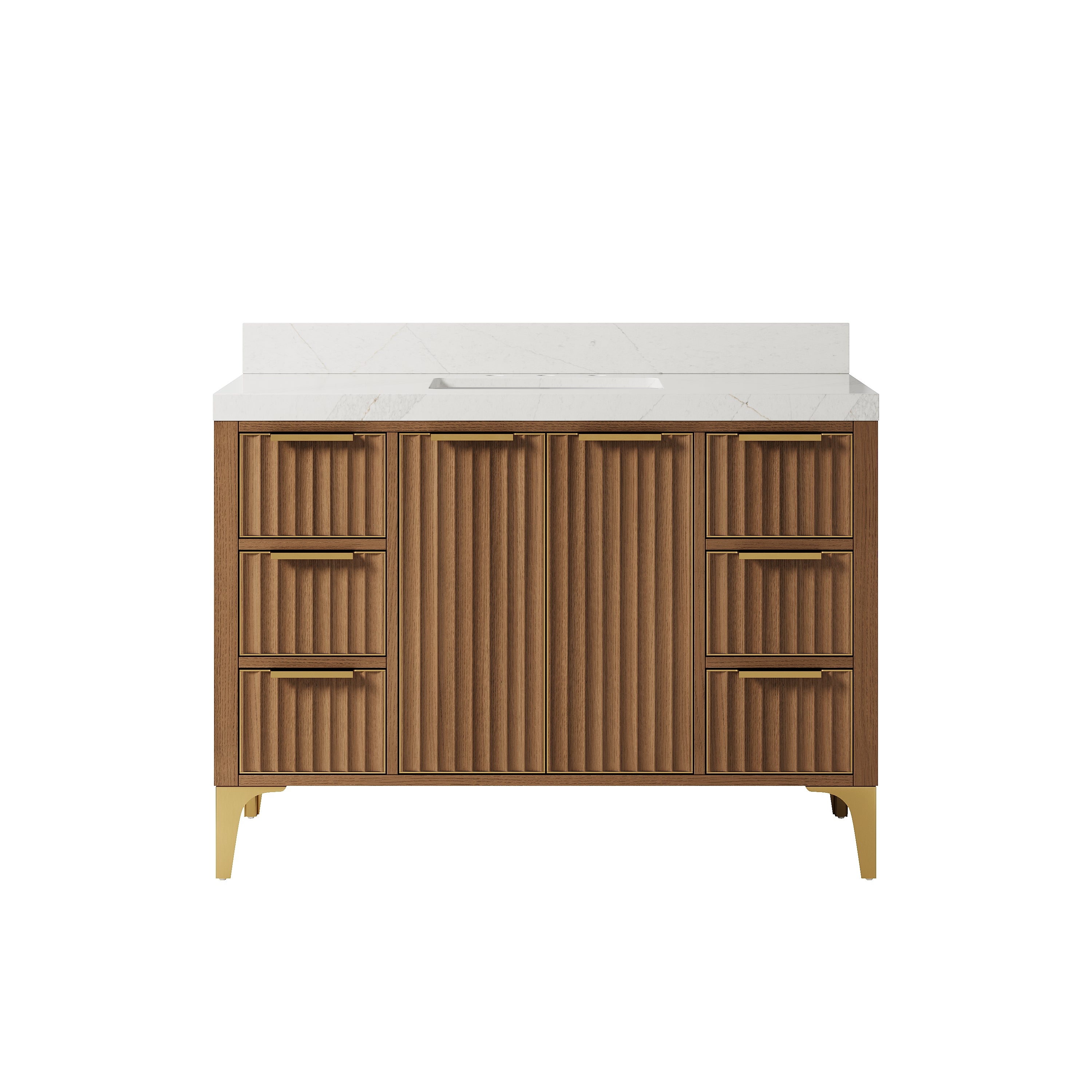


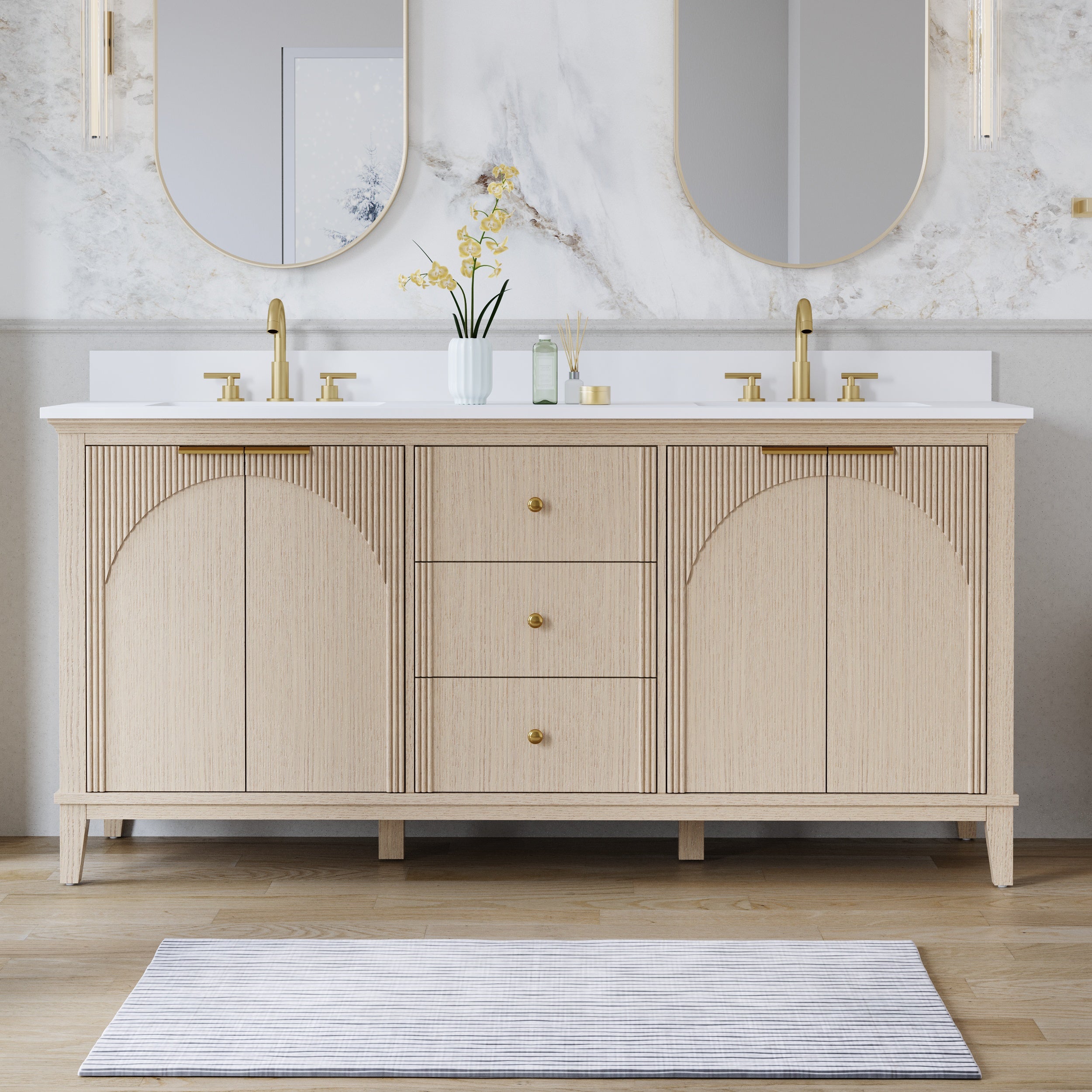
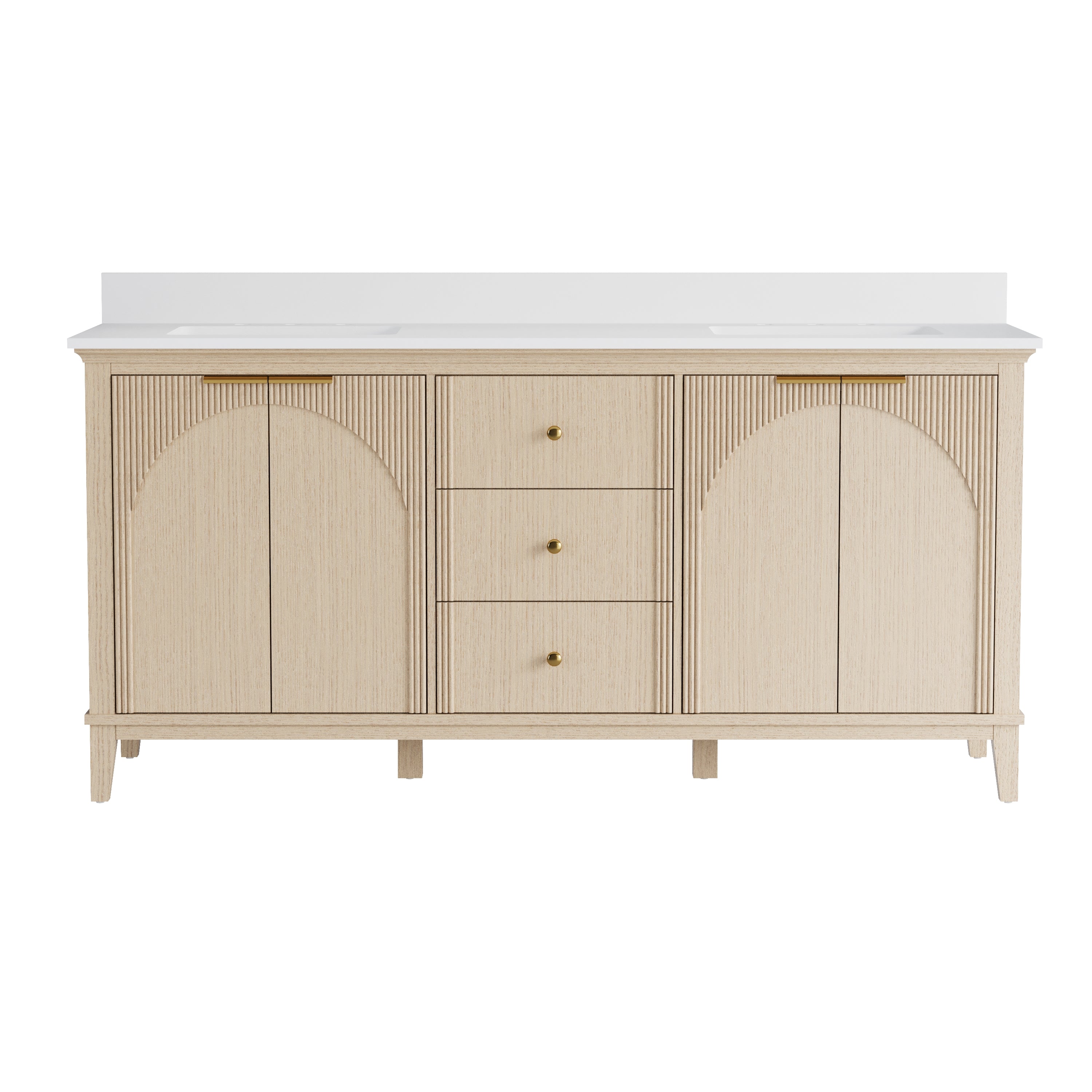
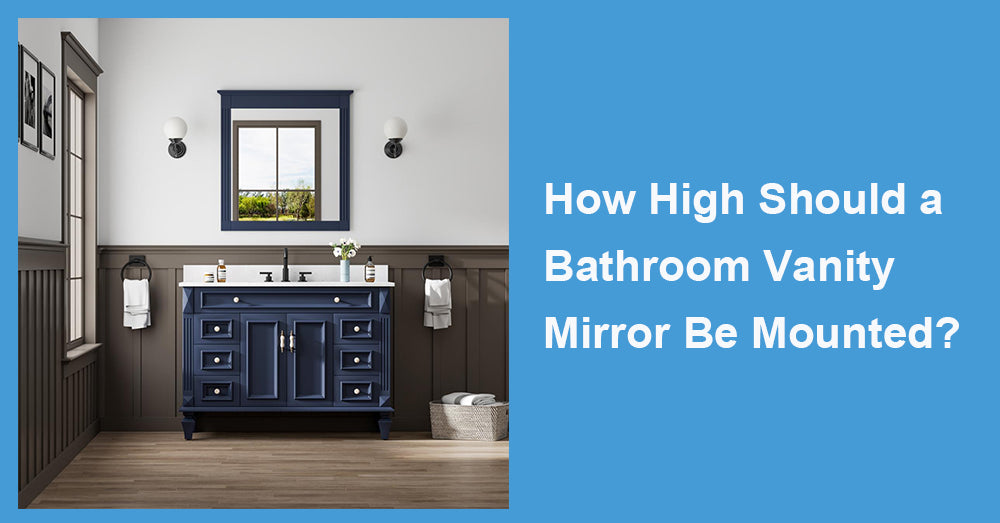
In bathroom decoration or renovation, the installation height of bathroom vanity mirror is often underestimated, yet it directly affects daily comfort, spatial proportions, and lighting effects.
Mirrors are not just decorative elements; they also serve a core function.
Whether it is a 30-inch single-basin countertop or a 60-inch double-basin countertop, the mirror's installation height needs to be carefully considered based on ergonomics, countertop height, and the overall spatial layout.
Installing too high can affect the mirror's angle, while installing too low can make it appear oppressive or detract from the overall beauty.
1. Standard reference height: from the ground to the center of the mirror surface
In practical installations, a widely adopted reference principle is that the center of the mirror is about 60 to 65 inches from the ground.
This height range basically covers the visual level of most adults.
According to ergonomic research, the average line-of-sight height for adults is typically between 58 and 64 inches.
Controlling the mirror's center to around 60 inches ensures that most users can naturally see their entire face while standing, without needing to tilt their heads intentionally.
For spaces with a floor height of 8 feet or 9 feet, this height ratio is also more coordinated and will not make the mirror appear too low or too high.
2. Suggested range of distance from the bottom edge of the mirror to the tabletop
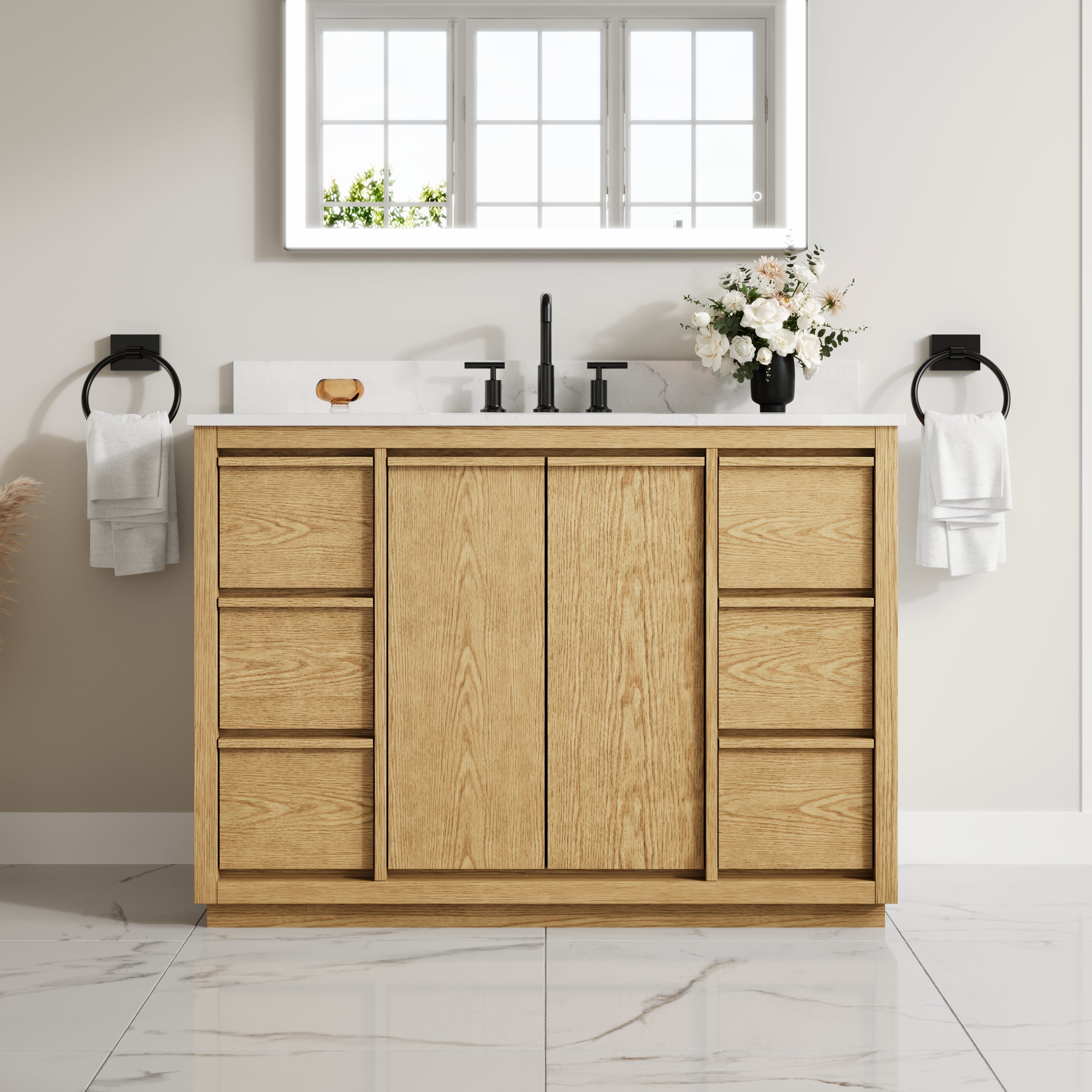
Under standard conditions, the height of a bathroom vanity is typically between 34 inches and 36 inches.
The distance between the lower edge of the mirror and the tabletop is generally controlled between 5 inches and 10 inches.
For example, on a 36-inch36-inch-high countertop, if the mirror is 32 inches high and the lower edge of the mirror is installed about 6 inches above the countertop, then the height of the upper edge of the mirror is about 74 inches.
This ratio ensures the mirror is fully displayed and prevents water splashes from leaving water stains.
The data show that for installations with a distance between the mirror's lower edge and the tabletop of less than 4 inches, the frequency of water-stain adhesion increases significantly; exceeding 12 inches results in visual discontinuity, leading to an imbalance in wall proportions.
3. Installation logic for different mirror heights
The installation logic varies depending on the mirror's height.
For standard rectangular mirrors measuring 30 to 36 inches in height, the method of "fixing the lower edge and naturally extending the upper edge" is usually adopted.
If the mirror is 40 inches or taller, ensure the top is not too close to the ceiling.
It is generally recommended to leave at least 8 inches of space between the top of the mirror and the ceiling.
In a space with a floor height of 96 inches, it is most common to set the mirror's top height between 76 and 80 inches.
This preserves the sense of breathing from above without affecting the proportion.
4. Installation differences in the double basin structure
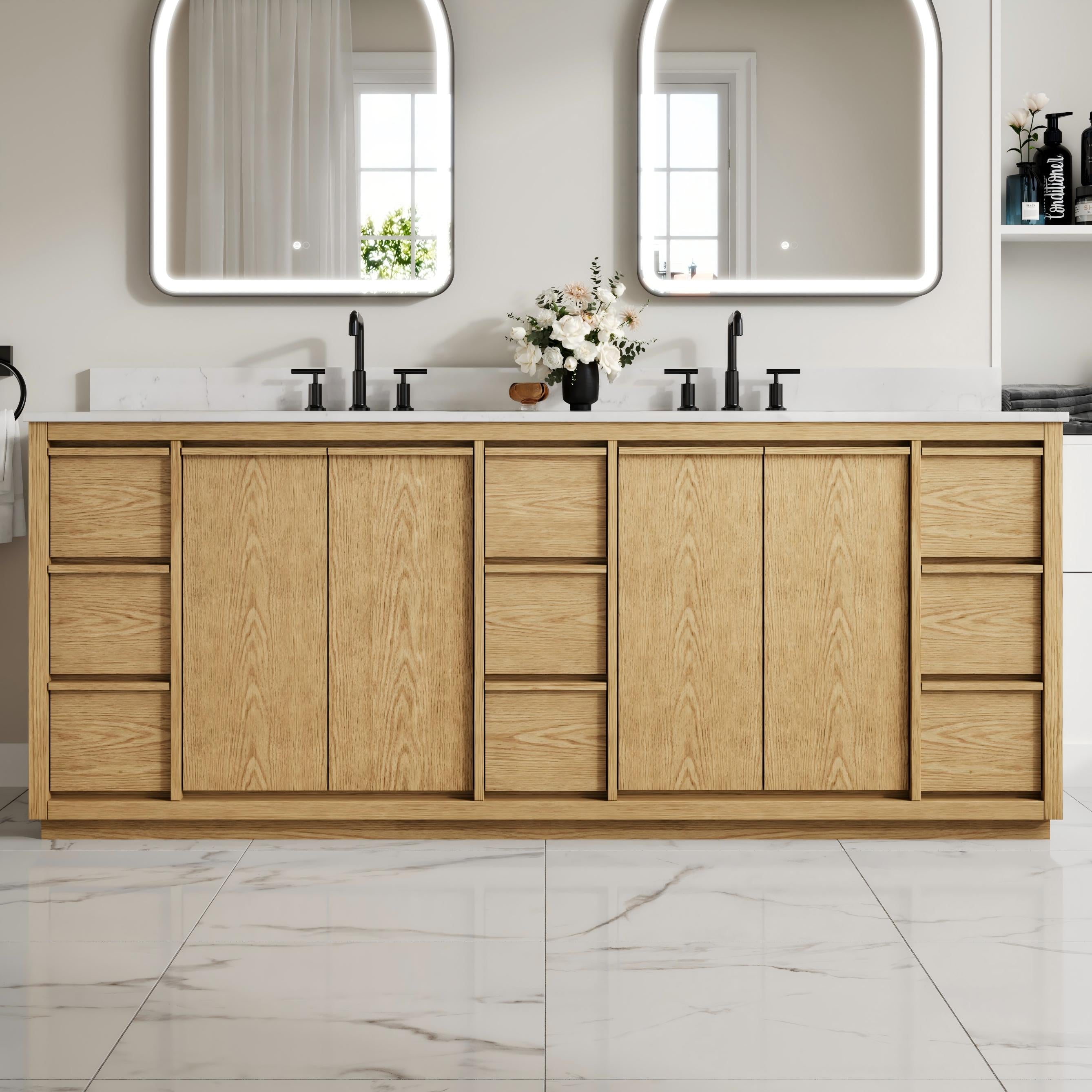
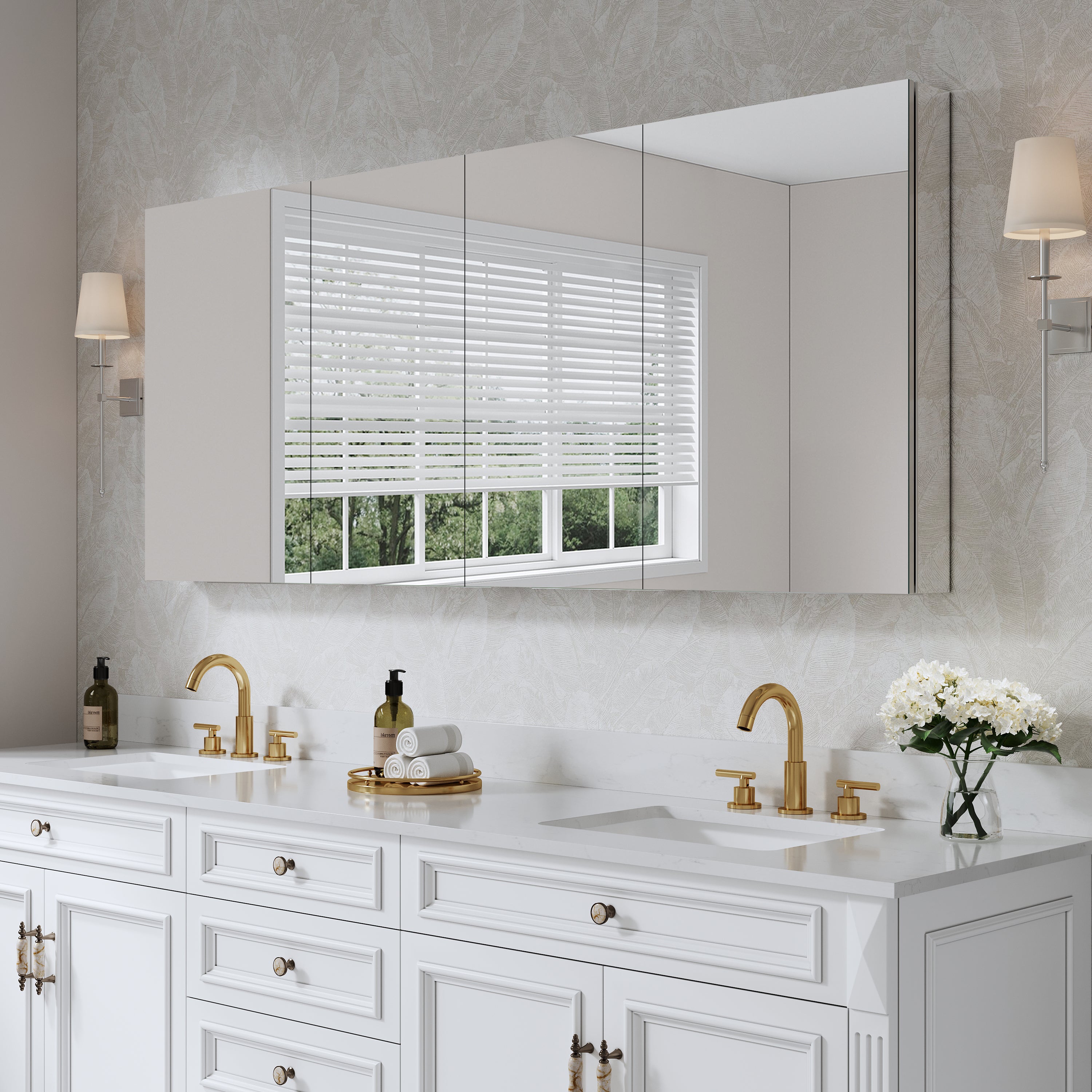
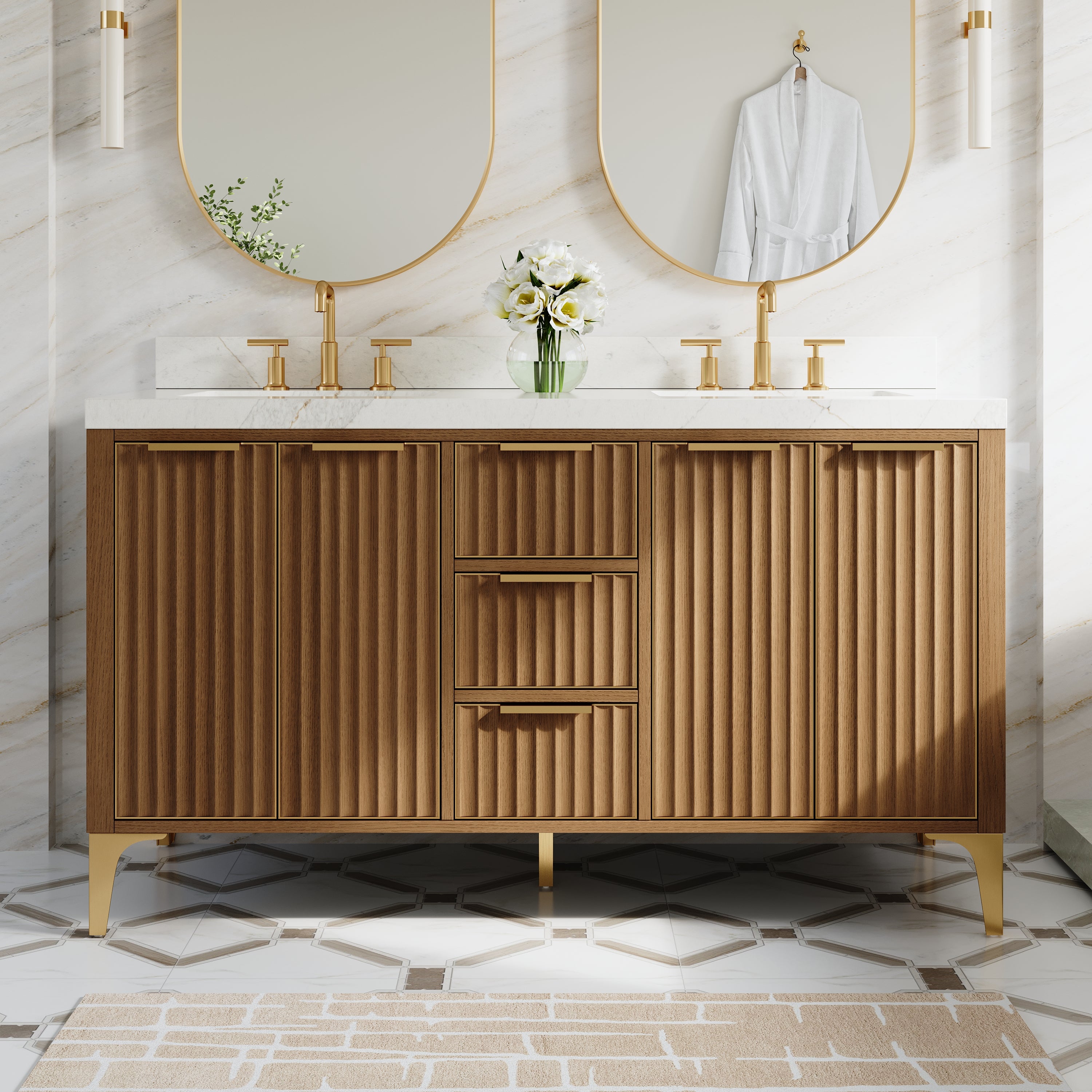
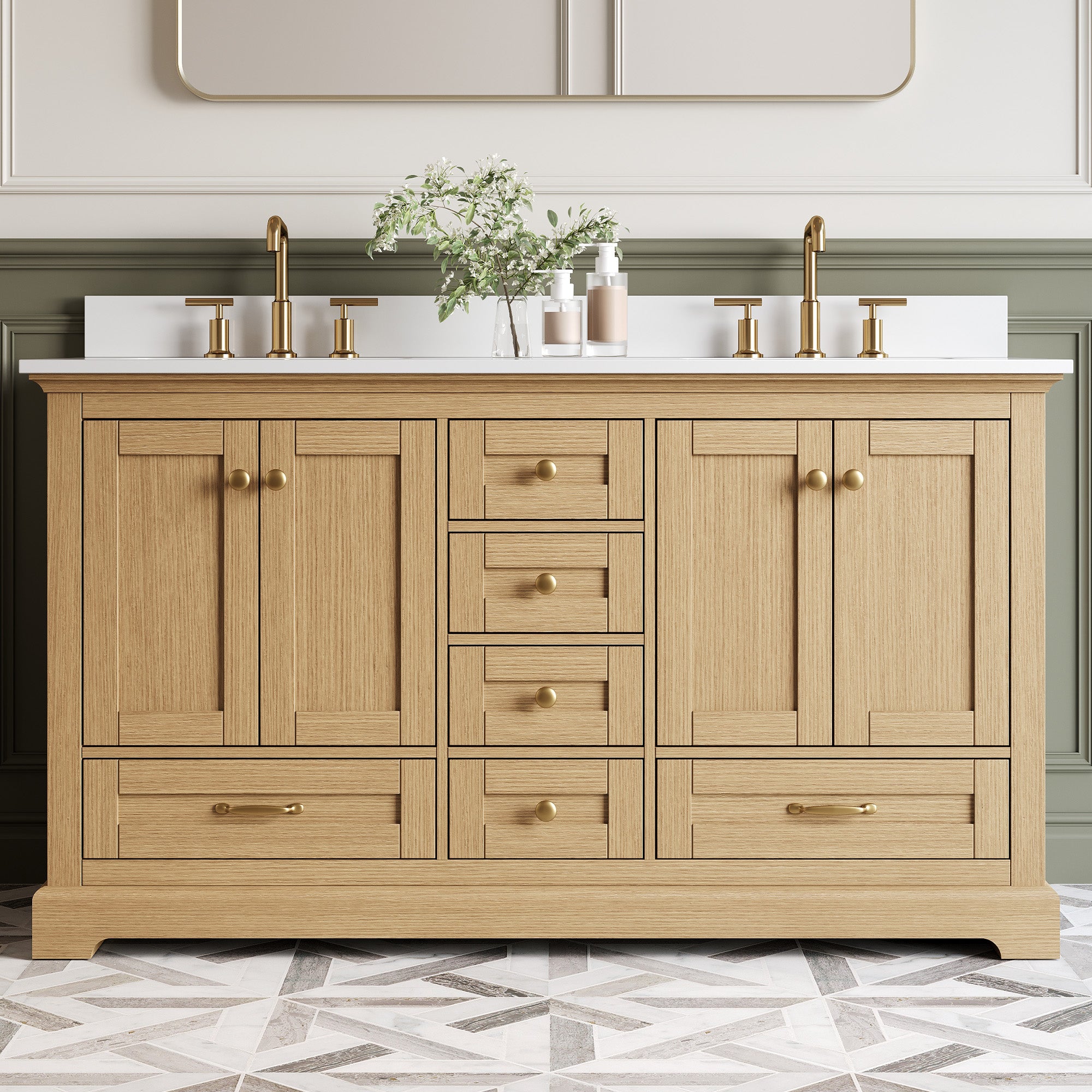
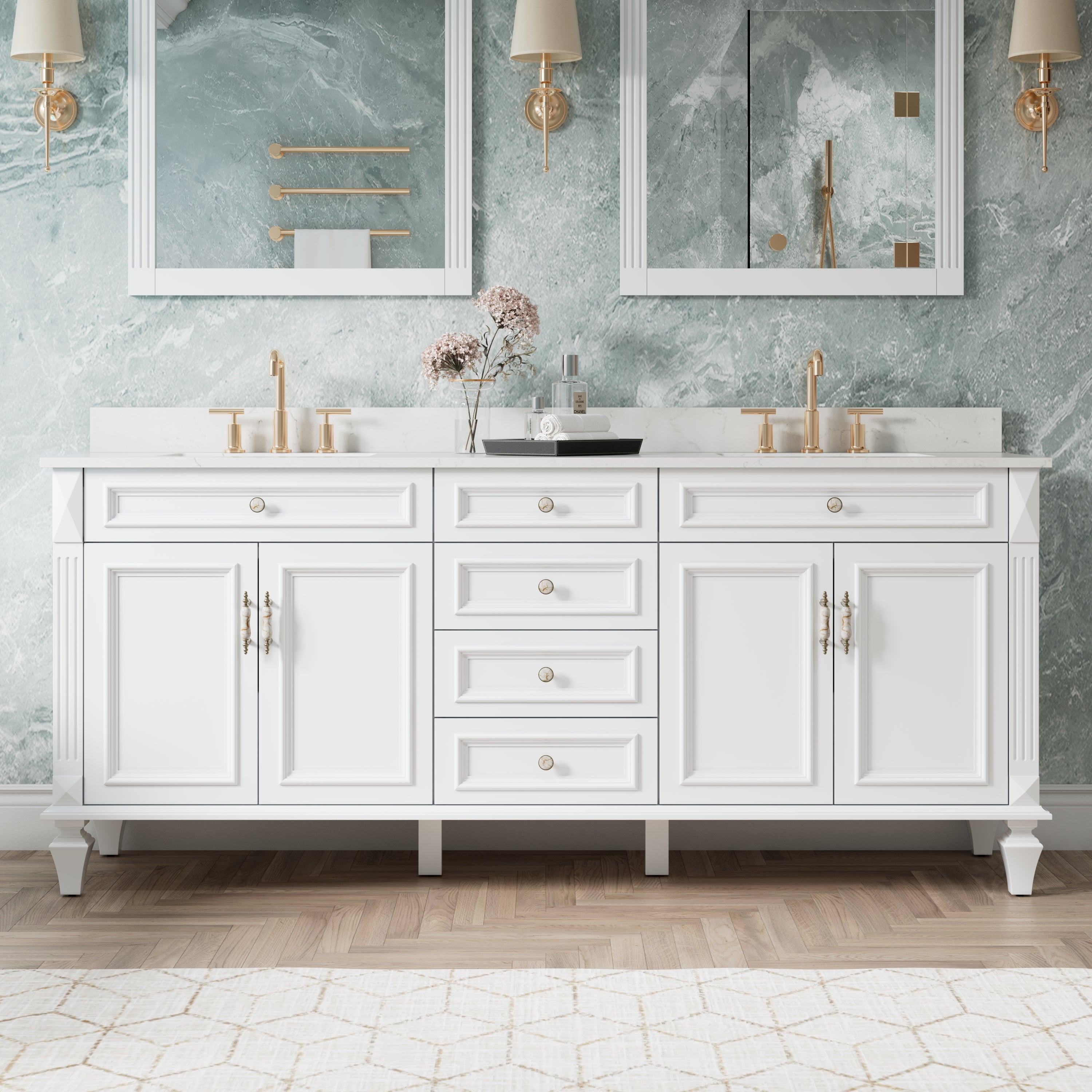
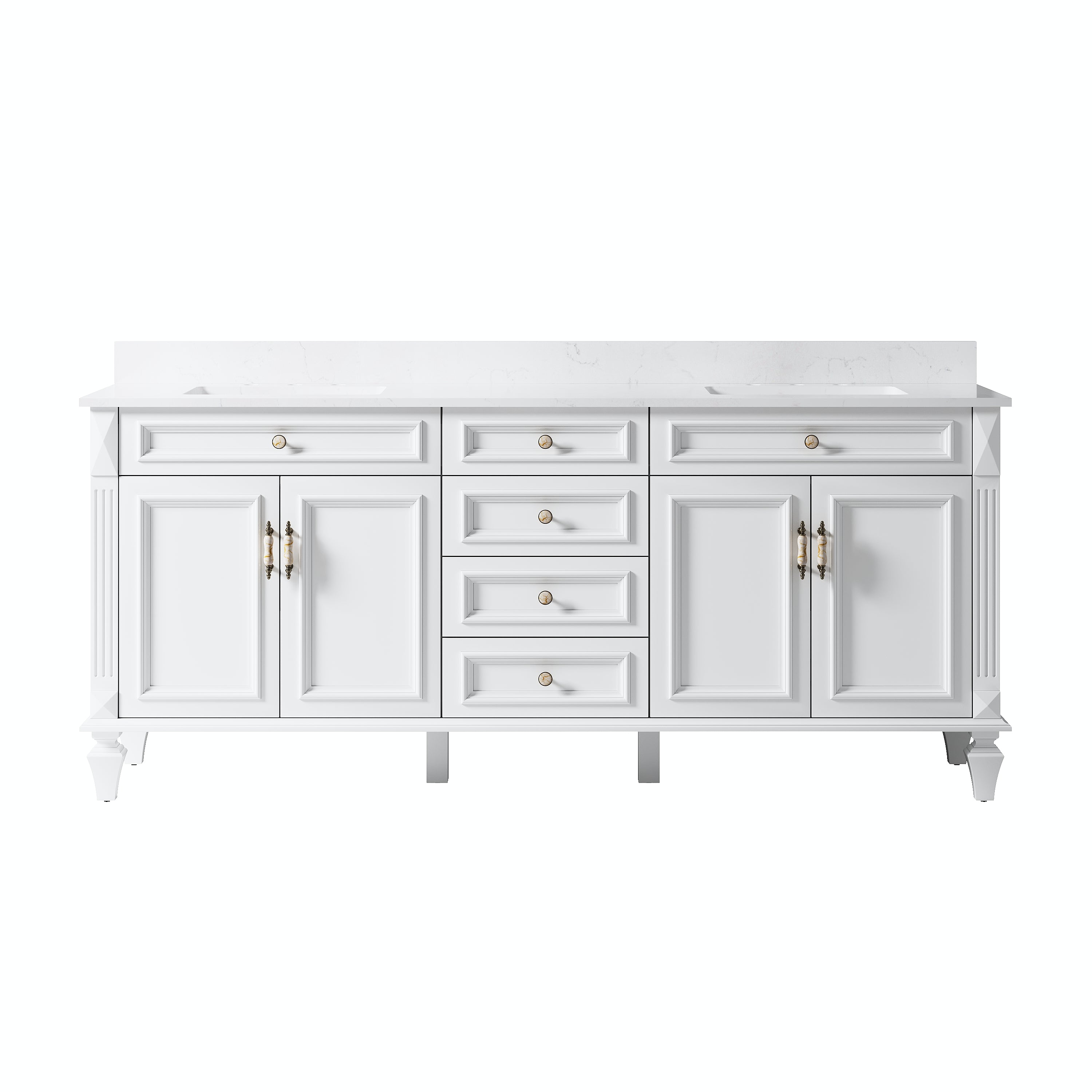
In a 60-inch or 72-inch dual-bowl vanity, mirror installation is typically divided into two types: integrated large mirrors and dual-mirror separation.
If a mirror with a full width exceeding 54 inches is used, a uniform-height installation method is usually adopted, with the lower edge kept consistent and the center point still controlled within the range of 60 to 65 inches.
In a dual-mirror structure, each mirror is usually 20 to 30 inches wide.
At this time, the installation height should remain consistent to avoid visual imbalance.
Research shows that when the height error of dual mirrors exceeds 1/2-inch, the human eye can perceive subtle asymmetry.
5. The impact of illuminated mirrors and wall lamps on height
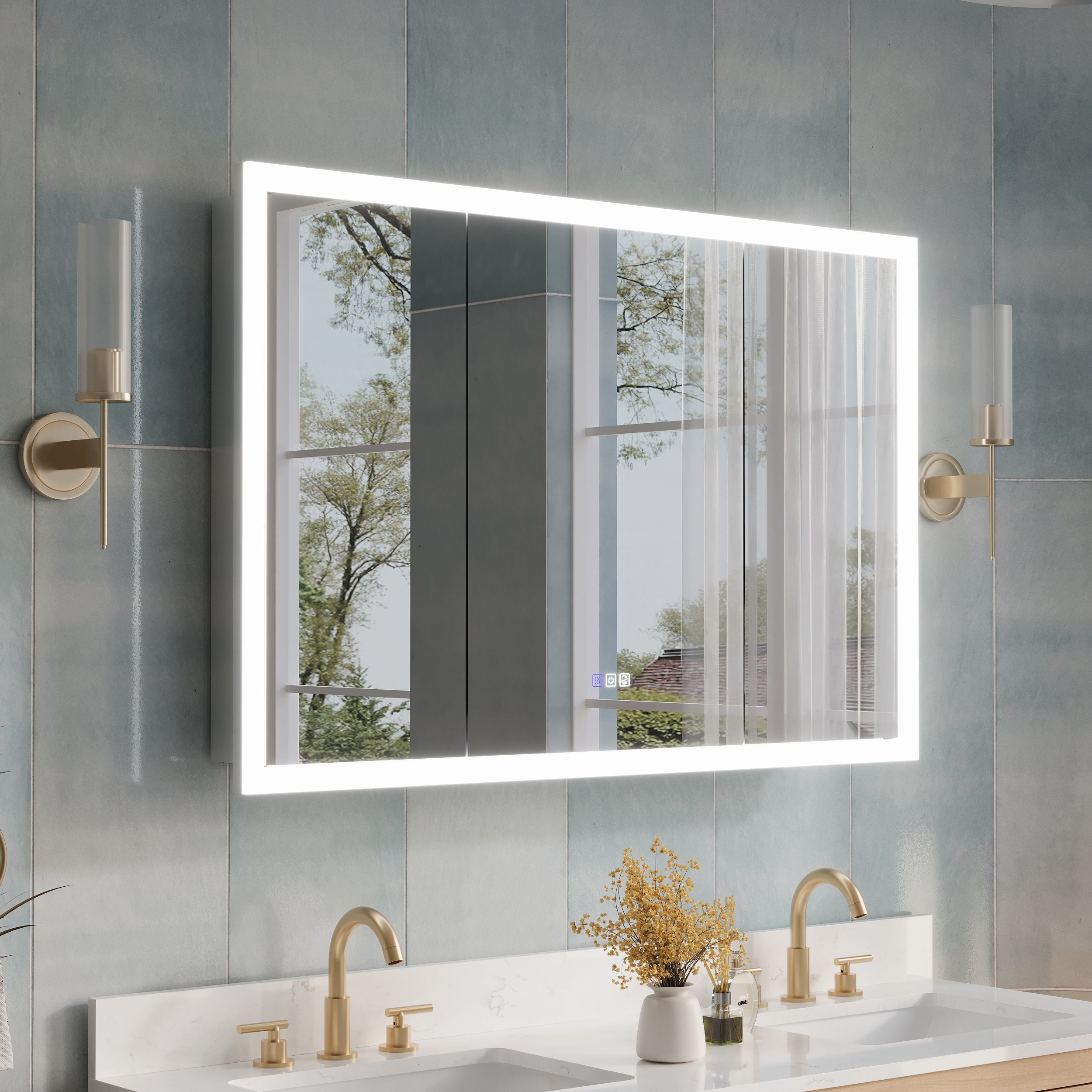
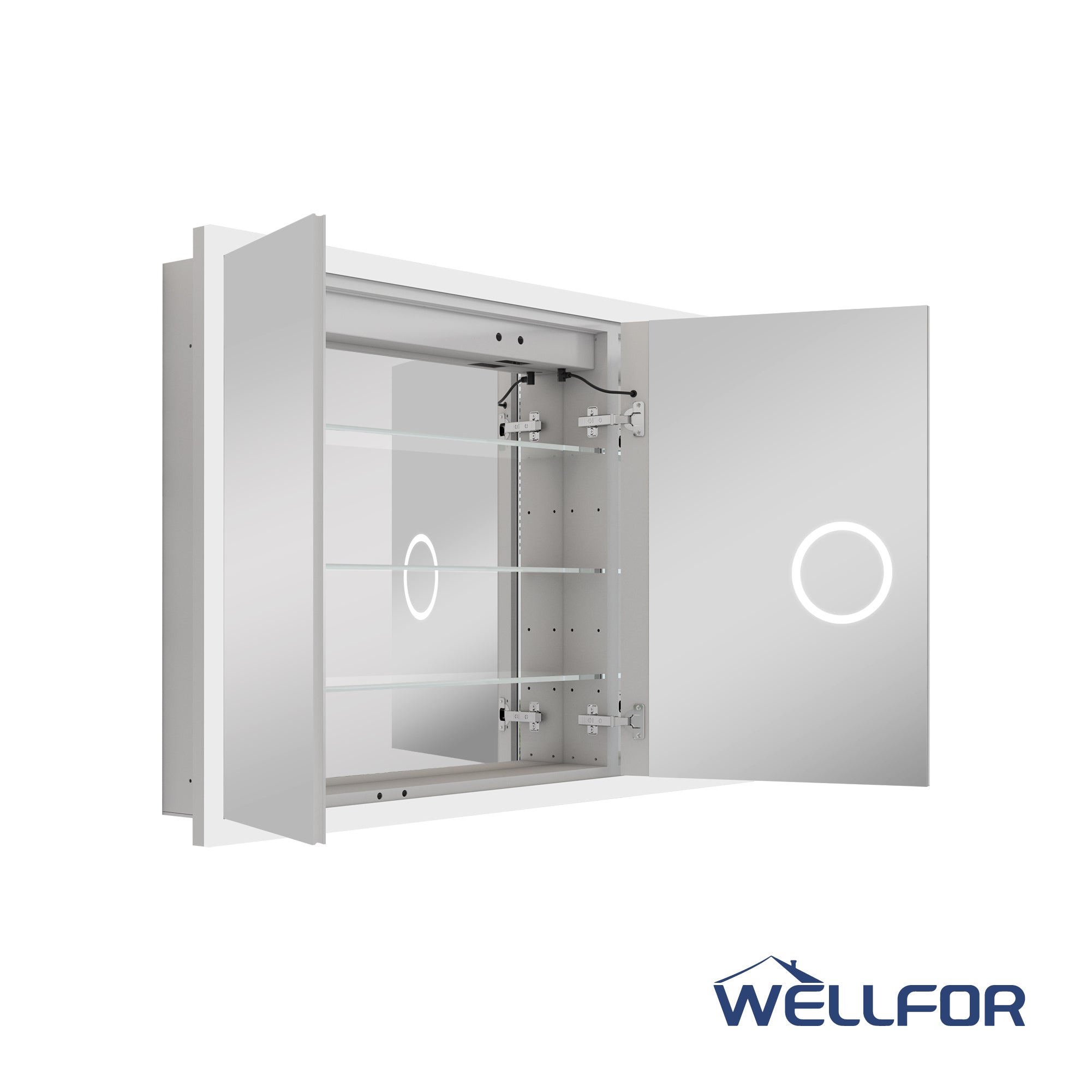
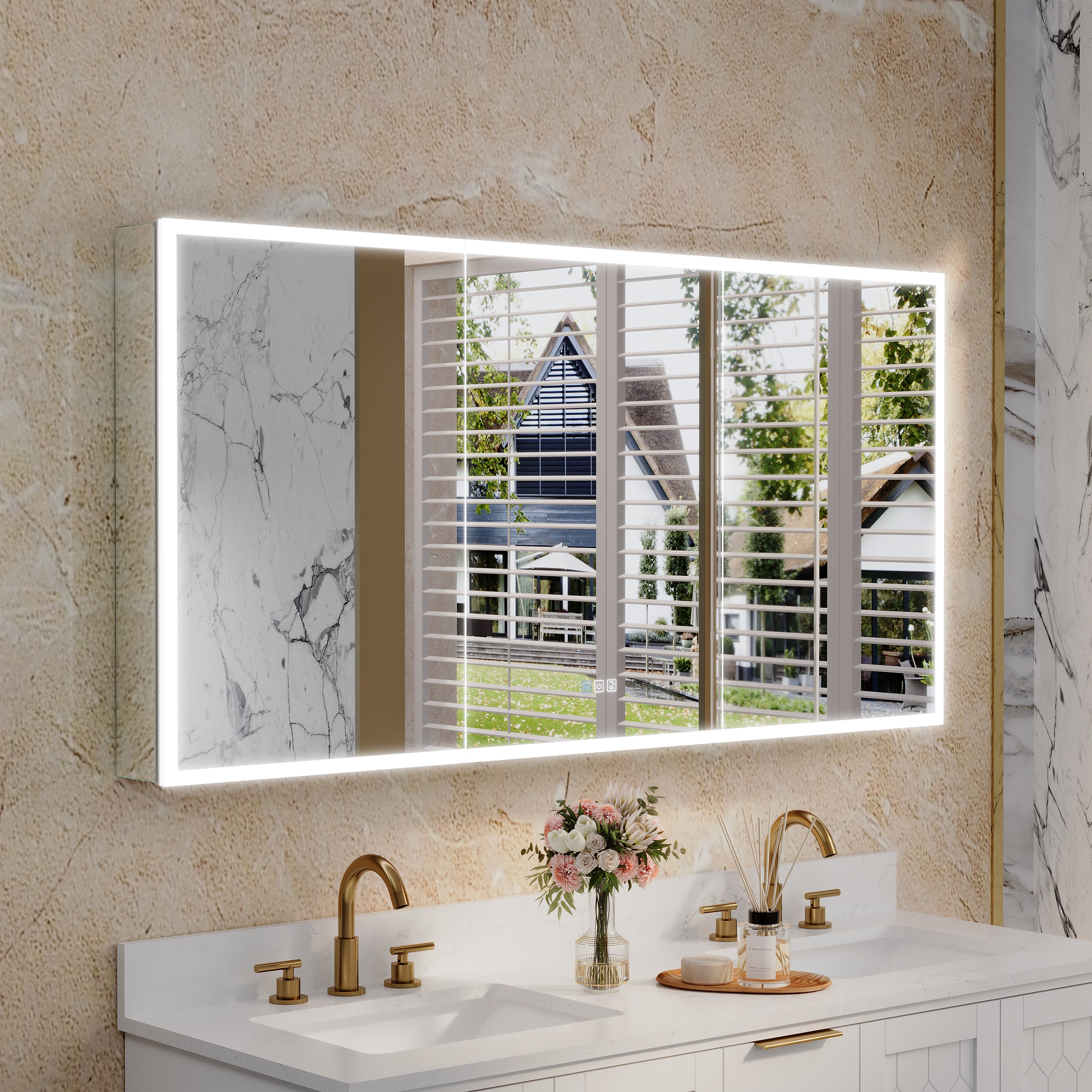
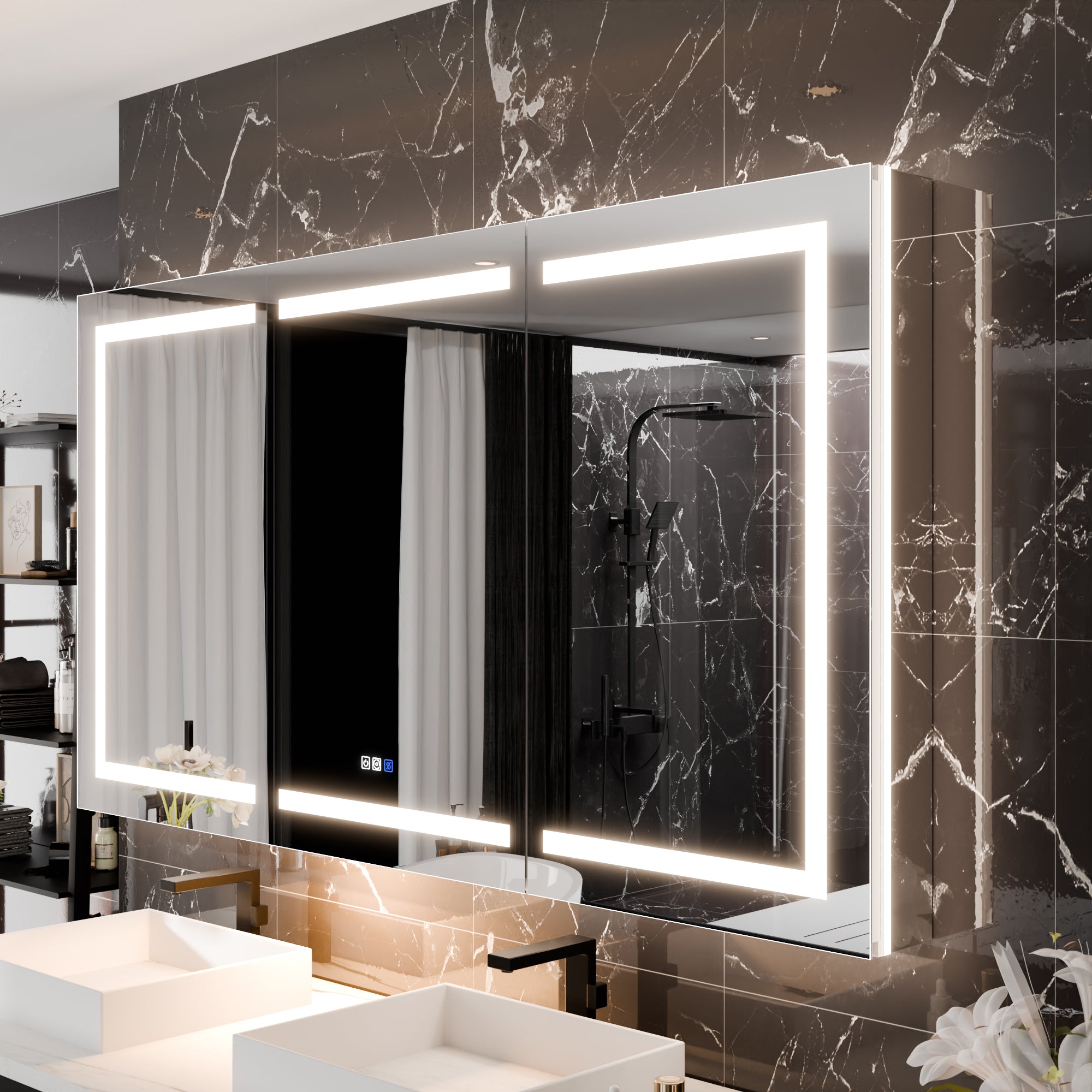
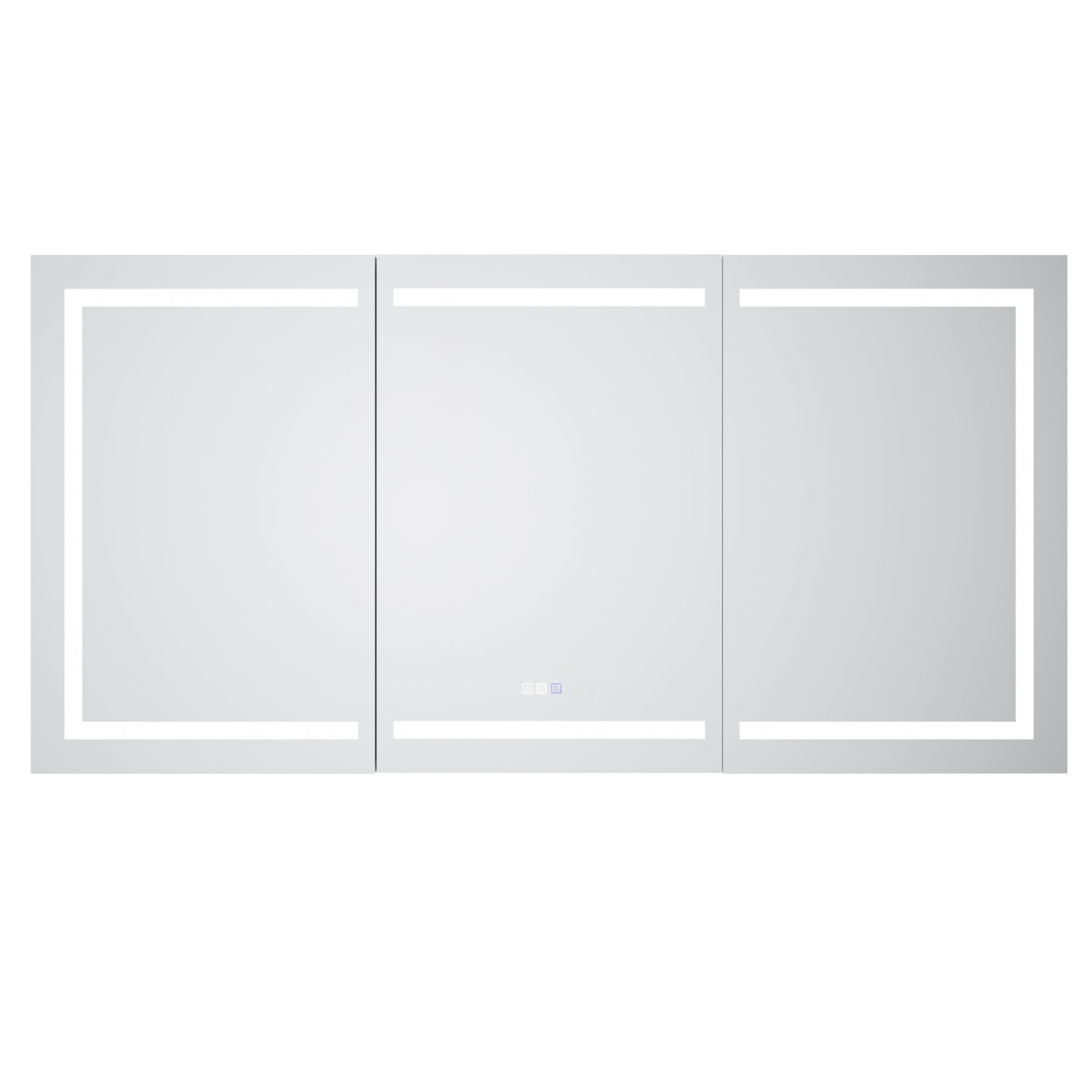
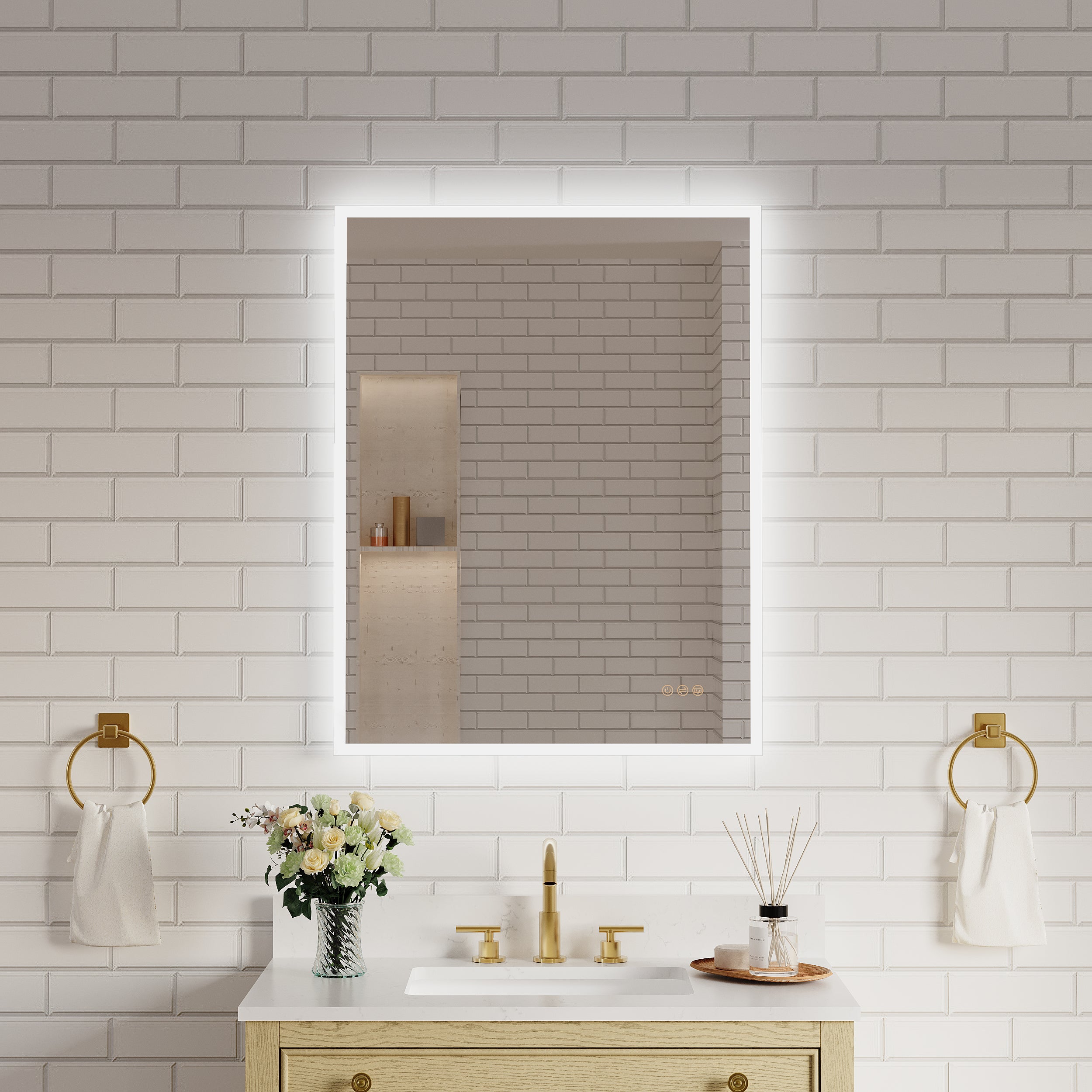
With the popularity of LED-illuminated mirrors, the mirrors themselves serve as the source of illumination.
These types of mirrors typically have a thickness of 1.5 to 2 inches2 inches, and backlight or side lighting can shift the visual center of gravity.
When installing the illuminated mirror, the rule of thumb of about 60 inches from the center of the mirror surface should still be followed.
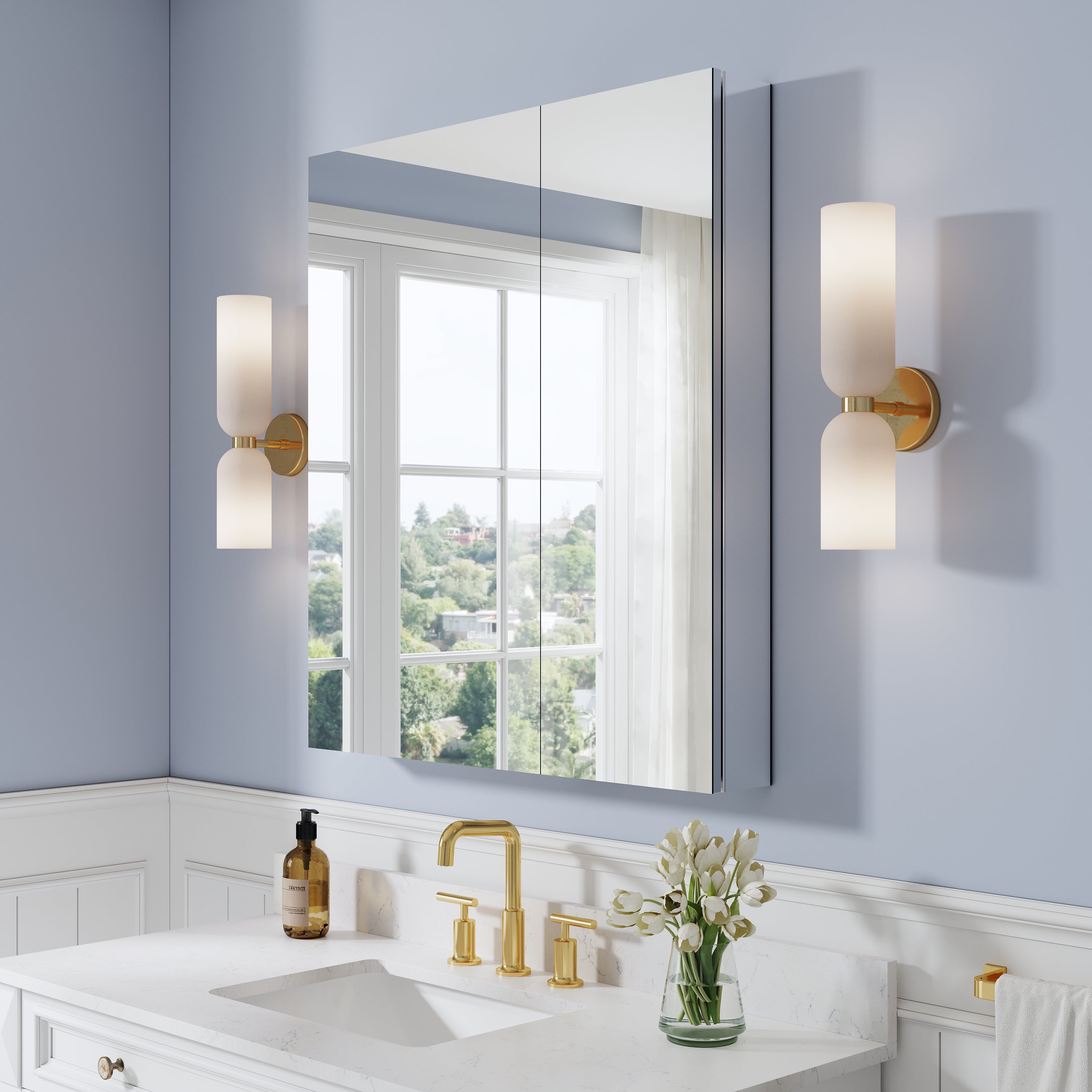
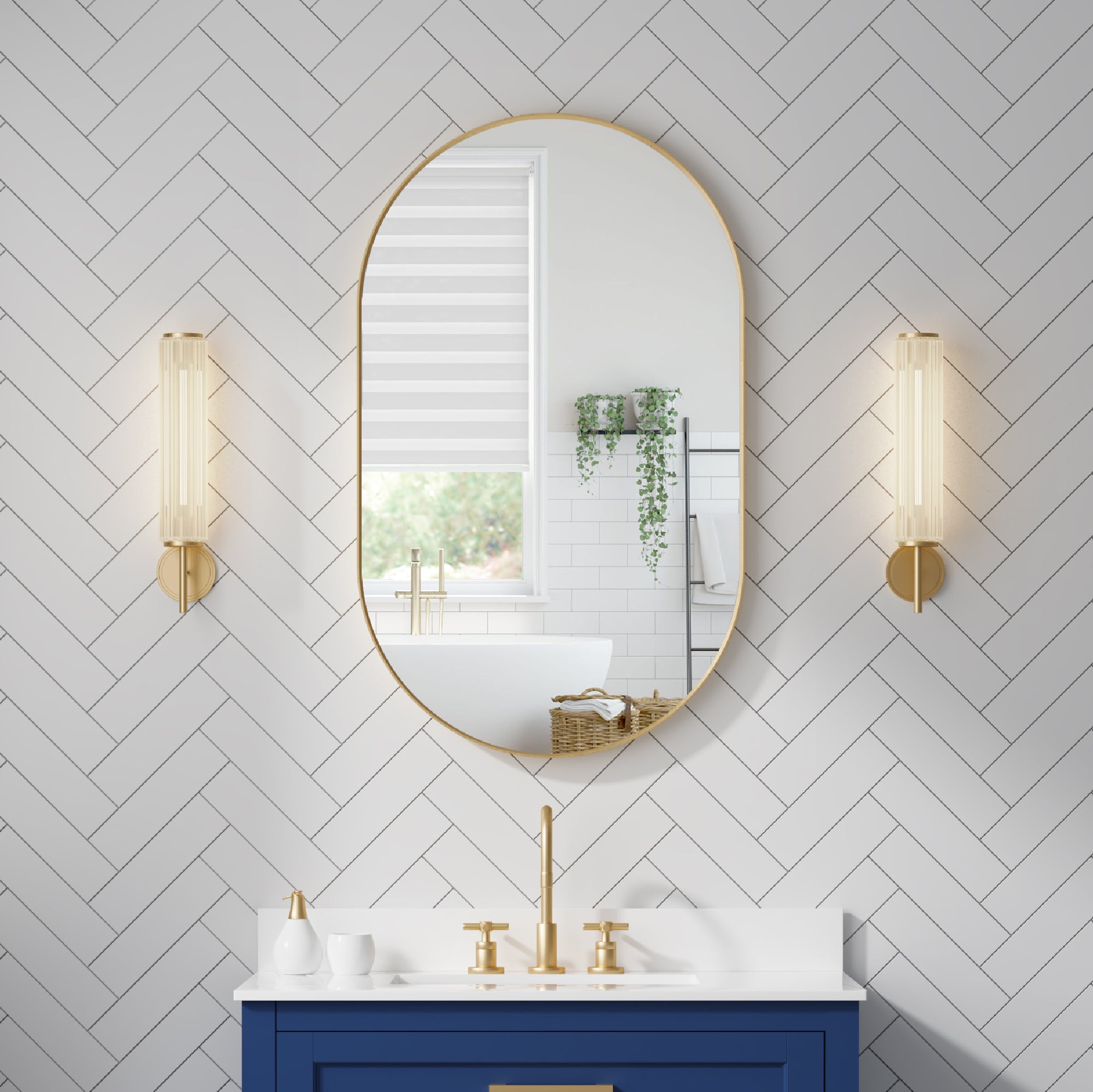
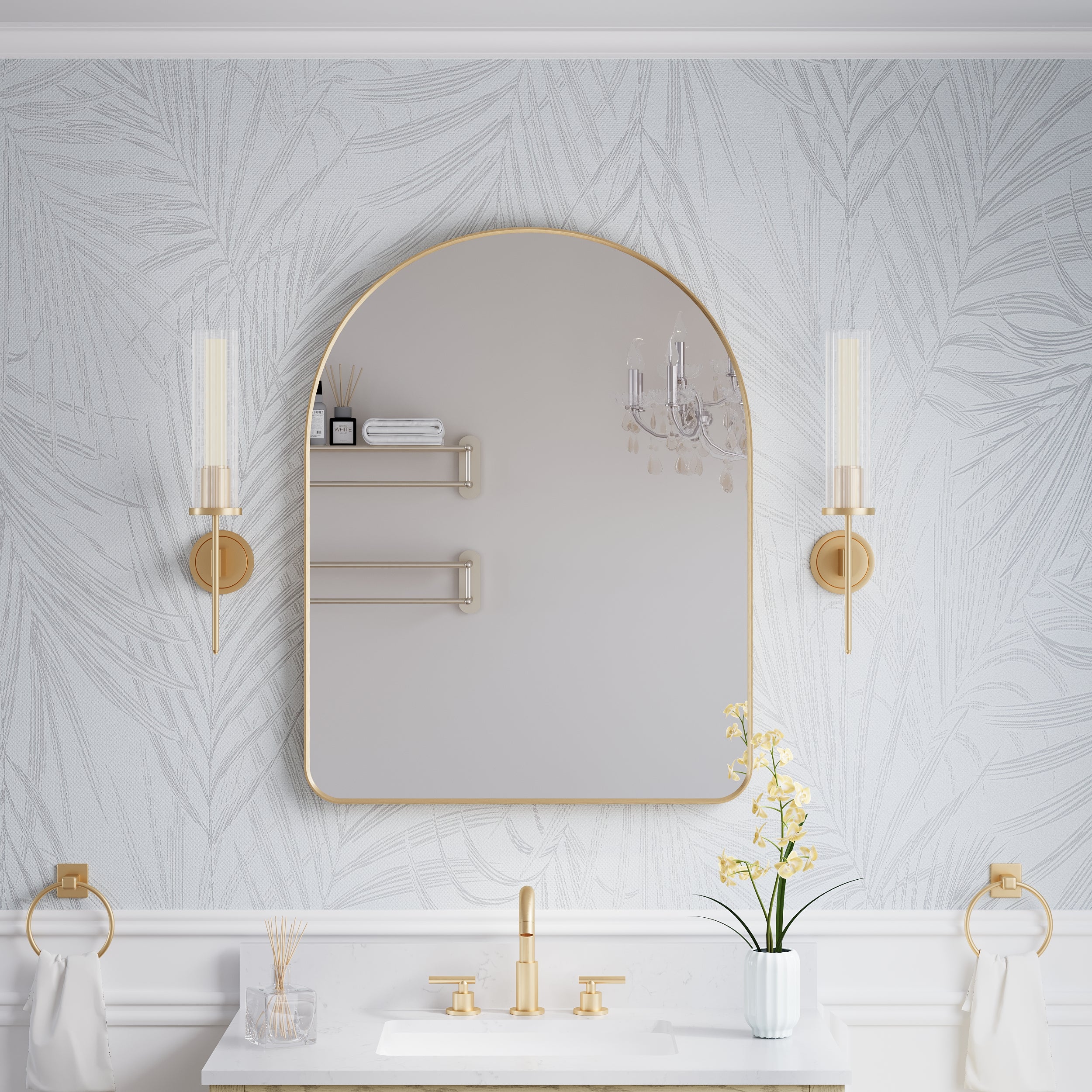
But if wall lamps are to be installed above the mirror, a 6- to 8-inch space should be reserved for them.
For example, in combination with a 36-inch36-inch countertop and a 32-inch32-inch-high mirror, adding an 8-inch-high wall lamp may result in an overall structural height of 84 inches or more.
Therefore, the size and location of the lighting fixtures should be confirmed in advance during the planning phase.
Data show that in a structure with wall lights on both sides of the mirror, and the light center aligned with the eyes, the uniformity of facial illumination improves by about 20%, which is better than in a structure with only a single top light.
6. Consideration of height differences among family members
If there is a significant difference in height among family members, the mirror height can be appropriately increased, or a higher mirror surface can be chosen.
For example, using mirrors 40 to 42 inches high can provide a wider field of view.
In a two-person shared main bathroom, a higher mirror can reduce conflicts over use.
For families where children use it frequently, small assistive mirrors or adjustable angle designs can also be considered.
Data show that in structures with a mirror height exceeding 36 inches, multi-person households have significantly higher comfort satisfaction than in low mirror structures.
7. The influence of spatial proportion and design style
In modern minimalist style, mirrors often maintain a compact distance from the countertop, creating a more integrated visual experience.
In traditional styles, framed mirrors are usually lowered appropriately to enhance the decorative feel.
If the wall height exceeds 9 feet9 feet, raising the mirror appropriately can help avoid the feeling of being suspended.
In compact spaces, it is more convenient to set the distance between the mirror's lower edge and the tabletop to around 6 inches.
The design trend indicates that the installation height of mirrors is gradually developing towards a more precise proportion and ergonomic combination, rather than simply using the "center wall" as the standard.

8. Conclusion
The installation height of the bathroom vanity mirror is both a functional decision and a design judgment.
Every detail from the reference range of 60 inches to 65 inches from the center of the mirror, to the recommended range of 5 inches to 10 inches from the bottom edge of the mirror to the tabletop, affects the daily user experience.
Whether it's a 30-inch30-inch single-basin countertop or a 72-inch72-inch double-basin structure, understanding the relationship between human line-of-sight height and spatial proportions is essential to achieving a balance between comfort and aesthetics.
Accurate measurement and reservation during the planning phase are key steps to avoid later adjustments.
















Leave a comment
This site is protected by hCaptcha and the hCaptcha Privacy Policy and Terms of Service apply.