
















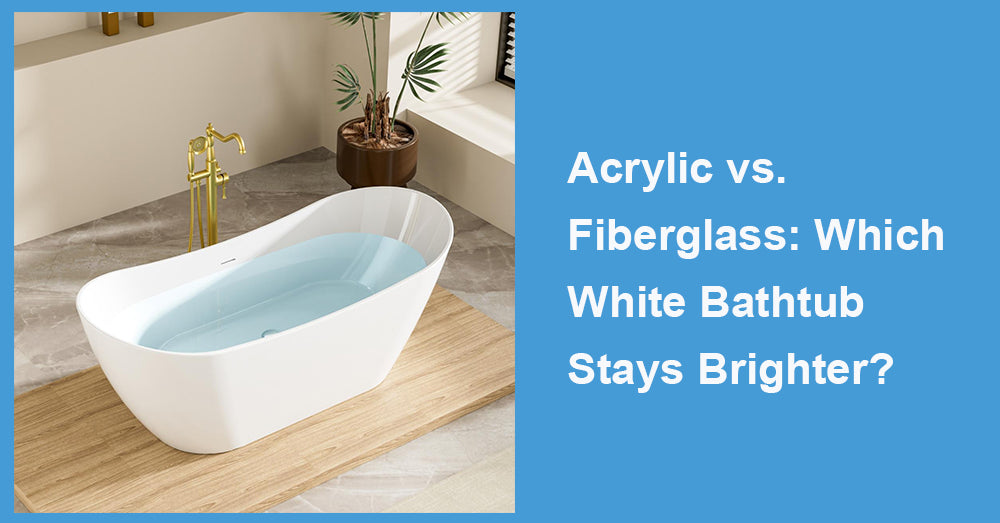
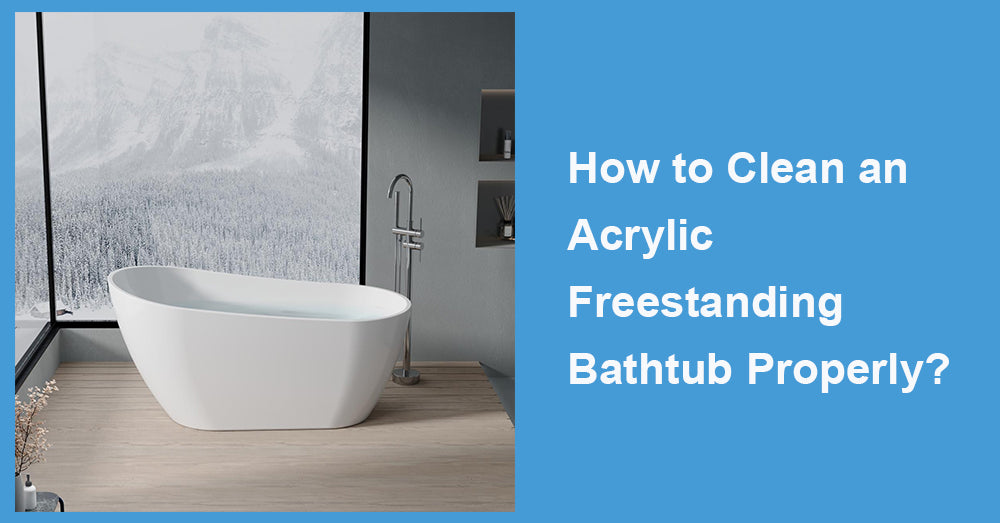
In the bathroom renovation and home decor markets, white bathtub remains the most popular choice. However, consumers are generally concerned about a practical issue: Will the bathtub turn yellow after several years of use? Which material can maintain a bright white color for a long time?
At present, the two most mainstream plastic bathtub materials in the market are acrylic and fiberglass (FRP). Although they are highly similar in appearance, there are significant differences in whiteness, durability, anti-aging ability, chemical resistance, and long-term maintenance cost.
Multiple research institutions on building materials, bathtub manufacturers' technical reports, and consumer research have shown that acrylic bathtubs have significantly better long-term brightness retention than fiberglass bathtubs. This article will systematically analyze the whiteness persistence of two types of bathtubs from dimensions such as material structure, aging mechanism, actual usage performance, maintenance cost, and renovation feasibility.

1. The material structure determines the whiteness and lifespan
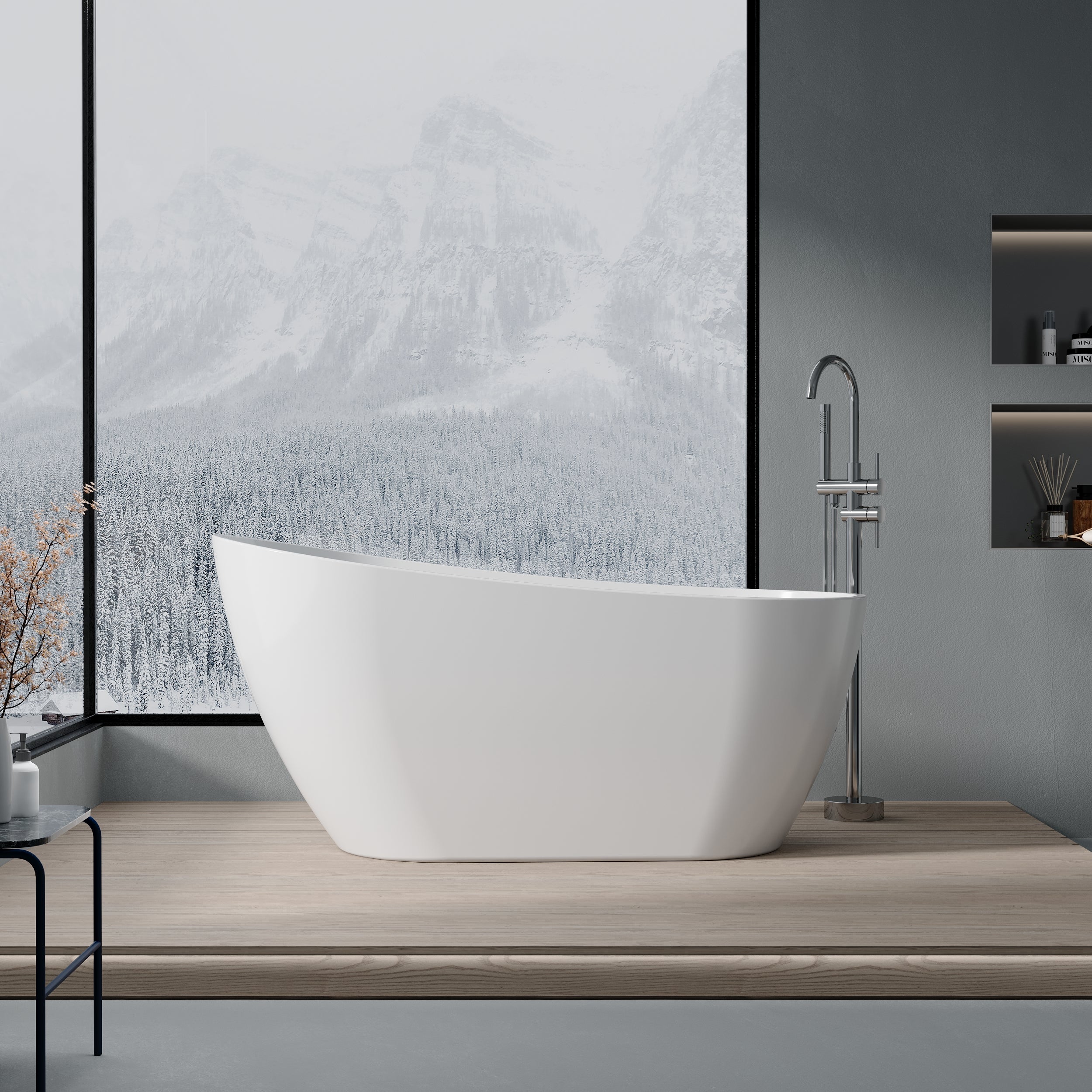
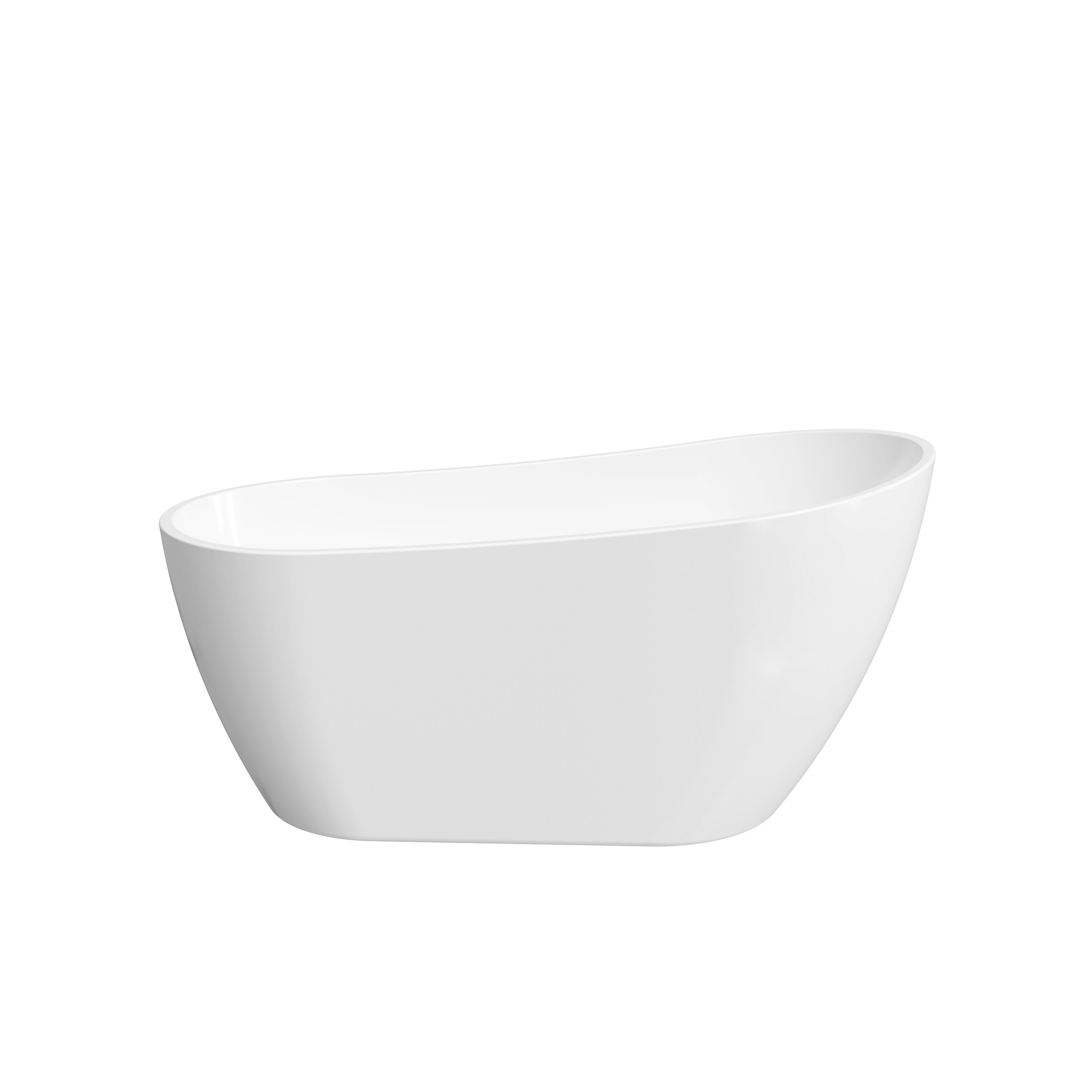
Acrylic bathtub: overall coloring + non-porous surface
The acrylic bathtub is formed by hot pressing polymer PMMA resin, and the color runs through the entire thickness of the board, rather than just staying on the surface coating. This means:
Slight surface wear will not affect overall whiteness.
Scratches can be repaired by polishing.
Not prone to color layer peeling or yellowing.
Meanwhile, acrylic itself has a non-porous structure, which can effectively resist the infiltration of scale, soap residue, and mineral deposits, fundamentally reducing the risk of deep yellowing.
Fiberglass bathtub: resin matrix+surface adhesive coating
The fiberglass bathtub is made of fiberglass cloth and resin composite molding, with a layer of Gel Coat coating on the outside to achieve a white effect. This structure determines:
Whiteness only comes from the surface coating.
Adhesive clothing has a microporous structure.
Easy to absorb dirt, pigments, and minerals in water.
After long-term use, coating aging, increased microcracks, and exposure to ultraviolet radiation can all lead to dull, yellowish, and powdery colors.
Industry data shows that fiberglass bathtubs typically fade and yellow significantly within 10-15 years, while acrylic bathtubs can maintain stable whiteness for over 20 years.
2. Comparison of yellowing mechanisms: Who is more prone to yellowing?
Fiberglass: UV+oxidation+chemical corrosion
The leading causes of yellowing in fiberglass bathtubs include:
UV radiation
The adhesive layer is sensitive to UV, and long-term exposure to sunlight can cause molecular chain breakage, resulting in yellowing.
oxidation reaction
Polyester resin continues to cure slowly and oxidizes year by year, resulting in a darkening of color.
Cleaning agent corrosion
Bleach water and strong alkaline cleaners can damage the surface of the gel coat and accelerate aging.
Research shows that old-fashioned polyester fiberglass bathtubs will continue to "self-age," which is also the fundamental reason for the widespread yellowing of old bathtubs.
Acrylic: high stability resin+UV resistant formula
Modern acrylic bathtubs include:
UV stabilizer
antioxidant
Color fastness-enhancing component
Therefore, its molecular structure is highly stable, and under normal household conditions, its yellowing rate is significantly slower than that of glass fiber. Even after more than ten years of use, it can still maintain a whiteness performance close to that of a new cylinder.
3. Real user feedback: significant difference in whiteness variation
In mainstream home improvement communities such as Reddit, HomeImprovement, CleaningTips, a large number of users share their real experiences:
Fiberglass bathtub:
Apparent yellowing after 5-8 years.
The difficulty of cleaning is increasing year by year.
Most require renovation or replacement.
Acrylic bathtub:
Maintain good whiteness for 10-15 years.
Minor scratches can be polished and restored.
Long-term visual effects are more stable.
A homeowner shared that their acrylic bathtub has maintained a good appearance after 27 years of use and only requires gentle daily cleaning.
4. Comparison of maintenance costs and renovation cycles
In terms of long-term usage cost, acrylic bathtubs are significantly better than fiberglass bathtubs in terms of maintenance frequency and renovation cycle.
The surface of the acrylic bathtub is dense and smooth, which makes it difficult for scale and stains to adhere. It can be kept clean and bright white by using neutral cleaning agents in daily life, with low cleaning difficulty and low maintenance cost. Even with slight scratches, the appearance can be restored with simple polishing, and surface repair is usually required every 10-15 years.
In contrast, the surface coating of fiberglass bathtubs is prone to aging, and the microporous structure is more prone to scaling and yellowing. The difficulty of cleaning increases significantly with the service life. Most products require a refurbishment process every 5-8 years, the appearance will quickly age, and the long-term maintenance and refurbishment costs will be significantly higher than acrylic bathtubs.
Overall, although the initial price of acrylic bathtubs is slightly higher, their lower maintenance frequency, longer renovation cycle, and more stable appearance performance make them more cost-effective throughout their entire lifecycle.
5. Market Trend: High-end Projects Fully Turn to Acrylic
Acrylic bathtubs have become standard in high-end residential, apartment projects, hotels, and elderly care communities, mainly due to:
Long-lasting whiteness reduces maintenance in later stages.
Warm touch, higher comfort.
Surface repair can extend the overall lifespan.
Customer satisfaction is significantly higher.
Multiple developers have explicitly stated that “if pursuing visual stability for over 20 years, acrylic is the only realistic choice.”
6. Conclusion: Which type of white bathtub is more long-lasting and brighter white?
Comprehensive material structure, aging mechanism, user feedback, and industry data:
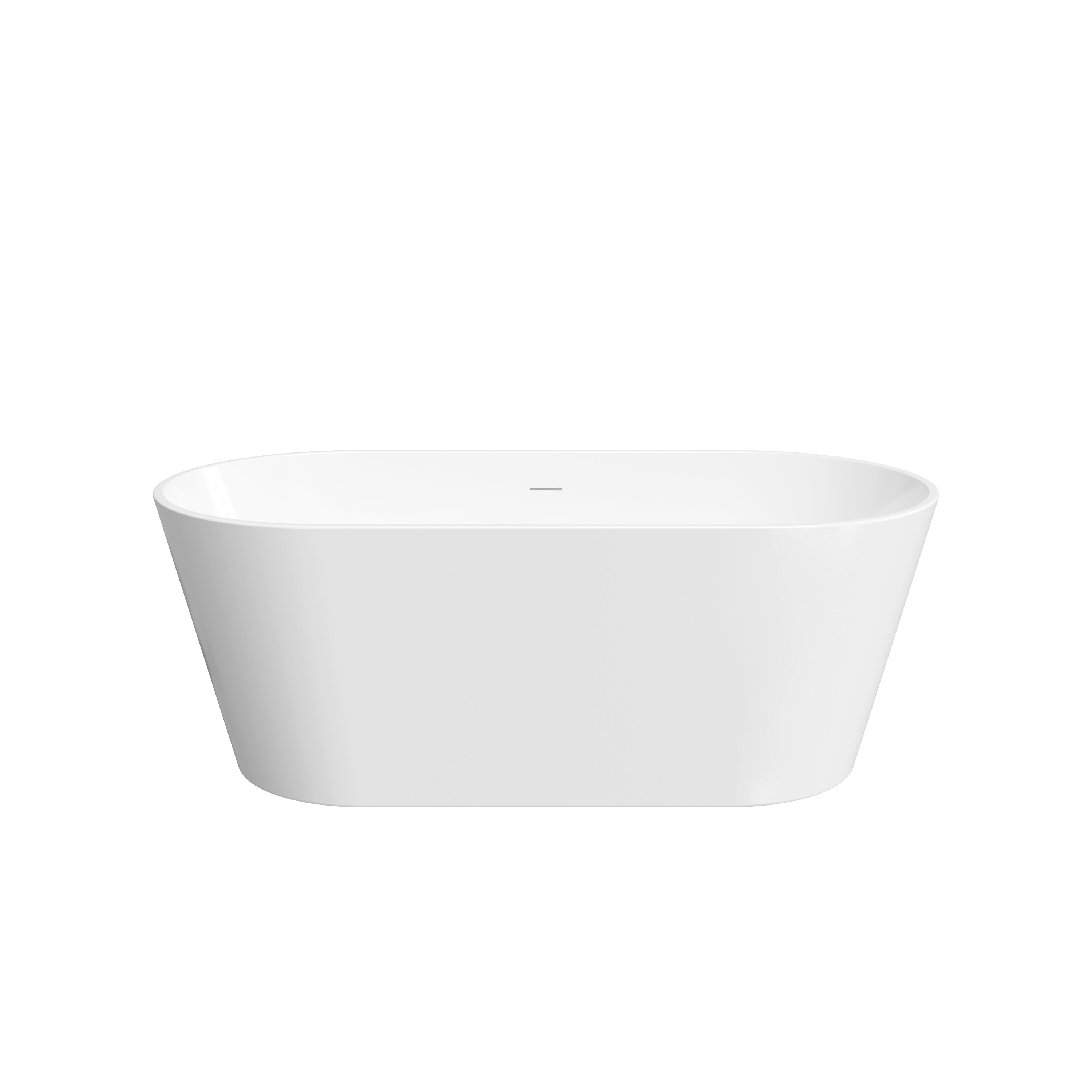
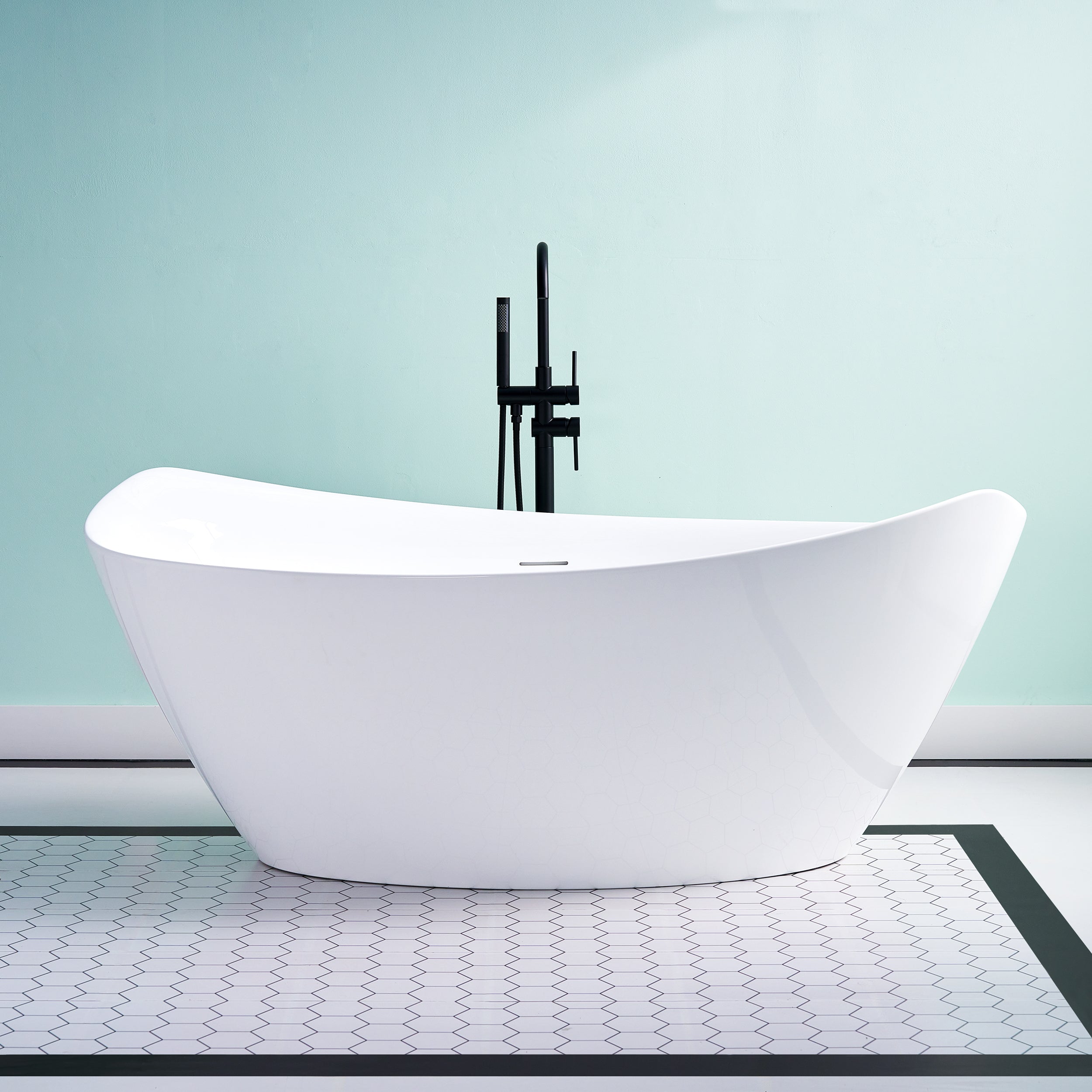
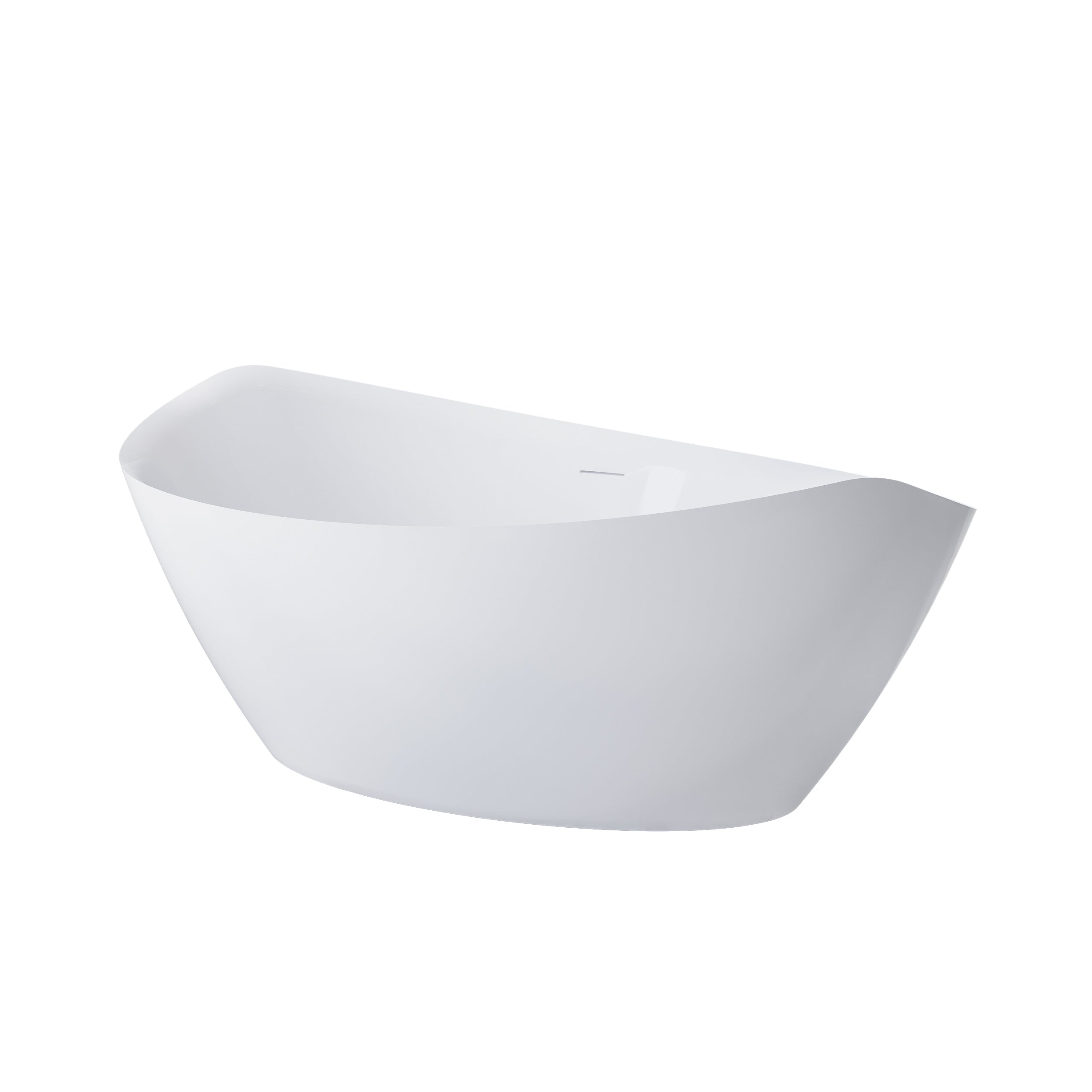
Acrylic bathtubs are significantly better than fiberglass bathtubs in maintaining long-term whiteness.
Suggestion for selection:
Pursuing long-term bright white+high-end texture+low maintenance cost → Choose an acrylic bathtub.
Limited budget+short-term rental+renovation project → Fiberglass can be used as a transitional solution.
7. Industry Insights: Long-lasting brightness and whiteness have become core purchasing indicators
As consumers' attention to bathroom durability, visual stability, and maintenance costs continues to increase, "long-lasting whitening" has become a key decision-making factor in bathtub selection.
In the future, the proportion of acrylic bathtubs in the mid to high-end bathroom market will continue to rise. At the same time, fiberglass products will gradually retreat to the low-end engineering and short-term rental markets.













Leave a comment
This site is protected by hCaptcha and the hCaptcha Privacy Policy and Terms of Service apply.