






















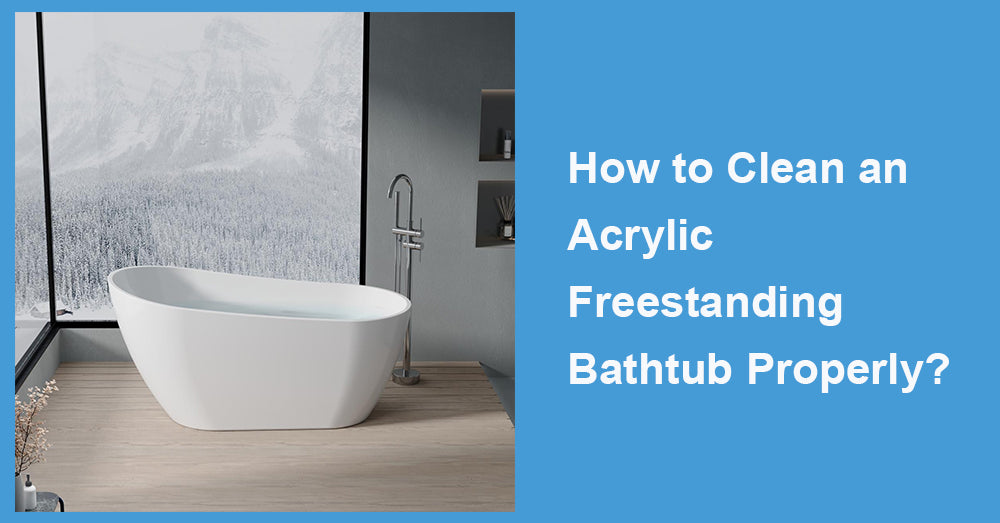
With the advancement of modern home design, acrylic freestanding bathtub is increasingly becoming the first choice for home bathroom renovations due to their lightweight appearance, excellent insulation, elegant shape, and high cost-effectiveness. However, acrylic material is relatively delicate, and if not cleaned properly, it is prone to scratches, discoloration, loss of gloss, and other problems, seriously affecting the appearance and service life of the product.
According to data released by the American Sanitary Association (NKBA) and multiple bathroom manufacturers, over 70% of bathtub damage is caused by improper cleaning methods. Therefore, mastering the correct cleaning and maintenance methods not only helps to keep the bathtub shiny as new but also significantly extends its service life. This article systematically analyzes the scientific cleaning plan for acrylic independent bathtubs across five aspects: material characteristics, daily cleaning process, deep-cleaning methods, common misconceptions, and professional maintenance suggestions.

1. Understanding the characteristics of acrylic material is the first step in proper cleaning
Acrylic bathtubs are mainly made of PMMA (polymethyl methacrylate), which is often coated with a high-gloss protective layer, giving them excellent visual appeal and a comfortable feel. However, although the material is resistant to corrosion and aging, it has low hardness and scratch resistance, and requires high requirements for cleaning methods.
Its main characteristics include:
The surface is delicate and smooth, prone to scale and soap stains.
Moderate acid and alkali resistance, but not resistant to potent corrosive cleaning agents.
Extremely sensitive to complex tools such as metal brushes and scouring pads.
Therefore, in the cleaning process, the three principles of "mild, non-corrosive, and gentle contact" should be adhered to.
2. Daily Cleaning: Basic Steps for Maintaining Cleanliness
Daily cleaning is the key to maintaining the appearance and hygiene of the bathtub. Suggest simple rinsing after each use and basic cleaning once a week.
Rinse with clean water to prevent dirt deposition
After each bath, wash the bathtub surface with warm water to effectively remove foam, sebum, and cleaning residues, and prevent scale and soap stains from accumulating.
Choose neutral cleaning agents
It is recommended to use neutral detergent or specialized acrylic cleaner, dilute it, gently wipe the surface with a soft sponge or microfiber cloth, and then rinse with water.
Avoid using:
Cleaning agents containing ammonia and alcohol
Strong acid and strong alkali descaling agents
Bleach water, 84 disinfectant
Wipe dry with a soft cloth to reduce water marks
After cleaning, use a clean and soft cotton cloth to dry off water stains, which can effectively prevent water spots and mineral deposits, and maintain a good and clean effect.
3. Deep cleaning: a professional method for dealing with stubborn stains
Even with proper daily maintenance, the bathtub may still develop stubborn dirt due to hard water, shower oil, or prolonged use. At this time, the following safe deep cleaning solutions can be used.
White vinegar+warm water scaling method
Mix white vinegar with warm water in a 1:1 ratio, spray on the scale area, let it stand for 10-15 minutes, and gently wipe with a soft cloth to effectively decompose calcium and magnesium deposits.
Baking soda is a mild cleaning method
Mix baking soda and water into a paste, apply it to stubborn stains, let it sit for 5 minutes, and gently scrub. It is suitable for treating soap stains and mild yellowing problems.
Professional acrylic care wax polishing
Using specialized acrylic polishing and care wax every 3-6 months can restore surface gloss, form a protective film, and delay aging.
4. Common cleaning misconceptions, 90% of users will step on landmines
Use steel wire balls or scouring pads
This is the biggest culprit that causes minor scratches on acrylic bathtubs, even if it is difficult to detect with the naked eye, over time, it can lead to blackening and easy fouling of the surface.
Frequent use of potent descaling agents
Consumers often use powerful descaling products to clean bathrooms, but these products will gradually erode the acrylic surface, causing yellowing, brittleness, and loss of luster.
Directly pour in high-temperature hot water
Hot water above 80 ℃ may cause slight deformation of the acrylic surface, affecting the overall structural stability.
Long-term soaking of the dyeing liquid
Long-term retention of hair dye, essential oil, bath powder, etc., can easily lead to surface bleeding and the formation of permanent stains.
5. Professional maintenance advice: Keep the bathtub as new for ten years
Establish a periodic maintenance mechanism
Suggest weekly basic cleaning, quarterly deep care, and semi-annual polishing and maintenance, which can significantly extend the service life.
Choose a high-quality acrylic bathtub
The high-end model features a high-density composite structure with a thickened, crack-resistant layer, offering significantly better wear and yellowing resistance than ordinary models.
Pay attention to the bathroom environmental control
Maintaining good ventilation and reducing humidity can help suppress mold growth and scale deposition.
6. Market Trend: Continuous Heating of Acrylic Independent Bathtubs
According to Grand View Research, the North American freestanding bathtub market is expected to exceed $2.4 billion by 2025, with acrylic accounting for over 65%. Consumers pay more attention to cleanliness and maintenance costs while focusing on exterior design.
Therefore, when promoting acrylic freestanding bathtubs, brands should not only emphasize design aesthetics but also systematically promote scientific cleaning concepts, enhance user experience, increase repurchase rates, and improve brand reputation.
Conclusion: Scientific cleaning makes high-end bathtubs last forever
An acrylic freestanding bathtub is not only a bathroom product, but also a reflection of the modern home lifestyle. By using correct and scientific cleaning and maintenance methods, not only can it maintain its new luster, but it can also effectively extend its service life and reduce long-term maintenance costs.
In the home market, "easy maintenance, long lifespan, and low cost" have become critical criteria for consumers to choose bathtub products. Mastering professional cleaning techniques will keep your bathroom refreshed and truly achieve an ideal life of comfort and quality.









































Leave a comment
This site is protected by hCaptcha and the hCaptcha Privacy Policy and Terms of Service apply.