









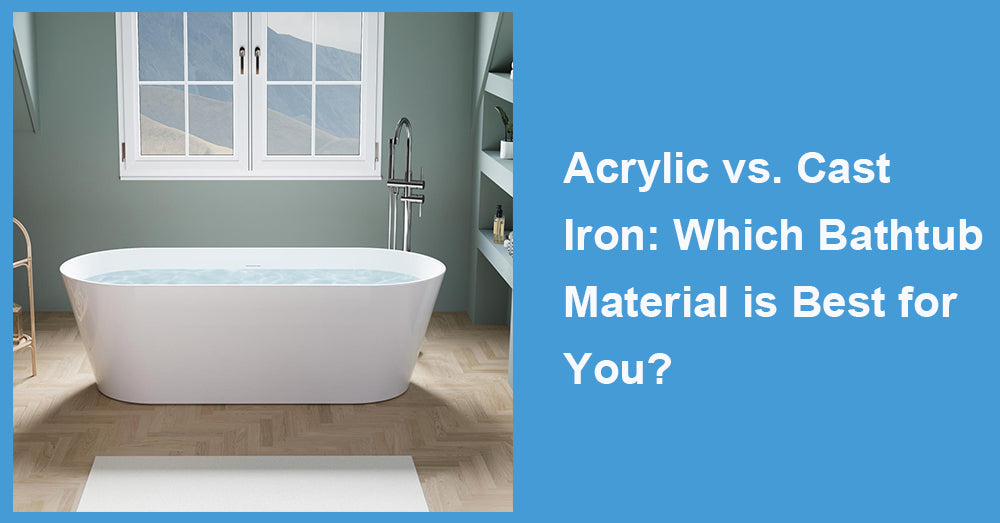
In bathroom renovation or new construction projects, the material selection for the bathtub often determines the long-term user experience before the appearance.
Industry data shows that bathtubs are among the most expensive replacement items in the bathroom, and once installed, they are usually used for more than 10 years.
Therefore, the choice between Acrylic and cast iron, the two mainstream materials, is not simply a matter of price or style, but a comprehensive decision about structure, comfort, and long-term maintenance.
1. Why is the material of the bathtub so crucial
Unlike basins or hardware, bathtubs not only bear the weight of the human body, but also come into long-term contact with hot water and moisture, and involve installation structures and floor load-bearing.
Industry statistics show that in bathroom rework cases, issues related to bathtubs primarily focus on three areas: insufficient weight assessment, poor insulation, and later maintenance costs exceeding expectations.
Therefore, clarifying the material characteristics before determining the size and style can actually avoid many hidden risks.
2. Acrylic bathtub: a representative of lightweight and design freedom
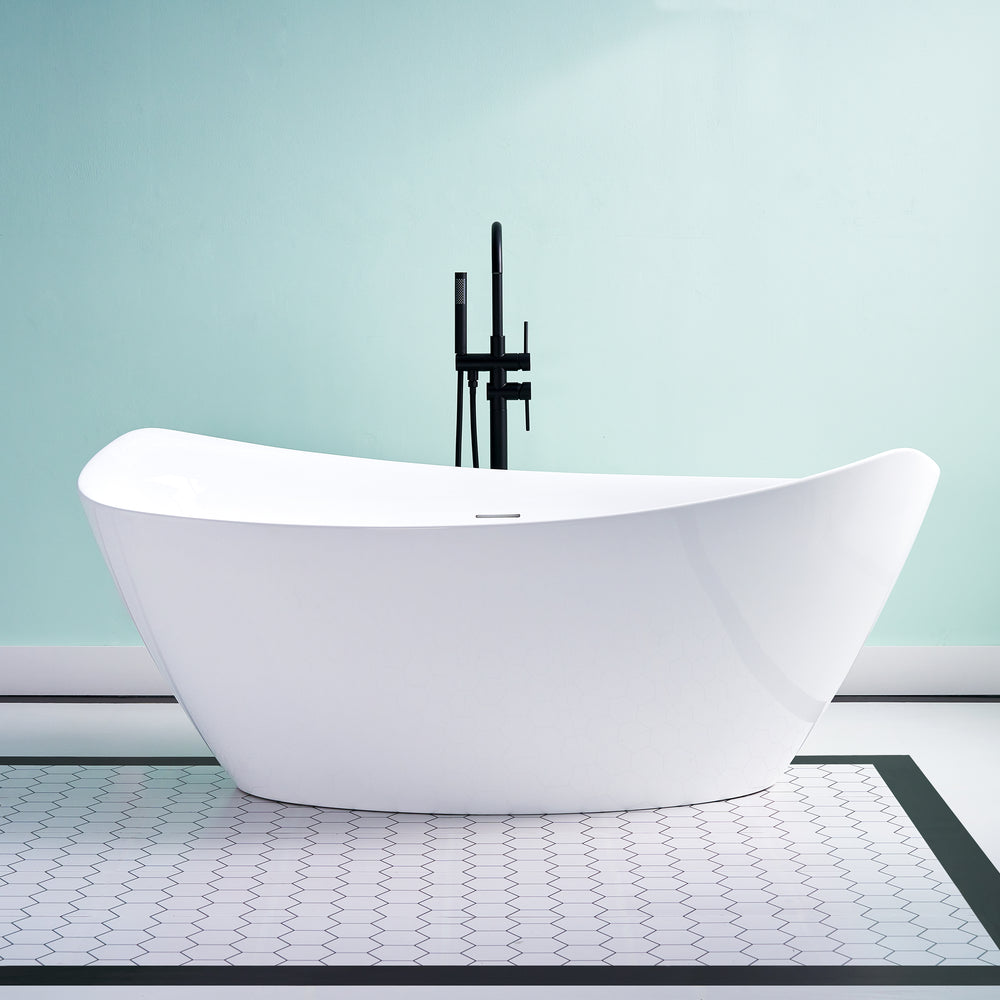
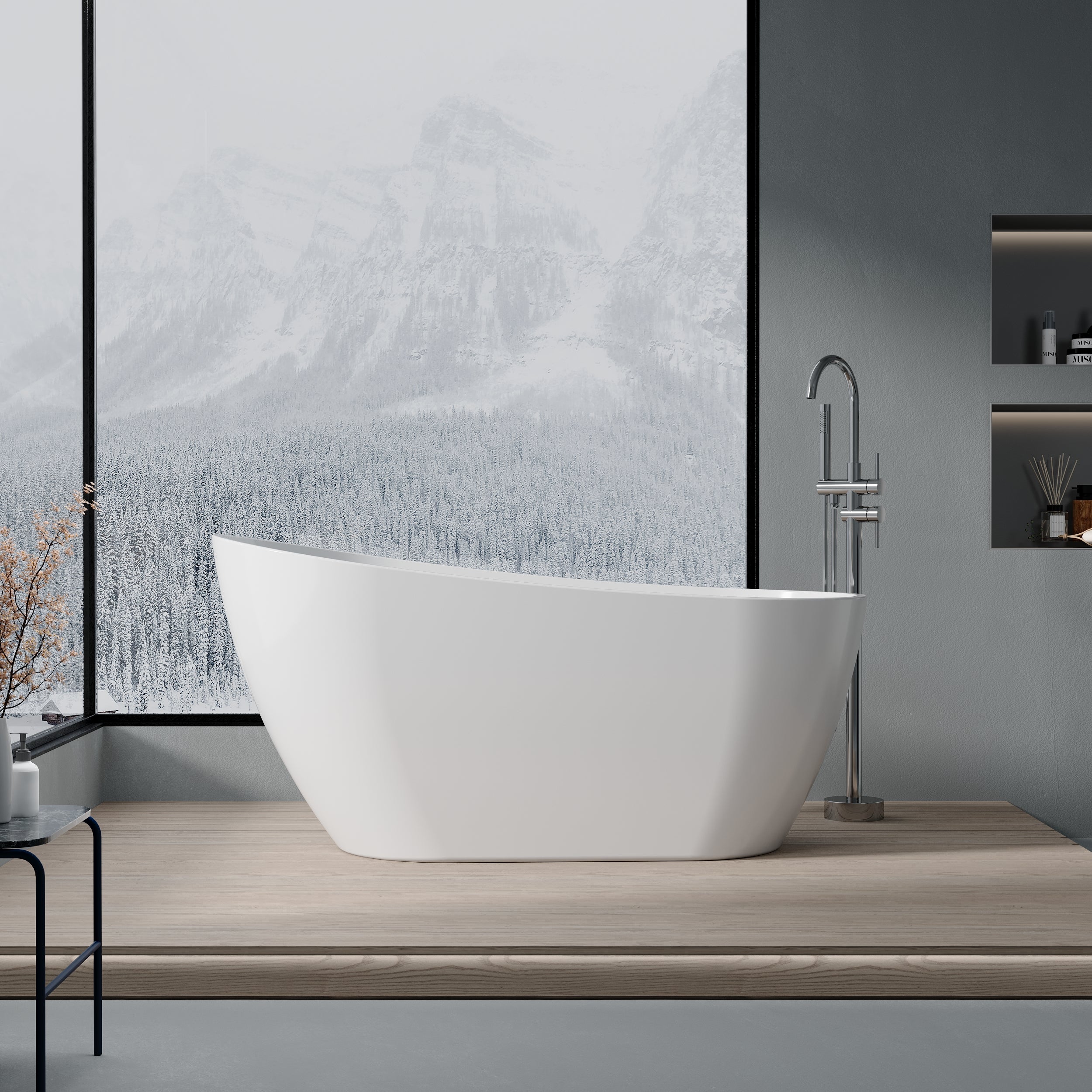
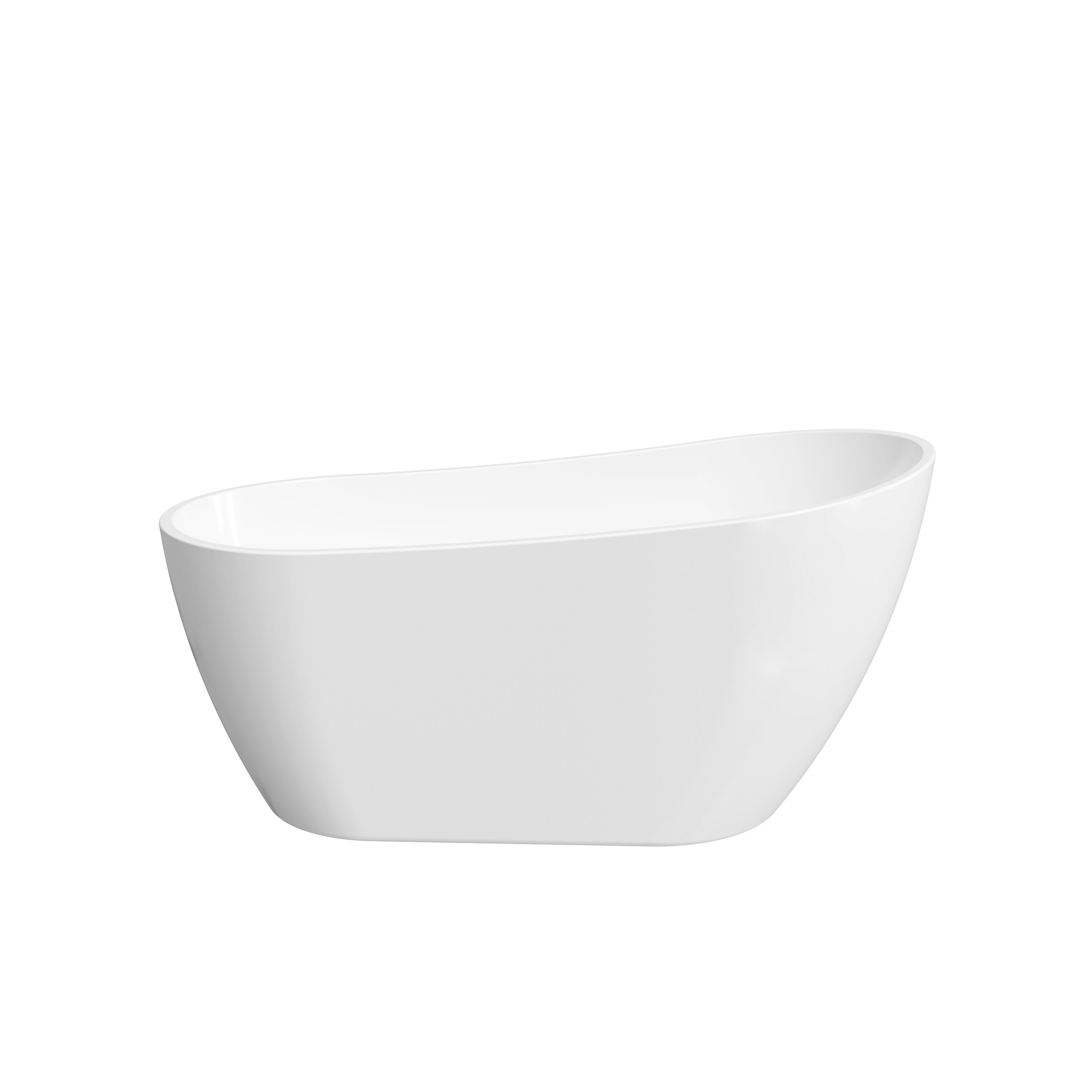
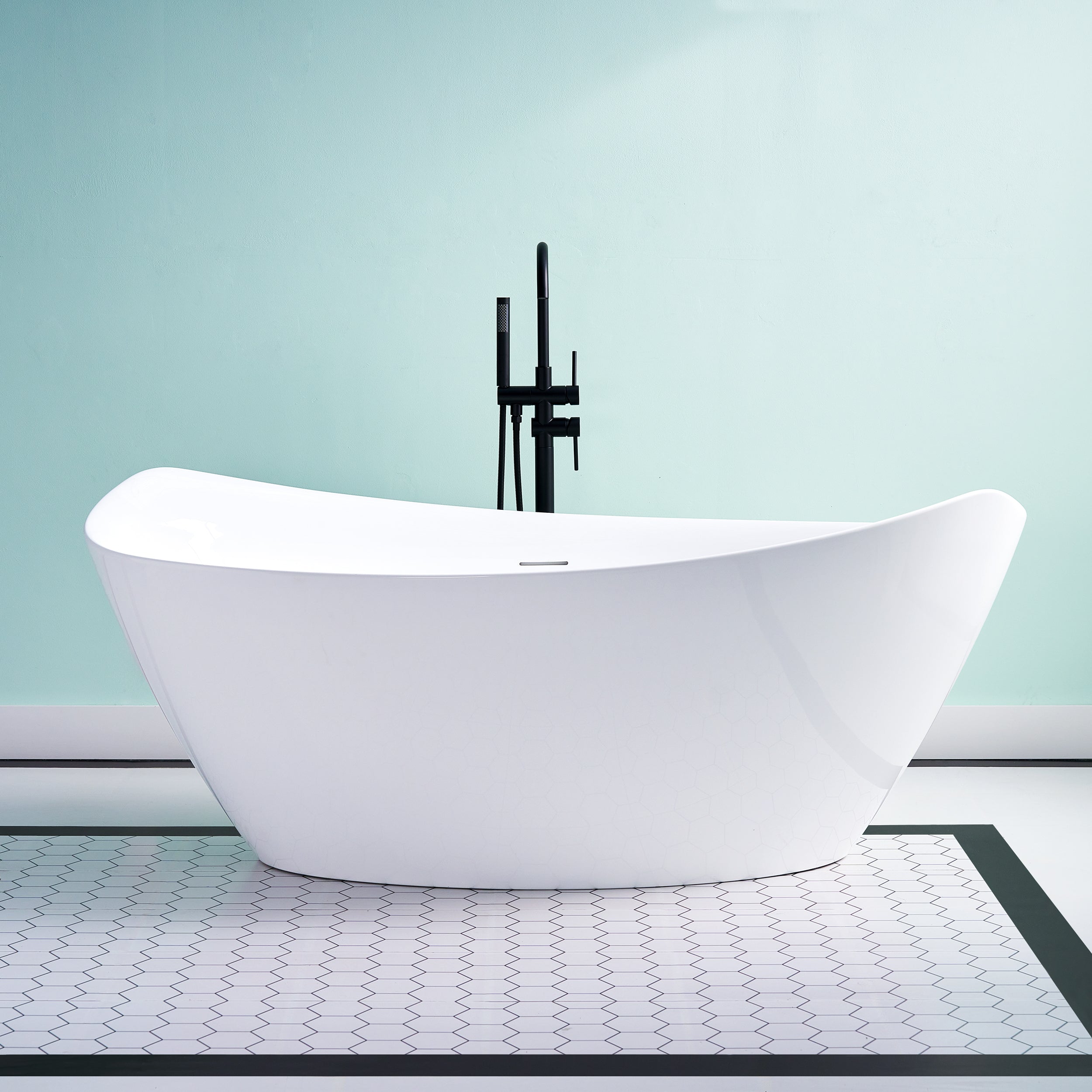
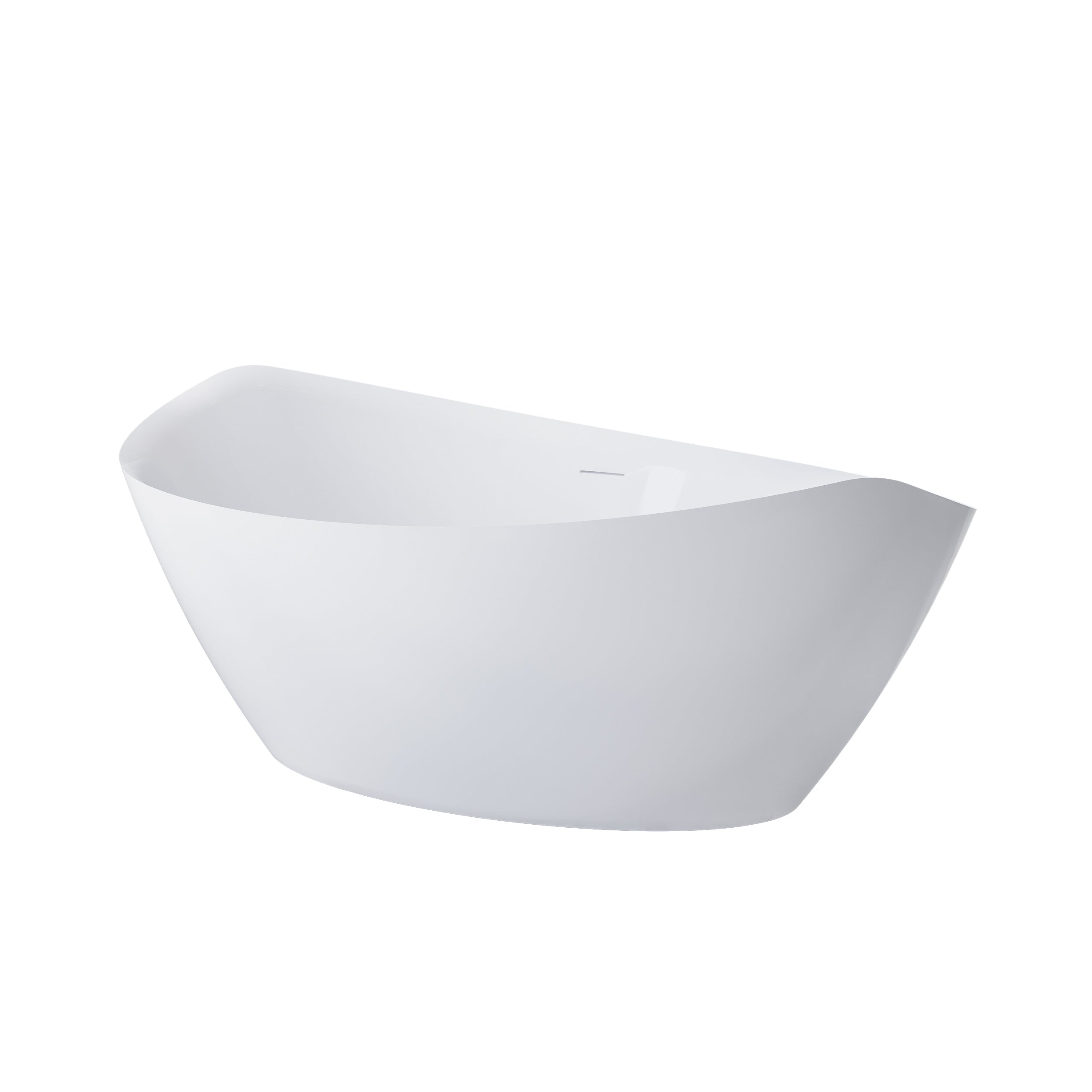
Acrylic bathtubs have become one of the fastest-growing categories in recent years, with their primary advantage reflected in their weight.
Taking a standard 60-inch-long freestanding bathtub as an example, the finished weight of the acrylic material is usually 70-100 pounds, while cast-iron bathtubs often exceed 300 pounds.
The direct benefits of this lightweight feature include lower requirements for the floor structure, greater installation flexibility, and better suitability for renovation projects.
Industry data shows that in the renovation of existing residential bathrooms, over half of the independent bathtubs are made of Acrylic, mainly due to construction difficulties and structural compatibility issues.
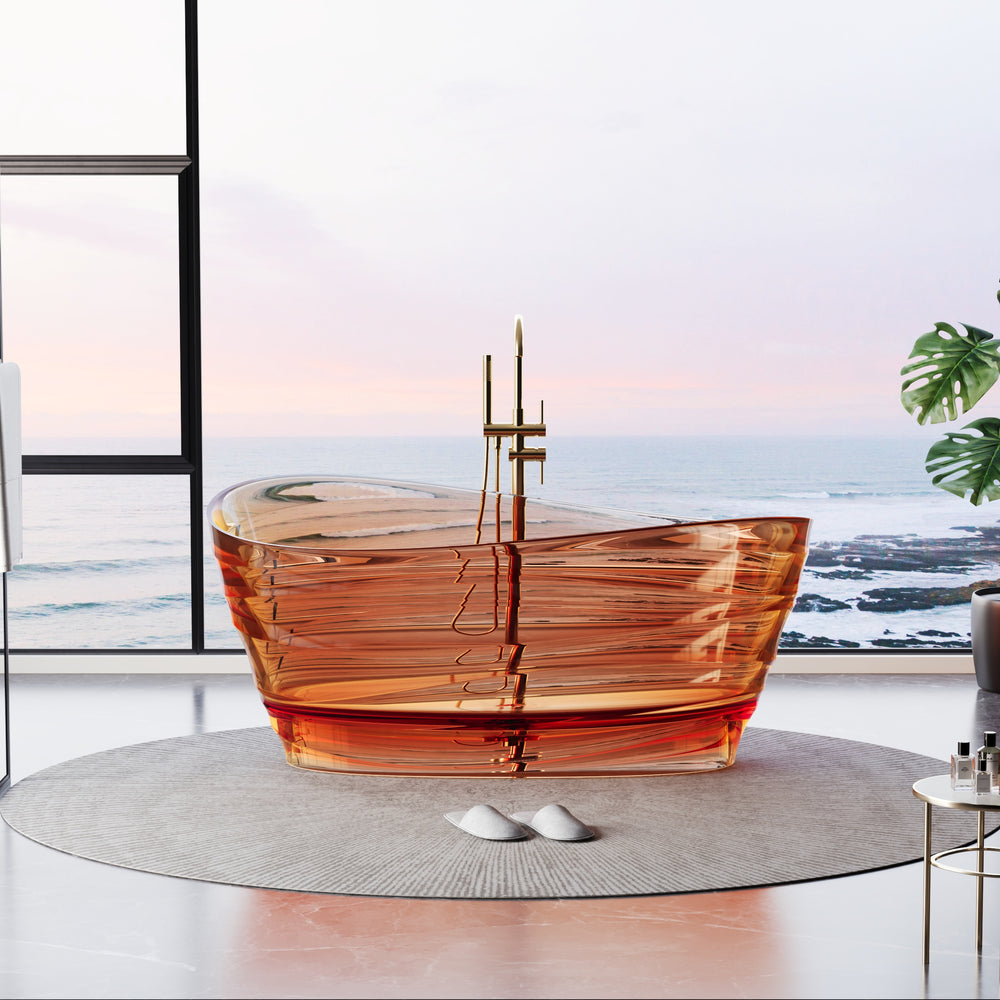
At the design level, Acrylic offers greater plasticity.
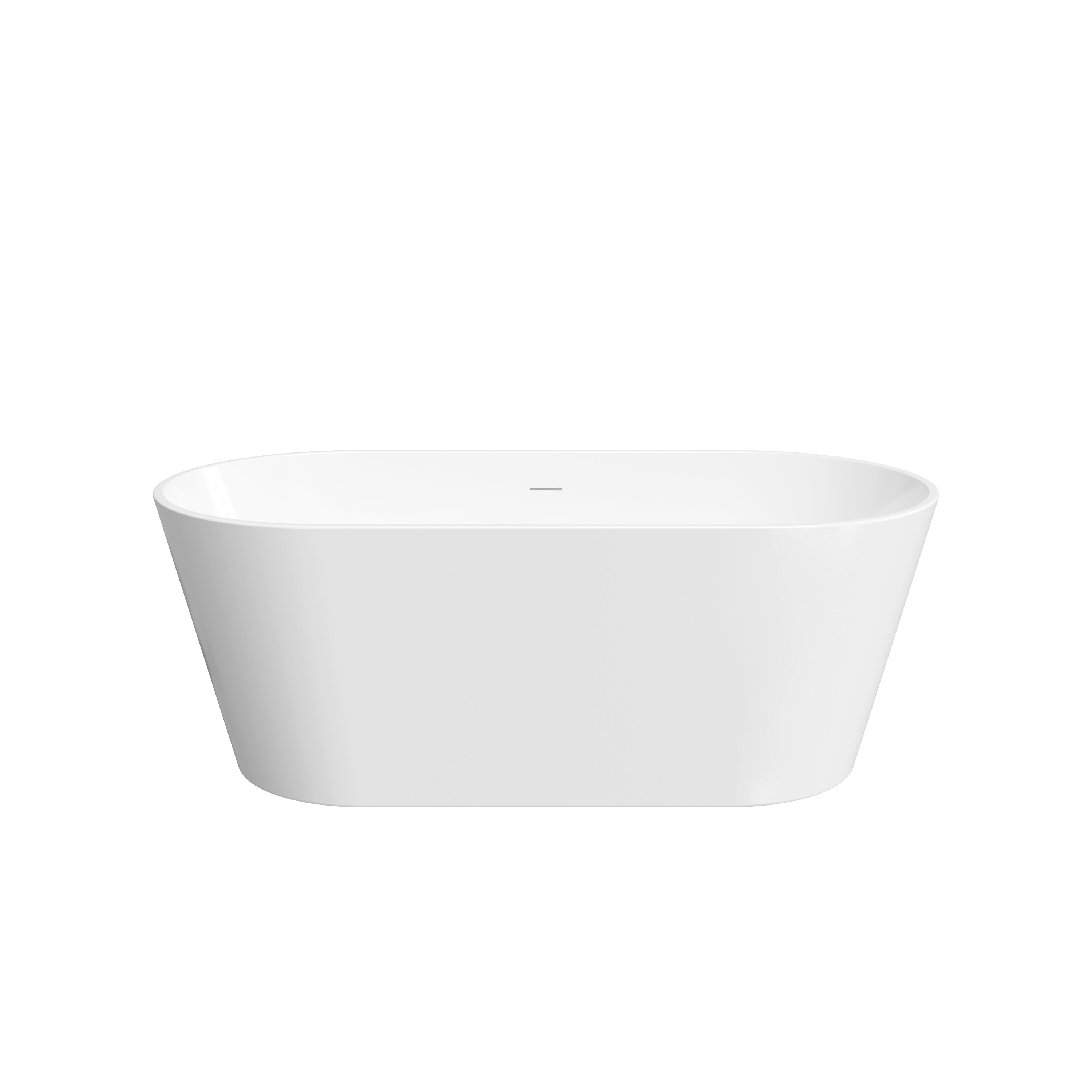
Whether it is an oval, a deep bubble, or a modern shape with thinner edges, it is easier to achieve.
The standard acrylic bathtub is 14-16 inches deep, providing a good soaking experience without appearing bulky.
However, it should be viewed rationally that the surface hardness of Acrylic is relatively low.
Although modern technology has significantly improved scratch resistance, it is still necessary to avoid hard-object impacts and aggressive cleaning methods during long-term use.
3. Cast Iron bathtub: a classic choice for stability and insulation performance
A cast iron bathtub is widely regarded as a symbol of "traditional and reliable," with its core advantages focused on stability and thermal retention.
The cast-iron body with an enamel surface helps maintain water temperature for an extended period after injecting hot water.
Industry test data show that, under the same environmental conditions, the rate of water temperature drop in cast iron bathtubs is significantly slower than that in lightweight materials.
Weight is the most prominent feature of cast-iron bathtubs.
A standard cast iron bathtub measuring 60 inches in length and 30 inches in width, typically weighing between 300 and 500 pounds.
This weight brings a strong sense of stability, with almost no shaking feedback when entering water or getting up.
But precisely because of their weight, cast iron bathtubs require a for stringent installation environment.
Not all spaces are suitable for direct replacement with cast iron materials, especially in upper-level bathrooms, where it is often necessary to assess the structural load-bearing capacity in advance.
4. The implicit relationship between size and material
In practical purchasing, size and material often influence each other.
Acrylic bathtubs offer more options in the 59-67 inch range and can help control overall weight while maintaining a deeper soaking zone.
Cast iron bathtubs are more commonly found in standard sizes around 60 inches, with relatively limited options for oversized sizes.
In addition, edge thickness is also a detail that is easily overlooked.
Acrylic bathtubs can typically achieve thinner edge designs, allowing for greater interior space with the exact external dimensions.
Due to material limitations, cast iron bathtubs appear visually thicker at the edges and have a more "solid" feel.
5. The difference between maintenance and long-term costs
From long-term usage feedback, the difference in maintenance costs between the two materials is gradually becoming apparent.
Acrylic bathtubs are easier for clean daily and are less prone to rusting.
Small-scale surface wear can also be repaired through polishing.
The enamel surface of the cast iron bathtub is very durable, but once it is deeply bumped, the difficulty and cost of repair are relatively high.
However, under normal usage conditions, its service life is often very long, which is why it has always been regarded as a "long-term investment choice."
6. How to determine which material is more suitable for you
If the project focuses on renovation, requires high installation flexibility and design freedom, and aims to offer more styling options in a size around 60 inches, Acrylic is usually a more realistic solution.
If stability, insulation performance, and a classic heavy-user experience are valued, and installation conditions permit, Cast Iron is still an irreplaceable choice.

7. There is no absolute superiority or inferiority in materials, only whether they match or not
From an industry perspective, the long-term coexistence of Acrylic and Cast Iron itself demonstrates their respective irreplaceability.
The truly ideal choice for a bathtub is not the material itself, but the one that is best suited for your space, usage habits, and expected lifespan.
Before making a decision, combining bathroom dimensions (measured accurately in inches), installation environment, daily usage frequency, and preferences for touch and temperature often yields a more regret-free answer than simply comparing parameters.



















Leave a comment
This site is protected by hCaptcha and the hCaptcha Privacy Policy and Terms of Service apply.