
















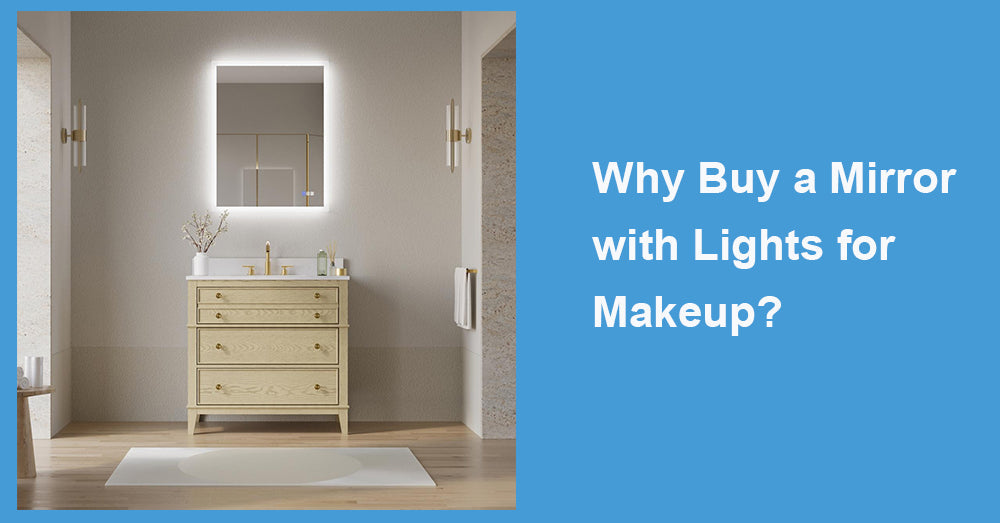
Many people start to worry about "appearance" when buying a makeup mirror, but what really determines the effect of your face every day is often the mirror with lights itself: whether the light direction is correct, whether the color reproduction is true, whether the brightness can be adjusted, whether it will fog up, and whether it will be glaring after prolonged use.
In recent years, in the trend research of home decoration, the proportion of choosing "mirrors with special functions" has exceeded one-third, among which LED lighting and anti-fog are the two most common upgrade points. This indicates that "mirrors with lights" are changing from niche items to more mainstream functional choices.
1. The biggest fear of makeup is not not not not being bright enough, but "shadow+color cast."
In a regular bathroom, many people rely solely on the overhead or back light source for makeup, resulting in:
Obvious shadows appear in the eye socket, nose wing, and chin → foundation make-up is easy to be weighted or not evenly applied.
The color looks right, but the car rolls over when walking under natural light or office light → the color number of lipstick, powder blusher, and concealer is distorted.
You will unconsciously get closer and closer to finding the light → You can see the details clearly, but the overall proportion and transition are actually more difficult to judge.
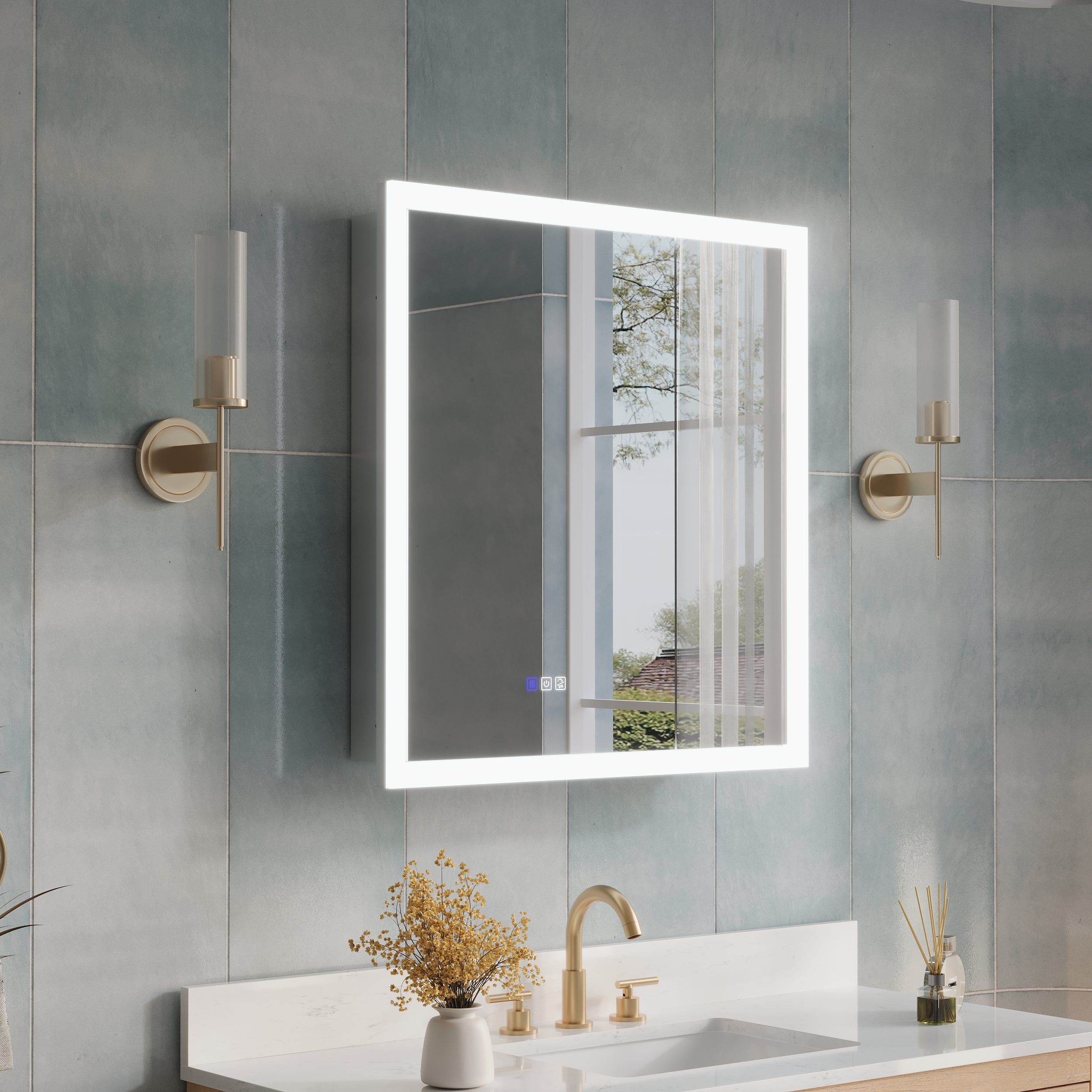
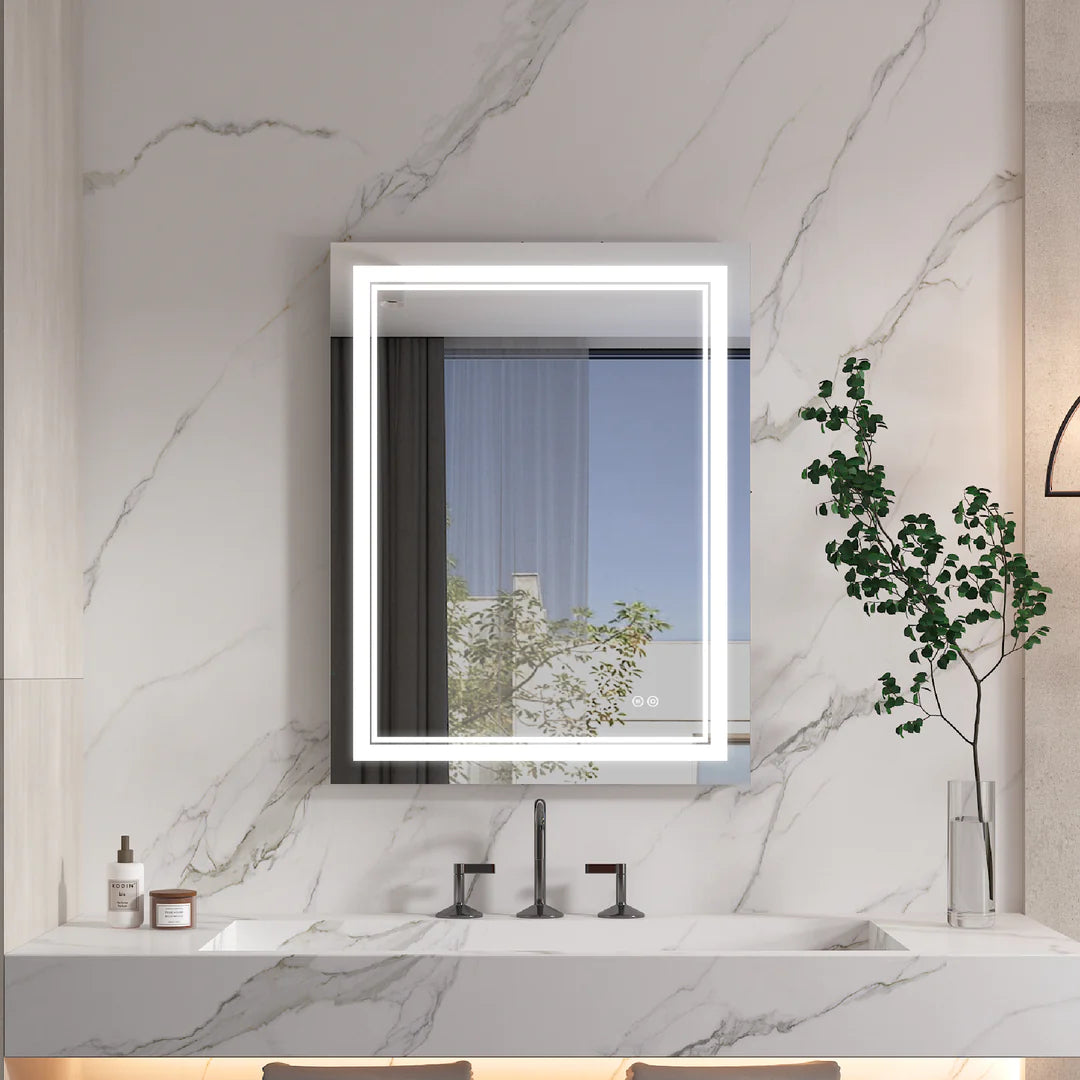
The core value of a light mirror is to bring light to the front of your face, using more uniform and controllable lighting to reduce shadows and color cast, allowing you to see makeup effects that are closer to the real environment.
2. Why is "mirror side/front fill light" more suitable for makeup?
The industry standard for bathroom lighting planning is straightforward: task lighting for the washbasin should be arranged next to the mirror, at eye level, and should avoid direct light from the bulb hitting the eyes whenever possible to achieve uniform surface lighting and reduce facial shadows.
That's also why many "useful makeup with illuminated mirrors" use:
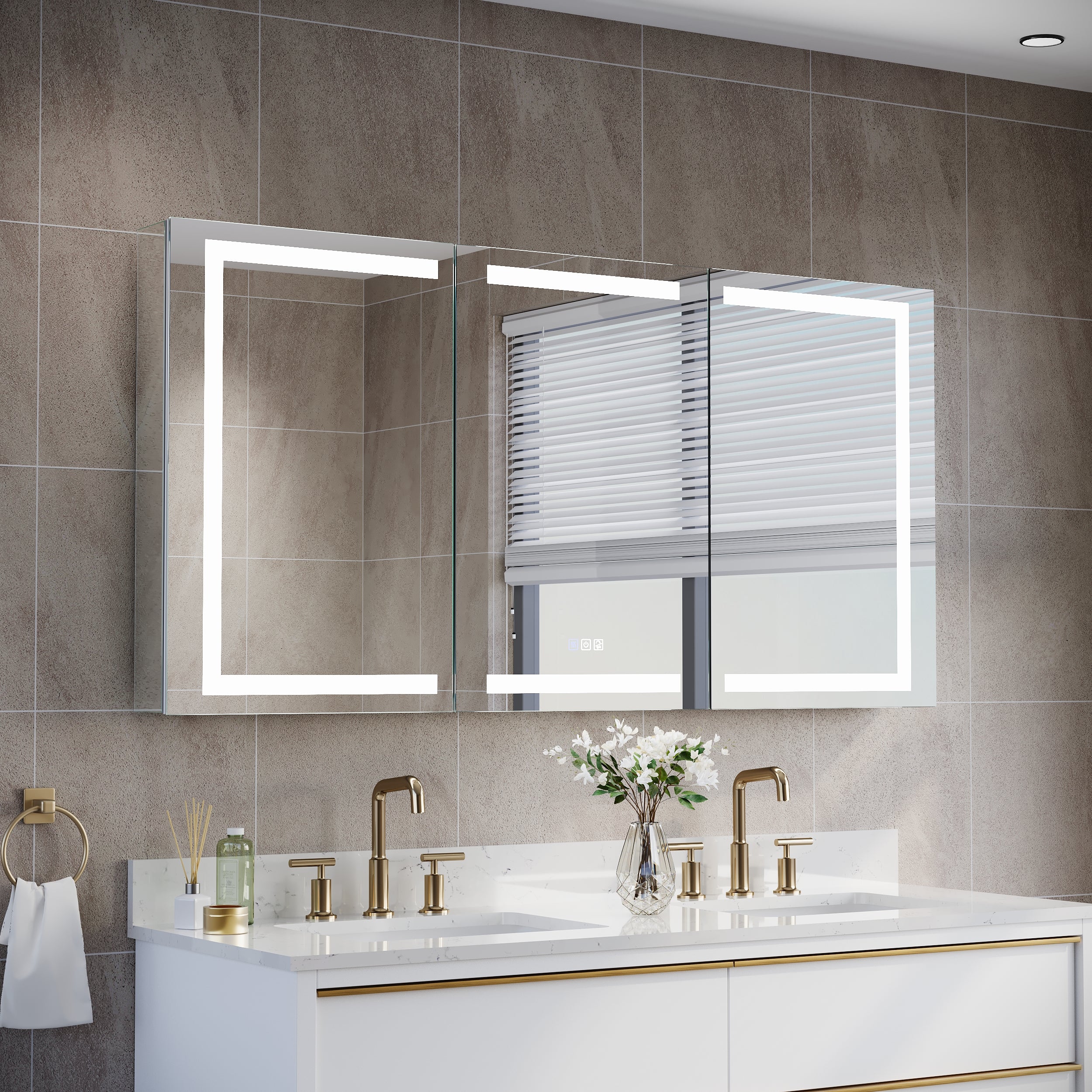
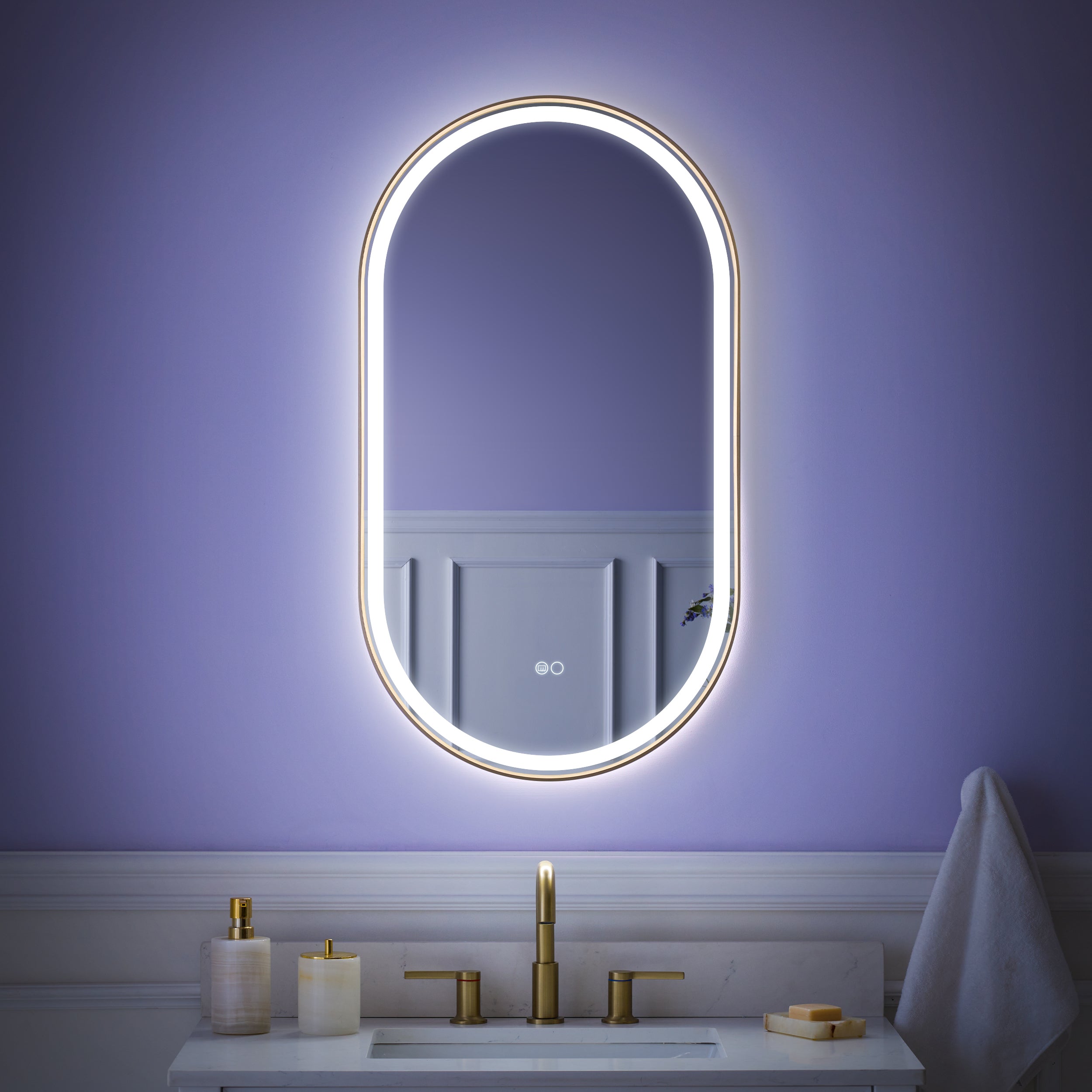
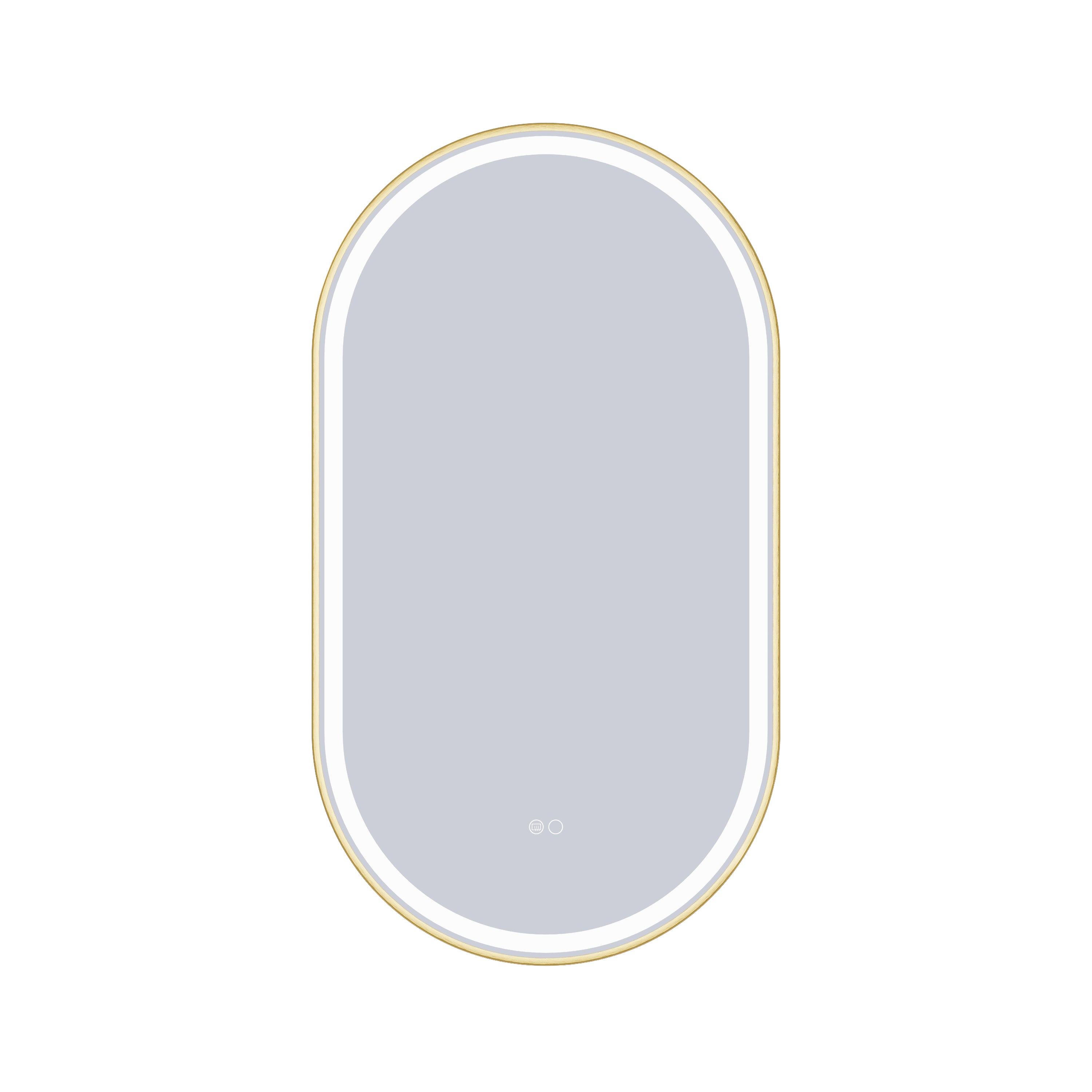
Mirror front illumination (circular/bar diffuse)
Or mirror lateral fill light (more like portrait fill light logic)
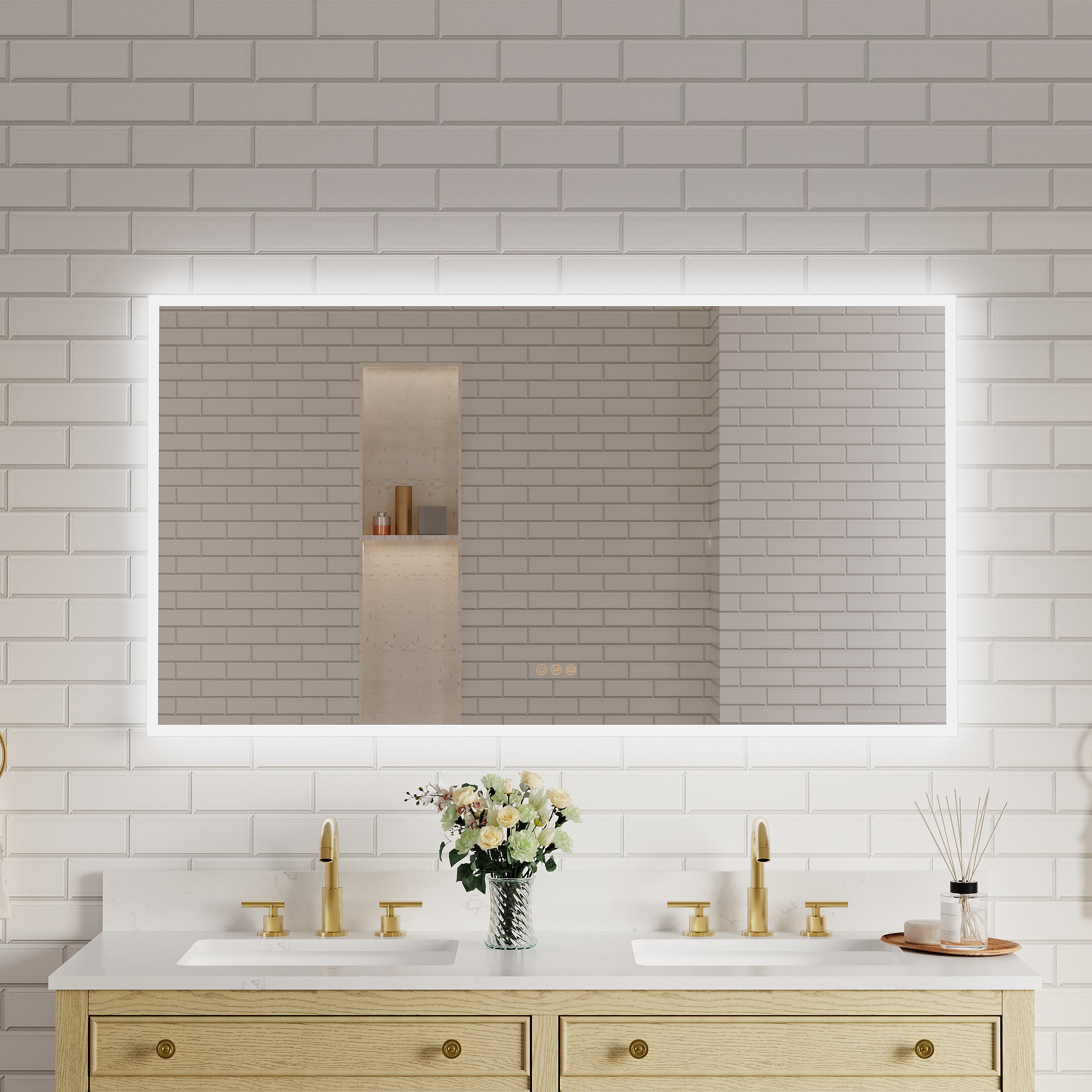
Not just a 'backlight circle'. The backlight atmosphere is great, but if there is only backlight, the face illumination is often not "task-oriented" enough.
3. For makeup, CRI (color rendering) is more important than 'bright blind.'
What makeup needs is accurate color: foundation, makeup in cold and warm tones, concealer in gray, lipstick in red tones, powder blusher in orange tones... All of these depend on color rendering ability. Many lighting and product guides suggest that for makeup lighting, the CRI should be 90 or higher, closer to the color rendering of natural light.
You can understand it as:
Brightness determines how clearly one can see.
Color rendering determines whether "seeing clearly is right."
If you often feel that 'looking good in the mirror is strange when you go out', the priority is not the mirror's size, but whether the color rendering and color temperature of the light source are stable.
4. How to choose color temperature: Don't pursue "internet celebrity cool white", pursue "adaptability to multiple scenes."
A more practical approach is to make the mirror have adjustable color temperature and brightness:
Daytime commuting/indoor office makeup: use a more neutral color temperature for stability (less likely to appear dirty or yellow)
Night party/restaurant lights: using a warmer color temperature can "rehearse" the environment in advance, avoiding makeup appearing abrupt in warm light
Take photos/videos: Increase the brightness appropriately, but avoid getting too cold and causing the skin to turn blue.
One sentence: Adjustable, more durable than fixed. There is not only one lighting environment in your life; if the mirror has only one mode, you will definitely regret it in the long run.
5. Anti-fog is not a gimmick; it is the key to increasing usage frequency
If your bathroom is damp and the ordinary mirror fogs up, it can disrupt your makeup and skincare routine. Trend research shows that an anti-fog function is also a common choice in mirror upgrades.
Mirrors with lights are often paired with anti-fog because they all point towards the same result: making the mirror more "ready to use" in real-life scenarios.
6. Size and installation: Don't just buy it and find out that it can't be installed despite being well photographed
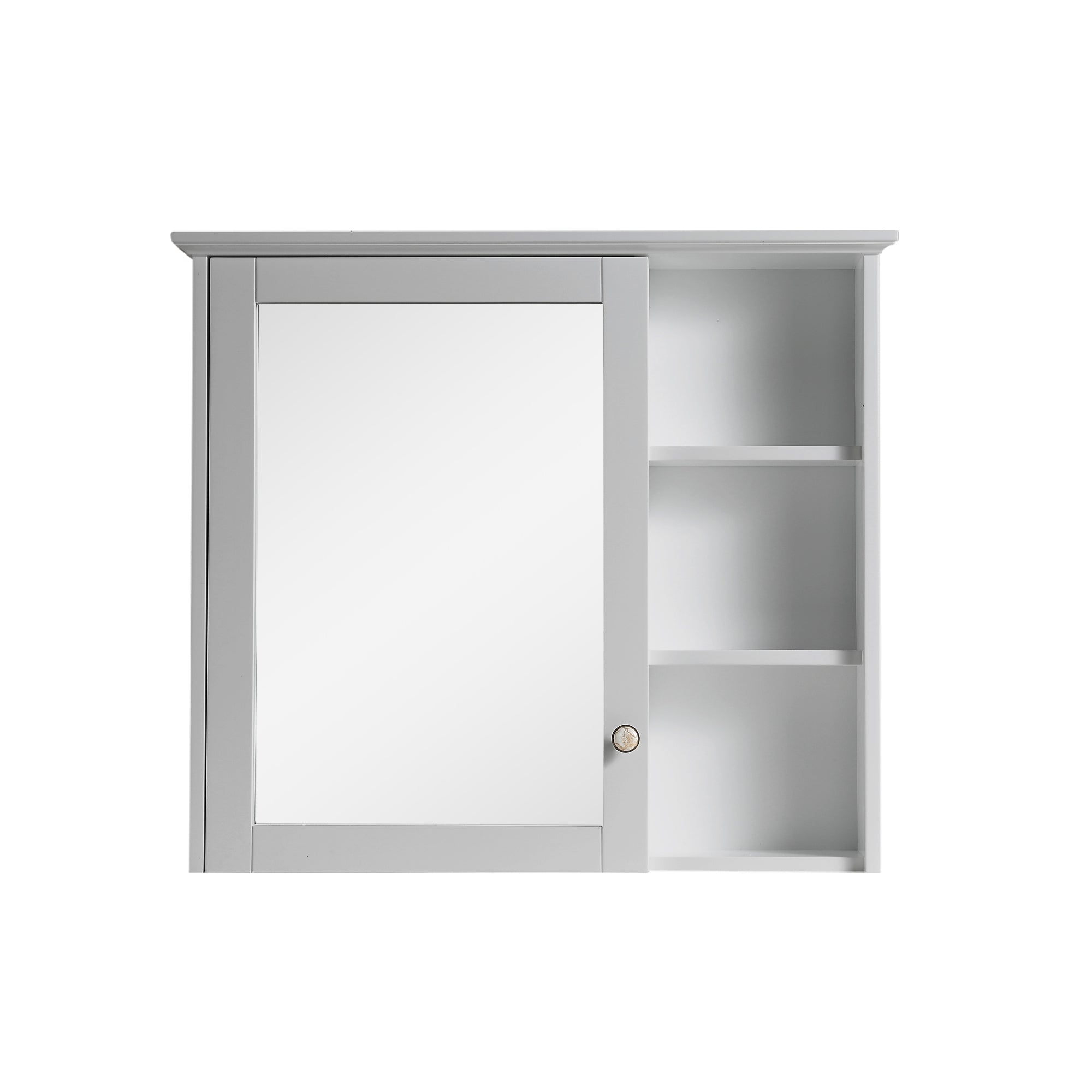
Mirrors with lights (especially mirror cabinets) rely more on installation conditions than ordinary mirrors, and there are three common pitfalls:
① Height and light position conflict
If you still plan to install a light strip above the mirror, a common planning suggestion is to arrange the position of the light fixture at around 78-84 " above the ground (for standing use), which will affect the height and upper edge space of your mirror.
Solution: Either hand over the fill light to the illuminated mirror itself, or pre-paste the outline of the mirror on the wall to align with the light position.
② Unreasonable power/switch position
The lighting planning guidelines also state that lighting controls (switches) are usually recommended within a reachable range of 15"-48" from the ground.
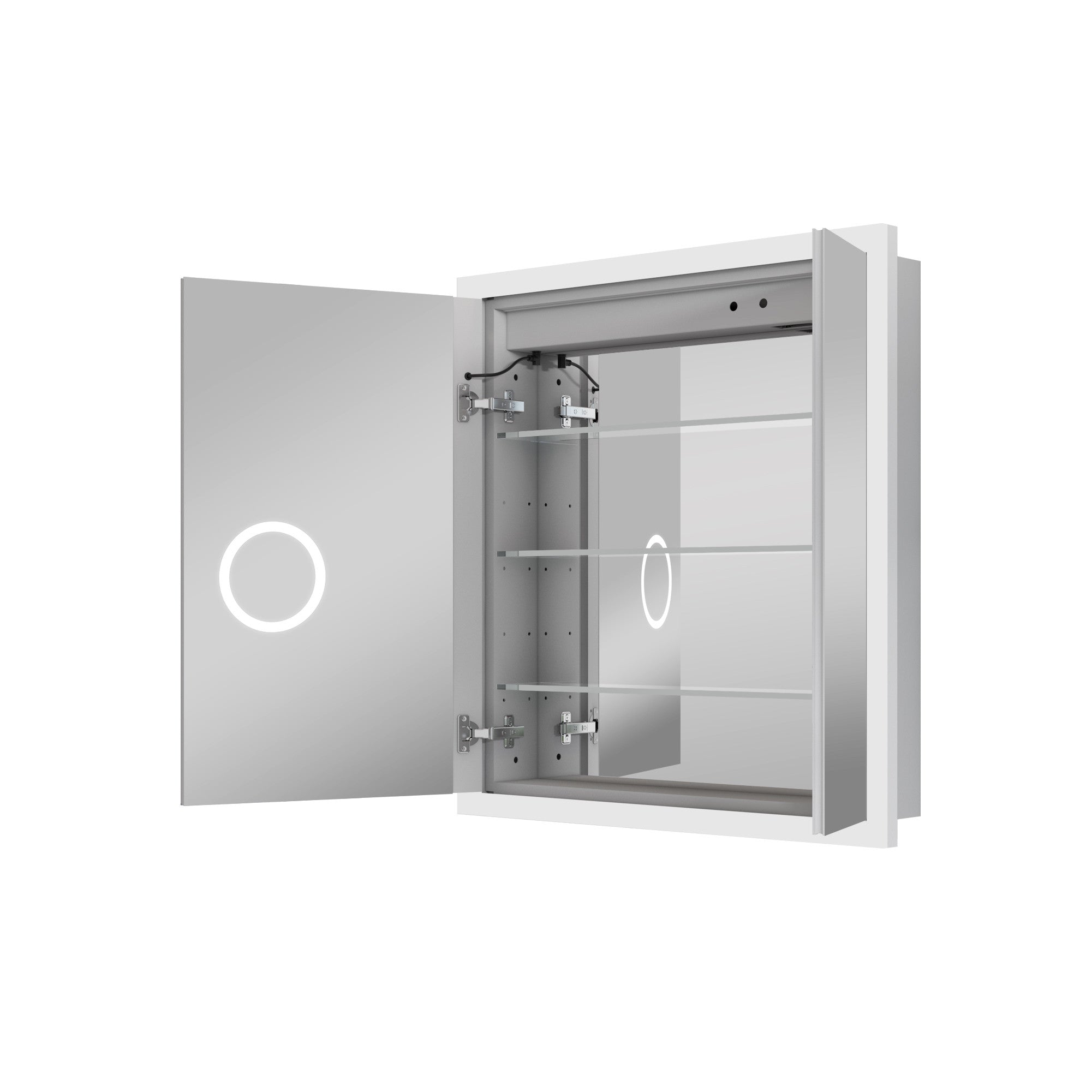
You need to consider in advance where the socket is, how to route the wiring, and whether to hide the cable tray with a light mirror.
③ The proportion of the mirror is incorrect
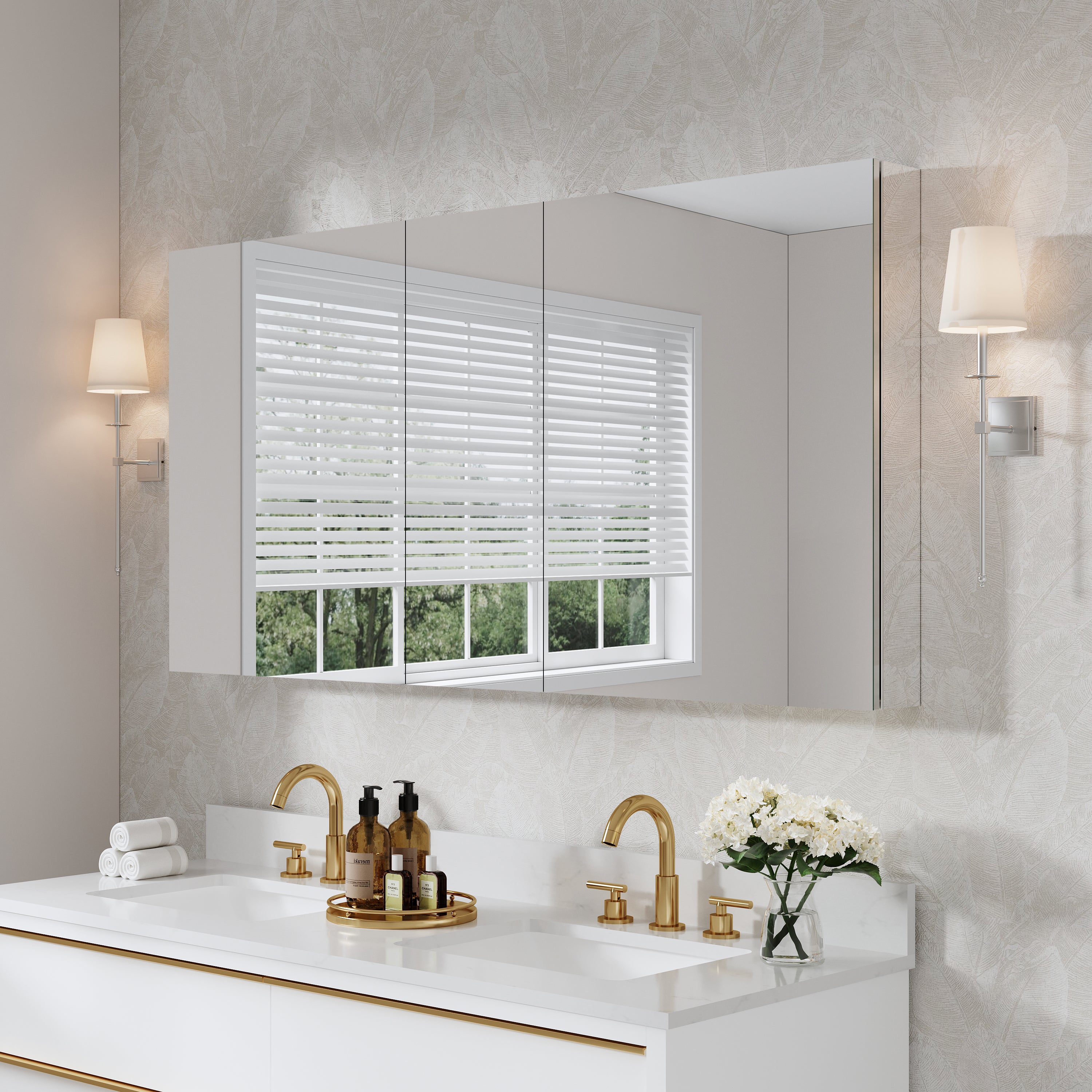
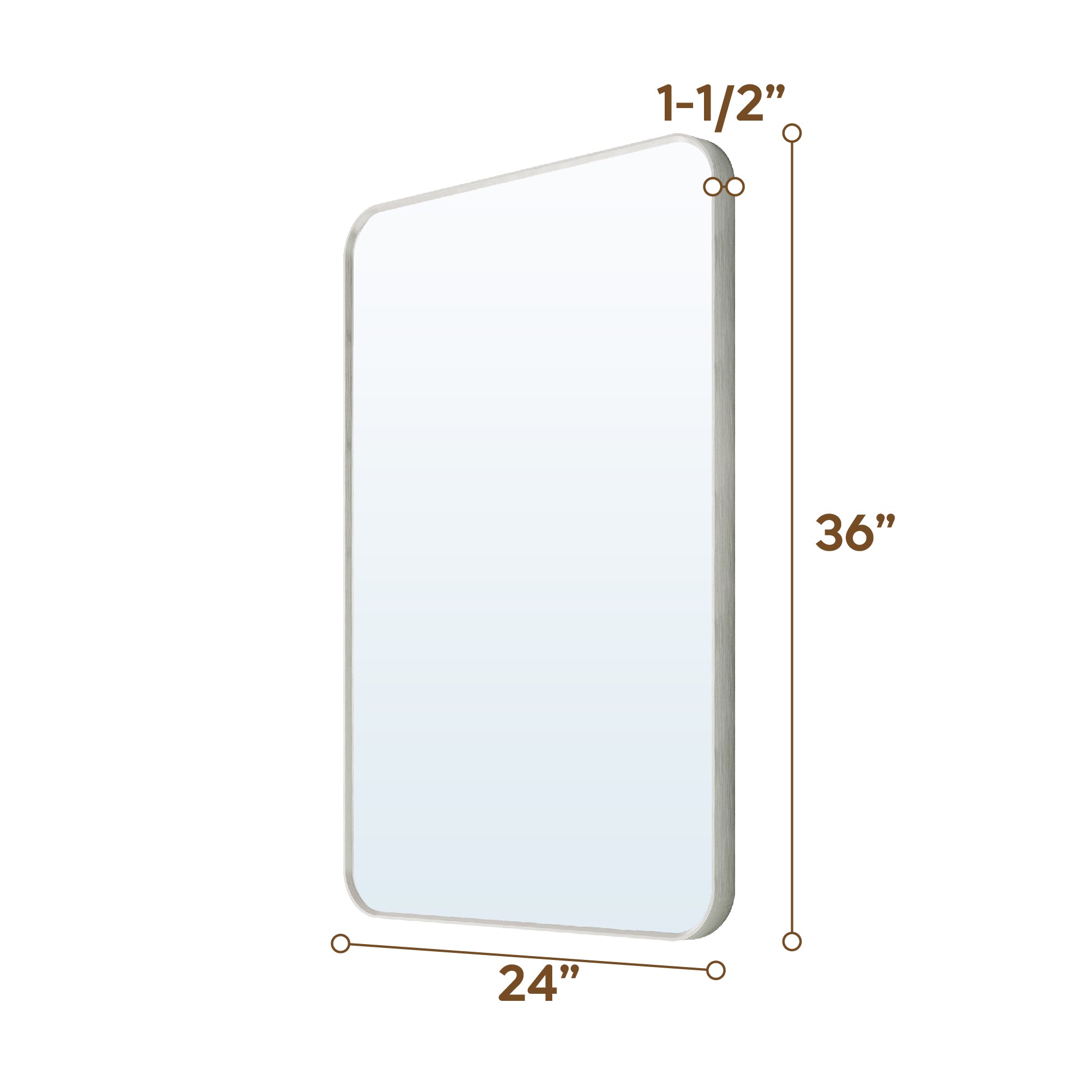
Makeup with a light mirror is easy to buy in smaller sizes due to the fear of being too big, resulting in concentrated light spots and uneven illumination. The common practice is to make the mirror as wide as possible to "catch the tabletop":
24 "-30" countertop: Mirror width is more commonly between 20 "-28."
36 "countertop: mirror width 30" -36 " for greater stability
48 "countertop: mirror width of 40" -48 " for better coordination
7. Long-term cost: Why are almost all LED lights used with mirrors?
In addition to experience, LED also offers practical long-term advantages: energy-saving studies indicate that residential LED (especially high-efficiency certified products) usually saves at least 75% of energy and has a lifespan up to about 25 times that of incandescent bulbs.
This means that you are more willing to turn it on, more daring to turn it on, and do not have to frequently change the light source - for the "mirror that needs to be used every day", this is practical value.
8. The last sentence: What you bought is not a "mirror", but a "more stable makeup effect."
If you often encounter: inconsistent makeup under different lighting, difficulty judging details, bathroom fogging affecting rhythm, and unclean base makeup when taking photos, then the meaning of wearing a light mirror is very clear:
Remove uncertainty from the makeup process by using more uniform front fill lighting, higher color rendering, and more controllable color temperature and brightness.

9. Choose a suggestion to end with one sentence:
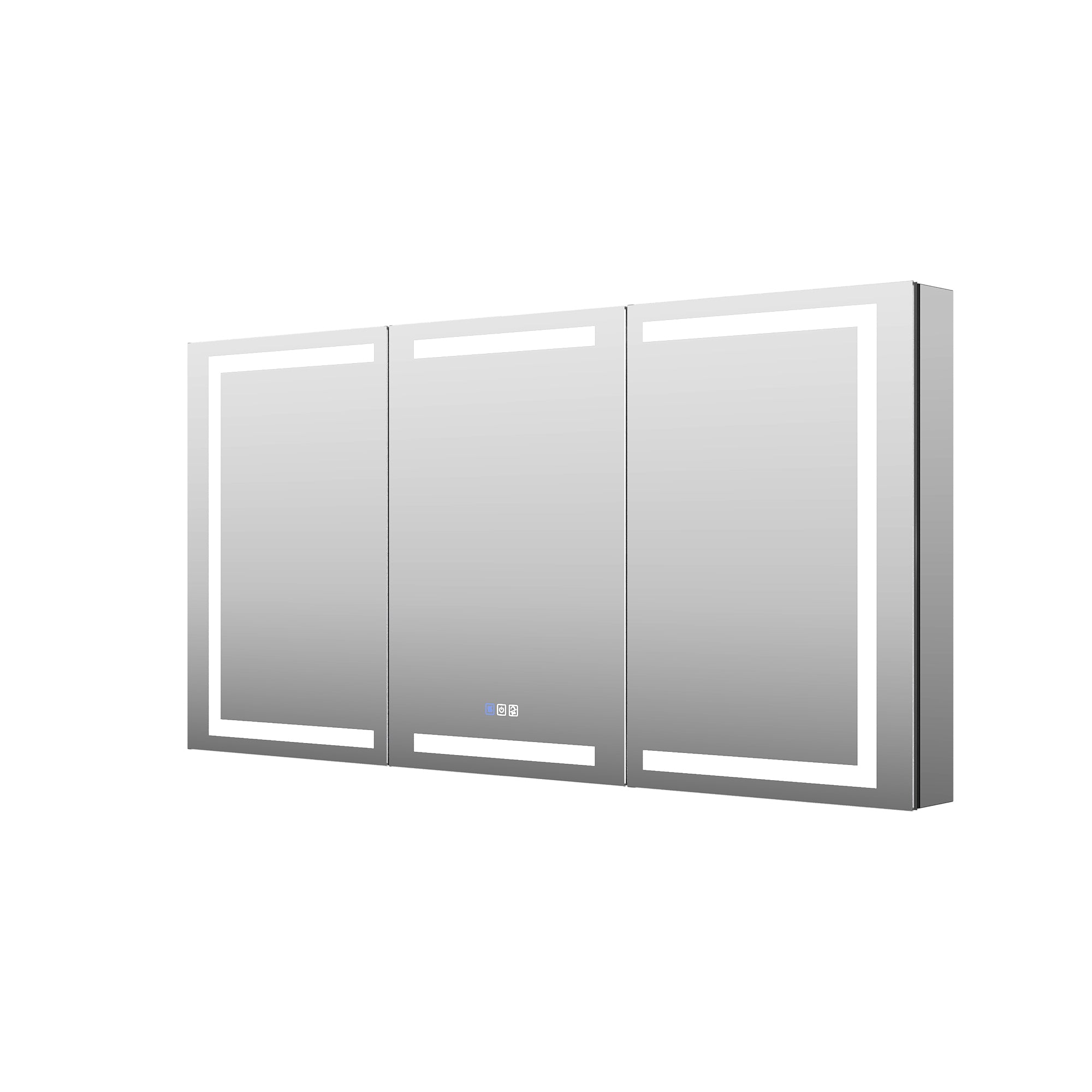
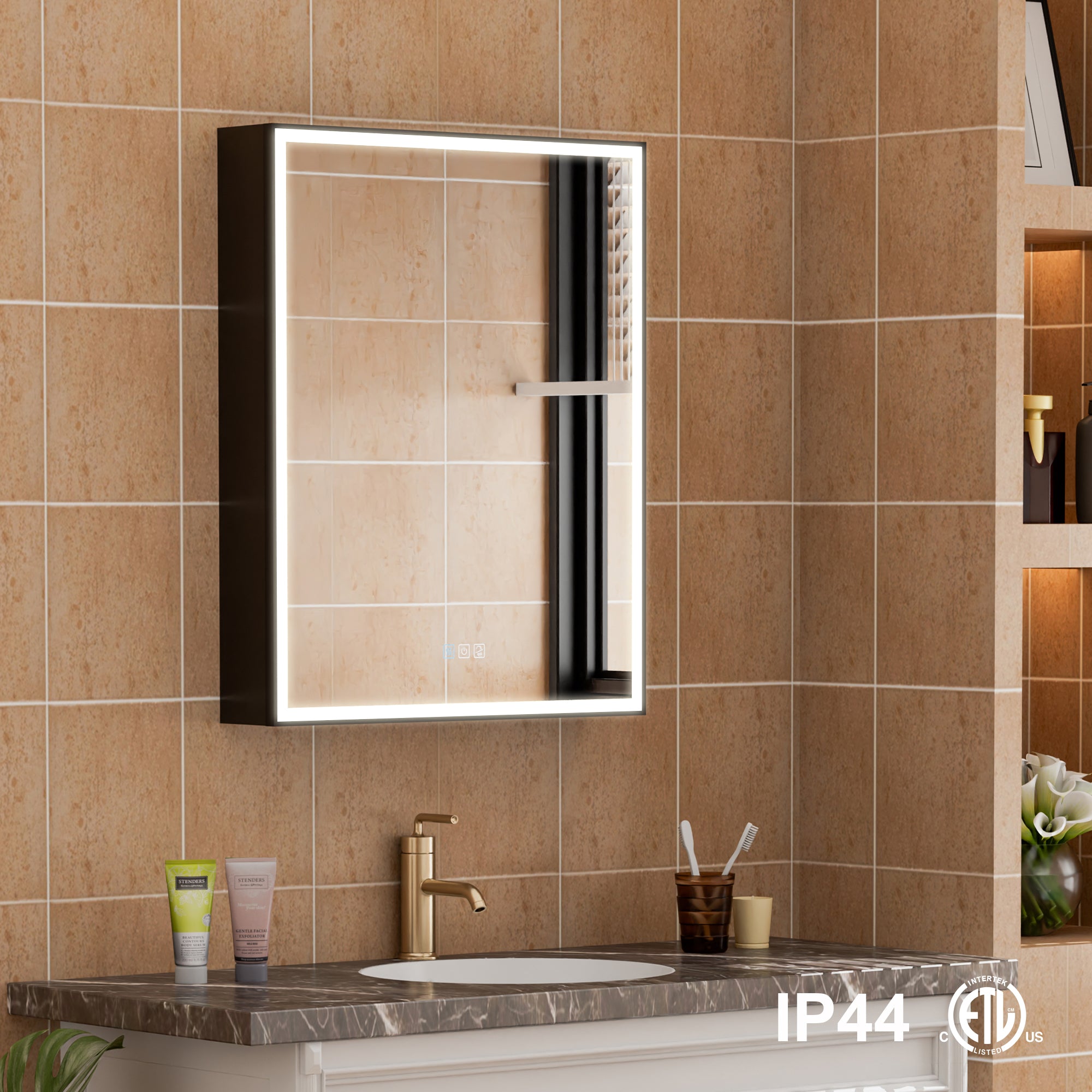
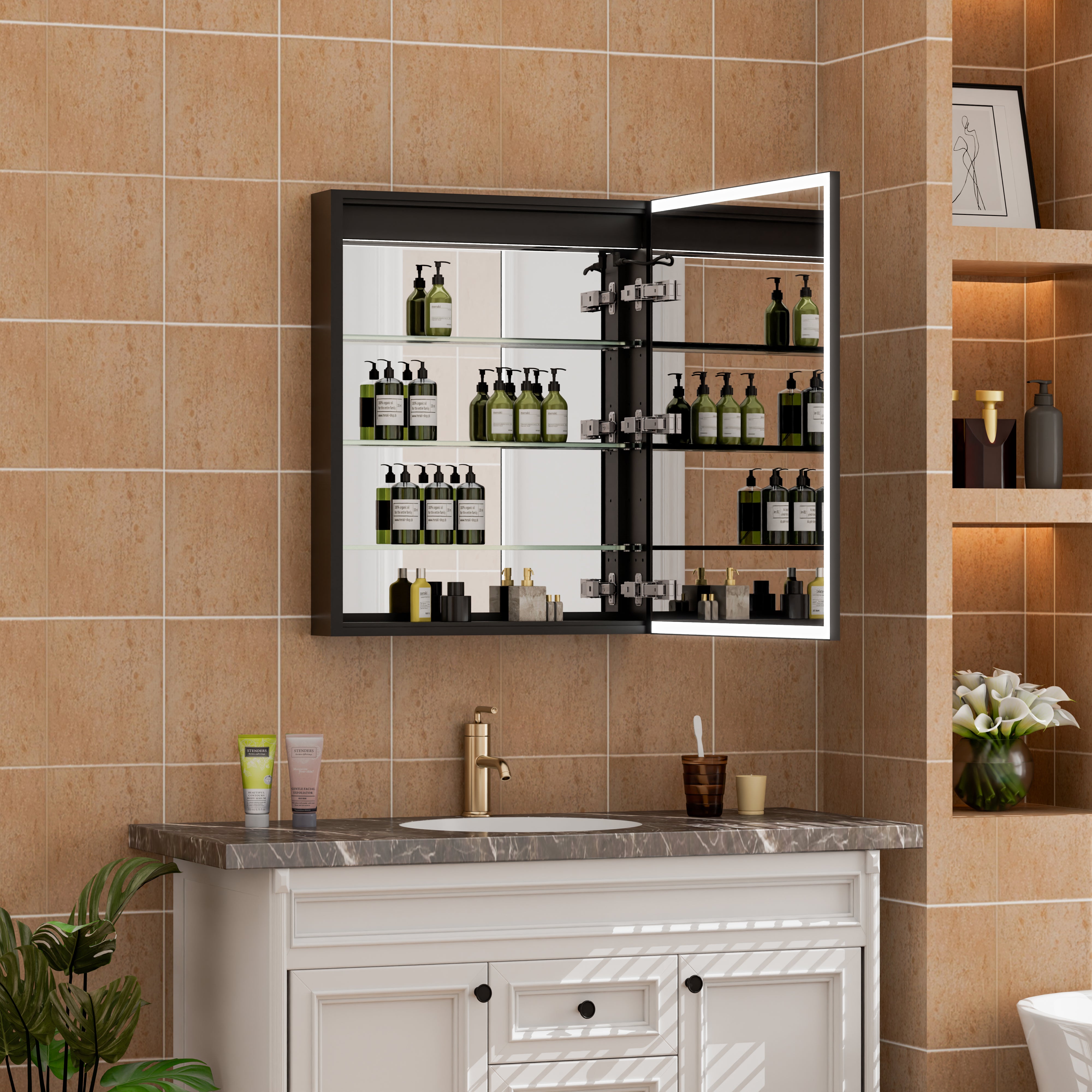
Prioritize "accurate makeup": choose a mirror with front-facing illumination/side-facing fill light, CRI 90++ adjustable color temperature/brightness, and anti-fog.
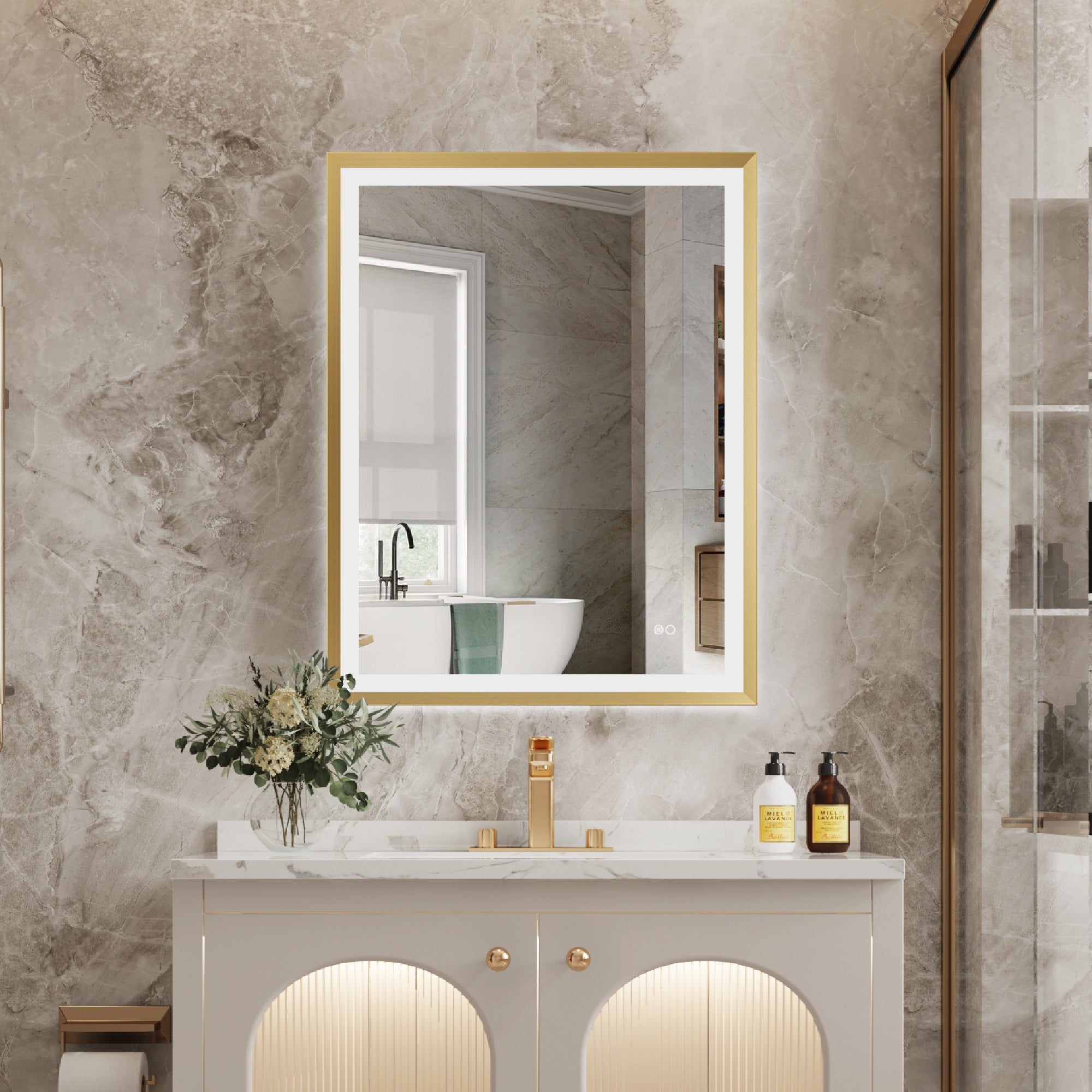
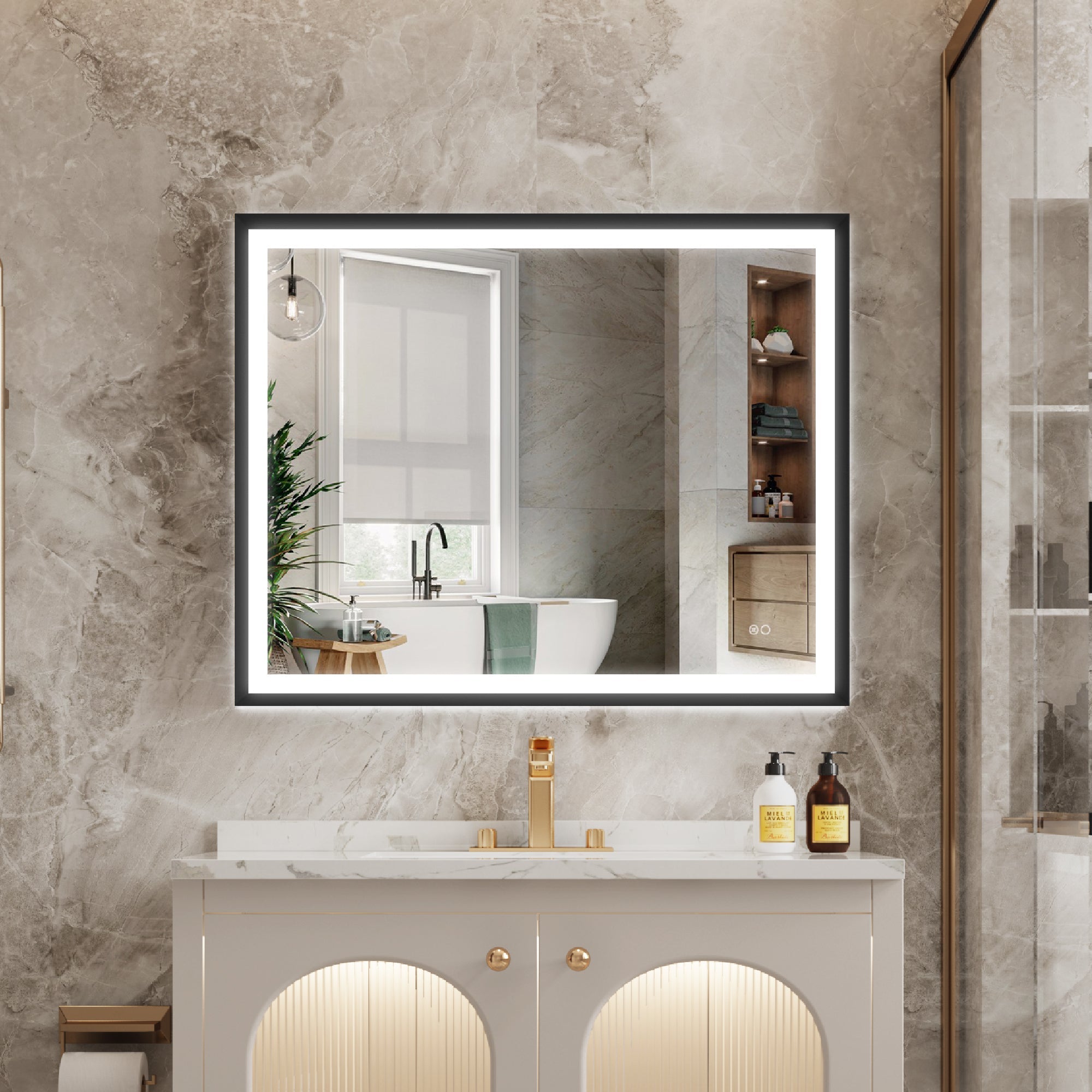
Prioritize a "high-end atmosphere": Backlights can be beautiful, but it is best to retain some positive fill light. Don't rely solely on backlighting to "see the outline" and not see the color clearly.












Leave a comment
This site is protected by hCaptcha and the hCaptcha Privacy Policy and Terms of Service apply.